
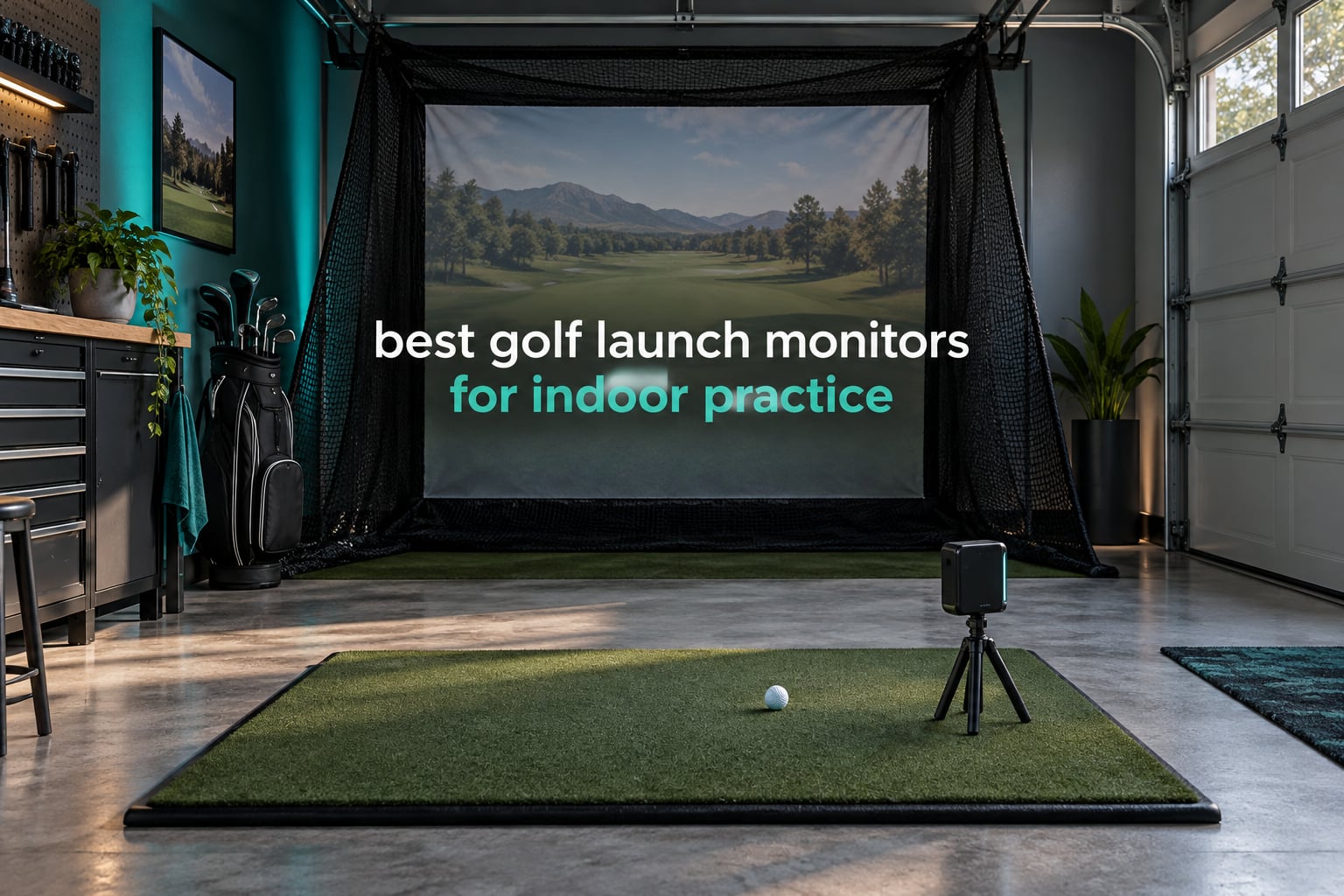
Every winter, the same question lands in our inbox: which launch monitor actually works in a garage or a basement? After comparing ten indoor-capable devices on paper, on spec sheets and against owner feedback, the Rapsodo Mobile Launch Monitor is our pick for the best golf launch monitors for indoor practice, because it sits at the entry point of this list and still gives you ball speed, launch angle, carry distance and video on every single swing.
That answer only holds for one kind of room though. A golfer with a 10 foot ceiling in a spare room has a completely different shortlist than someone with a nine-foot-high garage bay, and the single biggest reason a monitor disappoints indoors is not accuracy. It is placement, lighting, and the subscription that arrives in month two. We break down all three below so you can match the hardware to the room you actually have.
Everything here has been scored on the same four questions: does it measure spin or estimate it, how much depth does it need behind the ball, what does it cost to own after the first year, and what does it refuse to do. Nothing in this list is a range-only speed gun dressed up as a simulator.
Table of Contents
Top 3 Indoor Launch Monitors for October 2026
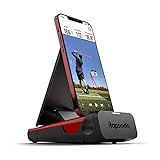
Rapsodo MLM
- Ball speed and launch angle
- Carry distance and shot shape
- Integrated video with shot tracer
- Pocketable with carry case
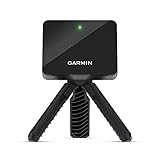
Garmin Approach R10
- Club speed and ball speed
- Spin and launch angle
- Tripod and phone mount included
- Auto video with metric overlays
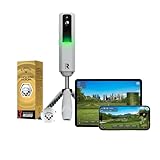
Rapsodo MLM2PRO
- Doppler radar plus dual cameras
- True spin rate and spin axis
- Slow-motion impact video
- Three RPT balls included
Every Indoor-Capable Monitor in October 2026
All ten devices below fit the brief of measuring shots indoors. They are not equal, so the table sorts them by what each one actually does rather than by price alone.
| Product | Specifications | Action |
|---|---|---|
| Rapsodo Mobile Launch Monitor |
|
Check Latest Price |
 PRGR HS 130-A PRGR HS 130-A |
|
Check Latest Price |
| Garmin Approach R10 |
|
Check Latest Price |
 Voice Caddie SC200 Plus Voice Caddie SC200 Plus |
|
Check Latest Price |
 Garmin Approach G80 Garmin Approach G80 |
|
Check Latest Price |
| Rapsodo MLM2PRO |
|
Check Latest Price |
 TheStack Radar TheStack Radar |
|
Check Latest Price |
 Garmin Approach R50 Garmin Approach R50 |
|
Check Latest Price |
 Uneekor EYE MINI CORE Uneekor EYE MINI CORE |
|
Check Latest Price |
 Izzo Launch Master Izzo Launch Master |
|
Check Latest Price |
Camera vs Radar: The Technology Split That Decides Your Indoor Buy
Radar (Doppler) monitors bounce radio waves off the ball and club from a position behind the tee, then estimate spin from the shape of the flight. Camera (photometric) monitors photograph the ball and club at impact and measure spin directly. That single difference explains almost every indoor buying decision you are about to make.
Radar wins on flexibility. A radar device can sit six feet behind the ball, throw numbers at a garage door and then go straight into your bag for a range session. It also cares far less about your lighting, which matters if you practice in a dim basement at night. What it loses is short-game accuracy: the spin figures on a wedge are inferred from descent rate, and golfers reliably notice those numbers disagreeing with their real ball.
Camera systems win on precision indoors, especially from mid-iron down. Because they watch the club and ball directly, they read face-to-path and impact location rather than guessing. The cost is rigidity. They need a fixed position, a decent hitting area, and consistent illumination, and a dim room or a strong window can degrade readings noticeably.
Because of that, we label every product in this guide. Indoor Only means it works best in a fixed bay and gains little outdoors. Hybrid means it performs credibly in both a net and a range bay. Range-leaning means speed and distance only, with no meaningful launch or spin data at any distance.
Two more terms decide whether you are actually happy. Measured spin is measured. Estimated spin is calculated from flight, and it is the single most common reason golfers distrust an inexpensive indoor monitor. If your practice goal is wedge spin and face control, a radar unit will frustrate you no matter how good its other numbers look.
1. Rapsodo Mobile Launch Monitor – Best Budget Indoor Trainer With Video
Rapsodo Mobile Launch Monitor Golf Simulator | MLM iPhone & iPad Only
Doppler radar over Bluetooth
Ball speed, launch angle, carry
0.4 kg
1-year warranty
Pros
- Reports ball speed and club speed plus launch angle and carry
- Integrated video replay with an on-screen shot tracer
- Per-club average distance and GPS-mapped shot dispersion
- Pocketable with a protective carrying case
Cons
- iOS only with no Android support
- No true spin rate so spin-derived figures are extrapolated
- Driver distance runs short and lob wedges often fail to register
That is the least expensive device in this guide, and the only one in its price class that shows you a video of the swing next to the numbers. In a garage with a net, that video is worth more than an extra metric nobody reads.
It measures ball speed, club head speed, launch angle, carry distance and shot shape, then logs per-club averages so you can see your distance gaps build up over a winter. The shot tracer draws the flight path on the replay, which makes it easy to see a hook that felt straight. Owners report it registering the large majority of shots, which matters more indoors than at the range where you can simply hit another one.
Video capture is limited to a rear-of-ball angle with no slow-motion markup, and cloud clip storage past one hundred clips sits behind a paid plan. That is a real cost if you want to review a season of practice, but the free allowance is enough to diagnose faults. The Rapsodo app itself is free, and premium tiers only unlock simulator courses and extra game modes rather than the core data.
How the Rapsodo MLM handles a small indoor room
It is a pocket-sized unit at 0.4 kg, so you can carry it out to the tee rather than mounting it permanently. Placement is the hard part: the calibration instructions are genuinely vague, and owners report needing to dial in alignment by trial and error. Budget an afternoon for that the first time.
Lob wedges are the known weak spot. They often fail to register at all, and distance on long clubs reads short. If your indoor reps are all mid-iron and 7-iron, you will never hit either problem.
Who the Rapsodo MLM is wrong for
If you are on Android, this is out, full stop. There is no workaround and no beta. If you want real spin rate to fix a low-spin wedge flight, the numbers will not get you there because they are extrapolated rather than observed.
It can also overheat and shut down in direct sun on hot days, and it leans hard on your phone battery and mobile data over a long session. Charge first, then hit. For an iPhone owner hitting into a net a few times a week, it remains the easiest entry into indoor data work on this list.
2. PRGR HS 130-A – Best No-Nonsense Swing-Speed Trainer
PRGR HS 130-A Portable Golf Launch Monitor | Doppler Radar Measures Club & Ball Speed, Smash Factor, Total & Carry Distance | Tracks Swing Speed Training Aids
Doppler radar
Club speed, ball speed, smash, carry
4.9 oz
AAA batteries
Pros
- Club speed
- ball speed
- smash factor and carry distance without a membership
- Swing-speed mode measures speed with no ball and no net
- No app
- Wi-Fi or Bluetooth needed
- 500-swing memory and a pocket-sized body
Cons
- No video
- spin or launch-angle data
- Basic on-device LCD with limited session analytics
- Needs fresh AAA batteries rather than a rechargeable cell
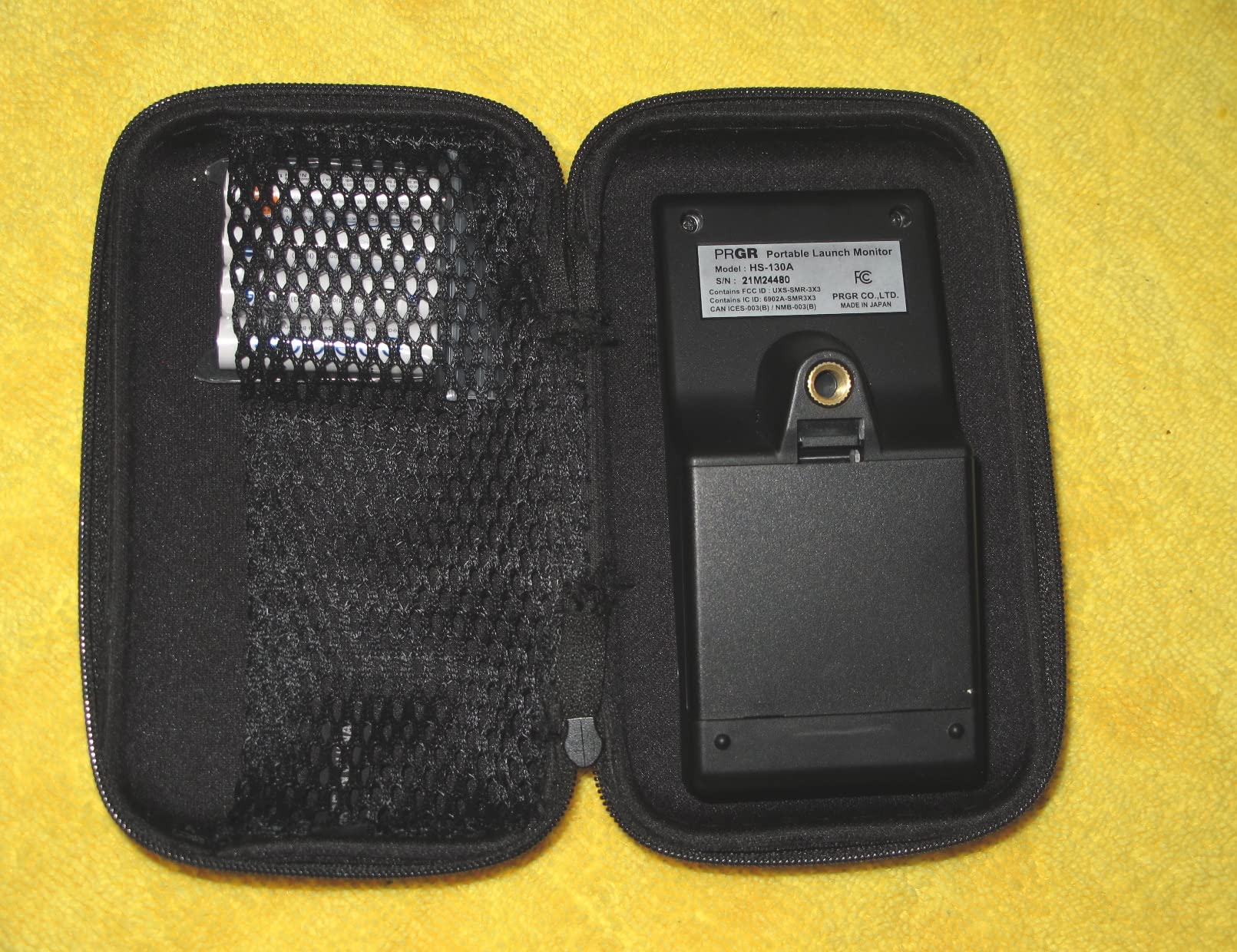
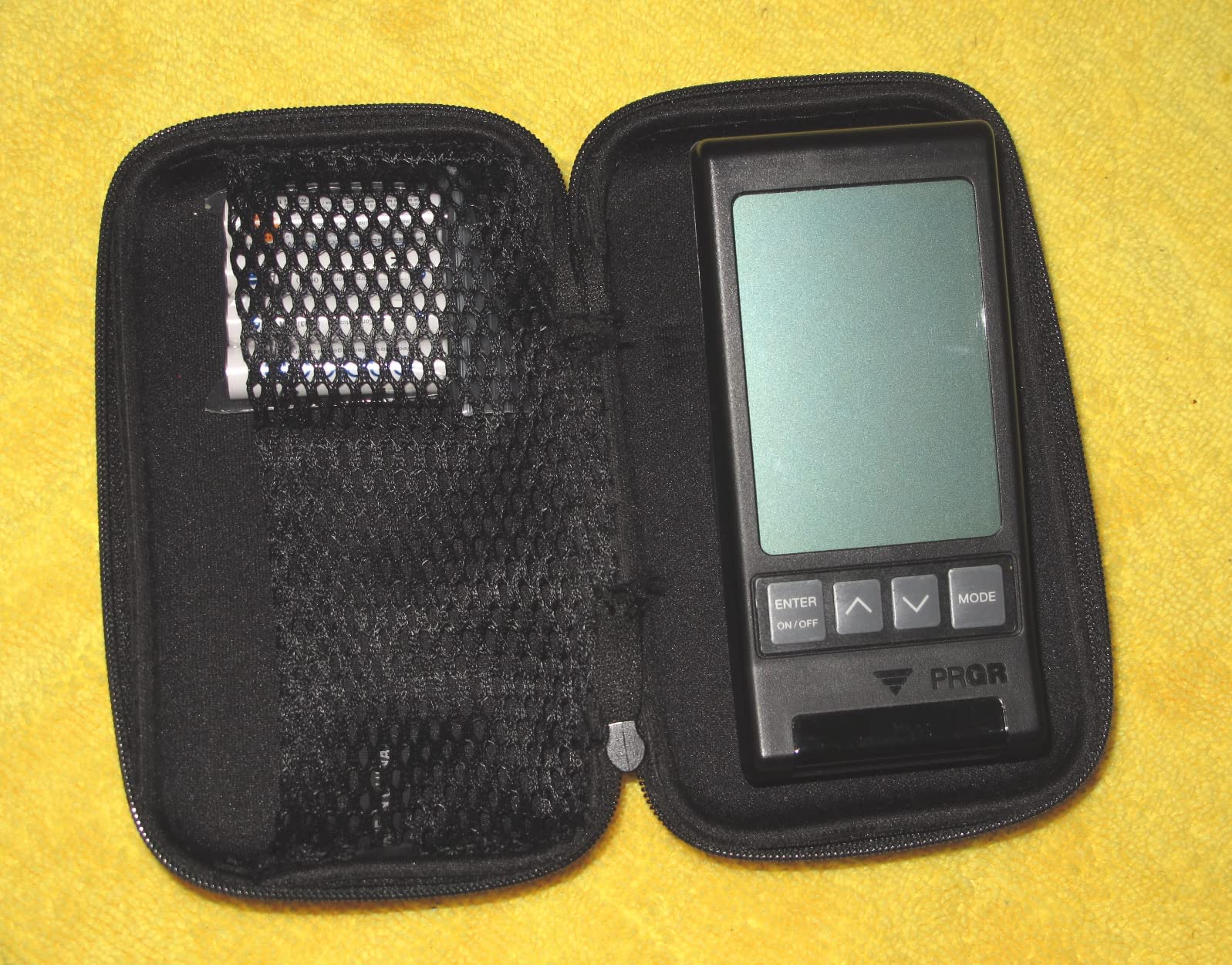
The PRGR HS 130-A does one thing and does it without asking you to buy anything else. It reports club head speed, ball speed, smash factor, total distance and carry distance on a small screen, powered by three AAA batteries, with no app and no account.
That is rarer in 2026 than it sounds. Most competitors in this price range want a phone, a download and eventually a membership. The PRGR boots and measures, which means it works in a basement, a hallway or an apartment corner with a screen and no ceremony at all.
The swing-speed mode is the sleeper feature. Because it reads club speed without needing a ball struck, you can work on tempo and speed in a room with no net, no mat and no damage risk. Multi-sport use extends to baseball, tennis, soccer and hockey, and three-time major champion Padraig Harrington has used one as a training aid.
What the PRGR gets right in a tight space
At 4.9 ounces and 3.03 by 1.69 by 5.63 inches it is the smallest thing in this guide, and its listed measuring range covers 135 to 270 yards. Because it only needs to be behind and level with the tee, it is the easiest unit here to reposition in a small room between drills.
It stores 500 past swings in memory, so you can walk away from the ball and come back to a session history. It also carries an IP54 water resistance rating, which means an open-air covered patio or a damp shed is fine for it.
Where the PRGR falls short
There is no video, no spin and no launch angle. If you want to know why your 8-iron flies six yards less than it did last year, this device cannot tell you anything about launch or descent.
The on-device readout is basic and the only analytics are the stored swings. There is no session report, no dispersion and no way to compare two sessions side by side. Treat it as a speed gauge with memory, which is exactly what a lot of golfers actually want, and skip it if your goal is a simulator.
3. Garmin Approach R10 – Best Hybrid Indoor and Range Monitor
Garmin Approach R10, Portable Golf Launch Monitor, Take Your Game Home, Indoors or to The Driving Range, Up to 10 Hours Battery Life – 010-02356-00
Doppler radar over Bluetooth
Club and ball speed, spin, launch
10-hour battery
IPX7
Pros
- Logs club speed and ball speed plus swing tempo and spin in the Garmin Golf app
- Tripod and phone mount included for quick net setups
- Automatic video capture of each swing with metrics overlaid
- Training mode with per-club stats and shot dispersion charts
Cons
- Requires a compatible smartphone and the Garmin Golf app with no standalone readout
- Virtual rounds on 42000 plus courses need an active Garmin Golf subscription
- Launch angle accuracy of about one degree is a modest figure
The Garmin Approach R10 is the safe default for indoor practice, and members of r/golfmonitotorclub describe it the same way in their 2026 buyers guide: the best all-rounder at that price point. It is not the most accurate device here. It is the one you are least likely to regret.
It logs club head speed, ball speed, swing tempo, ball spin, launch angle and distance to the Garmin Golf app, and it records every swing automatically with the metrics drawn over the video. That combination of numbers and footage in one timeline is what most golfers are actually looking for from an indoor setup, and it is why the R10 stays the safe buy.
Published accuracy figures are sensible rather than flashy: club head speed within plus or minus 3 mph, ball speed within 1 mph, launch angle and launch direction within about a degree. Those tolerances are fine for swing-speed and tempo work and coarse for fine launch-window hunting, which is exactly the trade you make by staying at this tier.
Setting the R10 up over a net
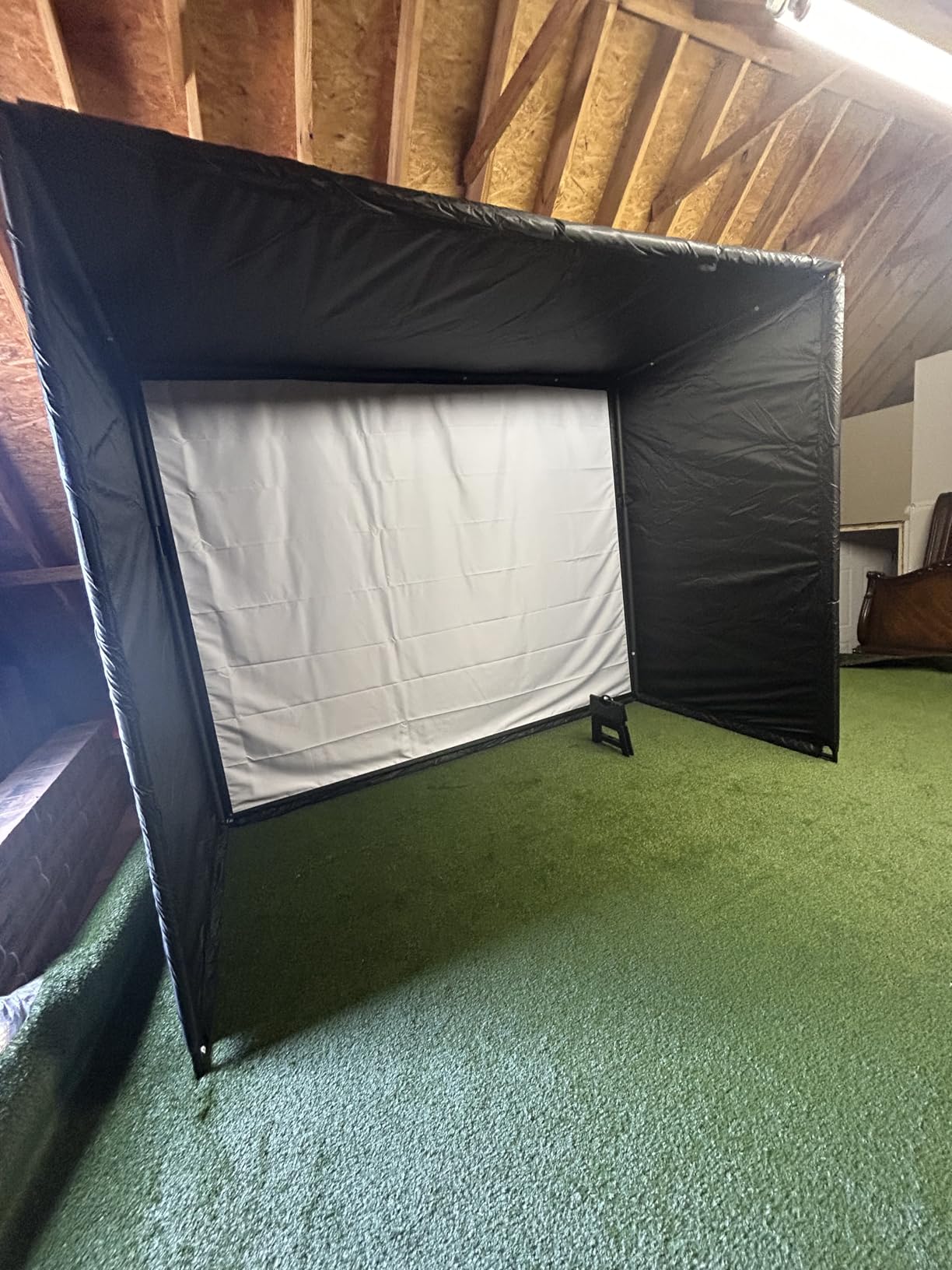
A tripod, a phone mount and a carry case are all in the box, which is the part competitors keep charging you for. Battery life runs up to ten hours and the IPX7 rating means a damp basement floor or an unexpected leak will not ruin it.
Training mode builds per-club statistics and a shot dispersion chart, so you can see whether the misses are a shape problem or a contact problem. Only three metrics show on screen at once, so you will be swiping through pages during review, but the app keeps everything.
Where the R10 disappoints
There is no standalone readout. Every number arrives through a phone and the Garmin Golf app, so the unit is useless as a trackside or garage speed gun without your phone, and it will not drive a simulator screen on its own.
Virtual rounds and the full course library require an active Garmin Golf subscription. If you are not going to play simulated courses, the core data is still excellent and you can ignore that cost entirely. Spin is derived rather than directly measured, so wedge spin is the weakest number in the output.
4. Voice Caddie SC200 Plus – Best for Apartments and Tight Rooms
Voice Caddie SC200Plus Portable Golf Launch Monitor and Swing Analyzer with Real-Time Shot Data Tracking – 12-Hour Battery Life
Doppler radar with pressure calibration
Voice output and LCD
Adjustable lofts
20-hour battery
Pros
- Swing-speed mode works indoors with no ball and no net
- Atmospheric pressure sensor keeps readings consistent across conditions
- Dual voice output calls results so you can stay in your stance
- Adjustable loft angles for simulating different clubs
Cons
- No video
- spin rate or launch-angle measurement
- Older styling compared with app-based rivals
- Some users need the included remote and repeated setup for consistent readings
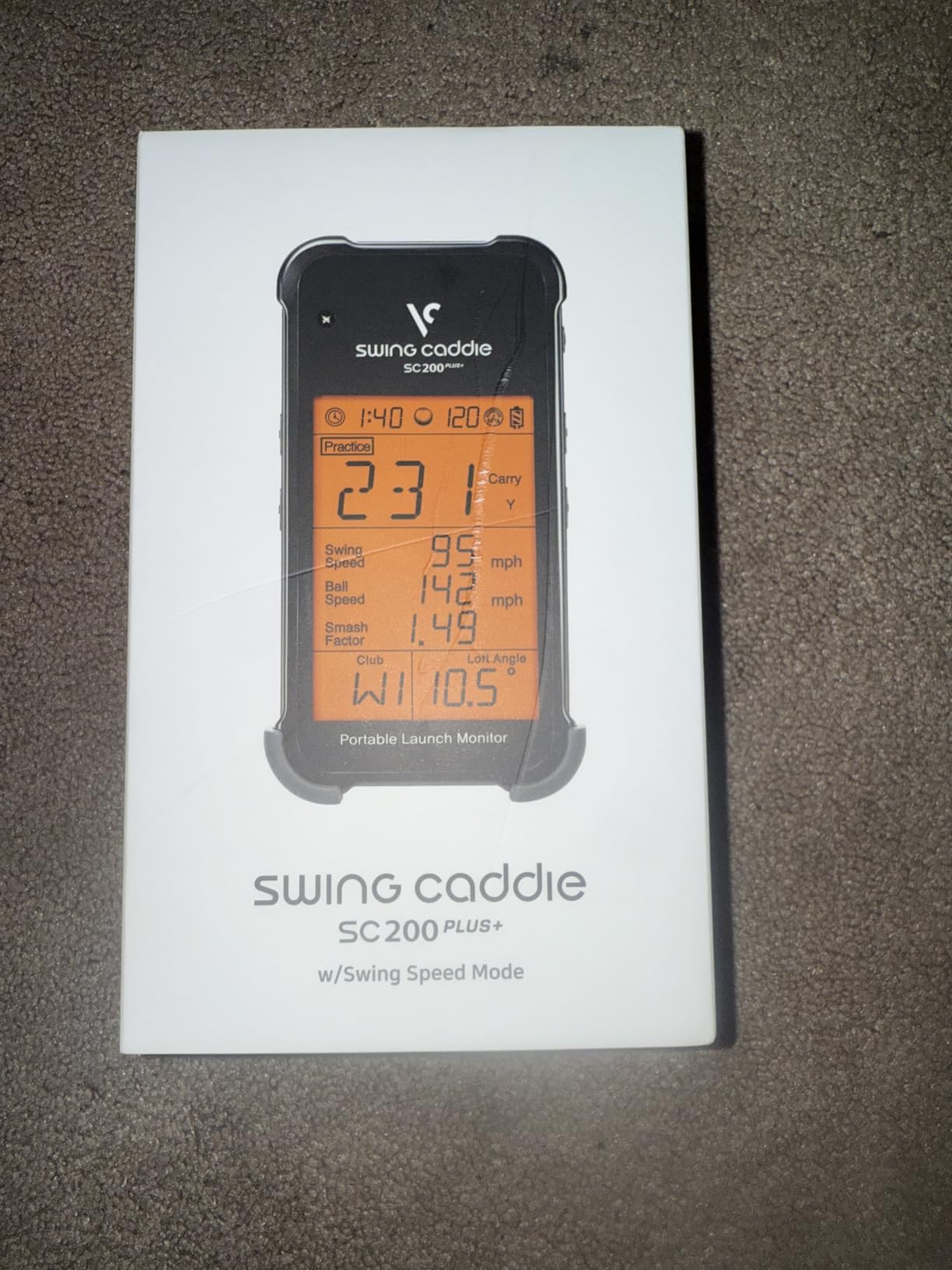
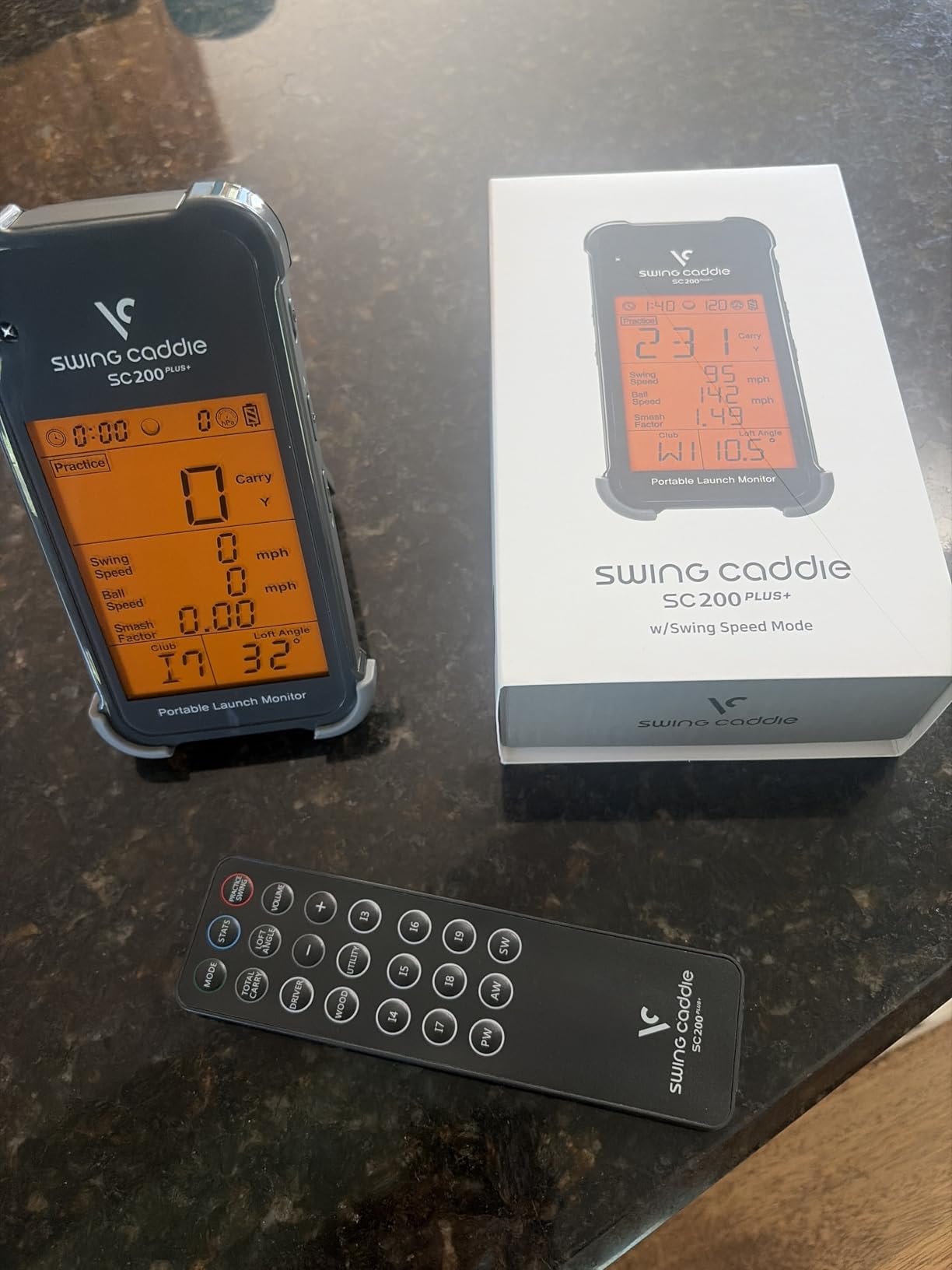
The Voice Caddie SC200 Plus is built for the golfer who cannot hit real balls indoors. Its swing-speed mode measures club speed with no ball struck, which makes it useful in a living room, a hallway or a fifth-floor flat where a net and a mat are not happening.
It is also the one that talks back. Real-time voice output reads out your numbers after each swing so you do not have to break stance, and the swing-speed mode works on dry practice swings. Owners who want audible feedback during a tempo drill consistently single that out as the reason they keep the device on the mat.
The Doppler radar is paired with atmospheric pressure calibration sensors, which matters more than it sounds. Pressure sensors adjust the distance reading for the conditions, and that stops a cold-weather garage session from reading a few yards short every time. Adjustable loft angles let you approximate different clubs when you are working only with a wedge or an iron.
Why the SC200 Plus suits small rooms
It weighs 8 ounces and runs for up to twenty hours on a charge, so you set it up once and leave it. Shot data and club statistics are stored for average distances, which gives you a session history without any software.
It stores per-club statistics, so you can build a simple distance chart over a winter. The unit is dated in appearance, but nothing about the reading depends on a display refresh rate or a phone screen brightness.
Where the SC200 Plus is not enough
There is no video, no spin rate and no launch angle. It is a speed and distance tool with a voice, and comparing it to anything on this list with cameras is like comparing a bicycle to a car.
Some users report needing the included remote and repeating the setup to get consistent readings, which suggests the alignment tolerance is not generous. If your indoor reps already happen into a net with real balls, the R10 or the Rapsodo MLM will teach you far more for a similar outlay.
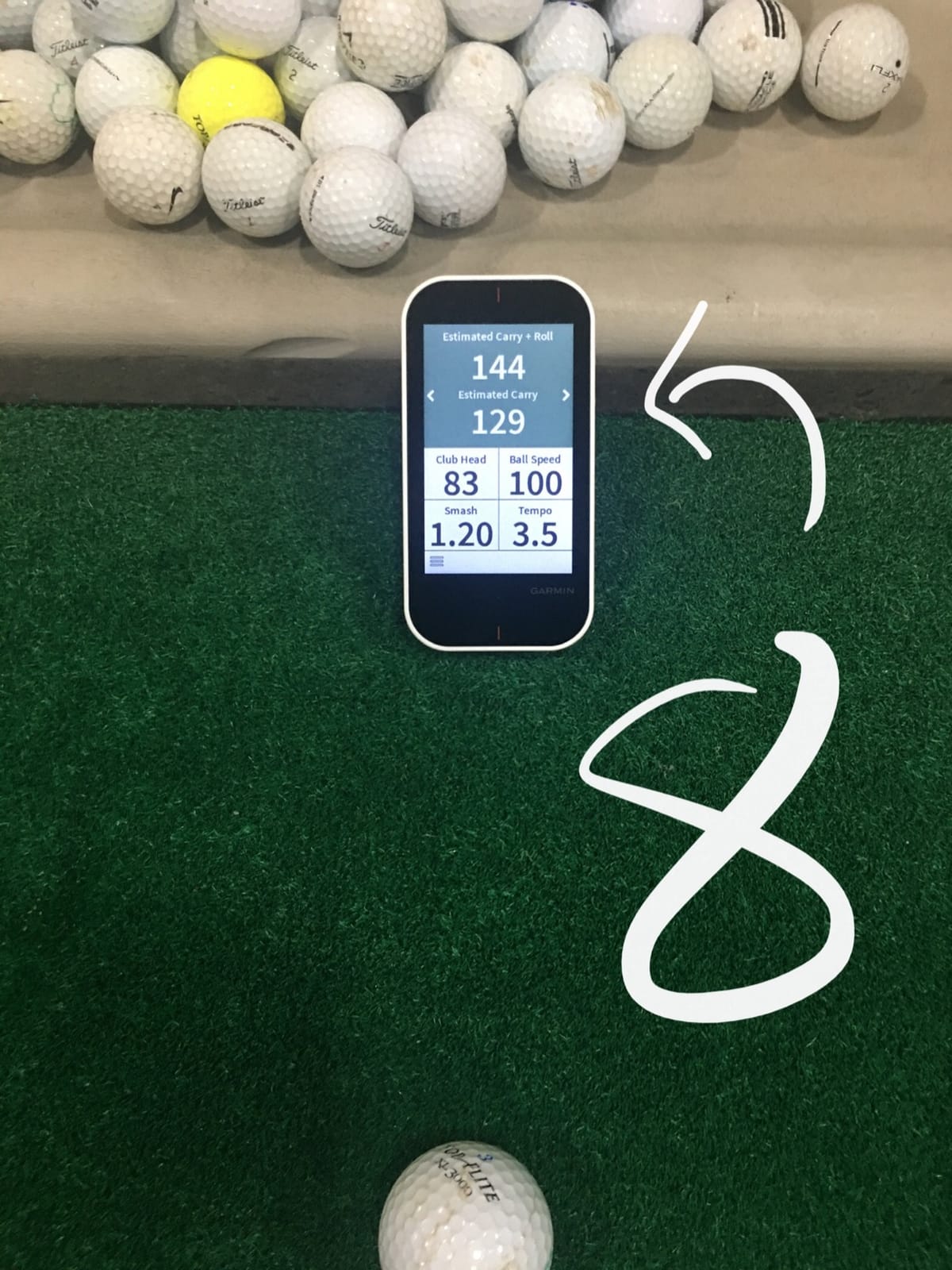
5. Garmin Approach G80 – Best for Golfers Who Carry One Device Everywhere
Garmin Approach G80, All-in-One Premium GPS Golf Handheld with Integrated Launch Monitor, 3.5″ Touchscreen
3.5 inch touchscreen
Integrated radar for speed and smash
41000 plus course maps
Pros
- Full-color GPS golf handheld and launch monitor in one device
- Sunlight-readable 3.5 inch touchscreen with quick button access to the radar
- Tracks club speed and ball speed plus smash factor and swing tempo
- Preloaded with more than 41000 detailed color course maps
Cons
- Estimated distance only with no real ball tracking
- video or spin rate
- Weakest of the Garmin options here as a pure training device
- Less portable in a golf bag than a dedicated radar unit
The Garmin Approach G80 is the answer to a specific problem: you do not want to carry two devices. It is a full color GPS golf handheld with a launch monitor built in, and it comes preloaded with more than 41,000 course maps worldwide.
As a simulator machine it is the weakest Garmin option here, and we want to be direct about that. It reports club head speed, ball speed, smash factor, swing tempo and an estimated distance. There is no real ball tracking, no video and no spin rate, so the distance figure is calculated rather than watched.
What it does instead is give you a 3.5 inch transflective color touchscreen that stays readable in direct sun, quick button access to the radar, and practice and game modes. That combination is why it appeals to golfers who walk the course on Saturday and hit a bag session in the garage on Sunday without unpacking anything.
How the G80 behaves indoors
Battery life of up to fifteen hours with GPS active means you are not charging it overnight, and the whole unit weighs 4.16 ounces. The transflective screen is designed for sunlight, which means it also stays perfectly readable in a bright room.
Because it estimates distance rather than tracking a ball, the numbers are a useful speed and smash reference and little more. If you want to know carry distance, you will want one of the camera-based units instead.
Who should skip the G80
Anybody whose main goal is swing improvement indoors. Owners frequently report that it did not do enough for swing work, and that criticism is fair. A launch monitor that cannot show launch angle or spin is not going to change a swing.
It is also larger and less bag-friendly than a dedicated radar unit, which undercuts the portability argument somewhat. Buy it for the GPS function and treat the radar as a bonus, not the reverse.
6. Rapsodo MLM2PRO – Best Indoor Pick With Measured Spin and Slow-Motion Video
Rapsodo MLM2PRO Mobile Launch Monitor Golf Simulator | 3 Chrome Tour Balls
Radar plus dual cameras
15 metrics including spin rate
Spin axis and launch angle
Android and iOS
Pros
- Measures true spin rate and spin axis plus club path and launch angle
- Readings verified within 2-3 percent of Trackman by owners
- Slow-motion impact video and swing capture from any angle
- Three Callaway RPT Chrome Soft X balls included in the box
Cons
- Shared Wi-Fi connection issues cause unrecorded shots and stalls
- Core simulator features need a paid premium membership after the trial
- Chipping and short-game play are poor with unrealistically fast greens
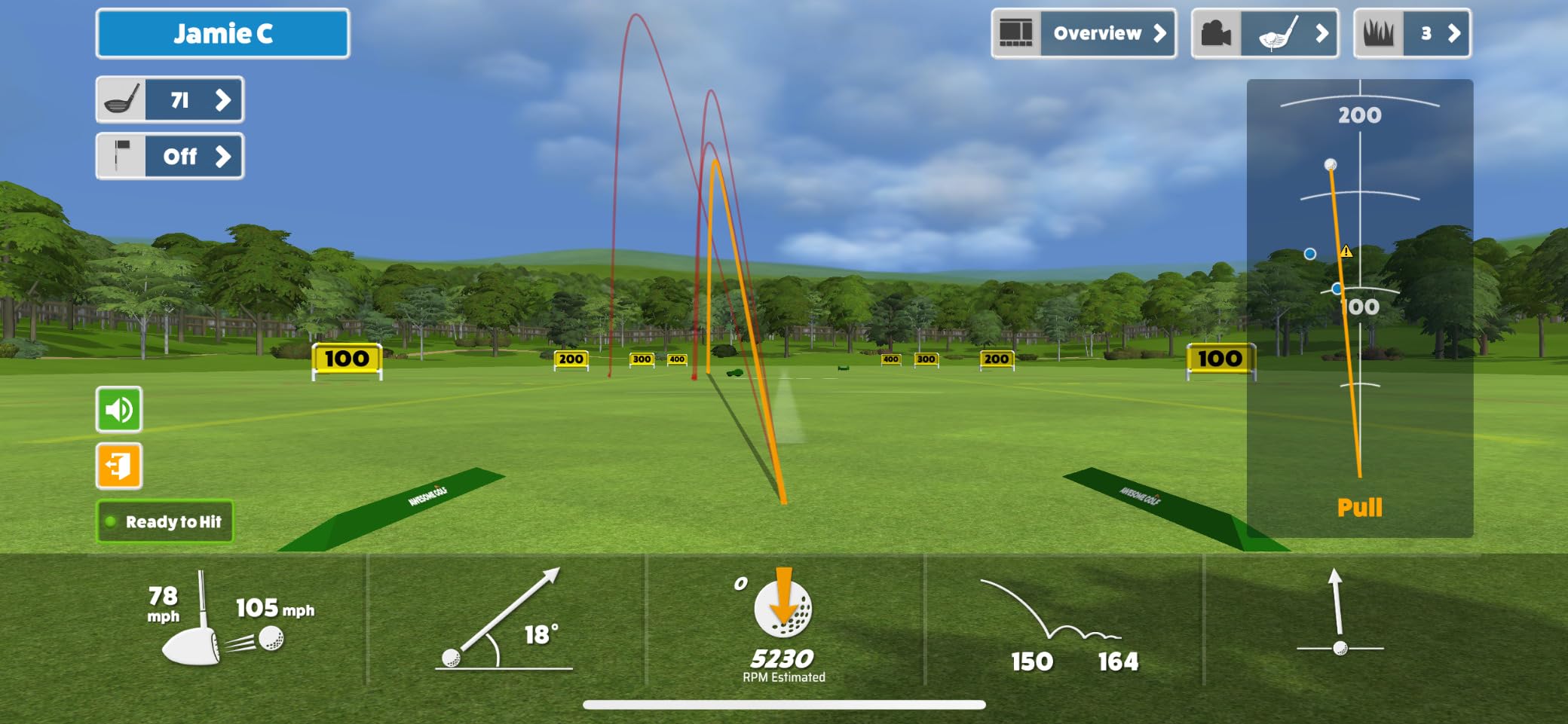
The Rapsodo MLM2PRO is the first device in this guide that measures spin rate directly rather than estimating it, and it does so by combining Doppler radar with dual cameras. That is why it delivers 15 metrics, including spin axis and club path, at a price well under the premium tier.
Owners who compared it against a Trackman report readings landing within two to three percent, and on a MyGolfSpy forum thread one member put it plainly: with the lifetime subscription, Rapsodo is basically on par with TrackMan. That is the benchmark every launch monitor is quietly measured against, and this one gets closest at this price.
Slow-motion impact video and swing capture from any angle let you see the strike itself rather than inferring it. A 45-day premium trial is included, along with access to more than 30,000 simulated courses, a target range, impact vision and the Combine analysis, and three Callaway RPT Chrome Soft X balls are in the box.
What the MLM2PRO gets right over a net
Users report it rarely misses a shot, which is the single most important property for indoor practice where you only have so many balls. It works into a net at home and at the range, and it pairs over Bluetooth with both iOS and Android devices, unlike its cheaper sibling.
The included RPT balls are not filler. The unit reads them more reliably than generic balls, and the marked pattern survives far longer in a net. Android support alone puts it ahead of the Rapsodo MLM for most households in 2026.
Where the MLM2PRO frustrates you
Shared Wi-Fi connection problems are the most widely reported complaint. Shots go unrecorded, the device disconnects mid-round or the app stalls, and the usual workaround is switching to a direct connection, which then burns your tablet cellular data. Budget for a stable router before you buy, not after.
Core simulator features require a paid premium membership once the 45-day trial ends, chipping is poor with unrealistically fast greens, and it drains the paired device battery quickly, which is awkward if you are also running a projector. An iPhone shows three metrics at a time against six on a tablet, and support response times are often long.
7. TheStack Radar – Best for Wedge Distance Drilling
TheStack™ Radar – Portable Golf Launch Monitor, Swing Speed & Ball Tracker
Radar over Bluetooth
Estimated carry and smash
0.12 kg
1-month Wedge trial
Pros
- Highest average rating in this group at 4.6 stars
- Calculates estimated carry distance and smash factor on top of raw swing speed
- Stack Wedging builds gamified skill-specific sessions to dial in distances
- Bundled Stack Putting app adds guided green practice
Cons
- Wedging and Putting modes are iOS only so Android users get speed training only
- No video
- spin rate or launch angle
- Wedge Mode sits behind a paid subscription after the one-month trial
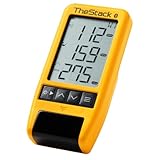
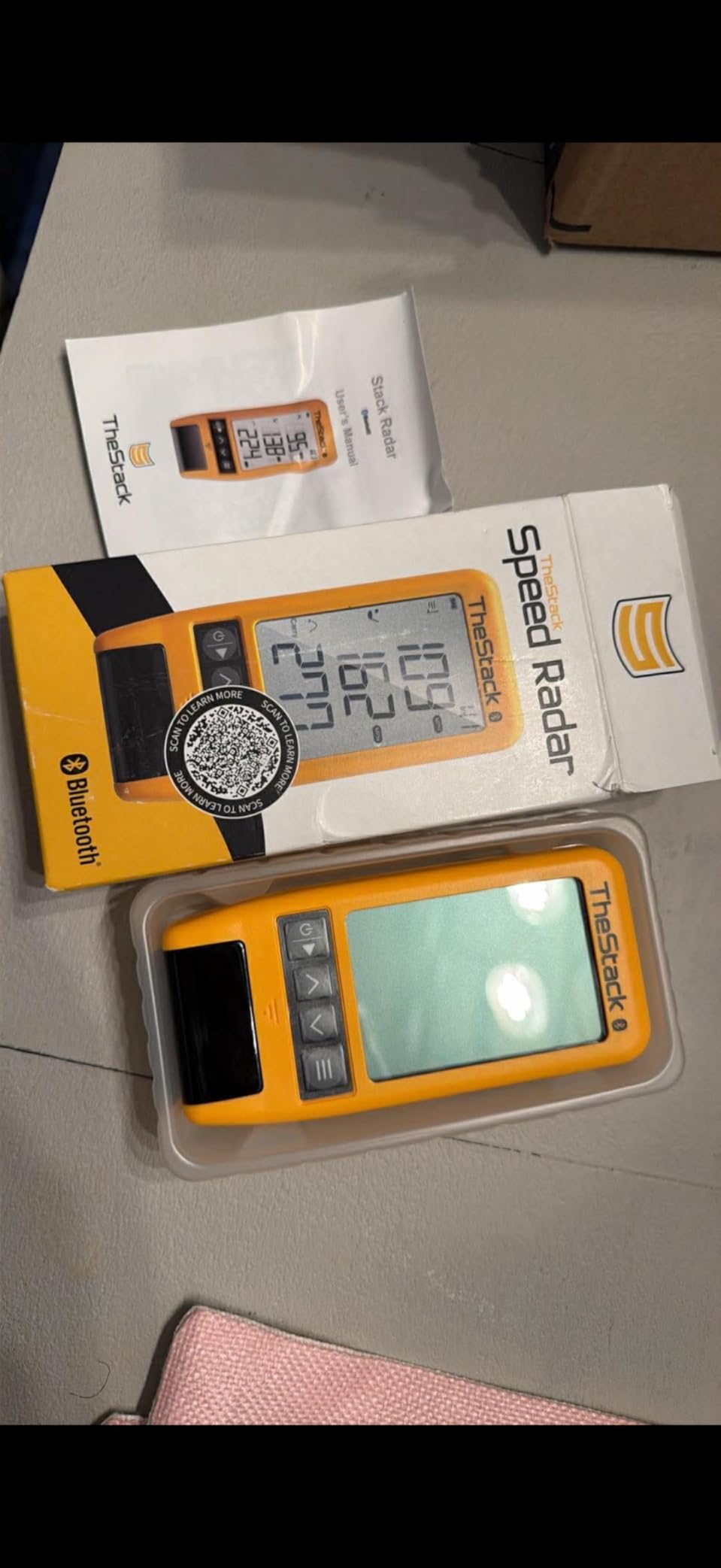
TheStack Radar takes a different approach to indoor practice. Rather than trying to be a simulator, it focuses on the one indoor drill that actually moves scores: knowing your wedge distance. Its Stack Wedging app builds skill-specific, gamified sessions around hitting a target yardage, which turns a boring net session into a competition against your own history.
It measures swing speed and ball speed, then calculates estimated carry distance and smash factor on top of that raw data. At 0.12 kg it is the lightest unit here, and it doubles as an on-course speed trainer if you use the wider Stack system.
It carries the highest average rating in this roundup at 4.6 stars, though from a much smaller review base of sixty, and a 2022 US Open champion is listed among the golfers who trust it. Treat that rating as encouraging rather than proven.
Wedge training with TheStack indoors
Bluetooth syncs automatically to TheStack App on iOS and Android, so setup is a matter of switching the unit on. Because it is radar-based, it cares nothing about your room lighting, which makes it one of the few devices here you can point at a dim garage without thinking about it.
The included Stack Putting app adds guided green practice, which is a genuine addition to an indoor setup. It is not a putting surface and it will not read putt speed accurately, but as a structured warm-up it fills a gap most launch monitors leave empty.
Where TheStack is limited
Wedging and Putting modes are iOS only, and the speed-training app itself needs iOS 15 or later. Android users get raw speed and carry numbers and none of the training structure that makes this device interesting.
There is no video, no spin rate and no launch angle. Wedge Mode also sits behind a paid subscription after the one-month trial, so the best feature is not yours to keep. If you want launch data rather than distance targets, this is the wrong tool.

8. Garmin Approach R50 – Best for a Dedicated Indoor Simulator Bay
Garmin Approach® R50, Premium Golf Launch Monitor & Simulator
3-camera system
10 inch touchscreen
Face-to-path and spin axis
HDMI output
Pros
- Three-camera system with improved spin rate and spin axis indoors and out
- Built-in 10 inch screen so no phone is needed in the hitting area
- High-speed impact video gives immediate visual feedback on strike quality
- HDMI output mirrors to a monitor or projector for a bigger view
Cons
- Very high four-figure price compared with every other device here
- Virtual rounds and 43000 plus courses need an active Garmin Golf membership
- About 4 hours of battery in a 9-pound body that is not casual to carry
The Garmin Approach R50 is the only unit here that behaves like a piece of installed equipment. It has a 10 inch built-in color touchscreen, a 3-camera system and a 9-pound body, and it is designed to sit in a bay and run virtual rounds without a phone anywhere in the room.
Because it uses three cameras rather than radar alone, it reports face-to-path alongside improved spin rate and spin axis, plus ball speed and launch angle. That is a genuinely different data set from anything else in this guide, and it is what makes premium indoor coaching work possible.
A built-in barometer adjusts carry distance for local atmospheric pressure, and HDMI output lets you mirror to a larger screen or projector. Training mode provides per-club stats and a shot dispersion chart from an advanced ball flight trajectory model.
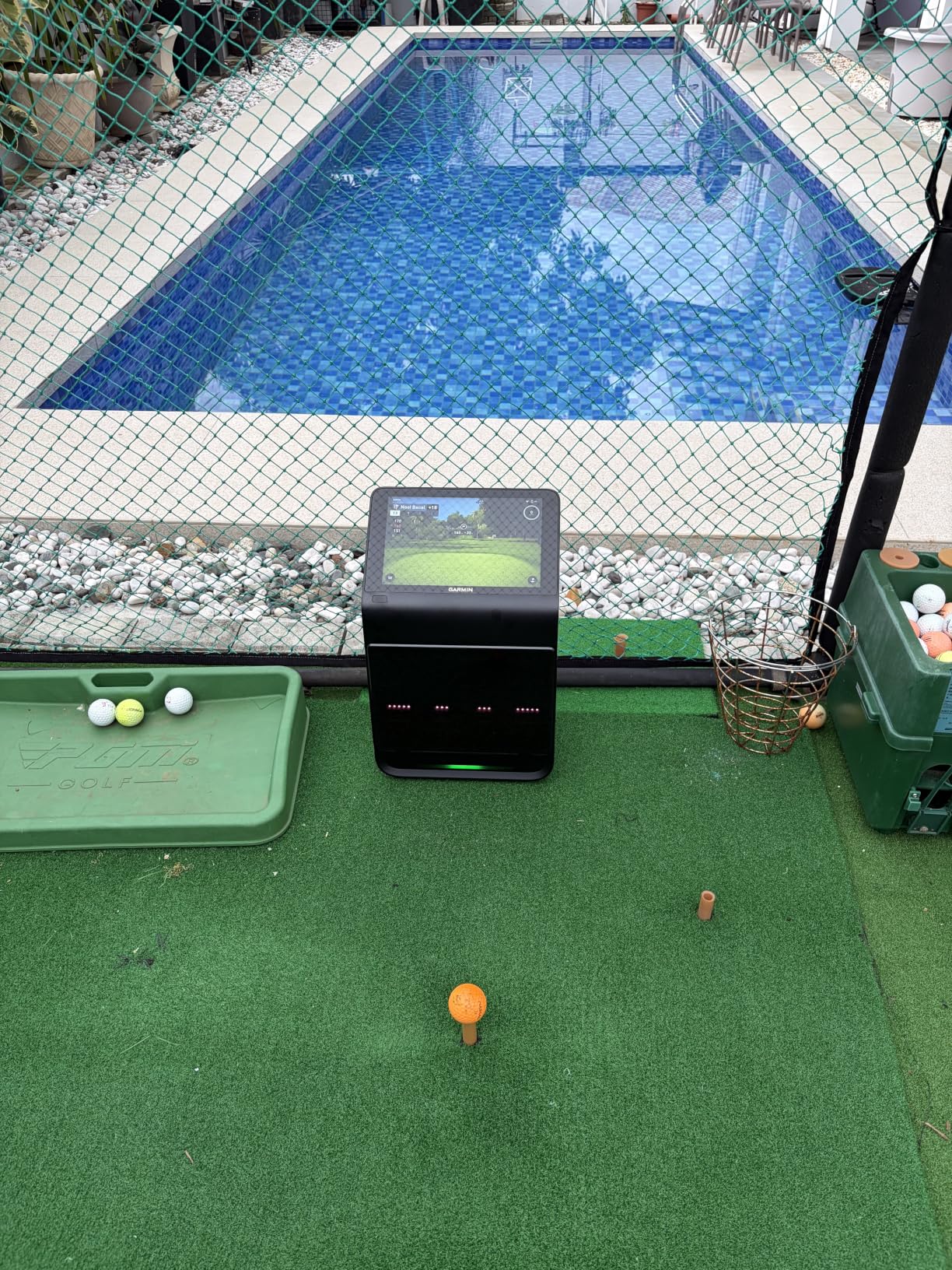
Setting up the R50 in a fixed indoor space
It works indoors and outdoors, and the 10.6 by 7.5 by 16.5 inch body sits in a corner with a power cord behind it. Nothing needs to be balanced on a tripod or held in place, which is what separates it from every portable device in this guide.
High-speed impact video gives immediate feedback on strike quality right on the big screen, so a practice partner standing across the room can see what you see. Club stickers ship in the box, and the spin-based metrics such as face-to-path depend on applying them.
Is the premium tier justified indoors?
If you have a dedicated bay, this is the most complete indoor experience in our test group. The three-camera data set is the reason club fitters and serious coaches use units at this level, and the built-in screen removes the phone from the loop entirely.
If you are still deciding whether a launch monitor is worth it, it is not. The price sits an order of magnitude above the rest of this list, virtual rounds and the 43,000-plus course library still require an active Garmin Golf membership, and four hours of battery in a nine-pound body makes casual range use impractical.
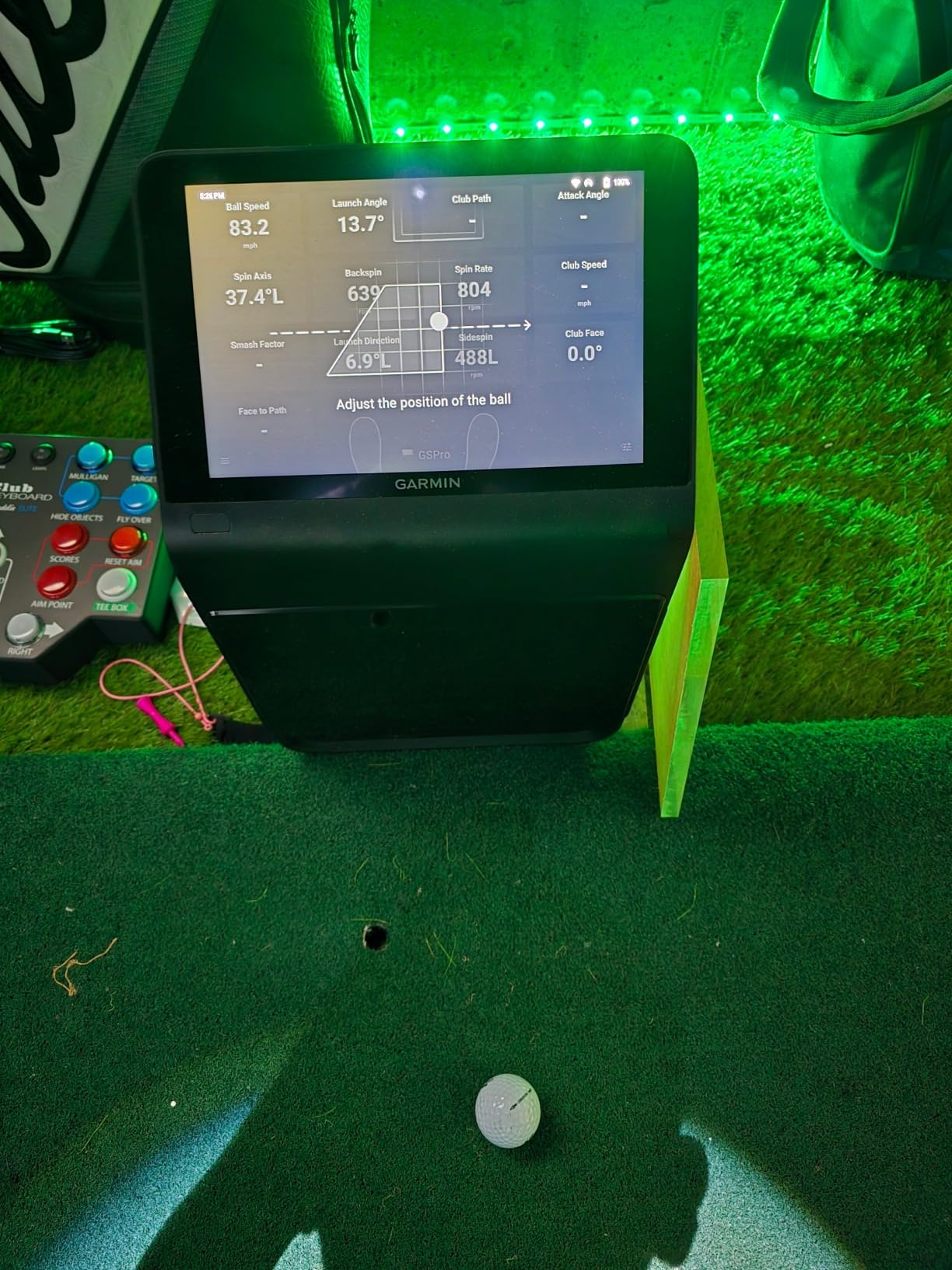
9. Uneekor EYE MINI CORE – Best for Studio-Grade Accuracy in a Fixed Location
Uneekor EYE MINI CORE Golf Launch Monitor & Simulator, 15 Ball Data Points, Near-Zero Latency, Works with GSPro, TGC19 & E6
Cameras plus infrared sensors
15 ball data points
Hardwired Ethernet
8.4 lb
Pros
- Dimple Optix reads any ball pattern with no stickers required
- Consistently accurate with essentially no missed or misread shots
- Hardwired setup gives near-zero latency on screen
- All-metal build with a much larger hitting area than rival devices
Cons
- A gaming-spec PC is required for the simulator software
- Third-party software such as GSPro costs extra every year
- Must stay plugged in and cannot be used with an iPad
The Uneekor EYE MINI CORE is the most accurate indoor unit in this guide, and the reason is its Dimple Optix system. It reads any dimple pattern directly, so you can hit the balls you already own instead of applying stickers or hunting down marked practice balls, and owners report it even tracks almost-golf balls.
Consistency is the headline. Owners describe no missed or misread shots, which is a meaningful upgrade over cheaper camera systems that quietly skip a share of your swings. Near-zero latency comes from hardwired Ethernet rather than Wi-Fi, so results appear almost instantly and a shared network can never drop a round.
The included VIEW software provides 15 ball data points with session reports, and the metal body gives a much larger hitting area than rival units. It works with GSPro, E6 Connect, TGC19 and Creative Golf 3D, and a three-month GameDay Ultimate trial with 4K championship courses is included, along with a two-year warranty.
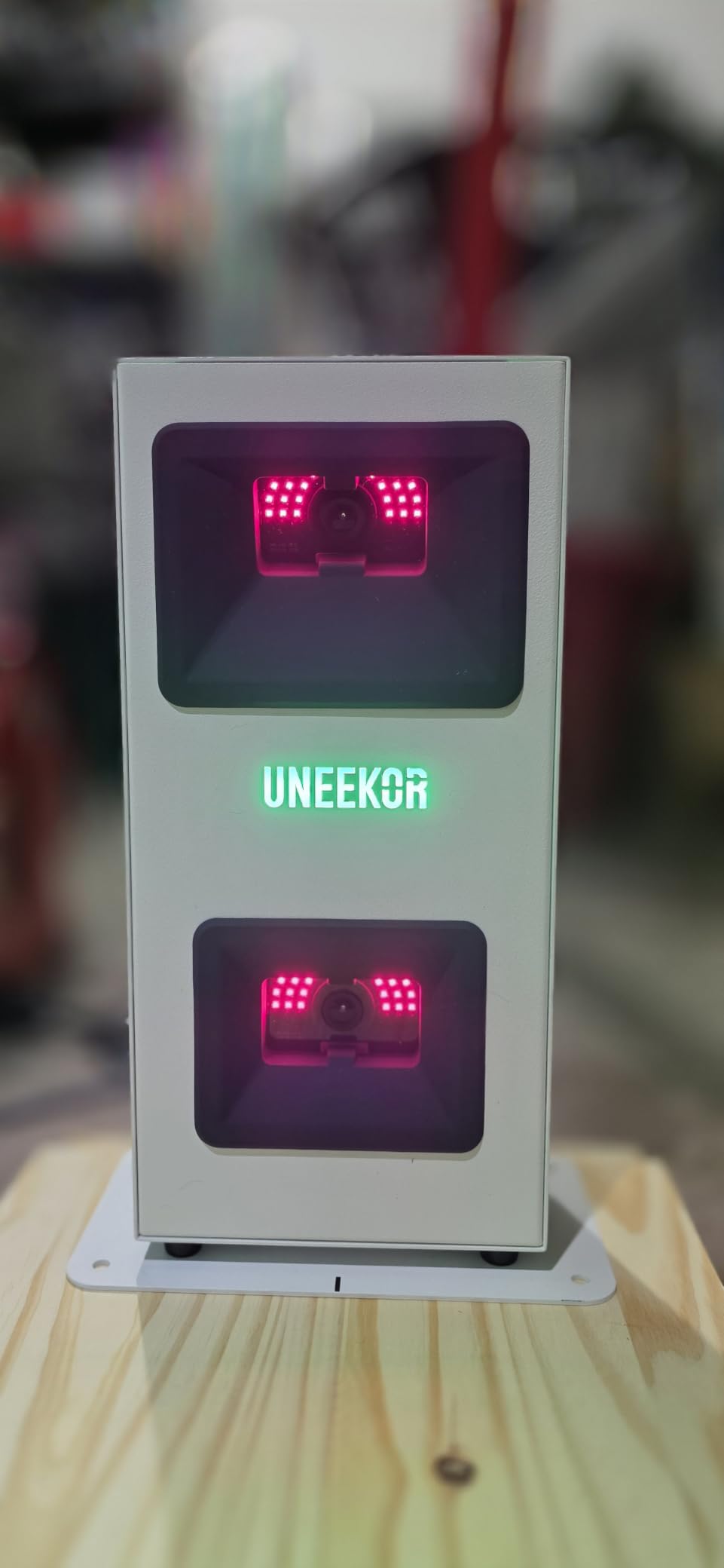
What a fixed indoor installation looks like
The unit measures 6.5 by 3.38 by 13.9 inches and weighs 8.4 pounds, so it lives against a wall with a power cable and a CAT6 Ethernet run. Club data such as swing speed, direction and face-to-path is an optional software upgrade rather than part of the base package.
The PC requirements are the part people underestimate. VIEW needs an i5 Gen 12 or Ryzen 5 equivalent with 16GB of RAM, a 256GB SSD and a GeForce RTX 3060, while simulation work wants an i7 or Ryzen 7, 32GB and an RTX 4070.
Where the EYE MINI CORE costs you
That PC is a real addition to your budget, and if you do not already own a gaming-spec machine you are buying two things. Third-party software such as GSPro adds a recurring yearly cost on top of the hardware, which is the largest ongoing commitment in this guide.
It cannot be used with an iPad, VIEW has a learning curve and a limited course catalog, and some GameDay modes need dual displays. Putts and delicate chips read poorly for some golfers. This is an instrument for a fixed room, not a device for a golf bag.
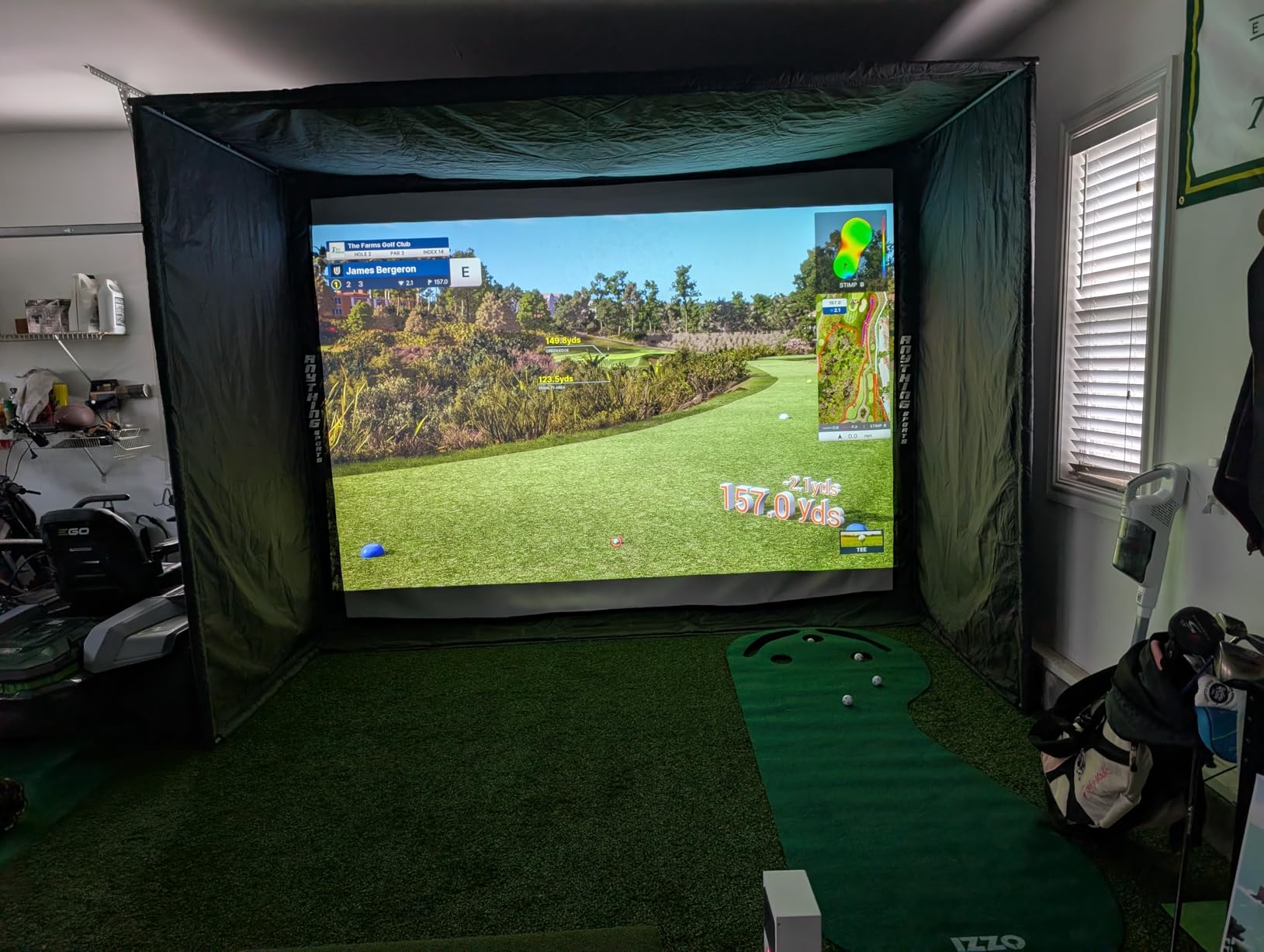
10. Izzo Launch Master – A Basic Radar for Speed Checks Only
Izzo Golf Swami Launch Master Golf Launch Simulator – Golf Training Aid, Standard
Doppler radar
Club speed, ball speed, smash, carry
User-entered lofts
454 g
Pros
- Measures the core ball-striking stats with Doppler radar
- Compact 4 by 3 by 5 inch body stores easily in a golf bag
- Let you enter your own club lofts for more personalised results
Cons
- Lowest rating in this group at 3.7 stars with 17 percent one-star reviews
- No video
- spin rate
- launch angle or shot shape
- No app or data storage so readings appear on the device and are lost
The Izzo Launch Master is a small, bag-friendly Doppler unit that reports club head speed, ball speed, smash factor and carry distance, and calls your distance out loud after each shot so you can stay in your stance. Batteries and a hard carry case come in the box, and the 4 AA cells mean there is nothing to charge.
Letting you enter your own club lofts is a nice touch at this level, since accurate distance figures depend on knowing what club you are swinging. The audible read-out is genuinely useful for tempo work and for a golfer who wants to react to a number rather than look at a screen.
We are including it because it fills a real slot in a mixed household: a second device for the range or the garage that costs very little and cannot be damaged. But it is the weakest unit here, and we would rather say so than dress it up.
What the Launch Master does well indoors
At 4 by 3 by 5 inches and 454 g it disappears into a golf bag, and its radar readout is unaffected by room lighting. If you only want club speed, ball speed, smash factor and carry, it delivers all four on the device itself with no phone involved.
It also has an audible read-out option, which is the feature that makes it usable in a garage with the lights off. You hear the number, you make the next swing, you hear the next number.
Why we rank it last
It carries the lowest average rating in this group at 3.7 stars, with 17 percent of reviews at one star, and those reviews point to mixed accuracy and build quality relative to similarly priced rivals. That is a real signal, not noise.
There is no app and no data storage, so every reading is lost the moment you hit the next shot, and there is no video, spin rate, launch angle or shot shape data at all. It is also not water resistant, which rules it out for exposed range work in poor weather. If your budget stretches further, the PRGR or the Rapsodo MLM will serve you considerably better.
How Much Room Does an Indoor Launch Monitor Need?
Measure three things before you buy anything: the depth behind your ball, the ceiling height above the hitting area, and how the room is lit. Depth causes most returns, because radar devices need room behind the tee and a one-car garage often does not have it. A member of a Facebook golf simulator group put the problem plainly: very limited space, so a device that needs seven feet in front and seven feet back is going nowhere.
Radar units are the demanding ones. A Doppler device generally wants six to eight feet behind the ball so it can distinguish the club from the ball on a fast swing, and that space has to be clear rather than full of net poles and storage. Camera systems are more forgiving on depth because the cameras sit beside the ball, but they need enough open area in front for the lenses and a fixed position you do not have to re-dial every session.
Ceiling height is the constraint nobody checks. Any full-speed driver shot reaches an apex well above eight feet indoors, and in a low room the ball contacts a joist before the unit finishes tracking it. Below about nine feet of ceiling, most golfers either swing half swings or accept a small share of shots going unread.
Lighting matters only for camera-based systems. A dim garage with one overhead bulb will degrade a photometric unit’s ability to pick out the club face, while a bright basement with a window is closer to the conditions these systems were designed for. Radar units ignore lighting entirely, which is a genuine advantage in a converted garage.
Ranked by how forgiving they are in a small space, the friendliest devices here are the PRGR HS 130-A, the Voice Caddie SC200 Plus and the Izzo Launch Master, because swing-speed modes work with no ball and no net at all. Next come the camera-capable units such as the Rapsodo MLM2PRO, which trade depth for a strict lighting and position requirement. The Garmin R50 and Uneekor EYE MINI CORE both assume a dedicated bay and are the least portable choices in this guide.
Subscriptions and the Real Cost of an Indoor Setup
Subscriptions are the number one complaint in every launch monitor forum we read, and it is not close. People describe paying for a membership for months without ever opening a virtual course, which is why we list the ongoing cost for every product here rather than burying it.
There are three economic models, and knowing which one you are buying prevents most of the resentment. The first is never-pay: the PRGR, the Voice Caddie SC200 Plus and the Izzo Launch Master have no membership at all, and you lose simulator features rather than data. The second is trial-then-subscription, used by the Rapsodo MLM2PRO with its 45-day premium trial and the Garmin R10 and R50 with their Garmin Golf memberships. The third is hardware-plus-software, where the Uneekor EYE MINI CORE works with third-party platforms such as GSPro on a paid yearly plan.
Required balls are the hidden cost that catches people out. The MLM2PRO ships with three Callaway RPT Chrome Soft X balls, reads them more reliably than generic ones, and the marked pattern wears out over time. Budget for replacements rather than assuming the three in the box last a season.
App sprawl is the other complaint. On several devices here you need a device app for data, a separate simulator app for courses and a video tool for review, and switching between them mid-session is the reason people stop using the expensive features. If you buy on data alone, the Rapsodo MLM and the Garmin R10 give you the most value with the fewest extra pieces.
Indoor Launch Monitor Buying Guide: How to Choose in 60 Seconds
Decide in this order, and the choice makes itself. Start with room size, because a device you cannot position is worthless no matter how good its camera. Measure the clear depth behind where you will tee the ball and the height of your ceiling before you look at any feature list.
Second, pick your technology. Choose radar if you need one device for the net and the range, or if your room lighting is inconsistent. Choose a camera-based system if you want real spin rate, face control and accurate wedge numbers, and if you can control the light. Everything else on this list is secondary to that decision.
Third, decide how much ongoing cost you accept. If the answer is none, the PRGR and the Voice Caddie SC200 Plus are the only two options in this guide that genuinely charge nothing beyond the hardware. If you will use virtual courses, budget the membership from day one rather than discovering it in month three.
Fourth, match the device to the drill. Wedge distance work calls for a speed-and-carry tool such as TheStack Radar. Tempo and speed work with no ball calls for a swing-speed mode, which only the PRGR, the Voice Caddie SC200 Plus and TheStack Radar provide. Simulator play calls for a screen, a membership and enough room to swing a driver.
Finally, think about the rest of the room. A monitor is half a setup. You will also need a net to catch the ball, and our guides to the best golf nets for practice and the best indoor golf screens for simulators cover the catching side, while our hitting mat picks handle the ball contact side. Budget for all three before the monitor, not after.
One honest note on expectations. If you already practice outdoors two or three times a week, an indoor monitor is a nice supplement and rarely transformative. If your indoor net is where your winter reps happen, the data turns a feeling into a number you can act on, and that is the whole case for owning one.
Frequently Asked Questions
What is the best golf launch monitor for indoor use?
The Rapsodo Mobile Launch Monitor is the best all-round indoor trainer because it is the least expensive unit here that still reports ball speed, club speed, launch angle, carry distance and shot shape, with integrated video and a shot tracer. If you need measured spin and slow-motion impact video, the Rapsodo MLM2PRO is the better buy. For a room where you cannot hit real balls, the Voice Caddie SC200 Plus swing-speed mode is the practical answer.
Is there a launch monitor that doesn’t require a subscription?
Yes, and three devices in this guide never charge anything. The PRGR HS 130-A, the Voice Caddie SC200 Plus and the Izzo Launch Master all run on-device with no app and no membership. You give up video, spin and simulator courses rather than data. The Rapsodo MLM and Garmin R10 include a free core app, and the MLM2PRO, R50 and EYE MINI CORE all require a paid membership for simulator content.
How much room do I need for an indoor golf simulator?
For a radar unit, plan on six to eight feet of clear depth behind the ball, and more for comfortable driver swings. Camera systems need less depth but a fixed position and even lighting. Ceiling height matters more than people expect: below roughly nine feet, a full driver shot will reach a joist before the unit finishes tracking. Measure depth and ceiling height before choosing a model.
Is the Garmin R10 or Rapsodo better?
Choose the Garmin R10 if you want one device for both a net and a driving range, since it is a small portable radar unit with a tripod and phone mount in the box. Choose the Rapsodo MLM2PRO if you want measured spin rate, spin axis, club path and slow-motion impact video, and you are willing to accept a paid membership and marked balls. The R10 costs less and needs less fuss; the MLM2PRO tells you more.
Is there a cheaper alternative to TrackMan?
Yes, several. Owners who checked a Rapsodo MLM2PRO against a TrackMan report readings landing within two to three percent, and MyGolfSpy testing found a budget radar unit within six yards of TrackMan on full-swing carry distance. For short games and spin, the Uneekor EYE MINI CORE reads any dimple pattern with no stickers and rarely misses a shot. Full-swing speed and distance are the metrics cheaper units handle well.
Are launch monitors worth the money for indoor practice?
They are worth it if your indoor net is where you get your winter reps and you hit a meaningful number of balls most weeks, because the data turns a vague feeling into a number you can change. They are not worth much if you already practice outdoors several times a week. Buy the cheapest unit that measures what you want to improve, and pair it with a net and a mat rather than spending everything on the device.
Do golf launch monitors work indoors with bad lighting?
Radar units do not care. The PRGR, Voice Caddie SC200 Plus, Garmin R10, Garmin G80, Rapsodo MLM, MLM2PRO, TheStack Radar and Izzo Launch Master are all Doppler-based, so a dim garage changes nothing. Camera-based systems do care, because they photograph the ball and club at impact, so a room with one overhead bulb or strong window glare can degrade the readings.
Which indoor golf launch monitor is the most accurate?
Accuracy splits by category. Camera systems win on short game, spin and face control, and the Uneekor EYE MINI CORE is the indoor unit in this guide that owners report as the most accurate, because it reads any dimple pattern and rarely misreads a shot. Hybrid units such as the Rapsodo MLM2PRO win on full-swing metrics, with owner checks landing within two to three percent of a TrackMan. Budget radar units are trustworthy for full-swing carry and ball speed only.
The Verdict for Indoor Practice in 2026
The Rapsodo Mobile Launch Monitor takes our top spot for the best golf launch monitors for indoor practice. It gives you launch angle, ball speed, carry, shot shape and video on every swing, needs no subscription for the core data, and fits in a pocket when you are done. Few devices at this level of spending give you a swing video next to the numbers.
Buy the Garmin Approach R10 instead if you want one device for the net and the range and prefer not to fiddle with a phone app. Buy the Rapsodo MLM2PRO if measured spin, spin axis and slow-motion impact video are the whole point, and you will accept a membership and marked replacement balls. Buy the Uneekor EYE MINI CORE if you have a fixed bay and the patience to run the Ethernet and meet the PC spec, and buy the Voice Caddie SC200 Plus if you cannot hit real balls indoors at all.
Whatever you choose, measure your room before you click anything, and pair the device with a net, a screen and a mat that suit it. That is where the best golf launch monitors for indoor practice in 2026 stop being a purchase and start being a practice facility you will actually use through February.