
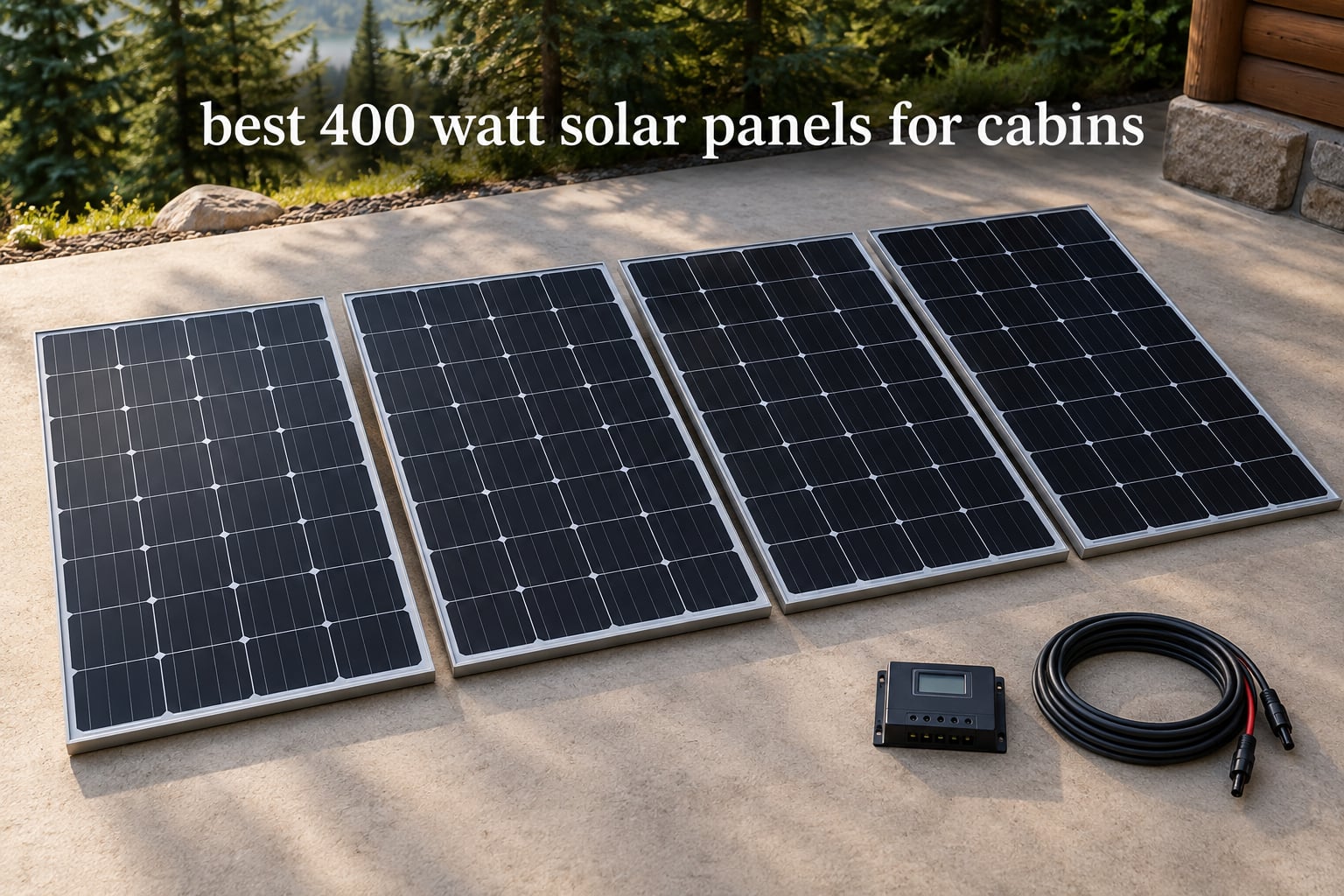
Here is the short answer: a single rigid 400 watt solar panel puts out roughly 1.6 to 2.0 kWh on a clear summer day, and that is enough to run a refrigerator, LED lighting, a laptop and phone charging in a small off-grid cabin. The best 400 watt solar panels for cabins are the framed monocrystalline modules on this list, not the foldable suitcases that dominate the search results.
That distinction matters more than any other in this category. Search for 400W panels and you will land on a wall of foldable, RV-targeted product. Those are fine for a weekend at the lake. They are the wrong answer for a cabin roof you plan to leave bolted down through ten winters.
We spent weeks reading the spec sheets, the review data and the off-grid forum threads before picking these ten, and we weighted the things cabin owners actually complain about: real measured output rather than nameplate watts, snow and shade tolerance, whether the panel fits on a small roof, and whether it can be expanded later without replacing the whole system. We also covered the rest of the system, since a panel on its own does not light a bulb. Our guide to off-grid solar systems for cabins covers the controller, battery and inverter side in more detail.
Every panel below is a true 400W-class product, and every rating and review count shown is taken straight from the manufacturer listing rather than estimated.
Table of Contents
Top 3 400 Watt Solar Panels for Cabins in October 2026
If you want the short version, these three came out ahead. The Renogy ShadowFlux leads on verified output and shade tolerance, HQST converts sunlight most efficiently, and JJN is the pick if your mount is raised and you can catch reflected light.

Renogy ShadowFlux 400W
- 25% N-Type 16BB cells
- ShadowFlux anti-shading
- IP67 sealed
- 25-year output warranty
HQST 400W N-Type 2 x 200W
- Up to 25.4% efficiency
- 5400 Pa snow load
- Compact 30 x 46 in modules

JJN 400W Bifacial 2 x 200W
- Bifacial rear-side gain
- 23% efficiency
- 2400 Pa wind and 5400 Pa snow
All 10 400 Watt Panels Compared for October 2026
All ten options below fall in the 400W class, but they split into four very different families: single-piece 400W modules, pairs of 200W panels, four-panel 100W arrays, and foldable suitcases. Read the configuration carefully, because most of these arrive as multiple physical panels.
| Product | Specifications | Action |
|---|---|---|
| Renogy 400W ShadowFlux N-Type (2 x 200W) |
|
Check Latest Price |
| HQST 400W N-Type 16BB (2 x 200W) |
|
Check Latest Price |
| JJN 400W Bifacial (2 x 200W) |
|
Check Latest Price |
 ECO-WORTHY 400W N-Type (4 x 100W) ECO-WORTHY 400W N-Type (4 x 100W) |
|
Check Latest Price |
 Renogy 400W Premium Kit with 40A MPPT Renogy 400W Premium Kit with 40A MPPT |
|
Check Latest Price |
 DOKIO 400W Monocrystalline Single Panel DOKIO 400W Monocrystalline Single Panel |
|
Check Latest Price |
 Traver Force 400W (4 x 100W) Traver Force 400W (4 x 100W) |
|
Check Latest Price |
 Callsun 400W N-Type 16BB (4 x 100W) Callsun 400W N-Type 16BB (4 x 100W) |
|
Check Latest Price |
 STAR 400W Frameless (2 x 200W) STAR 400W Frameless (2 x 200W) |
|
Check Latest Price |
 Renogy 400W Portable Foldable Suitcase Renogy 400W Portable Foldable Suitcase |
|
Check Latest Price |
Rigid vs Foldable vs Flexible Panels for a Cabin Roof
Rigid framed panels are the right default for a permanent cabin install. They use tempered glass and an anodized aluminum frame, they last 25 years or more, and they come with published wind and snow load ratings you can hand to an inspector.
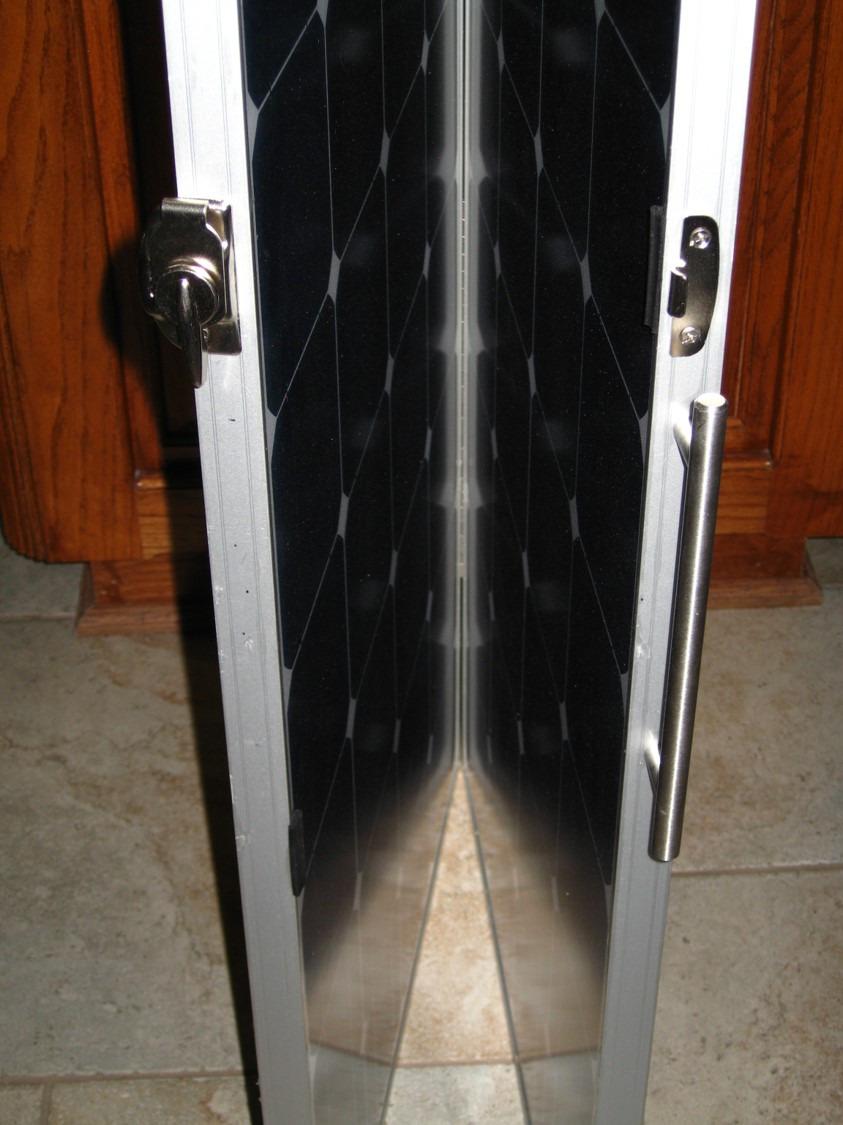
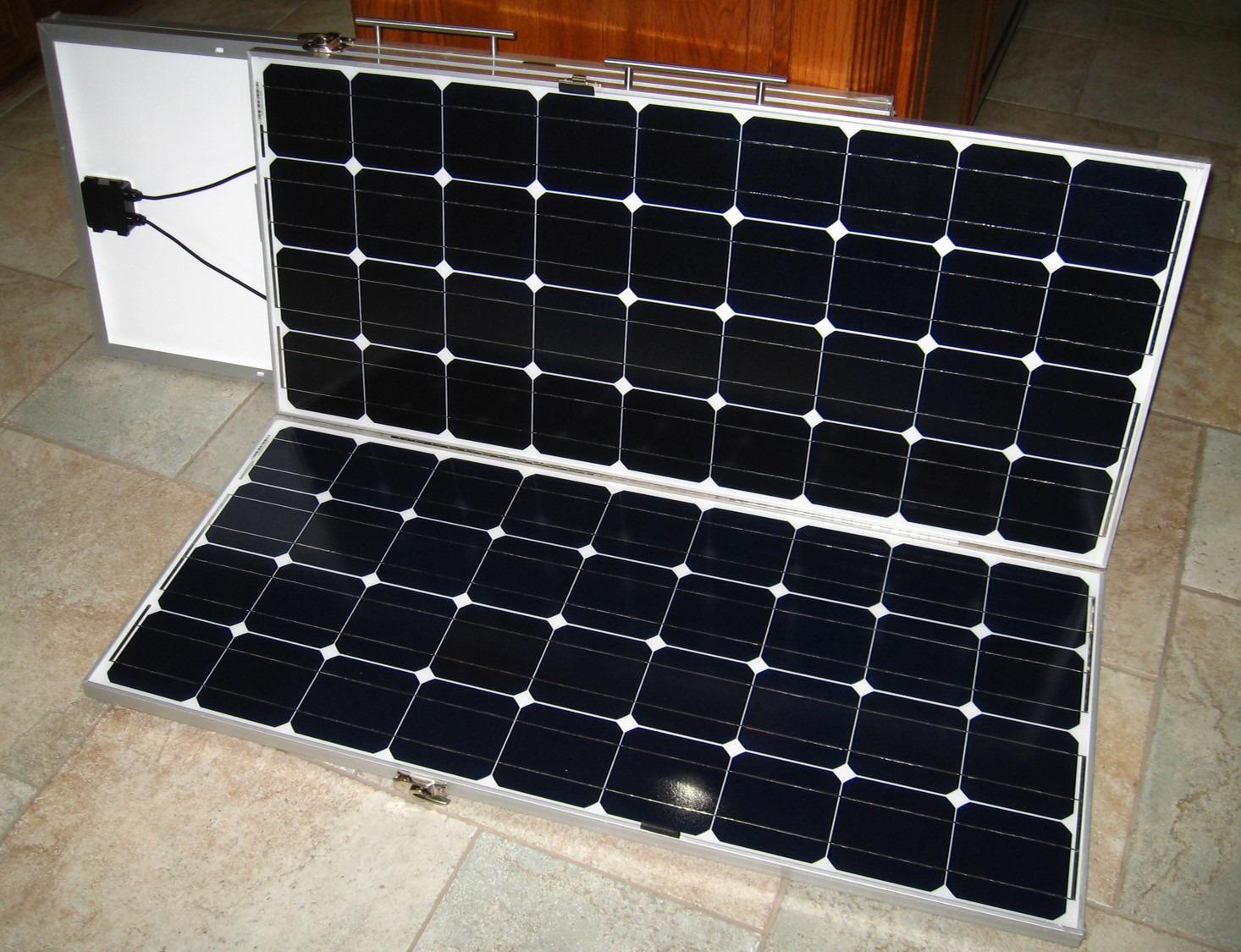
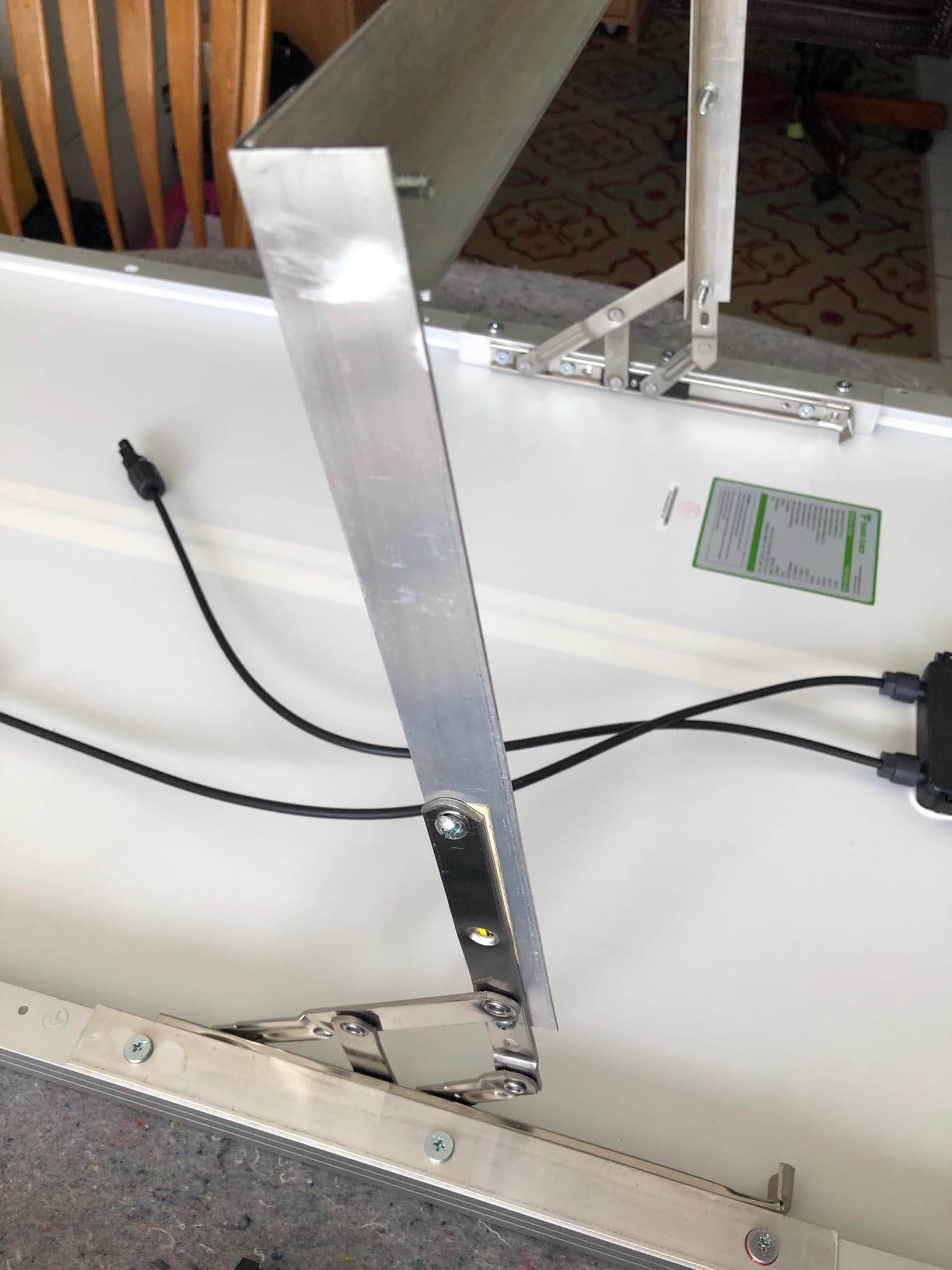
Foldable 400W panels are built for a different job. The only one on this list, the Renogy portable suitcase, folds to 33.7 by 27.9 inches, sets up in about a minute with kickstands, and travels in a case. That is a genuinely great product for a seasonal cabin you drive up to, or for topping off a power station during an outage. It carries a 3-year material warranty, uses 23 percent efficiency, and is not meant to be bolted to a roof for a decade.
Flexible ETFE panels are the third category and none reach 400W in this roundup. They are thin, light and walkable, which helps on a curved RV roof, but they run hotter, have no puncture resistance and generally earn shorter warranties.
One more consideration: roof space. If your cabin roof is tight, measure before you buy. Two 200W modules take roughly the same square footage as four 100W panels but need fewer brackets and create fewer connection points, which is where losses sneak in. Our picks for space-constrained roofs are the HQST pair and the compact Callsun 4-pack.
1. Renogy 400W ShadowFlux N-Type Panels: Best Overall for Cabins
Renogy 400W Solar Panel ShadowFlux, N-Type 25% High-Efficiency Solar Cell
400W as 2 x 200W
25% N-Type 16BB cells
ShadowFlux anti-shading,IP67
Pros
- ShadowFlux anti-shading holds output under partial shade
- N-Type 16BB cells rated up to 25% efficiency
- Compact footprint 7% smaller than standard PERC panels
- IP67 encapsulation handles snow dust and hail
- 5-year workmanship plus 25-year power warranty
Cons
- Arrives as two 200W modules so mounting points double
- Heavier per watt than flexible or portable alternatives
- 36.5V maximum voltage restricts stringing on some 12V controllers
This is the panel we would put on our own cabin roof. Renogy’s ShadowFlux anti-shading technology is the feature that matters most in the real world, because a cabin usually has a chimney, a tree line or a neighbouring roof throwing a shadow across the array for part of the day. Anti-shading cell layouts and half-cut design keep a shaded section from dragging the whole string down.
It arrives as two 200W modules rather than one 400W panel, and the N-Type 16BB cells inside are rated up to 25 percent conversion efficiency. The build is IP67 encapsulated, which is a step above the IP65 you see on several panels in this class, and the compact frame is about 7 percent smaller than a traditional PERC panel of the same output.
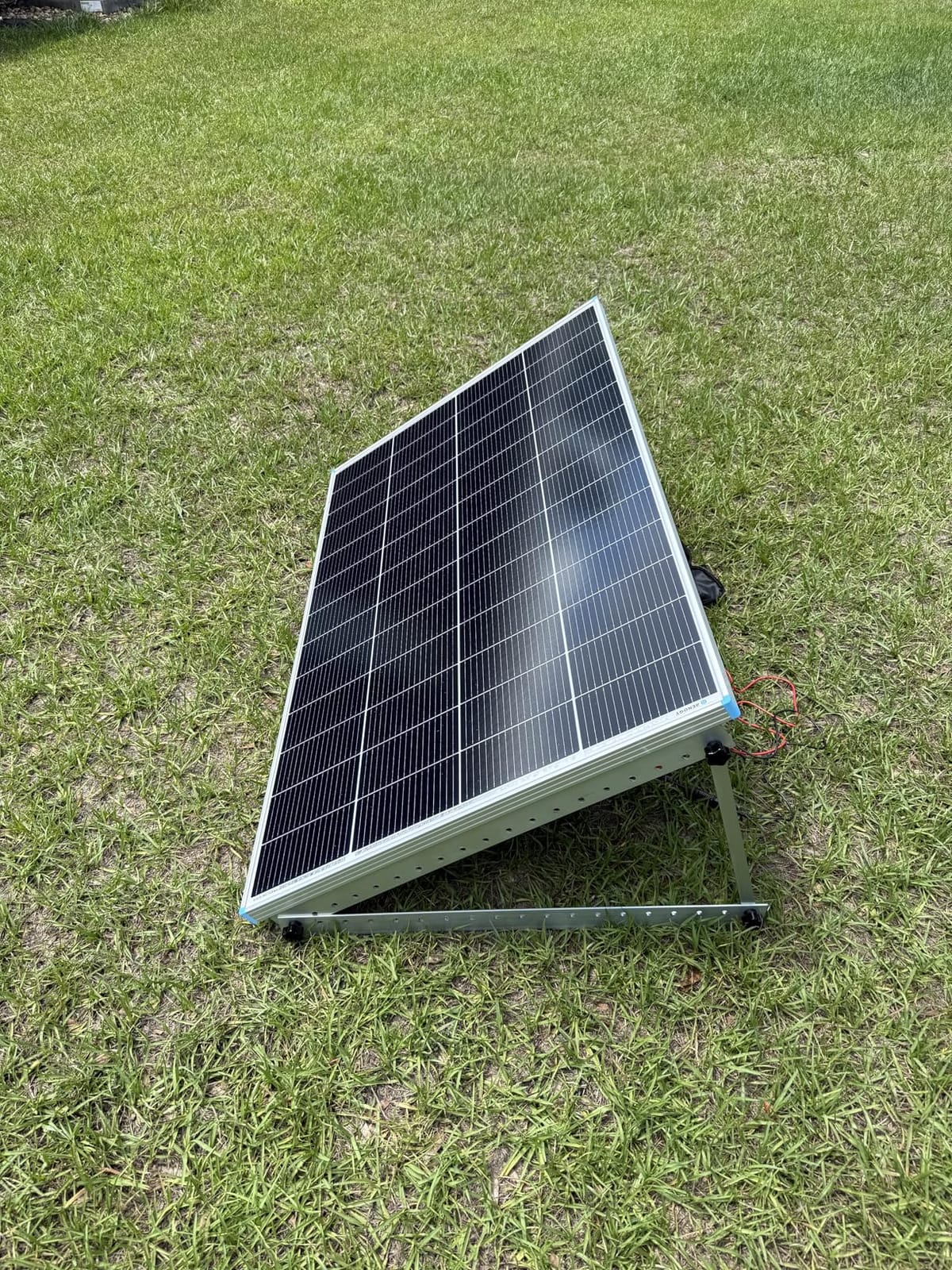
The warranty terms here are among the best documented in this group: 5 years on materials and workmanship, plus a 25-year output guarantee that still holds 80 percent of rated power at the 25-year mark. The 23.8 pound weight for the pair is manageable for a two-person roof install, and the 30.08 by 49.69 inch footprint suits a small cabin roof better than a 68-inch-tall single-piece module.
One electrical detail catches people out. The listed maximum voltage of 36.5 volts sits above what some 12V PWM controllers will accept on input, so check your controller’s Voc ceiling before you plan a series string. In parallel on a 12V bank, this panel is unremarkable and reliable.
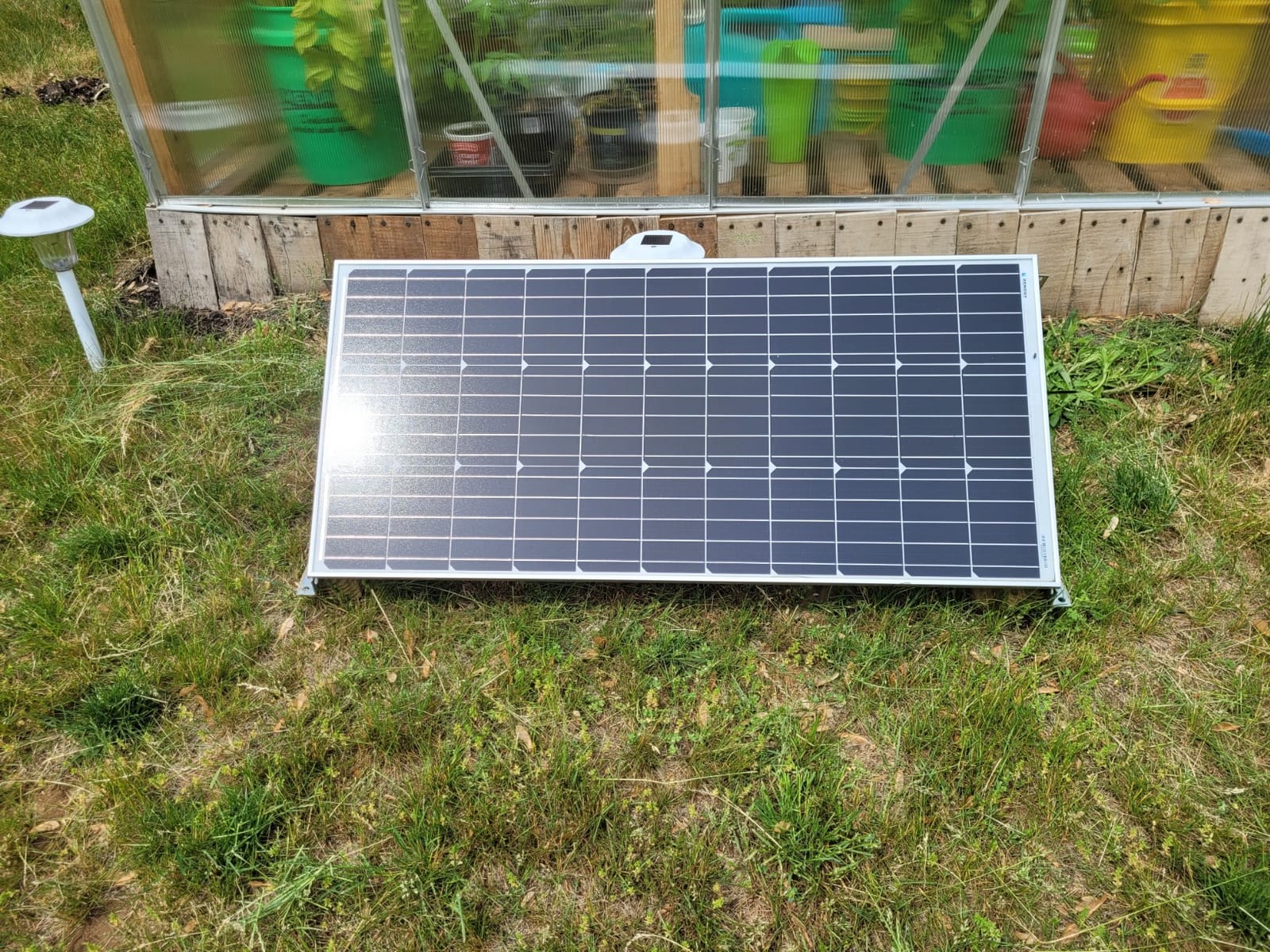
What the Renogy ShadowFlux does well in a cabin
Partial shade tolerance is the headline, and reviewers consistently describe strong low-light and cloudy-day generation from this set. For a cabin under tree cover or with a partial ridge shadow, that is worth more than a slightly higher nameplate number from a panel that collapses the moment a branch crosses it.
It is also the easiest choice to expand later. Add a second identical pair and your charge controller needs to be sized for 800W, but the panels themselves are a known quantity, and the 25-year output warranty means the same module should still be producing in two decades.
Where the Renogy ShadowFlux falls short
Two separate 200W modules mean twice the mounting points and twice the cable runs across a small roof, and that is real installer time you pay for in labor or patience. The set is also heavier per watt than the portable and flexible options, which matters if you are working alone on a steep roof.
Lastly, at 36.5V it is not a drop-in for every 12V charge controller on the market. Confirm your controller’s input voltage ceiling before you commit to a series configuration.
2. HQST 400W N-Type 16BB Panels: Best Value for a Small Roof
HQST 400W Solar Panel, 2 * 200W, N-Type, 16BB, up to 25.4% Efficiency, IP65
400W as 2 x 200W
Up to 25.4% efficiency
30.1 x 46.3 in each
20.17 lb each, IP65
Pros
- 13 percent smaller and 14.5 percent lighter than standard PERC panels
- Grade A+ N-Type 16BB cells with EL testing on every unit
- Improved low-light output for cloudy days and late afternoons
- Two panels need fewer mounts and connections than four 100W units
- Backed by 2400 Pa wind and 5400 Pa snow load ratings
Cons
- Short 24-27 inch leads with a top junction box complicate series strings
- Bifacial rear-side gain is minimal when mounted flush to a roof
- Thin packaging leads to corner damage reports
- Open-circuit voltage near 22.4V so some controllers need a Voc check
The HQST pair is the efficiency champion of this group, with cells rated up to 25.4 percent and every unit EL tested before it leaves the factory. At 20.17 pounds per panel it is also one of the lighter rigid options here, which makes a solo roof install more realistic than the 40-pound-plus sets.
Buyers regularly report output at or above the 200W rating per panel in good conditions, and the low-light improvement is noticeable in the fall and winter shoulder months when a cabin is occupied but the sun is weak. The compact 30.1 by 46.3 inch dimensions mean two of them cover a modest roof section without sprawling.
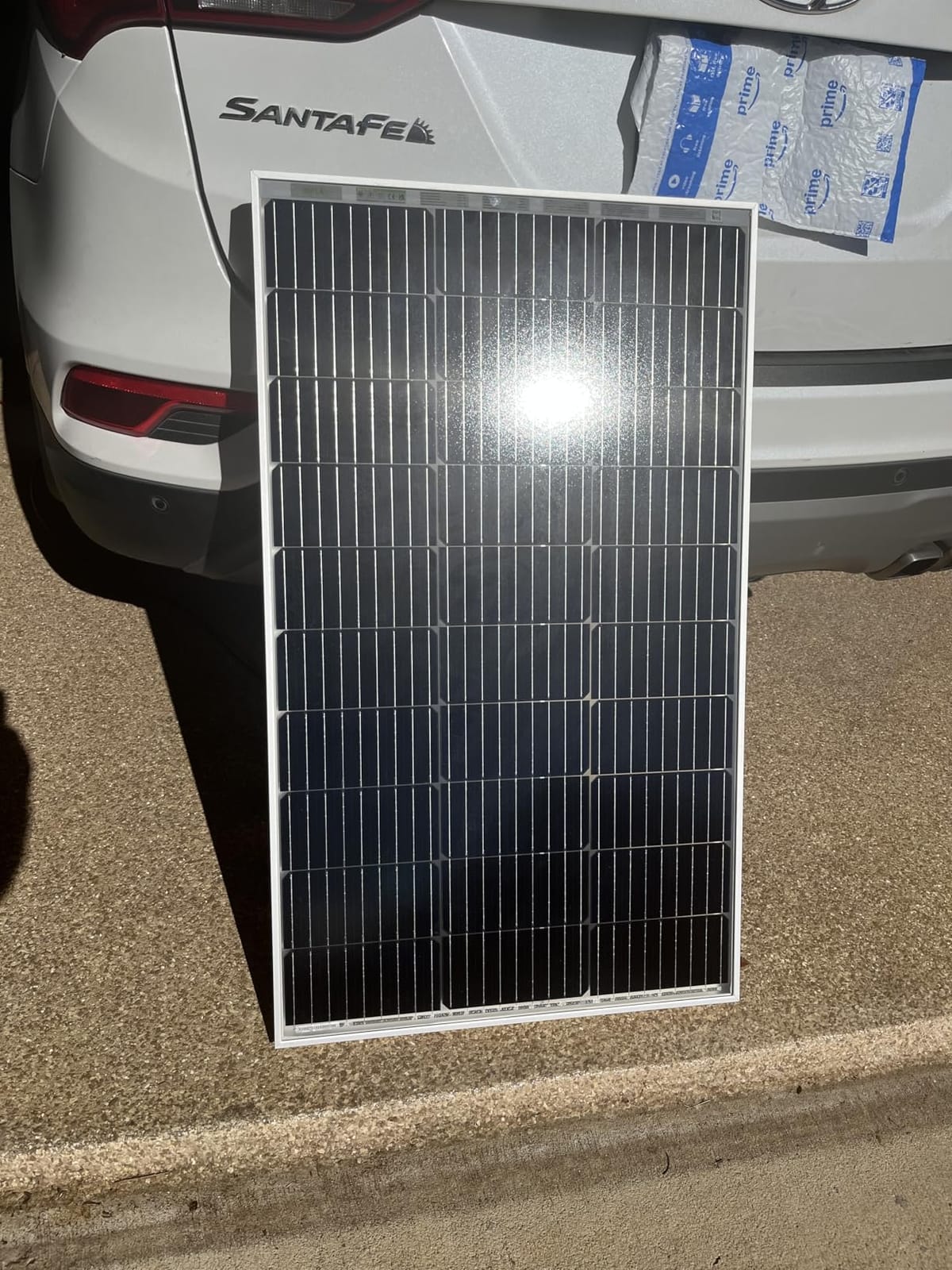
For a cold-climate cabin, the published 2400 Pa wind and 5400 Pa snow load ratings matter as much as the efficiency figure, because those are the numbers that tell you whether the frame survives a wet snow season. The 30-year rated service life with 87.4 percent output retention is a long-term projection few competitors in this range publish at all.
The wiring is where this panel frustrates people. The leads are only 24 to 27 inches and the junction box sits on the top face, so building a long series string means planning cable routes in advance rather than improvising on the roof. Check your controller’s Voc input limit too, since the open-circuit voltage is closer to 22.4V than a full 24V.
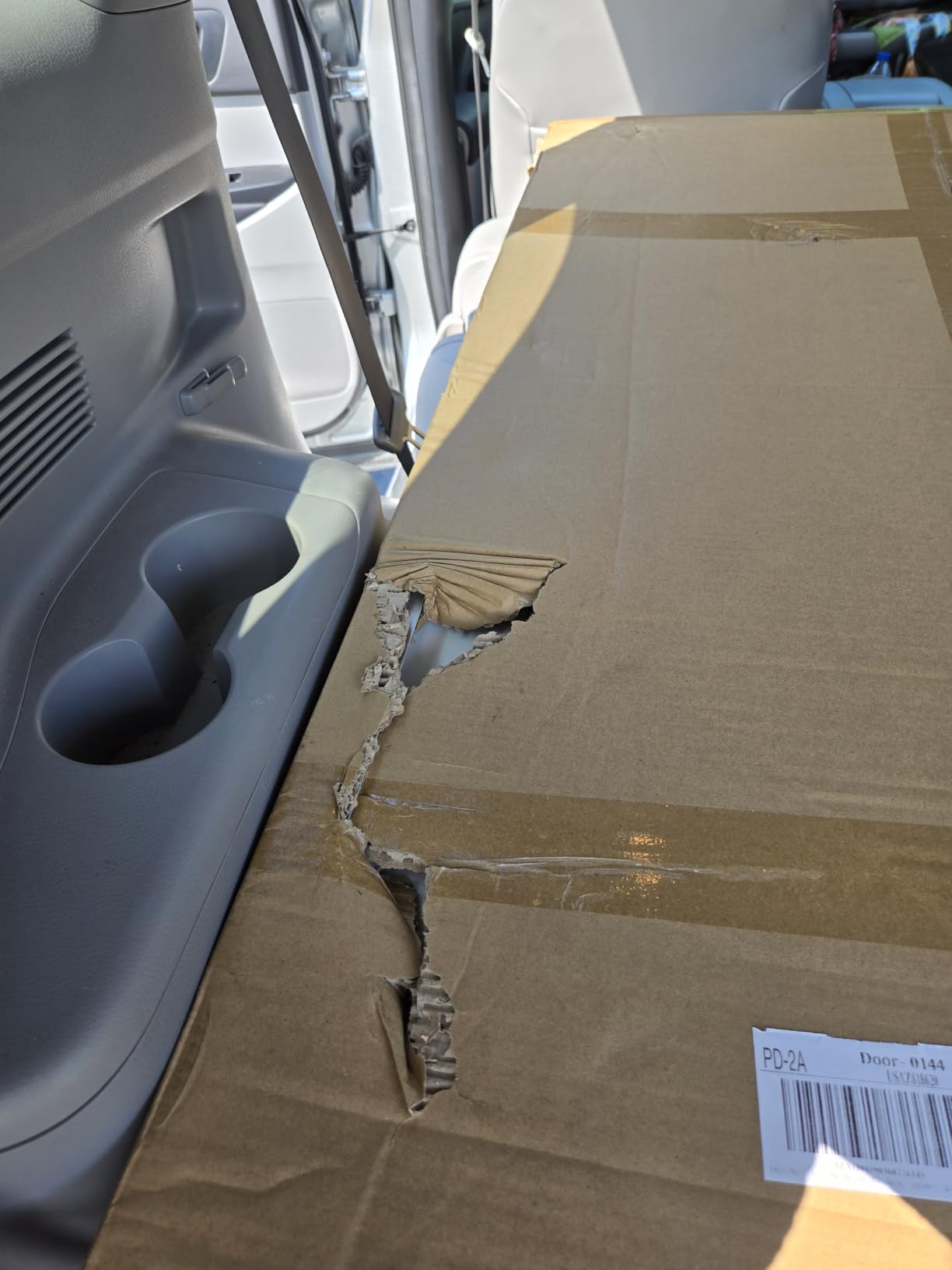
Why the HQST pair suits most cabins
If your roof area is the binding constraint or you are installing alone, very little else here matches it for cell efficiency and mounting simplicity. The 25.4 percent cell efficiency means you get closer to the rated 400W than with any other panel here, and the two-module layout gives you the option of mounting one on the main roof and one on an outbuilding.
It is also the configuration that scales most gracefully. Because each panel is a self-contained 200W unit with MC4 connectors, you can run the pair in parallel on a 12V system and add another pair later without changing the controller class.
Where the HQST pair is not the answer
The short lead wires and top-mounted junction box are the most common complaint in the reviews, and they are genuine friction when you want a longer string run. If your roof geometry means long cable runs, budget for extra PV wire and connectors.
Also be aware this is a pair, not a single piece, and the mounting kit count doubles. Plan four brackets and eight connection points rather than two and four.
3. JJN 400W Bifacial Solar Panels: Best for Raised Mounts and Reflective Ground
JJN 400W Bifacial Solar Panel, 2 Pack 200W Module, 23% High-Efficiency
400W as 2 x 200W
Bifacial 10BB Grade A cells
23.4V, 9.12A, MC4
46.2 lb pair, IP65
Pros
- Bifacial design harvests light from the rear face as well
- Owners measure 190-200W per panel with peaks above rating
- Strong overcast and low-light performance
- Compact 38 x 22 in modules that fit tight roof layouts
- MC4 connectors make stringing straightforward
Cons
- Tempered glass is fragile and arrival damage is reported
- Bifacial gain collapses when panels sit flat against a roof
- Thin packaging leaves sharp corners unprotected
- 24.7 lb per module is heavy for a solo rooftop install
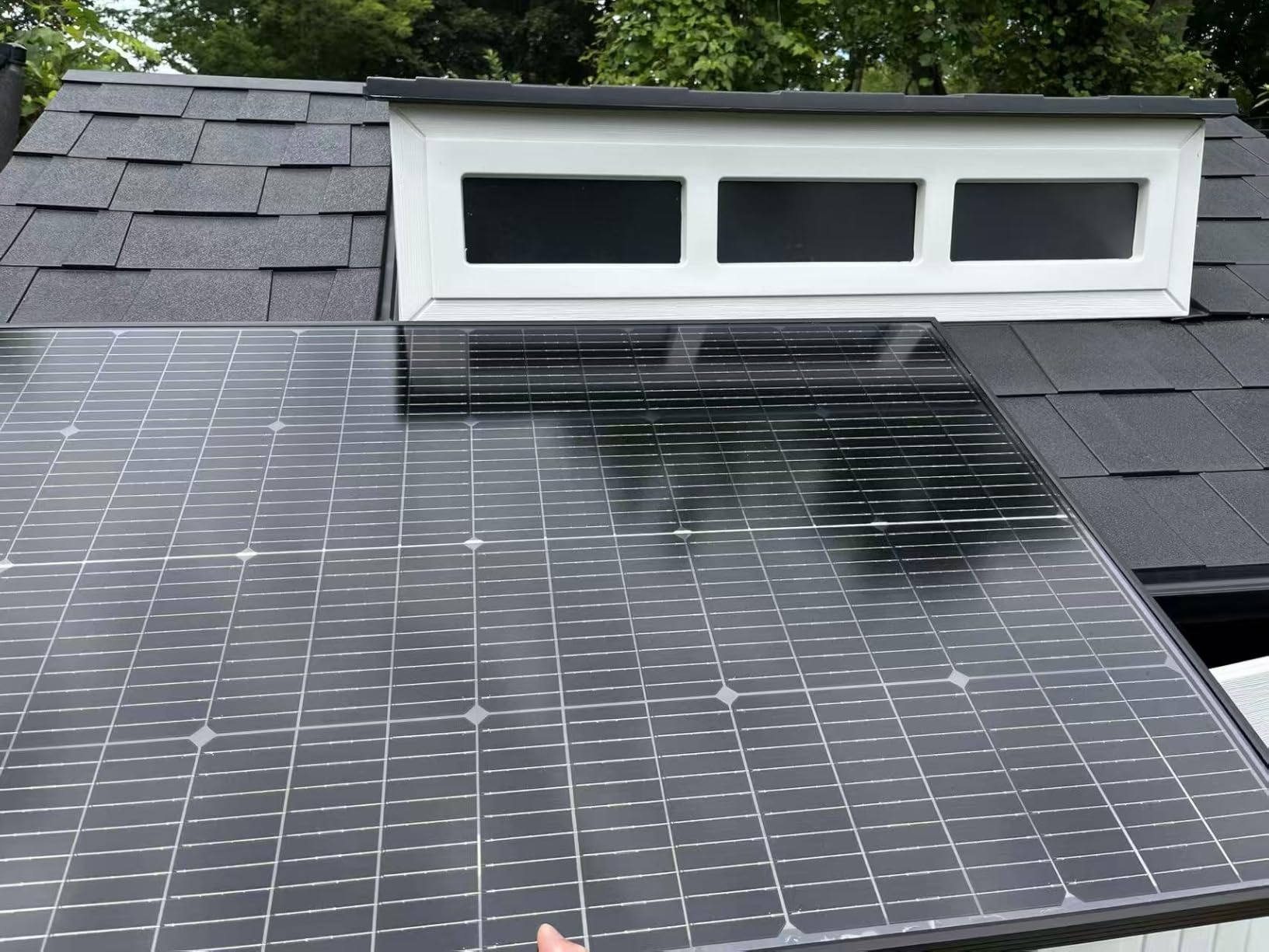
JJN is the pick if you can raise the panels off the roof surface. Bifacial cells collect light from the rear face as well as the front, and the listed rear-side gain runs up to 30 percent on white reflective surfaces, 15 to 25 percent on sand or gravel, and 5 to 10 percent on grass. A ground mount on pale gravel is where this design earns its premium.
The measured output data is among the strongest in this group. Multiple owners report 195 to 200W per 200W panel in good sun, and one four-panel array peaked near 1,116W. The 23 percent efficiency from 10BB Grade A monocrystalline cells is not the highest number here, but real-world harvest is what matters at a cabin.
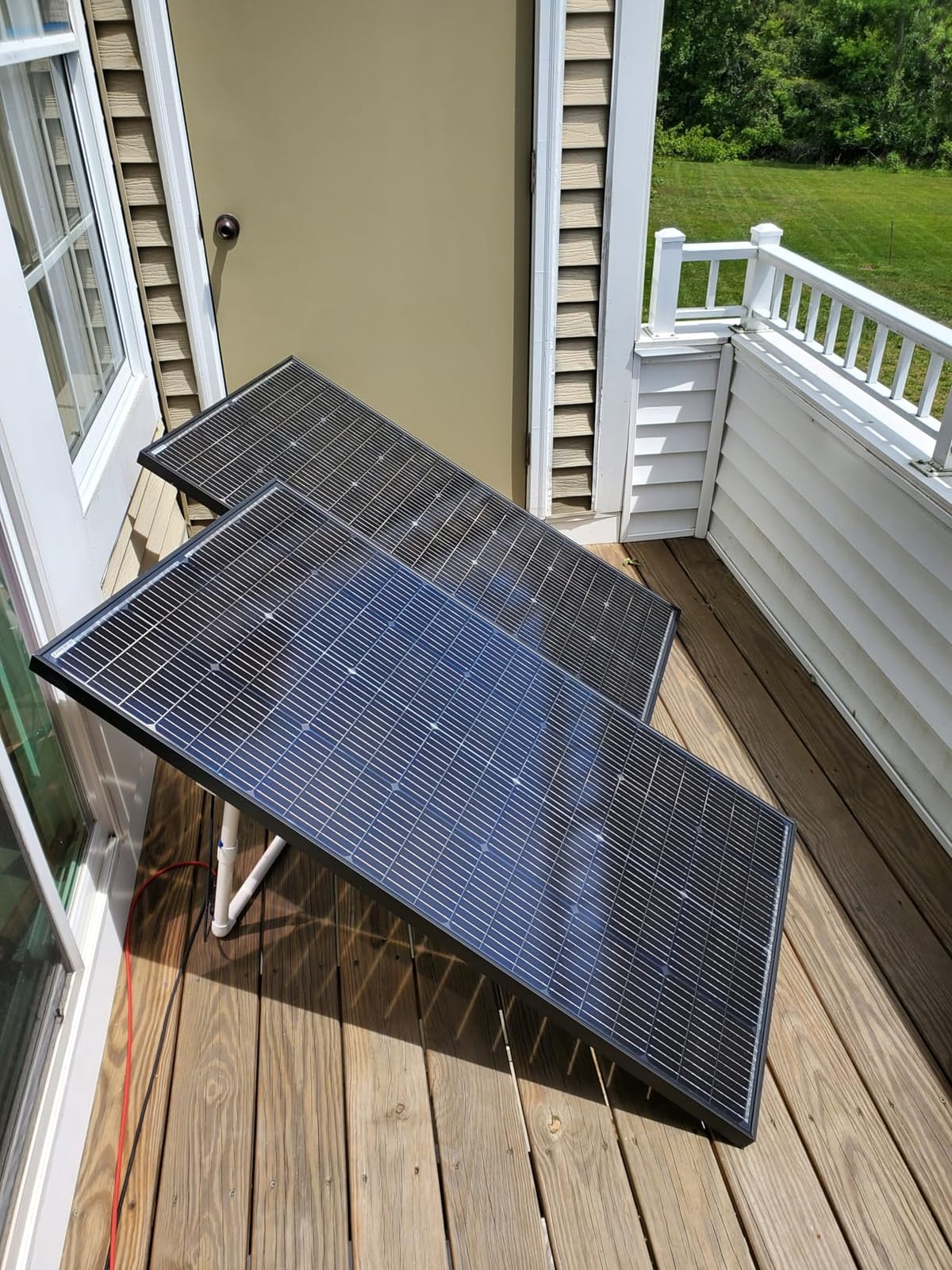
Overcast performance comes up repeatedly in the reviews, with owners comparing the output favourably against 120W portable panels on grey days. At 38.19 by 22.68 inches per module, the footprint is genuinely compact, and the 2400 Pa wind and 5400 Pa snow load ratings are appropriate for a northern install.
The catch is weight and fragility. At 24.7 pounds per module and 46.2 pounds for the pair, this is a two-person lift, and tempered glass does not forgive a bad angle or a dropped corner. Inspect each panel on arrival; transit damage is the most common complaint in the reviews, and thin packaging with unprotected corners is the reason.
Where bifacial gains pay off at a cabin
Mount the array on a ground rack with an air gap beneath the panels and a light-coloured surface below, and the rear face starts contributing meaningful harvest. That is the configuration cabin owners with south-facing open ground should choose over a flush roof mount.
It is also a good fit for a cabin with a light-coloured gravel or concrete pad, where the reflected component adds several percent to daily yield. On a shingled or dark metal roof, expect the rear-side contribution to be small.
Where the JJN panels disappoint
Flat-mounted on a roof, the bifacial advantage largely disappears and you are paying for a design feature you cannot use. If your only option is a flush mount, a conventional framed panel is the more honest purchase.
Between them, the two modules are heavy, and glass plus a permanent roof mount is a combination that argues for a second set of hands and a fall arrest line.
4. ECO-WORTHY 400W N-Type 4-Pack: Most Versatile with Genuine Plug-and-Play Setup
ECO-WORTHY 400W Solar Panels N-Type 4pcs 100 Watt 18V Monocrystalline
400W as 4 x 100W
N-Type 16BB up to 25% efficiency
21.6V, 4.96A, MC4
23.8 lb set
Pros
- Owners report array peaks near 449W for the four-panel set
- About two-thirds the weight of older 100W panels while making more power
- N-Type 16BB cells hold up in low light and partial shade
- Pre-drilled holes and 35-inch MC4 leads make install fast for beginners
- Responsive service that replaced an underperforming panel
Cons
- A 4 x 100W set rarely delivers a full 400W in real conditions
- Panel-to-panel consistency varies with some units running about 20 percent low
- Packed across two boxes so only part of the set may arrive first
- Four small panels need more mounting hardware per watt
The ECO-WORTHY set is the easiest 400W array for a first-time installer. Every panel has pre-drilled holes on the back and a 35-inch lead with plug-and-play MC4 connectors, and the IP68 junction box comes with bypass diodes already installed. There is almost nothing to figure out.
Measured results are encouraging for a four-panel budget array. Owners report the set peaking around 449W in good conditions, and the N-Type 16BB cells with 16 busbars hold output better in low light than the 9BB designs they replaced.
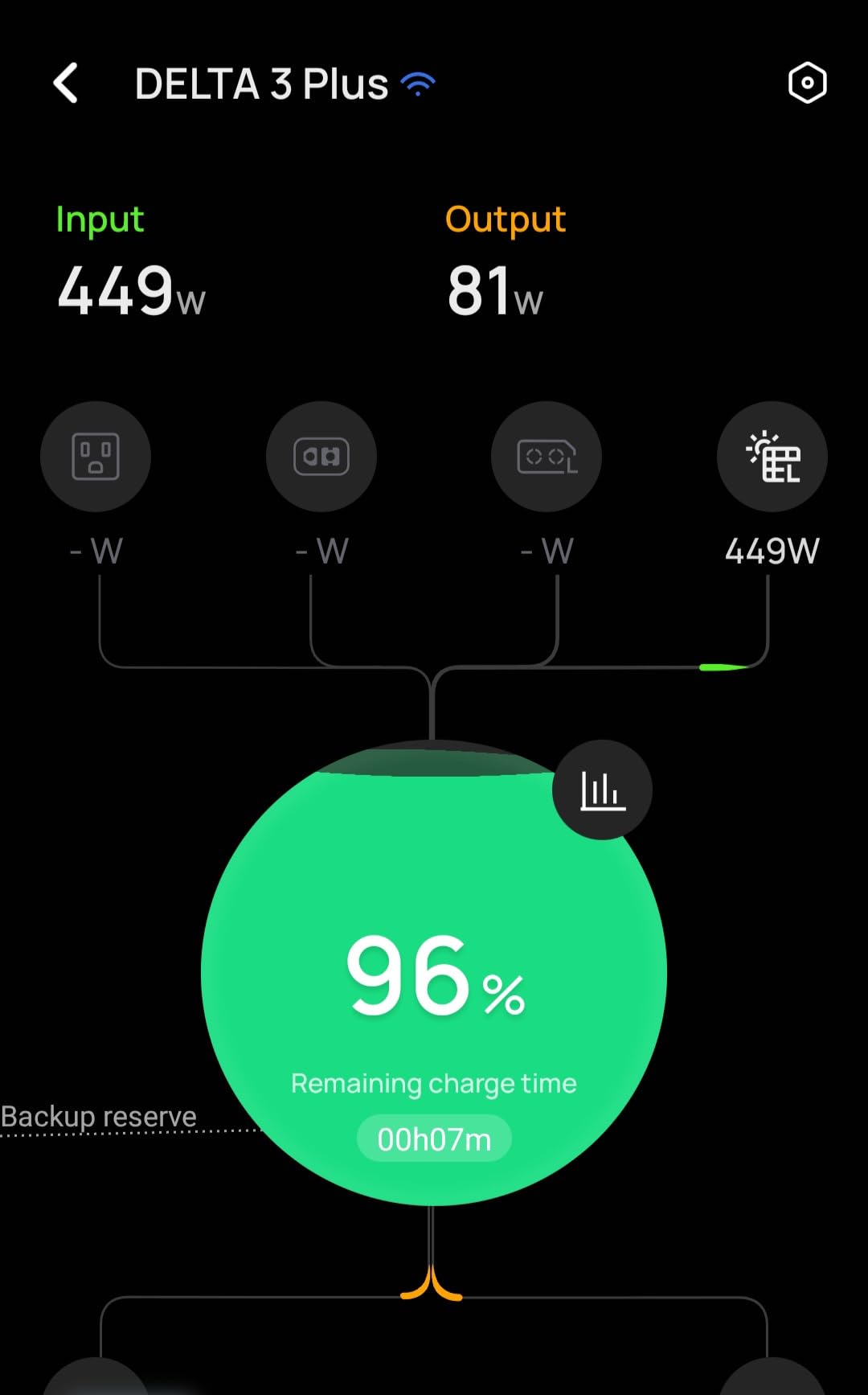
Two practical things to know. The set is packed across two boxes, so plan to receive them separately and store the first half somewhere dry until the second arrives. And because it is four individual 100W modules, a real-world 400W total almost never materialises, so size your charge controller and inverter on a realistic figure rather than the label.
Consistency between panels is worth checking on arrival. A small number of buyers found a unit producing roughly 20 percent below the rest, and the fix is the same as always: test each panel before you mount it, and use the brand’s replacement service, which reviewers describe as responsive and free.
Why this is a good starter array
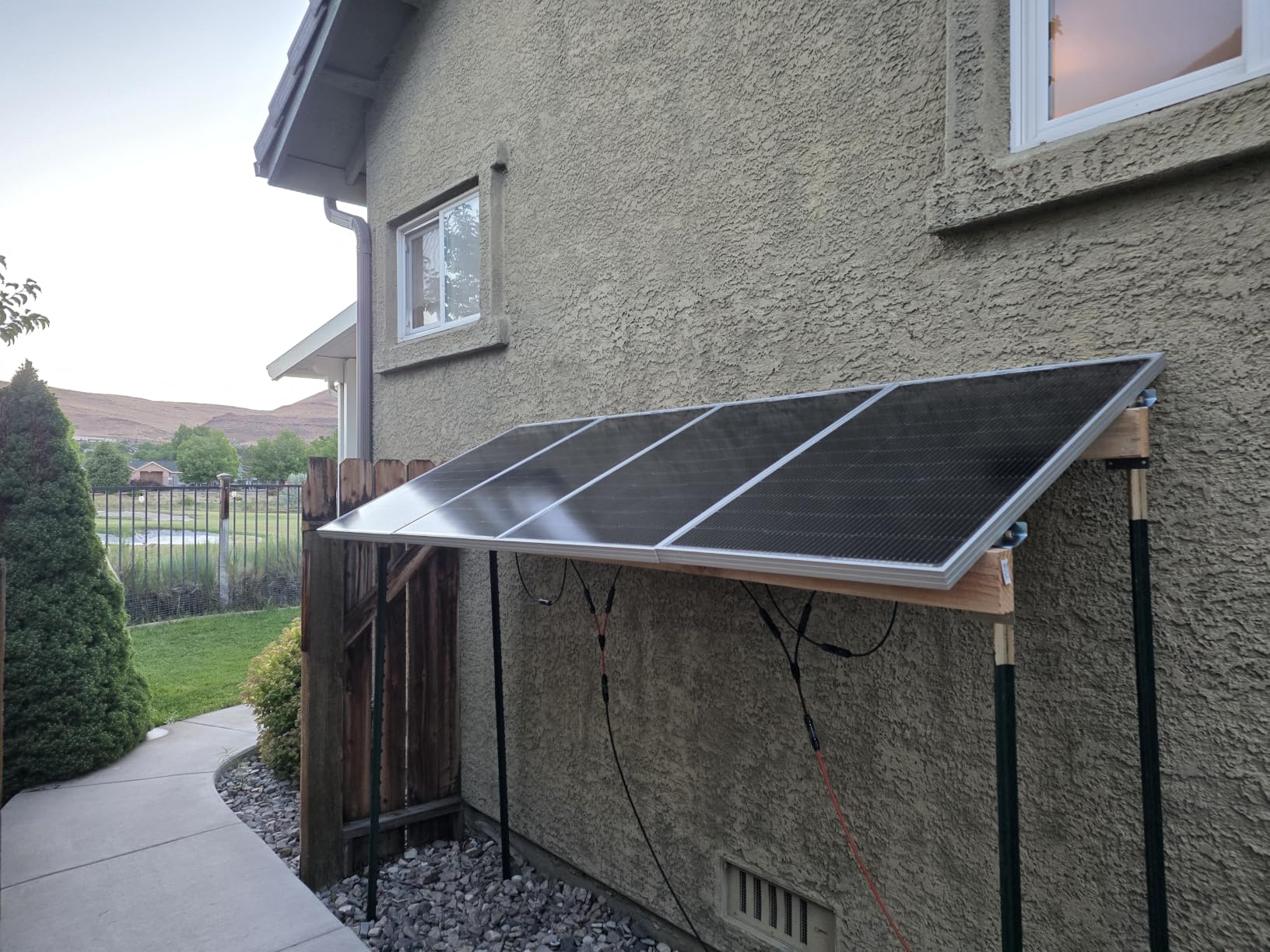
For a first cabin system or a weekend property, this set removes most of the friction. Pre-drilled holes, pre-fitted bypass diodes and short leads mean one person with basic tools can have it on a roof in an afternoon, and the four-panel layout lets you spread them across two roof faces for better sun exposure.
The 1.18-inch frame thickness also helps with heat dissipation, which pays off in summer when cell temperatures climb well above the 25C used for rating.
Where it costs you
Four panels means four mounting positions, four sets of brackets and more connection points, and each junction is a place where moisture can eventually get in. A single-piece or two-module array simply has fewer failure points on a roof you cannot easily inspect.
Budget for that hardware, and be honest in your sizing math that four 100W panels rarely add to the full 400W implied by the product name.
5. Renogy 400W Premium Kit with 40A MPPT: Best Complete Kit
Renogy 400Watt Premium Solar Kit with 40A MPPT Charge Controller
400W array plus 40A MPPT Rover
12V, 32V max battery voltage
56.4 lb total
Bluetooth monitoring
Pros
- Everything in one box including a 40A MPPT Rover controller
- MPPT extracts more usable power than PWM on a 12V array
- Bluetooth module lets you adjust charge settings from a phone
- Z-brackets
- adaptor kit
- tray cable and fuse all included
- Long-standing platform with a 5-year panel warranty
Cons
- Costs more per watt than buying panels on their own
- Controller tops out at 32V battery voltage which limits 24V and 48V builds
- 56.4 lb total makes it a two-person rooftop job
- Kit design predates the N-Type panels common in this class
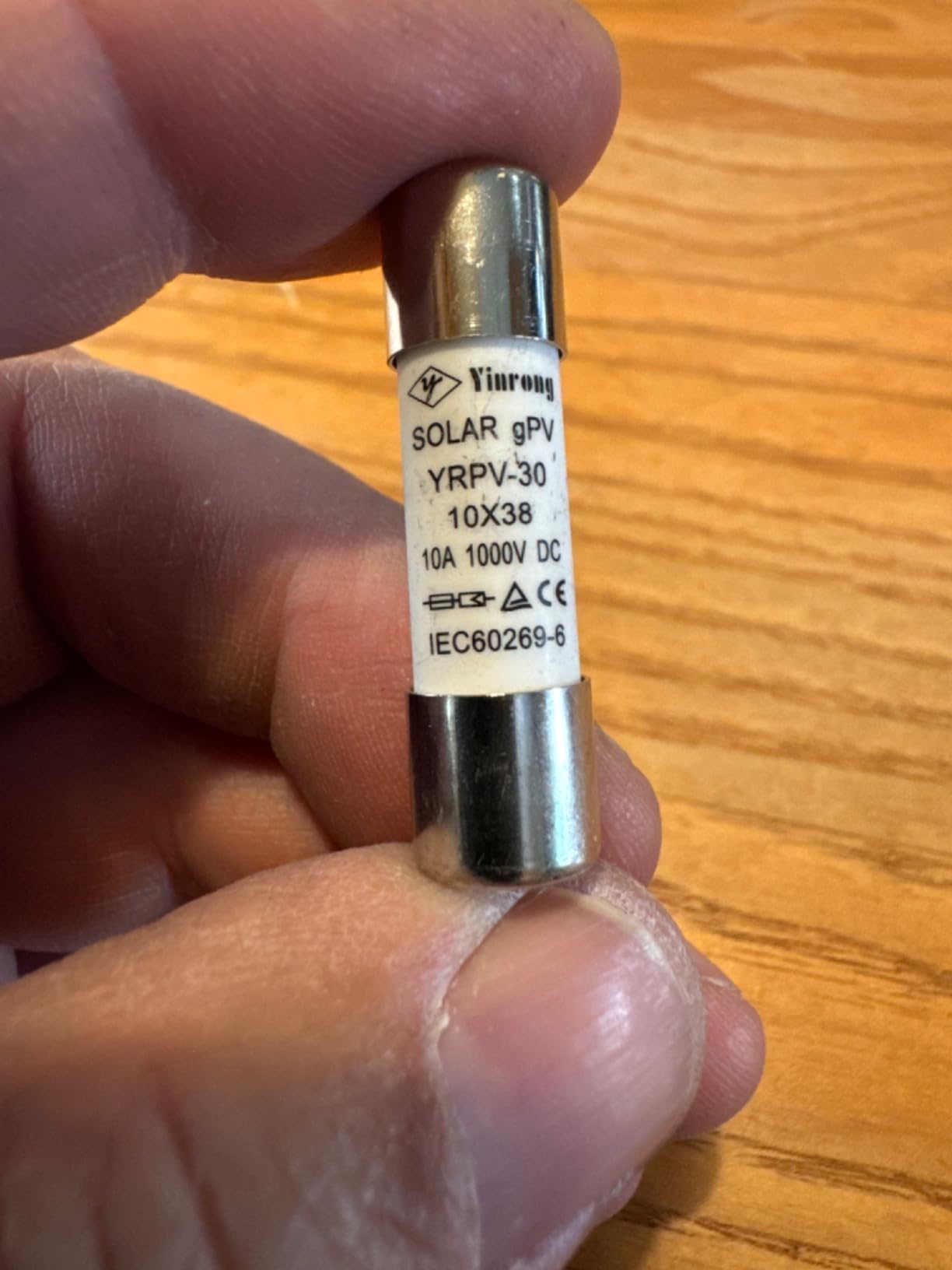
If you want one box and one decision, this is it. The kit pairs a 400W monocrystalline array with a 40A MPPT Rover charge controller, plus Z-brackets, an adaptor kit, tray cable, a fuse and a Bluetooth monitoring module. Nothing else needs to be sourced to get from panels to a working charge system.
The 40A MPPT controller is the reason to pay more here. Forum discussion in r/GoRVing and r/SolarDIY is consistent that PWM controllers in kits rated at 400W quietly lose a meaningful slice of the harvest, and the MPPT part of this package is sized correctly for a 12V array of this class.
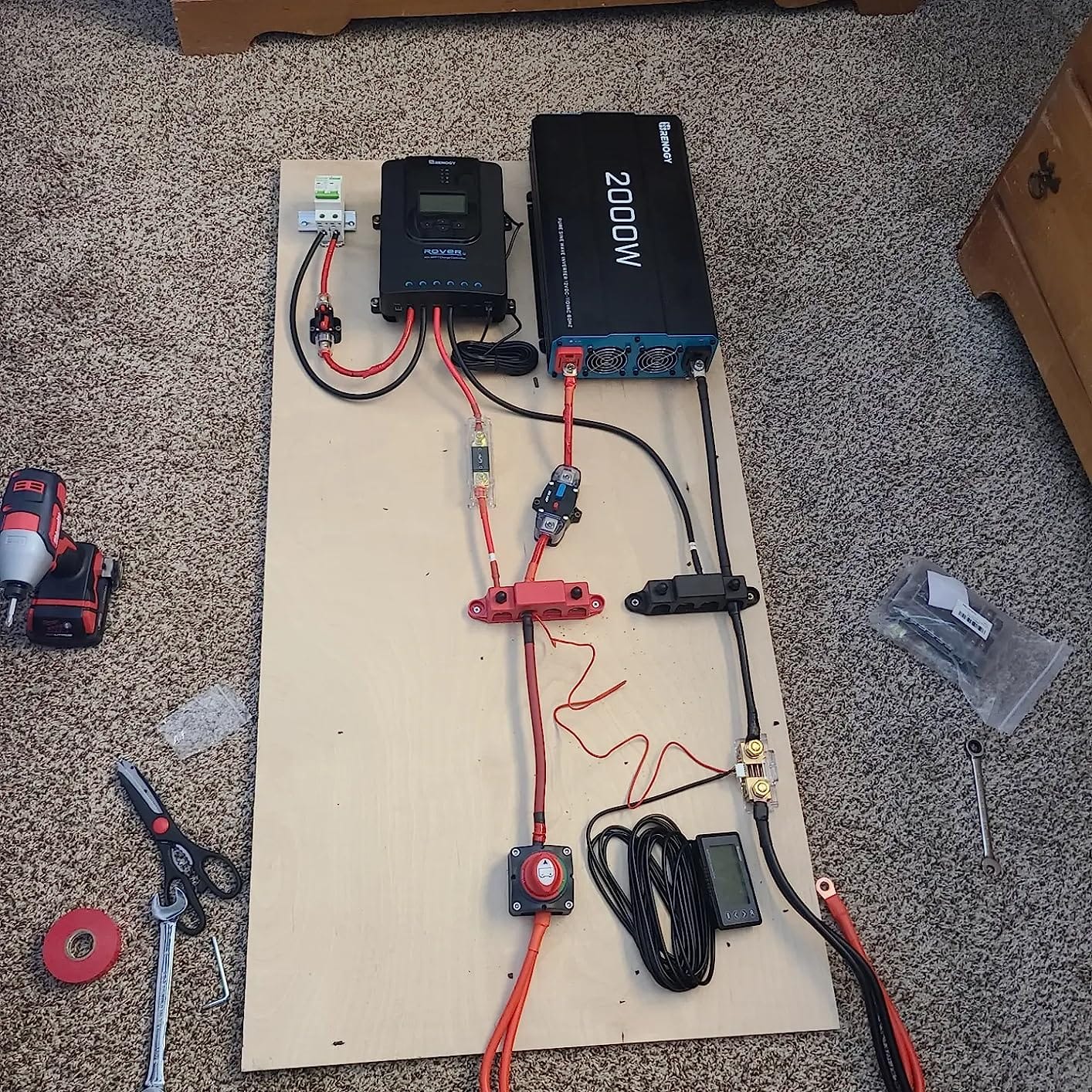
The Bluetooth module is more useful than it sounds. From your phone you can watch the charge curve and see whether the array is being shaded, which turns a vague suspicion into an actual diagnosis when production drops off.
Two limits are worth planning around. The controller supports a 32V maximum battery voltage, so it is a 12V design and cannot be part of a 48V build. And the total package weighs 56.4 pounds, which is a two-person roof job even before you add the battery bank and inverter.
Who benefits from the all-in-one kit
First-time cabin builders, and anyone who would rather not spend a Saturday matching a charge controller to a panel array. The Bluetooth monitoring also makes it easy to demonstrate to a non-technical partner that the system is working, which matters in a build that will be lived in for years.
It is a good fit for a 12V cabin system with modest loads, and the included hardware removes one of the most common causes of a stalled install, which is missing brackets and cable.
Who should buy panels separately instead
If you already know your system is heading to 24V or 48V, this controller is the wrong part regardless of how good the panels are. And if you are price-sensitive and confident with the wiring, standalone panels plus a controller you choose yourself cost less per watt and let you spec modern N-Type modules instead of the older design in this box.
6. DOKIO 400W Monocrystalline Single Panel: Best for 24V Systems
DOKIO 400W Solar Panel, 31V Monocrystalline, for 24V Off-Grid Systems
Single-piece 400W
31V for 24V nominal banks
9.84 ft MC4 leads
Tempered glass, sealed box
Pros
- Single panel removes the extra junctions four 100W units require
- 9.84 ft leads give far more routing freedom than short-lead panels
- 31V suits 24V nominal off-grid battery banks
- Sealed junction box and aluminum frame for permanent outdoor mounting
Cons
- Lowest average rating in the group with a 14 percent one-star share
- 49.4 lb panel is difficult for one person to lift onto a roof
- Output varies heavily with sun angle
- temperature and controller quality
- Parallel wiring is needed on most 12V systems for stable performance
The DOKIO is the only true single-piece 400W panel in this roundup, and that single fact changes the install. One panel means one set of brackets, one junction box, and one pair of MC4 connections instead of the four-panel branching you get from a 100W 4-pack.
It is also the option here built for 24V nominal systems. At 31V output it pairs naturally with a 24V battery bank, which cuts the amperage on the same power and shrinks the cable gauge you need over a long run from the roof to the battery enclosure.
The 9.84 foot MC4 leads are the sleeper feature. Most panels in this class come with leads barely long enough to reach an adjacent bracket, and the DOKIO’s extra length removes the extension joints and extra connection points that come with adding your own cable.
Set expectations carefully, though. At a 4.1 average across 506 reviews, this is the most polarised product here, with a 14 percent one-star share. Slower reviews point at weight, mounting difficulty and output that falls short of nameplate when conditions are not ideal, and the panel weighs 49.4 pounds, which is a two-person lift onto a roof.
Where the DOKIO earns its place
For a 24V cabin build where cable runs are long, the higher voltage and the long leads are the whole argument. A single panel also means fewer places for water to get in and fewer connections to check when you come back after a winter.
Buyers who match it to a proper 24V system and MPPT charging report strong, steady generation, and the reduced wiring complexity compared with four 100W panels is consistently praised.
Where it does not work out
The 4.1 rating is the reason it is not higher on this list, and it deserves a straight mention. On a 12V system you will be running in parallel and losing headroom, and at 49.4 pounds the handling is the toughest of any rigid panel here.
If you are not confident about rigging, panel lifting and roof safety, choose a lighter two-module option instead.
7. Traver Force 400W 4-Pack: Best for Series Stringing
Traver Force 400W 12V Solar Panel, 4*100W, 25% Efficiency, Grade A+ Cells,
400W as 4 x 100W
182mm Grade A+ cells, 10 busbars
Up to 25% efficiency
IP65 junction box
Pros
- Owners repeatedly measure 100-112W per 100W panel
- Lower open-circuit voltage lets four panels fit a 100V MPPT string where rivals fit three
- Publishes temperature coefficient values many brands omit
- Light for a rigid 100W panel and easy single-person handling
- Reported to hold up well in hail
Cons
- Some units develop visible surface blemishes within months
- Sharp unprotected panel corners are a handling risk
- Shares a factory and cell design with other brands
- Very low sales rank compared with the major brands here
The Traver Force set has a technical trick that experienced installers notice immediately. Its slightly lower open-circuit voltage means four panels fit in series on a 100V MPPT controller, where three of the larger competitors would exceed the input limit. If you are building toward a 24V or 48V bank with a modern wide-input controller, that is a real design constraint solved.
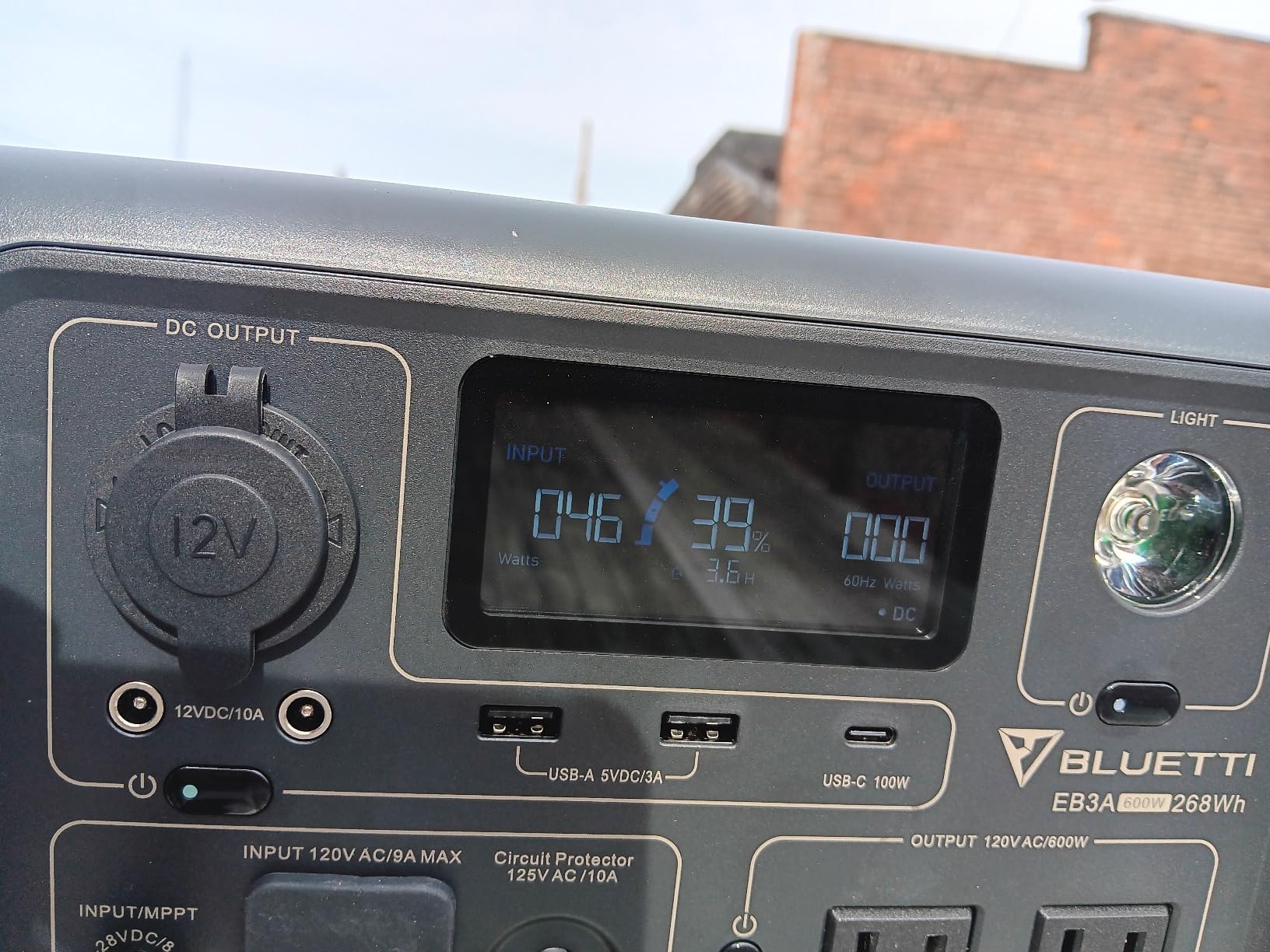
Measured output matches the ratings. Owners repeatedly report 100 to 112W per 100W panel, which is at or above nameplate, and every panel is EL tested for cracks before assembly. The 182mm Grade A+ monocrystalline cells with 10-busbar technology run up to 25 percent conversion efficiency.
Two things this brand does that most in this price range do not: it publishes temperature coefficient values, and it states an 80 percent output retention figure at 25 years under a 5-year product assurance. That transparency makes it easier to model long-term yield honestly.
It is also light enough for a single person to handle comfortably, with an anti-corrosion aluminum alloy frame, IP68 connectors, an IP65 junction box and four pre-drilled holes per panel for quick rooftop or bracket mounting.
Why series stringing matters
If your cabin system is 24V or 48V, you will be putting panels in series to reach the controller’s input voltage. Hitting the Voc ceiling with a fourth panel means reworking your string design or buying a bigger controller, so the low-Voc advantage here is worth planning around.
Owners running well-matched sets also report good panel-to-panel consistency, which matters because a single weak panel drags down the whole string.
What to watch
A small number of owners reported surface blemishes appearing within months on panels bought in quantity, and the exposed corners are a genuine handling risk. Inspect panels under good light before mounting, and treat edges carefully during transport.
Also be aware this set shares a factory and cell design with several other brands, so build quality is not fully unique, and the brand has a much thinner sales history than the names at the top of this list.
8. Callsun 400W N-Type 16BB 4-Pack: Best for the Smallest Roof
Callsun N-Type 16BB 400 Watt Solar Panel, 4×100W Solar Panels
400W as 4 x 100W
25% N-Type 16BB cells
31.1 x 22.7 in each
11.4 lb each, IP68
Pros
- Compact modules are roughly 15 percent smaller than traditional 100W panels
- Some owners measured 456W from four panels in cool conditions
- 16BB N-Type cells perform well in low light and partial shade
- Thick overbuilt frame feels noticeably sturdier than larger rivals
- Matched Voc readings across panels in owner reports
Cons
- Real-world output varies
- with some buyers measuring only 70-75W per panel
- Smaller silicon area means fewer watts per panel than larger 100W designs
- One four-pack arrived with a dented frame
- Shade resistance improved but did not meet every buyer's expectations
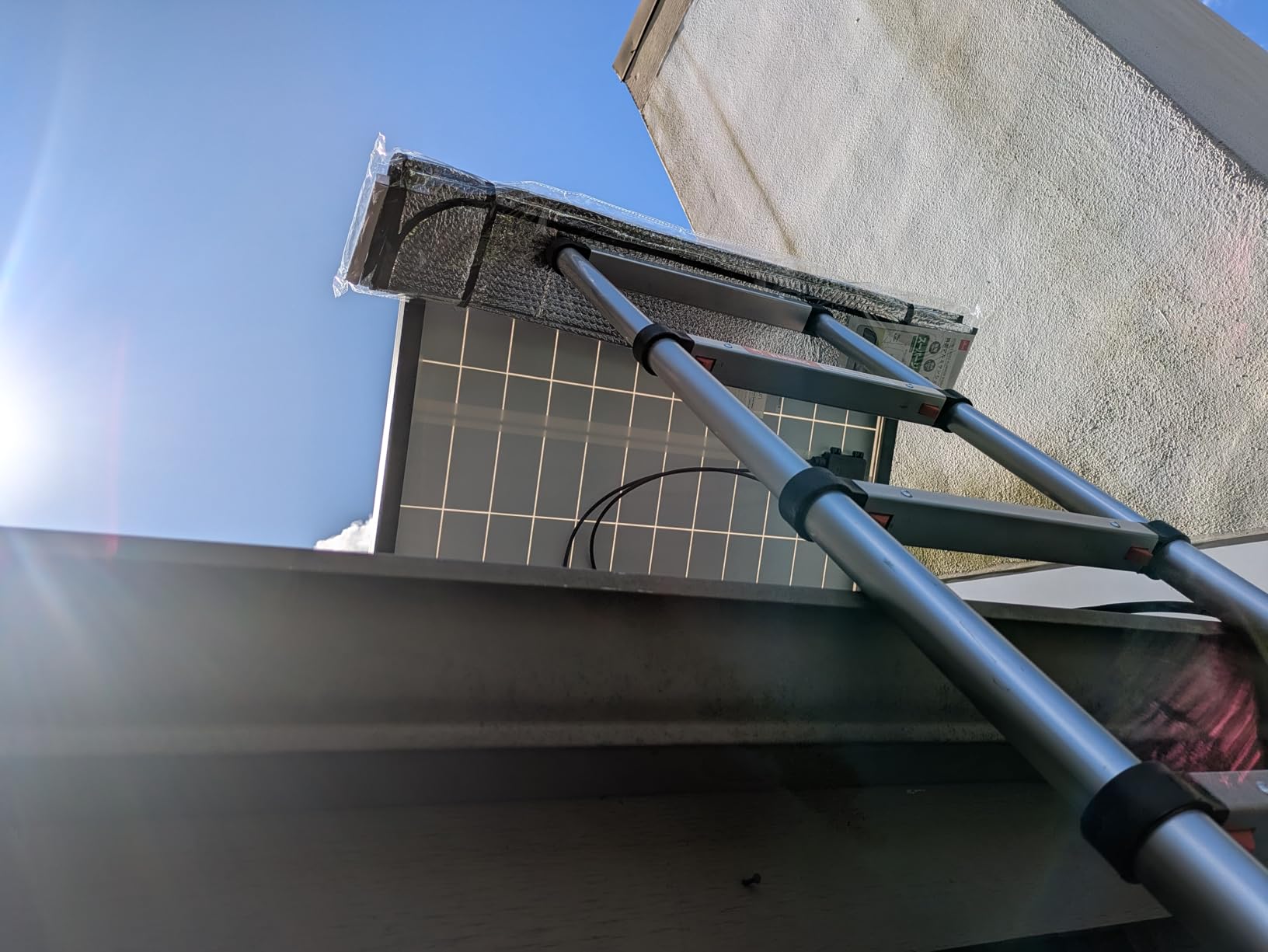
The Callsun set solves a specific problem: a small cabin roof where four standard 100W panels will not physically fit. At 31.1 by 22.7 inches and 11.4 pounds each, these modules are roughly 15 percent smaller than conventional 100W panels and light enough for one person to carry up a ladder.
The N-Type cells with 16 busbars give it a genuine low-light and partial-shading advantage over 9BB rivals, and the -0.3 percent per degree temperature coefficient is one of the better published figures in this group, which matters in a hot summer desert cabin.
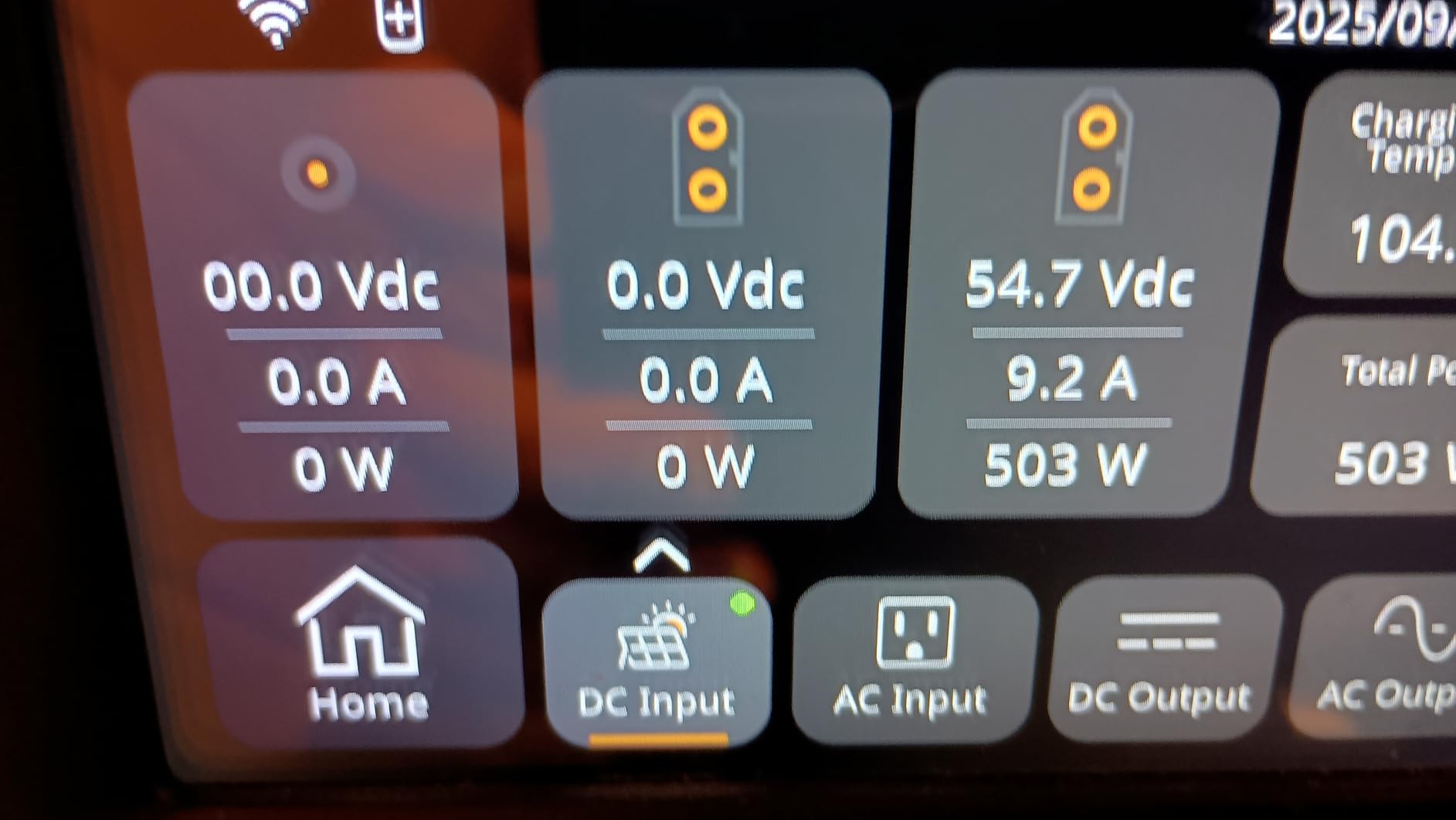
Owners report above-rated results in cool, clear conditions, including 456W from four panels, and the 3.2mm low-iron tempered glass with reinforced corner guards and a sturdy aluminum frame feel well overbuilt for a panel at this level.
The honest caveat is the one most reviews raise: because the silicon area is smaller, some buyers measured only 70 to 75W per panel when comparing against larger 100W designs from HQST and BougeRV. Your four panels may fit the roof and still underperform a 2 x 200W pair that barely does.
When the compact size wins
On a small roof, a module that fits is worth more than a module that theoretically makes more watts. If your available area is around 10 square feet, the Callsun set gives you a real 400W-class array where four full-size 100W panels simply cannot go.
Warranty terms are also stronger than most at this tier: 10 years of material and workmanship support with a 25-year output guarantee retaining 84.5 percent of rated power. Customer service is repeatedly praised for resolving defects quickly.
When to pick a bigger module instead
If you have roof space to spare, buy fewer, larger panels. Fewer panels means fewer brackets, fewer junction boxes and fewer failure points, and the 70-75W per panel reports are a real risk when you are counting on winter output to get through a snow week.
Inspect all four on arrival as well, since a dented frame turned up in at least one four-pack.
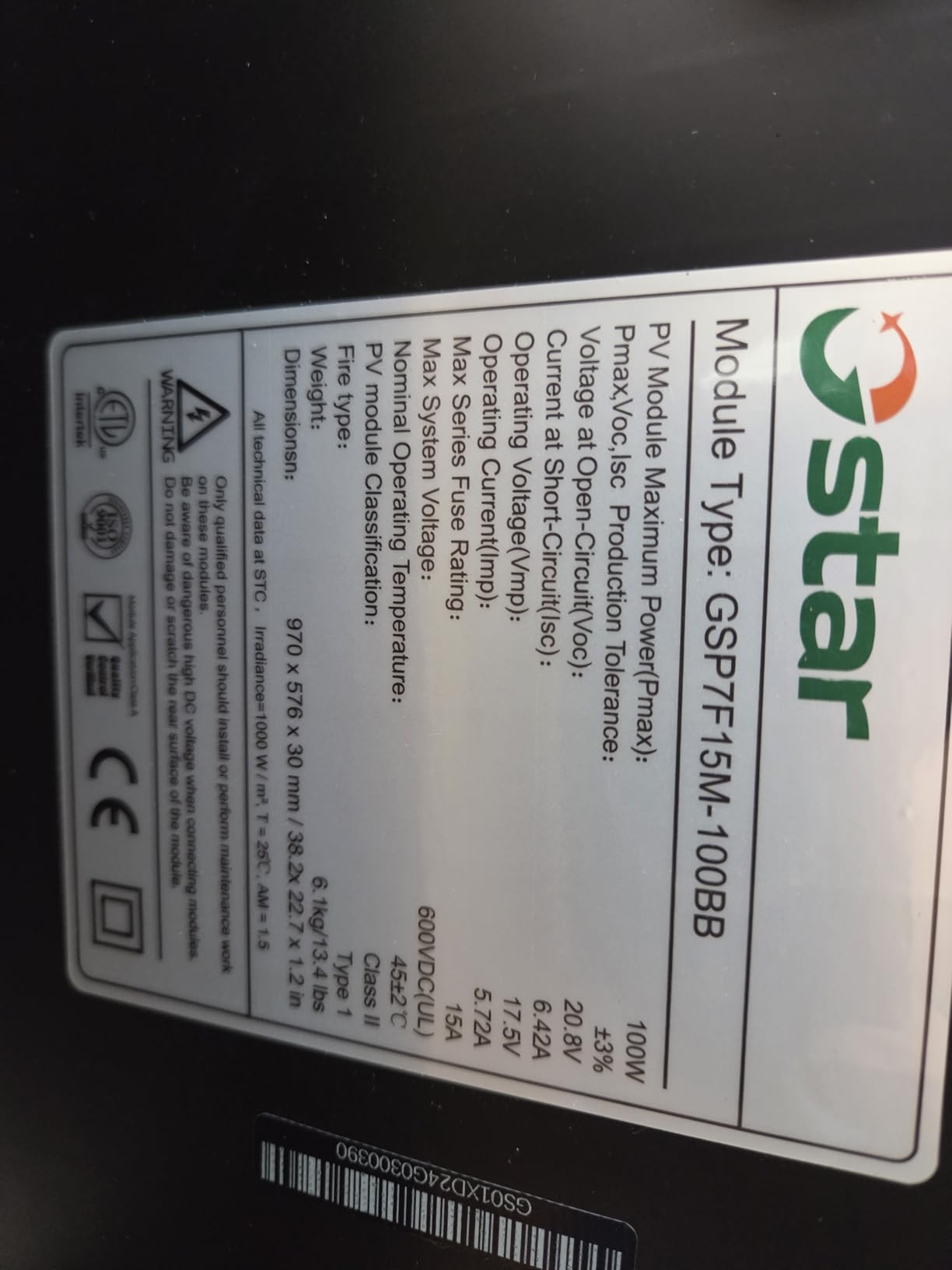
9. STAR 400W Frameless Panels: Best Frameless Design for Low Maintenance
STAR 400 Watt Solar Panel – 2PCS 200W Solar Panels with Frameless Design
400W as 2 x 200W frameless
25% monocrystalline cells
23.4V, 9.12A, MC4
24.9 lb pair, IP68
Pros
- Output tracks or exceeds rating with four panels measuring 965-988W
- Frameless glass surface sheds dust and water
- Strong indirect and low-light output that holds useful power near dusk
- Slim profile fits van roofs beside rooftop equipment
- ETL
- ISO9001 and CE certified
Cons
- Large and heavy
- with owners struggling to lift a pair onto a roof
- Glass sits flush with the edge so clamps can crack it if unpadded
- Water beads rather than drains at low mounting angles despite the self-cleaning claim
- Pre-lamination tape is visible on panel edges
- One panel arrived cracked
The frameless design is the point of this one. With no aluminum frame around the glass, there is no ledge for snow, dust or leaves to accumulate, which matters on a cabin roof nobody is cleaning every autumn. The listing claims a 15 percent generation increase over framed panels for exactly that reason.
Output data is solid. Owners measuring four 200W panels in good sun report 965 to 988W, and the low-light behaviour holds useful output longer near dusk than most frameless designs manage. The panel is ETL, ISO9001 and CE certified.
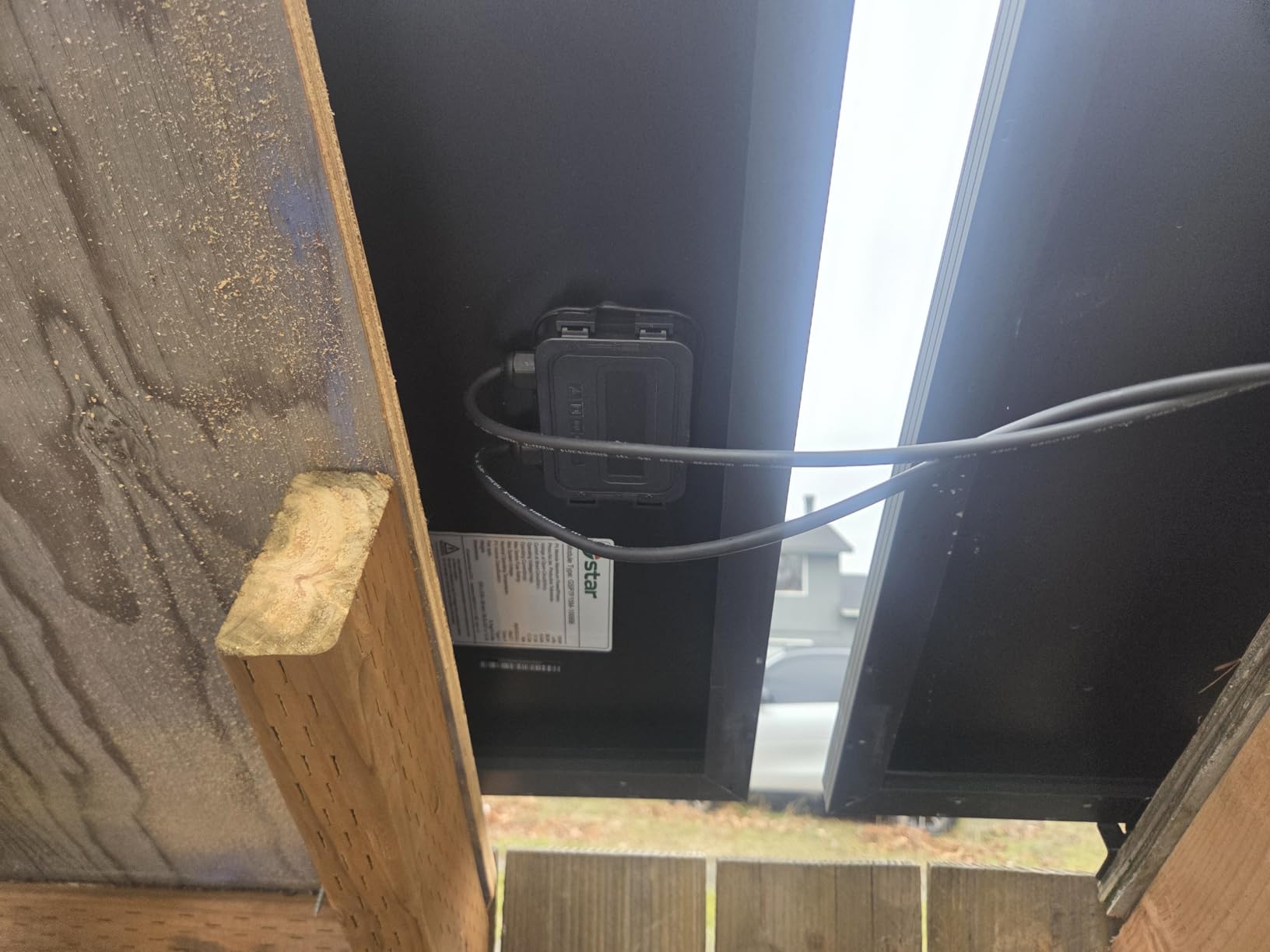
Handle the frameless glass carefully and treat the self-cleaning claim with some scepticism. Because the glass is flush with the panel edge, standard clamps can crack it unless you pad them, and multiple owners report water beading rather than running off at low mounting angles. That is a problem on a north-facing or shallow-pitched cabin roof where snow sits rather than slides.
It is also one of the larger pairs here at 53.7 by 30.3 inches and 24.9 pounds for the set, so plan your lifting and your mounting points accordingly. The slim 1.4-inch profile is the redeeming feature when roof space is the constraint.
Where frameless makes sense
On a cabin with a shallow pitch, a lot of trees nearby, or a roof you will not maintain much, a surface with no frame edge collects less debris. If you are using a slightly steeper tilt and a ground or rack mount rather than a flush roof, the water-beading concern largely disappears.
The low-light and indirect-light performance also makes it a decent pick for a cabin in a region with frequent overcast conditions rather than hard clear skies.
Where the frameless design bites
Unpadded edge clamps crack frameless glass, and that is not a risk you want on a roof ten feet up. Visible pre-lamination tape along the edges also undercuts the clean look the design is selling.
Budget for padded clamps, inspect the panel on arrival because cracked glass is the most common complaint, and accept that a low-tilt mount will hold water rather than shed it.
10. Renogy 400W Portable Foldable Panel: Best for Seasonal Cabins
Renogy 400W Portable Solar Panel, Premium Materials for Decades of Use
Foldable 400W suitcase
23% ETFE-coated cells
67.5V, 12.1A, IP68
30.2 lb, folds to 33.7 x 27.9 in
Pros
- Folds to a 33.7 x 27.95 in case far more compact than a rigid 400W panel
- Sets up in about 60 seconds with integrated kickstands and no tools
- ETFE coating and fiberglass reinforcement handle rain
- snow
- heat and hail
- Parallel wiring keeps output up when one section is shaded
- Connects directly to most portable power stations
Cons
- Costs more per watt than rigid panels and runs at 23 percent efficiency
- Short 3-year material and workmanship warranty against 5 to 25 years on rigid rivals
- ETFE surface scratches and degrades faster than framed glass over years of folding
- Not suited to permanent rooftop or ground-mount cabin installs
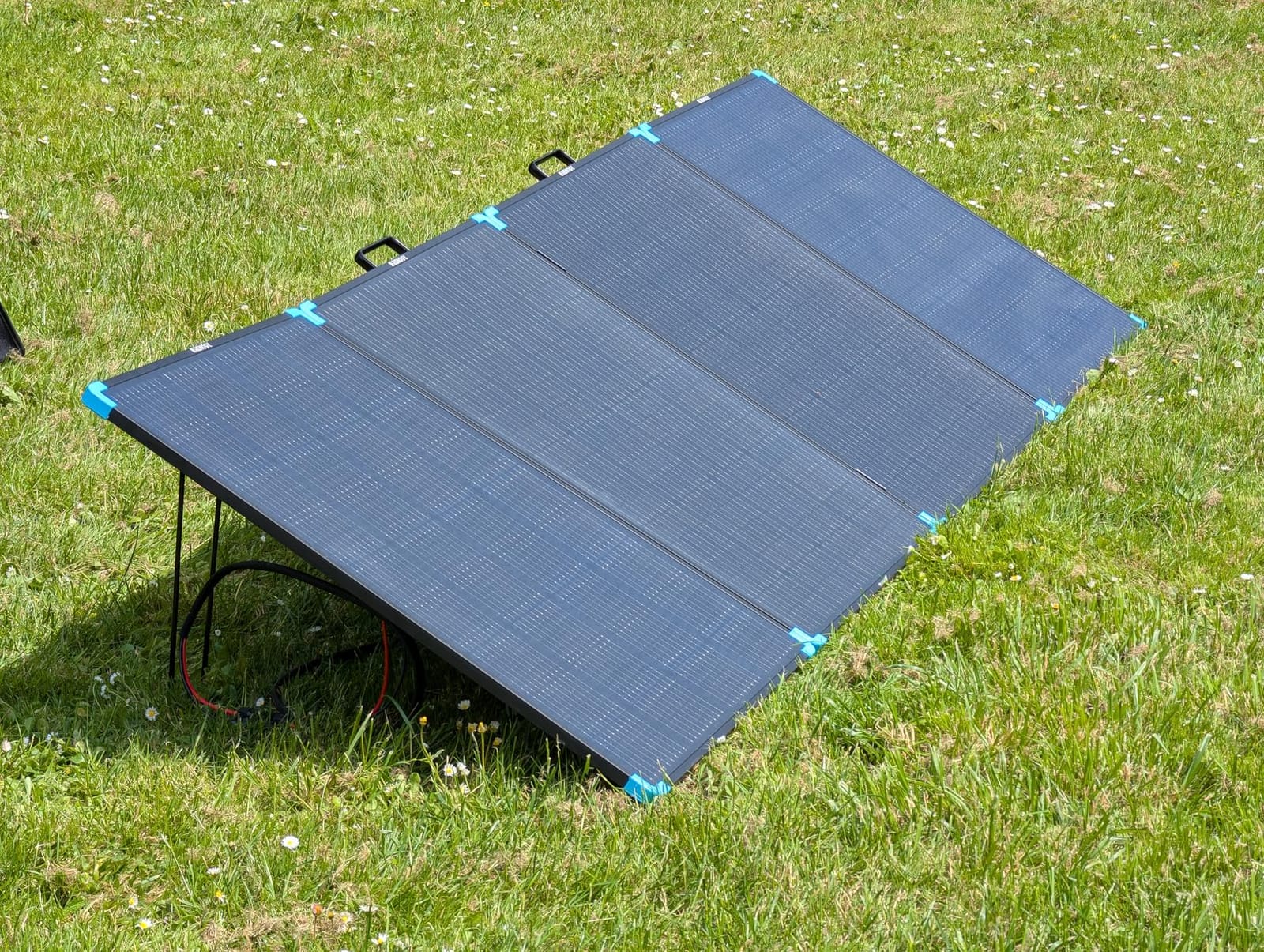
This is the one product in the roundup that is not a permanent install, and we included it because many cabin owners genuinely need it. If you drive up to a property a few weekends a year, the ability to pack 400W into a case and set it up in a minute with kickstands is worth a great deal.
The internal wiring is the part that separates it from cheaper foldables. Because the four quadrants are wired in parallel, shading on one section does not cut total output, and a partially shaded panel still pushes close to its rating. That is a real advantage over a series-wired foldable.
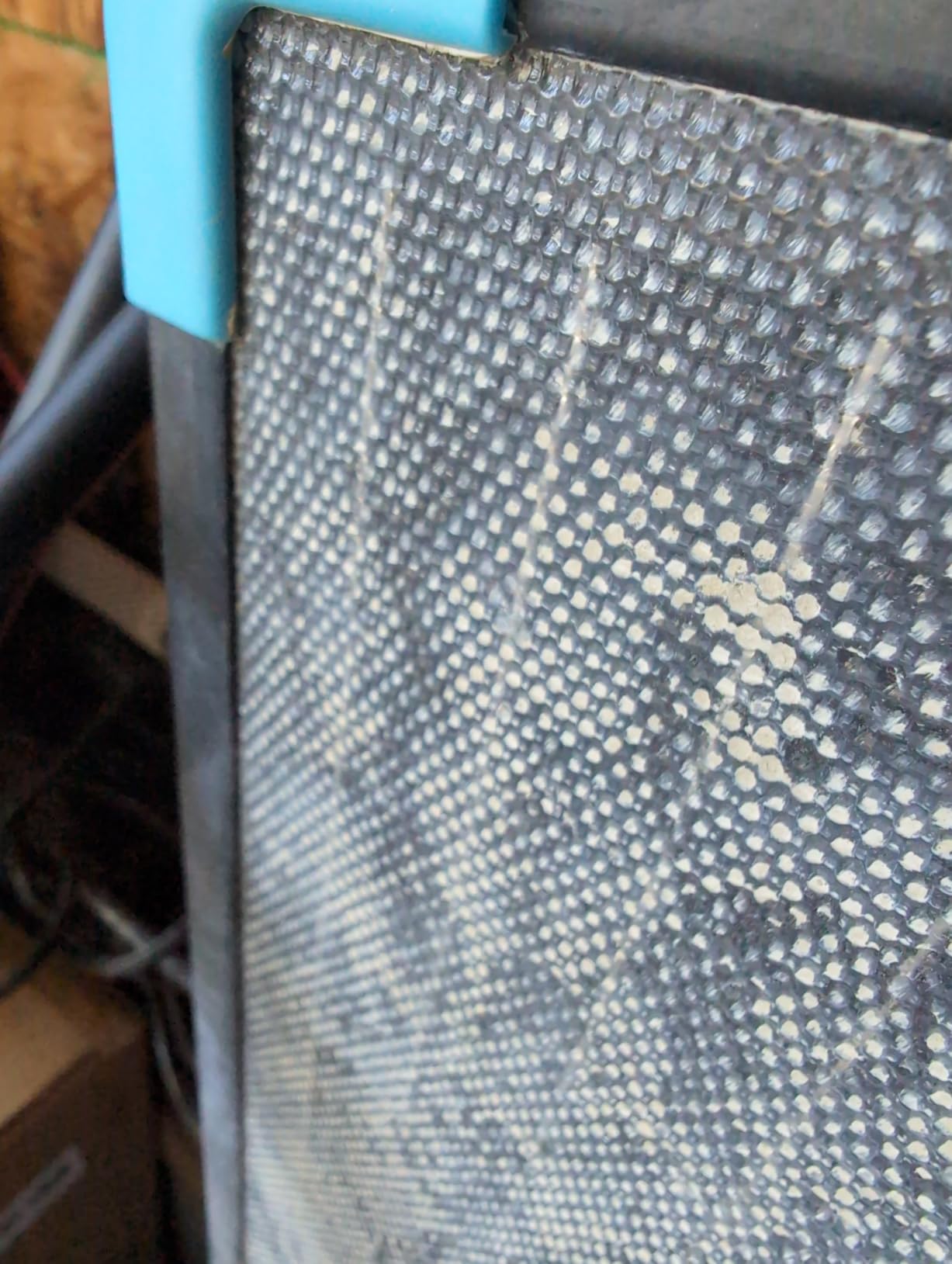
Weather resistance is genuinely good. The ETFE coating with fiberglass reinforcement and an aluminum backsheet, rated IP67, holds up to rain, snow, heat and hail, and the IP68 solar connectors plug straight into most portable power stations. At 30.2 pounds it is still a two-person carry for most people.
The compromises are all in the durability column. Efficiency is 23 percent, below the 25 percent rigid panels here, the material warranty is 3 years against the 5 to 25 years offered elsewhere, and an ETFE surface degrades faster than framed tempered glass when you fold it season after season.
Who should buy the foldable panel
Seasonal cabin owners, and anyone who needs backup power during grid outages without a permanent array. For a 2048Wh-class power station it is a meaningful daily top-up, and the 60-second tool-free setup means you can deploy it the moment the weather clears.
If your cabin is a place you visit a handful of times a year, the cost per watt makes far less sense when you factor in that the panel is not gathering energy while you are away.
Who should skip it
Anyone with a fixed cabin roof. Do not bolt this to anything, and do not expect a folding ETFE surface to last as long as a framed glass module with a 25-year output guarantee. It is built for temporary deployment, and treating it as a permanent mount is how people end up replacing panels sooner than they planned to.
Winter and Snow Performance for Cold-Climate Cabins
Cold-climate cabins need three things from a panel: a frame that survives snow load, cells that still produce in low-angle winter light, and a charge setup that accepts a cold battery. Start with the snow load figure, because it is the one that is actually published and comparable. HQST, JJN and Callsun all rate 5400 Pa snow load with 2400 Pa wind, which is a meaningful benchmark for a northern roof.
Production in winter is a different problem. At high latitudes you may get only 2 to 3 peak sun hours in midwinter, so a 400W panel might deliver 700 to 1,000 watt-hours on a clear day rather than the 1,600 to 1,900 of summer. Budget battery capacity for that number, and treat a snow-covered panel as a zero-output day that your bank has to absorb on its own.
Angle matters more than most owners expect. A steeper winter tilt sheds snow faster and catches more low-angle light, at the cost of requiring more space and a more robust mount. Snow shedding is also a real argument against frameless designs, since water and snow bead on glass with no frame edge to slide past.
On the battery side, LiFePO4 chemistry handles cold better than AGM but still needs to be managed, because charging a lithium bank below freezing is where damage happens. Keep the bank in a heated or insulated enclosure, and if your controller has a temperature compensation input, connect it. Our guide to microinverters and power electronics covers the conversion side if you go that way.
What a Cabin System Needs Beyond the Panels
A panel is one component in a chain, and most stalled cabin builds fail because the other four were undersized. Here is the checklist.
Charge controller. For 400W of panels, size an MPPT controller by array current rather than by panel count. Divide total watts by the panel’s operating voltage to get expected amps, then stay at or below the controller’s rating. A 30A to 40A MPPT covers a single 400W array and gives headroom for a second panel later. A PWM controller will work, but budget 15 to 25 percent lost harvest, which on a small cabin system is the difference between a full battery and a nearly full one.
Inverter. Size the inverter on your peak simultaneous load, not on your panel wattage. A 400W array cannot power a 2000W microwave regardless of how large the panels are, so if your loads include a well pump, a space heater or a power tool, budget a separate inverter or accept that those appliances only run on battery power alone.
Battery bank. A single 400W panel needs roughly 200Ah of usable capacity to have a comfortable day. The common forum answer for a small cabin is a 12V 400Ah bank, which is 4,800Wh, and that is the planning figure one r/OffGridCabins owner targeted for a 2-bed Canadian cabin. For two to three days of autonomy in winter, double that. LiFePO4 gives you more usable capacity per pound than AGM and tolerates deeper discharge, but budget for a self-heating BMS if the enclosure gets cold.
Wiring, fusing and disconnects. Run 10 AWG PV wire on the panel leg and size the battery cable separately for the run length. Voltage drop over a long roof-to-battery run is a real and avoidable loss, and it is a common reason a system underperforms its nameplate. Add a DC disconnect and a properly sized fuse between the panels and the controller, and a second fuse at the battery.
Mounting. Confirm your roof can carry the added dead load, and use a rail or bracket rated above the panel weight. Snow load and wind uplift act on the whole array, and roof structures in older cabins were not designed for either. If you are not certain, a ground mount on a north-of-building rack removes the structural question entirely.
System voltage. Decide between 12V and 24V early. One 400W panel works fine on 12V with two 200W modules in parallel, but if you think you will ever add a second array, 24V halves the current and thins your cable requirements. Changing voltage later means replacing the controller, so decide before you buy.
What to Avoid When Buying a 400W Panel Online
PWM controllers bundled into 400W kits. They work, but the harvest penalty is real and permanent. Check the controller type before you buy any kit, and treat a PWM controller in a kit advertising 400W as a reason to look elsewhere.
Mismatched components. Forum complaints about kits are overwhelmingly about pairing, not panels: controllers sized for half the array, inverters too small for the intended load, and battery banks sold separately so the advertised figure understates the real cost. Work out the whole chain before you buy any part of it.
Untested panels with a 400W label. Under-rated panels are a recurring theme in r/SolarDIY and r/OffGridCabins. Test every panel on arrival with a meter or by watching live controller output, and keep the packaging until you have confirmed the numbers.
Treating foldable panels as the default cabin answer. They are temporary-deployment products. For a fixed roof you want a framed module with a long output warranty, and the price per watt difference pays back over the life of the install.
Frequently Asked Questions
How much power can a 400 watt solar panel generate?
About 1.6 to 2.0 kWh on a clear summer day. The math is 400 watts multiplied by peak sun hours multiplied by a 0.8 derate factor, so at 5 peak sun hours a 400W panel yields roughly 1,600 watt-hours in a well-installed system.
Will a 400 watt solar panel run a refrigerator?
Yes, and it is the single most common cabin load. A small 12V compressor fridge draws roughly 50-70W running and cycles rather than running continuously, so a 400W array with a modest battery bank will keep it running indefinitely on clear days. Add a second panel if you also want lighting, a laptop and a water pump.
What size solar charge controller do I need for a 400W panel?
A 30A to 40A MPPT controller covers a single 400W array and leaves headroom for expansion. Choose MPPT rather than PWM, because PWM can lose 15 to 25 percent of the harvest. Also check the controller’s maximum input voltage against the panel Voc, which can exceed 36V on some modules.
How long will a 400W solar panel take to charge a 200Ah battery?
Around 1.5 peak sun hours of good sun, or roughly a full day with realistic losses. A 200Ah 12V bank holds about 2,400Wh, and a 400W panel delivering about 1,600 watt-hours on a summer day fills most of that, provided the controller is not throttling and the battery is not being held at an absorption setpoint.
How many 400 watt solar panels do you need to power a cabin?
One 400W panel handles a small cabin running a refrigerator, LED lighting, phone charging and a laptop, which is 1.5 to 2.0 kWh a day. Add a second panel if you want a water pump, a larger fridge, or two to three days of winter autonomy without sun. A well pump or space heater changes the answer completely because those loads exceed what a 400W array can hold.
What is the best portable solar panel for 400 watts?
The Renogy 400W portable suitcase on this list is the strongest foldable option, with ETFE-coated cells, IP67 waterproofing, parallel internal wiring that tolerates partial shade, and 60-second tool-free setup. For a permanent cabin roof, a rigid framed panel remains the better choice.
Is 400W solar enough for an RV or a seasonal cabin?
It is enough for a 12V fridge, LED lighting, phone charging and small electronics, which covers most seasonal and RV use. It is not enough to run high-draw appliances continuously, and a single 400W panel gives you no margin in winter when peak sun hours fall to 2 or 3. Most owners add a second panel before they feel comfortable through a snow week.
What size inverter do I need for a 400 watt solar panel?
Size the inverter on your largest simultaneous load rather than on the panel wattage, since panels set the charging rate, not the output ceiling. A pure sine wave inverter is the right choice for sensitive electronics, and for a small cabin running a fridge and lighting a 1000W to 2000W unit is typically adequate.
Final Verdict for Cabin Owners in 2026
The best 400 watt solar panels for cabins are framed monocrystalline modules, and among the ten we compared the Renogy 400W ShadowFlux N-Type set is the pick. Its anti-shading cell layout is what actually protects your production when a chimney or a tree line crosses the array, the 25 percent N-Type efficiency and IP67 encapsulation hold up in snow and heat, and the 25-year output warranty is the strongest paperwork in the group.
Buy the HQST pair if roof space or solo installation is your constraint, the JJN bifacial set if you can raise the array over pale gravel, and the ECO-WORTHY 4-pack if you want the simplest first install with the least wiring.
Buy one 400W panel if your cabin runs a fridge, lighting and electronics for 1.5 to 2.0 kWh a day. Buy two if you want a well pump, a larger fridge, or two to three days of winter autonomy without sun. Skip a single panel entirely if a space heater or a well pump is on your list, because those loads need far more than 400 watts of array. Our off-grid cabin system guide covers the rest of the chain, and our picks for RV solar and portable panels cover the mobile side.