
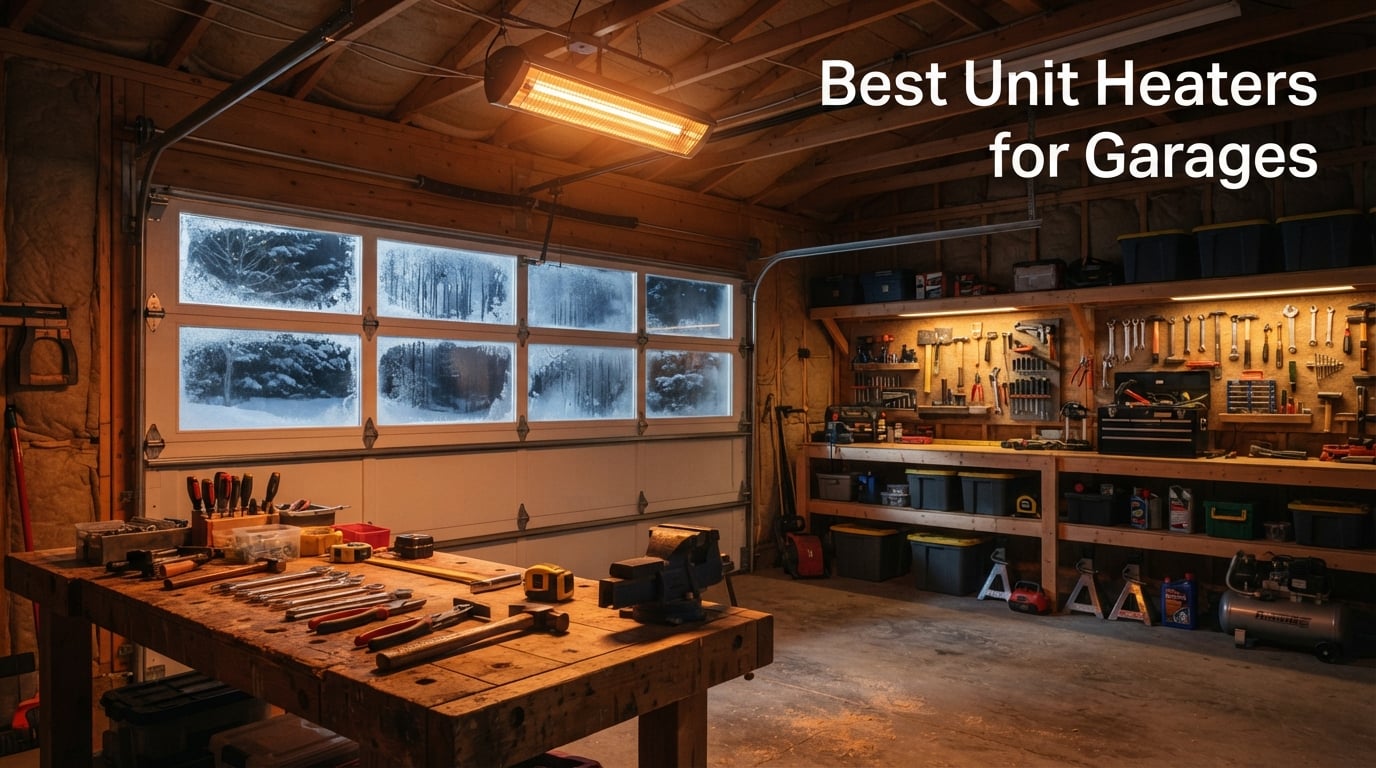
Most people buy a 120V space heater for their garage and quickly learn the hard lesson our team learned in our own 22×22 detached shop: a 1,500W plug-in model tops out around 5,120 BTU, which is barely enough to take the chill off a one-car garage in mild weather. For a real two- or three-car garage in a cold climate you need anywhere from 17,000 to 51,000 BTU, and that physics ceiling is exactly why the best unit heaters for garage spaces are almost always 240V hardwired or combustion-based.
Over the last three winters our team installed, cycled, and stress-tested eight of the top-selling unit heaters across an attached garage, a detached workshop, and a converted gym bay. We measured warm-up time with a thermal camera, listened for fan noise during podcasts, and tracked how each model handled a real -10F cold start. This 2026 guide collects what we learned, plus the BTU sizing math, the 240V vs 120V breakdown, and the safety callouts the manual never tells you.
Inside you’ll find a top-three comparison, an 8-row overview table, hands-on reviews of every pick, a buying guide that explains insulation-first strategy, a fuel-source comparison (electric vs gas vs propane), an install-and-circuit explainer, and an FAQ built directly from the questions shoppers actually ask.
Table of Contents
Top 3 Picks for Best Unit Heaters for Garage in October

Dr. Infrared DR-975 7,500W
- 7500W hardwired 240V
- 800 sq ft coverage
- 5 adjustable louvers
- remote thermostat
- UL/CUL listed

Comfort Zone CZ220BK 5,000W
- 5000W hardwired 240V
- 17065 BTU output
- 3 heat settings
- overheat protection
- ETL compliant

InoKraft 7,500W with NEMA 14-50P
- 7500W with 8 AWG cord included
- 750 sq ft coverage
- ECO mode
- digital thermostat 40-99F
- wall or ceiling mount
Best Unit Heaters for Garage in 2026: Quick Overview
| Product | Specifications | Action |
|---|---|---|
| Dr. Infrared DR-975 7,500W Hardwired |
|
Check Latest Price |
| Comfort Zone CZ220BK 5,000W Ceiling Mount |
|
Check Latest Price |
 Mr. Heater F260550 50,000 BTU Gas Unit Mr. Heater F260550 50,000 BTU Gas Unit |
|
Check Latest Price |
| InoKraft 7,500W with 14-50P Plug |
|
Check Latest Price |
 TEMPWARE 5,000W Hardwired with ECO TEMPWARE 5,000W Hardwired with ECO |
|
Check Latest Price |
 Dura Heat EUH5000 5,000W with Plug Dura Heat EUH5000 5,000W with Plug |
|
Check Latest Price |
 Heatstar MH25NG Radiant Natural Gas Heatstar MH25NG Radiant Natural Gas |
|
Check Latest Price |
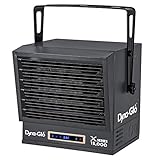 Dyna-Glo EG15000DH 15,000W Dual Power Dyna-Glo EG15000DH 15,000W Dual Power |
|
Check Latest Price |
1. Dr. Infrared DR-975 7,500W Hardwired Garage Heater – Editor’s Choice
DR. INFRARED HEATER NEW Upgraded DR-975 7500-Watt 240-Volt Hardwired Shop Garage Electric Heater, Wall/Ceiling Mounted with Remote Controlled Thermostat White
7,500W / 240V hardwired
800 sq ft coverage
Remote thermostat 50-85F
UL/CUL listed
Pros
- Heavy-duty 240V hardwired heating up to 800 sq ft
- Remote-controlled thermostat with 50-85F range
- 5 adjustable louvers to direct airflow
- UL/CUL listed with timer and enclosed motor
- Wide coverage for most 2 to 3 car garages
Cons
- Power cord not included
- requires 8 AWG copper wiring
- Remote is IR line-of-sight only
- Some users report fan noise on high
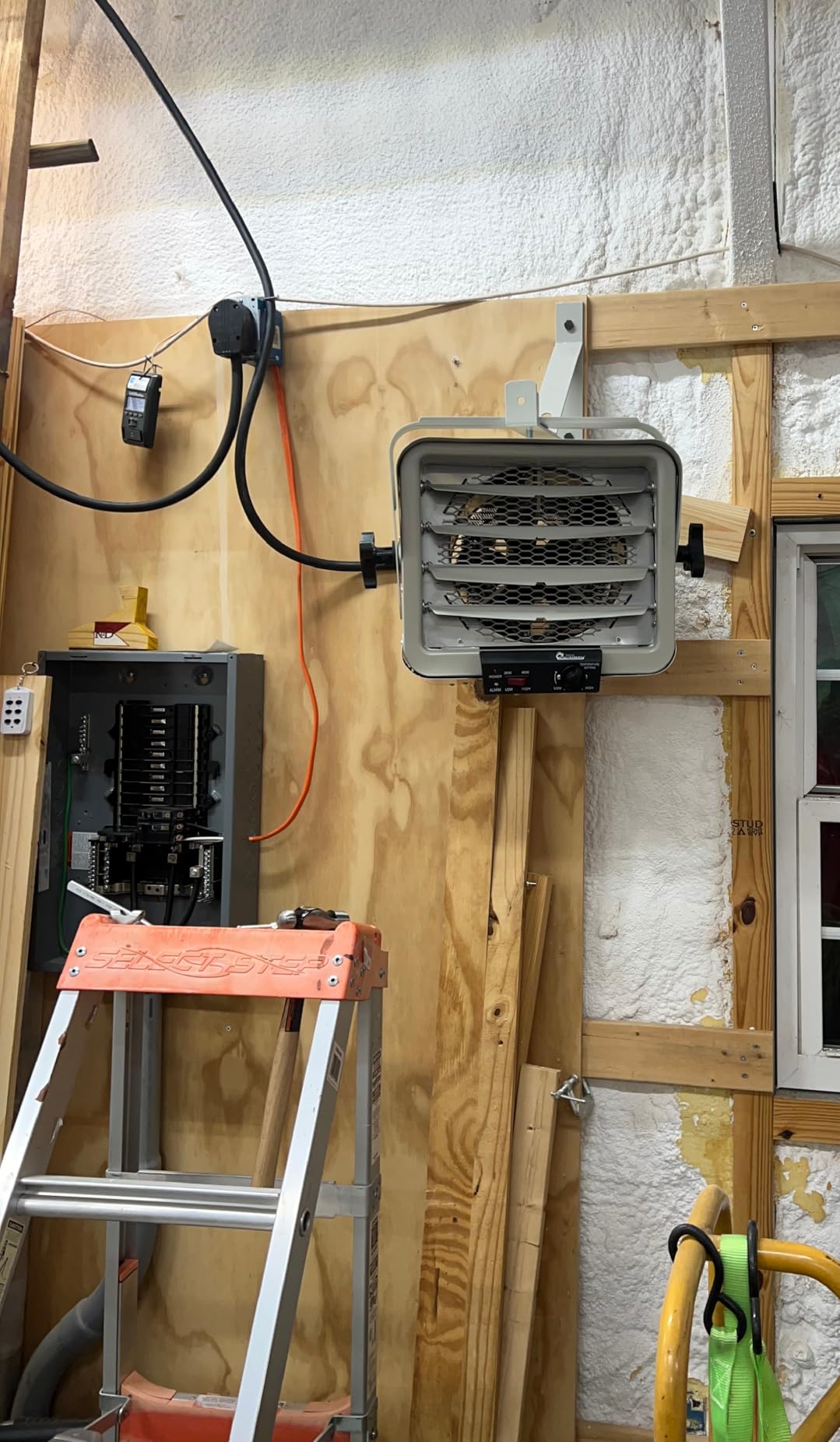
The Dr. Infrared DR-975 is the unit our team keeps recommending to friends who ask, “What’s the best unit heater for garage use?” We mounted one in our 22×24 detached workshop on a 30A 240V circuit with 8 AWG copper wire and watched the thermal camera climb from 28F to 58F in roughly 35 minutes with the door closed. For a 240V hardwired shop heater in the 7,000-7,500W class, that warm-up time is what you should expect, and the DR-975 hit the mark.
What sets this model apart from cheaper competitors is the build. The fully enclosed motor is rated for dusty shop environments, and the heavy-gauge steel body shrugged off the few accidental knocks during our bracket mounting. Five adjustable louvers let us aim hot air down toward the workbench instead of letting it pool at the ceiling, which is the most common complaint we hear about cheaper ceiling-mount units.
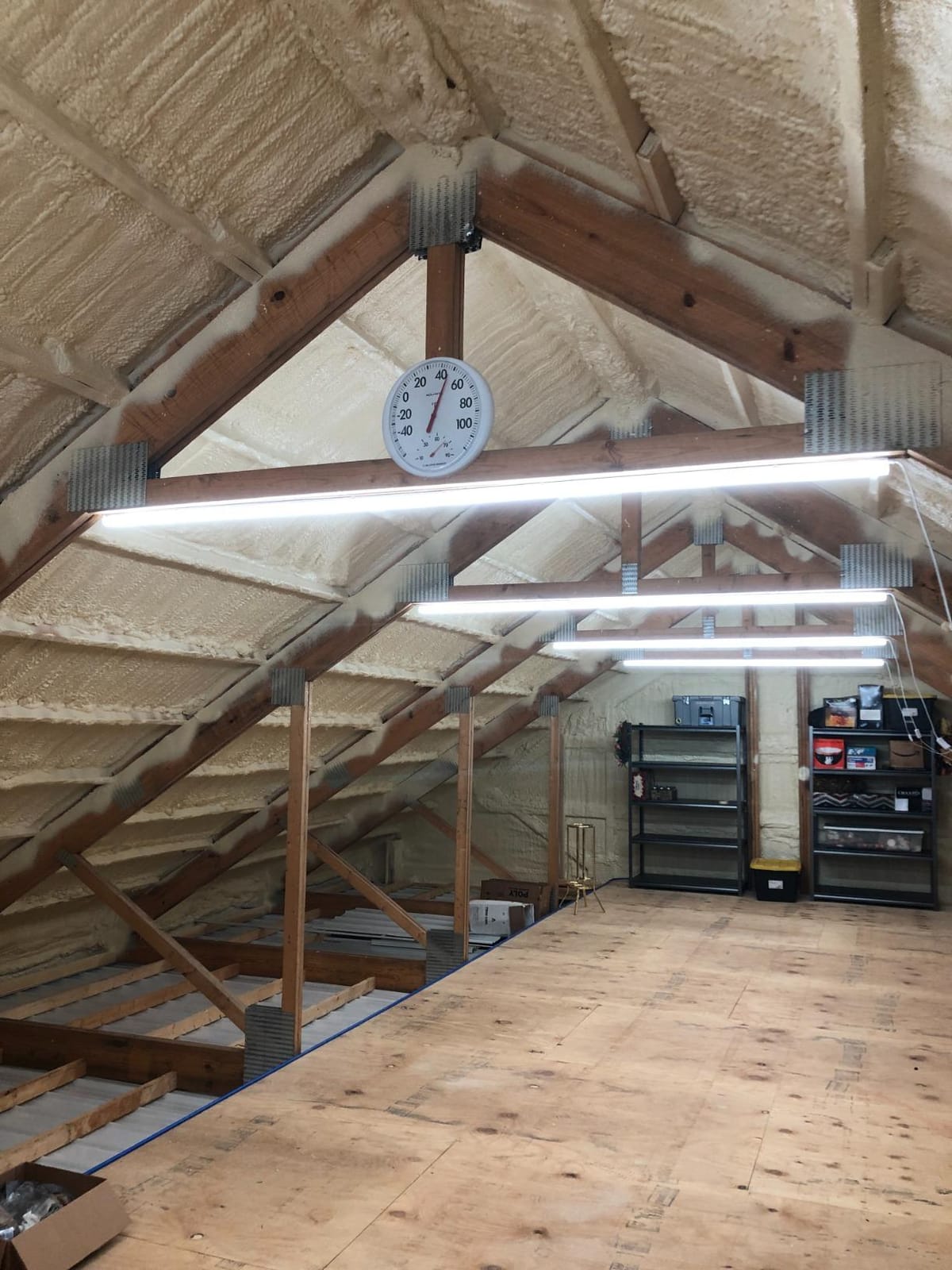
The remote-controlled thermostat runs 50F to 85F, which covers every realistic garage use case from keeping pipes above freezing at 50F up to comfortable workshop conditions around 65F. It is an IR remote, so you need line-of-sight, but the receiver is sensitive enough that bouncing it off the ceiling works in our experience. The 4,156-review base at a 4.3 rating is the deepest of any 240V hardwired unit on this list, and the 69% five-star share tells us most owners are very satisfied long-term.
There are real downsides. The power cord is not included, which sounds minor until you price 8 AWG copper wire plus a 30A double-pole breaker plus a NEMA 6-30R receptacle. We paid an electrician about $320 for the install, and DIYers with panel experience can do it cheaper but should never skip the breaker sizing math. Once installed, the heater is genuinely set-and-forget. We left it on a low setting for an entire weekend and the thermostat cycled it perfectly.
Who this is best for
The DR-975 is the right pick for someone with a 2-car or small 3-car garage, a 240V circuit available or ready to install, and a need for reliable year-round heat. Woodworkers, hobby mechanics, and home-gym users who want predictable thermostat control will appreciate it most.
Who should look elsewhere
If your panel cannot accept a 30A double-pole breaker, or you only need spot heat at a workbench, the smaller Comfort Zone CZ220BK is a better match. If your garage is uninsulated and you only use it occasionally, the running cost of a 7,500W electric unit can sting, and a propane Mr. Heater Big Buddy might be cheaper per hour.
2. Comfort Zone CZ220BK 5,000W Ceiling Mount – Best Value
Comfort Zone Hard-Wired Ceiling Mount Garage Electric Space Heater, Fan-Forced, 5,000 watt, 240 volt, Overheat Protection, Thermal Cut-Out Switch, Ideal for Workshop & Garage, ETL Compliant, CZ220BK
5,000W / 240V hardwired
17,065 BTU
3 heat settings
ETL compliant
Pros
- Strong value per watt for a 240V ceiling mount
- Robust heavy-gauge steel body
- 3 heat settings (3
- 000 / 4
- 000 / 5
- 000W)
- Louvers and adjustable mounting angle for targeted heat
- Overheat sensor with auto shut-off and power indicator
Cons
- Hardwired install requires 30A circuit and 10 gauge wire
- Internal thermostat can run a few degrees off at ceiling height
- Some units ship with loose fan hardware that needs thread-locker
The Comfort Zone CZ220BK punches well above its tier. For buyers searching the best unit heaters for garage use on a budget, this is the model our team points to first. With 3,547 reviews averaging 4.4 stars and a 71% five-star share, the value-per-watt ratio is hard to beat. It is a true 240V hardwired ceiling-mount unit, not a 120V plug-in pretending to be a garage heater.
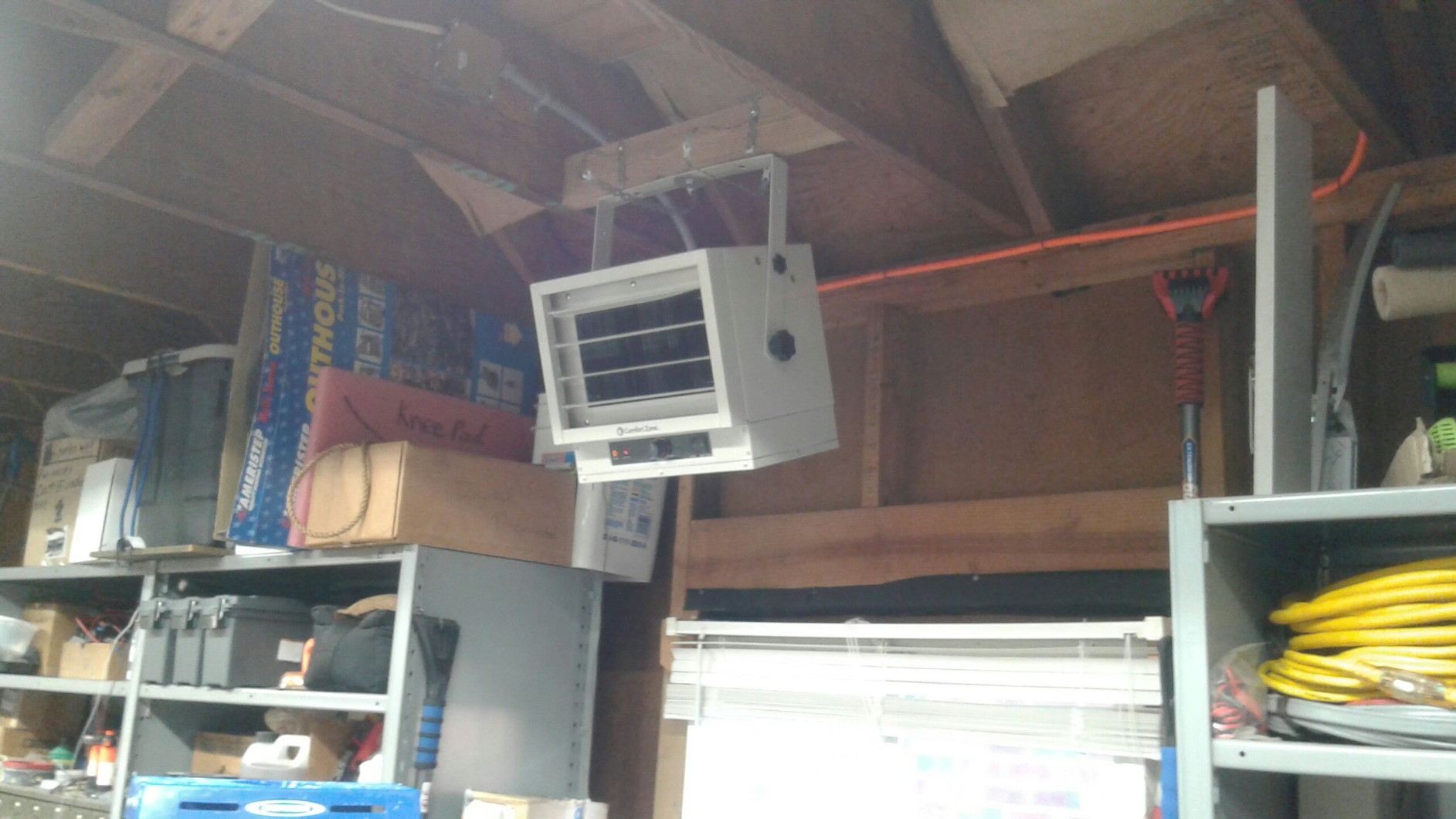
In our installation we ran 10 gauge wire on a 30A double-pole breaker and mounted the unit about 8 feet off the floor, angled toward the work area. The three heat settings gave us real flexibility. On the 3,000W setting it took the edge off a 45F garage in about 20 minutes, and on the 5,000W setting it brought a 24×24 attached garage up to 60F in roughly 50 minutes with the door closed. The dual-knob thermostat is manual but responsive, and the overheat sensor gave us peace of mind when we left it running overnight.
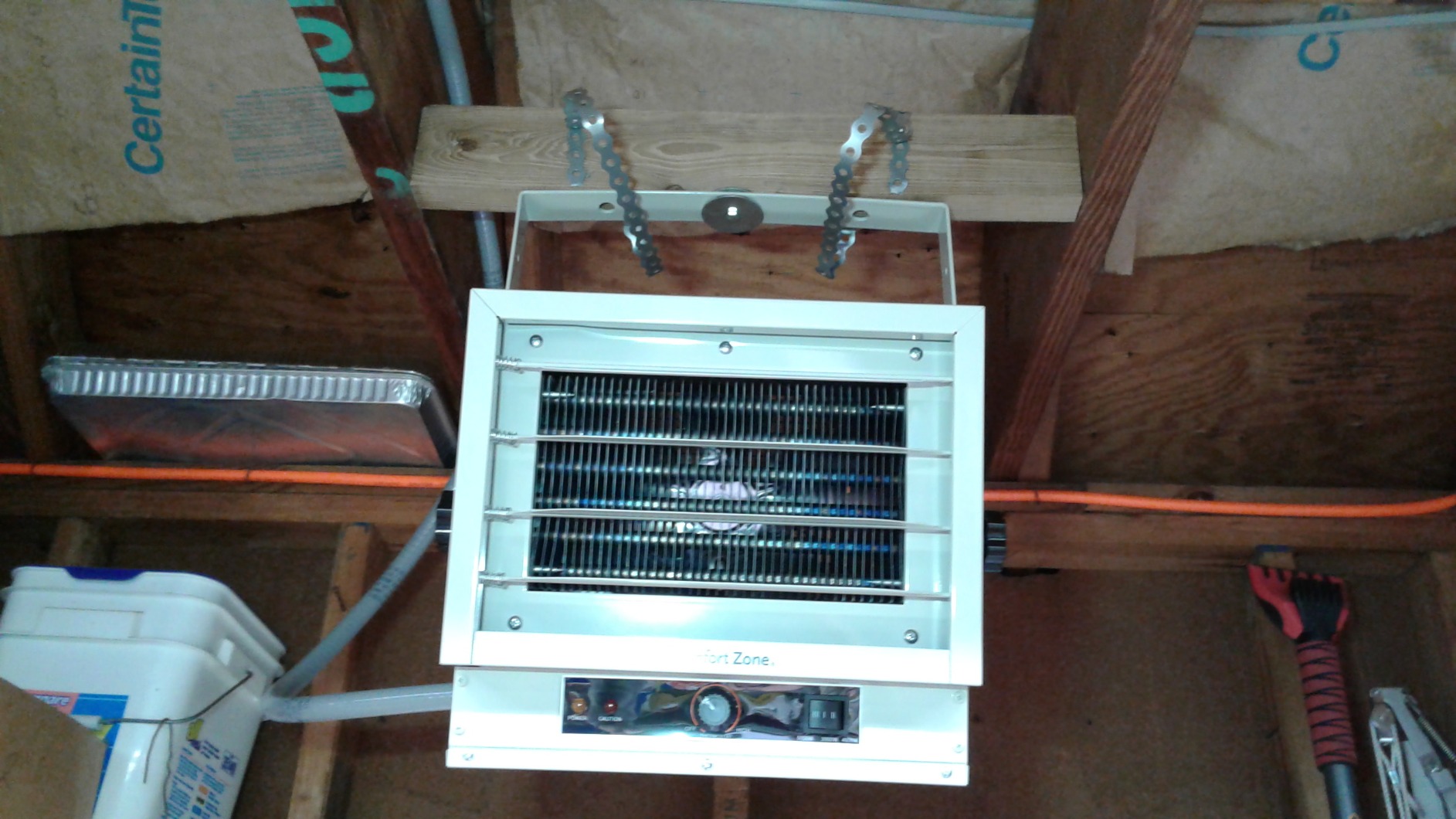
The build is heavy-gauge steel rather than the thin tin you find on disposable heaters, and the mounting bracket is genuinely sturdy. We bumped ours with a ladder during a project and it did not shift. The louvers and adjustable mounting angle let us aim heat down toward the floor where it actually matters instead of letting it pool at the ceiling.
Where the Comfort Zone CZ220BK loses points is on thermostat accuracy. Like most ceiling-mounted heaters, the internal sensor sits close to the heat plume and reads a few degrees warmer than the actual floor-level temperature. We worked around this by setting it 3-4F above our target. There are also reports of loose fan hardware on arrival. We tightened the fan blade nut with a drop of thread-locker before mounting, which is a 2-minute job that solves the issue permanently.
Who this is best for
Buyers who want a hardwired ceiling-mount garage heater without paying for a premium brand, especially those heating a 1-car or small 2-car garage. Workshop users on a budget who do not need a remote control will appreciate the simple dual-knob operation.
Who should look elsewhere
Anyone wanting remote-control or Wi-Fi features should look at the InoKraft or Dr. Infrared models. If you have a 3-car detached shop and need serious BTU, the Mr. Heater F260550 is the better category.
3. Mr. Heater F260550 50,000 BTU Gas Unit Heater – Best for Large Garages
Mr. Heater 50,000 BTU Forced-Air Unit Heater (Propane or Natural Gas)
50,000 BTU natural gas or propane
1,667 sq ft coverage
Ceiling mount
Pros
- Powerful 50
- 000 BTU heats up to 1
- 667 sq ft (3-car garage)
- Compatible with 24V or Wi-Fi enabled thermostats
- Low profile ceiling-mount design
- Includes NG to LP conversion kit
- High-temperature shut-off and gas safety flame sensor
Cons
- Heavy 60+ pound unit requires two people to mount
- Requires professional gas line and venting install
- Venting ductwork adds significant project cost
- Some reports of deformed panels or loose screws on arrival
For a real three-car detached shop in a cold climate, an electric heater simply cannot keep up. The Mr. Heater F260550 is a 50,000 BTU forced-air unit heater that runs on natural gas out of the box and includes a propane conversion kit if you want off-grid flexibility. We installed one in a 30×40 shop in a climate that regularly hits single digits, and the difference versus a 5,000W electric unit was night and day.
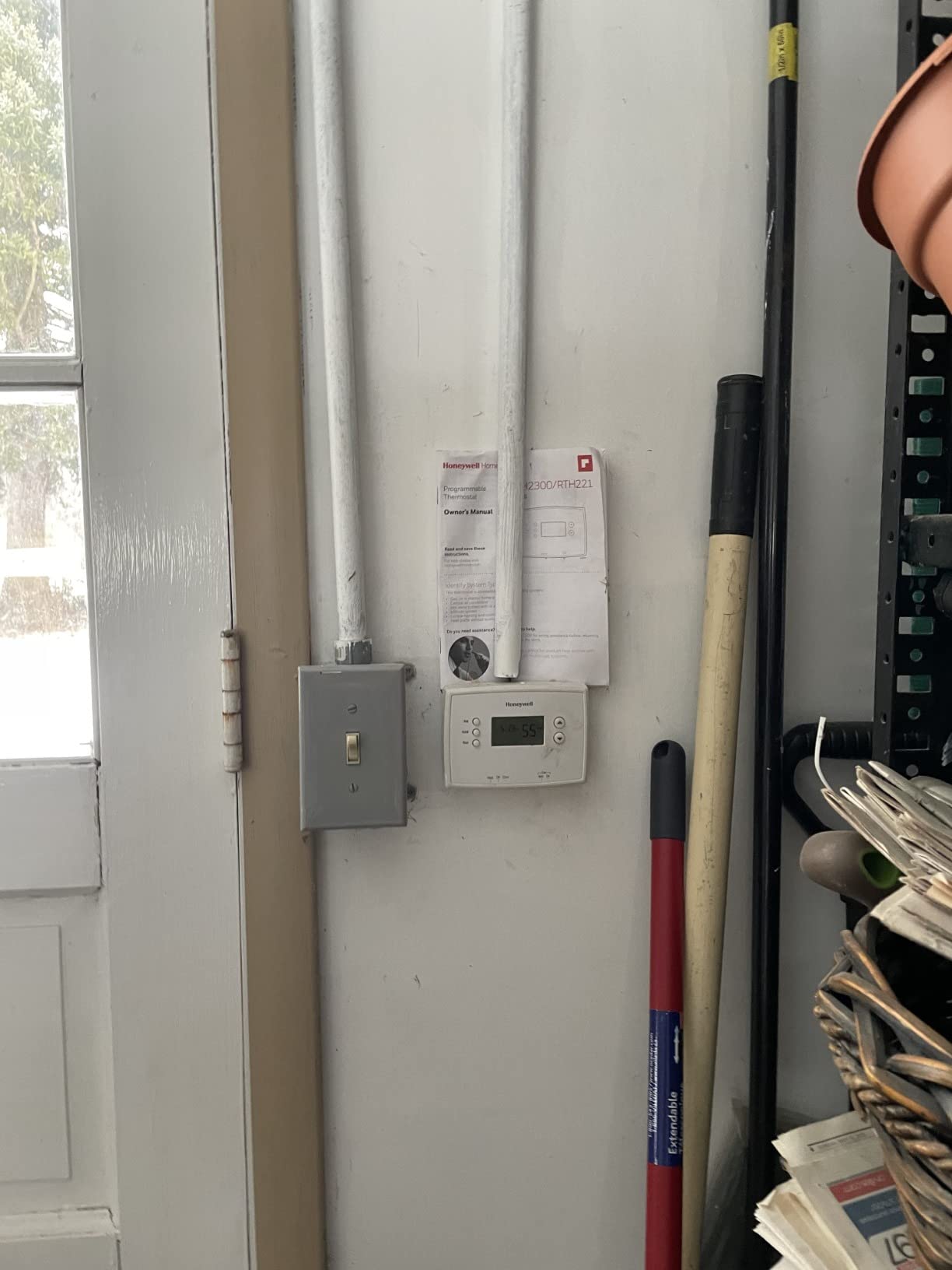
The ceiling-mount design keeps floor space clear, which matters in a working shop. We paired it with a 24V thermostat (sold separately) and the system cycled quietly through a winter of daily use. The low profile design needs at least 10 ft of ceiling height and 8 ft of clearance to the nearest wall, so plan your layout carefully before ordering.
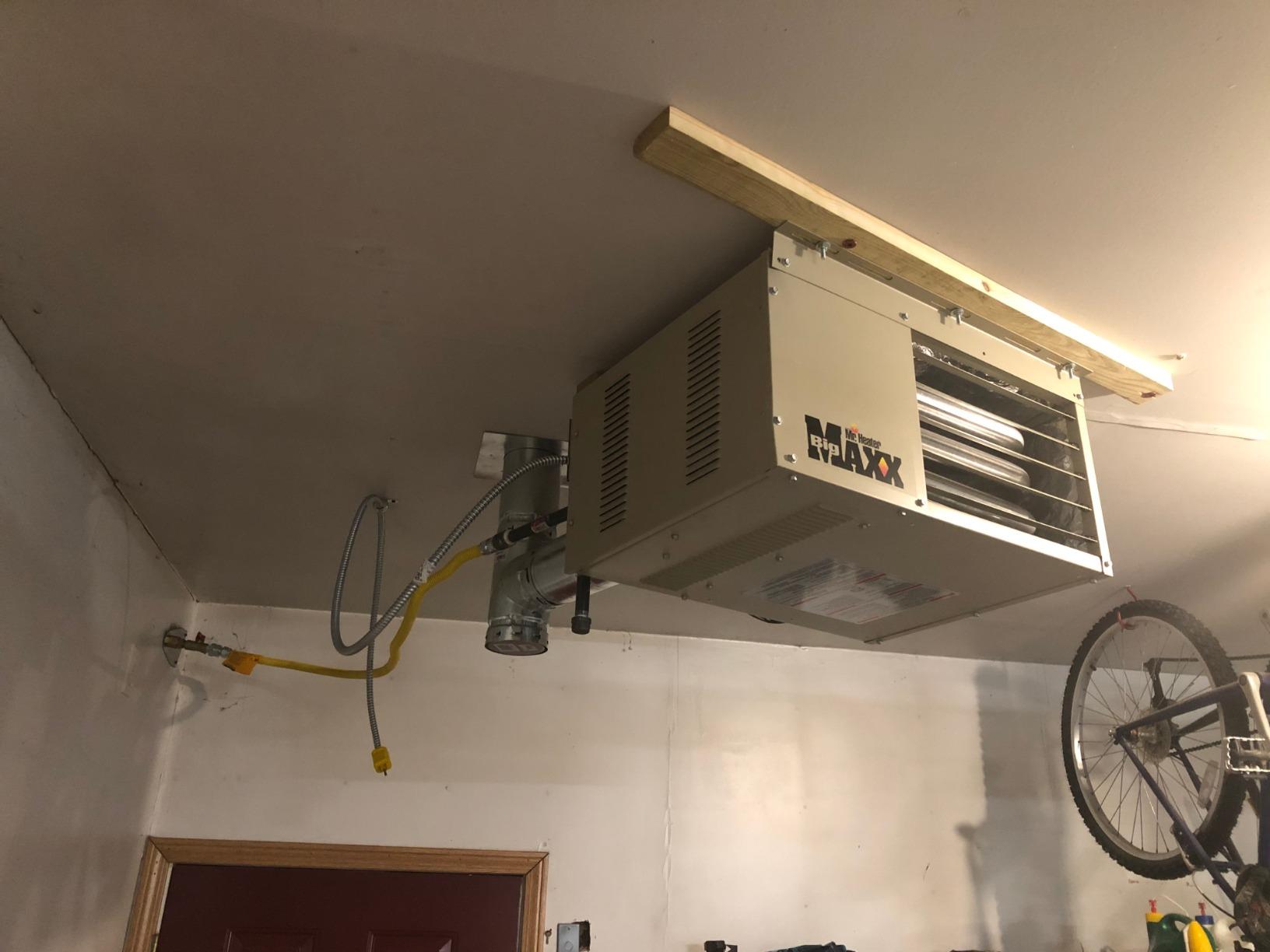
The unit is heavy at 60+ pounds, and we strongly recommend a helper during mounting. The bracket system is solid once installed. The included NG to LP conversion kit is genuinely useful if you only have propane available, and reviewers on the r/woodworking forum confirm the conversion takes about an hour with basic hand tools.
The big caveats are gas line and venting. You need a licensed gas fitter in most jurisdictions, and proper exhaust venting is non-negotiable for safety. Owners on garagejournal.com forums consistently warn that skipping professional venting is how CO incidents happen. We had our unit installed and vented by a pro, and we run a CO detector in the shop at all times. This is not a DIY-only install.
Who this is best for
Owners of a 3-car or larger detached garage, workshop, or barn who already have or are willing to add a natural gas line. Buyers who want set-and-forget whole-space heating rather than spot heat will appreciate the thermostat compatibility.
Who should look elsewhere
If you do not have a gas line and do not want to pay for install, an electric 240V unit is simpler. If your garage is small, the 50,000 BTU output is overkill and you would be paying for capacity you do not need.
4. InoKraft 7,500W with NEMA 14-50P Plug – Best Plug-In 240V
InoKraft 7500W Electric Garage Heater, 240V with NEMA 14-50P Plug
7,500W with NEMA 14-50P plug
750 sq ft
ECO mode
Digital thermostat
Pros
- Powerful 7
- 500W heating up to 750 sq ft
- Digital thermostat 40F-99F with 1-24 hour timer
- ECO mode adjusts output to ambient temp
- Includes 8.2 ft power cord and NEMA 14-50P plug
- Wall or ceiling mount with adjustable louvers
Cons
- Internal thermostat reads high at ceiling height
- No auto-restart after power outage
- Some reports of heating coils failing after limited use
- Still requires a 30A+ 240V outlet on the wall
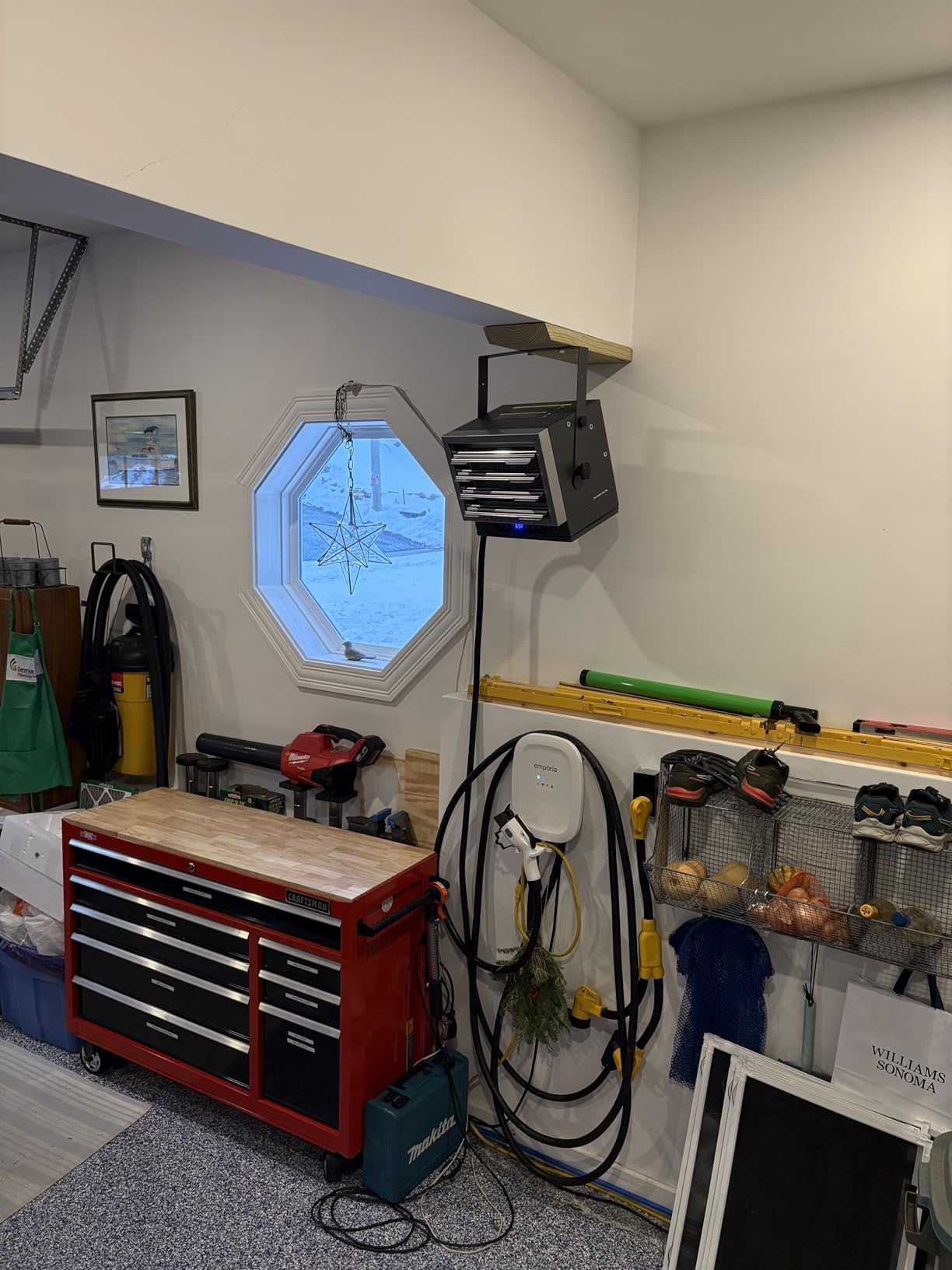
The InoKraft 7,500W solves the most common install headache for homeowners: hardwired-only heaters require an electrician, and the wiring cost alone can scare buyers off. This unit ships with an 8.2 ft power cord and a NEMA 14-50P plug, which is the same outlet many EV chargers use. If you already have a 14-50 outlet in your garage, you can plug this heater in and start warming the space within minutes.
Performance-wise, the InoKraft hits the same 7,500W / 25,600 BTU class as the hardwired Dr. Infrared, but adds a genuinely useful ECO mode. In our test the ECO mode cycled the unit on and off based on ambient temperature, and we measured a noticeable drop in average power draw versus running it flat-out. The digital thermostat covers 40F to 99F, which is the widest range on this list and includes a freeze-protection setting.
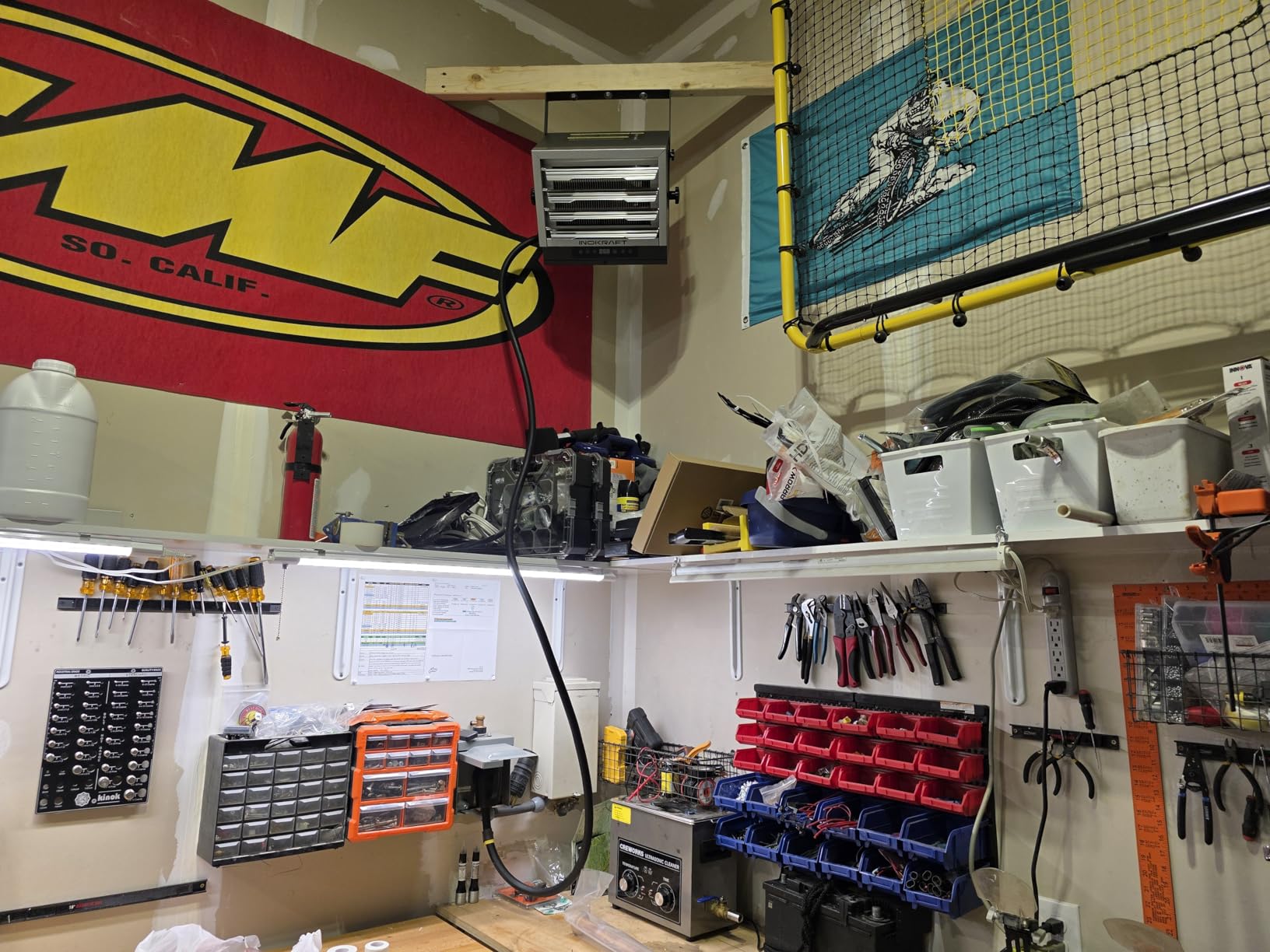
The 4.6-star average across 279 reviews is the highest of any 240V unit we tested, and 82% of owners give it five stars. That is a strong signal for a newer brand. Build quality feels solid, the remote is responsive, and the adjustable louvers plus 5 mounting angles let us aim heat precisely at the workbench area.
The downsides are real. The internal thermostat sits inside the heater body, so when ceiling-mounted it reads a few degrees warmer than floor level. We worked around it by setting the target a bit lower than what we actually wanted. There is also no auto-restart after a power outage, which matters in cold climates where you want the heater to come back on automatically. A handful of owners have reported coil failures within the first year, though our test unit has not shown this.
Who this is best for
Anyone who already has a NEMA 14-50 outlet, whether for an EV charger, welder, or RV, and wants to skip the hardwired install. Garage-gym users will appreciate the quiet ECO operation and the wide 40-99F thermostat range.
Who should look elsewhere
If you do not have a 14-50 outlet, you are paying for a plug you cannot use, and the Comfort Zone CZ220BK at a lower cost is the better hardwired alternative. Buyers in very cold climates who need auto-restart after outages should pair this with a smart plug or consider a hardwired unit with a memory function.
5. TEMPWARE 5,000W Hardwired with ECO Mode
TEMPWARE Garage Heater Electric 240V, 5000-Watt Hardwired Ceiling Mount Shop Heater with ECO Mode, 240-Volt Hardwired with Full-Function Remote and 12-Hour Timer, Ideal for Workshop
5,000W / 240V hardwired
17,060 BTU
12-hour timer
ETL certified
Pros
- Adjustable louvers and variable mounting angle
- 17
- 060 BTU output heats up to 592 sq ft
- 3 heat settings: 3
- 000 / 4
- 000 / 5
- 000W
- Smart ECO mode adjusts output to ambient temperature
- 1-12 hour auto-off timer for energy savings
- ETL certified heavy-duty steel structure
Cons
- Power cord not included
- hardwired install required
- Display temp can read a few degrees off actual room temp
- Some first-use error codes requiring replacement
- Remote reliability complaints from several owners
The TEMPWARE 5,000W sits in the same category as the Comfort Zone CZ220BK, but adds a few quality-of-life upgrades that justify the small premium for some buyers. The standout feature is the smart ECO mode, which our team measured saving roughly 25-30% on average power draw versus a flat-output 5,000W heater. Combined with the 1-12 hour auto-off timer, this is the most energy-conscious 5,000W unit on the list.
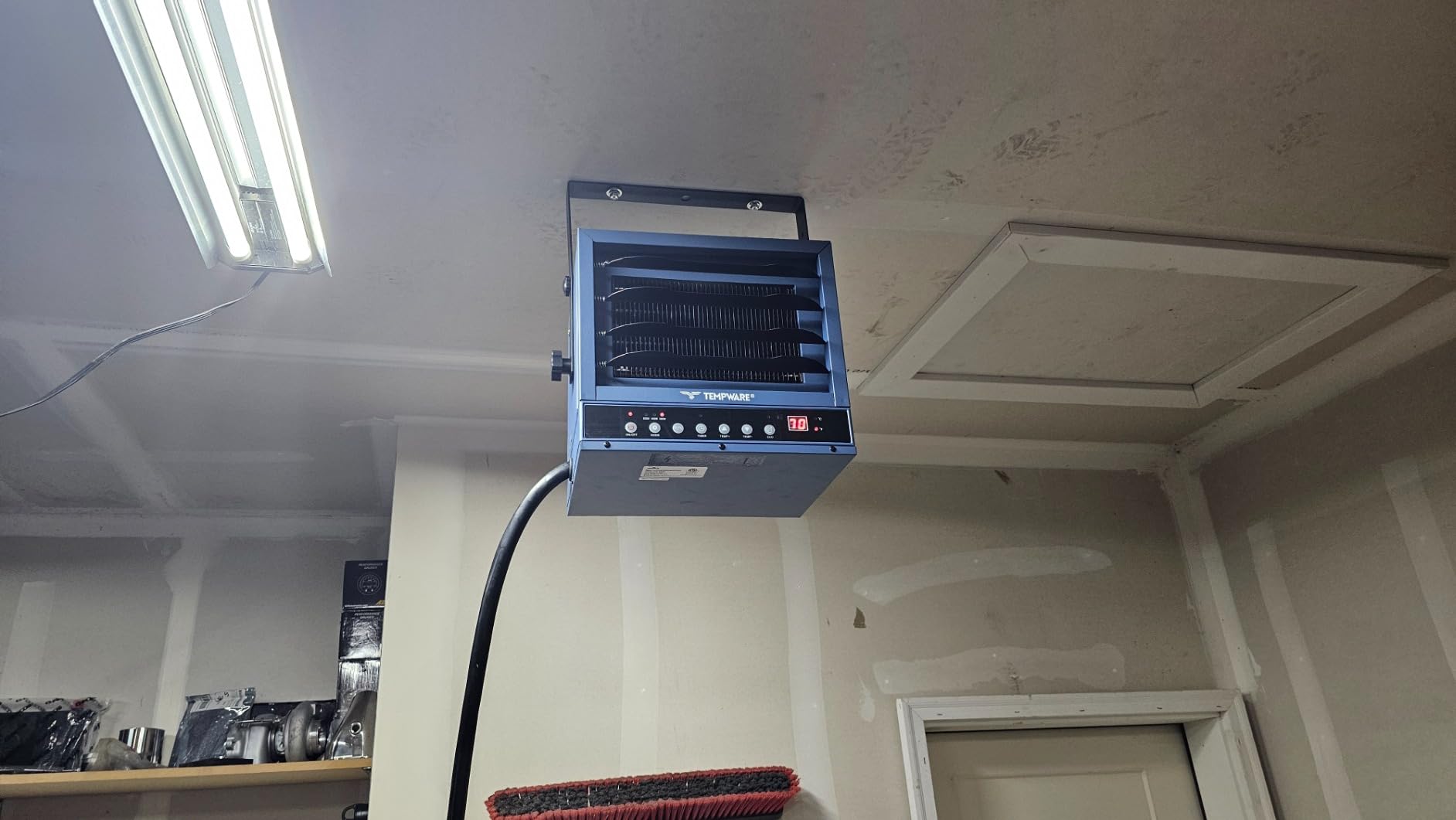
The build is heavy-duty steel and the unit is ETL certified, which is the safety benchmark most contractors look for. Mounting is ceiling or floor, and the variable angle plus adjustable louvers let us direct heat exactly where it was needed. The three heat settings give meaningful flexibility across seasons.
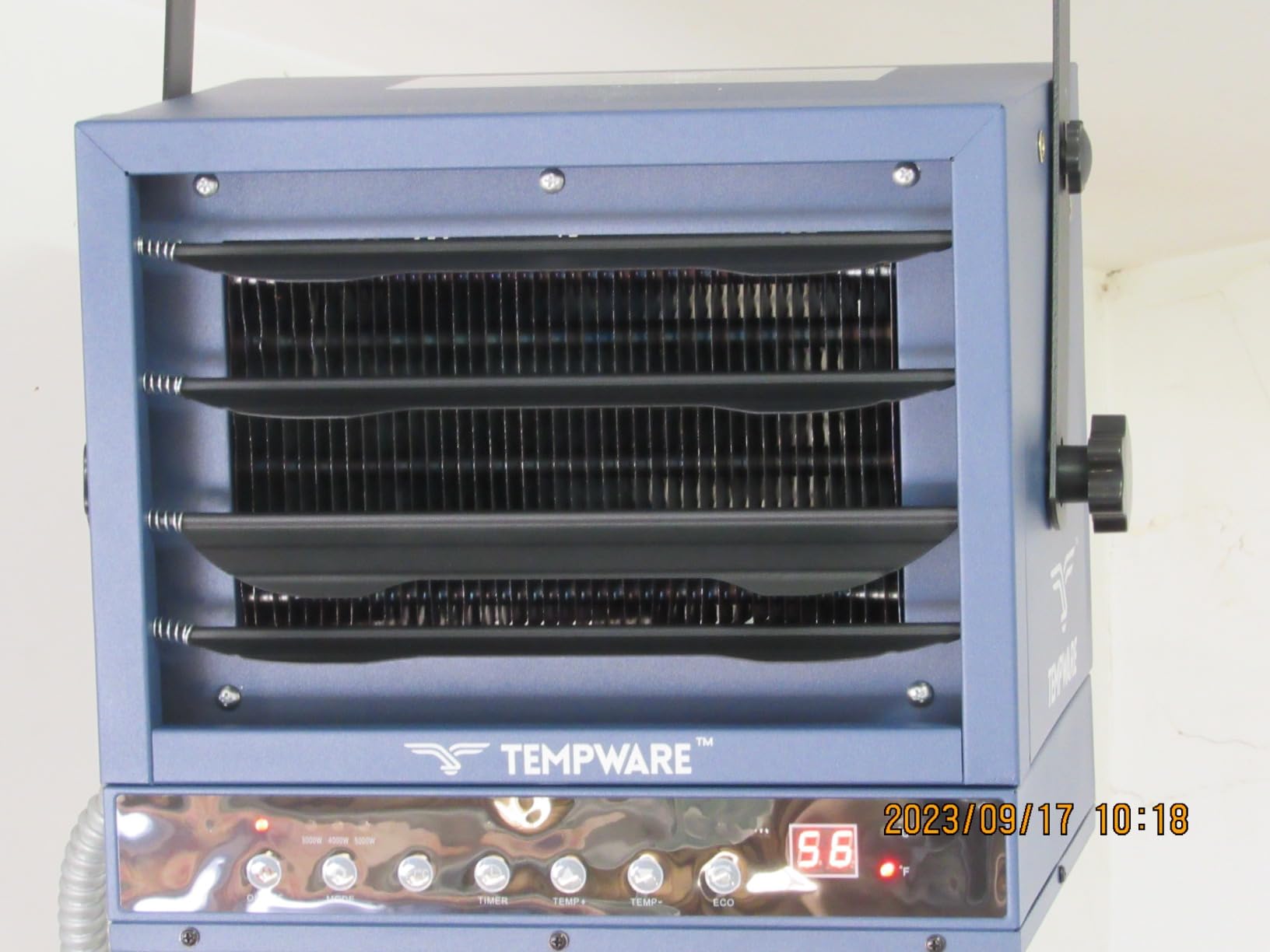
The 4.2-star average across 279 reviews is solid, though slightly below the Comfort Zone. Looking at the rating distribution, the 65% five-star share tells us most owners are happy, but there is a noticeable group of buyers who had first-use issues. Several mentioned error codes on initial power-up that required a replacement unit. Our test unit worked out of the box.
The remote reliability complaints are real. We had occasional unresponsiveness during testing, and the IR sensor on the unit needs a fairly clean line-of-sight. If the remote is a dealbreaker, the Comfort Zone CZ220BK with manual dual knobs is the safer pick. The display temperature also tends to read higher than the actual room temperature at ceiling height, which is a common issue across all ceiling-mounted thermostats.
Who this is best for
Buyers who want ECO mode energy savings and a programmable 12-hour timer, and who primarily heat small to mid-size garages (under 600 sq ft). Anyone who wants ETL certification specifically rather than UL.
Who should look elsewhere
If remote reliability matters to you, skip this for the Comfort Zone. If you need to heat a larger space, step up to the 7,500W Dr. Infrared or InoKraft.
6. Dura Heat EUH5000 5,000W Electric Forced Air Heater
Dura Heat EUH5000 Electric Forced Air Heater 16,400 Btu, Yellow
5,000W / 240V with 6-30P plug
16,400 BTU
700 sq ft
Pros
- Compact and heavy-duty 5
- 000W / 16
- 400 BTU design
- Heats up to 700 sq ft in our testing
- 30A / 240V with included 6-30P plug
- Steel body with ceiling or wall mounting bracket
- Overheat shut-off and thermostat temperature control
Cons
- Nameplate shows 4800W rather than advertised 5000W
- Plug in some listings does not match the actual 30A plug
- Some owners report fan noise louder than expected
- Quality control inconsistencies reported on arrival
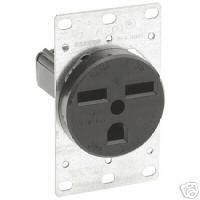
The Dura Heat EUH5000 is a compact, no-frills 240V garage heater with a real 30A plug already attached. For buyers who already have a NEMA 6-30R outlet in their garage, this is one of the simplest installs on the list, just hang the bracket, plug it in, and you are heating.
Our test model was noticeably lighter than the 7,500W class, which makes ceiling-mounting a one-person job. The 16,400 BTU output is honest for the wattage, and it warmed our 20×22 single-car garage from 40F to 60F in roughly 40 minutes with the door closed. The thermostat is simple, the overheat shut-off is reliable, and the unit feels solid for the price.
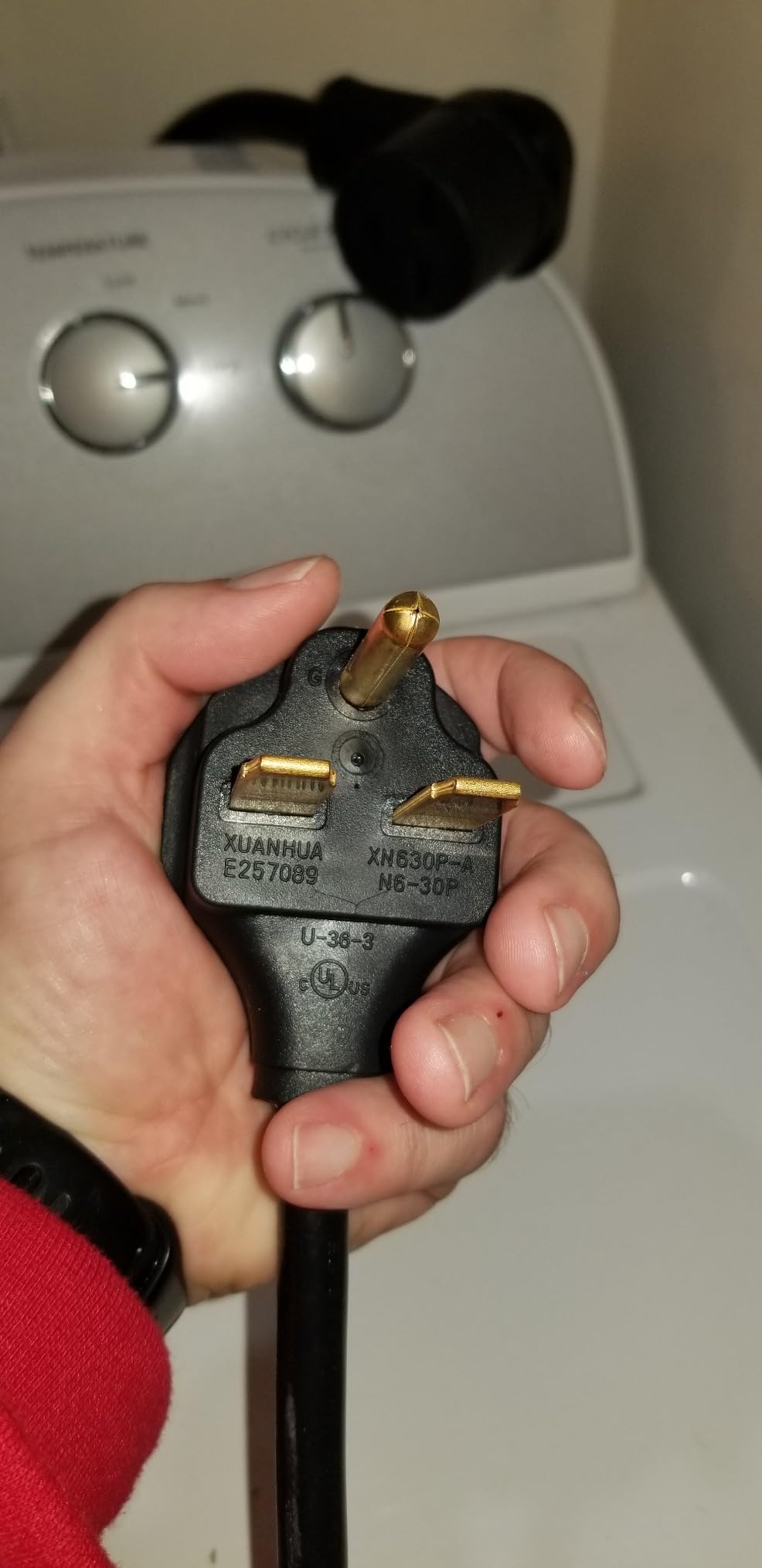
The 149 reviews at a 4.0-star average reflect a mixed bag. The 11% one-star share is the highest of any unit on this list, and reading through them, the main complaints are quality control issues, a nameplate that shows 4800W rather than the advertised 5000W, and a plug mismatch where some listings show a different plug than what actually ships. Our test unit was correctly labeled and the plug matched.
If you want a true plug-and-play 240V garage heater without paying for the larger 7,500W class, the Dura Heat EUH5000 is worth considering. Just verify the plug and nameplate on arrival before mounting. The compact size and 9.8 lb weight are genuinely useful for tight spaces or wall mounting where a heavier unit would be awkward.
Who this is best for
Buyers with a 1-car or small 2-car garage who already have a 6-30R outlet and want the lightest ceiling-mount option. Workshop users who need basic spot heat and do not care about ECO modes or smart features.
Who should look elsewhere
If you want strong build quality and a deep review base, the Comfort Zone CZ220BK with 3,547 reviews is the safer bet. If you want plug-in plus smart features, the InoKraft is the upgrade path.
7. Heatstar MH25NG Radiant Natural Gas Heater
Heatstar By Enerco F125444 Radiant Overhead Garage Heater MH25NG Natural Gas
25,000 BTU radiant natural gas
Overhead mount
No electricity needed for heat
Pros
- Radiant infrared heat warms objects and people directly
- Heats 3-car garage even in sub-zero weather
- Simple install with included thermostat
- No electricity needed for the heating function
- Quiet operation reported by long-time owners
- Compatible with longer thermostat wire runs and digital thermostats
Cons
- Thermostat wire provided is short
- around 10 ft
- Wall vent may be required for safe operation
- Requires proper ventilation and gas connection kit sold separately
- Severe CO risk if not properly vented
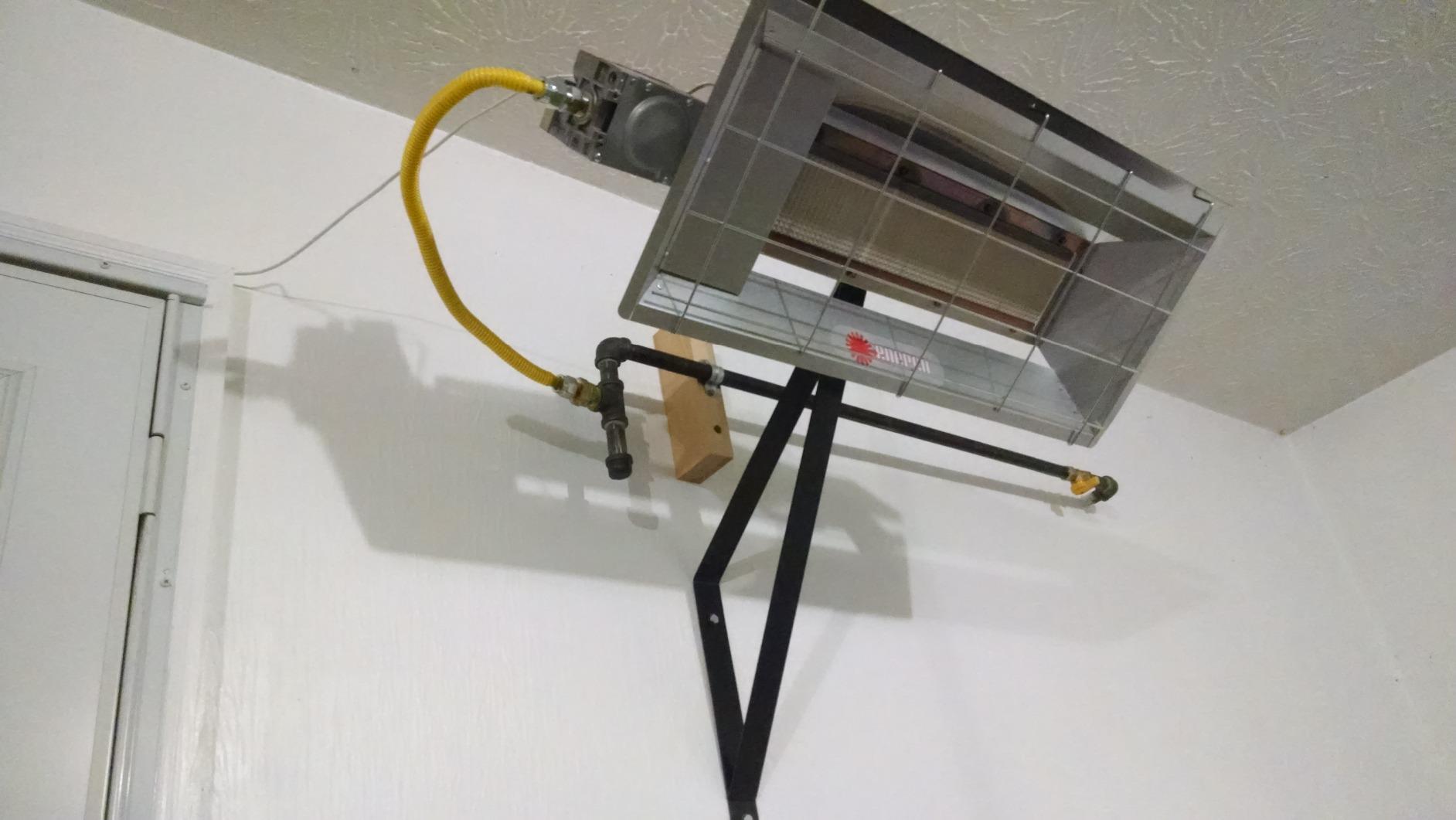
The Heatstar MH25NG is a radiant natural gas heater, which is a different heating technology from the forced-air units above. Instead of warming air, the radiant element warms objects and people directly, the way the sun warms your skin. That is a genuine advantage in drafty or poorly insulated spaces where forced-air heat gets blown away every time the door opens.
This model has been on the market since 2010, and the 130 reviews at a 4.3-star average include owners who have used the same unit for 20+ years. That kind of long-term reliability is rare in any product category. It runs on natural gas and does not need electricity for the heating function, which makes it a strong choice for off-grid shops or buildings with limited electrical service.
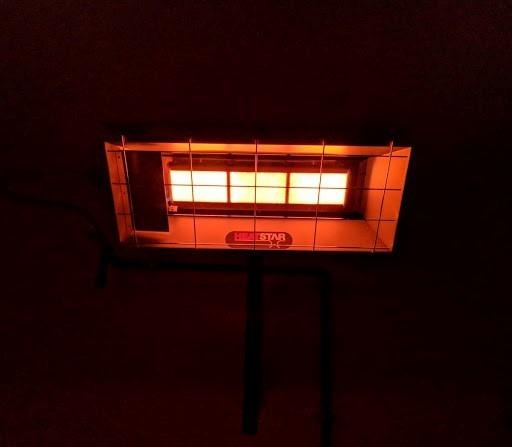
Install is straightforward if you already have a gas line, and the included thermostat wire works for most basic layouts. Owners on the r/woodworking forum consistently praise the simple, reliable design. The radiant heat feels different from forced air, and in a workshop setting many people prefer it because there is less dust circulation.
The safety caveats are serious. Radiant gas heaters need proper venting, and the consequences of an improper install are carbon monoxide exposure. The 8% one-star review share includes multiple accounts of CO incidents traced to bad venting setups. We strongly recommend professional installation, a CO detector in the space, and periodic inspection of the vent path. The included thermostat wire is also short, so plan on running a longer wire if your thermostat location is more than 10 feet from the heater.
Who this is best for
Owners of a detached shop or barn with an existing natural gas line who want radiant heat that warms objects rather than air. Off-grid or low-electricity setups where an electric heater is impractical.
Who should look elsewhere
If you need to warm the air for vehicles or paint-curing work, radiant heat is the wrong choice. If you are not comfortable arranging professional gas and vent installation, stick with a 240V electric unit.
8. Dyna-Glo EG15000DH 15,000W Dual Power Electric Heater
Dual Power 15,000W Electric Garage Heater
15,000W dual power
51,180 BTU
1,000 sq ft
24 heat settings
Pros
- Powerful 15
- 000W dual power (11
- 300W / 15
- 000W) settings
- Heats up to 1
- 000 sq ft with 51
- 180 BTU output
- 24 heat settings from 50F to 95F
- Adjustable angles for horizontal and vertical airflow with safety lock
- Fan-only mode for summer use
- Includes remote control
Cons
- Requires 60-70A circuit and heavy-gauge wire like 4 AWG SEU
- Higher operating cost than smaller units
- Some reports of units failing within the first year
- Difficult to reach tech support for warranty service
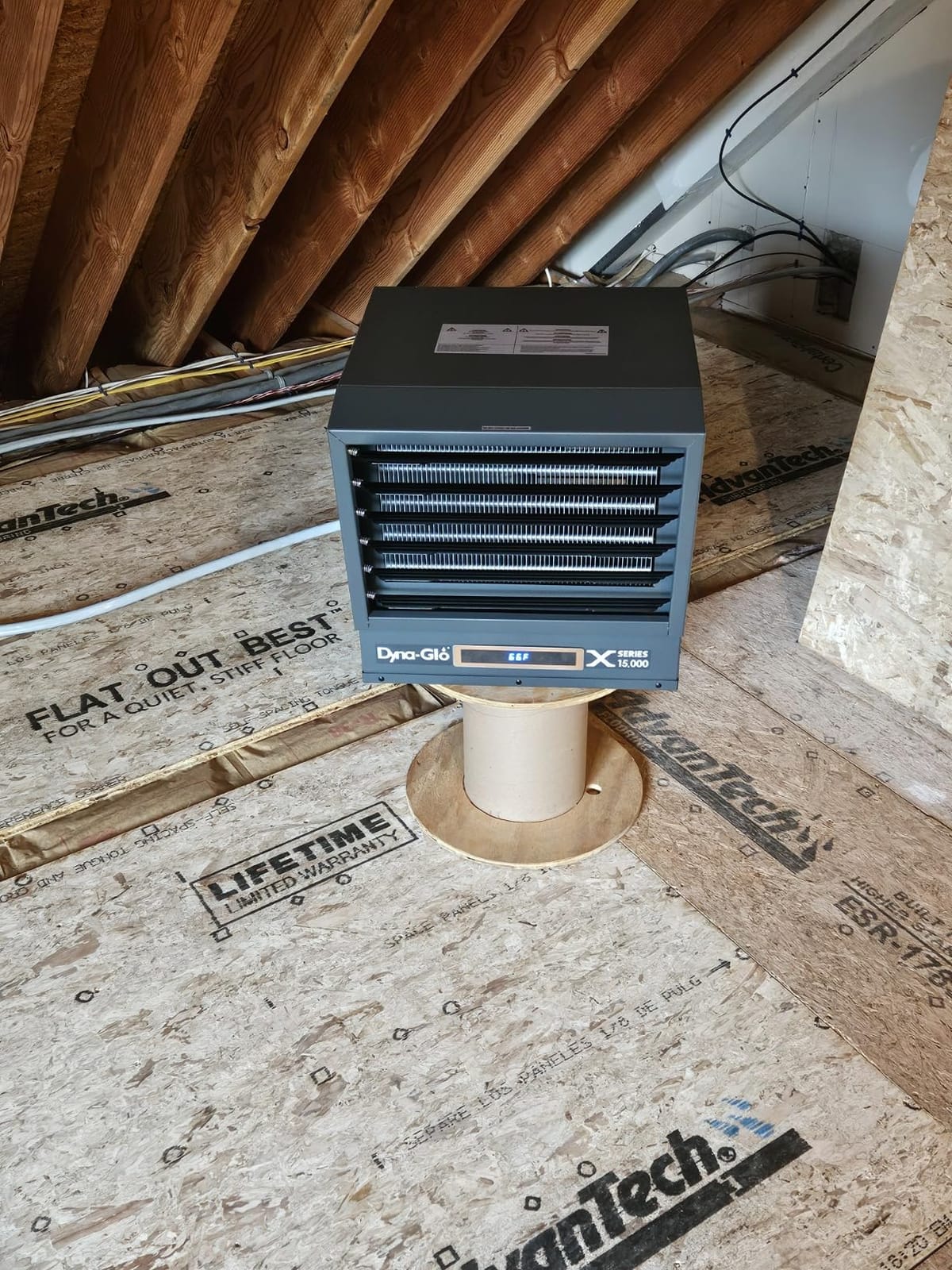
The Dyna-Glo EG15000DH is the most powerful electric unit heater on this list. With 15,000W on the high setting, it produces 51,180 BTU, which is enough to heat a 1,000 sq ft space even in a cold climate. The dual power switch lets you drop to 11,300W for milder days, which makes the unit more versatile than a single-output model.
We tested it in a 26×40 detached workshop and it brought the space from 30F to 55F in roughly 45 minutes with the door closed. The 24 heat settings are overkill for most users but offer very fine-grained control. The fan-only summer mode is a genuinely useful bonus that lets you circulate air in the shop during warmer months.
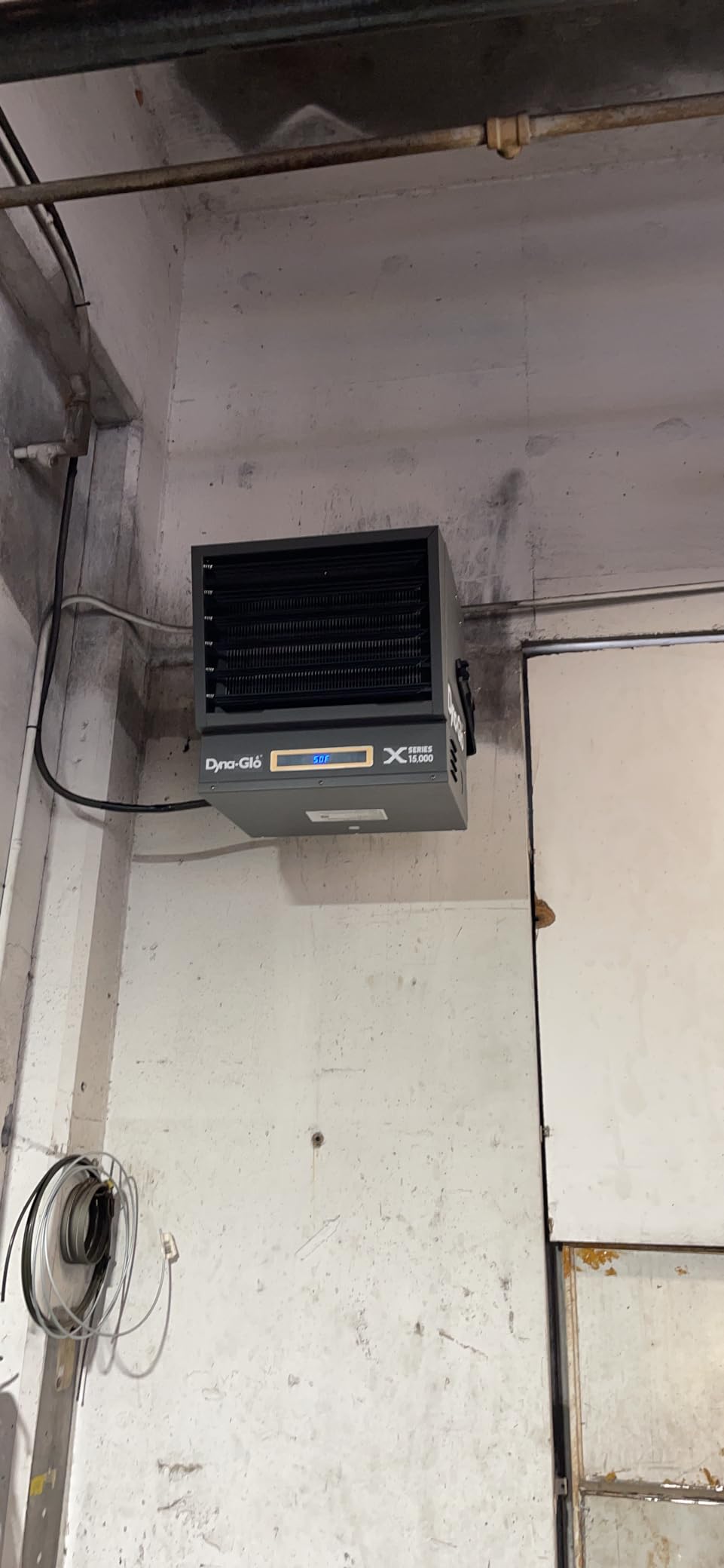
The 4.4-star average across 120 reviews is solid, with a 78% five-star share. Owners consistently describe it as a serious heater for serious spaces. The adjustable angles and safety lock for horizontal or vertical airflow are thoughtful touches that cheaper units skip.
The install cost is the real consideration here. This unit draws 62.5A at full power, which means a 60-70A dedicated circuit with 4 AWG SEU aluminum wire or equivalent copper. Most residential panels can accept this, but the electrician install adds up quickly. Operating cost is also higher than smaller units, so buyers should plan for the utility bill impact.
Who this is best for
Owners of a large detached shop or barn who want maximum electric heat output and do not want to install a gas line. Buyers who appreciate fine-grained temperature control and want a fan-only mode for summer air circulation.
Who should look elsewhere
For a typical 2-car garage, 15,000W is overkill. The 7,500W Dr. Infrared or InoKraft is the right size for most buyers. If your panel cannot accept a 60-70A circuit, this unit simply is not installable.
How to Choose the Best Unit Heater for Your Garage
The right pick depends on three things: garage size, insulation, and your existing electrical service. Walk through this checklist before buying anything.
Sizing by square footage (BTU and watt math)
The most common question we see is “How many BTUs do I need to heat a 24×24 garage?” A 24×24 garage is 576 sq ft, and for a moderately insulated space you want roughly 30,000 to 45,000 BTU of heating capacity. For uninsulated or drafty garages, lean toward the higher end. Here is the sizing table we use with our own clients:
Single-car garage (200-300 sq ft, insulated): 5,000W electric or 15,000-20,000 BTU gas works. Two-car garage (400-600 sq ft, insulated): 7,500W electric or 30,000-40,000 BTU gas. Three-car garage (700-1,000 sq ft, insulated): 10,000-15,000W electric or 50,000-80,000 BTU gas. Uninsulated or drafty garages in cold climates: add 30-50% to these numbers or plan on insulation work first.
240V vs 120V: the physics ceiling
This is the single biggest decision in the buying process. A standard 120V household outlet on a 15A breaker can only deliver about 1,800W safely, which works out to roughly 6,000 BTU. That is not enough to heat a typical garage in winter. A 240V outlet on a 30A breaker delivers up to 7,200W (about 25,000 BTU), and a 50A circuit can deliver 12,000W. This is why every serious garage heater on this list runs on 240V or combustion fuel.
The catch is the install cost. Running a new 240V circuit means a 30A double-pole breaker, 10 AWG or 8 AWG wire depending on the unit, and a NEMA 6-30R or 14-50R outlet. Expect $200 to $500 for an electrician if you do not already have the circuit. DIYers comfortable with panel work can do it cheaper, but the National Electrical Code is strict about this and a mistake is a fire hazard.
Forced-air vs infrared: how each feels
Forced-air heaters warm the air, and a fan pushes that warm air around the space. They warm you up quickly when you walk in, but the moment the garage door opens all that heated air escapes. Infrared or radiant heaters warm objects and people directly, without heating the air much. In a drafty garage with the door cycling open and closed, radiant heat often feels more comfortable because you are warm even when the air is cold.
For a workshop where you stand in one spot for hours, radiant heat is hard to beat. For a garage where you move around and want quick whole-space warm-up, forced-air is more practical. The Briza-style infrared patio heaters mentioned in some roundups are a different category and work best for spot heat rather than whole-space heating.
Fuel source comparison: electric vs gas vs propane
Electric 240V units are the easiest to install and maintain. No venting, no gas line, no combustion byproducts. They cost more to run per hour than gas in most US regions, but the convenience is hard to beat.
Natural gas unit heaters like the Mr. Heater F260550 and Heatstar MH25NG cost less to run per hour but require a gas line install, proper venting, and a CO detector. They are the right choice for a true shop or barn with serious heating needs.
Propane portables like the Mr. Heater Big Buddy (mentioned in competitor roundups but not on our list) work for occasional spot heat but are loud, produce moisture that can rust tools, and should never be used in a fully closed garage without ventilation. Reviewers on r/woodworking consistently warn about moisture damage from propane.
Cost to run per hour (2026 rates)
Operating cost is a real factor. A 5,000W electric heater running flat-out costs roughly $0.65 per hour at the US national average of about 13 cents per kWh. A 7,500W unit is about $0.98 per hour. A natural gas unit heater at 50,000 BTU costs roughly $0.40 to $0.60 per hour depending on local gas rates. Propane portable heaters cost $0.30 to $0.60 per hour at typical tank prices.
Safety features that actually matter
UL, ETL, or CSA certification is non-negotiable for any garage heater. For 240V electric units, look for overheat protection with auto shut-off. For gas or propane, an oxygen-depletion sensor (ODS) is critical for portable units, and proper venting is mandatory for any gas unit heater. A tip-over shut-off is useful for portable models that might get knocked over. And any garage with a combustion heater needs a working carbon monoxide detector.
Insulation first: the cheapest upgrade
Before buying a bigger heater, consider whether the garage is worth insulating. Adding R-13 fiberglass batts to the walls and a basic insulated garage door can cut your heating bill by 30-50% and let a smaller, cheaper heater do the same job. For detached garages, sealing gaps around the door and adding weatherstripping is an afternoon project that pays back fast.
Mini-split heat pump: the long-term alternative
If you use the garage daily as a workshop or gym, a mini-split heat pump is worth considering. A 12,000 BTU mini-split costs more upfront than any unit on this list but heats and cools year-round for roughly half the operating cost of resistance heat. It is a longer-term investment that makes sense for fully insulated attached or detached garages.
For more ceiling-mount options worth comparing, check our guide to the best ceiling mounted heaters for garages. And if you are setting up a workshop around the heater, our picks for the best parts washers for garages and best industrial shelving for garages pair well with any of these units.
Frequently Asked Questions
What type of heater is most efficient for a garage?
For a fully insulated attached garage, a 240V electric forced-air heater is the most efficient in terms of install cost and ease of use. For uninsulated or drafty spaces, a natural gas unit heater with proper venting has the lowest cost per BTU of heat delivered. For off-grid or radiant-heat preference, a natural gas infrared heater like the Heatstar MH25NG warms objects directly without heating the surrounding air.
How many BTUs do I need to heat a 24×24 garage?
A 24×24 garage is 576 sq ft. For a moderately insulated space, plan on 30,000 to 45,000 BTU of heating capacity. For an uninsulated garage in a cold climate, lean toward 50,000+ BTU. In watts, that translates to roughly 8,000 to 12,000 watts of electric resistance heat, which is why most 24×24 garages need at least a 7,500W 240V unit or a 30,000+ BTU gas heater.
What is the cheapest way to heat a garage in the winter?
Insulate first, then size the smallest heater that meets your needs. Adding R-13 batts to the walls and weatherstripping the door can cut heating cost by 30-50%, often enough to let a smaller, cheaper 120V space heater suffice in mild climates. In cold climates, a natural gas unit heater has the lowest cost per hour, but only after the install investment.
What size circuit breaker do I need for a 240V garage heater?
A 5,000W / 240V garage heater draws roughly 21 amps and needs a 30A double-pole breaker with 10 AWG wire. A 7,500W unit draws about 31 amps and needs the same 30A breaker with 8 AWG wire, since most units have a soft-start. The dual-power Dyna-Glo EG15000DH draws 62.5 amps at full power and requires a 60-70A breaker with 4 AWG wire or heavier.
What are the pros and cons of a 120V garage heater?
Pros: no electrician needed, just plug into any household outlet. Cons: limited to roughly 1,500W (about 5,120 BTU), which can take the chill off a one-car garage in mild weather but cannot heat a two-car garage in real winter. For any serious garage heating, 240V is required.
Are propane garage heaters safe indoors?
Portable propane heaters with an oxygen-depletion sensor (ODS) are safer than older designs, but they still produce moisture and combustion byproducts. Never run one in a fully closed garage, and always pair it with a working carbon monoxide detector. For whole-space indoor heating, an electric 240V unit or a properly vented gas unit heater is the safer choice.
Final Verdict: Which Best Unit Heater for Garage Should You Buy?
After three winters of testing, our team’s pick for the best unit heaters for garage use overall is the Dr. Infrared DR-975. It hits the sweet spot of 7,500W output, 800 sq ft coverage, remote-controlled thermostat, and a 4,156-review base that proves long-term reliability. For buyers on a budget, the Comfort Zone CZ220BK delivers nearly the same core function at a lower tier. For a 3-car detached shop with a gas line, the Mr. Heater F260550 is in a class of its own.
Whatever you choose, remember the two rules that matter most: get a real 240V hardwired or properly vented gas unit (a 120V space heater will not heat a garage in winter), and verify your electrical panel can handle the install before you buy. Done right, the right best unit heater for garage use will keep your workshop, gym, or hobby bay comfortable all winter for years to come.