
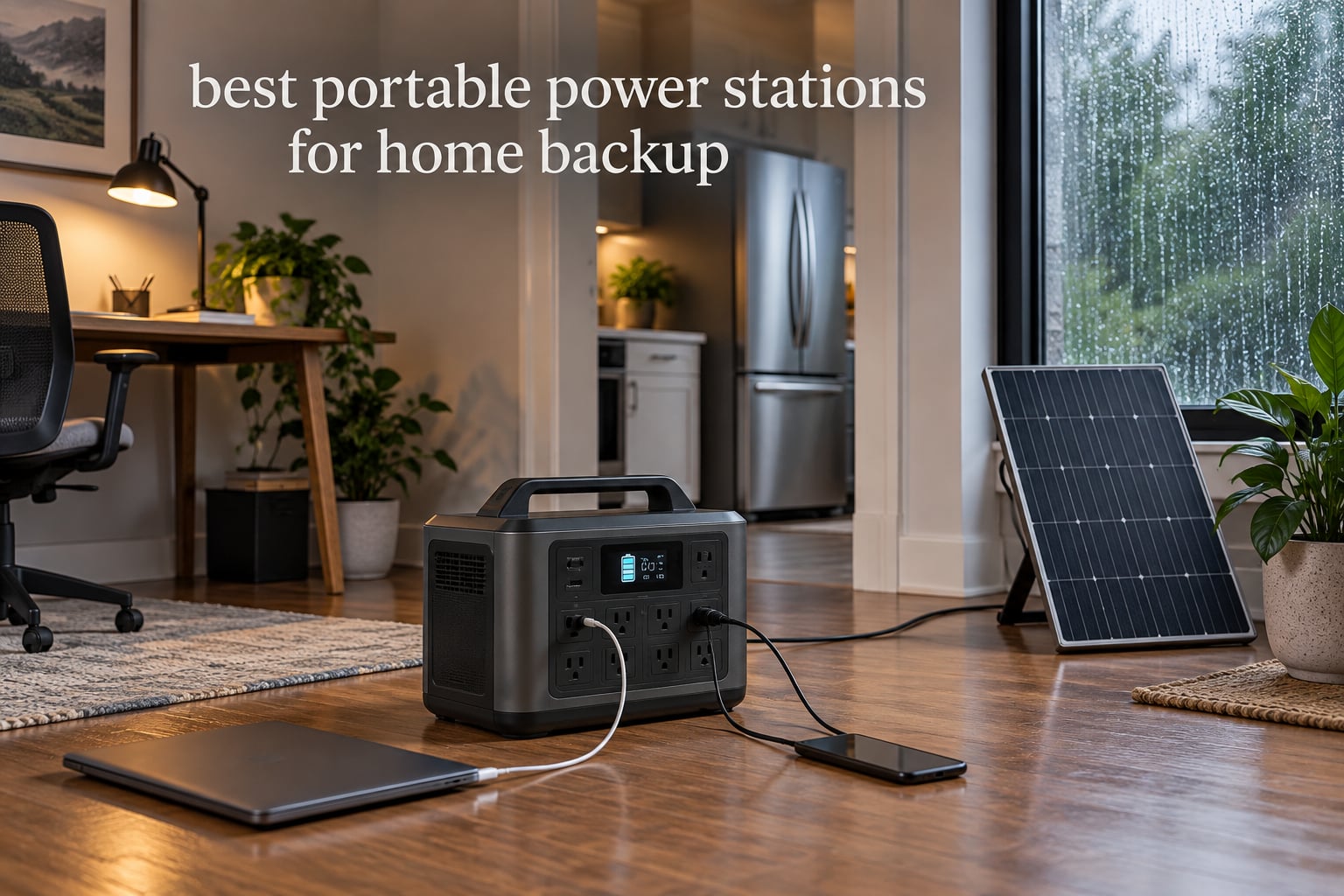
Storm outages do not wait for a convenient weekend, and the portable power station market has matured fast enough that a serious home backup setup no longer needs a gas generator running in the garage. After working through the spec sheets, owner reviews and long-term forum reports on twelve current models, the Jackery Explorer 1000 v2 comes out as the best portable power station for home backup overall: 1070Wh of LFP capacity, 1500W continuous output and 23.8 pounds of weight in a package most people can actually lift down a basement stair.
A portable power station is a rechargeable battery with a pure sine wave inverter bolted to it. It stores energy in watt-hours, then hands back standard 120V household current when the grid drops. There is no fuel to store, no exhaust, no start button and no noise, which is why more homeowners are treating one as the first line of defense instead of the last.
This guide covers the twelve strongest options for backup duty, plus the sizing math that tells you how many watt-hours you actually need. If you are still weighing battery versus generator more broadly, our home battery backup guide covers fixed systems too.
Table of Contents
Top 3 Portable Power Stations for Home Backup in October 2026
Jackery Explorer 1000 v2 for most homes. It hits the sweet spot between capacity and weight, and 3000W of surge headroom clears a refrigerator compressor or a small sump pump without drama.
BLUETTI AC180 when you want more continuous watts. 1800W continuous and 11 outlets cover a kitchen load plus networking gear in one box, and the 20ms UPS keeps a home office alive.
Anker SOLIX C1000 Gen 2 when recharge speed matters. A full refill in 49 minutes means a short warning gives you a mostly full battery before the lights go out.
Portable Power Stations for Home Backup Compared in October 2026
Every pick below is a LiFePO4 unit with a pure sine wave inverter, which rules out the lead-acid clones and the modified-sine bargain bins. Sort the table by capacity if your household is small, by continuous output if you plan to run kitchen appliances.
| Product | Specifications | Action |
|---|---|---|
 Jackery Explorer 1000 v2 Jackery Explorer 1000 v2 |
|
Check Latest Price |
 BLUETTI AC180 BLUETTI AC180 |
|
Check Latest Price |
 Anker SOLIX C1000 Gen 2 Anker SOLIX C1000 Gen 2 |
|
Check Latest Price |
 EcoFlow DELTA 3 Classic EcoFlow DELTA 3 Classic |
|
Check Latest Price |
 OUPES Mega 1 OUPES Mega 1 |
|
Check Latest Price |
 BLUETTI Elite 30 V2 BLUETTI Elite 30 V2 |
|
Check Latest Price |
 Jackery Explorer 300 Jackery Explorer 300 |
|
Check Latest Price |
 Anker SOLIX S2000 Anker SOLIX S2000 |
|
Check Latest Price |
 Jackery HomePower 3600 Plus Jackery HomePower 3600 Plus |
|
Check Latest Price |
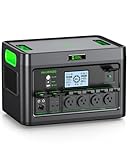 EBL 2400W Power Station EBL 2400W Power Station |
|
Check Latest Price |
 LIBRIDS 640Wh Power Station LIBRIDS 640Wh Power Station |
|
Check Latest Price |
 EcoFlow RIVER 2 EcoFlow RIVER 2 |
|
Check Latest Price |
1. Jackery Explorer 1000 v2 – The Best Portable Power Station for Home Backup Overall
Jackery Explorer 1000 v2 Portable Power Station,1070Wh,1500W
1070Wh LFP
1500W continuous, 3000W surge
23.8 lb
4,000+ cycles
Pros
- 1500W continuous with 3000W surge in a 23.8 lb body
- Full charge in about an hour with app emergency mode enabled
- LFP cells rated past 4000 cycles
- Two USB-C 100W PD ports plus three pure sine wave AC outlets
- Quiet 30 dB overnight charging mode
Cons
- Solar charging limited to Jackery-brand panels
- One-hour charging requires the app emergency mode each time
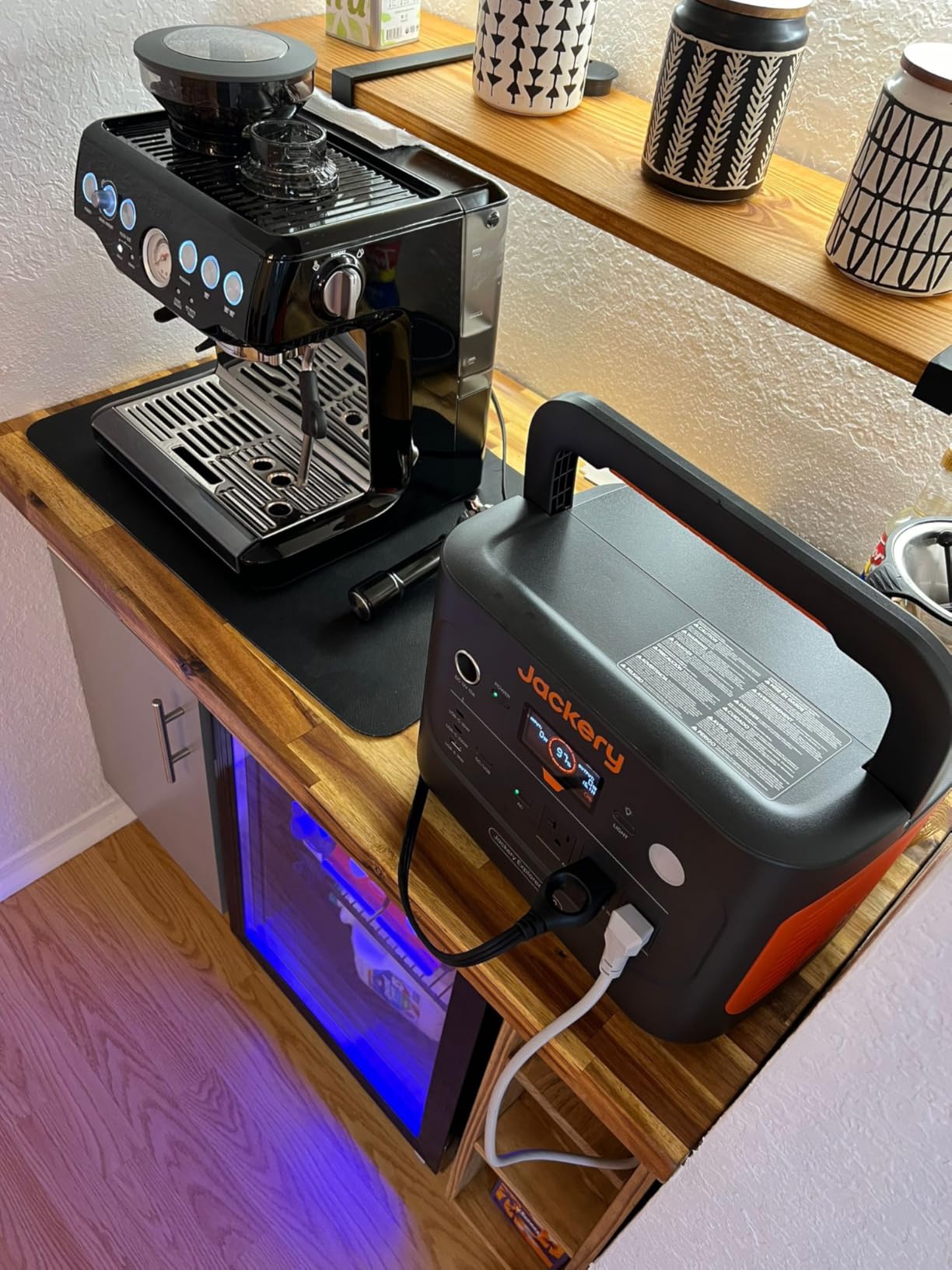
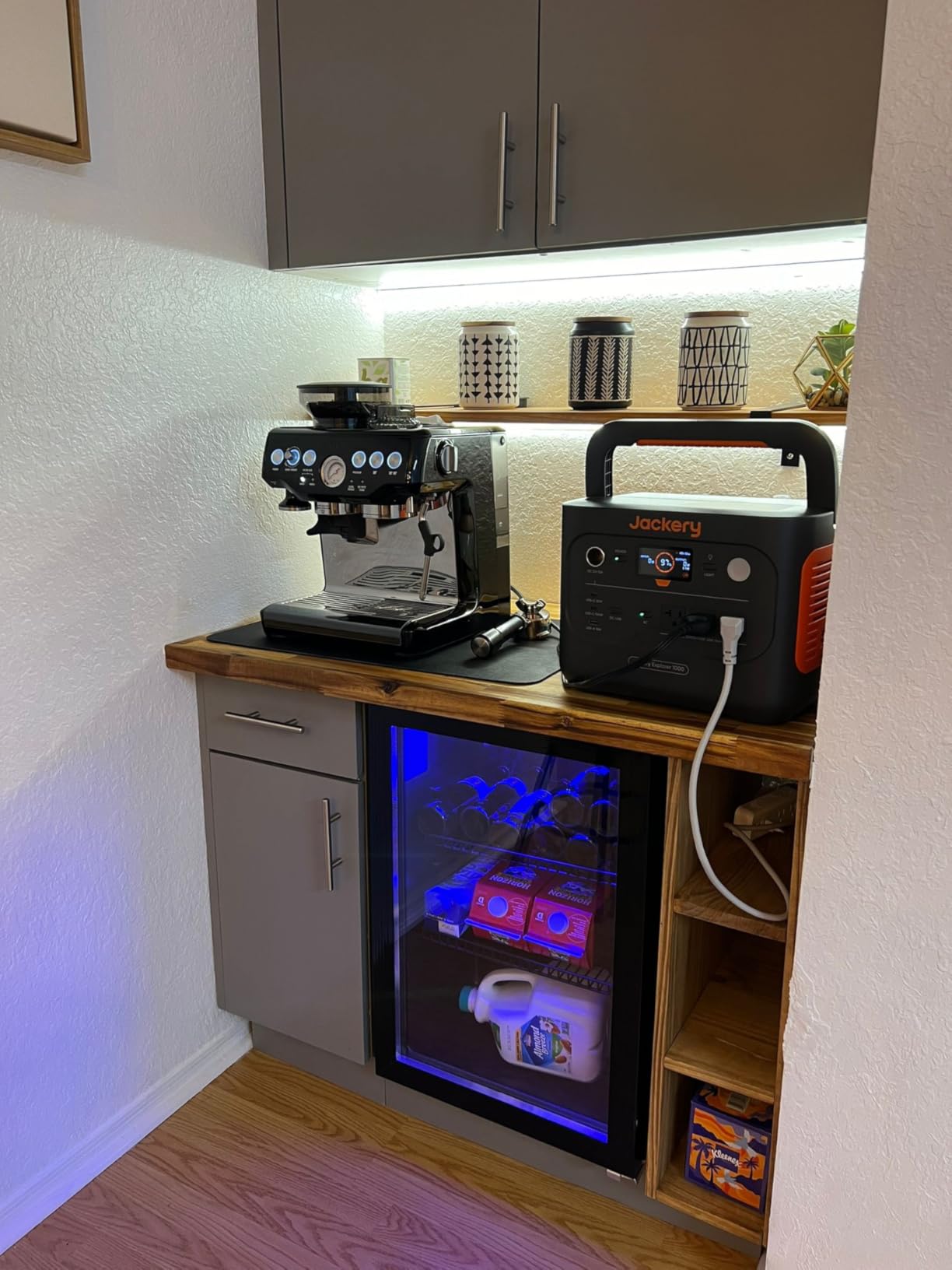
The Explorer 1000 v2 is the unit I keep coming back to because the numbers line up with how a house actually fails. 1070Wh is enough to carry a refrigerator, a router and a lamp for most of a night, and 1500W continuous means you are not rationing the microwave.
Owners in r/Portable_PowerStation repeatedly describe the same use case: fridge in the kitchen, networking gear in the office, and the unit sitting on a shelf doing nothing until the grid drops. The 23.8 lb weight is the factor people underestimate, because that is one trip up basement steps rather than a team job.
Charging is the underrated story here. Enable emergency charging mode in the Jackery app and the unit goes from empty to full in about an hour, or 1.7 hours in the default setting. Owners running multi-day outages treat that hour as the difference between a full battery and a half-drained one.
Two details deserve attention before you commit. Solar input only accepts Jackery panels, so mixing a third-party 400W array means giving up the MPPT advantage. And the fastest charge is a software state, not a cable swap, which trips up anyone expecting out-of-the-box behavior.
Who the Explorer 1000 v2 suits
A household that wants fridge, internet, lighting and medical device coverage for eight to twenty hours, and that values a single box with one brand of ecosystem behind it. Owners cite 4,000-plus cycle ratings and 10-plus year service lives, which matters when the unit spends most of its life plugged in waiting.
Who the Explorer 1000 v2 does not suit
Anyone running electric heat, a well pump or a window air conditioner, and anyone who wants to add extra battery capacity later without buying a different unit. If your plan depends on third-party solar panels, look at the OUPES Mega 1 or BLUETTI AC180 instead.
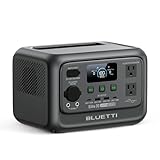
2. BLUETTI AC180 – Most Versatile for Whole-Room Backup
BLUETTI Portable Power Station AC180, 1152Wh LiFePO4 Battery Backup w/ 2 1800W (2700W peak) AC Outlets, 0-80% in 45Min, Solar Generator for Camping, Off-grid, Power Outage
1152Wh LiFePO4
1800W continuous, 2700W app boost
37.4 lb
20ms UPS
Pros
- 1800W continuous across more than eight outlets
- Full charge in about an hour and 0-80% in 45 minutes
- AC solar car and alternator charging in one unit
- Clear LCD plus Bluetooth app monitoring
- 20ms UPS switchover keeps essentials live
Cons
- Heavy at 37.4 lb for a carry
- Self-consumption of roughly 15-20W shortens runtime on light loads
- Wireless charging pad reported unreliable by some owners
The AC180 sits at the generous end of the 1kWh class on continuous output, and that is where the extra weight goes. 1800W continuous with an app-enabled boost to 2700W gives you room for a coffee maker, a router and a monitor to coexist without planning.
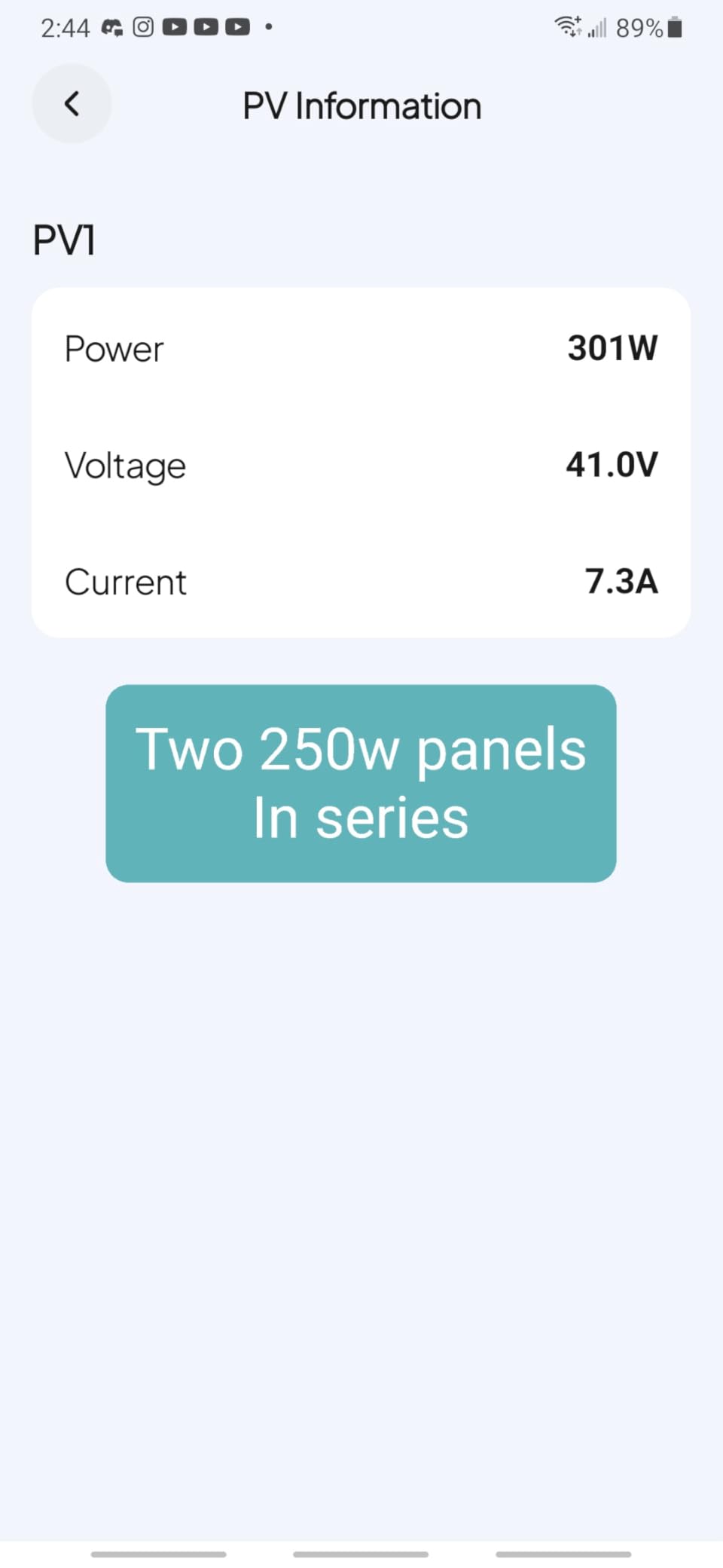
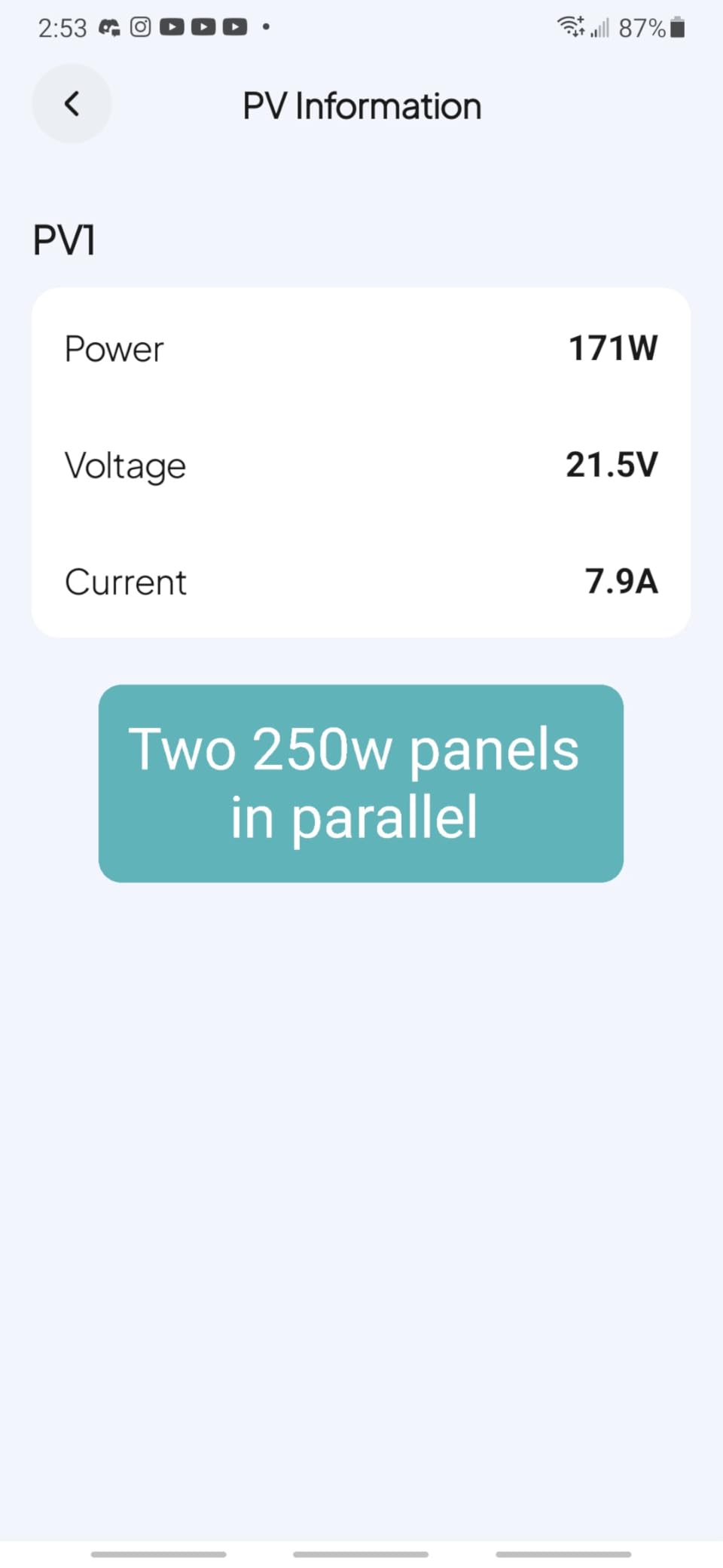
Charging flexibility is the quiet advantage. Alongside the wall input, it accepts 500W solar through an MPPT controller, 12V car charging and alternator charging, which makes it a natural fit for a truck tailgate setup as well as a mudroom.
At 37.4 lb this is not a one-person carry. Homeowners generally park it in one location near the panel or garage door and treat it as a fixture, which is fine if you plan ahead and frustrating if you planned to move it between rooms.
The other recurring note is self-consumption. Reviewers estimate 15-20W of idle draw, so a 10W load such as a router and a couple of lamps burns through more capacity than the nameplate suggests. The 20ms switchover is quick enough for networking equipment but not for a rack server that expects single-digit milliseconds.
Who the AC180 suits
Households that want a single station covering a refrigerator, a home office and a security NVR at once, plus owners who already have mixed solar inputs. The 5-year warranty and 11-outlet layout make it a flexible mid-size pick.
Who the AC180 does not suit
Anyone who needs to carry the unit regularly or whose loads are light enough that idle draw dominates. If you only plan to back up a router and a lamp, the 288Wh BLUETTI Elite 30 V2 does the same job with a fraction of the mass.
3. Anker SOLIX C1000 Gen 2 – Best Value for Fast Recharge
Anker SOLIX C1000 Gen 2 Portable Power Station
1024Wh LiFePO4
2000W continuous, 3000W peak
25 lb
10ms UPS
Pros
- Full recharge in 49 minutes at 1600W input
- 2000W continuous output for fridges tools and CPAP
- 1.8 hour solar recharge from 600W of panels
- 10ms switchover leaves network gear untouched
- App handles time-of-use scheduling and firmware
Cons
- No battery expansion on this generation
- Mild sine wave distortion reported with a microwave load
- No cable storage case included
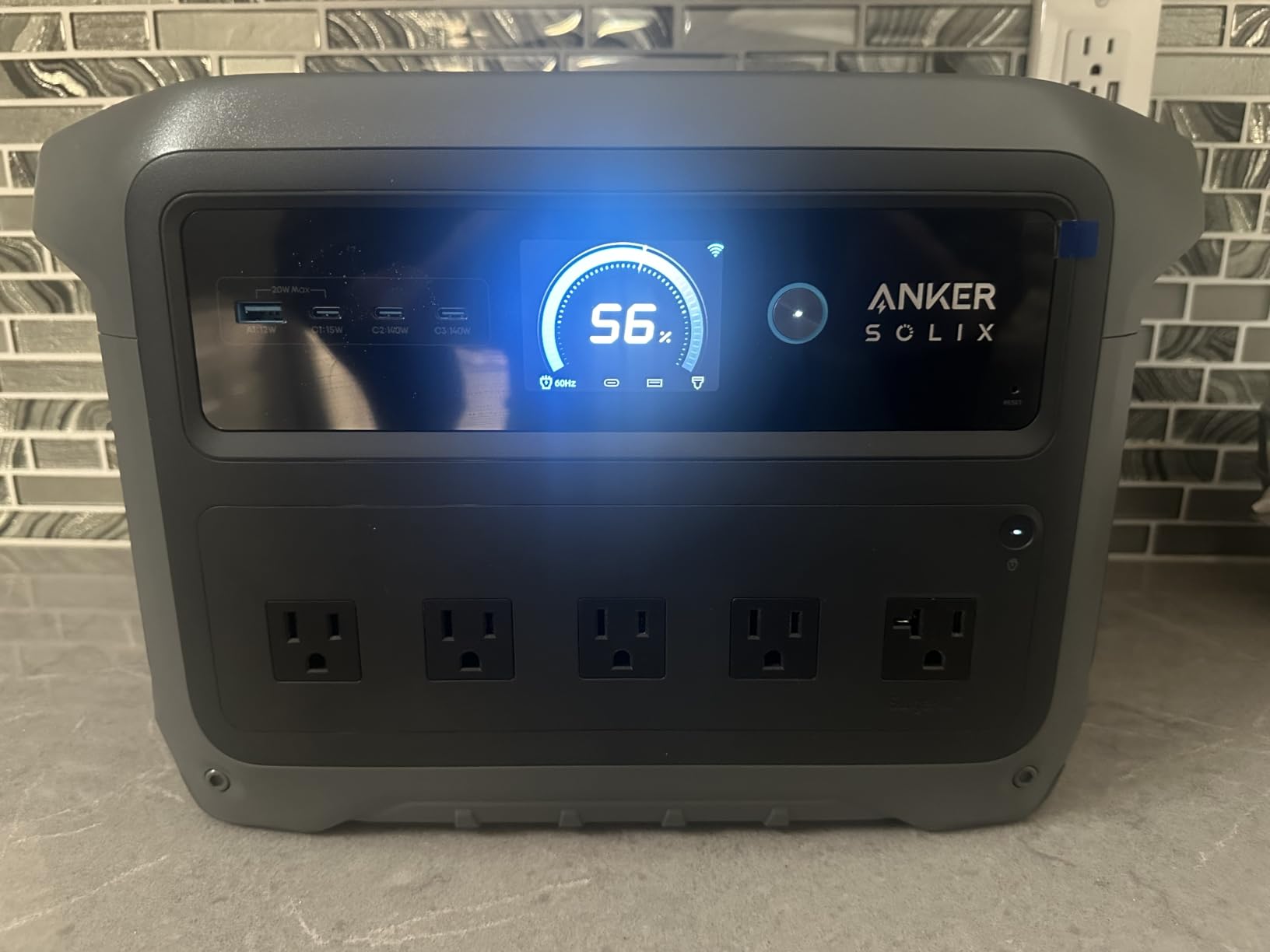
Anker took the 1kWh formula and improved the two numbers that matter most for emergency use: recharge speed and continuous output. 2000W continuous from 1024Wh is a higher power-to-capacity ratio than most competitors, and the 49-minute full recharge is among the fastest wall recoveries available at this size.
The 10ms switchover is genuinely in UPS territory. Owners running network racks, laptops and CPAP machines report no interruption at all when the grid drops, which is the closest thing to a drop-in replacement for a lead-acid UPS that we see at this size.
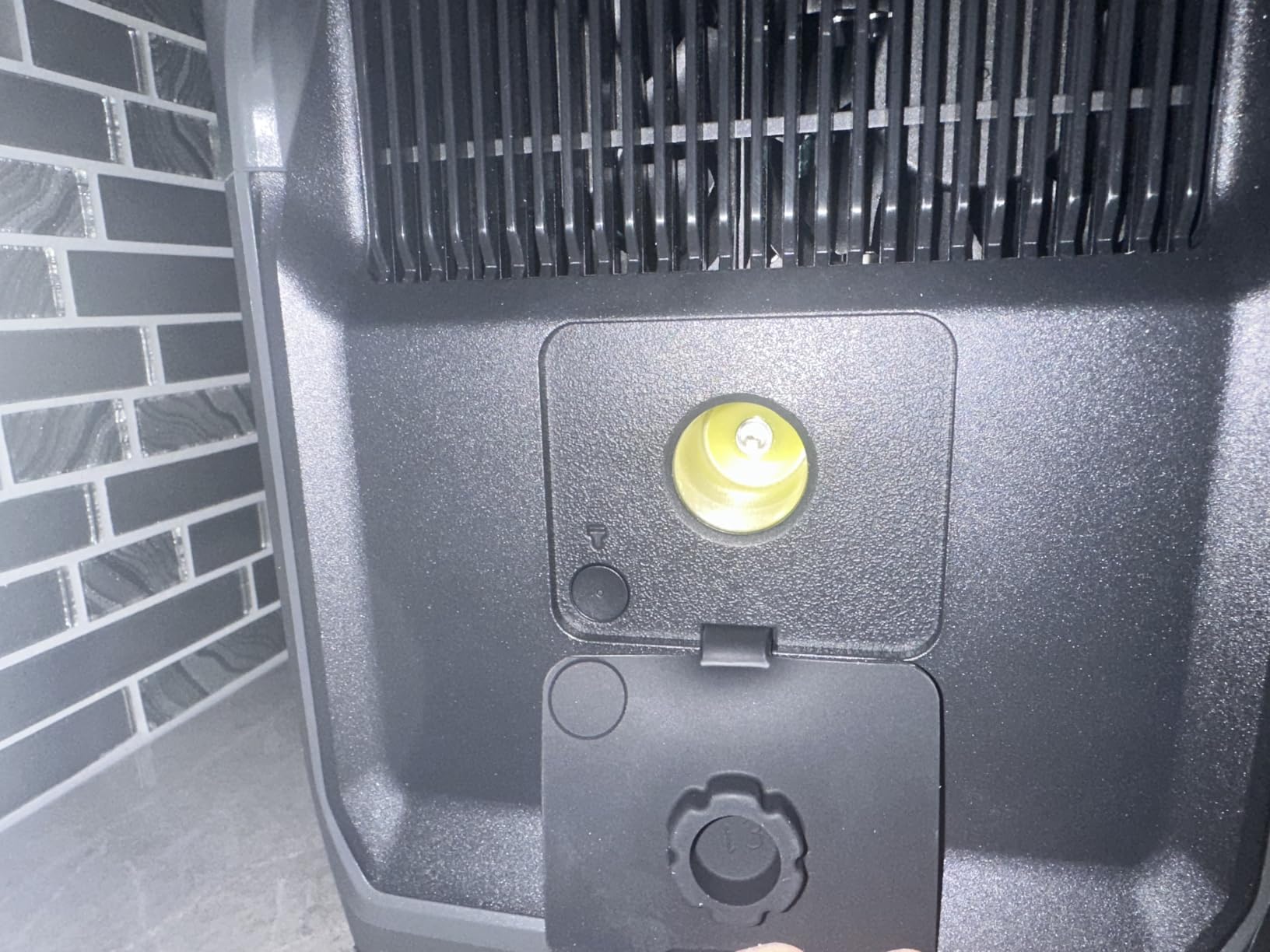
Two limitations deserve a straight answer. The Gen 2 removed the extra-battery option offered on earlier Anker models, so this is a fixed 1024Wh with no upgrade path. And a small number of reviewers measured mild harmonic distortion when driving a microwave, which is a fair reason to keep that particular appliance on the grid.
At 25 lb it is still genuinely portable, and the 600W solar ceiling means one good 400W panel plus a second panel covers a full day of poor weather. Time-of-use scheduling in the app lets you charge overnight off-peak and hold the battery for the outage window.
Who the C1000 Gen 2 suits
Anyone with short-notice outages who wants the shortest possible recovery from wall power, and households with a CPAP machine, router or NAS that cannot tolerate a reboot. The 5-year warranty and responsive app support also help first-time buyers.
Who the C1000 Gen 2 does not suit
Anyone planning to add capacity next year, since expansion is not offered here, and buyers who want pure sine wave output for microwave or induction cooking without checking waveform quality. For growth, step up to the OUPES Mega 1 or the 2010Wh Anker SOLIX S2000.
4. EcoFlow DELTA 3 Classic – Best for Fridges, Routers and Fast Recovery
EF ECOFLOW Portable Power Station Delta 3 Classic, 1024Wh 1800W AC
1024Wh LiFePO4
1800W output, 3600W surge
26.7 lb
sub-10ms UPS
Pros
- Zero to 80% in 45 minutes on X-Stream charging
- Sub-10ms UPS switchover for routers and medical devices
- App includes scheduling and storm alerts
- Physical design with dual handles and non-skid base
- 2.5 hour recharge from a 500W panel
Cons
- Heavier than some 1kWh rivals at 26.7 lb
- Some third-party seller units arrive used or damaged
- A small share of dead-on-arrival reports
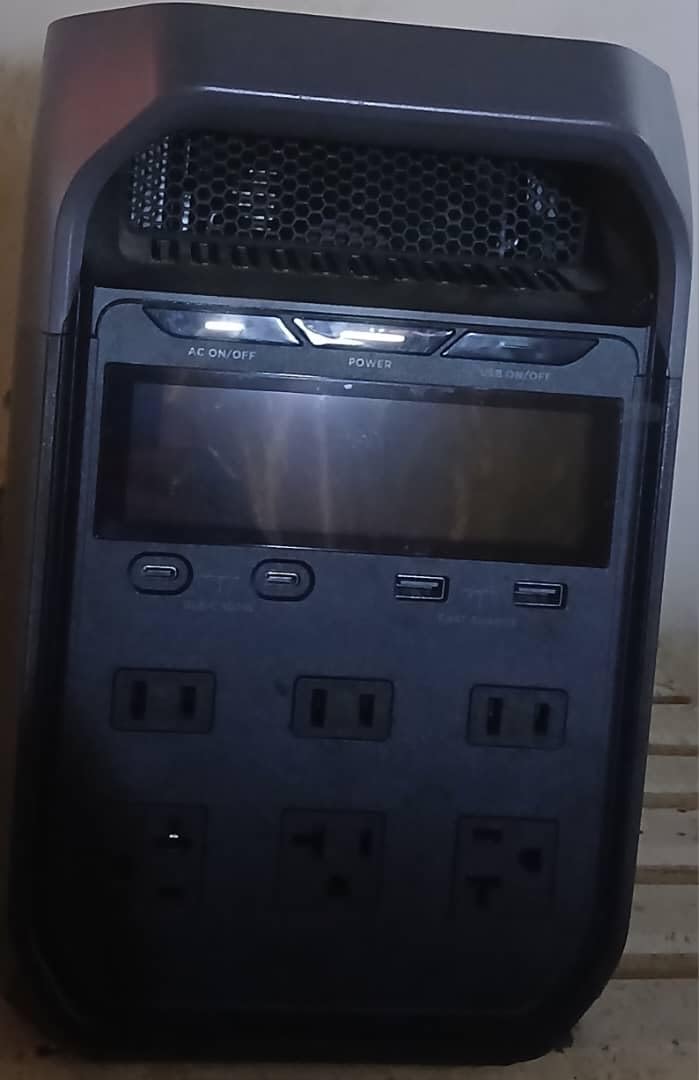
The DELTA 3 Classic is EcoFlow’s cleanest home-backup offering, with 3600W of surge giving it ample compressor-startup margin in the 1kWh class. That headroom is what lets a refrigerator, a freezer and networking gear all come on simultaneously.
Storm Alert in the EcoFlow app is a small touch that reviewers mention more than expected. Push a warning and the station can be charging before the outage rather than after it, which beats staring at a percentage during a rolling blackout.
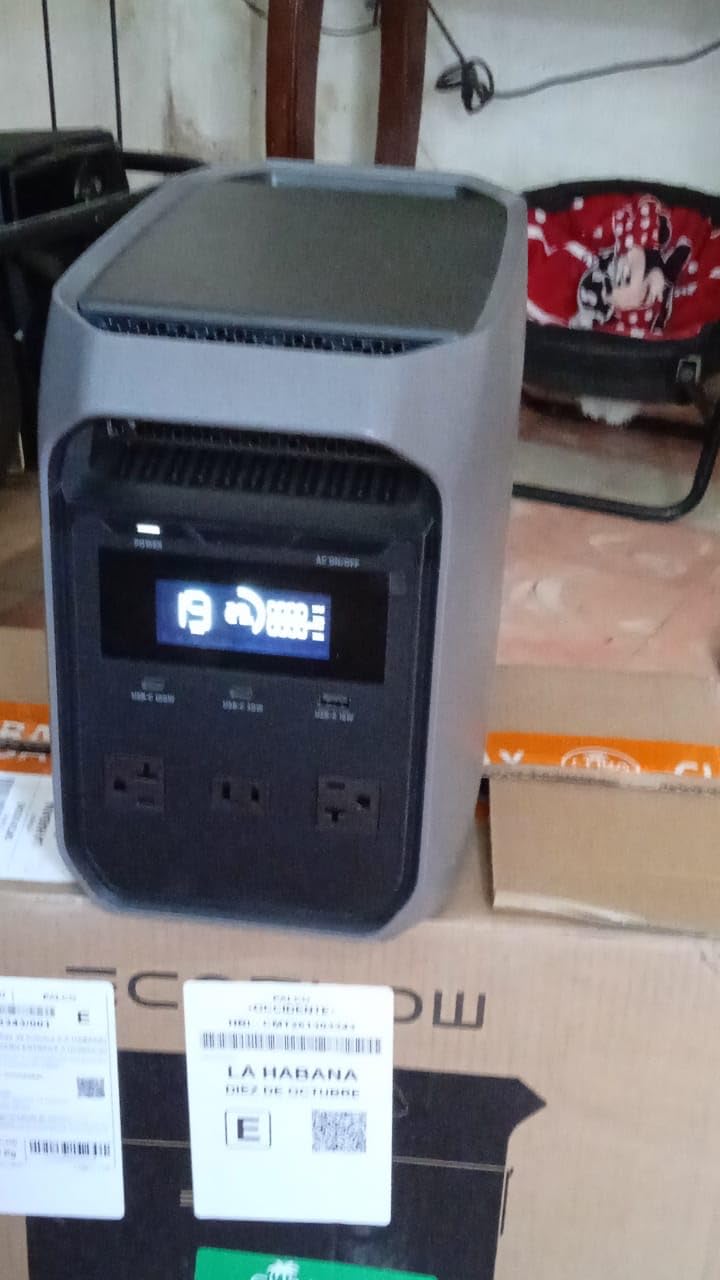
The catch is expansion. This model will not accept the DELTA 2 or Delta 3 Series Smart Extra Battery, so a household that expects to grow past 1kWh has to plan around buying a second station instead of adding a module.
Build quality gets consistent praise, with owners calling out the input cover, side-flared outlets and non-skid pads that keep a heavy device stable on a garage floor. The recurring negative is not the unit itself but the seller channel, with a small number of used or screen-damaged units arriving through third-party marketplaces.
Who the DELTA 3 Classic suits
Households in storm-prone areas that want fast top-ups and strong surge margin, and anyone who wants the fridge and the internet to come back within a single cycle after power returns. The sub-10ms switchover keeps desktop computers and medical devices running.
Who the DELTA 3 Classic does not suit
Buyers planning to double their capacity with an expansion battery later, and anyone who needs more than 1800W continuous for a kitchen load. Buying through an unfamiliar third-party seller is worth avoiding given the reported condition issues.
5. OUPES Mega 1 – Best Expandable Option in the 1kWh Class
OUPES Mega 1 Portable Power Station 1024Wh 2000W (4500W Surge)
1024Wh LiFePO4
2000W continuous, 4500W surge stated
27.8 lb
expandable to 5120Wh
Pros
- 2000W continuous output for tools and appliances
- Zero to 80% in 36 minutes on AC
- Two B2 extra batteries expand capacity to 5120Wh
- 800W solar input over MC4 with built-in MPPT
- Dual 100W USB-C PD ports
Cons
- Stated 4500W surge is optimistic with some units tripping near 2100W
- Cooling fan is loud under heavy draw
- Proprietary charging cable and a minimal app
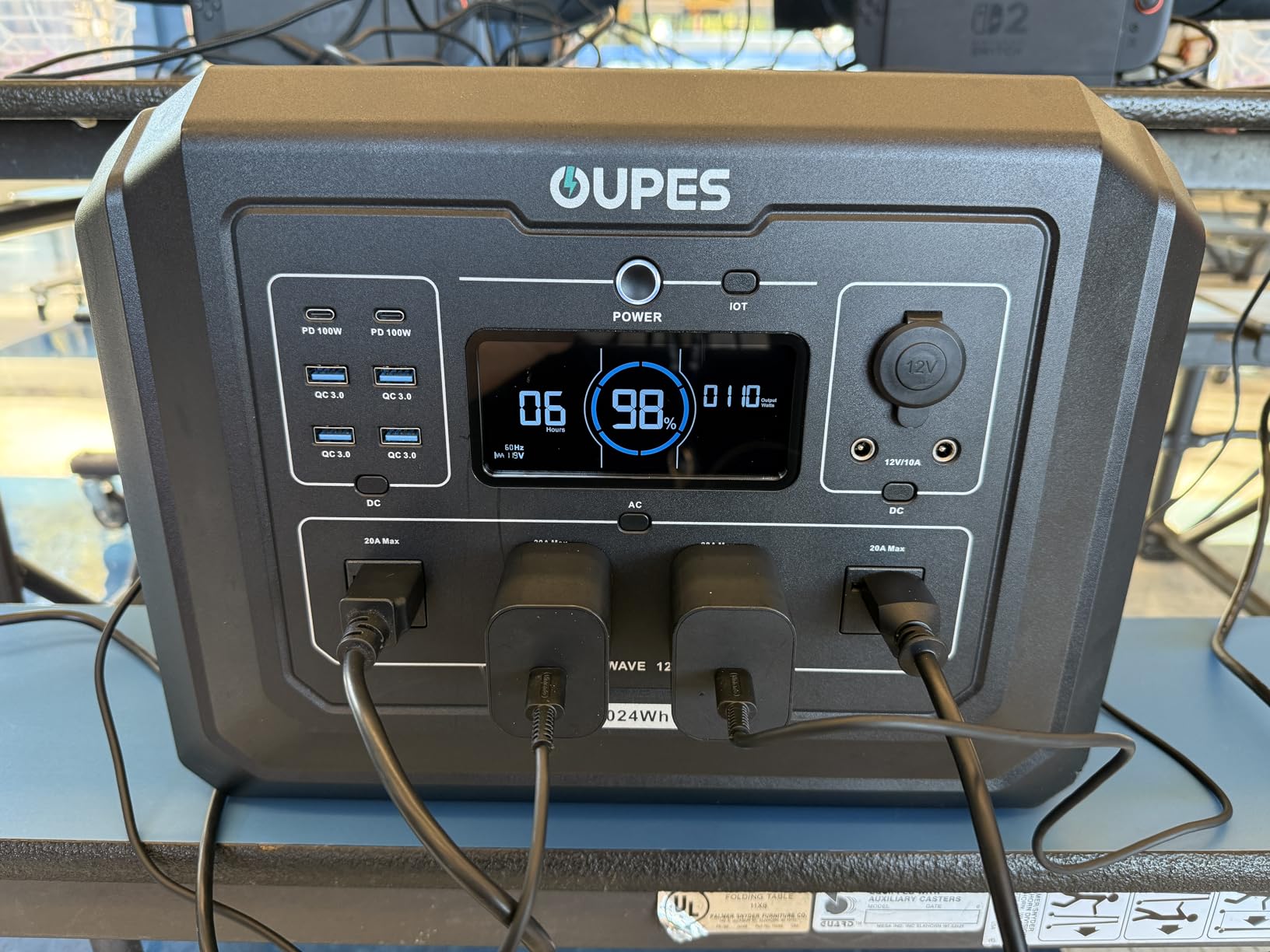
The Mega 1 is the pick if you think you will outgrow 1kWh. Two B2 extra batteries take the total to 5120Wh, and at 1024Wh per module the math keeps working in your favor for multi-day outages.
800W of solar input is the highest stated ceiling among the models here, which means a pair of 400W panels or one larger array can refill the station in a single day of partial sun. Owners running van setups report consistent harvesting even in low light.
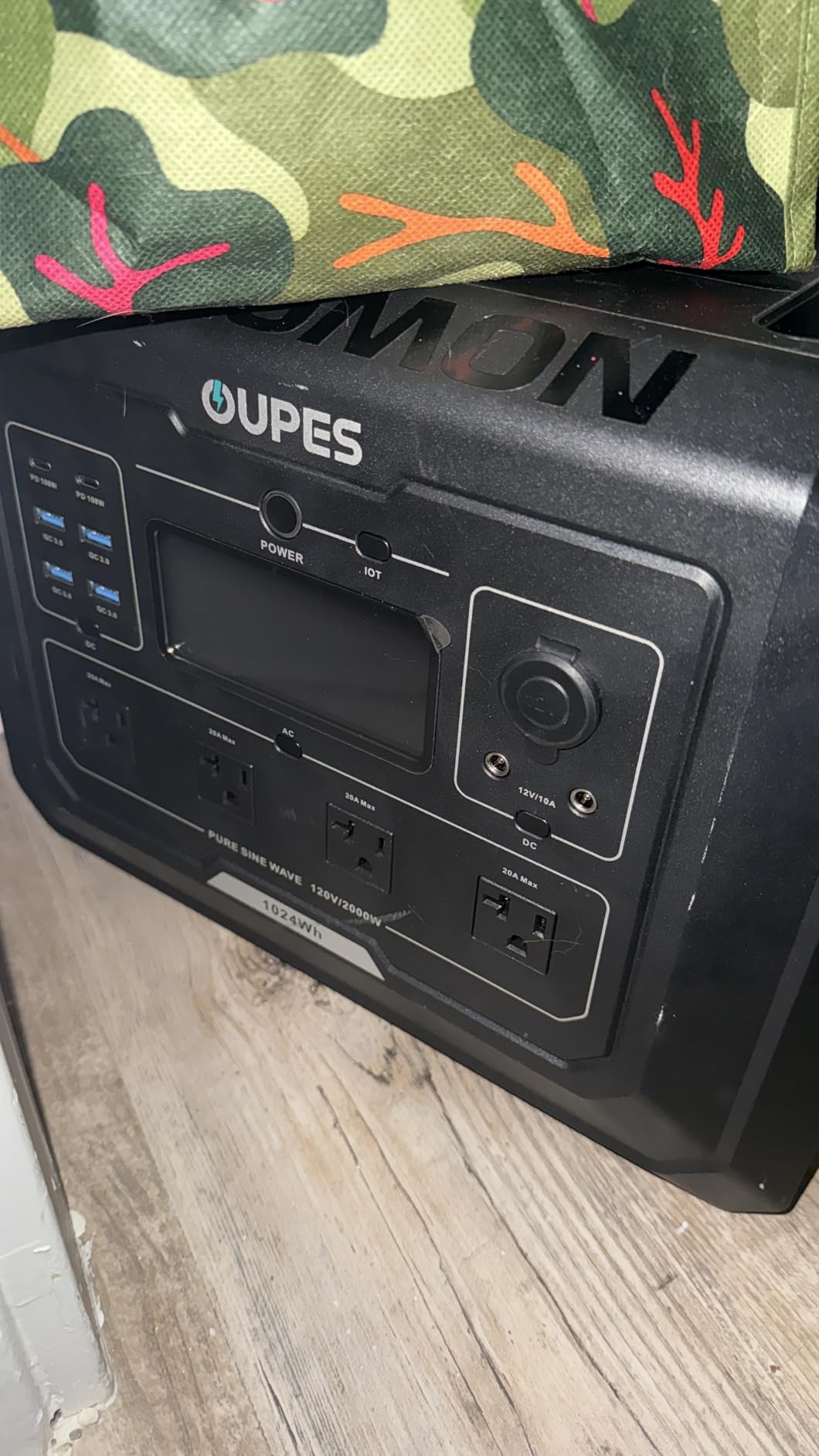
Now the honesty part. The advertised 4500W surge is not what most units deliver in practice, and reviewers report consistent tripping somewhere around 2050-2200W. Plan on the 2000W continuous figure and treat the surge number as marketing, especially with a sump pump on the line.
The cooling fan is loud during heavy draw and fast charging, which matters in a bedroom or an office. There is also a proprietary charging cable, a Bluetooth-only app with limited telemetry and unreliable Wi-Fi, and no easy return path, so check the return policy carefully before ordering.
Who the Mega 1 suits
Buyers who want a starter station that can grow into a multi-day system, and households planning to add solar within a year. The 2000W continuous output handles refrigerators, microwaves, coffee makers and power tools in one package.
Who the Mega 1 does not suit
Anyone who needs the factory-stated surge rating to be accurate, buyers who want a polished app with remote telemetry, and households that need quiet operation during a night of charging. For surge reliability, the Anker SOLIX C1000 Gen 2 is the safer bet.
6. BLUETTI Elite 30 V2 – Best for CPAP Machines and Network Gear
BLUETTI Elite 30 V2 Portable Power Station 288Wh 600W LFP Solar Generator
288Wh LFP
600W continuous, 1500W lifting mode
9.4 lb
10ms UPS
Pros
- Compact 9.4 lb body with true pure sine wave output
- Works as a home server or networking UPS with no filesystem issues
- 0-80% in 45 minutes from a 380W wall input
- Very low 4.5W standby draw extends light-load runtime
- Standard solar connectors plus app monitoring
Cons
- 288Wh capacity is limited beyond phones laptops and small devices
- Some owners report faster-than-expected CPAP discharge
- No USB communication port for automatic PC shutdown
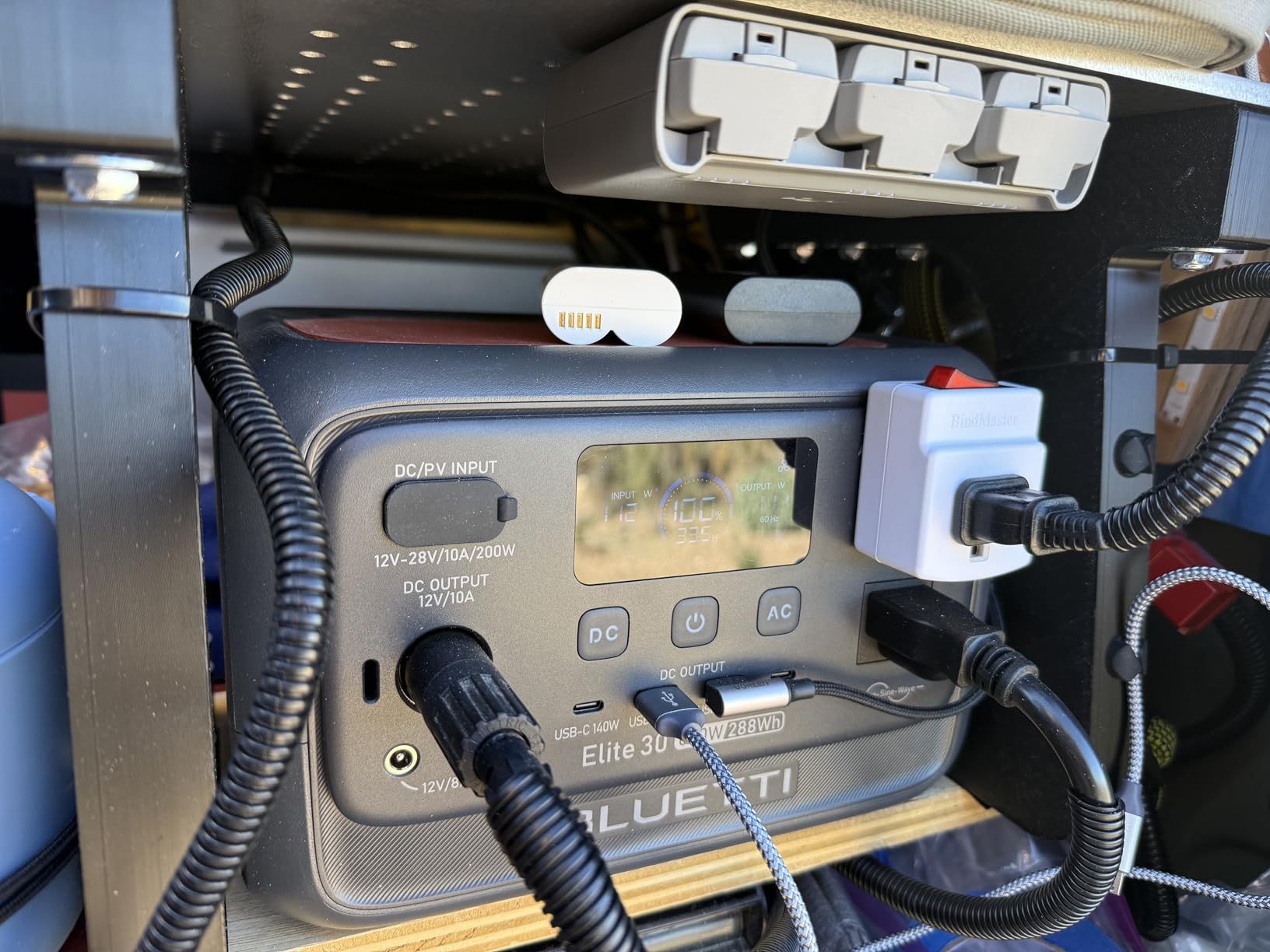
This is the small-unit answer, and it is more capable than the 288Wh number suggests. 600W continuous with a 1500W power lifting mode means it will start devices that a comparable 300W unit refuses, while staying light enough to move between rooms.
At 4.5W standby, it draws less idle power than a typical lead-acid UPS, so a router, a switch and a night light can sit on it for days. That efficiency is what separates it from other sub-300Wh units in this roundup.
Owners replacing an aging lead-acid UPS are the happiest group. The 10ms switchover and pure sine wave output mean a home server or NAS rides through a blip without a restart, and the LFP cells outlast the lead-acid units they replaced by years.
There is no USB communication port, so it cannot tell a PC to shut itself down cleanly the way a traditional UPS does. A few owners also report faster-than-expected discharge on CPAP machines, which is worth checking against your own device draw.
Who the Elite 30 V2 suits
Apartment dwellers, homes with short outages and anyone who wants a small always-on UPS for networking equipment. CPAP users get a viable overnight option here, and the 9.4 lb weight makes it the easiest unit to store on a shelf.
Who the Elite 30 V2 does not suit
Anyone hoping to run a refrigerator. 288Wh will not carry one meaningfully, and there is no expansion path. If a fridge is on your list, jump to the 1kWh class rather than stretching this unit.
7. Jackery Explorer 300 – Best for Lights, Phones and Laptops
Jackery Explorer 300 Portable Power Station,292Wh
292Wh LFP
300W output, 600W peak
7.1 lb
4,000+ cycles
Pros
- Lightest and most compact option at 7.1 lb
- 4000-plus cycle LFP cells rated for 11-plus years
- 100W USB-C PD charges laptops and phones directly
- Pure sine wave AC for sensitive electronics
- Widely supported Jackery solar panel ecosystem
Cons
- 300W output rules out kettles and coffee makers
- 292Wh gives only about 5 hours on typical loads
- Solar charging requires Jackery-brand panels
- Two-year warranty is shorter than most rivals
With more than eleven thousand reviews, the Explorer 300 has the longest ownership history of anything on this list, and that matters for a product most people buy once and keep for a decade. Proven reliability is a real feature when your backup plan depends on it.
Forum threads asking whether a small 300Wh unit powers anything useful get a consistent answer: it powers phones, laptops, cameras, lights and small electronics very well, and it powers a refrigerator not at all. Set expectations correctly and it is genuinely useful during a multi-day outage.
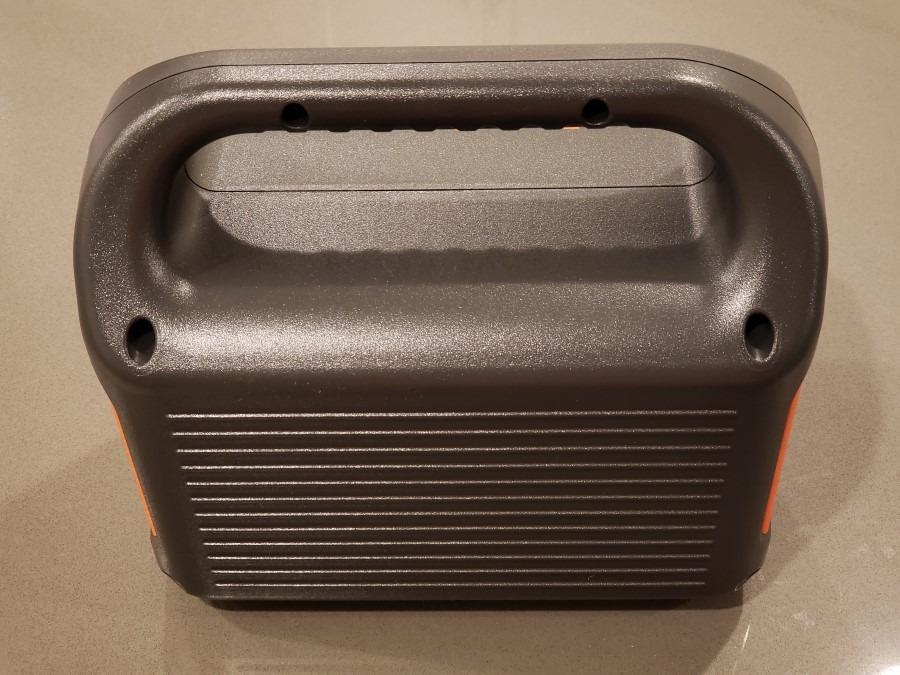
The LFP switch is the underappreciated change. Previous NMC versions of this unit were fine but short-lived, and the current cells are rated past 4,000 cycles with an 11-plus year service expectation, which changes the value calculation entirely.
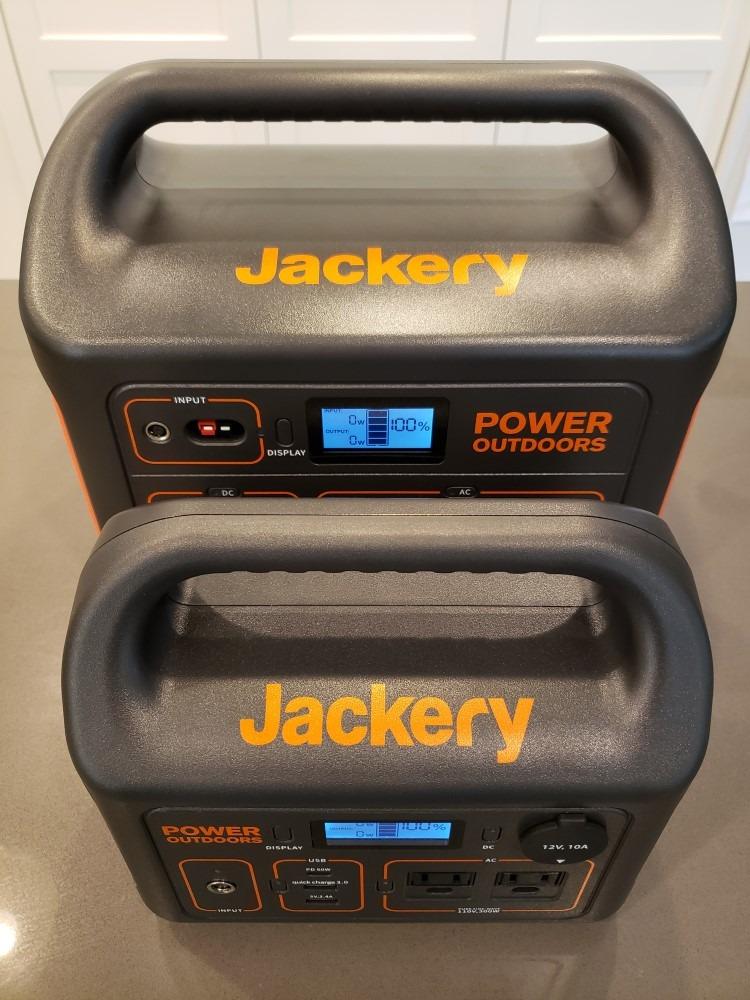
Two AC outlets, two USB-A ports and a 100W USB-C PD port cover a charging station for a household. The 80% solar charge in roughly 2.8 hours on a 100W Jackery panel is fast enough to top up during a sunny outage window.
Who the Explorer 300 suits
New buyers testing whether a power station is worth owning, campers and van lifers, and anyone who needs a grab-and-go unit for a road trip. It also makes a good secondary unit to keep in a car alongside a larger home station.
Who the Explorer 300 does not suit
Households that need to run a refrigerator, a microwave or a coffee maker, and buyers who want capacity growth later. The two-year warranty is also the shortest we found in this roundup, so confirm the terms before buying.
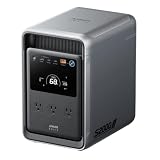
8. Anker SOLIX S2000 – Best for Long Refrigerator Runs
Anker SOLIX S2000 Portable Power Station, 2,010Wh, 1,500W
2010Wh LFP
1500W output, 3000W peak
35.7 lb
6W idle draw
Pros
- Owners report 13 to 35 hours on a refrigerator depending on load
- 6W idle draw gives roughly 20% more runtime in the 2kWh class
- Outlets on both front and rear for tidy cable routing
- Under 10ms UPS switchover for network racks
- Six recharge options including 400W solar
Cons
- Charging fan is loud and droning at the 1200W rate
- Strong chemical odor during the very first charge
- No 12V DC port
- 35.7 lb with no proper carrying handle
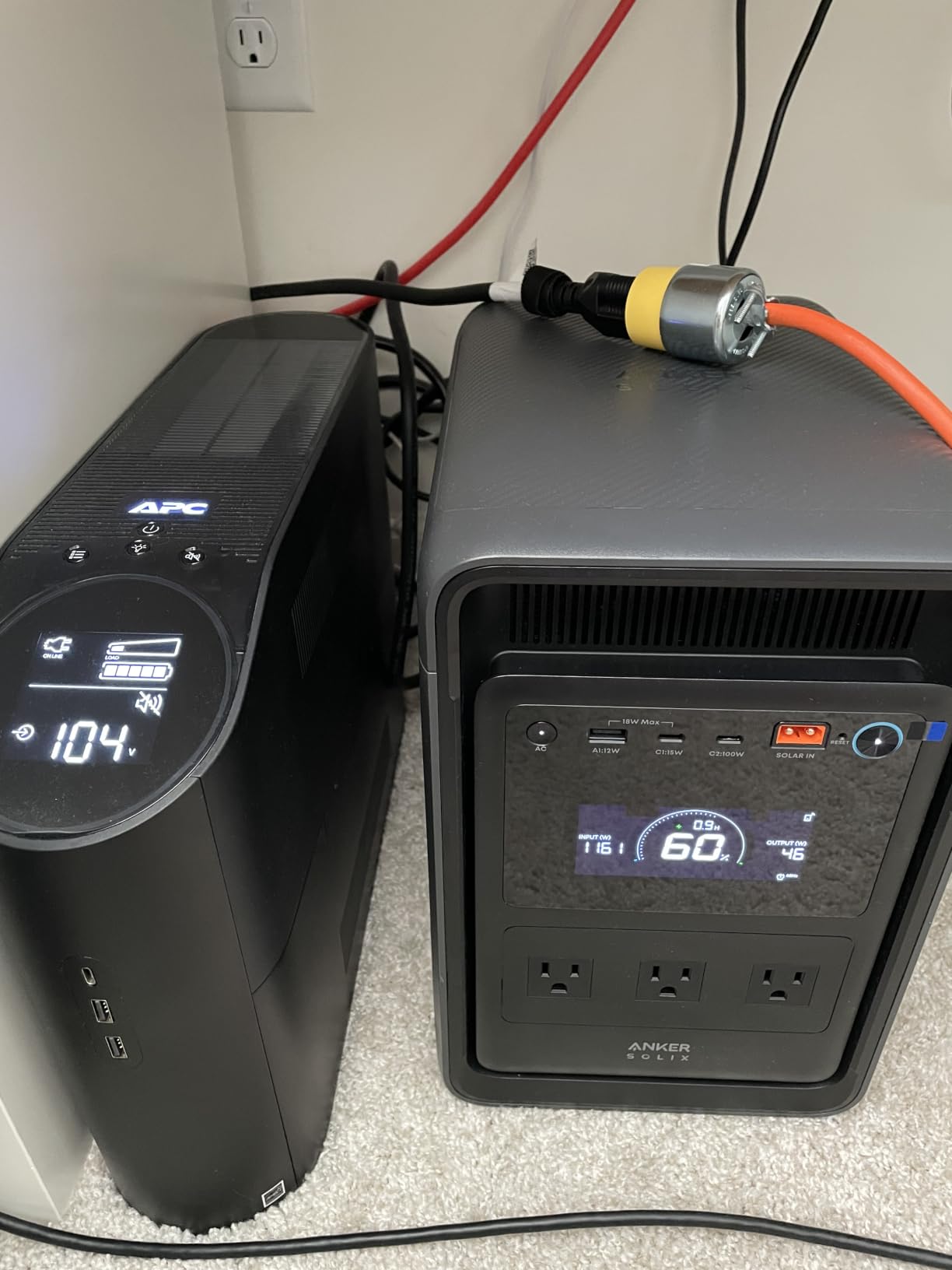
Where most 2kWh units are speculative, the S2000 has owners posting real outage logs. Several report riding out 24-30 hour outages running a refrigerator and a network rack, which is exactly the multi-day scenario that justifies buying at this size.
Idle draw is the quiet engineering story. At 3-6W in UPS mode it is far more efficient than a lead-acid UPS, and Anker translates that into roughly 20% more usable runtime than comparable 2kWh systems. Every watt saved while idle is a watt that is still there at hour twenty.
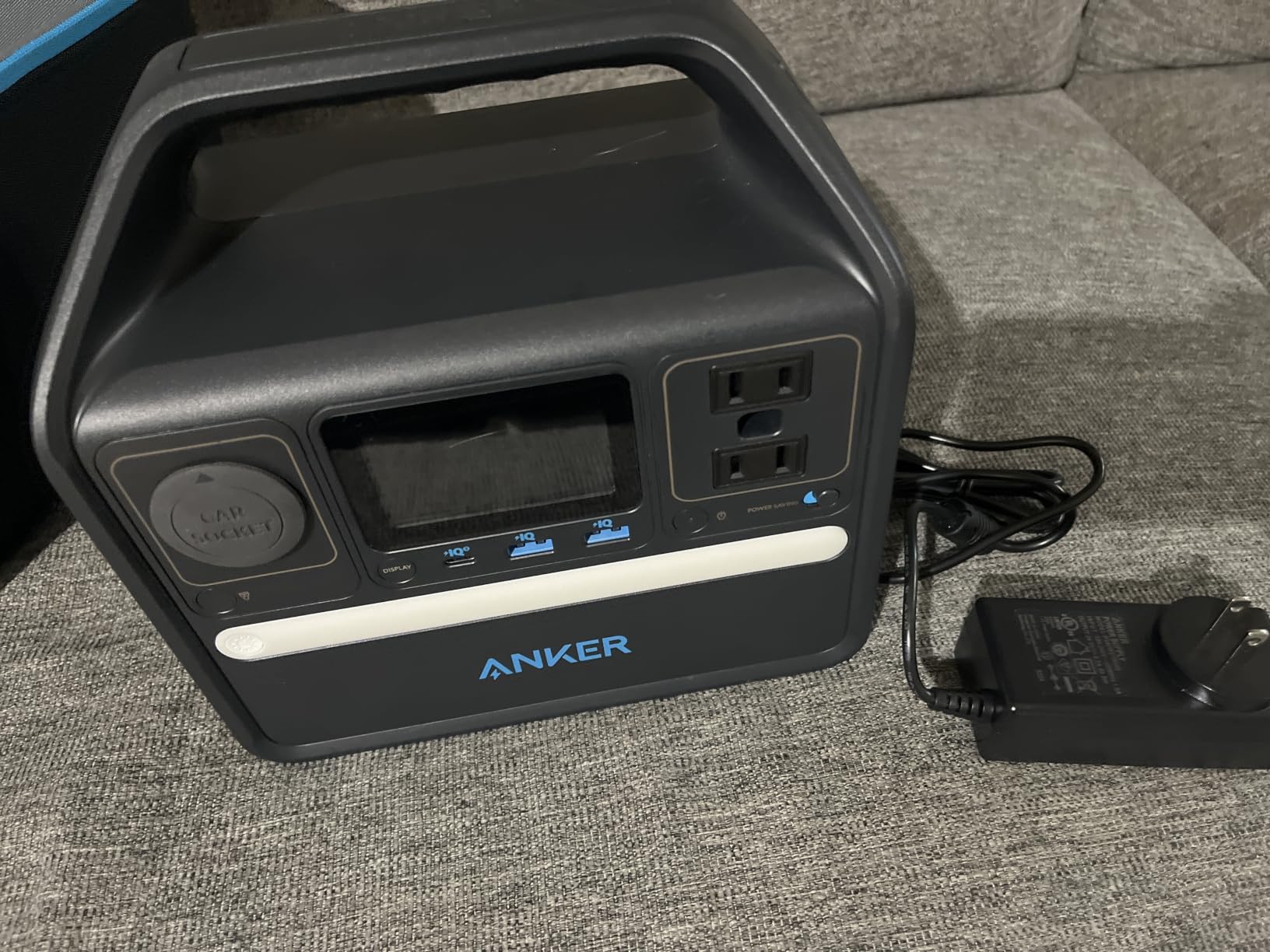
The 314Ah cells are rated for 10,000 cycles, the highest figure in this roundup, and the app exposes adjustable charge and discharge limits plus time-of-use scheduling. Leaving the battery parked in a narrow charge band is the easiest way to extend its life.
Buyers should know about the charging fan, which reviewers describe as loud and droning at the full 1200W rate, and a noticeable burn-off odor on the first charge. There is no 12V DC port, and at 35.7 lb with no real handle, moving it is a two-person job.
Who the S2000 suits
Households in areas with multi-day outages, and anyone whose priority is keeping a refrigerator and network rack running as long as possible. The compact 2kWh footprint also suits garages and closets where a larger unit will not fit.
Who the S2000 does not suit
Bedrooms and home offices during overnight charging, given the fan noise, and anyone planning to rely on 12V accessories. If you need to move the unit regularly or want expansion later, this is the wrong shape of purchase.
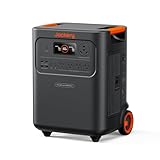
9. Jackery HomePower 3600 Plus – Best for Whole-Home Essential Loads
Jackery HomePower 3600 Plus Power Station, 3584Wh, 3600W AC Output
3584Wh capacity
3600W output, 7200W parallel
77.2 lb
120V and 240V
Pros
- Genuinely high output for water heaters microwaves and dryers
- Wheels and telescoping handle on a 77 lb chassis
- Zero to 100% in about 2 hours hybrid or 2.5 on a generator
- Expandable to 21kWh per unit and 43kWh with multiples
- Dual 120V and 240V output pairs with the Jackery transfer switch
Cons
- Very heavy even with the built-in hand truck
- Solar recharge is slower than AC at about 4 hours
- Only two AC outlets on the unit
This is the only unit here that approaches whole-home territory. 3600W continuous and 3584Wh covers a water heater, a refrigerator, a microwave and a handful of circuits, which puts it in a different category from every 1kWh unit here.
The dual 120V and 240V output and plug-and-play pairing with the Jackery manual transfer switch is what separates it from a very large power bank. It is still not a panel-integrated battery, but it is the closest thing on this list to a generator replacement.
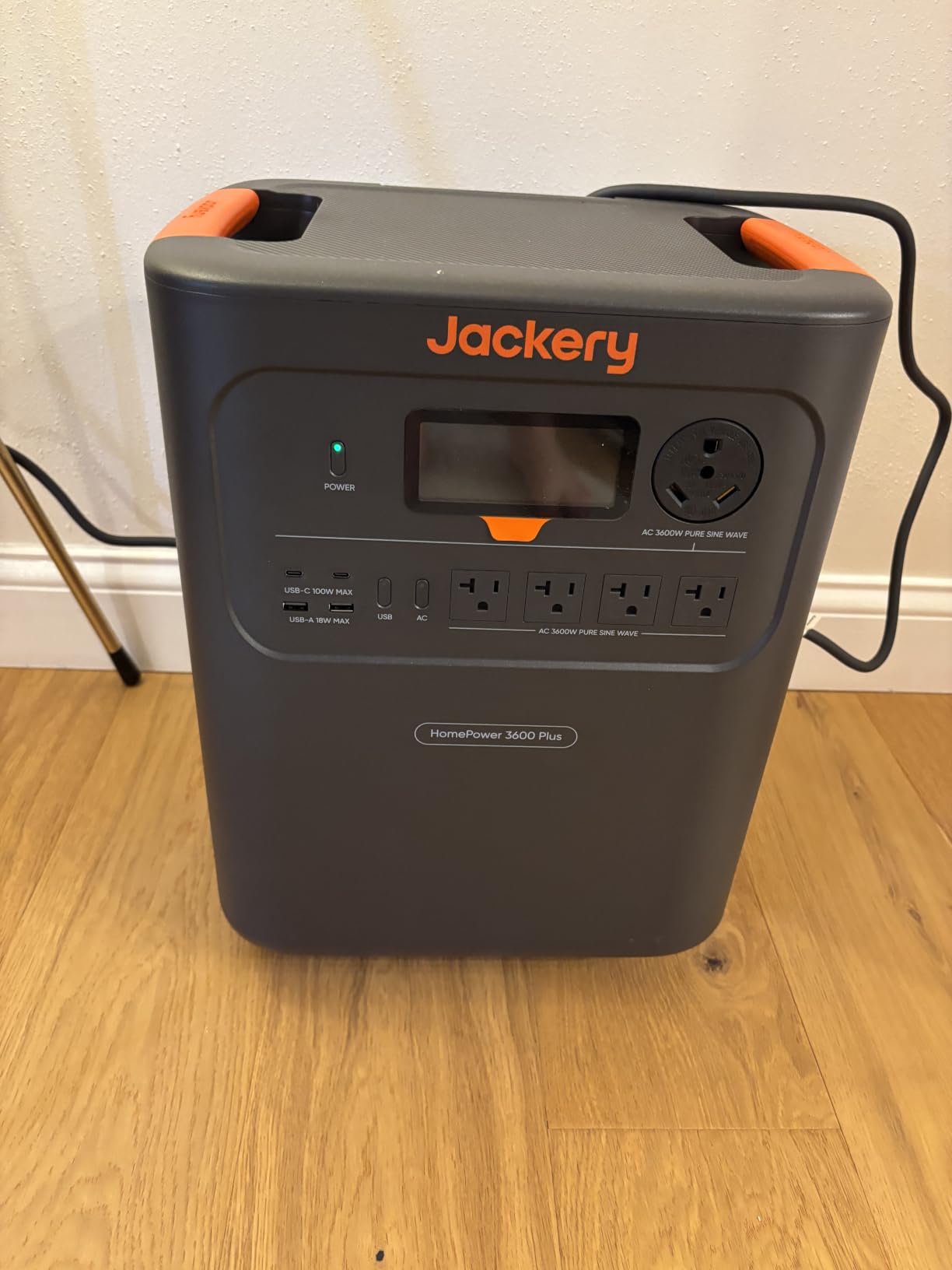
Recharge speed is exceptional. Owners report 0-100% in about 2 hours on hybrid AC plus DC, 2.5 hours on AC alone, 2.5 hours off a gas generator and about 4 hours from solar, so a multi-day storm does not require living on whatever charge you started with.
Expansion goes to 21kWh per unit and 43kWh with multiple units, and two units in parallel deliver 7200W. Cells are rated for 6,000 cycles and 10 years, and the unit operates down to minus 4 degrees for cold-climate garages.

Who the HomePower 3600 Plus suits
Households that want to replace a gas generator outright, owners of larger homes with high-draw appliances, and anyone running medical oxygen concentrators or power wheelchairs where an outage is not an inconvenience but a risk.
Who the HomePower 3600 Plus does not suit
Apartments, small homes and anyone on a tight budget, since 77.2 lb rules it out for occasional outages. It also needs a dedicated floor location and a clear path to roll it, which is a planning problem before it is a buying problem.
10. EBL 2400W Power Station – Best for High-Watt Kitchen Appliances
EBL 2400W Portable Power Station LiFePO4 Battery for Home Use
1843.2Wh LiFePO4
2400W output
55 lb
0.1s backup switch
Pros
- 2400W continuous handles kettles hair dryers and coffee makers
- Large 1843Wh capacity for home backup
- Ports for up to 12 devices including a wireless charging panel
- 0.1 second automatic switchover protects computers
- LiFePO4 cells rated past 3500 cycles
Cons
- Heaviest unit in the sub-2kWh group at 55 lb
- Only a 2-year manufacturer warranty
- A 4.3 average rating sits below the rest of this list
The EBL wins on raw output relative to capacity. 2400W continuous from 1843Wh means a kettle, a hair dryer and a coffee maker can all run at once, which no sub-2kWh unit in this roundup can do.
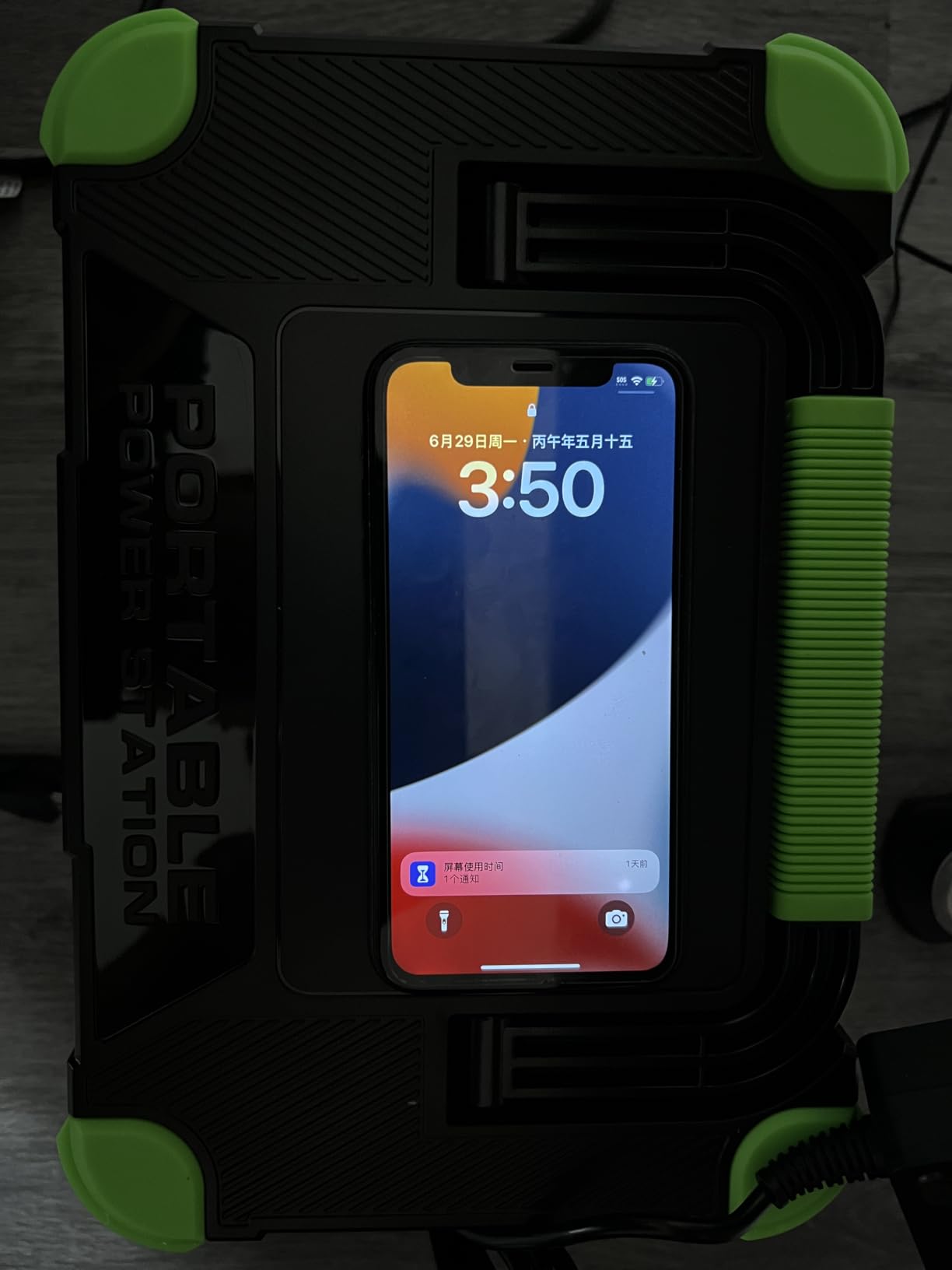
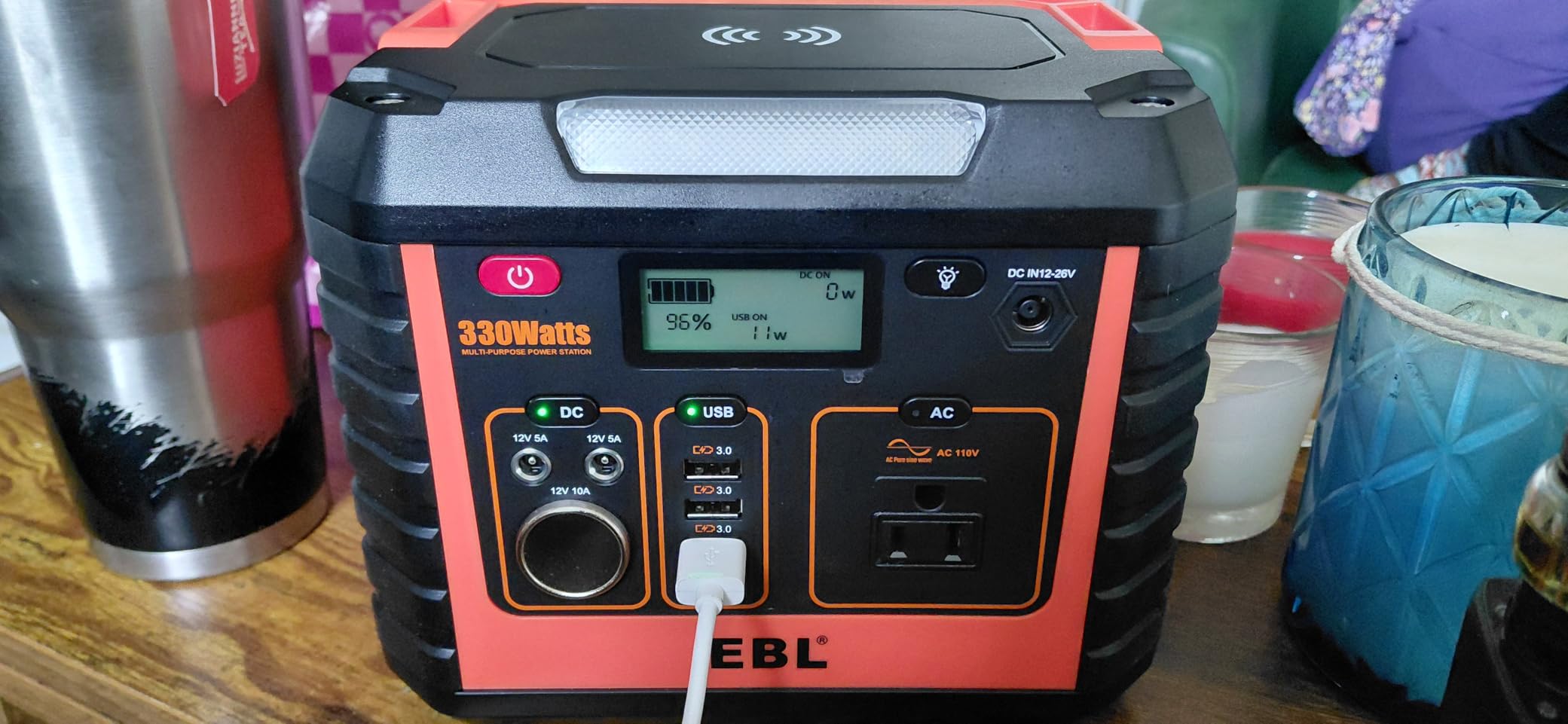
Port selection is unusually generous, with four AC outlets, two USB-A, two fast USB-C, a car port, two DC ports and a wireless charging panel. The built-in four-mode LED light is a small thing that matters more than expected during an actual outage.
Two things temper the recommendation. The 0.1 second switchover is excellent for a desktop computer that would otherwise lose work, but it is far slower than the 10ms units here, so a home server would likely restart.
At 55 lb this is the heaviest unit among the sub-2kWh picks, and the 2-year manufacturer warranty is the shortest offered among LFP competitors. A 12% share of one-star reviews, the highest in this group, points to more unit failures or support friction than rivals see.
Who the EBL 2400W suits
Households that genuinely need high continuous watts for kitchen appliances and power tools, and buyers who want a large capacity with a generous port count in one box. The 10-plus year cell rating is a solid foundation.
Who the EBL 2400W does not suit
Anyone needing a server-grade UPS, anyone who has to carry the unit, and buyers who want long warranty coverage behind a critical appliance. The rating spread suggests checking support responsiveness before committing.
11. LIBRIDS 640Wh Power Station – Best Compact Unit With Four AC Outlets
LIBRIDS Portable Power Station 640Wh, 1200W Surge, Solar Generator 4 AC
640Wh LiFePO4
600W continuous, 1200W surge
16.3 lb
10ms UPS
Pros
- Full AC recharge in about 1.5 hours
- 10ms switchover suits CPAP and networking gear
- Pure sine wave inverter for sensitive electronics
- Four AC outlets plus four USB ports
- Five-year warranty and 4000-plus cycle cells
Cons
- 600W output rules out microwaves and kettles
- Charging fan noise is noticeable
- No USB-C input and no 12V car output
- UPS function reported as unreliable for some computer setups
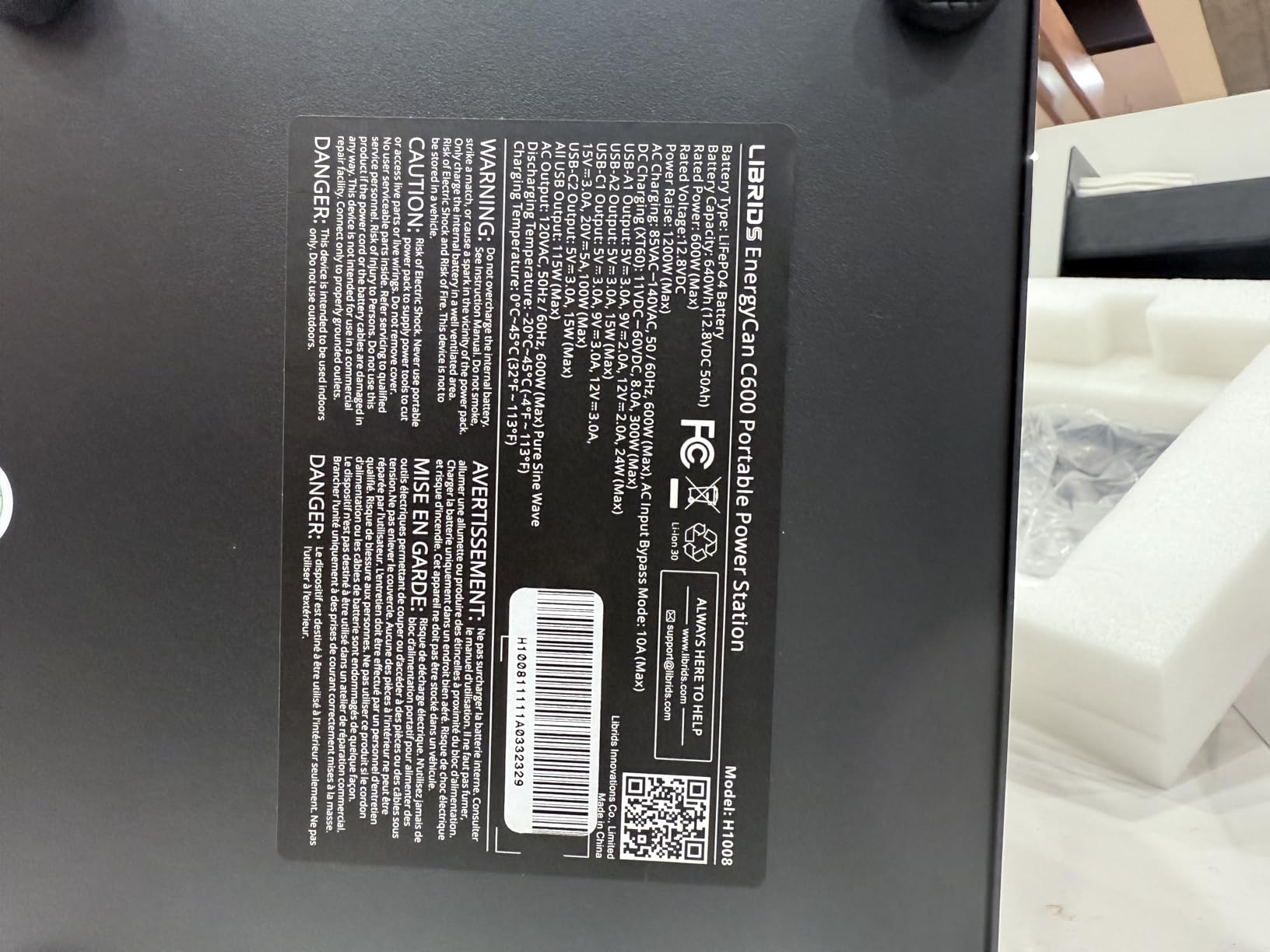
The LIBRIDS fills a gap the 1kWh models leave. 640Wh at 600W continuous covers a CPAP machine, a router, lighting and small electronics for a full day, and four AC outlets means you are not fighting over a single socket.
Metal construction instead of the usual plastic shell improves heat dissipation, and the 1.5 hour AC recharge is quick for the class. The 5-year warranty matches what most LFP competitors here offer.
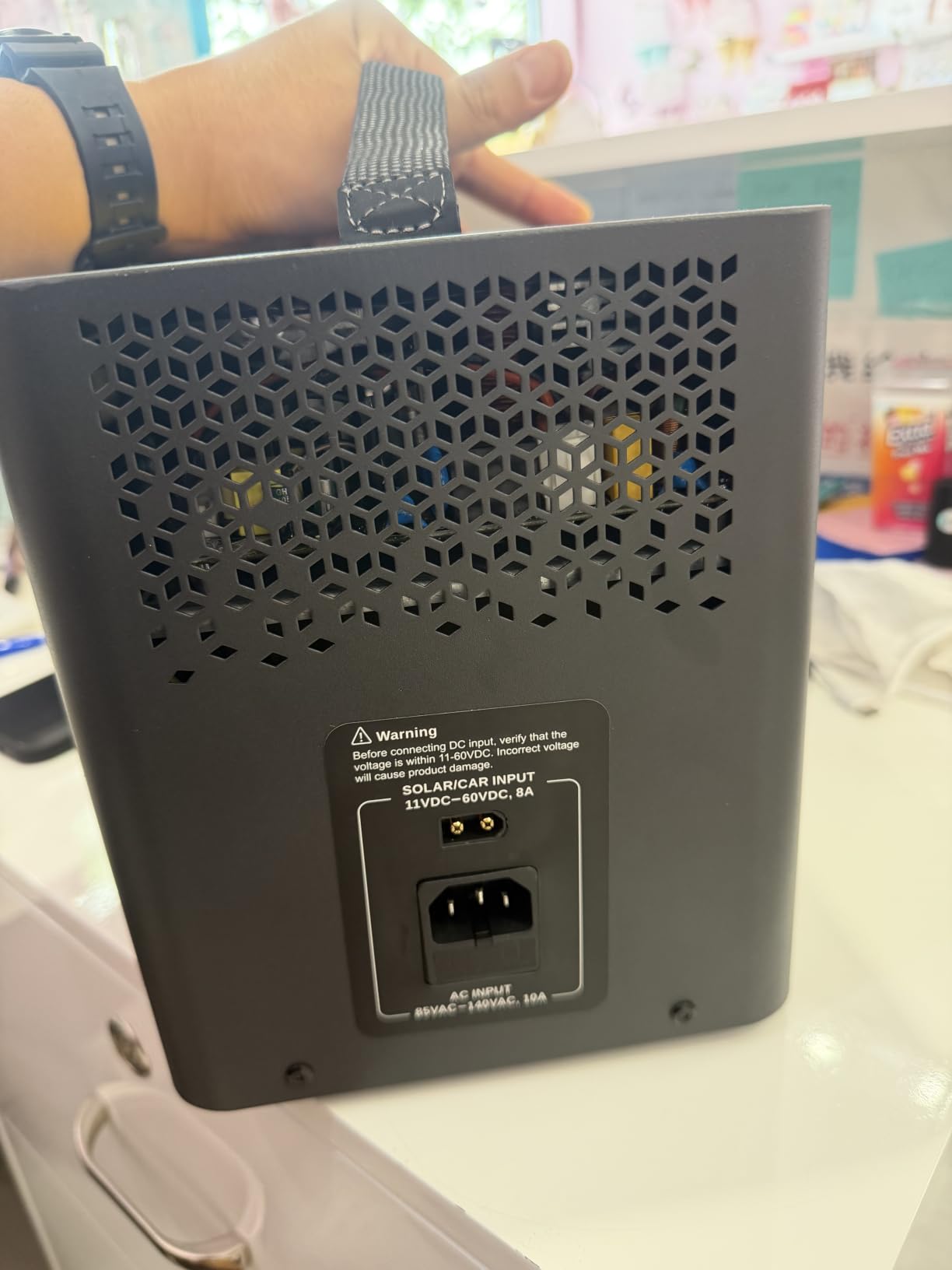
Owners running CPAP machines report around 24% battery drain over 7 hours, which is a concrete data point when sizing. Pass-through charging lets the station run a load while it recharges, useful if you also have a small panel during a long outage.
Owners also report UPS reliability issues with some desktop setups, and there is no USB-C input or 12V car output, which narrows how you can recharge and expand your load options. Fan noise during fast charging is the other recurring complaint.
Who the LIBRIDS suits
Apartment and condo households wanting more AC outlets than a 288Wh unit offers, plus CPAP users and anyone building a small always-on network backup. The 16.3 lb weight keeps it manageable for one person.
Who the LIBRIDS does not suit
Anyone running a refrigerator, microwave or power tool, and buyers who need flexible recharging options. The 600W ceiling is the hard limit, and 176 reviews is a thinner evidence base than the leaders in this roundup.
12. EcoFlow RIVER 2 – Budget Pick for Router, Laptop and Essentials
EF ECOFLOW Portable Power Station RIVER 2, 256Wh 300W
256Wh LiFePO4
300W continuous, 600W X-Boost
7.7 lb
1-hour AC charge
Pros
- One-hour AC recharge with X-Stream technology
- Lightweight 7.7 lb body with an integrated handle
- 3000-plus cycle LFP battery
- Five-year warranty and app control
- Pass-through charging lets it run while recharging
Cons
- Only one 60W USB-C port
- Small 256Wh capacity limits high-draw runtime
- Some owners report battery percentage drift over time
- Cannot run a microwave or kettle
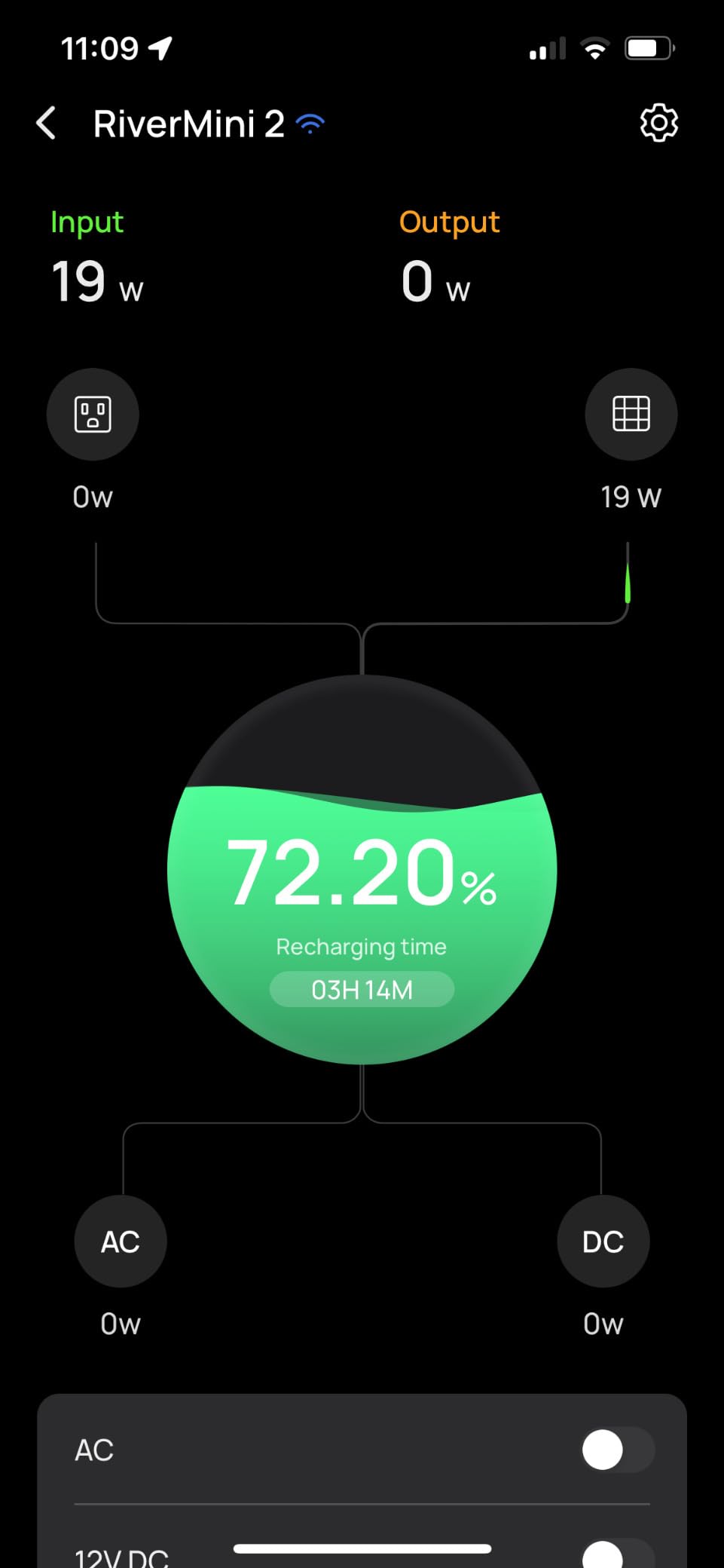
The RIVER 2 is the entry point most people should start with. At 256Wh it will not run a refrigerator, but it will run a router, a laptop, a lamp and a phone charger for a full evening, and it does so in a 7.7 lb body.
The one-hour AC recharge is the standout spec. Owners describe topping it up between outages or overnight, and the 30ms EPS switchover is fast enough to keep networking equipment through a brief flicker.
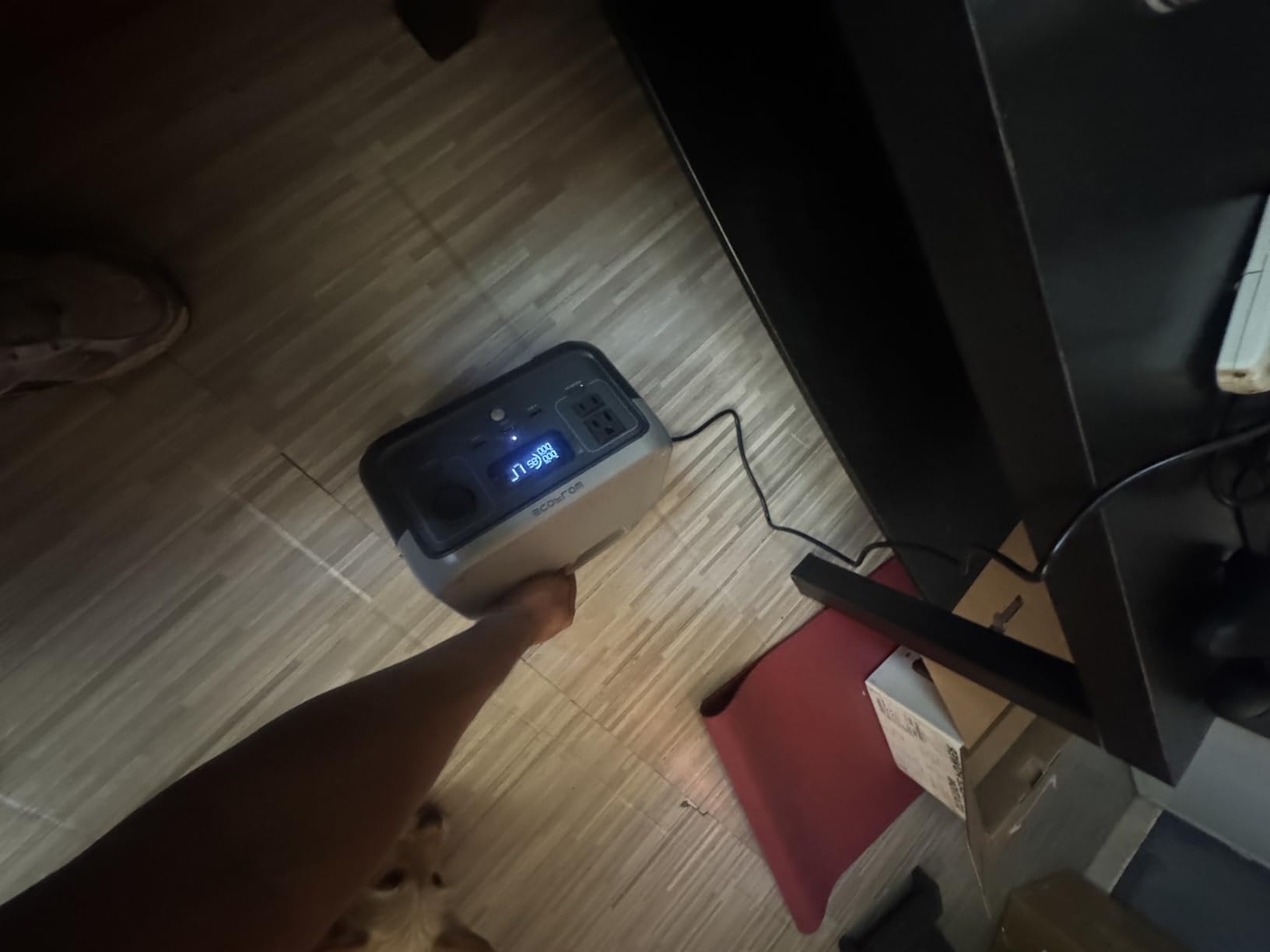
With more than 4,500 reviews there is a lot of long-term feedback, and the recurring theme is value for the capacity class. It also handles a 60W USB-C laptop charge directly, which removes the need for an extra brick.
The tradeoffs are structural. A single 60W USB-C port, 110W solar input and 256Wh capacity mean the RIVER 2 is a personal backup device, not a household one. A small number of owners report battery percentage drift on the display and some self-discharge complaints in storage.
Who the RIVER 2 suits
First-time buyers, apartment residents and anyone who wants cheap, silent, indoor-safe backup for internet access and devices. It also works as a travel unit, and our camping power station guide covers that use case in depth.
Who the RIVER 2 does not suit
Households running a refrigerator, microwave, coffee maker or any high-draw appliance. If your outage plan includes keeping food cold, skip straight to the 1kWh class and accept the extra weight.
How We Chose the Best Portable Power Stations for Home Backup in 2026
We did not test these units on our own outlets. This ranking comes from cross-referencing manufacturer spec sheets with thousands of owner reviews, warranty terms, and long-term ownership reports posted across forums like r/Portable_PowerStation and r/HomeMaintenanceAdvice. Where owner reports contradicted a spec sheet, we went with the owner reports.
Five criteria decided the order. First, usable capacity after inverter losses rather than the nameplate watt-hours. Second, continuous output with real margin above the surge requirement of motor-driven appliances. Third, LiFePO4 chemistry with a published cycle rating. Fourth, UPS switchover time where sensitive electronics are involved. Fifth, the availability of expansion batteries and the length of the warranty behind them.
We deliberately excluded lead-acid units and anything with a modified sine wave inverter. Both exist, both are cheaper, and both produce equipment problems that show up at the worst possible moment.
How Many Watt-Hours Do You Need? Sizing by Household
Start by adding your running watts, not your surge watts. A refrigerator typically averages 100-200W once the compressor settles, a router and a small switch sit under 30W, LED lighting is 10-20W per room, and a CPAP machine draws 30-60W. A sump pump is the outlier, since it can pull several hundred watts continuously with a much higher startup spike.
Then subtract the conversion loss. Inverters are typically 85-90% efficient and the unit’s own idle draw comes off the top, so a station with 15-20W of self-consumption (as on the BLUETTI AC180) will lose meaningful runtime on light loads. Expect roughly 85% of nameplate watt-hours to be usable in practice.
A quick sizing example: 150W of fridge, router and lights for 24 hours needs about 3600Wh of usable energy, which means a 4000Wh-plus bank or a 2000Wh station with expansion. A CPAP user drawing 50W overnight needs only about 400Wh, which the 640Wh LIBRIDS covers with room to spare.
Household tiers are simple. Apartments and occasional outages need 300-600Wh. A family with a refrigerator, internet and a medical device for overnight coverage needs 1000-2000Wh. Multi-day outages with a sump pump or a freezer need 2000-5000Wh, which means expansion batteries or a 3.6kWh unit.
Continuous vs Surge Output: Why Fridges and Sump Pumps Trip Units
Continuous output is what a device draws while running normally. Surge is the short spike an induction motor produces at startup, typically three to five times running wattage for under a second. A refrigerator compressor and a sump pump motor are both induction motors, and both will trip a station whose surge rating is too close to its continuous rating.
The practical rule is to match surge to at least three times the running watts of your largest motor load. A 1/3 HP sump pump running near 500W can spike past 1500W, so a station with 1500W continuous and 3000W surge handles it, while a 300W unit will not. This is why the 3600W surge on the EcoFlow DELTA 3 Classic and the 3000W peaks on several Anker and Jackery models matter more than the continuous number alone.
Watch the combined-load trap. A 1500W station running a fridge, a router, lights and a pump can cross 1500W quietly and trip the inverter with no obvious culprit. Add up everything that could be on at once, not just the essentials. And check waveform quality for resistive heating loads: the Anker SOLIX C1000 Gen 2 has some measured distortion with a microwave, while a pure sine wave output is the safe assumption everywhere else.
Battery Chemistry, UPS Switchover and Expandability
Every unit in this roundup uses LiFePO4 cells, and that is not a coincidence. LFP packs hold roughly 70-80% of rated capacity after 3,000-10,000 cycles depending on the model, versus a few hundred cycles for older NMC or lead-acid designs. For a device that spends years sitting plugged in as a standby system, cycle life is the number that decides whether the purchase was smart.
UPS switchover time determines what stays on. Sub-10ms units such as the EcoFlow DELTA 3 Classic and Anker SOLIX C1000 Gen 2 are invisible to computers, servers and medical devices. The BLUETTI AC180 at 20ms, the OUPES Mega 1 at under 20ms and the LIBRIDS at 10ms all handle routers and laptops cleanly. The EBL at 0.1 seconds protects a desktop from data loss but will likely restart a home server.
Expandability is where the 1kWh class splits. The OUPES Mega 1 grows to 5120Wh with two B2 batteries, the Jackery HomePower 3600 Plus reaches 21kWh per unit, and the BLUETTI AC180 accepts extra modules. The Anker SOLIX C1000 Gen 2 and EcoFlow DELTA 3 Classic have no expansion path at all, so buying those means buying a second station later instead of a battery.
Safety and the Loads You Should Never Connect
The main safety advantage of a portable power station is that it produces no carbon monoxide and needs no ventilation, so it can sit in a garage, basement or hallway during an outage. A gas generator must run outdoors, at least 20 feet from the house, regardless of weather. Never operate a gasoline generator indoors, in a garage, or in a partially enclosed space under any circumstance.
That indoor safety does not mean care-free. Lithium cells still need ventilation, and a unit should never be stored next to a heat source, covered while charging, or left in a vehicle in direct sun for extended periods. Keep it on a hard floor, away from combustibles, with clearance around the intake and exhaust vents. Charging on a bedspread or inside a wooden cabinet is a fire risk that costs nothing to avoid.
As for loads, be conservative. Well pumps, electric resistance heat, central air conditioning, electric water heaters, space heaters and EV charging all exceed what most portable stations are designed for, and connecting them risks tripping the inverter or damaging electronics. Gas furnaces and any load with an ignition system are worth keeping off a station entirely. Use the station for what it can genuinely carry: refrigeration, internet, lighting, medical devices, electronics and a few kitchen tools, and let a properly sized generator cover the rest.
Pre-Outage Checklist: Get It Ready Before You Need It
Charge the station to full and leave it there. A unit sitting at 100% for weeks loses little, whereas one stored at a partial charge ages faster. Check the charge level monthly.
Set discharge and charge limits in the app. A 20-30% lower bound protects the cells and leaves room for the pack’s own idle draw.
Test the switchover before the emergency. Turn the station on, plug in a lamp, and kill the wall outlet. You want to know the actual transfer delay on your own electronics, not read about it later.
Plan your load list in advance and write it on the unit. Knowing the fridge, router, lamps and medical devices take priority removes the decision-making panic that arrives with the outage.
Confirm the placement. Dry, hard floor, accessible, away from the door you will be carrying supplies through, and with enough clearance for ventilation and for a gas generator if you plan to bridge with one.
Keep expansion batteries paired and charged. An uncharged extra module is the most common reason people run out of power two days into a long outage.
Portable Power Station vs Gas Generator for Home Backup
A portable power station wins on noise, emissions and speed. It is silent, produces no exhaust, needs no fuel logistics and is available the instant the grid drops. A gas generator wins on runtime, because a full propane tank or a gas supply runs for days while a 2kWh battery is measured in hours.
Many owners do not choose. A power station bridges the 30 to 120 seconds a generator needs to start, carrying the refrigerator, networking and medical equipment until the generator is running. From there the generator takes over for the heavy loads, and the station recharges at the same time. If you want to compare fuel options directly, our propane generator guide and diesel generator guide cover the other half of that setup.
One thing neither solves alone is the electrical panel. A portable station powers what you plug into it, and a manual transfer switch or electrician-installed system is required to bring it to the rest of the house. If you want that coverage, our portable power inverter guide covers inverter selection, and fixed home battery backups covers the panel-integrated route.
Frequently Asked Questions
Which portable power station is best for home backup?
For most homes the Jackery Explorer 1000 v2 is the best portable power station for home backup, pairing 1070Wh of LiFePO4 capacity with 1500W continuous output and 3000W of surge in a 23.8 lb package. Households needing more continuous watts should consider the BLUETTI AC180, and anyone who wants the fastest wall recharge will like the Anker SOLIX C1000 Gen 2.
Is Jackery or Anker better?
Jackery leads on proven long-term reliability, ecosystem maturity and lighter weight, which is why the Explorer 1000 v2 takes the top spot here. Anker leads on recharge speed and continuous output, with a 49-minute full refill and 2000W of continuous power in the SOLIX C1000 Gen 2. For raw capacity in a compact footprint, the Anker SOLIX S2000 also competes well.
Is Jackery or EcoFlow better?
EcoFlow generally delivers more surge headroom and faster solar recovery, with the DELTA 3 Classic offering 3600W of surge and a 2.5 hour solar recharge. Jackery tends to win on build simplicity, weight and ecosystem support. Note that the DELTA 3 Classic does not accept expansion batteries, while some Jackery models do.
What size power station do I need for a full house?
A full house needs far more than any portable station can deliver, because essential loads alone typically exceed 3,000Wh. For overnight backup of a refrigerator, internet and lighting, 1000-2000Wh is realistic. For multi-day outages with a freezer, sump pump or medical equipment, plan on 2000-5000Wh, which means expansion batteries or a 3.6kWh unit. Whole-home coverage requires a transfer switch or a fixed battery.
Can I leave my portable power station plugged in all the time?
Yes, leaving a modern LiFePO4 station plugged into a wall outlet is normal and safe, because the battery management system stops charging once the pack is full. To extend cell life, set the app to hold the charge between 20% and 100% or use a narrower band, and top the unit up to full during a storm watch so it is ready to go.
What are the downsides of using a portable power station?
The main drawbacks are limited capacity compared with a gas generator, a high wattage ceiling that rules out electric heat and air conditioning, and the weight of larger units. Capacity also degrades through inverter losses and idle draw, so real runtime is below the nameplate watt-hours. For well pumps, EV charging and whole-home loads you still need a generator or a fixed battery system.
Final Verdict: Which Portable Power Station Should You Buy in 2026?
The Jackery Explorer 1000 v2 is our pick for the best portable power stations for home backup because it does the least amount of compromising. 1070Wh, 1500W continuous, 3000W surge, LiFePO4 cells rated past 4,000 cycles and a 23.8 lb weight add up to a unit that covers a refrigerator, internet, lighting and a medical device for most of a night without becoming a garage project.
Buy the BLUETTI AC180 if you need more continuous watts and more outlets. Buy the Anker SOLIX C1000 Gen 2 if recharge speed and a 10ms switchover matter most to you. Step up to the Anker SOLIX S2000 for multi-day refrigerator runs, and to the Jackery HomePower 3600 Plus only if you are genuinely replacing a gas generator.
Whichever you pick, buy it before the storm. Charge it, set the discharge limits, test the switchover and write your priority load list on the side of it. That twenty-minute setup is the difference between a plan and a very expensive battery.