
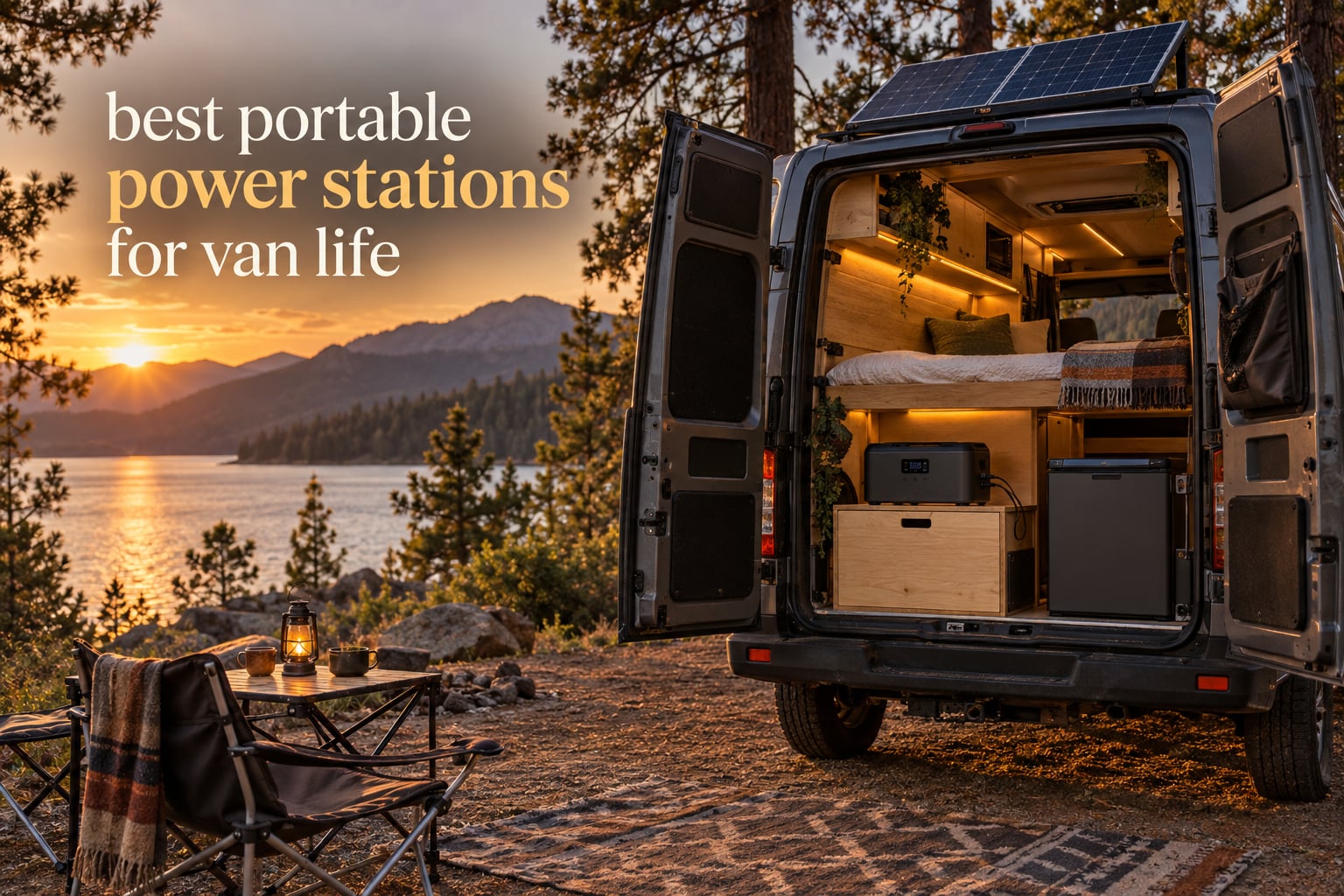
The best portable power stations for van life are the BLUETTI AC200PL for full-time off-grid living, the Jackery Explorer 1000 v2 for weekend trips, and the Anker SOLIX C2000 Gen 2 for van builds that charge off the alternator. Every one of the 12 units below runs a 12V fridge, phones, lights and a laptop without a generator running.
We spent weeks comparing runtime, recharge speed, solar input, weight and 12V behaviour across twelve stations so you would not have to. The list runs from a 7.1 lb weekend unit to a 3600Wh install that replaces a propane generator outright. If you want the short version, jump to the picks table; if you want to understand the numbers first, the sizing section below explains it.
Table of Contents
Top 3 Picks for Van Life in October 2026
The three stations below cover the widest range of van builds. The Jackery Explorer 300 is the one you can lift solo and stash behind a seat. The Jackery Explorer 1000 v2 is the strongest all-rounder for weekend and part-week trips. The BLUETTI AC200PL is the unit we would build a full-time van around.
All 12 Portable Power Stations Compared in October 2026
Every station below is LiFePO4 chemistry, which matters more than any other spec for a van that cycles daily. The table lists capacity, continuous output and the feature that decides whether the unit fits your build.
| Product | Specifications | Action |
|---|---|---|
 Jackery Explorer 300 292Wh Jackery Explorer 300 292Wh |
|
Check Latest Price |
 GRECELL 999Wh Solar Generator GRECELL 999Wh Solar Generator |
|
Check Latest Price |
 BLUETTI AC180 1152Wh BLUETTI AC180 1152Wh |
|
Check Latest Price |
 BLUETTI AC200PL 2304Wh BLUETTI AC200PL 2304Wh |
|
Check Latest Price |
 Jackery Explorer 1000 v2 Jackery Explorer 1000 v2 |
|
Check Latest Price |
 EcoFlow RIVER 2 Pro 768Wh EcoFlow RIVER 2 Pro 768Wh |
|
Check Latest Price |
 BLUETTI Elite 100 V2 1024Wh BLUETTI Elite 100 V2 1024Wh |
|
Check Latest Price |
 Anker SOLIX C1000 Gen 2 Anker SOLIX C1000 Gen 2 |
|
Check Latest Price |
 OUPES Mega 1 1024Wh OUPES Mega 1 1024Wh |
|
Check Latest Price |
 EcoFlow DELTA 2 Max 2048Wh EcoFlow DELTA 2 Max 2048Wh |
|
Check Latest Price |
 Anker SOLIX C2000 Gen 2 Anker SOLIX C2000 Gen 2 |
|
Check Latest Price |
 EcoFlow DELTA Pro 3600Wh EcoFlow DELTA Pro 3600Wh |
|
Check Latest Price |
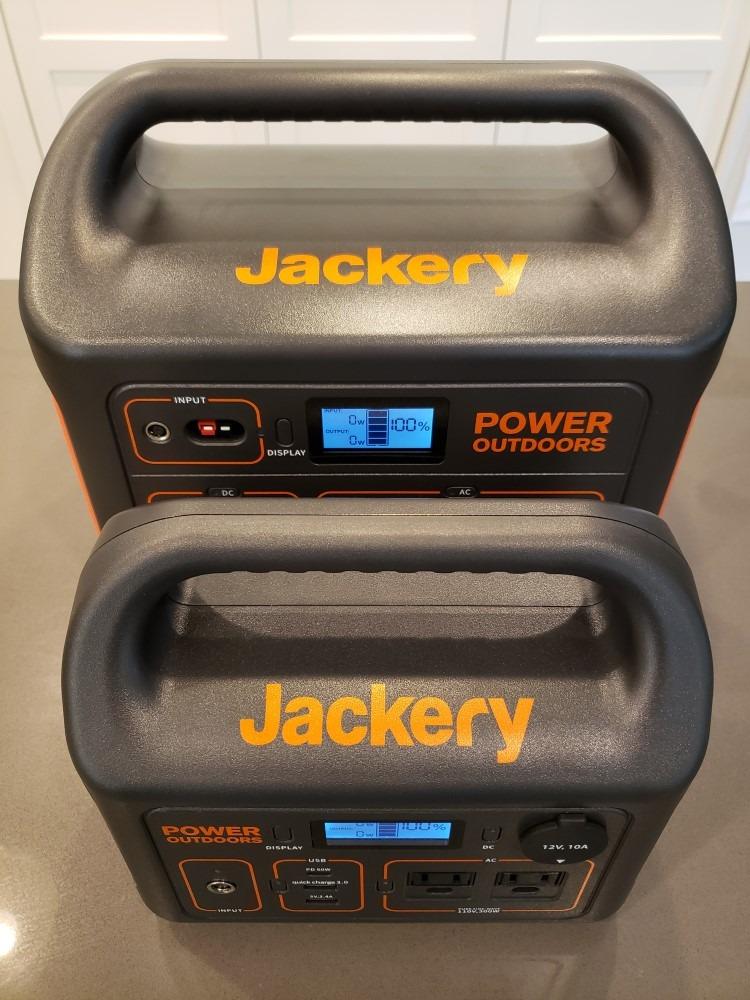
1. Jackery Explorer 300 292Wh — Best Lightweight Starter Station for Weekend Van Life
Jackery Explorer 300 Portable Power Station,292Wh
292Wh LiFePO4
300W AC (600W surge)
7.1 lb
Over 4,000 cycles
Pros
- Lightest unit here at 7.1 lb with an integrated handle
- Over 4000 cycles to 70% capacity
- 100W USB-C PD plus two AC outlets
- Reaches 80% in about 2.8 hours on a 100W panel
Cons
- Smallest capacity in the roundup at 292Wh
- Only two AC outlets for simultaneous use
- 300W ceiling limits high-wattage appliances
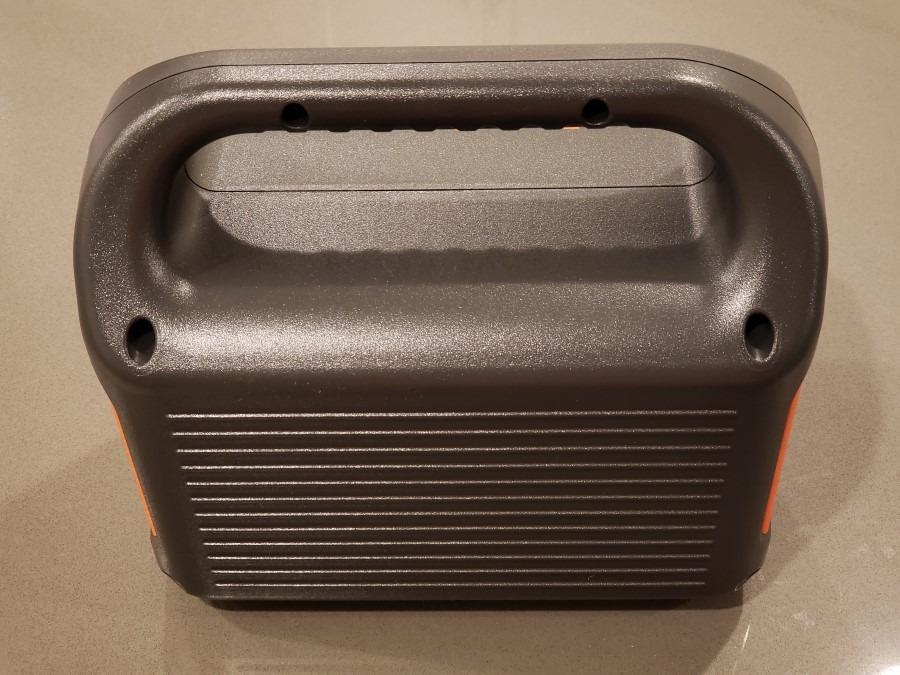
At 7.1 lb this is the only station in the roundup I can lift over a rear door and set behind a passenger seat with one hand. That single fact matters more for van life than any feature on the spec sheet, because a 72 lb unit is effectively furniture once it is installed.
The chemistry is the surprise. Jackery rates the cells for over 4,000 cycles to 70% capacity, which puts it in the same longevity class as the 2304Wh models costing several times more. Runtime on light loads is honest rather than impressive: a phone, a laptop and a string of LED lights will carry through a weekend, and a small 12V fridge will drain it faster than most buyers expect.
Output tops out at 300W continuous with a 600W surge, and the two AC outlets share that budget. Kettles, hair dryers and small induction hobs are out. USB-C Power Delivery at 100W is the port you will actually use most, and the 120W car port handles a 12V fridge directly.
Solar input is modest. With a 100W Jackery panel the unit reaches 80% in roughly 2.8 hours, and a 40W panel takes about 7.5 hours. That is fine for a weekend away from a campground hookup, and too slow for a week of grey weather without a wall outlet.
How long the Explorer 300 lasts between charges
With two USB-C devices and LED lighting drawing about 40W, you have roughly seven hours of usable runtime. Add a 12V fridge cycling on top and that figure falls quickly, which is the practical limit most owners report.
Warranty is a two-year manufacturer cover, the shortest in this lineup. For a unit you carry rather than install, that is a reasonable trade against the 7.1 lb weight.
Who should skip this station
Full-time van dwellers should skip it. There is no expansion battery and no way to add capacity, so a cloudy week ends your off-grid options.
Anyone running a CPAP machine overnight or an induction cooktop should also look higher up the list. The 300W ceiling is the binding limit, not the battery.
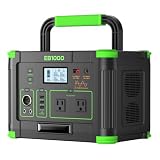
2. GRECELL 999Wh Solar Generator — Best Port Count for a First Serious Build
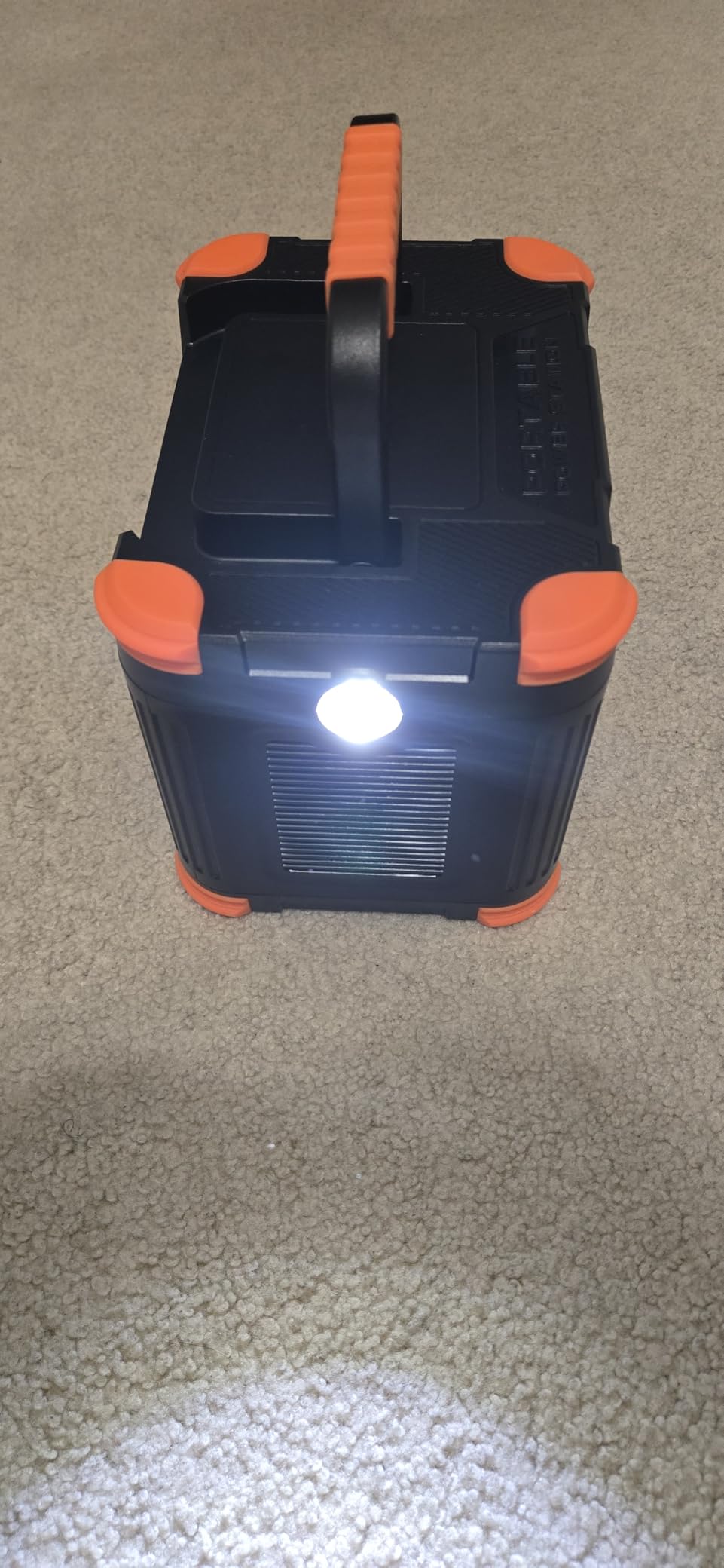
GRECELL 999Wh Solar Generator 1000W Portable Power Station for Outdoor
999Wh battery
1000W continuous, 2000W surge
23 lb
2-year warranty
Pros
- 999Wh capacity with 1000W pure sine wave output
- Ten outputs including a wireless charging pad
- Built-in MPPT solar controller
- Battery management with surge and thermal protection
Cons
- Lowest average rating here at 4.3
- 23 lb is heavy for the capacity class
- Enabled outputs keep drawing when idle
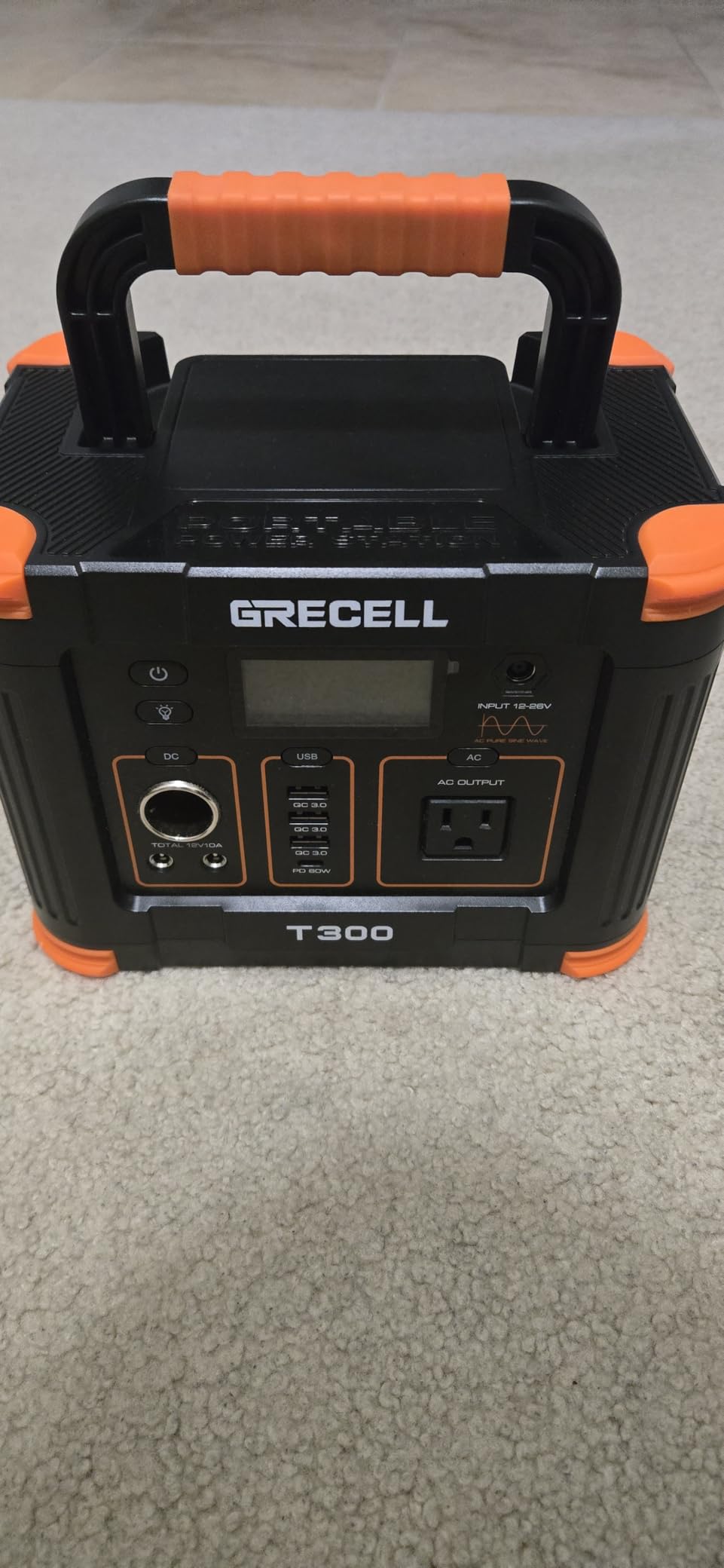
The GRECELL T-1000 does something none of the other 999Wh units do: it puts a wireless charging pad on top. That sounds minor until you are crawling into a van at night and do not want to fumble for a cable.
Underneath that, the numbers are conventional and solid. 999Wh of capacity, 1000W continuous pure sine wave output with 2000W surge, and a built-in MPPT controller to pull maximum power from variable solar input. Two AC sockets, three USB-A, one USB-C PD, two DC 12V ports, a 12V car socket and the pad gives you ten device slots.
Where it loses ground is polish. The 4.3 average is the lowest in this roundup, with around 10% of reviews at one star, and several of those describe leaving the AC outputs enabled and finding the battery drained overnight. Switch the unused ports off in the settings and the complaint disappears.
At 23 lb it is also heavier than the Jackery Explorer 1000 v2 while offering less output, and the two-year warranty is short against the five-year covers on BLUETTI, EcoFlow and Anker units of similar size.
Running a 12V fridge off the GRECELL
The 12V car socket handles a compressor fridge well, and reviewers report solid multi-day runtime on light loads such as a laptop, phones and a small fan. The MPPT controller recovers more from a partly shaded panel than a basic PWM controller would.
If your fridge is voltage-sensitive, set its low-voltage cutoff to minimum. Unregulated DC output on budget units is a recurring complaint, and this is one of the models where the fix matters.
Where the value stops
Buy it if you want maximum ports per unit and can live with the weight. Skip it if support longevity is your priority, because the two-year cover and the rating gap both point the same direction.
The manufacturer caps recommended device draw at 1000W, so treat the 2000W surge figure as a startup allowance rather than sustained capacity.
3. BLUETTI AC180 1152Wh — Best for Recharging Fast at a Campground Hookup
BLUETTI Portable Power Station AC180, 1152Wh LiFePO4 Battery Backup w/ 2 1800W (2700W peak) AC Outlets, 0-80% in 45Min, Solar Generator for Camping, Off-grid, Power Outage
1152Wh LiFePO4
1800W continuous, 2700W lifting
1440W AC input
5-year warranty
Pros
- Full charge in about an hour on 1440W AC input
- App-controlled power lifting to 2700W
- 500W solar input for 2.8-3.3 hour recharges
- 20ms UPS for routers and laptops
Cons
- About 37 lb is awkward to move far
- Around 20W idle draw with the inverter on
- Only 90% of rated capacity is usable
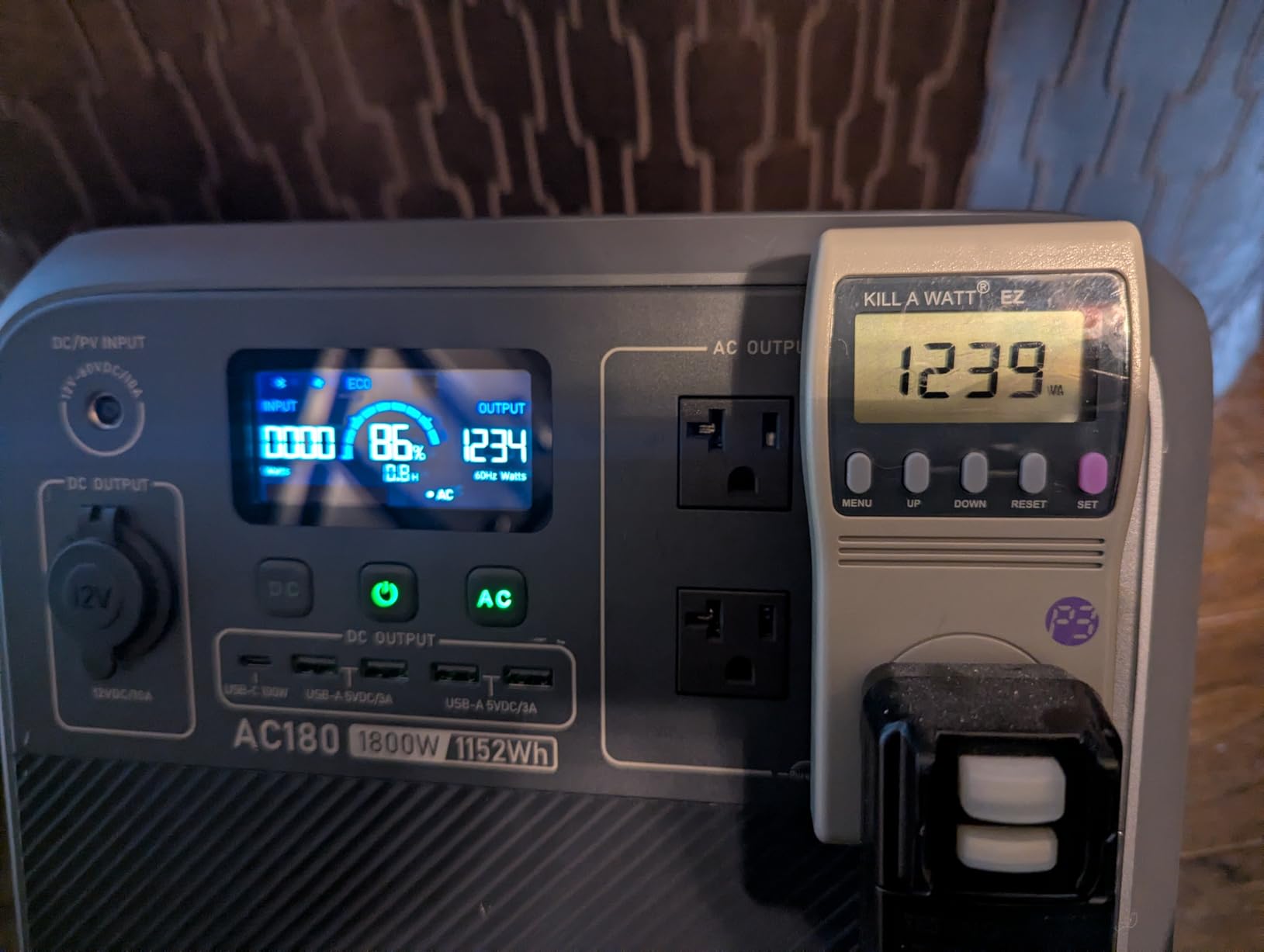
The AC180 is the station we would pick if most of your charging happens overnight at a hookup. It pulls 1440W from a standard 120V circuit and reaches a full charge in roughly an hour, so a six-hour stop topples it up completely.
Output is 1800W continuous across eight outlets, and the BLUETTI app enables power lifting to 2700W for resistive loads like a kettle or a space heater. The 20ms UPS switchover is fast enough to keep a router, a laptop and a monitor running through a brief outage without a flicker.
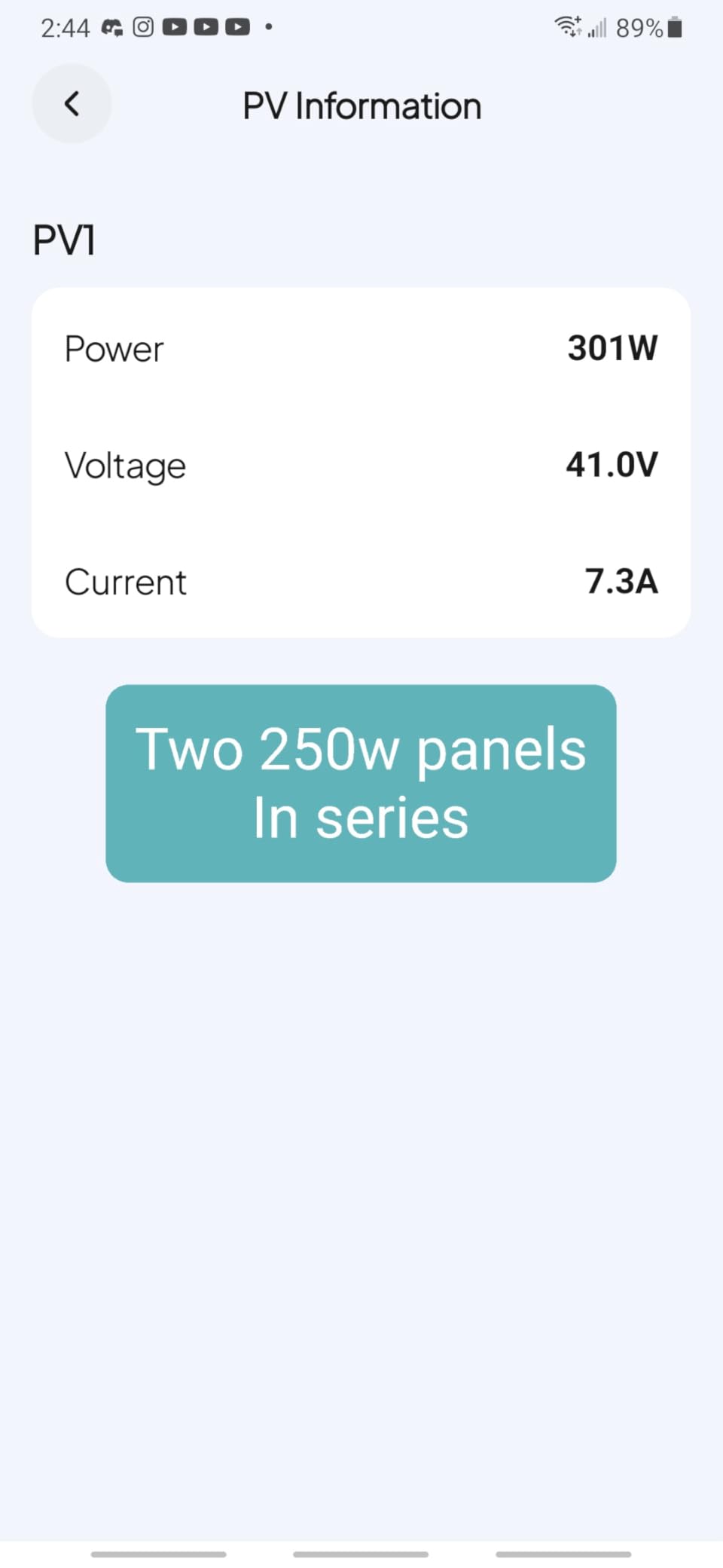
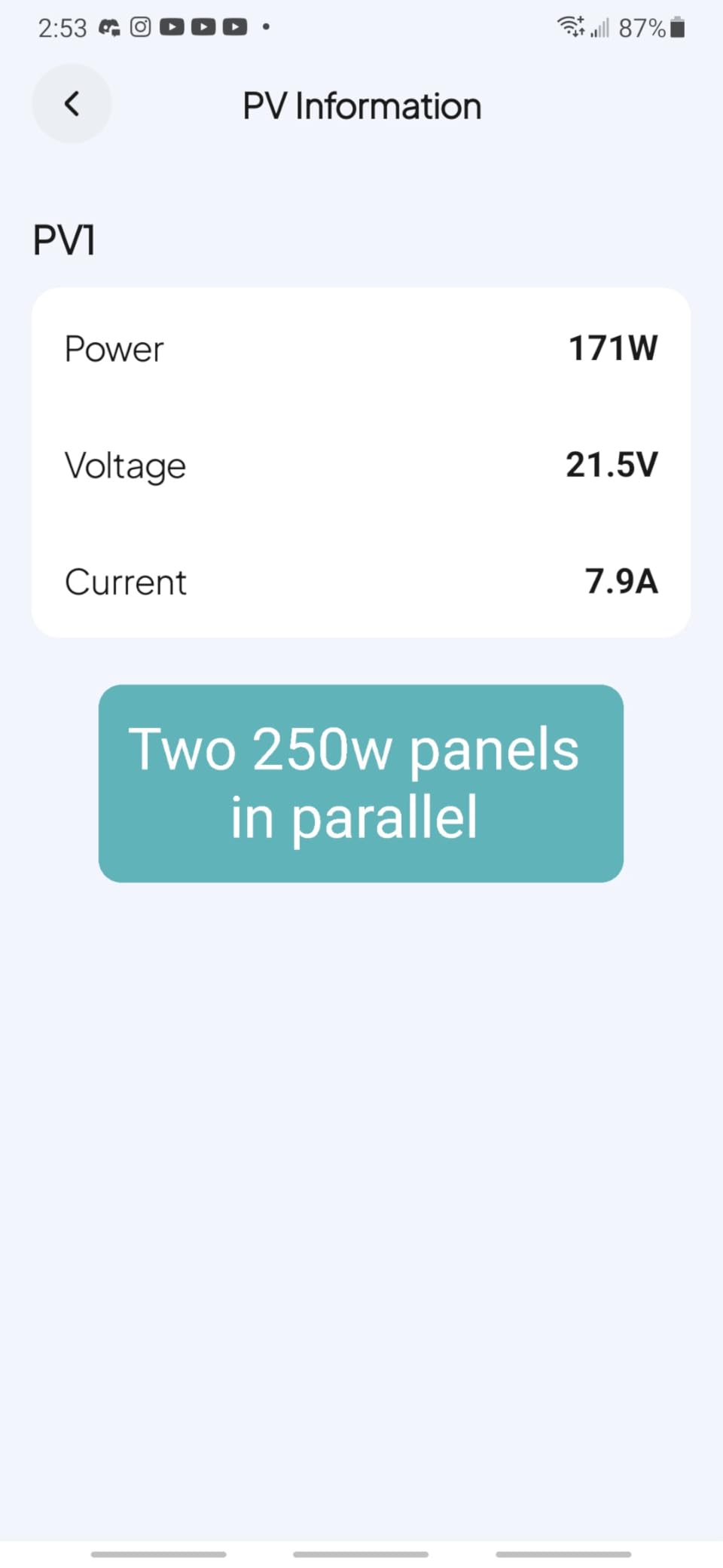
Solar input of 500W recharges the pack in about 2.8 to 3.3 hours, which pairs well with a single 400W or 500W roof panel. Reviewers with fridges and fans report strong real-world performance and 82% five-star ratings across 2,622 reviews.
Two things catch people out. The manual states only 90% of rated capacity is usable, so plan on roughly 1,030Wh in practice, and idle consumption sits around 20W with the inverter on, which matters when a fridge is the only load for days.
Why the firmware update matters on this unit
The most repeated advice in reviews is to install firmware updates and run a full discharge and recharge cycle before judging the capacity. Units that appear to underperform usually recalibrate afterwards, and BLUETTI resolved one calibration complaint with a firmware update and a free exchange.
Several settings, including the charge rate, are only reachable through the app. Download it and set the limits before your first trip rather than at a roadside stop.
Weight and placement in a small van
At 37.4 lb the AC180 is a two-hand carry and belongs low in a cabinet or behind a rear seat, not in a high locker. Strap it down, because 37 lb shifts in a hard stop.
Our wider picks for portable power stations for camping cover the lighter options if weight is your limiting factor.
4. BLUETTI AC200PL 2304Wh — Best for Full-Time Off-Grid Van Life
BLUETTI AC200PL Portable Power Station 2304Wh 2400W LiFePO4 Solar Generator
2304Wh LiFePO4, 3000+ cycles
2400W continuous, 4800W surge
72 lb
5-year warranty
Pros
- 48V RV port charges a van battery directly
- Up to 1200W solar input
- Four 2400W outlets plus a 30A TT30
- Expands to 8448Wh
- 0-80% in 60 minutes on AC
Cons
- Second-heaviest unit here at 72 lb
- 10% self-consumption with the inverter on
- Some settings only adjustable in the app
The AC200PL is the unit we would build a full-time van around. 2304Wh of LiFePO4 rated for 3000+ cycles, 2400W continuous output, and expansion to 8448Wh with B300, B210P or B230 batteries. That combination covers a fridge, furnace blowers, lights, a water pump and a laptop for days without a shore connection.
The 48V RV port is the feature that separates it from the rest of this list. It charges a van or RV house battery directly rather than routing through a 12V socket, which is the difference between a 30-minute top-up and a full overnight recovery while you drive.
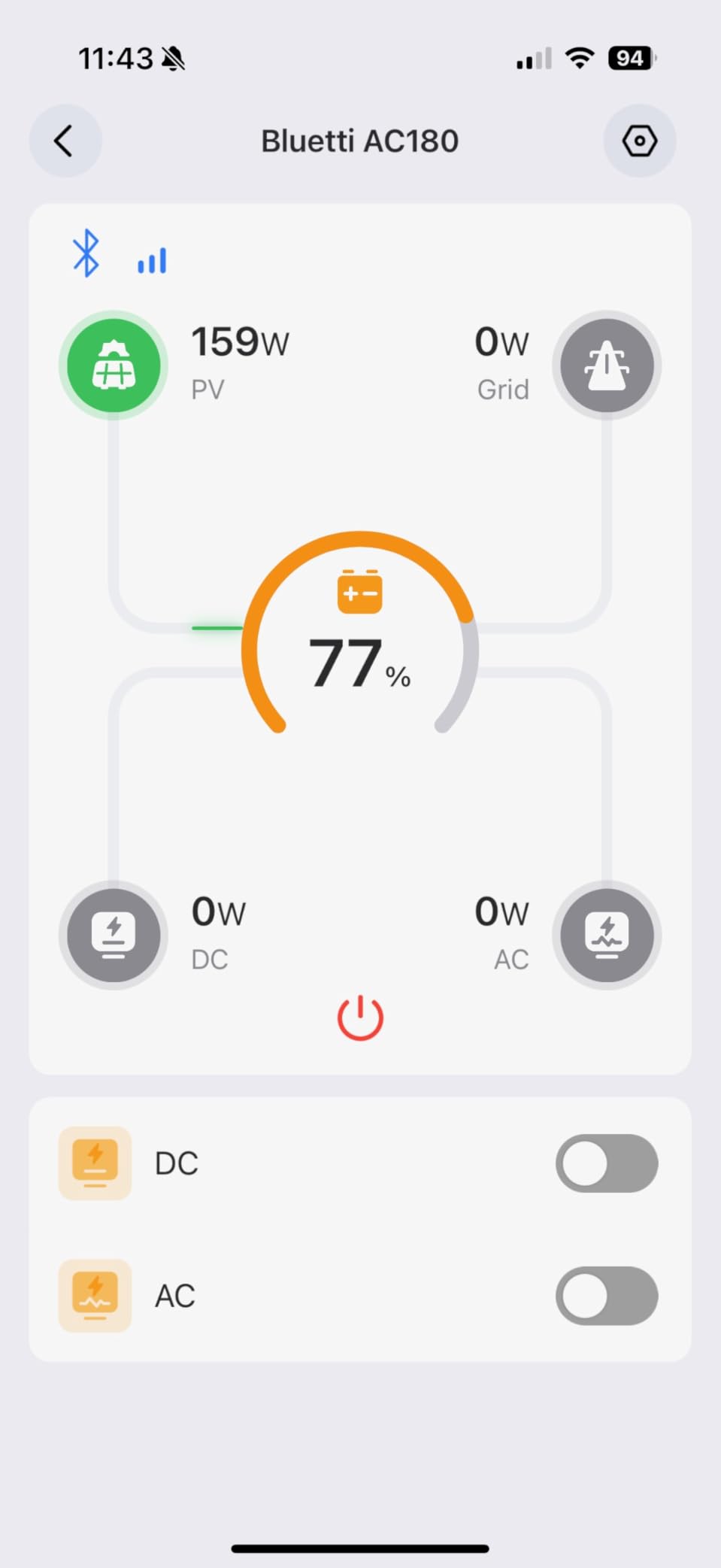
Solar input of up to 1200W gives a full recharge in roughly 1.9 to 3.8 hours depending on conditions, so a 400W panel keeps pace with a moderate daily load and a second panel makes the system weather-tolerant. AC input is 2400W, filling the pack from zero to 80% in an hour.
Ports are the best laid out in the roundup: four 2400W AC outlets, a 30A TT30 for campground pedestals, 48V and 8A DC outputs, a car port, and both 100W USB-C PD and USB-A. Reviewers pairing it with RVs describe it as running everything on the pedestal without issue.
What 72 pounds means for your build
At 72 lb this unit needs a two-person lift or a cart. Strap it into a low cabinet behind the rear axle, and check the payload rating before you load the rest of the conversion. The full expansion chain adds far more.
If you cannot lift it solo, step down to the AC180 or the Anker C2000 Gen 2 and accept a smaller bank.
Storage and long-idle behaviour
Reviewers note that the pack should be drained and recharged every few months when stored, and that 10% self-consumption with the inverter on trims usable capacity on light loads. Switch the inverter off when you are parked for days.
That advice applies to every lithium pack in this roundup, but it matters most on a unit this size that may sit between trips.
5. Jackery Explorer 1000 v2 1070Wh — Best All-Rounder for Part-Week Trips
Jackery Explorer 1000 v2 Portable Power Station,1070Wh,1500W
1070Wh LFP, 4,000 cycles
1500W AC, 3000W surge
23.8 lb
1 hour emergency charge
Pros
- Highest average rating in the roundup at 4.7
- 1500W output runs air conditioners and electric pots
- 23.8 lb with a foldable handle
- Default 1.7 hour charge protects battery health
- 30 dB quiet mode
Cons
- Solar charging works only with Jackery panels
- One-hour fast charge must be enabled in the app each time
- 1070Wh limits sustained high-load runtime
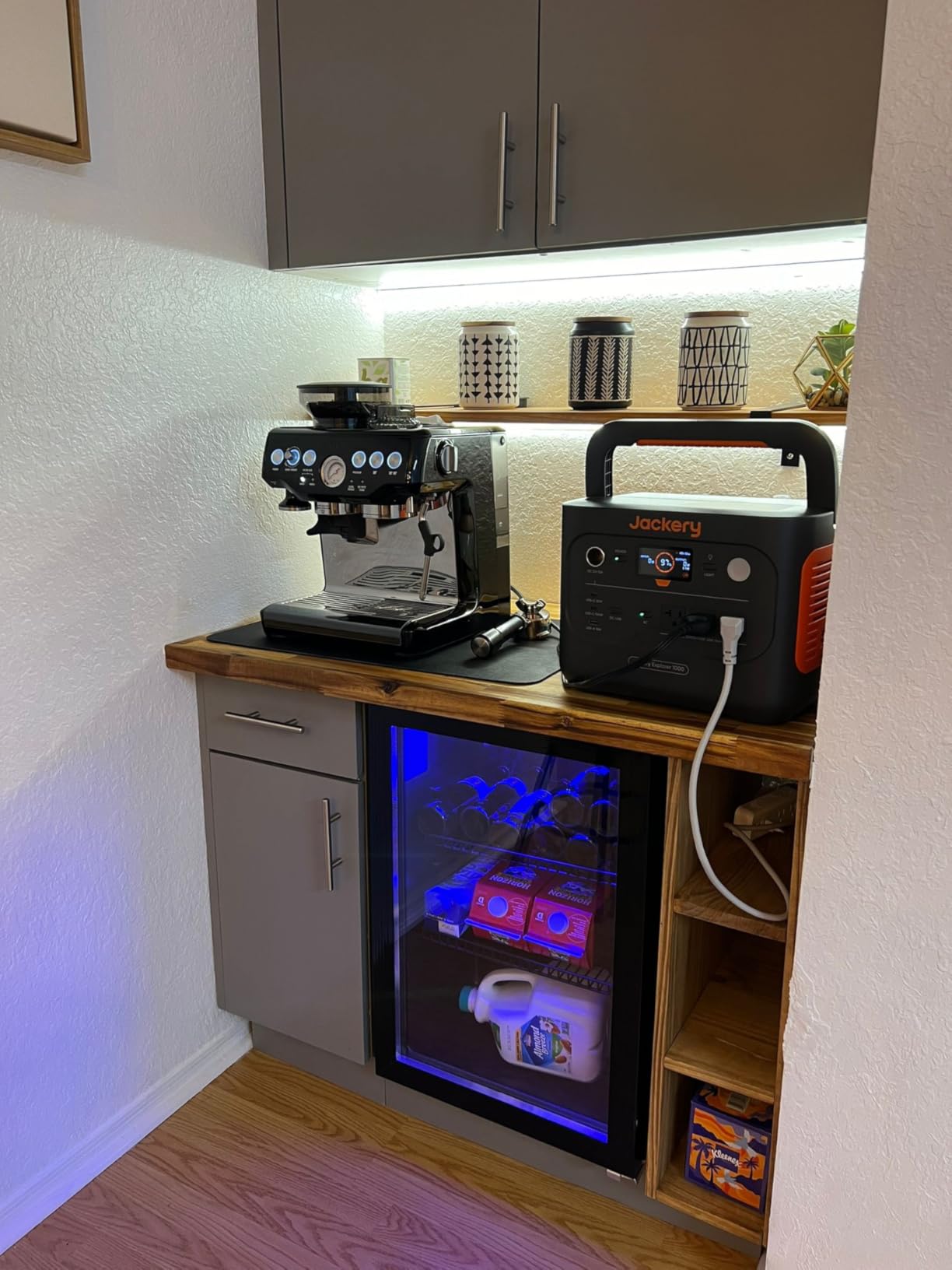
The Explorer 1000 v2 has the best rating in this roundup at 4.7 with 85% of reviews at five stars, and for a weekend-to-ten-day trip it is the most complete package. 1070Wh of LFP cells, 1500W continuous AC output with 3000W surge, and a weight of 23.8 lb that one person can manage.
Three pure sine wave AC outlets, two USB-C ports at 100W, one USB-A and a DC car port give you seven outputs. That is enough to run a fridge on DC while a kettle runs on AC, with a laptop charging over USB-C at the same time.
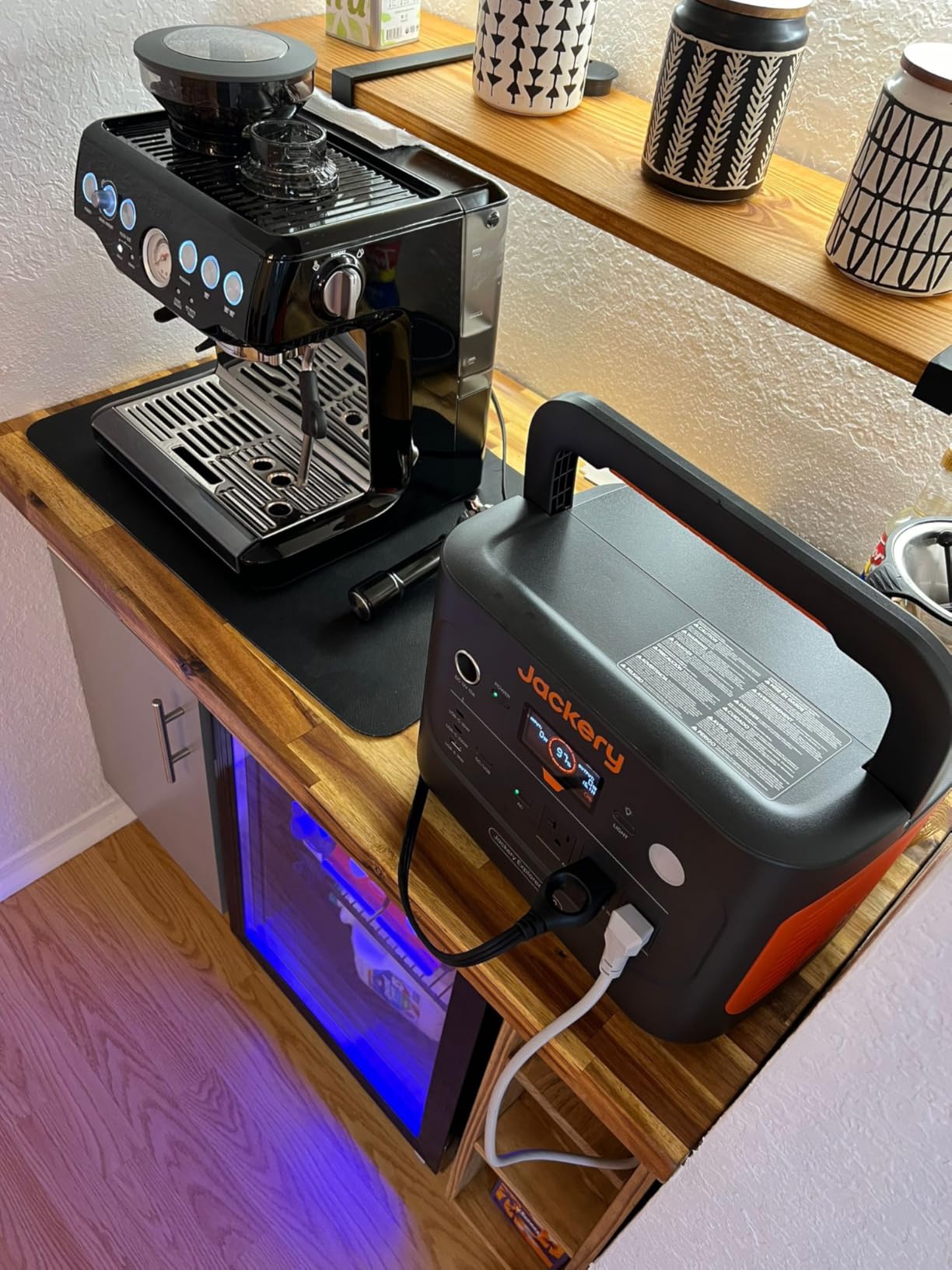
Charging is the clever part. The default cycle fills the unit in 1.7 hours, which is what Jackery uses to protect long-term cell health, and an app-enabled emergency mode does it in one hour when you need to leave the campground quickly.
The 30 dB quiet mode runs fans below the threshold most people notice in a small van at night, which is a genuine quality of life difference when the bed is two feet from the unit.
The solar ecosystem is the catch
Solar charging is compatible only with Jackery panels, so pairing a competitor panel means slower or unsupported input. Check the MPPT voltage window before buying third-party panels, because an out-of-range input simply will not charge.
Everything else about this unit is unusually well judged for its class.
How it handles a CPAP machine and a laptop
The pure sine wave output is clean enough for sensitive electronics, and the 1070Wh bank carries a CPAP plus two laptops through a long night with room to spare. Owners cite the pure sine wave output and fast charging as the two reasons they keep recommending it.
For a full-time build we would still pick the AC200PL for capacity, and for anyone already invested in Jackery panels this is the obvious choice.
6. EcoFlow RIVER 2 Pro 768Wh — Best for Small Vans and Weekends
EF ECOFLOW Portable Power Station RIVER 2 Pro, 768Wh 800W
768Wh LFP, 3000+ cycles
800W continuous, 1600W X-Boost
17.2 lb
5 year service
Pros
- Full AC recharge in 70 minutes
- 11 outlets across AC
- USB-C and car ports
- Over 3000 cycles to 80% capacity
- Light at 17.2 lb with an integrated handle
Cons
- 768Wh is the second-smallest capacity here
- 800W continuous output limits larger appliances
- X-Boost suits resistive loads only
The RIVER 2 Pro is built for vans where every kilogram counts. At 17.2 lb with an integrated handle, it is the second-lightest unit here and it still delivers 768Wh of LFP capacity rated for over 3,000 cycles to 80%.
Eleven outlets is a generous count, covering AC, USB-C and car connections so phones, a laptop, lights and a small fridge can all run at once. Owners value the 70-minute full AC recharge through X-Stream fast charging more than any other feature.
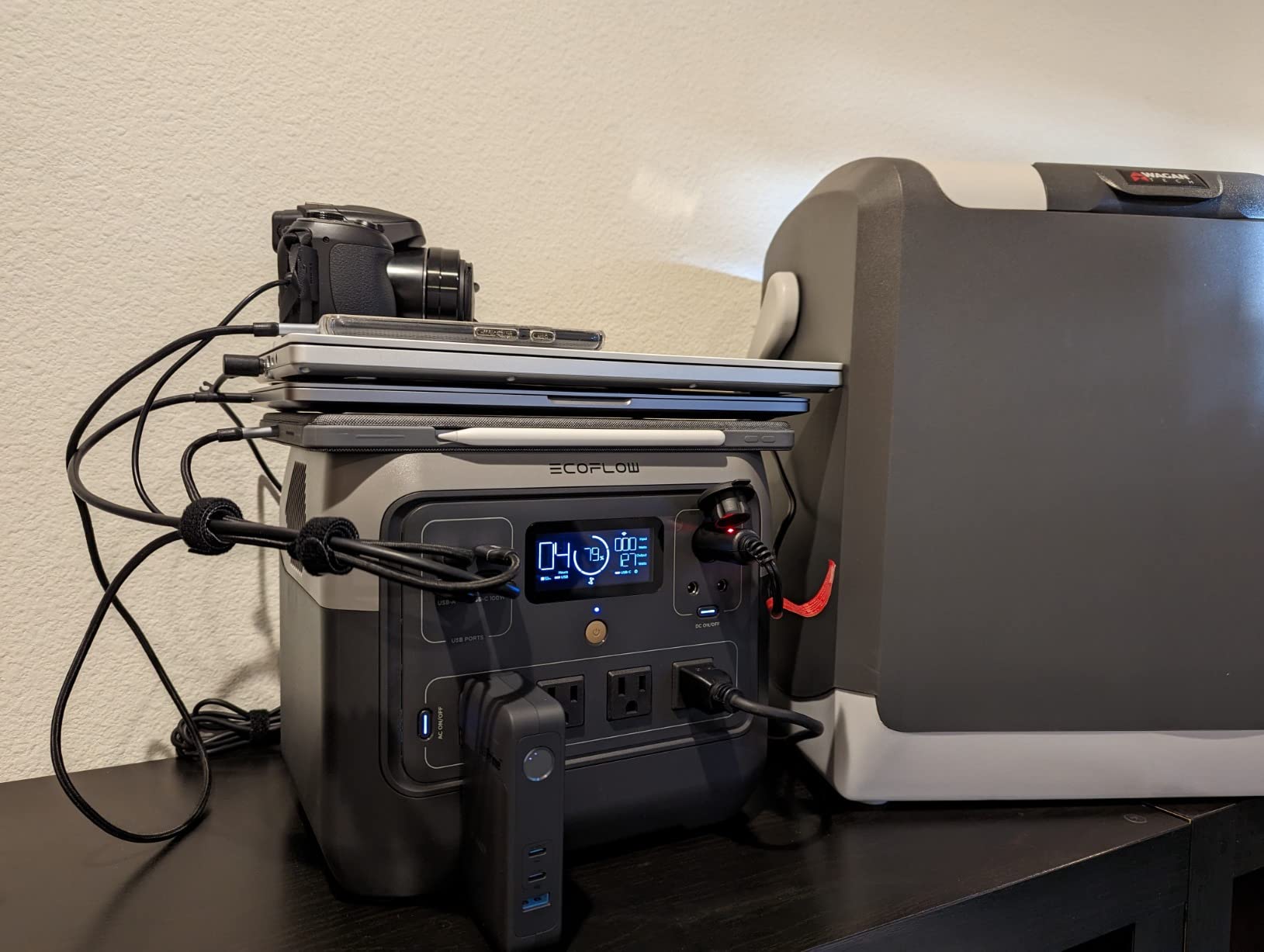
The catch is capacity. Several reviewers note that a 768Wh pack needs recharging roughly daily for camping fridges, and some suggest stepping up a size for heavier use. Continuous output of 800W also limits what you can plug in, and 1600W X-Boost only suits resistive loads like kettles and heaters.
Solar input of 220W recharges in as little as 3.5 hours, which is a sensible match for a portable 200W panel rather than a roof array.
Where this unit fits in a small build
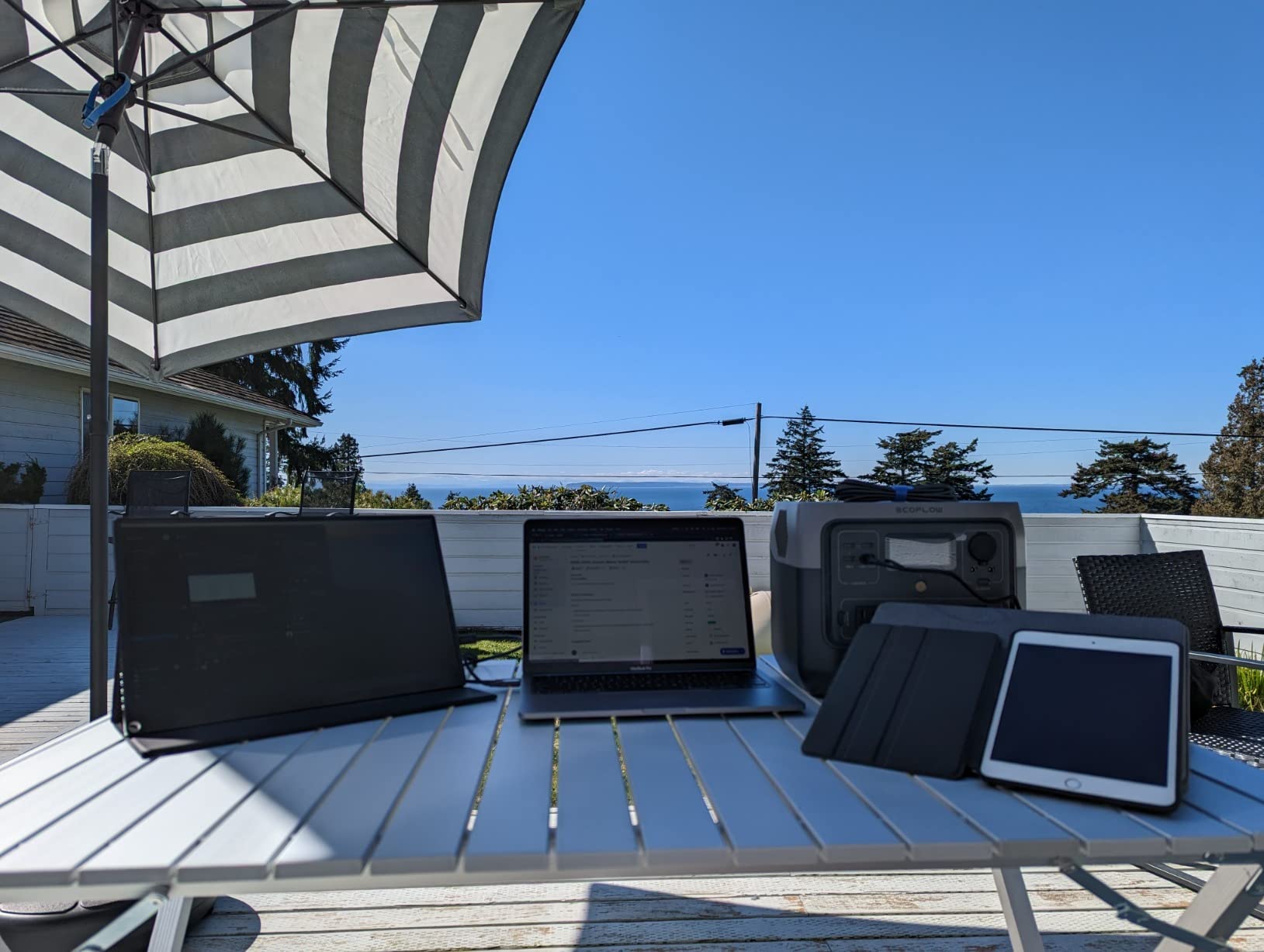
It works well as a weekend power pack: fridge overnight, phone and laptop charging during the day, solar top-up by evening. Carry it inside rather than bolting it down, since the weight is manageable.
The 50 Hz frequency rating is unusual for a US market unit, and while appliances tolerate it, it is worth a question to support if you plan to run sensitive gear.
When to step up instead
Move up if you want to leave the fridge running through two cloudy days, or if you need to run anything above 800W such as a microwave or an induction hob. The EcoFlow DELTA 2 Max in section ten covers the same brand ecosystem at twice the capacity.
Our notes on power banks for travel cover the smaller class if 768Wh is still more than you need.
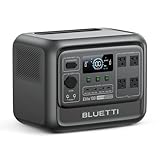
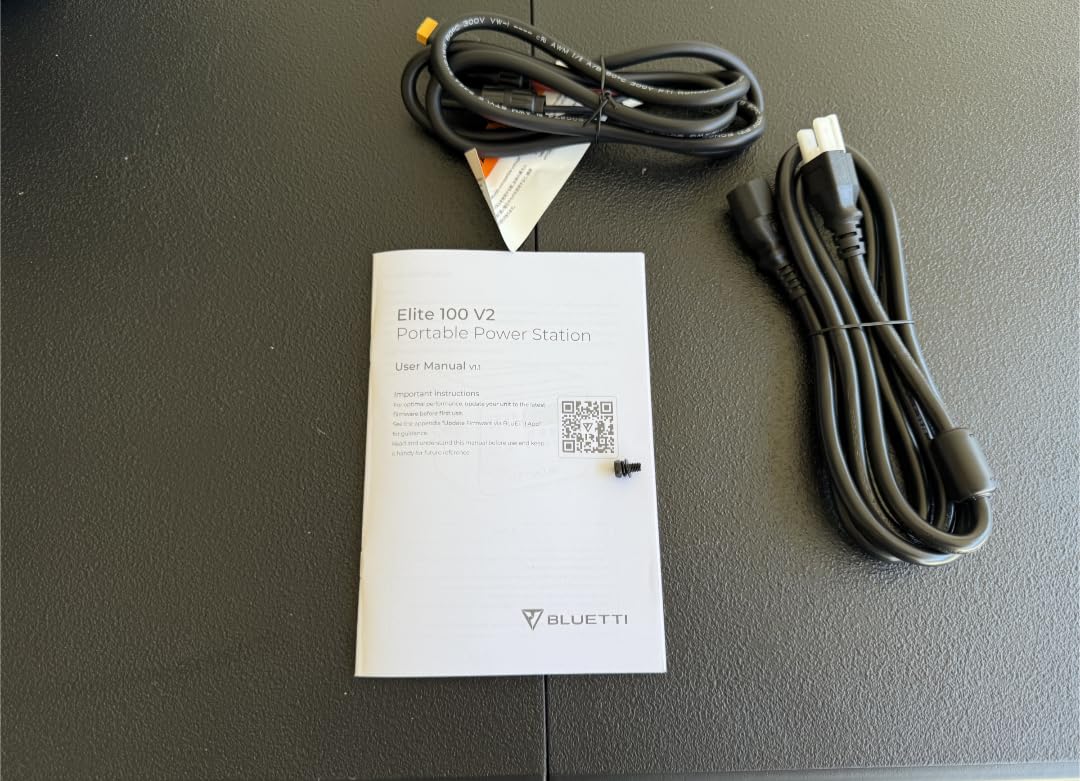
7. BLUETTI Elite 100 V2 1024Wh — Best for Quiet Overnight Charging in a Small Van
BLUETTI Elite 100 V2 Portable Power Station for Camping 1024Wh 1800W
1024Wh LiFePO4, 4000+ cycles
1800W rated, 3600W surge
25 lb in 17L
30 dB silent mode
Pros
- 0-80% in about 45 minutes on 1200W AC input
- Silent mode at 30 dB
- roughly half the noise of similar units
- 10ms UPS keeps routers and PCs alive
- Over 4000 cycles to 80% capacity
Cons
- Low AC draws under about 10W may not register on the readout
- 12V car socket runs warm above 12W
- No expansion battery option in this configuration
Noise is the reason this one earns a place. At 25 lb in a 17-litre chassis it is 35% smaller and 30% lighter than comparable 1kWh stations, and the 30 dB silent mode runs at roughly half the noise of other units in this class.
In a small van where the bed sits a metre from the battery, that difference decides whether you sleep through a charge. Owners pair the capacity and quiet operation for weekend camping and for shop backup where noise is unacceptable.
Charging is fast: 0-80% in roughly 45 minutes on 1200W TurboBoost AC input. Output is 1800W rated with 3600W surge across 11 ports, and the 10ms UPS switchover keeps a router and a desktop alive through a cut.
One detailed reviewer test found a genuine 24-hour runtime with a 32-quart 12V fridge, dropping from full to roughly 44-47% at 70F ambient, and confirmed that pass-through charging works. That is the closest thing to a controlled fridge test in this roundup.
Small things that will annoy you
Low-wattage AC loads under roughly 10W may not register on the display, so a phone charger can look like it is doing nothing. The 12V car socket runs warm above about 12W of load, which matters if a fridge sits on it continuously.
Exposed DC barrel ports can be shorted by touching both contacts, so keep the dust caps on. The front display is hard to read in direct sun.
Check the expansion path first
This configuration has no expansion battery option, so 1024Wh is your ceiling. If you want to grow capacity later, the AC200PL or the Anker C2000 Gen 2 are the models with open expansion paths.
It also pairs with the BLUETTI Charger 1 for up to 6x faster vehicle charging, which is the piece that makes alternator top-ups practical on a smaller pack.
8. Anker SOLIX C1000 Gen 2 1024Wh — Best for CPAP Machines and Remote Work
Anker SOLIX C1000 Gen 2 Portable Power Station
1024Wh LiFePO4, 4000 cycles
2000W output, 3000W peak
600W solar input
5 year warranty
Pros
- Tied for the highest rating here at 4.7
- Full recharge at 1600W in about 49 minutes
- 2000W output across 10 ports
- 600W solar input recharges in 1.8 hours
- Under 10 ms UPS switchover
Cons
- Gen 2 is not expandable unlike the first generation
- Loses a small amount of charge sitting unplugged
- Solar charging through a 100W panel is slow
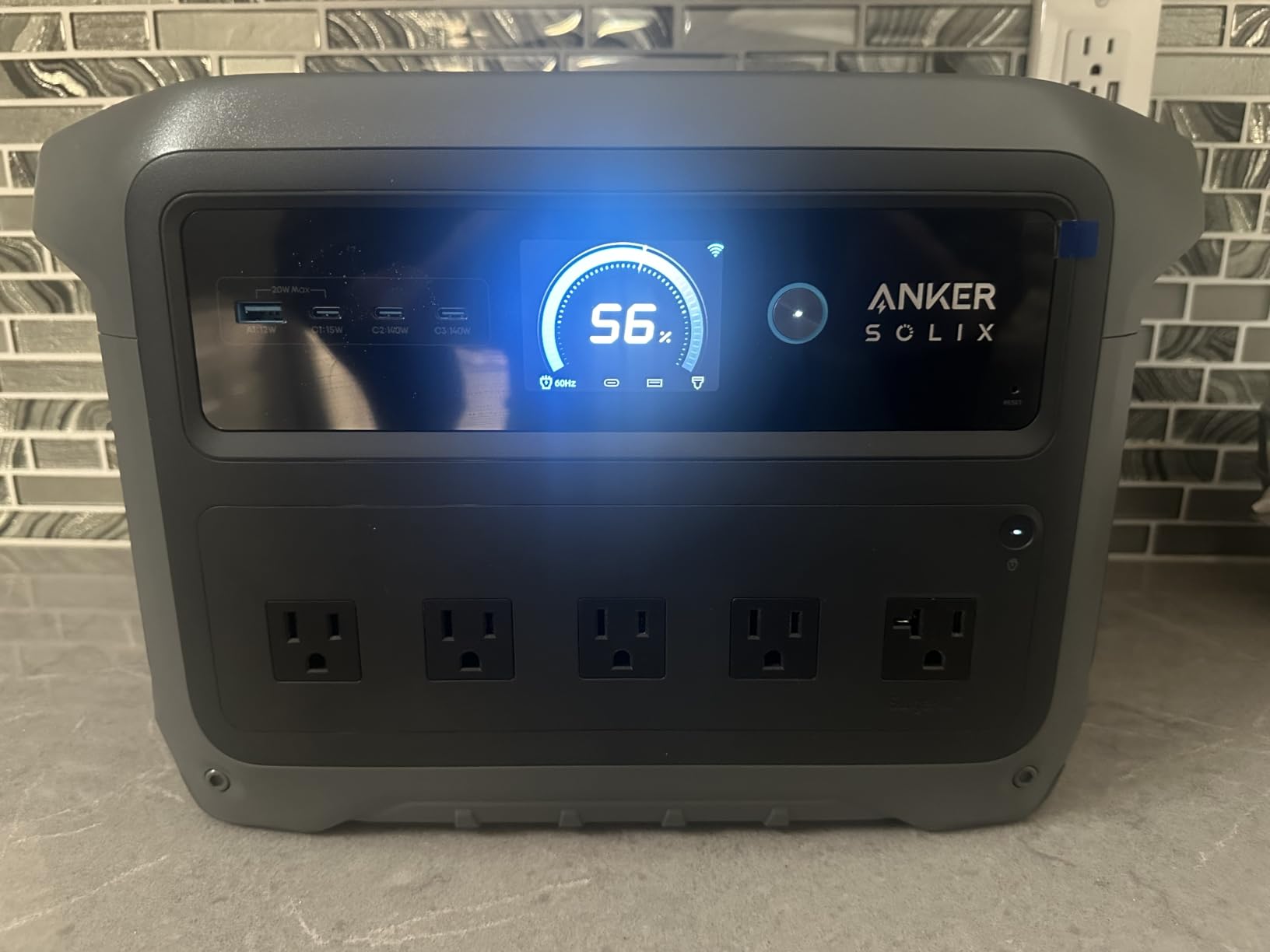
The C1000 Gen 2 is the most sensitive-electronics-friendly unit in the roundup. Output is 2000W continuous with a 3000W peak across 10 ports, and the UPS switches over in under 10 ms, fast enough that a CPAP machine or a desktop does not register the interruption.
Anker lists RV and van life as a recommended use, and owners confirm dependable fridge, CPAP and laptop runtime with roughly 90% of charge remaining after four hours of mixed loads. One reviewer credits it with getting through a ten-day ice-storm outage while running the fridge and charging battery packs each night.
Recharge speed is the headline: full from 1600W AC in about 49 minutes with HyperFlash, and 600W of solar input refills it in roughly 1.8 hours. At 24.9 lb the unit is 11% lighter and 14% smaller than comparable models.
The Anker app adds time-of-use mode so charging can be scheduled around a metered hookup, plus Bluetooth monitoring. A trained electrical engineer reviewing the unit noted mild harmonic distortion on the output waveform when running a microwave, which is worth knowing if you plan to.
Expandability and standby losses
Unlike the first generation, the C1000 Gen 2 cannot be expanded. If your plan involves a 2kWh-plus bank, choose the C2000 Gen 2 instead. The unit also loses a small amount of charge sitting unplugged, so top it up before a long storage period.
Solar charging through a single 100W panel is slow next to wall charging, so pair it with a 400W or 600W array if you rely on solar.
Who this suits best
Remote workers and anyone running medical gear overnight will get the most from the clean under-10ms switchover. It is also a strong weekend unit for two people with a fridge, a laptop and a CPAP.
No storage case is included, so budget for a bag that holds the XT60 adapters and cables neatly. Our van storage system guide covers building a cable drawer that keeps this tidy.
9. OUPES Mega 1 1024Wh — Best Power-to-Weight Ratio in the 1kWh Class
OUPES Mega 1 Portable Power Station 1024Wh 2000W (4500W Surge)
1024Wh LiFePO4, 3500+ cycles
2000W continuous
0-80% in 36 minutes
27.8 lb
Pros
- Fastest recharge here at 0-80% in 36 minutes on AC
- 2000W continuous from a sub-30 lb unit
- Expands to 5120Wh with two B2 batteries
- Under 20ms UPS transfer time
- Dual 100W USB-C PD plus four QC3.0 USB-A
Cons
- Advertised 4500W surge is optimistic and trips near 2100W
- Charging cable is proprietary
- Cooling fan runs continuously and can be loud
The Mega 1 puts 2000W of continuous output into a 1024Wh pack that weighs 27.8 lb. That output-to-weight ratio is unusually high for the 1kWh class, and reviewers consistently frame it as the best power-per-dollar option in that class.
Recharge speed leads the list: 0-80% in 36 minutes on AC, and 26 minutes when solar is combined with wall input. Expansion to 5120Wh with two B2 extra batteries keeps a van build viable for multi-day trips without a second battery platform.
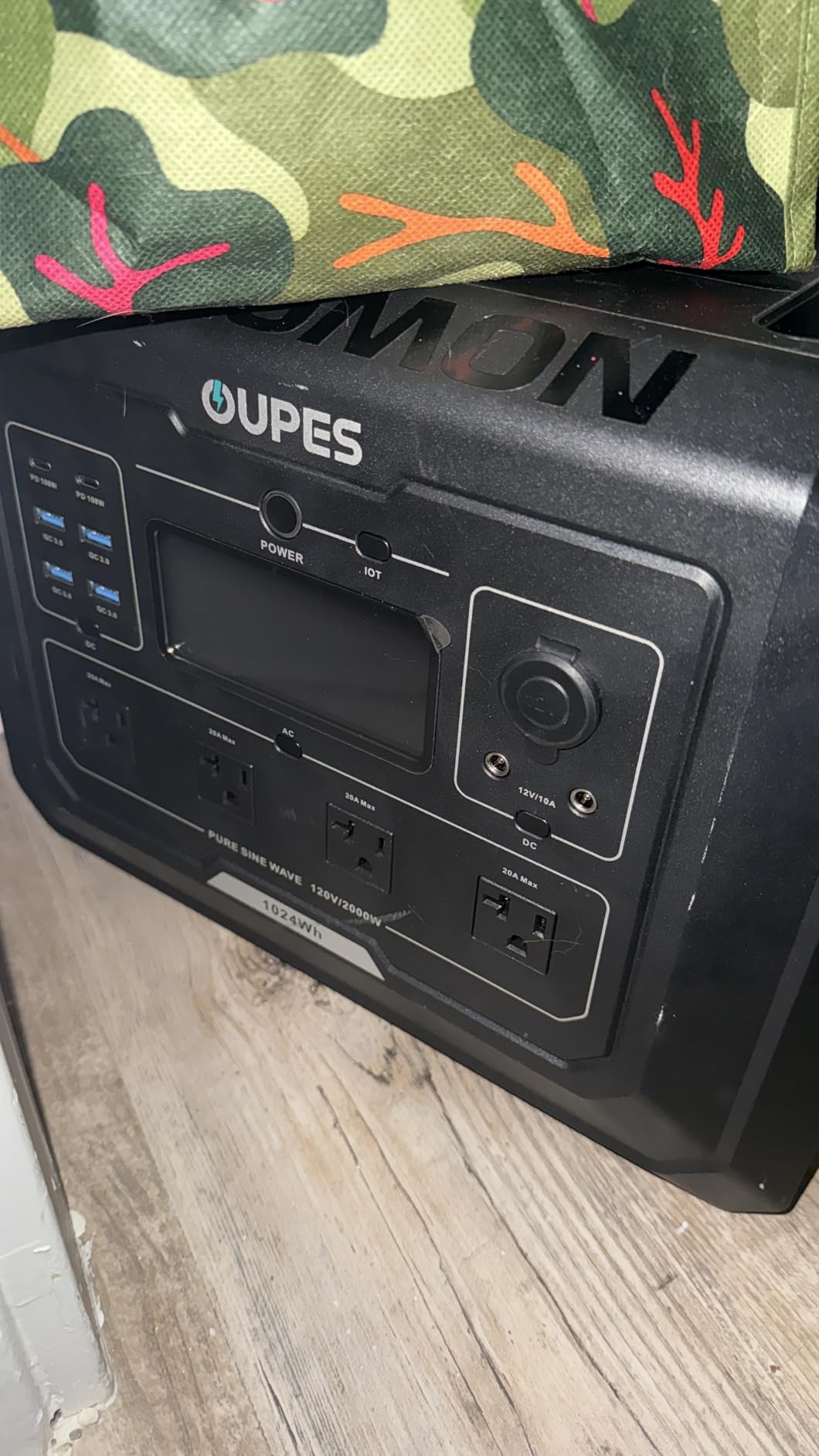
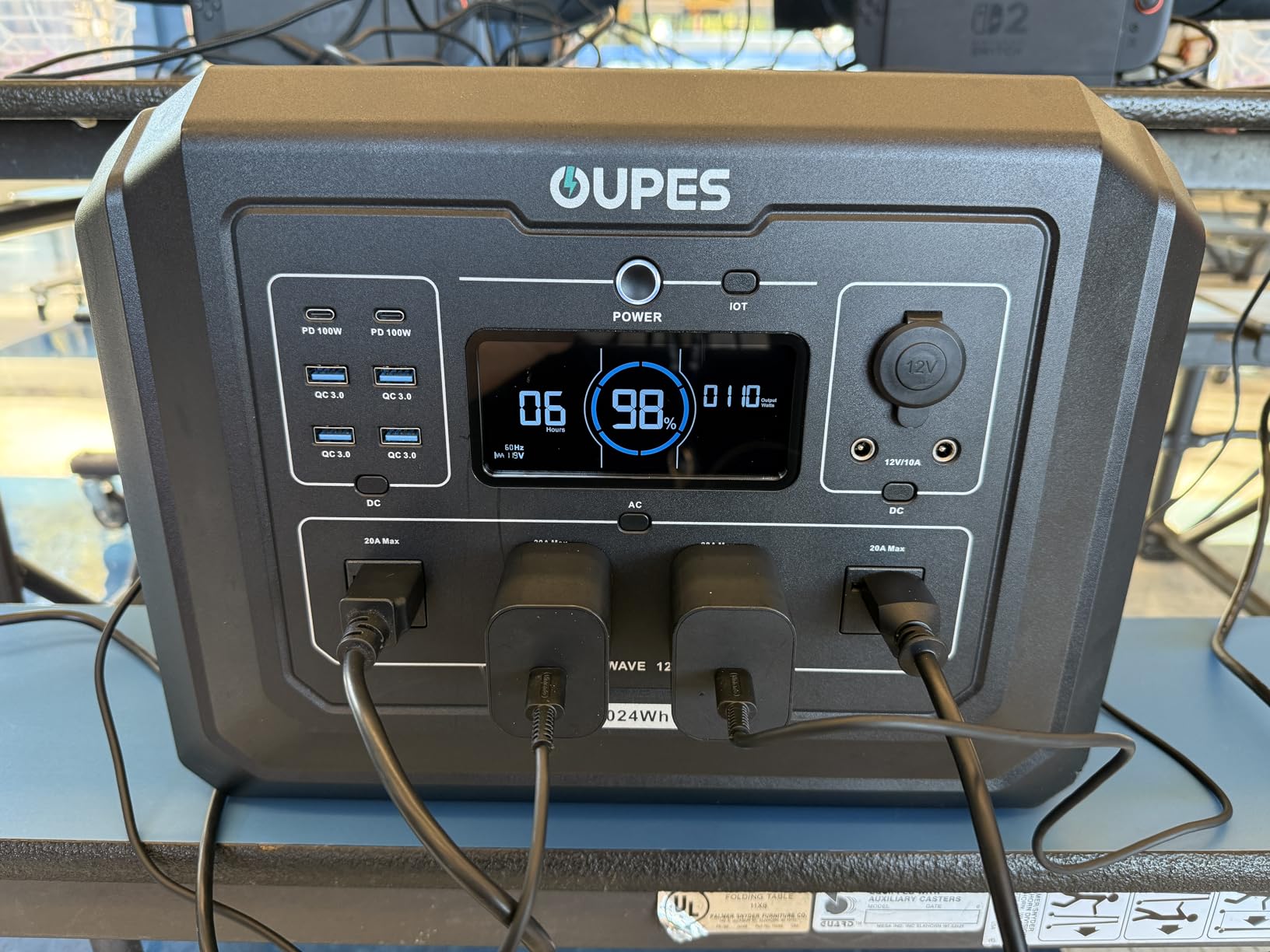
Ports are well spaced and easy to reach, with four AC outlets, dual 100W USB-C PD, four QC3.0 USB-A and 12V DC outputs. One reviewer ran a coffee maker and a 12V fridge across an entire weekend on a single charge.
The 3500+ cycle rating is respectable for LiFePO4, and the 5-year warranty is among the longest offered. Customer service replaced a defective unit quickly and stayed responsive, which is a meaningful data point for a lesser-known brand.
The surge rating is overstated
The advertised 4500W surge is optimistic. One owner measured consistent tripping between 2050W and 2200W, so plan loads against the 2000W continuous figure and not the marketing number. That is still enough for a fridge, a kettle and a coffee maker at once.
Expect noise: the cooling fan runs continuously during charging and can be loud in a quiet tent. Plan charging around that, or charge outside at rest stops.
What to check before committing
The charging cable is proprietary and hard to replace, so keep the original. Bluetooth monitoring is basic, Wi-Fi connectivity in the app is unreliable, and some units failed to recharge after a full discharge and needed replacement. Buy through a channel with a straightforward return process.
The manual English is thin and appears machine-translated, so budget extra time for setup.
10. EcoFlow DELTA 2 Max 2048Wh — Best for Daily Living Power in a Converted Van
EF ECOFLOW Portable Power Station DELTA 2 Max 2048Wh, 2400W LiFePO4 Battery
2048Wh LFP, 3000 cycles
2400W continuous, 3400W X-Boost
50.7 lb
expands to 6kWh
Pros
- Best capacity-to-weight ratio at 2kWh in about 50 lb
- 0-80% in 43 minutes combining 1000W solar with AC
- 2400W output handles most household appliances
- Expands from 2kWh to 6kWh
- As quiet as 30 dB for overnight indoor use
Cons
- Tallest unit here at 20 inches
- 50.7 lb makes two-person lifting likely
- X-Boost suits resistive loads only
At 2048Wh in roughly 50 lb, the DELTA 2 Max carries a strong capacity-to-weight balance. For a van that needs to live off-grid for weeks, that combination matters more than any single headline feature.
Output is 2400W continuous with X-Boost to 3400W, spread across 15 outlets. That covers a fridge, an induction hob, a laptop, a monitor and a water pump simultaneously, and reviewers rate it 4.6 with 87% five-star ratings.
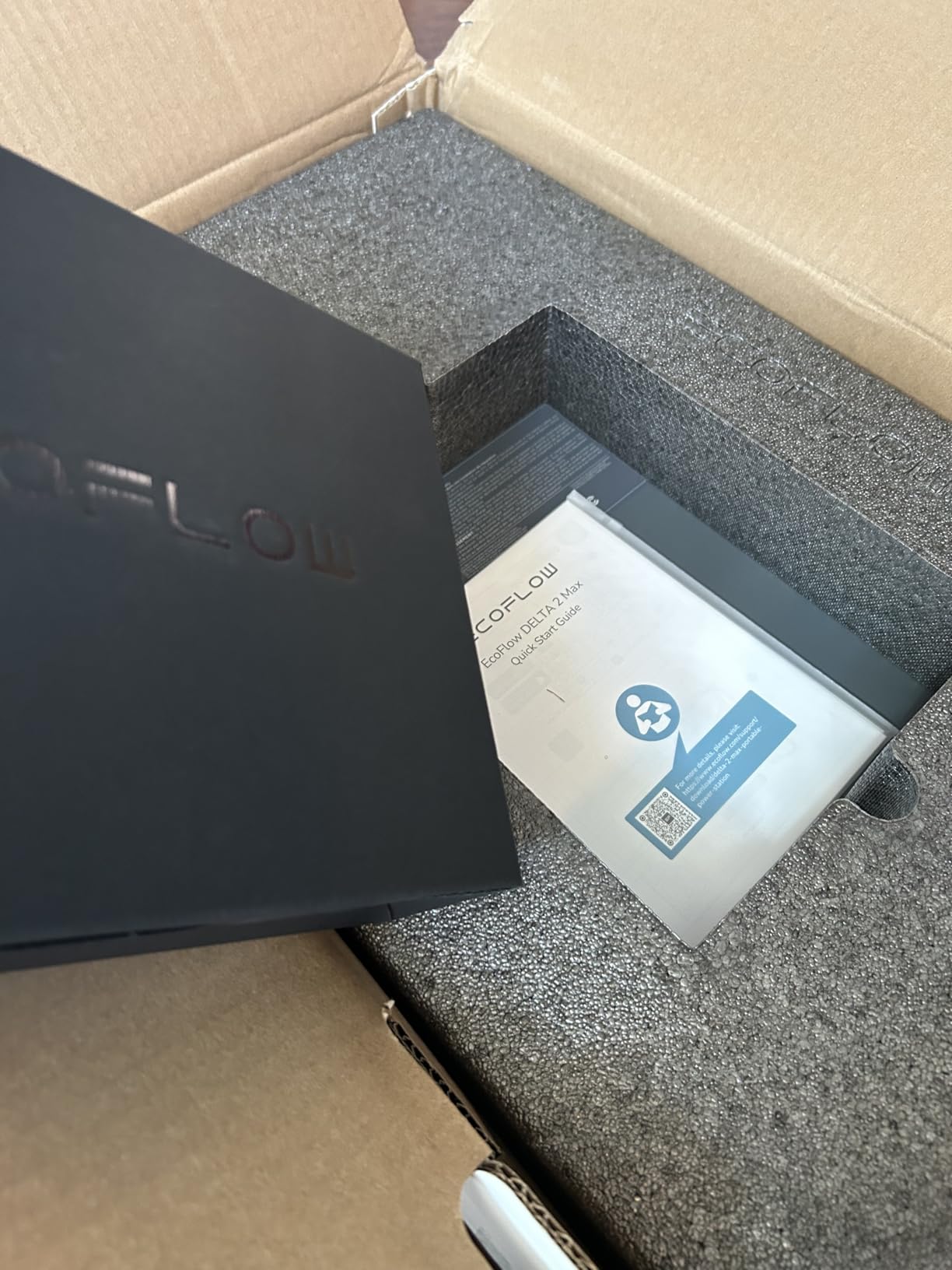
Charging is where it separates itself. Combining up to 1000W of solar with AC input reaches 80% in 43 minutes, and AC alone does it in 1.1 hours. Expansion to 6kWh with plug-and-play extra batteries covers a long stretch of poor weather.
At 30 dB it is quiet enough for indoor overnight use, and the EcoFlow app handles energy management and automations. Real-time BMS monitoring tracks voltage, current and temperature.
The 20-inch form factor is the real constraint
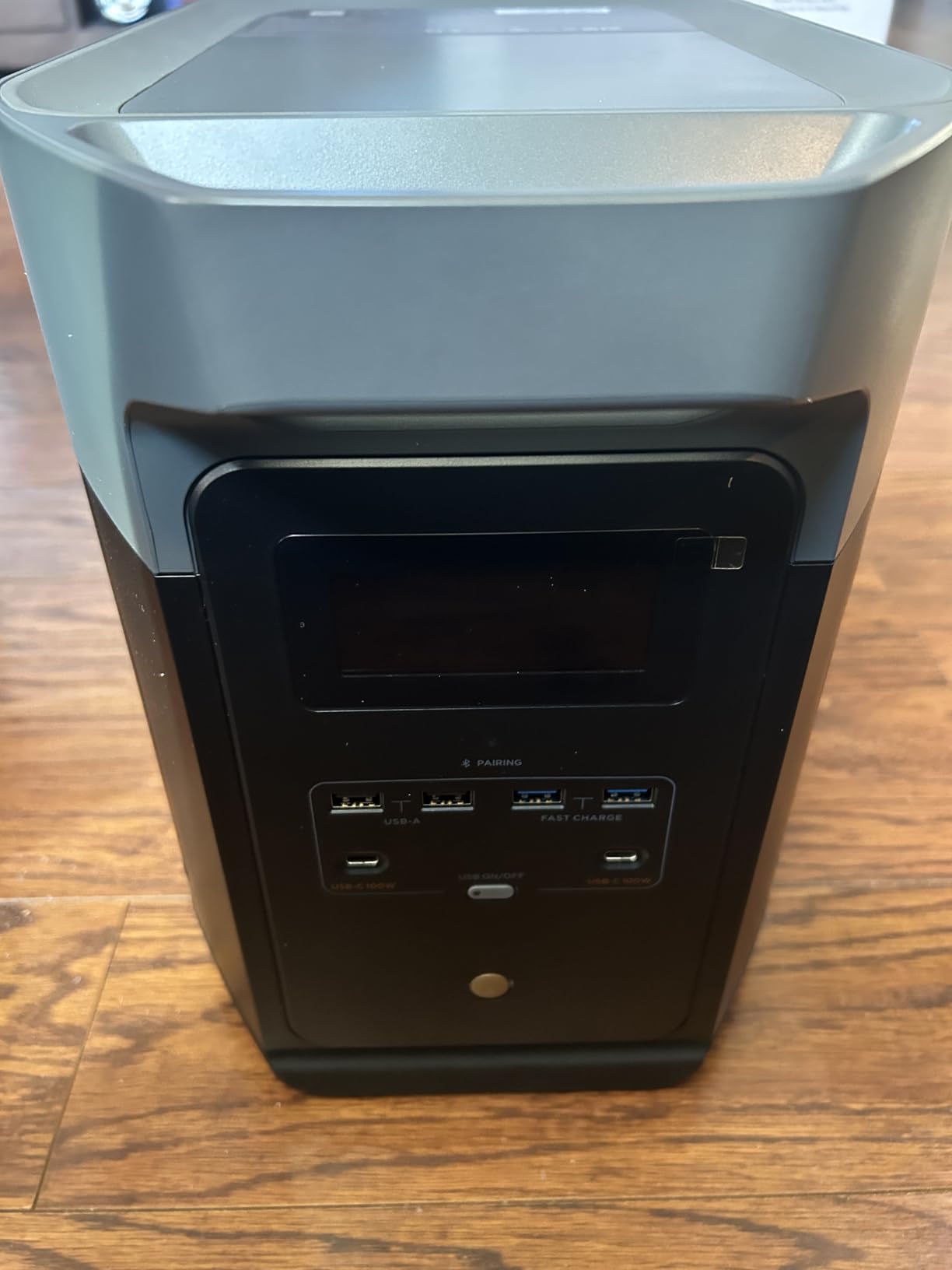
This is the tallest unit in the lineup at 20 inches, which means it needs deliberate placement in a vehicle. Low cabinets behind the rear axle or a garage-style compartment work better than a high locker, and the vertical orientation makes a shelf mount mandatory rather than optional.
At 50.7 lb, expect a two-person lift for a full install.
What it cannot do
X-Boost only works with resistive loads such as heaters and kettles, so do not count on it for motors or compressors. This unit also does not pair with EcoFlow’s Smart Generator chain the way the DELTA Pro does.
If you need that generator hybrid, look at the DELTA Pro in section twelve.
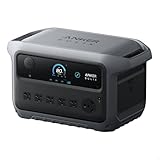
11. Anker SOLIX C2000 Gen 2 2048Wh — Best for Alternator Charging While Driving
Anker SOLIX C2000 Gen 2 Portable Power Station, 2,048Wh, 2,400W, Camping
2048Wh LiFePO4, expandable to 4kWh
2400W rated, 4000W peak
800W alternator charging
9W standby
Pros
- 9W standby draw runs a dual-door fridge up to 32 hours
- Full charge in 58 minutes with AC and solar
- 800W alternator charging fills it in about 3 hours
- 2400W rated output handles window air conditioners
- 41.7 lb and 25% lighter than comparable 2kWh units
Cons
- Thin review history at 670
- Feature copy and spec list disagree on port count
- 9W standby still matters during long unattended storage
Alternator charging is the feature that makes the C2000 Gen 2 different from every other 2kWh unit here. The 800W UltraFast alternator charging route reaches a full charge in about three hours of driving, roughly eight times what a standard 12V car socket delivers.
The 9W standby draw is the quiet hero. Anker rates it for up to 32 hours powering a dual-door fridge, or 64 hours with an expansion battery, which means a parked van keeps its fridge cold overnight without a separate battery bank.
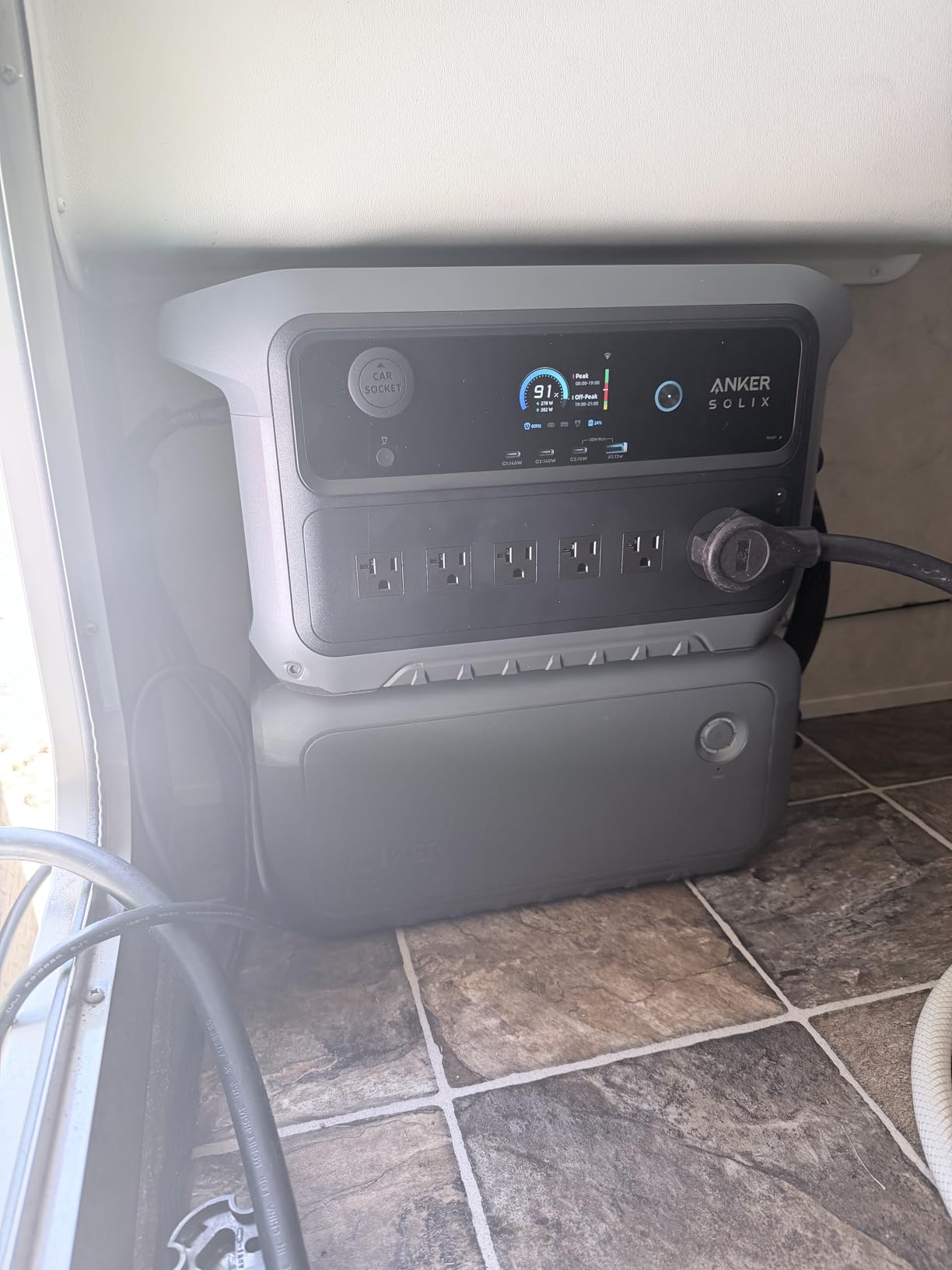
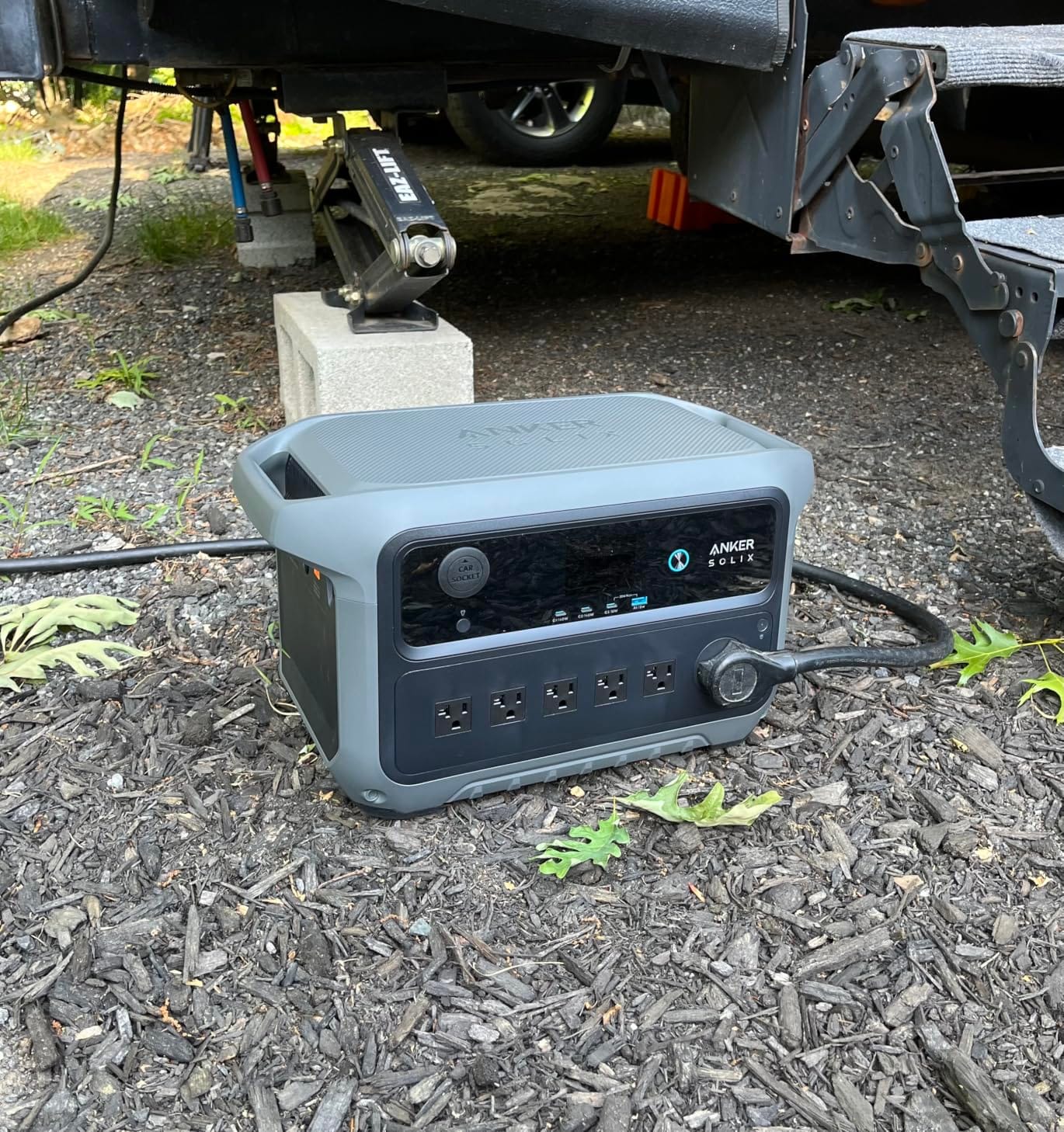
Recharging from AC plus solar reaches 100% in 58 minutes, and there are six recharging methods in total. Output is 2400W rated with a 4000W peak, enough for window and RV air conditioners that stall weaker inverters.
At 41.7 lb it is 25% lighter and 29% smaller than comparable 2kWh units, and it expands to 4kWh. That combination of alternator speed, low standby draw and moderate weight makes it our pick for a van driven regularly rather than one parked for weeks.
Verify the port count before you build around it
The feature copy references multiple outputs while the specification list shows only one, so confirm the actual port layout for your needs before ordering. If you need several AC sockets plus a TT30, the BLUETTI AC200PL documents its layout more clearly.
Standby draw of 9W still matters if the van sits parked for a month with the unit plugged in.
The shorter review history
This is the newest unit here at 670 reviews, even though it ties for the highest five-star share at 87%. The 4.7 rating is real, but the long-term track record is less established than the Jackery or BLUETTI models in this list.
Plan on topping the pack up every few months while it sits stored, and keep the firmware current through the Anker app.
12. EcoFlow DELTA Pro 3600Wh — Best as a Semi-Permanent Install Replacing a Generator
EF ECOFLOW Portable Power Station 3600Wh DELTA Pro, 120V 3600W AC Output
3600Wh LFP, expandable to 25kWh
3600W AC, 7200W paired
99 lb
5 year warranty
Pros
- Largest capacity here at 3600Wh with expansion to 25kWh
- 3600W output rises to 4500W with X-Boost and 7200W when paired
- 15 outputs including five AC outlets
- Wi-Fi and Bluetooth app monitoring
Cons
- 99 lb makes this effectively a fixed install
- Solar input limited to about 15A which slows panel charging
- Reports of error 121 and OVERLOAD messages
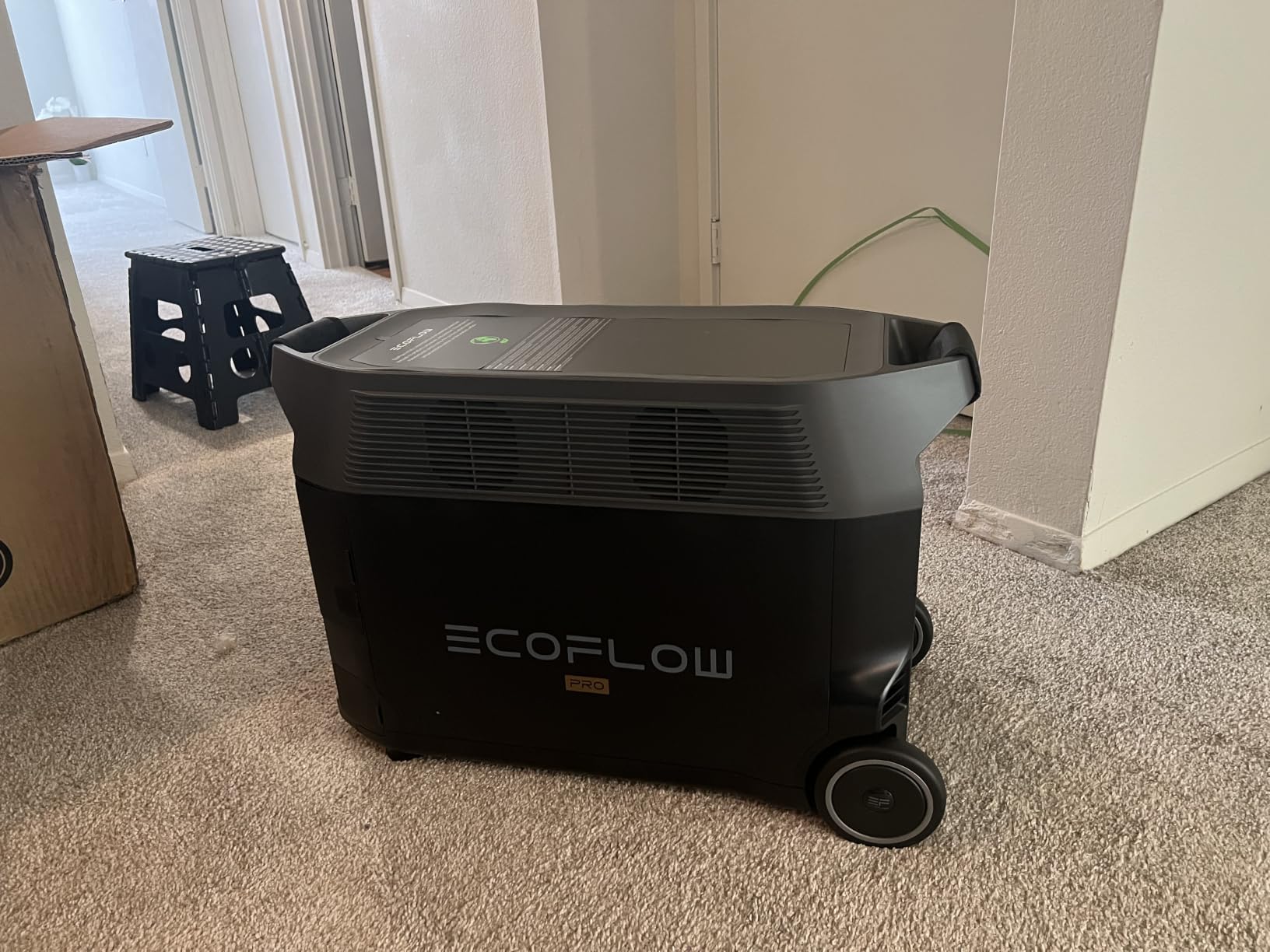
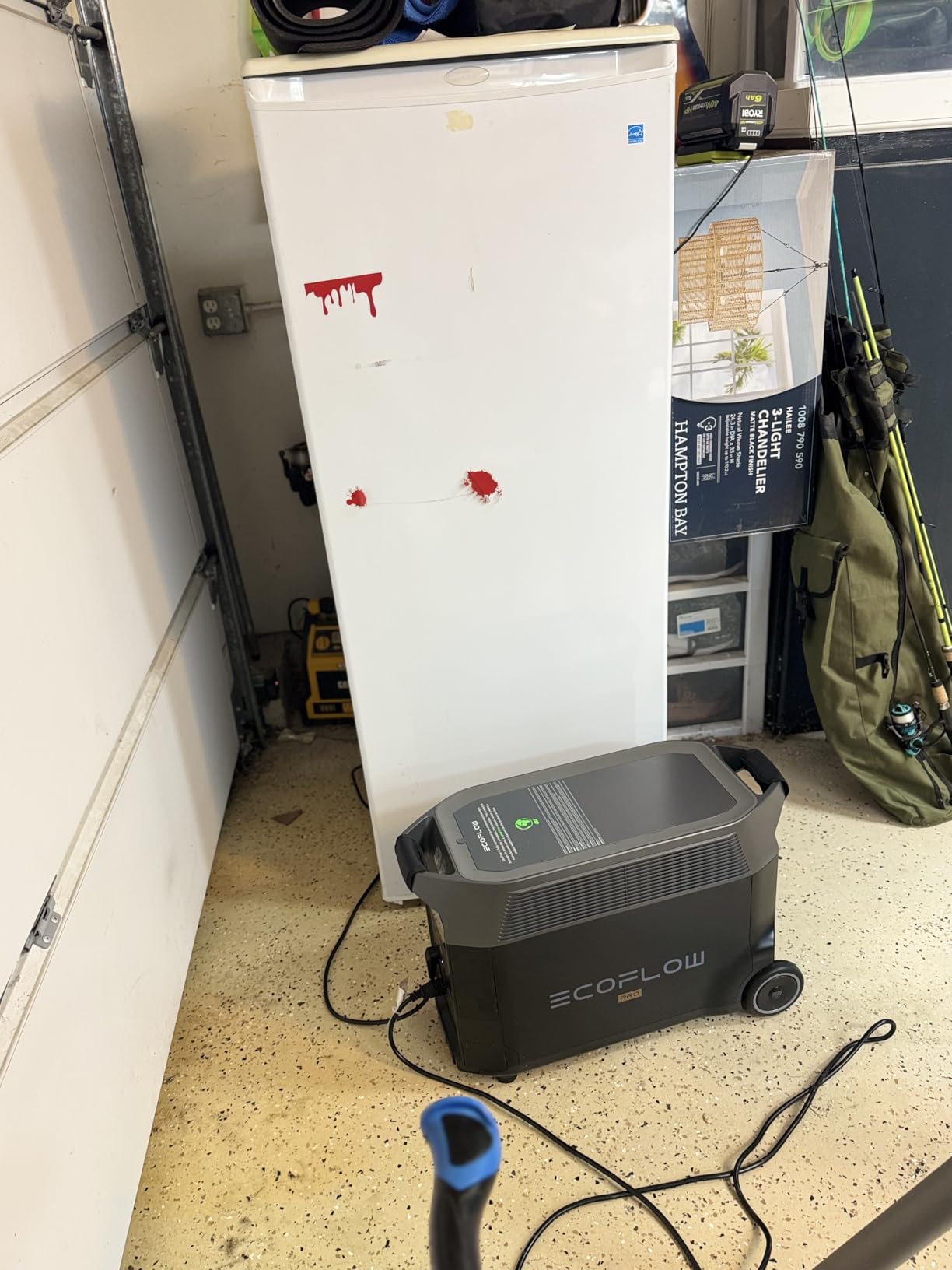
The DELTA Pro is not a portable power station in any practical sense. At 99 lb it is a semi-permanent install, and if your van has floor space and a mounting plan, it replaces a propane generator outright and quietly.
Capacity is 3600Wh of LFP expandable to 25kWh with extra batteries or Smart Generators. Output is 3600W continuous, 4500W with X-Boost, and 7200W when two units are paired. Fifteen outputs cover five AC outlets, 100W USB-C, USB-A fast charge, DC outlets, a car port and an Anderson port.
Real-world reports match the headline figures. One owner ran a refrigerator, propane furnace blowers, lights, internet and computers for about 15 hours on a charge, and a vendor-market operator reports running a heat press continuously with no voltage drops.
Five charging methods are supported, including EV station, solar, wall outlet, smart generator and car outlet. X-Stream fast charging does 1.8 hours on a 240V 3000W outlet, 2.7 hours on a 1800W wall, and 2.8 hours with four 400W panels.
Solar input is the bottleneck
Solar input is limited to about 15A, which constrains recharge speed from panels significantly compared with the 1200W input on the AC200PL. A long cloudy stretch will drain a 3600Wh bank faster than a normal roof array can refill it, so plan extra panel capacity or carry a backup charging method.
One reviewer blew a breaker on the first outlet they used for charging because of an older circuit. Test the hookup before relying on it.
Fit it or skip it
At 99 lb this is a two-person install and it effectively becomes a fixed unit once bolted in. Buyers treating it that way describe dependable multi-day power with strong feedback on build quality and outlet count.
Two reviews report units failing with error 121 and OVERLOAD messages alongside slow warranty resolution, which is why the 4.6 rating sits below the leaders. If a van conversion can host a fixed 3.6kWh bank, this is the strongest power-to-install ratio available.
How to Size a Portable Power Station for Van Life
Sizing comes down to three numbers: your daily consumption in watt-hours, the solar watts needed to refill that, and the battery watt-hours needed to survive weather you did not plan for. Everything else on the spec sheet is secondary.
Step one: list your loads. Write down every device and its wattage, then multiply by hours per day. A 45W compressor fridge running roughly nine hours equals about 400 watt-hours. Ten metres of LED lighting at 8W for five hours is 40 watt-hours. A 65W laptop for six hours is 390 watt-hours.
Step two: add a buffer. Multiply your daily total by two for a week of mixed weather, and by three if you regularly camp in winter or at northern latitudes. Under-sizing is the single most common regret we read about from owners.
Step three: size the solar. Your array should produce at least your daily watt-hour figure in real conditions, which means roughly dividing by four to account for orientation, temperature and shading losses. A 600 watt-hour daily load needs about 240W of panels for comfortable charging, and more if you want margin.
LiFePO4 chemistry and cycle life
Every station in this roundup uses lithium iron phosphate cells, and that is not a coincidence. LiFePO4 handles daily deep cycling far better than the NMC chemistry used in older and cheaper packs, tolerates charging in cold conditions, and does not carry the same thermal runaway risk.
Cycle ratings in this lineup range from 3,000 cycles to over 4,000 cycles before capacity drops to 70-80% retained. At one cycle per day, 3,000 cycles is roughly eight years. At two cycles per day, plan on four to five. Long-term owners caution that non-cell components such as switches and screens often fail before the battery does, which is why warranty length matters as much as the cycle number.
Solar input, MPPT and the voltage window
MPPT solar controllers extract more power from variable input than basic PWM controllers, and they are standard across most of these units. What matters more is the MPPT voltage window: if a panel’s operating voltage falls outside it, charging stops regardless of wattage.
Two cautions from practice. Charging through a vehicle windscreen roughly halves panel output because of glass tint and filtering, so mount panels on the roof or deploy them outside. And check that a station accepts third-party panels at all, because the Jackery Explorer 1000 v2 restricts solar charging to its own panels.
Rooftop versus portable is a simple tradeoff. Rooftop panels charge while you drive and cost nothing in effort, but need proper mounting, a strain-relieved cable run and airflow around the panel. Portable panels are flexible and cheap to swap between vehicles, but someone has to deploy them every morning.
Regulated 12V output and fridge compatibility
This is the least discussed and most important detail for van life. Many portable power stations output 12V that drops below 12.4V as the battery discharges, and voltage-sensitive compressor fridges respond by cycling on and off or shutting down entirely. Owners on van living forums report this repeatedly, with Alpicool and Joytutu models cited most often.
Set the fridge’s low-voltage cutoff to minimum as a safeguard, and monitor the readout while the fridge runs through a full discharge. The BLUETTI Elite 100 V2 drew a 32-quart fridge from full to roughly 44-47% over 24 hours at 70F ambient, which is the kind of real number you want before a long trip.
Our reading is that no station in this roundup publishes a regulated-12V specification outright, so treat the fridge cutoff setting as mandatory rather than optional. Pass-through charging matters for the same reason: it lets the fridge run while the unit charges from solar.
Alternator charging while driving
A standard 12V car socket on a budget unit may only accept around 50% charge, or charge very slowly, because the socket cannot supply the amperage. Dedicated DC-DC alternator chargers solve this, and the Anker SOLIX C2000 Gen 2 at 800W reaches a full charge in about three hours of driving.
Alternator charging is a genuine advantage with a 250A alternator in a Ford Transit, and it is the most direct way to convert driving hours into stored energy. Budget for a proper fuse near the battery and for a load-shedding module if your van runs a second battery under the seat.
Solar and shore power alone can work, but they leave a lot of driving time unused. For van life, driving is the one charging opportunity you never have to schedule.
Weight, mounting and the 30 dB question
Weights across this list run from 7.1 lb to 99 lb. Anything above 40 lb is a two-person lift and needs a plywood shelf with a lip, strapped and screwed to the frame. Check your payload rating before adding a heavy pack to a loaded conversion.
Noise is the other overlooked constraint. The BLUETTI Elite 100 V2, EcoFlow DELTA 2 Max and Jackery Explorer 1000 v2 all offer a 30 dB silent mode that matters in a van where the bed is close to the battery. The OUPES Mega 1 runs its cooling fan continuously during charging, so schedule charging accordingly.
For more on the build side, our camping toilet guide for van life covers another install decision people tend to defer too long.
Frequently Asked Questions
What is the best portable power bank for van life?
A portable power bank is a small USB battery for phones and cameras, not a power station. For van life you need a portable power station with at least 500Wh for weekends or 2000Wh for full-time living. The Jackery Explorer 300 covers weekend trips, while the BLUETTI AC200PL handles a fridge, furnace and solar charging for a full-time build.
Is Jackery or Anker better?
Both brands are strong at the 1kWh class. Jackery’s Explorer 1000 v2 offers 1500W output and a lighter 23.8 lb frame but restricts solar charging to Jackery panels. Anker’s SOLIX C1000 Gen 2 provides 2000W output, 600W solar input and an under 10ms UPS, but the Gen 2 cannot be expanded. Jackery wins on portability, Anker on output and solar headroom.
Is Jackery or EcoFlow better?
EcoFlow generally leads on charging speed and alternator options, with the DELTA 2 Max reaching 80% in 43 minutes and the DELTA Pro supporting EV station charging. Jackery is simpler to operate and has broader brand recognition with a large review base. For a van that charges hard off the alternator, EcoFlow tends to offer more headroom.
Which brand of portable power station is the most reliable?
BLUETTI, EcoFlow and Anker all carry four to six year warranties, and the models in this roundup run three to five years of service coverage. Long-term owners rate BLUETTI and EcoFlow highly for build quality in fixed installs, while Jackery has the largest volume of owner feedback. Non-cell parts such as screens and switches often fail before the battery does, so warranty length is the better reliability signal.
Can a portable power station run a refrigerator?
Yes, and most units in this roundup run a 12V fridge for one to three days depending on capacity and ambient temperature. The catch is 12V regulation: some stations drop below 12.4V as the battery discharges, which makes voltage-sensitive compressors cycle or shut down. Set the fridge low-voltage cutoff to minimum and check the output reading during a full discharge.
The Best Portable Power Station for Van Life in 2026
After working through all twelve, the Jackery Explorer 300 remains our editors’ choice for anyone who can lift a unit solo, and its 4.6 rating across more than 11,000 reviews backs that up. For a van lived in full-time, the BLUETTI AC200PL is the one to buy: 2304Wh, 2400W output, a 48V RV port and expansion to 8448Wh cover everything a van throws at it.
If you drive regularly and want to convert road time into stored energy, the Anker SOLIX C2000 Gen 2 is hard to beat with 800W alternator charging and a 9W standby draw that keeps a fridge cold overnight. Work remote or run a CPAP, and the Anker SOLIX C1000 Gen 2 gives you the cleanest under-10ms switchover in the roundup.
Whatever you pick, size the battery for two days of stored energy, set your fridge cutoff to minimum, and plan for a 30 dB quiet mode if you sleep close to the battery. Those three decisions do more for van comfort than any headline wattage number.