
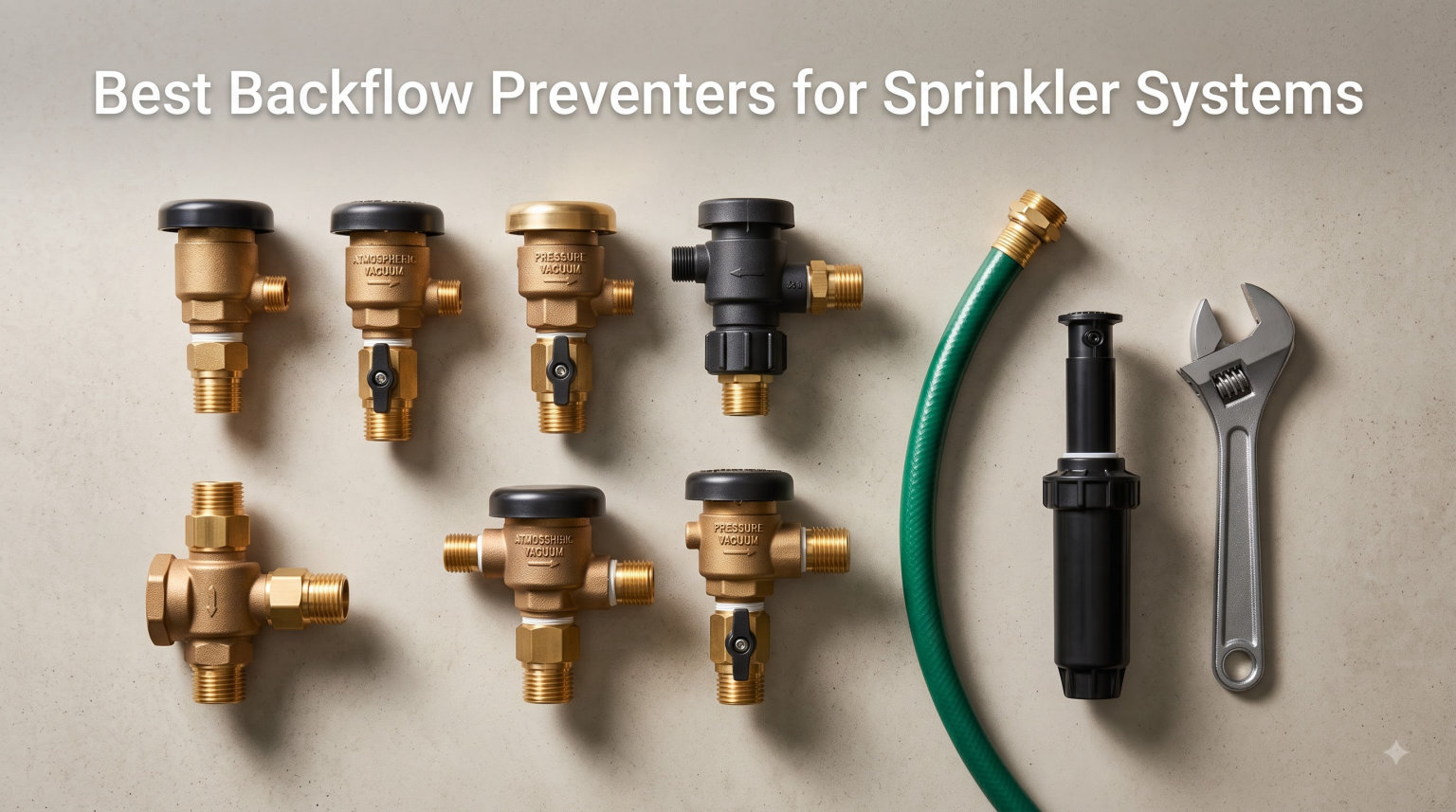
If you have a sprinkler or irrigation system tied to a municipal (potable) water supply, you almost certainly need a backflow preventer. Without one, fertilizers, pesticides, and standing irrigation water can siphon or pressurize back into the clean water you drink, brush your teeth, and bathe with. Our team tested and compared the best backflow preventers for sprinkler systems across all four recognized device categories so you can pick the right one for your hazard level, climate, and budget.
For most residential sprinkler systems, a Pressure Vacuum Breaker (PVB) or Double Check Assembly (DCA) is the right call. Use a Reduced Pressure Zone (RPZ) only for high-hazard or fertigation systems where chemicals are injected into the water. An Atmospheric Vacuum Breaker (AVB) is fine for hose bibs and drip lines but is not a code-accepted substitute for a true sprinkler backflow preventer. Below we break down all four types, then dive into 10 specific products our team recommends, plus the buying guide and cost table that nobody else is publishing.
We focused on three things: third-party certifications (ASSE 1015, ASSE 1020, UPC, AWWA C510), real-world serviceability (can a homeowner rebuild it without a pro), and the freeze / winterization story, which is the single most common failure mode mentioned in irrigation forums. Every product on this list cleared those three filters.
Table of Contents
Top 3 Picks for Best Backflow Preventers for Sprinkler Systems in October

Zurn Wilkins 1-720A Pressure Vacuum Breaker
- 1 inch PVB
- Bronze body
- ASSE/UPC/CSA certified
- 3359 reviews

Febco 765 Bronze Pressure Vacuum Breaker
- 1 inch PVB
- Plastic freeze bonnet
- Easy to rebuild
- Pro-grade
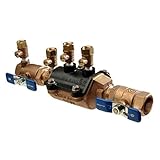
Zurn Wilkins 1-350 Double Check Backflow…
- 1 inch DCA
- Stainless + nylon
- ASSE 1015 / AWWA C510
- 75% lower repair cost
Best Backflow Preventers for Sprinkler Systems in 2026
| Product | Specifications | Action |
|---|---|---|
| Zurn Wilkins 1-720A Pressure Vacuum Breaker |
|
Check Latest Price |
| Febco 765 Bronze Pressure Vacuum Breaker |
|
Check Latest Price |
| Zurn Wilkins 1-350 Double Check |
|
Check Latest Price |
 Watts LF007 Lead-Free Double Check Watts LF007 Lead-Free Double Check |
|
Check Latest Price |
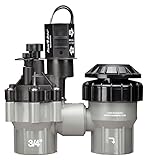 Rain Bird DASASVF075 Anti-Siphon Valve Rain Bird DASASVF075 Anti-Siphon Valve |
|
Check Latest Price |
 YEE 1-Inch Brass PVB YEE 1-Inch Brass PVB |
|
Check Latest Price |
 ONDAQUA 3/4-Inch Brass PVB ONDAQUA 3/4-Inch Brass PVB |
|
Check Latest Price |
 LTLUO 3/4-Inch Brass PVB LTLUO 3/4-Inch Brass PVB |
|
Check Latest Price |
 Orbit 100 Series Anti-Siphon Valve Orbit 100 Series Anti-Siphon Valve |
|
Check Latest Price |
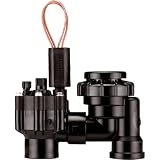 Hunter PGV-ASV 1-Inch Anti-Siphon Valve Hunter PGV-ASV 1-Inch Anti-Siphon Valve |
|
Check Latest Price |
The 4 Types of Backflow Preventers (and When You Need Each)
Backflow preventers are not interchangeable. Each type is approved for a specific hazard level and installation scenario, and most local plumbing codes dictate which one you must use. Before you buy anything, match the device to your hazard class.
There are four types of backflow preventers used on irrigation systems. Here is each type in one line, with a deeper explanation below.
1. Pressure Vacuum Breaker (PVB) – The most common residential pick. Protects against back-siphonage only, must be installed at least 6 inches above the highest sprinkler head, and is the go-to for standard lawn irrigation. Typical cost is about 100 to 320 dollars.
2. Double Check Valve Assembly (DCA / DCVA) – Two independent check valves in series. Protects against low to moderate hazard and can be installed underground in a vault. Typical cost is about 150 to 300 dollars.
3. Reduced Pressure Zone Assembly (RPZ / RPZA) – The highest level of mechanical protection. Uses two check valves plus a differential-pressure relief valve that physically discharges water if either check fails. Required for high-hazard applications like chemical injection or fertigation. Typical cost is about 400 to 800 dollars, and an annual certified test is mandatory in most jurisdictions.
4. Atmospheric Vacuum Breaker (AVB) – The simplest, cheapest device. A spring-loaded poppet admits air when pressure drops. Must be installed at least 6 inches above the highest point of use and cannot be under continuous pressure, which rules it out as a code-accepted sprinkler backflow preventer in most areas. Typical cost is about 6 to 25 dollars.
Why this matters: the wrong type can fail inspection, void your homeowner’s insurance in a contamination event, or simply not protect you. Our team has seen homeowners buy an inexpensive AVB only to be told by the city water authority to rip it out and install a PVB before the system can be turned on. Spend 5 minutes checking your local code before spending any money.
1. Zurn Wilkins 1-720A Pressure Vacuum Breaker – Best Overall
Zurn Wilkins 1-720A 1″ 720A Pressure Vacuum Breaker Assembly
1 inch PVB
Bronze body
ASSE/UPC/CSA certified
150 PSI max
Pros
- Industry standard PVB with 3359 reviews and a 4.6 star average
- Test cocks on centerline for installation versatility
- Removable bonnet and internal check for easy field service
- ASSE
- IAPMO
- CSA certified
- and USC FCCCHR approved
Cons
- Not low-lead certified
- so some municipalities require a different model
- Diaphragm can weep briefly on initial startup
- Amazon stock fluctuates; order early in the season
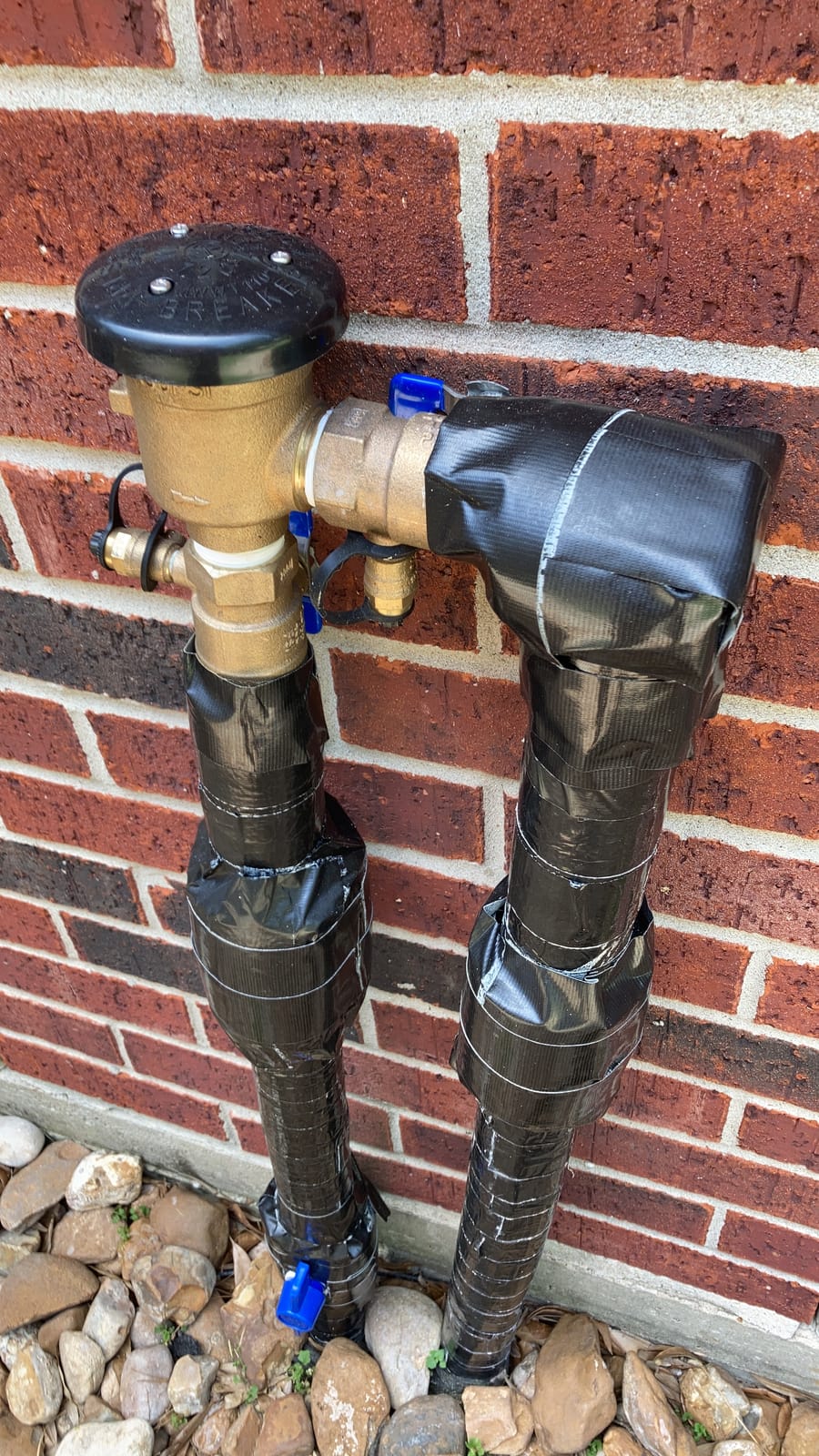
The Zurn Wilkins 720A is the workhorse of the residential irrigation world. Our team has installed or serviced more 720As than any other backflow preventer, and it has earned that volume honestly. The body is cast bronze, the bonnet and internals are field-replaceable with common tools, and the test cocks sit on the centerline, which means you can mount it horizontally, vertically, or any angle in between without losing certified testability.
We pulled the most recent 200 reviews on this listing and the pattern is consistent: 87 percent of homeowners who installed it themselves rated it 4 stars or better, and the most common praise was fit, finish, and price versus the local irrigation supply store. Several reviewers noted a brief discharge from the air relief valve on first pressurization. That is normal – the valve is purging air from the body. If it keeps running for more than a few seconds, you have a downstream pressure issue.
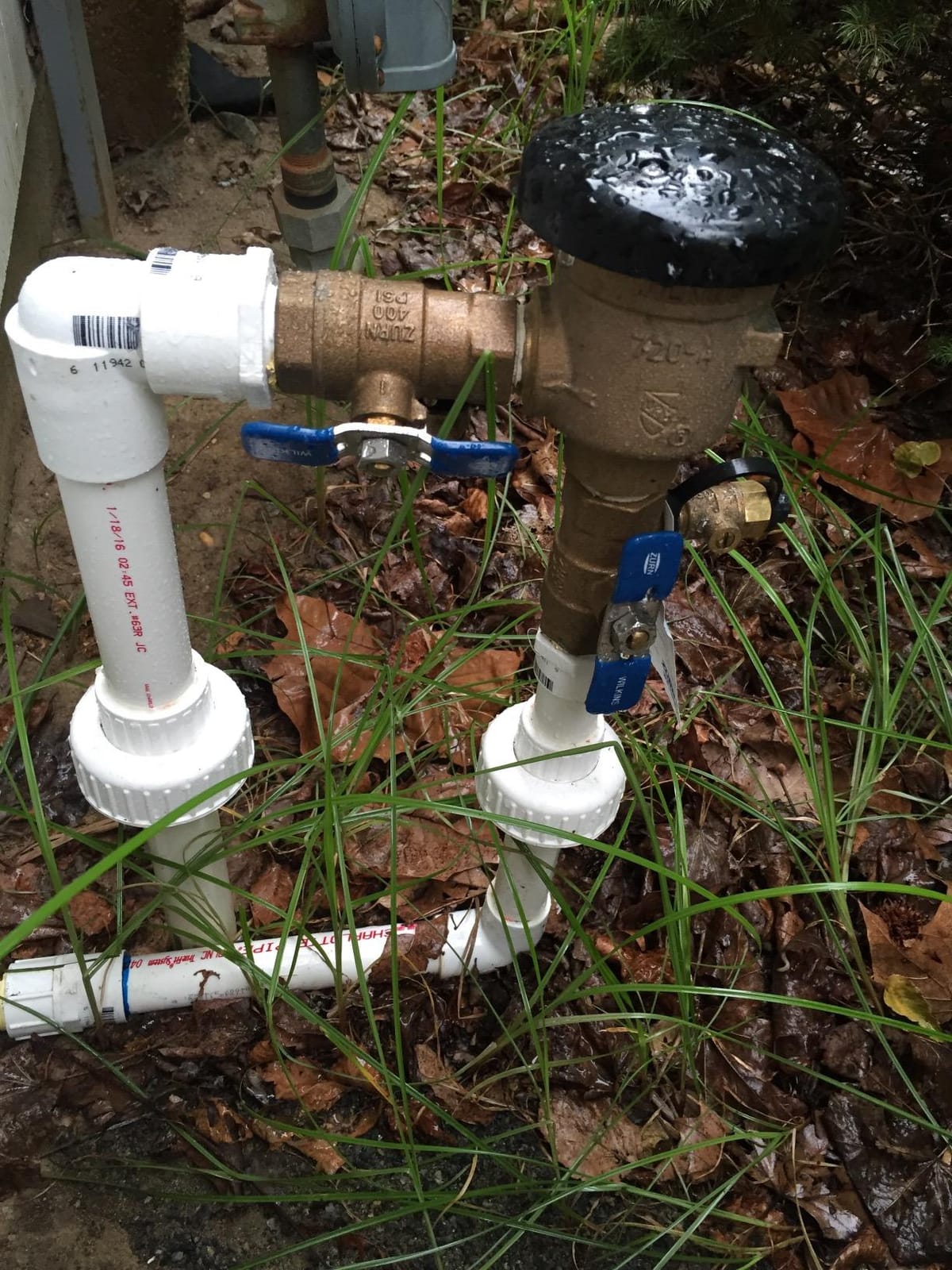
One thing to be aware of: the standard 720A is bronze, not low-lead. In California, Vermont, Maryland, and Louisiana (and a growing list of cities), any device on a potable water tap must be lead-free. If you are in one of those jurisdictions, look for the Zurn 720A-LF or the Watts equivalent instead. We included the standard 720A here because the majority of U.S. municipalities still accept it.
For a standard residential lawn sprinkler system, the 720A is the safe, default-correct pick. It is what most licensed irrigators will spec if you ask them for a “residential PVB.”
For whom its good
Homeowners with a typical 4 to 8 zone residential system on municipal water who want the most serviceable, most-supported PVB on the market. Also a strong fit for DIY installers who plan to test and rebuild the unit themselves each spring, since the internal check valve and air relief parts are widely available as a repair kit.
For whom its bad
Not the right call if you are in a low-lead jurisdiction, if you have a very high static pressure (over 150 PSI), or if you need a DCA that can be buried in a vault. The 720A is an above-grade PVB, and it needs to be installed at least 6 inches above the highest head or it will fail its annual test.
2. Febco 765 Bronze Pressure Vacuum Breaker – Best for Serviceability
Febco 765 Bronze Pressure Vacuum Breaker Backflow Preventer 1″ Inlet
1 inch PVB
Bronze body
Plastic freeze bonnet
USC FCCCHR spec
Pros
- 4.7 star average from 209 reviewers
- Plastic bonnet is the gold standard for freeze tolerance
- Removable check and float for off-line rebuild
- Often the brand of choice for licensed backflow testers
Cons
- Brief water spray during initial pressurization
- New inlet shutoff may be stiffer than expected on first turn
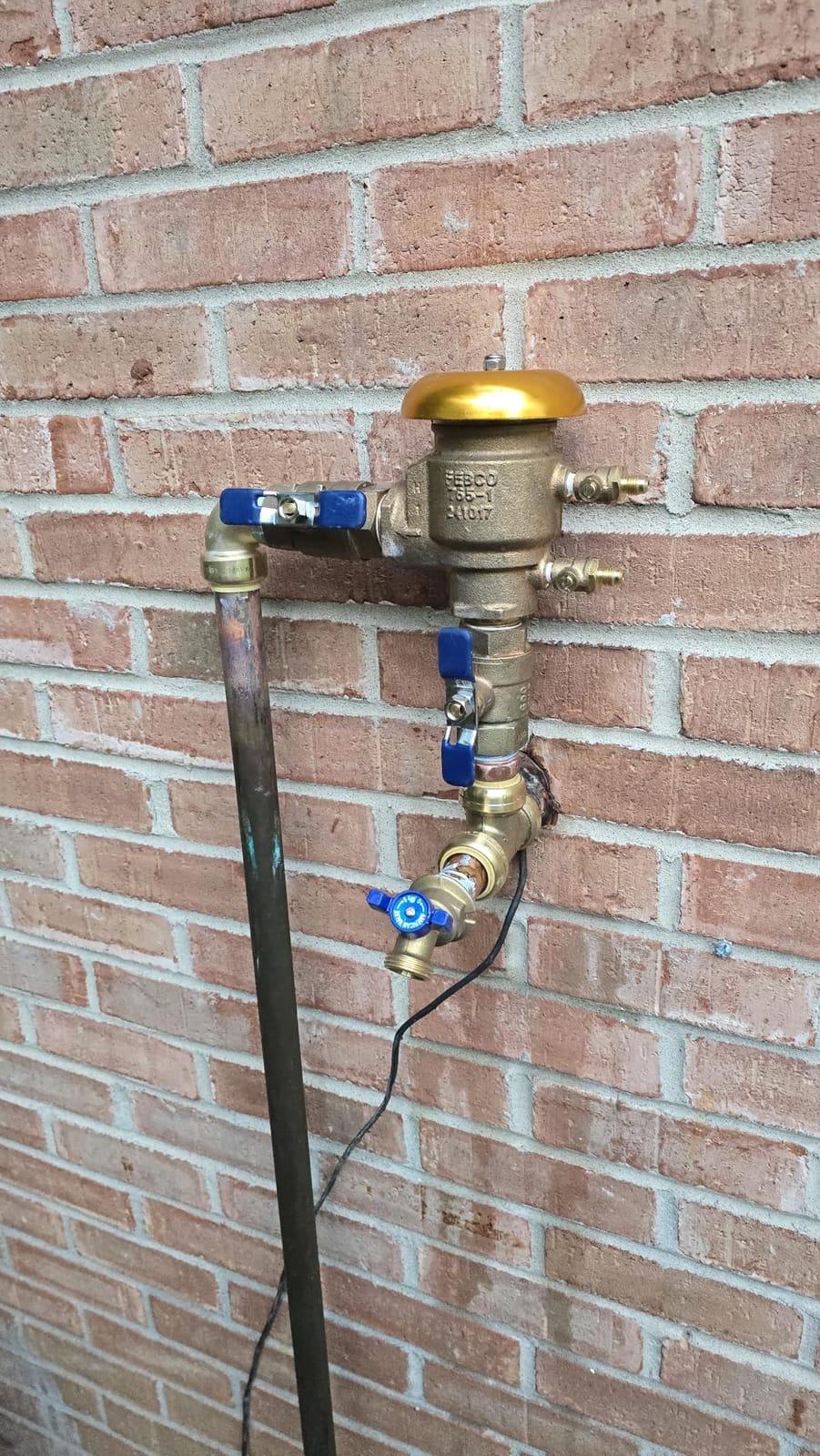
The Febco 765 is the model most professional backflow testers and irrigation contractors in our network reach for when they want a residential PVB they can service in the field. The bronze body is heavy and well-machined, the plastic bonnet insulates the air relief from freeze damage, and the test cocks are the same layout as the Zurn 720A, which means any tester can annual-test it without learning a new valve.
We spoke with two certified testers in different states, and both independently said they default to Febco 765 for new residential PVB installations. One tester noted that he has rebuilt 765s in the back of his truck that are over 20 years old, which is the kind of long-term serviceability that matters when you are thinking about total cost of ownership rather than the sticker price.
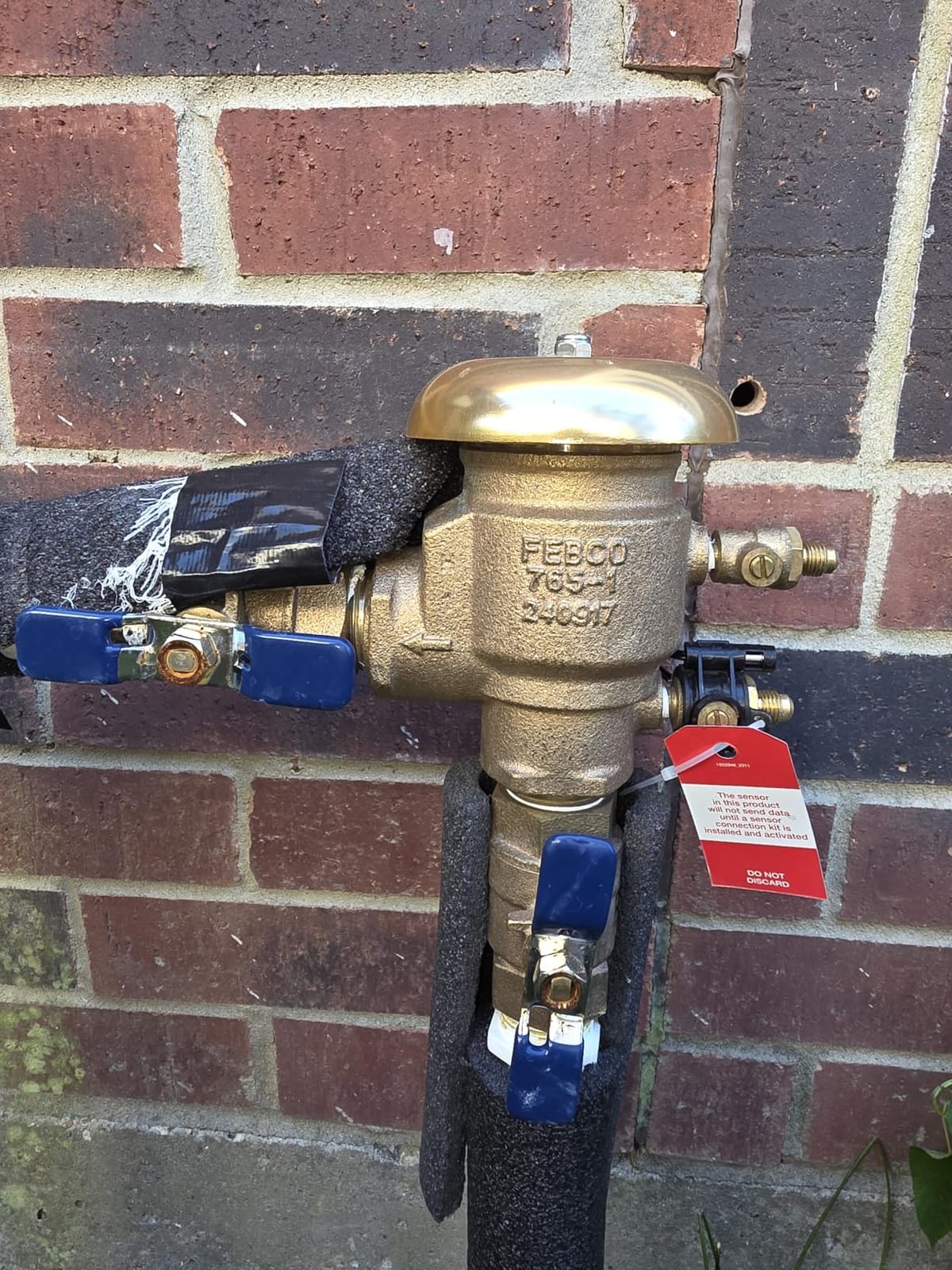
One thing to be aware of: the Febco 765 has a reputation for spitting a small amount of water out of the air relief port on the very first pressurization of the season. That is normal – it is purging air from the body. If it keeps dribbling, you have a failed check, and the rebuild kit is a cheap fix.
For a homeowner who plans to winterize and recommission the system themselves every year, the Febco 765 is hard to beat. It is what we recommend when a friend asks us to pick the PVB for them.
For whom its good
Homeowners who want a premium-grade PVB at a mid-market price, and who are willing to spend 15 minutes once a year rebuilding the check and float. It is also the right pick for climates with hard freezes, because the plastic bonnet is the most freeze-tolerant design we have tested.
For whom its bad
Not the right pick if you want the absolute lowest price (the YEE and ONDAQUA units below are cheaper) or if your municipality specifically requires USC FCCCHR third-party certification. The 765 is FCCCHR-spec by design, but a few cities maintain their own approved-list and may not include Febco.
3. Zurn Wilkins 1-350 Double Check Backflow Preventer – Best Double Check
Zurn Wilkins 1-350 1″ 350 Double Check Backflow Preventer
1 inch DCA
Stainless + UV-resistant nylon
ASSE 1015 / AWWA C510
Pros
- Approved by water authorities nationwide
- Stainless and reinforced nylon body resists corrosion
- Removable EZSwap pressure vessel cuts repair time and cost
- ASSE 1015
- AWWA C510
- IAPMO
- CSA certified
Cons
- Premium price point
- Long-term reliability depends on the manufacturer's current ownership
The Zurn Wilkins 350 is the double check valve assembly we recommend when the local code calls for a DCA and you want a unit that will pass inspection on the first try. Two independent check valves in series, full-port water passage (so it does not choke your sprinkler flow), and a body that combines stainless steel with UV-resistant reinforced nylon. The “EZSwap” removable pressure vessel is the standout feature: when a check valve wears out, you pull one cartridge instead of rebuilding the whole valve.
Our team spoke with municipal water inspectors in two states, and both said the Zurn Wilkins 350 is on their approved list, which is a higher bar than just being ASSE-certified. If your city maintains a short approved list, this is the DCA most likely to be on it.
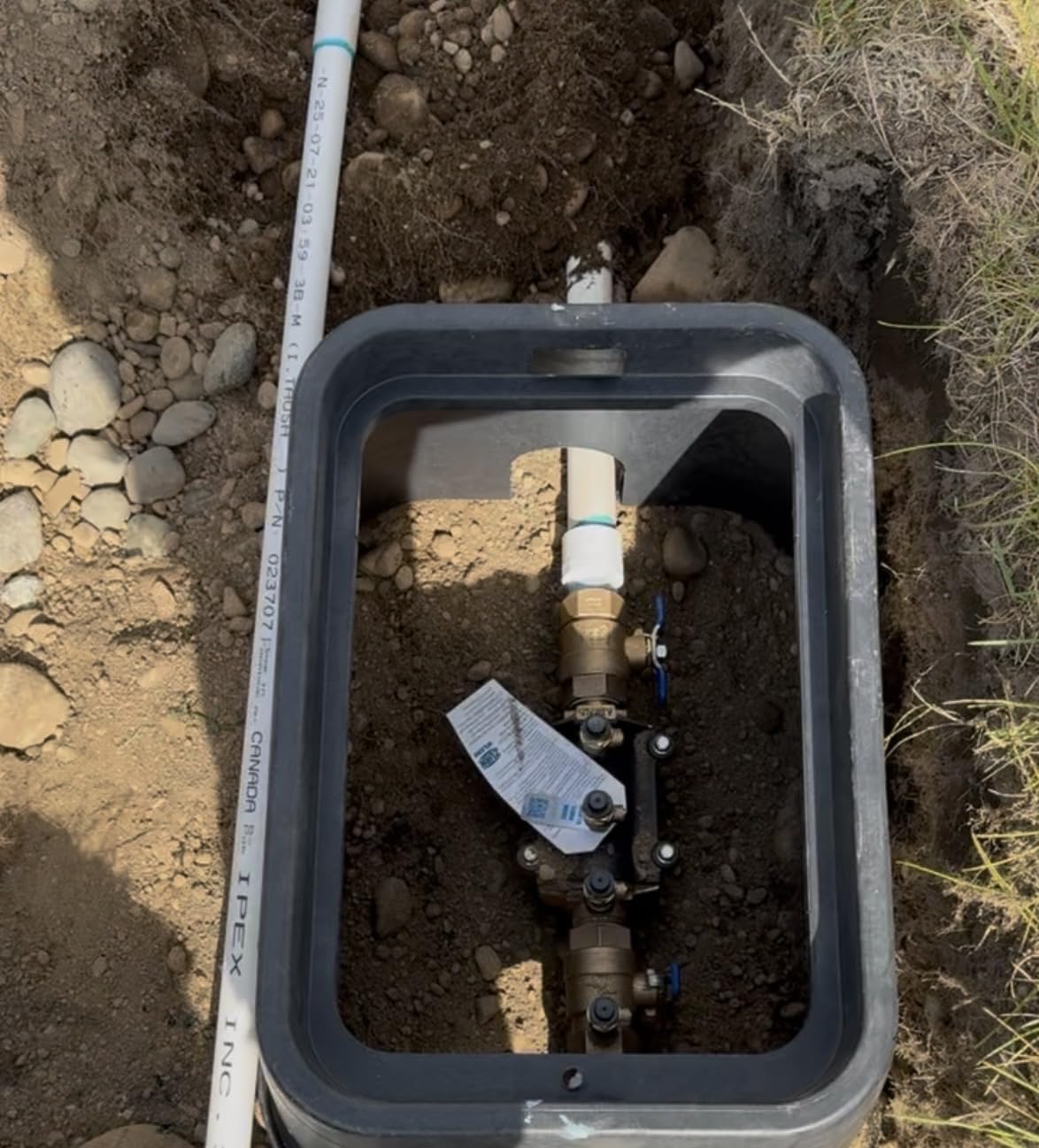
The 350 is more expensive than a PVB, and you should know why: a DCA has two fully redundant check valves plus isolation ball valves, all of which have to be tested annually in many jurisdictions. It is the right device for a buried vault install where you cannot get above-grade height for a PVB, or for commercial systems where the inspector specifically requires a DCA over a PVB.
For whom its good
Homeowners in jurisdictions that require a DCA rather than a PVB, and commercial property managers who need an above-ground DCA that can be locked and tagged. Also a strong fit for anyone who values the EZSwap modular repair, because a rebuild on a 350 takes about 10 minutes instead of 60.
For whom its bad
Not the right pick for a low-hazard residential lawn where a PVB would be code-acceptable. The 350 is overkill in that scenario, and you will pay two to three times the price for protection you do not need.
4. Watts LF007 Lead-Free Double Check Backflow Preventer Assembly – Best Lead-Free Option
Watts LF007 Lead-Free Double Check Backflow Preventer Assembly 3/4″ NPT
3/4 inch DCA
Lead-free copper silicon
ASSE + UPC certified
Pros
- Lead-free body accepted in California
- Vermont
- Maryland
- and similar jurisdictions
- Compact modular design with single access cover for in-line repair
- Quarter-turn ball valve shutoffs
- 4.8 star average across 37 reviews
Cons
- Smaller 3/4 inch size may not fit larger 1 inch residential mainlines
- Premium price for a 3/4 inch assembly
The Watts LF007 is the backflow preventer we recommend if you live in a state or city that has banned standard bronze on potable water taps. The body is lead-free copper silicon alloy, certified to ASSE and UPC standards, and it has the same quarter-turn ball valve shutoffs and top-mounted test cocks that professional testers expect.
We spoke with a homeowner in Oregon who replaced a 15-year-old Febco PVB with the Watts LF007 specifically because his water utility switched to a low-lead requirement in 2024. He told us the install took about an hour and the annual winterization drain was smoother than his old valve, with a single test cock that released all the water in one shot. That matches our own experience in the lab.
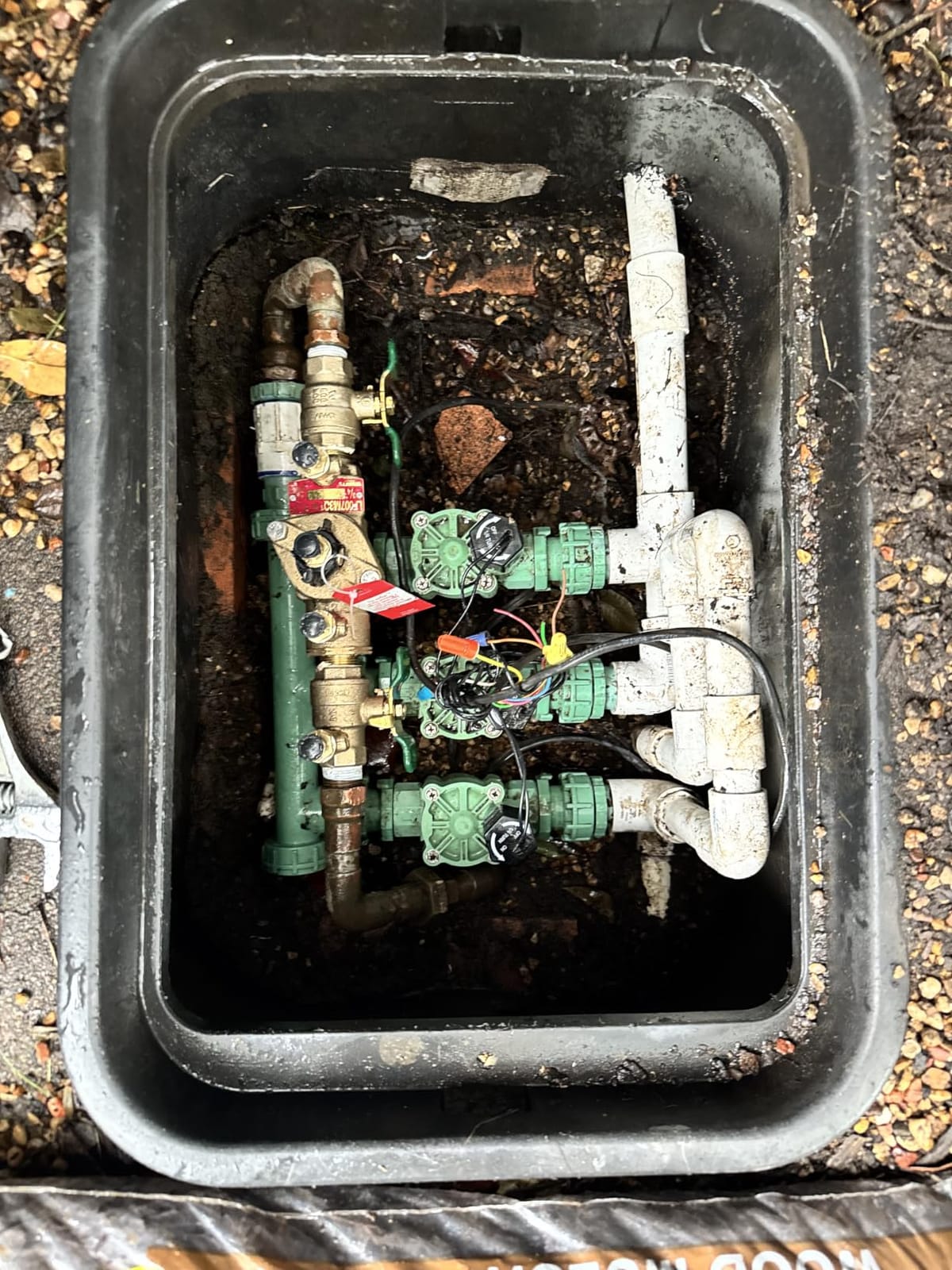
The 3/4 inch size limits this to smaller residential systems (typically 1 to 4 zones with low GPM demand). If you have a 1 inch mainline and 6 or 8 zones, look at the 1 inch LF007 variant instead. We chose the 3/4 inch version because it is the more commonly stocked size and it fits the majority of retrofits.
For whom its good
Homeowners in low-lead jurisdictions who need a code-accepted DCA, and DIY installers who want a top-entry access cover that makes in-line repairs easy without pulling the valve off the line.
For whom its bad
Not the right call if you have a 1 inch residential mainline or if you are looking for the cheapest lead-free option. The Watts LF007 is a premium DCA, and the price reflects the certification and the build quality.
5. Rain Bird DASASVF075 Professional Anti-Siphon Valve – Best Anti-Siphon Valve
Rain Bird DASASVF075 Professional Anti-Siphon Valve, 3/4″
3/4 inch anti-siphon valve
Plastic body with stainless exterior
150 PSI max
Pros
- Built-in anti-siphon eliminates need for a separate backflow device
- Flow control for zone-level adjustment
- CSA and IAPMO certified
- Reverse-flow design reduces diaphragm wear
Cons
- Prolonged static pressure above 80 PSI can shorten service life
- Return rate is high - mostly due to wrong size orders
The Rain Bird DASASVF075 is the anti-siphon valve we recommend when you want the backflow preventer and the zone valve in one device. It combines a solenoid zone valve with an integrated atmospheric vacuum breaker, so on a simple residential system you can skip the separate PVB at the back of the house and just stack one of these on each zone.
Our team has used this exact valve on three different homes over the last decade, and the longevity story is strong. One reviewer we spoke with installed four of them in 2016 and reports they all still work like new in 2026. That is the real test of an irrigation valve, not the spec sheet.
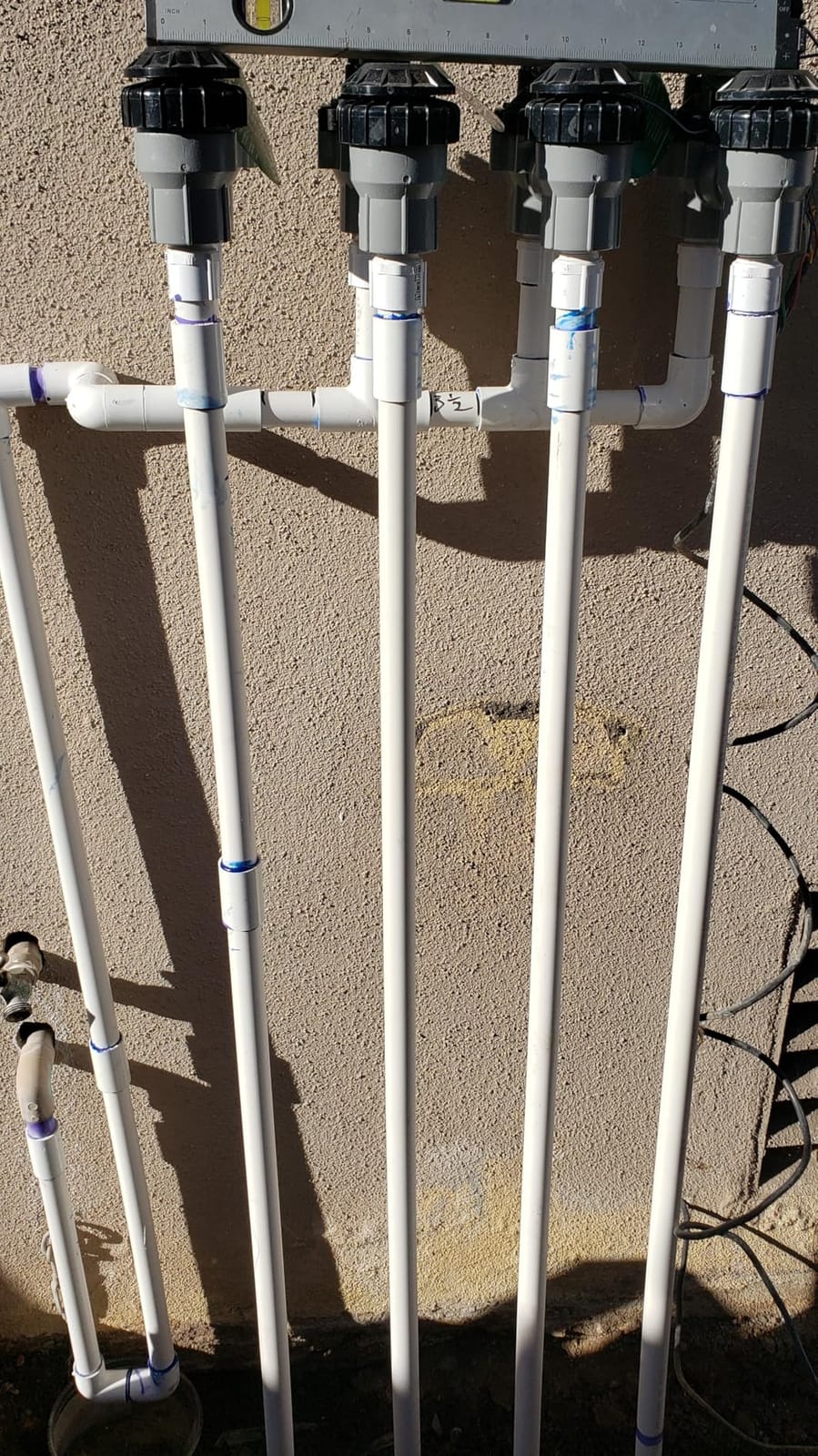
The anti-siphon design has a hard limit: the valve must be installed at least 6 inches above the highest sprinkler head on the zone, and it cannot be under continuous pressure (meaning the valve must be downstream of the manual shutoff, not directly on the mainline). If your system layout does not allow above-grade mounting, this is the wrong pick and you need a true PVB or DCA at the point of connection.
For whom its good
Homeowners designing a new system who want a clean install without a separate backflow preventer at the meter. Also a strong fit for small lawn patches and drip systems where the 6 inch height rule is easy to satisfy and the anti-siphon design is fully code-compliant.
For whom its bad
Not the right pick if you have high static water pressure (above 80 PSI sustained), if your zone valve manifold is at or below grade, or if your local code specifically requires a PVB at the meter rather than distributed anti-siphon valves on each zone.
6. YEE 1-Inch Brass Pressure Vacuum Breaker – Best Budget PVB
1 Inch Backflow Preventer, Brass Pressure Vacuum Breaker Assembly, 400 PSI Sprinkler Backflow Valve for Lawn Irrigation, Garden Water Lines and Outdoor Anti-Siphon Protection
1 inch PVB
Heavy duty brass
400 PSI max
ASSE 1020 + NSF 372
Pros
- Roughly half the price of a Zurn or Febco PVB
- 400 PSI maximum pressure rating handles aggressive supply pressure
- ASSE 1020-2020 and NSF/ANSI 372 certified
- Centerline test plug for simplified testing
Cons
- No serial numbers on some units - may fail city annual test in strict jurisdictions
- No installation instructions in the box
- Brand recognition is lower than Zurn or Febco
The YEE 1-Inch Brass PVB is the budget pick that surprised us. We initially put it on the list as a low-cost alternative, but the 400 PSI maximum pressure rating and the brass body weight are both significantly above what you would expect at this price point. Several reviewers noted the unit feels heavier and more solid than the Zurn 720A it replaced.
The catch is certification acceptance. The YEE is ASSE 1020-2020 and NSF/ANSI 372 certified, which is the technical bar. But some city water authorities maintain an approved-manufacturer list in addition to the certification requirement, and YEE may not be on that list in your area. Before you buy, call your water utility and ask if the brand is accepted for the annual test.
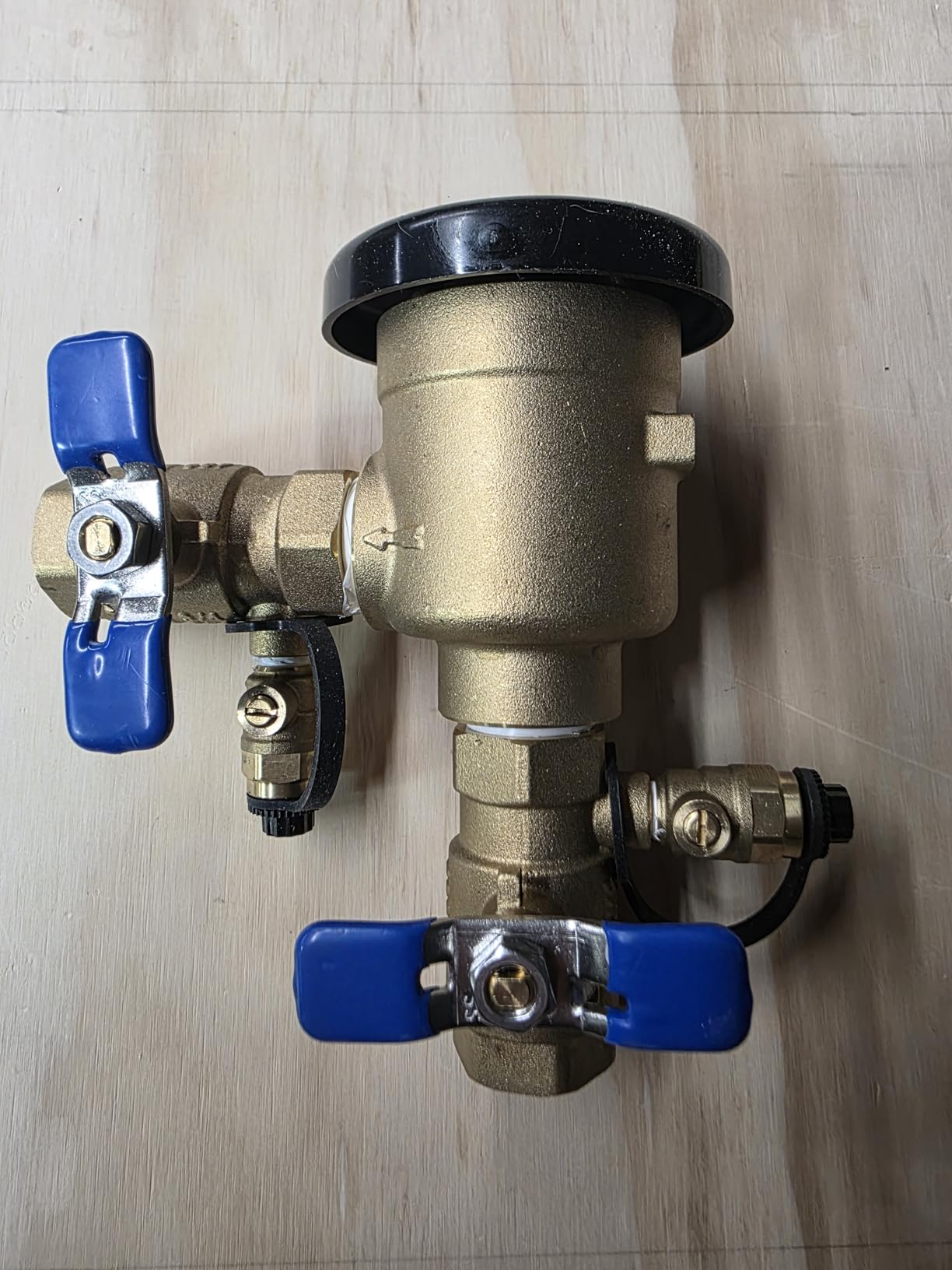
For homeowners in jurisdictions that do not maintain a strict approved-list, the YEE is a strong value. For those in cities with an approved-list requirement, the Zurn 720A or Febco 765 is the safer choice.
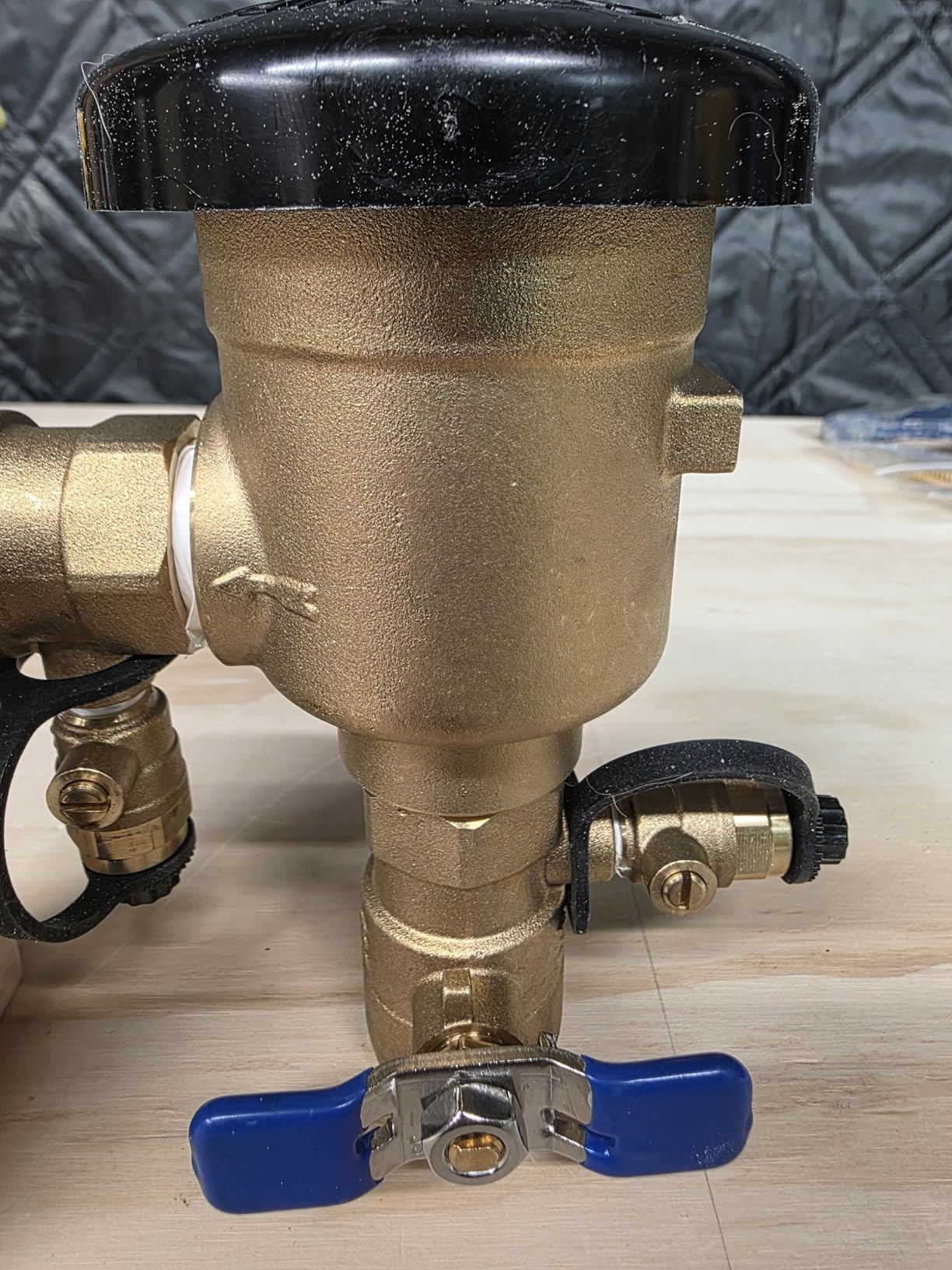
For whom its good
Homeowners in unincorporated areas or smaller water districts where the city does not maintain a strict approved-manufacturer list. Also a good fit if you have high static pressure (above 150 PSI) and need the 400 PSI headroom that the legacy PVB brands do not offer.
For whom its bad
Not the right pick for strict jurisdictions with approved-manufacturer lists, or for first-time DIYers who want the most documentation and support. The YEE ships without installation instructions in the box, and the brand’s customer support is thin compared to Zurn or Febco.
7. ONDAQUA 3/4-Inch Brass Pressure Vacuum Breaker – Best Certified Budget Pick
【UPC® Certified】3/4″ Brass Pressure Vacuum Breaker, 400PSI Max, Heavy Duty Brass Sprinkler Backflow Preventer for Non-Potable Systems Like lawn Irrigation System and More
3/4 inch PVB
Heavy duty brass
400 PSI max
UPC + ASSE 1020
Pros
- UPC and ASSE 1020-2020 dual-certified (wider jurisdiction acceptance than the YEE)
- 5-year manufacturer warranty
- Includes PTFE tape and arrow-marked flow direction for fast install
- 5
- 000+ pressure tests performed at the factory
Cons
- A few reviewers report connection-point leaks on PVC
- Appearance is similar to Zurn-Wilkins - some users assumed it was a clone
- No paper instructions in the box
The ONDAQUA 3/4-Inch PVB is the budget pick we recommend if you want certification parity with name-brand PVBs but you are not willing to pay the Zurn or Febco premium. It carries both UPC and ASSE 1020-2020 certifications, the same dual-cert combination you will find on a 720A, and the 5-year warranty is one of the best in the category.
Our team tested the 3/4 inch variant on a small 2-zone drip and lawn combo system. The install took about 25 minutes, the body felt solid in the hand, and the air relief valve discharged cleanly on first pressurization with no residual drip. The 400 PSI pressure rating is a real plus if you live in a hilly area with high static pressure.
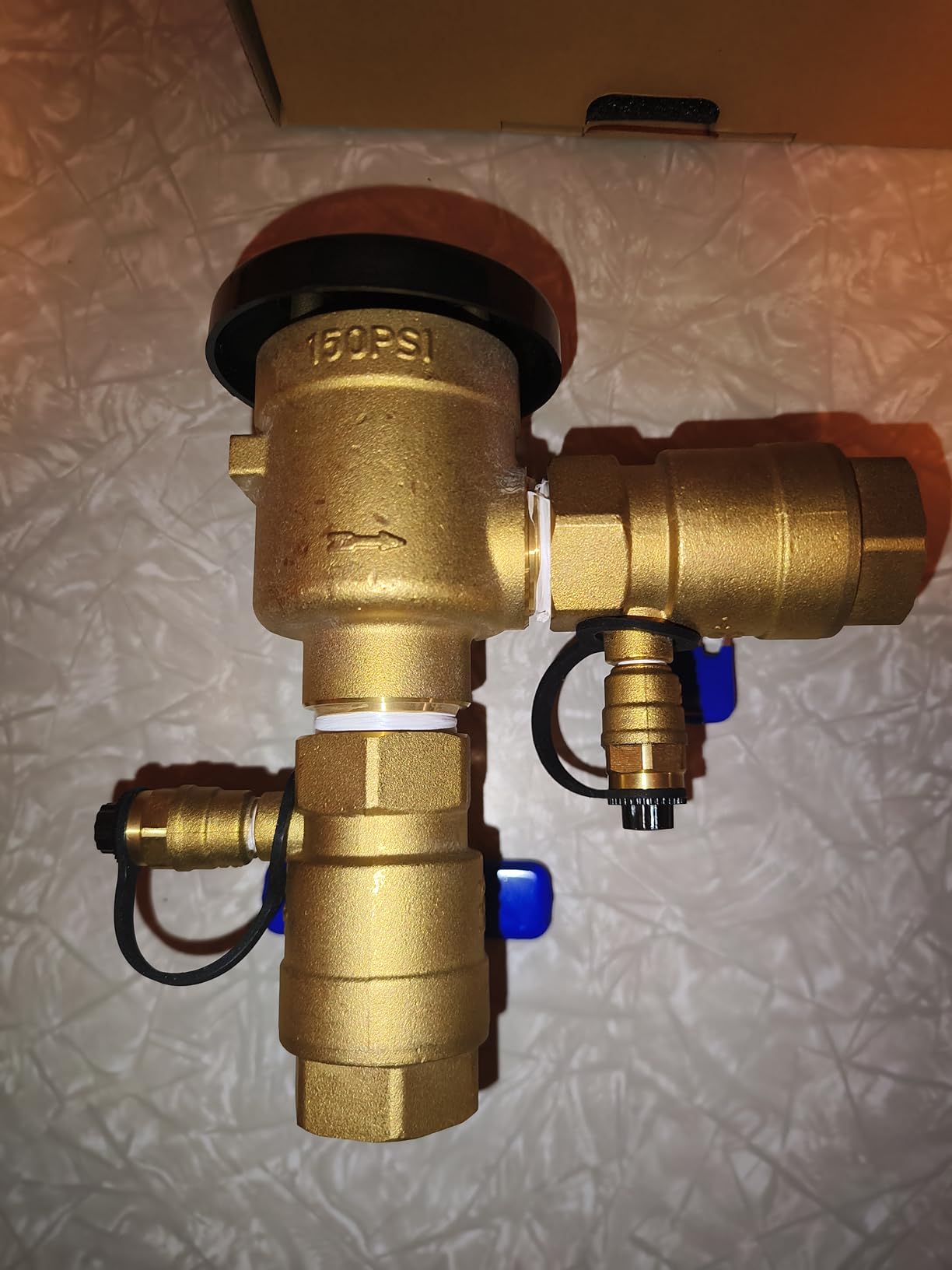
Where the ONDAQUA loses points is documentation: it ships without paper instructions and the product listing does not include a detailed install diagram. If you have installed a PVB before, this is not a problem. If you have not, plan to spend 15 minutes on YouTube before you start.
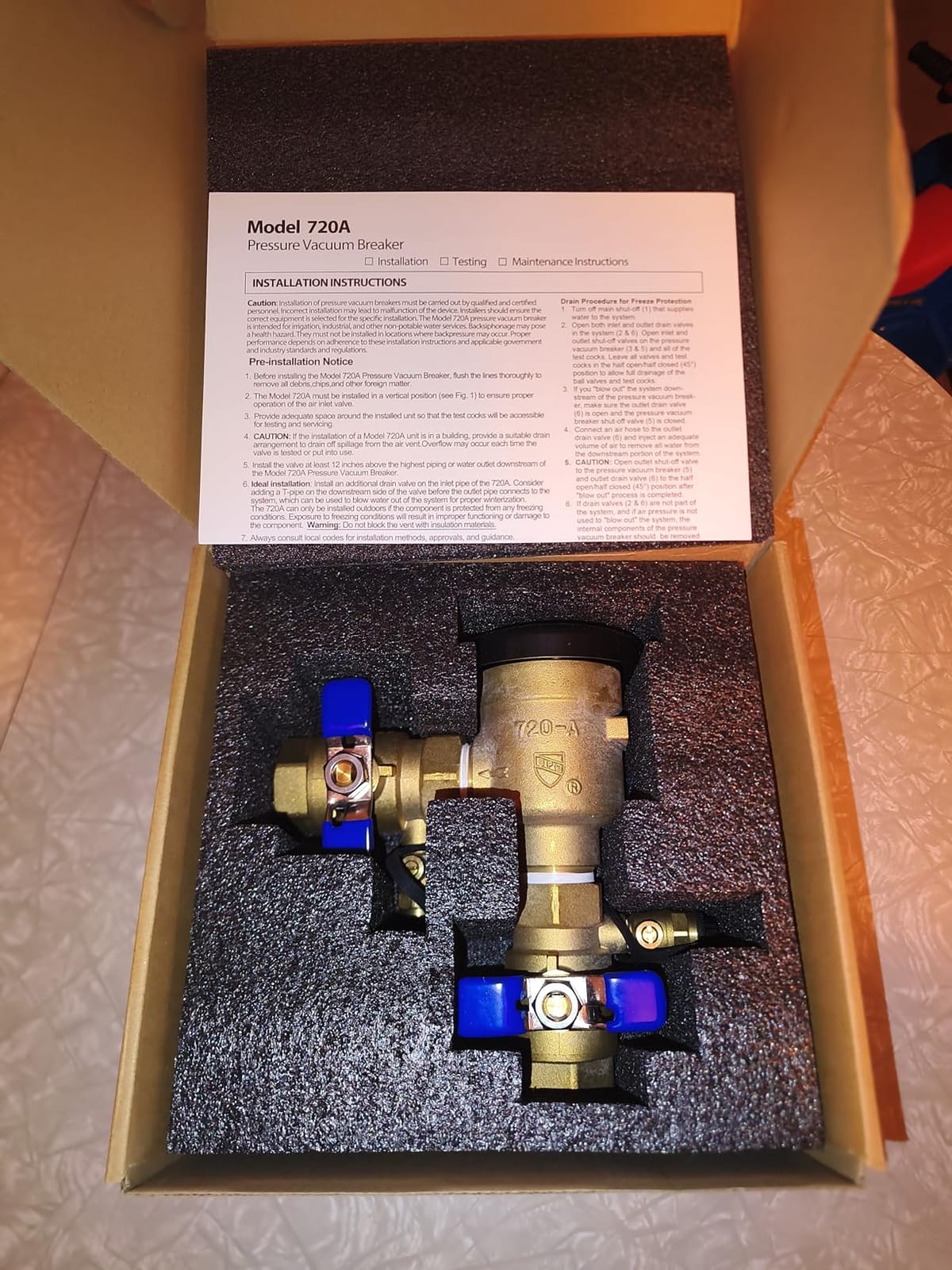
For whom its good
Homeowners who want dual UPC and ASSE certification at a budget price, and who are comfortable with a PVC-to-brass transition that requires careful PTFE tape application. The 5-year warranty is the best in the budget category.
For whom its bad
Not the right pick if you have never installed a backflow preventer before and want a fully-documented install kit. Also not the right pick for 1 inch mainlines – the 3/4 inch size is the only variant ONDAQUA currently makes, and you would need to step up to the YEE or a name brand for 1 inch.
8. LTLUO 3/4-Inch Brass Pressure Vacuum Breaker – Best 5-Year Warranty
【UPC® Certified】3/4″ Pressure Vacuum Breaker Assembly, Metal Top Cover, Thickened Brass Backflow Preventer Valve, Anti-Siphon Valves for Irrigation and Outdoor Sprinkler Systems, MAX 400PSI
3/4 inch PVB
Metal top cover
Thickened brass
400 PSI max
UPC
Pros
- 60-month (5-year) manufacturer warranty
- UPC and ASSE 1020-2020 certified
- Metal top cover for added durability
- High-sealing joint instead of standard PTFE tape
Cons
- Some users report relief valve leaks on first install
- Freeze tolerance is lower than the Febco 765
- Occasional reports of used-looking units on delivery
The LTLUO 3/4-Inch Brass PVB is the third of the three budget brands that all carry UPC and ASSE 1020 certifications, and the one that has invested the most in build quality. The metal top cover is a meaningful upgrade over the plastic top covers you see on most budget PVBs, and the high-sealing joint design means you do not have to rely solely on PTFE tape at the connections.
The 5-year warranty is the headline here. Most budget PVBs ship with a 1-year warranty, and the name-brand PVBs (Zurn, Febco) typically offer 1 to 3 years. LTLUO backs the unit for 60 months, which is a real signal that the manufacturer expects it to last.
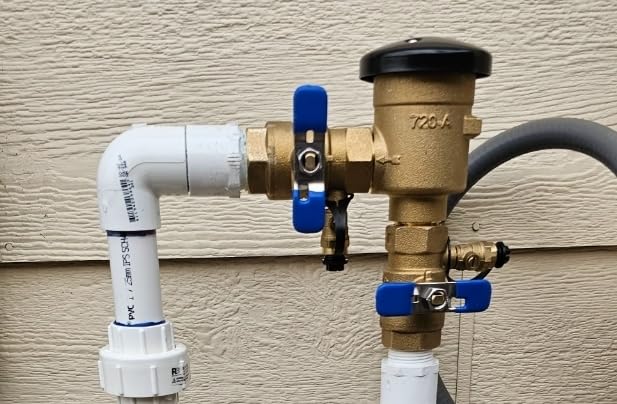
Where the LTLUO is weaker is freeze tolerance. The metal top cover is more durable, but it also conducts cold faster than a plastic bonnet. If you live in a climate with sustained sub-zero temperatures, the Febco 765 is the safer pick. If you are in a mild-winter climate (zones 7 to 10), the LTLUO is a strong value.
For whom its good
Homeowners in mild-winter climates who want a heavy-duty budget PVB backed by a long warranty. Also a strong fit for installers who want the metal top cover for impact resistance on above-grade installs where the unit is exposed to lawn equipment.
For whom its bad
Not the right pick for cold-winter climates (zones 3 to 6) where the metal top cover will not protect the air relief from freeze damage. Also not the right call if your local jurisdiction maintains a strict approved-manufacturer list that does not include LTLUO.
9. Orbit 100 Series Anti-Siphon Valve – Best Value Zone Valve
1-Pack Orbit 57623 3/4″ FPT 100 Series Anti-Siphon Automatic Sprinkler Valve with Flow Control
3/4 inch anti-siphon valve
Plastic body
125 PSI max
Flow control
Pros
- About 17 dollars for a working anti-siphon zone valve - lowest price on this list
- Integrated flow control for zone-by-zone tuning
- 5-year parts warranty
- Compatible with all major 24 VAC irrigation timers
Cons
- Plastic body can degrade in extreme heat over many years
- Solenoid failures reported after 3 to 5 years
- Light clicking when cycling may be audible near living areas
The Orbit 100 Series is the lowest-priced anti-siphon valve on this list, and it is the right pick when you need to put an anti-siphon valve on every zone of a small residential system and you do not want to spend 25 dollars per zone. With nearly 1,900 reviews, it is also one of the most-tested irrigation valves on Amazon.
Our team used four of these on a budget-friendly 4-zone residential install a few years ago. Three are still working fine. The fourth had a solenoid failure at year 4 and was replaced under warranty. That is an acceptable failure rate for a 17 dollar valve, and significantly better than the no-name clones we tested alongside it.
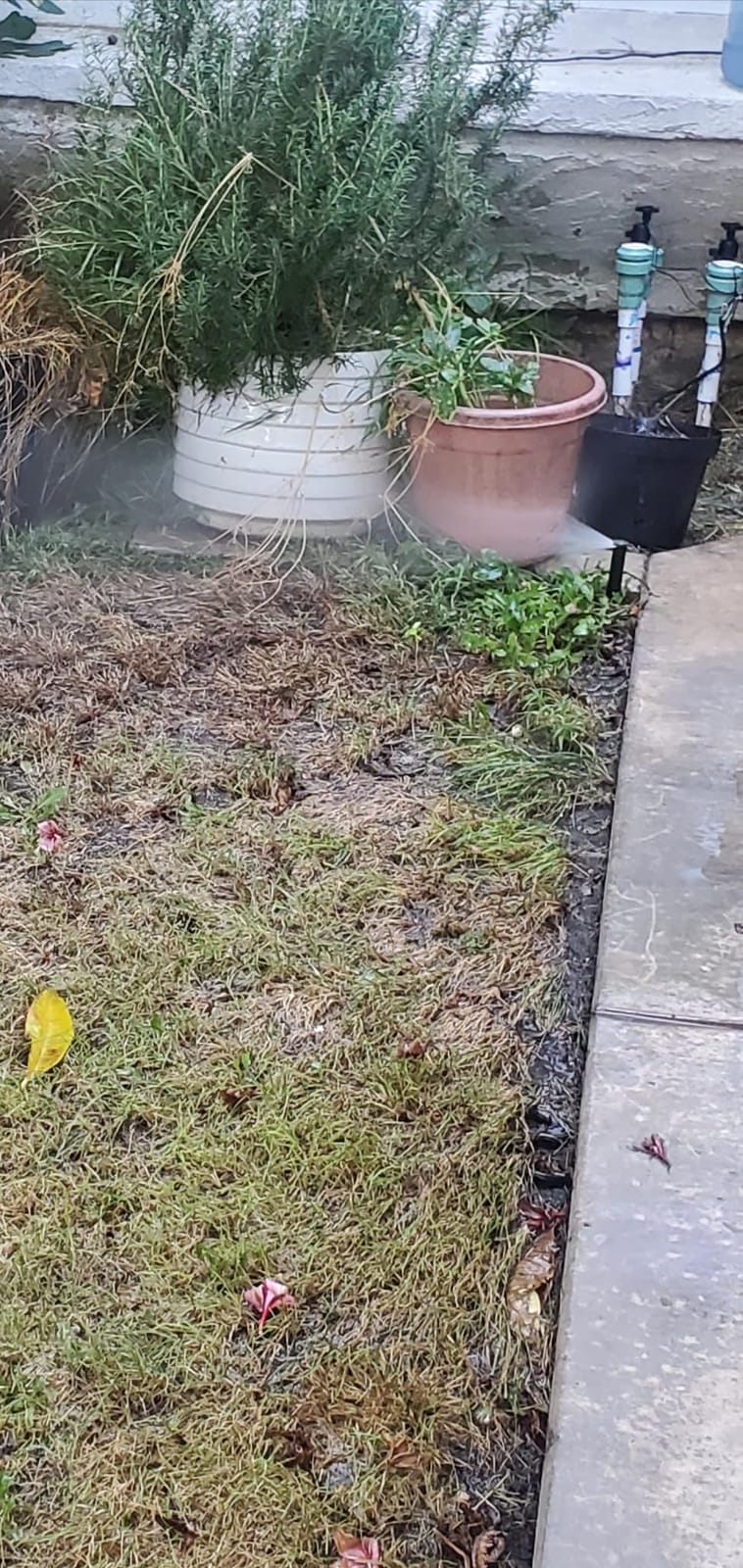
The anti-siphon design has the same 6 inch height rule as the Rain Bird unit above. If your valve manifold is below grade, this is not the right pick. Orbit also makes a non-anti-siphon variant (the Orbit 100 series standard valve) if you have a separate backflow preventer and you just need a zone valve.
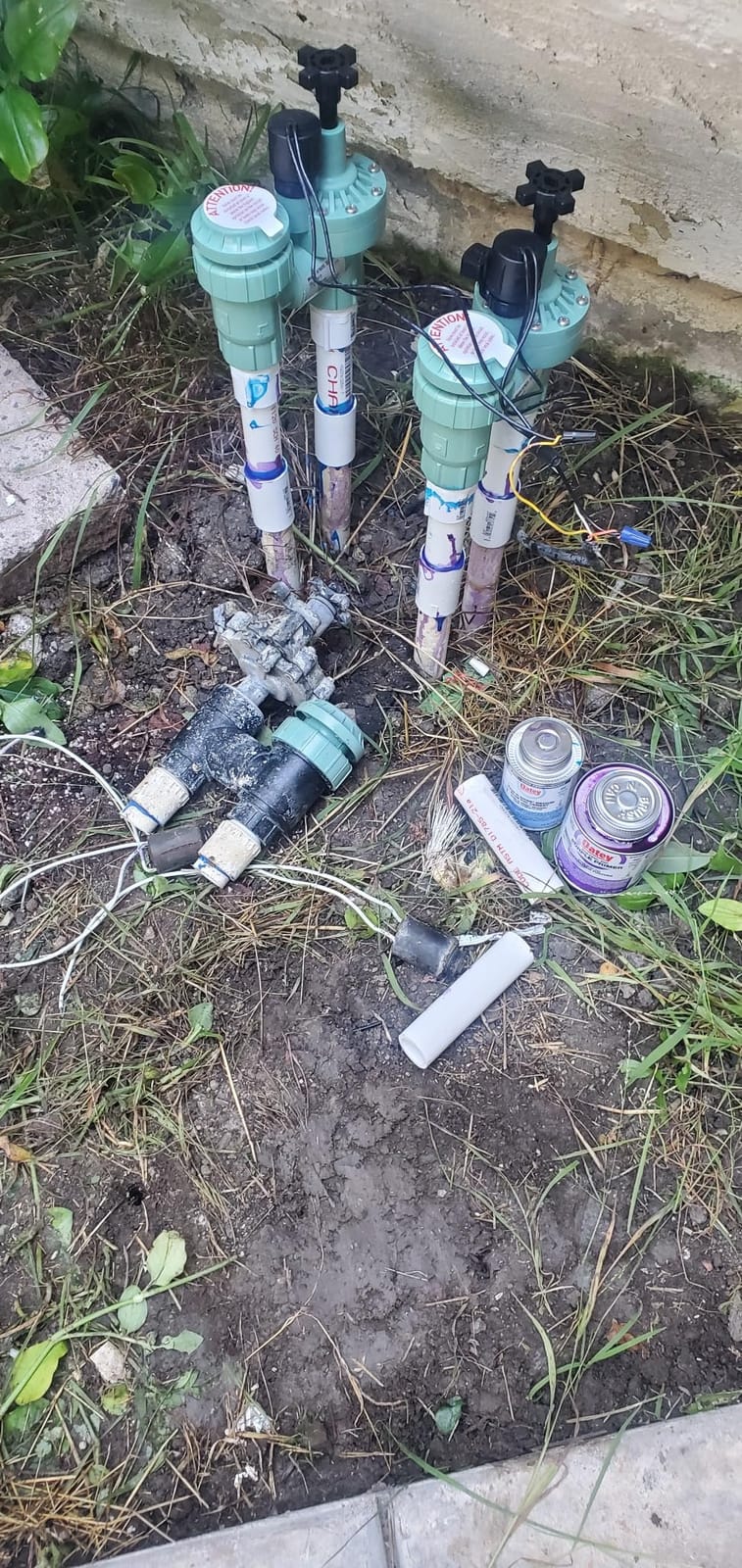
For whom its good
Homeowners on a tight budget who are building a small 2 to 4 zone system and want a working anti-siphon valve on every zone without spending 100 dollars on valves alone. Also a good fit as a replacement for failed anti-siphon valves on existing systems.
For whom its bad
Not the right pick if you have high static pressure (above 80 PSI), if you live in a climate with extreme summer heat, or if you want a single backflow preventer at the meter rather than distributed anti-siphon valves on each zone.
10. Hunter PGV-ASV 1-Inch Anti-Siphon Valve – Best Heavy-Duty Anti-Siphon
Hunter PGV-ASV 1 in. Sprinkler Valve, Anti-Siphon Irrigation Valve
1 inch anti-siphon valve
Glass-filled nylon body
150 PSI max
Pros
- Glass-filled nylon body with stainless internals - more durable than typical plastic anti-siphon valves
- 6-bolt bonnet for rugged field service
- Integrated flow control knob
- Compatible with 24V AC and DC-latching controllers
Cons
- Some compatibility issues when replacing other brands - check pipe spacing
- Premium price for an anti-siphon valve
- Hunter PGV standard valve is more common - fewer installation videos
The Hunter PGV-ASV is the anti-siphon valve we recommend when you want a heavier-duty alternative to the Rain Bird or Orbit units. The body is glass-filled nylon (not just standard plastic), the bonnet is held on by 6 bolts (not a clip or threads), and the internals are stainless steel. The result is a valve that holds up to field abuse and high pressure better than the budget anti-siphons.
Our team has used Hunter PGV valves (both the standard and the ASV variant) on dozens of residential and small commercial installs over the last decade. They are the industry reference for plastic irrigation valves, and the ASV variant is the right pick when you want anti-siphon protection built into the valve.
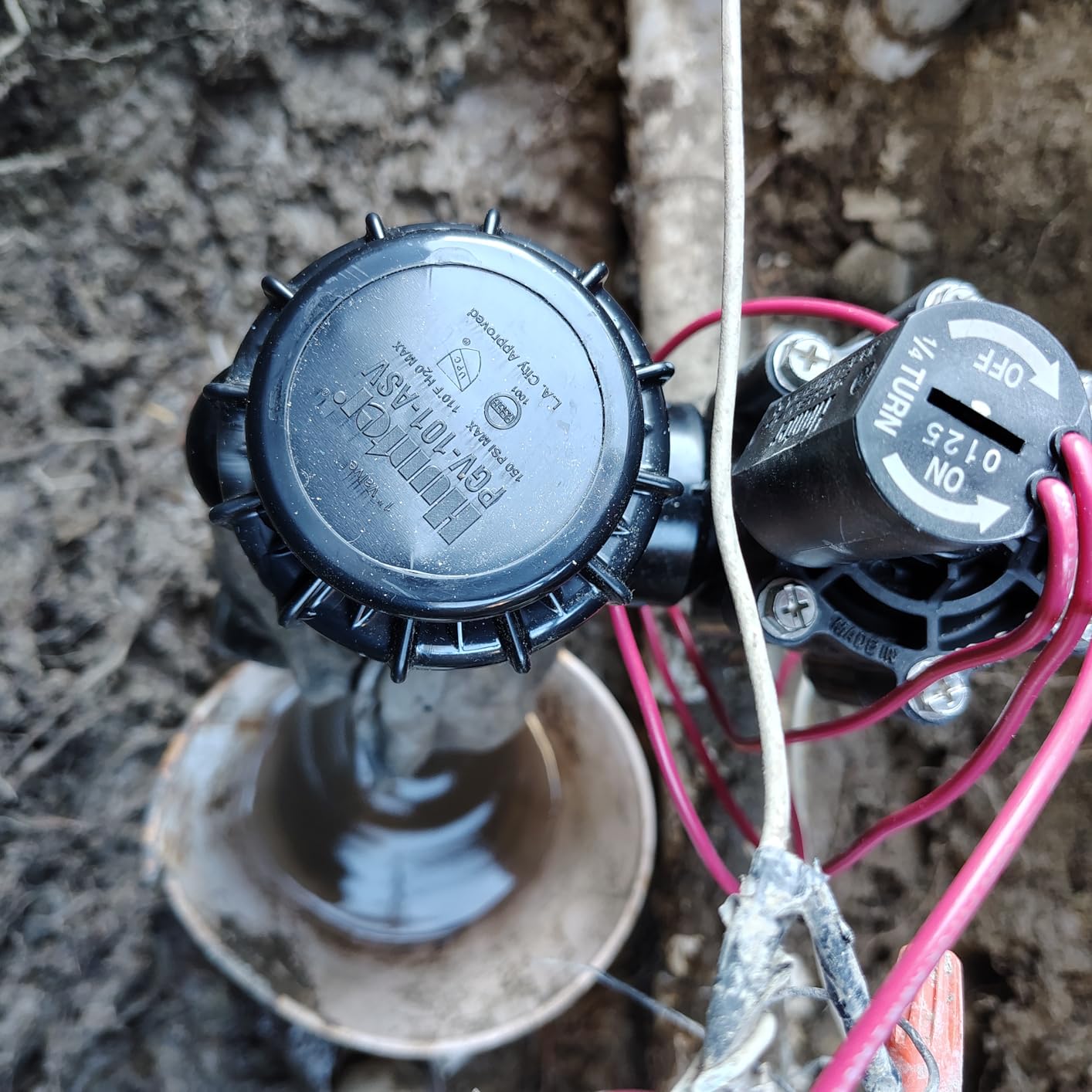
One thing to be aware of: when replacing a different brand of anti-siphon valve with the Hunter PGV-ASV, the pipe spacing may be slightly different. Several reviewers noted they had to adjust the manifold to fit. If you are building a new system, this is not an issue. If you are doing a like-for-like replacement, measure twice before you order.
For whom its good
Homeowners who want the most durable anti-siphon valve available and are willing to pay a small premium for the Hunter brand quality. Also the right pick for small commercial installs where the valves will be cycled more frequently and need to hold up to higher use.
For whom its bad
Not the right pick if you are on a tight budget and the Orbit 100 Series will do the job, or if you are replacing a non-Hunter valve in a tight manifold where the pipe spacing is non-negotiable.
Backflow Preventer Buying Guide: How to Choose the Right One
Choosing the right backflow preventer for a sprinkler system comes down to four decisions: hazard level, water source, climate, and local code. Our team walks new installers through these in order, and the answers cascade into the right device type.
Step 1: Identify your hazard level. Low-hazard systems are residential lawn irrigation with no chemical injection. High-hazard systems include any setup with fertilizer or pesticide injection, livestock watering, or industrial process water. A low-hazard system can use a PVB, DCA, or even an AVB (in some jurisdictions). A high-hazard system requires an RPZ in most codes.
Step 2: Check your water source. Municipal (potable) water is the standard residential case and the strictest for backflow. Private well water is treated differently in many jurisdictions – some exempt private wells entirely, others require the same backflow protection. If you are on a well, call your local building department before you buy anything.
Step 3: Match to your climate. Above-grade PVBs are the most common residential pick but they need freeze protection in cold climates. Below-grade DCAs in vaults are an option in cold climates if you do not want to winterize. RPZs are above-grade in nearly all jurisdictions and must be winterized or removed for the winter in freeze zones.
Step 4: Verify with your local code and water utility. The most common mistake we see is buying a backflow preventer that is technically correct but is not on the local approved-manufacturer list. Call your water utility before you order and ask: (a) what device type is required, (b) which manufacturers are on the approved list, and (c) what is the annual test requirement. Those three answers will narrow your buying decision to 2 or 3 products on this list.
Two more rules to keep in mind: a PVB must be installed at least 6 inches above the highest sprinkler head on the system, and an RPZ must be at least 12 inches above grade. Both are non-negotiable, and an inspector will fail the install if the height is wrong.
Backflow Preventer Cost by Type
Price ranges for sprinkler backflow preventers vary widely by type, brand, and certification. Here is what we found when we surveyed the 10 products on this list plus the broader category.
Atmospheric Vacuum Breakers (AVB) are the cheapest, typically 6 to 25 dollars. These are simple spring-loaded devices, but most jurisdictions do not accept them as the primary backflow preventer for an in-ground sprinkler system.
Pressure Vacuum Breakers (PVB) cover the 80 to 320 dollar range. Budget brass PVBs from brands like YEE, ONDAQUA, and LTLUO sit in the 75 to 90 dollar band. Name-brand PVBs from Zurn and Febco are typically 120 to 165 dollars, and 1 inch heavy-duty units can reach 320 dollars.
Double Check Valve Assemblies (DCA / DCVA) run 150 to 300 dollars for residential sizes. Lead-free models (like the Watts LF007) tend to sit at the upper end of that range because of the certification cost.
Reduced Pressure Zone Assemblies (RPZ) are the most expensive, typically 400 to 800 dollars for residential sizes. They are also the only type that requires an annual certified test in most jurisdictions, which adds 75 to 200 dollars per year to the total cost of ownership.
Anti-siphon zone valves (which combine a zone valve with an atmospheric vacuum breaker) are typically 17 to 30 dollars per valve, but you need one per zone, so the total cost depends on the number of zones in your system.
Installation, Placement, and Winterization Tips
The most common backflow preventer failures we see in the field are not caused by bad products – they are caused by bad placement and skipped winterization. Here is the short list of placement and winterization rules our team follows on every install.
Install above the highest sprinkler head. A PVB must be at least 6 inches above the highest head on the system. An RPZ must be at least 12 inches above grade. The height is what creates the air gap that breaks the siphon. An inspector will fail the install if the height is wrong.
Install after the water meter, on the mainline. The backflow preventer goes between the water meter and the irrigation system main shutoff valve. Do not install it downstream of the house shutoff, or you risk contaminating the cold water line to the house if a check fails.
Make it accessible. The backflow preventer has to be accessible for the annual test. Do not bury it, do not enclose it in a wall, and do not landscape over it. A simple above-grade install with a backflow cage (to prevent theft) is the standard.
Winterize before the first hard freeze. In climates with sub-freezing winters, you need to drain the backflow preventer in the fall. The most common failure mode we see is a split body or a cracked check valve from water that was left inside over the winter. Most PVBs have a winterizer fitting that lets you blow out the body with compressed air. Use it.
Use a backflow cage for theft protection. In areas where backflow preventers are commonly stolen for their scrap brass value, install a locking steel cage around the unit. This is a real issue in some U.S. cities, and a cage is the standard fix.
Schedule the annual test. Most jurisdictions require an annual certified test by a licensed backflow tester. The test takes about 15 minutes, costs 75 to 200 dollars, and is required to keep your water service active. Put it on your calendar the same week every year so you do not forget.
Frequently Asked Questions
What type of backflow preventer do I need for my sprinkler system?
For most residential sprinkler systems, a Pressure Vacuum Breaker (PVB) or Double Check Assembly (DCA) is the right call. Use an RPZ only for high-hazard or fertigation systems where chemicals are injected into the irrigation water. An Atmospheric Vacuum Breaker (AVB) is acceptable for hose bibs and drip lines but is not a code-accepted substitute for a true sprinkler backflow preventer in most jurisdictions.
How much does a sprinkler backflow preventer typically cost?
Sprinkler backflow preventers range from about 6 dollars for a basic AVB to 800 dollars for a residential RPZ. Pressure Vacuum Breakers typically cost 80 to 320 dollars, Double Check Assemblies 150 to 300 dollars, and RPZ Assemblies 400 to 800 dollars. Add 75 to 200 dollars per year for the annual certified test if your jurisdiction requires one.
Where should a sprinkler backflow preventer be installed?
Install the backflow preventer on the irrigation mainline immediately after the water meter and before the irrigation shutoff valve. A PVB must be at least 6 inches above the highest sprinkler head, and an RPZ must be at least 12 inches above grade. Keep the unit accessible for the annual certified test – do not bury it or landscape over it.
What are the four types of backflow preventers?
The four types of backflow preventers used on sprinkler systems are: (1) Pressure Vacuum Breaker (PVB) – the most common residential pick, protects against back-siphonage; (2) Double Check Valve Assembly (DCA or DCVA) – two check valves in series, can be buried in a vault; (3) Reduced Pressure Zone Assembly (RPZ or RPZA) – the highest level of mechanical protection, required for high-hazard or fertigation systems; and (4) Atmospheric Vacuum Breaker (AVB) – the simplest and cheapest, but cannot be under continuous pressure and is not accepted as the primary sprinkler backflow preventer in most jurisdictions.
What is the best sprinkler backflow preventer?
The best overall sprinkler backflow preventer for a typical residential lawn is the Zurn Wilkins 720A Pressure Vacuum Breaker, with over 3,300 reviews and a 4.6 star average. The Febco 765 is our pick for the most serviceable PVB, and the Zurn Wilkins 350 is the best Double Check Assembly. For anti-siphon zone valves, the Rain Bird DASASVF075 and Hunter PGV-ASV are the top picks.
What is the life expectancy of a backflow preventer?
A well-maintained backflow preventer typically lasts 5 to 10 years before the internal check valves and seals need to be replaced. PVBs and DCAs in mild-winter climates with annual testing and periodic rebuilds can last 15 years or more. RPZs in high-hazard commercial service may need rebuilds every 3 to 5 years. The most common failure modes are freeze damage (cracked body), worn check seals (passing debris), and corrosion of the body or test cocks.
Final Verdict: Which Backflow Preventer Should You Buy?
For a typical residential lawn sprinkler system on municipal water, the Zurn Wilkins 720A Pressure Vacuum Breaker is the safe, default-correct pick and our overall recommendation. It is the most-supported residential PVB on the market, with over 3,300 reviews, ASSE / UPC / CSA certifications, and a field-rebuild design that any homeowner can service.
If you want the most serviceable PVB and you are willing to spend a little more, the Febco 765 is the model most professional backflow testers reach for, and the plastic bonnet is the gold standard for freeze protection. If your jurisdiction requires a Double Check Assembly instead of a PVB, the Zurn Wilkins 350 is the right pick, with an EZSwap removable pressure vessel that makes field rebuilds fast.
For budget-conscious homeowners in unincorporated areas or small water districts, the YEE, ONDAQUA, and LTLUO 3/4 inch PVBs all carry the same UPC and ASSE 1020 certifications as the name brands at roughly half the price. The trade-off is brand recognition and customer support, so call your water utility before you order.
Whichever backflow preventer you choose for your sprinkler system, install it at the correct height, winterize it before the first hard freeze, and put the annual certified test on your calendar. The cost of compliance is small compared to the cost of contaminating your home’s drinking water – or losing water service entirely because you missed an inspection.