

The best shop vacs for woodworking dust are not the biggest machines on the shelf. They are the ones that move enough air through a fine-dust filter without turning a ten-minute cleanup into a twenty-minute filter change. That distinction matters more than horsepower, and almost every ranking page on this topic gets it backwards by testing wet/dry vacs for garage debris instead of testing them on sawdust.
We spent weeks reading owner reviews across these ten models, comparing published airflow, suction and filtration figures, and mapping each one to the job it actually solves. Some of them belong at the miter saw. Some belong on the shop floor. Four of them are sealed extractors in a different class from the rest, and for fine MDF work that class earns its premium. The rest are honest, well-reviewed wet/dry vacs that do a competent job on chips and shavings for a fraction of the outlay.
One warning before we start. Peak horsepower tells you how hard the motor pulls, not how much air moves through the hose. For wood dust, airflow in CFM and filter surface area decide whether the machine keeps pulling or quietly chokes halfway through a cleanup. We use horsepower as a tiebreaker and nothing more. If you want the general garage version of this research, we covered that separately in our shop vacuum picks for garages.
Table of Contents
Top 3 Best Shop Vacs for Woodworking Dust in 2026

Stanley 6 Gal 4 HP Wet/Dry Vac
- 4 peak HP motor
- 6 gallon canister
- Wet dry and blower in one unit
- 6 ft hose plus 10 ft cord

Craftsman 16 Gal 6.5 HP Shop Vac
- 16 gallon capacity
- Qwik Lock pleated filter
- 7 ft Dual-Flex hose
- 69 dB operating level
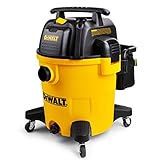
DeWalt 12 Gal 5.5 HP Wet/Dry Vac
- 85 inch maximum suction
- 12 gallon poly tank
- Wet dry and blower mode
- 7 ft hose with accessory kit
All 10 Shop Vacs Compared Side by Side in October
This is the same data as the individual reviews, laid out so you can cross-check capacity, suction and filtration class at a glance. Note the two distinct families here: the corded wet/dry vacs on rows one through six, and the sealed dust extractors on the last four. They are not interchangeable, and we explain why further down.
| Product | Specifications | Action |
|---|---|---|
| Stanley 6 Gallon 4 HP Wet/Dry Vac |
|
Check Latest Price |
| Craftsman 16 Gallon 6.5 HP Shop Vac |
|
Check Latest Price |
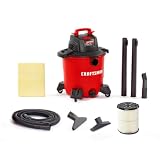 Craftsman 9 Gallon 4.25 HP Shop Vac Craftsman 9 Gallon 4.25 HP Shop Vac |
|
Check Latest Price |
| DeWalt 12 Gallon 5.5 HP Wet/Dry Vac |
|
Check Latest Price |
 Vacmaster 12 Gal 5.5 Peak HP Wet/Dry Vac Vacmaster 12 Gal 5.5 Peak HP Wet/Dry Vac |
|
Check Latest Price |
 DeWalt 6 Gallon Wall-Mount Wet/Dry Vac DeWalt 6 Gallon Wall-Mount Wet/Dry Vac |
|
Check Latest Price |
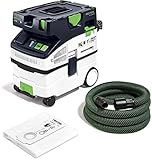 Festool CT Midi HEPA Dust Extractor Festool CT Midi HEPA Dust Extractor |
|
Check Latest Price |
 Bosch VAC090AH 9 Gallon HEPA Extractor Bosch VAC090AH 9 Gallon HEPA Extractor |
|
Check Latest Price |
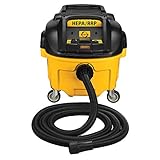 DeWalt DWV010 8 Gallon HEPA Extractor DeWalt DWV010 8 Gallon HEPA Extractor |
|
Check Latest Price |
 Vacmaster 8 Gal Self-Cleaning Wet/Dry Vac Vacmaster 8 Gal Self-Cleaning Wet/Dry Vac |
|
Check Latest Price |
How We Picked: What We Checked on Every Unit
We are not a lab, and we would rather say that plainly than dress up a spec sheet as a measurement. This ranking is built from manufacturer-published specifications, then pressure-tested against thousands of owner reviews where the same failure modes show up again and again.
For every machine we looked at five things: usable CFM relative to the hose diameter, static suction in inches of water lift, filter class and surface area, noise rating, and how the unit behaves once the filter starts to load with fine dust. That last one is the real differentiator, and it is where most roundups stop short.
Two data points shaped the whole list. First, the recurring forum consensus on r/woodworking and Sawmill Creek that a shop vac is a cleanup tool, not a capture tool, and that a cyclone separator changes how long a filter lasts. Second, the sheer volume of complaints about filter clogging and lost suction on models rated 4.5 stars and above. A star rating tells you how satisfied owners are, not whether the machine suits your dust.
1. Stanley 6 Gallon 4 HP Wet/Dry Vac: Best Overall Shop Vac for Wood Dust
Stanley – SL18116P Wet/Dry Vacuum, 6 Gallon, 4 Horsepower Black
6 gallon canister
4 peak HP
3-in-1 wet dry and blower
6 ft hose plus 10 ft cord
13.4 pounds
Pros
- 4 peak HP motor handles sawdust and chips without stalling
- 6 gallon capacity cuts the number of trips to the bin
- 3-in-1 wet dry and blower function in one body
- 16+ ft total reach so you rarely unplug mid cleanup
- Low 13.4 pound weight makes it easy to move between machines
Cons
- Foam filter is the weakest fine-dust option in this group
- 6 gallon drum fills fast on a heavy sanding session
- 80 dB is loud for a small enclosed shop
The Stanley SL18116P is the unit we keep coming back to, and it wins here for a reason that has nothing to do with being the most powerful machine on the list. At 13.4 pounds it is the one you actually move. You can lift it under a miter saw bench, carry it to the track saw, and reposition it mid-task without thinking about it, and in a small shop that single property changes how often you clean up at all.
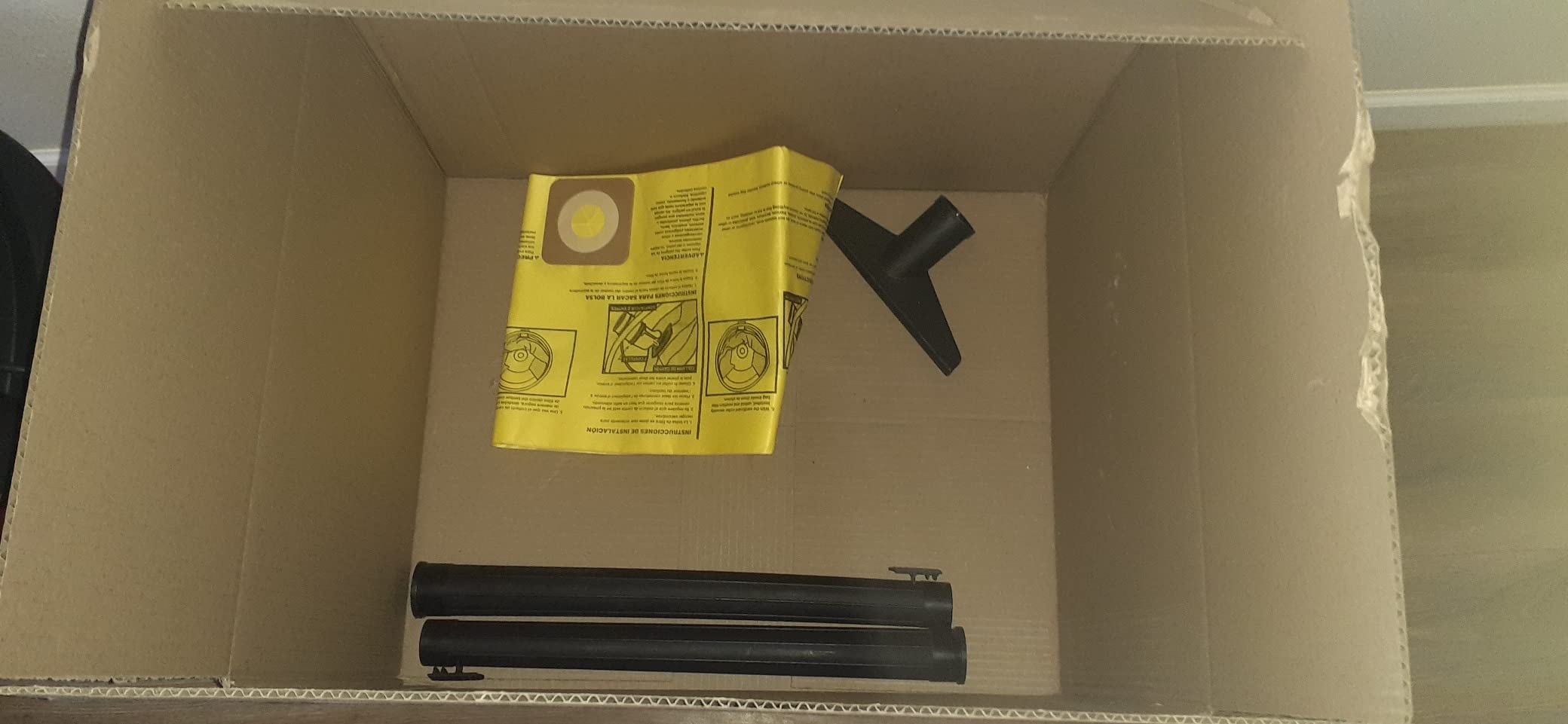
It runs a 4 peak HP motor at 1200 watts and 3.7 amps, which is more than enough suction to pull fine dust off a bench top and hold it through a 6 foot hose. The 3-in-1 body handles wet pickup, dry pickup and blower discharge, and it comes with a foam filter, a dust bag and a reusable dry filter so you have options out of the box.
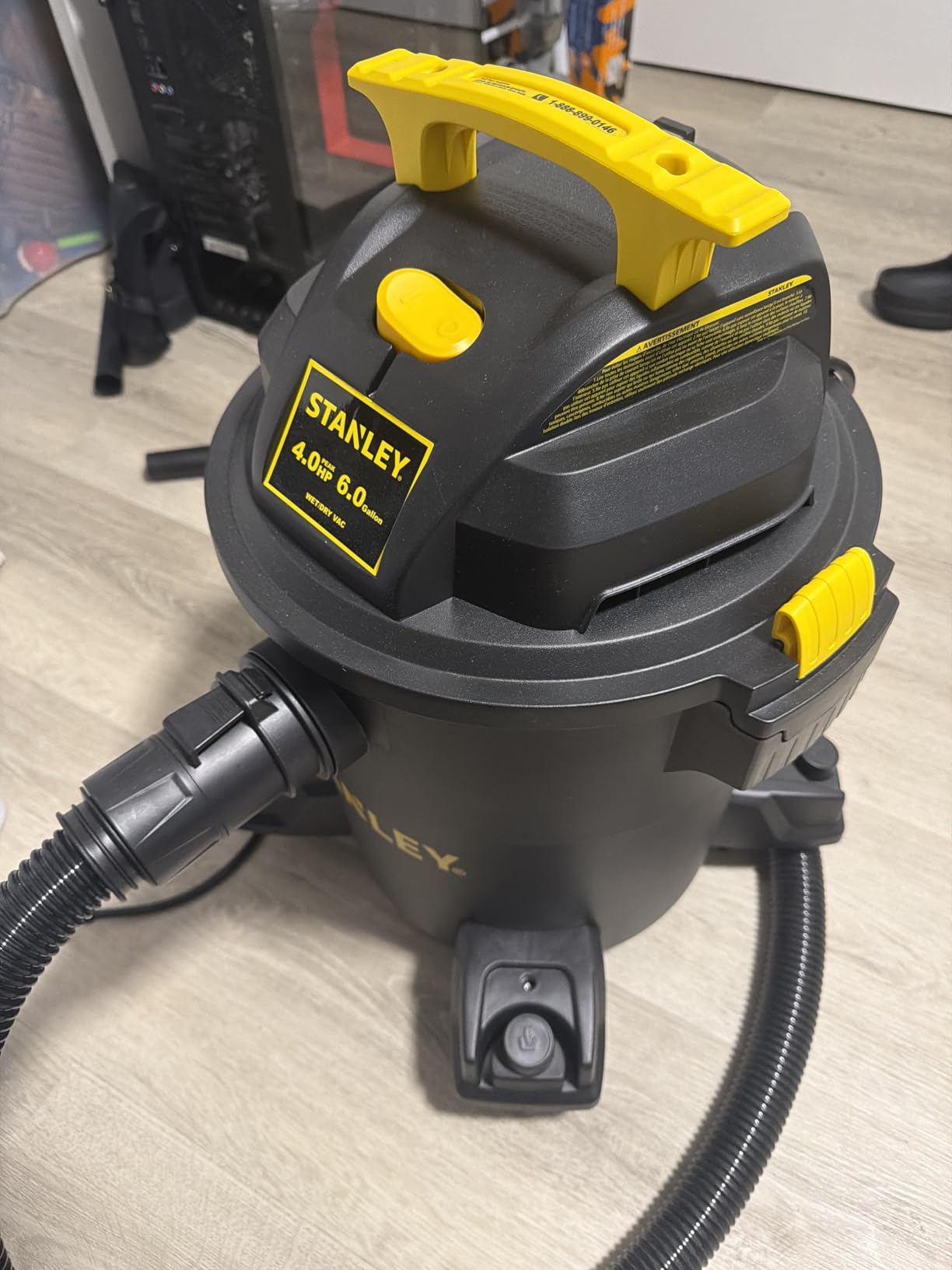
Owners consistently single out two things. The first is the 16+ foot working reach from the 6 foot hose, 10 foot cord and three extension wands, which means one outlet usually covers a whole bench run. The second is simply how rarely it needs emptying during normal work, because a 6 gallon drum is genuinely useful volume once you stop filling it with water.
Here is the honest limitation. The foam filter is the weakest fine-dust filter among the ten, and on MDF or particleboard work you will notice suction fading sooner than you would like. Reviewers also point out that 80 dB is loud, and for a shop attached to a living space that is worth planning around. Swapping the foam filter for a pleated cartridge changes the fine-dust behaviour noticeably, and that is the first upgrade we would make to this unit.
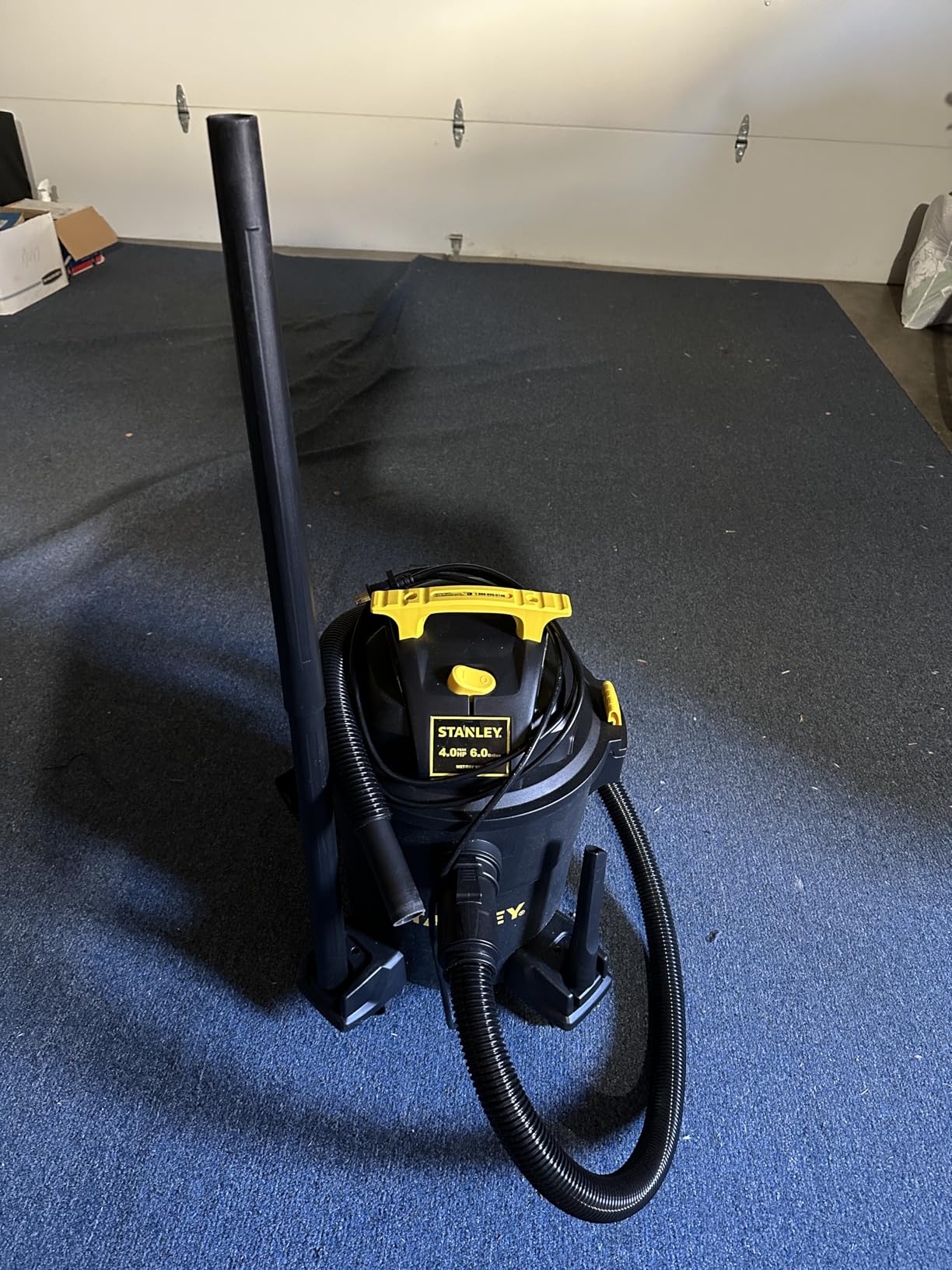
What the Stanley handles well in a woodshop
This is the machine to put under a miter saw or a bench grinder for routine cleanup. It moves chips and shavings without hesitation, and the wet/dry capability means one body covers a flooded garage floor and a dusty bench.
It is the easiest first purchase for a beginner, because a mistake here costs little. If your shop is one room and one person, this is the unit that serves you for years before you outgrow it.
Where the Stanley falls short
If your primary dust is fine sanding residue or MDF powder, the foam filter will load up and the 6 gallon drum will need emptying twice as often. For that specific workload, move up to the Craftsman 16 gallon with its pleated cartridge, or sideways to a self-cleaning model.
2. Craftsman 16 Gallon 6.5 HP Shop Vac: Best Value for Large Shop Cleanup
CRAFTSMAN CMXEVBE17595 16 Gallon 6.5 Peak HP Wet Dry Shop Vacuum
16 gallon canister
6.5 peak HP
69 dB operating level
2.5 inch x 7 ft Dual-Flex hose
26 pounds
Pros
- 16 gallon capacity means long uninterrupted cleanup runs
- Dual-Flex hose resists kinking and swivels 180 degrees at both ends
- Qwik Lock pleated paper filter changes in seconds
- 69 dB is well below most corded wet/dry vacs
- Three year limited warranty
Cons
- 46 inch maximum suction is low for the 6.5 HP headline
- 26 pounds is heavy to move over thresholds
- Paper cartridge is not HEPA grade for the finest dust
The Craftsman CMXEVBE17595 is the one to buy if your shop has sawdust everywhere at once. Sixteen gallons is the largest canister here by a wide margin, and on a morning where you are cleaning up after a weekend of routing, track sawing and sweeping, capacity is the feature that actually matters.
The 6.5 peak HP motor is the most powerful on the list, and it is paired with a Dual-Flex 2-1/2 inch by 7 foot POS-I-LOCK hose that swivels 180 degrees at each end. That combination is the detail woodworkers care about most, because a hose that kinks in the middle of a cut is a hose that steals your airflow exactly when you are moving the most material.
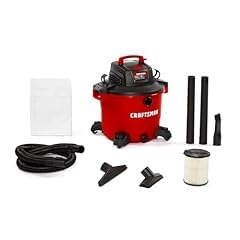
The Qwik Lock pleated paper filter is a genuinely good design for fine dust. It latches on and off without unthreading anything, and the pleated surface area gives you meaningfully longer run time between changes than a foam filter. Reviewers consistently praise the filter system as much as the suction.
Two honest caveats. Maximum suction is listed at 46 inches, which is lower than several smaller machines in this group, so it excels at volume rather than at pulling dust out of a tight gap. And at 26 pounds it is the second-heaviest thing here, which you will feel when it is full of chips.
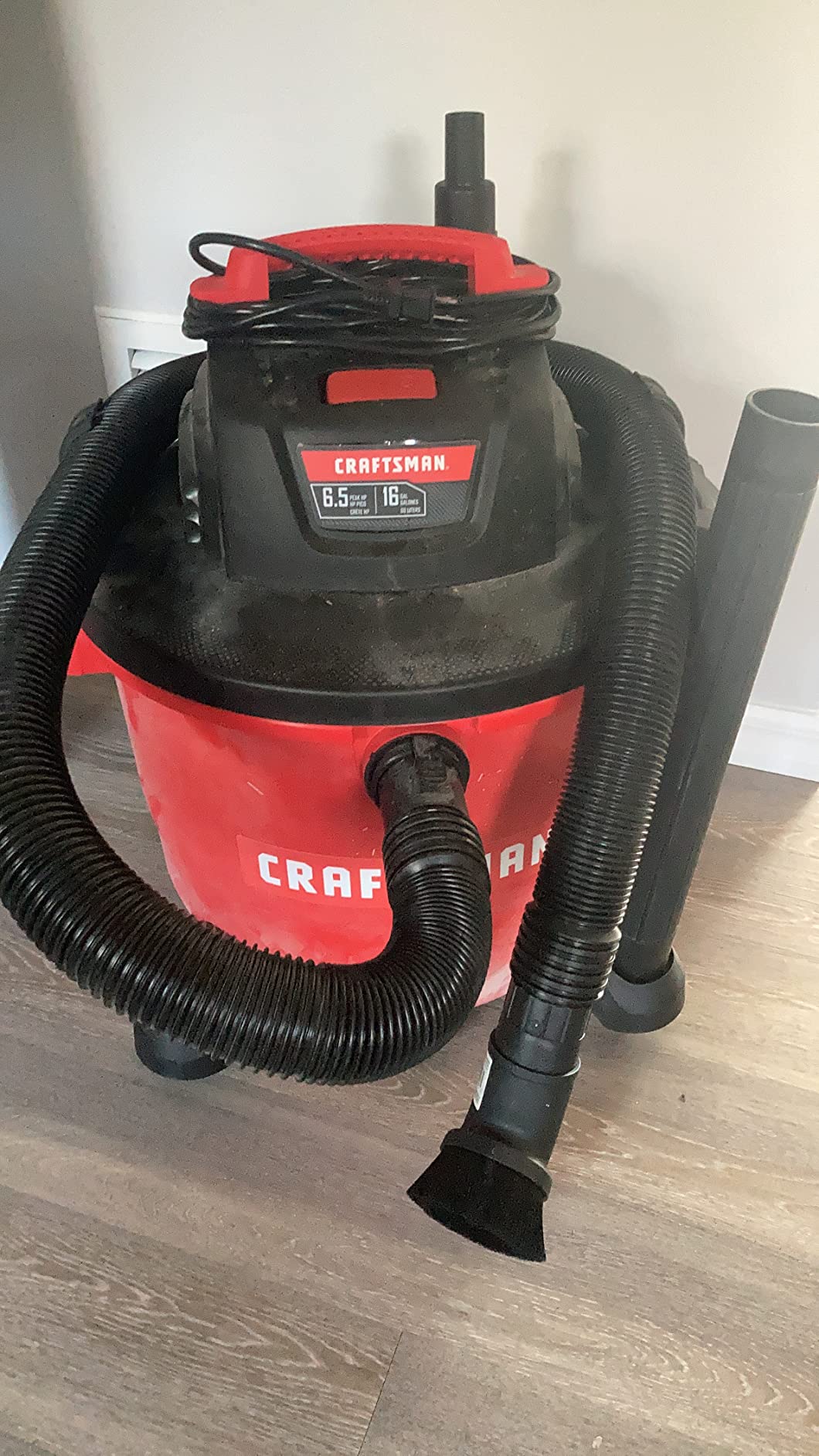
When the Craftsman 16 gallon is the right call
Pair it with a cyclone separator and it becomes a floor cleanup machine that runs for a full session without a filter change. For planer and jointer debris, track saw cuts, and general bench sweeping, the 16 gallon drum means you are not babysitting it.
It also works as a secondary machine. The forum-standard two-vac setup pairs a small unit at the saw with a large one for the floor, and this is the large half of that pair.
When it is the wrong call
Skip it if your shop is a corner of a garage and you are the only person in it. The capacity is wasted, the weight is real, and 46 inches of suction is not what you want when you are trying to pick dust out of a router throat. A 9 gallon unit is a better fit there.
3. Craftsman 9 Gallon 4.25 HP Shop Vac: Best for a One-Person Shop
CRAFTSMAN CMXEVBE17590 9 Gallon 4.25 Peak HP Wet Dry Shop Vacuum
9 gallon canister
4.25 peak HP
68 inch maximum suction
1-7/8 inch x 7 ft locking hose
15.5 pounds
Pros
- At 15.5 pounds it is light enough to lift and carry when full
- Compact footprint fits under a bench or in a closet
- Qwik Lock filter system for quick changes
- Long cord stores on the top handle
- Strong suction for the size class
Cons
- 82 dB is loud in a small room
- Narrow 1-7/8 inch hose clogs on chips and shavings
- Missing handle and wheel hardware reported on some shipments
- Only one dust bag included
This is the compromise that works for most hobby shops. The Craftsman CMXEVBE17590 gives you 9 gallons of capacity at 15.5 pounds, which is the sweet spot between the Stanley’s portability and the 16 gallon model’s dead weight. If your shop is roughly 200 to 400 square feet and you are the only person in it, this is the unit we would set up first.
Suction is listed at 68 inches, which is a step down from the 85 inches on the DeWalt 12 gallon but well ahead of the 46 inches on the big Craftsman. The 4.25 peak HP motor pulls 996 watts, and in practice it moves bench dust and floor shavings without complaint.
The honest weakness is hose diameter. The 1-7/8 inch POS-I-LOCK hose is narrow by modern standards, and owners report it clogging on coarser chips and shavings faster than they would like. It also swivels in a way that can rotate the body while you work, which is annoying but not dangerous.
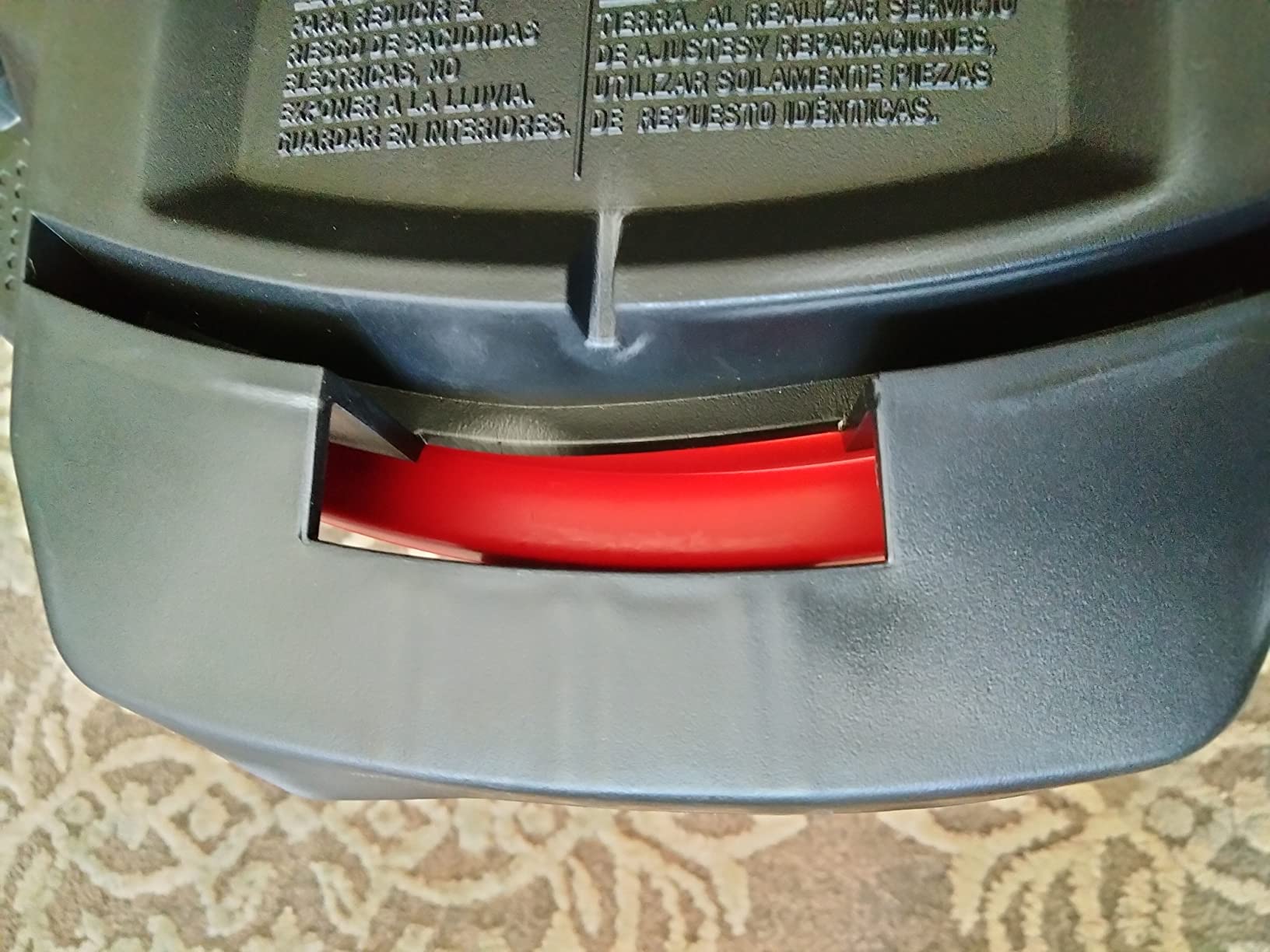
There is a specific quality control issue worth flagging. Across its review history there are repeated reports of arriving with missing handle screws and detached roller wheels. That is an assembly problem rather than a design problem, but if you order one, check the hardware before you need it.
Why this one fits a small workspace
The footprint is genuinely compact at 16.6 by 18.4 by 24.3 inches, so it parks under a workbench or in a corner without becoming the biggest object in the room. The included dust bag also makes fine cleanup tidy if you are sharing the space.
It is a good match for someone working with solid wood rather than MDF. Chips, shavings and coarse sanding residue are exactly what a cartridge filter and a 9 gallon drum handle well.
Where you will notice the limits
If you are routing MDF or running a random orbital sander for hours, the narrow hose and the single included bag become a recurring annoyance. Budget for extra dust bags, and consider pairing it with a cyclone to keep chips out of the filter entirely.
4. DeWalt 12 Gallon 5.5 HP Wet/Dry Vac: Best for Miter Saw Dust Capture
DEWALT 12 Gal. 5.5 HP Poly Wet/Dry Vacuum with Hose and Accessories DXV12P
12 gallon poly tank
5.5 peak HP
85 inch maximum suction
7 ft hose with accessory kit
23.2 pounds
Pros
- 85 inches of suction is among the highest in this class
- 12 gallon poly tank holds a full shop session of debris
- Wet dry and blower modes in one unit
- Large drain port empties liquids quickly
- Three year limited warranty
Cons
- No HEPA or high-efficiency filtration for fine wood dust
- 80 dB is loud during long runs
- 23.2 pounds is heavy for a 12 gallon body
- Listed wattage of 270 W looks understated
The DeWalt DXV12P earns its place through one number: 85 inches of maximum suction, tied for the highest static lift in this group and roughly 85 percent more than the big Craftsman. For point-of-source capture at a miter saw or a track saw, that extra suction is the difference between catching dust at the port and watching it drift across the bench.
The 12 gallon poly tank is the right size for sawdust specifically. Chips and shavings look bulky but fall away fast once they hit the drum, so you get more usable cleaning time from 12 gallons here than you would from the same capacity in a wet application.
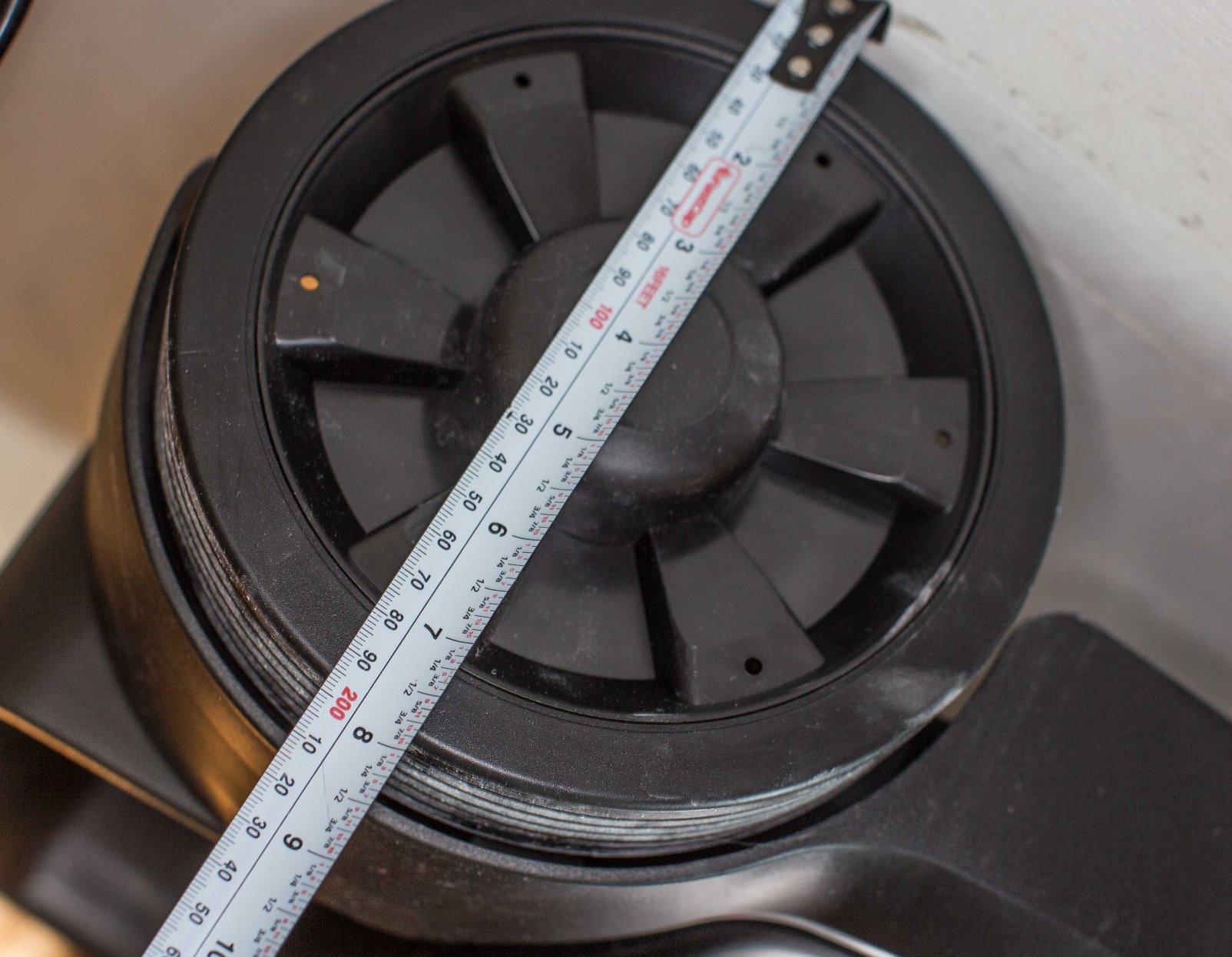
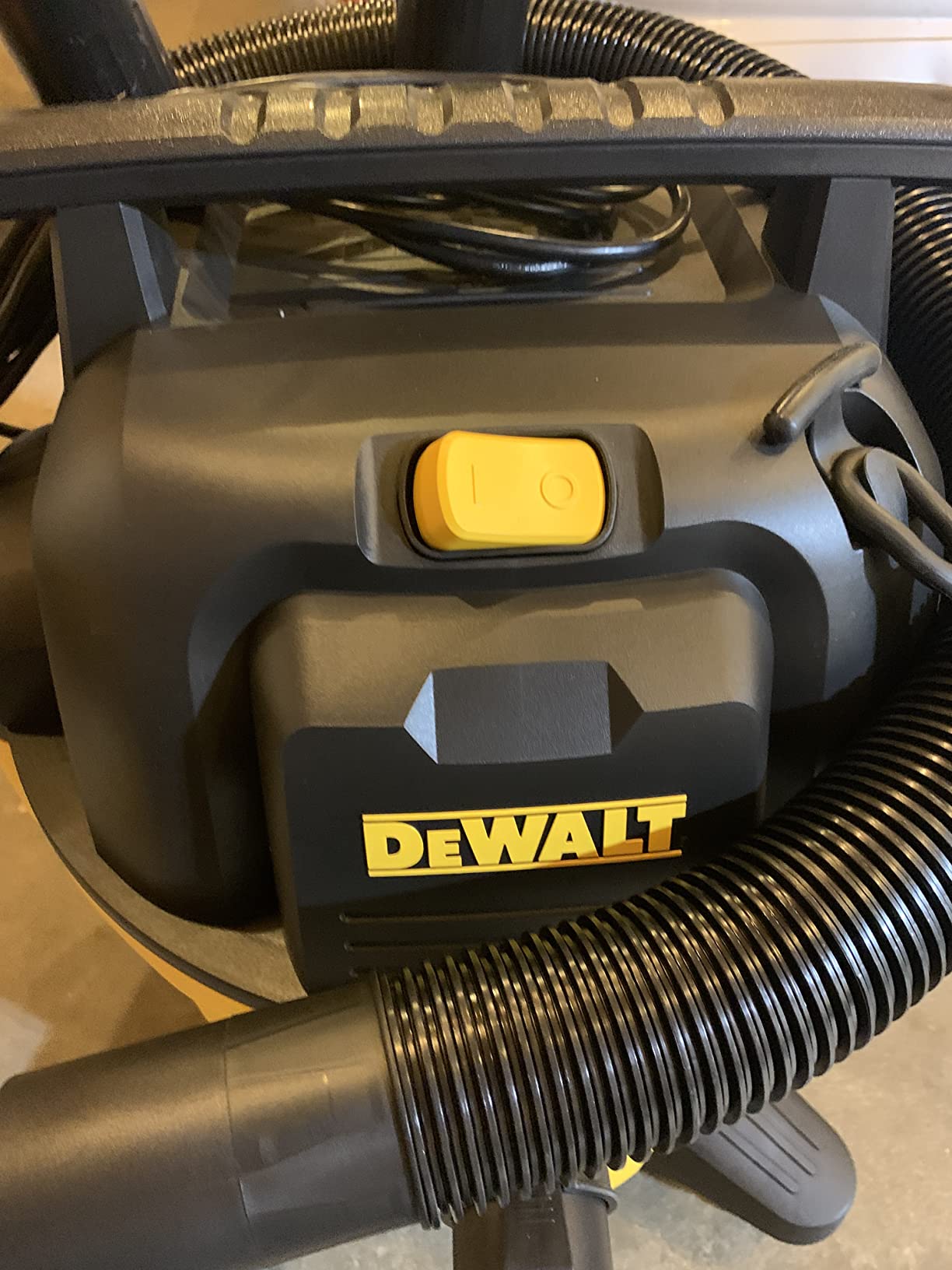
It runs at 8 amps with wet, dry and blower operation, plus a large drain port for liquid pickup. The 7 foot hose and accessory kit cover a bench run without an extension, and the four-wheel caster base keeps it stable when you are dragging it across a rough shop floor.
What it does not have is fine filtration. There is no HEPA option here, and the standard cartridge does the same job as the other wet/dry vacs in this group. If your dust is MDF powder, no amount of suction will compensate for a filter that lets particles through.
Why this is the miter saw pick
Suction is what determines capture distance. At 85 inches of static lift, this machine can pull from a distance further than most competitors, which means you can mount it slightly away from the saw without losing the stream of dust coming off the blade.
It also handles the full range of shop work. Wet pickup covers a mopped floor, the blower port clears dust out of crevices between a wall and a bench, and the drain port empties it in seconds.
Where it is not enough
It is a wet/dry vac, not a sealed extractor, so exhaust air goes back into the room. In a small shop attached to a living space, or during sustained MDF work, that is the dealbreaker that sends you to a HEPA extractor instead.
5. Vacmaster 12 Gallon 5.5 Peak HP Wet/Dry Vac: Best Accessory Kit for the Money
Vacmaster VJH1211PF 1101 12-Gal 5.5 Peak HP Heavy-Duty Wet/Dry Vac Red
12 gallon poly tank
5.5 peak HP
27 ft total reach
9 accessories included
24.1 pounds
Pros
- Nine accessories cover car utility wet and floor jobs
- 27 ft of reach from a 20 ft cord and 7 ft hose
- Flat power head stores hose cord and tools on the unit
- Cartridge plus dust bag improves fine dust capture
- Oversized latches create a secure seal on the drum
Cons
- 60 inch maximum suction is modest for heavy wood dust
- No self-cleaning filter cycle
- 24.1 pounds is heavy to haul between rooms
- One-star reviews concentrate on filter clogging over time
The Vacmaster VJH1211PF is the practical choice for shop floor work, and its real advantage is reach. A 20 foot power cord plus a 7 foot hose gives you 27 feet of cleaning distance, which in a workshop with a long central aisle is the difference between finishing a sweep and constantly walking to the nearest outlet.
Nine accessories come in the box, including car, utility, wet and floor nozzles. For a shop that has no vacuum at all, that removes the most common first-week purchase, and the flat power head with on-board hose, cord and accessory storage means the tools stay on the machine instead of in a pile.
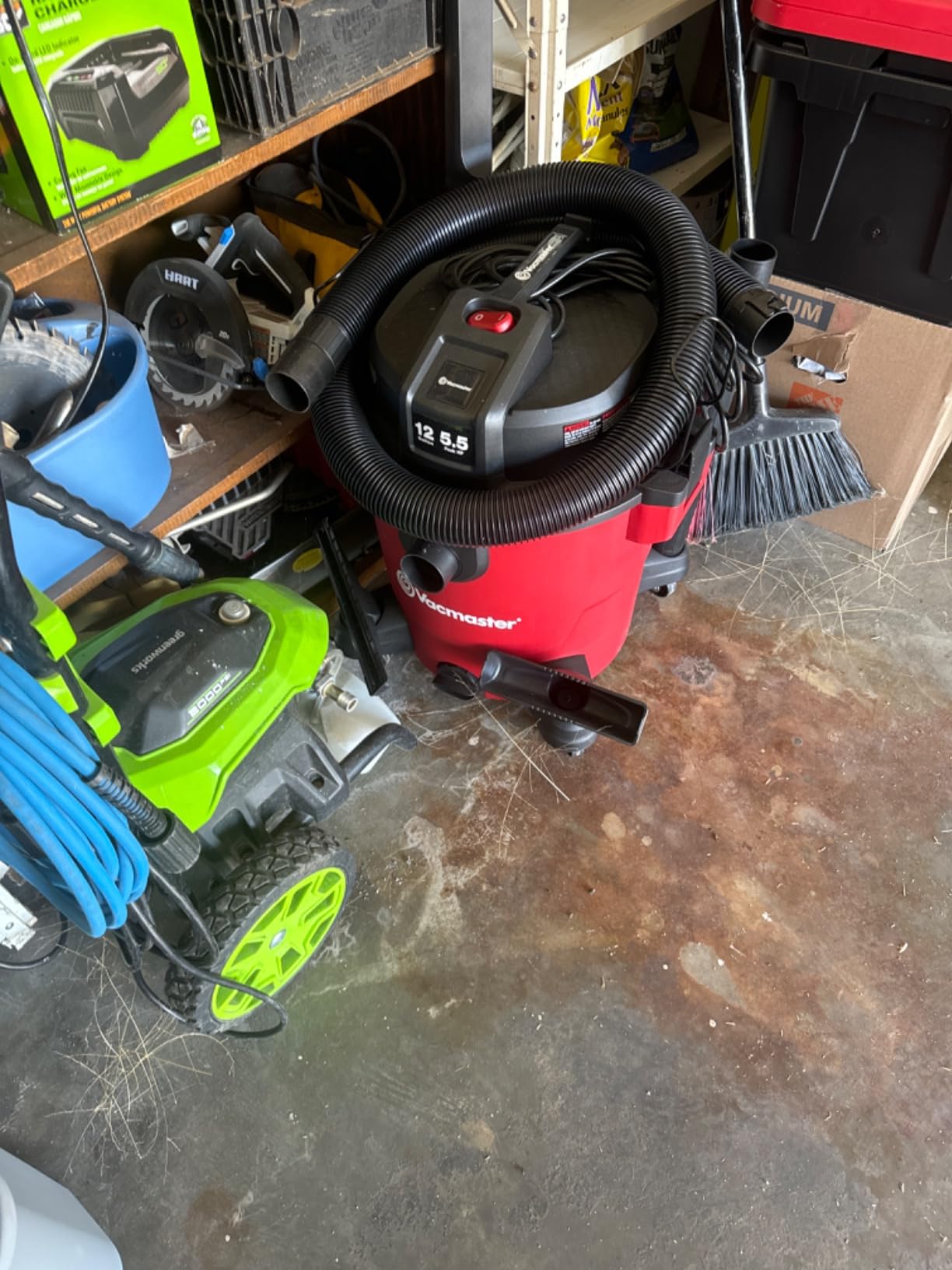
It is a 5.5 peak HP motor drawing 1416 watts at 11.8 amps, feeding a rugged 12 gallon polypropylene tank. The cartridge filter and dust bag combination is better for fine dust than a bare drum, which matters more than most of the spec sheet suggests.
The weakness is suction at the source. At 60 inches of maximum lift it is the second-lowest figure among the corded wet/dry vacs here, and it has no self-cleaning filter. Owners who use it heavily on fine dust report filters that need cleaning out more often than expected, which sits behind the otherwise strong 4.6 star average.
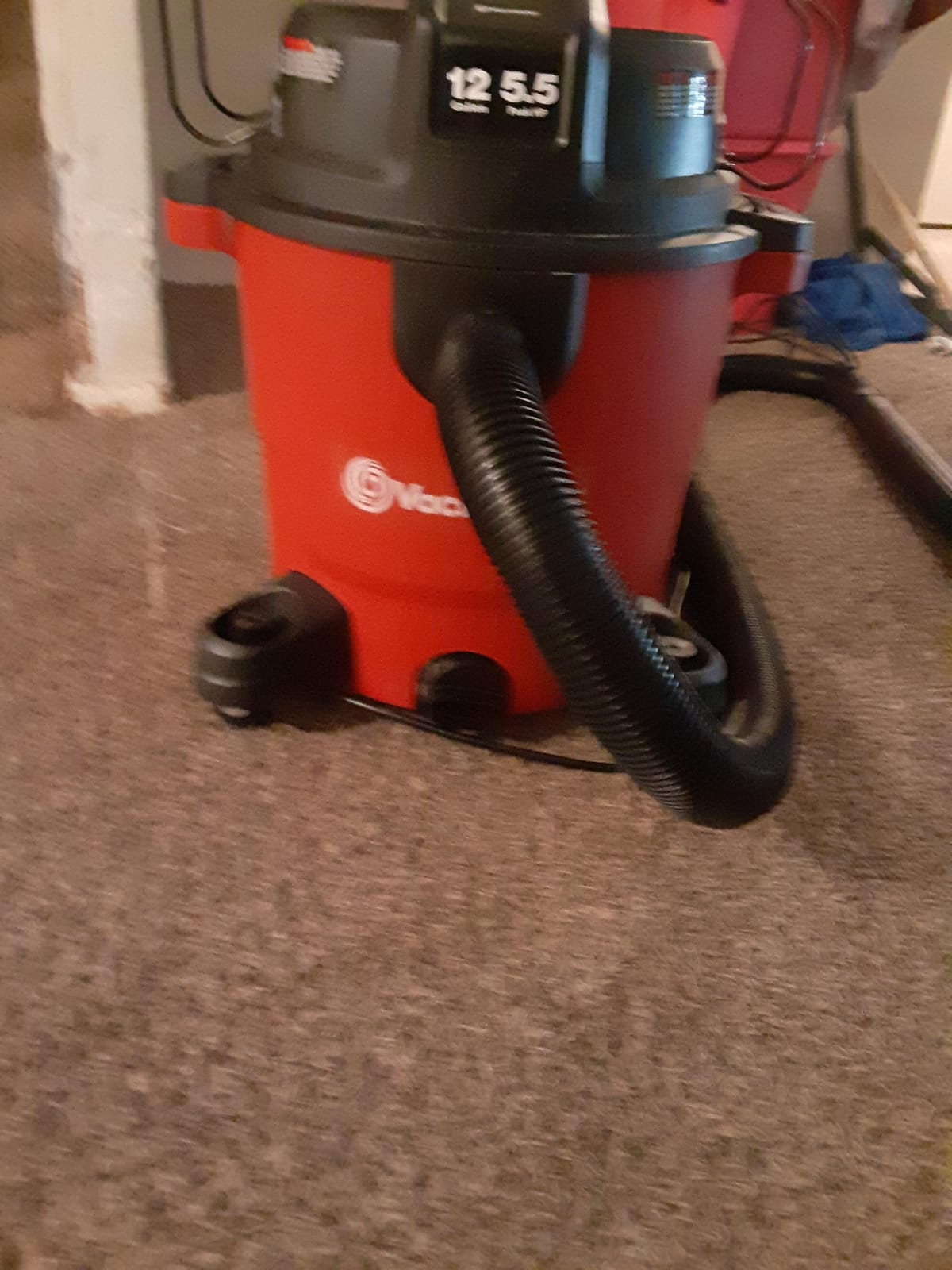
Best used for the floor and the cleanup pass
Reach plus a wide floor nozzle is exactly what a post-project sweep needs. The long cord means you can cover a whole shop without unplugging, and the accessory set includes everything for a wet pickup when a leak happens on the shop floor.
It is also a good cycle saw machine, because the on-board storage means the hose and wand are already clipped to the body when you grab it off the wall.
Where you will feel the difference
At the saw port, 60 inches of lift will not pull a tight stream from a distance, so you need the nozzle close to the source. And on fine MDF dust, expect to pull the cartridge and clean it out more often than a unit with a self-cleaning system would require.
6. DeWalt 6 Gallon Wall-Mounted Wet/Dry Vac: Best for Compact Garages
DEWALT Portable 6 Gallon 5 Horsepower Wall-Mounted Garage Wet Dry Vacuum Cleaner DXV06G
6 gallon canister
5 peak HP
20 ft flexible hose
Wall mount bracket and remote included
21 pounds
Pros
- Wall mounting keeps the shop floor clear
- Remote wrist control starts and stops from across the room
- 20 ft super flexible hose gives huge reach for a mounted unit
- 4.8 star average with 87 percent five-star ratings
- Cartridge foam filter and dust bag included
Cons
- 6 gallon capacity fills quickly with sawdust
- 82 dB is loud for a small space
- Wall mounting requires drilling and a permanent position
- No self-cleaning filter cycle
When floor space is the constraint, the DeWalt DXV06G solves a problem no canister vac can. It mounts to a wall stud with the included bracket and screws, hangs above the floor, and the 20 foot super flexible 1-7/8 inch hose reaches everything it needs to from there. In a shared garage or a converted closet workshop, that is worth more than another five gallons of capacity.
The remote control wristwatch is the detail that changes daily habits. You can start the vacuum from the bench instead of walking back to the body, and stop it the same way. On a miter saw setup with a remote on the tool, it removes a walk from every cut.
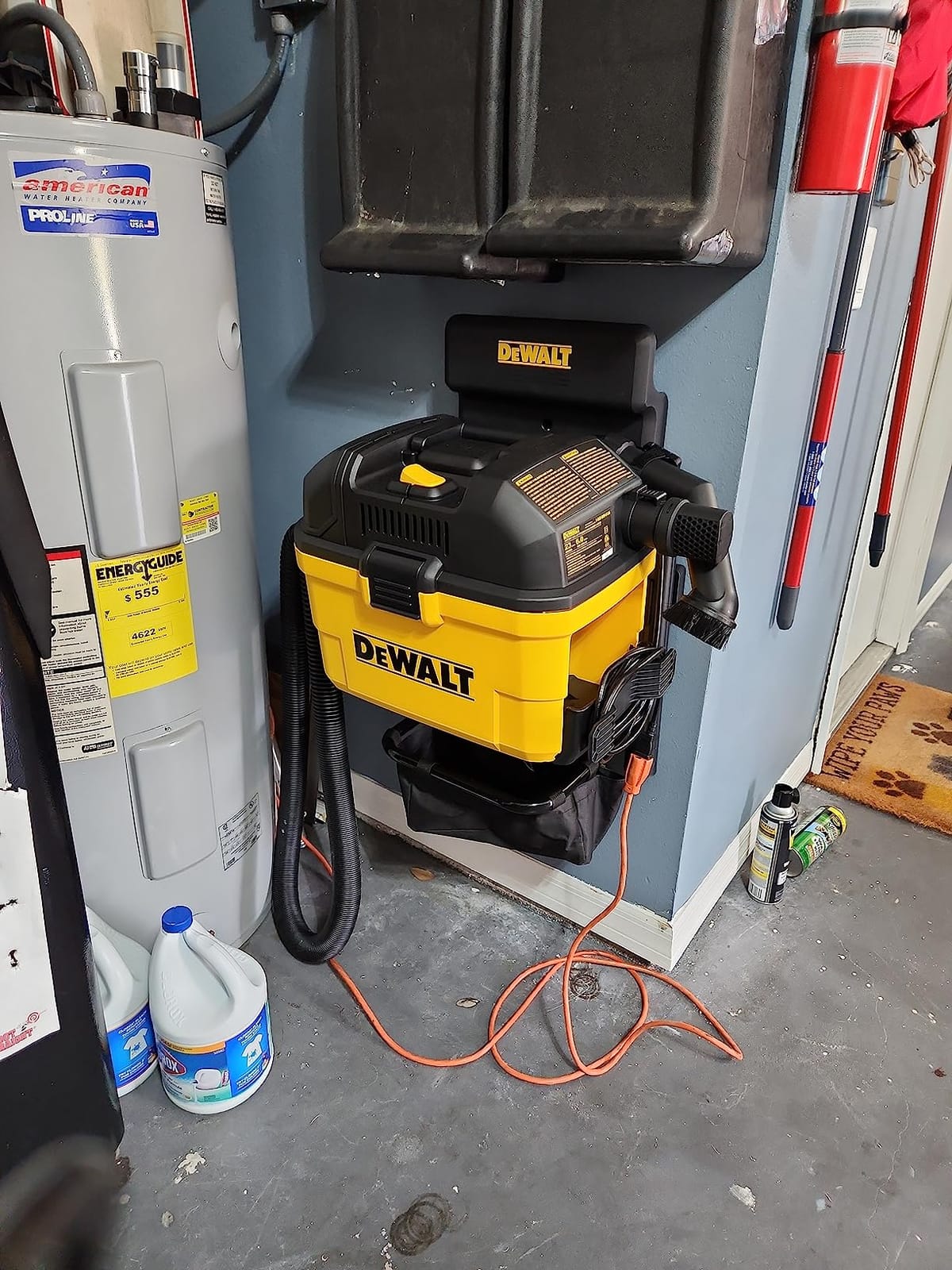
The 5 peak HP motor runs at 1100 watts and 9 amps, with wet, dry and blower operation. Both a cartridge filter and a foam filter are included along with a disposable dust bag, so you can choose based on whether you are picking up dust or water.
It carries the highest average rating in this roundup at 4.8 stars across 888 reviews, and the top-rated reviews mention the wall mount, the remote and the hose reach almost exclusively. That is a coherent picture: people like this machine for what it is designed to do.
Why wall mounting beats a bigger canister in a small shop
A 21 pound canister on the floor is a trip hazard and a dust trap, because you move it and it scuffs your chips across the concrete. Mounted at height with a 20 foot hose, it is simply part of the room, and the floor stays clear for a broom or a track saw.
For a one-person shop this also pairs neatly with the two-vac strategy: a mounted unit for point-of-source capture, plus a larger floor unit for sweeping.
The tradeoffs you accept to get it
Six gallons is small, and a single heavy sanding session will fill it more than once. The 1-7/8 inch hose also clogs on coarser debris, and at 82 dB this is one of the louder machines in the group, which is awkward in a space attached to a home.
7. Festool CT Midi HEPA Dust Extractor: Best for Fine MDF Dust
Festool 574837 Ct Midi I Hepa Bluetooth Dust Extractor
130 CFM suction
3.9 gallon drum
HEPA filtration
Bluetooth auto-start
Self-clean filter bag included
Pros
- HEPA filtration and 130 CFM capture the fine dust wet/dry vacs exhaust back
- Self-clean HEPA filter clears in about seven seconds after each use
- Bluetooth auto-start runs extraction whenever the tool runs
- Adjustable suction avoids pulling a sander onto the workpiece
- Smooth anti-static conical hose does not snag on wood edges
Cons
- Only 3.9 gallon capacity means frequent emptying
- Accessories and adapters are sold separately
- Will not accept accessories made for the larger CT models
- Not a wet/dry machine so it cannot handle liquid pickup
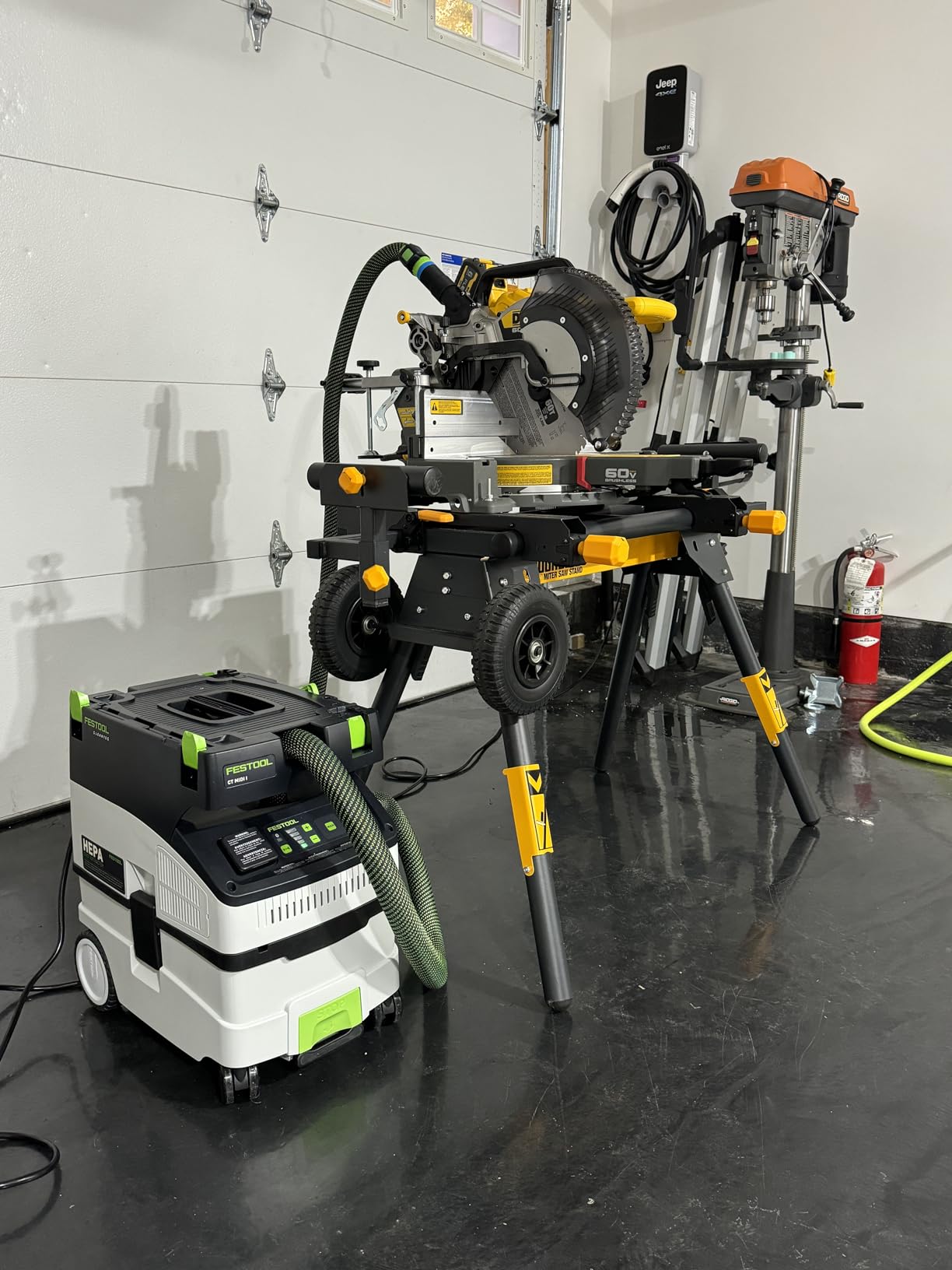
The Festool CT Midi operates in a different category from everything above it. It is not a wet/dry vac. It is a sealed dust extractor designed to capture fine wood dust at the source and exhaust clean air, and if you work with MDF or particleboard, that is the difference that protects your lungs.
Two specifications matter most. It moves 130 CFM, which is far more air than any wet/dry vac in this roundup, and it uses HEPA filtration with a self-clean filter bag that clears in about seven seconds after each use. The self-cleaning cycle is the feature experienced owners cite most, because it is what stops the suction from dropping mid-session.
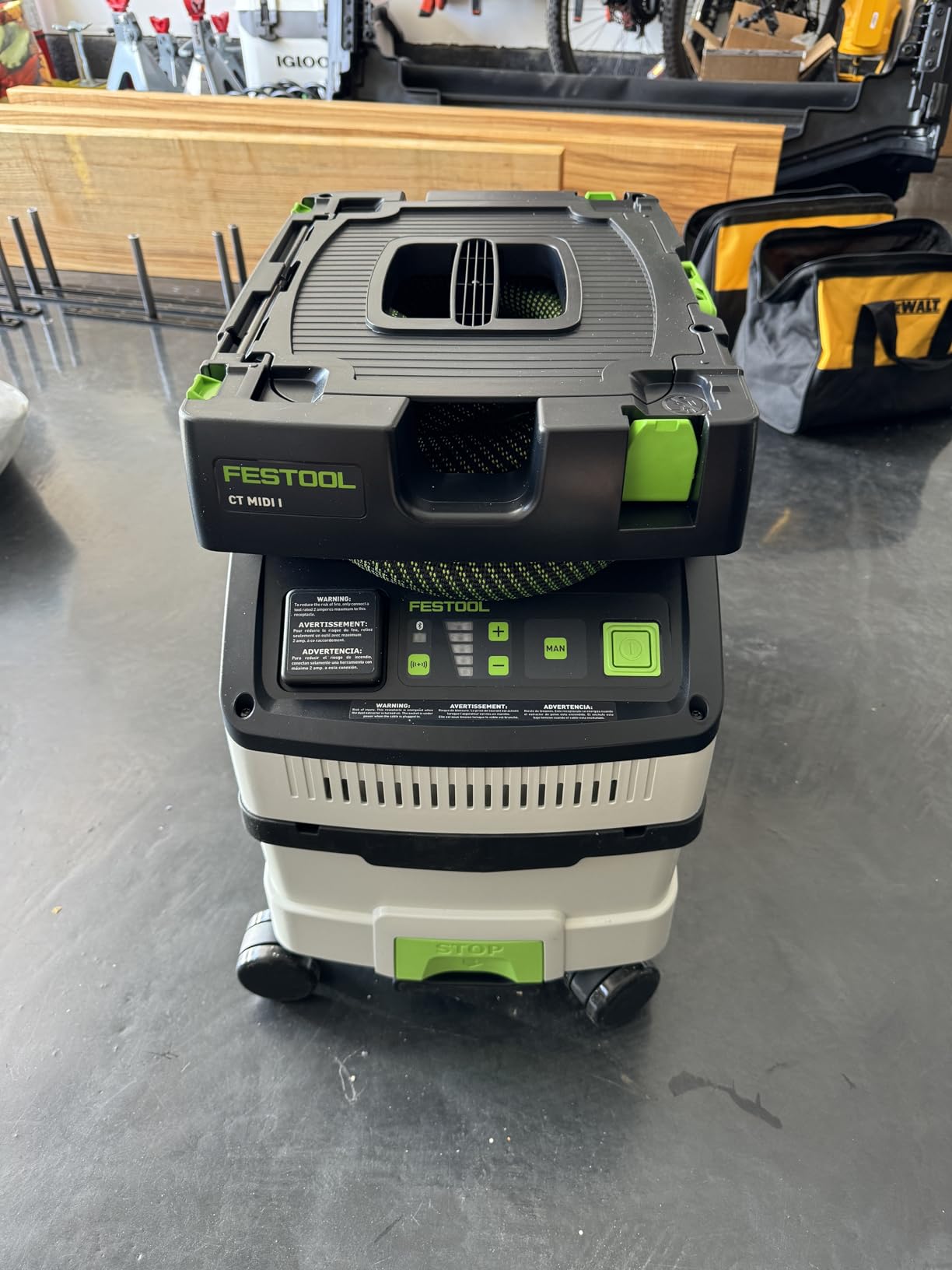
Bluetooth auto-start is the other one. Connect a Bluetooth battery pack or the remote and the extractor switches on whenever the tool does, so you are not manually toggling a vacuum while wearing a respirator. The touch panel and adjustable suction level let you dial the pull back so a random orbital sander does not drag itself across the board.
The smooth conical hose is worth mentioning because it sounds like trivia until you have used it. It is static-free and will not catch on a sharp workpiece edge the way a corrugated hose does, which is a real problem when you are moving a hose around a panel you just cut.
Who this machine is for
It is for the woodworker whose main dust problem is fine: MDF, particleboard, sanding grit and routed edges. Owners describe it as removing the need to wear a mask during sanding, and that is the specific outcome you are paying for.
It is quieter and smaller than a rigid wet/dry canister, at 24.9 pounds and 1200 watts with a 3 year warranty, which makes it practical in a compact shop where a 16 gallon canister would dominate the floor.
Where the cost shows up
The cost shows up in the accessories as much as the machine. You will likely need a hose adapter to connect it to a saw, and the CT Midi does not take the boom arm or some accessories designed for the larger CT models, so plan for that before you commit.
8. Bosch VAC090AH 9 Gallon HEPA Extractor: Best for Fine Dust and Filter Clogging
Bosch VAC090AH 9 Gallon Dust Extractor with Auto Filter for Grinder 1773AK
150 CFM airflow
97 inch static water lift
HEPA at 99.97 percent
Auto filter clean every 15 seconds
60 dB
Pros
- Strongest filtration claim in this group at 99.97 percent of 0.3 micron particles
- Automatic filter cleaning every 15 seconds protects suction on long runs
- 150 CFM handles a floor or bench grinder
- Power tool activation runs the unit with the tool
- 60 dB is well below the other machines here
Cons
- Only a 1 year limited warranty
- Heaviest machine in the roundup at 28 pounds
- Fleece bags and HEPA filters are ongoing consumable costs
- 9 gallon drum is small for long grinding sessions
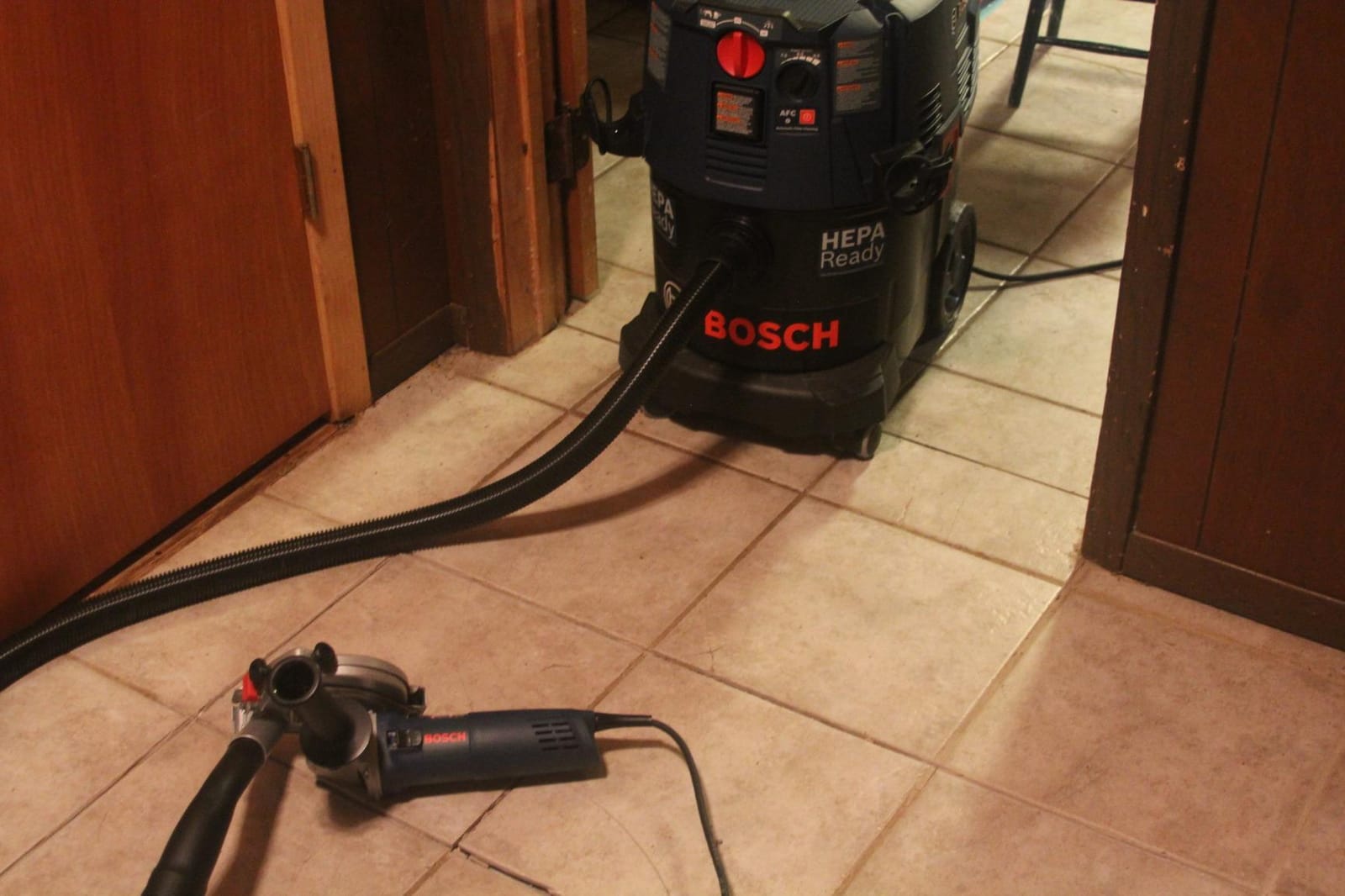
The Bosch VAC090AH has the most aggressive anti-clogging system in this list, and for fine wood dust that is the feature that decides everything. It pulses the filter clean every 15 seconds, which means you can run a grinder or a big sander session without the airflow dropping off as the filter loads.
It also posts the strongest airflow and suction combination of the extractors here: 150 CFM and 97 inches of static water lift. On paper that is more than enough to hold a stream from a port several feet away, and the Power Broker dial lets you set the suction to match the application rather than running full power on a light task.
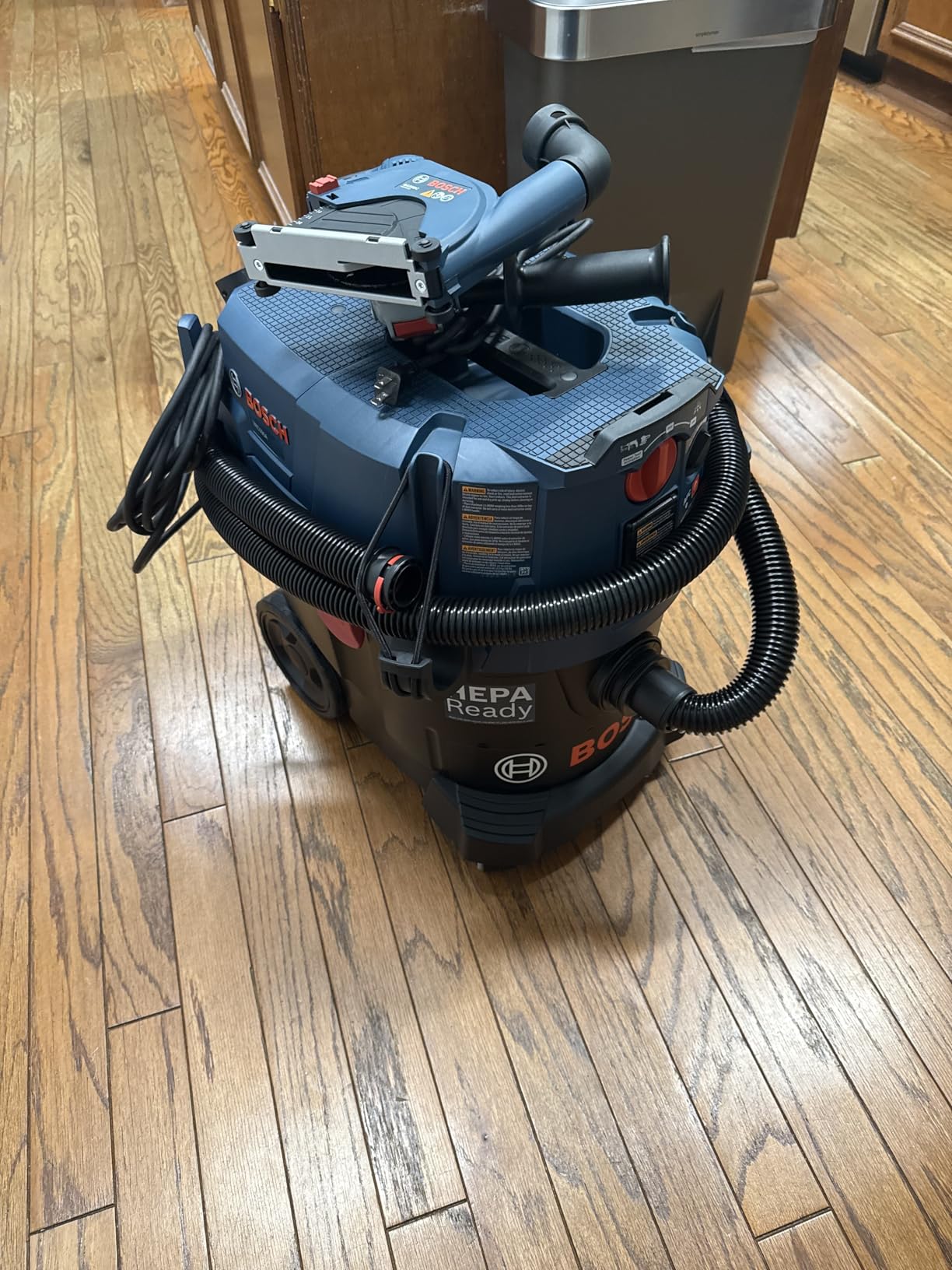
The HEPA filter captures 99.97 percent of particles at 0.3 microns or larger, and the included fleece bag protects the filter and contains dry debris before it reaches the cartridge. That two-stage arrangement is why the auto-clean cycle can run so often without being the thing that destroys the filter.
At 60 dB, this is the quietest machine in the roundup, which matters if you are running it for an hour. Power tool activation is standard, so it starts and stops with your tool rather than with a separate switch.
Best for the person who fights clogged filters
If your history with shop vacs is a cycle of lost suction and emergency filter purchases, this machine removes the problem rather than managing it. The 15-second pulse interval is frequent enough that fine dust never builds the cake that kills conventional cartridges.
The Bosch PRO plus GUARD system is aimed at compliance-oriented setups, which makes it a sensible choice if you are doing serious finish work in an enclosed space.
What you trade for it
It weighs 28 pounds, the heaviest in the group, and the warranty is one year, the shortest here. The fleece bags and HEPA filters are recurring consumable costs, and the drum is 9 gallons, so you will empty it more often than a larger wet/dry vac would require.
9. DeWalt DWV010 8 Gallon HEPA Extractor: Best for Long Auto-Clean Sessions
DEWALT DWV010 HEPA Dust Extractor with Automatic Filter Cleaning, 8-Gallon
8 gallon drum
150 CFM airflow
Auto filter clean every 30 seconds
Power tool actuation
15 ft anti-static hose
Pros
- Filter pulses clean automatically for hours of continuous use
- 150 CFM airflow keeps up with sanding and grinding
- Tool actuation runs several extra seconds to clear the hose
- Universal hose connector with swivel accepts many adapters
- Light enough to carry despite its bulk
Cons
- Suction is weaker than a standard wet/dry vac for coarse sawdust
- 15 amp draw trips breakers when paired with a saw on the same circuit
- Stiff proprietary hose resists a sander setup
- 8 gallon drum and expensive accessory kit add running cost
The DeWalt DWV010 is the extractor for people who sand for hours. Its filters pulse clean automatically every 30 seconds, so the machine sustains its airflow through a long random orbital sander session instead of asking you to stop, open it up and knock out a filter every half hour.
It delivers 150 CFM on a 15 amp motor, which is real airflow for fine dust, and it is HEPA rated, meeting the EPA Lead RRP standard when paired with the correct DeWalt filters. Owners report it performing comparably to a stationary shop dust collector on sawdust, which is a strong claim from people who own both.
Power tool actuation works reliably and the unit keeps running for a few seconds after the tool stops, which clears the hose rather than leaving a slug of dust in the line. The 15 foot anti-static hose with a universal connector and swivel is genuinely useful, because it accepts third-party adapters in a way the proprietary setups often do not.
At 22 pounds it is light enough to move between a bench sander and a floor grinder, which is more than we can say for the 28 pound Bosch.
Where it beats the other extractors
The 30-second pulse cycle runs less often than the Bosch 15-second cycle, which means less filter wear over a long day, and the unit is the easiest to reposition between machines. For a shop where dust production moves around, that flexibility is worth real money.
It is also the extractor most likely to pay off if you already own DeWalt tools, since the ecosystem of hoses and adapters is deep.
Where it falls behind
Suction on coarse sawdust is weaker than a standard wet/dry vac, which is exactly backwards from what most people expect. The 15 amp draw also causes practical problems: pairing it with a 15 amp saw on one circuit trips the breaker, and the proprietary hose is stiff enough to fight you when you drape it over a sander.
10. Vacmaster 8 Gallon Self-Cleaning Wet/Dry Vac: Most Versatile That Cleans Its Own Filter
Vacmaster Professional VDK811PW 0201 8 Gal Wet/Dry Vac Self-Cleaning Filter
8 gallon tank
84 inch water lift
Self-cleaning filter system
1 micron cartridge plus bag
72 dB
Pros
- Self-cleaning filter system is unusual in a corded wet/dry vac
- Cartridge and bag combination captures particles down to 1 micron
- 84 inches of water lift is strong for an 8 gallon machine
- 17 ft of reach with 11 accessories
- 72 dB is among the lower noise figures here
Cons
- Smallest capacity here at 8 gallons so bags fill quickly
- Not HEPA rated
- Newer listing with a much smaller review base
- No manufacturer warranty listed
The Vacmaster VDK811PW solves the single biggest complaint we heard about wet/dry vacs, and it does so in a corded wet/dry body rather than a sealed extractor. The self-cleaning filter system maintains airflow and suction during operation, which is precisely the behaviour that keeps a wet/dry vac useful on fine wood dust instead of becoming a paperweight after one session.
The cartridge filter and dust bag combination captures particles down to 1 micron, which is not HEPA performance but is a meaningful step above a bare foam filter. With 84 inches of water lift on a 1380 watt motor, it holds suction well for an 8 gallon unit.
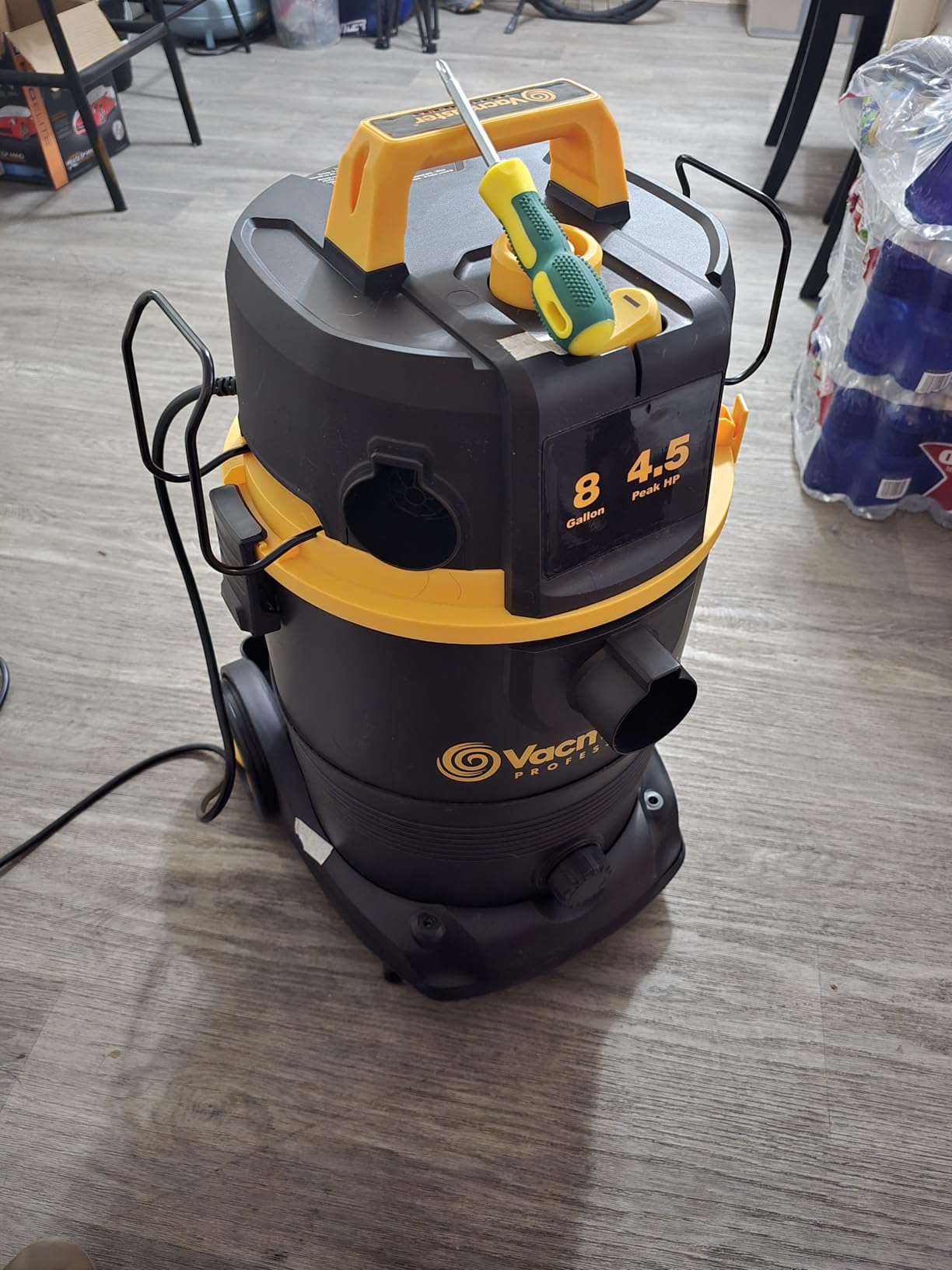
Two smaller details matter more than they sound. The 72 dB operating level sits near the quiet end of this roundup, and the non-marring rear wheels with rotating front casters roll across a shop floor without scratching it or tipping.
It converts to a blower, carries 11 accessories, and gives you 17 feet of total cleaning reach. For a beginner outfitting a first workshop, that is a complete kit rather than a starting point.
Why self-cleaning matters more than horsepower
Watch what happens with a conventional filter on fine dust. Pores load, airflow drops, the machine gets quieter, and you either stop to clean it or accept weak pickup. A self-cleaning system breaks that loop, so the 84 inches of water lift you paid for is still available at the end of the run.
That is why we put this one at the bottom of the count despite it being, in practical terms, the most relevant wet/dry vac here for fine dust. It is the only unit in the group that pairs a wet/dry form factor with sustained fine-dust performance.
Where to look before you buy
Eight gallons is small, so you will empty it often on a big cleanup. The review base is much thinner than the established models, which means fewer long-term owner reports, and no manufacturer warranty is listed in the product data. Treat it as the value pick rather than the safe pick.
Shop Vac vs Dust Extractor vs Dust Collector: What Is the Difference?
A shop vac is a high-airflow utility vacuum with a large open drum that handles wet and dry debris and exhausts filtered air back into the room. A dust extractor is a sealed machine built to capture fine wood dust at the source, with HEPA-class filtration and an automatic filter-cleaning cycle so suction stays high. A dust collector is the fixed high-volume machine that sits behind a machine tool and carries debris through ducting to a drum.
The practical difference is capture versus cleanup. A shop vac is genuinely excellent at picking up what is already on your floor. A dust extractor is built to intercept dust before it ever becomes airborne, and that is the only one of the three that meaningfully changes what you breathe during MDF and particleboard work.
The forum consensus on r/woodworking and Sawmill Creek lands somewhere in the middle. Most experienced woodworkers run a shop vac for cleanup and add a cyclone separator to protect the filter, rather than spending extractor money. But the repeated caveat is that a shop vac cannot substitute for extraction when fine dust is the hazard, because the exhaust air is not sealed.
One widely repeated point deserves emphasis because it is counter-intuitive. If you reduce a 4 inch dust collector port down to a 2 inch hose, you destroy its airflow, and a well-matched shop vac can outperform a badly adapted collector. Our dust collector picks for workshops go into that math in more detail.
Cyclone Separators, Hose Adapters and the Two-Vac Setup
A cyclone separator is an add-on that sits between the machine and the vacuum. It spins the airflow so heavy chips and shavings drop into a container by weight, and only the fine dust reaches the filter. For most woodworkers it is the single highest-value upgrade available, and it is the most frequently recommended accessory on woodworking forums.
You do not need one if your dust is coarse shavings, or if you are bagging your cleanup and the volume is small. You should strongly consider one if you generate a lot of fine dust, if your filter loads within a session, or if you plan to collect wood chips from a planer or jointer.
Hose sizing is the compatibility problem nobody warns you about. Most saw dust ports are 4 inches, most shop vac hoses are between 1-7/8 and 2-1/2 inches, and dust extractors often use a 1-1/4 inch hose. A reducer from 4 inch to your hose diameter is mandatory for any point-of-source setup, and it is a cheap part that decides whether the connection works at all.
The two-vac setup is the most common real-world answer. A small unit sits under the miter saw for point-of-source capture, and a larger one with a cyclone handles the floor. It costs less than one extractor, it solves both problems, and it lets you keep cleaning while the machine is running.
If you want the full comparison, we ranked the cyclone dust collectors for shops separately, and if you are still planning the layout, our workbench picks determine where the hose has to reach.
How to Choose a Shop Vac for Wood Dust
Buy for airflow, not horsepower. Peak horsepower is a marketing-friendly number that describes the motor at its starting surge, not the air moving through a loaded filter. Airflow in CFM is what determines whether dust travels to the drum or settles on your bench. If a spec sheet does not list CFM, that is a warning sign.
Match capacity to how much mess you make at once. Under 200 square feet with light duty, 5 to 6 gallons is plenty. Between 200 and 500 square feet with regular sawing and sanding, 9 to 12 gallons avoids constant interruption. Above that, or if you run a planer or jointer, 16 gallons or a cyclone setup is worth the extra trips.
Check hose diameter before anything else. A 1-7/8 inch hose clogs on chips, and a 2-1/2 inch or 2-1/4 inch hose moves debris noticeably better. Then confirm the port size on your machine and get the matching reducer, because that is the part that stops a whole setup from working.
Filter class decides your health exposure, not your cleaning speed. Foam filters handle chips and coarse dust cheaply. Pleated cartridges handle fine dust far better and are worth the upgrade for any sanding work. HEPA is the only option that meaningfully addresses respirable MDF and particleboard powder, and only the extractors in this list offer it.
Noise deserves a real look, and the range here runs from 60 dB to 82 dB. In a detached shop that difference is irrelevant. In a garage attached to a house, a quieter machine is a better neighbour, and it is also easier to work next to for a full session. Add hearing protection either way.
Finally, decide whether you need wet pickup at all. If you never handle liquids, wet capability is dead weight in the decision. If you do, a drain plug and a washable foam filter matter more than another two gallons of drum capacity.
MDF, Particleboard and Respirable Dust: What You Should Filter
Hardwood dust is a nuisance. Engineered wood dust is a different category. MDF and particleboard produce a much finer, more respirable powder that stays in the air longer and reaches deeper into the lungs, and that is the reason fine filtration is not optional if you cut these materials regularly.
A standard pleated cartridge will capture most of what a sander or saw throws at it, but it exhausts fine particles back into the room rather than sealing them inside the machine. If you work with engineered wood in a small or enclosed space, the honest answer is that a HEPA extractor is the only purchase here that meaningfully changes your exposure.
Do not treat any of these machines as a substitute for respiratory protection, especially when you are cutting MDF. Dust collection reduces what escapes the machine; a properly fitted respirator covers what you are exposed to while cutting, and both together are the sensible approach.
The practical upgrade ladder runs from a foam filter, to a pleated cartridge, to a cartridge plus dust bag, to a HEPA extractor with an auto-clean cycle. Whichever rung you start on, budget for replacement filters from the beginning, because fine wood dust will consume them faster than you expect.
Frequently Asked Questions
What is the difference between a vacuum and a dust extractor?
A shop vac is a high-airflow utility vacuum with an open drum that handles wet and dry debris and exhausts filtered air back into the room. A dust extractor is sealed, uses HEPA-class filtration with an automatic filter-cleaning cycle, and is built to capture fine wood dust at the source before it becomes airborne.
What size shop vac is best?
For a small hobby shop under 200 square feet with light duty, 5 to 6 gallons is enough. Between 200 and 500 square feet with regular sawing and sanding, 9 to 12 gallons avoids constant interruption. Larger shops, or anyone running a planer or jointer, needs 16 gallons or a cyclone separator setup.
What is the best vacuum for sanding dust?
Sanding dust is fine, sticky and heavy on filters. The Craftsman 16 gallon with its Qwik Lock pleated cartridge handles volume, while the Vacmaster 8 gallon self-cleaning model is the only wet/dry vac here that keeps airflow up without manual filter cleaning. For MDF and particleboard, a HEPA extractor is the right answer.
Is a shop vac better than a dust collector for a small shop?
For a small shop, yes, for cleanup. A shop vac picks up debris off the floor far more conveniently than a fixed collector, and adding a cyclone separator keeps chips out of the filter. Capture at the machine is where a collector or extractor wins, because a shop vac exhausts air back into the room rather than sealing dust inside.
Can I use a shop vac to collect MDF dust?
You can, but a standard wet/dry vac exhausts fine particles back into the shop and its filter will load quickly on MDF powder. If you cut engineered wood regularly, use a HEPA extractor such as the Bosch VAC090AH or Festool CT Midi, change filters often, and still wear a respirator while cutting.
The Best Shop Vacs for Woodworking Dust in 2026
The Stanley 6 gallon 4 HP is our pick for most people because it is light, forgiving to learn on, and capable enough for bench and saw cleanup. The Craftsman 16 gallon 6.5 HP takes over the moment your shop produces more than one person’s worth of debris in a session, and its pleated cartridge lasts far longer than a foam filter.
For fine dust specifically, the choice is between the Vacmaster 8 gallon self-cleaning wet/dry vac for value and the Bosch VAC090AH or Festool CT Midi for genuine HEPA capture. That is the only place in this guide where spending more buys you a different category of protection rather than simply more of the same.
Whichever one you pick, buy the hose reducer for your saw port on the same day. It is the cheapest part of the whole setup and the most common reason a capture system underperforms.