
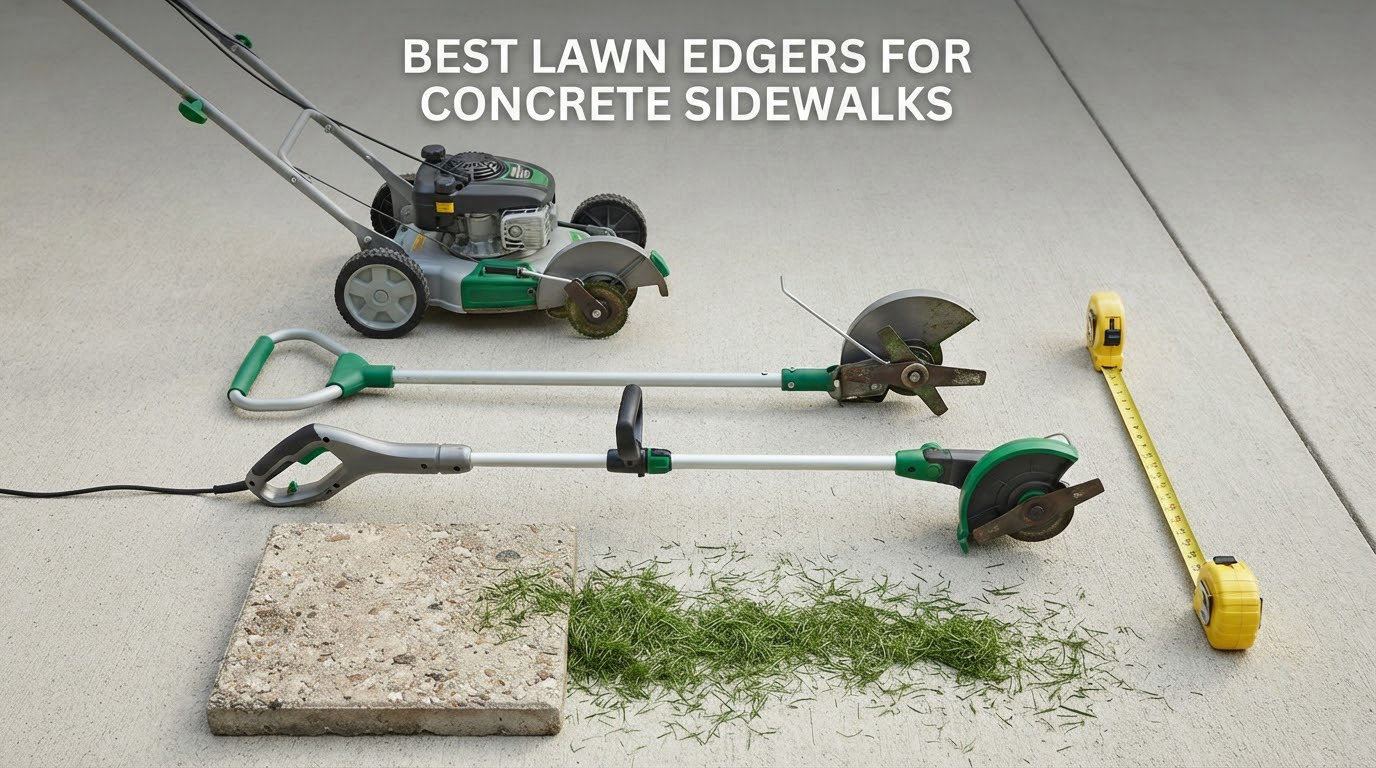
Most people buy a lawn edger for the grass, then discover the real job is the concrete. A string trimmer will cut the blades down along a sidewalk, but it leaves a soft, ragged fringe where the turf meets the walk, and every second it runs against that concrete edge it wears itself out. A blade edger stands the cutting disc on its edge and takes a vertical slice, which is the only way to get a line that stays crisp through a whole season. The catch is that concrete is hard, and a cheap or dull blade will round off into a nub and start chewing the walk instead of the grass. That is the whole argument behind our picks below.
We put together the best lawn edgers for concrete sidewalks by looking at what each tool is actually made of, how much concrete contact it can absorb, and whether the line it leaves holds up. Ten tools made the cut, spanning manual edgers for short sidewalk runs, cordless kits and corded machines for long straight walkways, and a multi-head system for anyone building out a whole-yard toolkit. Every product below is written up with the concrete contact in mind first, because that is the number one criterion people who edge for a living actually judge on.
If you have never edged before, read the technique section before you buy anything. Knowing how to hold a blade at the right angle and how far to stand off the walk does more for the finished edge than any motor. Then come back and pick the tool that matches your walk length and how much edging you are willing to do in an afternoon. For broader coverage of the category, our guides to the best lawn edgers for yards and the best bed edgers for landscapers go deeper on bed work and turf work separately.
Table of Contents
Top 3 Best Lawn Edgers for Concrete Sidewalks in 2026

WORX WG163 Cordless 2-in-1
- 12 inch cutting width
- 2 x 20V batteries included
- 90-degree tilting head
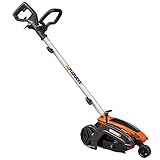
WORX WG896 12 Amp Edger
- 7.5 inch blade at 4700 rpm
- 3 depth settings
- Edging and trenching dual use

All 10 Picks at a Glance in October
| Product | Specifications | Action |
|---|---|---|
| WORX WG163 Cordless String Trimmer and Edger |
|
Check Latest Price |
| WORX WG896 12 Amp Corded Edger |
|
Check Latest Price |
| BLACK+DECKER LST300 Cordless 2-in-1 |
|
Check Latest Price |
 BLACK+DECKER ST8600 Corded 2-in-1 BLACK+DECKER ST8600 Corded 2-in-1 |
|
Check Latest Price |
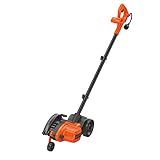 BLACK+DECKER LE760FF Blade Edger BLACK+DECKER LE760FF Blade Edger |
|
Check Latest Price |
 Fiskars 38 Inch Manual Steel Edger Fiskars 38 Inch Manual Steel Edger |
|
Check Latest Price |
 Colwelt 38 Inch Saw-Tooth Edger Colwelt 38 Inch Saw-Tooth Edger |
|
Check Latest Price |
 BARAYSTUS Wheel Rotary Edger BARAYSTUS Wheel Rotary Edger |
|
Check Latest Price |
 EGO Power+ ME0820 Multi-Head Edger EGO Power+ ME0820 Multi-Head Edger |
|
Check Latest Price |
 CRAFTSMAN CMCED400D1 Cordless Edger CRAFTSMAN CMCED400D1 Cordless Edger |
|
Check Latest Price |
Why Concrete Changes the Tool You Need
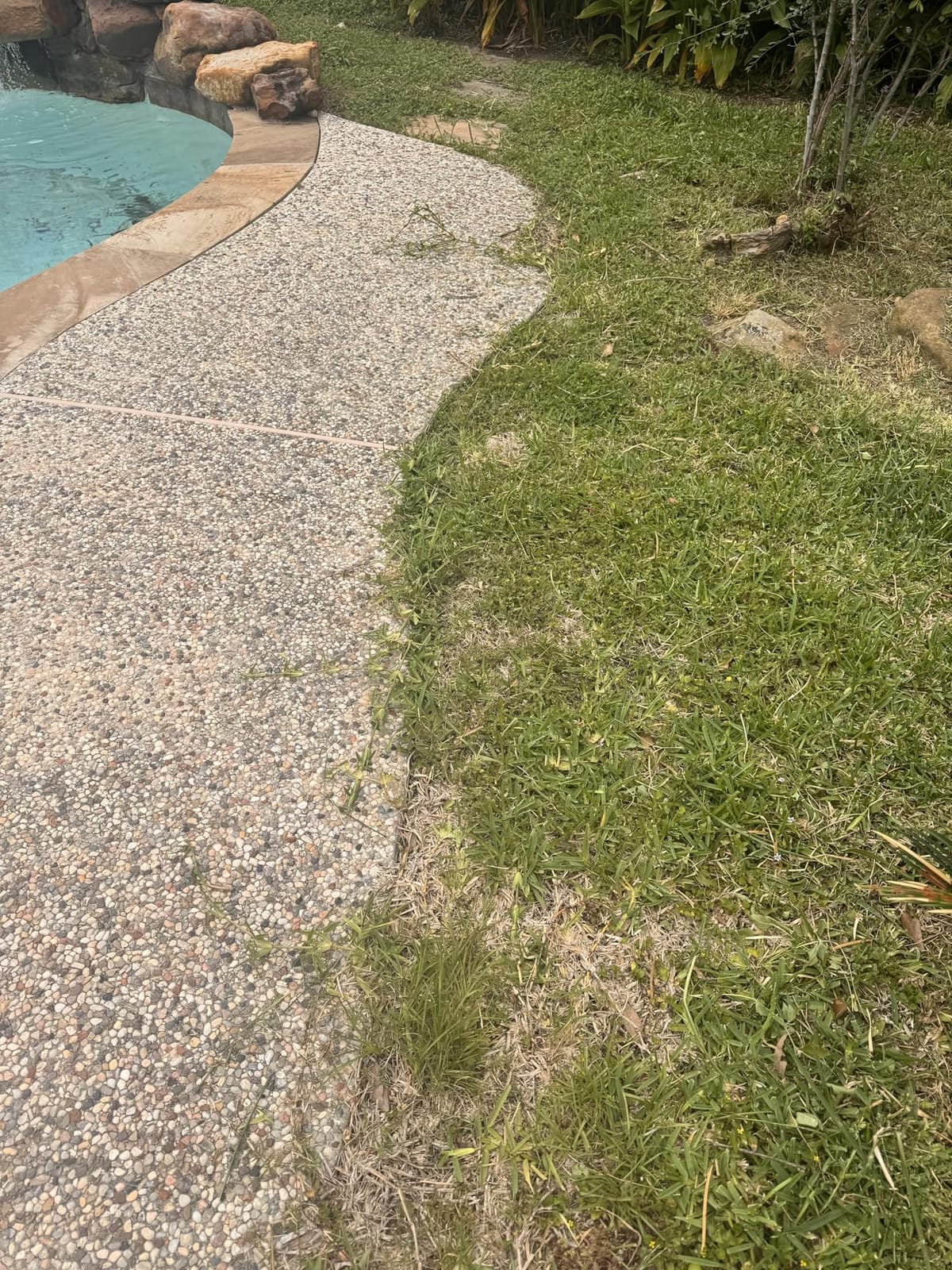
Concrete is the hardest surface most people will ever hold a yard tool against, and it changes what matters in an edger. Against a garden bed, you are slicing soft soil and roots. Against a sidewalk, the blade rides on an abrasive mineral surface that rounds cutting edges fast, and a plastic line is dragged along grit the entire time. A professional on lawnsite.com described the trade-off plainly when asked whether they edge sidewalks with a line tool: they edge cool season grasses about once a month through the growing season to hold back the creep, and noted that running against the walk will eat up the line faster. That wear is the reason we rank blade edgers above line edgers for concrete work, even when a line tool has a better star rating.
There is a second concrete-specific failure mode that almost nobody warns you about. A standard blade that hits a walk edge repeatedly will not chip the concrete first, it will dull itself into a rounded nub, and a rounded nub is the thing that then gouges. The editors at thehamptonedit.com made the same observation in a piece on commercial edging equipment, noting that standard blades wear down to a rounded nub quickly against concrete. Once the edge is gone, the tool stops slicing vertically and starts hammering sideways, and that is when chips come off the walk.
Blade material is therefore the real ranking criterion. Plain carbon steel is affordable and sharpens easily, and it holds an edge well until concrete gets to it. Stainless steel resists corrosion and holds a passable edge longer, but it is softer to start. Carbide-tipped blades are the answer for heavy concrete contact, because the carbide brazed onto the tooth is far harder than the concrete aggregate and refuses to round. None of the ten tools here ships carbide by default, which is exactly why we focus on blade design, guard geometry and the technique section below.
One more concrete risk deserves naming. Some poured walkways are finished with a hard 90 degree arris, the sharp corner where the top surface meets the side. Contractors on Reddit r/GeneralContractor argue that most walkways should have been formed up and finished with a rounded edge, which tells you that a sharp arris is the exception and the chip risk. An already cracked joint is worse, because the r/Concrete community will tell you concrete can deflect without visibly cracking, so a joint that looks fine may still be weak. Walk the line by hand before you power anything along it.
1. WORX WG163 – Best Overall Cordless Edger for Sidewalk Runs
WORX 20V 12″ 2-in-1 Cordless String Trimmer & Electric Lawn Edger, WG163
Battery powered
12 inch cutting width
5.5 lb
7600 rpm
2 x 20V batteries included
Pros
- Converts from trimmer to edger in seconds
- Two 20V batteries and charger in the box
- Command Feed button feeds line without bumping
- Rubberized support wheels keep the line straight
- Head tilts 90 degrees for sloped and tight spots
Cons
- Line-based edging is less precise against concrete than a blade
- 12 inch width is narrower than some rivals
The WG163 is the tool most people will actually end up using on a sidewalk, and the reason is simple: it ships with two 20V maxLithium batteries and a charger. Nobody hands you a cord or asks you to buy a second pack before you start. Owners have logged more than 28,000 reviews on this one, and the pattern across them is consistent: quick conversion, easy line feeding, and a body light enough at 5.5 lb that a long front walk is not a shoulder workout.
On concrete specifically, the tilt head is the feature that earns its keep. The 90-degree tilt lets you get the spool down into the joint where the grass and the walk meet, running the string almost vertically against the concrete the way a blade would, instead of skimming the top of the grass. Combined with the rubberized support wheels, which ride the lawn just off the concrete and hold a consistent line, it produces a noticeably tidier fringe than a bare spool.
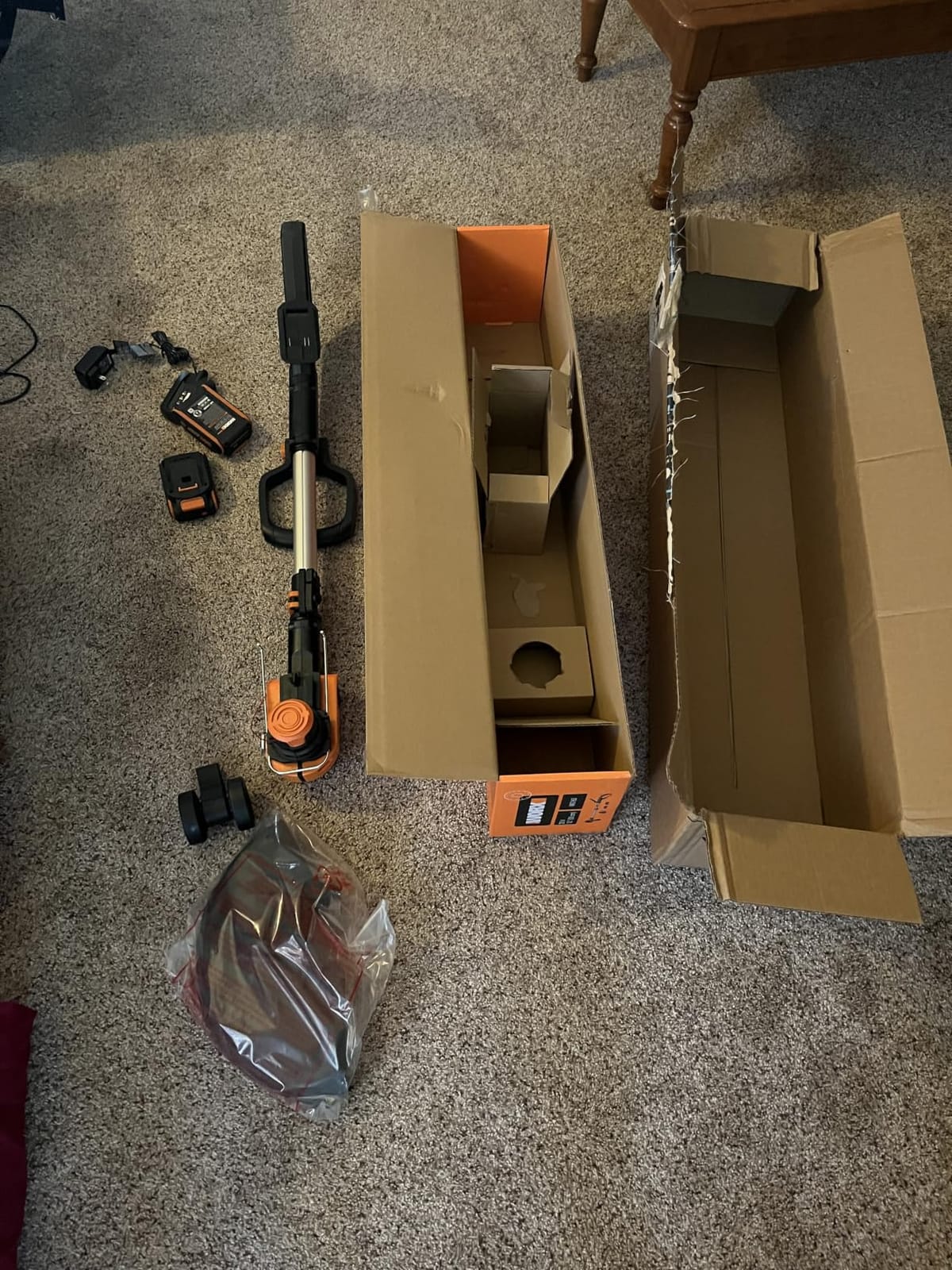
What it will not do is produce a true vertical slice. Reviewers are consistent that the cordless line edger is less precise on hard surfaces than a blade edger, and that shows up as a slightly softer line if the grass along your walk has grown thick. The 7600 rpm no-load speed is high for a line tool, and that helps it cut through sod, but a string simply cannot hold a knife edge the way steel can.
The other limit is width. A 12 inch cutting diameter means you cover a foot of turf at a time, so a 30 foot front walk takes three or four passes rather than one. For most sidewalks that is a five minute job. For a long corner lot where the walk runs the full property line, you will feel every one of those passes, and a manual wheeled edger like the BARAYSTUS we cover later can be faster on that specific shape.
When this is the right pick
Buy the WG163 if you are edging a normal city sidewalk and you want to walk away from the box with a full working kit. Two batteries means you can finish a long front walk and still have a pack for the back step, and the 5.5 lb weight keeps the whole job at one-handed-plus-wheel effort rather than a lifting exercise. The tilt head also earns its keep on sloped front yards and at the transition where your lawn meets the street curb.
When to buy something else
Look elsewhere if the grass along your walk has been allowed to grow into a thick mat, or if the line you are chasing is the difference between professional and not. This is a maintenance tool, which is exactly what most people need and exactly what a lawn care operator does not. It is also worth noting that the rubber wheels ride the grass rather than the concrete, so the line position depends on how level your lawn sits relative to the walk. If your walk is buried or sits below the lawn, the wheels can drift toward the concrete and the line will chew the edge.
2. WORX WG896 – Best Corded Blade Edger for Long Straight Walkways
WORX Electric Lawn Edger, 12 Amp 7.5″ Trencher for Lawn Landscaping, WG896
Corded electric
7.5 inch blade
14 lb
4700 rpm
3 depth settings
Pros
- 12 Amp motor spins the 7.5 inch blade fast enough for a crisp line
- Edging and trenching in one tool
- Three depth settings for different tasks
- Cutting line guide keeps the edge straight and narrow
- Adjustable shaft and D-grip fit different heights
Cons
- Needs an extension cord
- 14 lb is heavy next to battery edgers
Once you move from a line tool to an actual steel blade, the finished edge changes character completely. The WG896 is the blade edger in this group that owners rate for exactly the job most people are searching for, and its 4.4 star average across more than 15,000 reviews reflects a long record of consistent cutting rather than a spike of early enthusiasm. For a straight concrete walkway, a 4700 rpm 7.5 inch disc is the right size: small enough to control in a narrow bed, fast enough to slice a thick mat in one pass.
Two design details matter more than the spec sheet when the work is concrete. The three position depth adjustment lets you choose how deep the blade bites, which controls how much of the root mat you remove in a single pass and therefore how much concrete the disc is forced to rub against. The cutting line guide keeps the cut straight and narrow, which is what keeps the disc parallel to the walk instead of drifting into it.
Be honest about the cord. Only a short lead comes in the box, so you need a heavy-duty outdoor extension cord, and managing that cord on a straight walkway is the only real friction in the whole job. On a long, clean run with a clear path back to the outlet, this is close to ideal, and the fact that the motor never pauses means you can work at a steady walking pace. Reviewers point to the trenching capability as a genuine second use, which is handy for laying irrigation line or cutting a channel for a new garden bed.
At 14 lb it is by far the heaviest tool in this roundup, and you feel that in the last hour of a long afternoon. The adjustable shaft and D-grip help a lot, and so does the fact that the blade only engages the load for a moment at a time rather than fighting thick sod continuously. But if your sidewalks total more than a few hundred feet and the walk is broken up by landscaping, the cord and the weight together start to argue against this one.
When this is the right pick
The WG896 fits a long, straight, unobstructed walkway where an outlet is within reach. It handles the thick overgrown edge that a line tool will not, and the depth settings let you take a neglected border in two passes rather than five. If you have already concluded that string edging is the wrong tool for concrete, this is the shape of answer that most owners end up happy with.
When to buy something else
Skip it if you are edging in a yard with no outlet access, or if the total run is long enough that dragging a cord will annoy you more than a second pass with a lighter tool will. It is also the wrong answer for a small job. A 14 lb blade edger is a lot of machine to carry thirty feet and put away, and for a short front walk the manual options later in this list do the same cut with no power at all.
3. BLACK+DECKER LST300 – Best Starter Kit for First-Time Edging
BLACK+DECKER 20V MAX String Trimmer and Edger 2 in 1, Cordless Weed Wacker with Auto Spool Feed, Battery and Charger Included, 12 Inch Steel Deck, Reduced Vibration (LST300)
Battery powered
12 inch swath
5.7 lb
6200 rpm
1 x 2.0Ah battery included
Pros
- Quiet operation with no gas fumes
- Automatic Feed Spool removes the bump-head habit
- Converts from trimmer to edger in seconds
- Lightweight at 5.7 lb with adjustable handle
- Charging base included for wall storage
Cons
- Only one battery included
- Line edging is less precise than a blade on concrete
If the word edger has never described a tool in your garage, the LST300 is the least complicated way in. It is a 2-in-1 trimmer and edger with a 6200 rpm POWERDRIVE transmission, a 12 inch cutting swath and a 5.7 lb body, and the whole thing converts from horizontal trimming to vertical edging in a few seconds with no tools. Owners rate it 4.4 stars across more than 9,000 reviews, with quiet operation and simple handling as the two things mentioned most often.
The Automatic Feed Spool is the detail that will matter most to a beginner. On most line tools you bump the head against the ground to advance line, and that habit is exactly what makes beginners scuff concrete, because the bump happens while the head is tilted into the joint. The LST300 advances line on a button instead, so the spool never has to touch the walk to feed.
Against concrete, treat it as a maintenance tool rather than a corrective one. The 12 inch swath and the edger conversion are enough to keep a normal sidewalk tidy between mowing visits, and the adjustable handle means one person can set the length for their own height. It is not going to cut through a mat of sod that has welded itself to the walk, and it will not leave the knife-sharp vertical line that a steel disc does.
When this is the right pick
This is the right tool for a first season of edging on a small front walk, especially for anyone who is sensitive to noise or fumes. There is no cord to trip over and no fuel to store, which makes it easy to keep on a back porch or in a garage and grab on a Saturday morning. The wall mountable charging base is a small thing that matters in a tight garage.
When to buy something else
The single biggest limitation is the one battery. One 2.0Ah pack is included, and a second battery is the first thing most owners add. If your sidewalk frontage is long enough that you cannot finish in one charge, budget for a second pack or pick a kit that ships with two. The other limitation is concrete contact: as a line tool it is a poor choice for a boundary that has been neglected for a season, and the string is what wears against the walk rather than the concrete wearing the string.
4. BLACK+DECKER ST8600 – Best Lightweight Corded Trimmer and Edger
BLACK+DECKER String Trimmer / Edger, 13-Inch, 5-Amp (ST8600)
Corded electric
13 inch cutting swath
5.4 lb
7000 rpm
Edge guide wheel
Pros
- Widest swath in the group at 13 inches
- Very light at 5.4 lb for long sessions
- No battery degradation or charging downtime
- Quiet with no gas smell
- Edge guide helps hold a straight line
Cons
- No power cord included
- Extension cord connection can seat awkwardly
The ST8600 does something no other tool in this roundup does: it covers 13 inches at a time at 5.4 pounds. That combination is what makes it the fastest line edger here on a long straight sidewalk, because you cover a foot and a tenth per pass with a body you can hold for an hour without noticing the weight. Owners report cutting thick, tall grass quickly with it, and the 7000 rpm motor gives the line more speed than most corded machines at this weight.
Concrete is a factor in its favour in one specific way. Because the whole tool weighs so little, the line head presses into the joint gently and the edge guide keeps the cut aligned with the walk rather than drifting into it. Reviewers like the wide swath, the quiet operation and the fact that there is no battery to age. The corded design also means the tool delivers the same power in year five as in year one.
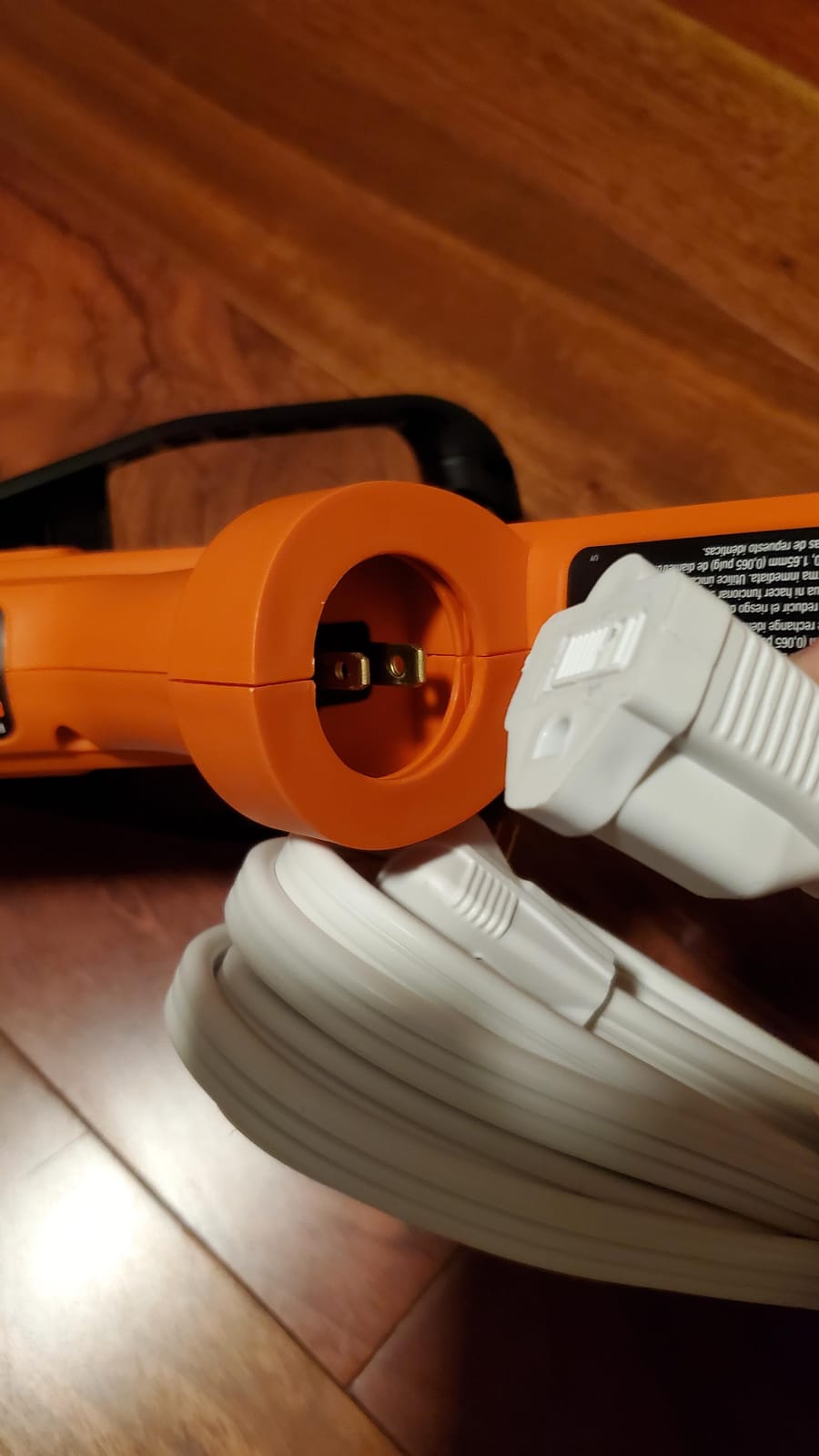
The catch is the cord, and it is the same catch the WG896 has. No power cord ships with the unit, so you supply an outdoor-rated extension cord, and the connection point at the tool is the one reviewers single out as slightly awkward to seat. That is a thirty second annoyance each time you start, not a dealbreaker, but on a walk that wraps around three sides of a house you will notice it.
It is also worth being clear that the edge guide helps but does not make this a blade edger. The line will still produce a soft fringe, and against concrete it will still wear quickly. For a yard that is mowed weekly and edged monthly, that fringe is manageable. For a border that has gone a year without attention, pick a blade.
When this is the right pick
Choose the ST8600 when you have a long, straight walk, an outlet within reach, and a sensitivity to weight. At 5.4 lb it is the tool you can pick up one-handed, and the 13 inch swath means fewer passes than anything else here powered or manual. It is also a strong choice for someone who already owns a corded trimmer and wants one more tool on the same platform.
When to buy something else
Do not buy it as a one-tool answer to an overgrown concrete edge. It is built for maintenance cadence, and pushing a line tool through sod that has grown into the joint is how people end up with a scuffed walk and a complaint. If your concrete frontage is short and you never leave a cord out, a manual edger does the same job without any of the cord management.
5. BLACK+DECKER LE760FF – Best Blade Edger for Crisp Lines Along Concrete
BLACK+DECKER Lawn Edger Trencher 2 in 1, 12 Amp 7.5 in. Electric Edger Lawn Tool for Landscaping and Trench Digger, 3 Height Settings, Corded (LE760FF)
Corded electric
7.5 inch steel blade
14.1 lb
12 Amp motor
3 depth positions
Pros
- Bladed edge gives the cleanest line in this group along sidewalks
- Wheel-assisted design keeps long straight runs consistent
- Spare blade included and easy to swap
- Converts to trenching for irrigation and edging installs
- 2 year limited warranty
Cons
- Blade nut can loosen in use and needs re-tightening
- 14.1 lb is heavy for tight corners
- Requires managing an extension cord
The LE760FF is the tool in this roundup that owners describe most consistently as producing a professional-looking line along sidewalks and driveways, and at a 4.5 star average across more than 3,900 reviews it is one of the best-rated dedicated blade edgers in this roundup. The 7.5 inch blade at 3/16 inch thickness on a 12 Amp high-torque motor is a proven combination, and the three-position depth adjustment lets you set how much of the root mat you take in one pass.
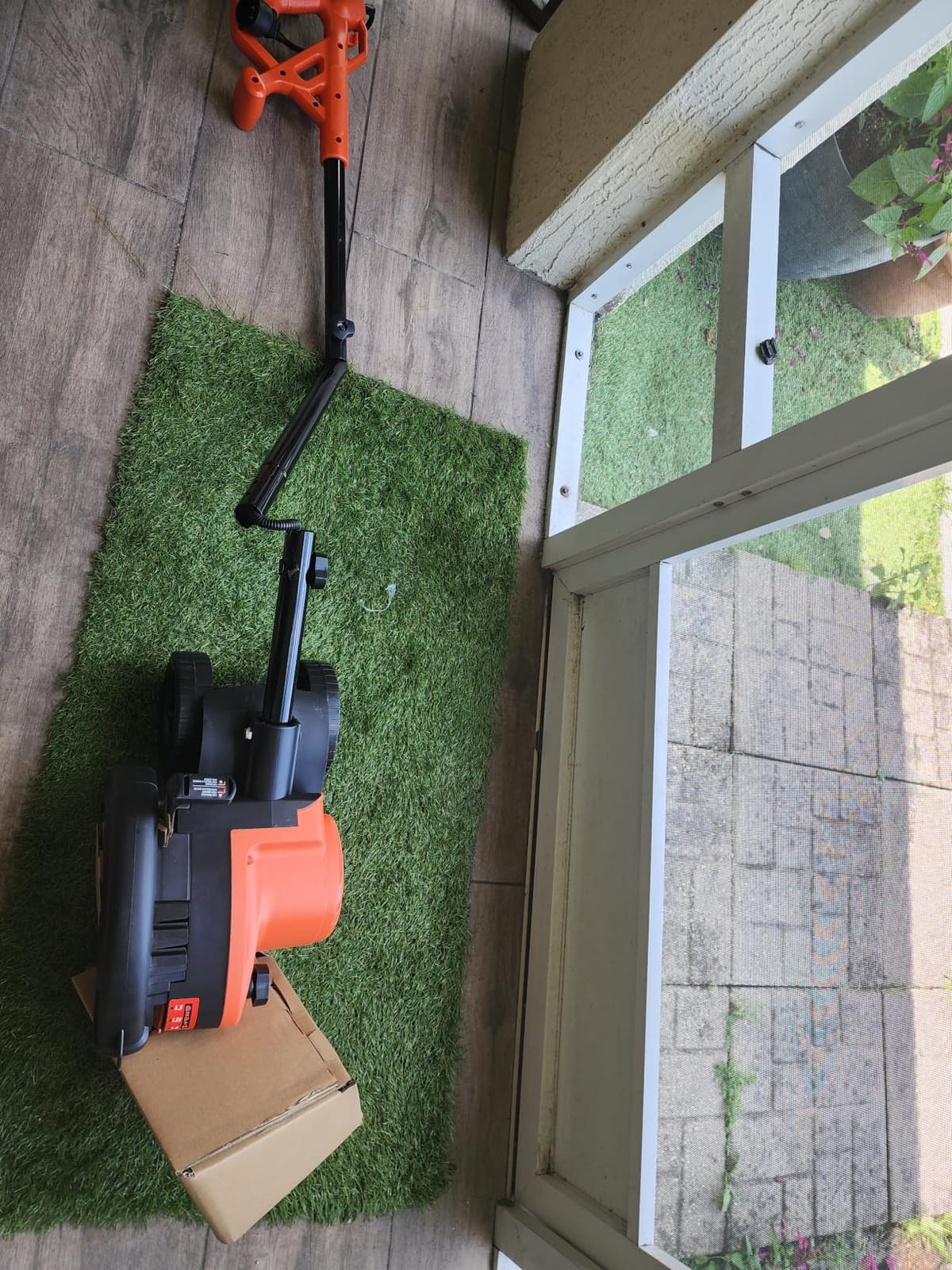
What separates it from a generic blade edger is the wheel. The wheeled design carries the tool on the lawn just off the concrete, which means the blade stays at a fixed relationship to the walk instead of hunting for it. On a straight sidewalk that is the difference between a line you are proud of and a line that wanders into the joint. It is also the reason the same tool does long runs without tiring your arms, even at 14.1 lb.
Two honest problems. The blade mounting nut can loosen during use and owners report having to re-tighten it with a socket, which is a real annoyance on a concrete job where vibration is constant. And at 14.1 lb, this is not a tool for tight corners or for carrying a long distance. The pull-up edge guide and the no-tool setup do help, and a spare blade in the box means a dulled disc is not an emergency.
Durability is where this one genuinely impresses. Owners report service lives measured in the 8 to 15 year range, which makes sense once you understand that a wheel-guided blade barely touches the concrete at all. The concrete-contact wear that flattens a standard stick edger largely happens when the blade is allowed to ride the walk. This design keeps it off the concrete most of the time, and that is the real reason it lasts.
When this is the right pick
The LE760FF is the answer for anyone whose concrete edges are visible from the street and who wants a true vertical cut rather than a trimmed fringe. It suits long straight runs with outlet access, and it converts to trenching if you are planning irrigation or a new bed. The three height settings mean you can take a deep first cut on a neglected edge and a shallow maintenance pass later in the season with the same tool.
When to buy something else
It is the wrong call if you are not prepared to manage a cord, or if your edging is scattered short segments in a yard with no clear path back to an outlet. At 14.1 lb it is also wrong for bed edges in tight corners. And if you already own a working battery platform, check the alternative below before committing, because a single platform can cover trimming, blowing and edging for less than a second tool ever will.
6. Fiskars 38 Inch Steel Edger – Best Manual Edger for Short Sidewalk Runs
Fiskars 38″ Manual Long-Handled Steel Edger, Garden & Lawn Tool
Manual
38.5 inch overall length
2.2 lb
Welded 14 gauge hardened steel blade
Full lifetime warranty
Pros
- No cord
- battery or fuel needed
- Sharpened steel blade cuts clean lines along sidewalks
- 38 inch length saves your knees and back
- Lightweight at 2.2 lb with welded steel construction
Cons
- Real physical effort on compacted soil
- No wheeled guide so straightness depends on technique
A manual edger gets dismissed because people picture stabbing a spade into the ground, and that picture is wrong. The Fiskars uses a welded 14 gauge hardened steel blade that is sharpened from the factory, with a large step platform that lets you put your body weight into the cut rather than your arms. It is 2.2 lb and 38.5 inches long, which means the work happens standing, not kneeling, and the long handle takes the strain off your back entirely.
For a short sidewalk run this is genuinely the right tool. If your front walk is twenty feet of concrete and a few feet of turf either side, a powered edger means assembly, a cord or a battery, and storage for a machine you will use twice a season. The Fiskars means picking it up off the wall, digging a step, and walking the line. Owners rate it 4.5 stars across more than 1,500 reviews and cite the simple, durable steel build and the length of the handle most often.
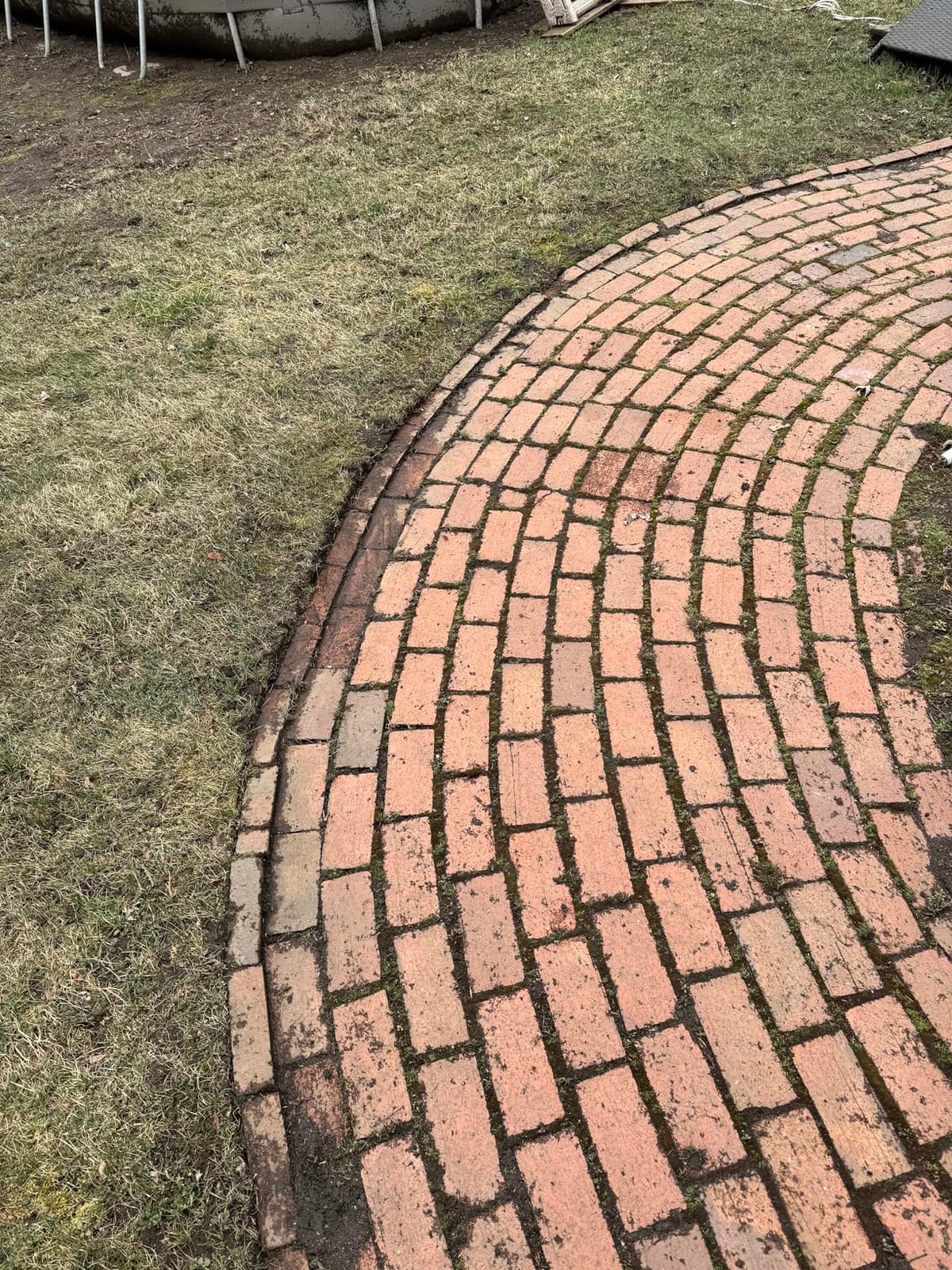
Concrete contact is the easiest part of the job for this tool. A hand edger is guided by the cut you choose, not by momentum, so there is no scenario where it bounces off a walk edge and chips it. That control is exactly what a beginner needs, and it is why manual edgers are the most common answer in forums when people ask how to get a professional edge on a yard that has never been edged.
The honest limitation is effort. On hard, compacted soil where the roots have bound together, you are working against resistance and the answer is more body weight and shorter steps, not more speed. It is also worth noting the trade with the BARAYSTUS further down: a foot platform gives you control, a wheel gives you speed. For very short runs the platform wins.
When this is the right pick
Buy the Fiskars if you have a short front walk, a small garden bed border, or a patch of grass that keeps creeping onto a path you just want tidy once a month. There is nothing to charge, nothing to fuel and nothing to plug in, and the full lifetime warranty means it is not a tool you will replace. It is also the best first edging tool a new homeowner can buy, because the technique is learnable in five minutes.
When to buy something else
Move up to a powered blade edger if the edge has been neglected for a full season, if the soil along the walk is clay or heavily compacted, or if the run is more than about 30 feet. Physically that is several hundred stabs per session, and it will get old. This is a maintenance tool with a long reach, not a corrective tool for a boundary that has been swallowed.
7. Colwelt Saw-Tooth Edger – Best Manual Edger for Dense Turf and Root Mats
Colwelt Saw-Tooth Edger Lawn Tool, Half Moon Lawn Edger with T-Grip, Sidewalk Grass Long Handled Step Edger, 38-Inch
Manual
8.7 inch carbon steel blade
6 saw teeth
38 inch height
Powder coated steel
Pros
- Saw-tooth blade slices through dense turf and roots
- Extra-wide foot platform uses body weight
- 38 inch T-handle with cushion grip
- Also useful for installing plastic edging strips
- Garden gloves included in the box
Cons
- Fully manual so it is slow on long overgrown edges
- Powder coated steel can show surface rust with heavy exposure
The Colwelt solves a specific problem the plain-blade manual edgers do not: turf that has grown thick and matted right into the joint. Instead of a straight cutting edge, the 8.7 inch carbon steel blade carries six saw teeth, and that serrated profile hooks and tears through sod and root mat rather than sliding off it. Owners rate it 4.3 stars across more than 1,500 reviews and single out the saw-tooth cutting action as the reason it works where smoother blades stall.
The extra-wide foot platform is the second thing that makes it different. It is large enough to stand fully on, which turns the cut into a body-weight operation instead of an arm operation, and the 38 inch T-handle with a cushion grip keeps you upright and braced. For anyone with back or knee issues, that combination is the whole reason a manual edger is workable at all.
It is also the tool to reach for when the job is not really edging. Reviewers note it doubles for installing plastic edging strips along a walkway, which is a real problem for anyone whose border edging has warped after a few seasons. One tool handles both the install and the annual tidy-up, and it does neither one badly.
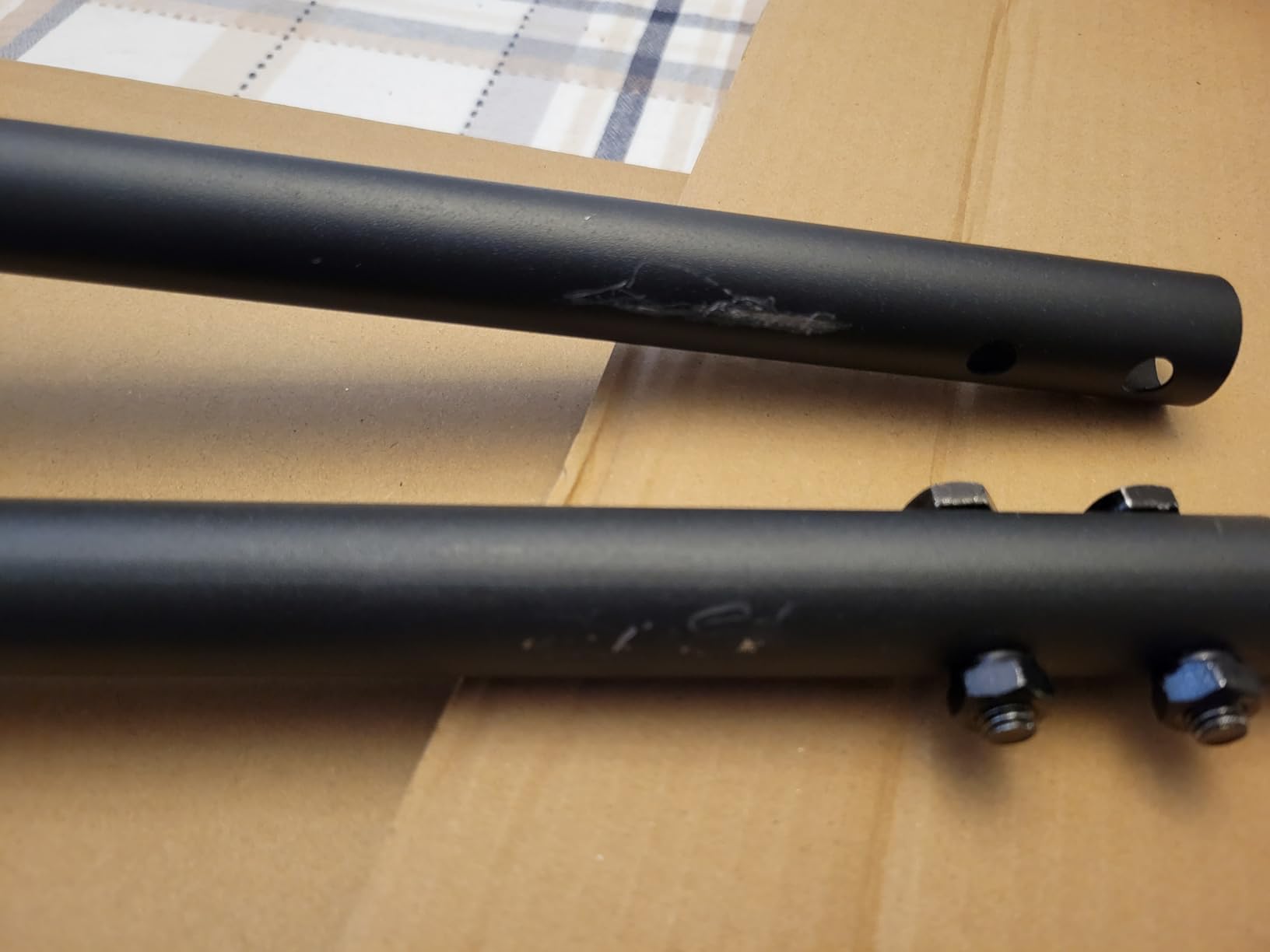
Be realistic about two things. Fully manual means slow on a long edge that has been allowed to grow, and the powder coated carbon steel can show surface rust if it is left wet and outside through winter. Neither is a dealbreaker for a tool you will use a handful of times a year, but both argue for rinsing it off and storing it dry if you want it to keep looking new.
When this is the right pick
Choose the Colwelt when the grass along your walk has grown into a dense mat, when you want a tool that can do both edging and plastic edging installation, or when a powered machine is simply not worth the storage. The saw teeth make it the strongest manual option for a neglected short run, and the gloves in the box are a small courtesy that tells you what the tool expects of you.
When to buy something else
It is the wrong tool for a long frontage, because every cut is a stabbing step and the pace is set by your own fatigue. It is also the wrong choice if your soil is very dry and hard, where the blade will skate rather than bite. For long straight runs a rolling wheel design covers ground faster, and for thick mats on a big property a powered blade edger is simply faster.
8. BARAYSTUS Wheel Rotary Edger – Best Rolling Edger for Steady Sidewalk Passes
BARAYSTUS Wheel Rotary Edger Lawn Tool, Grass Edge Trimmer, Sidewalk Manual Lawn Edger, Strong 3 Sections Stainless Steel Handle with Cushion Grip, 58.3-Inch
Manual
5.5 inch cutting width
16 oz
CNC ground serrated blades
3 height settings
Pros
- Wheeled head rolls along the sidewalk for even edges
- Serrated blades stay sharp as they cut
- Three length settings suit different user heights
- Stainless steel handle is durable and rust resistant
- No power source and no noise
Cons
- Lowest rated in the group at 4.0 stars
- Narrow 5.5 inch width means more passes
- Debris must be cleared from the wheel axle
This is the manual answer to the corded tools, and the wheel is the point. Rather than stopping to dig a step every few inches, the weighted wheel rolls along beside the walk while the CNC ground serrated blades shear off the grass at the joint. On a straight concrete sidewalk that turns a slow, stop-and-start chore into something close to a smooth glide, and it is the fastest manual option here by a clear margin.
The serrated blades are also self-sharpening by geometry, which matters against concrete. A blade that maintains its cutting profile over repeated passes along a walk is not slowly rounding into a nub the way a plain straight edge does, so the risk of the tool starting to chew the concrete is meaningfully lower than with a flat manual blade.
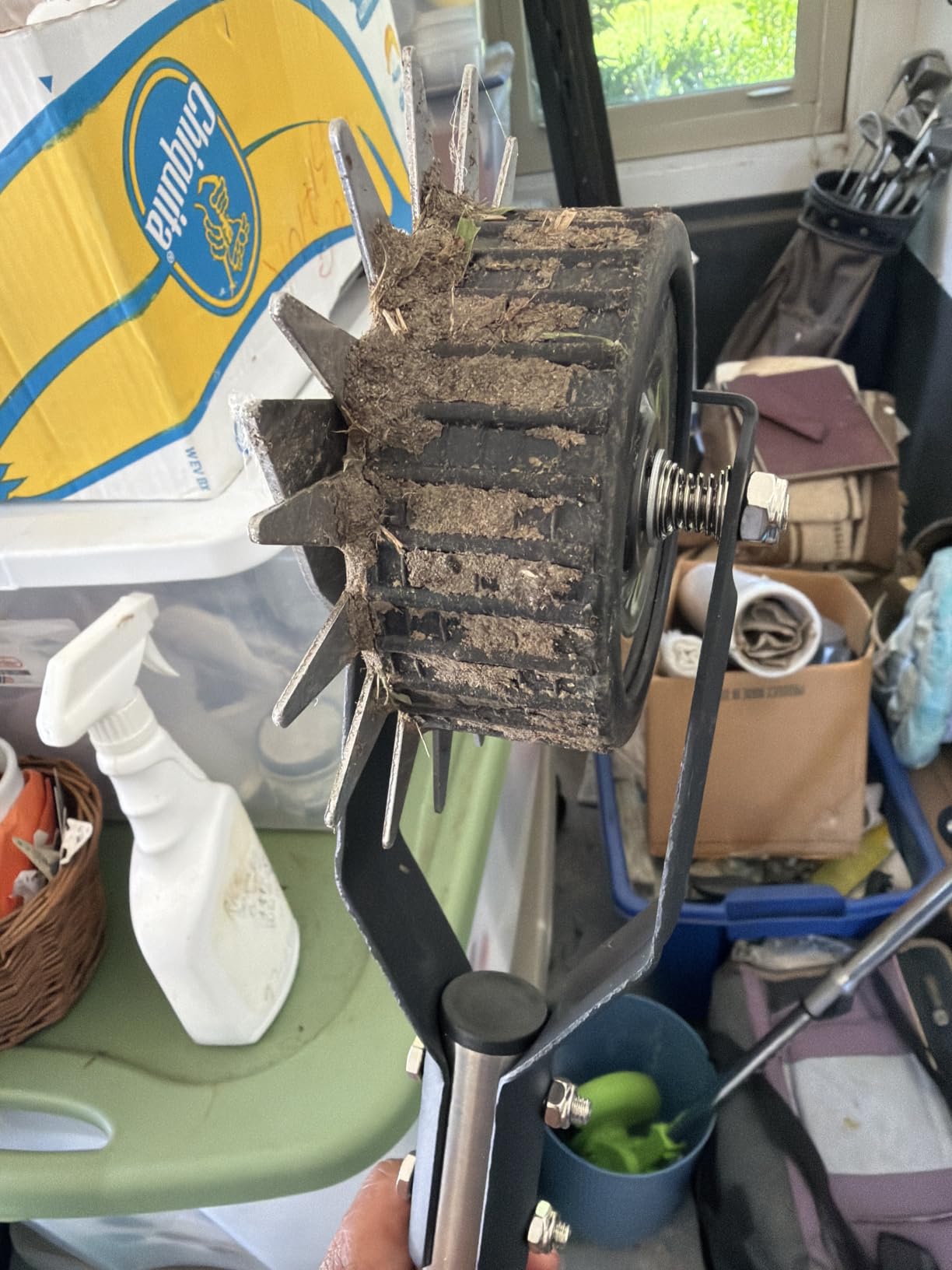
Two things keep this out of the top tier. The 5.5 inch cutting width is the narrowest of any tool in this roundup, so a long walk takes more passes than you would expect, and the 4.0 star average with 9 percent one-star reviews is the lowest here. The recurring complaint in those reviews is binding: grass and debris wrap around the wheel axle and stop the tool until you clear them. On a clean, mowed sidewalk that never happens. Along a weedy, neglected edge you will be stopping constantly.
Owner comments about height adjustment are positive, with three settings at 30.7, 44.5 and 58.3 inches covering everything from a shorter user working low beds to a full-length push. At 16 ounces the whole tool is lighter than most hand tools in a garage, and the stainless steel handle will not be the first thing to fail.
When this is the right pick
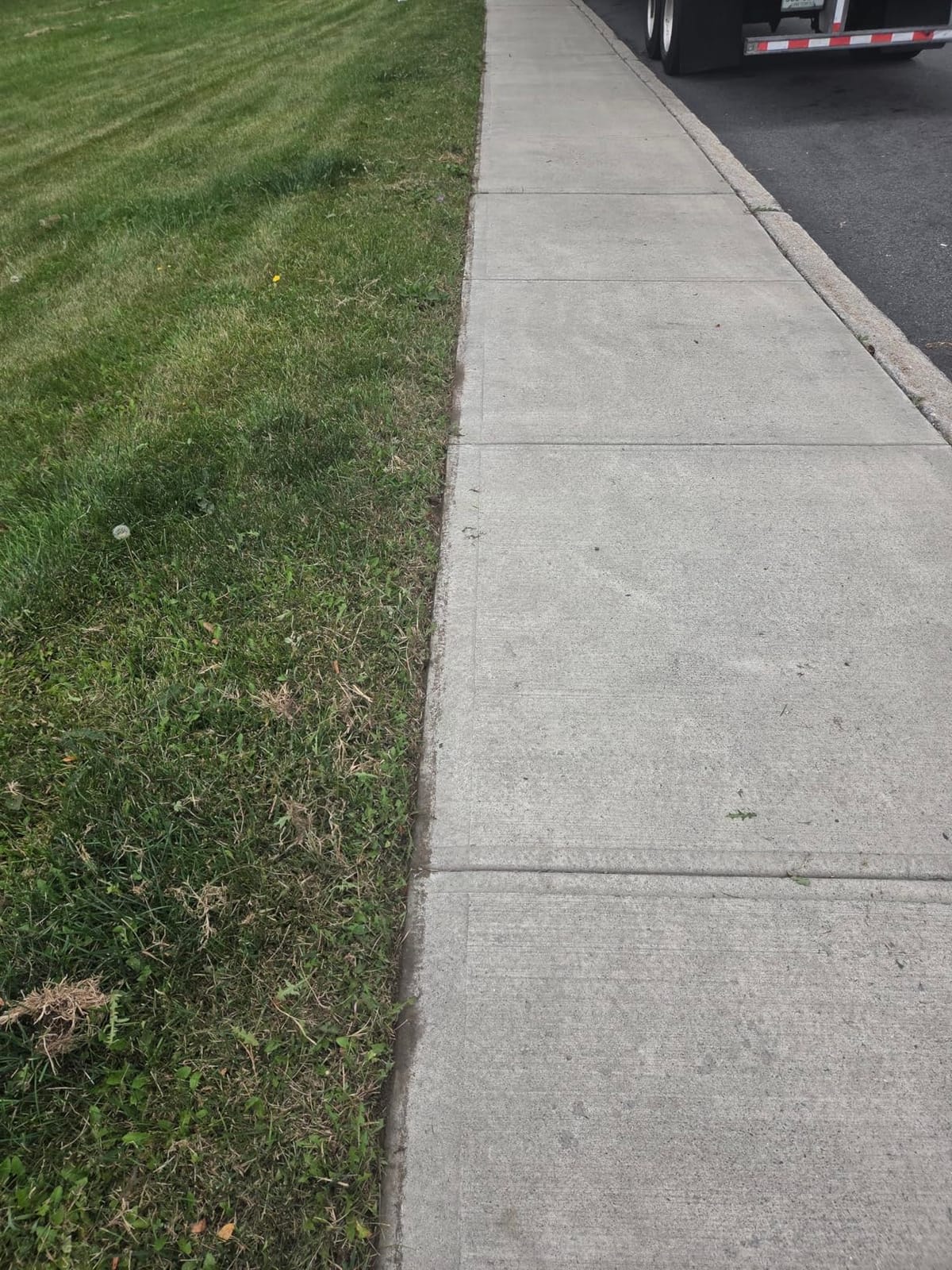
The BARAYSTUS fits a long, straight, already-maintained sidewalk run where you want a fast pass and you do not want a cord, a battery or a fuel tank in the equation. The wheel guides the cut for you, so a first-time edger can get a straight line far more easily than with a foot-platform tool. It is also an affordable way to put a real wheel on the concrete problem.
When to buy something else
Pass on it for weedy, overgrown or debris-heavy edges, where the axle will bind and you will spend more time clearing the wheel than cutting. The narrow width also makes it a poor choice for a very long frontage. And if you want a cut deep enough to stop grass regrowth through the joint rather than a tidied fringe, a toe-bladed step edger is a better use of your time.
9. EGO Power+ ME0820 – Best Multi-Head System for a Whole-Yard Toolkit
EGO Power+ 8″ Lawn Edger Attachment & Multi-Head System Power Head – ME0820
Battery powered
8 inch edger attachment
10.8 lb
Brushless motor
Up to 3 inch edging depth
Pros
- Highest rated at 4.6 stars with 78 percent five star reviews
- Brushless motor gives smooth low vibration cutting
- Guide wheel adjusts to 3 inches of edging depth
- One power head drives 12 attachments
- Works with any EGO 56V ARC battery and 5 year warranty
Cons
- Battery and charger not included
- 10.8 lb unit is heavier than most dedicated edgers
The ME0820 is a power head and an edger attachment rather than a standalone edger, and that is the entire argument for it. If you own or will own an EGO 56V ARC battery, one power head drives 12 attachments, so the same motor and battery handle trimming, blowing, pruning and edging. Spread across a whole-yard toolkit, the cost of the second tool approaches almost nothing, which is the calculation that makes a dedicated edger hard to justify if you are starting out.
It is also the highest-rated product in this roundup at 4.6 stars with 78 percent five-star reviews. The brushless motor runs smooth and quiet with low vibration, and the carbon fiber shaft keeps weight down to 10.8 lb for the combination. For concrete work the most interesting feature is the guide wheel with a depth adjustment knob that allows up to 3 inches of edging depth, which lets you set how much root mat the blade takes and therefore how much concrete contact it sees.
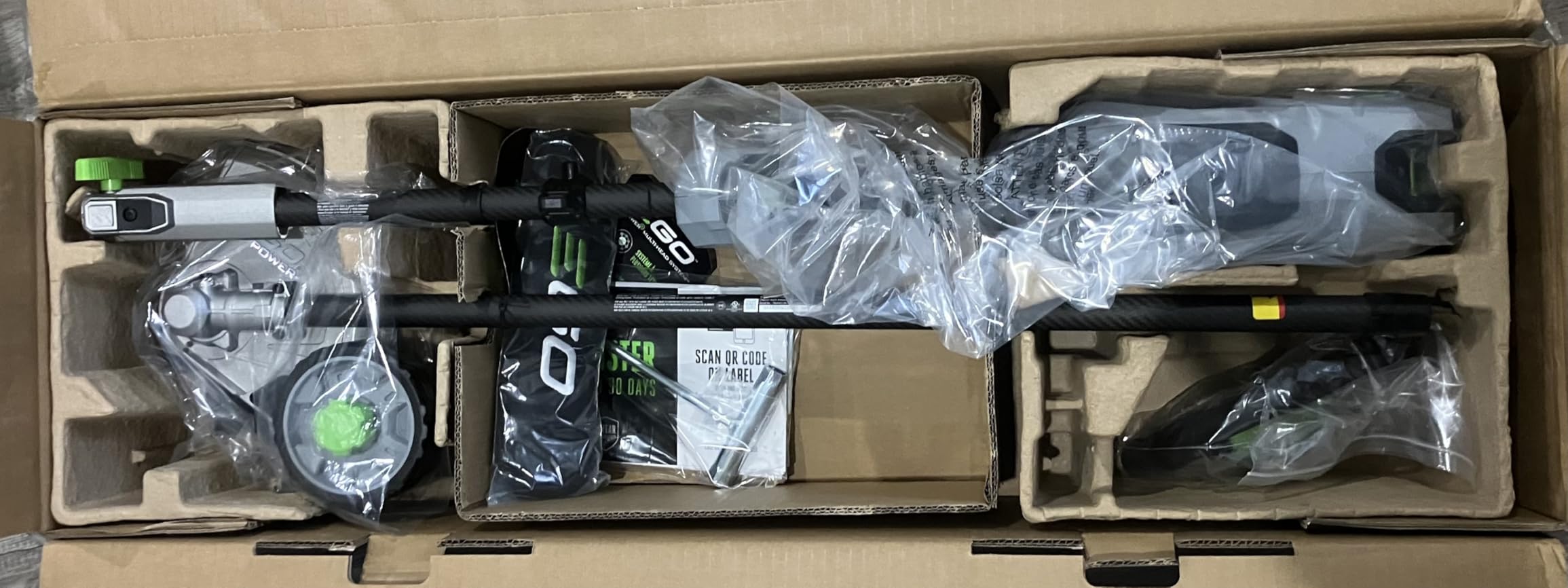
Two caveats. The battery and charger are not included, so the sticker on the box is not the number you will pay, and the full EGO platform is a real commitment rather than an impulse purchase. The 10.8 lb figure is heavier than most dedicated edgers here, and at 8 inches the attachment is narrower than the corded blade edgers, so long walks take more passes.
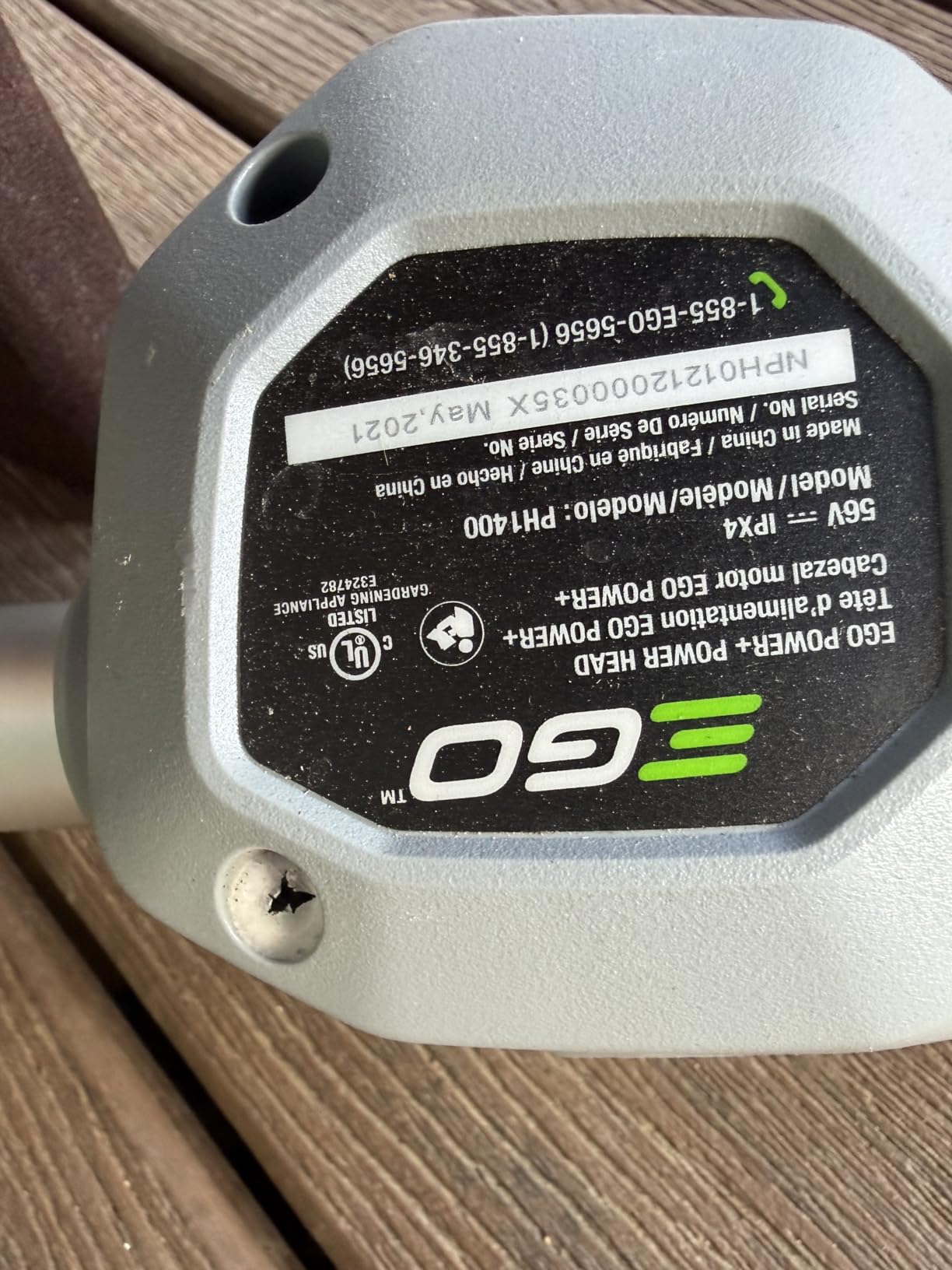
What you give up in blade precision, you get back in convenience. The attachment is a purpose-built edger head with a wheel and depth control, not a line head pretending to be an edger, so it belongs in this roundup on the same footing as the dedicated machines. The IPX4 weather-resistant build is also a sensible detail for a tool that lives outdoors between seasons.
When this is the right pick
Buy the ME0820 if you are building an EGO platform or already own 56V ARC packs. It makes the most sense for someone whose edging needs are modest but whose yard tools list is long, because the marginal cost of adding edging to a platform you already have is the lowest of any cordless option here. The 3 inch depth adjustment is also the deepest setting in the roundup, which is useful on a walk where turf keeps creeping back.
When to buy something else
It is the wrong buy as a single-purpose purchase if you do not own the batteries already and do not want to start a platform. A dedicated blade edger will make a cleaner cut on concrete, and for one hard front walk the money is better spent on a blade than on a battery ecosystem. Lock-in is the real cost here, and it is worth pricing the whole platform before you commit to the first pack.
10. CRAFTSMAN CMCED400D1 – Best Lightweight Cordless Edger for Routine Upkeep
CRAFTSMAN Cordless Edger Lawn Tool, 20V MAX Battery, Charger and Blade Included, Lightweight Lawn Edger, 7.5 in Cutting Width, 1000 Ft of Edging per Charge (CMCED400D1)
Battery powered
7.5 inch blade
8 lb
Integrated edge guide
Battery and charger included
Pros
- Lightweight 8 lb body that is easy on arms and back
- Integrated edge guide produces clean straight lines
- Battery
- charger and edging blade all in the kit
- Folding handle and wall hook make storage simple
Cons
- Included 2.0Ah battery gives about 10 minutes of run time
- Struggles on hard compacted ground and overgrown edges
- Some owners report battery overheating
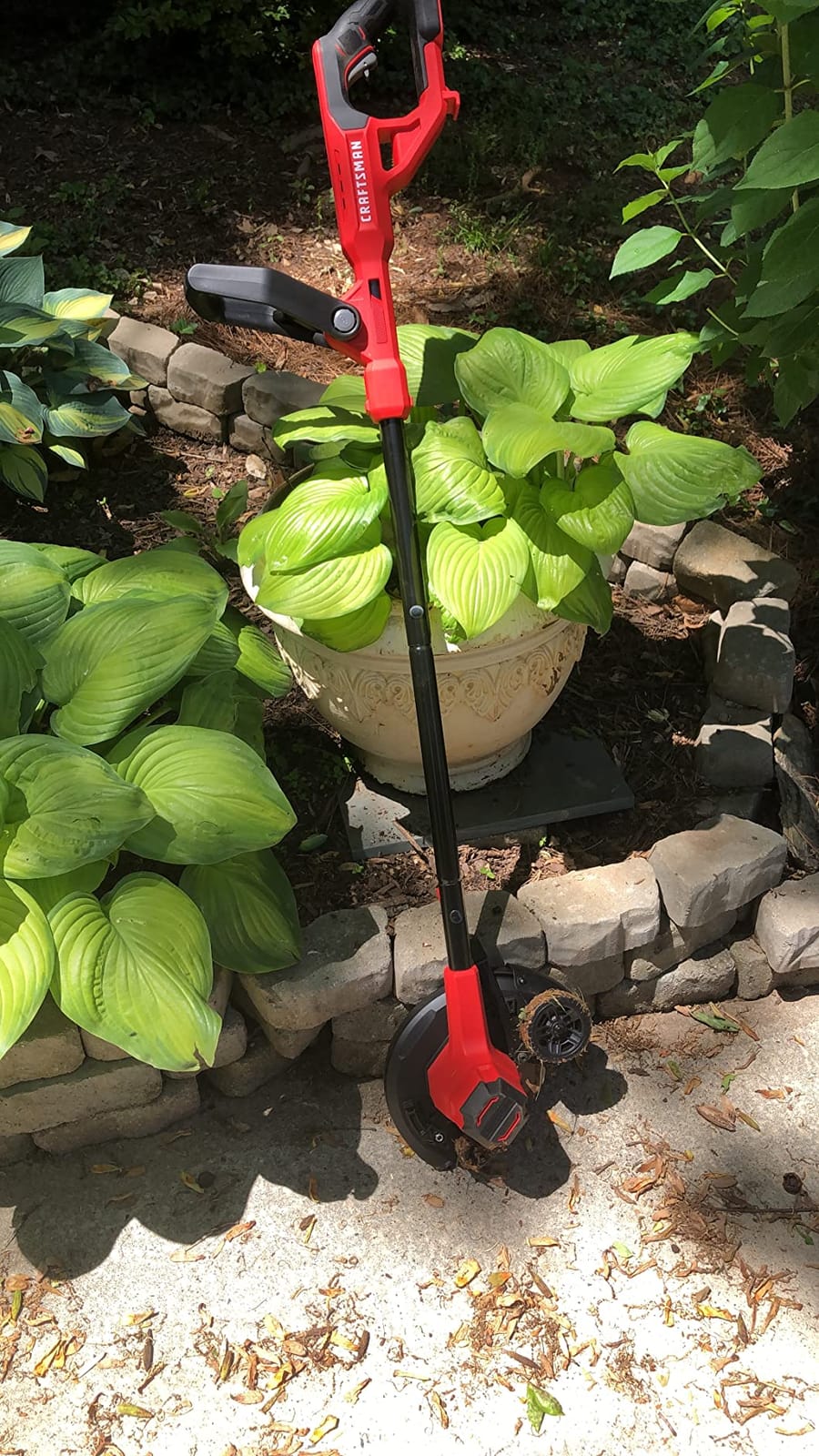
The CRAFTSMAN is the simplest cordless blade edger in the roundup, and for routine upkeep that is exactly its job. It arrives as a complete kit: edger, 7.5 inch blade, a 2.0Ah V20 battery and a charger, so unlike a bare power head you can edge this afternoon. At 8 lb it is light enough for a long sidewalk session, and the integrated edge guide is what makes the line come out straight on the first attempt.
Storage is genuinely well thought out for a cordless tool. The folding handle shortens the package and the integrated hook fits VERSATRACK wall storage, which matters if your garage is already full. Owners also like that the battery is compatible with the wider CRAFTSMAN V20 range of outdoor equipment, so the pack is not stranded in one tool.
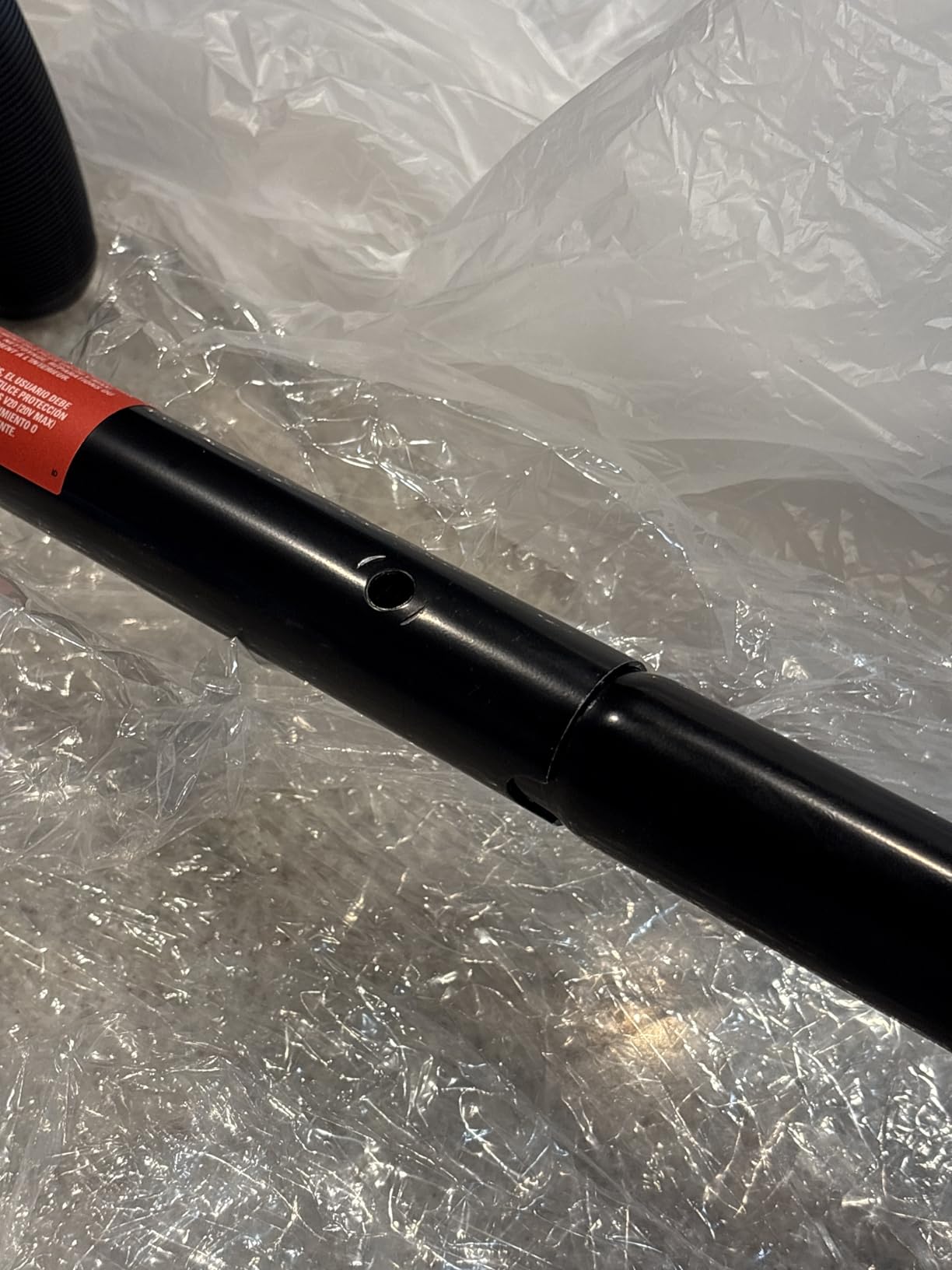
The battery is the weak point and everyone says so. The included 2.0Ah pack gives roughly ten minutes of run time, which on a long sidewalk means a mid-job charge, and owners recommend stepping up to a larger 4.0Ah pack instead. The 4.0 star average also reflects reports of the battery running hot during use and of the tool struggling on hard, compacted ground or edges that have been left for a season.
Set the expectations correctly and it does what it says. For a walk that gets edged on a monthly cadence during the growing season, which is the rhythm a lawn care professional describes, ten minutes of runtime is a lot of edging. For a border that has grown unchecked, it is the wrong tool and no battery size will change that.
When this is the right pick
The CMCED400D1 suits a homeowner who wants a real blade on concrete, a complete kit in one box, and a tool light enough to hang on the wall afterwards. It is a good first powered edger because the edge guide does most of the precision work for you, and the included battery means you can test the technique on a short run before committing to anything larger.
When to buy something else
Skip it for heavy, compacted soil, clay, or edges that have not been cut all season, where the motor boggles and the small pack will not get you through. If you foresee more than a few minutes of edging per month, buy the larger battery at the outset. And if you want the crispest possible line along visible frontage, a wheel-guided corded blade edger has more mass behind the cut.
How to Edge Along a Concrete Sidewalk Without Damaging It
Yes, you can edge a concrete sidewalk without damaging it, and the difference between a clean job and a chipped one is four things: a sharp blade, a set depth, a consistent stand-off distance, and a slow walk. Get those right and the concrete is the hardest part of the job, which is exactly why it gives you the best edge available.
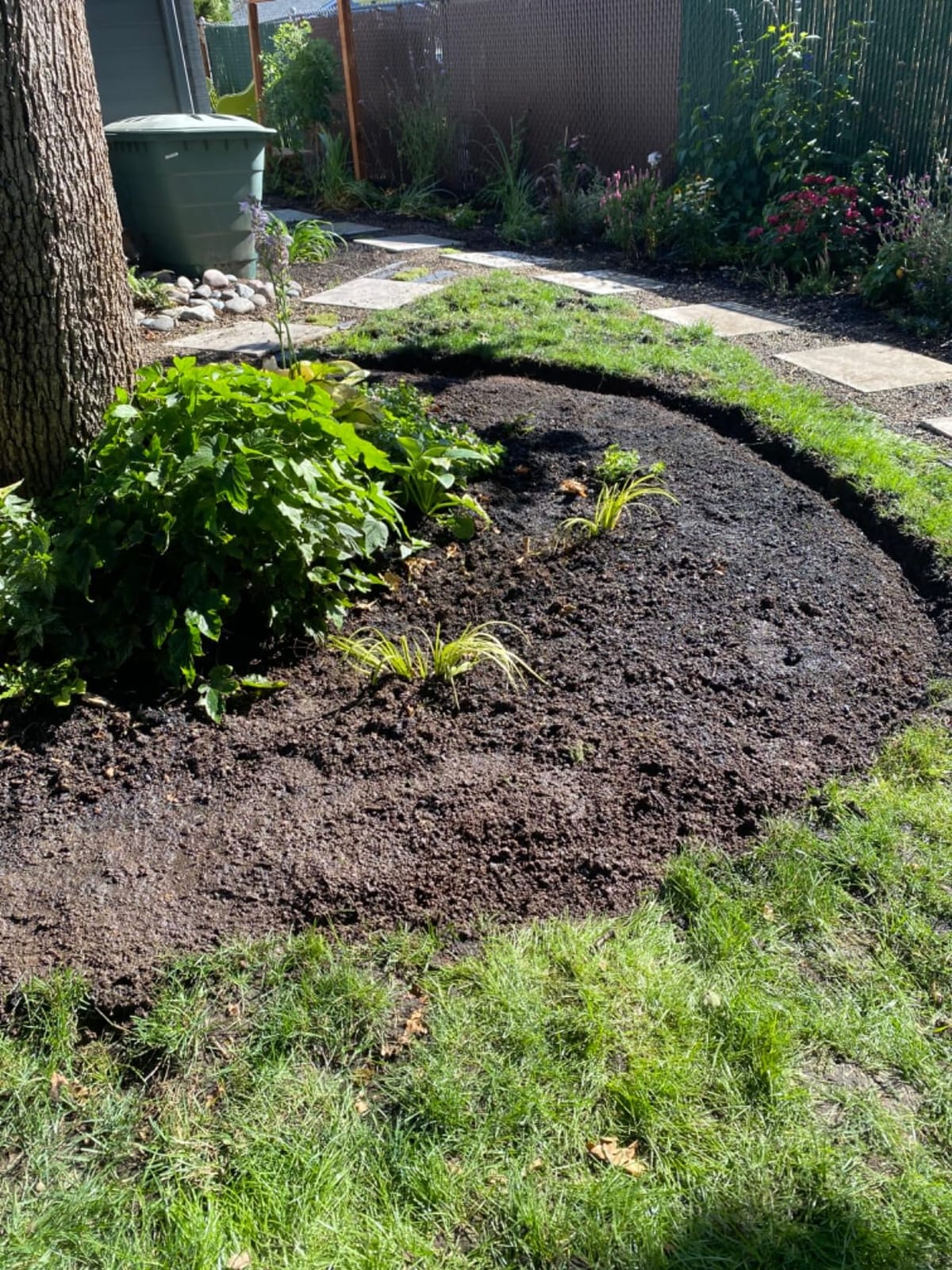
The 3 inch rule is the one piece of technique almost every professional follows without being asked. The idea is to make your vertical cut roughly 3 inches back from the edge of the concrete, not directly on it, so you are severing the root runners in the soil rather than grinding the blade along the aggregate. It sounds wasteful, and on a wide walk it looks odd, but it is why professional edges stay sharp for months and why a blade ridden along the concrete face rounds into a nub in a season. Leave the last inch or two of grass to bridge the gap, and the joint still reads as clean from the street.
The five steps, in order
1. Sharpen before you start. A blunt blade does not skip, it hammers. Check the cutting edge in good light and put a bright bevel on it with a file or a grinder before it goes anywhere near concrete.
2. Set your depth once. Use the depth stop to cut only as deep as the root mat you want to remove, no more. Every extra fraction of an inch of depth is more blade surface riding the concrete.
3. Mark your stand-off. Set the guide wheel or edge guide so the blade cuts 3 inches back from the concrete. Check it at the start and the end of the run, because walks are rarely perfectly straight.
4. Walk slowly, blade tilted slightly outward. Let the wheel carry the tool and push the bed ahead of the blade. Speed is what turns a slice into a dig, and a slightly outward tilt keeps the disc from being pulled toward the walk.
5. Make a second light pass. The first pass takes the mat, the second pass takes the level. Two shallow passes beat one deep one, and the second one is nearly silent because there is almost nothing left to cut.
What to avoid is more about concrete condition than tool choice. Do not edge a walkway that was poured in the last month or so, since fresh concrete needs to cure before anything bears against its edge. Be careful where the arris is sharp, because a hard 90 degree corner will catch a blade angled into it and chip, and skip any joint that is already showing movement. A practitioner on Practical Machinist who moved from a handheld to a walk-behind gas edger after about four years of sidewalk work makes the broader point that the tool should match the volume of concrete you own, not just the edging you plan.
Buying Guide: Power Type, Blade Type and Lot Size
Edger or trimmer, the short answer is a blade, for anything involving concrete. A trimmer cuts horizontally at grass height; an edger holds its cutting edge vertically and slices the border itself. Against a walk, a trimmer’s plastic line scuffs the surface, wears out fast, and leaves a fringe that looks worse a week later. An edger takes a vertical cut that holds its shape and, with a wheel or a set stand-off, keeps the blade off the concrete in the first place.
That leads to the blade question, which is the one that actually decides how a tool behaves on concrete. Plain carbon steel sharpens easily and cuts beautifully at first, but it is the fastest of the three to round off against aggregate. Stainless steel resists corrosion and holds a passable edge longer, at the cost of being softer to begin with. Carbide-tipped blades are the ones to look for when you have a lot of concrete frontage, because the carbide will not round against anything you are likely to edge. None of the ten tools here ship carbide, which is why the Fiskars and Colwelt hardened steel blades and the wheel-guided machines rank the way they do.
Next, match the tool to the shape of the work rather than to a feature list. A short front walk needs almost nothing, and a manual edger at 2.2 lb will outperform a 14 lb machine in a garage. A long straight run with outlet access is where a corded blade edger earns its place, because the motor never pauses and the wheel keeps the line true. A yard with no outlet and a long walk wants a cordless platform, with the EGO multi-head making the most sense if you are already invested in that battery family. Overgrown, compacted edges want either the saw-tooth manual blade or a powered machine with real torque.
Finally, be realistic about the battery question. Every cordless edger here runs on a platform, and the platform is the real cost. A bare attachment is a cheap entry point if you already own the packs and an expensive one if you do not, and a single included 2.0Ah battery is a starting point rather than a working solution for anything longer than a few minutes. Whichever route you take, plan on checking that blade edge often, because that single habit is what keeps concrete looking untouched. If you also want to know how the rest of a concrete surface is maintained, our guide to the best scarifiers for concrete covers that side of the job.
Frequently Asked Questions
What is the best edger for edging sidewalks?
A wheel-guided blade edger with a steel disc is the best edger for concrete sidewalks. The wheel holds the blade about 3 inches back from the walk so it cuts the root mat in soil rather than grinding the disc along the concrete, which is what dulls a blade into a nub. A string trimmer is a temporary fix, not a solution.
Can you use an edger on a sidewalk?
Yes, with conditions. Use a sharp blade, set the depth stop, hold a consistent 3 inch offset from the concrete, and walk slowly with the blade tilted slightly outward. Be careful where a walk is finished with a sharp 90 degree arris, because an angled blade can catch it and chip, and never run an edger over a joint that is already cracked or still curing.
What is the best trimmer line for edging concrete?
There is no line that solves concrete. Practitioners note that running against a walk will eat up line faster, because the line is dragged over abrasive aggregate the whole time. Use line only for tidying between blade passes. For a lasting line along concrete, use a steel blade and keep a 3 inch stand-off so the disc never rides the walk.
What is better, an edger or a trimmer?
For concrete, an edger. A trimmer cuts horizontally at grass height and leaves a soft fringe, while an edger holds a blade vertically and slices the border itself, which holds for weeks. A trimmer also wears out quickly against concrete and can scuff the surface. A trimmer is still the right tool for cutting grass in open areas, so many owners keep both.
What is the best type of edging to use against a sidewalk?
A wheel-guided steel blade edger, set about 3 inches back from the concrete, is the most reliable type against a sidewalk. Plain carbon steel blades cut well and sharpen easily but round off fast against aggregate. Stainless steel holds an edge longer. Carbide-tipped blades are the most durable option for heavy concrete contact. Manual toe-bladed edgers work well for short runs where a powered machine is overkill.
What is the 3 inch edging rule and how does it work?
The 3 inch edging rule means cutting your vertical slice about 3 inches back from the edge of the concrete rather than directly on it. This severs the root runners in the soil instead of grinding the blade against the aggregate, so the blade stays sharp and the concrete is not touched. The last inch or so of grass bridges the gap and still reads as a clean line.
Conclusion: The Right Edger for Your Sidewalks
The best lawn edgers for concrete sidewalks share one trait: they cut vertically with a steel blade and they keep that blade off the concrete. Start with the technique, because a sharp blade on a 3 inch stand-off, walked slowly, will protect the walk even with a mid-range machine. Then pick by shape. A short front walk needs nothing more than the Fiskars or Colwelt manual edger. A long straight run with an outlet is where the BLACK+DECKER LE760FF earns its place. A cordless yard with no outlet calls for the CRAFTSMAN kit, or the EGO multi-head if you are building a platform. And the WORX WG163 remains the most sensible default for a normal city sidewalk, because it ships with two batteries and converts in seconds.
Whatever you choose, edge on a monthly cadence through the growing season the way lawn care professionals do, and check the blade edge before every session. That habit is worth more than any spec on the box. For bed work and turf work on the same property, our picks for the best lawn edgers for yards cover the rest of the yard.