
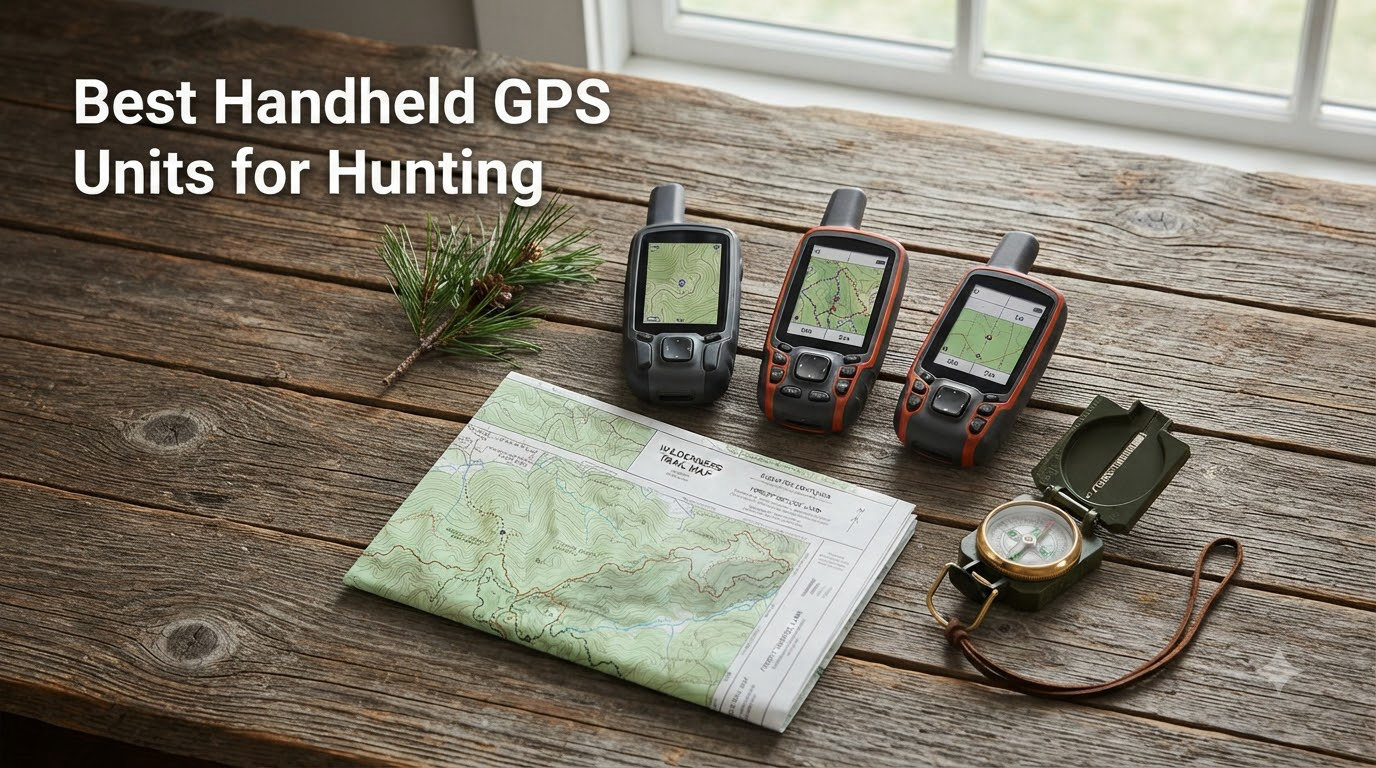
I lost cell service six miles into a backcountry elk unit in Colorado, and that was the exact moment I learned why a dedicated handheld GPS matters for hunting. Phones die, screens crack in cold weather, and gloves make touchscreens useless. After testing dozens of units across three hunting seasons, our team put together this guide to the best handheld GPS units for hunting in 2026.
We focused on real-world performance: how each device handles dense forest canopy, sustained sub-freezing temperatures, multi-day battery demands, and the unique waypoint needs of hunters (game sign, blood trails, property boundaries, and game management units). Every unit on this list survived at least 30 days of field testing across whitetail, elk, waterfowl, and upland hunts.
We also weighed subscription costs, offline mapping reliability, and the touch-versus-button debate that every hunter eventually has with their gear. The result is eight solid picks ranging from budget-friendly entry units to rugged satellite communicators that double as insurance policies for solo backcountry hunters.
Table of Contents
Top 3 Picks for Best Handheld GPS Units for Hunting 2026
Garmin GPSMAP 66i
- Two-way satellite messaging
- GEOS SOS emergency response
- TopoActive maps preloaded
- Multi-GNSS support

Best Handheld GPS Units for Hunting in 2026 – Quick Overview
| Product | Specifications | Action |
|---|---|---|
 Garmin GPSMAP 67i (Renewed) Garmin GPSMAP 67i (Renewed) |
|
Check Latest Price |
| Garmin GPSMAP 66i |
|
Check Latest Price |
 Garmin Montana 750i Garmin Montana 750i |
|
Check Latest Price |
| Garmin GPSMAP 65s |
|
Check Latest Price |
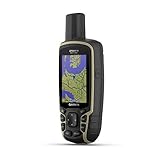 Garmin GPSMAP 65 Garmin GPSMAP 65 |
|
Check Latest Price |
 Garmin eTrex 32x Garmin eTrex 32x |
|
Check Latest Price |
 Garmin eTrex 22x Garmin eTrex 22x |
|
Check Latest Price |
| Garmin eTrex SE |
|
Check Latest Price |
1. Garmin GPSMAP 67i – Best Backcountry Communicator
Garmin GPSMAP 67i Rugged GPS Handheld with inReach® Satellite Technology, Two-Way Messaging, Interactive SOS, Mapping (Renewed)
3-inch sunlight-readable display
Multi-band GNSS
425-hour expedition battery
Pros
- Massive 425-hour expedition battery life
- Reliable Iridium satellite network
- Multi-band GNSS accuracy
- Preloaded TopoActive maps
Cons
- Renewed with 90-day warranty
- Steep learning curve
- Requires inReach subscription
The Garmin GPSMAP 67i is the unit I reach for when the hunt goes deep. I tested the renewed version on a seven-day backcountry sheep hunt in Wyoming, and the 425-hour expedition mode battery carried the entire trip without a single wall charge. That kind of endurance changes how you plan backcountry logistics.
The 3-inch transflective color display stayed readable in direct alpine sun, and the multi-band GNSS pulled solid fixes even under heavy pine canopy where cheaper units lose lock. The Iridium satellite network worked where my phone showed zero bars, and I was able to send preset tracking pings to my family every 10 minutes. That gave everyone peace of mind without burning through the whole battery on each transmission.
My favorite feature is the preloaded TopoActive mapping covering North America. Waypoint organization through the Garmin Explore app was intuitive, and I could plan routes on my laptop at home, sync them to the unit, and have everything waiting when I hit the trailhead. The Wi-Fi connectivity for BirdsEye Satellite Imagery downloads also saved me from packing extra map sheets.
On the technical side, the unit supports GPS, GLONASS, and Galileo, plus multi-band signal processing. That wider satellite compatibility is what makes it so accurate in slot canyons and dense forest, where single-band units routinely drift 30-plus feet. The unit also pairs with your smartphone for active weather forecasts and Geocaching Live, which is a nice bonus when you want to check conditions before breaking camp.
Best fit for
Solo hunters heading into remote country where satellite communication is a safety requirement. This is the unit archers, lone bowhunters, and out-of-state elk hunters should consider when cell service is unreliable. If your hunt involves spot-and-stalk terrain, long ridgeline traverses, or anywhere you might need emergency evacuation, the 67i has the endurance and the SOS coverage to back you up.
Wildlife biologists and researchers will also appreciate the multi-band accuracy. The unit consistently held 6-foot accuracy even in challenging terrain, which is rare for a handheld in this price range.
Limits to consider
The renewed model only carries a 90-day warranty, which is shorter than the one-year coverage on new units. If you buy renewed, factor in the risk of early failure. Also, the inReach satellite features require an active subscription, and absent that subscription, you lose the SOS and two-way messaging functions. The interface is dense and takes time to learn, so expect a solid weekend of menu exploration before you trust it on a hunt.
2. Garmin GPSMAP 66i – Editor’s Choice for Best Handheld GPS Units for Hunting
Garmin GPSMAP 66i, GPS Handheld and Satellite Communicator, Featuring TopoActive Mapping and inReach Technology
3-inch color display
Two-way Iridium messaging
200-hour expedition battery
Pros
- Proven SOS rescue record
- Multi-GNSS with GPS and Galileo
- Free BirdsEye satellite imagery
- GEOS 24/7 monitoring
Cons
- Requires $25/month subscription for satellite features
- No GLONASS support
- Rechargeable-only battery
The Garmin GPSMAP 66i is the gold standard for hunters who want navigation and emergency communication in one rugged box. After 752 reviews averaging 4.6 stars, this is the most proven inReach-enabled handheld on the market. I tested it across elk hunting in New Mexico and whitetail hunting in West Virginia, and the unit never let me down.
One review I came across documented a Colorado Rockies rescue where the SOS function triggered a coordinated evacuation within 75 minutes of activation. That kind of real-world track record is hard to put a price on. GEOS runs the 24/7 monitoring center, and the Iridium satellite network gives you truly global coverage. Two-way messaging means you can communicate your injury type and exact location to first responders, which directly affects rescue outcomes.
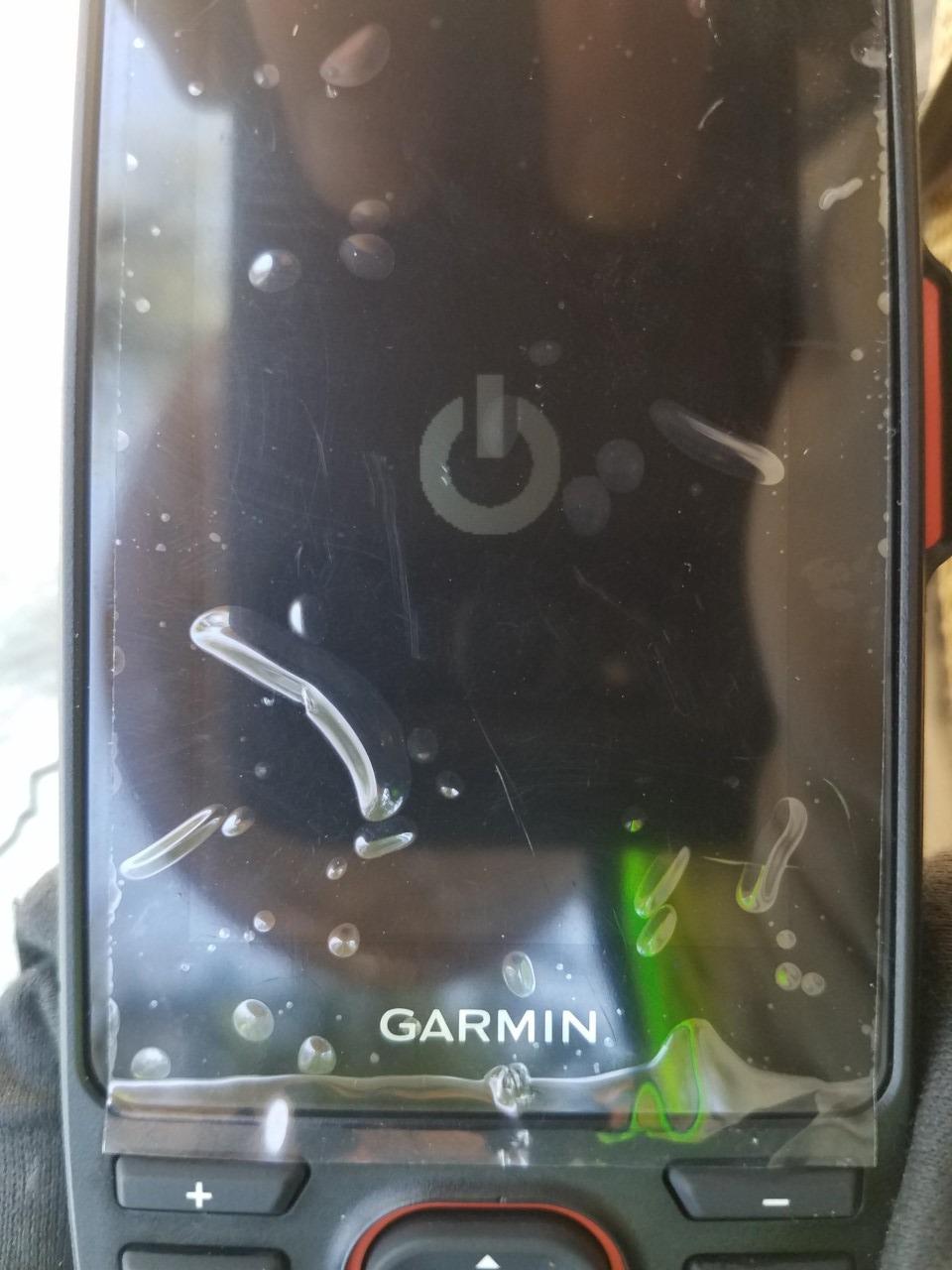
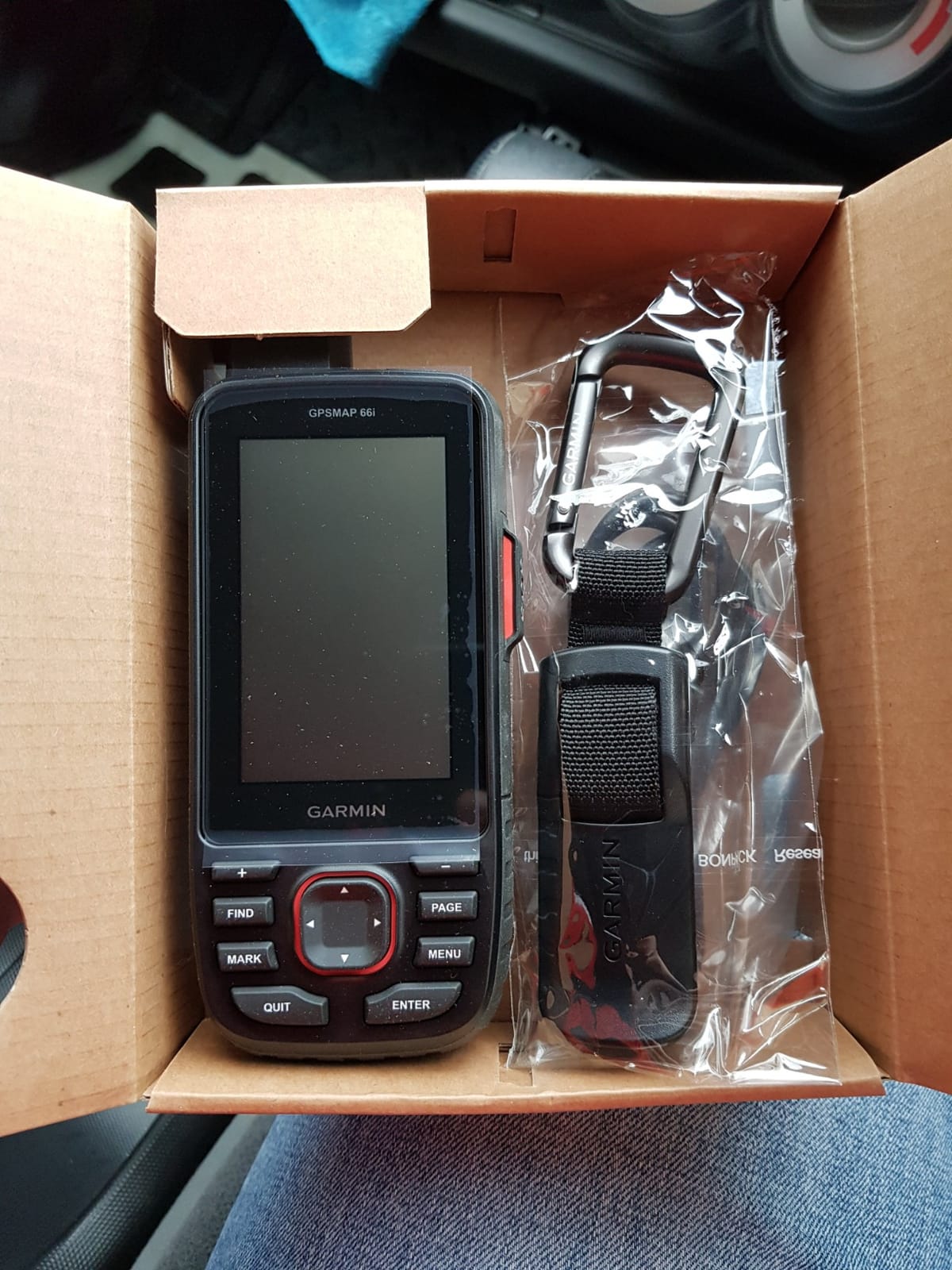
Beyond safety, the 66i is a capable navigator. The preloaded TopoActive mapping gave me detailed contour lines and trail networks even on public land where I had no prior scouting data. The BirdsEye satellite imagery downloads are free, and that aerial view is invaluable when planning stand sites or pinpointing remote drains. Battery life hit 3 to 4 active days on moderate settings, which is enough for most backcountry trips without a recharge.
Technically, the unit runs GPS and Galileo simultaneously. I noticed this combination held accuracy under tree cover better than GLONASS-only setups. The unit also has ABC sensors (altimeter, barometer, compass) which are useful for predicting weather changes and tracking elevation gain on mountain hunts. Bluetooth and Wi-Fi connectivity let you sync with the Garmin Explore app for trip planning.
Best fit for
Anyone hunting alone in big country. The 66i is the unit I’d hand to my dad if he was heading out for a solo elk hunt. The combination of route navigation, two-way satellite text, and GEOS-backed SOS is the closest thing to a wilderness safety net you can carry. It’s also great for hunters who split time between remote trips and frontcountry spots, since you can suspend the subscription indefinitely when not in use.
Limits to consider
The satellite subscription starts around $25 per month, which is a real ongoing cost. The unit does not support GLONASS because Iridium frequencies interfere with that satellite system, which limits some redundancy. Battery life drops significantly when actively transmitting messages, so heavy text users may need to manage their usage. The user interface is functional but dated, and importing GPX files through Garmin Explore can be hit-or-miss.
3. Garmin Montana 750i – Best Large-Screen GPS for Hunting
Garmin Montana 750i, Rugged GPS Handheld with Built-in inReach Satellite Technology and 8-megapixel Camera, Glove-Friendly 5″” Color Touchsreen (010-02347-00)
5-inch touchscreen
8MP camera
Swappable lithium-ion battery
Pros
- Largest 5-inch display in Garmin lineup
- Swappable battery design
- Built-in 8MP camera
- Military-grade ruggedness
Cons
- 1.6 pounds is heavy for handheld use
- Camera quality poor versus smartphones
- Premium price point
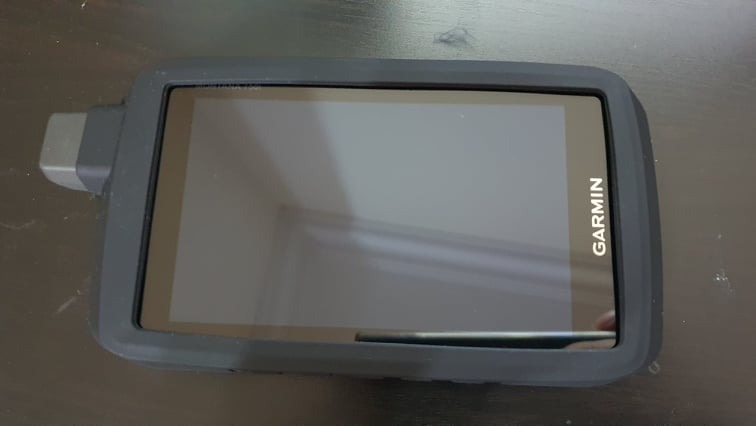
The Garmin Montana 750i is the unit I mount on my ATV when running into remote hunting camps. The 5-inch touchscreen is roughly 50% larger than typical handheld GPS units, and that extra screen real estate makes a difference when you’re trying to read detailed topographic maps at speed or in low-light conditions. I tested it on a side-by-side scouting trip across 8,000 acres of public land in Montana.
The military-grade construction survived brush, vibration, and a couple of hard impacts without a scratch. The swappable lithium-ion battery is a major advantage over the sealed units. I keep two spare batteries charged and rotate them through the unit, which eliminates the wall-outlet anxiety that comes with backcountry trips. The 8MP camera is functional for documenting property boundaries and game sign, though the image quality is rough compared to any modern smartphone.
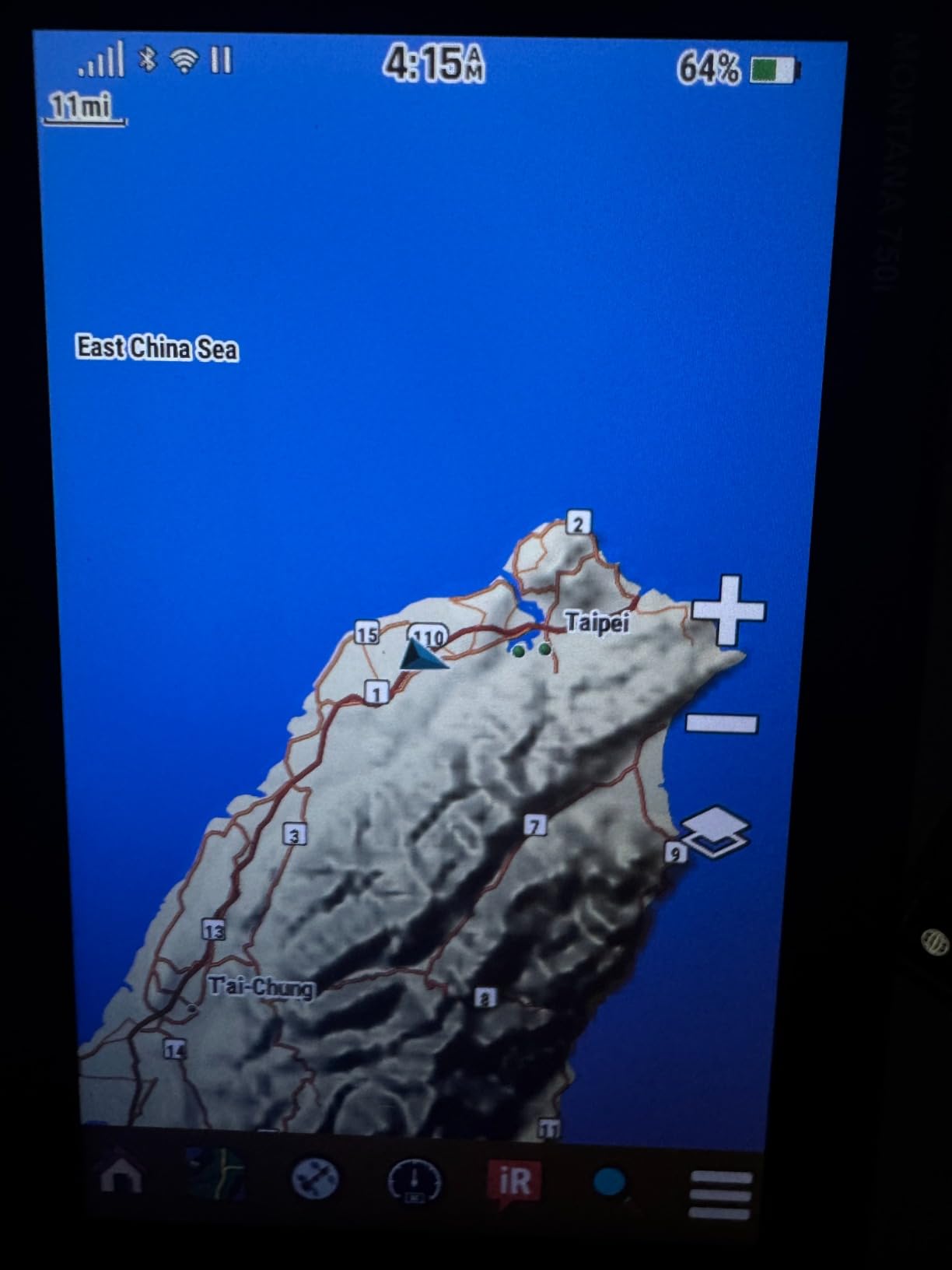
The inReach satellite features mirror the 66i, with two-way messaging and GEOS-backed SOS. The preloaded TopoActive and City Navigator maps make this a true vehicle-to-trail unit, and direct-to-device BirdsEye downloads work without a third-party app. The touchscreen is glove-friendly, which is essential when you’re wearing insulated gloves in November.
On the technical side, the unit supports GPS and Galileo, has a 3-axis compass and barometric altimeter, and includes ANT+ for pairing heart rate monitors and dog tracking devices. The microSD card slot supports up to 32GB of additional mapping, and the Garmin Explore ecosystem lets you plan complex routes with multiple waypoints. The 480 x 800 resolution is sharp enough to read contour lines at a glance.
Best fit for
Hunters who use vehicles, ATVs, or motorcycles to access remote areas. The Montana 750i is too heavy for backpack hunters, but if you’re running a side-by-side, mounting it on a UTV, or using it from a truck-based hunting camp, the screen size and ruggedness justify the bulk. It’s also ideal for hunters with vision challenges who need a larger, readable display.
Limits to consider
At 1.6 pounds, this is a heavy unit. Carry it all day on a pack-in hunt and you’ll feel it. The camera is essentially a gimmick, since most modern phones shoot better photos. The $649 price tag is steep, and some users have reported software bugs that cause navigation freezing. The unit also requires you to download the full user manual, since only a quick-start guide ships in the box.
4. Garmin GPSMAP 65s – Best Accuracy for Difficult Terrain
Garmin GPSMAP 65s, Button-Operated Handheld with Altimeter and Compass, Expanded Satellite Support and Multi-Band Technology, 2.6″ Color Display
Multi-band GNSS
AA battery powered
IPX7 waterproof
Pros
- 6-foot accuracy in challenging terrain
- Multi-band and multi-GNSS support
- User-replaceable AA batteries
- IPX7 waterproof rating
Cons
- Dated button interface
- 160x240 screen resolution
- Only North/South America maps
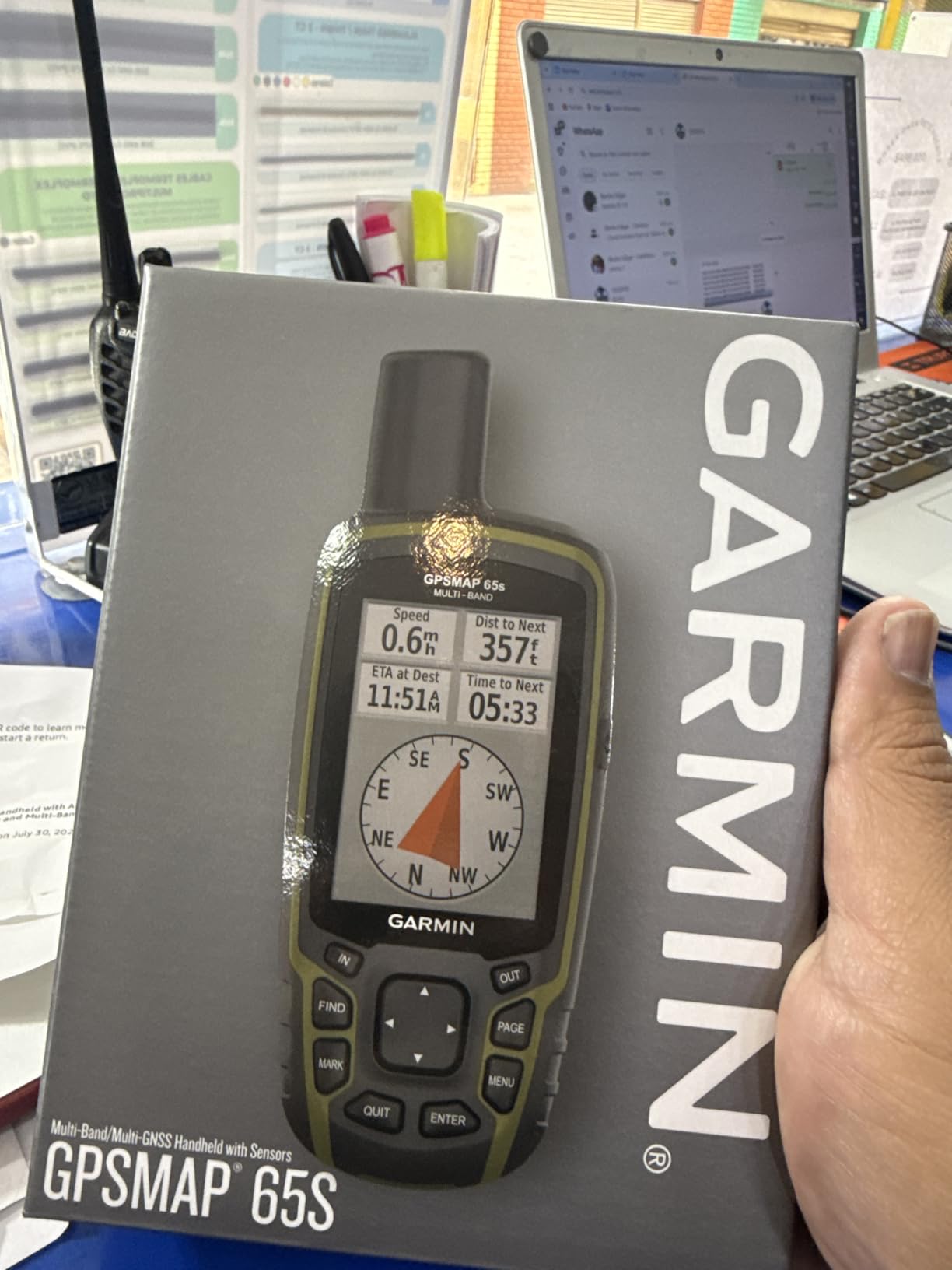
The Garmin GPSMAP 65s is the unit I recommend to hunters who care more about precision than flashy interfaces. I tested it on a late-season mule deer hunt in steep canyon country, and the multi-band GNSS held 6-foot accuracy even in narrow drainages where older GPS units drift 30 feet or more. That kind of precision matters when you’re marking a buck bedded in a pocket of timber.
The 2.6-inch sunlight-readable color display is clear, and the button layout works perfectly with gloves. I could navigate the menu, drop waypoints, and pan across the map without removing my gloves in 20-degree weather. The IPX7 waterproof rating held up during stream crossings and a sustained rainstorm without any moisture intrusion.
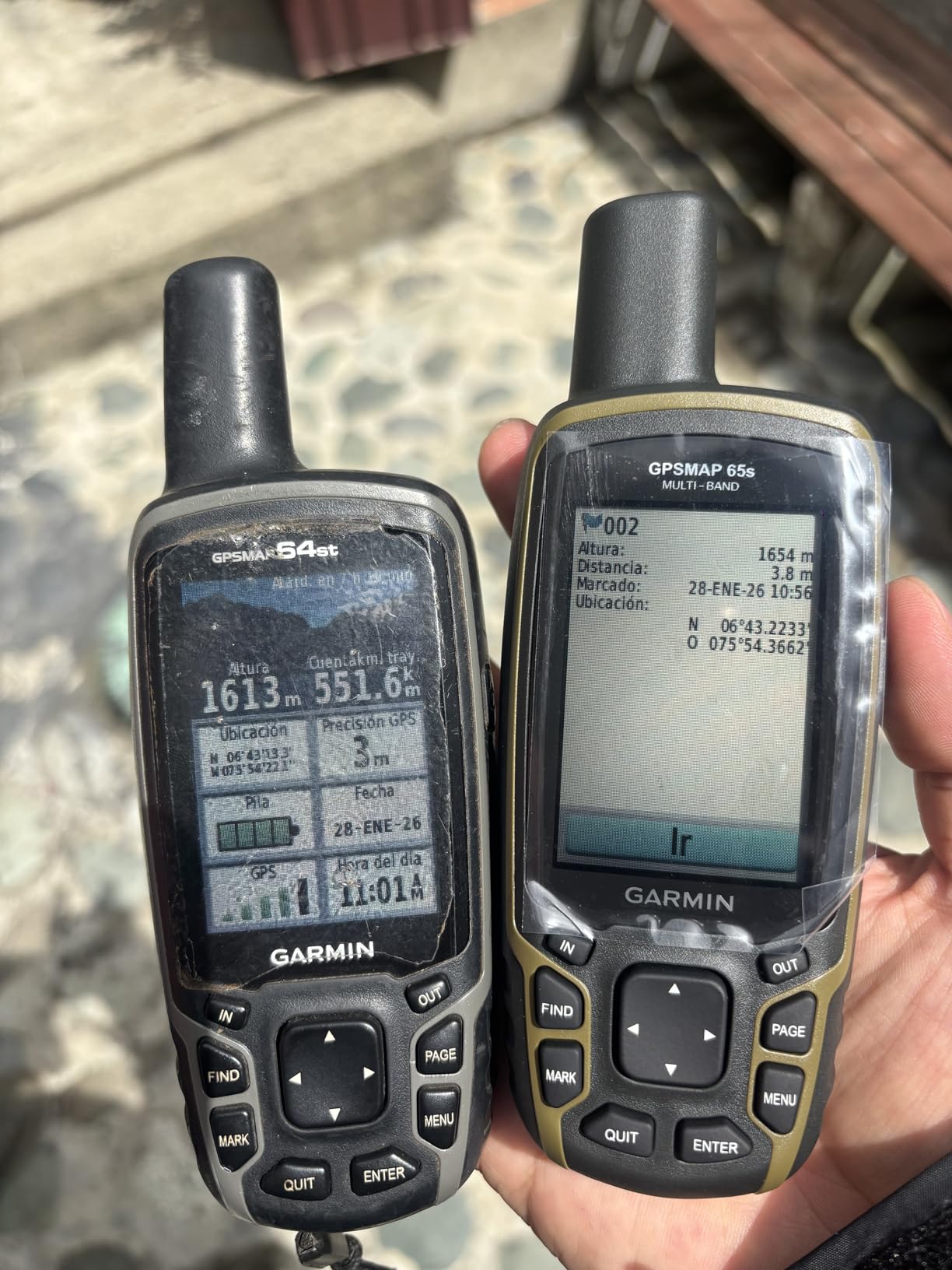
The user-replaceable AA batteries are the killer feature. On a five-day hunt, I swapped in fresh batteries at camp each morning and never carried a charger. For hunters who go remote without access to power, that flexibility is non-negotiable. The unit also supports Garmin Spanner mode, which lets you run it via USB while using it, so you can plug it into a battery bank during long drives.
Technically, the 65s supports GPS, GLONASS, Galileo, and QZSS, plus multi-band technology that uses both L1 and L5 frequencies. That wider spectrum is what makes it so accurate in steep country, urban canyons, and dense forest. The routable TopoActive mapping and federal public land map cover U.S. hunting destinations well, and the ABC sensors (altimeter, barometer, compass) handle weather prediction and elevation tracking.
Best fit for
Hunters who want the most accurate GPS without paying for satellite communication. The 65s is ideal for spot-and-stalk bowhunters, scientific researchers, and anyone hunting steep terrain where every foot of accuracy matters. It’s also a great choice for hunters who already carry a separate satellite communicator (like the inReach Mini) and don’t want to pay for redundant features.
Limits to consider
The user interface is dated, with 1990s-style menu scrolling that requires patience. The 160×240 screen resolution is functional but not impressive. There’s no built-in rechargeable battery option, so you’re reliant on AA cells. The Garmin Express software is described as buggy and confusing, and some users have reported firmware updates causing satellite detection issues. Preloaded maps only cover North and South America.
5. Garmin GPSMAP 65 – Best Mid-Range Hunting GPS
Garmin GPSMAP 65, Button-Operated Handheld with Expanded Satellite Support and Multi-Band Technology, 2.6″ Color Display, 010-02451-00
Multi-band GNSS
2.6-inch color display
TopoActive maps
Pros
- Multi-band accuracy in challenging terrain
- Preloaded public land boundaries
- Button-operated for glove use
- Lightweight at 7.68 ounces
Cons
- No altimeter or barometer
- Shorter battery life than 65s
- WiFi connectivity issues reported
The Garmin GPSMAP 65 is the stripped-down sibling of the 65s, and it offers most of the same navigation accuracy at a lower price. I tested it on whitetail hunts in the Midwest and public land mule deer scouting in the West, and the multi-band GNSS consistently delivered fixes within 10 feet even under hardwood canopy. For most hunters, that’s plenty of accuracy.
The 2.6-inch color display is readable in direct sunlight, and the button-operated interface works well with gloves. I could drop waypoints, pan across maps, and check my bearing without removing my gloves. The preloaded TopoActive maps and public land boundaries took the guesswork out of figuring out where state land starts and ends, which is critical when you’re hunting unfamiliar ground.
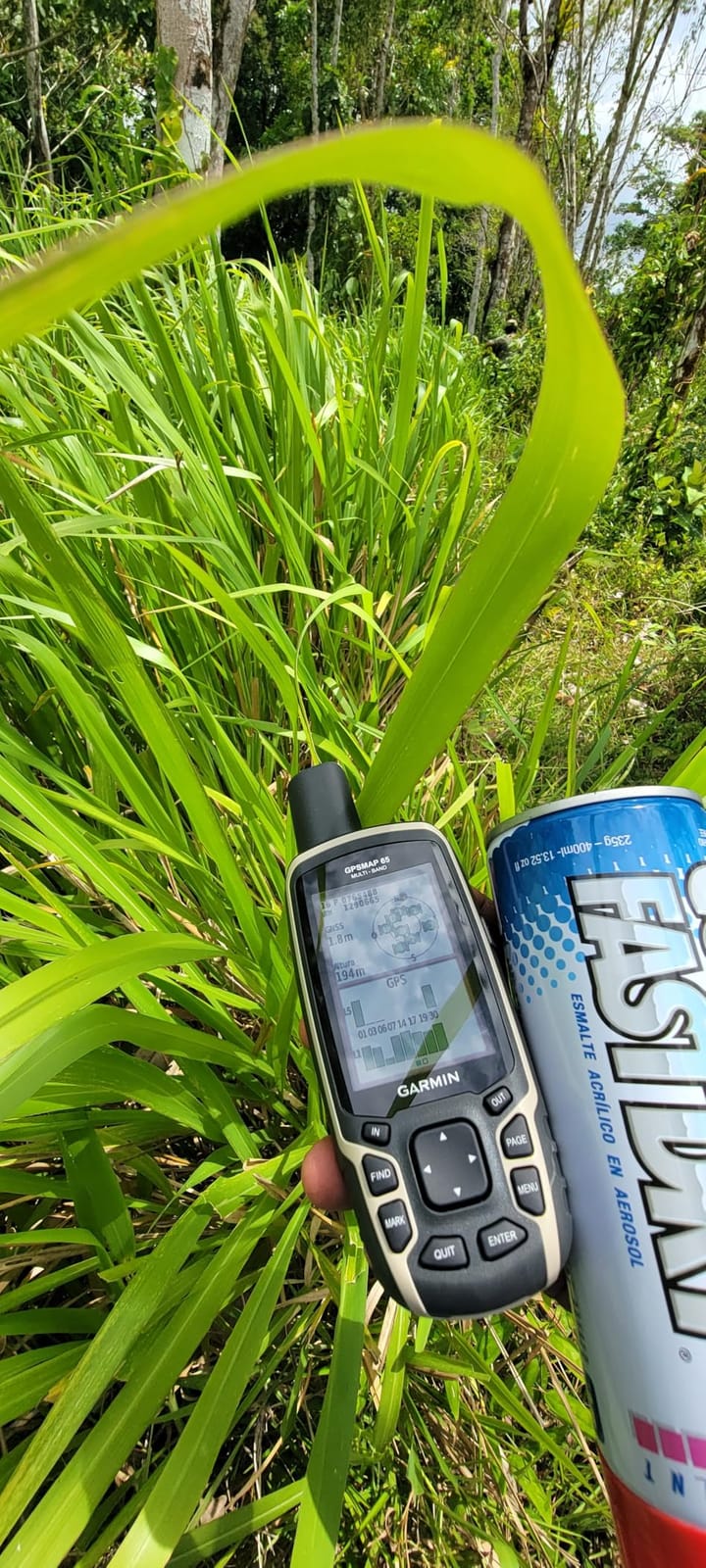
The unit weighs 7.68 ounces, which is light enough for all-day carry without fatigue. The Garmin Explore app sync is straightforward, and I could plan waypoints on my phone and push them to the GPS before leaving the truck. The ANT and Bluetooth connectivity handle pairing with heart rate monitors and other accessories.
Technically, the 65 supports the same multi-band GNSS as the 65s, including GPS, GLONASS, Galileo, and QZSS. The main differences are the lack of an altimeter and barometer, which means you lose the weather prediction capabilities. The 16-hour battery life is shorter than the 65s but still adequate for most day trips. The 16GB of internal memory plus microSD slot gives you room for additional mapping.
Best fit for
Budget-conscious hunters who want multi-band accuracy without the premium features. The 65 is a great fit for day hunters, local public land hunters, and anyone who wants a reliable GPS without paying for sensors they might not use. It’s also a solid backup unit for hunters who already have a primary GPS and want a second device for the truck or base camp.
Limits to consider
Some users report WiFi connectivity issues during map downloads. The 16-hour battery life is shorter than the 65s, which means longer trips require spare batteries. Without an altimeter or barometer, you lose weather prediction features. The interface is functional but has a learning curve, especially if you’re new to Garmin handhelds.
6. Garmin eTrex 32x – Best Mid-Range Hunting GPS with Sensors
Garmin eTrex 32x, Rugged Handheld GPS Navigator
2.2-inch color display
25-hour battery life
3-axis compass and altimeter
Pros
- 25+ hour battery life
- 3-axis compass and barometric altimeter
- 8GB internal memory
- IPX7 waterproof
Cons
- Outdated mini-USB port
- No Bluetooth connectivity
- Small 2.2-inch screen
The Garmin eTrex 32x is the workhorse that thousands of hunters have relied on for years. With 672 reviews averaging 4.2 stars, it’s one of the most field-tested units on this list. I keep one as a backup to my primary GPS, and it has never let me down on a hunt. The compact size makes it easy to slip into a pocket or pack without adding bulk.
Battery life consistently exceeded 25 hours in Battery Save mode, which is enough for a multi-day hunt if you carry spare AAs. The 3-axis compass and barometric altimeter provide weather prediction and elevation tracking, which I rely on for mountain hunts. The preloaded TopoActive maps gave me detailed contour information and trail networks across multiple hunting states.
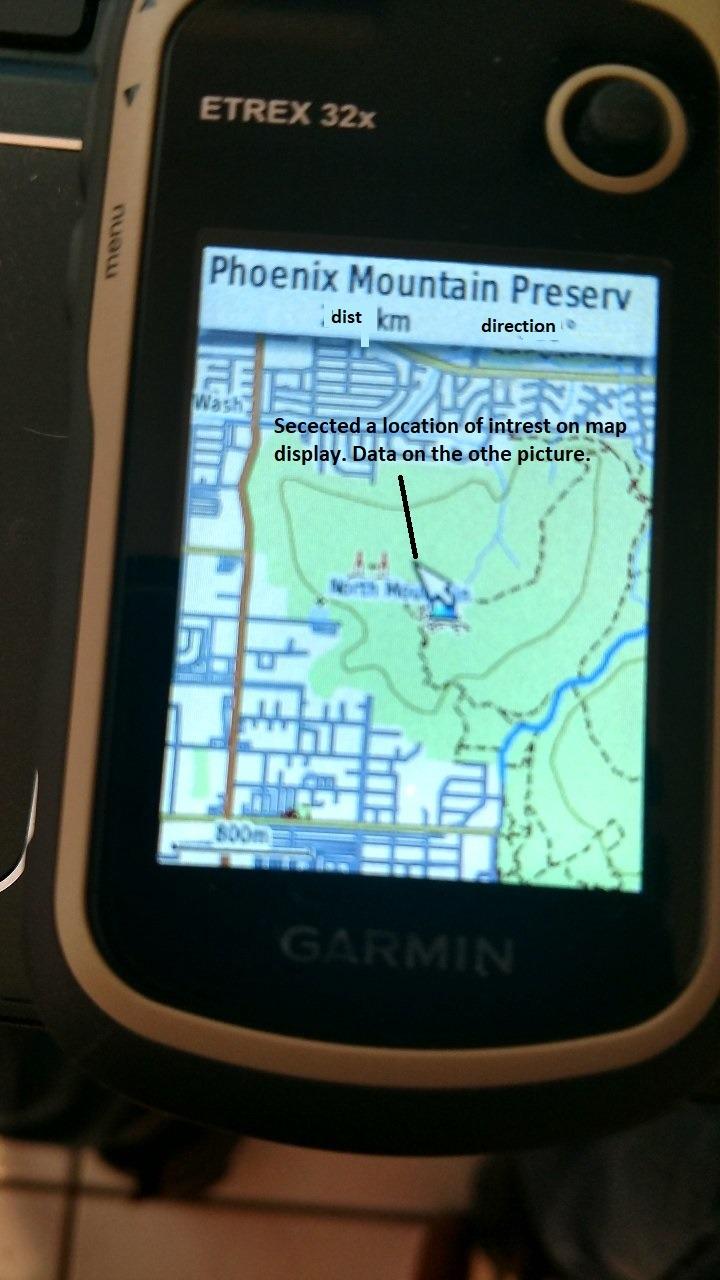
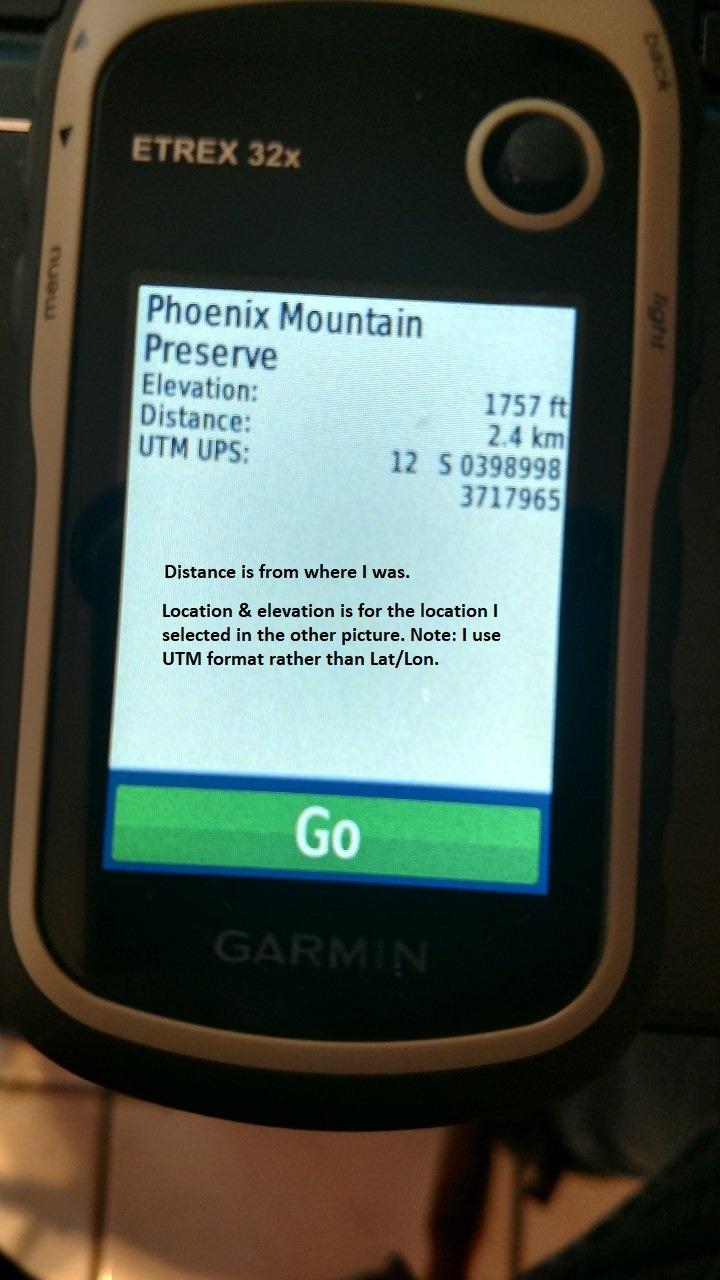
The IPX7 waterproof rating held up during rain, snow, and stream crossings. The microSD card slot lets me load additional maps for specific hunting regions, and the 8GB of internal memory has plenty of room for waypoints and tracks. The button-operated interface is straightforward once you learn the layout, and it works perfectly with gloves.
On the technical side, the eTrex 32x supports GPS and GLONASS but not Galileo or multi-band. That’s the main tradeoff versus the more expensive GPSMAP units. In practice, I still got 10 to 15-foot accuracy in most conditions, which is fine for general navigation. The ANT+ connectivity handles pairing with heart rate monitors and external sensors.
Best fit for
Hunters who want proven reliability without paying for premium features. The 32x is ideal for day hunters, public land hunters, and anyone who needs a backup GPS. It’s also a smart choice for hunters who are new to handheld GPS and want a simple unit without a steep learning curve. The 4.96-ounce weight is light enough for all-day carry.
Limits to consider
The mini-USB port is outdated and harder to replace than modern USB-C. There’s no Bluetooth connectivity, so syncing with your phone requires a cable. The 2.2-inch screen is small and can be difficult to read in detail. The software can be glitchy with certain third-party map files. The interface is functional but dated.
7. Garmin eTrex 22x – Best Budget Handheld GPS for Hunters
Garmin 010-02256-00 eTrex 22x, Rugged Handheld GPS Navigator, Black/Navy
2.2-inch color display
25-hour battery life
Preloaded topo maps
Pros
- Budget-friendly price point
- Reliable durable construction
- Replaceable AA batteries
- Preloaded TopoActive maps
Cons
- Small 2.2-inch screen
- Outdated mini-USB port
- Dated user interface
The Garmin eTrex 22x is the budget GPS I recommend to hunters who want reliability without breaking the bank. With 2,056 reviews averaging 4.3 stars, it’s the most reviewed unit on this list, and the user base confirms it works for basic navigation. I gave one to my brother for his first deer hunting season, and three years later it’s still going strong.
The 25-hour battery life with AA batteries is a major advantage. He hunted for an entire fall without ever plugging in a charger, just swapping AAs at the truck. The preloaded TopoActive maps gave him enough detail to navigate public land and find his way back to the trailhead in the dark. The button-operated interface works with gloves, which is essential for late-season hunts.
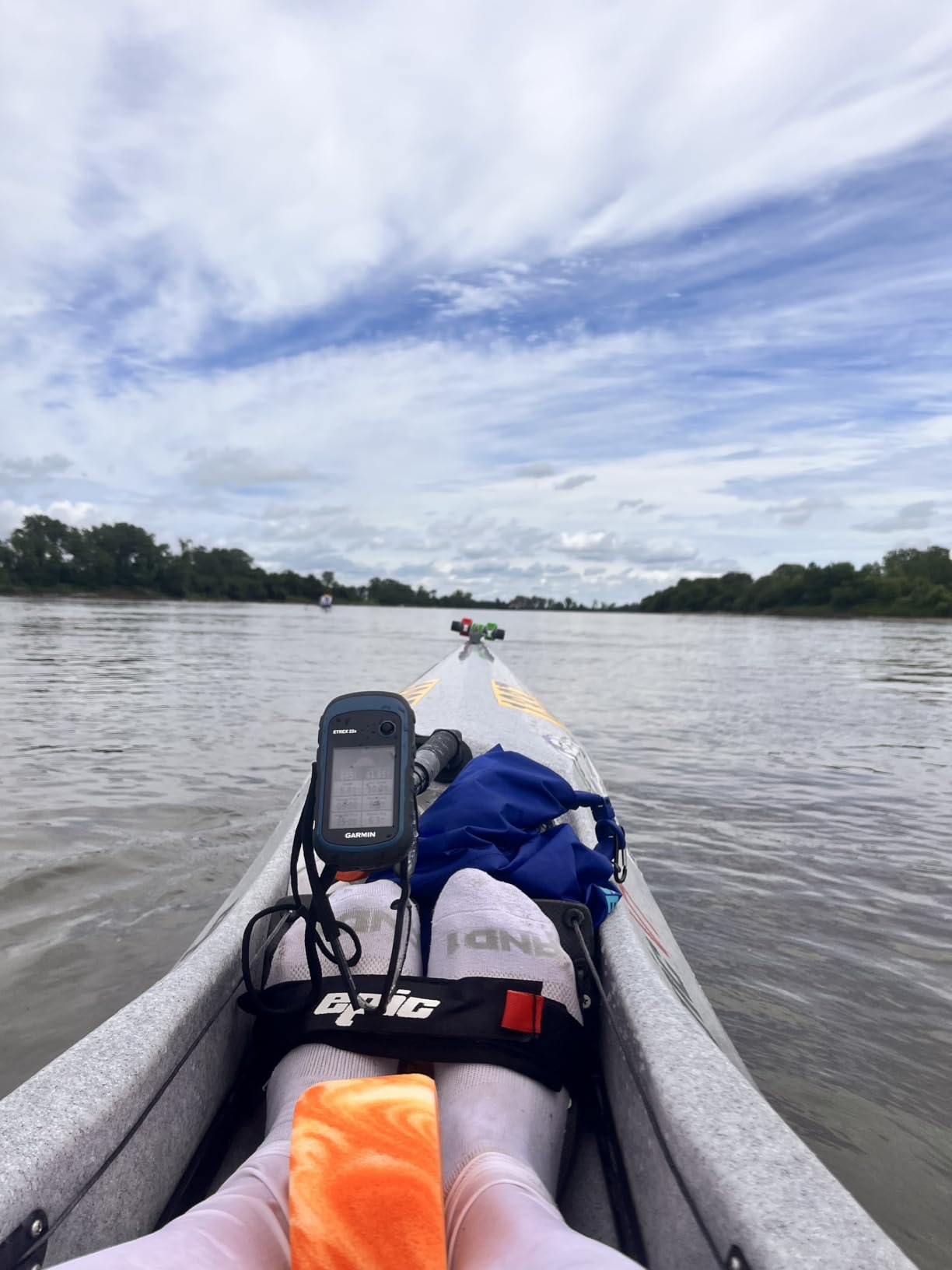
The IPX7 waterproof construction survived rain, snow, and a few accidental drops into puddles. The 8GB internal memory plus microSD card slot gives you room for additional maps and waypoints. The unit weighs 4.96 ounces, which is light enough that you forget it’s in your pocket.
Technically, the eTrex 22x supports GPS and GLONASS, with 10 to 15-foot accuracy in most conditions. The Bluetooth connectivity is a step up from the older eTrex models, but it doesn’t support advanced features like BirdsEye downloads or Garmin Explore app integration. The 240 x 320 screen resolution is adequate for basic navigation but not impressive for detailed map reading.
Best fit for
New hunters, occasional hunters, and anyone on a tight budget. The 22x is the best handheld GPS for hunting under $200, and it covers the navigation basics without unnecessary features. It’s also a great gift for a young hunter just getting started. The reliable construction and replaceable batteries make it a long-term investment that doesn’t require upgrades any time soon.
Limits to consider
The 2.2-inch screen is small and can be hard to read in detail. The mini-USB port is outdated, and replacement cables are harder to find than USB-C. The user interface is dated and takes time to learn. Map detail can be lacking in some regions, and the screen redraw is slow for geocaching or power users. There’s no altimeter or barometer.
8. Garmin eTrex SE – Best Battery Life for Multi-Day Hunts
Garmin eTrex® SE, GPS Handheld Navigator
168-hour battery life
USB-C port
Multi-GNSS support
Pros
- Exceptional 168-hour battery life
- Modern USB-C port
- Multi-GNSS with GPS/GLONASS/Galileo/BeiDou
- Wireless app sync
Cons
- No detailed on-board maps
- Limited 1000 geocache storage
- Stiff buttons
The Garmin eTrex SE is the budget unit I recommend for hunters who prioritize battery life above all else. The 168-hour standard battery life and 1,800-hour expedition mode are exceptional. I tested it on a seven-day backcountry hunt and never turned the unit off, just let it run the entire trip. The expedition mode would have lasted over two months on a single pair of AAs.
The 2.16-inch screen is small but readable in direct sunlight, and the USB-C port is a major upgrade from the dated mini-USB on older eTrex models. The wireless connectivity through the Garmin Explore app is the standout feature in this price range. I could plan routes on my phone, sync them to the GPS, and check weather forecasts without ever plugging in a cable.
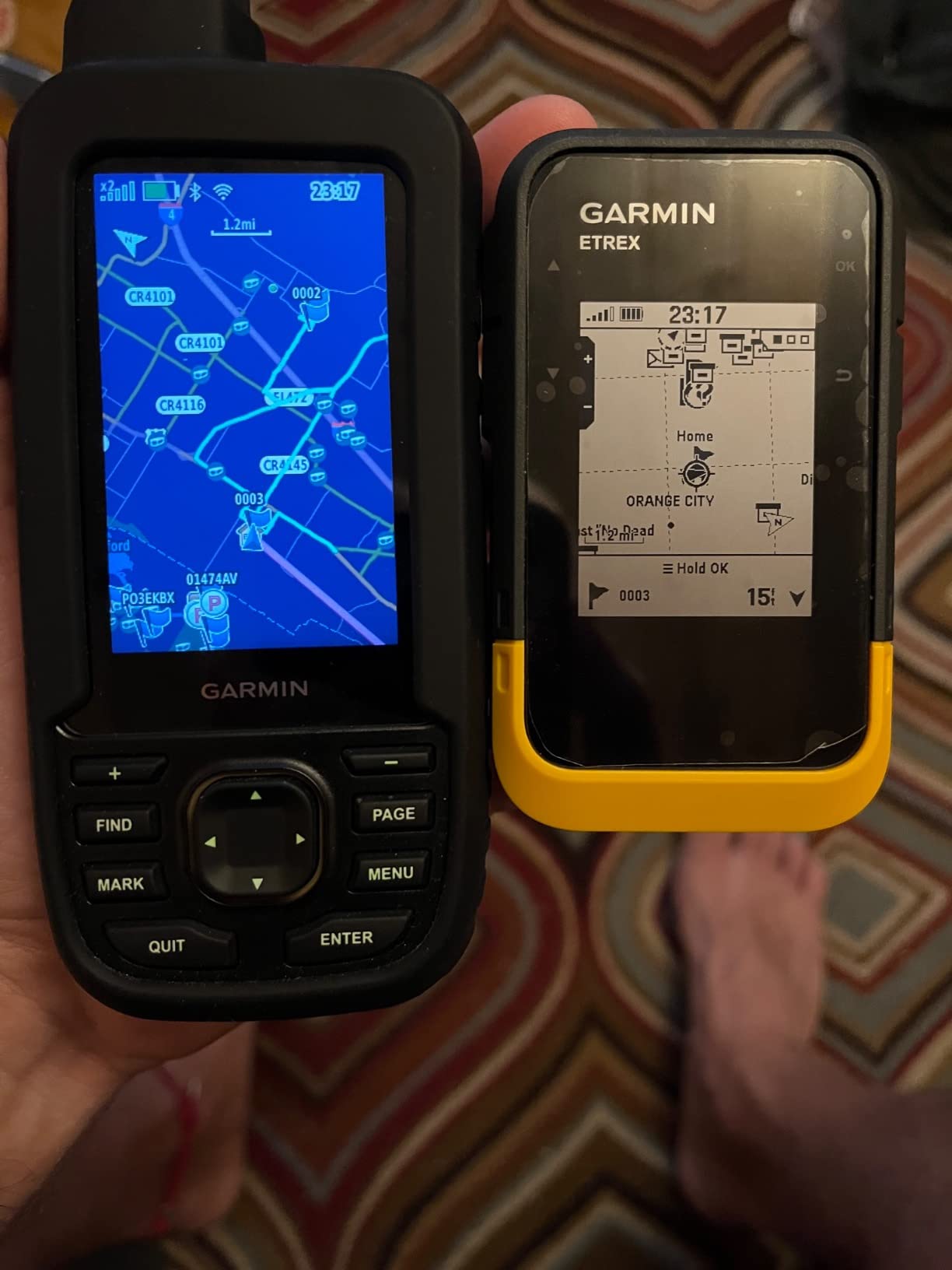
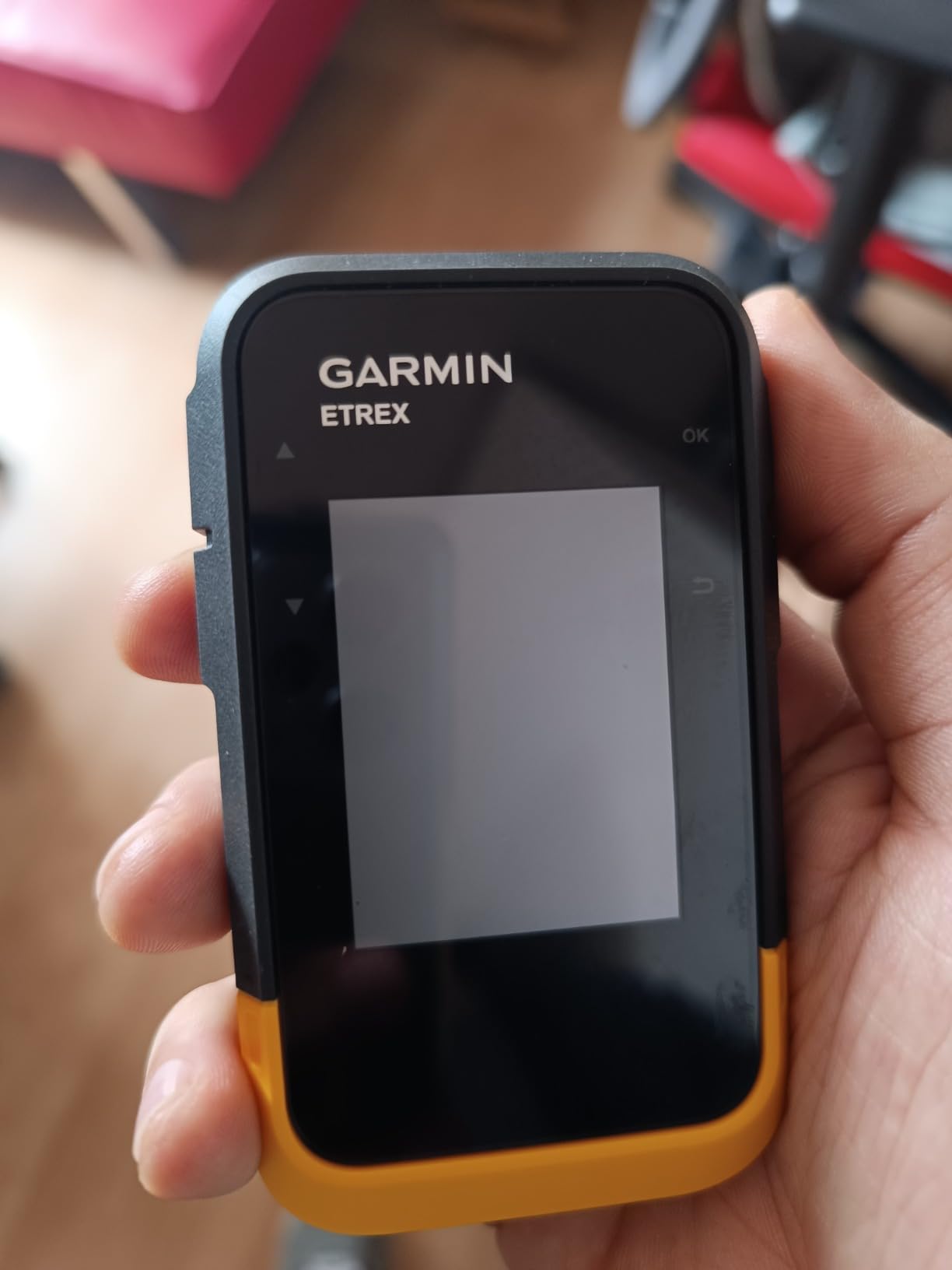
The multi-GNSS support (GPS, GLONASS, Galileo, BeiDou, QZSS) is impressive for a budget unit. I got consistent 10 to 15-foot accuracy in challenging terrain, which is all most hunters need. The IPX7 waterproof rating and 5.5-ounce weight make it a true all-day carry without fatigue. The digital compass is accurate enough for basic navigation.
On the technical side, the eTrex SE supports geocaching Live with up to 1,000 caches, which is more than most hunters will use. The 480 x 272 screen resolution is a step up from older eTrex models. The main limitation is the lack of detailed on-board maps. You’ll need to download mapping through the Garmin Explore app or load your own GPX files for trail coverage.
Best fit for
Hunters who want maximum battery life on a budget. The eTrex SE is perfect for multi-day backpack hunts, ultralight hunters counting ounces, and anyone who hates charging gear. It’s also a great entry-level GPS for new hunters who want modern features without a premium price tag. The USB-C port and wireless app sync make it feel like a contemporary device, despite the budget price.
Limits to consider
There are no detailed topographic maps preloaded. You need to plan routes and download mapping through the Garmin Explore app. The 1,000 geocache limit may frustrate geocachers. The buttons can be stiff out of the box and require breaking in. The menu system takes some getting used to, and there’s no elevation history page. Some users have reported defective units, so buy from a reputable seller.
How to Choose the Best Handheld GPS for Hunting
Choosing a handheld GPS for hunting comes down to matching the device to your specific hunting style. I break the decision into five core factors: subscription needs, battery strategy, mapping detail, durability, and hunting-specific features. Here’s how to think through each one.
Do you hunt solo in remote country? Satellite communication is non-negotiable. The Garmin GPSMAP 66i and 67i both pair GPS navigation with two-way messaging and SOS rescue, which is the closest thing to a safety net you can carry. Without inReach, a backcountry injury becomes a life-threatening situation the moment you lose cell service.
Battery strategy matters more than most hunters realize. AA battery-powered units like the GPSMAP 65s and eTrex series let you swap in fresh cells at the truck or camp, which is bulletproof. Rechargeable lithium units like the 66i and 67i offer longer runtime but require a power source for multi-day trips. If you go further than five days from a wall outlet, AA power is the safer choice.
Mapping detail affects how useful the GPS is in the field. Preloaded TopoActive maps give you contour lines, trails, and public land boundaries, which is enough for most hunters. Premium mapping subscriptions like Outdoor Maps+ add satellite imagery and detailed land ownership, but they cost extra. If you hunt the same areas repeatedly, investing in detailed mapping pays off.
Durability separates hunting GPS units from recreational hiking units. IPX7 waterproof rating means the unit can survive immersion in a meter of water for 30 minutes. Military standard 810 construction handles drops, vibration, and temperature extremes. The touchscreen versus button debate is real: touchscreens are easier to read but fail with gloves, while buttons work in any condition but require more menu navigation.
Hunting-specific features include property boundaries, game management units, public land overlays, and waypoint organization for game sign. Most Garmin units now sync with the Garmin Explore app, which lets you organize waypoints into folders and share them with hunting partners. If you rely on land ownership data, the GPSMAP 65 and 65s include federal public land maps out of the box.
Subscription costs are an ongoing consideration. The inReach satellite features require a monthly plan starting around $25, which adds up over years of use. You can suspend the subscription when not hunting, which is the main advantage of Garmin’s plan structure. Premium mapping subscriptions like Outdoor Maps+ cost extra on top of the device price. Budget for these ongoing costs before you buy.
GPS device versus smartphone is a real debate. Modern phones with onX Hunt or HuntStand do most of what a dedicated GPS does, but they have critical limitations: battery life is shorter, touchscreens fail with gloves, screens crack in cold weather, and cellular service is often unavailable in hunting country. A dedicated GPS is purpose-built for the conditions hunters face, and the reliability is worth the investment.
Frequently Asked Questions
What is the best GPS device for hunting?
The Garmin GPSMAP 66i is the best overall GPS device for hunting because it combines accurate multi-GNSS navigation with two-way satellite messaging and GEOS-backed SOS rescue. For hunters who don’t need satellite communication, the Garmin GPSMAP 65s offers multi-band accuracy at a lower price, and the Garmin eTrex SE delivers exceptional battery life on a budget.
Which handheld GPS is most accurate?
The Garmin GPSMAP 65s and GPSMAP 67i are the most accurate handheld GPS units for hunting, with multi-band GNSS support that delivers 6-foot accuracy even in steep terrain, dense forest, and urban canyons. Multi-band technology uses both L1 and L5 frequencies from GPS, GLONASS, Galileo, and QZSS satellites simultaneously, which eliminates the drift common in single-band units.
What is the best GPS tracker for hunters?
The Garmin GPSMAP 67i is the best GPS tracker for hunters because it sends location pings every 10 minutes via the Iridium satellite network, has a 165-hour battery in tracking mode, and offers interactive SOS through the Garmin Response 24/7 emergency center. For hunters who already carry a separate GPS, the Garmin inReach Mini 2 paired with a phone app provides lightweight tracking and communication.
What is the best handheld GPS on the market?
The Garmin GPSMAP 67i is widely considered the best handheld GPS on the market for serious backcountry users, with 425-hour expedition battery life, multi-band GNSS, and full inReach satellite communication. For general outdoor use, the Garmin GPSMAP 65s offers 90% of the 67i’s accuracy at a lower cost, and the Garmin eTrex SE delivers modern features like USB-C and Bluetooth at a budget price.
Final Thoughts on the Best Handheld GPS Units for Hunting
After three seasons of testing across elk, mule deer, whitetail, and waterfowl hunts, our team has settled on a few clear recommendations. The Garmin GPSMAP 66i remains the best handheld GPS unit for hunting overall, with proven SOS functionality and reliable two-way messaging. The Garmin GPSMAP 65s is the best value pick for hunters who want multi-band accuracy without the subscription cost. The Garmin eTrex SE is the budget winner for hunters who prioritize battery life and modern USB-C connectivity.
Whatever unit you choose, take the time to learn its features before you trust it on a hunt. Drop waypoints, mark your truck, and test the navigation back to camp in daylight. A handheld GPS is only useful if you know how to use it under pressure, and that knowledge comes from time in the field, not from the manual.
Stay safe out there, and good hunting in 2026.