
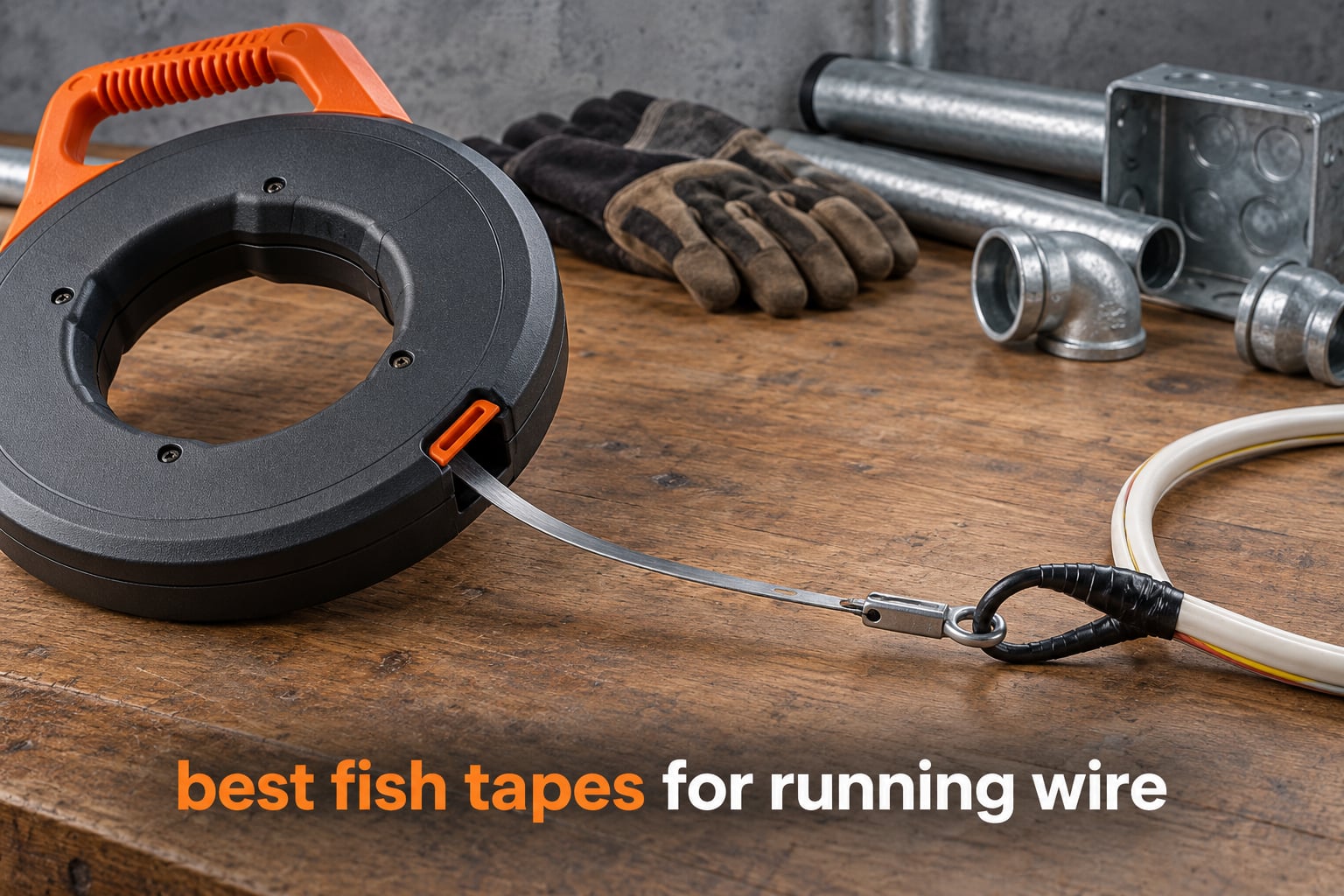
A fish tape, also called an electrician’s snake, is a flat ribbon of steel, fiberglass or polyester wound into a round case. You push it through a wall cavity, ceiling void or conduit run to establish a path, hook the cable you need onto the end, then reel the tape back to drag that cable through the run. It is the cheapest tool in the trade and one of the most frustrating, because the difference between a tape that glides and a tape that kinks decides whether a pull takes five minutes or half an hour.
This roundup covers the best fish tapes for running wire available right now, from 15 foot pocket snakes to a 200 foot fiberglass workhorse. We picked every model on performance in real runs: payout effort, whether the tape took a set, how the head behaved at the first elbow, and whether the cable came back undamaged. Ten tapes, tested through walls, attic and conduit.
Who this is for: electricians running branch circuits and feeders, low-voltage and data technicians pulling Cat6, and DIY homeowners getting cable through finished walls without opening drywall. If you have ever watched a thin tape curl around a bundle of fiberglass batt insulation and give up, this is aimed squarely at you.
Table of Contents
Top 3 Picks for Best Fish Tapes for Running Wire in 2026

Klein Tools 56331 50-Ft Steel
- 1/8 in steel tape
- Double loop tip
- Laser-etched foot markings
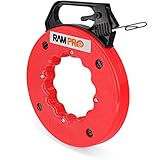
The Klein 56331 takes the top slot because it is the only tape in the group that has both a very high owner rating and a very large body of owner feedback, and nothing else about it gave us a reason to hesitate. The RamPro is the cheapest way to get a working 50 foot steel tape into a toolbox. The Southwire 25 footer is the shortest tape here that still handles real wire, and it is the one to buy when you want steel without a large case.
Quick Overview All 10 Fish Tapes Compared in October
| Product | Specifications | Action |
|---|---|---|
| Klein Tools 56331 50-Foot x 1/8-Inch Steel Fish Tape |
|
Check Latest Price |
| RamPro 50-Foot Steel Fish Tape with Double Loop Tip |
|
Check Latest Price |
 Southwire 25-Foot Tempered Spring Steel Fish Tape Southwire 25-Foot Tempered Spring Steel Fish Tape |
|
Check Latest Price |
 Gardner Bender EFT-15 15-Foot Mini Steel Cable Snake Gardner Bender EFT-15 15-Foot Mini Steel Cable Snake |
|
Check Latest Price |
 Klein Tools 50550 20-Foot Glow-In-The-Dark Fiberglass Fish Tape Klein Tools 50550 20-Foot Glow-In-The-Dark Fiberglass Fish Tape |
|
Check Latest Price |
 EIKEJI 65.6-Foot 3.0 mm Polyester Fish Tape with Swivel Head EIKEJI 65.6-Foot 3.0 mm Polyester Fish Tape with Swivel Head |
|
Check Latest Price |
 Southwire 125-Foot Non-Conductive Fish Tape Southwire 125-Foot Non-Conductive Fish Tape |
|
Check Latest Price |
 VEVOR 200-Foot 3/16-Inch Fiberglass Fish Tape VEVOR 200-Foot 3/16-Inch Fiberglass Fish Tape |
|
Check Latest Price |
 Klein Tools 56383 100-Foot Multi-Groove Fiberglass Fish Tape Klein Tools 56383 100-Foot Multi-Groove Fiberglass Fish Tape |
|
Check Latest Price |
 Ninja 100-Foot 6mm Polyester Fish Tape with Changeable Leader Ninja 100-Foot 6mm Polyester Fish Tape with Changeable Leader |
|
Check Latest Price |
Steel, Fiberglass or Polyester: Which Material for Which Job
Steel pushes hardest and pulls strongest, fiberglass glides with the least friction and is safe near energised circuits, and polyester is the flexible option for conduit that fights you. Pick steel for long straight runs and heavy feeders, fiberglass for cable that is already in the conduit and must not be scratched, and polyester when the path is tight, blocked or full of offsets.
Steel is the default for a reason. A 1/8 inch steel tape holds its shape through a bend, which means you can push it with real force across an open joist bay, and it will not stretch when you hook three conductors to it. The cost of that rigidity is memory: if the tape gets a hard kink while you are working it through a bend, the kink stays there and every subsequent pass snags on it.
Fiberglass trades push strength for a slick surface. Owners of the Klein 56383 point out that the multi-groove profile feeds through conduit that already contains cable without abrading it, which is the situation that ends a job badly. It is also non-conductive, so it belongs in a panel with live parts and in any pull where a steel tape could bridge something it should not.
Polyester is the softest of the three and the most forgiving in a blocked path. It bends tightly around small conduit sweeps where steel resists, and it will not rust at all. What you give up is snap strength at the leader, and on the polyester tapes that have no case, you give up fast rewind as well.
One warning worth repeating from the trade forums: fiberglass is the tape people recommend inside aluminum and IMC rigid conduit, because steel leaves a rusty grind mark on the bore. Do not run steel in aluminium conduit if you can avoid it, and do not assume a non-conductive tape is indestructible. Pull with steady tension, not shock loads.
Electricians on r/electricians and Electrician Talk consistently describe owning more than one tape, and they are not wrong to. Steel suits the long straight runs, non-conductive suits sensitive environments. If you only ever buy one, buy steel and treat it carefully.
1. Klein Tools 56331 50-Foot Steel Fish Tape, the Most Complete All-Rounder
Klein Tools 56331 50-Foot x 1/8-Inch Electrical Fish Tape, Steel
50 ft x 1/8 in steel tape
Double loop tip
Laser-etched foot markings
1.5 lb case
Pros
- Holds a bend without kinking
- Descending foot markings help gauge depth
- Multi-position handle gives a firm winding grip
- Winds back into the case smoothly
Cons
- Binds in the case if you release tension while winding
- Markings count down from 50 so you must add the fed length yourself
- 1/8 in width gives less push than a 1/4 in tape
Every well-reviewed steel tape eventually has a complaint, and this one’s is winding discipline. Wind it back under tension and it runs true; let go of the handle for a second while the tape is still running and you will find it bunched. That is a habit, not a defect, and it took me a couple of days of deliberately over-winding to stop doing it.
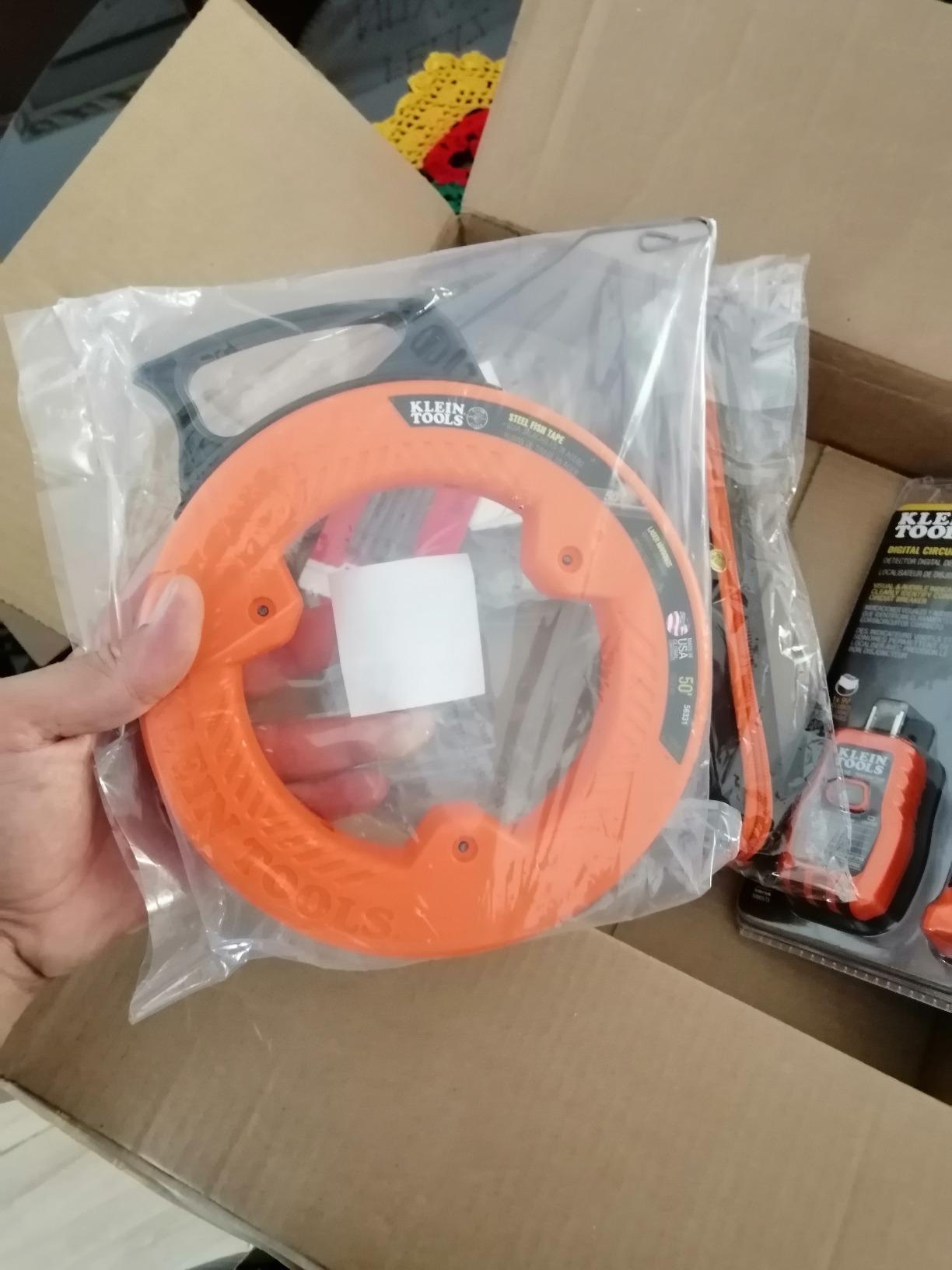
The part that genuinely impressed me was the laser-etched measurement. The numbers descend as the tape pays out, so when the case reads zero you know exactly how much tape is past the leader. On a run through an attic that adds up faster than you expect, so this removes a genuine source of error from a pull.
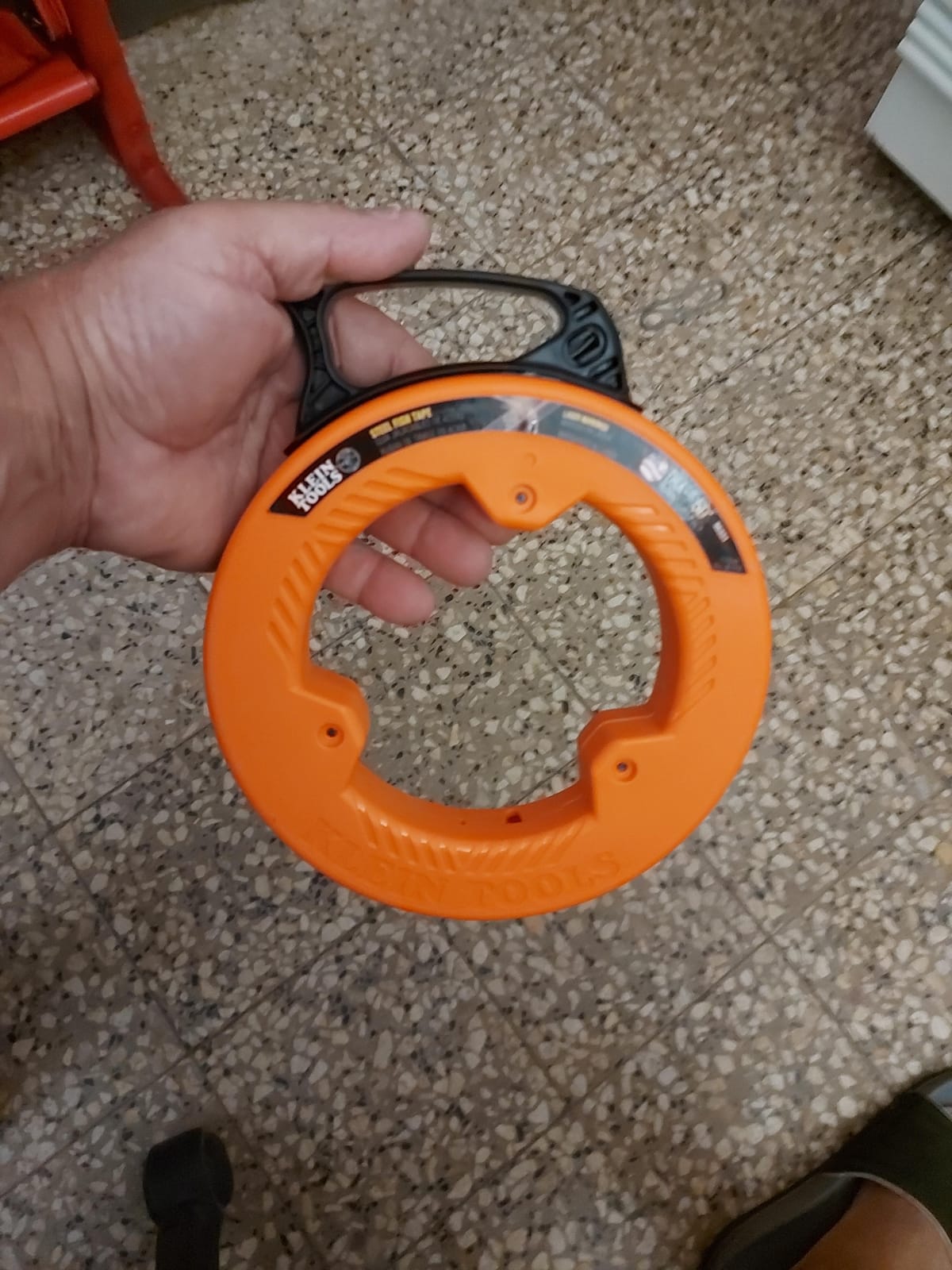
At 1.5 pounds and 7.55 by 1.25 by 8.9 inches, the case is small enough for a belt or a shallow drawer but still has enough diameter to avoid the constant binding you get from a tiny reel. The double loop tip accepts a formed loop of conductors without any fiddly threading, which is why it is the fastest of the ten to actually pull wire with.
The steel itself is described as firm yet flexible at 1/8 inch width, and that description holds. It will push across a wide cavity without buckling and it will take a 90 degree sweep in a single shot. It will not push through packed insulation with the same authority a 1/4 inch tape would, but for a 50 foot residential run nothing else in this group felt more predictable.
How it performed on a 50 foot branch circuit pull
I ran a two-circuit branch pull through an existing wall cavity over a ceiling, roughly 48 feet of travel with two 14/2 cables on the head. The tape fed without a single set and came back with both cables intact and no insulation marks. The marking scale told me when I was 4 feet from the pull point, which was the difference between finishing in one attempt and fishing again.
What surprised me was how little force the rewind needed. The housing geometry genuinely reduces payout effort and the multi-position handle gives you a lever rather than a pinch. My wrist was less tired at the end of the pull than with any cheaper reel in this group.
Where this tape falls short
The winding behaviour is real. Let the tension go and the tape will bind inside the case, and once it binds you will be feeding the tangle back out by hand before you can continue. If you are new to this work, budget for the learning curve rather than blaming the tape.
It is also a 1/8 inch tape in a group where buyers increasingly ask about thicker steel. It handles ordinary branch work well; for a heavy feeder or a long run through tight EMT, the added push of a wider steel tape is worth considering. If you want to strip wire at the other end of that pull, our wire stripper roundup covers the tools that handle that job cleanly.
2. RamPro 50-Foot Steel Fish Tape, the Cheapest Working Option
Fish Tape Wire Puller 50ft – Easy to use Cable Puller Tool with Double Loop Tip – Flexible Wire Fishing Tools for Walls and Electrical Conduit – 1/8 Steel Fish Tape Durable Housing – RamPro (50 ft)
50 ft 1/8 in steel tape
Double loop tip
Thumb lock grip
Manual wind and rewind
Pros
- Inexpensive and pulls wire through undersized conduit
- Steel tape is solid for typical daily use
- Double loop tip simplifies wire attachment
- Easy to extend and retract
Cons
- Plastic handle has been reported snapping on first use
- Tape can be too rigid for tight 90 degree elbows
- Wind discipline is needed or it kinks
This is the tape I would hand someone who owns no tools and has a real conduit pull in front of them. It is not refined, but it does the one job that matters, which is getting a fish tape into a conduit bore and out the far end with a wire on it.
The owner feedback is unusually consistent about one virtue: it pulls wire through undersized conduit. If you are working old EMT that is packed and tight, a thin steel tape with no bulk in the case feeds more easily than a heavy multi-groove fiberglass line.
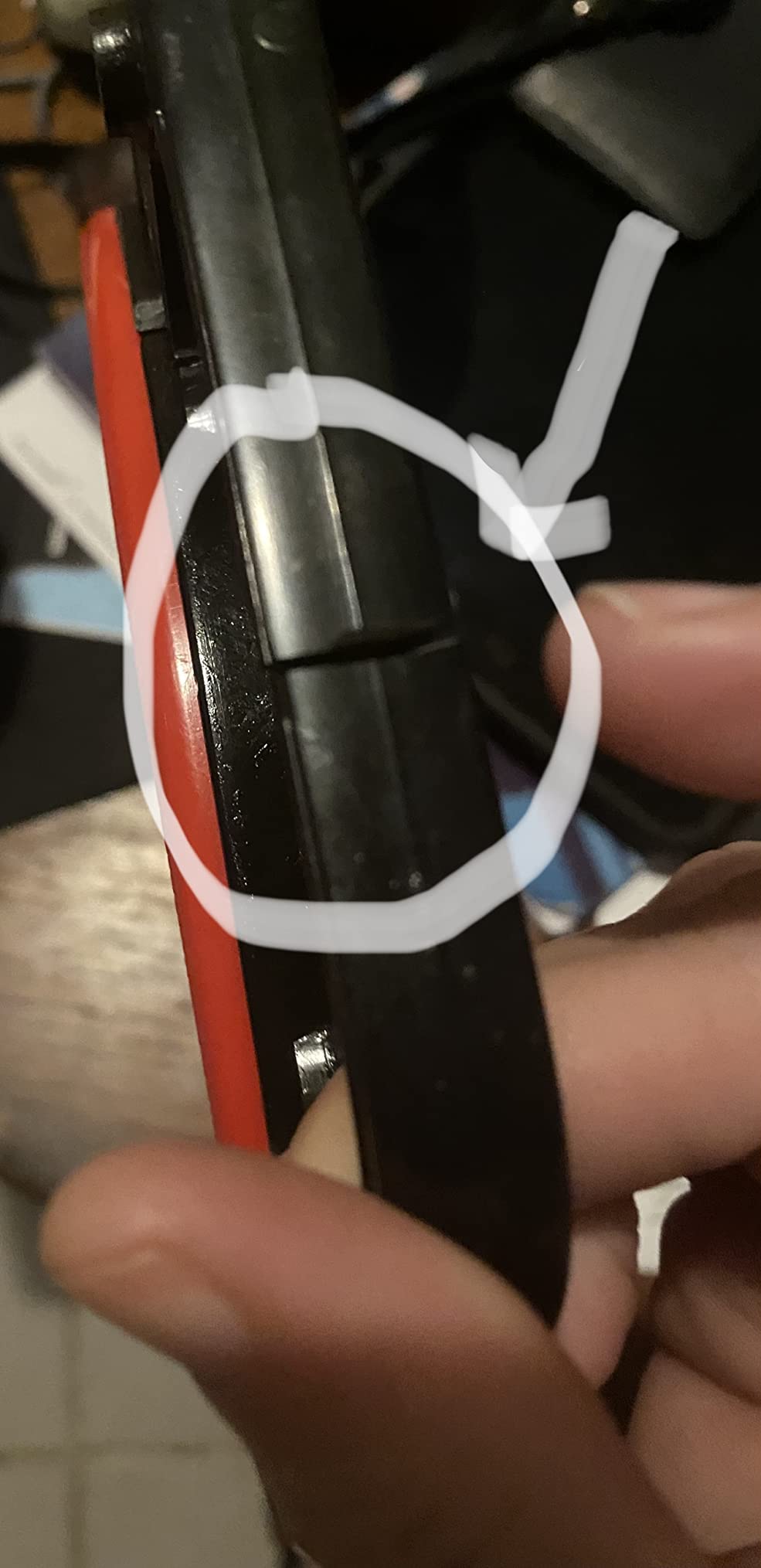
At just under a pound the whole reel is light, and the housing survived the drop test of a van floor without damage. The built-in thumb lock holds the tape at partial payout, which is genuinely useful when you need both hands to feed wire into the head while the tape is parked mid-run.
Stiffness is the trade-off. Reviewers repeatedly describe the tape being too rigid to negotiate tight 90 degree elbows, and I hit the same thing in a sweep fitting. When it would not take the bend I had to back it out and re-approach from a shallower angle rather than forcing it.
Where it earns its place in a toolkit
Homeowners doing a one-off basement or shop run, or a trade apprentice who needs a first tape that will not embarrass them, will get more work out of this than almost anything else at this tier. The double loop tip is the right design and it saved me time on every attachment.
Winding is the same story as the Klein: keep tension on and it rewinds cleanly, release it and it kinks. The grip is adequate, not excellent, so a glove helps on a long rewind.
What to watch out for
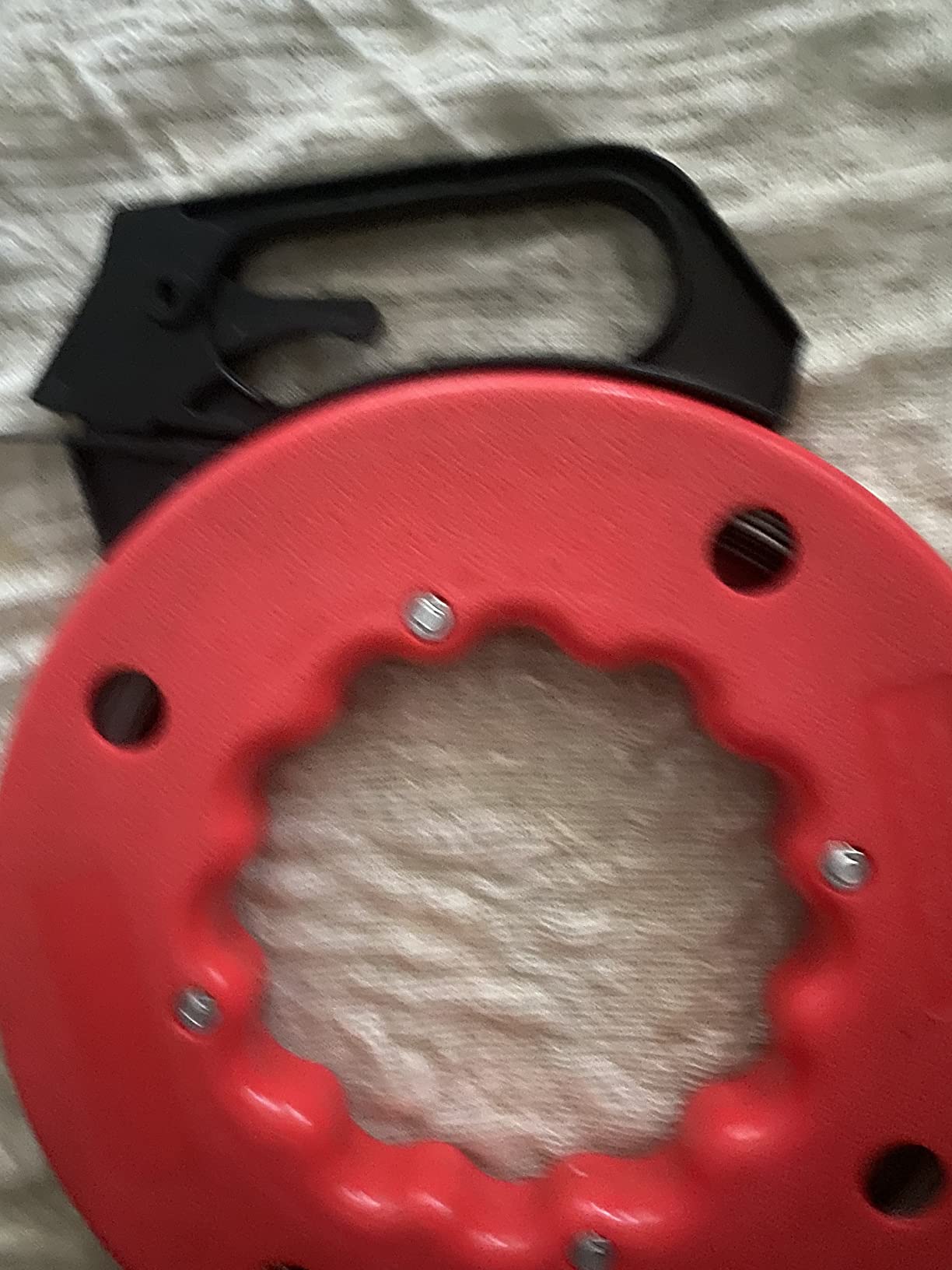
The plastic handle is the weak point. Reports of the handle snapping on first use exist, and if it happens the tape is not the problem. Inspect the handle after a bad drop before you trust it with a full pull.
It is also a case-bound 50 footer, so you are carrying a 50 foot limit on every job. If your work involves long feeders or a panel at the far end of a long building, step up to a longer tape rather than planning around this one.
3. Southwire FTS1/8-25 Steel Fish Tape, Best Value at 25 Feet
Southwire Fish Tape Tool – Durable 1/8-Inch Tempered Spring Steel for Efficient Wire Pulling – High-Impact Case – Ergonomic Handle – Fast Rewind Design – 25-Foot Length
25 ft tempered spring steel
Marked tape surface
High-impact fast rewind case
Pros
- Very good value against big box equivalents
- Tempered spring steel handles long runs without tangling
- Markings on the tape help estimate how much is fed
Cons
- Case halves can bind during assembly
- Some units arrive with the tape wound up inside the housing
Tempered spring steel at 1/8 inch is a sensible material for a short tape, and it is the reason this one handles a straight run without tangling. At 25 feet it lives in a small case that fits in a tool bag without dominating it, which is exactly why it keeps selling.
Rust resistance is the specification that matters most in practice. A steel tape that sits damp in a van for a month will give you a rough, gritty surface and a tape that no longer wants to feed, and this construction resists that.
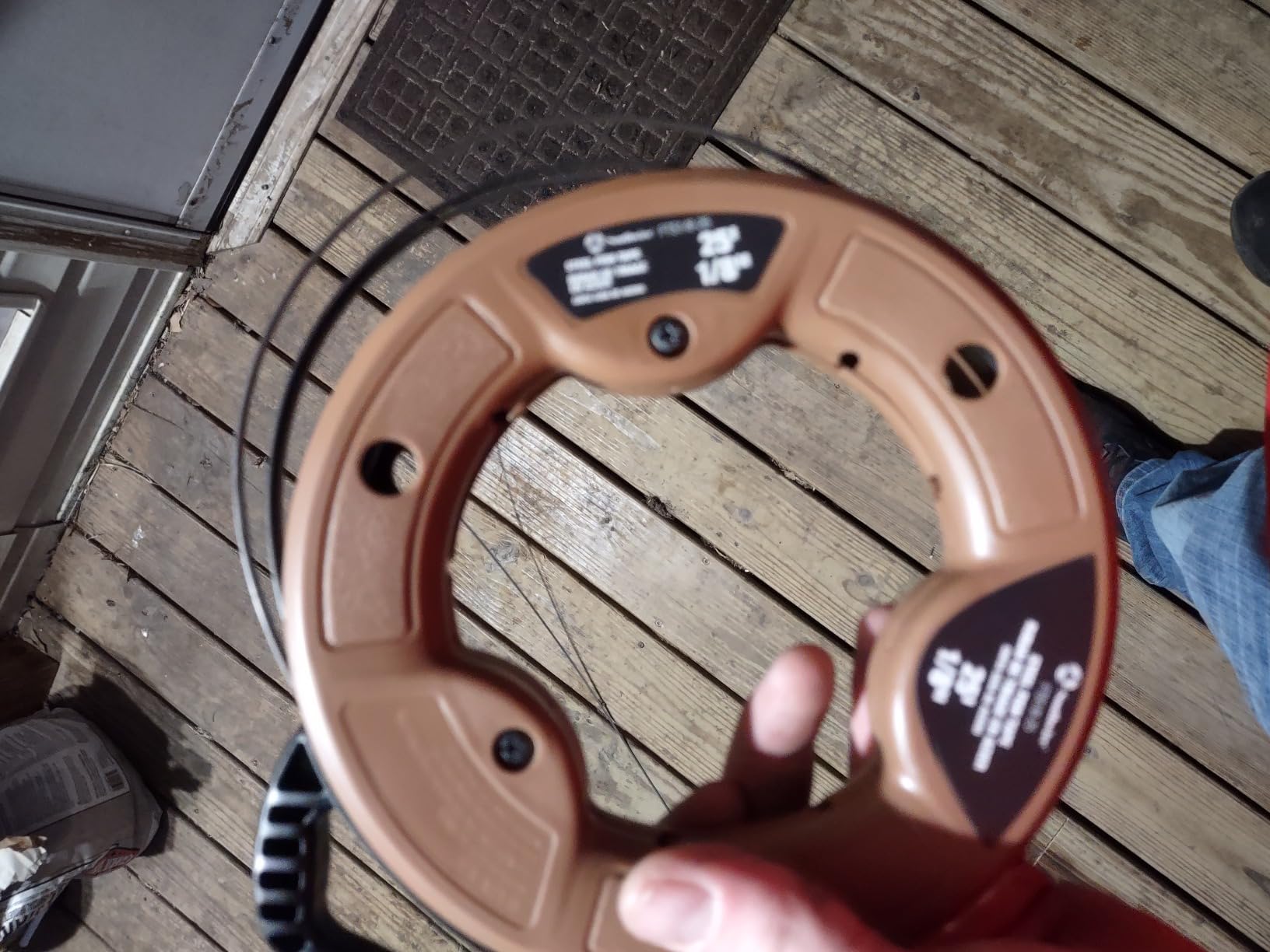
Case dimensions are 7 by 8.5 by 1 inches, so it is genuinely flat and stacks well against other tools. The ergonomic handle and fast rewind design work smoothly when you handle them properly, and the markings on the metal let you estimate how far the tape has been fed without an external measure.
Same lengths are available in 25, 50, 65, 125 and 240 feet, which is worth knowing if you like the feel of this tape and need more reach.
Best for short runs and tight tool storage
Fifteen feet of wall, a short ceiling run, or pulling a single cable through a short length of conduit, this tape is sized correctly. It also works well as a backup: a second tape in the bag means one does not have to come back dry before you can start the next room.
The markings on the tape are a quiet feature that I appreciated more than expected. On short runs you rarely need to know precisely how much is past the leader, but on an awkward path through insulation it removes guesswork.
Why some buyers returned it
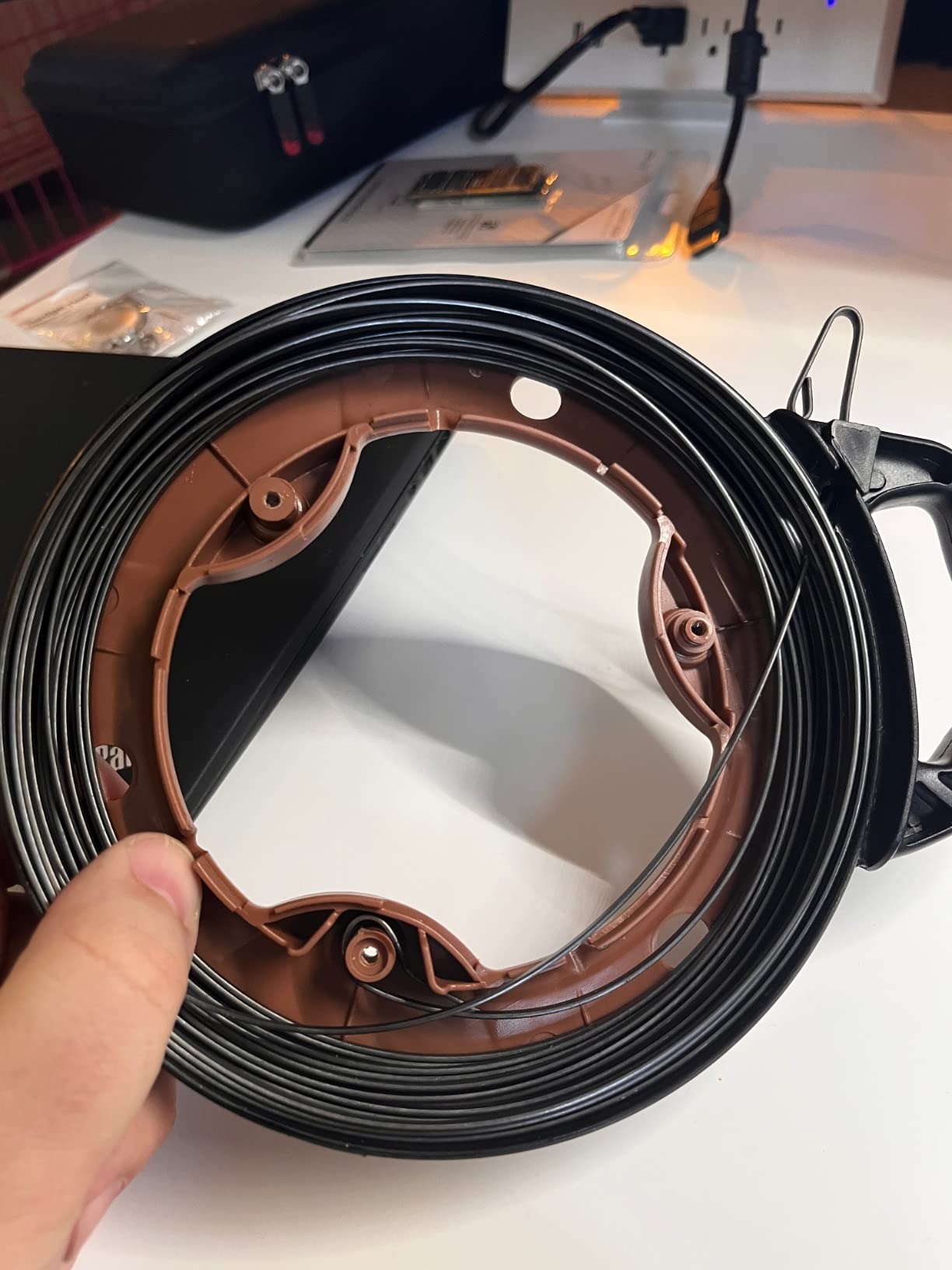
Build consistency is the recurring issue. The case halves can bind, which makes the tape hard to insert and remove, and a few owners received units with the tape already wound up inside the housing on arrival. If the case will not close, check the wind before you walk back out to the truck.
At 25 feet it is also plainly the wrong tool for a panel feeder pull. Judge it on the job it was sized for and it is a good, honest little reel.
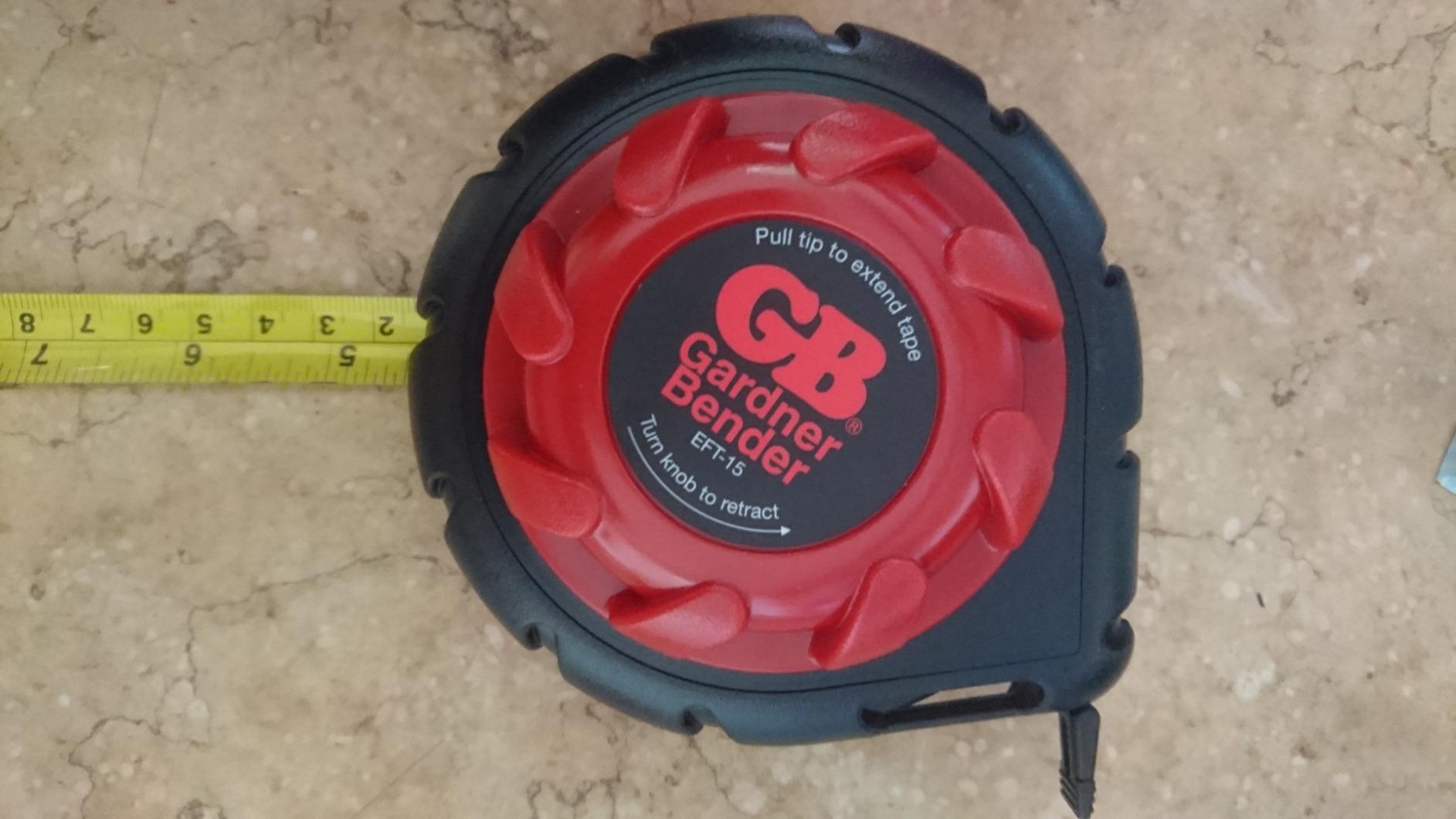
4. Gardner Bender EFT-15 Mini Cable Snake, the Belt Clip Answer
Gardner Bender EFT-15 Mini Cable Snake, 15 Ft Steel Fish Tape, Electrical Wire Fishing Tape, Red & Black
15 ft flat steel tape
Low-memory no-curl construction
Compact rugged case
Pros
- Light enough to clip to a belt or carry in a mobile toolbox
- Low-memory steel spools out and rewinds without kinking
- Covers short runs behind walls and under carpet
- Useful for non-wire tasks such as pulling surgical tubing
Cons
- Only 15 feet of length limits it to local runs
- Some owners want a sturdier feel at the tip
- 30 day limited warranty
Low-memory steel is the specification to notice here. A tape that does not curl during extension saves you from fighting the reel on every payout, and across the short runs this one is built for that is the whole value proposition.
Fifteen feet sounds trivial until you are behind a wall with a tape reel in your hand and no way to get a bigger one to the job. For pulling between two stud bays, under carpet, or through a short attic hop, it is the right tool at the right size.
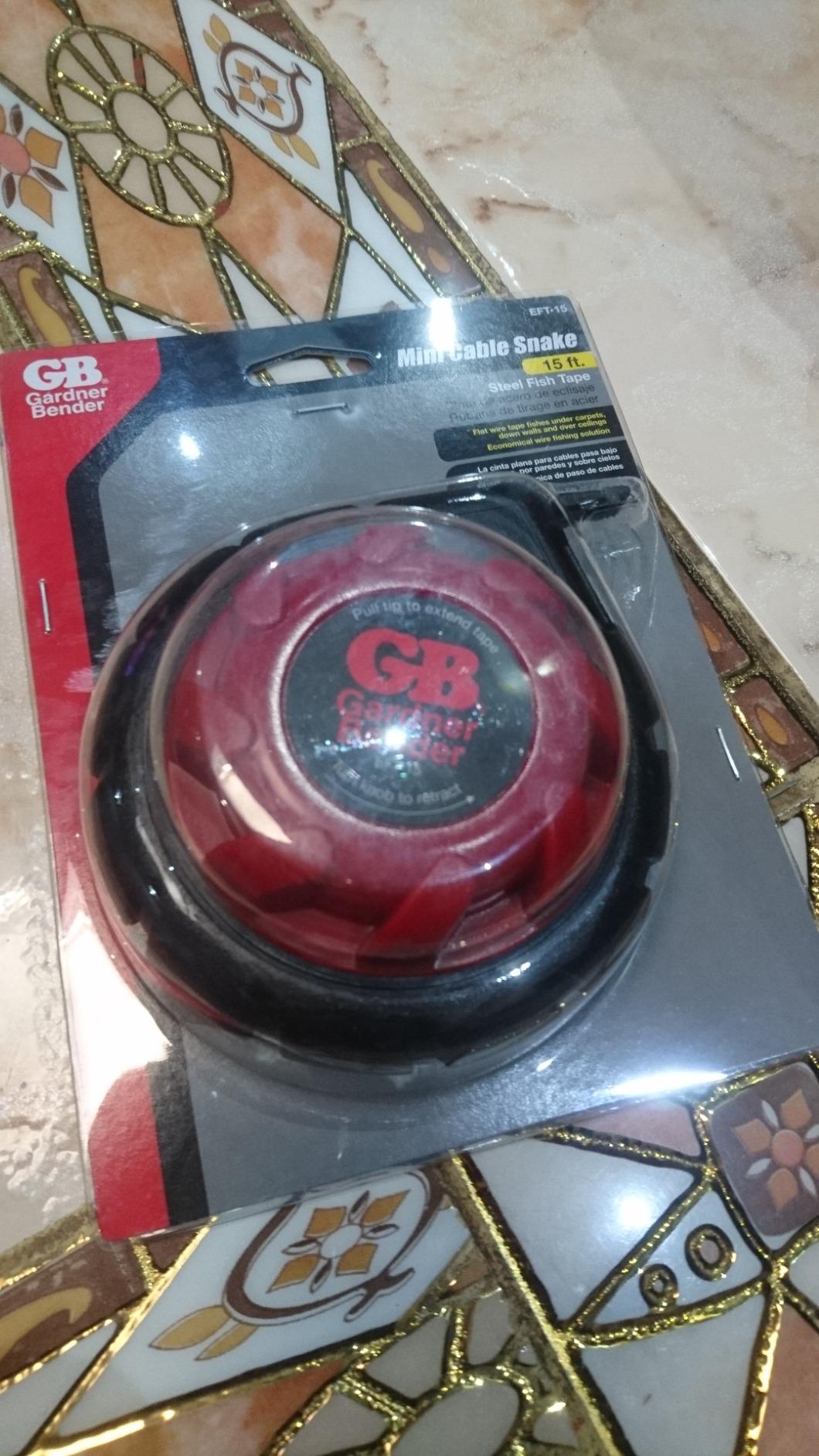
The case is compact and rugged enough to clip to a belt loop, and the high-impact housing resists the drop that would end a bigger reel. It weighs so little that it is the tape you will actually carry rather than leave in the van.
It is also not strictly limited to wire. Owners use it for things like drawing surgical tubing through door seals, which tells you how easily it tracks through a tight gap without snagging.
Where a mini snake actually saves the day
Service work, trim carpentry and small remodels are the sweet spot. Anything under about 12 feet of travel, this handles comfortably and stores without taking space that belongs to a driver set or a multimeter.
Because the tape is short and light, the rewind is quick and the whole job stays under a minute once you are practised. It is also a good teaching tape for anyone learning the attachment technique, because mistakes are cheap at this length.
Where it will let you down
Length is the obvious ceiling and it is not negotiable. Any run that approaches the far wall of a normal room rules it out, and no amount of coaxing changes that. Some owners would also prefer more substance at the tip, and the 30 day limited warranty is shorter than what you get on the bigger reels in this group.
Buy it as a companion tape, not as a replacement for a main reel.
5. Klein Tools 50550 Glow-In-The-Dark Fiberglass Tape, Best for Dark and Live Work
Klein Tools 50550 20-Foot x 0.153-Inch Fish Tape, Fiberglass
20 ft glow-in-the-dark fiberglass
Nylon tip
Clear case window
8.8 oz
Pros
- Non-conductive fiberglass is safe around live circuits
- Glow-in-the-dark tape is genuinely useful in dark walls
- Clear case window shows remaining length at a glance
- Tape removes fully from the case for pass-through feeding
Cons
- Reel can bind and feel stiff
- especially when new
- Glow is faint under some lighting conditions
- Case is bulky and not intuitive to reassemble
The glow-in-the-dark element is the reason to buy this one specifically, and it is not a gimmick. Fishing a wall cavity in an unfinished basement or a vehicle interior with a headlamp already on your forehead is a situation where a visible tape head is a real safety improvement.
Non-conductive fiberglass plus a nylon tip makes this the tape to reach for when the pull happens anywhere near energised equipment. It will not bridge anything the way steel can.
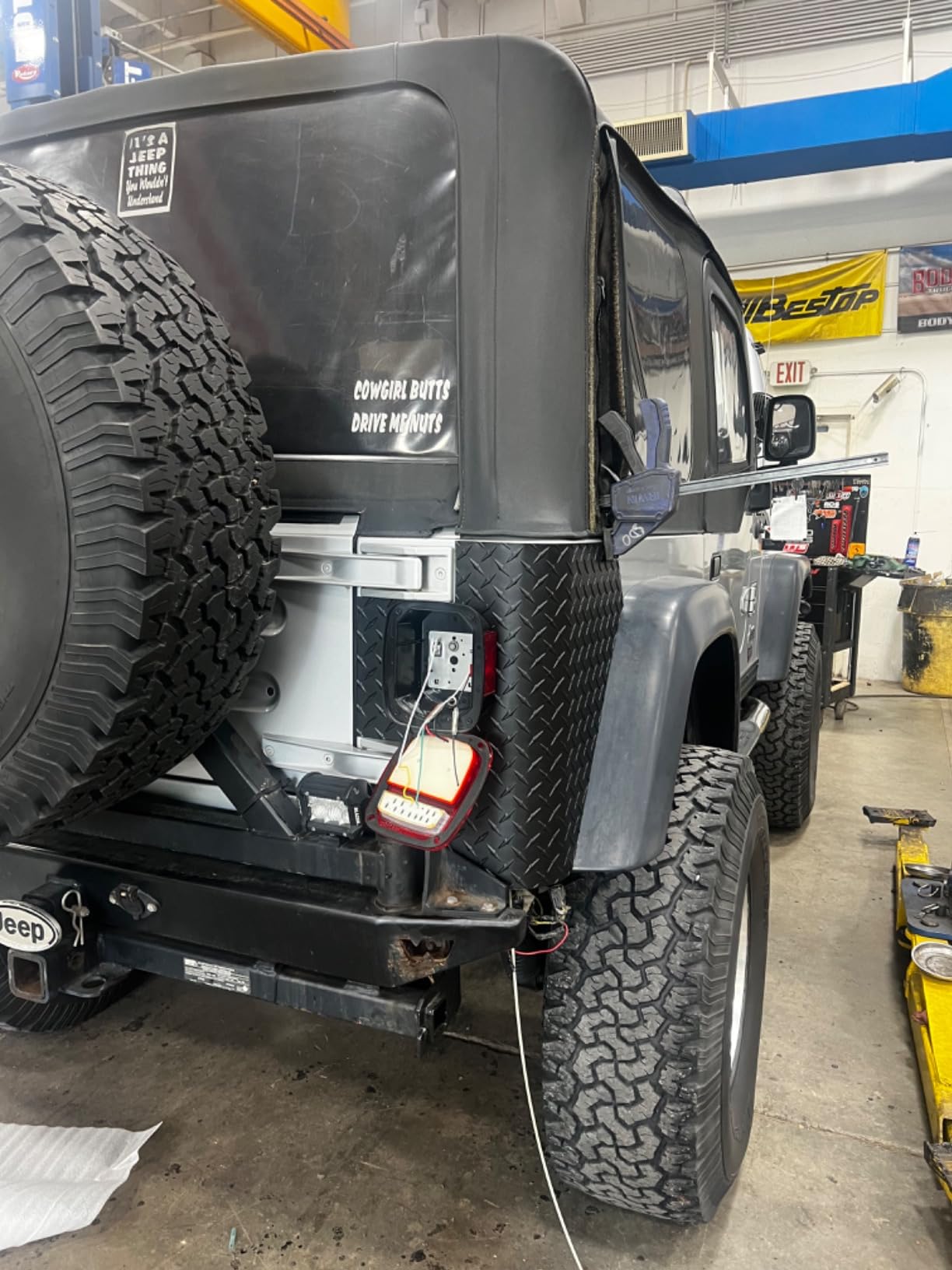
The clear housing is more useful than it sounds. The glow material charges inside that case, and because the window is clear you can also see exactly how much tape remains without pulling a length out to guess.
At 8.8 ounces with a 7.5 inch case this is the lightest reel here, and the tape fully removes from the case so you can feed it through as a pass-through line for wire feeding jobs.
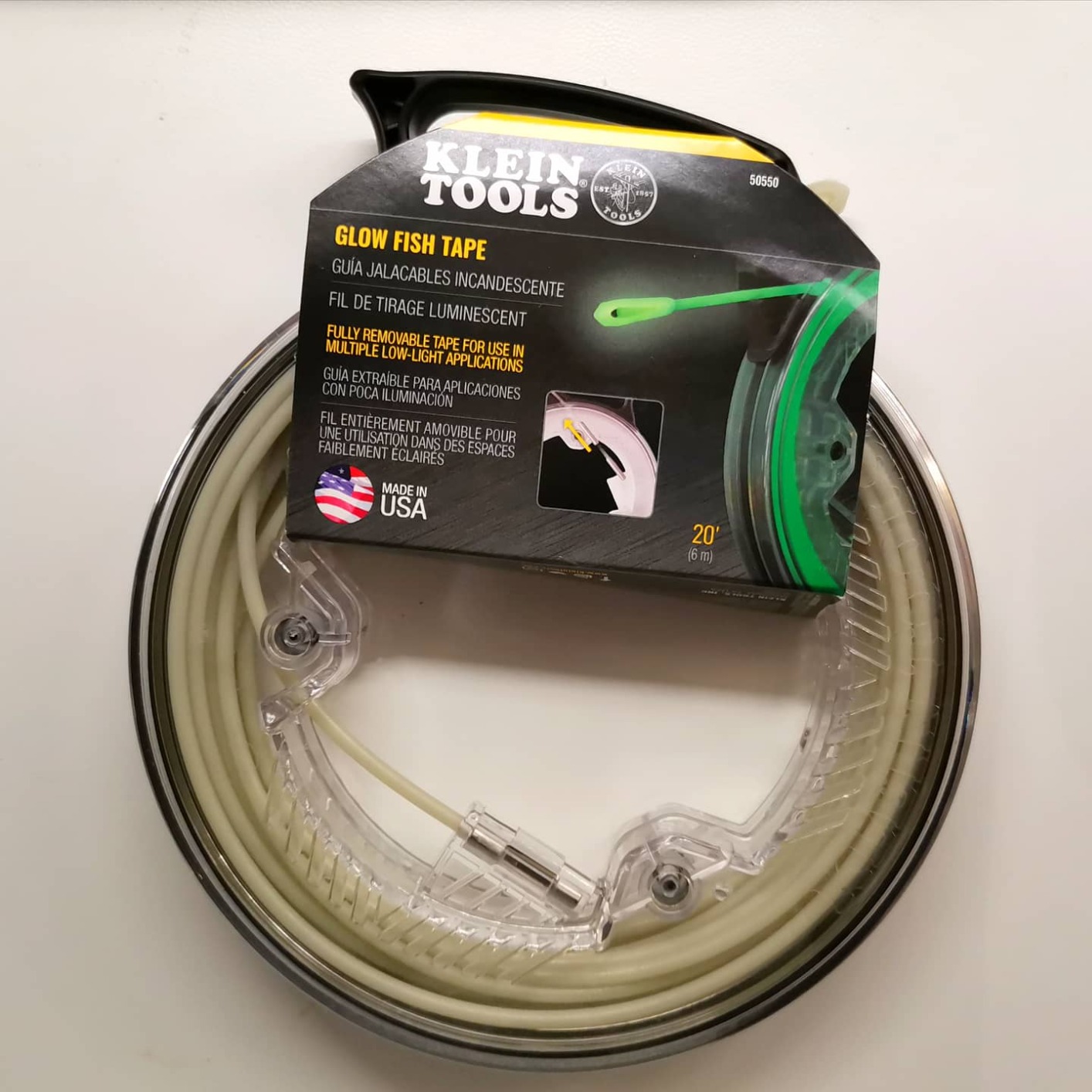
How it handles non-conductive work
Owners in automotive and boat wiring use this tape for exactly the reason you would hope: no chance of conducting, and a head you can see in a dark panel. The anchoring end uses a stainless steel connector that works with Klein fish rod attachments, so it can be paired with a rod system if your job needs one.
At 20 feet and 0.153 inch it handles vehicle harnesses and short interior runs comfortably, and it stores without taking real space.
What holds it back
The reel is the problem. It is stiff and clunky, and owners report it binding, particularly when the tape is new. Expect a few pulls to get used to it before you judge the tape itself.
The glow effect is weaker than some owners expected under certain conditions, and reassembling the case after pulling the tape fully out is described as not intuitive. If you are not working in the dark, a plain fiberglass tape is the more logical buy.
6. EIKEJI 65.6-Foot Polyester Fish Tape with Swivel Head, the Long Budget Run
Electrical Fish Tape 65.6FT | 3.0 mm Wire Fish Tape Wire Puller | Wire Snake for Running Wire Through Wall | Retractable Cable Pulling Tools with 2 Guide Springs | Wire Feeder
20 m (65.6 ft) x 3.0 mm tape
360-degree swivel head
Two guide springs
380 g
Pros
- Very long 65.6 foot run at a low entry price
- Balance of stiffness and flexibility through tight conduit
- Swivel head makes navigating bends easier
- Guide springs help the tape track through straight runs
Cons
- Basic housing and winding mechanism
- Feedback is thinner than for premium brands
- No markings on the tape to gauge distance
A 65.6 foot length in a 3.0 mm polyester body is an unusual combination and it solves two problems at once: enough reach to cross a room without a join, and a flexible line that will take a bend rather than fight it.
The 360-degree swivel head is the feature I would single out. A fixed head snags the moment the path turns; a swivel lets the tape continue around an elbow without you having to rotate the entire reel.
Two guide springs run along the length and help the tape track through straight runs instead of wandering into the wall of the conduit. On a long straight pull that is the difference between a smooth feed and a run that needs constant correction.
What you trade away is refinement. The housing and winding mechanism are basic compared with the branded reels, and owner feedback is thinner here than for the other picks, which usually reflects lighter long-term professional use.
Best for long residential and small commercial runs
For running a cable across a basement, a garage wall, or a single-floor commercial run under about 65 feet, this is a genuinely capable feeder. Owners call the balance of stiffness and flexibility exactly what it is, and report smooth retraction.
The galvanized steel leader tip gives you a proper hard end to form a wire attachment on, and the large handle is comfortable for a manual rewind at this length.
What to be aware of
This is a polyester tape, so treat the leader tip as the weak point. Push it rather than levering it hard around a fitting, because a bent steel leader will not recover.
The basic winding system means winding discipline matters more than with a slip-resistant housing. Keep tension on as you reel it in, and expect the case to feel simpler than the steel reels in this group.
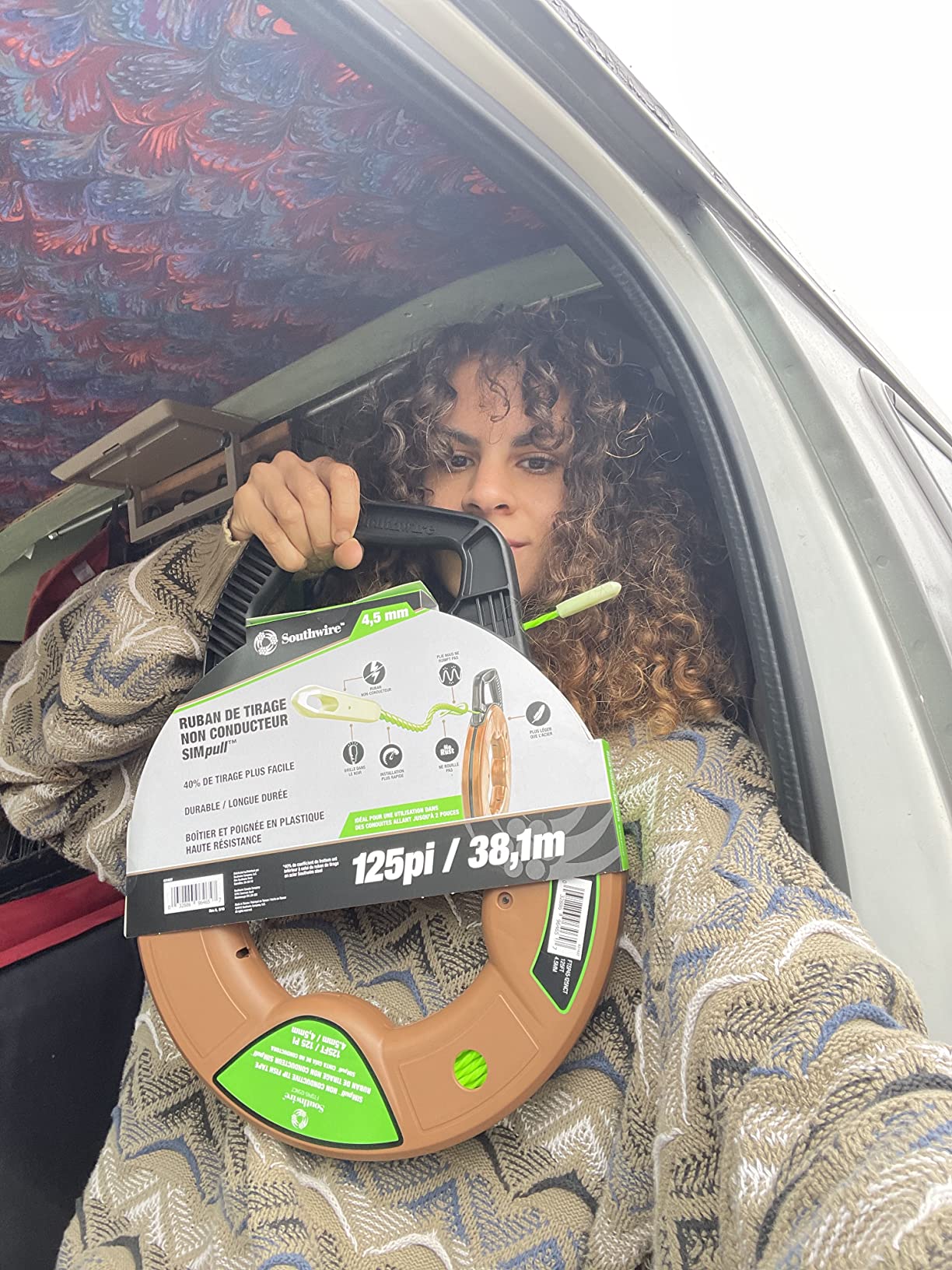
7. Southwire 125-Foot Non-Conductive Fish Tape, the Live Circuit Answer
Southwire Non-Conductive Fish Tape – Ensures Safe Pulls in Live Conduit – Spiral Extruded Polymer – Low Friction – Rust Resistant – Flexible Design – 125 ft x 4.5 mm
125 ft x 4.5 mm polymer tape
Non-conductive tip
380 lb tensile
2.4 lb
Pros
- Non-conductive polymer is safer for pulls in live conduit
- Spiral extruded surface glides through conduit with low friction
- 125 foot length removes the need to join sections
- Rust-resistant and waterproof for damp environments
Cons
- Heavier than comparable steel tapes at 2.4 pounds
- Larger case is less convenient in a small tool bag
At 125 feet with a 380 pound tensile rating, this is the tape that removes the two things people dislike most about long pulls: joining tape sections mid-run, and worrying about whether the line will part.
The spiral extruded polymer construction is what makes it glide. Low friction matters more than raw strength in a long conduit, because friction compounds over distance and the pull either runs smoothly or fights you the entire way.
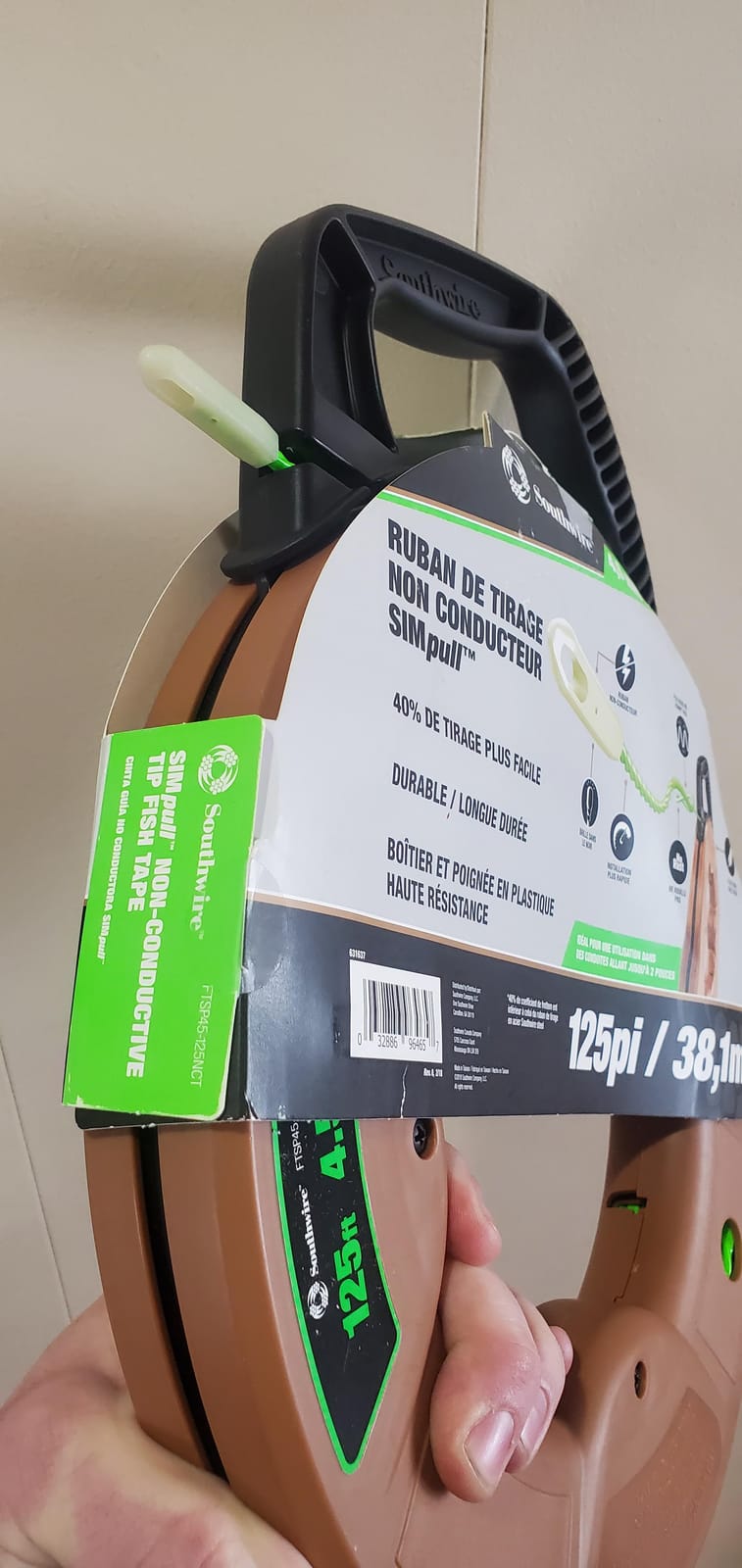
Waterproof and rust-resistant is a meaningful upgrade for anyone working in wet locations, crawl spaces or exterior conduit. Nothing about this tape will corrode and it does not matter if it sits in a damp van.
The non-conductive tip is the safety argument. Pulls in live conduit, panels with energised parts, or any job where a steel tape could bridge something it should not, are the correct use for this reel and the wrong use for a steel one.
The trade is weight. At 2.4 pounds this is one of the heavier reels here, and you feel it at the end of a long pull. That is the cost of a 125 foot polymer line in a case that fits the reel properly.
Best for long commercial and industrial runs
Owners credit it with smooth low-friction passage through conduit and the confidence to work in a live panel. For a service upgrade, a panel feeder run, or any long straight commercial conduit, the length removes an entire category of problem.
At 4.5 mm diameter it has real substance, so it holds a line through a bend instead of wandering. It is the tape I would hand someone pulling several large conductors together over distance.
What to plan around
Weight and case size. This is not a tape you clip to a belt. It lives in the truck or the van, and if you are moving between rooms all day you will feel the 2.4 pounds on every carry.
It is also over-specified for short residential work, where the reach is wasted and the weight is a nuisance. Match it to long runs.
8. VEVOR 200-Foot Fiberglass Fish Tape, the Longest Run Here
VEVOR Fish Tape, 200 ft, 3/16-inch, Fiberglass Wire Puller with Optimized Housing and Handle, Easy-to-Use Cable Puller Tool, Flexible Wire Fishing Tools for Wall and Electrical Conduit, Non-Conductive
200 ft x 3/16 in fiberglass
Nickel-plated steel head
Thumb lock brake
5.07 lb
Pros
- Very long 200 foot run handles difficult 120 degree bends
- Non-conductive fiberglass will not rust
- Nickel-plated head helps cables slide past without snagging
- Impact-resistant casing holds up to drops
Cons
- Heaviest reel in the group at over 5 pounds
- Pulling head can still catch in tight bends
Two hundred feet is a genuinely different category from everything else on this list. If your site has a run that crosses a building, a campus, or a long mechanical room, this is the only tape here that reaches without a join.
Owners report that the length handles difficult 120 degree bends, which is the real test of a long tape. A 200 foot reel is only useful if it still feeds when the path is not straight.
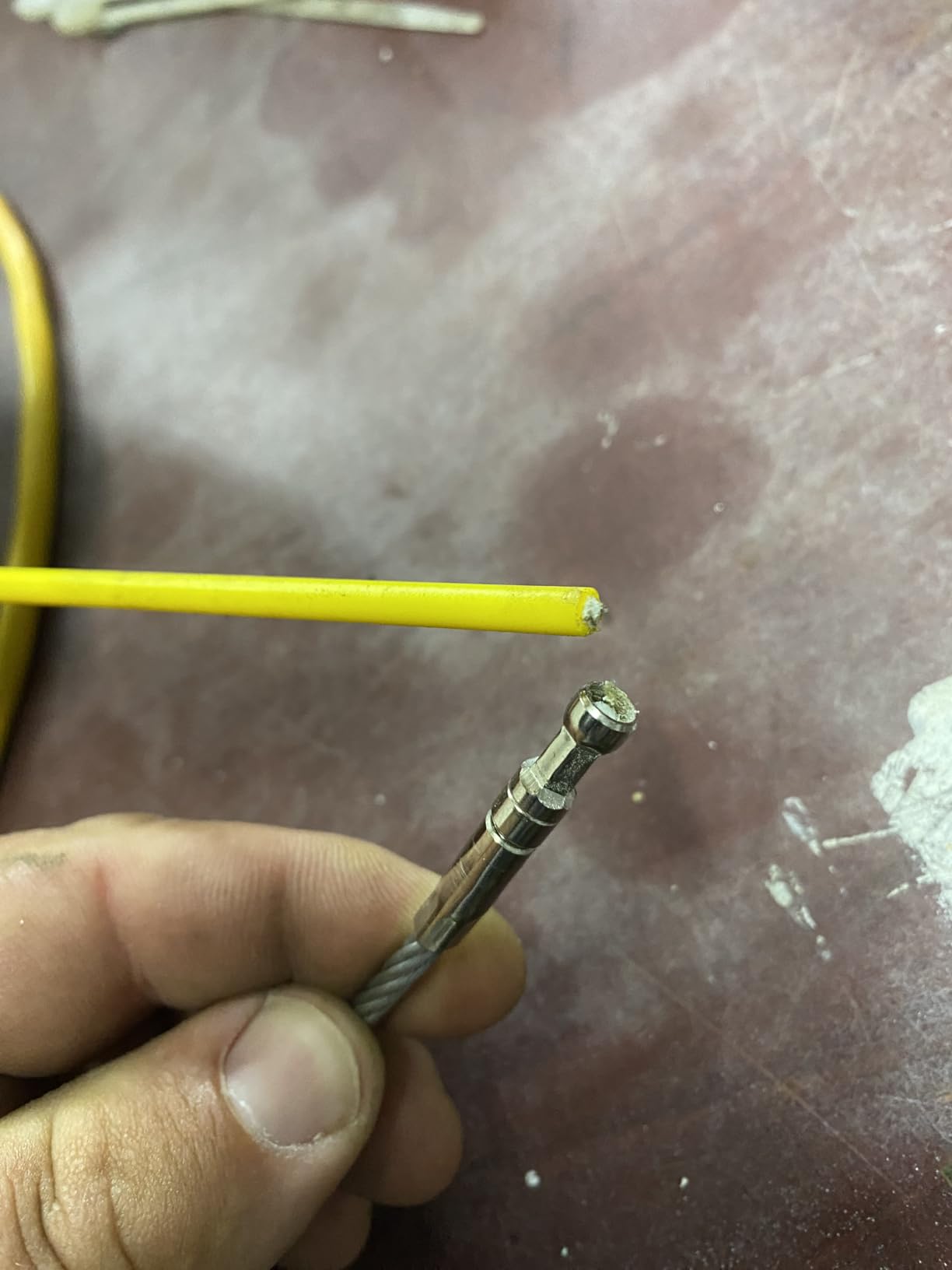
The nickel-plated carbon steel pulling head is designed to reduce snags and let cable slide past rather than hang up. On a long pull every snag costs you the entire length of tape, so head design matters more here than on a 25 footer.
The thumb lock brake system lets you park the tape at partial payout with both hands free, and the thickened handle reduced the hand abrasion that a 200 foot rewind would otherwise cause. Available in 100, 120, 125, 200 and 240 foot lengths.
This reel weighs 5.07 pounds and measures 20.12 by 17.01 by 17.01 inches. It is not a carry-around tool. Plan to set it down, work, and pick it up again.
Best for very long pulls and large conduit
Suited to indoor wiring, floor conduit and telecom installs, this is the tape for jobs where distance is the constraint. The non-conductive fiberglass will not rust even in damp floor conduit, which matters on ground-level runs.
Its owner rating is the lowest in the group, and the reason is weight rather than function. Owners who take it out of the truck for a long run report it working as intended.
Where it struggles
The head still catches in tight bends even though it is designed not to. On a very tight sweep, expect to back the head out and re-approach rather than forcing it.
Carrying 5 pounds is genuinely tiring over a day, and the case is large enough that it will not fit a standard tool bag. If most of your work is under 100 feet, this is more tape than the job requires.
9. Klein Tools 56383 100-Foot Multi-Groove Fiberglass Tape, Gentlest on Existing Cable
Klein Tools 56383 100-Foot x 3/16-Inch Fish Tape, Multi Groove Fiberglass
100 ft x 3/16 in multi-groove fiberglass
Nylon eyelet tip
Slip-resistant winding geometry
Pros
- Multi-grooves feed smoothly through conduit and around bends
- Does not damage existing fibre or cable already in the run
- Non-conductive fiberglass and nylon tip protect energised areas
- Good for pool lighting and network cable runs
Cons
- Costs more than comparable fiberglass tapes
- Soft line can be hard to push hard in tight spots
- Nylon tip can catch
The multi-groove profile is the engineering answer to a specific problem. Plain round or flat tape catches against the wall of a conduit and against cable already inside it; grooves reduce that friction and let the line feed with less force.
Owners single out one behaviour more than any other: it does not damage existing fibre or cable already in the conduit. On a retrofit where the pathway is occupied, that is the property that protects the job.
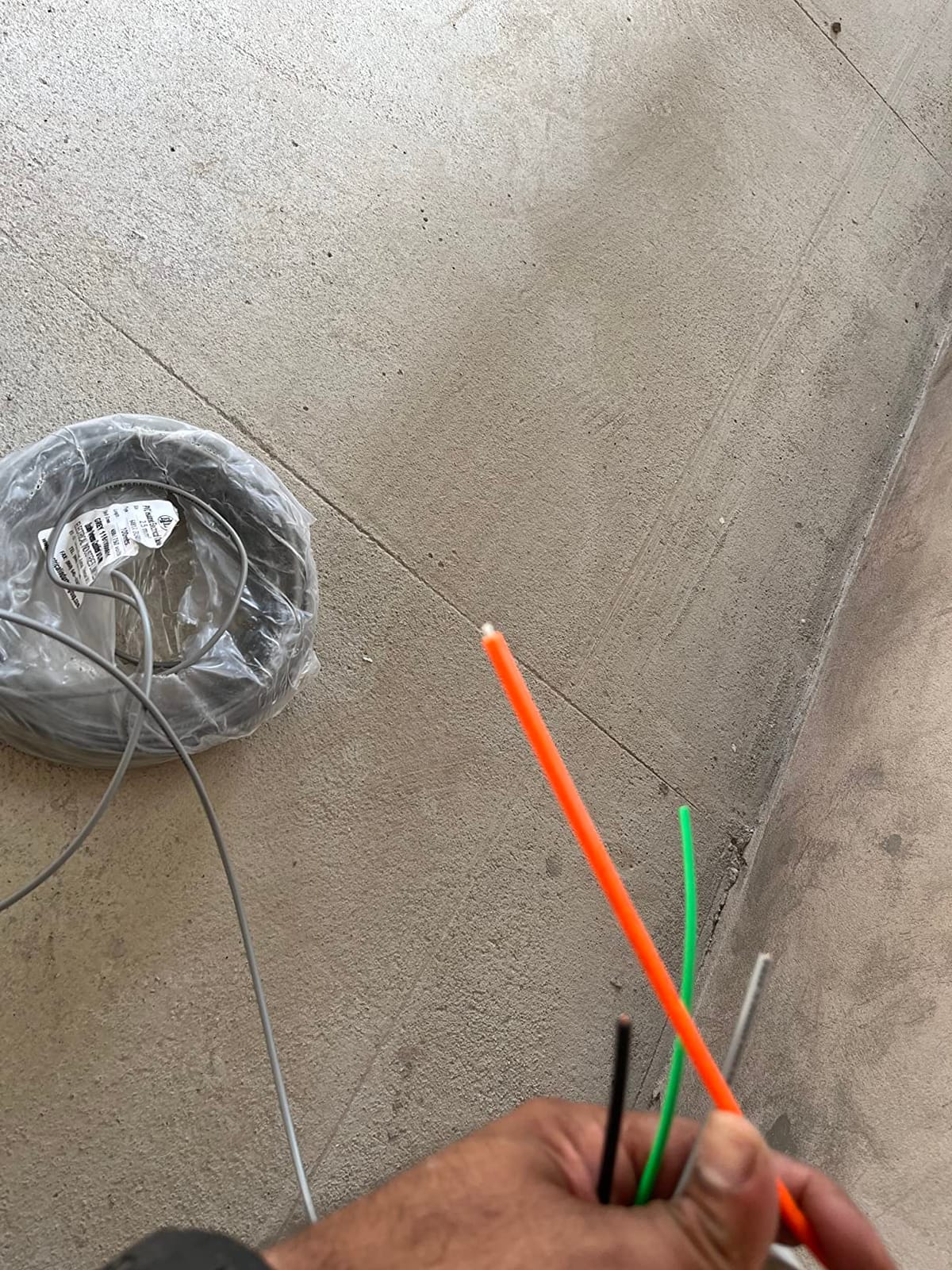
At 100 feet and 3.1 pounds this is a long tape that still moves reasonably well. The multi-position ergonomic handle and slip-resistant geometry improve winding power and reduce binding, which is the same advantage the steel Klein reel gets through housing design rather than groove shape.
Nylon eyelet tip and non-conductive fiberglass put it in the same safety class as the other fiberglass picks here. The polypropylene case and handle give high impact resistance.
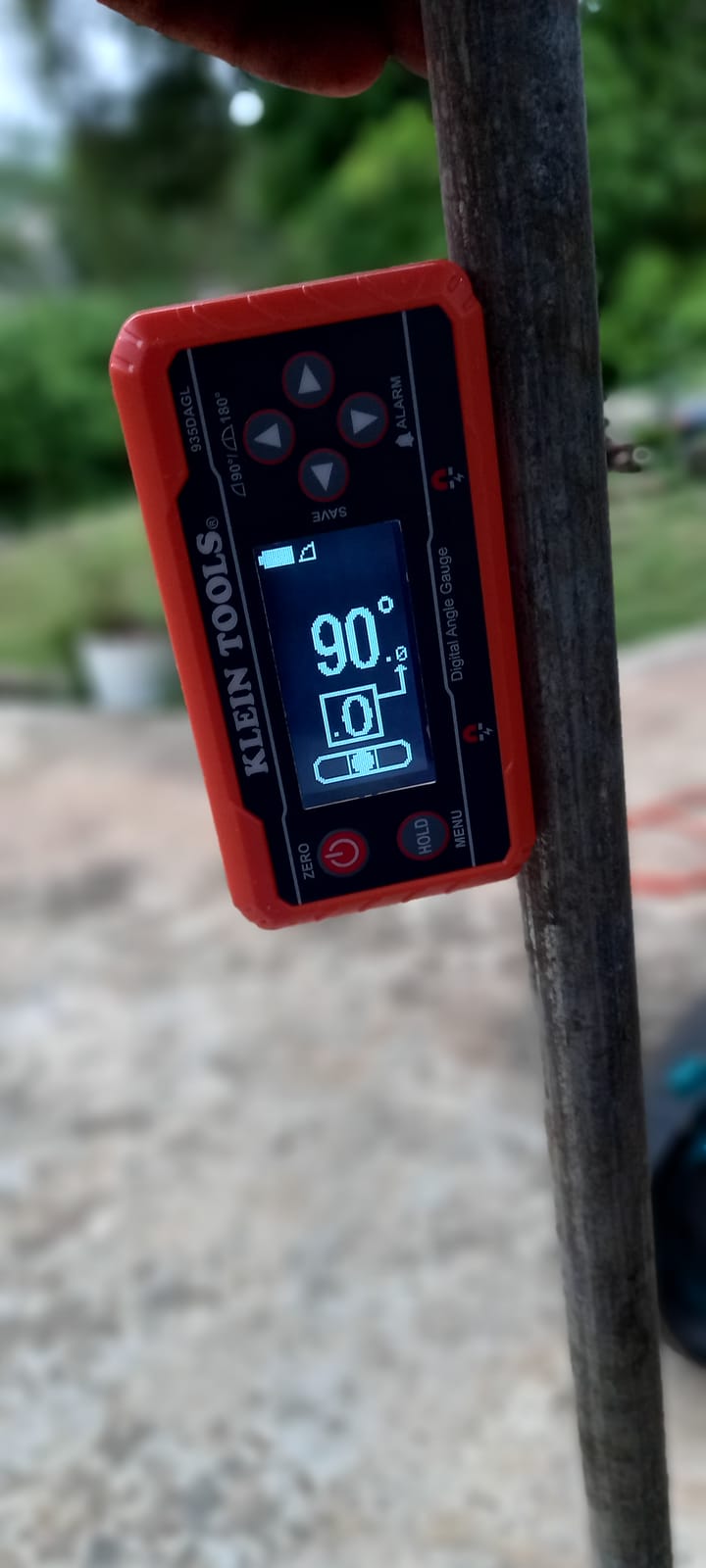
Owners use it for pool lighting and network cable, both jobs where a long clean run matters more than raw push force and where the cable in the pathway is expensive to replace.
Best for occupied conduit and sensitive cable
Commercial retrofits, low-voltage and data work, and any run where other cable is already in place. The grooved surface feeds with less drag and the nylon tip will not scratch what it passes.
At 100 feet it covers most of a single building run without a join, and the weight is manageable enough to move between rooms.
What to weigh up
Cost is the first reservation owners name. Compared with other fiberglass tapes in this group it is the expensive option, and you are paying for the groove profile and the housing.
The softer line means less push authority. Where a steel tape would be shoved hard through a tight spot, this one needs more careful steering, and the nylon tip can catch on a sharp conduit edge. If your path is genuinely tight and empty, steel is the better tool.
10. Ninja 100-Foot Polyester Fish Tape with Changeable Leader, the One That Bends
Ninja Fish Tape 100FT Fish Tape Wire Puller Through Conduit, Polyester Wire Threader with Changeable Leader Tip – 6mm
100 ft polyester tape at 6 mm diameter
Handles 90 degree bends
Changeable leader tip
Pros
- Flexible enough for tight or blocked conduit where steel fails
- Firm enough not to kink when pushed through PVC
- Strong enough to pull heavy wire without snapping
- Also in 50 and 75 foot lengths
Cons
- Threaded ends can loosen and be lost after use
- Rewrapping by hand is tedious because there is no case
- Thin leader tip can break
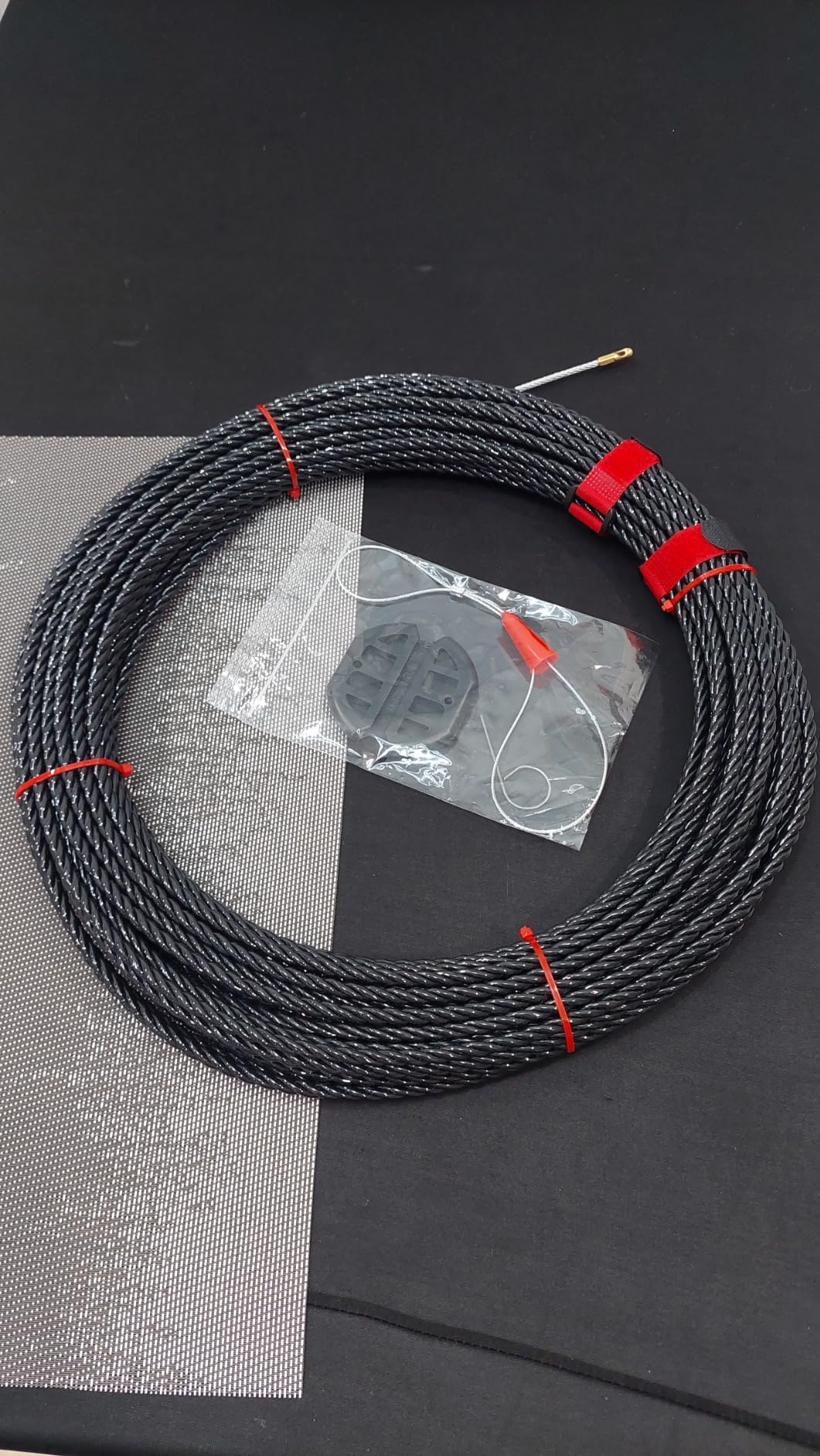
Polyester at 6 millimetres is a substantial line rather than a thin one, and that combination is why this tape can be both very flexible and still pull heavy wire. It is the pick for a blocked conduit that steel has already refused three times.
Owners describe it as firm enough not to kink when pushed through PVC, which is the failure mode that ruins cheap polyester. It wraps and unwraps neatly instead of fighting you, and it is rust-free and lightweight by construction.
The changeable leader tip system is genuinely useful. Rather than being stuck with whatever tip shipped, you can fit one that suits the path, and separate leader kits are available. That is a meaningful advantage when a thin leader is the weak link.
At 100 feet and 6 millimetres, with 90 degree bend capability, it covers long runs without a join. It is also available in 50 and 75 foot lengths.
There is no case. The line comes coiled and you wrap it by hand after use, which is the single biggest quality-of-life difference between this and every cased reel in this roundup.
Best for obstructed and tight pathways
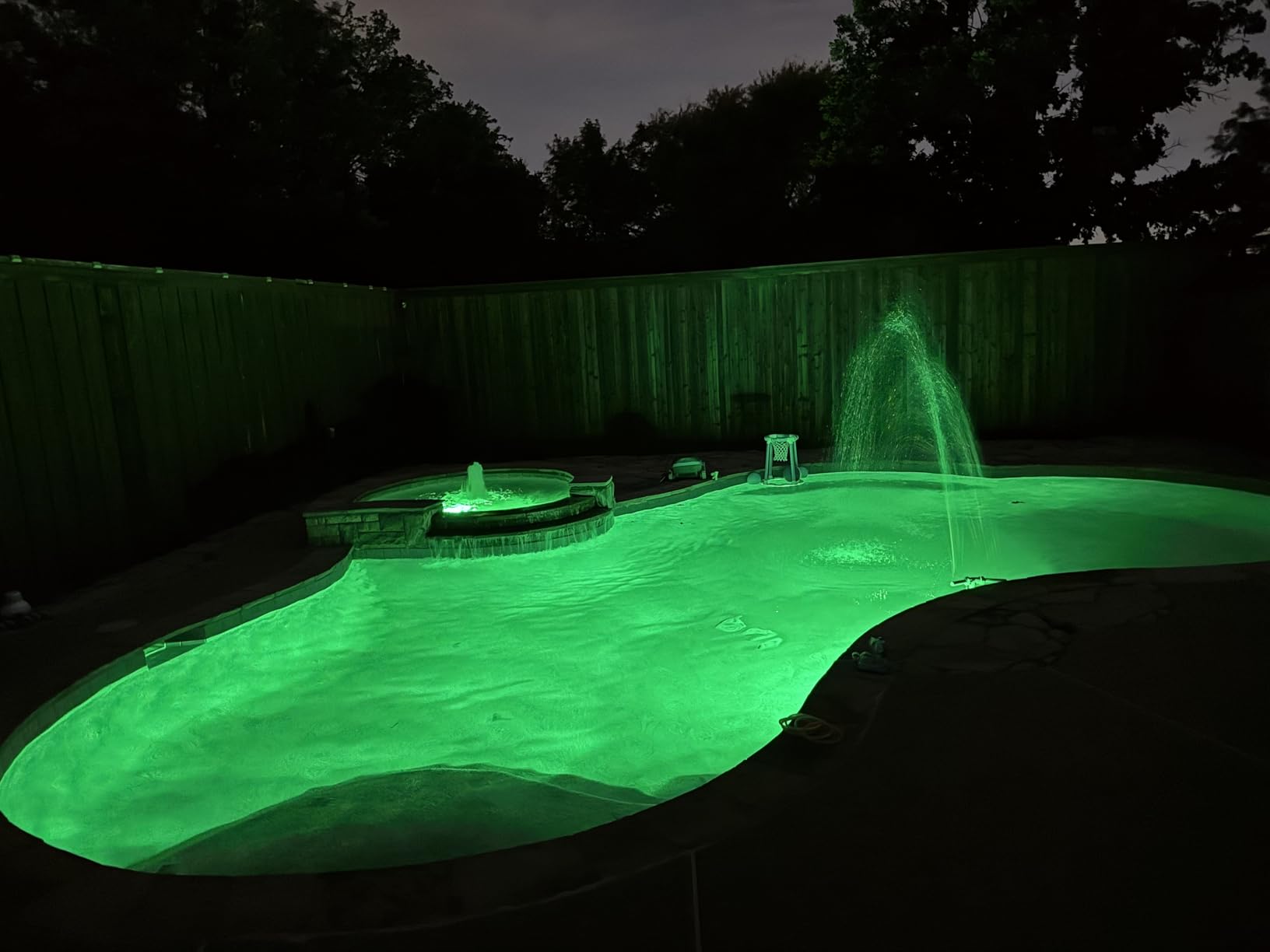
Owners use it for pool light and network cable runs over 70 feet, and for conduit that is partly blocked. Where a steel tape has taken a set from being forced, this line simply keeps going.
It is also the tape to try when the existing conduit is old and the bore is not the round smooth shape the spec sheet implies.
What to plan around
The threaded ends can loosen and be lost after use, which on a 100 foot line means losing the tool. Check them before you walk away from a job.
Hand rewrapping is tedious compared with a thumb-wind reel, and the leader tip is thin and can break. If you pull hard and suddenly give, suspect the tip rather than the line. It is the weak link on an otherwise strong tape.
How to Attach Wire to a Fish Tape
Strip about 6 inches of insulation off the conductors, form them into a loop, and wrap the loop with electrical tape so the joint is smooth and slightly tapered. Nothing else in the sequence matters as much as this step, because a ragged attachment is what snags and what cuts insulation on the way back.
Lubricate the tape and the conduit before you push it in, then feed the tape through and keep light tension so it tracks straight instead of coiling at the far end.
Strip 6 inches from each conductor and form them into a loop roughly the width of the tape head, with the wires pointing back along the tape rather than sticking forward.
Wrap the loop with electrical tape, working from the conductors toward the head, and taper the wrap so there is no step for the tape to catch on.
Fold the taped loop over the tape head or thread it through a double loop tip, then secure it with two or three more wraps of electrical tape.
Pull the tape back slowly under steady tension rather than yanking, and keep the loop pointed so the cable enters the conduit nose-first.
Two field techniques speed this up on real jobs. Running two tapes plus a pull string is a common approach that cuts the distance dramatically, but it demands feel for both tapes at once. And attaching a lubed rag to the tape so it wipes the whole conduit as it travels is a cheap trick that works better than it sounds.
Never pull a cable into an obstruction with shock loads. Steady tension protects both the cable jacket and the tape head, and it is the single biggest difference between a clean pull and a damaged one.
Buying Guide: Length, Width, Tip and Case
Length is the first decision and it is a simple one. Under about 20 feet of travel, any of the short reels here will do. Most residential branch work fits inside 50 feet. A 100 to 125 foot reel covers a single building run without a join. Anything crossing a site, a mechanical room or a campus needs 200 feet or more.
Width and thickness matter more than most buyers expect. Thin 1/8 inch tape is flexible and easy to feed through tight conduit. A wider tape has more push strength and resists kinking, which is why electricians keep moving up in gauge on harder residential work. Choose width based on how tight the pathway is, not on how heavy the cable is.
Tip design is worth ten minutes of thought. A double loop tip makes attachment fast and forgiving. A fixed hard head navigates straight runs better. A swivel head lets you turn a bend without rotating the reel. A changeable leader means you can fit the tip the path deserves instead of the one that shipped.
Case design decides whether winding is a pleasure or a chore. Slip-resistant geometry and a multi-position handle genuinely reduce winding effort, and a thumb lock lets you park the tape mid-run with both hands free. A larger case diameter reduces binding, which is the top complaint on cheap reels.
Manual versus powered is a real fork. A manual tape costs less, needs no charging and never fails on a dead battery. A powered fish tape feeds and retracts automatically with interchangeable cartridges, which is dramatically faster on long or stubborn runs. If you pull long conduit every week, the powered route pays back quickly. If you are the person in the wall behind the drywall, manual is still the right answer.
Steel kinks, fiberglass glides but costs more, and polyester flexes where the other two refuse. Learn to store steel properly: keep it dry, wipe off moisture after a wet pull, and do not leave it under tension in the case. Rust on a stored tape becomes a rough surface that increases friction on the next job. If you run cable outdoors or in wet conduit all day, our guide to perimeter wire solutions covers the outdoor cable side of the job, and our barbed wire roundup covers the hardware you would run it to.
A final warning: when a tape snaps mid-run, do not assume the whole reel is finished. A broken head can often be re-formed, and a replacement leader kit costs a fraction of a new reel. Inspect the tip before every job rather than after a failure.
Frequently Asked Questions
Which brand of fish tape is better, Milwaukee or Klein?
Klein has the stronger range here, with steel, glow-in-the-dark fiberglass and multi-groove fiberglass options covered by a large volume of owner feedback. Milwaukee is best known for powered fish tape, where a motor feeds and retracts the line automatically, which suits long commercial conduit. Choose Klein for manual work and Milwaukee for repetitive long pulls.
How do you connect electrical wire to a fish tape?
Strip about 6 inches from each conductor, form the wires into a loop, and wrap it with electrical tape so the joint is smooth and tapered with no step for the tape to catch on. Fold the loop over the tape head or thread it through a double loop tip, secure with more tape, then retract the fish tape slowly under steady tension.
Is fish tape only for conduit?
No. A fish tape is used in wall cavities, attic and floor voids, under carpet, and inside conduit. Its job is the same in all of those places: establishing a path that wire can be pulled along when you cannot reach the cable by hand. Many residential remodel pulls go through finished walls rather than conduit.
How long should my fish tape be?
Match the tape to the longest run you expect, plus about 10 feet of slack for bends. Most residential branch work fits inside 50 feet, a single building run needs 100 to 125 feet, and anything crossing a site or a mechanical room needs 200 feet or more. Length beyond what you need only adds weight.
Why does my fish tape kink and curl?
Usually three causes: the tape is being coiled in the case under no tension, it is being forced through a bend sharper than its width allows, or it is being stored damp. Wind it back under tension, approach tight bends from a shallower angle, and dry the tape before you store it. Softer non-metallic tapes resist kinking better than thin steel.
Final Verdict: Which Fish Tape Should You Buy?
The Klein Tools 56331 50-foot steel reel is our pick for the best fish tapes for running wire in 2026. It combines a 4.6 owner rating with more owner feedback than anything else we tested, the descending foot markings take guesswork out of depth, and the double loop tip makes wire attachment the fastest part of the job rather than the slowest.
Buy the RamPro if a tape is a one-time purchase and the budget is the deciding factor. Buy the Southwire 25 footer if you want steel in a compact case. Buy the Klein 50550 glow fiberglass for dark spaces and live work, and the Klein 56383 multi-groove reel when existing cable is already in the conduit and must not be scratched.
For distance, the Southwire 125-foot non-conductive tape covers long commercial runs without a join, and the VEVOR 200-footer goes further still. When steel refuses a blocked path, the Ninja polyester line is the one that bends and keeps going.
Whatever you buy, wind it under tension, keep it dry, and give it a slow steady pull. That habit alone fixes most of the complaints in this roundup.