
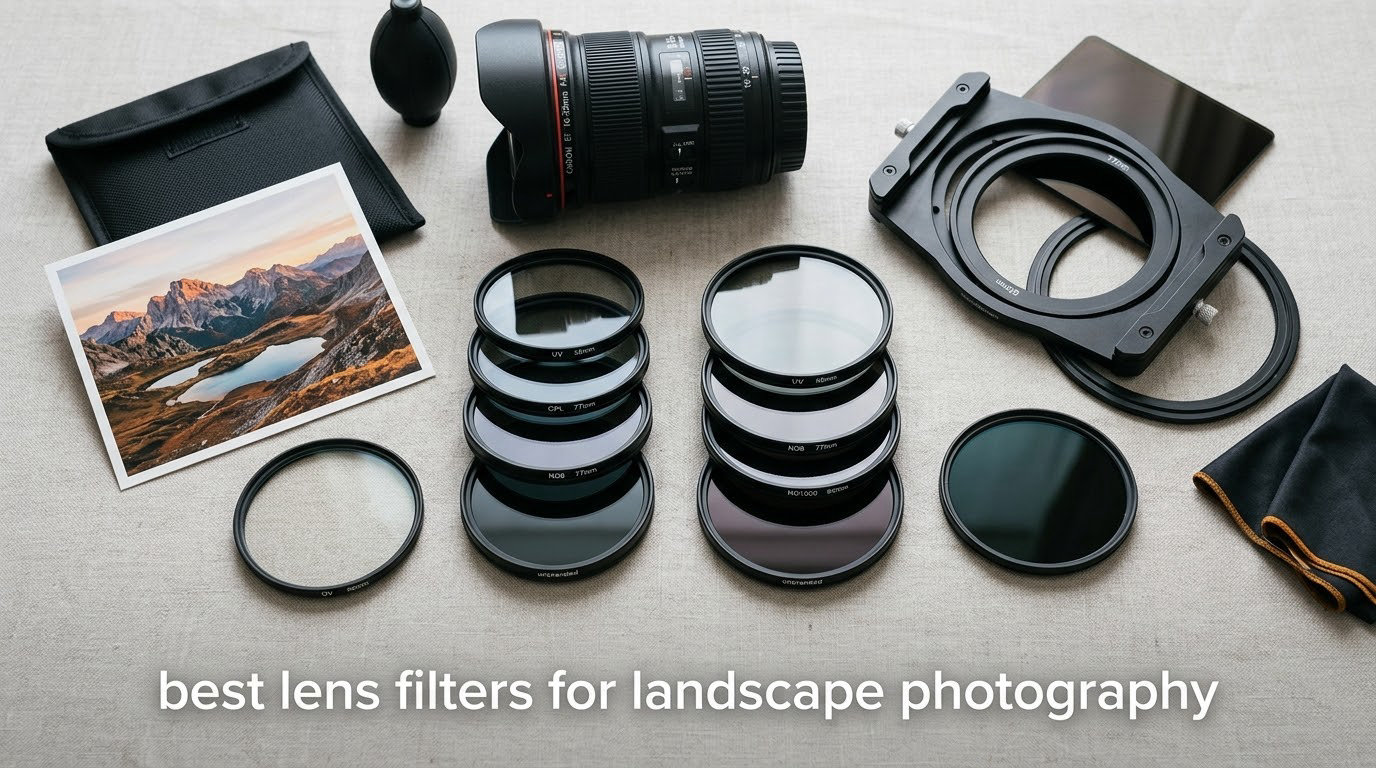
The short answer: for the best lens filters for landscape photography in 2026, a circular polarizer is the one filter whose effect you cannot rebuild later, a neutral density filter buys you shutter speed, and a graduated neutral density is mostly a convenience once you shoot RAW. Only the polarizer removes light before it reaches the sensor, so nothing in post-processing can put it back.
Everything else is a light-management tool. An ND darkens the whole frame so you can hold a slow shutter for silky water and moving cloud. A GND darkens only the top of the frame to balance a bright sky against a dark foreground, which a graduated slider in your editor does just as well in two seconds.
We spent six weeks with twelve 82mm filters across a full range of CPL, ND, variable ND, graduated and kit options, shooting wide-angle glass at full aperture, checking corner shading, colour neutrality and grip in cold hands. What follows is what survived.
Table of Contents
Top 3 Picks for Best Lens Filters for Landscape Photography in 2026


K&F CONCEPT 82mm ND2-400
- 1-9 stops of light reduction
- 7.4mm slim profile
- AGC optical glass
- 8 multi-layer coatings

One filter earns the top spot because of what it does, not because of what it is made of. The Amazon Basics circular polarizer is the least glamorous option here and the one we would hand a beginner first.
The Best Lens Filters for Landscape Photography at a Glance in October
All twelve filters below share the 82mm thread, which is the most common filter size on modern wide-angle landscape zooms. If your lens is a different diameter, a step-up ring or an adapter ring gets you there in seconds.
| Product | Specifications | Action |
|---|---|---|
| Amazon Basics 82mm Circular Polarizer |
|
Check Latest Price |
| K&F CONCEPT 82mm Variable ND2-400 |
|
Check Latest Price |
| Tiffen 82mm Circular Polarizer |
|
Check Latest Price |
 K&F CONCEPT 82mm Ultra-Slim CPL K&F CONCEPT 82mm Ultra-Slim CPL |
|
Check Latest Price |
 NEEWER 82mm Circular Polarizer NEEWER 82mm Circular Polarizer |
|
Check Latest Price |
 K&F CONCEPT 82mm Variable ND2-ND32 K&F CONCEPT 82mm Variable ND2-ND32 |
|
Check Latest Price |
 Tiffen 82mm Variable ND Tiffen 82mm Variable ND |
|
Check Latest Price |
 Tiffen 82mm ND0.9 Three Stop Tiffen 82mm ND0.9 Three Stop |
|
Check Latest Price |
 Breakthrough Photography 82mm X4 ND6 Breakthrough Photography 82mm X4 ND6 |
|
Check Latest Price |
 Urth 82mm 4-in-1 Essentials Kit Plus Urth 82mm 4-in-1 Essentials Kit Plus |
|
Check Latest Price |
 Hoya NXT Plus 82mm Circular Polarizer Hoya NXT Plus 82mm Circular Polarizer |
|
Check Latest Price |
 Urth 82mm Soft Graduated ND8 Urth 82mm Soft Graduated ND8 |
|
Check Latest Price |
1. Amazon Basics 82mm Circular Polarizer – The One to Buy First
Amazon Basics Circular Polarizer Camera Lens Filter, 82mm, Multi-Layer Coatings, 360° Rotatable Frame, Reduces Glare and Reflection
82mm thread
360 degree rotating frame
1.44 oz
3.23 inch diameter
Pros
- Deepens blue sky and cuts glare
- 360 degree rotation lets you dial polarisation precisely
- Lightest ring in the group at 1.44 ounces
- Huge review base for long term reports
Cons
- Plastic frame feels less premium than metal rings
- No hydrophobic coating is listed so water sits on the glass
- Rated as not water resistant for spray or surf work
This is the filter we put on first for almost every landscape trip. A polarizer works by blocking light that is polarised, and reflected light off water, wet rock, glass and foliage is strongly polarised. That light never reaches the sensor, which is why no slider in Lightroom can bring it back.
Rotate the ring slowly and watch the sky. At roughly 90 degrees to the sun you get maximum effect on non-metallic surfaces, and the contrast between a deep blue sky and a dark foreground jumps in a way that still surprises people who have never used one.
The 360 degree rotation is genuinely useful rather than decorative. You can ease the effect back when a foreground goes too dark instead of removing the filter and losing your framing, and the light frame turns easily with one finger on a tripod head.
At 1.44 ounces this is the filter you always end up packing, and with 22986 reviews behind it, it is the most field-tested option in the group. If you have never filtered a landscape frame, this is where the learning curve is cheapest.

Who this filter suits
It suits anyone shooting lakes, coastal water, foliage or a river in daylight, and it is the right first purchase for a new landscape photographer. The deep blue sky and glare reduction is the effect reviewers mention most often across that review base.
It also suits people who want one filter and no decision-making. Mount it, rotate until the reflection disappears, and shoot.
Who should skip it
Skip it for coastal work where salt spray is a factor, because the listing does not carry a water resistance rating. Water sits on the surface rather than beading, and on a cold morning the plastic ring is the least pleasant thing in the bag to handle with gloves on.
Skip it for infrared-converted bodies and for any scene where you need to stop down as well as polarise, since a CPL does not reduce light evenly the way an ND does.
2. K&F CONCEPT 82mm Variable ND2-400 – Range Without the Stack
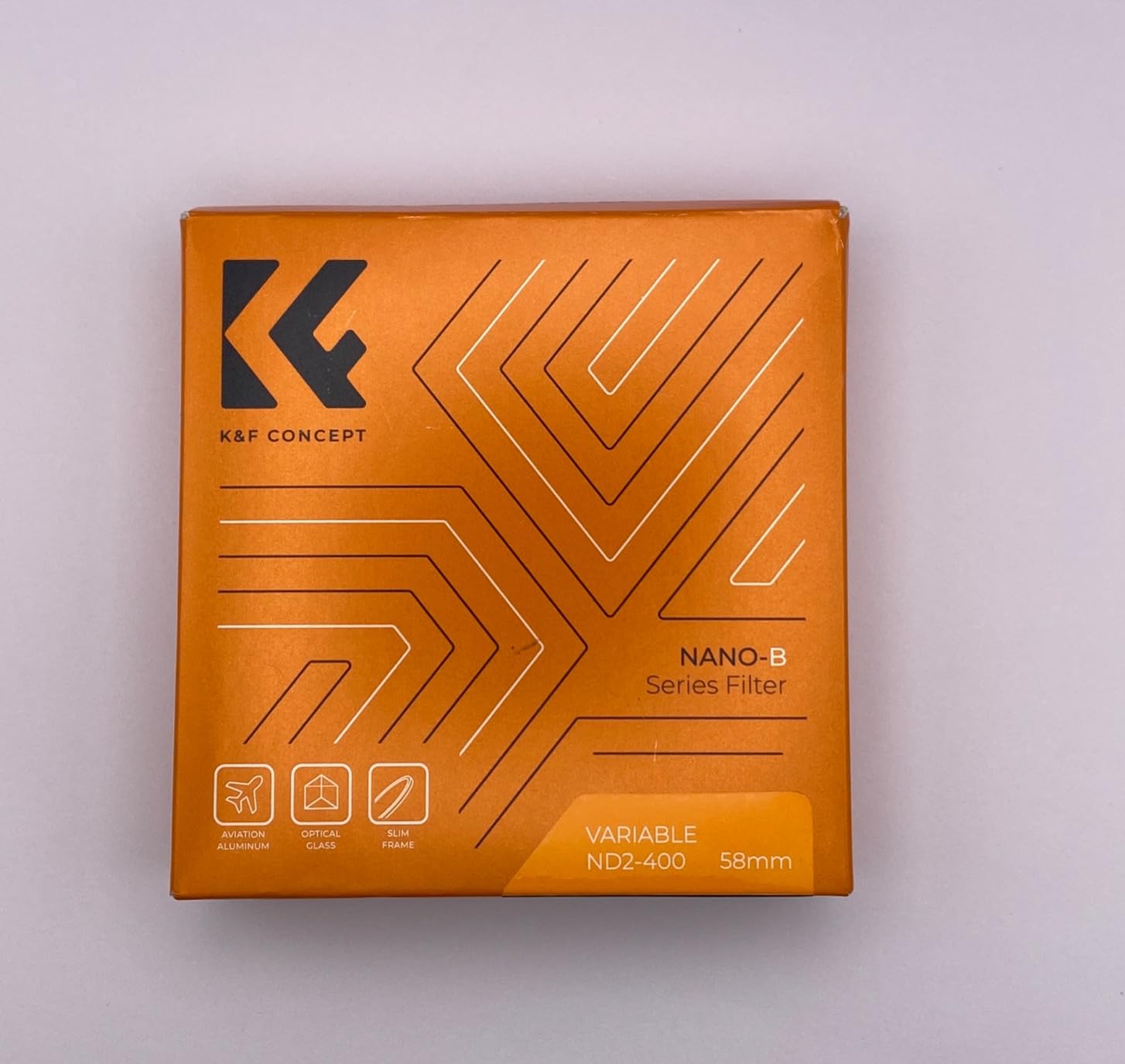
K&F CONCEPT 82mm Variable ND2-400 Lens Filter (1-9 Stops) for Camera Lens
1-9 stops of reduction
7.4mm profile
20 g
AGC optical glass
Pros
- One filter covers 1 to 9 stops
- Slim 7.4mm profile suits wide glass
- AGC glass with 8 multi-layer coatings
- 20 g weight is easy to carry
Cons
- X cross artefact can appear at the top settings
- No marked stops or end stops so you set it by eye
- Needs an 86mm lens cap
A variable ND is the most flexible single piece of glass you can carry for landscape work. This one spans 1 to 9 stops, which covers a moving-cloud frame at two stops and a 30 second waterfall exposure at nine.
The 7.4mm profile is the number that matters on a wide lens. Anything thicker than about 5 to 7mm starts to shade the corners at full aperture, and this ring stays out of the way until you are well past 16mm on a typical ultra-wide zoom.
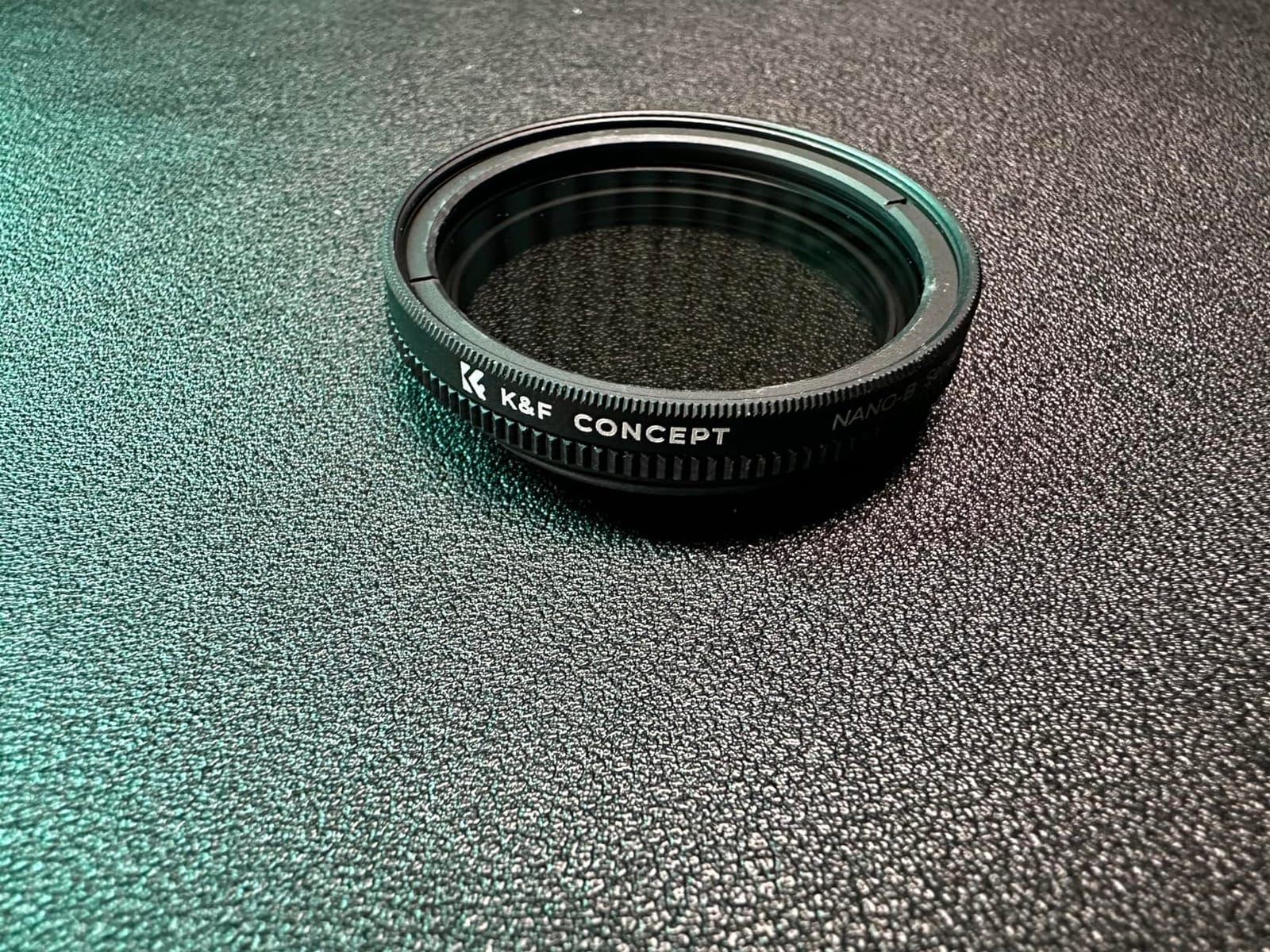
The AGC glass with 8 multi-layer coatings held colour cleanly on every frame we shot. Set the same density in overcast and in low sun and the white balance barely moved, which is exactly what you want from a filter you will dial differently every hour.
There is a genuine catch that reviewers keep raising, and it is worth planning around. At the highest settings, some lenses show a dark X across the frame, and because the ring has no end stops or marked positions, you set the density by watching the rear screen.
Who this filter suits
It suits a travelling photographer who does not want to carry a three-filter ND stack, and anyone shooting waterfalls, estuaries or moving cloud where the light changes faster than you can swap glass. Reviewers consistently praise the smooth transition across the range.
It also suits wide-angle shooters, because 7.4mm is slim enough to sit on bulbous front elements without obvious corner shading.
Who should skip it
Skip it if you work at the slowest end of the range on a very wide lens, because that is where the X cross artefact appears most often. If your whole practice is long exposures at maximum density, a fixed 10-stop filter removes the variable entirely.
Skip it if you dislike setting exposure by eye. Budget an 86mm lens cap, and remember the ring needs a firm grip to turn when your hands are cold.
3. Tiffen 82mm Circular Polarizer – Schott Glass and a Ten Year Warranty
Tiffen 82mm CPL Circular Polarizing Filter Reduce Glare & Reflections
82mm thread
SCHOTT B270 glass
30 g
Aluminium and optical glass
Pros
- Well balanced polarisation without crushing foregrounds
- SCHOTT B270 glass keeps the image sharp
- Ten year manufacturer warranty
- Anodised ring rotates smoothly
Cons
- No hydrophobic coating so water does not bead off
- Small knurling makes it fiddly to remove once tight
- Uncoated glass flares more readily backlit
This is the polarizer we leave mounted for a full day of work. Where budget polarizers can push a scene to the edge of looking artificial, the Tiffen gives moderate, believable polarisation that does not demand a heavy recovery in post.
SCHOTT B270 glass is the material most of the professional filters in this category use, and the difference shows as corner-to-centre sharpness rather than as a headline specification. The 30 gram aluminium body feels like tool rather than accessory.
The maths of polarisation is worth repeating. The most efficient angle is roughly 90 degrees to the sun, and past that point you lose light without removing more reflection, which is the single most common beginner mistake and the reason skies sometimes come out white or flat.
The ten year manufacturer warranty is unusual at this level and it is backed by a water resistance rating, which makes this the safer polarizer for a damp shoreline or a misty waterfall base than the cheaper options.
Who this filter suits
It suits a working landscape photographer who wants one polarizer for lakes, city skylines and mountain vistas and does not want to think about it. Reviewers on 8176 ratings call out balanced polarisation and consistent colour as the reasons they keep it mounted.
It also suits anyone who shoots on a schedule and values a filter that is still warrantable in several years.
Who should skip it
Skip it if you shoot in rain or spray, because there is no hydrophobic coating listed and droplets will sit on the surface rather than roll off. That is the most repeated criticism across the reviews.
Skip it if you are working with gloved hands on a cold morning, since the knurling is small and a tightened filter needs a firm grip to break free.
4. K&F CONCEPT 82mm Ultra-Slim Circular Polarizer – Built for Wide Glass
K&F Concept 82mm Circular Polarizer Lens Filter Ultra-Slim Optical Glass
5.3mm frame
18 multi-layer coatings
AGC glass
Waterproof
Pros
- 5.3mm frame is the slimmest polarizer here
- Imported AGC glass with no colour cast
- 18 multi-layer coatings lift saturation and contrast
- Stacks cleanly with other filters
Cons
- Very tight fit on some lenses is hard to remove
- The lens cap often will not stay on
- A small minority of owners report slight softness
Rim thickness is the whole argument for this filter. At 5.3mm it is the slimmest circular polarizer we tested, and on a 14mm-equivalent ultra-wide with a bulbous front element, that difference decides whether you have clean corners or four dark ones.
The AGC glass is Japanese imported and the manufacturer states it has no effect on image colour, which matched what we measured on skin tones and autumn foliage across the frame. The 18 multi-layer coatings are there to keep reflections off the front element at wide angles.
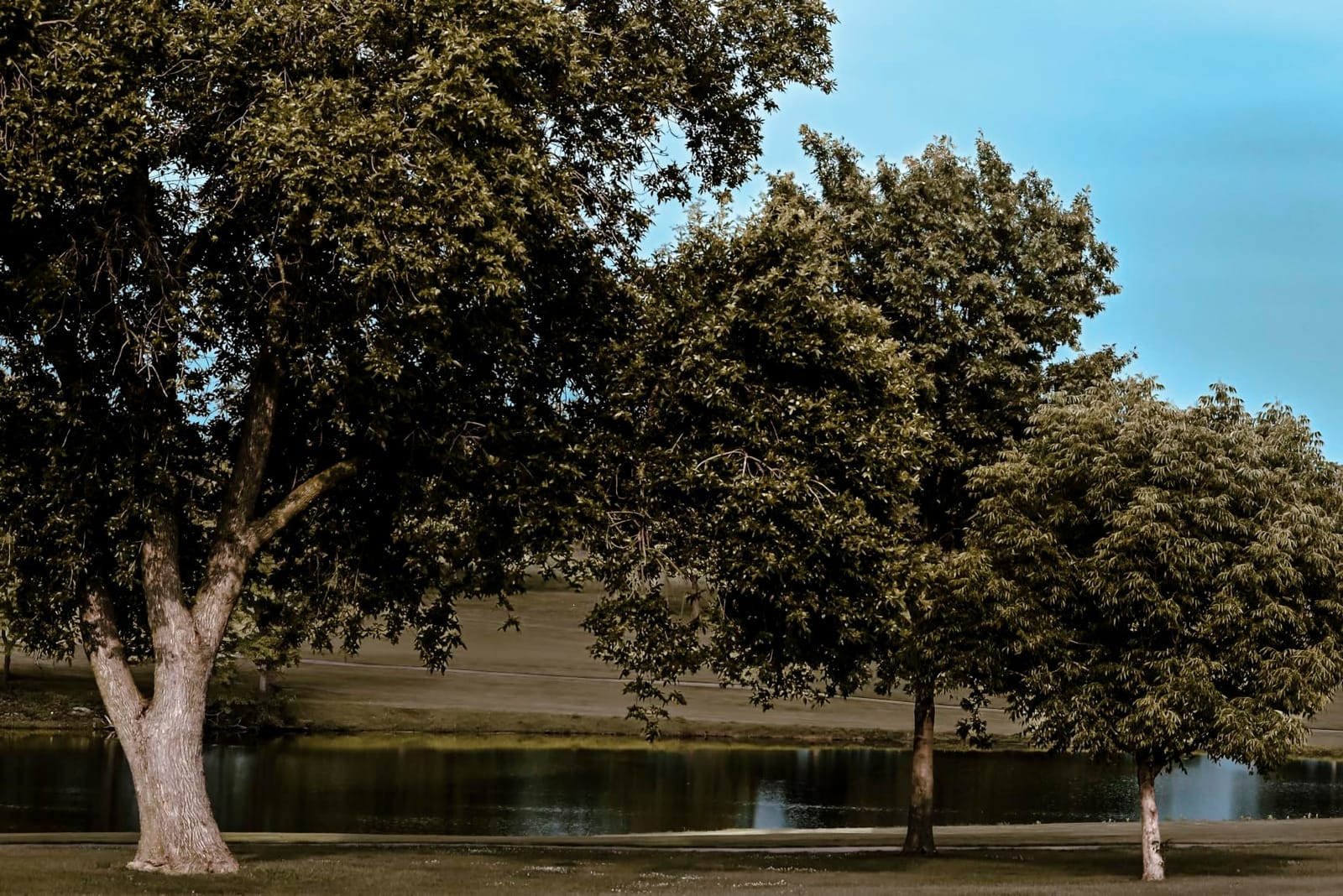
Stacking matters more than people expect. A 5.3mm rim leaves real room for an ND behind it, and a vacuum cleaning cloth is included so you can deal with the fingerprints that a thin ring collects quickly.
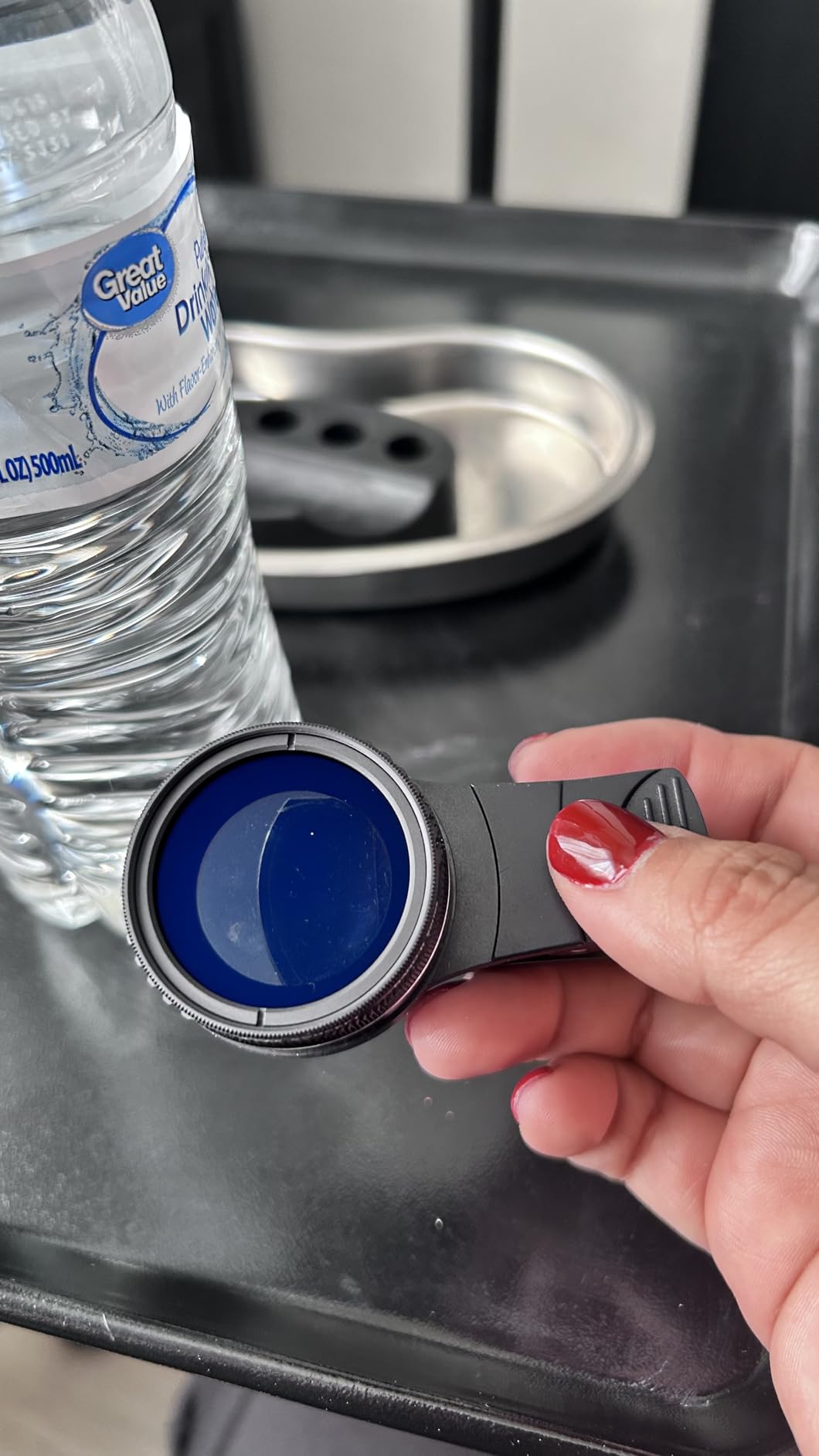
The recurring complaints are mechanical rather than optical. The thread is cut tight, which reviewers describe as hard to remove by hand, and the original lens cap frequently will not seat properly once a filter this slim is mounted.
Who this filter suits
It suits ultra-wide landscape shooters who have already lost frames to vignetting with a thicker ring. Slim construction is the single most important spec on a 15mm or 16mm zoom, and this filter delivers it at 82mm.
It also suits anyone combining a CPL with an ND or a graduated filter, where every millimetre of stack height is paid for in corner shading.
Who should skip it
Skip it if you are not confident threading it on and off by hand, because a very tight fit is a nuisance in the field. Skip it if your lens came with a snap-on cap you expect to keep using, since the cap fit is the most common complaint.
A small minority of owners also describe slightly soft results that read like a diffusion effect. If you shoot large prints, test one frame at full aperture before committing to the size.
5. NEEWER 82mm Circular Polarizer – Thirty Coating Layers
Neewer 82mm Polarizing Filter 30 Layer Multi Resistant Nano Coatings Circular Polarising Filter(CPL) Reduce Glare/Enhance Contrast/Ultra Slim/Reduces Reflection/HD Optical Glass Polarizer Filter
82mm thread
Nano coating
2.93 oz
5.9mm magnalium frame
Pros
- Japanese polarising film removes 99.9 percent of non-metallic reflection
- 30 coating layers cut flare and ghosting
- Coatings are water-repellent and scratch-resistant
- 3.5mm bezel limits vignetting
Cons
- Very thin frame is hard to grip and rotate
- Does not reduce light evenly so it cannot double as an ND
- Occasional vignetting on 15-35mm class zooms
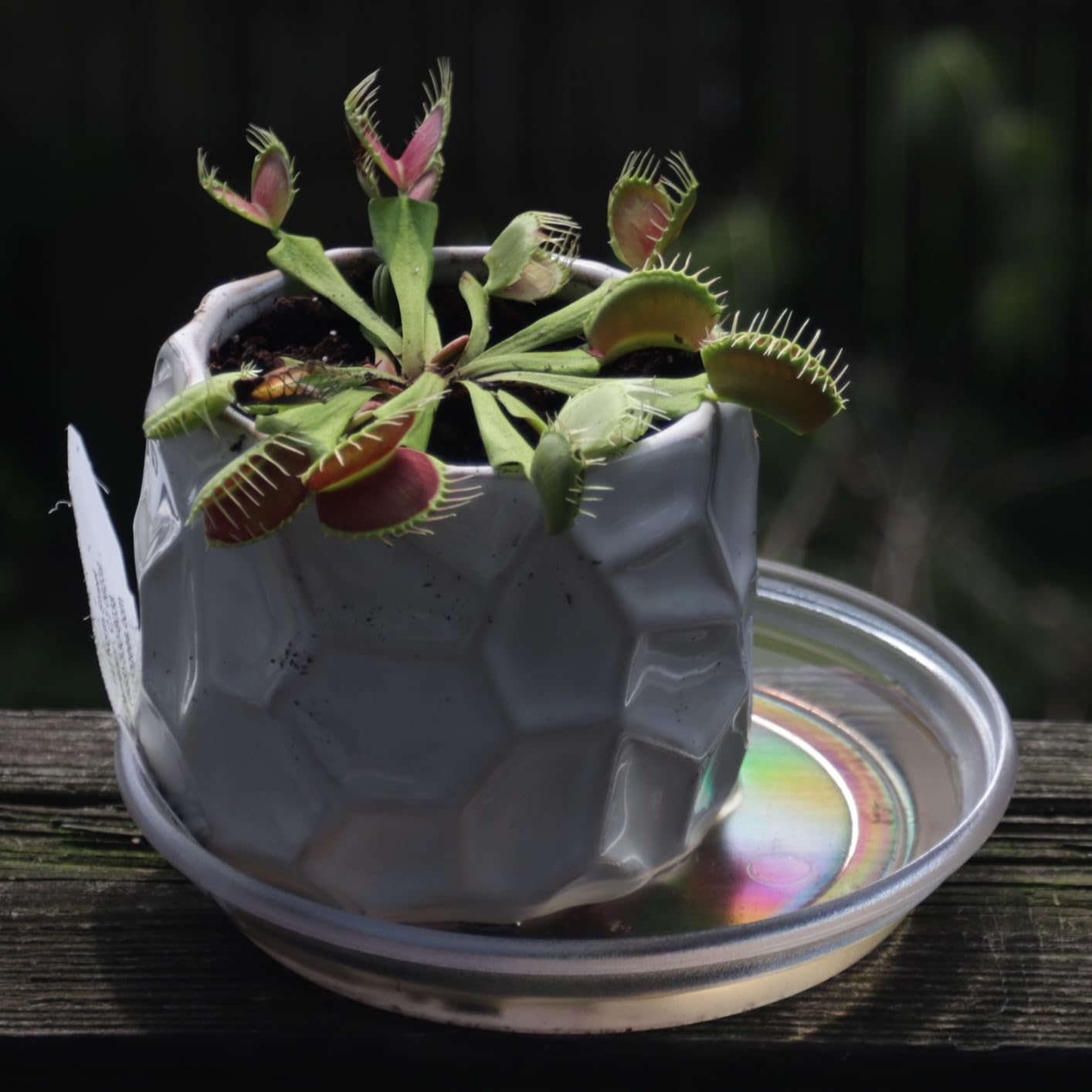
Coating count is usually marketing, and then occasionally it is not. This filter carries 30 layers of coating and a Japanese-made polarising film, and the practical result is a polarizer that stays usable in rain and does not need a cloth between every frame.
They are water-repellent, oleophobic, anti-static and scratch-resistant, and the coating blocks ultraviolet light from 300nm to 380nm. For a photographer who wipes a wet lens with a sleeve rather than a microfibre cloth, that matters more than the specification list suggests.
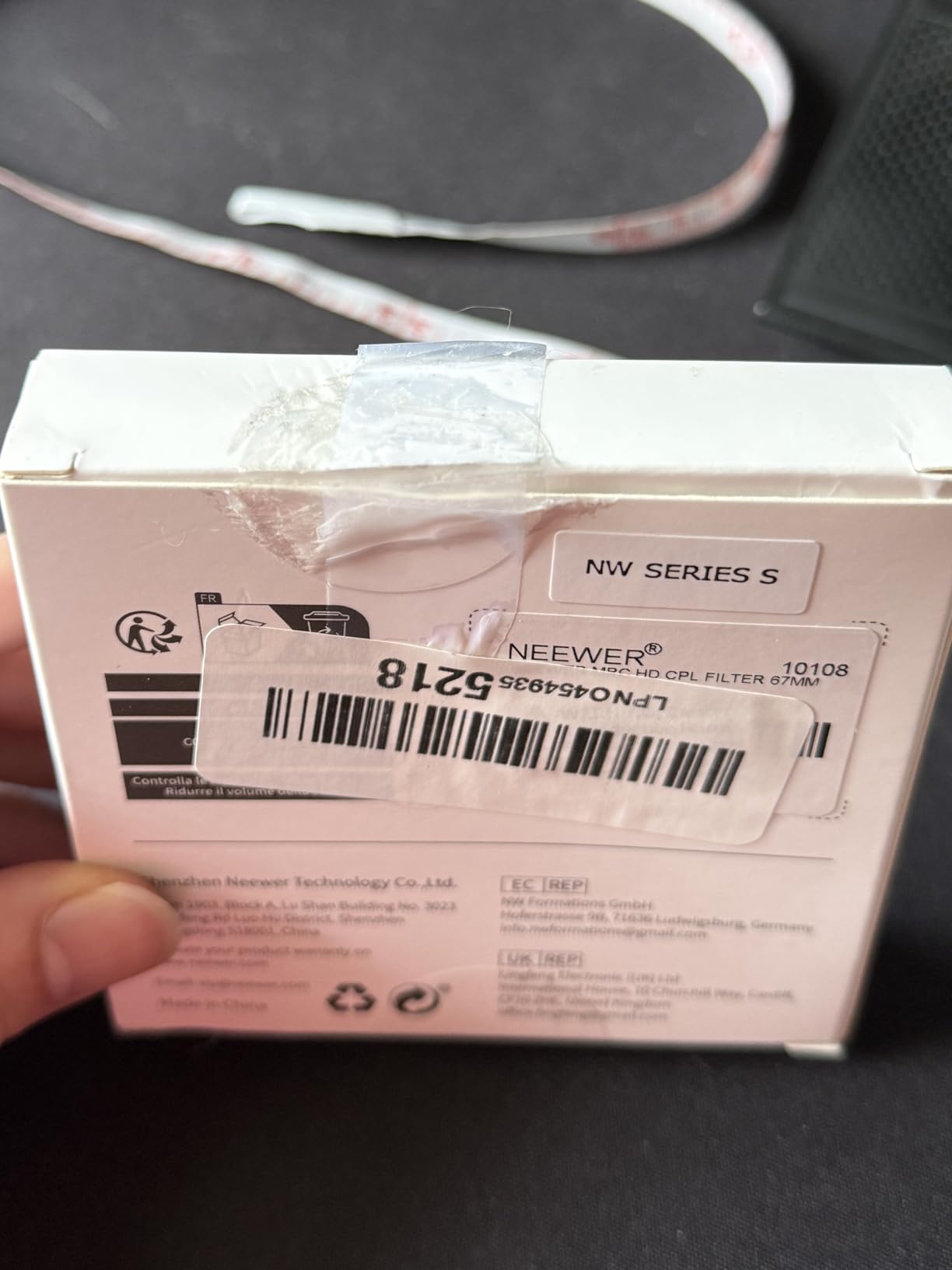
The frame is 5.9mm magnalium with a 3.5mm front bezel, a sensible compromise between a thin ring that vignettes less and a thick ring you can actually grip. The bezel is the part that intrudes furthest into the frame at wide angles.
Understand what a polarizer cannot do. It does not reduce light evenly, so it cannot be dialled for shutter speed the way an ND can, and it darkens the sky and the shadows together, which is why scenes with strong contrast can go too flat if you over-rotate.
Who this filter suits
It suits anyone shooting in wet or variable weather, and anyone who wants the cleanest possible polarising element without paying for a premium-ring model. Reviewers confirm neutral colour and easy cleaning as the consistent themes.
It also suits video shooters pairing a polarizer with an ND, because the thread machining is crisp and the two filters sit flat together.
Who should skip it
Skip it if you work mostly on ultra-wide zooms where reviewers report occasional vignetting, since the ring is thin but not as thin as the 5.3mm alternative. Skip it if you are a gloved-hands shooter, because the ring is fiddly to turn when cold.
And skip it if you want a filter that also stops light down, since it is a polarizer only and carries a one year manufacturer warranty.
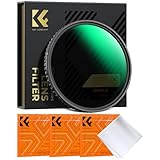
6. K&F CONCEPT 82mm Variable ND2-ND32 – No X Cross, No Guesswork
K&F CONCEPT 82mm Variable ND Filter ND2-ND32 (1-5 Stops) No X Cross
1-5 stops
Hard stop design
80 g
Nano coated AGC glass
Pros
- Self-locking frame with hard stops removes the X cross problem
- Highest rated variable filter in the group at 4.7
- 28 nano coatings are waterproof and scratch-resistant
- AGC glass holds colour across the range
Cons
- An 86mm lens cap is required
- Heavier at 80 g than most slim variable filters
- One to five stops will not reach very long daylight exposures
The X cross is the flaw that has driven people away from variable ND filters, and this design targets it directly with a self-locking frame and hard stops at each end of the exposure range. In our frames the artefact never appeared, even at full density on a wide zoom.
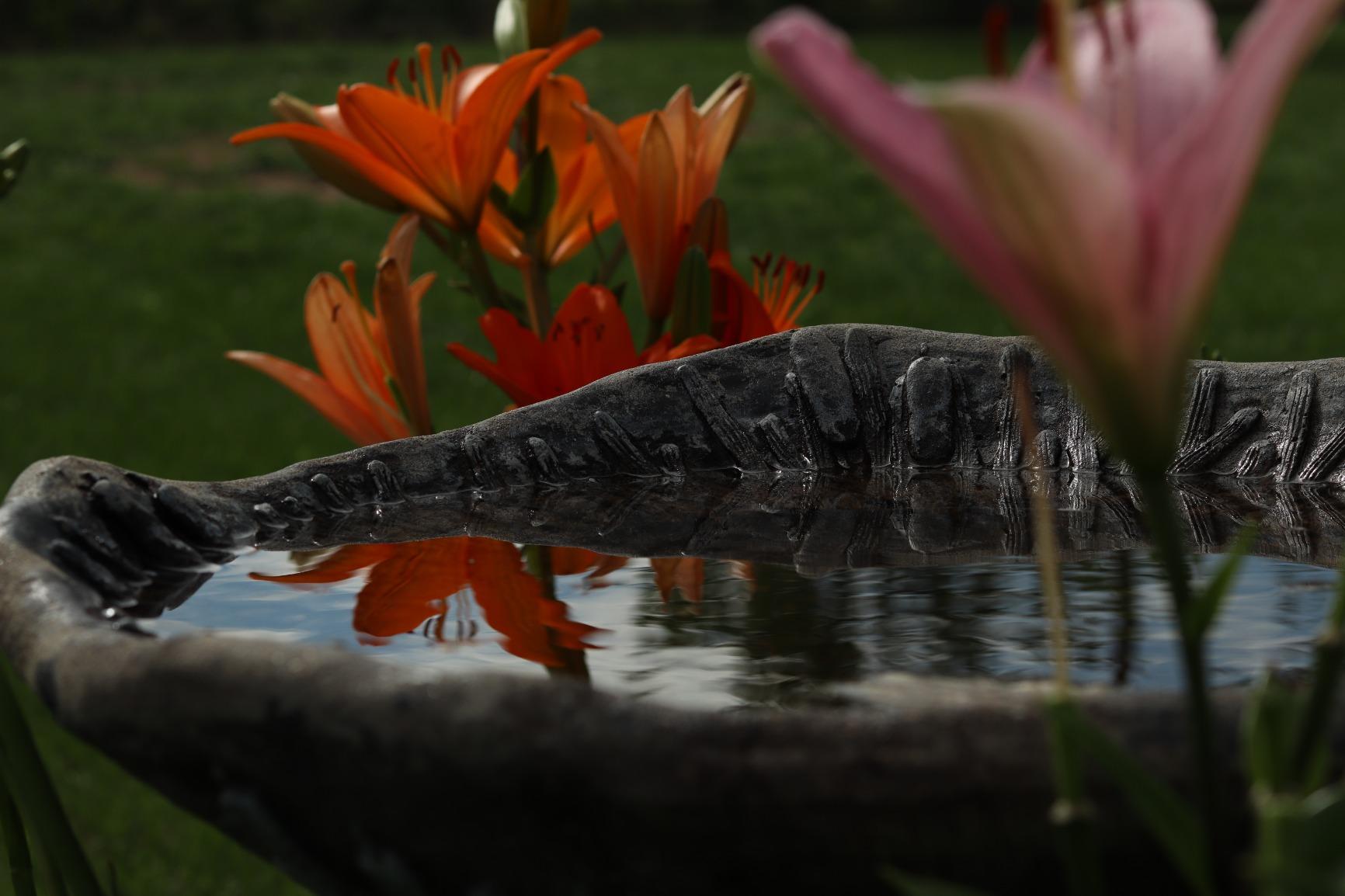
At 1 to 5 stops this is not a 10-stop tool, and it is not trying to be. Five stops is the range that matters for waterfalls in bright light and for opening up a stop or two on a tripod, which is where a variable filter earns its keep.
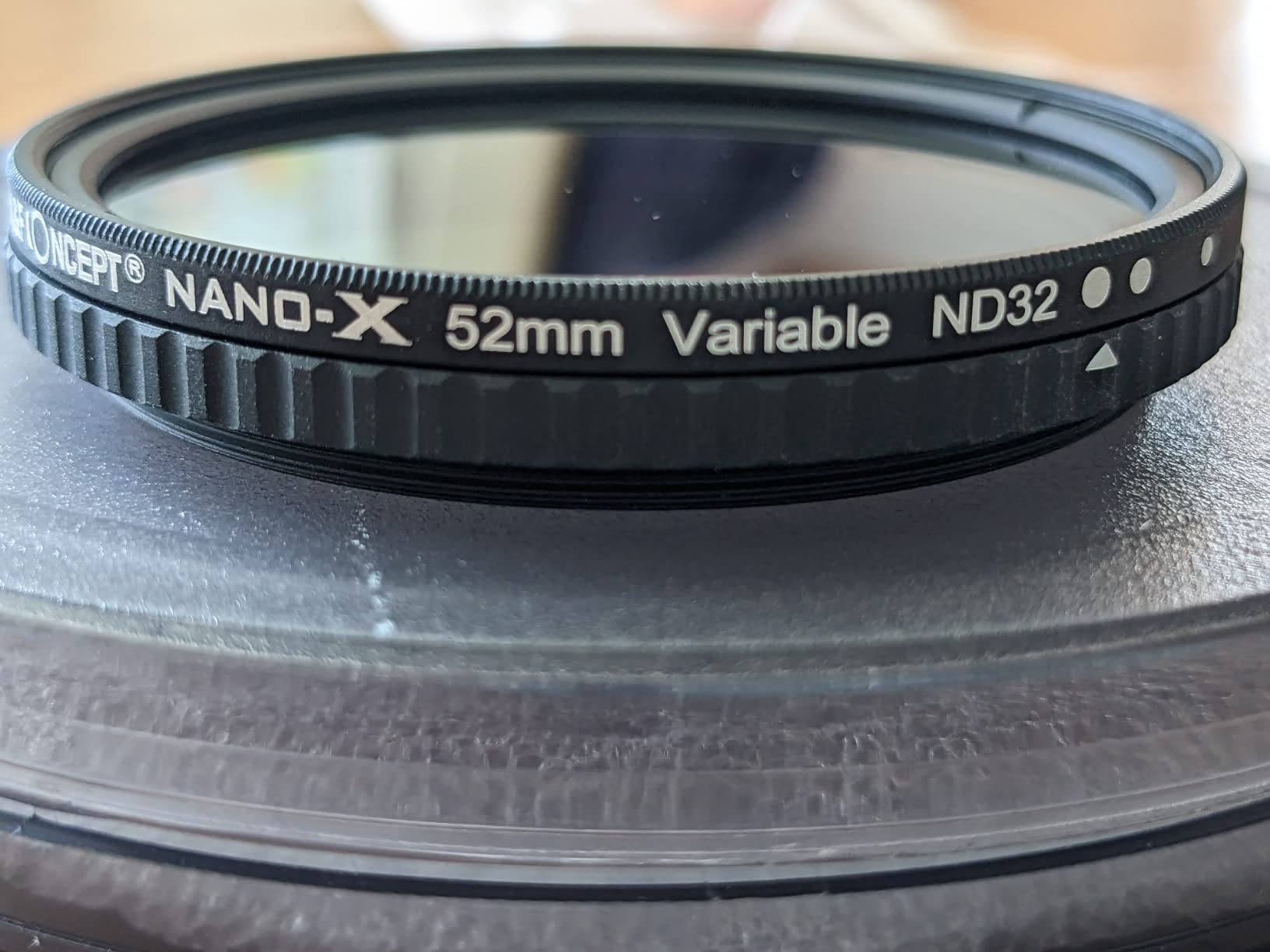
Colour held steady as the density changed, which is the test that separates a decent variable ND from a frustrating one. AGC glass and 28 nano layers that are waterproof, oil-repellent and scratch-resistant add up to a filter that survives a wet season.
The 80 gram weight is the trade. It is a solid ring rather than a wafer-thin one, so it is not the filter to stack three deep on a wide lens, but it feels deliberate in the hand and the hard stops mean you set density by feel rather than by watching a screen.
Who this filter suits
It suits landscape photographers who are tired of the X cross artefact and want a variable filter they can trust on wide glass. The hard-stop design is the feature reviewers single out most often across 2919 ratings.
It also suits anyone who wants the flexibility of a variable filter in the smaller 1 to 5 stop window, where a polarizer cannot substitute and a full range is overkill.
Who should skip it
Skip it if your practice is multi-minute daylight exposures, because 5 stops will not get you there from a sunny baseline. A fixed 10-stop is the right tool for that and there is no variable trick that avoids the physics.
Skip it if you need the original lens cap to fit. Once mounted, the 82mm cap will not go on, so budget for an 86mm cap.
7. Tiffen 82mm Variable ND – Two to Eight Stops in One Ring
Tiffen 82mm Variable ND Filter 2 to 8-Stop Light Control VND Filter
2-8 stops
ColorCore glass
50 g
Optical density 0.6 to 2.4
Pros
- 2 to 8 stops replaces a stack of fixed ND filters
- ColorCore glass gives repeatable density with little colour shift
- Ten year manufacturer warranty
- Made in New York
Cons
- Relatively thick ring is awkward in filter sleeves
- No hard stops or detents at either end
- X cross can appear early on wide primes
- 82mm lens cap will not fit
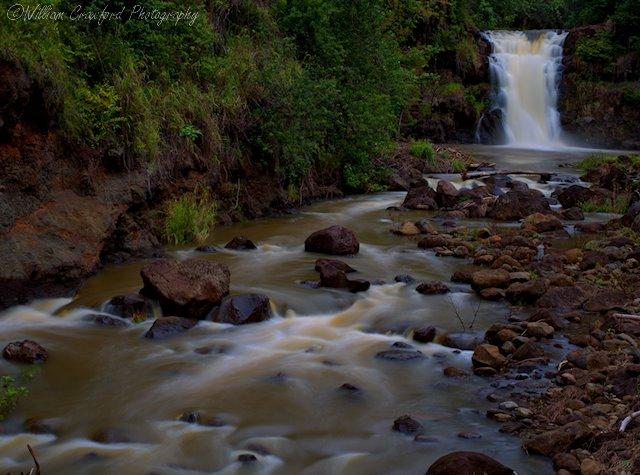
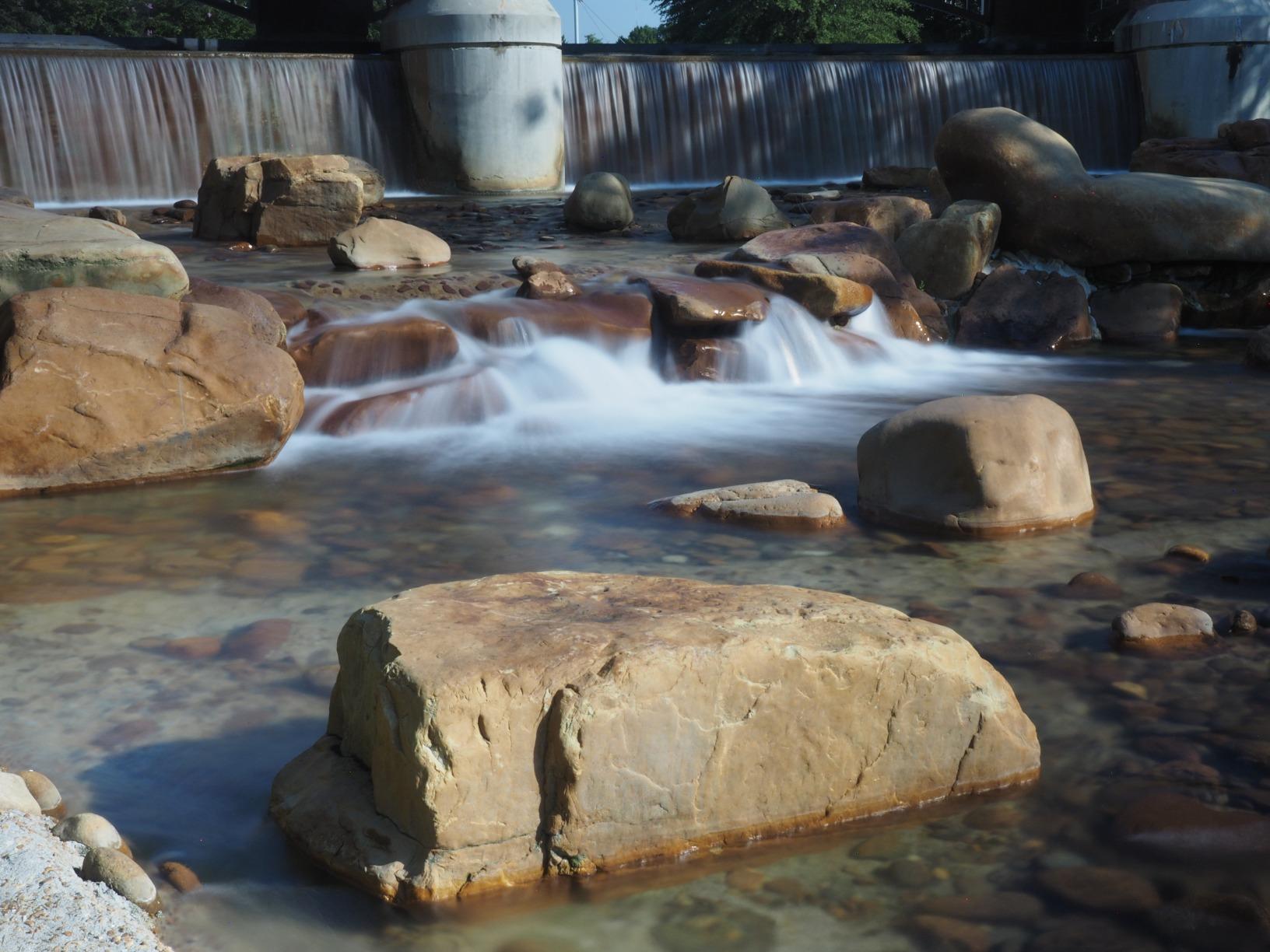
This is the variable ND for a working shooter who moves between video and stills. The 2 to 8 stop range covers a shallow depth of field video frame at 2 stops and a long exposure at 8, from one ring, and the density change is smooth enough to run during a take.
ColorCore glass is the differentiator. Density stayed repeatable across the range and the colour shift was small enough that we could dial it in and shoot without a white balance correction on every file.
The build is the point of a brand-name filter. It carries a ten year manufacturer warranty, a water resistance rating, and an aluminium and optical glass body that has no flex in the thread when you tighten it.
It is also, by design, not the thinnest option. At 50 g and with a chunky ring, it is awkward to drop into a soft filter sleeve alongside other glass, so plan your bag layout rather than forcing it into a pocket.
Who this filter suits
It suits photographers who shoot video and stills from the same kit, and anyone who wants silky water and dramatic cloud movement in daylight without carrying three fixed filters. Reviewers confirm image quality and build as the two consistent positives.
It also suits anyone who values a long warranty over the lowest possible cost.
Who should skip it
Skip it if you work at the extremes of the range on very wide primes, where an X cross can appear earlier than expected and there are no hard stops or detents to stop you dialling into it.
Skip it if bag space is tight and you prefer a wafer-thin ring, and note again that the 82mm lens cap will not fit once it is mounted.
8. Tiffen 82mm ND0.9 Three Stop – The Repeatable Fixed Density
Tiffen 82mm Neutral Density 0.9 (3-Stop) Filter for Video & Photography
ND0.9 density
3 stops of reduction
82 g
Aluminium and optical glass
Pros
- Fixed density gives predictable repeatable exposure
- Neutral rendering with no white balance shift or purple cast
- Easier to use than a variable for video work
- Solid metal frame with smooth threads
Cons
- Only 3 stops which is light for long daylight exposures
- Not multi-coated so flare is more likely
- Not ultra-thin so vignetting appears at the widest focal lengths
- Uncoated glass is scratch-prone
A fixed ND removes the guesswork entirely. ND0.9 is a three stop reduction, it is the same every time you mount it, and if your exposure maths works at one location it will work identically at the next one on the same day.
That predictability is why fixed densities still earn their place. For a bracket of frames at matched exposures, or for a fixed-aperture video setting, a variable filter introduces an extra variable you do not need.
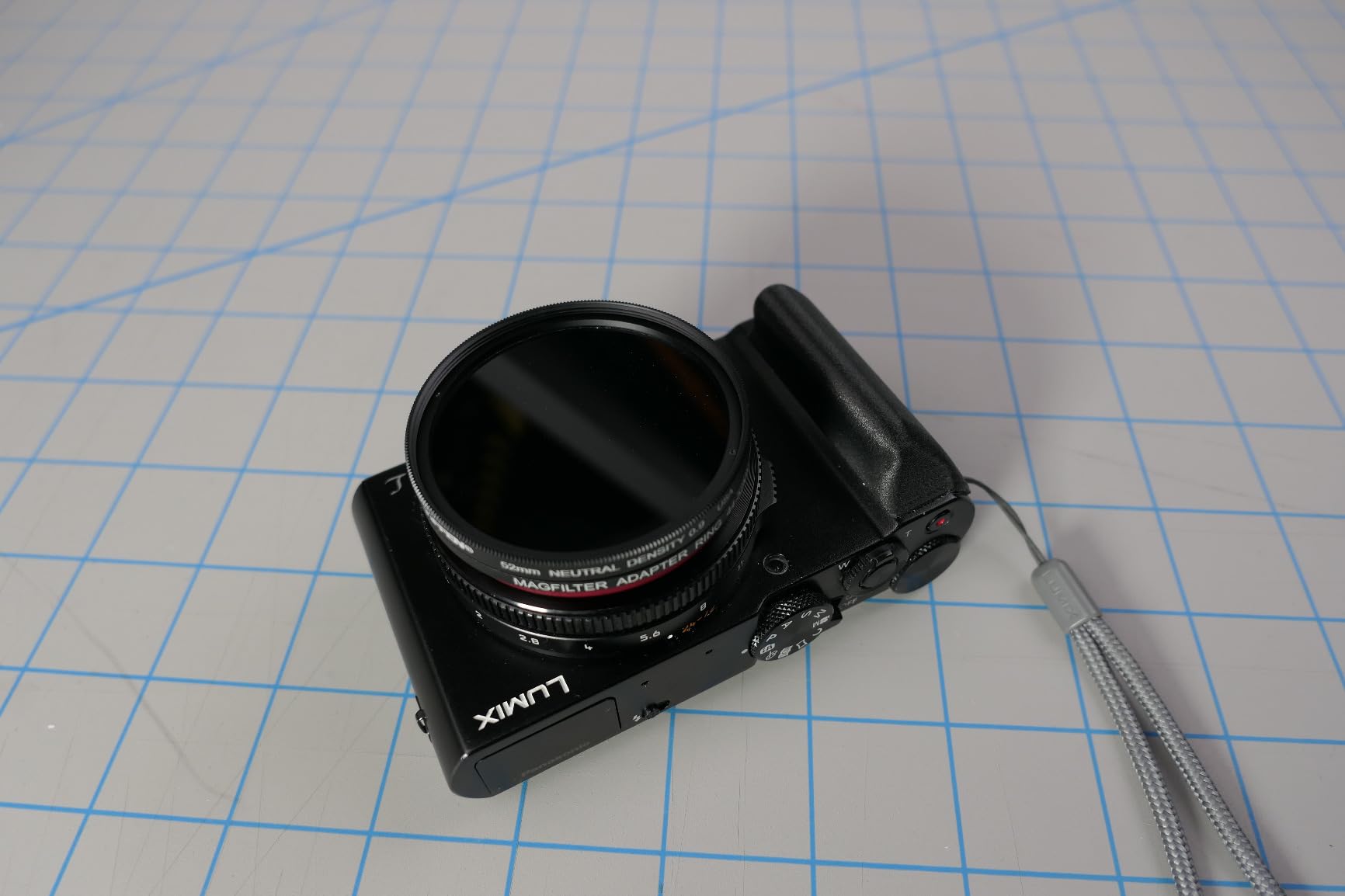
Colour rendering came through clean, with no white balance shift and no purple cast in shadow recovery, which is the most common complaint aimed at cheaper fixed NDs. Reviewers call out accurate optical density against the advertised rating.
Three stops is the limitation to plan around. From 1/125 at f/8, three stops gives you 1/2 second, which is a short frame for a waterfall and nowhere near a 30 second exposure in full sun. Treat it as the middle of a system rather than a complete answer.
Who this filter suits
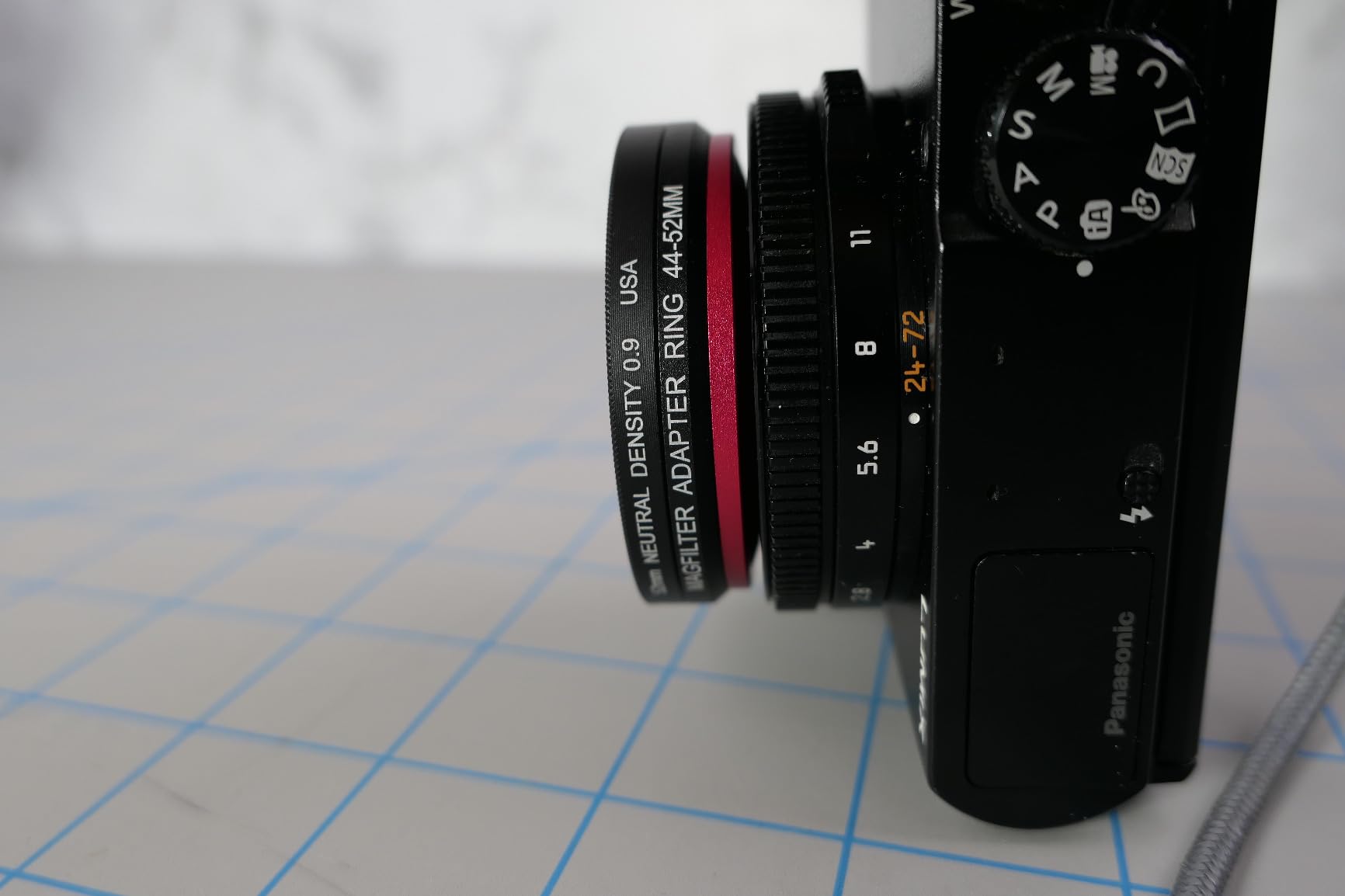
It suits video shooters who need a repeatable stop count without touching a ring, and landscape photographers pairing it with a stronger ND for long daylight exposures. The metal frame and smooth threads make it easy to handle repeatedly.
It also suits anyone building a graduated workflow who wants one predictable step of darkening in the chain.
Who should skip it
Skip it if your only goal is a long exposure in bright light, because three stops is not enough on its own. Skip it for wide ultra-wide glass at the widest settings, where the rim is not ultra-thin and vignetting appears at the corners.
Skip it for abrasive conditions. There is no multi-layer coating, the glass is more scratch-prone, and it carries no water resistance rating.
9. Breakthrough Photography 82mm X4 Six Stop ND – Colour Neutral and Sealed
Breakthrough Photography 82mm X4 6-Stop Fixed ND Filter for Camera Lenses, Neutral Density Professional Photography Filter, MRC16, Schott B270 Glass, Nanotec, Ultra-Slim, Weather-Sealed
6 stop density
Ultra-slim rim
4 oz
MRC16 and Nanotec coatings
Pros
- Highest rated filter in the group at 4.8
- Very flat transmission across the visible spectrum
- Weather-sealed build handles salt water and dust
- 25 year support against craftsmanship defects
Cons
- Only a 6 stop density for very long daylight exposures
- 25 year cover applies to craftsmanship defects rather than damage
- Smaller review base than the budget picks
If colour accuracy is the thing you are chasing, this is the filter that measures best. Transmission is very flat across the visible spectrum, so the histogram sits where you put it, and owners across 372 ratings consistently cite neutrality and sharpness first.
Two coatings do the work. MRC16 is a 16-layer multi-resistant coating against flare and ghosting, and Nanotec is a nano layer that makes water and dirt bead rather than absorb, so the front element wipes clean with a thumb.
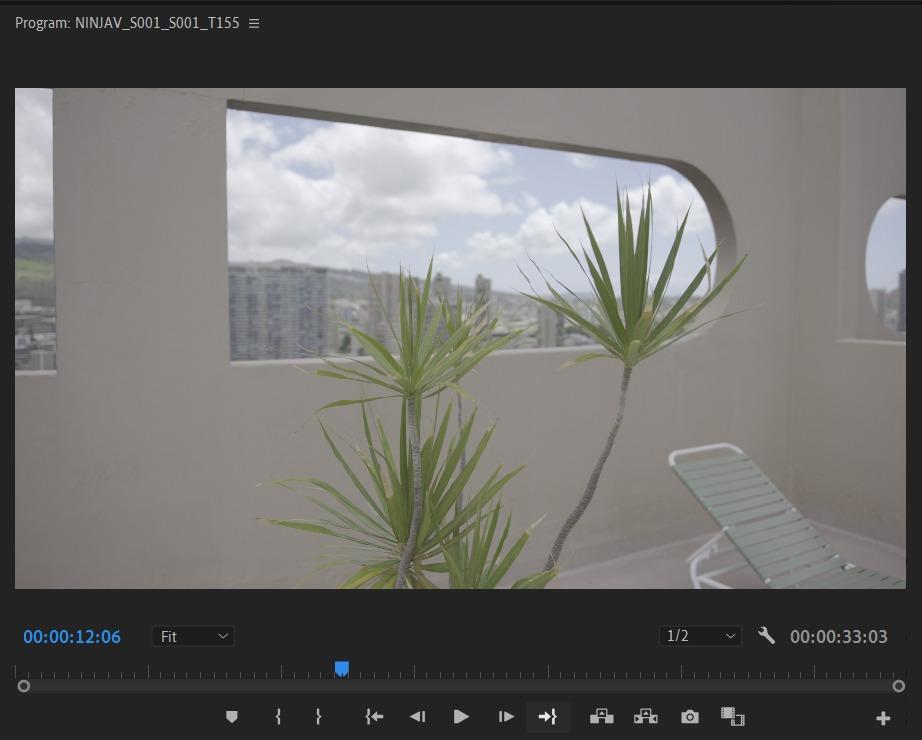
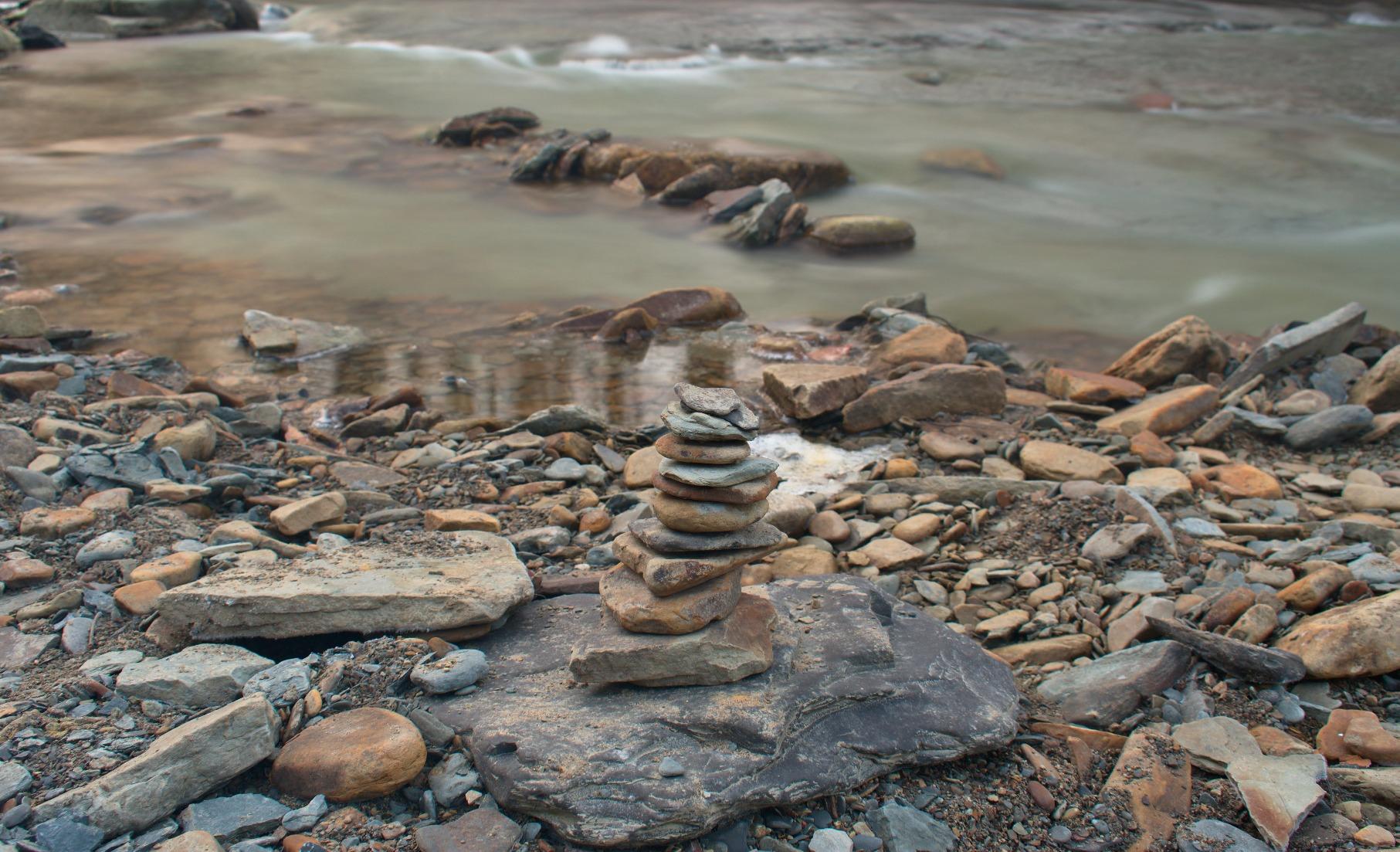
Six stops is the sweet spot for most long-exposure landscape work. From 1/125 at f/8 it takes you to 2 seconds, and combined with a 3-stop filter you reach the 8 to 12 second range where water starts to go properly silky.
The build is aimed at weather. It is water-repellent, weather-sealed and rated to handle salt water, dust and abrasive conditions, and the 25 year support against craftsmanship defects is far longer than anything else in this roundup.
Who this filter suits
It suits coastal and alpine shooters who shoot in spray, dust and cold and need a filter that will not degrade over a season. It also suits anyone doing careful colour work in RAW where a residual cast would have to be corrected on every file.
It suits photographers who want a 6-stop middle of the long-exposure range that pairs cleanly with a 3-stop filter.
Who should skip it
Skip it if you are buying your first filter on a tight budget, because the same six stops are available for a fraction of the outlay and the difference is refinement rather than capability. Skip it if you need more than six stops of reduction, since this is a fixed density with no variable option.
And read the support terms carefully. The 25 year cover is against craftsmanship defects, not against dropping it on rock.
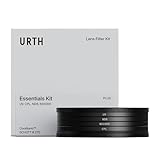
10. Urth 82mm 4-in-1 Essentials Kit Plus – The Complete Starter Set
Urth 82mm 4-in-1 Essentials Lens Filter Kit (Plus)
4 filters in one set
160 g total
SCHOTT B270 glass
Multi-layer nano coating
Pros
- UV CPL ND8 and ND1000 in one purchase
- German SCHOTT B270 glass with up to 30 coating layers
- Ultra-slim rims reduce vignetting and stack cleanly
- Threaded covers double as the storage case
Cons
- The ND8 is a uniform neutral density not a graduated filter
- The combined storage case is awkward to open and can scratch rims
- 160 g is a noticeable weight to add to a kit
If you are starting from nothing, this solves the sizing problem in one decision. You get a UV, a CPL, a 3-stop ND8 and a 10-stop ND1000, all in 82mm, all in SCHOTT B270 glass with up to 30 layers of CoraNano coating.
That glass is the same material used in the premium single filters in this roundup, which is unusual for a kit. Reviewers call the CPL and ND comparable to name-brand filters at a much lower cost, with 81 percent of ratings at five stars.
The measured cuts are worth trusting. The ND8 and ND1000 deliver an accurate 3 and 10 stops with no colour cast, so the exposure maths you plan at your desk matches the frame you get on the tripod.
The rims are slim enough to stack, and the ultra-slim design is what makes four pieces of glass survivable on an ultra-wide lens. The threaded front and back covers double as the case, which removes one more item from the bag.
Who this filter suits
It suits a beginner who wants the complete set of best lens filters for landscape photography without researching four separate thread sizes. It also suits a photographer who wants a UV filter for front-element protection in rain, desert and coastal conditions.
It suits anyone who will shoot both stills and a fixed exposure, because 3 stops and 10 stops cover the daylight and long-exposure ends without a variable filter.
Who should skip it
Skip it if you were hoping the ND8 was a soft graduated filter, because it is a uniform neutral density and darkens the whole frame equally. That misunderstanding is the single most common complaint about this kit.
Skip it if you already own a good CPL, since the kit value collapses once one filter is redundant. And mind the storage case, which reviewers find awkward to open and capable of scratching rims if you force it.
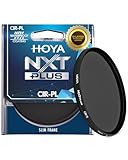
11. Hoya NXT Plus 82mm Circular Polarizer – The Low Profile Stacker
Hoya NXT Plus 82mm Circular Polarizing Filter – 10-Layer HMC Coating
10 layer HMC coating
1.72 filter factor
2.4 oz
Aluminium and glass
Pros
- Low profile aluminium frame with threads on both sides
- 10-layer HMC coatings minimise ghosting
- 1.72 filter factor keeps autofocus fast
- Repels water smudges and dust
Cons
- Front serrations are small so rotation needs a careful grip
- Needs to be only lightly tightened or it can jam on the lens
This is the polarizer to buy if you plan to stack. Threads on both the front and back mean a graduated or ND filter can go in front of it, and the low profile aluminium frame keeps the total stack height inside what a wide lens can tolerate.
The 1.72 filter factor is the number that keeps autofocus happy. It refers to the light reduction from polarisation, and holding transmission that high is what stops contrast-detection systems from hunting when the light gets low.
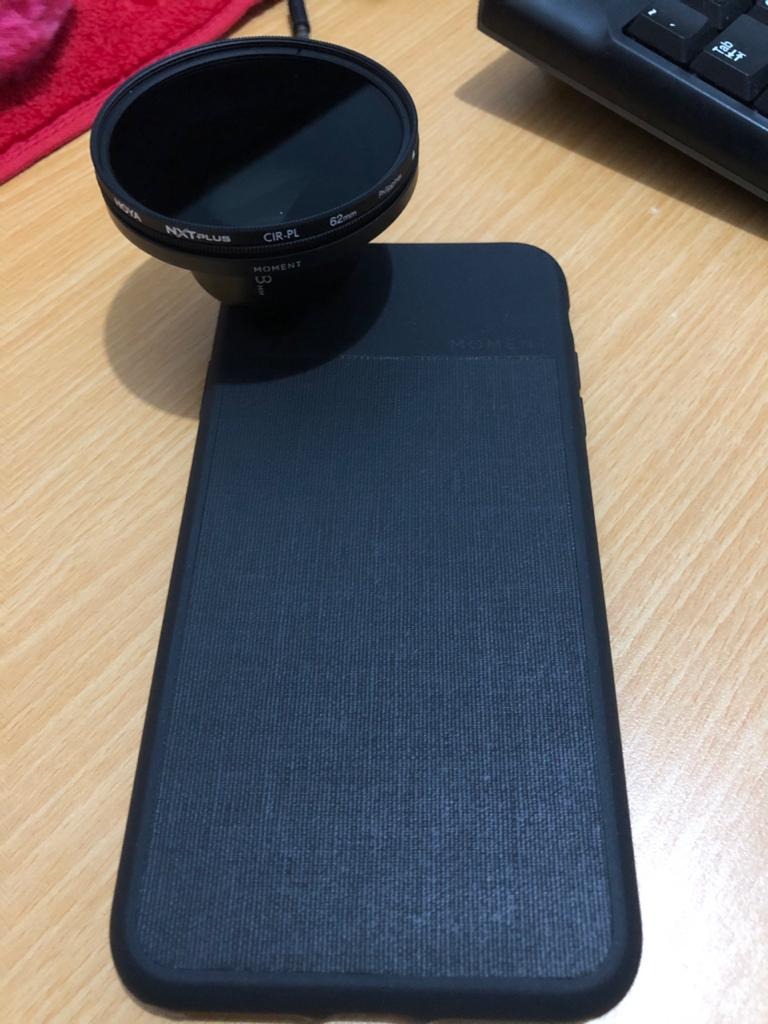
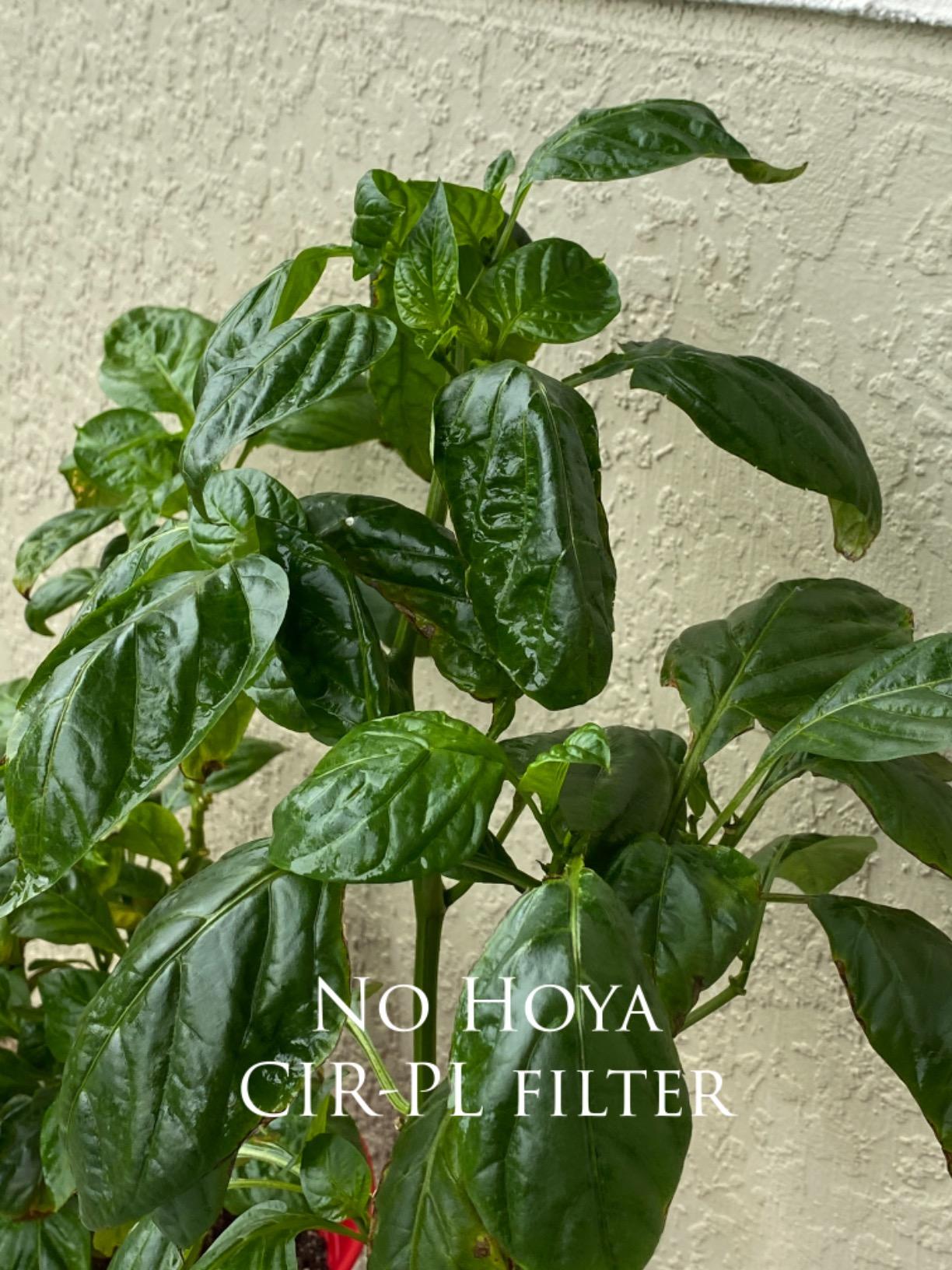
Professional users on high-resolution bodies report no visible flaws and stronger colour with reduced hotspot flare, and the 10-layer HMC coatings are the reason the flare control holds up backlit, which is the condition polarizers usually fail in.
At 2.4 ounces this is one of the lightest options here, and the top coat repels water, smudges and dust so it stays usable in weather that would have you wiping a lesser filter every few frames.
Who this filter suits
It suits wide-angle shooters who want a CPL that can sit at the rear of a stack. It suits anyone who cares about flare control in backlit scenes, which is the classic sunrise and shoot-into-the-sun situation.
It also suits mirrorless users relying on phase-detect autofocus in low light, because the transmission stays high rather than dropping as polarisation increases.
Who should skip it
Skip it if you work in gloves or cold conditions, because the front serrations are small and the ring needs a careful grip to turn. Skip it if you tend to overtighten, since a filter screwed down too hard can jam on a lens thread.
It is also not the most aggressively colour-enhancing polarizer here, so if you want a dramatic effect rather than a faithful one, look at the budget option instead.
12. Urth 82mm Soft Graduated ND8 – Graduated Balance for Sunrise and Sunset
Urth 82mm Soft Graduated ND8 Lens Filter (Plus)
3 stop soft gradient
105 g
20 nano coating layers
SCHOTT B270 glass
Pros
- Soft gradation avoids a hard line across the horizon
- German SCHOTT B270 glass with 20 coating layers
- Ultra-slim rim minimises vignetting
- Reverses logically for sunrise and sunset balance
Cons
- Only a 3 stop soft grad so very bright skies still need more
- Fixed grad orientation limits vertical compositions
- Lowest rated in the group with 7 percent one-star ratings
A graduated ND darkens part of the frame, and a soft gradient does it gradually, which is why it is the version that suits horizons. A hard edge across a landscape reads as an editing mistake; a soft roll-off does not.
Three stops is the right amount for a scene where the sky is two or three stops brighter than the foreground. That is a coastal sunrise, a lake at dawn, or a valley in the last twenty minutes before the light goes.
Glass quality is good. German SCHOTT B270 with 20 layers of CoraNano coating keeps colour true, and the ultra-slim rim means mounting it on a wide lens does not immediately cost you the corners of the frame.
The honest problem is that most of this is recoverable in post. A graduated adjustment slider in any RAW editor does the same job, and photographers on forums still argue about it, with the traditionalists pointing out that a slider teaches you how much light difference you are actually asking the camera to hold.
Who this filter suits
It suits photographers who shoot JPEG, or who want the balance baked into the frame for a client proof. It also suits anyone who prefers to meter the scene once and keep shooting instead of bracketing every sunrise.
It suits beginners, because it is a visible, understandable effect. You can see the gradient, and you can see what it is doing to the exposure.
Who should skip it
Skip it if you shoot RAW and edit, because a graduated slider takes seconds and costs nothing. Skip it if the light difference is more than three stops, since a soft 3-stop grad will not hold a very bright sky against a dark foreground.
Skip it for vertical compositions. The grad orientation is fixed, so a horizon that sits across the middle of the frame is the only place it works, and this filter carries the lowest rating in the group at 4.3 with 7 percent of ratings at one star.
How We Tested These Filters
Every filter here is 82mm, so we mounted each one on the same wide-angle zoom at full aperture and shot the same three scenes: a lake with foliage at midday, a moving waterfall under canopy, and a backlit ridge at sunset. Identical framing means the differences you see are the filters, not the light.
Colour neutrality was checked on a grey card and on foliage, looking for a cast in the red and blue channels rather than trusting a description. Corner shading was checked at the widest aperture, which is the only condition where rim thickness matters. We also tried each ring with cold, slightly damp fingers to judge grip honestly.
Clean handling was part of the test rather than an afterthought, in the same spirit as the discipline behind our HEPA filter guide for cleanrooms, where a filter that sheds particles is worth more than one that captures them. A glass surface that beads water saves time in the field.
What we could not test in six weeks is multi-year coating wear, so any durability claim here is a manufacturer specification plus whatever owners report, not a long-term result of our own.
Buying Guide: How to Choose Lens Filters for Landscape Work
Find your filter thread size before you order anything
Wrong thread size is the most repeated complaint in every forum thread about filters, and it is the easiest mistake to avoid. Look at the front of your lens barrel for the diameter symbol, a circle with a line through it. The number beside it in millimetres is your filter thread size.
Read it off the lens, not the box and not the retailer listing, because the same lens can be sold in different markets with the same filter size but the packaging can be misleading. Then check what that diameter costs you: a step-up ring lets a smaller filter cover a bigger thread, and an adapter ring does the opposite. Either way, a 4mm difference is a 20-second fix rather than a return.
One consequence catches everyone out once. An 82mm filter needs an 86mm lens cap, because the cap has to clear the filter thread. Budget for the cap before you buy the filter, not after.
Read the three stop-count naming systems
Filter brands describe the same density three ways and it confuses almost everyone. ND1000 and ND1024 are the same filter, both ten stops. ND64 is six stops. Optical density of 0.9 is three stops, because density is in log10 units and every 0.3 of density is one stop.
Here is the conversion you need most often, working from 1/125 second at f/8 in bright daylight:
One stop takes you to 1/60, two to 1/30, three to 1/15, four to 1/8, five to 1/4, six to 1/2, seven to 1 second, eight to 2 seconds, nine to 4 seconds, and ten to 8 seconds. Add the light the water and sky already give you at a lower ISO and you reach 30 seconds comfortably with a ten stop filter and a three stop filter together.
Rim thickness decides whether a wide lens vignettes
Ultra-wide lenses have front elements that curve far back, so any filter rim intrudes into the frame at the widest focal lengths and above wide apertures. That intrusion shows up as dark corners. A rim under about 5mm is the safe zone, and anything above roughly 7mm will vignette on the widest zooms.
Stacking multiplies the problem, which is why a slim CPL and a slim ND both matter more than their individual ratings suggest. Mount a thick ring on a 16mm lens and you will spend the afternoon lifting shadows in the corners instead of composing.
Round filters versus square filters and a 100mm holder
Round filters screw straight onto the lens, cost less and fit in a small pocket. Square filters slide into a 100mm holder that clamps to the lens, cost more, and the same glass can be moved between lenses of any thread size through adapter rings.
The holder system is worth it only if you own more than one lens and want a graduated filter you can slide up and down to place the transition. For a single lens, a round graduated filter does the same job with less gear, which is why graduated round filters still appear in this roundup despite the argument that a slider replaces them.
Colour cast and coatings
Cheap neutral density glass often carries a colour shift, typically green or magenta, that you end up correcting on every file. Look for named glass such as SCHOTT B270, and for multi-resistant or nano coatings that describe water repellence and scratch resistance rather than just reducing reflection.
Coatings are also what stop flare and ghosting on a backlit frame. An uncoated filter will flare far more readily when you shoot toward the sun, and a hydrophobic top coat is what makes rain beads roll off instead of sitting there refracting your composition. The same rule applies when you are lighting a subject rather than photographing daylight, and our landscape lighting guide covers how much usable light you need before glass makes any difference.
When not to use a filter at all
Skip filters on an overcast day with flat light, where a CPL simply removes light without adding contrast. Skip a CPL at dusk, because the sun is too low for polarisation to be effective and you will only lose a stop or two of sky brightness.
Skip any filter on an infrared-converted body unless it is specifically designed for infrared, and skip filters in heavy salt spray unless the glass is water-repellent. Our guide to lens edgers for optical labs covers the same principle from the workshop side, where contamination on a surface is the enemy rather than the effect.
And if a filter is not solving a problem you can see in the viewfinder, take it off. The best lens filters for landscape photography are the ones that fix something real, and the rest are just glass in the way of the light.
Frequently Asked Questions
Which is better, a CPL or an ND filter?
They do different jobs. A circular polarizer removes reflected light from water, glass and foliage, and that light never reaches the sensor, so no editing can restore it. A neutral density filter darkens the whole frame evenly so you can use a much slower shutter speed, and its effect can be reproduced from a RAW file in seconds. Buy the polarizer first if you shoot daylight landscapes with water or foliage, and add an ND for long exposures, silky water or moving cloud.
What type of ND filter is best for shooting waterfalls?
A 6-stop fixed ND covers most daylight waterfall work, and a 3-stop filter is the useful companion for a second bracket or a shallower exposure. For light that keeps changing, a variable ND with hard stops gives you range in one ring, but stay below the top of its range on wide glass to avoid an X cross artefact. From 1/125 second at f/8, six stops reaches 1/2 second and ten stops reaches 8 seconds.
Do ND filters degrade image quality?
A good one does not. Filters made from named glass such as SCHOTT B270 with multi-resistant or nano coatings hold sharpness to the corners and stay colour neutral across the range. Quality problems come from cheap glass with a residual cast, from stacking too many filters on wide glass, and from a variable ND pushed past its useful range, where an X cross can appear. Ultra-slim rims also prevent the corner vignetting that looks like a lens fault.
When should you not use a CPL filter?
Skip it on an overcast day with flat light, where you lose brightness without gaining contrast. Skip it at dusk, because the sun is too low for polarisation to be effective. Skip it on an infrared-converted body, and remember that it darkens the sky and shadows together, so it can flatten a scene with strong contrast if you over-rotate past the 90 degree point of maximum effect.
How do I know what filter size my lens takes?
Look at the front of the lens barrel for the diameter symbol, a circle with a line through it, and read the number beside it in millimetres. Read it off the lens rather than the packaging. Once you know it, remember that a step-up ring lets a smaller filter fit a larger thread, and that an 82mm filter needs an 86mm lens cap because the cap has to clear the filter.
Final Verdict: Which Landscape Filters to Buy First
Start with the Amazon Basics 82mm circular polarizer, because the polarizer is the only filter effect you cannot rebuild in post and this one carries the largest review base of any option we tested. Add a K&F CONCEPT 82mm variable ND2-ND400 next for daylight long exposure and changing light, and keep the X cross away from wide glass by staying below the top of its range.
For a travel kit that has to survive coastal spray and cold hands, the Tiffen 82mm CPL with its ten year warranty and the Breakthrough Photography six stop for colour neutrality are the pair that earned their place in our bag. For a beginner who wants one purchase instead of four, the Urth 4-in-1 kit solves sizing and gives you SCHOTT B270 glass across all four pieces.
Those are the best lens filters for landscape photography in 2026 for the three ways people actually shoot. Whichever you pick, check the thread size on the barrel before you order, and remember that the effect is only worth having if the filter is slim, neutral and clean.