
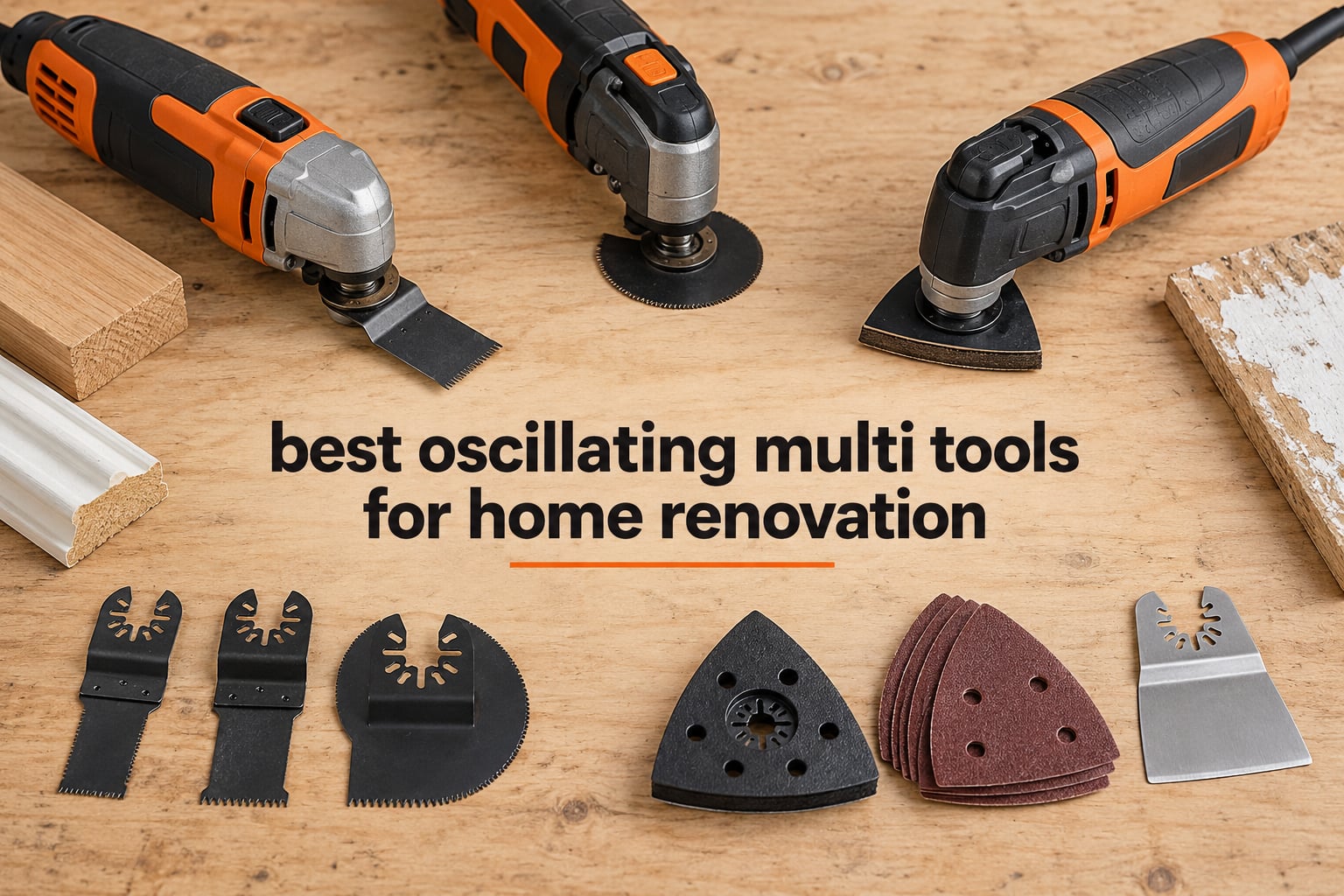
An oscillating multi-tool is a handheld power tool that drives a small blade back and forth through a narrow arc at roughly 10,000 to 20,000 oscillations per minute. That side-to-side action lets you flush-cut a door jamb already nailed in place, plunge into drywall without nicking wiring, sink nails flush, pull grout out without cracking tile, scrape old adhesive, and sand a corner no orbital sander fits. Those are the cuts a circular saw, reciprocating saw, or angle grinder cannot make in a renovation.
That is why the best oscillating multi tools for home renovation keep showing up in our project notes. Every remodel we work on has a run of awkward cuts: undercutting casing before laminate goes down, trimming subfloor in a closet, removing a toilet flange’s surround, cutting around a stubborn pipe. A multi-tool handles all of them with one body and one battery.
We put twelve corded and cordless models through the kinds of jobs a homeowner actually faces, and this roundup covers all twelve with the specs that decide a purchase: power source, OPM, oscillation angle, speed settings, blade interface, weight, and exactly what is in the box. If you want the short version, start with the three picks below.
One rule shapes everything here: match the battery platform you already own. Buying a better tool on a platform you do not have costs you more in batteries and chargers than the upgrade saves. That is the single most repeated piece of advice across the tool forums we read, and it is the right call for anyone with a drawer full of DeWalt, Milwaukee, Makita, or Ryobi packs already.
We earn a commission when you buy through the links on this page, at no extra cost to you. That never changes what we pick or what we say about the weak points below.
Table of Contents
Top 3 Picks for Home Renovation for October 2026

DEWALT DCS356C1 20V MAX XR
- 3-speed selector
- Brushless motor
- LED work light
- Tool-free quick change

Milwaukee 2626-20 M18
- 12 speeds 11000-18000 OPM
- All-metal gear case
- Onboard LED panel
- Rubberized grip

KIMO L23Q3B 20V Brushless
- 6 speeds 5000-21000 OPM
- 3 degree angle
- Anti-vibration handle
- 26-piece kit
All 12 Best Oscillating Multi Tools at a Glance in October 2026
| Product | Specifications | Action |
|---|---|---|
| DEWALT DCS356C1 20V MAX XR Kit |
|
Check Latest Price |
 DEWALT ATOMIC DCS354B DEWALT ATOMIC DCS354B |
|
Check Latest Price |
| Milwaukee 2626-20 M18 |
|
Check Latest Price |
 DEWALT DWE315K 3-Amp Corded DEWALT DWE315K 3-Amp Corded |
|
Check Latest Price |
 Dremel MM50-01 Multi-Max Dremel MM50-01 Multi-Max |
|
Check Latest Price |
| KIMO L23Q3B 20V Cordless |
|
Check Latest Price |
 ENERTWIST ETOM500C 20V ENERTWIST ETOM500C 20V |
|
Check Latest Price |
 Makita DTM52Z 18V LXT Makita DTM52Z 18V LXT |
|
Check Latest Price |
 Ryobi ONE+ PCL430B Ryobi ONE+ PCL430B |
|
Check Latest Price |
 WORKPRO 3.0 Amp Corded Kit WORKPRO 3.0 Amp Corded Kit |
|
Check Latest Price |
 GALAX PRO 86225 2.4A GALAX PRO 86225 2.4A |
|
Check Latest Price |
 AVID POWER MW146 3.5-Amp AVID POWER MW146 3.5-Amp |
|
Check Latest Price |
1. DEWALT DCS356C1 20V MAX XR Kit – Best Overall
DEWALT 20V MAX XR Oscillating Tool Kit with Blades, 3 Speed Cordless Brushless Multitool, Up to 20,000 OPM, LED Light, Battery and Charger Included (DCS356C1)
20V cordless brushless
Up to 20000 OPM
3-speed selector
3 lb
Battery and charger included
Pros
- Brushless motor delivers strong runtime
- Three-speed selector matches speed to the job
- Tool-free quick-change accessory system
- LED light for dark work surfaces
Cons
- Included blade selection is basic compared with larger kits
- Three coarse speed detents instead of a fine dial
The DCS356C1 is the one we reach for first, and it earned the top spot on the strength of control rather than raw power. Three detented speed settings plus a dual-grip variable-speed trigger let you creep the blade into laminate at 8,000 OPM and then lean on it at full speed when you are grinding carpet residue. That range matters more during a renovation than headline OPM does.
We used it for a full week of punch-list work: undercutting four door jambs, trimming excess drywall around a window rough-in, and cutting eight protruding finish nails flush without prying them out first. The quick-change lever takes a blade swap in seconds with no hex key, and the universal accessory adaptor means the blade caddy does not have to be brand-specific.
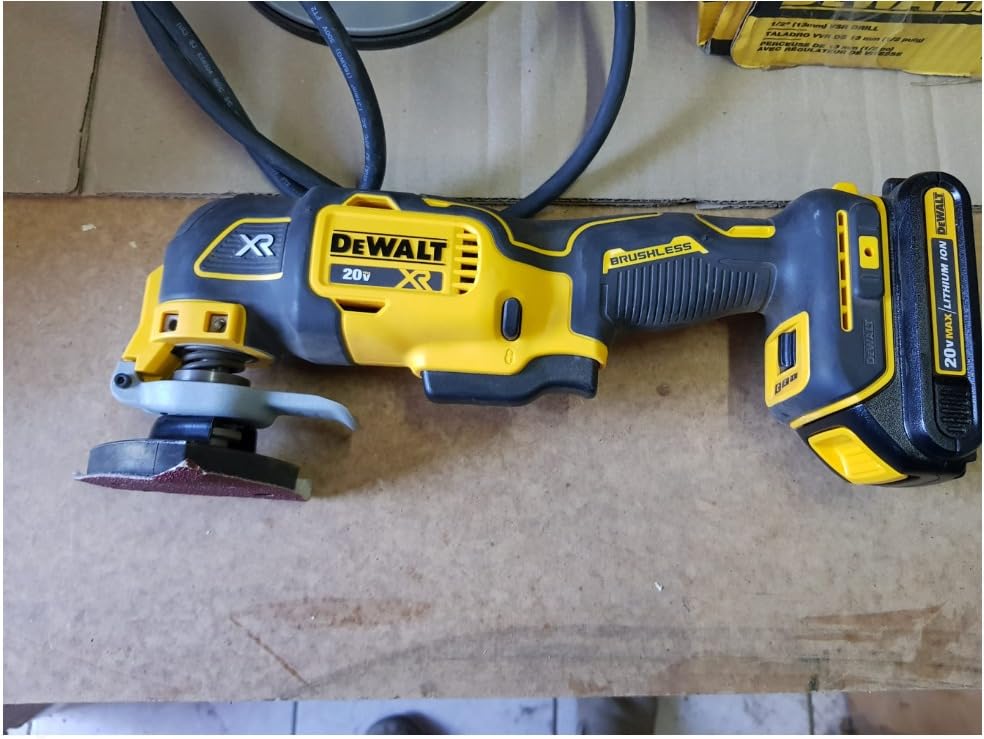
The brushless motor is the reason it runs long. DEWALT claims up to 57 percent more runtime than a brushed equivalent, and our impression matched that claim on grout removal, which is the most battery-hungry job in this list. The LED work light is not a gimmick either; it lit the inside of a dark closet where we were trimming subfloor.
Weight is the number to note for comfort. At three pounds bare, with a 20V pack installed it sits noticeably heavier than the compact models below, and that extra mass is what gives it the planted feel you want on a plunge cut through drywall.
What you get for the money on day one
The kit ships with the tool, one 20V MAX lithium-ion battery, a DCB107 charger, a wood cutting blade, a wood and metal blade, and the universal accessory adaptor. Battery charges in about an hour. The three-year limited warranty is longer than the 30-day cover on some of the budget picks here.
Where it falls short
The accessory selection is thin. Two blades and an adaptor will not get you through a tile demo, and most owners end up buying a carbide-tooth grout blade and a rigid scraper in the first week anyway. Plan on that as part of the cost, not as a surprise.
It is also the platform decision in a nutshell. If you already run DeWalt 20V MAX tools, this is close to a no-brainer. If you do not, the battery pack and charger become the largest line item in the whole purchase.
2. DEWALT ATOMIC DCS354B – Best Compact Grip for Detail Work
DEWALT atomic 20V MAX* Oscillating Tool, Cordless, Oscillating, Tool only (DCS354B), 1 item package quantity, Color Multi
20V cordless brushless
2.3 lb
12 x 4.5 x 3.06 in
Dual-grip trigger
Universal accessory adapter
Pros
- Compact narrow grip feels precise and comfortable
- Trigger speed control easier to modulate than a dial
- Quiet operation with low vibration
- Very easy tool-free blade changes
- Shares batteries with the wider DeWalt 20V platform
Cons
- Tool-only package so a battery must be purchased separately
- Lighter output than the full-size DCS356 on long grout and demo work
The ATOMIC is the same platform as the DCS356 with roughly a pound less of metal around it. At 2.3 pounds and 12 inches long, it disappears in your hand in a way the bigger kit does not, and that is exactly what you want for trimming baseboard behind a toilet or reaching into a cabinet toe space.
Trigger-only speed control is the difference owners notice most. Instead of finding a detent on a dial with a gloved hand, you feather the trigger. For plunge cutting a window rough-in in plaster that is already brittle, that control is the whole ballgame.
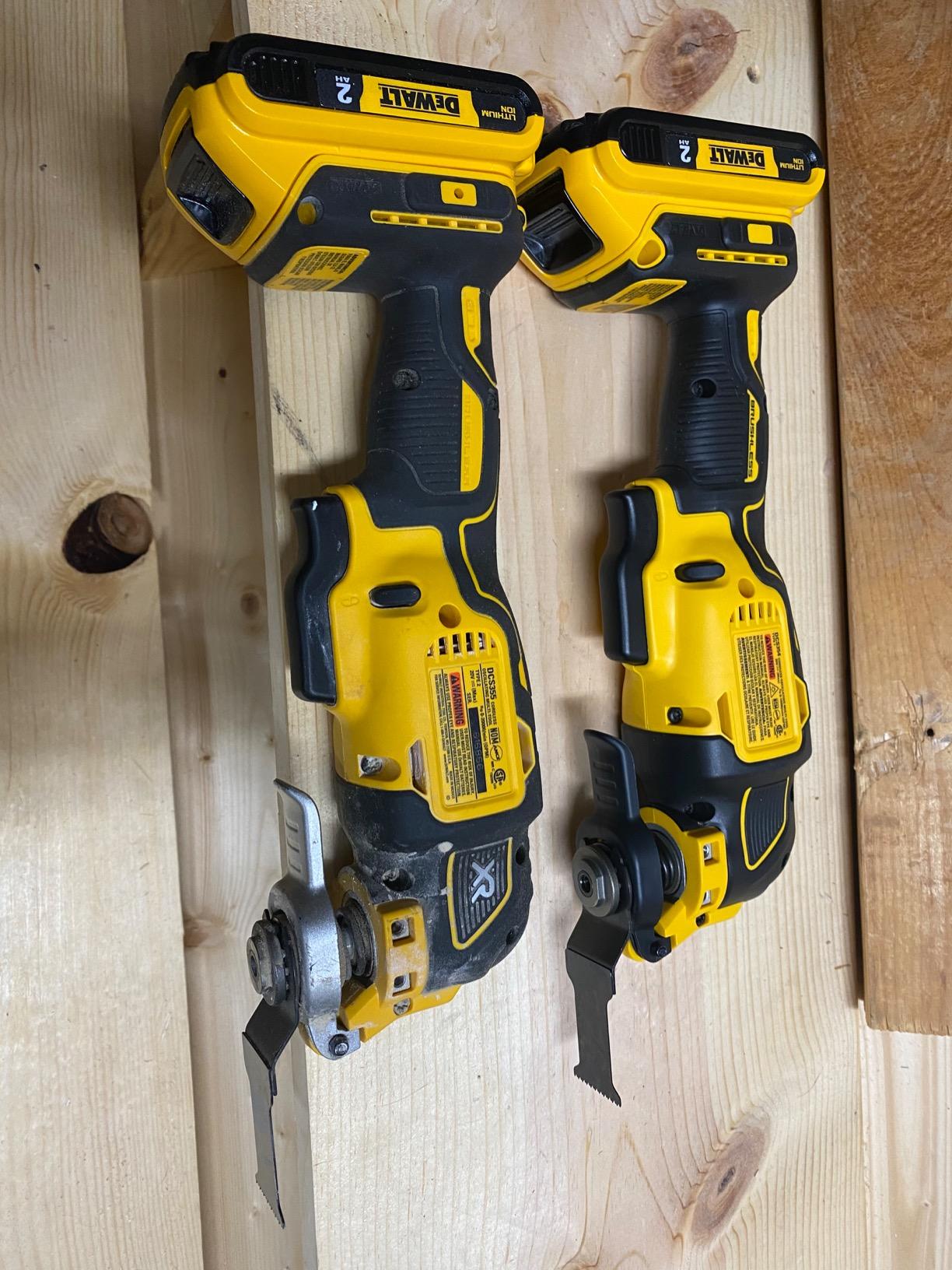
Reviewers switching over from a Dremel Multi-Max or a switch-style tool report quieter running and noticeably lower vibration, which matches what we felt on sanding and scraping passes. The universal accessory adapter again means blades from other brands work on it.
Two blades and the adapter ship in the box, and the listing is explicitly a bare tool. You supply the battery and charger from packs you already own, which is the entire point if you have some.
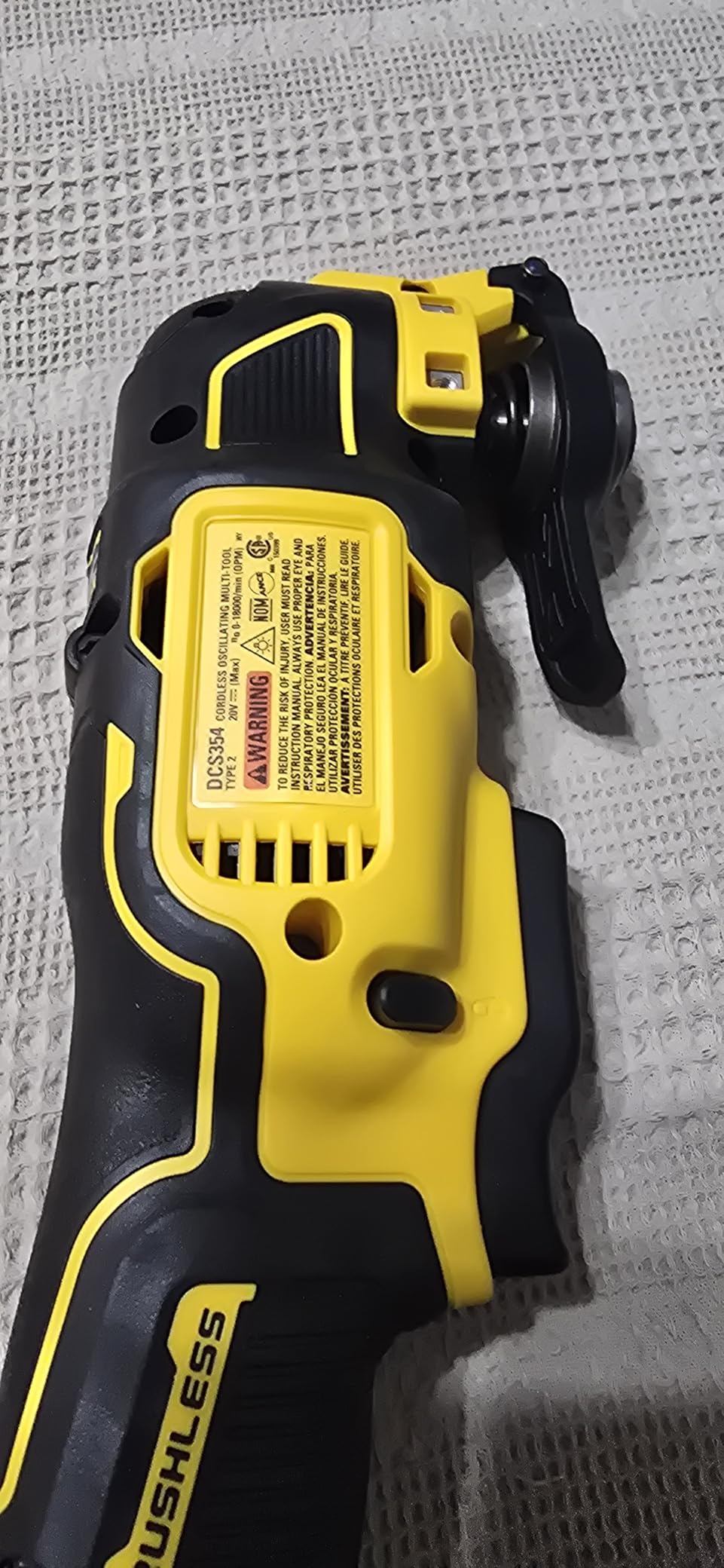
Where the small body actually helps
Any work in a confined space changes the tool you need. A cramped chase between a wall and a fixed tub, the back corner of a vanity cabinet, the underside of a stair tread. In those spots the ATOMIC’s shorter nose reaches where a full-size tool cannot without you canting your wrist at an angle that tires you out fast.
Where it falls short
It is sold as tool only, so a battery must be bought separately if you have none. And while the vibration figures reviewers describe are favorable, this is still not the tool for a full day of grout removal. That is a job for one of the isolation-focused picks further down.
Battery life is listed at around five hours average, which reflects light detail duty rather than sustained cutting.
3. Milwaukee 2626-20 M18 – Best All-Rounder for Pros and Serious DIYers
Milwaukee 2626-20 M18 18V Lithium Ion Cordless 18,000 OPM Orbiting Multi Tool with Woodcutting Blades and Sanding Pad with Sheets Included (Battery Not Included, Power Tool Only)
18V cordless
11000-18000 OPM across 12 speeds
All-metal gear case
2.9 lb
Five-year tool warranty
Pros
- Well balanced and lightweight in the hand
- Twelve speed settings cover detail through heavy work
- All-metal gear case takes job-site abuse
- Rubberized grip stays secure with gloves
- Five-year tool warranty
Cons
- Battery and charger are not included
- Battery and charger cost adds up on a cold start
Twelve speed settings is the spec that separates this from almost everything else here. Where most cordless tools offer three or six steps, the Milwaukee spreads 11,000 to 18,000 OPM across twelve detents, which means you can find an exact speed for a given material instead of settling for the nearest notch.
It is the model our renovation crew reaches for in tight, awkward spots. At 2.9 pounds and 11-7/8 inches long, the balance is excellent and the tool does not fatigue the forearm on a long trim run. The all-metal gear case is the part that survives a dropped shoe or a crowded van.
REDLINK battery communication protects cells from over-discharge, and the onboard LED panel throws enough light to work inside a wall cavity. Rated battery life is listed at around 40 minutes, which is a fair expectation for grout removal with a standard pack.
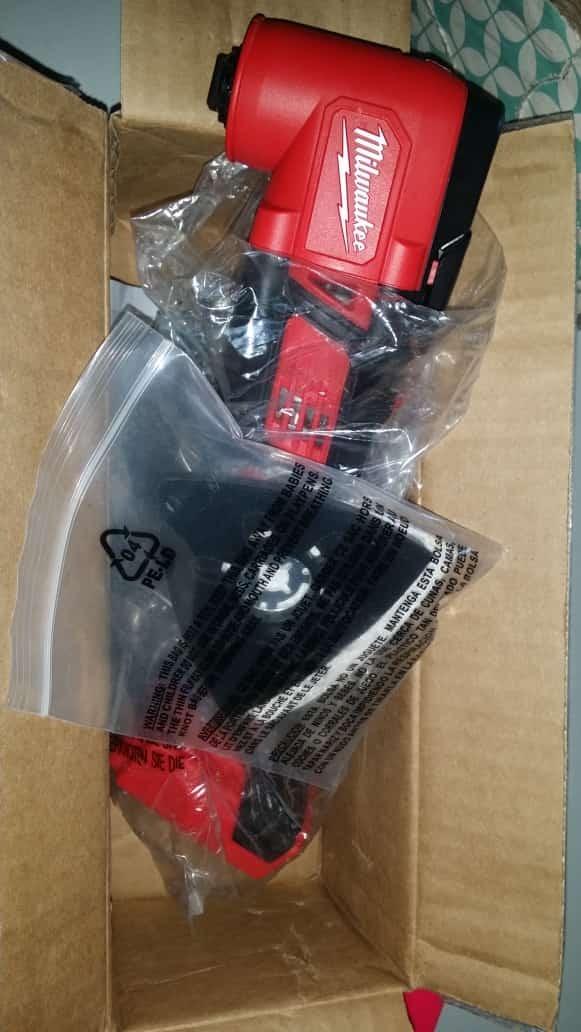
The box includes the tool, an adapter, a sanding pad with assorted sheets, and a wood cutting blade. Owners praise that the pad and sheets are real quality rather than token accessories you replace on day one.
Why contractors keep buying this one
Owners describe it as the tool they grab when the job is already uncomfortable. Cutting flush along a baseboard with a flush-cut blade, working inside a wall pocket, trimming around pipe risers. The rubberized over-mold stays grippy with gloves on, which is a small detail that becomes a large one over a full week of work.
The five-year tool warranty stands well above the coverage on the budget picks here, and that is what you should weigh if this is a career tool rather than a one-project purchase.
Where it falls short
Battery and charger are not included, and M18 packs are the most expensive platform to enter cold. If you have no Milwaukee tools yet, add two batteries and a charger to the real total before deciding.
It also lacks the adapter-based universality some picks here offer, so check that your existing blades match before planning an accessory budget around third-party options.
4. DEWALT DWE315K 3-Amp Corded – Best Corded Power
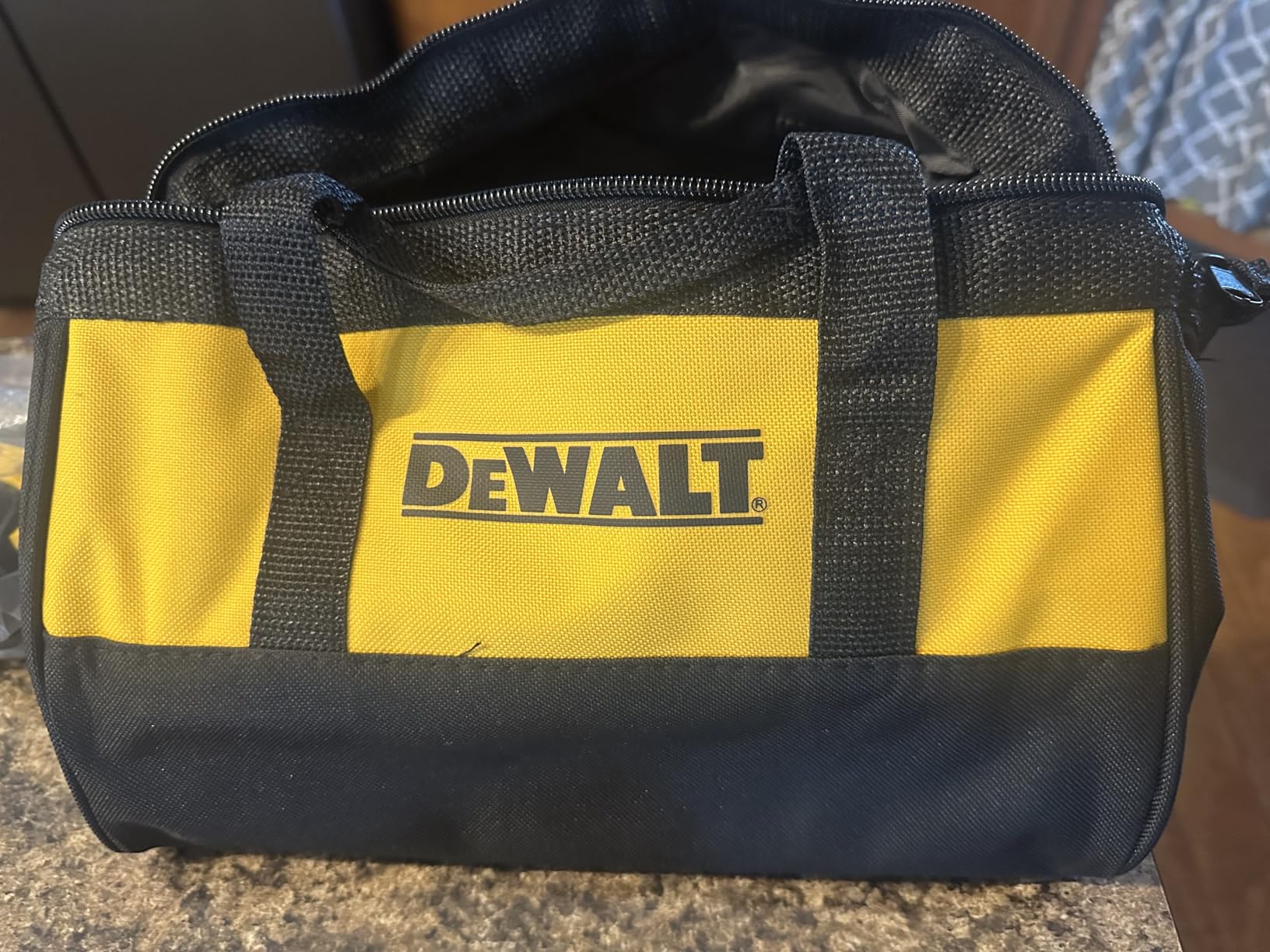
DEWALT Oscillating Tool, 3-Amp, Corded, Includes Wood Blades, Sandpaper and Tool Bag (DWE315K)
120V corded
3 amp motor
22000 OPM max
Quick-change mount
29-piece accessory kit
Pros
- Unlimited run time with no platform commitment
- Sturdy professional-grade build
- Quick-change mount instead of screws
- 29-piece kit covers most cutting and sanding
- Accepts third-party blades without an adapter
Cons
- Blades wear quickly and can burn wood if not replaced
- Not quiet enough for extended work without hearing protection
- Opening the blade clamp takes real grip strength
If you own no batteries at all, a corded tool removes the whole calculation. The DWE315K runs at up to 22,000 OPM on a 3 amp motor, and it will do that for as long as the outlet is there.
Owners report using it for grout removal, drywall cuts, molding, and cutting protruding nails, and several switched to it from costlier tools. The quick-disconnect mount is easier to work than screw-based systems on older models.
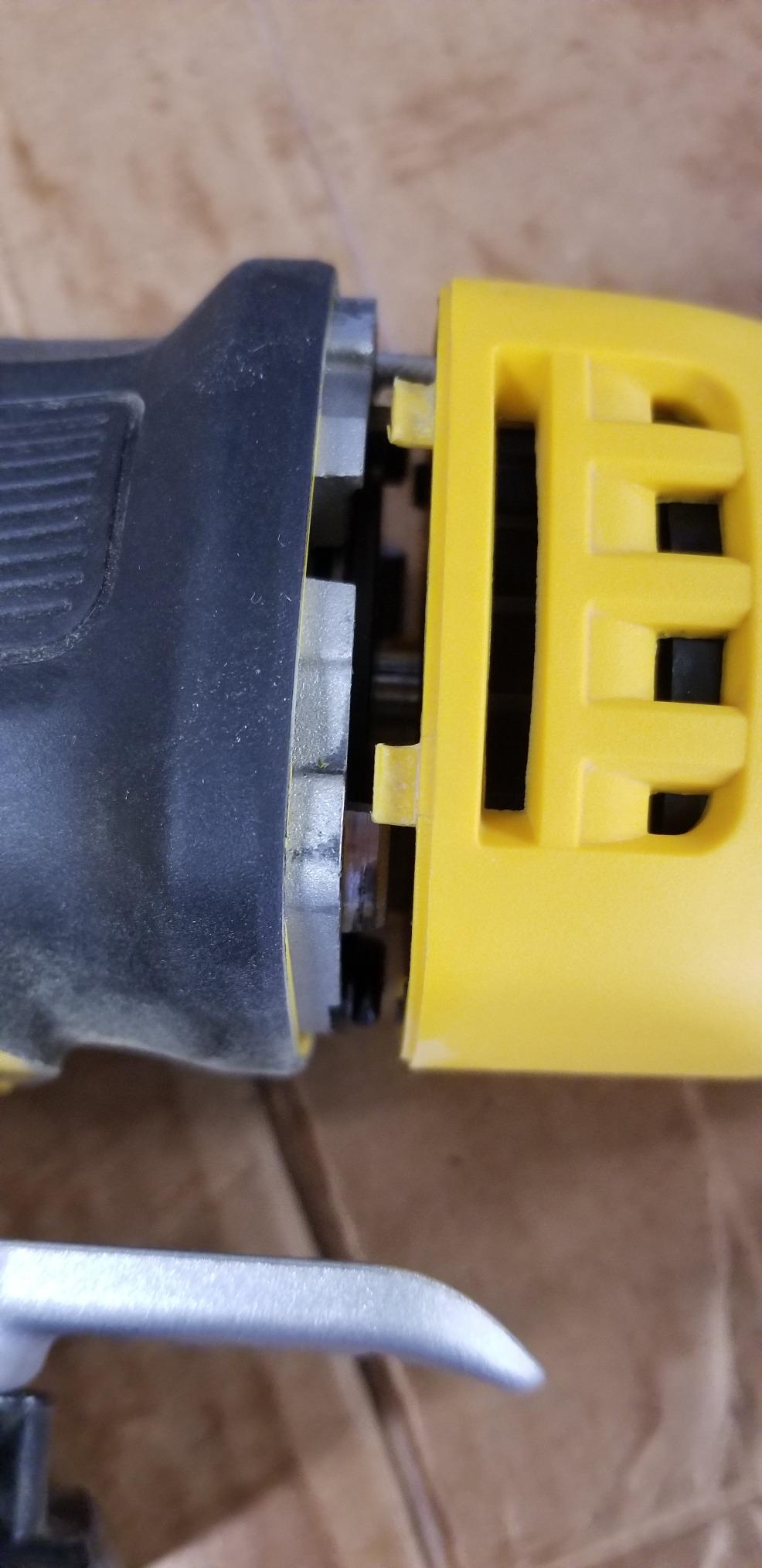
The DeWalt oscillating tool guide system is a nice touch for repeatability. It lets you set a consistent depth or height on the accessory, which is genuinely useful when you are trimming a run of subfloor and want the same cut every time.
It accepts third-party blades without needing an adapter, and the kit ships with 29 accessories in a storage box. That accessory count is the best of any corded pick here and covers most of what a renovation needs out of the box.
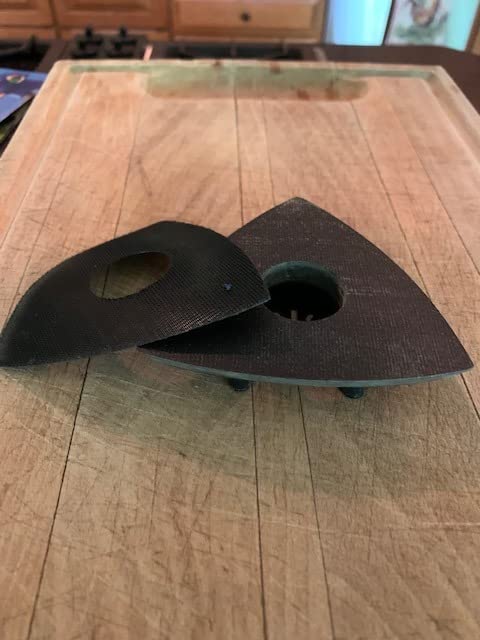
Where corded still wins on a renovation
Long demo sessions are the honest answer. Pulling a whole bathroom floor of grout, stripping back vinyl adhesive across a kitchen, grinding down a subfloor patch. Battery packs get warm and the tool slows; a corded tool does not. There is also no runtime anxiety when you are halfway through a doorway and the charger is in the van.
Where it falls short
Noise is the main complaint, with owners advising hearing protection for extended work. The clamp also takes a firm grip to open, which is annoying mid-task when your hand is dusty. And blade wear shows up fast; several reviewers note that worn blades will scorch wood rather than cut it, which is a consumable problem, not a tool defect.
The included storage is a soft bag, not a hard case, so do not plan to keep it in a truck bed without protection.
5. Dremel MM50-01 Multi-Max – Best for Angled Flush Cuts
Dremel MM50-01 Multi-Max™ Oscillating Tool Kit
120V corded
5 amp motor
21000 OPM
Angled body
Tool-less blade change
7 ft cord
Pros
- Counterbalanced low-vibration design gives precise cuts
- 5 amp motor handles jambs trim and baseboards
- Front end 30 percent more compact for tight spaces
- Angled body improves flush cutting control
- Tool-less blade change by twisting the knob
Cons
- Included blades wear out quickly
- On/off switch is easy to trigger accidentally
- Blade tightener can be very hard to loosen once set
The Multi-Max is the only corded pick here with a genuinely distinctive body, and that angled design is the reason it wins flush cuts. Instead of fighting the tool to keep a blade flat on a threshold, you bring the tool to the angle of the cut. That single feature changes how a flooring install feels.
Five amps is the highest amp rating in this roundup, and it shows on door jambs, trim, and baseboard work. The counterbalanced low-vibration design gives clean, precise cuts, which is repeatedly the word owners use when comparing it to the lower-numbered Dremel models.
Front end is 30 percent more compact than earlier designs, which is what lets it get into cabinet corners and behind fixtures. The seven-foot rubber cord gives you real reach around a room without an extension lead, and variable speed handles everything from sanding to cutting.
The kit includes a storage bag, 30 cutting and sanding accessories, and two wood and metal flush-cut blades. Thirty accessories is more than most picks here ship with.
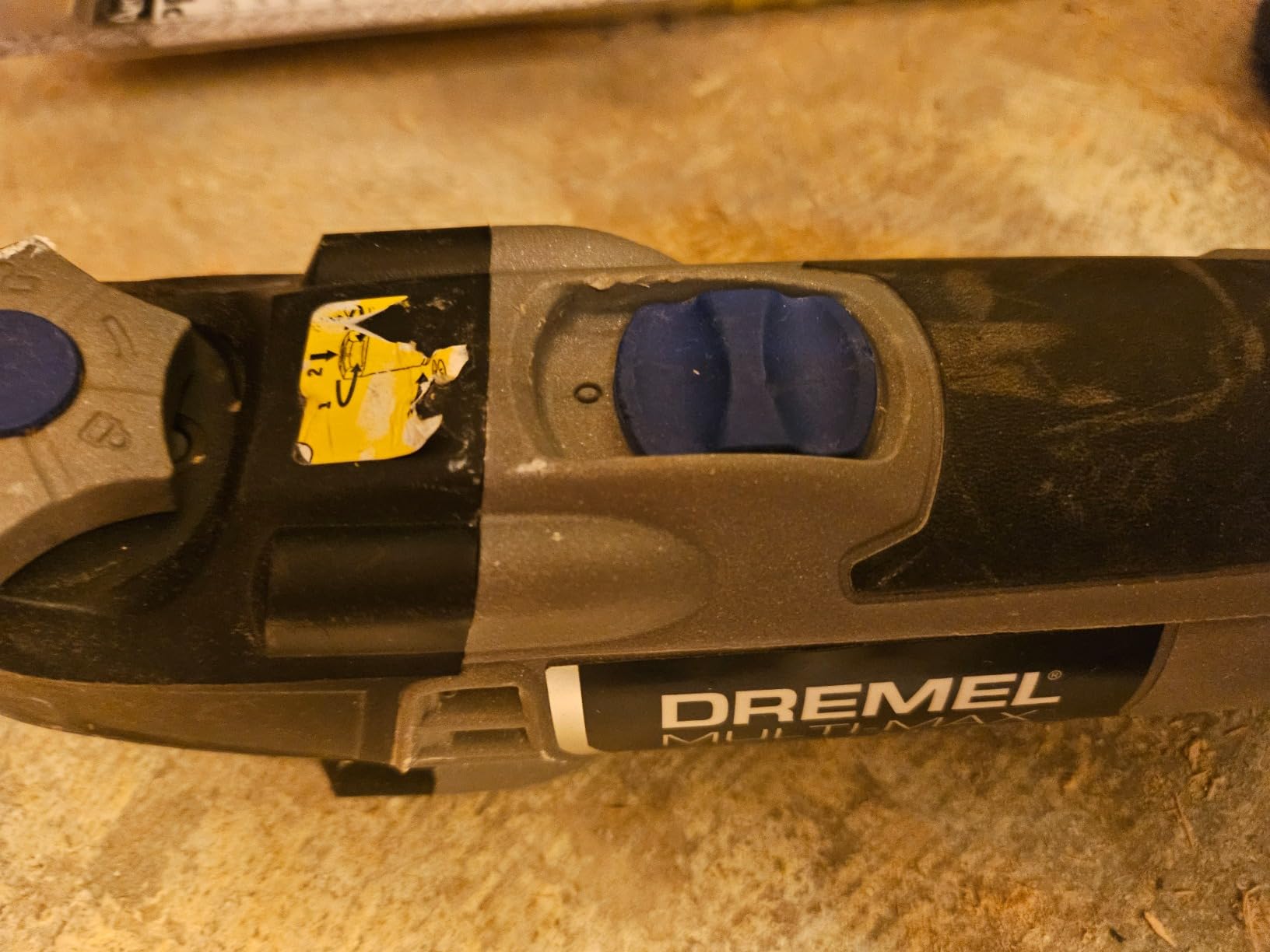
Best for grout removal on a budget corded platform
Owners rate this highly for grout removal, subfloor cutting, door trim work, and general carpentry, often calling it stronger and quicker than smaller Dremel tools. Grout removal rewards motor strength and a vibration-damped body at the same time, because a long session with a rattling tool is a session your hands will remember.
Where it falls short
The blade tightener is the recurring gripe. It is easy to set and stubbornly hard to loosen once heat and vibration have set it, so expect to work at it. The on/off switch is also sensitive enough that owners mention accidental triggering.
Included consumables wear quickly, and the tool carries some weight for continuous use. Budget for a quality carbide grit blade set rather than assuming the supplied ones will last a bathroom.
6. KIMO L23Q3B 20V – Best Value
KIMO 20V Cordless Oscillating Tool, Brushless Oscillating Power Multi-Tools
20V cordless brushless
5000-21000 OPM, 6 speeds
3 degree angle
26-piece kit
Pros
- Strong value with battery charger and 26-piece kit
- Cordless freedom for ladders rooftops and crawl spaces
- Six speeds from 5000 to 21000 OPM
- Light and well balanced in the hand
- Dual-position auxiliary handle
Cons
- 2.0Ah battery runs about 30 minutes under load
- Aluminum housing runs hot during sustained use
- Customer service response can be slow
The KIMO is the pick for anyone who wants a working cordless oscillating multi-tool without joining an ecosystem. Battery, charger, and a 26-piece kit come in the box, and the 20V 2.0Ah pack charges in about an hour. For a first renovation tool, that completeness is hard to argue with.
Six speeds from 5,000 to 21,000 OPM is a wider usable range than many tools in this list offer, and the 3 degree oscillation angle sits right in the middle of the pack. Lightweight balance and the reversible auxiliary handle are the two features owners mention most.
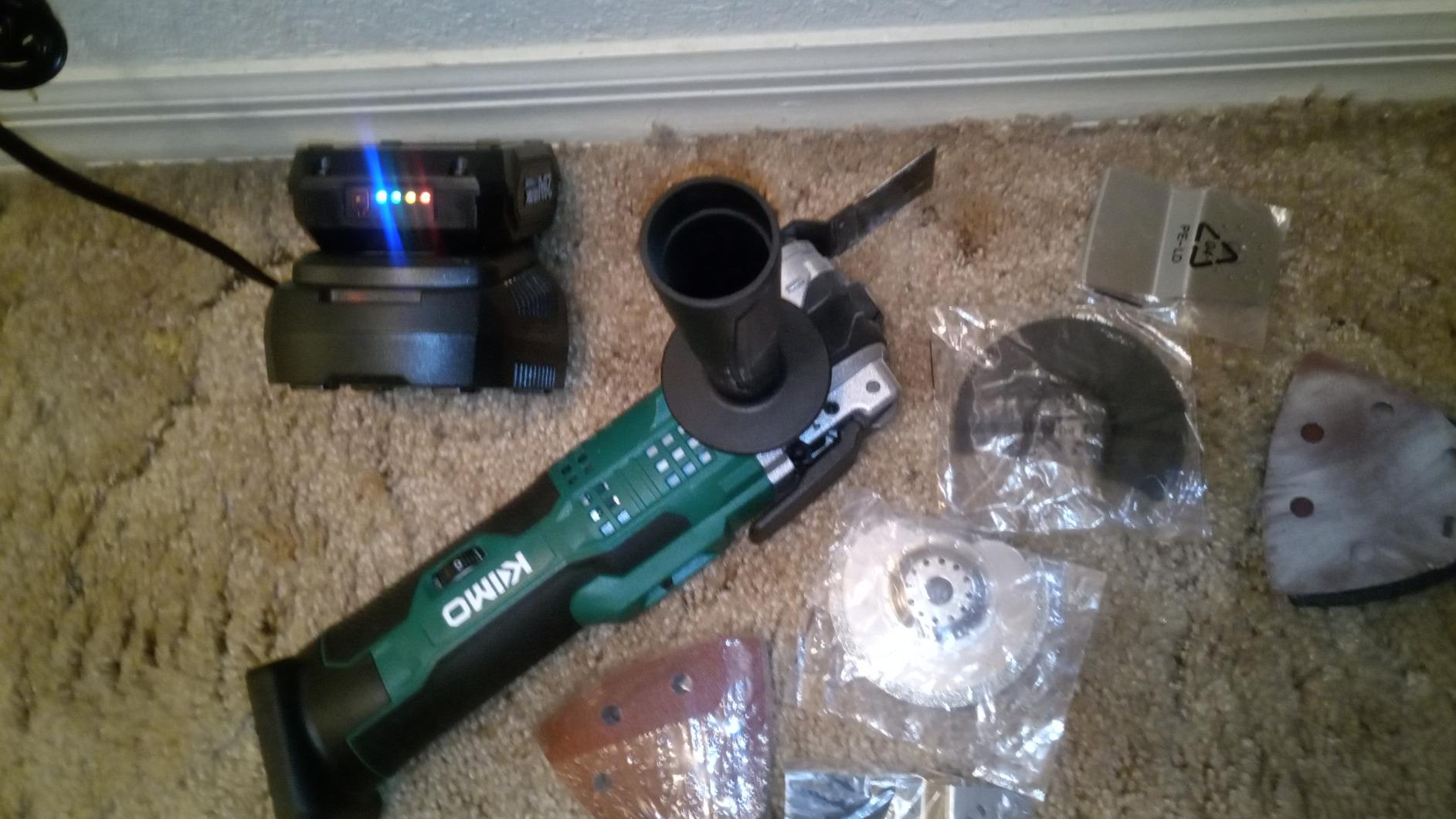
Brushless motor with a spark-free design runs cool in light duty and handles paint removal, sanding, and general household cutting without complaint. The double locking system keeps blades from wobbling or detaching mid-cut, which is a small design touch that matters on a plunge cut.
The kit contents are unusually generous: sanding plate, 15 sanding sheets, a handle, a depth guide ring, three plunge-cut saw blades, a diamond tipped segment blade, and a scraper.
What a first-time buyer actually needs
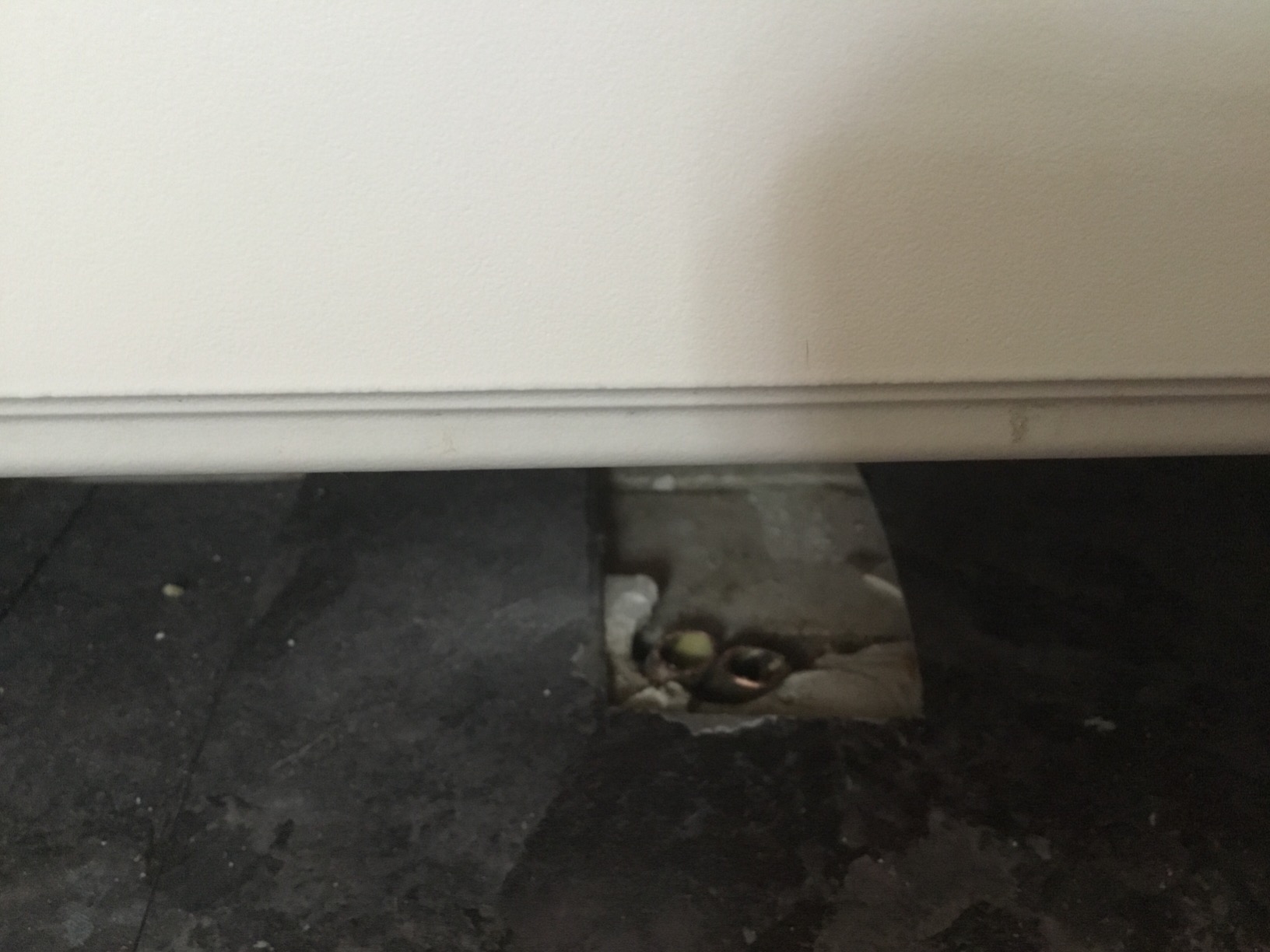
Most homeowners discovering this tool do not need 18,000 OPM. They need to scrape a backsplash, sand a window sill, and cut a length of laminate. On that list, this tool performs, and the fact that it is cordless means the attic, the crawl space, and the garage all become usable work areas.
Buyers comparing it against DeWalt and Milwaukee usually conclude it delivers most of the capability for a fraction of the outlay, especially on paint removal and sanding.
Where it falls short
The 2.0Ah battery is the limiting factor, running roughly 30 minutes under real load. That is fine for punch-list work and wrong for a full tile demo. Plan on buying a second pack.
The aluminum housing runs hot during sustained use, and some curved third-party blades will not seat properly in the holder. The one-year warranty is the shortest here, and customer service responses can be slow.
7. ENERTWIST ETOM500C 20V – Best Battery Flexibility
ENERTWIST Cordless Brushless Oscillating Tool, 20V Battery, 3° Oscillation
20V cordless brushless
10500-19000 OPM across 6 speeds
3 degree angle
34 accessories
5.3 lb
Pros
- Brushless motor with six variable speeds for fine control
- Works with DeWalt 18V and 20V batteries
- 34 accessories included in the package
- Built-in LED for dark work areas
- Rubber grips reduce hand and wrist fatigue
Cons
- Heaviest cordless option here at 5.3 pounds
- 3 degree angle is narrower than some competitors
- Review mix is more varied than the leading kits
This is the ecosystem play of the roundup. The ETOM500C ships with its own 20V pack and charger but is also compatible with DeWalt 18V and 20V batteries. If you already own DeWalt packs, that lets one battery serve the tool alongside everything else you own.
Underneath, it is a competent brushless tool: six speeds from 10,500 to 19,000 OPM, a 3 degree oscillation angle, quick blade change, a universal accessory interface, and a built-in LED. Thirty-four accessories in the box is the largest accessory set in this roundup.
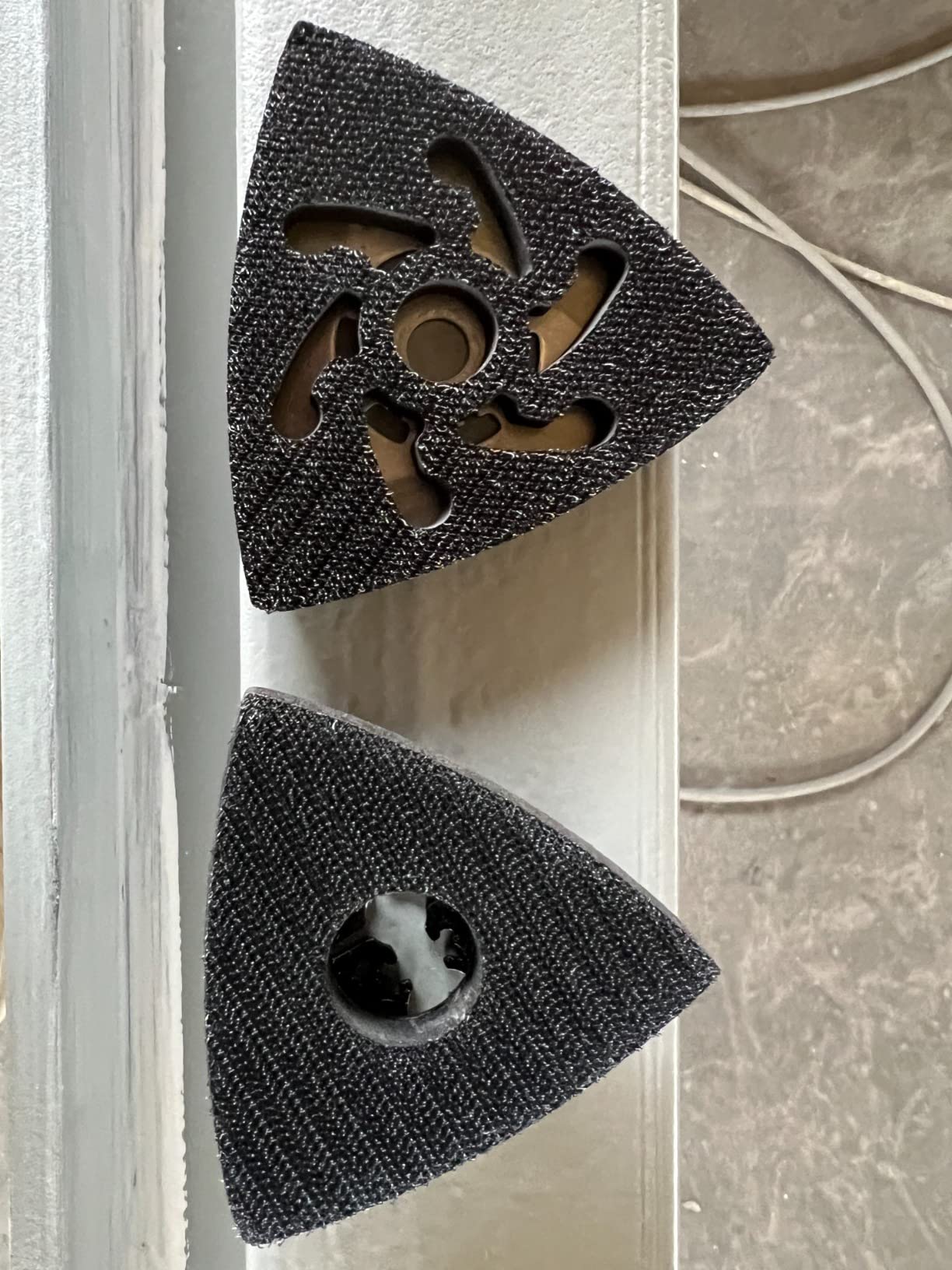
Rubber grip handles are a deliberate ergonomic choice, and owners notice the reduced hand fatigue on longer scraping and sanding passes. Metal construction and the universal interface both point toward durability.
It suits the same renovation work as the other cordless picks here: trim, drywall cutouts, paint and adhesive removal, and detail sanding, with a particular fit for anyone who wants cordless freedom without a new platform.
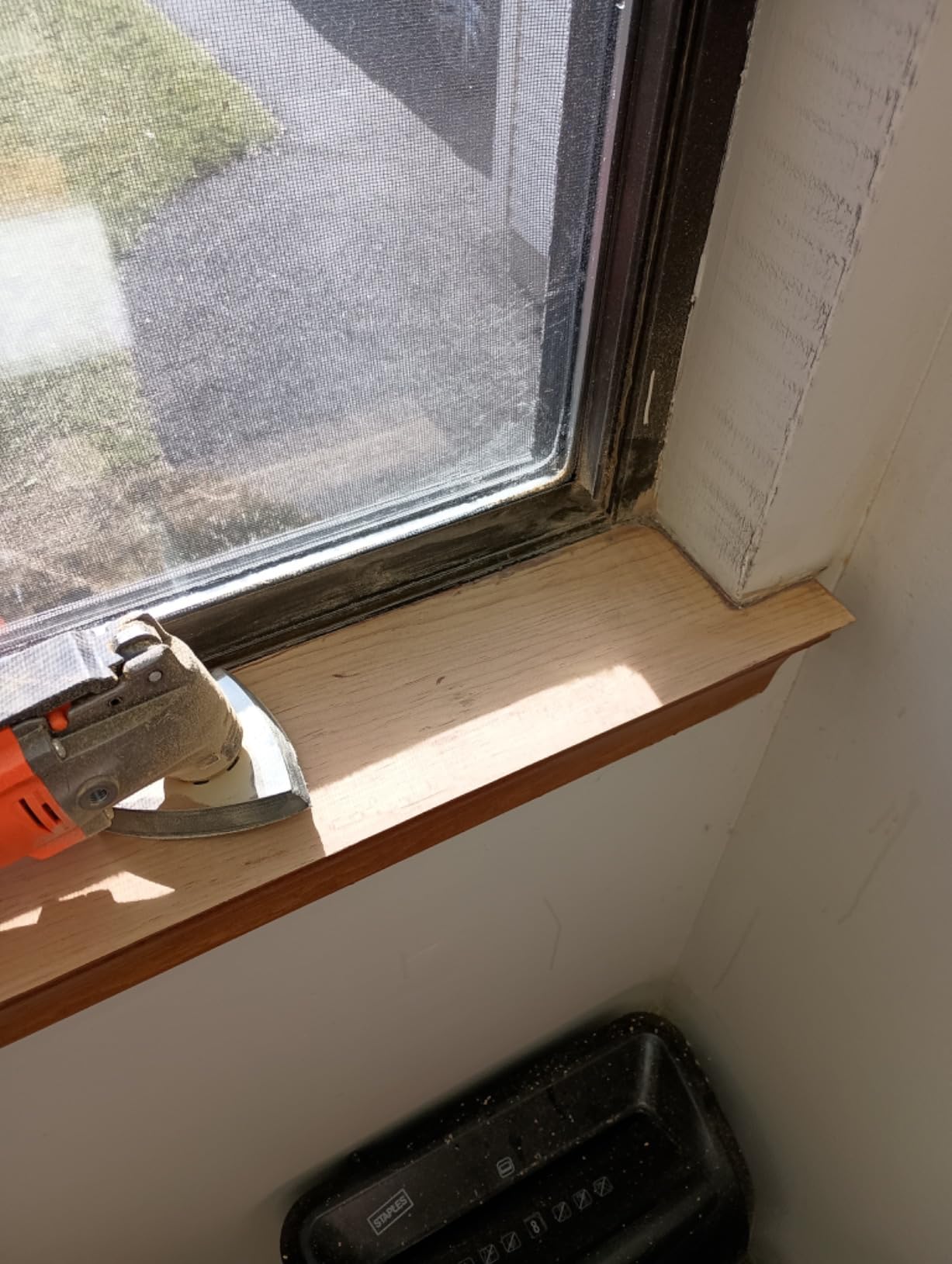
Who this suits
Buyers who already run DeWalt 18V or 20V packs will find the compatibility the deciding factor. It also works for someone who wants one tool that handles ladders and rooftops without a cord, and for anyone who prefers a universal accessory interface that accepts blades from most brands.
Where it falls short
Weight is the honest drawback. At 5.3 pounds it is the heaviest cordless option here, and you feel that on overhead work and long grout sessions. The 3 degree angle is also narrower than picks further down that reach 4 to 4.5 degrees.
Its review feedback is more mixed than the 4.7 to 4.8 rated leaders, which is a fair signal to buy it for the features rather than expecting an identical experience.
8. Makita DTM52Z 18V LXT – Best for Low Vibration
Makita DTM52Z Li-ion LXT Brushless Multi-Tool – Batteries and Charger Not Included, Blue, 18 V
18V cordless
3.6 degree angle
Anti-Vibration Technology
Starlock Max compatible
1.3 kg
Tool only
Pros
- Very low vibration from Makita anti-vibration technology
- Quiet operation for a brushless multi-tool
- Fast cutting that does not bog down in hardwood or metal
- Tool-less Starlock clamp with a rock-solid fit
- Runs cool on an 18V 5Ah pack
Cons
- Batteries and charger are not included
- Head is slightly large which limits blade length options
- Noisy and somewhat heavy for extended continuous work
Vibration is the number one complaint in every tool forum we read, particularly during long grout removal sessions, and owners with wrist or tendon problems actively filter tools by it. The DTM52Z is the pick for that reader. Makita anti-vibration technology and a 1.3 kg body are the reasons.
It is also one of the fastest cutters here. Owners report it outperforming their Milwaukee tools on hardwood, drywall, and metal, and it runs cool on a 5Ah pack rather than heating up. The 3.6 degree oscillation angle is wider than most picks here, which means more material removed per stroke.
Twelve accessory angle settings at every 30 degrees from 0 to 360 is a feature no other tool in this roundup offers. Set the blade where the cut needs it and stop rotating your wrist to compensate. The tool-less Starlock accessory clamp gives a fit that owners call rock solid.
Soft start, a variable speed dial, a slide switch for continuous use, and an anti-restart function round out a control package built for fine work. It fits Starlock Max accessories.
Why vibration isolation matters on a long job
Hand and wrist fatigue is the most repeated complaint across the forums, and it changes how you work rather than just how you feel. Tired hands shake, shaky blades wander off a line, and you start rushing the final pass on trim. A tool that damps the oscillation lets you hold a cut steady for a full evening of grout work without that creeping loss of control.
The forum consensus also frames this as a filter, not a nicety. People with existing wrist issues shortlist tools by vibration before anything else, which is why this pick exists.
Where it falls short
It is a bare tool, so batteries and charger come separately, and G-series batteries are not compatible. The head is slightly large, which limits the blade lengths that fit. Owners also note it is noisy and somewhat heavy for extended continuous work, and it costs more than most cordless picks in this list.
9. Ryobi ONE+ PCL430B – Best for Existing ONE+ Owners
Ryobi ONE+ 18V Cordless Oscillating Multi-Tool (Tool Only)
18V ONE+ cordless
Variable speed dial to 20000 OPM
Lowest vibration in class
1.9 lb
Pros
- Very low vibration for its class
- Lightweight at 1.9 pounds and easy to handle
- Variable speed dial up to 20000 OPM
- Shares batteries with the rest of the ONE+ range
Cons
- No quick-release blade change
- a hex screw must be removed
- Blade retention reported failing after about a month on some units
At 1.9 pounds with the lowest vibration in its class and a speed dial reaching 20,000 OPM, the Ryobi is the lightest cordless tool here. If you already own ONE+ packs and chargers, this is the most direct way to add an oscillating multi-tool to that platform.
Owners describe it as a go-to for trim, skirting, and floor work. On-board accessory storage means the blades stay with the tool, and the lock-on button saves your thumb during long sanding passes. It is also relatively quiet for a brushless-class multi-tool.
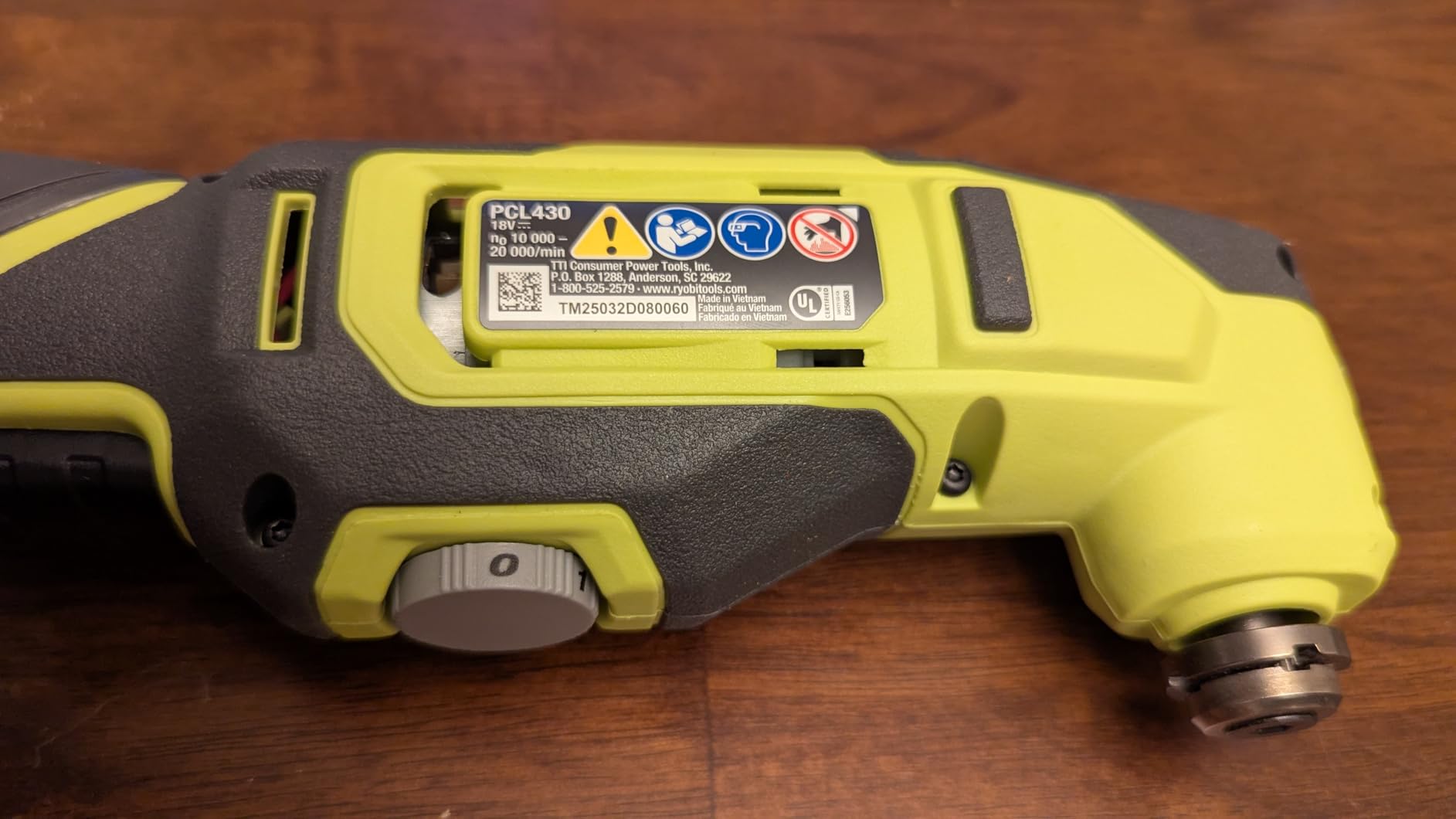
There is a real trade here, and it is the blade mount. Instead of a tool-free lever, you remove a hex screw to change blades. On a job where you swap attachments constantly, that adds friction every single time.
Durability feedback is the other concern. Several owners report the blade retention hardware failing after about a month, and two reviewers describe a rubber vibration isolator pad dislodging and stalling the motor. Customer service responsiveness is praised in those same reviews.
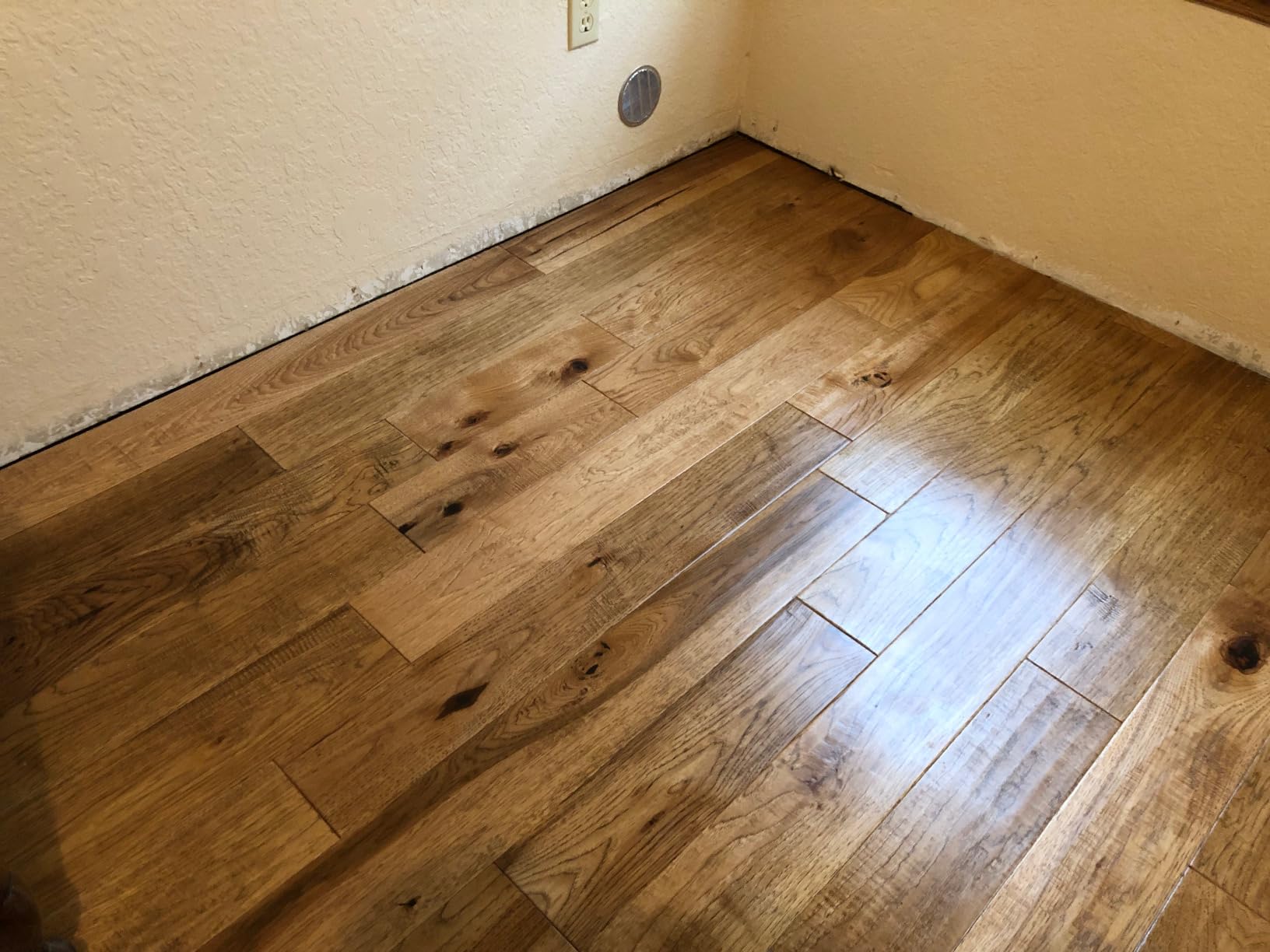
Where a light tool actually earns its keep
Weight is not a spec-sheet abstraction when you are on a ladder or working overhead for an hour. A 1.9 pound tool with low vibration lets you keep the same grip and pressure through a long session, and that is what makes the trade for the screw mount easier to accept. For trim, skirting, and floor work specifically, owners rate it highly.
Where it falls short
The hex screw blade change is the practical annoyance. The 30-day limited warranty is the shortest in this roundup by a wide margin, and it does not cover the durability complaints owners raise. It is also tool only, so if you have no ONE+ packs you are starting the platform from zero.
10. WORKPRO 3.0 Amp Corded Kit – Best for Top-End Speed
WORKPRO 3.0 Amp Corded Oscillating Multi-Tool Kit
Corded 3.0 amp
7 speeds from 15000 to 23000 RPM
3 degree angle
Tool-less 3-step blade change
5.2 lb
Pros
- High top-end speed of 23000 RPM for demanding cuts
- Seven speed settings give fine control across materials
- Tool-less blade change in three simple steps
- Universal accessory interface works with most brands
Cons
- Heaviest kit in this roundup at 5.2 pounds
- Lower review volume than the leading branded options
The highest top-end speed in this roundup is the WORKPRO, topping out at 23,000 RPM across seven settings from 15,000 up. Owners highlight the speed range for renovation work involving pipe, wood, nails, and screws, where you want to move fast through hard material.
Tool-less blade change in three simple steps is straightforward, and the universal accessory interface works with most brands. The 17-piece kit includes two wood and metal blades, three wood and plastic blades, a scraper, a sanding pad, ten sanding sheets, and a carrying bag.
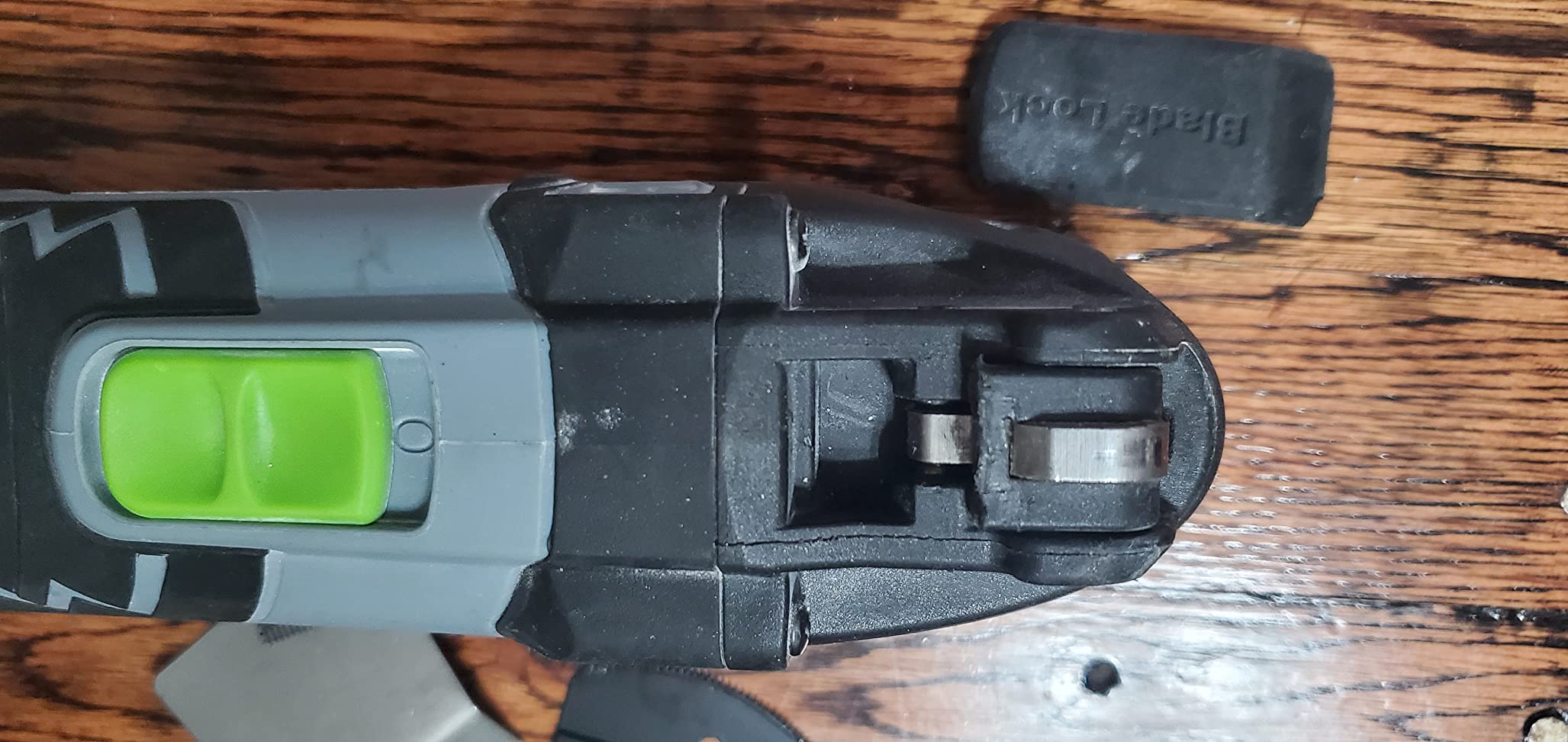
The 3 degree oscillation angle is on the conservative side, which trades raw aggression for control. That suits trim and finish carpentry more than aggressive demolition, where the wider-angle tools below cut faster.
Ergonomic vibration control is built into the grip, and the corded design means no runtime ceiling on a long session.
Where a corded 3 amp tool fits
If you have workbench space and an outlet nearby, a corded tool keeps a low moving-parts profile and no battery aging to think about. The 17-piece kit also means a first-time buyer does not need to buy any blades to get started on a job, which is the hidden cost that catches most new owners.
Where it falls short
At 5.2 pounds it sits among the heaviest kits here, and on overhead or extended work that weight accumulates. Review volume is also lower than the leading branded options, so there is less long-term owner history to lean on.
11. GALAX PRO 86225 2.4A – Best for a Wide Oscillation Angle
GALAX PRO Oscillating Multi-Tool Corded 2.4A, 28pcs Accessories
Corded 2.4 amp
4 degree angle
11000-21000 OPM, 6 speeds
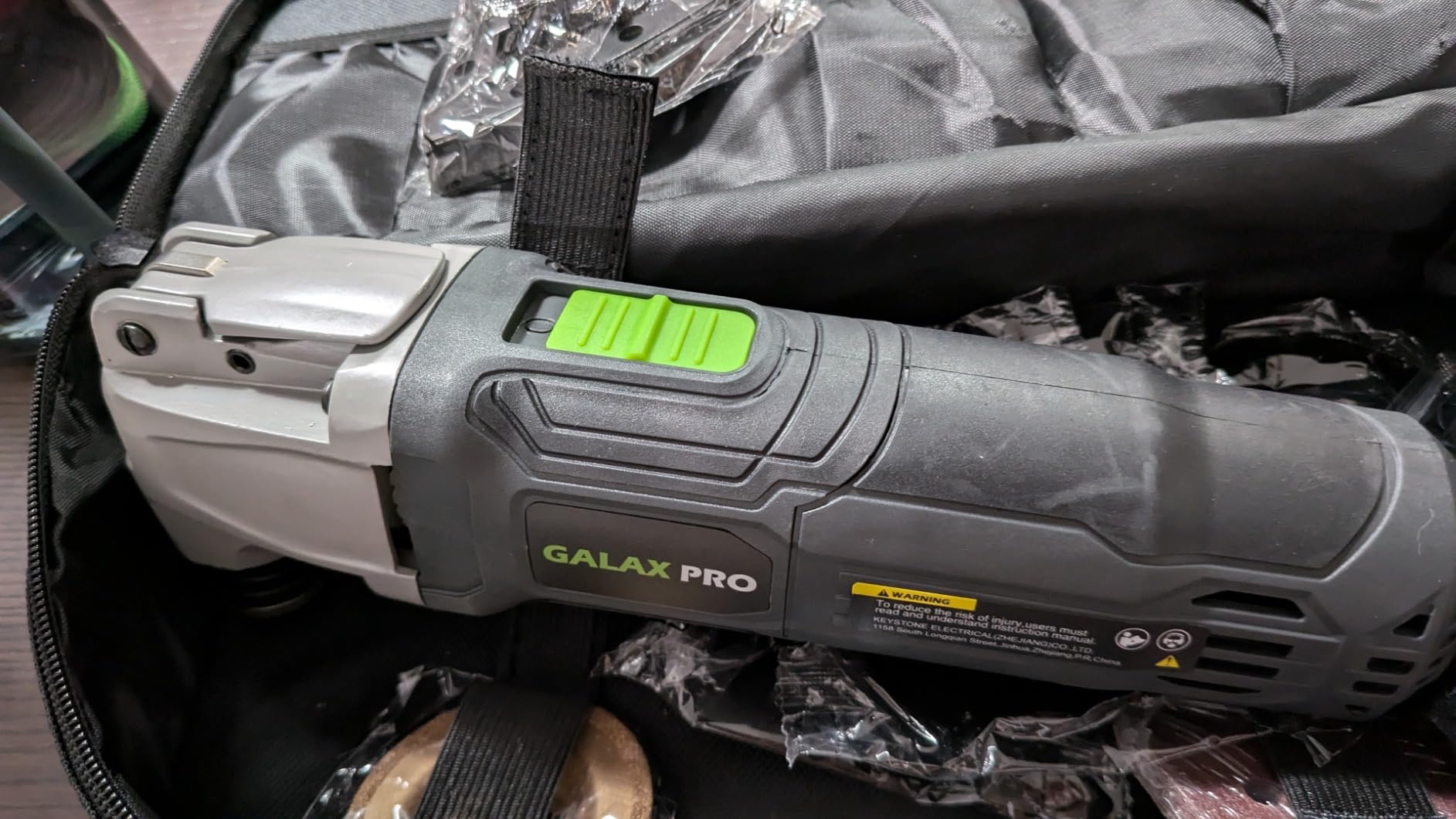
Quick-lock lever
Pros
- Minimal vibration compared with other multi-tools owners have used
- Patented quick-lock lever for fast blade changes
- Consistent power without bogging down on hardwood or metal
- Compact aluminum head reaches cabinet corners
Cons
- Included blades wear out quickly on laminate and hard jobs
- Quick-lock lever pin can work loose and fall out
The 4 degree oscillation angle here is among the widest in this roundup, and that is where the cutting speed comes from. More material removed per stroke means a 2.4 amp motor keeps up on hardwood and laminate better than the amps number alone suggests.
Owners who compare it against Porter Cable and Black+Decker rate it at or above those tools and call it a strong value. Minimal vibration is the most repeated positive, allowing precision work that other budget tools cannot, and the patented quick-lock lever is singled out as better than most competitors.

Six speeds from 11,000 to 21,000 OPM, 288 watts, and a compact aluminum head that reaches into cabinet corners and behind toilets. Universal-fit accessories mean the blade caddy is not locked to one brand.
The kit includes carbide blades, HCS and bi-metal saw blades, a sanding pad, sanding paper, and a storage bag, which covers cutting, scraping, and sanding out of the box.
Why a wide angle matters for laminate
A wider oscillation angle moves more material per stroke, which matters most on dense, flat work like laminate, engineered hardwood, and glued subfloor. It is also why the quick-lock lever matters here: when you are swapping between a plunge blade for cuts and a scraper for adhesive, that speed adds up across a floor.
Where it falls short
Included blade durability is the main recurring criticism, especially on laminate. The quick-lock lever retaining pin can work loose and fall out, which is a small failure that stops work until you find the part. And the lightweight body means blades can heat up on heavy cutting, so pace yourself rather than leaning into it.
12. AVID POWER MW146 3.5-Amp – Best for Two-Hand Control
AVID POWER Oscillating Tool, 3.5-Amp Oscillating Multi Tool with 4.5° Oscillation Angle, 6 Variable Speeds and 11 pcs Saw Accessories, Auxiliary Handle
Corded 3.5 amp
4.5 degree oscillation angle
6 variable speeds
Auxiliary side handle
Pros
- Punches above its price class with plenty of cutting power
- 4.5 degree angle improves cutting efficiency
- Tool-less lever blade changes without a wrench
- Auxiliary handle adds stability
Cons
- Some units stop powering on without warning
- Blade retention pins can break or loosen
- Runs hot during extended sanding
The 4.5 degree oscillation angle is the widest in this roundup, so this tool moves the most material per stroke on any of them. Owners describe it as powerful and well built for what it costs, using it for grout removal, door jamb cuts, and loft-bed builds.
The auxiliary side handle is the reason to pick this one specifically. Two-handed control on a plunge cut through a thick baseboard or a stubborn laminate stack makes a real difference in whether the cut stays on the line.
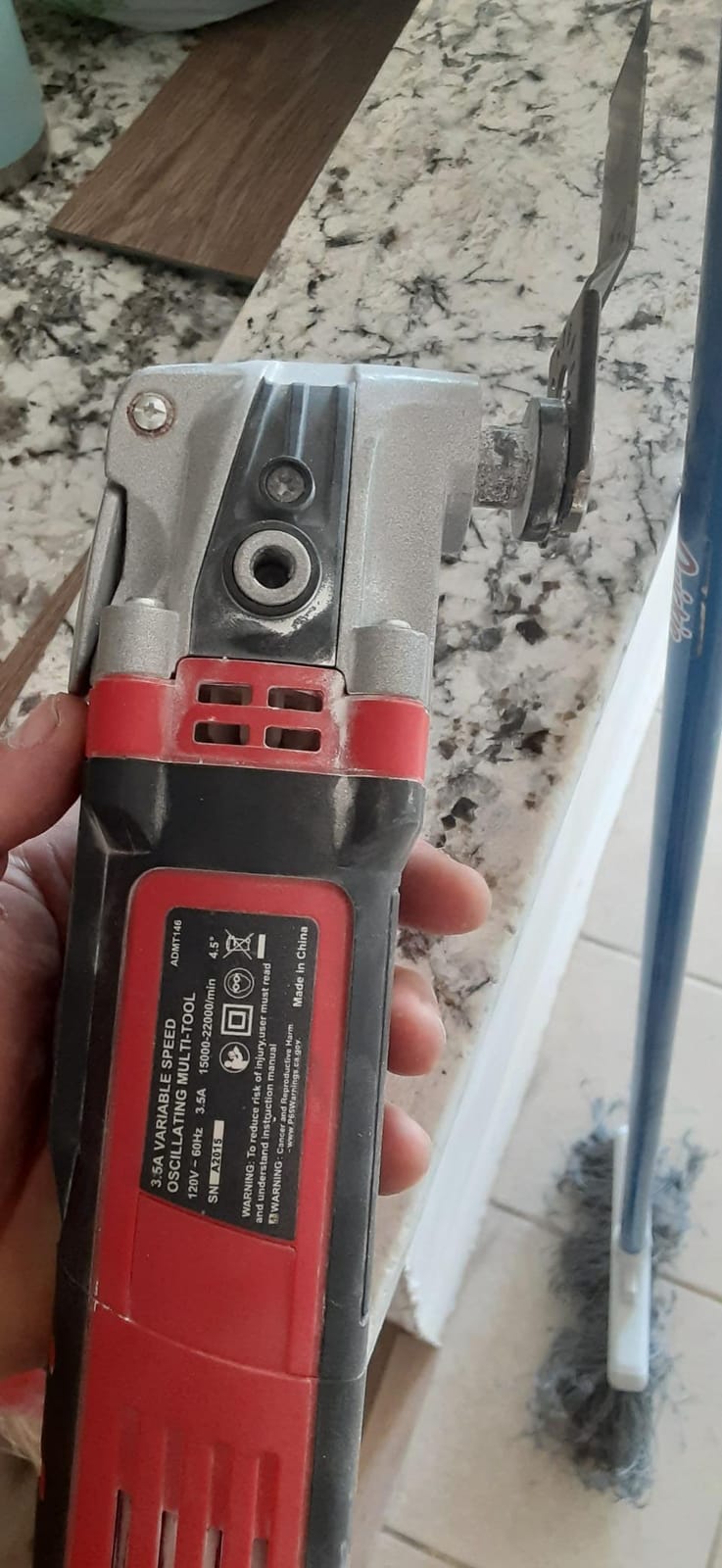
Six variable speeds, a quick-change accessory lever, and a universal fit system matching most blade brands round out a genuinely capable spec sheet. Two spare carbon brushes are in the box, which is a thoughtful touch given they are a consumable part on a brushed motor tool.
AVID POWER customer service draws repeated praise, with reviews describing free replacement units shipped after failures. That kind of service history matters on a tool category where small components fail.
Where two-handed control earns its place
Any plunge cut where the blade enters material at an angle rather than nose-first benefits from a second hand on the tool. Door jamb undercuts, cutting the bottom of a door casing, and trimming a built-in shelf are all cases where the auxiliary handle keeps the blade square. The universal fit system also means you are not locked into one blade brand.
Where it falls short
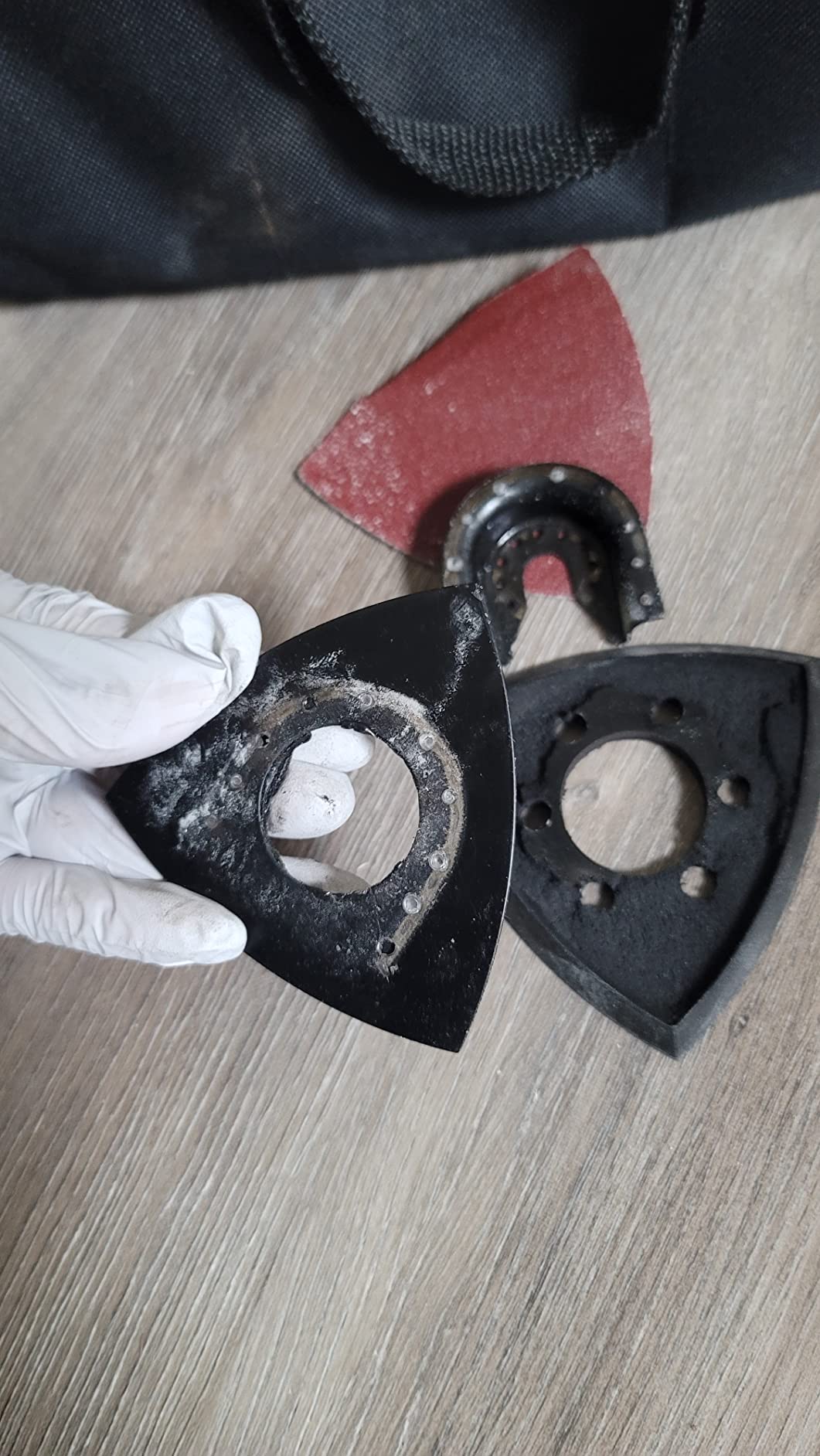
Durability is the recurring pattern. Multiple owners report the tool refusing to power on, and blade-retaining pins breaking or loosening. It is also noisy enough to require hearing protection and runs hot during extended sanding, which ties back to the lighter motor housing.
The manual offers limited troubleshooting guidance, so have a replacement strategy if you go this route.
How to Choose an Oscillating Multi Tool
Corded vs cordless: which one wins on a renovation
Cordless wins on mobility. Ladders, attics, crawl spaces, garages, and any room without a usable outlet are simply out of reach otherwise. That is the majority of the reasons people buy one of these tools in the first place.
Corded wins on endurance and cost of entry. No battery aging, no platform lock-in, no runtime ceiling on a long demo session. A 3 amp corded tool will keep cutting at a rate a battery pack cannot sustain once the pack warms up.
If you already own batteries on any of the platforms in this roundup, cordless is close to automatic. If you own none and your work is at a bench, corded is a rational first purchase.
Oscillation angle and OPM: the two numbers that matter
OPM is the headline number, and it is the least useful on its own. Every tool here runs somewhere between 10,000 and 23,000 oscillations per minute, and in practice the difference between 18,000 and 21,000 matters far less than you would think. The mid-range speed is where most cutting happens.
Oscillation angle is the number that actually predicts cutting speed. A tool with a 3 degree arc sweeps a narrower path, so it moves less material per stroke. A tool at 4 to 4.5 degrees removes noticeably more per pass. The picks here span 3 degrees up to 4.5 degrees, and that spread shows up most on dense, flat work.
Blade interfaces: what universal fit actually means
There are four interface systems in this category and they do not cross over cleanly. OIS is the older DeWalt-style mount accepted by many budget tools. Starlock, Starlock+, and Starlock Max are Bosch-family tiers, with each step adding accessory capability, including the Starlock Max fit on the Makita pick here.
What matters for you: if you already own blades, check the mount before you buy the tool. A tool that accepts most brands through an included adapter, like the universal accessory adapters on the DeWalt kits and the universal interfaces on the WORKPRO, GALAX PRO, and AVID POWER, gives you the most freedom to shop blades on price.
Speed control: detents, dials, and triggers
Three detents like the DCS356 are simple and repeatable. Six speeds give finer control across materials. Twelve settings, as on the Milwaukee, let you match an exact speed to a specific material rather than settling for the nearest notch. A variable-speed trigger is the most intuitive for start-and-stop detail work.
Our preference is a dial or a high step count for long sessions, and a trigger for control work. Most tools here offer one or the other, and a few offer both.
Vibration, weight, and wrist comfort
This is the top pain point across every tool community we read, and it deserves more weight than it gets in most roundups. Long grout removal sessions are the worst case, because you are pressing a reciprocating motion into your wrist for an hour at a time with material generating resistance.
The specs that help: weight listed with no battery, isolation systems like the Makita anti-vibration tech, counterbalanced bodies like the Dremel Multi-Max, and grip damping like the Ryobi and the ENERTWIST. If you have existing wrist or tendon issues, filter on this before anything else.
Second order but real: keep blades sharp. A dull blade increases drag, drag increases vibration, and a blunt blade is the most common cause of the burning complaints in this category. Replace rather than push through.
Tool only versus kit, and what lands in the box
The listings here range from fully kitted to completely bare, and the difference is bigger than it looks. Kits such as the DEWALT DCS356C1, KIMO L23Q3B, and ENERTWIST ETOM500C include a battery, charger, and accessory set. Bare tools such as the Makita DTM52Z, Ryobi PCL430B, and Milwaukee 2626-20 include the tool and sometimes a blade or two, and nothing else.
Check the included components line before you buy, and treat blades as a separate line in your budget. A medium quality bi-metal blade plus a carbide-tooth grout blade plus a rigid scraper plus a triangle sanding pad covers the overwhelming majority of renovation jobs.
Which Renovation Job Needs Which Tool
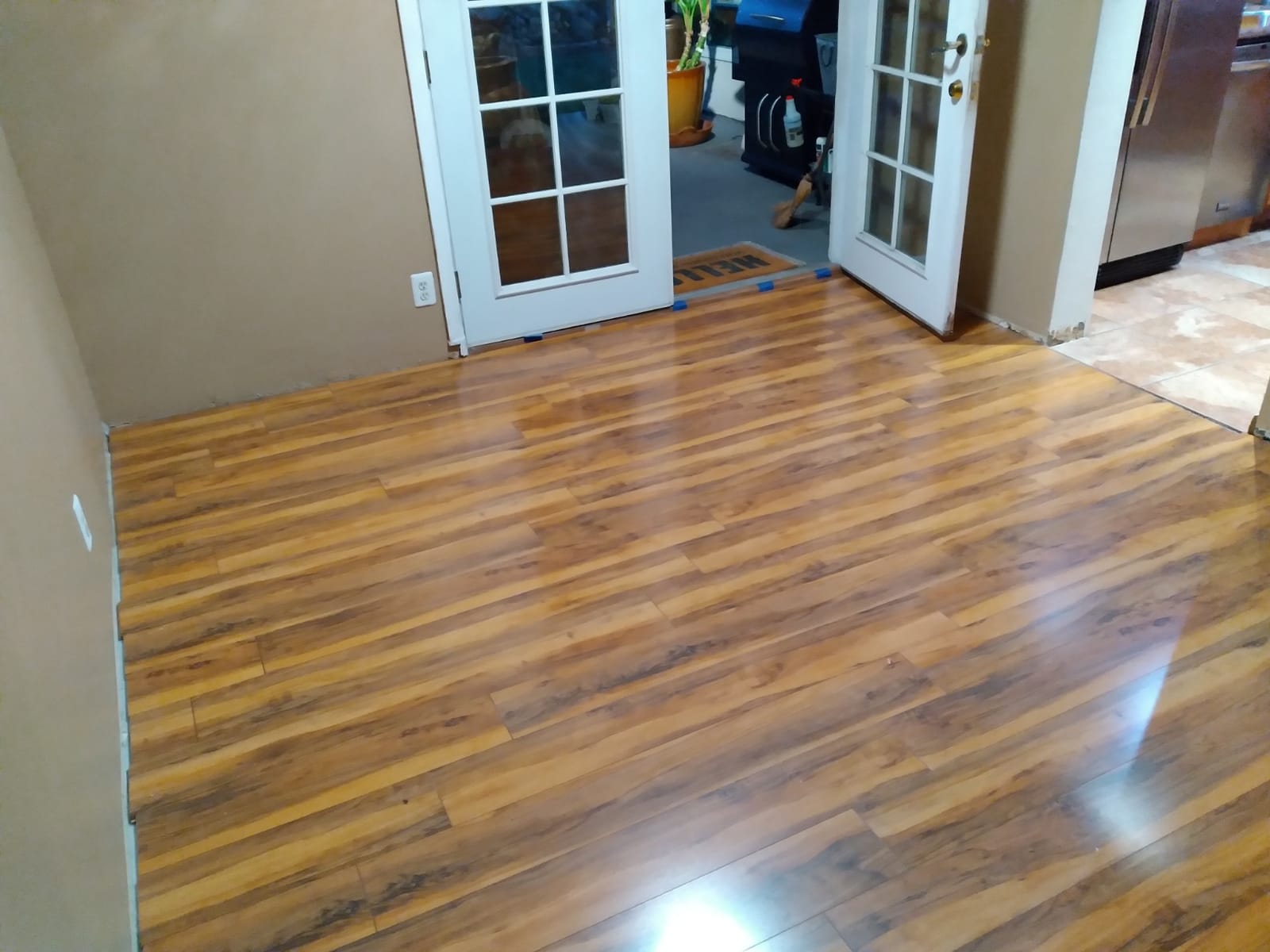
Flooring installs, from undercutting door jambs to trimming subfloor: pick a tool with a wide oscillation angle and a flush-cut blade. The GALAX PRO at 4 degrees and the AVID POWER at 4.5 degrees sweep the most material per stroke, and the Dremel Multi-Max angled body makes flush cuts easier to control.
Drywall cutouts and patches: you want low speed control and a narrow plunge blade. The DCS354 with its trigger-only speed control is the pick, and the Makita DTM52Z with 12 angle settings wins if you are making many small openings where blade angle matters.
Grout and tile removal: this is the vibration and battery endurance job. The Makita DTM52Z for isolation, the Dremel Multi-Max for corded strength, and the DEWALT DCS356C1 for cordless runtime. Carry spare carbide grit blades, because this job consumes them faster than any other.
Trim carpentry and baseboard: light weight and low vibration matter most. The Ryobi PCL430B at 1.9 pounds and the DEWALT ATOMIC DCS354B at 2.3 pounds are the two most comfortable for long trim runs, and both accept blades from other brands through the adapters they ship with.
Pipe trimming, PVC and copper: you want speed range and a stable body. The WORKPRO with seven speeds up to 23,000 RPM and the Milwaukee with twelve settings give the most control across thin and thick wall pipe.
Adhesive and paint removal: scraper blade plus a broad sanding pad, at low speed. The GALAX PRO and KIMO kits both ship scrapers and pads, and the KIMO is the one to pick if you need to do this without an outlet.
Corner and detail sanding: triangle sanding pad, low OPM, and grip damping. The Milwaukee 2626-20 ships a sanding pad with assorted sheets, and the Makita’s anti-vibration handling is the comfortable choice for a long evening of it.
Who Should Skip an Oscillating Multi Tool
Skip it if your project is heavy structural demolition. An oscillating multi-tool is a precision and finish tool. Framing lumber, structural beams, and thick hardwood are jobs for a circular saw, reciprocating saw, or a bandsaw, and forcing a multi-tool into that work wastes blades and tests the gear case.
Skip it if you need to rip boards. It cuts across the grain and finishes a cut, it does not cut a straight line down the length of a board.
Skip it if the job is one small task. Forum threads ask this constantly, and the honest answer is that a manual tool or a borrowed multi-tool is often the right answer for a single flush cut. For a whole renovation, one pays for itself quickly.
Rental is worth considering for a genuinely one-off job. A full day with a rental multi-tool plus a blade set often covers a single bathroom grout removal. The math changes as soon as you expect to own the tool for more than a few weekends.
Frequently Asked Questions
Which brand has the best oscillating multi-tool?
The DEWALT 20V MAX XR kit rates 4.8 across more than 12,000 reviews and takes our top spot for control across three speed settings plus a variable-speed trigger. Milwaukee is the strongest alternative for raw cutting speed and a five-year tool warranty. Makita leads on vibration isolation with anti-vibration technology and a 3.6 degree oscillation angle. For most home renovators the deciding factor is which battery platform you already own.
Which oscillating multi-tool is the best value?
The KIMO L23Q3B is our best value pick. It includes a 20V battery, a charger, and a 26-piece accessory kit, with six speeds from 5,000 to 21,000 OPM and a 3 degree oscillation angle. Owners comparing it to premium tools usually conclude it delivers most of the capability at a fraction of the cost. The main limits are roughly 30 minutes of runtime from the 2.0Ah pack and a one-year warranty.
Which oscillating tool is better, DeWalt or Milwaukee?
DeWalt wins on control and rating. The DCS356C1 holds a 4.8 average over more than 12,000 reviews with three speed settings, a dual-grip trigger, and a universal accessory adapter. Milwaukee wins on fine-grained speed control and durability. The 2626-20 offers twelve settings from 11,000 to 18,000 OPM, an all-metal gear case, and a five-year warranty. If you already own one platform, buy into it.
Can an oscillating multi-tool cut a 2×4?
Not practically, and you should not try. An oscillating multi-tool is built for plunge cuts, flush cuts, grout removal, scraping, and detail sanding in tight spaces, not for cutting through structural lumber. For a 2×4, use a circular saw or reciprocating saw. What the multi-tool does handle is cutting nails and screws flush in place after demolition, which is the part that actually slows down a renovation.
Do all blades fit all oscillating tools?
No. There are four interface systems: OIS, Starlock, Starlock+, and Starlock Max, and they do not cross over cleanly. Some tools include a universal accessory adapter that accepts most brands, as on the DEWALT DCS356C1 and the KIMO L23Q3B. The Makita DTM52Z fits Starlock Max accessories, and the Ryobi PCL430B uses a hex screw mount rather than a lever. Check your mount before buying blades.
Is it worth getting a multi-tool for home use?
Yes, if you do any flooring install, drywall patching, trim work, or grout removal. These are exactly the cuts a circular or reciprocating saw cannot reach, particularly flush-cutting a door jamb already in place or removing grout without chipping tile. For a single small task, renting may be enough. For a renovation, the tool plus a starter set of blades pays for itself quickly.
Final Picks for Your Next Renovation
Our pick for the best oscillating multi tools for home renovation is the DEWALT DCS356C1. It pairs three detented speeds with a variable-speed trigger for fine control, carries the highest review volume in this roundup, and ships as a kit with a battery and charger so it is ready on day one.
Take the Milwaukee 2626-20 if you want twelve speed settings and a five-year tool warranty. Take the Makita DTM52Z if vibration is your concern. Take the KIMO L23Q3B if you want everything in one box without joining a battery platform.
Whichever you pick, budget for blades, not just the tool, and keep them sharp. If you want a broader view of the category, our guide to oscillating multi tools for home projects covers the accessory side in more depth.
We keep these picks updated through 2026 as new models land and prices shift. Check the buttons above for the current listing details.