
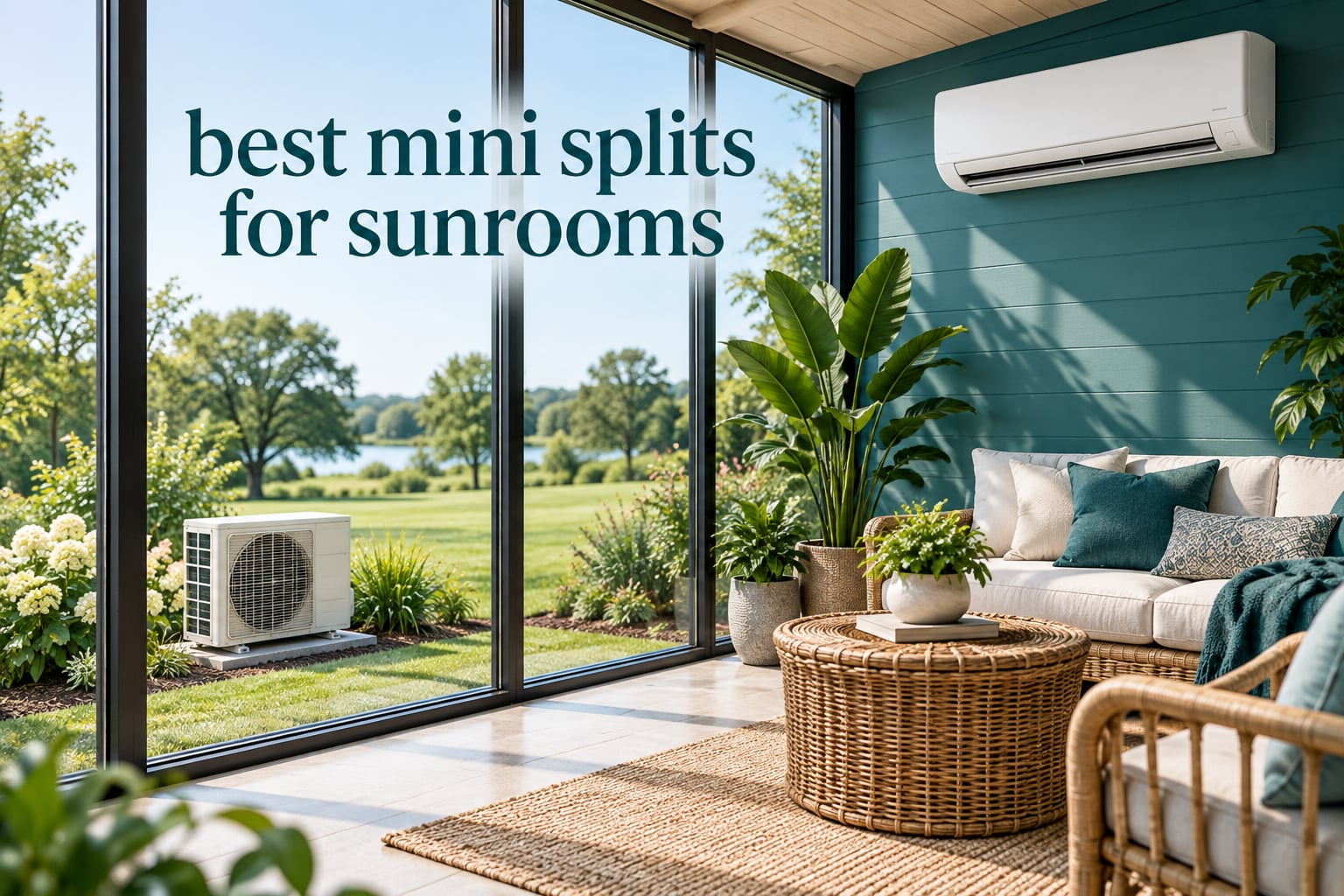
Quick Answer: The best mini split for most sunrooms is the Senville LETO 12,000 BTU, a 110V inverter heat pump rated for heating down to 5F. The COSTWAY 12,000 BTU is one of the quietest options at 23 dB and carries a 5-year parts and 8-year compressor warranty, and the DELLA Vario 24,000 BTU handles large all-glass rooms on a 230V circuit. Sunrooms need roughly 30 to 50 BTU per square foot, not the standard 20, because glass transmits solar heat that walls block.
Most of the advice out there about sizing a ductless mini split is wrong for a sunroom. The standard rule of 20 BTU per square foot assumes insulated walls, a normal ceiling height, and windows that face somewhere other than the setting sun. A glass-walled sunroom breaks every one of those assumptions, and buyers who follow the standard rule end up with a unit that runs constantly and never catches up.
We spent the last several weeks reading the specs, the owner feedback, and the forum threads where sunroom owners argue about this exact sizing decision. What follows is a roundup of eight ductless heat pumps, each tied to a specific sunroom situation rather than a generic ranking. We also cover where to mount the outdoor condenser, what installation actually involves, and the honest limits of what any mini split can do for a three-season room.
If you are still deciding on the room itself, start with our sunroom buyer’s guide before you pick equipment, because glass type changes the sizing answer more than square footage does. If your sunroom is small and you also want a second zone elsewhere, our small-space ductless picks cover the fit and finish options in more detail.
Table of Contents
Top 3 Mini Splits for Sunrooms for October 2026
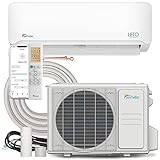
Senville LETO 12,000 BTU
- 110V plug-in power
- Heats down to 5F
- Pre-charged 16 ft line set
- Alexa and app control

COSTWAY 12,000 BTU
- 23 dB operation
- 5-year parts and 8-year compressor warranty
- 115V power
- Self-cleaning coil

The Senville LETO takes the overall spot because it pairs 12,000 BTU of capacity with a 110V circuit, a pre-charged line set, and the deepest review history in this group. The COSTWAY edges it on noise and warranty. The DELLA Vario is the only pick here that can carry a genuinely large all-glass room, at the cost of a 230V circuit and pro installation.
Best Mini Splits for Sunrooms in October 2026
| Product | Specifications | Action |
|---|---|---|
| Senville LETO 12,000 BTU |
|
Check Latest Price |
| DELLA Vario 24,000 BTU |
|
Check Latest Price |
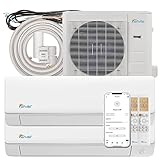 Senville 18,000 BTU Two-Zone Senville 18,000 BTU Two-Zone |
|
Check Latest Price |
 Rellytech 18,000 BTU Rellytech 18,000 BTU |
|
Check Latest Price |
 ROVSUN 9,000 BTU ROVSUN 9,000 BTU |
|
Check Latest Price |
| COSTWAY 12,000 BTU |
|
Check Latest Price |
 Cooper and Hunter MIA 12,000 BTU Cooper and Hunter MIA 12,000 BTU |
|
Check Latest Price |
 Temprium 12,000 BTU Temprium 12,000 BTU |
|
Check Latest Price |
1. Senville LETO 12,000 BTU – Best Overall for a Mid-Size Sunroom
Senville LETO Mini Split Air Conditioner, Heat Pump, White, 12000 BTU
12000 BTU cooling
Heating to 5F
110V
SEER 20.8
28 dB
5 year compressor warranty
Pros
- Deepest review history in the group at over 2000 ratings
- 110V power means no electrical upgrade for most rooms
- Pre-charged for up to 25 ft of line set
- Alexa and app routines work with no extra hub
- 28 dB indoor noise suits an office or reading room
Cons
- Heat pump output falls off below 5F outdoor temperature
- Professional installation is required
- Warranty is 2 years parts and 5 years compressor
We picked the LETO as our best overall because the electrical story is what trips up most sunroom buyers. It runs on 110 volts, so in an older room without a dedicated circuit you may be able to reuse an existing outlet instead of running a new 230V line. For a room that is mostly glass and roughly 200 to 300 square feet, 12,000 BTU with 5F heating is the combination we keep coming back to.
Owners consistently report strong cooling and quiet operation, and the Alexa integration is one of the more reliable implementations in this group. The app lets you set routines, which matters in a sunroom because the room gains heat long before it feels hot indoors. Schedule a pre-cool before you get home rather than trying to pull the room down from a standing start.
The honest limitation is winter performance. The heat pump function is rated to 5F, which covers most shoulder seasons and moderately cold winters, but it will not carry a four-season sunroom through a deep cold snap on its own. If your sunroom is insulated and you want heat below single digits, this is not the unit. That is the entire reason cold-climate variants exist, and the honest answer is that none of the eight picks in this roundup carries a deep cold rating below -4F.
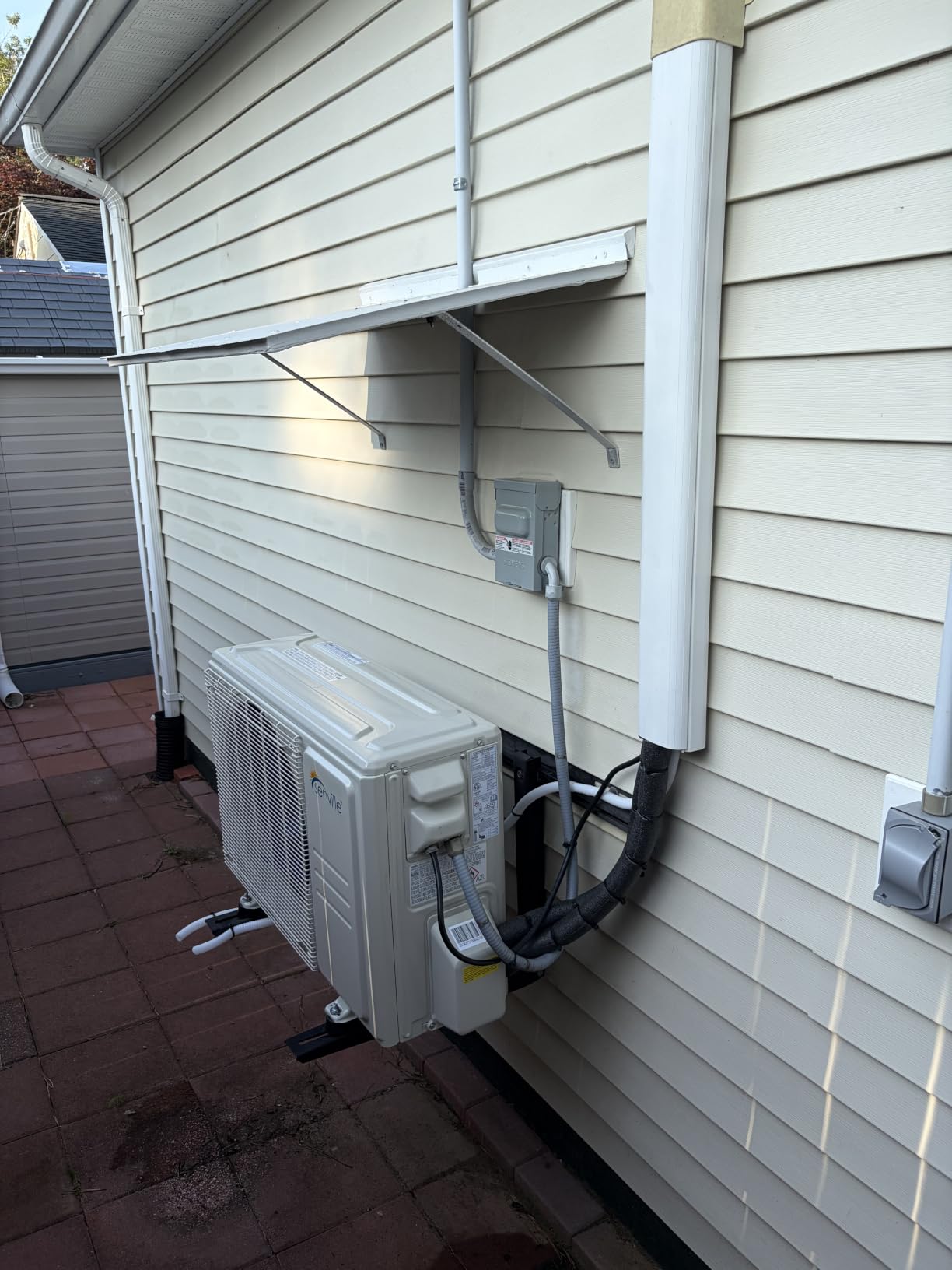
Installation is a professional job here. The kit comes pre-charged for up to 25 feet of line set, which usually covers a sunroom attached to the house, but the unit still needs a proper line-set run, a drain line with a visible slope, and correct electrical protection. If your sunroom sits far from the house wall where the condenser will mount, the pre-charge may not stretch and refrigerant has to be added by a technician.
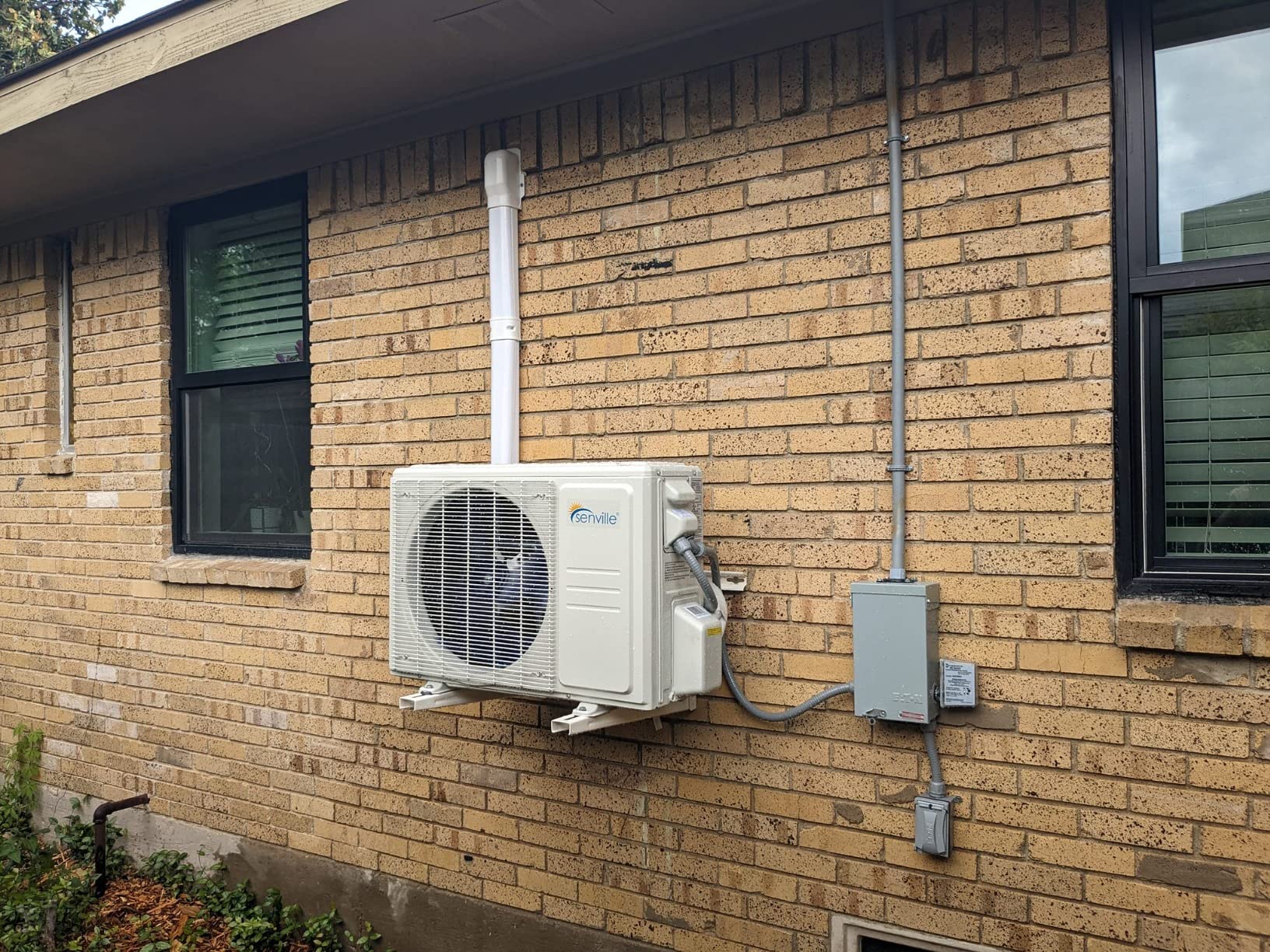
How it fits a glass room in practice
A mid-size sunroom with mixed orientation is exactly what this unit is sized for. At 12,000 BTU you are covering the 30-40 BTU per square foot band for a room in the 200 to 300 square foot range once you account for glass area and a standard ceiling.
Because it is a high-wall unit, mounting height matters more than it does in a normal bedroom. Mount it high on an interior wall or on the wall least exposed to direct sun so the discharge air has room to travel across the glass rather than straight into it.
Where it falls short
If you have an uninsulated three-season sunroom with single-pane glass, this unit will cool it, but no unit makes that room comfortable in January. The bigger problem is humidity, and owners do report damp-air complaints on units in this class during muggy stretches. A dedicated dry mode helps, but it is a comfort improvement rather than a fix.
Warranty length is also thinner here, with five years of compressor coverage, which is worth weighing if you plan to keep the sunroom unit for a decade. Our line set guide covers the run length limits that decide whether a pre-charged kit is enough or you need added refrigerant.
2. DELLA Vario 24,000 BTU – Best for Large All-Glass Sunrooms
DELLA Vario Series 24000 BTU Mini Split AC, 2 Ton 21 SEER2, Work with Alexa and Wifi, 230V Ductless Inverter System, Cools Up to 1500 Sq.Ft, Pre-Charged Heat Pump and 16.4ft Installation Kits
24000 BTU cooling
21 SEER2
230V
Heats to -4F
Cools to 1500 sq ft
36 dBa
Pros
- 24000 BTU is the largest capacity in this group for a 400 sq ft plus all-glass room
- 21 SEER2 is efficient for a unit this large
- Heating works down to -4F
- App reads room temperature at the remote
- 4D airflow swing covers a wide ceiling
Cons
- Requires a 230V circuit and professional installation
- Outdoor noise spec is 36 to 51 dBa
- Included line set wrap and drain tubing reported to deteriorate
This is the pick for a sunroom that is genuinely large, or one where the glass is the whole west wall. At 24,000 BTU it is the only unit in our group that can carry a 400 square foot all-glass room without running itself flat, and it is the only pick here with a sub-zero heating rating, at -4F.
The efficiency numbers are strong for the class. SEER2 of 21 on a two-ton unit means the running cost over a hot summer is not going to surprise you, and the smart sensor reading temperature at the remote control is a genuinely useful feature in a room with a glass roof where the top of the space is much warmer than the floor.
Owners highlight cooling power and low vibration, and the app scheduling works well for pre-cooling before the afternoon solar gain peaks. Several reviewers specifically mention that the unit held a large open space on the first day of operation, which is the real test for a sunroom install.
The drawbacks are worth taking seriously. This is a 230V system, so you are almost certainly looking at a new dedicated circuit and panel work, which is the single largest cost driver in a sunroom project. Reviewers also report the included Teflon wrap on the line set being thin and short for a hot climate, and drain tubing and copper line insulation deteriorating inside two years on some installs. Ask your installer to supply its own insulation rather than relying on what is in the box.
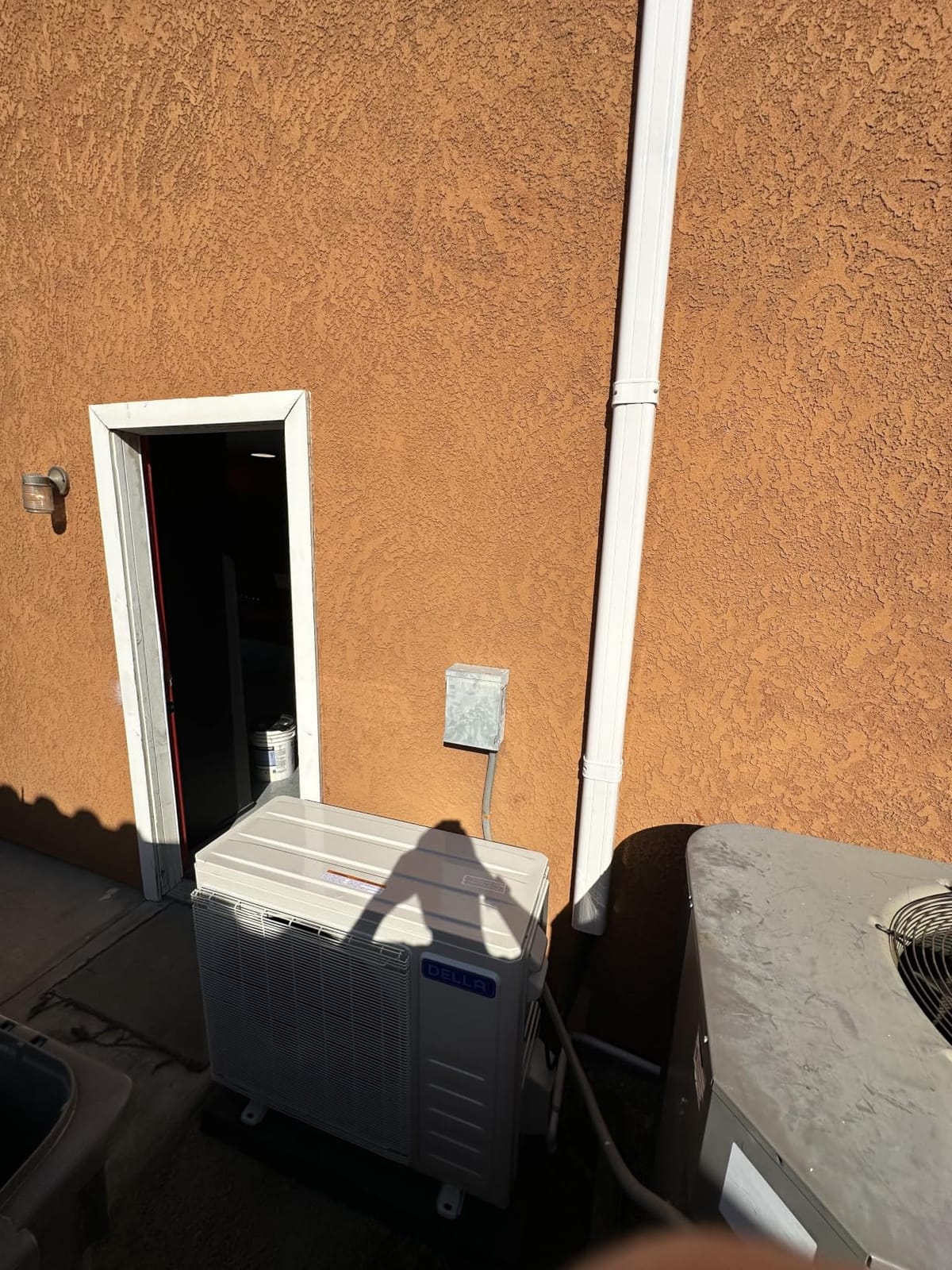
How it fits a glass room in practice
Use this when your room is 350 square feet or larger, when the glass wraps three or four walls, or when a glass roof or cathedral ceiling adds a vertical heat gain that a wall-mounted head in a low-ceiling room simply cannot address. It also makes sense for a sunroom you intend to use in winter with a modest backup heat source on the coldest nights.
Because it is a two-ton system, think hard about short cycling. If you can keep the room above roughly 250 square feet, the unit will have enough load to run properly rather than cycling on and off in a small glass box, which is what really wears out an inverter compressor.
Where it falls short
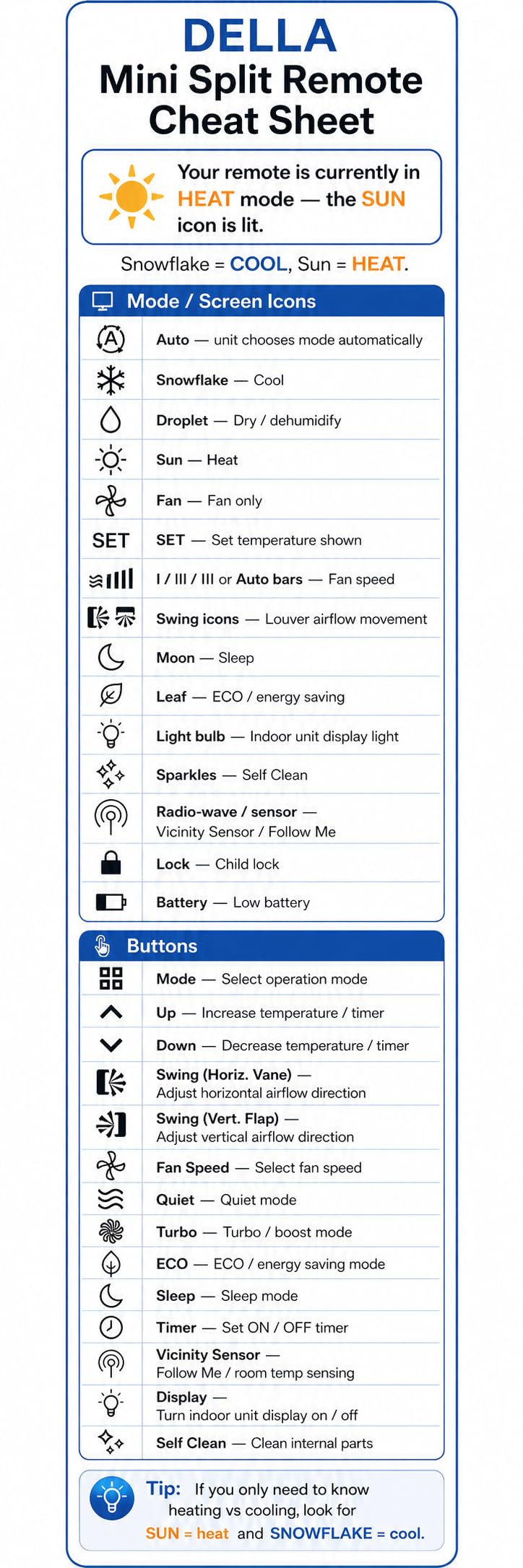
This is a pro-install product with no DIY path, and the installation complexity is real. The remote is the primary control, and owners report it is easy to lose with modes shown only as small icons, so plan on using the app as the main interface. If your sunroom is under 200 square feet, this is far more unit than the room needs.
3. Senville 18,000 BTU Two-Zone – Best for a Sunroom Plus an Adjoining Room
Senville Mini Split AC/Heating System, 2 Zone, 18000 BTU
18000 BTU two-zone
22.5 SEER
230V
7 year compressor warranty
ENERGYSTAR 4 star
Pros
- One outdoor unit serves two separate rooms
- 22.5 SEER is the highest efficiency figure here
- 7-year compressor warranty
- Individual temperature control per head
Cons
- Heaviest system in the roundup at 150 lb
- Outdoor noise spec of 61.5 dB is the highest listed
- Professional installation required
Most sunroom questions are really two questions. One is how to cool the glass room. The other is that the sunroom is now warm, the door to the house is always open, and the adjacent room is paying for it. A two-zone system is the cleanest answer, and this Senville configuration handles both sides of that with one compressor.
You get separate indoor handlers on a single 18,000 BTU outdoor unit, which means the sunroom and the adjoining room can sit at different temperatures instead of one thermostat dictating both. For a sunroom that is used as an office next to a living room, that difference is the whole point.
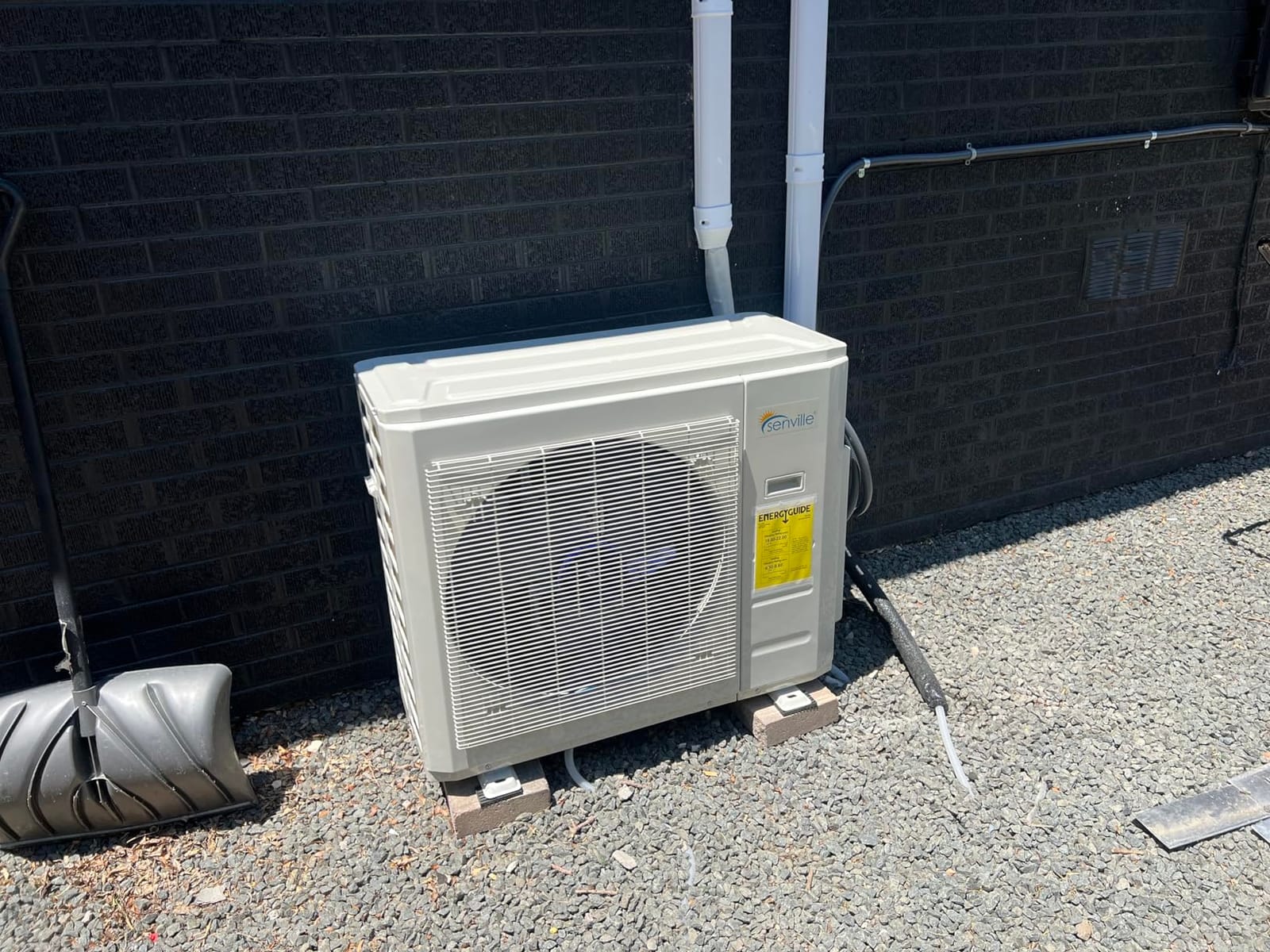
Efficiency is the standout spec. At 22.5 SEER with an ENERGYSTAR four-star rating, this posts the highest published efficiency figure in the group, and the 7-year compressor warranty matches the longest coverage here. Owners highlight the scheduling and routines in the app, which lets you set the sunroom to condition itself before you walk in.
The tradeoffs are physical. At 150 pounds total this is the heaviest system here, and the installation is more involved because two line sets and two electrical feeds have to reach separate heads. The 61.5 dB outdoor noise figure is the highest in this roundup, and in a tight courtyard or on a patio directly outside a bedroom, siting the condenser becomes a real decision.
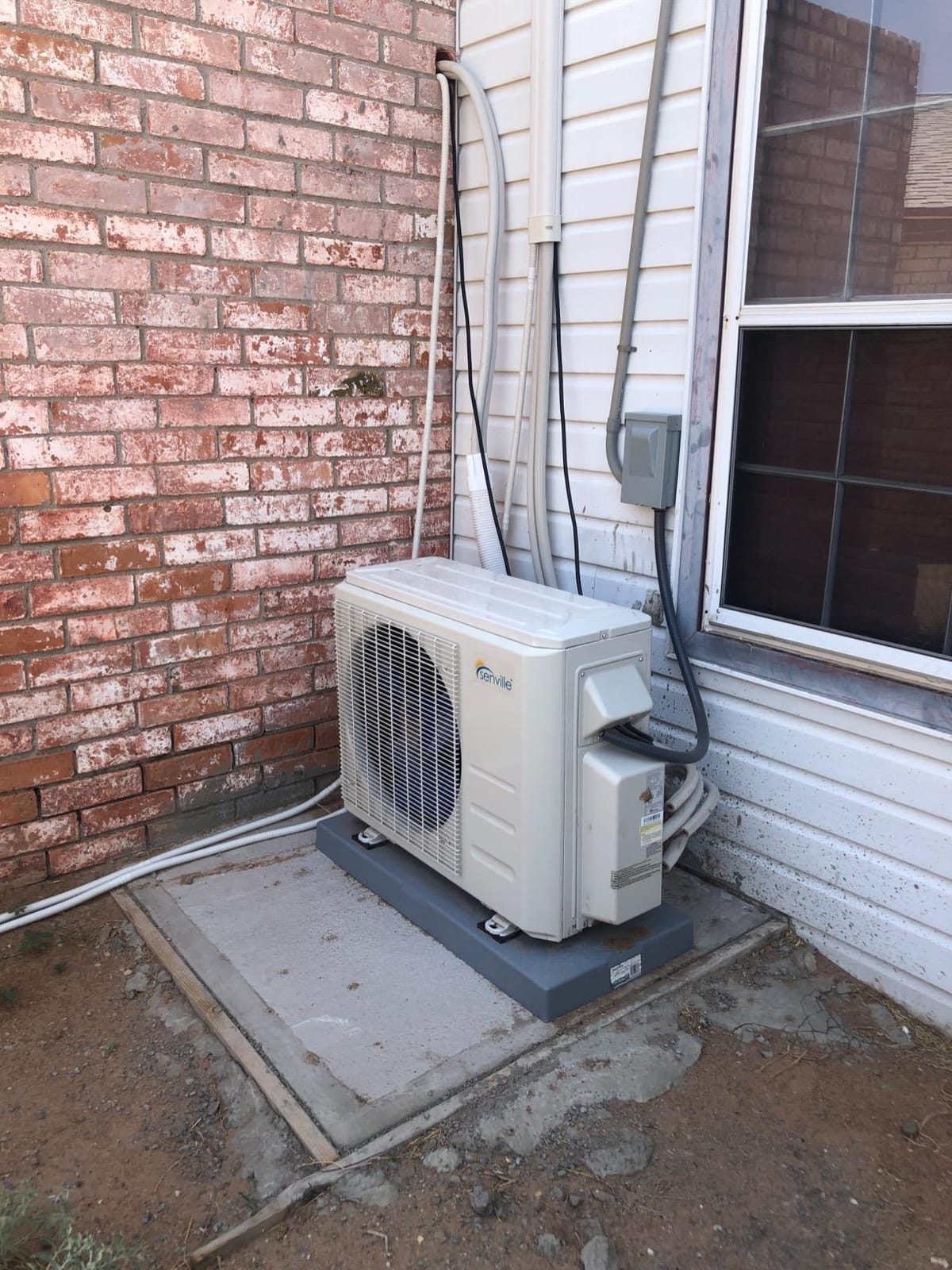
How it fits a glass room in practice
This is the right choice when the sunroom is 150 to 300 square feet and shares a wall with a conditioned room you also want on comfort control. It is also the natural fit for a sunroom over a garage or a second-floor addition where running a second full system is not practical.
Budget the electrical carefully. A two-zone system needs a properly sized 230V circuit with a disconnect, and that is where a surprising share of the project cost lands. Ask for the circuit and line set costs as separate line items on the quote.
Where it falls short
Do not buy a two-zone system for a single sunroom. You are paying for a second head, a second line set run, and a second set of controls, and if the second room is a closet or a rarely used space it will not earn its keep. The outdoor noise spec also makes this a poor fit if the condenser has to sit right next to a sleeping area.
4. Rellytech 18,000 BTU – Best Value for a Budget 230V Install
Rellytech Mini Split AC/Heating System, 18000 BTU, 19 SEER2 208-230V
18000 BTU cooling
18400 BTU heating
19 SEER2 and HSPF2 8.5
230V
42 dB
4 star ENERGYSTAR
Pros
- 18000 BTU of capacity on a single 230V circuit
- Covers up to 1250 sq ft
- 19 SEER2 and HSPF2 8.5 ratings
- Four fan speeds with 90-degree vertical swing
Cons
- Only a 1-year manufacturer warranty
- 230V circuit required so no 115V outlet
- Remote-only with no app or voice control
- Included installation hardware is basic
The Rellytech exists to answer a specific question: what if you have a 250 square foot sunroom, west-facing glass, and a 230V circuit already run, and you want the most cooling capacity from one circuit. At 18,000 BTU with heating to 18,400 BTU, it does that job without pretending to be anything more than a straightforward inverter heat pump.
Both efficiency ratings are published, which is more than several competitors in this roundup offer. SEER2 of 19 and HSPF2 of 8.5 are not class-leading numbers, but they are honest ones, and the four fan speeds with a 90-degree vertical swing give you real control over how air is directed across a glass room.
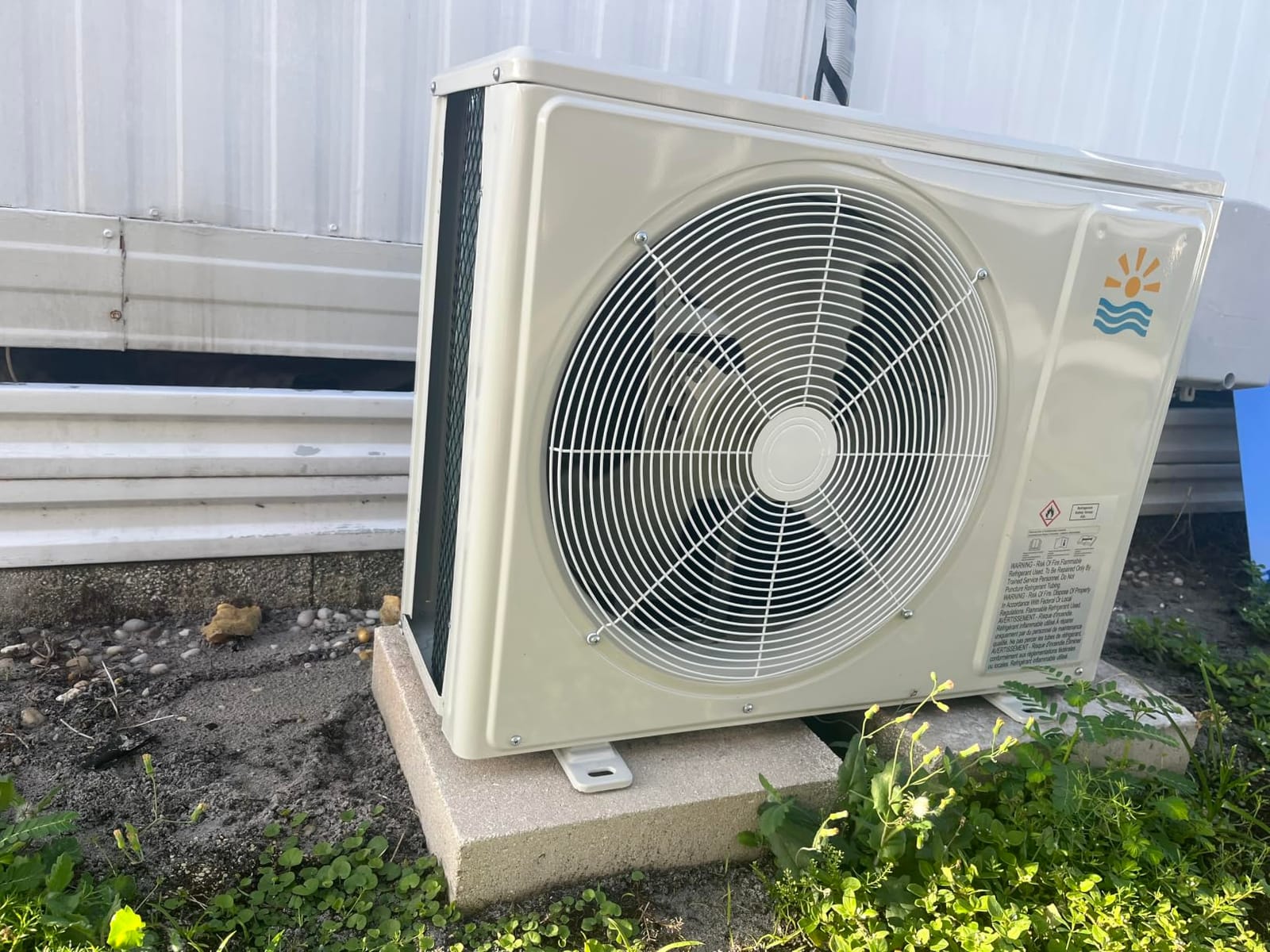
Owners consistently emphasize capacity-to-value and mode flexibility, with cooling, heating, fan and dry modes plus a dedicated ECO setting. The dry mode matters more in a sunroom than in a bedroom, because a glass room in summer carries far more moisture than a normal room of the same size.
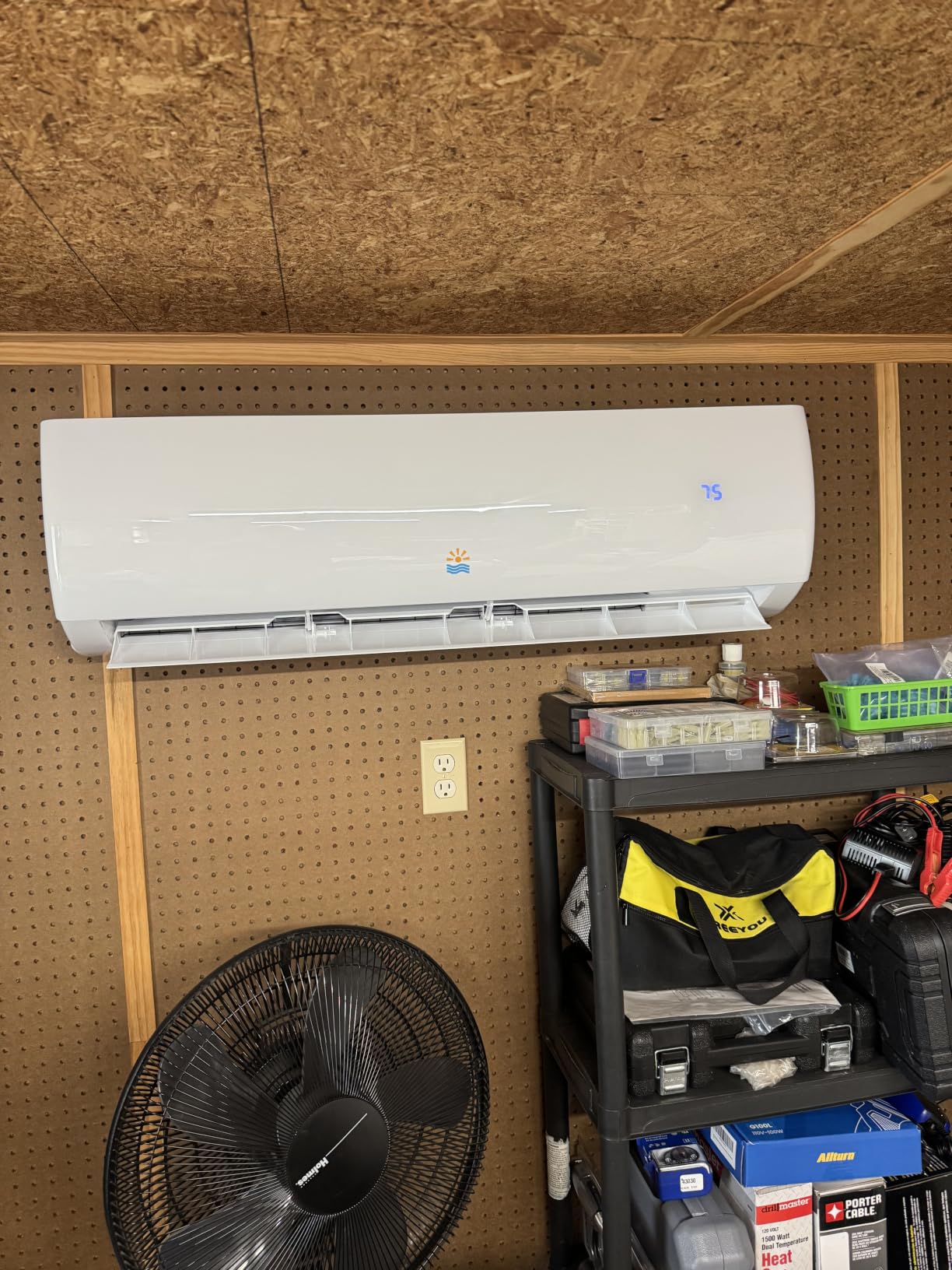
What you give up is support and connectivity. The warranty is one year, which is among the shortest in the group, and there is no app or voice assistant integration listed, so scheduling has to happen on the remote. For a room you use on a schedule, that is a real inconvenience. The included hardware list is also basic, which means your installer may need to supply brackets, line set insulation, and fasteners separately.
How it fits a glass room in practice
Match this unit to a sunroom in the 200 to 300 square foot range with heavy glass and afternoon solar gain. The 18,000 BTU output sits right in the middle of the 30-50 BTU per square foot band, which is exactly where a glass room of that size needs to land.
It is a good fit for a three-season room that is used from spring through fall and only lightly in winter, since the heating output is adequate but not designed for extreme cold. If your room is used as a year-round office, step up to a longer warranty instead.
Where it falls short
A one-year warranty on a sealed refrigerant system is the main reason this is not higher in the list. If a compressor fails in year three, you are arguing with a brand with a very small support footprint. The 230V requirement also means it cannot use a standard household outlet, so an electrical run is part of the project whether you like it or not.
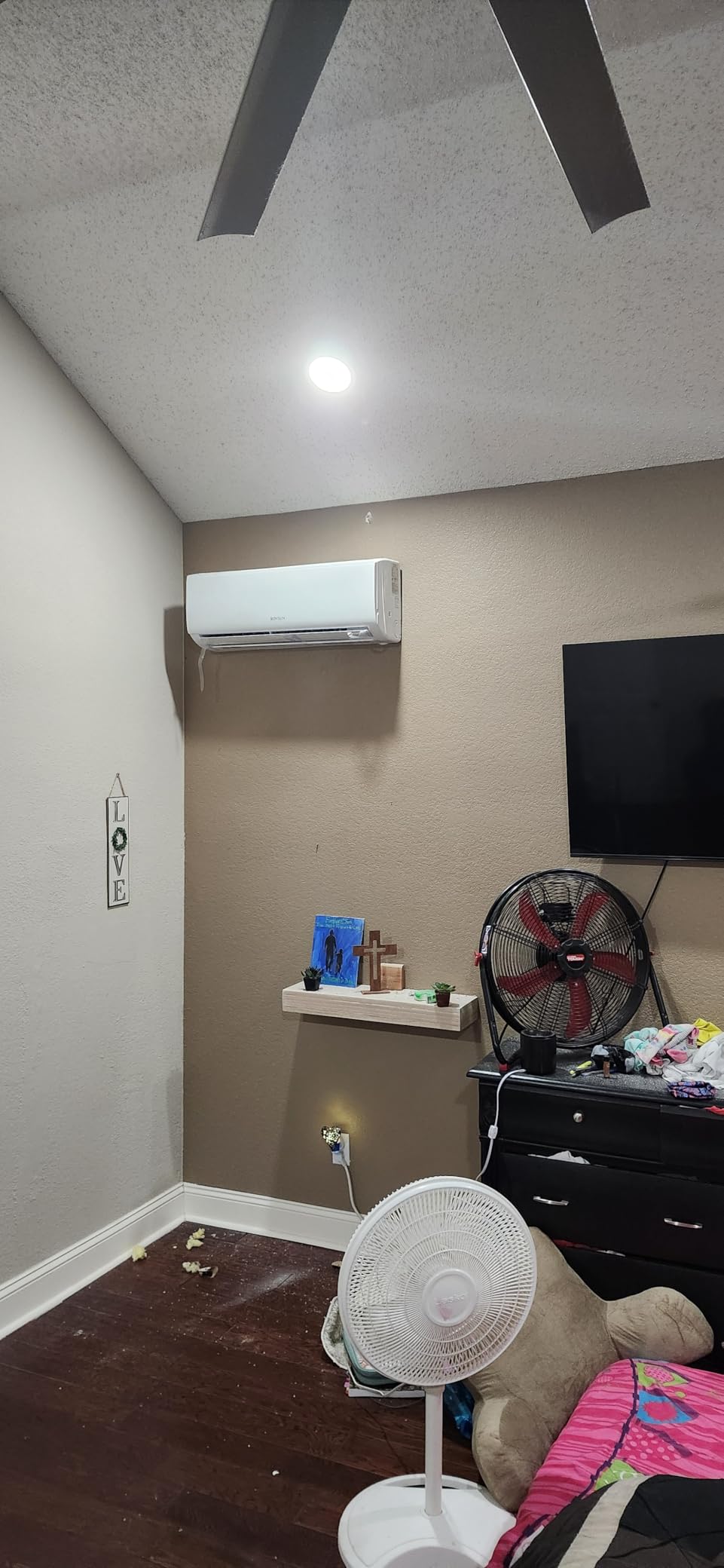
5. ROVSUN 9,000 BTU – Best Budget Pick for a Small Shaded Sunroom
ROVSUN 9000 BTU Wifi Enabled Mini Split Air Conditioner & Heater with Inverter, 20 SEER2 Energy Saving 115V Ductless Split AC Unit with Pre-Charged Condenser, Heat Pump & Installation Kit
9000 BTU
115V
20 SEER2
28 dB mute mode
R-32
61F to 88F range
Pros
- 115V power is the simplest electrical path available
- Runs at 28 dB in mute mode
- App plus Alexa and Google Assistant support
- R-32 refrigerant with 4-way swing louver
- 20 SEER2 inverter efficiency
Cons
- Lowest average rating in the group at 4.2
- Instructions skip the leak test and vacuum step
- Only a 1-year warranty
- Indoor head looks large for its output class
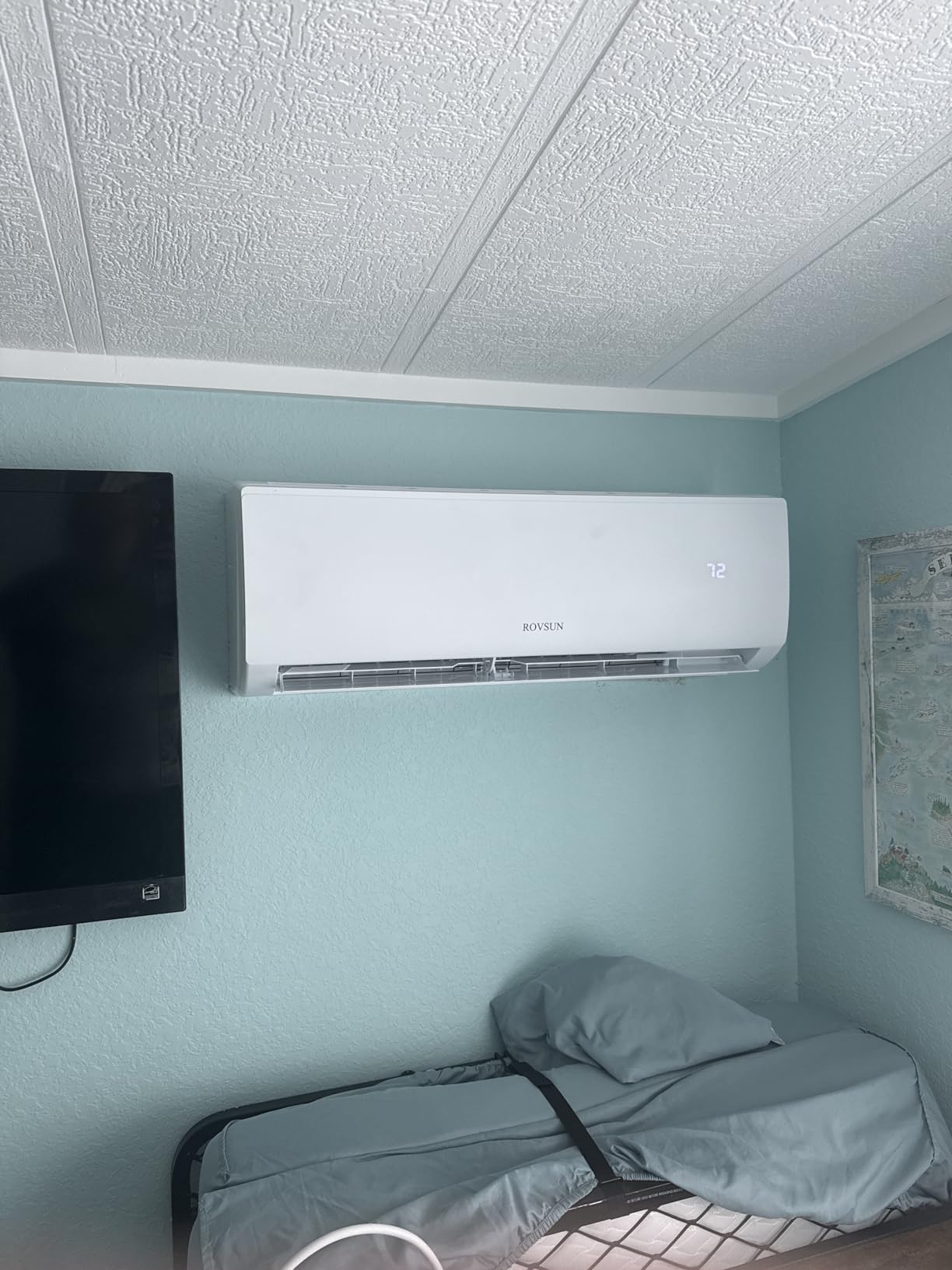
This is the unit for a small, shaded sunroom, or a three-season porch conversion where you want comfort from about 150 square feet up to 200. At 9,000 BTU on 115V it is the least disruptive install in this roundup, since a standard household circuit is all it asks for.
Owners like the combination of near-silence and smart control. At 28 dB in mute mode this is quiet enough for a room where you work or read, and the app plus voice assistant support means you can start it without walking over to the wall. Long-term owners report the unit still performing well after two years, which is encouraging for a budget entry.
There is a documentation gap worth knowing about. The instructions do not walk you through the leak test and vacuum step before startup, which are the steps that prevent a refrigerant leak from becoming a failed system. If you install this yourself, you need to know that process independently. If you hire a contractor, make sure they perform it, because the manual does not prompt them to.
There are also a small number of one-star reports about humidity and damp air after installation, and the 4.2 average is the lowest in this group. At 9,000 BTU, humidity removal is limited, and a plant-heavy room will show that. The stated operating range is 61F to 88F, so this is a cooling-and-mild-heating unit rather than a winter heating solution.
How it fits a glass room in practice
Use this for a north or east facing sunroom, a heavily shaded room, or a space with double-pane Low-E glass where the solar gain is modest. It is also the sensible unit for a sunroom you are adding to before the main house renovation, as a temporary comfort solution.
Because it runs on 115V, you can often use an existing properly grounded circuit, which removes one of the biggest line items from a sunroom project. That alone can make a 9,000 BTU unit a better economic fit than a larger 230V system for a small room.
Where it falls short
Do not size this to a large glass room. A 300 square foot sunroom with west-facing single-pane glass generates far more heat than 9,000 BTU can remove, and the unit will run continuously without ever reaching setpoint. That short-cycling pattern is the fastest way to wear out an inverter compressor.
Warranty is one year, and the indoor head looks visually large for a 9,000 BTU output, which matters if your sunroom has a clean sightline to the wall you mount it on.
6. COSTWAY 12,000 BTU – Most Versatile for Quiet, Low-Maintenance Comfort
COSTWAY 12000BTU Mini Split Air Conditioner& Heater
12000 BTU cooling
12300 BTU heating
20 SEER
115V
23 dB
5 year parts and 8 year compressor
Pros
- One of the quietest units here at 23 dB
- 5-year parts and 8-year compressor warranty
- Self-cleaning coil function and washable filter
- 115V power for a simpler hookup
Cons
- No WiFi app or voice control listed
- Remote-only operation
- Licensed HVAC installer required
- Detailed efficiency data is limited
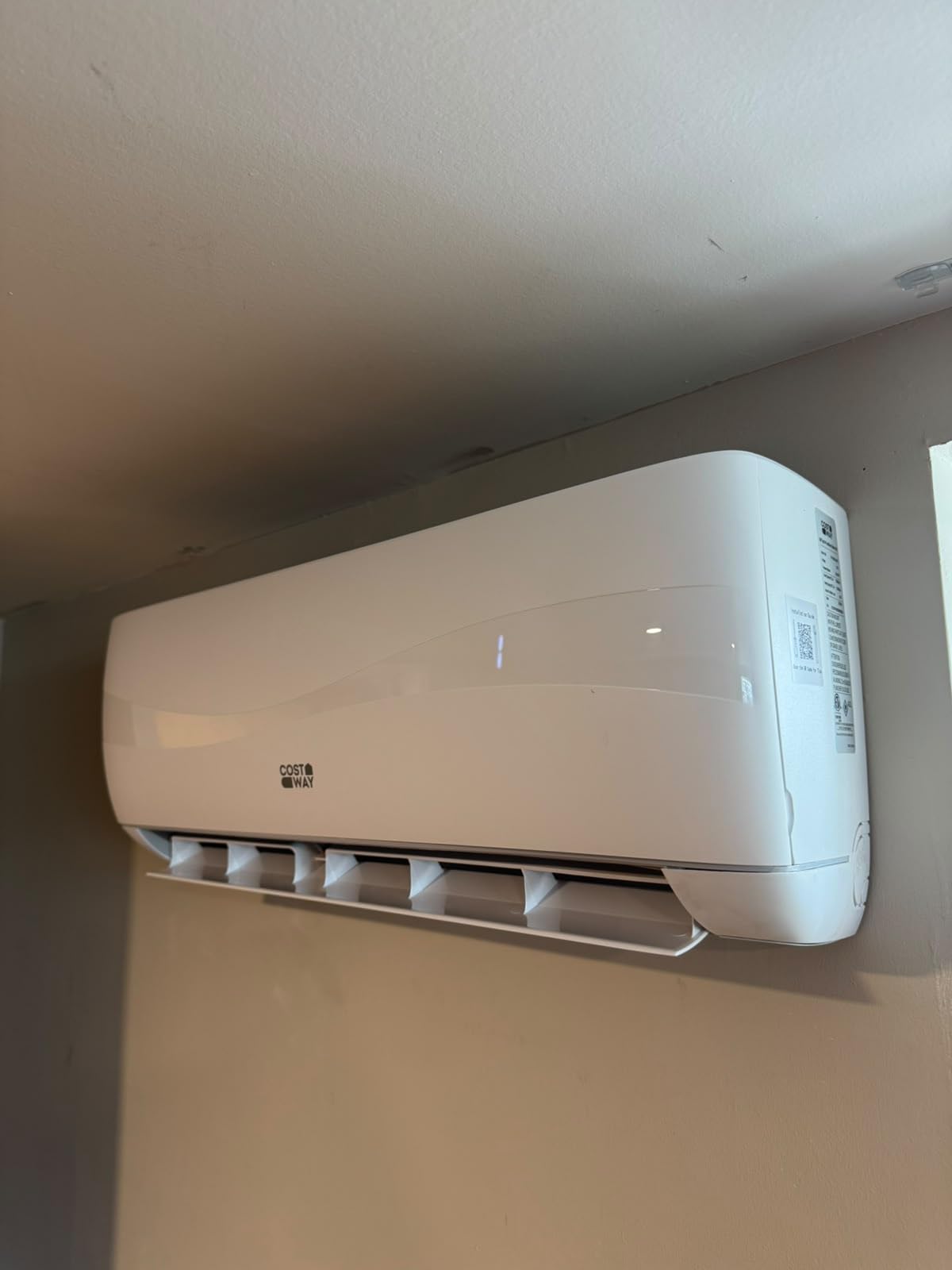
The COSTWAY is the one we recommend when the sunroom doubles as a quiet space, or when you want the least hands-on ownership. At 23 dB it is tied for the lowest noise figure in this roundup, and it runs on 115V, so the electrical story is as simple as it gets.
The self-cleaning function at 134.6F is the feature that matters most in a sunroom specifically. A glass room runs warm, the outdoor coil gets loaded, and a coil that can self-clean in a high-heat cycle is going to hold efficiency better over a decade than one that does not. Combined with a washable filter and outdoor auto-defrost, this is the lowest-maintenance option here.
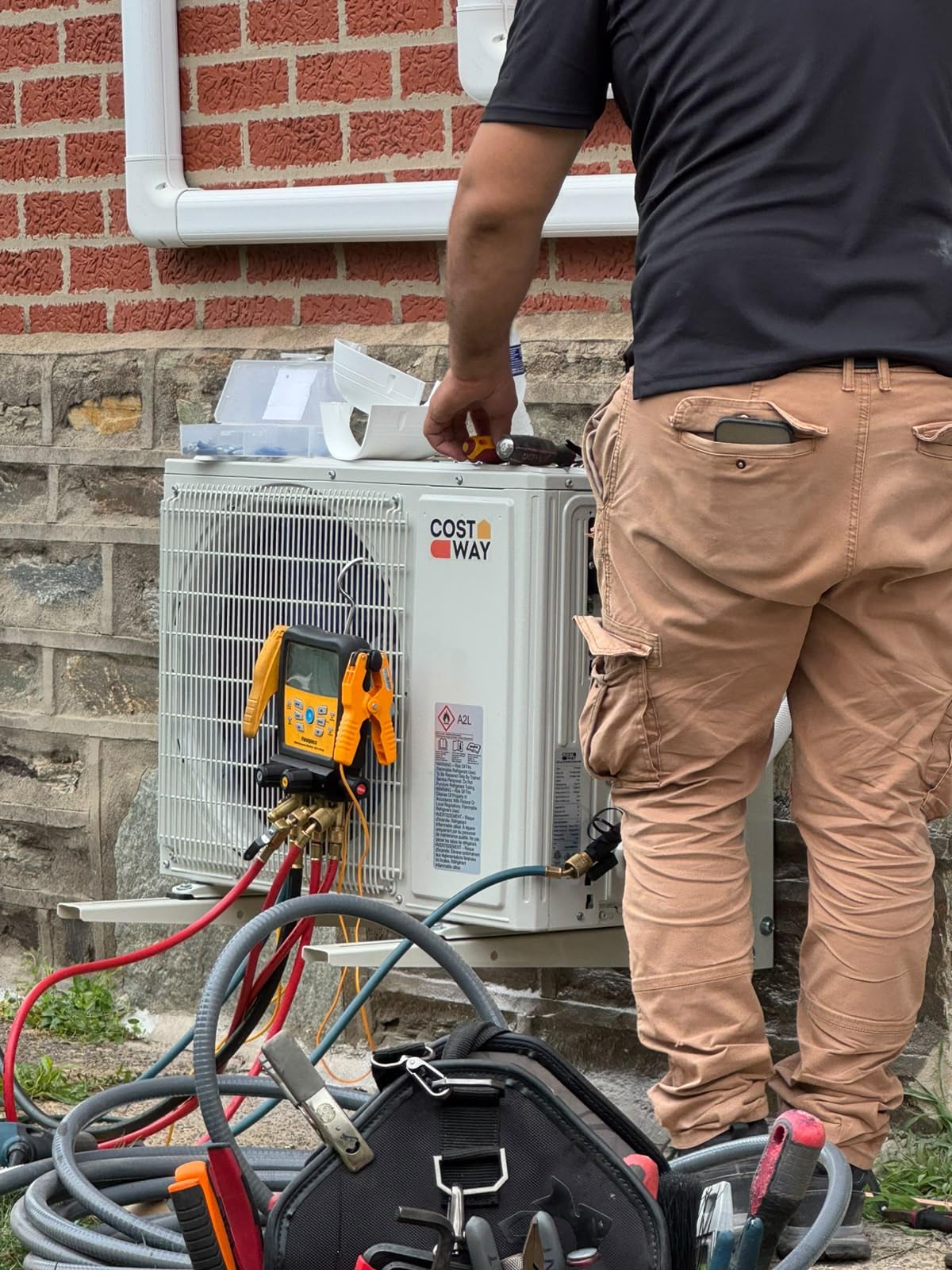
The warranty is the strongest on paper in the group: 5 years parts and 8 years compressor. That matters for a sunroom because the unit works harder than a bedroom unit, running against solar gain for long stretches. It also covers five operating modes, four fan speeds, an iFEEL function that reads temperature at the remote, and a timer from half an hour to 24 hours.
What you do not get is connectivity. There is no app or voice assistant listed, so all scheduling happens on the wall remote, and the display auto-off after ten seconds means checking settings takes a moment. Installation must be done by a licensed HVAC installer, and while the product is described as AHRI certified, published efficiency detail beyond the 20 SEER figure is thin, so ask for the AHRI certificate number before you commit.
How it fits a glass room in practice
This fits the 200 to 280 square foot band, which covers the most common sunroom build. It is our pick when the room is used year-round for reading or work, where 23 dB is a real comfort feature, and when the owner is not interested in maintaining the system beyond a filter rinse.
For a plant-heavy sunroom, run the dry mode as your primary setting during humid stretches. At 12,000 BTU with a dedicated dry function and a self-cleaning coil, it handles a greenhouse-adjacent space better than most units of this size.
Where it falls short
It heats to about 5F, same as most of the 12,000 BTU class here, so it is not a four-season heating solution in a cold climate. And the lack of app control means if your sunroom is used on a variable schedule, you are setting it manually every time. For a second zone or a building with smart home integration, look at the two-zone option instead.
7. Cooper & Hunter MIA 12,000 BTU – Best for Warranty Coverage and a Pre-Flared Line Set
Cooper & Hunter MIA 12,000 BTU 115V Wall Mount Mini Split AC, 21.2 SEER2
12000 BTU
21.2 SEER2
115V
26 dB
Heating to 5F
7 year compressor warranty
Pros
- 7-year compressor and 5-year parts warranty
- 21.2 SEER2 inverter efficiency
- 26 dB operation on both indoor and outdoor units
- 16 ft pre-flared insulated line set included
- US-based technical support
Cons
- Arrives by freight to an accessible point outside the home
- Pre-installed drain hose clamp can be loose and leak
- Warranty service responsiveness reported as inconsistent
The MIA is the pick when the deciding factor is how the equipment is supported after the install. A 7-year compressor and 5-year parts warranty on a 12,000 BTU 115V system gives you a stronger long-term position than any other unit at this capacity in the roundup, and US-based technical support is genuinely useful when something goes wrong.
Efficiency is excellent for the class at 21.2 SEER2, and it runs at 26 dB. Owners report strong cooling in triple-digit heat, which is the relevant test for a west-facing sunroom in July, and the app with scheduling and remote temperature reading is well regarded.
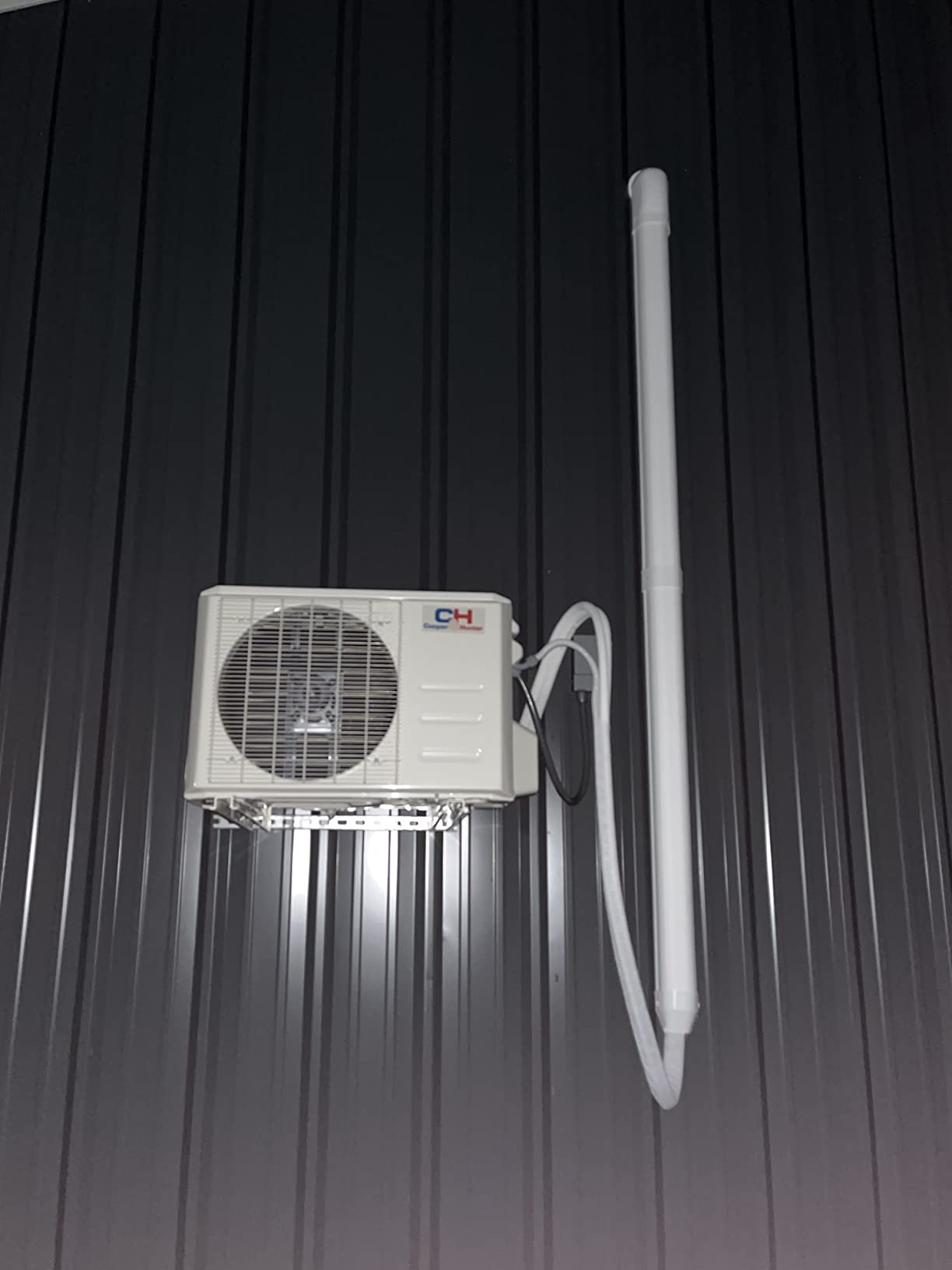
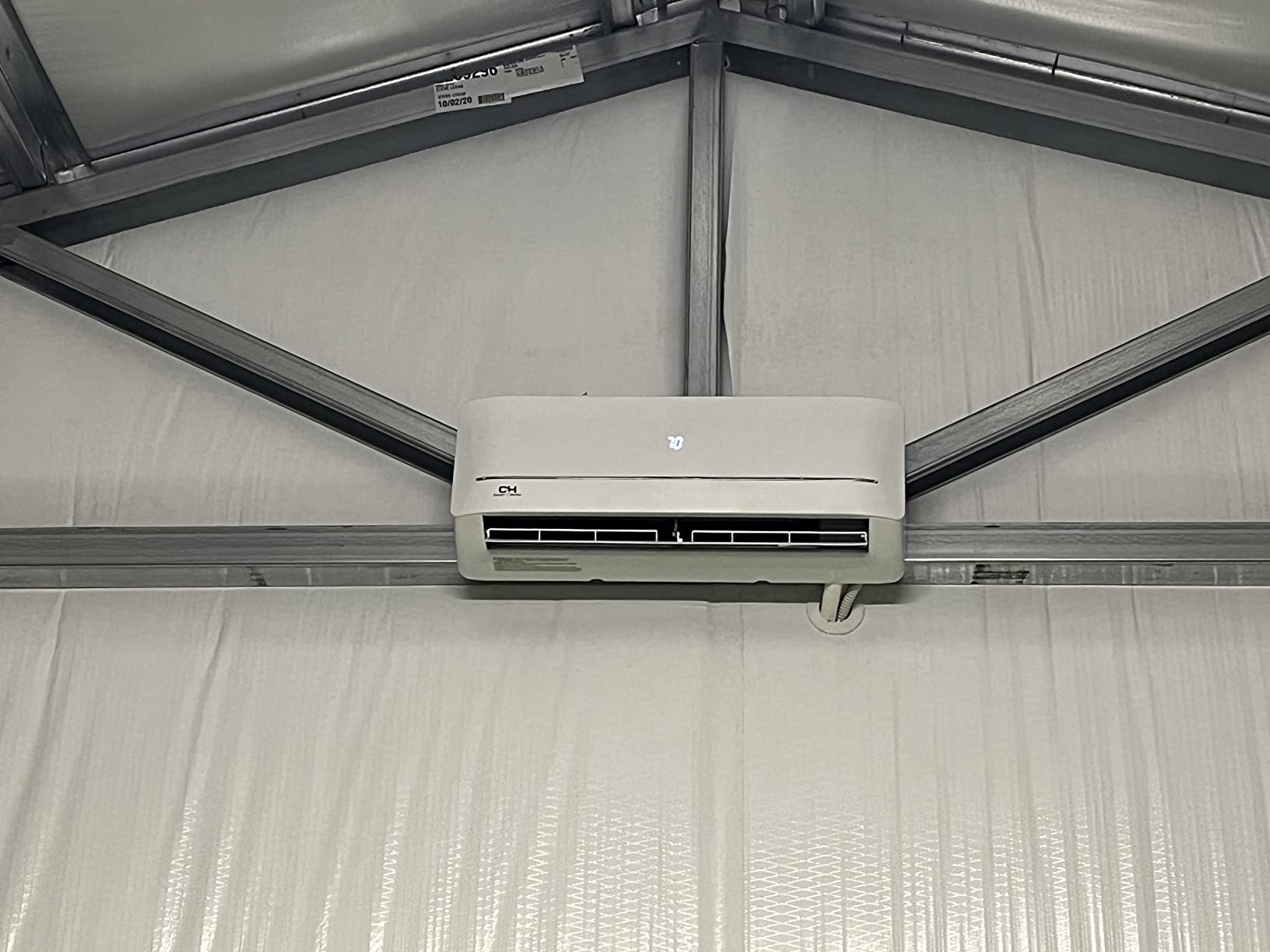
The included installation kit is the best-specified in this group. You get a 16 foot pre-flared insulated copper line set, 16 feet of communication wire, and a 16 foot drainage extension. Pre-flared fittings mean less open copper work during install, which reduces the chance of a leak and shortens the install window.
Two practical notes. This unit is transported by freight to the nearest accessible point, so you need a plan for moving a heavy indoor head and condenser from the driveway to the install location. And reviewers report the pre-installed drain hose clamp on the indoor head can be loose and leak, so ask your installer to verify that connection and re-secure it before closing up.
How it fits a glass room in practice
Same sizing band as the other 12,000 BTU units, roughly 200 to 280 square feet of floor with typical glass exposure. The difference here is not performance but the install package and the warranty, which is what you are actually paying a premium for.
It is a strong choice for a four-season sunroom in a moderate climate where winter temperatures rarely drop far below the 5F heating threshold, and where you want the system to run for fifteen years without a coverage gap.
Where it falls short
Customer service responsiveness on warranty parts has been reported as inconsistent, which undercuts the value of a long warranty if the process to use it is slow. Some units also arrive with a different remote than pictured and no wall-mounted remote holder, a small but annoying detail in a finished sunroom. Heating still stops at 5F, so deep-winter climates need something else.
8. Temprium 12,000 BTU – Best for App and Voice Control in a Small Sunroom
Temprium 12000 BTU Mini Split Air Conditioner, 115V 22 SEER2 AC & Heat Pump
12000 BTU cooling
12300 BTU heating
22 SEER2
115V
23 dB
Cools to 122F
Heats to 5F
Pros
- 22 SEER2 is the highest SEER2 figure in the group
- 23 dB operation with Sleep Mode
- Marketed specifically for sunrooms
- garages and additions
- One of the lighter units here at 40.8 lb
- 133F self-cleaning function and washable filter
Cons
- Only a 1-year manufacturer warranty
- Smallest review count at 165 so limited long-term data
- Less familiar to specialist HVAC contractors
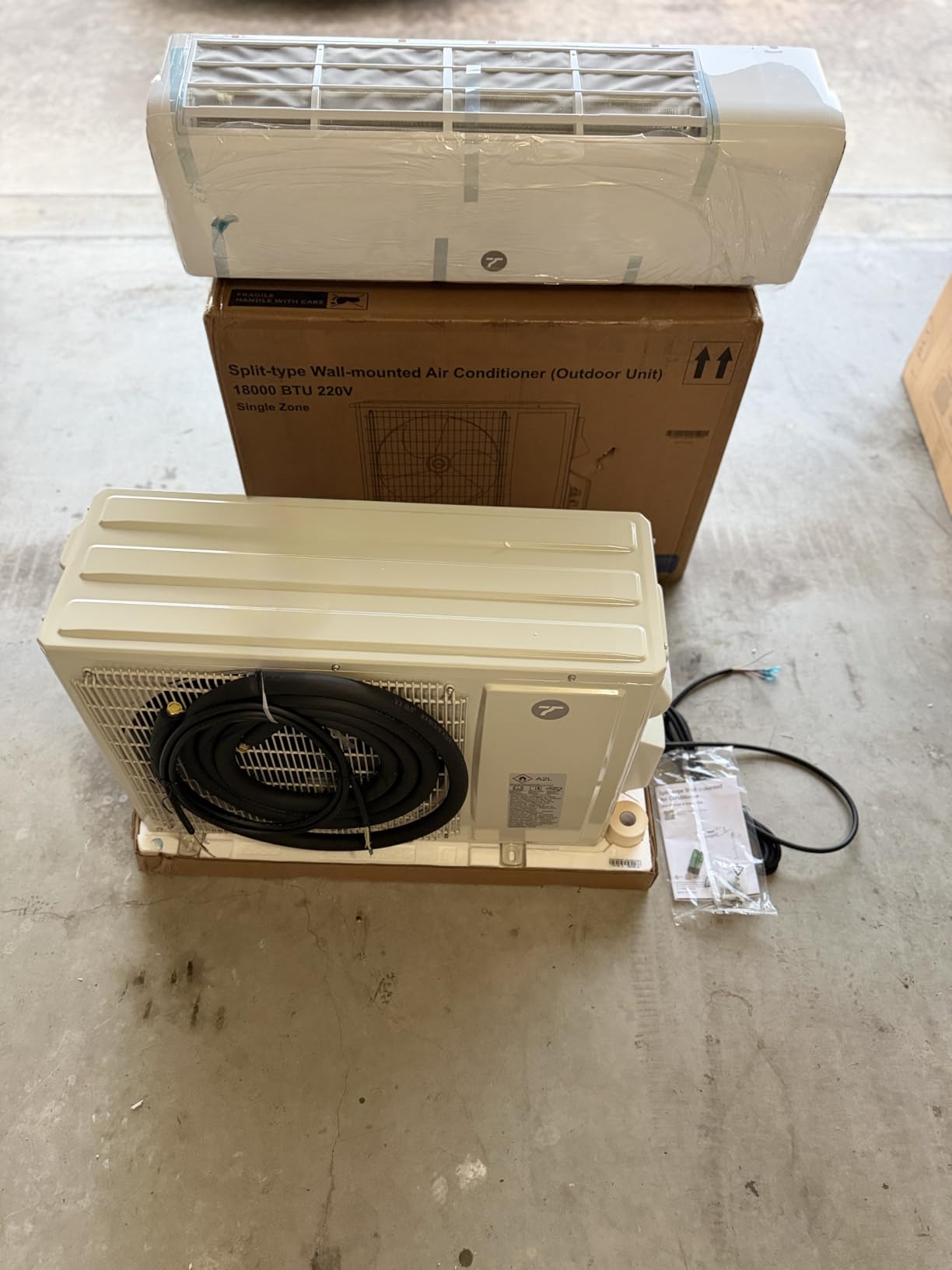
Temprium is unusual because the manufacturer markets it directly at sunrooms, home offices, garages and additions, rather than at bedrooms. That shows up in the feature list: seven operating modes, seven fan speeds, 4D auto swing, a Follow-Me function that tracks temperature at the remote, and a self-cleaning coil at 133F for a room that gets hot fast.
At 22 SEER2 it posts the highest SEER2 figure in this roundup, and 23 dB keeps it quiet. At 40.8 pounds it is one of the lighter units in the group, which matters if you are mounting the indoor head high on a framed sunroom wall rather than on solid framing.
The honest caveat is data volume. At 165 reviews this is the smallest sample in the group, so you have less long-term evidence to lean on, and few owners have documented it in a genuinely high-heat all-glass room. The stated cooling effectiveness goes to 122F, which is a strong claim for a sunroom in a hot climate.
The warranty is one year, matching the shorter end of this roundup, and a lesser-known brand can be harder for a local HVAC shop to service. If your installer has never worked on the platform, factor that into your decision. On the positive side, it is ETL and AHRI certified and uses R-32 refrigerant, which matters for long-term serviceability as the industry transitions away from R-410A.
How it fits a glass room in practice
Treat it as a 12,000 BTU unit for a room in the 200 to 250 square foot range with moderate glass exposure, since the manufacturer rates it for spaces up to 750 square feet. The R-32 refrigerant and 133F self-cleaning cycle are meaningful in a sunroom, since outdoor coil fouling is faster in a space where the condenser runs near its cooling output for long stretches.
It is also a natural fit for a sunroom converted to a home office, where the combination of 23 dB, sleep mode, and voice control through Alexa or Google Assistant means the room is comfortable without anyone touching the wall unit.
Where it falls short
A one-year warranty on a sealed system is the main reservation, and a 165-review history gives you little to fall back on if a component fails. It also heats only to 5F, so it shares the class limitation on winter use. If you want long coverage and are nervous about a newer brand, the Cooper & Hunter and COSTWAY options carry substantially better terms.
How to Size a Mini Split for a Sunroom
Start with the rule most sizing guides get wrong for glass rooms. A normal interior room needs about 20 BTU per square foot. A sunroom needs roughly 30 to 50 BTU per square foot because the glass is a continuous heat gain source that changes through the day, and a standard wall gets an R-value of R-13 to R-21 while single-pane glass sits around R-0.9 to 1.0 and double-pane around R-2.
Use these ranges as a starting point, then adjust. Here is how the numbers land for common sunroom sizes, assuming typical 8 to 10 foot ceilings and a moderate amount of glass:
120 to 150 square feet, north or east facing, shaded: 3,600 to 6,000 BTU. A 9,000 BTU unit gives headroom.
150 to 200 square feet, mixed orientation: 6,000 to 9,000 BTU. Step up if there is a glass roof.
200 to 280 square feet, typical glass exposure: 9,000 to 12,000 BTU. This is the most common band.
280 to 350 square feet, west facing or triple-pane: 12,000 to 18,000 BTU.
350 to 450 square feet, all-glass or glass roof: 18,000 to 24,000 BTU.
Over 450 square feet or two rooms on one system: Dual-zone with matched heads, sized on the combined load.
Three modifiers matter more than square footage. First, orientation: a west-facing glass wall can add enough load to push you up a full size class on its own. Second, glass roof or cathedral ceiling, which adds vertical heat gain no wall-mounted head can fully address. Third, a sunroom over a garage or second floor has a much larger temperature swing than one at grade, which affects both the sizing and the low-temperature heating expectation.
Undersizing versus oversizing in a glass room
Oversizing is the more common mistake in sunrooms, and it is not a harmless one. An oversized inverter unit on a small glass room cycles on and off constantly because it overshoots setpoint before the room has had a chance to pull heat out of the walls and furniture. That short cycling raises energy use, reduces dehumidification, and shortens compressor life.
Undersizing is annoying but recoverable. The unit runs longer, so running cost rises, but the room eventually reaches temperature and the inverter modulates down. A slightly undersized unit in a room that is sometimes used is a better problem than an oversized unit in a room that is used daily.
Before buying a bigger unit, check whether a glazing upgrade fixes the problem first. Moving a single-pane sunroom to double-pane Low-E glass can cut the load enough that you stay in a smaller, cheaper, more efficient equipment class. It is worth getting a quote for both and comparing.
Where to Put the Outdoor Condenser in a Sunroom Project
Condenser placement is the most repeated question on sunroom HVAC forums and the least answered topic in competitor content, so here is a direct checklist. The outdoor unit is where most of the real risk sits, and a poor location will shorten the life of the whole system regardless of which brand you buy.
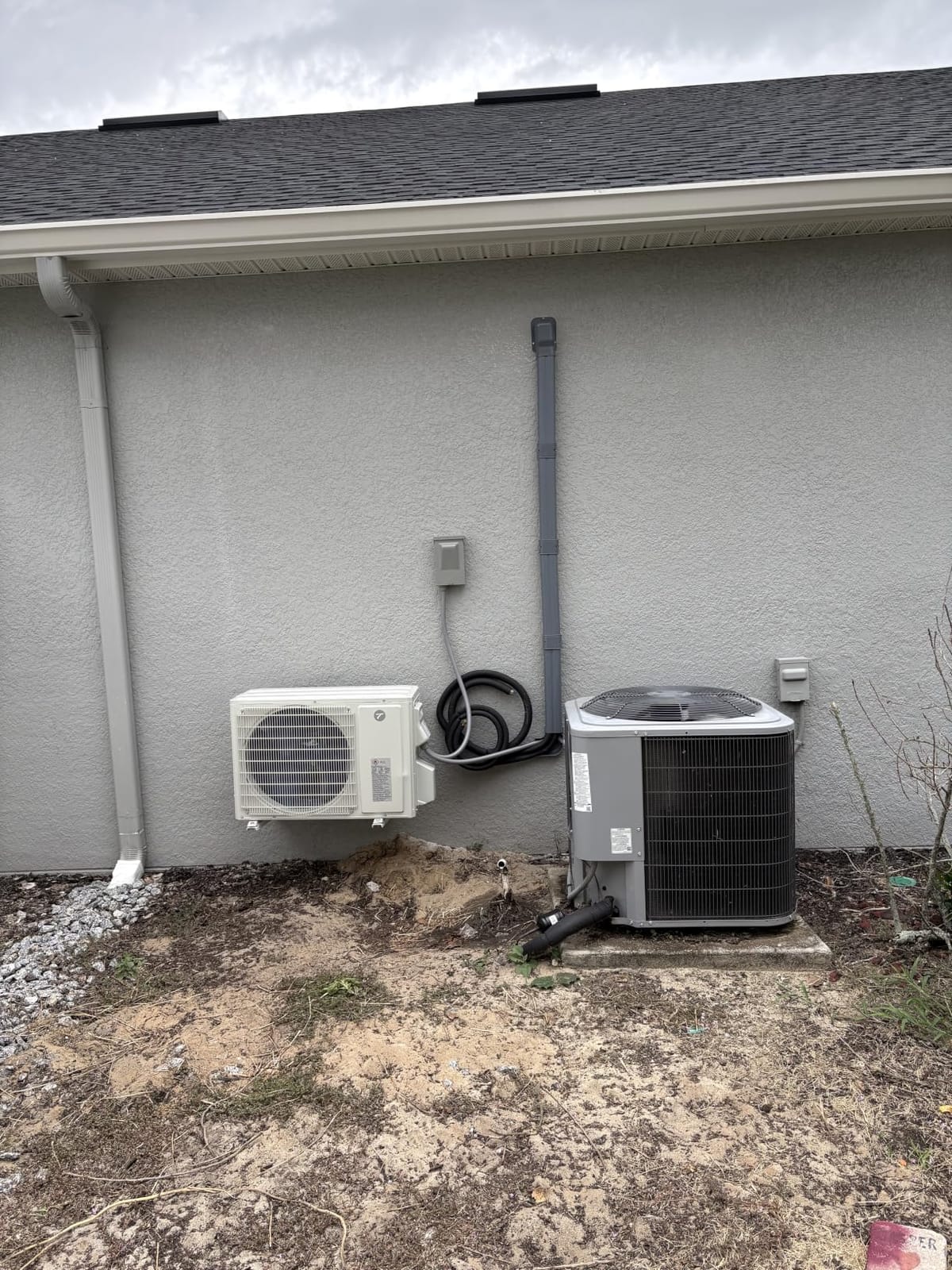
Clearance above: Keep the top of the unit at least 12 to 24 inches clear of any overhang, soffit, or roof edge that would trap warm air around the coil.
Clearance at the sides: Leave 12 inches or more on each side. Air starved on the intake side makes the compressor run hot and short-cycle.
Distance from the wall: Mount the unit 6 to 12 inches off the wall. Pushing it flush to save an inch starves the coil and increases fan noise inside the room.
Shade in a west-facing room: If the sun strikes the condenser directly in the afternoon, add a simple louvered shade or a pergola section. Direct sun on the coil is the single biggest controllable factor in outdoor noise and efficiency loss.
Avoid enclosed spaces: A sunroom corner, an alcove, or a box built around the unit is the most common cause of a unit that cannot keep up. A ductless system still needs to move air outside.
Line set routing: In a glass-walled room with no accessible framing, the line set and drain line need a planned path. A through-wall penetration near a stud, insulated and sealed with a proper wall sleeve, is the clean solution. Running refrigerant lines through glass framing is not.
Drain line slope: The condensate drain must run continuously downhill to an outside point. This is the number one source of water damage complaints in sunroom installs, and the slope is set during install, not after.
On noise, the outdoor unit is the source, not the indoor head. If a sleeping room is on the other side of that wall, siting and shading will do more for your sleep than any indoor unit choice.
What Installation Actually Involves
Every unit in this roundup requires a professional install except the pre-charged quick-connect path, and the distinction matters for what you are really buying. Understanding which path your project takes prevents the most common surprise in a sunroom budget.
Pre-charged quick-connect kits come with the refrigerant already in the lines and factory-flared fittings, so no brazing or vacuuming is needed if the run stays within the pre-charge length. The Senville LETO, Cooper & Hunter MIA, ROVSUN, and Temprium all include line sets in the 16 to 16.4 foot range, and the LETO is rated for up to 25 feet. Beyond that length, the refrigerant charge has to be topped up by a technician.
Field braze and vacuum installs are what a contractor does on any custom-length run. The lines are cut, flared, brazed, and then evacuated and tested before the system is charged. Any system that involves refrigerant handling beyond a sealed factory charge requires proper certification, and this is worth asking about directly when you get quotes.
Three cost drivers sit outside the equipment in every sunroom project. The electrical circuit is the first, and a 230V system needs a properly sized breaker, a disconnect, and often panel work. The line set is the second, since longer runs mean more copper, more insulation, and potentially added refrigerant. Permits and inspection are the third, and a permit for a new branch circuit is a real requirement in most jurisdictions.
Ask every contractor for a quote broken into equipment, line set, electrical, and labor. A single lump number hides which part is driving the total, and it makes comparing bids nearly impossible.
Three-Season vs Four-Season Sunrooms: What a Mini Split Can and Cannot Fix
No ductless mini split can fix a building envelope. A three-season sunroom with single-pane glass and an uninsulated roof will be uncomfortable in January no matter which of these units you install, and any seller who suggests otherwise is selling you a bigger number.
For a three-season room, the goal is realistic: make spring, summer, and autumn comfortable, extend the season, and keep humidity manageable. A 9,000 to 12,000 BTU unit on 115V does that well for a room up to about 250 square feet with moderate glass, and that is where most of the value in this roundup sits.
For a four-season room with double-pane Low-E glass, insulated framing, and a proper roof, the calculus changes. Now heating capacity at low outdoor temperatures matters, and the class limits in this roundup are real: most of these 12,000 BTU units stop producing useful heat below 5F, and the largest unit we tested reaches -4F. If your climate regularly goes below that, plan on a supplemental heat source for the coldest nights, or look at cold-climate hyper-heat variants that carry ratings down to -13F or lower.
The single best upgrade for a three-season room is often the glass itself. A Low-E glazing upgrade can cut the cooling load enough that you stay in a smaller equipment class and add shading rather than capacity. Do that math before committing to a larger unit.
Choosing a Mini Split Brand for a Glass Room
Brand reputation in HVAC is one of the few places where homeowner and technician opinion line up. Across the trade, Mitsubishi Electric, Fujitsu, Daikin, and LG come up most often as the names technicians trust for parts availability and long-term serviceability. None of those four are in this roundup, because the products available in this buying channel skew toward a different price band.
So how do you vet what you are buying? Ask three questions before you commit. How long is the compressor warranty, and is it a US entity you can claim against? Is the brand ETL or AHRI certified, and can you verify the certificate number? And does a local HVAC contractor recognize the platform, because a technician who has never opened the unit is a risk on any brand.
On the value-import side, the caution is not that these units are bad, it is that support terms vary widely. A 1-year warranty with no US support footprint means a failed compressor is a total loss with no recourse. Two of the picks here carry 1-year warranties, and both sit at the entry end of the lineup. That trade is defensible for a small room used lightly, and it is a poor trade for a sunroom you plan to run every day for a decade.
On efficiency standards, SEER2 and HSPF2 are the current federal rating scale for residential heat pumps, and the figures quoted in this roundup are published rather than estimated. The spread from 19 to 22 in this group is real but modest. A note on refrigerants: R-32 and R-454B are replacing R-410A across new equipment, and choosing a unit on the newer refrigerant is the better long-term serviceability call.
Frequently Asked Questions
What size mini split do I need for a sunroom?
Most sunrooms need 30 to 50 BTU per square foot rather than the standard 20, because glass walls and glass roofs transmit solar heat continuously. A 200 to 280 square foot sunroom typically needs a 12,000 BTU unit, a 280 to 350 square foot room needs 12,000 to 18,000 BTU, and a 350 to 450 square foot all-glass room needs 18,000 to 24,000 BTU. West-facing glass or a glass roof pushes you up a size class.
Can you put a mini split in a sunroom?
Yes, a ductless mini split is one of the best fits for a sunroom because it gives the glass room its own thermostat, which central HVAC cannot do. The central system’s thermostat sits in the main house, so it satisfies the house and leaves the sunroom sweltering. A single ductless head conditions the sunroom directly, adds zoned comfort, and costs far less than running new ductwork.
Is 12,000 BTU enough for 400 sq ft?
For a normal insulated room, 12,000 BTU is usually enough for 400 square feet. In a sunroom it is not, because glass load roughly doubles the requirement. A 400 square foot sunroom with heavy glass exposure needs 18,000 to 24,000 BTU. If you try to cover 400 square feet of all-glass space with a 12,000 BTU unit, it will run continuously without reaching setpoint.
Is it better to undersize or oversize a mini split for a sunroom?
Neither is good, but oversizing causes more damage. An oversized inverter unit on a small glass room short-cycles, raising energy use, cutting dehumidification performance, and shortening compressor life. An undersized unit runs longer and costs more to operate but will eventually reach temperature. Slightly undersizing a room used only part of the year is the safer mistake.
How far should a mini split condenser be from the wall?
Mount the outdoor unit 6 to 12 inches off the wall, with 12 inches or more of clearance on each side and 12 to 24 inches above any overhang. Mounting it flush to save space starves the coil, increases fan noise, and makes the compressor run hotter. In a west-facing sunroom, add a louvered shade if direct afternoon sun hits the unit.
Is a mini split enough for a three-season sunroom in winter?
A mini split makes a three-season sunroom comfortable in spring, summer, and autumn, and it will not make an uninsulated single-pane room comfortable in winter. No equipment fixes a building envelope. If you want year-round use, you need double-pane Low-E glass, insulated framing, and a cold-climate heat pump rated well below the 5F limit that most standard 12,000 BTU units hit.
Final Verdict on Sunroom Mini Splits
The best mini splits for sunrooms are not the biggest ones, they are the ones matched to your glass area, your orientation, and your electrical situation. For a typical 200 to 280 square foot room with a standard outlet, the Senville LETO 12,000 BTU is the pick we would install, with the COSTWAY 12,000 BTU as the quieter, better-warranted alternative. For a large all-glass room, the DELLA Vario 24,000 BTU is the only unit here with the capacity, and for a sunroom sharing a wall with a second room, the Senville two-zone 18,000 BTU solves both problems with one compressor.
Size up from the standard 20 BTU per square foot, plan the condenser location and shading before the installer arrives, and separate equipment from labor in every quote you collect. If your room is uninsulated and three-season, keep your expectations honest, because no unit in this roundup changes what the glass does in January. Last reviewed and updated for 2026.