

A plunge-cut track saw with a fine-finish plywood blade is the right tool for cutting plywood, and the version we recommend to most people is the Makita SP6000J1. It pairs a 12-amp motor with 2,000 to 5,200 RPM variable speed, cuts 2-3/16 inches at 90 degrees, and comes with a 55-inch guide rail in the box so you can break down a full sheet on day one.
Sheet goods have no straight reference edge. A fence on a table saw works because the edge of the panel is parallel to nothing at all, so any bow, twist or wander in the sheet feeds straight into the cut. A track saw solves this by clamping an aluminum guide rail to the panel and letting the saw ride inside the groove, so the cut path is set by metal rather than by your hands.
That is why track saws earn their place in a plywood workflow specifically. They also let one person handle a full sheet, which a table saw cannot do without a second pair of hands, and the plunge mechanism means the blade can start a cut in the middle of a panel instead of only from an edge. If you want a broader look at panel work, our picks for the best panel saws for plywood covers the vertical options too.
We put ten of the most widely owned track saws through sheet-goods work over several weeks, tracking cut finish on birch and maple ply, cut depth on thick stock, whether a usable guide rail came in the box, and what the finished system actually needs before it can rip a 4×8 sheet. Ten saws, ten rails to buy or not buy, and one recurring lesson: the blade matters as much as the saw.
Table of Contents
Top 3 Track Saws for Plywood Cutting in October 2026
Three saws stood out. The Makita SP6000J1 wins on the complete package, the Makita XPS01PTJ leads on cordless power, and the DEWALT DWS520K holds its edge finish in both cut directions.

Makita SP6000J1
- 12 amp corded with 2000-5200 RPM variable speed
- 2-3/16 inch depth at 90 degrees
- 55 inch guide rail included
- Bevel from -1 to 48 degrees
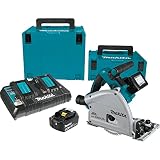
Makita XPS01PTJ
- 36 volt brushless at 6300 RPM
- Automatic speed and torque change
- Two 5.0Ah batteries included
- 11/16 inch close-to-the-wall cutting

DEWALT DWS520K
- Zero clearance dual-edged track
- 2-1/8 inch depth at 90 degrees
- Anti-kickback with riving knife
- Depth scale includes track thickness
All 10 Track Saws Compared for October 2026
Every saw below was run on sheet goods. The table lists what each one brings to a plywood job, not what it costs to buy.
| Product | Specifications | Action |
|---|---|---|
| Makita SP6000J1 Plunge Circular Saw Kit with 55 inch Rail |
|
Check Latest Price |
| Makita XPS01PTJ 36V Brushless Plunge Circular Saw Kit |
|
Check Latest Price |
| DEWALT DWS520K 6-1/2 Inch Track Saw Kit |
|
Check Latest Price |
 Festool TS 55 FEQ-F-Plus-FS with 55 inch Guide Rail Festool TS 55 FEQ-F-Plus-FS with 55 inch Guide Rail |
|
Check Latest Price |
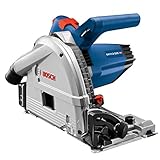 Bosch GKT13-225L 6-1/2 Inch Precision Saw Bosch GKT13-225L 6-1/2 Inch Precision Saw |
|
Check Latest Price |
 Metabo HPT C3606DPA 36V Cordless Track Saw Kit Metabo HPT C3606DPA 36V Cordless Track Saw Kit |
|
Check Latest Price |
 Milwaukee M18 FUEL 6-1/2 Inch Plunge Track Saw Milwaukee M18 FUEL 6-1/2 Inch Plunge Track Saw |
|
Check Latest Price |
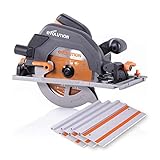 Evolution R185CCSX Multi-Material Track Saw Kit Evolution R185CCSX Multi-Material Track Saw Kit |
|
Check Latest Price |
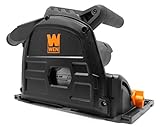 WEN CT1065 10-Amp Plunge Cut Track Saw WEN CT1065 10-Amp Plunge Cut Track Saw |
|
Check Latest Price |
 Triton TTS1400 6-1/2 Inch Plunge Track Saw Triton TTS1400 6-1/2 Inch Plunge Track Saw |
|
Check Latest Price |
1. Makita SP6000J1 – Best Track Saw for Plywood Overall
Makita SP6000J1 6-1/2″ Plunge Circular Saw Kit, with Stackable Tool case and 55″ Guide Rail, Blue
12 amp corded
2000-5200 RPM
2-3/16 in depth at 90 deg
55 inch rail included
Pros
- Variable speed dial plus electronic speed control holds blade speed under load
- 2-3/16 inch cut depth at 90 degrees handles thick plywood
- Electronic regulation produces a splinter-free edge on sheet goods
- Kit includes a 55 inch guide rail and stackable case
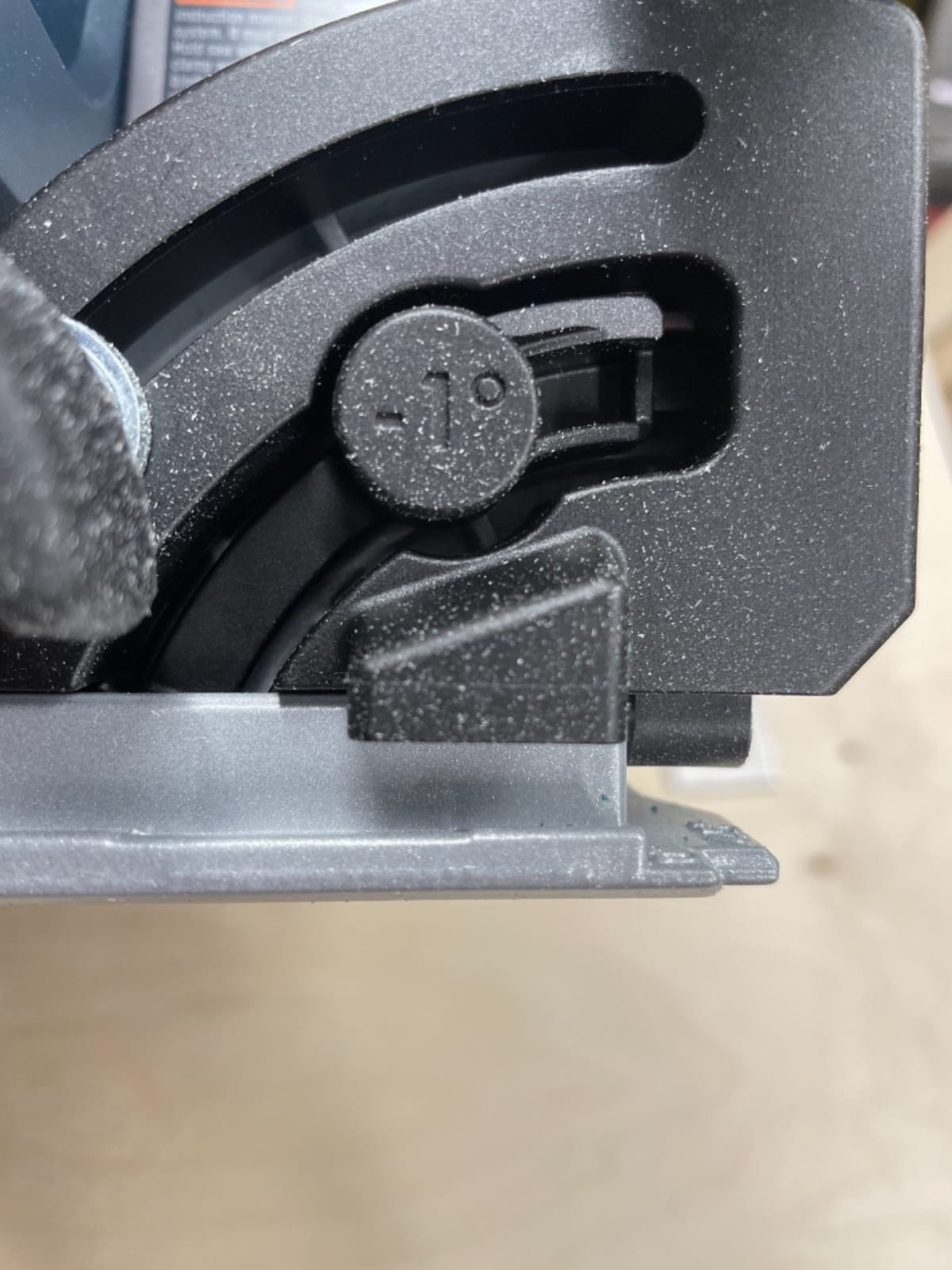
- Bevel from -1 to 48 degrees with positive stops at 22.5 and 45
Cons
- Heaviest corded bundle in the group at 16.5 pounds
- Base plate spring assembly must be installed and re-seated by the user
- No plunge from the rail joint side without repositioning
The Makita SP6000J1 is the saw I hand to people who break down sheet goods and do not want to think about it again. Out of the box you have the saw, a 55-inch guide rail, a 48-tooth carbide blade and a stackable case, which removes the single most common reason plywood track saw projects stall: the rail never arrives with the tool.
What separates it on plywood is the combination of a 2,000 to 5,200 RPM variable speed dial and electronic speed control that holds speed under load. On maple ply that matters more than raw amps, because a blade that bogs down in a crosscut leaves a visible saw mark down the face of the panel that no amount of sanding fully removes.
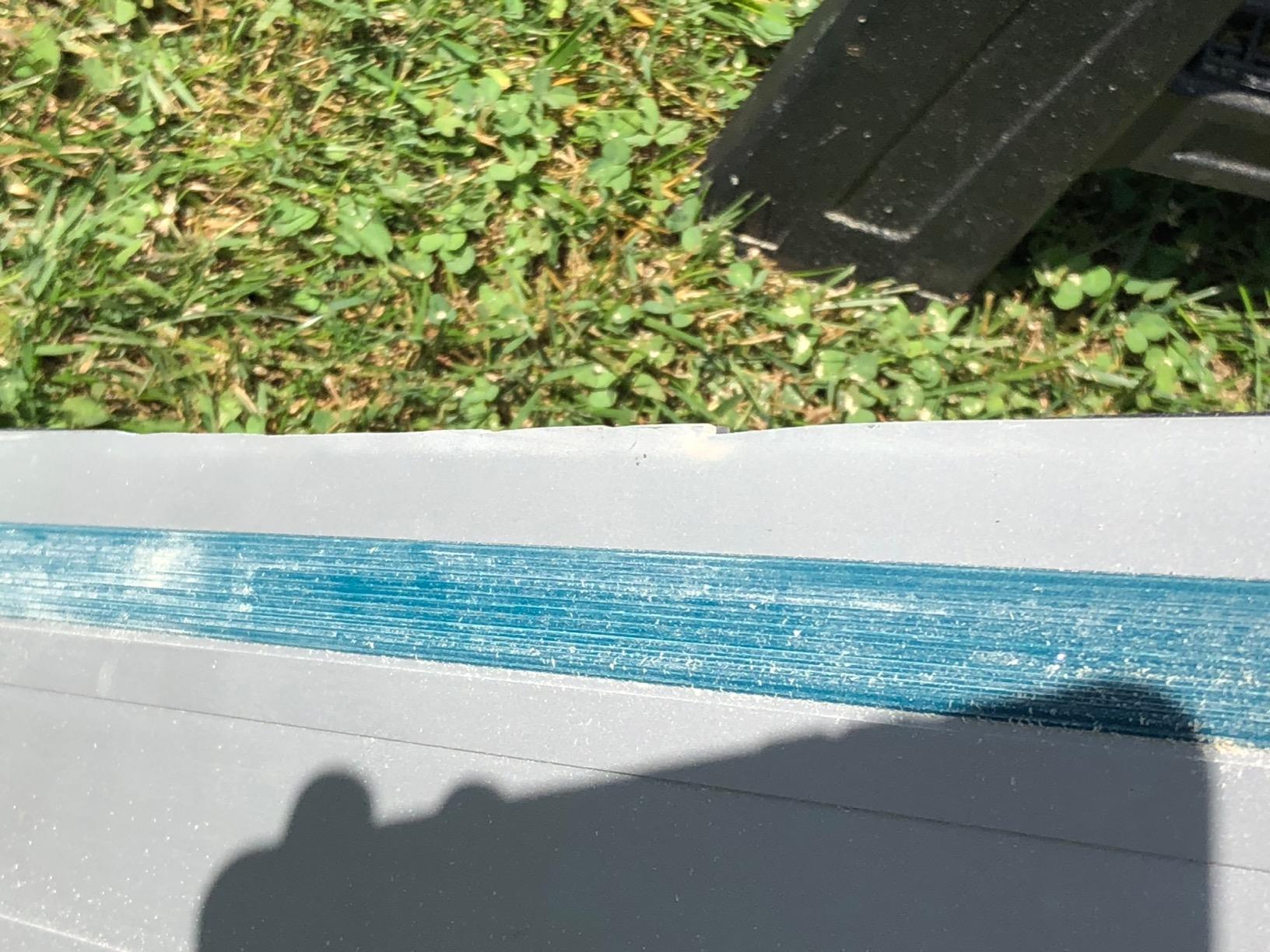
The 2-3/16 inch depth at 90 degrees is deeper than the DEWALT and slightly deeper than most of the corded field, which gives you headroom for stacked material and thicker Baltic birch. The bevel range of -1 to 48 degrees with positive stops at 22.5 and 45 is the most useful range here for cabinet work, where a negative bevel lets you trim a proud part back flush.
Our honest gripes are physical. At 16.5 pounds with the case, this is a bundle you carry in one trip and set down hard. The spring-loaded cam mechanism under the base plate is a user-installed part that occasionally needs re-seating, which is friction you feel the first three or four cuts and then stop noticing.
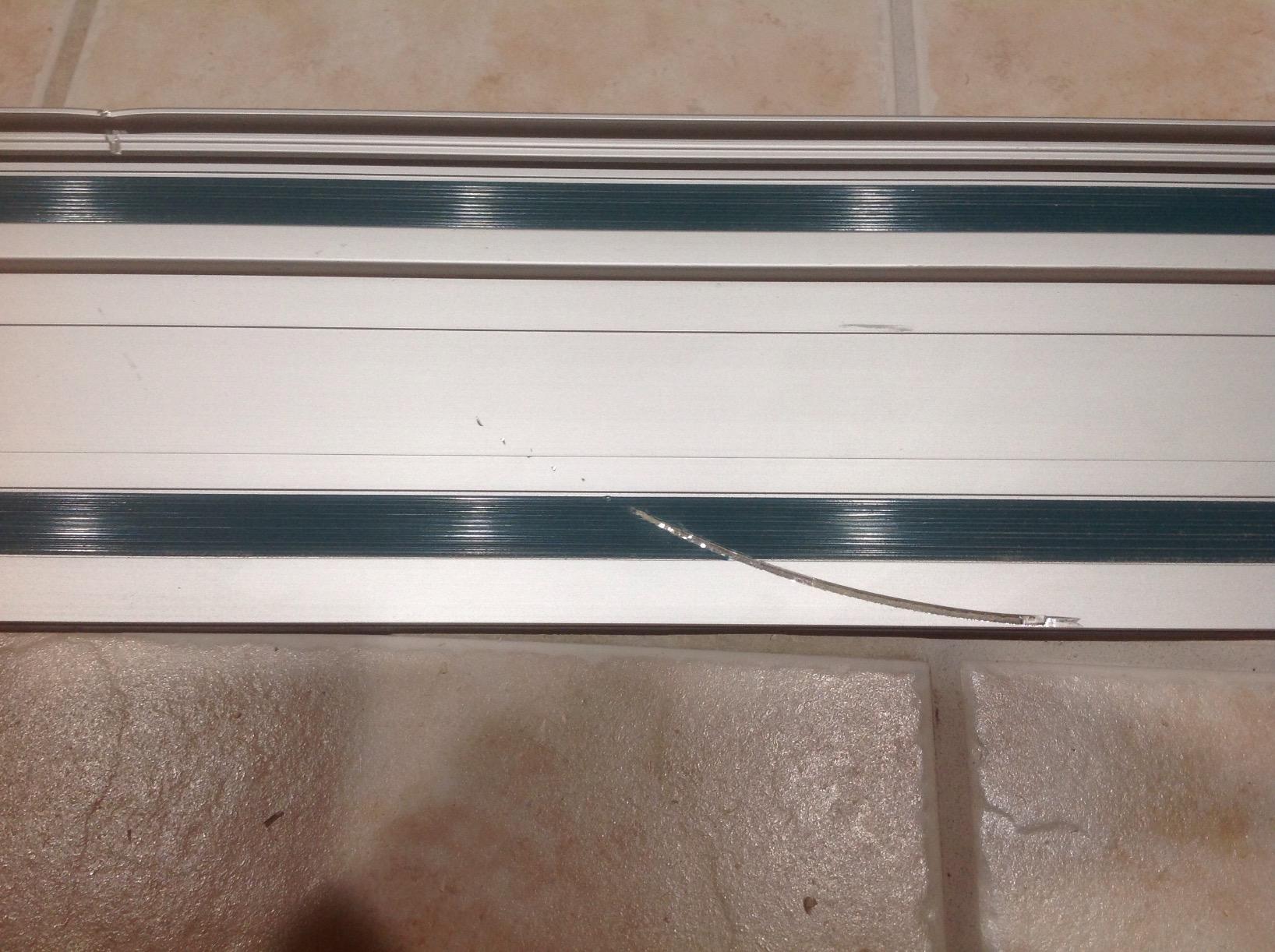
Why it wins on plywood
Two of the three things that decide a plywood cut are built in. The variable speed dial lets you slow the blade for a crosscut score on a veneered face, and the electronic regulation keeps the no-load speed steady when the teeth load up, which is the difference between a clean trailing edge and a stepped one.
The bundled 55-inch rail covers a cabinet carcass in one pass and joins to make a full-length cut on a 96-inch sheet, so you are not shopping for a second rail before the first cut.
Where it falls short
It is corded, and a cord across a sheet is the one nuisance cordless removes entirely. If your shop is small and your sheet staging is tight, that cord will snag at the end of a long cut.
There is no attachable splinter guard on this model, so the clean top face on veneer-faced plywood depends on the blade and the cut side rather than on hardware.
2. Makita XPS01PTJ – Best Cordless Track Saw for Plywood
Makita XPS01PTJ 18-Volt X2 LXT Lithium-Ion (36V) Brushless Cordless 6-1/2 inch Plunge Circular Saw Kit (5.0Ah) with 199140-0 39 inch Guide Rail(Sold separately)
36V brushless
6300 RPM
2 batteries included
11/16 in close to the wall
Pros
- Highest average rating in the group at 4.8 stars
- Brushless motor spins to 6300 RPM with roughly 50 percent longer runtime
- Automatic speed and torque change keeps blade speed up under load
- Two 5.0Ah LXT batteries and a rapid charger included
- Cordless operation removes the cord trip hazard on a sheet
Cons
- Guide rail sold separately
- Kit package weighs 27.6 pounds with batteries charger and case
- Will not accept guide rails from other brands
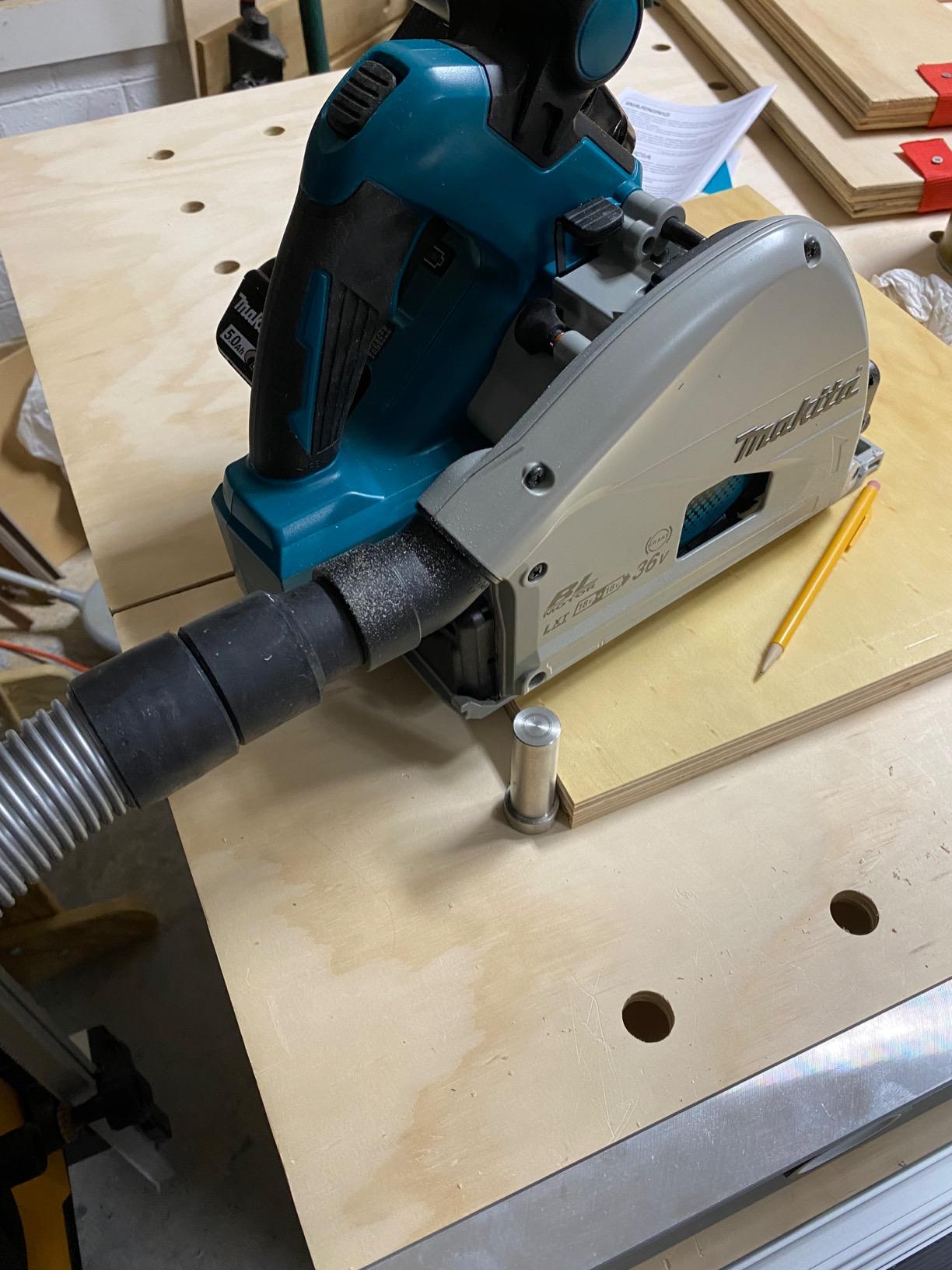
The XPS01PTJ is the strongest cordless body in this group, and at 4.8 stars it is also the best-regarded saw we tested. The 18V X2 platform puts two batteries in series for 36 volts, which is what gives it enough torque to walk a full sheet of birch ply without the operator second-guessing the depth of cut.
The electronically controlled brushless motor reaches 6,300 RPM, the highest figure in this roundup, and automatic speed change technology adjusts both speed and torque during the cut. On a long rip that means the blade keeps moving when the teeth go into dense veneer instead of dropping into the wood and stalling.
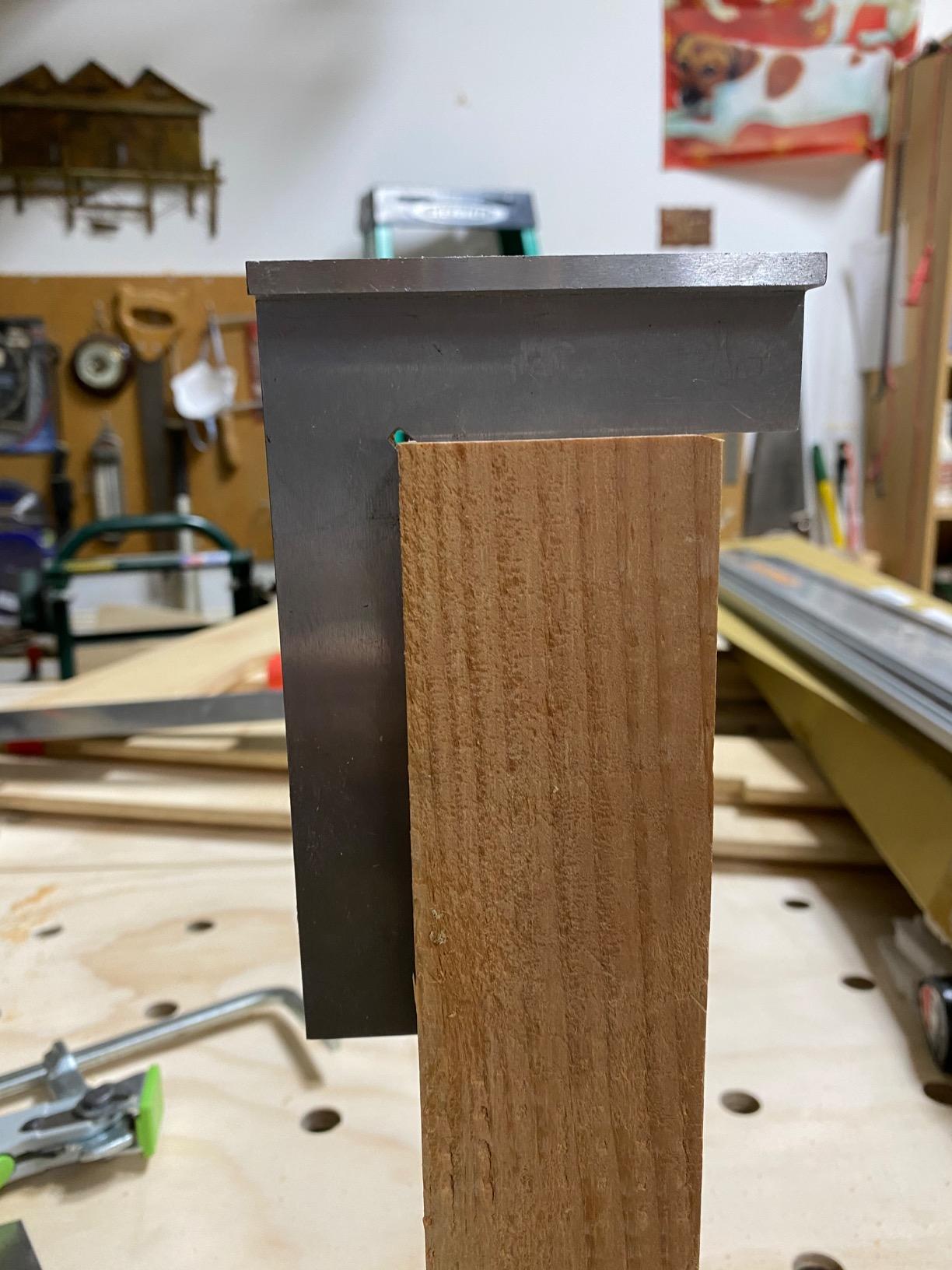
The 2,500 to 6,300 RPM variable speed dial gives you the same fine control the corded Makita offers, which matters for scoring a face veneer on a cabinet panel. The 11/16 inch close-to-the-wall capability means you can cut a narrow strip freehand against a fixed wall with the base flat against it.
Two 5.0Ah LXT batteries and a rapid charger come in the kit, and you get a three-year limited warranty across tool, batteries and charger. That is the most complete cordless package here short of owning the rail.
Why it wins on plywood
No cord means no snagging at the far end of a full-length cut, and no dragging a cord across a sheet every time you move the panel. For a solo builder moving between a sawhorse and a stand, that is a real workflow difference rather than a spec-sheet difference.
The speed range is wide enough to use one tool for both the crosscut score and the long rip, so you are not swapping blades or resetting a trigger position mid-project.
Where it falls short
The rail is sold separately, and the listing pairs this saw with a 39-inch rail, which is short for full sheet work. Budget for a longer section before you plan a 96-inch cut.
At 27.6 pounds the full package is the heaviest kit in the roundup. The saw itself is manageable, but carrying batteries, charger and case in one trip is a workout.
3. DEWALT DWS520K – Best Track Saw for Site-Built Cabinets
DEWALT Circular Saw, 6-1/2-Inch, TrackSaw Kit (DWS520K)
12 amp 1300W corded
4000 RPM
2-1/8 in depth at 90 deg
Riving knife included
Pros
- Zero clearance dual-edged track cuts splinter-free in both directions
- Depth scale accounts for track thickness so readings are accurate
- Continuous anti-kickback mechanism with riving knife
- Low profile blade guard works in confined cuts
- 4.7 stars across a large review base
Cons
- Rail is not included despite the kit name
- Two joined rail sections can bow in the middle of a long cut
- Forward and down plunge takes practice
- Heavy for all-day handheld ripping
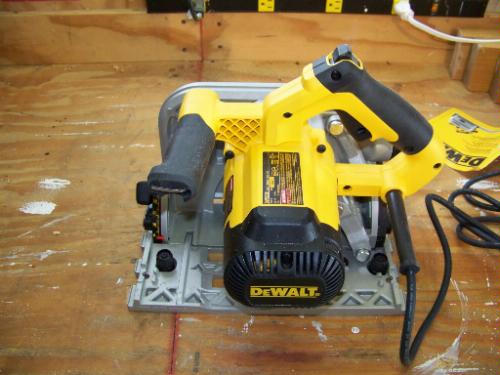
The DWS520K has been breaking down sheet goods for years, and owners consistently report it out-cutting a small table saw on full panels with no chipping. The zero clearance track saw system is the reason: the dual-edged rail runs right to the saw base, so there is no step to trip the top of the cut.
That detail matters more for plywood than for lumber. Every time the blade exits a panel at an angle it can lift a chip on the visible face, and removing the clearance step removes most of that opportunity.
The depth scale is calibrated to include track thickness, so a 2-1/8 inch setting is a true 2-1/8 inch. On saws that read zero to the base plate, the rail eats several sixteenths of an inch and every part comes out undersized, which is the kind of error that only shows up after cabinet assembly.
The continuous anti-kickback mechanism with riving knife is genuinely useful on a plunge cut into an existing joint, where the blade meets closed wood. The low profile blade guard also lets you get into a tight corner where a full-height guard would foul the work.
Why it wins on plywood
Dual-edged rails are the reason this saw is our top contractor pick. When you have to cut a panel from both directions around an obstruction, the second edge keeps the finish clean rather than flipping the sheet and gambling on the opposite face.
Long rips on a properly supported track come out straight, and the calibrated depth scale means parts fit the first time instead of the second.
Where it falls short
The rail is not included, whatever the listing calls it. Budget for at least two rail sections if you intend to cut full lengths, and that is the purchase most buyers forget.
Owners report the saw sticks slightly where two rail sections join, and a two-rail join can bow in the middle of a long cut. Check the joint for flatness before you trust a full-length pass.
4. Festool TS 55 FEQ-F-Plus-FS – Best Cut Finish on Visible Plywood Faces
Festool Plunge-Cut Track Saw TS 55 FEQ-F-Plus-FS with 55-Inch (1400mm) Guide Rail
1200W AC motor
Splinter guard included
Bevel 47 to 90 deg
55 inch rail included
Pros
- Attachable splinter guard gives a virtually chip-free face on both sides
- Cutting line stays unchanged from 90 down to 47 degrees
- Riving knife allows entry into an existing joint
- Systainer case protects the tool between jobs
- 55 inch guide rail covers most sheet breakdowns out of the box
Cons
- Proprietary dust port needs an adapter for most shop vacs
- Heaviest saw in the group at 22.8 pounds
- Premium pricing puts it far above the rest of the field
If your plywood parts are visible on a finished piece, the TS 55 is the reference for edge quality. The attachable splinter guard is the piece most budget saws simply do not have, and it changes what happens to the exit side of the cut by holding the top surface down as the blade leaves the panel.
The other underappreciated feature is the unchanged cutting line from 90 degrees down to 47. Most track saws shift the effective cut line as you bevel, which means a 45 degree trim does not land where your mark says it will. This one keeps the line where the rail is.
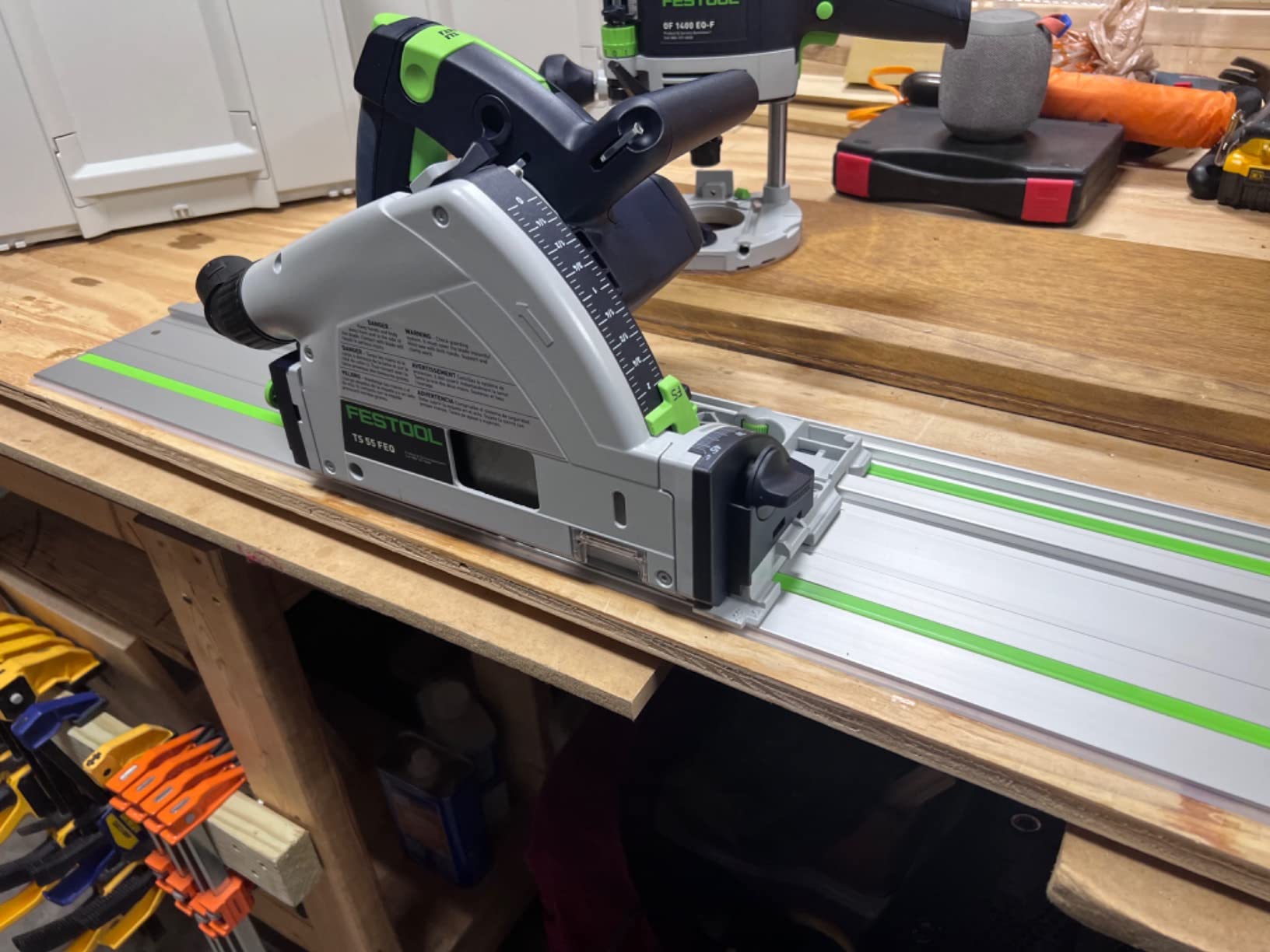
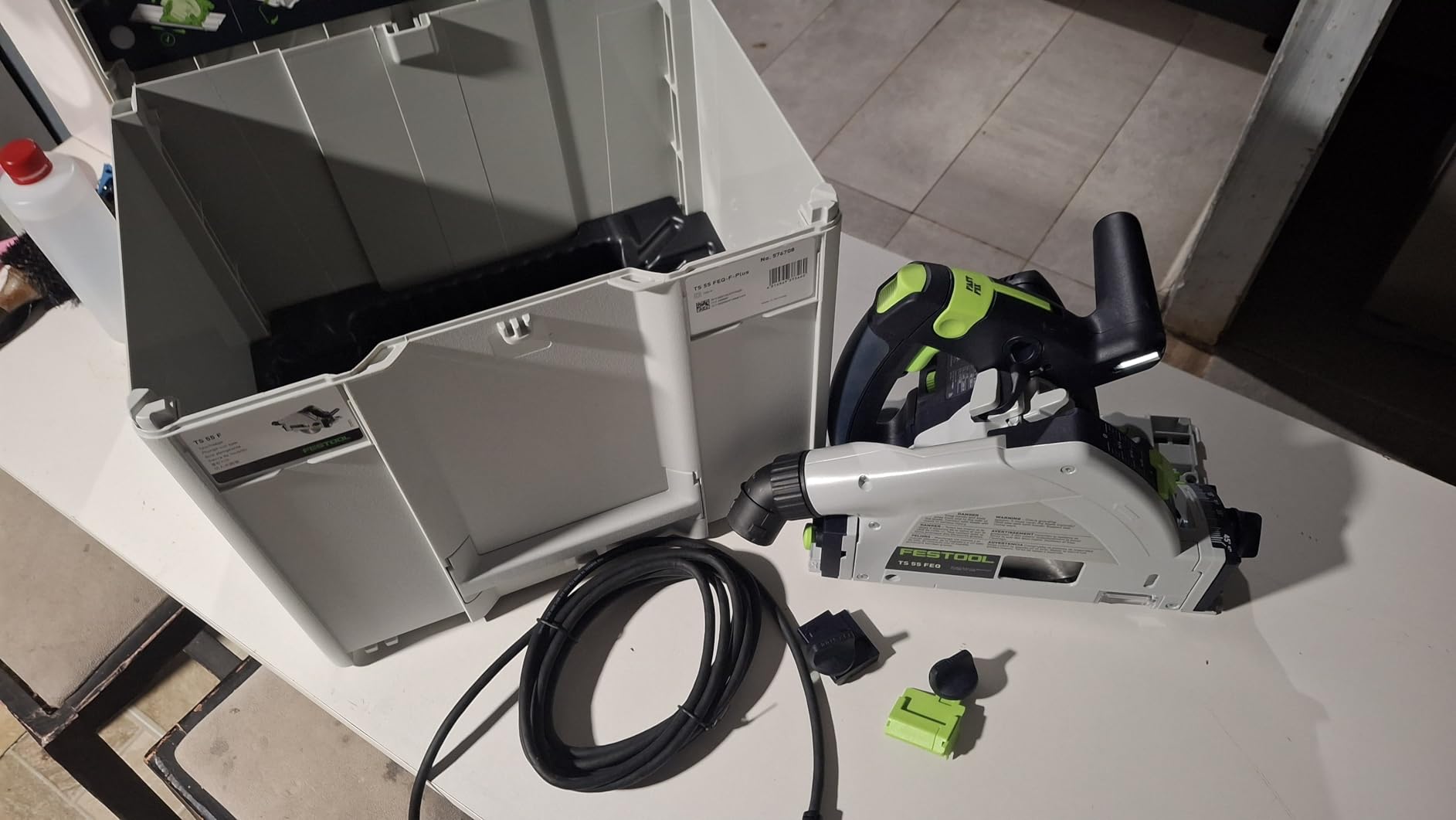
The integrated riving knife does two jobs. It reduces kickback on a plunge cut, and it lets the saw drop straight down into an existing joint rather than requiring you to start at an edge. On cabinet work where you are trimming a part back into an opening, that is a time saver rather than a luxury.
Long-time owners on woodworking forums consistently report that moving from a table saw to this saw produced smoother, more accurate plywood edges, and they also point out that blade choice matters more than saw choice for tear-out.
Why it wins on plywood
The splinter guard is the whole argument. On a veneered cabinet panel, the cost of tear-out is not the blade, it is sanding a visible face flat and hoping the grain still matches.
The bundled 55-inch rail and Systainer case mean the system is genuinely portable, and the three-year manufacturer warranty is the longest alongside the Metabo HPT.
Where it falls short
The dust port uses a proprietary connector. Connecting to a standard shop vacuum means an unofficial adapter, and dust control on a track saw is a set-it-once decision you will live with.
At 22.8 pounds it is the heaviest saw in the group, and the rail cost is real money for a buyer who already owns a compatible guide system.
5. Bosch GKT13-225L – Best Rail Fit and Track Connection
Bosch Tools Track Saw – GKT13-225L 6-1/2 In. Precision Saw with Plunge Action & Carrying Case
1560W corded
Single bevel pivot point to 47 deg
Tracking knobs front and rear
Swivel dust port
Pros
- Mafell-style track connection is the smoothest and most rigid here
- Cuts plywood with zero chipping out of the box
- Dust port locks in position instead of sagging
- Front and rear tracking knobs dial in saw-to-rail fit
- Swiveling hose port keeps the vacuum line clear of the cut
Cons
- Guide rail sold separately
- Front bevel has no positive stop and needs manual dial-in
- Slightly more friction on the rail than a Festool or Makita
- Case is not rugged enough for heavy site use
The Bosch earns its place on one specific mechanism: how the saw connects to the rail. The Mafell-style track connection is the smoothest and most rigid system in this roundup, and that is where binding at a joint begins or ends. A saw that glides instead of chattering at a seam keeps your edge straight over a long pass.
The single bevel pivot point is the second part of that story. Because the pivot does not move when you change from a square cut to a bevel cut, the rail sits in the same place either way, so your layout marks do not have to be redrawn for angled work.
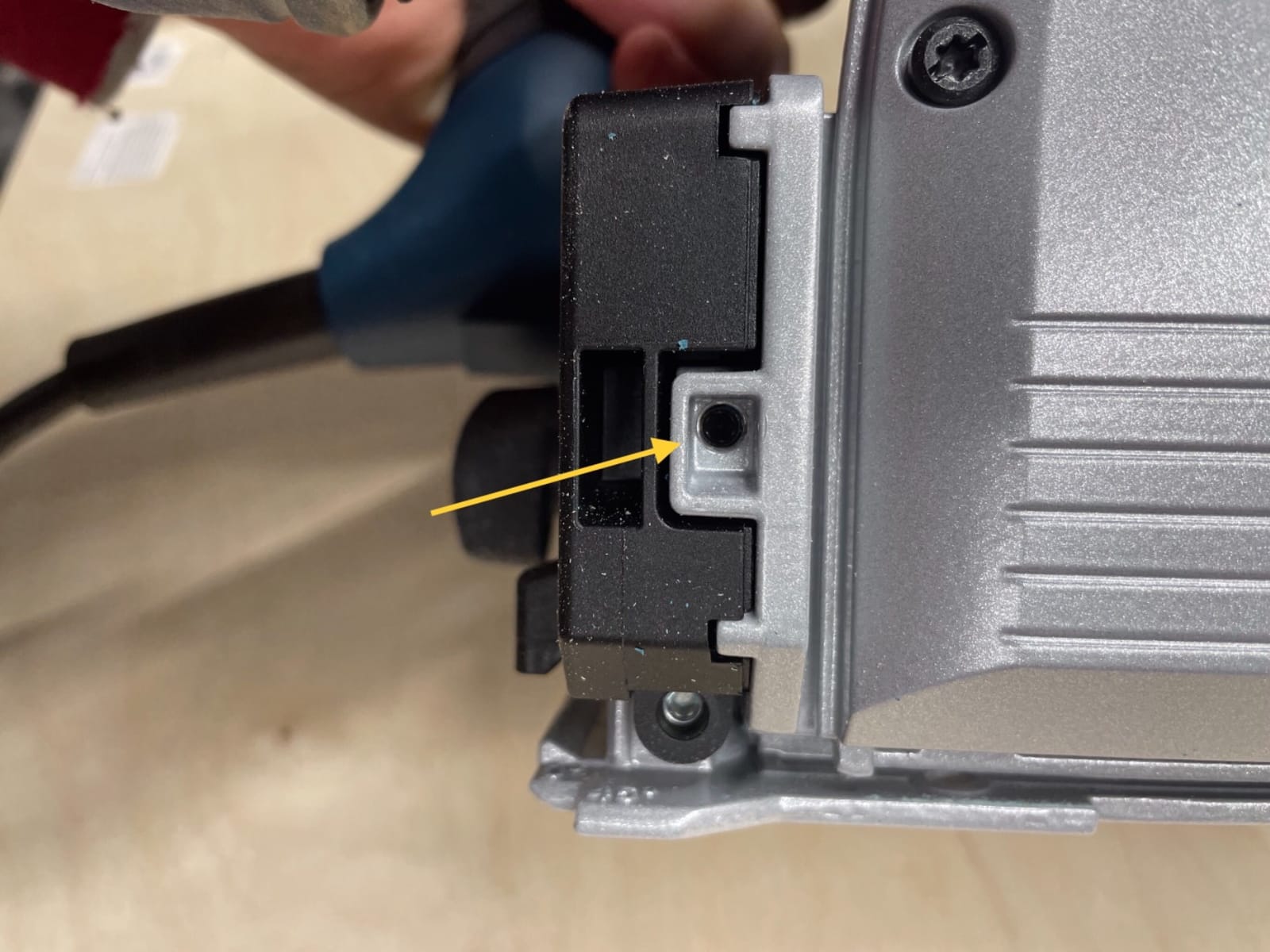
Constant electronics maintain speed under the load of more demanding applications and overload protection guards the motor, which is what lets it run competitively with the higher-priced saws without heating up during a full sheet rip. A 48-tooth 6-1/2 inch track saw blade is included, and it cuts plywood with what owners describe as a glue-ready edge with no chipping.
Dust extraction is the best in the group. Owners report leaving 1 to 2 percent of the dust a conventional saw leaves, and the swiveling hose port locks where you put it instead of folding onto the panel, which is a small thing that saves a lot of frustration.
Why it wins on plywood
Front and rear tracking knobs let you set the saw-to-rail fit precisely on your own machine. Loose fit in that interface is the mechanism behind wandering cuts, and being able to dial it out is worth more than raw power on a full sheet.
It accepts Festool-format tracks and fits the wider Mafell accessory catalog, so you are not locked into one rail ecosystem if you already own one.
Where it falls short
With 122 ratings the review base is far thinner than the mass-market saws, so long-term field data on this specific model is limited compared to what owners report about the Makita or DEWALT.
The front bevel has no positive stop, so a new saw needs manual dial-in to a true 90 degrees. Check it with a square before you trust a cut.
6. Metabo HPT C3606DPA – Best Cordless Saw for Deep Sheet Cuts
Metabo HPT 36V MultiVolt 6-1/2″ Cordless Track Saw Kit, C3606DPA
36V brushless
Over 2-1/2 in depth
9.7 lb tool
Bevel -1 to 46 deg
Pros
- Lightest full-featured cordless kit at 9.7 pounds
- Cutting depth over 2-1/2 inches
- Micro-adjust depth dial plus -1 to 46 degree bevel range
- 4.0Ah 36V battery and rapid charger included
- 360 degree swiveling dust port and see-through blade window
Cons
- Guide rail not included
- Smallest review base in the group at 61 ratings
- 8 percent of reviews are one-star
Depth is the reason this saw is on the list. More than 2-1/2 inches of cutting capacity beats every 6-1/2 inch plunge saw in the roundup, which means you can get through stacked sheet goods or a thick laminated panel in one pass instead of flipping the work.
It also weighs 9.7 pounds, the lightest full-featured cordless kit here. Around a full 4×8 sheet, where you are constantly repositioning yourself, a lighter saw means fewer awkward shifts of posture and less chance of dragging the guide rail across the panel.
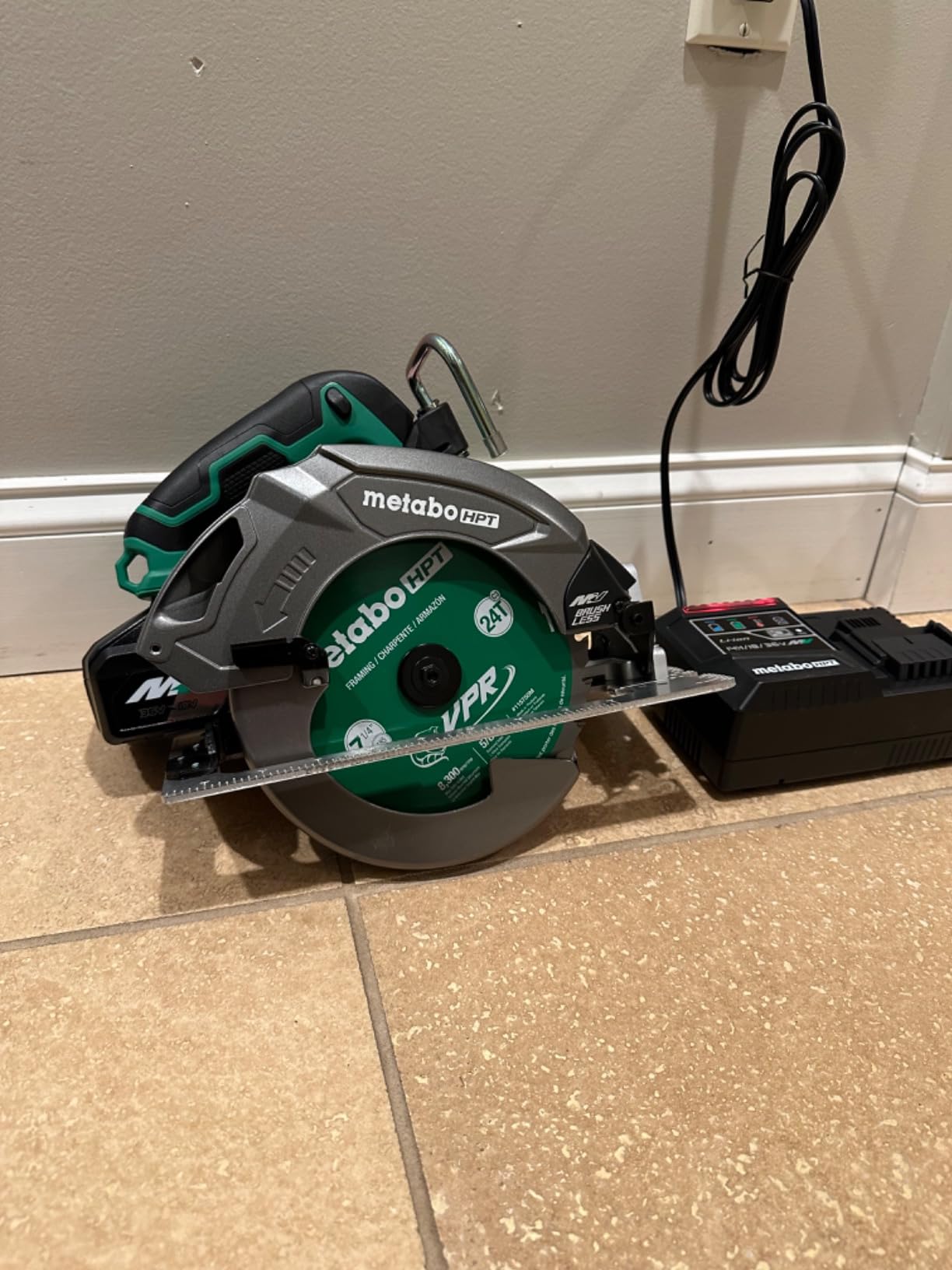
The micro-adjustment depth dial plus an easy-read depth scale is the feature owners mention first. On plywood, where you may be cutting 3/4 inch stock and then 1/2 inch parts from the same sheet, fine depth control is the difference between a clean edge and a stepped one.
A 360-degree swiveling dust port and a see-through blade window both solve visibility problems that are worse on a track saw than on a table saw, because your sight line is often along the rail rather than over the top of the blade.
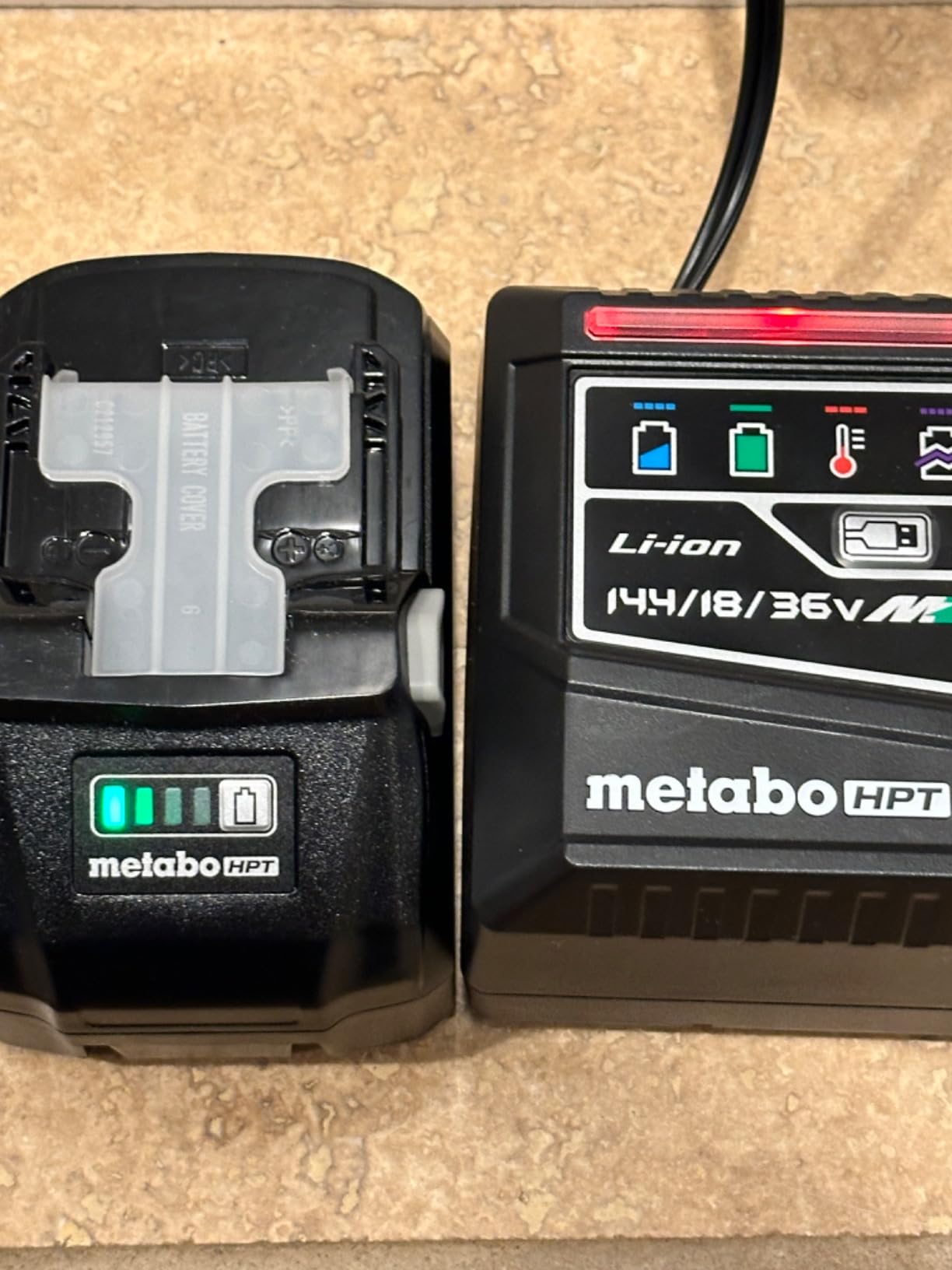
Why it wins on plywood
Depth above 2-1/2 inches means thick or stacked material goes through in one pass. Fewer passes means fewer chances for the panel to shift, and shifting mid-rip is the most common way a straight cut becomes a scrap.
The lifetime tool body warranty means the saw itself is a long-term purchase, and the 36V battery platform also accepts 18V packs for lighter work.
Where it falls short
With 61 ratings this is the least battle-tested saw in the group, so most of the feedback reflects first impressions rather than years of ownership. Budget accordingly before leaning on it for contract work.
Like most bare kits, the rail is a separate purchase, and it is the item that decides whether the system is useful for a full sheet.
7. Milwaukee M18 FUEL – Best Track Saw for an Existing Battery Fleet
Milwaukee M18 FUEL 6 1/2 Inch Plunge Track Saw (Bare Tool)
M18 FUEL brushless
Adjustable cam track fitment
Riving knife
Bevel stops at 22.5 45 48
Pros
- POWERSTATE brushless motor delivers cord-like cutting speed
- Adjustable cam system lets you dial track-to-rail fitment
- Riving knife reduces blade pinch and kickback
- Micro-adjust depth knob with an easy-slide depth scale
- Bevel stops at 22.5 45 and 48 degrees
Cons
- Bare tool only with battery charger case and rail sold separately
- Not a ready-to-use track saw out of the box
- Smallest review base in the group at 44 ratings
If you already run M18 packs, the saw itself is the easy part. The platform is widely deployed, so the batteries and charger are already on your bench, and what you are really deciding is whether the rail is worth adding to the ecosystem.
The adjustable cam system is the feature that separates this from other bare-tool saws. It lets you dial the track-to-rail fitment for the cut you are making rather than living with whatever the factory setting is, and early owner feedback suggests it produces among the straightest cuts of the cordless group.
Owners also like the riving knife, which keeps material from pinching the blade and reduces kickback on plunge and rip cuts, and the quick-locking blade change system with a fast swap.
Why it wins on plywood
Variable speed dial, micro-adjust depth knob and bevel stops at 22.5, 45 and 48 degrees give you repeatable settings without guesswork. For a production run of identical cabinet parts, repeatable beats powerful.
At 1-7/8 inch the vacuum port accepts common hose sizes, and the included vac port and dust bag keep cleanup manageable on a sheet job.
Where it falls short
With 44 ratings there is not enough owner history to make firm conclusions, so you are buying on the platform rather than on a track record for this specific saw.
Everything around the saw is a separate purchase: battery, charger, case and rail. Count all four before you start cutting.
8. Evolution R185CCSX – Best for Deep Cuts and Mixed Materials
Evolution Power Tools R185CCSX Multi-Material Circular Track Saw Kit with 40″ Track Included, TCT Blade Included, Cuts Wood, Plastic, Metal & More, 7-1/4 Inch
15 amp 1800W
Depth up to 2-1/2 in
7-1/4 in TCT blade
40 inch track included
Pros
- Deepest cutting capacity here at an adjustable 2-1/2 inches
- 7-1/4 inch TCT blade cuts wood plastic and metal on the same blade
- Bundled 40 inch rail dust port adaptor and soft-grip handles
- 15 amp high-torque motor handles dense sheet goods
- Lowest total cost of any complete track saw kit here
Cons
- 40 inch rail is short for a full sheet
- 4.3 stars is the lowest average among the plungers
- 0 to 45 degree bevel is narrower than most rivals
The Evolution is the odd one out, and that is why it is useful. The 7-1/4 inch TCT blade cuts wood, plastic and metal without a blade change, and the adjustable 2-1/2 inch depth on a 15-amp high-torque motor is the deepest capacity in this roundup.
That combination suits a shop that does more than cabinetry. If you are cutting composite decking, plastic panels or aluminium flashing alongside plywood, one saw handles all of it, and the 40-inch track, dust port and adaptor in the box make it a working system rather than a saw plus a wish list.
Cut finish on plywood is a step below the dedicated woodworking track saws. At 4.3 stars from 323 reviews with an 8 percent one-star share, the complaints cluster around the included rail being too short for full sheet work and around finish quality on a visible edge.
The 0 to 45 degree bevel tilt is also narrower than the -1 to 48 degree range most competitors offer, so there is no negative bevel for trimming a proud part back flush.
Why it wins on plywood
At 2-1/2 inches of adjustable depth it handles stacked sheet goods in one pass, and the 15-amp motor has the headroom for dense panel material without the blade bogging.
The complete bundle means you can be cutting on day one without researching rail compatibility, which is the friction that stops a lot of track saw purchases.
Where it falls short
The 40-inch rail will not span a 4×8 sheet on its own. Plan on joining it or buying a second section before you commit to full sheet work.
If your plywood parts are visible on a finished piece, the edge finish will not match what a Festool or Bosch produces, and the narrower bevel costs you a trick that cabinet builders use constantly.
9. WEN CT1065 – Best Budget Track Saw for Occasional Plywood
WEN CT1065 10-Amp 6.5-Inch Plunge Cut Sidewinder Circular Track Saw,Black
10 amp 1200W
4500 RPM
2-1/3 in rip capacity
6.5 in 24-tooth blade
Pros
- Low-cost entry into plunge track saw cutting
- Rips boards up to 2-1/3 inches thick with clean splinter-free cuts
- Works as both a track saw and a sidewinder plunge saw
- Handles 45 degree bevels up to 1-5/8 inches
- Compatible with WEN 100 inch track and track saw clamps
Cons
- Guide rail and clamps sold separately
- 24-tooth blade is coarse for visible plywood edges
- 4.4 stars with a thicker band of one-star reviews
The WEN CT1065 answers a narrow question well: can you get a working plunge track saw for occasional plywood without committing to a professional system. With 1,577 reviews at 4.4 stars, it is the most widely owned saw in this roundup, and most of those owners are cutting occasional sheet goods rather than building cabinets.
The dual-use design is genuinely useful. With the rail removed it becomes a sidewinder plunge saw, which makes it a compact tool for cutting a stopped slot in the middle of a panel or trimming a door edge without pulling out a full second saw.
The blade is where the budget shows. A 24-tooth carbide blade at 4,500 RPM handles a rip cleanly enough, but on a veneered face the tooth count is coarse enough that exit chipping shows on the visible side. Owners also report sticking depth and bevel adjustments that can shift mid-cut, which ruins accuracy on a cut you cannot repeat.
The rail is sold separately, and the 2-1/3 inch rip capacity and 45 degree bevel to 1-5/8 inches mean it handles typical 3/4 inch and 1/2 inch plywood without drama.
Why it works on plywood
For occasional rip and crosscut work on common plywood thicknesses, it does the job at a fraction of the cost of the alternatives. That is a legitimate reason to buy it, especially if you are already committed to WEN tracks.
The 4500 RPM motor has enough power for standard sheet goods, and the plunge works from a standing position on a sheet supported at both ends.
Where it stops working
Fine work and visible edges are the limit. The 24-tooth blade, the adjustable depth that can shift, and the absence of a splinter guard make it a poor choice for cabinet faces you will see every day.
At 4.4 stars with a thicker one-star band than the professional saws, the failures cluster around precision adjustments rather than the motor, which is the usual trade with an entry-level tool.
10. Triton TTS1400 – Lightest Saw for Small Cuts on a Full Sheet
Triton TTS1400 6-1/2-Inch Plunge Track Saw 1400W
1400W motor
5300 RPM
6.5 in 60-tooth blade
6.5 lb tool weight
Pros
- Lightest saw in this roundup at 6.5 pounds
- 1400W motor spinning to 5300 RPM
- 60-tooth blade gives a finer finish than budget rivals
- Safety plunge lock prevents accidental blade drop
- Universal vacuum adapter with a 360 degree rotating outlet
Cons
- 4.0 stars is the lowest average in the group with 11 percent one-star
- Guide rail sold separately
- Only 53 ratings so feedback is thin
- Aging design with no current track system support
Weight is the single argument for the Triton, and at 6.5 pounds it is the lightest saw in the group. Around a full sheet, where you are climbing over the panel and repositioning repeatedly, that is not a trivial advantage.
The 60-tooth blade is also finer than most of the budget options here, and at 5,300 RPM the 1,400-watt motor has speed to spare for crosscutting a panel. The safety plunge lock is a small thing that prevents an accidental blade drop when you set the saw down on a bench.
The universal vacuum adapter with a 360 degree rotating outlet fits common hose sizes, and the on-board tool storage keeps the hex key with the saw rather than in a drawer.
Where it makes sense
For someone who only makes a few parts at a time from a sheet, a light saw reduces the fatigue that leads to a wandering cut in the second half of a long session. The fine blade helps the finish on those occasional visible edges.
The plunge lock and the soft-grip handles make it a safe saw to learn on if you are new to plunge cutting.
Why it ranks last here
At 4.0 stars from 53 ratings, it has the lowest average and the highest one-star share in this group. Just 60 percent of its ratings are five-star, which is the clearest signal in the data.
It is an older 110-volt design with no current track system support, so the rail ecosystem narrows as the platform ages. If you are buying new and cutting plywood regularly, the trend line on parts and accessories is worth weighing.
How to Choose a Track Saw for Plywood
Cut depth comes first, and the threshold is 2 inches. A 6-1/2 inch plunge saw at 2-1/8 inches barely clears 3/4 inch plywood with room for a base plate, and nothing more. If you plan to cut stacked sheet goods, the Metabo HPT and Evolution at 2-1/2 inches are the two that handle a pass without a flip.
Rail length is the second decision, and it needs to be sized against a 96-inch sheet rather than against a wish list. A 48-inch rail covers cabinet carcasses and door work. A 55-inch rail is the sweet spot for breaking down panels and joins to longer lengths. A 60-inch rail covers most crosscuts of a full sheet in one pass. None of them span 96 inches alone, which is why offcut support matters more than rail length.
Corded versus cordless is a workflow question rather than a power question. Cordless removes the cord snag at the end of a long cut and lets you reposition around a sheet freely, at the cost of buying batteries and a rail. Corded gives you continuous speed and no battery logistics. Several users on woodworking forums report buying a track saw after selling a table saw to free up shop space, which is a strong argument for the cordless format in a small shop.
Dust extraction is a set-it-once decision. A fixed or awkward port collects badly and you will stop using it. The Bosch swiveling port that locks in position and the Milwaukee 1-7/8 inch hose compatibility are the two that fit ordinary shop setups best; the Festool proprietary connector needs an adapter.
Three safety systems get confused constantly and are worth separating. Anti-tip is the body of the saw pivoting forward if you lose control, which keeps your hand away from the blade. A riving knife is a physical blade behind the saw that keeps the workpiece from closing on the teeth. Electronic anti-kickback is a sensor that shuts the motor down when it detects a kickback event. They are not substitutes for each other.
Blade support is worth checking too. The DEWALT depth scale is calibrated to include track thickness, so a 2-1/8 inch setting is a true 2-1/8 inch. On saws that read zero to the base plate, the rail silently eats several sixteenths and every part comes out undersized.
If you want the wider context on saws that handle panels of different sizes, our roundup on the best track saws for woodworking covers the general-purpose picks, and our guide to cold saws for metal cutting covers the opposite end of the material range.
Why Plywood Tears Out and How to Stop It
Tear-out happens when the blade teeth are exiting the top face of the panel and pulling wood fibres upward with them. It is the single most common plywood complaint in forum threads, and it is almost always the blade or the cut direction rather than the saw.
For tooth count, the practical answer for sheet goods is a 40-tooth general-purpose blade for crosscutting and a 60-tooth fine finish blade when the edge will be visible. Both are far better choices on a 6-1/2 inch track saw blade than the 140-tooth blades people sometimes buy. A 140-tooth blade is generally overkill at that diameter: it removes almost no material per pass, so it generates heat, and heat is what burns marks into a veneer face.
The cheapest fix costs nothing. Set the blade depth so it clears the panel by about 1/16 inch and no more. Extra depth does not improve the cut, it only lets the blade wander further after it breaks through, which is exactly what pulls fibres up.
Next is cut direction. Put the rail on the waste side of the line, so the good panel face is on the side where the blade exits upward, and mark the line so you know which face will be clean before you start.
Then there is the backer board. A piece of scrap plywood or MDF under the sheet gives the exiting teeth something to bite into instead of the face you care about, and masking tape pressed along the line over the face is a close second-best version of the same trick.
Finally, hardware. The Festool attachable splinter guard holds the top surface down as the blade leaves, which is why that saw produces the cleanest visible edges in this roundup without any change to technique.
How to Cut Plywood with a Track Saw
Step one is support. Lay the sheet on foam insulation, on a set of sawhorses with a flat top, or on a sacrificial layer over your bench so the panel sits flat and does not rock. A rocking sheet is the number one cause of an inconsistent rip.
Step two is sizing the rail to the cut, not to the panel. Choose the shortest rail that covers the cut so you have rail under the saw for its whole travel and overhanging rail to clamp against. On a full sheet, join sections and check the joint is flat before you clamp.
Step three is marking. Measure from the factory edge of the panel rather than a scribed line, and mark both the top face and the edge so you can see the target on both sides of the cut.
Step four is positioning the rail on the waste side of the line. This keeps the good face clear, lets you clamp to the offcut without marking it, and means the offcut is supported by the rail as you finish the cut.
Step five is setting depth. Dial the blade so it clears the panel by about 1/16 inch. On saws with a calibrated scale, read the scale; on saws that read to the base plate, subtract the rail thickness yourself.
Step six is clamping. Use track clamps at both ends and one in the middle for a long pass, and tighten them before you touch the depth adjustment. Check the rail for square to the panel edge with a small square before you cut.
Step seven is making the cut. Start the saw at full speed, plunge, and run the cut in one continuous pass without stopping. Stopping mid-rip leaves a step in the edge that no amount of careful sanding removes.
Step eight is supporting the offcut. Before the cut separates, walk to the end of the panel and take the weight of the offcut with a second stand or a foam block. If the offcut is free to fall, it will pinch the blade and drag the cut off line at the very end.
Track Saw vs Table Saw vs Circular Saw With a Jig
The honest answer is that a track saw wins for sheet goods and one-person work, a table saw wins for repeat cuts in a fixed setup, and a circular saw with a good straight edge is closer to a track saw than most buyers expect once they have practice.
Users on woodworking forums commonly report that with a good straight edge and practice, most people cut plywood about as straight with a circular saw as with a table saw. That is a real expectation-setting point, and it is why a shooting board or a simple straight-edge jig is a legitimate budget path for occasional cuts.
Where the track saw pulls decisively ahead is sheet size and safety. A table saw cannot accept a 96-inch panel, and handling one person while standing to the side of a spinning blade is a different risk category from making the cut in front of you with the saw on a rail.
Where the table saw pulls ahead is repetition. If you are cutting the same width forty times, a fence and a stop block are faster and more consistent than clamping a rail forty times.
Where a plain circular saw with a jig is the right answer is cost and simplicity. For a weekend project cutting two or three panels, a straight edge and a clamp are enough, and the skill curve is shorter than learning to dial in a track saw to rail fit.
Our take: buy the track saw if you break down sheet goods regularly, work alone, or want visible parts. Skip it if you already own a table saw and mostly cut narrow stock.
Frequently Asked Questions
What saw is best for cutting plywood?
A plunge-cut track saw fitted with a fine-finish plywood blade is the best all-round answer. It clamps a rigid guide rail to the panel so the blade follows a fixed path instead of your hands, and the plunge lets the cut start mid-panel. Our pick for most people is the Makita SP6000J1, which includes a 55 inch rail and cuts 2-3/16 inches at 90 degrees.
How many teeth for ripping plywood?
For a 6-1/2 inch track saw blade, a 40-tooth general-purpose blade handles crosscutting sheet goods and a 60-tooth fine finish blade is the right call when the edge stays visible. Teeth counts much higher than that remove too little material per pass, build heat and can burn marks into a veneer face.
Is a 140 tooth blade good for plywood?
Generally it is overkill on a 6-1/2 inch track saw blade. A 140-tooth blade takes a very light cut, which generates more heat rather than a cleaner edge, and heat is what causes burn marks on veneered plywood. A 40-tooth or 60-tooth fine finish blade is the better call for sheet goods.
Which saw is best for cutting plywood sheets?
For full 4×8 sheets, a cordless plunge track saw with at least 2 inches of cutting depth and a rail that joins to full length is the right tool. The Makita XPS01PTJ and the Metabo HPT C3606DPA both clear 2-1/2 inches, and the Metabo is the lighter of the two at 9.7 pounds. Budget for a second rail section either way.
Are track saws better than table saws?
For sheet goods and one-person work, yes. A track saw handles a full panel that no table saw can accept and keeps your hands in front of the cut rather than beside a spinning blade. For repeating the same narrow cut dozens of times, a table saw fence is still faster. A circular saw with a good straight edge is closer to a table saw than most beginners expect once they have practice.
Why does my track saw tear out the top of my plywood?
Tear-out happens as the teeth exit the top face and pull fibres upward. The usual causes are a coarse blade, a cut with the rail on the good side, a blade set too deep, or a panel that is not fully supported. Set depth so the blade clears by about 1/16 inch, put the rail on the waste side, use a 60-tooth fine finish blade, and lay a backer board under the sheet.
Is a 48 inch rail enough for a 4×8 sheet?
Not on its own, because a full sheet is 96 inches. A 48 inch rail covers cabinet carcasses and door work well, a 55 inch rail is the best general choice, and a 60 inch rail handles most crosscuts of a full sheet in one pass. No single rail spans the whole sheet, so plan to join sections and support the offcut before the cut separates.
Is a track saw worth it?
Yes if you break down 4×8 sheet goods, work alone, or cut parts with a visible face. No if you already own a table saw and mostly cut narrow stock, because the rail clamps will slow you down on repeated identical cuts.
The Best Track Saw for Your Plywood Workflow
The best track saws for plywood cutting come down to three questions. Do you need visible faces? That means the Festool TS 55 and its splinter guard. Do you need to move around a full sheet without a cord? That means the Makita XPS01PTJ or the lighter Metabo HPT C3606DPA. Do you just want the most complete, accurate corded system you can set up in one purchase? That is the Makita SP6000J1, and it is our Editor’s Choice for 2026 because the rail is in the box and the variable speed control keeps the blade moving under load.
Whatever you choose, the blade and the cut direction decide your edge quality far more than the saw does. Fit a 60-tooth fine finish blade, set the rail on the waste side, clear the panel by about 1/16 inch, and support the offcut before the cut separates.