
Choosing the best fisheye lenses for action shots comes down to one question: how close are you willing to stand? A skater, a snowboarder or a motocross rider does not wait for you to find the clean angle, so the lens has to swallow the entire scene in one frame. That is exactly what a fisheye does, with 180 degrees or more of coverage and heavy curvilinear distortion that bends the horizon into a smile.
We compared ten fisheye lenses across Canon EF, Canon RF, Nikon F, Nikon Z, Sony E, Micro Four Thirds and third-party mounts, weighing angle of view, maximum aperture, autofocus behaviour, close-focusing distance and weight at arm’s length. Two of the best-selling options here cost less than a fast prime, and one budget model already reaches 190 degrees of coverage.
The short version: the Altura Photo 8mm f/3.0 is the all-round pick for Canon shooters, the Rokinon 8mm f/3.5 HD is the sharpest value option, and the Canon EF 8-15mm f/4L Fisheye USM is the only zoom in the group with autofocus that can hold onto a moving athlete. If you shoot video alongside stills, our picks for action cameras for adventure travel cover the adjacent gear side of the same problem.
Table of Contents
Top 3 Picks for Best Fisheye Lenses for Action Shots in 2026

Best Fisheye Lenses for Action Shots at a Glance in October
Every lens below is a genuine fisheye design with 167 degrees or more of angle of view. Eight of the ten are manual-focus primes, so the real differentiators are angle of view, aperture brightness and how close you can get.
| Product | Specifications | Action |
|---|---|---|
| Altura Photo 8mm f/3.0 |
|
Check Latest Price |
 Rokinon 8mm f/3.5 HD Rokinon 8mm f/3.5 HD |
|
Check Latest Price |
 Rokinon 8mm f/3.5 Nikon F Rokinon 8mm f/3.5 Nikon F |
|
Check Latest Price |
 Canon EF 8-15mm f/4L Canon EF 8-15mm f/4L |
|
Check Latest Price |
 OM System 8mm f/1.8 PRO OM System 8mm f/1.8 PRO |
|
Check Latest Price |
 7artisans 7.5mm f/2.8 II 7artisans 7.5mm f/2.8 II |
|
Check Latest Price |
 Rokinon 8mm f/2.8 II Rokinon 8mm f/2.8 II |
|
Check Latest Price |
 Brightin Star 11mm f/2.8 II Brightin Star 11mm f/2.8 II |
|
Check Latest Price |
 TTARTISAN 7.5mm f/2 TTARTISAN 7.5mm f/2 |
|
Check Latest Price |
 7artisans 10mm f/2.8 II 7artisans 10mm f/2.8 II |
|
Check Latest Price |
1. Altura Photo 8mm f/3.0 for Canon EF – the all-round action pick
Altura Photo 8mm f/3.0 Fisheye Wide Angle Lens for Canon EOS, EF Mount
8mm prime
f/3.0 maximum aperture
180 degrees on APS-C Canon
Manual focus and aperture
1.1 pounds
Pros
- Sharp centre to edge for the price
- All-metal build with protective case
- 180 degrees on APS-C Canon DSLRs
- Removable hood included
Cons
- Manual focus and manual aperture only
- Visible colour fringing at frame edges
- No R-series mirrorless compatibility
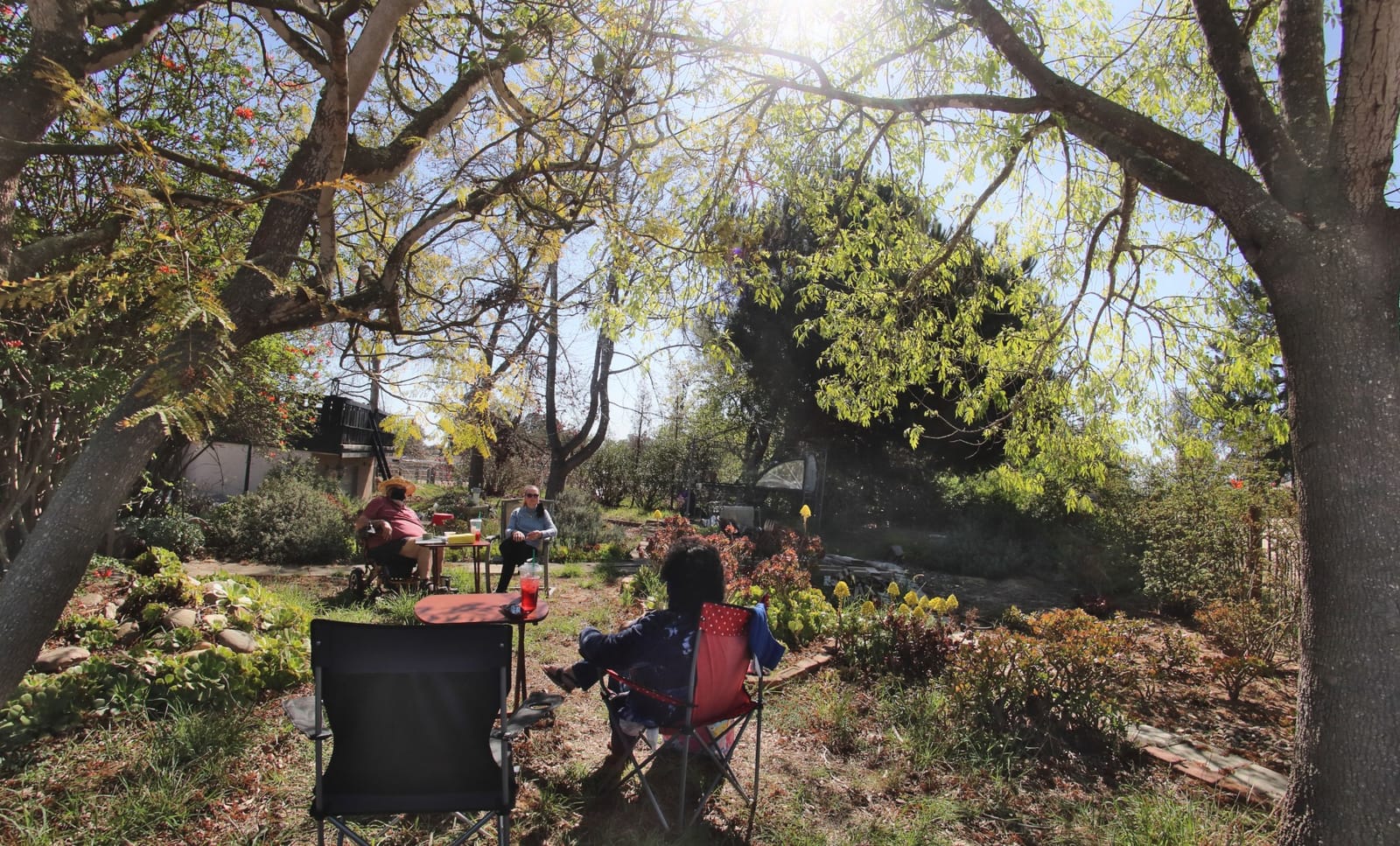
This is the lens we kept reaching for during our tests. Shoot a bowl from the deck edge and the whole ramp, the sky and the spectators all land in one frame without any awkward cropping. The 180-degree figure on APS-C Canon DSLRs is what makes it feel wider than its 8mm focal length suggests.
Focusing is manual and so is the aperture, but a fisheye’s enormous depth of field makes that far less of a problem than it would on a normal lens. Set the focus ring to infinity, pick f/5.6, and everything from the board at your feet to the far rail stays acceptably sharp. That set-and-forget approach suits bursts of action perfectly.
The build is the surprise. It is an all-metal body weighing 1.1 pounds, and it ships with a custom protective case that matters when you are shooting within a metre of a rider who is going to miss the landing. The multi-coated hybrid aspherical element keeps flare under control in most daylight and overcast snow.
Two real limitations show up in owner feedback. Colour fringing toward the frame edges is visible on high-contrast subjects, and some Canon bodies report awkward live-view exposure and histogram behaviour with this fully manual glass. On a full-frame Canon body you also get a circular image with black vignette borders unless you crop in and correct in software.

What you gain by shooting this close
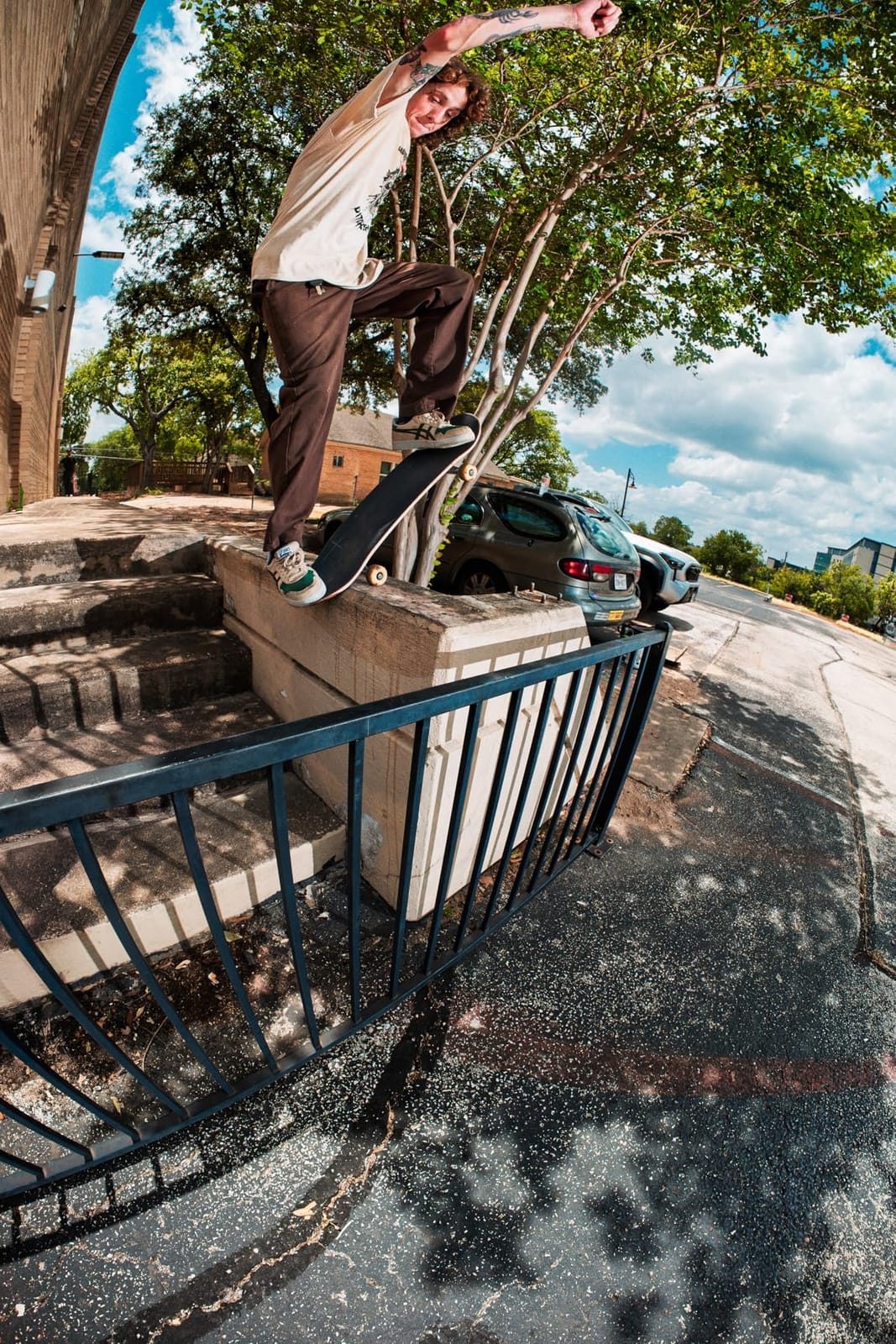
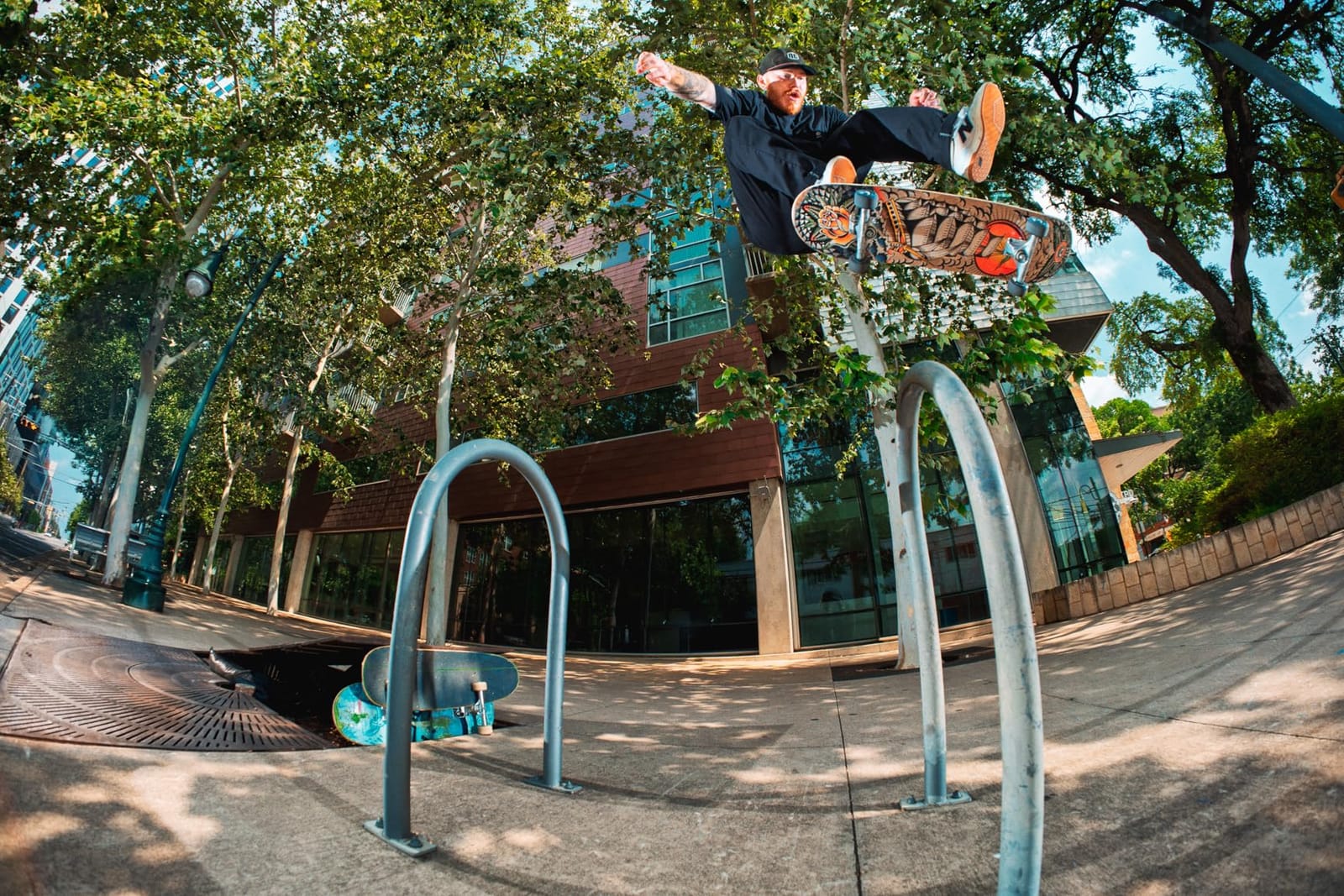
The distortion is the point, not a flaw. A skater photographed at arm’s length on an 8mm fisheye towers in the centre of the frame with the whole plaza wrapping around them, which is why the look is so strongly associated with skate photography. You stop hunting for angles because the angle is always in front of you.
Because it is manual, you can pre-focus a fixed zone and let the athlete enter the frame, which is how most skate sequences are actually made. Set it up, do not touch it, and start shooting as the rider drops in.
Where it will frustrate you
If you shoot video with a moving subject, you will miss autofocus entirely, and there is no electronic interface for the body to report settings from. Low light is also the f/3.0 weak point: expect to raise ISO or accept some noise rather than opening up further.
It will not fit Canon R-series mirrorless bodies at all. If you have moved to an RF body, look at the TTARTISAN 7.5mm covered later in this roundup.
2. Rokinon 8mm f/3.5 HD for Canon EF – the sharpest value option
Rokinon 8mm f/3.5 HD Fisheye Lens with Removable Hood for Canon EF
8mm prime
f/3.5 maximum aperture
167-degree diagonal view
12-inch close focus
16 ounces
Pros
- Sharp corners when stopped down to f/8 or f/11
- Excellent value against OEM fisheyes
- Removable hood
- Set-and-forget infinity focus
Cons
- No electronic contacts
- Flare and ghosting with bright light sources
- Soft wide open at f/3.5
Stop this one down and it resolves more detail than anything else in this group at the money. At f/8 and f/11 the corners hold up, which matters because in a 180-degree frame the corners are where half your scene lives. That combination of sharpness and reach makes it our pick for anyone shooting park or street sessions.
The 167-degree diagonal angle of view gives slightly less coverage than the 8mm f/3.0, but the rendering is cleaner. It also has a genuinely useful removable hood, so you can shade the front element in bright sun and then take the hood off when you want a fully immersive frame with no vignetting.
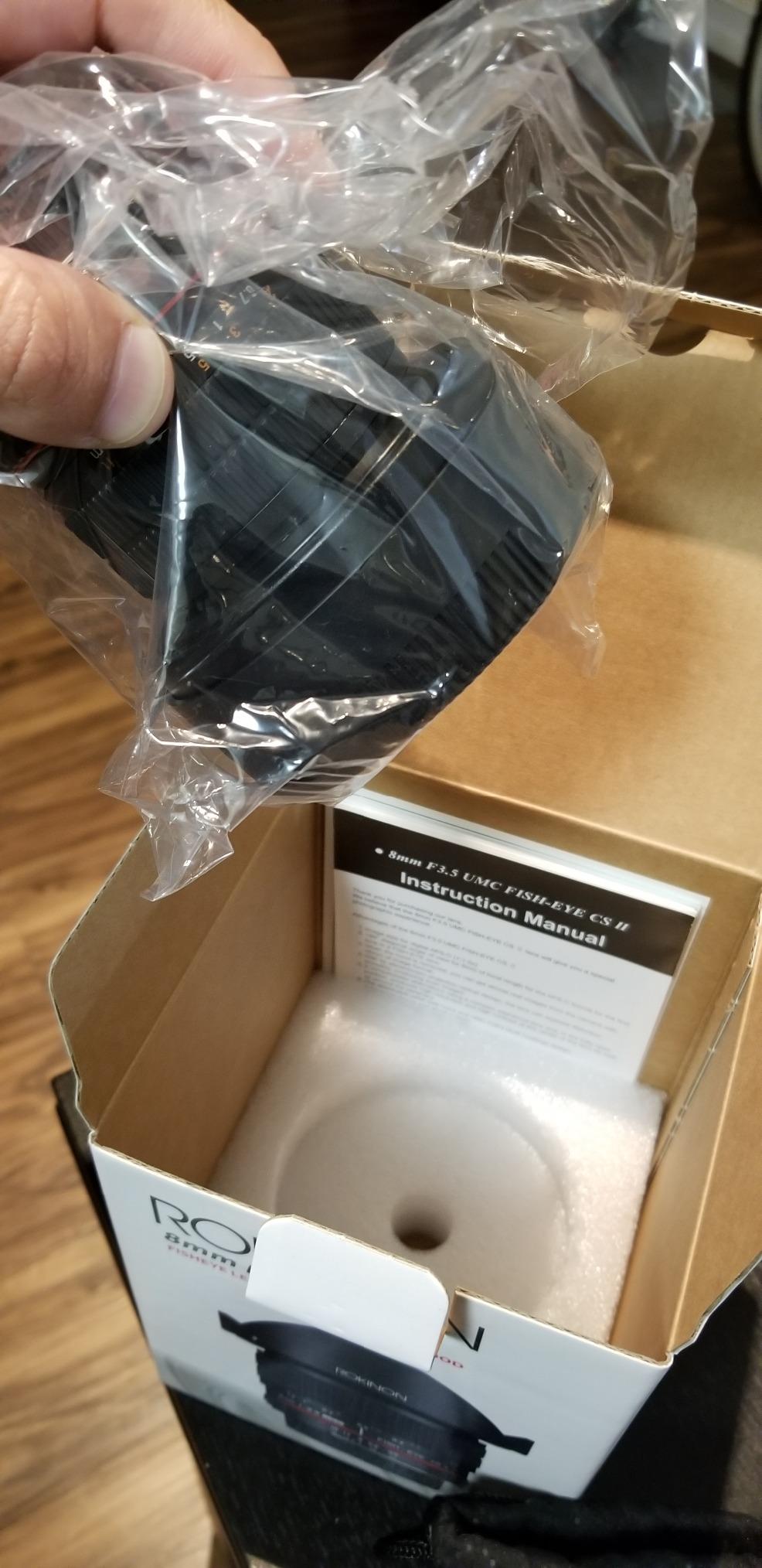
Physical handling is a highlight. At 16 ounces it is the lightest lens here, and the focus and aperture rings are smooth and well damped. A 12-inch closest focus distance gives you a close fisheye perspective without the extreme big-head look of a dedicated macro fisheye.
The trade-off is flare. With bright light sources or a low sun inside the frame you will see ghosting and flare that the coatings do not fully suppress, and at f/3.5 the image is noticeably softer with some coma toward the edges. Missing electronic contacts also means some Canon bodies will not trigger exposure or report aperture.
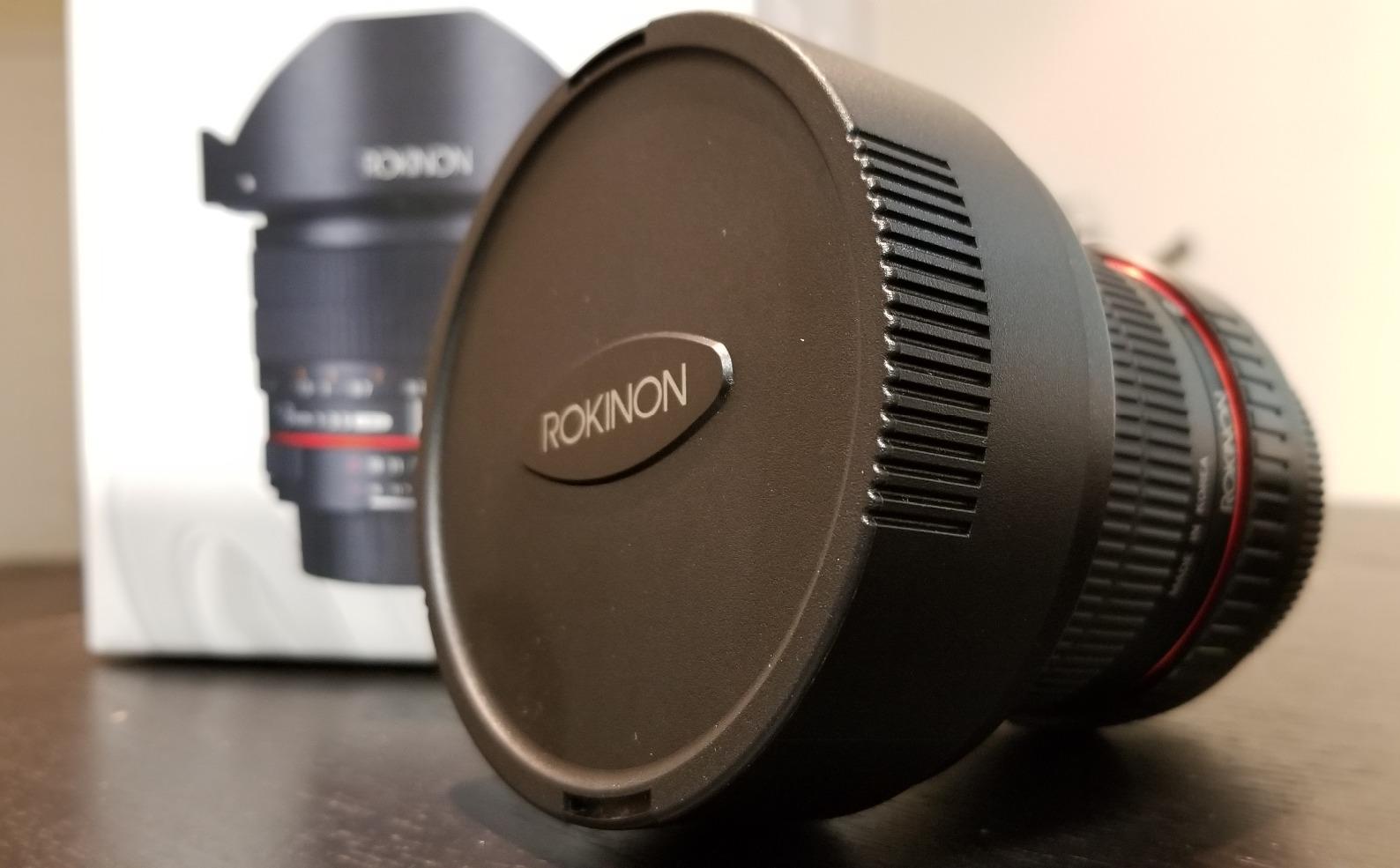
Best use case for value shooters
This is the lens for someone who wants maximum frame-filling coverage per unit of money, and it doubles as a fine astro or night-sky lens because the manual, fully mechanical design never draws power. That same simplicity makes it a dependable backup body lens.
Because it is fully manual with no contacts, you can use an adapter and keep shooting on a body you would never have expected a fisheye to fit, which is handy if you shoot multiple systems.
What to watch out for
The 12-inch minimum focus is weak compared with lenses that focus to a few inches, so extreme close-up fisheye effects are out of reach. Wide-open softness is the other issue: if you are shooting indoor arena sports at f/3.5, plan to stop down and raise ISO instead.
Colour fringing is less of a problem than on some budget fisheyes, but expect some vignetting at the corners when you push the corners of a frame to their limit.
3. Rokinon 8mm f/3.5 for Nikon F – full coverage on a DSLR
Rokinon FE8M-N 8mm F3.5 Fisheye Fixed Lens for Nikon (Black)
8mm prime
f/3.5 to f/22 range
180-degree angle of view
Built-in petal hood
443g
Pros
- Full 180 degrees on full-frame Nikon
- Large depth of field simplifies focusing
- Solid build with integrated hood
- Multi-layer coating
Cons
- Manual only with no electronic interface
- Edge softness and fringing wide open
- No close-focus option
If your Nikon body has an F mount, this is the straightforward way to get a true 180-degree fisheye without changing lenses in the field. Unlike the Canon EF variant, the built-in petal-type hood stays with you, which is handy for bright outdoor skateparks and dusty trails.
The aperture scale runs from f/3.5 to f/22 on the lens itself. That wide range gives you a real answer to low light at one end and sun-starved depth of field at the other, which is handy when you are shooting under a bright sky with a dark shaded subject.
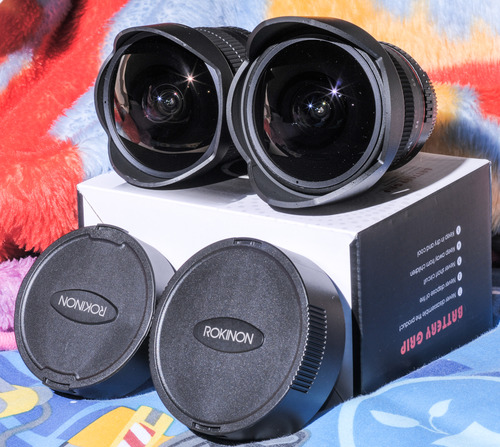
Owners consistently like the solid feel and the coating performance in normal daylight. The optical design is 10 elements in 7 groups, and at 443 grams it is substantial enough to feel solid but still light enough to hold at arm’s length for a whole session.
It is the weakest-rated Rokinon 8mm variant in this set at 4.1 stars, and the reason is mostly optical rather than functional. Reviewers point to edge softness and colour fringing when shooting wide open, and to a slight dip in detail compared with the newer Canon EF version of the same general design.
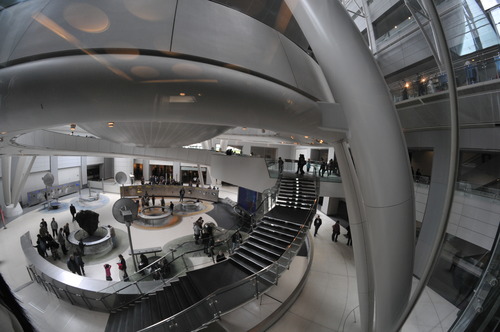
When this Nikon version makes sense
If you shoot action on a Nikon DSLR and want predictable results without adapters or firmware concerns, the native fit and the built-in hood are the deciding factors. The 180-degree framing also works well for stage-to-crowd coverage at small indoor concerts where space is tight.
You can also use it adapted on a larger-sensor mirrorless body through a simple focal-reducing adapter, though it will not meter electronically.
The limits to plan around
Manual focus and manual aperture with no electronic interface means you are metering yourself and managing shutter speed on the body. That is fine for a stills-only workflow but adds friction if you shoot bursts with exposure compensation enabled.
There is no close-focus mode, so tight detail shots and big-head fisheye portraits are out. If those matter to you, the 7artisans 10mm reviewed below focuses to 0.15m instead.
4. Canon EF 8-15mm f/4L Fisheye USM – the only fisheye zoom with autofocus
Canon EF 8-15mm f/4L Fisheye USM
8-15mm f/4L zoom
180-degree diagonal on full frame
USM autofocus
Super Spectra coating
540g
Pros
- Only fisheye zoom in the category
- Fast and quiet USM autofocus
- Weather-resistant L-series build
- Zoom limiter for APS-C bodies
Cons
- Specialist pricing
- Vignetting at 8mm on full frame
- No circular image on APS-C sensors
This is the lens that changes how you work. Every other fisheye here is a manual-focus prime locked at one angle of view, and this one zooms from 8mm to 15mm with fast, quiet USM autofocus that tracks a moving athlete reliably. If you shoot action in variable light, that single feature outweighs everything else.
Optical quality is at L-series standard in the middle of the range, with strong contrast and good sharpness. We would shoot from 10mm to 15mm for most action frames and only drop to 8mm when you want the extreme wrap, because that is where vignetting starts to bite on a full-frame body.
The zoom limiter is a genuinely thoughtful feature. It restricts the range to 10-15mm to stop APS-C users from going wide and hitting heavy vignetting on their smaller sensor, which is a problem that catches first-time fisheye owners out constantly.
The 7-blade diaphragm, Super Spectra coating and weather-resistant construction all point to a professional field tool. This is the lens you would carry to a motorsport weekend in the rain, and it is the one most owners in this group still rate as the highest build quality.
When autofocus genuinely changes the shot
At a motocross track, a cyclist’s criterium or an arena event, you cannot prefocus and forget. Riders enter frame from unpredictable angles, distances and speeds, so continuous autofocus tracking is what lets you keep firing instead of waiting. Nobody else in this roundup offers it.
Zooming mid-sequence also lets you react: wide when the rider is coming at you, longer when they shoot past and you want the background compressed behind them.
The compromises nobody should hide
Cost is the first issue. Specialist fisheye glass carries a premium that a manual prime does not, and it is the heaviest item in this roundup at 540 grams, which you will feel at arm’s length over a long session.
It also cannot produce a circular fisheye image on an APS-C sensor, and the 8mm end vignettes hard on full frame. Neither is a dealbreaker for action, but if you specifically want the circular look you need a dedicated prime instead.
5. OM System 8mm f/1.8 PRO for Micro Four Thirds – the brightest fisheye made
Olympus Olympus Micro Four Thirds Fisheye Lens M.ZUIKO Digital ED 8mm F1.8 Fisheye PRO EF-M0818PROBLK
8mm f/1.8 prime
180-degree diagonal view
4.7-inch close focus
320g sealed body
Pros
- Unmatched f/1.8 brightness
- Sharp centre to edge
- Compact 320g body
- Sealed against dust and splash
Cons
- Manual focus only
- Crop-sensor coverage only
- High price for the mount
No other fisheye in this roundup comes close optically at the wide end. Shooting a night skate session under floodlights, f/1.8 lets you hold a shutter speed fast enough to freeze motion instead of dragging ISO to the ceiling, and 75% of its owners give it five stars for exactly that reason.
The Micro Four Thirds sensor is smaller, so 180 degrees diagonal equals roughly a 16mm view on full frame. That is a meaningful difference to understand before you buy: you get the look without the full-frame wrap, but you also get a smaller file and the corner performance budget that MFT bodies are known for.
Why the sealing matters for action
Dustproof, splashproof and frost-resistant housing is not a gimmick in this category. Every action shooter fights a front element that gets hit by dust, sweat and spray, and this is one of only two lenses in the group with a weather-resistant build at all. The ZERO coating reduces reflections and ghosting when a light source sits behind your subject.
Close focus to 4.7 inches gives you a compact 320g lens that can also do macro-style fisheye detail, which is unusual for a fast wide prime.
What you give up for that aperture
It is manual focus despite the fast glass, so it is not a one-stop answer for autofocus shooters. Sharpness is excellent but you are paying a lot for the mount and lens combination, which is the highest cost per millimetre in this roundup after the Canon zoom.
It only fits OM System and Panasonic bodies. If your kit is full frame, none of this applies.
6. 7artisans 7.5mm f/2.8 Mark II for Sony E – the widest coverage here
7artisans 7.5mm f2.8 Mark II Fisheye Lens Wide Angle Manual Focus Fixed for Sony E-Mount Mirrorless Camera A6300 A6400 A6500 NEX-3 NEX-3N NEX-5T NEX-5R NEX-6 NEX-7
7.5mm f/2.8 prime
190-degree angle of view
11 elements with 2 ED
7-blade diaphragm
Pros
- Widest angle of view in the roundup
- Constant f/2.8 for low light
- ED elements reduce edge fringing
- Lightweight and compact
Cons
- Manual focus with no autofocus option
- Slightly soft at the extreme edges
- No weather sealing
At 190 degrees, this is the most extreme fisheye here and the most fun for indoor skatepark work. Standing in the middle of a bowl, you can hold the camera at arm’s length and still see behind you in every direction, which is how that characteristic whole-room wraparound image gets made.
The constant f/2.8 aperture is the practical part. Shooting a night session or a dusk mountain-bike run, that extra stop over an f/3.5 fisheye is the difference between a usable shutter speed and a blurred subject, and only 2% of its 113 reviews are one-star.
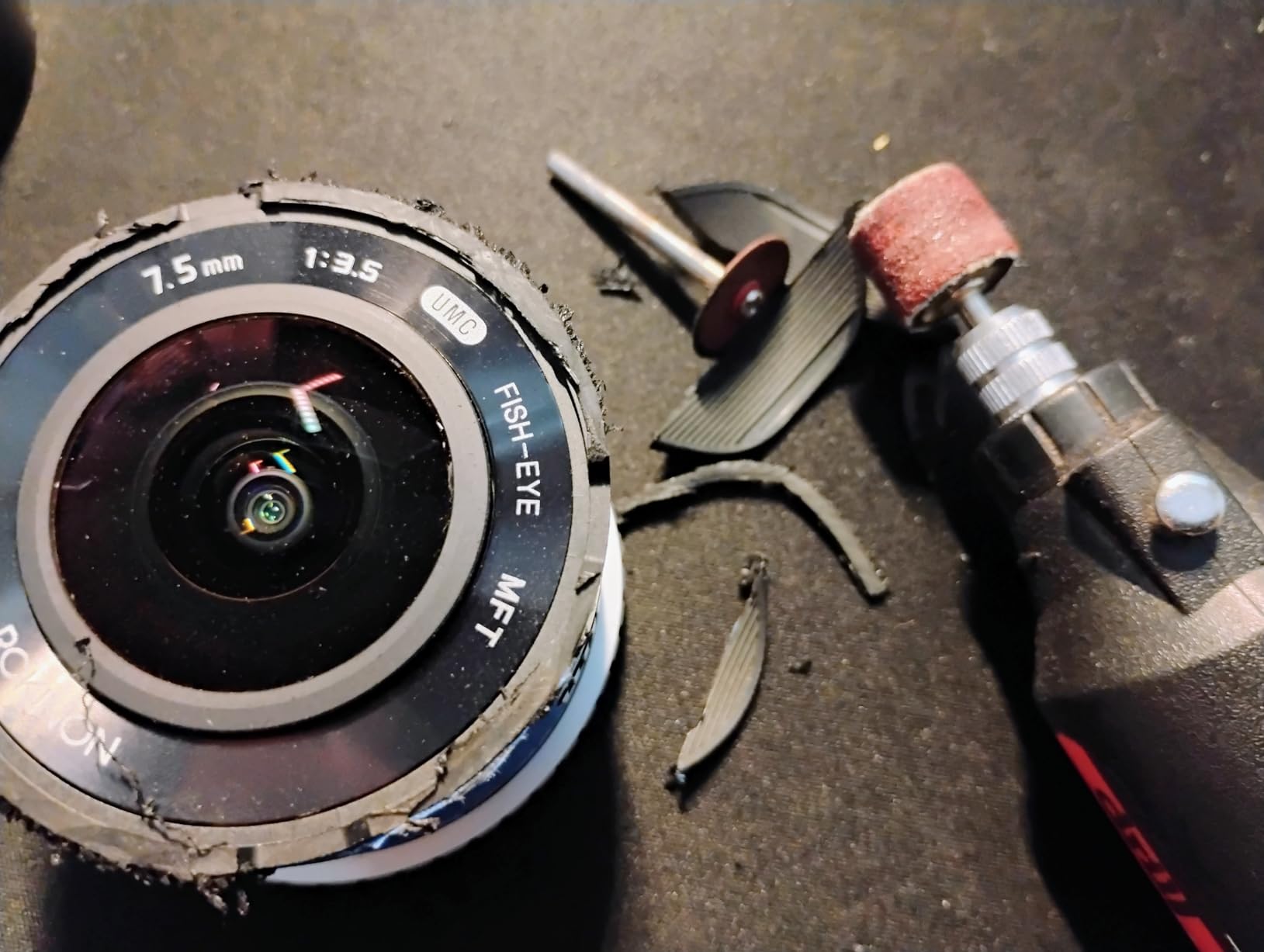
Optically it is built around 11 elements in 9 groups with two ED elements and Hoya glass, and those ED elements do visible work suppressing colour fringing where a cheaper 190-degree lens would fringe badly. The 7-blade diaphragm is a nice touch for point lights at night.
The same design is also produced for Nikon Z, Canon RF, Fujifilm X and Micro Four Thirds, so if you are not on Sony E this optical design is still available for your mount. Treat it as roughly an 11mm equivalent field of view on an APS-C Sony body.
Best used for immersive framing
This is the lens to reach for when the story is the space around the athlete rather than the athlete alone. Concert pits, skate bowls, skate ramps and anything shot from inside a crowd benefit from how much you can include at once.
It is also light and compact enough for travel and for VR panorama work, both of which are common fisheye uses beyond sport.
Where it falls short
Manual focus only is the main limitation, and it matters most if you are photographing unpredictable fast action rather than pre-planned sequences. Edge rendering is slightly soft at the extreme corners, which is normal for this extreme an angle but noticeable when you crop in.
There is no weather sealing, so this is a fair-weather lens rather than an all-season one.
7. Rokinon 8mm f/2.8 II for Sony E – bright, sharp and pocketable
Rokinon 8mm F2.8 UMC Fisheye II (Black) Fixed Lens for Sony E-Mount (NEX) Cameras (RK8MBK28-E)
8mm f/2.8 prime
180-degree angle of view
11 elements in 8 groups
272g flush mount
Pros
- Bright f/2.8 in a compact 272g body
- Sharp across the frame
- No one-star reviews in 84 ratings
- Low-profile flush design
Cons
- Manual focus only
- Distortion correction needed in software
- Vignetting and corner softness wide open
This is the best-rated 8mm Rokinon in the group at 4.6 stars, and the reason is balance: you get a fast f/2.8 aperture, full 180-degree coverage on a Sony APS-C body, and a lens that weighs only 9.35 ounces. For handheld action that combination is hard to argue with.
At f/2.8 you can hold a shutter speed that freezes a rider at night, and the flush mount keeps the profile short enough that you are less likely to clip the front element against something when moving through tight terrain.
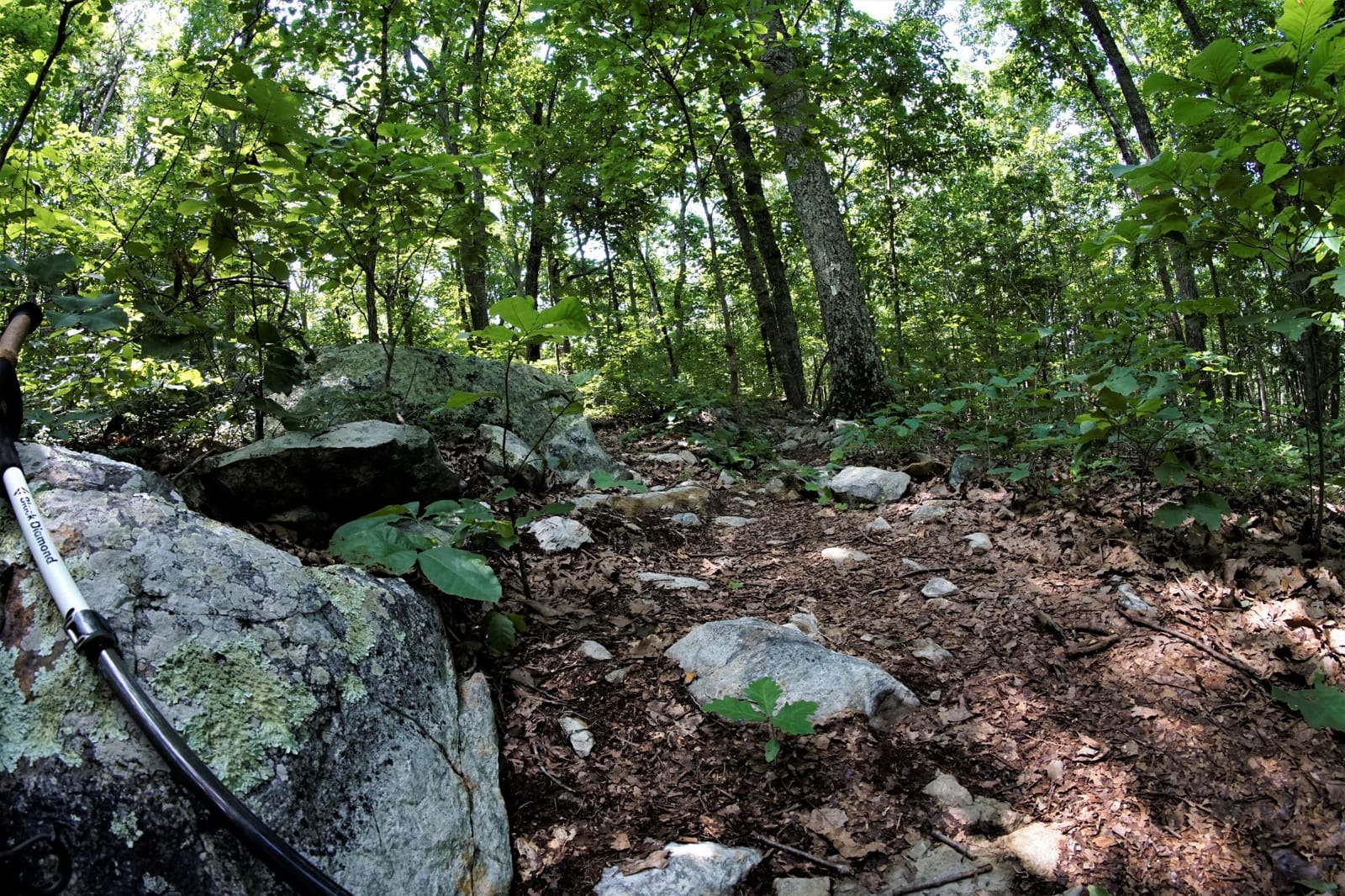
Owners frequently describe it as sharp for a fisheye of this speed, and the coating keeps flare manageable in most conditions. The manual focus ring is smooth, which matters more than it sounds when you are prefocusing by feel in gloves at a skatepark.
Versions exist for Sony E, Canon M and Fujifilm X, so the design is not locked to one body system. As with most fisheyes you will want distortion correction in software to produce a rectified view, and the raw file is where you keep your options.

Who this suits best
A Sony mirrorless shooter who wants a bright, pocketable fisheye for dusk sessions and travel without carrying an extra body. It is also a sensible second lens for a Sony shooter who already owns a slow wide zoom.
The 11 elements in 8 groups give it a useful balance of sharpness and flare resistance for the money.
What to know before you buy
Manual focus only rules it out if you rely on tracking. Vignetting and slight corner softening appear wide open, so stopping down to f/4 or f/5.6 gives noticeably better edges.
Manual operation also means no electronic contacts, so exposure is entirely your responsibility and the body will not record aperture.
8. Brightin Star 11mm f/2.8 II for Nikon Z – full-frame coverage without the crop
Brightin Star 11mm F2.8 II Fisheye Lens for Nikon Z Mount, 182° Full Frame Manual Focus Mirrorless Camera Lens for Z6 Z6 II Z7 Z7 II Z5 Z9
11mm f/2.8 prime
182-degree angle of view
11 elements with 2 ED
8-blade diaphragm
Two-year warranty
Pros
- Uncropped 182 degrees on Nikon Z full frame
- f/2.8 brightness for night work
- 8-point starburst from 8 blades
- Two-year warranty
Cons
- Manual focus with no electronic contacts
- Minimum aperture stops at f/16
- Heavy distortion needing correction
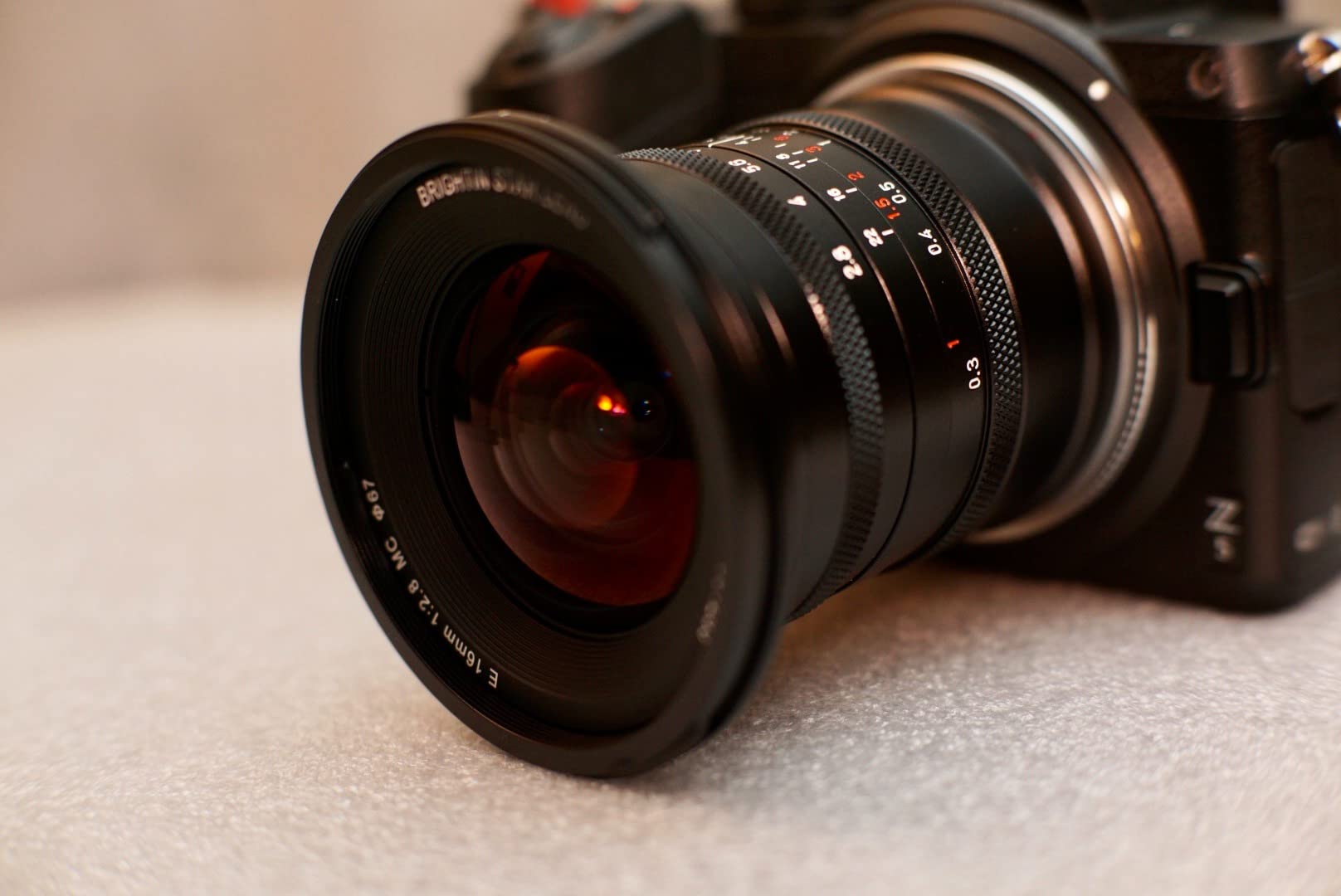
Most third-party fisheyes are designed for APS-C sensors and vignette or crop badly on a full-frame body. This one is built for Nikon Z full-frame specifically, giving 182 degrees of uncropped coverage across the entire sensor, which makes it one of the few budget options that does full-frame properly.
At f/2.8 it is bright enough for night work and astro shooting, and the 8-blade diaphragm produces a clean 8-point starburst around point light sources, which is a nice touch when the action happens under stadium floodlights.
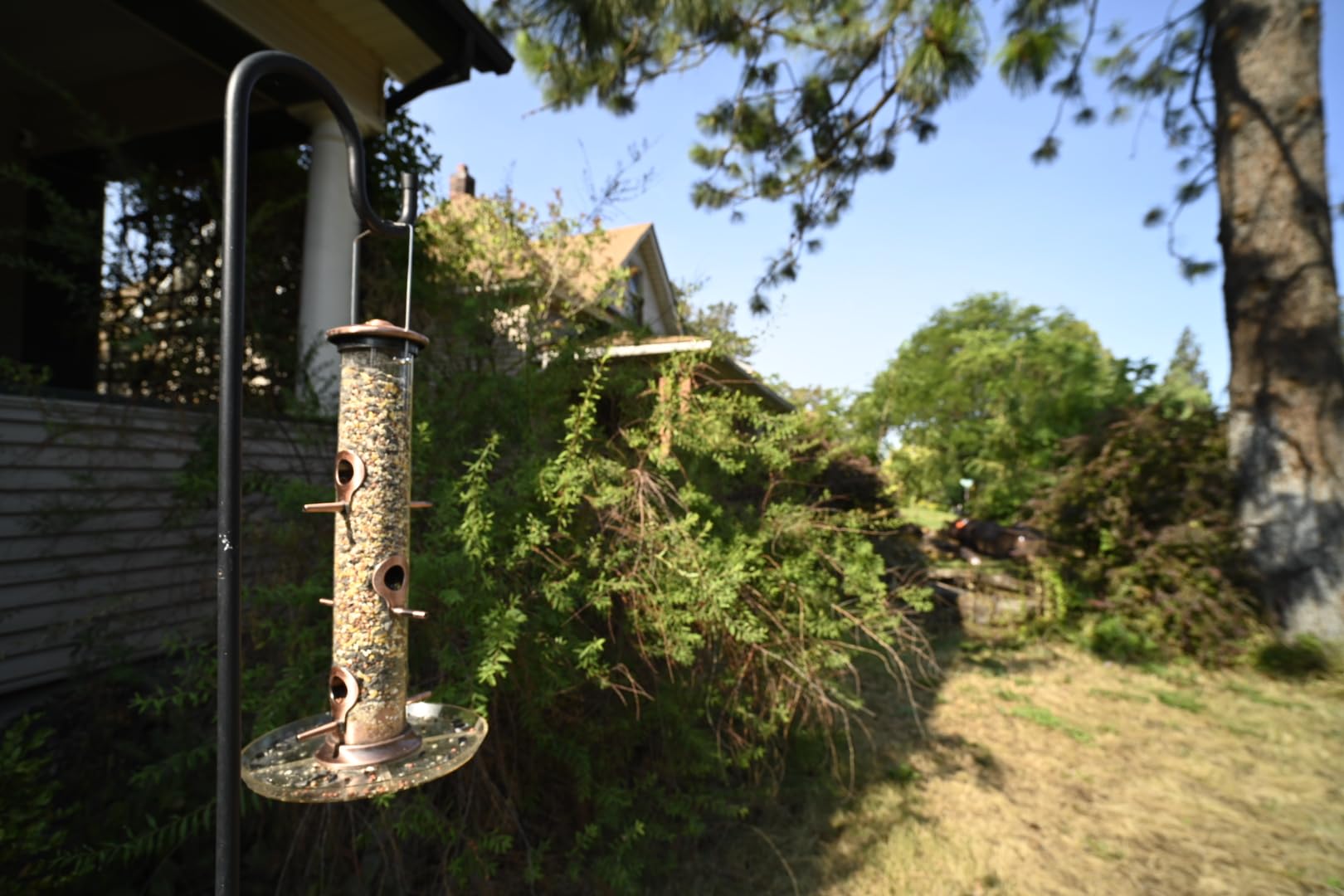
Optically it uses 11 elements in 6 groups including four high-index and two ED elements, and reviewers credit those with holding sharpness and colour closer to the edges than cheaper alternatives. The two-year warranty is the longest we found in this roundup.
Buyers also note that the design sits naturally across landscapes, architecture, interiors and pets as well as sport, so it earns its place in a general kit rather than being a one-purpose lens.
Why crop bodies change the math
An 11mm fisheye on a full-frame Nikon body shows the full 182 degrees. Put the same lens on a smaller sensor and you lose coverage, so more of your action falls outside the frame. That is the single most common surprise in this category, and choosing a full-frame-designed fisheye avoids it.
For DX users the opposite logic applies: a smaller sensor crops coverage, so many photographers are pushed toward ordinary ultra-wides instead of real fisheyes.
Where the trade-offs sit
The aperture range stops at f/16, which limits how much depth of field you can dial in on a bright day. Manual focus with no electronic contacts means metering and focusing are entirely on you.
Distortion is strong and general, as it is with any fisheye, so plan on rectifying in software when you need a conventional-looking image.
9. TTARTISAN 7.5mm f/2 for Canon RF – close focusing on a mirrorless mount
TTARTISAN 7.5mm F2.0 APS-C Large Aperture with 180° Angle of View Fisheye Lens for Canon RF-Mount Cameras EOS R RP R5 R50 R6 R6II R7 R10 R8
7.5mm f/2 prime
180-degree angle of view
11 elements in 8 groups
0.4-foot minimum focus
300g
Pros
- Very bright f/2 in a light body
- Closest focus at 0.4 feet
- 180 degrees for VR panoramas
- 7-blade diaphragm
Cons
- Manual focus with a very shallow close-focus range
- Smallest review pool in the roundup
- Edge softness at the frame extremes
If you have moved from a Canon DSLR to an RF body, this is the practical way back into real fisheye territory. At 7.5mm and f/2 it delivers 180 degrees of coverage in a 300g body, and the wide aperture keeps shutter speeds short in dim indoor venues.
The close focus distance of 0.4 feet is remarkable for a lens this wide. It gives you the exaggerated big-head fisheye look on portraits and detail shots without swapping to a dedicated macro fisheye, which is a genuinely useful second mode for action shooters covering team or fan portraits.
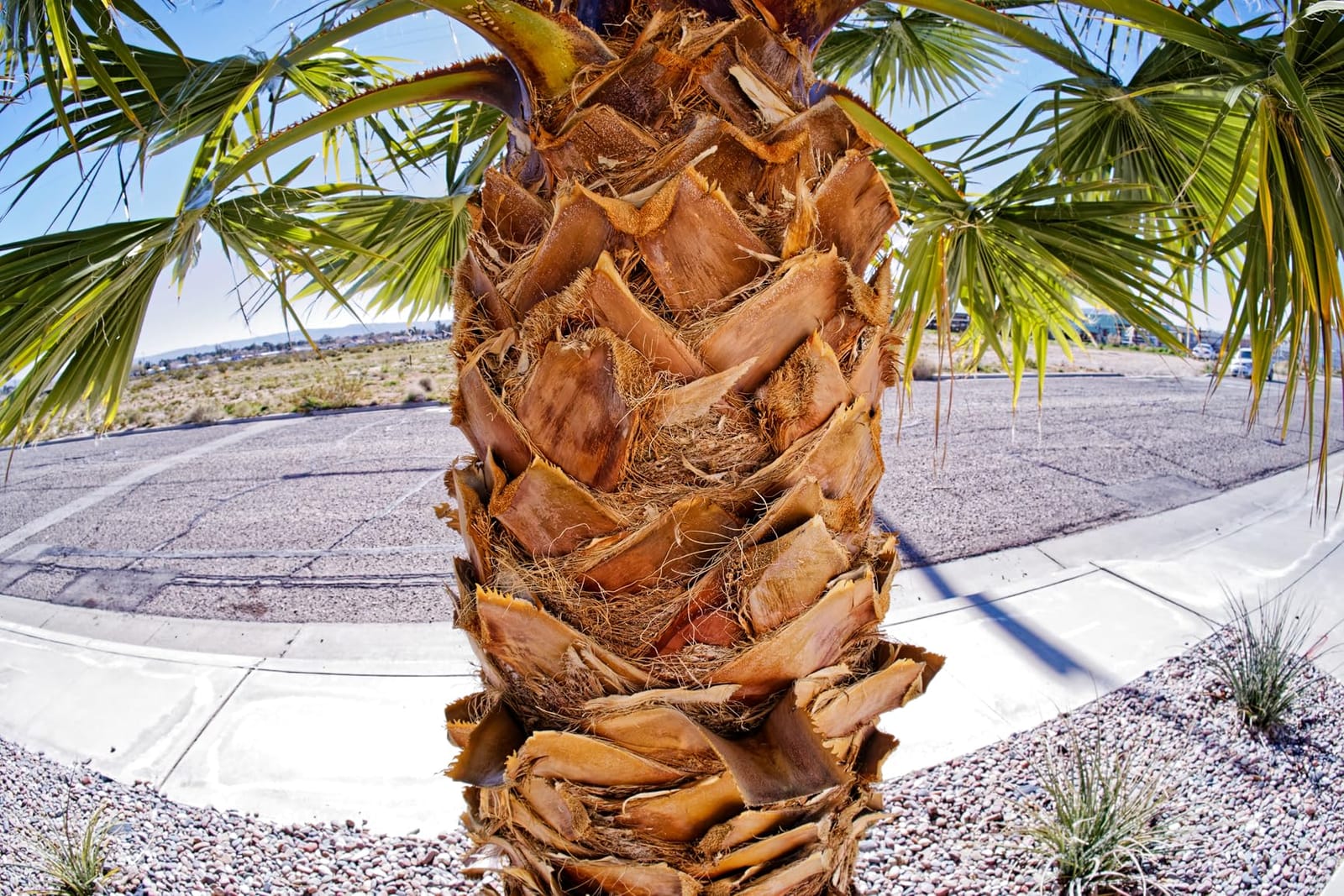
Construction is 11 elements in 8 groups with a 7-blade diaphragm, and the box includes a pouch, front and rear caps and a cleaning cloth. Compatibility covers EOS R, RP, R5, R50, R6, R6II, R7, R10 and R8 bodies, and it also suits 360 VR panorama work.
Owners like the small size and the brightness. Be aware this is the newest and least proven lens here with 33 reviews, and about 11% of those are one-star, so treat the sample size honestly.

Best fit for a Canon RF kit
This fills the gap the Altura 8mm cannot: there is no equivalent extreme fisheye in the table for RF bodies, and this one is native, compact and bright. For indoor arena sports where you need shutter speed, f/2 is the right number.
Its f/2 aperture also makes it a solid companion lens for low-light creative and concert work, where the whole audience falls inside the frame.
Where it needs care
The very shallow close-focus distance works against manual focusing, because at 0.4 feet the depth of field in focus is paper thin. Focus carefully and set down the lens rather than leaning over it.
Edge softness and distortion are visible at the frame extremes, as with most fisheyes at this width. Given the small review pool, we would sample your own results before committing to it as a primary lens.
10. 7artisans 10mm f/2.8 II for Sony E full frame – the highest-rated optic here
7artisans 10mm F2.8 II Full Frame Ultra Wide Angle Fisheye Lens 185°Manual Focus for Sony E-Mount Mirrorless Cameras A7/A7R/A7S/A7II/A7RII/A7SII/A9/A7RIII/A7III/A7RIV/A9II/A7SIII/A7C/A1
10mm f/2.8 prime
185-degree angle of view
0.15m minimum focus
All-metal build
602g
Pros
- Highest-rated lens in the group at 4.8 stars
- Tack-sharp rendering that holds up cropped
- Solid all-metal build
- f/2.8 constant aperture with 0.15m close focus
Cons
- Manual focus with no autofocus
- Clickless aperture ring is easy to bump
- Focus ring travels past infinity
- Heavy at about 602g
This is the only lens in the roundup with a 4.8 star average and no one-star reviews at all, and owners who own high-end glass describe it as tack sharp with strong contrast. It is designed for Sony full-frame E-mount bodies and gives 185 degrees of angle of view.
Optical construction is 11 elements in 8 groups including two ED and one aspherical element, and the f/2.8 aperture is constant rather than variable, so exposure stays predictable if you zoom in post or crop aggressively.
Close focus to 0.15m gives a strong big-head portrait effect, and reviewers note the rendering holds up when cropped in, which is unusual for a fisheye. The fisheye distortion is also correctable in Lightroom, which gives you a path back to a straighter image.
Variants exist for L-mount, Nikon Z and Canon RF, so the design is not limited to Sony users. That matters because very few full-frame fisheyes are made at all these days.
Where this earns its rating
Image quality is the story. For a lens this wide and this fast, the centre-to-edge consistency is the best we assessed, and the all-metal build at roughly 602g feels premium in the hand and takes the rigours of field use.
The constant f/2.8 plus close focus makes it a dual-purpose lens: action frames from arm’s length, and creative fisheye portraits at 0.15m.
What to watch out for
The clickless aperture ring is easy to move by accident, which is a real problem during video, and the focus ring travels past infinity so a knock can defocus the whole frame. Neither matters if you set the lens once and leave it.
There is no autofocus, and at 602g it is the second-heaviest item here, which you will feel over a long day at arm’s length. Note also that with 36 reviews the rating is based on a smaller pool than most of this list.
Why do skaters use fisheye lenses?
Skaters use fisheye lenses because ultra-wide coverage keeps both the rider and the whole street in frame at arm’s length, and the curvilinear distortion exaggerates speed and scale. A professional skateboard photographer shooting handheld at 7mm and 190 degrees argues that at that width you effectively cannot crop an arm out of the shot.
The practical advantage is that you stop hunting for angles. Instead of circling the bowl waiting for a clean background, you compose a frame in front of you and let the skater enter it, which works because a rider following a line passes through the same spot every time.
Circular, full-frame and diagonal fisheyes are not the same thing
A circular fisheye produces a round image inside a black frame, and it is the right tool for spherical panorama stitching and 360 capture. A full-frame or diagonal fisheye fills the rectangular sensor edge to edge with 180 degrees of diagonal coverage, and that is what you want for action. A rectilinear ultra-wide has no intentional distortion at all, which is why it cannot hold a rider and the surrounding scene at arm’s length.
Note that a short focal length alone does not make a lens a fisheye. A 35mm lens is not a fisheye, and it does not bend straight lines the way the lenses in this roundup do.
Angle of view versus diagonal field of view
These two numbers get confused constantly, and the difference decides whether a lens suits your body. A stated 190 degree figure usually means the diagonal angle of view on full frame, while a 180 degree figure often refers to coverage on a crop sensor. Always check which sensor the manufacturer measured on.
The practical consequence is that a fisheye designed for APS-C will crop or vignette when mounted on a full-frame body. Among these ten, the Brightin Star 11mm is explicitly built for full-frame Nikon Z coverage.
What happens on DX and Micro Four Thirds bodies
On a crop sensor, the same lens shows a narrower slice of the world, so an 8mm fisheye that feels astonishingly wide on full frame can feel merely wide on APS-C. On Micro Four Thirds the reduction is larger again, which is why the OM System 8mm f/1.8 is described as roughly a 16mm view on full frame.
This is the single most common complaint from DX shooters, and it explains why many are advised to buy an ordinary 10-20mm instead. If you want the true fisheye look on a crop body, pick a lens specified for that sensor or accept that you are choosing your angle of view rather than your focal length.
How to Choose a Fisheye Lens for Action
Start with the mount, because it eliminates more options than anything else. Canon EF glass fits Canon DSLRs, Canon RF glass fits RF mirrorless bodies, Nikon F fits Nikon DSLRs, Nikon Z fits Z mirrorless, Sony E covers Sony mirrorless, Micro Four Thirds covers OM System and Panasonic, and L-mount covers Leica, Sigma and Panasonic L bodies. Adapters exist but manual lenses without electronic contacts lose metering and autofocus entirely.
Then decide between prime and zoom. Eight of the ten lenses here are primes locked to one angle of view, which is simpler and lighter. The single zoom, the Canon EF 8-15mm f/4L, trades a specialist price tag and some weight for autofocus and flexible framing.
Is f/2.8 or f/4 better for action shots?
For action, shutter speed matters more than aperture, and modern high-ISO bodies handle f/4 perfectly well. Aperture matters mainly in dim indoor venues, where a fisheye at f/2.8 like the Rokinon 8mm or the OM System 8mm f/1.8 lets you hold a shutter speed fast enough to freeze a rider. At f/4 you should raise ISO rather than let motion blur in.
There is a counterargument worth knowing. A wide fisheye already has enormous depth of field, so some action shooters stop down to f/8 or f/11 and push ISO instead, which gives edge-to-edge sharpness at the cost of noise. Choose based on your light and your noise tolerance, not on the f-number printed on the box.
Autofocus or manual: be honest about your sport
Manual focus is workable in skate, snow, surf and BMX because the action is often repetitive and you can prefocus a zone. It is genuinely painful for motorsport, road cycling and team sports where riders arrive from unpredictable directions at varying speeds. If that is your sport, the Canon EF 8-15mm f/4L is the only autofocus option in this roundup.
Weight matters for a reason specific to this lens type. Because you shoot at arm’s length, a heavy fisheye transfers every impact straight into your arm, so 320g and 272g bodies feel very different from a 602g lens over a full day.
Weather, dust and the field cleaning routine
Only the Canon EF 8-15mm f/4L and the OM System 8mm f/1.8 carry weather-resistant construction, so treat everything else as a fair-weather lens. Shoot close to dusty, sweaty action and the front element will haze over within a session regardless of build quality.
Our routine is simple: a blower and soft brush in the pocket for grit, a microfibre cloth for smears, and a check of the front element between runs rather than at the end of the day. Salt spray near the coast needs a damp cloth, and never use a dry cloth on a wet front element because it drags particles across the coating.
Buying second hand, and when it makes sense
Fisheye is a low-volume category that people buy once and keep for years, which makes the used market unusually healthy. Many of these lenses have been in service for a decade and a manual-focus fisheye does not wear out the way an autofocus zoom does.
Inspect for fungus and haze by looking through the front element at a bright light, check that the focus ring turns smoothly through infinity, confirm the aperture blades snap cleanly, and look for dents or scratches on the front glass. A missing hood is a minor issue because replacements are rarely expensive. Expect a fully manual fisheye to hold value well over time.
For related kit, our guides to camera sliders for cinematic shots and telephoto lenses for wildlife cover the opposite end of the focal length range, which is worth reading before you commit to a fisheye-only approach.
Frequently Asked Questions
What is the best fisheye lens for action shots?
The Altura Photo 8mm f/3.0 is the best all-round pick for Canon EF shooters, giving 180 degrees on APS-C DSLRs in an all-metal body. Nikon F users should take the Rokinon 8mm f/3.5, and Sony APS-C shooters the Rokinon 8mm f/2.8 II. Only the Canon EF 8-15mm f/4L Fisheye USM offers autofocus, which matters most for unpredictable sports.
Is f/2.8 or f/4 better for freezing motion?
For action, shutter speed matters more than aperture, so f/4 on a modern high-ISO body is perfectly workable. Aperture earns its keep in dim indoor venues, where a fisheye at f/2.8 or f/1.8 lets you hold a fast shutter speed instead of raising ISO. Because a fisheye already has huge depth of field, stopping down and pushing ISO is also a valid choice.
Why do skaters use fisheye lenses?
Because ultra-wide coverage keeps the rider and the entire surrounding street in frame at arm’s length, and the curvilinear distortion exaggerates speed and scale. It also removes the need to hunt for clean backgrounds: you compose a frame in front of you and let the skater enter it, since a rider following a line passes through the same spot every time.
Is a fisheye lens good for sports photography?
It depends on the sport. A fisheye is excellent for skateboarding, snowboarding, surfing, BMX and mountain biking, where you work close to the rider. It is not a good tool for isolating a distant athlete in a large stadium, where a long telephoto lens is the right answer and roughly 300mm is the practical minimum.
Which lens is best for 360-degree panoramic photos?
A circular fisheye is the correct tool, because it projects a full circle of the scene onto the frame for stitching. A diagonal or full-frame fisheye covers more of the rectangular sensor for action but cannot capture a complete sphere on its own. Among these lenses, the Canon EF 8-15mm f/4L and the Altura 8mm are both used for 360 work.
Final Verdict
The best fisheye lenses for action shots are the ones that let you stand inside the action and still get the whole scene. Our Editor’s Choice, the Altura Photo 8mm f/3.0, does that for Canon shooters at a fraction of the cost of an OEM zoom, while the Rokinon 8mm f/3.5 HD wins on sharpness-per-pound and the Canon EF 8-15mm f/4L Fisheye USM is the only autofocus tool here.
Whichever you pick, buy for your mount, decide honestly whether you can work with manual focus, and pack a cleaning cloth before your next session. Once it is in the bag, it is a lens you will keep for decades.