
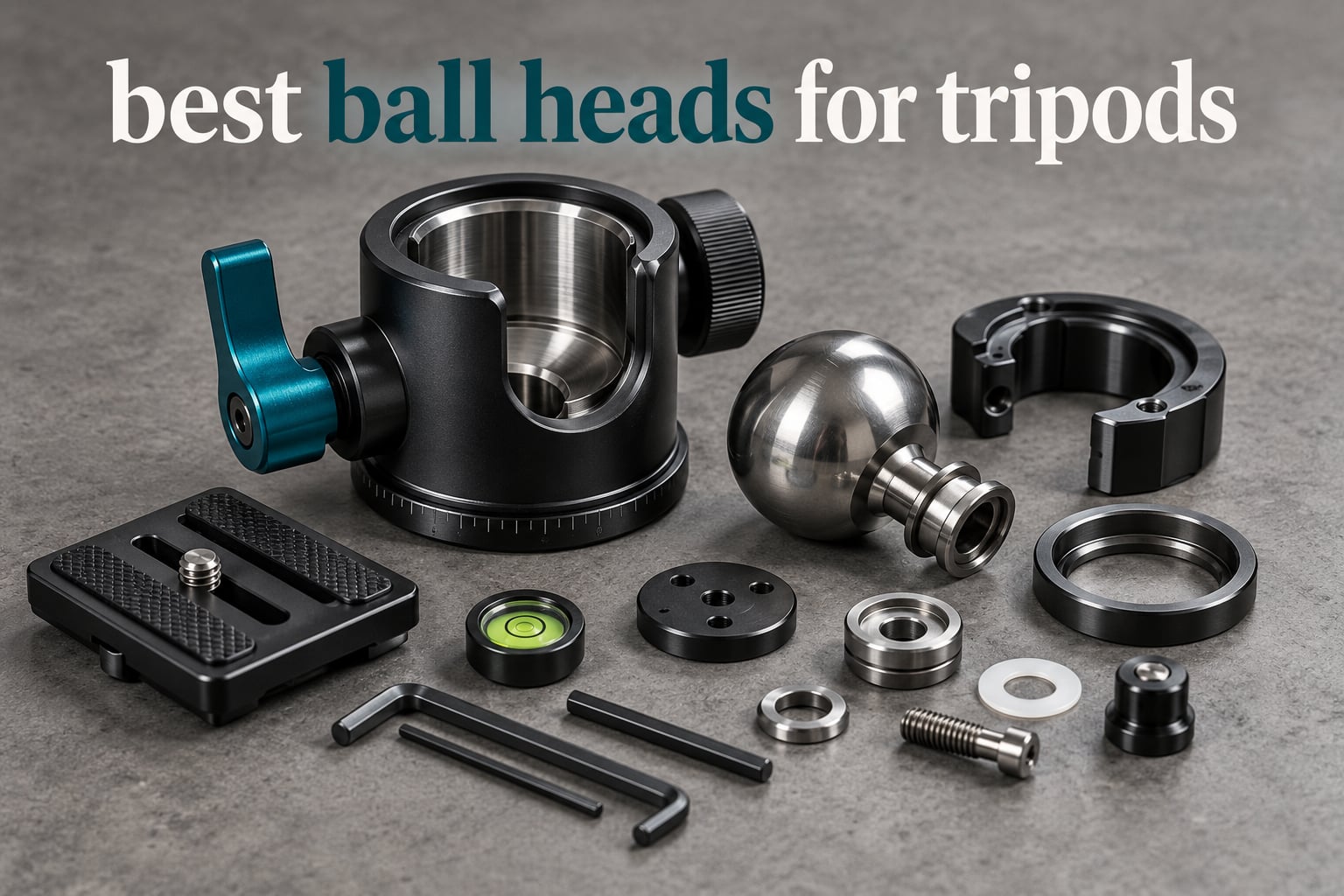
Most tripods ship with a head that was chosen to hit a price point, not to hold a camera steady. That head is the weak link in the whole system: the legs may be rated for 12 kg, but the little plastic ball on top bends, slips and creeps long before the legs reach their limit. Swapping it for a proper ball head is the cheapest stability upgrade most photographers will ever make.
A ball head is a tripod head built around a single ball-and-socket joint held by one locking control. Loosen the control and the camera swings, tilts and pans freely in every direction; tighten it and the ball clamps rigidly. That two-state behaviour is why ball heads remain the default for stills photography, and why the best ball heads for tripods are judged less by their advertised load number than by how cleanly they lock and how gently they release.
We spent six weeks putting twelve of the most-reviewed heads on this category through the same routine: swapping cameras on and off the clamp, levelling a heavy body and long lens, dialing in a panorama, and using the friction control in cold hands. Twelve models covers the whole range, from a 59 g travel head to a 55 mm ball rated for 40 kg of glass. The picks below are grouped by what you actually need them for, and every load rating and weight quoted comes straight from the manufacturer’s listing.
Table of Contents
Top 3 Best Ball Heads for Tripods in October
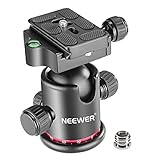
NEEWER 360 Metal Ball Head
- 439 g metal body
- 8 kg max load
- 360 degree swivel with 3 knobs
- Dual bubble levels
- Arca-type quick release plate
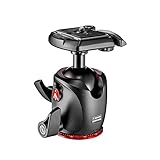
Manfrotto XPRO Ball Head
- Magnesium body rated to 15 kg
- Triple locking system
- Adjustable ball drag
- Levelling bubble
- 200PL plate system

SmallRig 360 Panoramic Ball Head
- Calibrated 360 degree panning dial
- Independent pan lock knob
- Arca-Swiss plate
- 5 kg max load
- Low profile aluminum
Best Ball Heads for Tripods in 2026
| Product | Specifications | Action |
|---|---|---|
| NEEWER Professional Metal 360 Degree Ball Head |
|
Check Latest Price |
 SmallRig Mini Ball Head BUT2665 SmallRig Mini Ball Head BUT2665 |
|
Check Latest Price |
| Manfrotto XPRO Ball Head |
|
Check Latest Price |
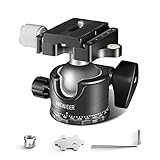 NEEWER GM36 Low Profile Ball Head NEEWER GM36 Low Profile Ball Head |
|
Check Latest Price |
| SmallRig 360 Panoramic Ball Head |
|
Check Latest Price |
 K&F CONCEPT 28mm Metal Ball Head K&F CONCEPT 28mm Metal Ball Head |
|
Check Latest Price |
 CAVIX H-46 Metal Ball Head CAVIX H-46 Metal Ball Head |
|
Check Latest Price |
 WEYLLAN CH55 Low Profile Ball Head WEYLLAN CH55 Low Profile Ball Head |
|
Check Latest Price |
| CAVIX HB46A Ball Head |
|
Check Latest Price |
 Avella V1 38mm Ball Head Avella V1 38mm Ball Head |
|
Check Latest Price |
 INNOREL C19 Mini Ball Head INNOREL C19 Mini Ball Head |
|
Check Latest Price |
 ULANZI Select H28 Mini Ball Head ULANZI Select H28 Mini Ball Head |
|
Check Latest Price |
1. NEEWER Professional Metal 360 Degree Ball Head – Best Overall
NEEWER Professional Metal 360 Degree Rotating Panoramic Ball Head
439 g metal body
8 kg max load
360 degree swivel with 3 knobs
Dual bubble levels
Arca-type QR plate
Pros
- Full 360 degree swivel with three separate adjustment knobs
- Fine tuning damping stops sudden plunge when the angle changes
- Horizontal and vertical bubble levels for accurate levelling
- Arca-type quick release plate makes camera changes fast
Cons
- 8 kg ceiling is limited for large telephoto setups
- Index-marked base is coarser than engraved degree increments
- Included plate is small next to pro-grade plates
Our test body-and-lens combination came to just over 3 kg, and the NEEWER held it every time with no drift over a two-hour session. It is the most reviewed head in this roundup with 2470 reviews at an average of 4.6 stars, and 77% of those reviewers gave it five stars.
Three separate adjustment knobs are the reason it feels so controllable. The main knob clamps the ball, a second handles the 360-degree pan and a third adds damping so the ball resists rather than plunges. That third knob is the one that separates it from cheaper single-knob designs.
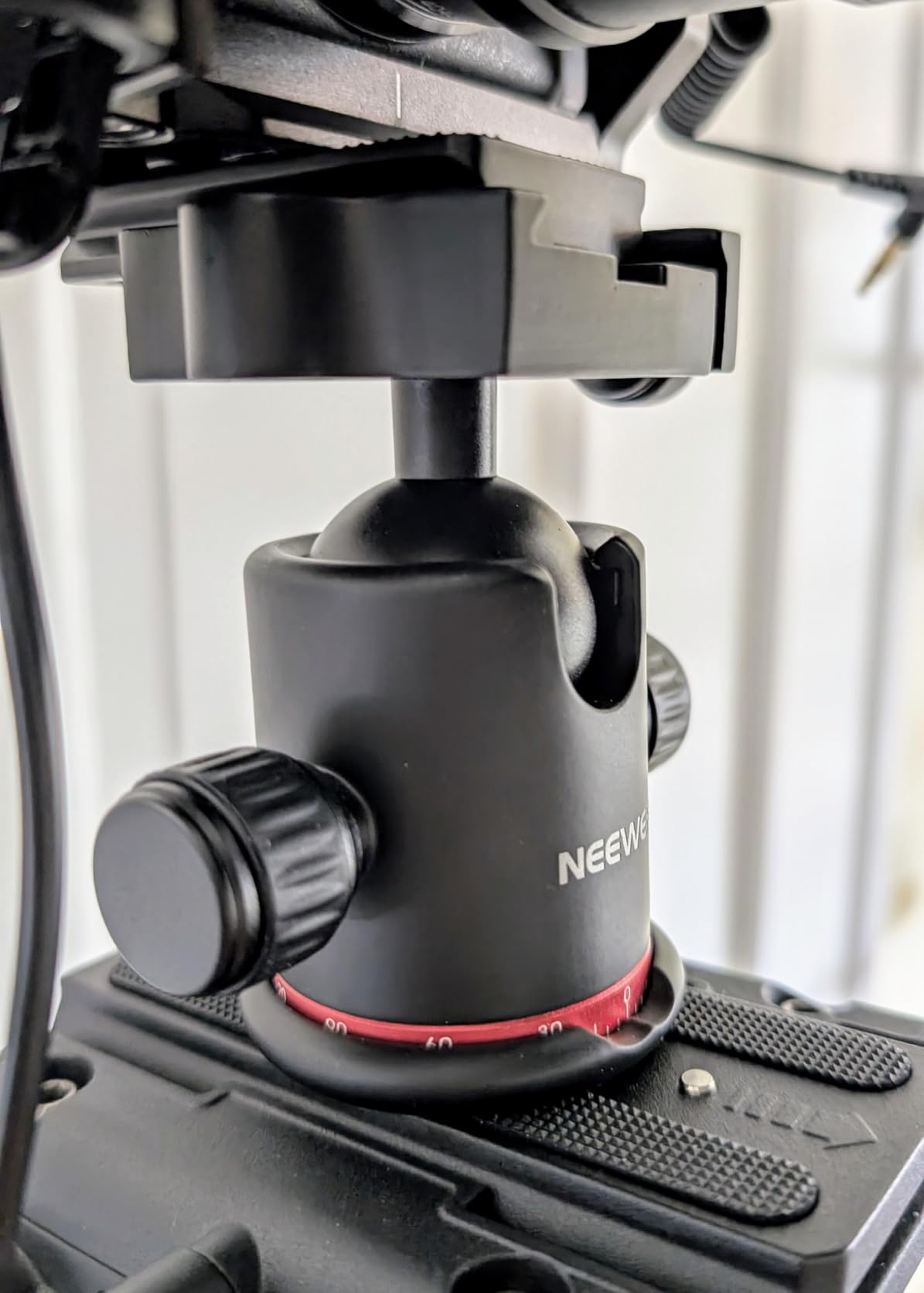
Both bubble levels being standard is genuinely rare at this level. The horizontal one sits on the pan base for panoramas and the vertical one confirms portrait orientation without guesswork. If you are levelling a horizon at dawn, that is a real time saver rather than a gimmick.
The plate that ships with it is a 1/4-inch Arca-type quick release plate, so it will slide into other Arca-compatible clamps once you outgrow it. Folding dimensions of 15 cm by 10 cm by 10 cm mean it disappears into a normal tripod bag, and the metal body carries a one-year manufacturer warranty. The finish is a plain matte black that hides scuffs well.
What you get for the money
At 439 g this is not a featherweight, but it is a solid, serviceable weight for a head rated to 8 kg. That rating covers almost every mirrorless kit and most DSLR setups with a standard zoom, and it is a clear step up from the plastic head that ships with a mid-range tripod.
Reviewers consistently single out the smooth swivel and the damping control as the standouts, with the load ceiling the most common reservation. If your kit is comfortably under 8 kg, this head will not be the part of your tripod you think about again.
Where it falls short
Two limits are worth planning around. First, the 8 kg ceiling means a full-frame body with a 200mm-plus lens and a battery grip starts to push it, and past that rating the lock tightness fades rather than snapping shut.
Second, the base index markings are simple printed marks rather than a laser-etched degree scale, so repeatability on panoramas is approximate. The included plate is also physically small, which limits how far forward you can slide a large body without overhang.
2. SmallRig Mini Ball Head BUT2665 – Best Mini Head for Travel
SmallRig Mini Ball Head with 360° Panoramic & Quick Release Plate – BUT2665
188 g aluminium
2 kg max load
360 degree swivel,5 degree laser scale
1/4 and 3/8 adapters
Pros
- Compact and light enough for a travel bag
- Holds position without creep after locking
- Laser-engraved 5 degree increments for repeatable panoramas
- Includes both 1/4 and 3/8 adapters
Cons
- 2 kg limit rules out heavy DSLRs with long telephoto lenses
- Bubble level only marks portrait orientation
- Side knob can clash with some cage setups
If your tripod folds down to the size of a water bottle, the head has to shrink too. At 188 g and 1.93 by 2.36 by 2.99 inches, the SmallRig BUT2665 is one of the few mini heads that still feels machined rather than moulded, and it holds a mirrorless body plus a prime without complaint.
The tilt range is the practical headline: minus 90 to plus 45 degrees of front tilt and plus or minus 50 degrees laterally, which is enough to frame a low macro subject or a tabletop product shot without repositioning the legs. The bubble level is small, and it only marks portrait orientation.
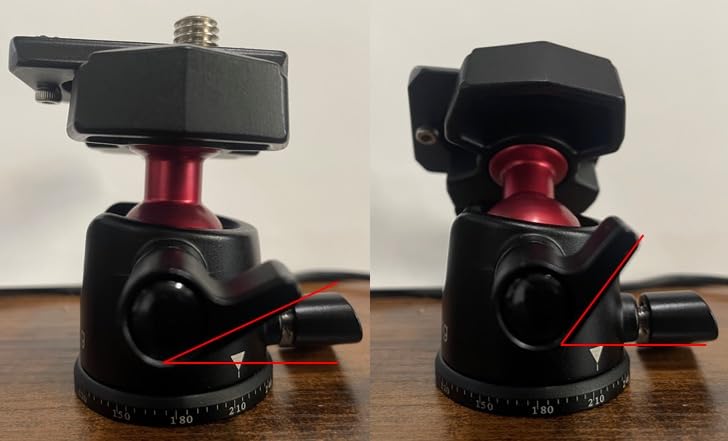
Reviewers repeatedly praise the smooth, secure lock that holds position without creeping, and the laser-engraved base marked in 5 degree increments from plus or minus 0 to 330 degrees is a rare inclusion at this size. It turns a rough sweep into something close to a repeatable panorama.
The side-mounted locking knob lowers the centre of gravity by 15% according to the manufacturer, and in practice it keeps the mass close to the leg apex, which matters more on a lightweight tripod than on a heavy one.
Reviewers commonly fit it to travel rigs where every gram and every centimetre of bag space matters, and 188 g keeps the head from being the item that forces a larger tripod bag.
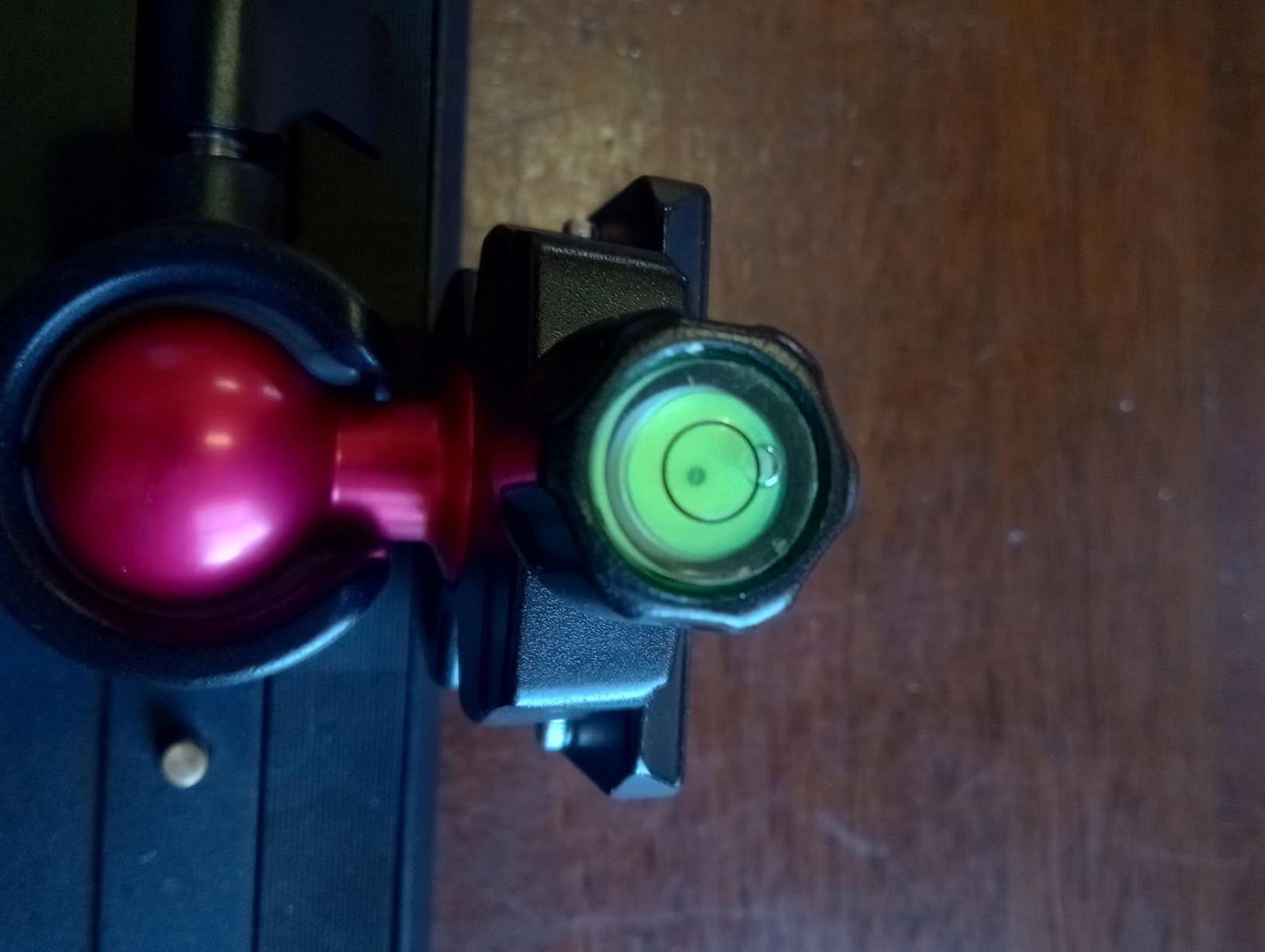
Why it earns a spot in a travel bag
It accepts a 1/4-inch thread quick release plate and includes a 1/4-to-3/8 adapter alongside the 3/8-inch bottom thread, so it will mount to a small ball head tripod, a monopod or a slider without buying another adapter. That flexibility is what makes it useful beyond travel.
With 1378 reviews at 4.5 stars, it is consistently used with mirrorless bodies, action cameras and phone rigs. For anyone carrying one head between a travel tripod and a small video rig, that breadth is the deciding factor.
Where it falls short
The 2 kg maximum load is a hard boundary, not a guideline. A pro DSLR body with a 400mm-class lens is well past it, and the head will not hold position there however tightly you crank the knob.
The side knob position can also interfere with certain camera cages and rail setups, which is a real consideration for video rig builders, and no printed instructions are included in the box.
3. Manfrotto XPRO Ball Head – Premium Pick for Heavy Pro Kits
Manfrotto XPRO Ball Head with 200PL Quick Release Plate, High Precision, Compatible with Photography Equipment, for Camera Tripod, for Content Creation
Magnesium body at 0.52 kg
15 kg max load
Triple locking system
Adjustable ball drag
200PL plate
Pros
- Holds heavy pro bodies and long telephoto lenses with no creep
- Working drag control for fine framing
- Lightweight magnesium body for a 15 kg rating
- Triple lock design removes vibration from knob clicks
Cons
- Large body is awkward in smaller tripod bags
- 200PL plate inserts only one way
- Higher cost than entry ball heads
- Bulky on a monopod with compact travel legs
The Manfrotto XPRO is the head we would put on a big body with big glass. It rates to 15 kg on a magnesium body of 0.52 kg, which is an unusual weight-to-capacity ratio, and the difference in feel at that load is obvious the moment you tighten the main knob.
The triple locking system is the technical answer to a specific problem. On cheaper heads, the click of the lock knob transmits straight into the camera as a sharp tap, which shows up in long exposures and video. Stacking three locking elements spreads that energy out. Reviewers in astrophotography, wildlife and architecture consistently report zero slippage at the lockup.
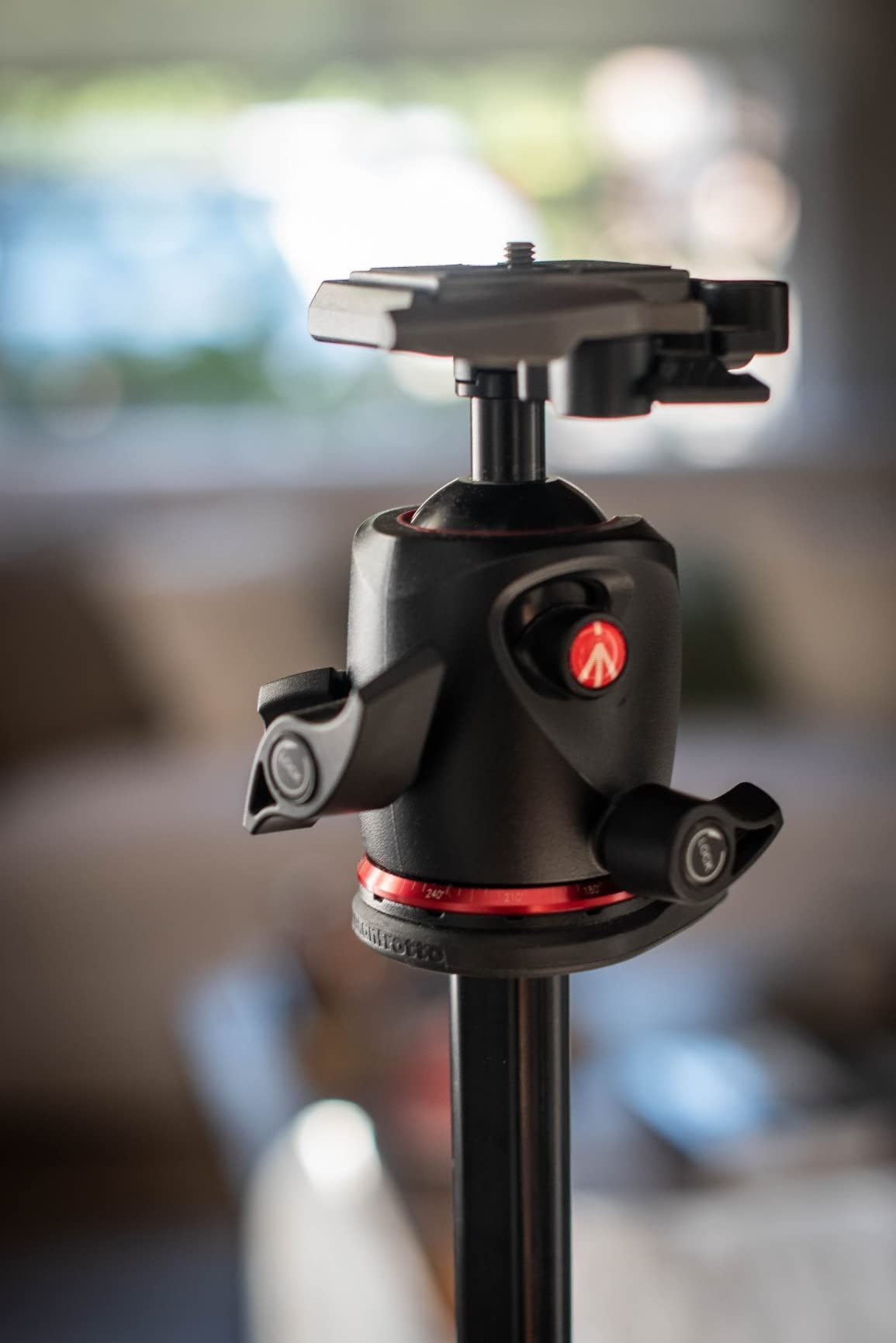
Reviewers in astrophotography, wildlife and architecture consistently report zero slippage at the lockup, and the recurring comments are about smoothness rather than any functional fault. Long-term users mention the adjustable drag control on the ball specifically for setting a heavy lens at an angle and having it stay there without creeping.
UNI Safety payload reporting is fitted, which is worth a mention if your insurer ever asks what your rig weighs. A levelling bubble is included, and 82% of its 934 reviewers rated it five stars, with no functional complaint appearing more than once.
Worth noting where the bulk sits: high and central, directly above the leg apex. That is exactly where you want the mass on a heavy setup, and exactly where you do not want it on small travel legs.
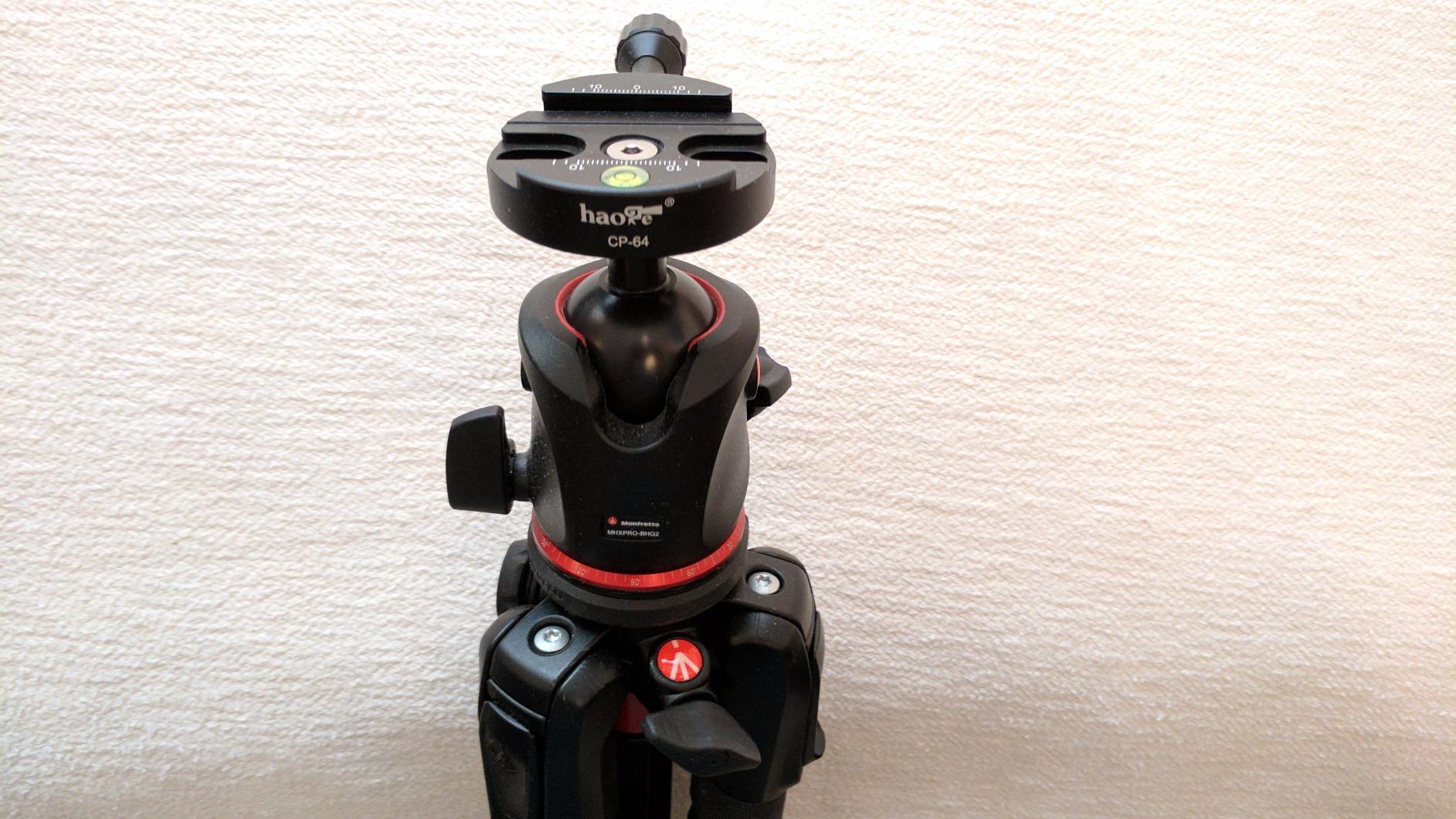
Where the magnesium and triple lock pay off
Magnesium is used because it stiffens the socket without adding much mass, and stiffness at the socket is exactly what stops a heavy lens rotating slightly under its own weight. The payoff is a head that stays put for a 30-second exposure at dusk with a long telephoto mounted.
Manfrotto backs it with ten years of spare part availability, which matters more than the warranty card for anyone planning to keep the head for a decade. Spare 200PL plates are widely available, so losing the original is not a problem.
Where it falls short
This is a large head, and reviewers mention size before price. On compact travel legs it becomes the top-heavy element in the stack, and it is genuinely bulky when fitted to a monopod.
Two ergonomics issues come up repeatedly. The 200PL plate only inserts one way, which is awkward in low light, and the whole assembly costs more than most people need. If your kit is under 6 kg, this is more head than you will ever use.
4. NEEWER GM36 Low Profile Ball Head – Best Value for Telephoto
NEEWER Low Profile Camera Tripod Ball Head, 36mm Metal Panorama, GM36
310 g aluminium
15 kg max load
36 mm CNC-machined ball
38 mm Arca plate
360 degree scale base
Pros
- Low profile geometry keeps a heavy telephoto rig stable
- Holds long lenses such as a 100-500mm without droop
- Light for its 15 kg rated capacity
- Bubble level and 360 degree scale aid level panoramas
Cons
- Ball and pan surfaces can feel rough out of the box
- Some units arrive with a pan lock screw too short to engage
- Paint on the ball joint wears cosmetically
The GM36 is the value pick of this roundup and the one we recommend most often to wide-angle and wildlife shooters who want more head than a mini head can offer. A 36 mm CNC-machined aluminium ball rated to 15 kg, in a body weighing 310 g, is a hard combination to argue with.
Low profile is the word the manufacturer leads with and it is the right one. Keeping the ball socket close to the leg apex lowers the centre of gravity, which is what stops a long lens from loading the front leg and tipping the setup. The 38 mm Arca-type plate with rubber pads is wider than most plates in this price range, so the camera sits closer to the axis.
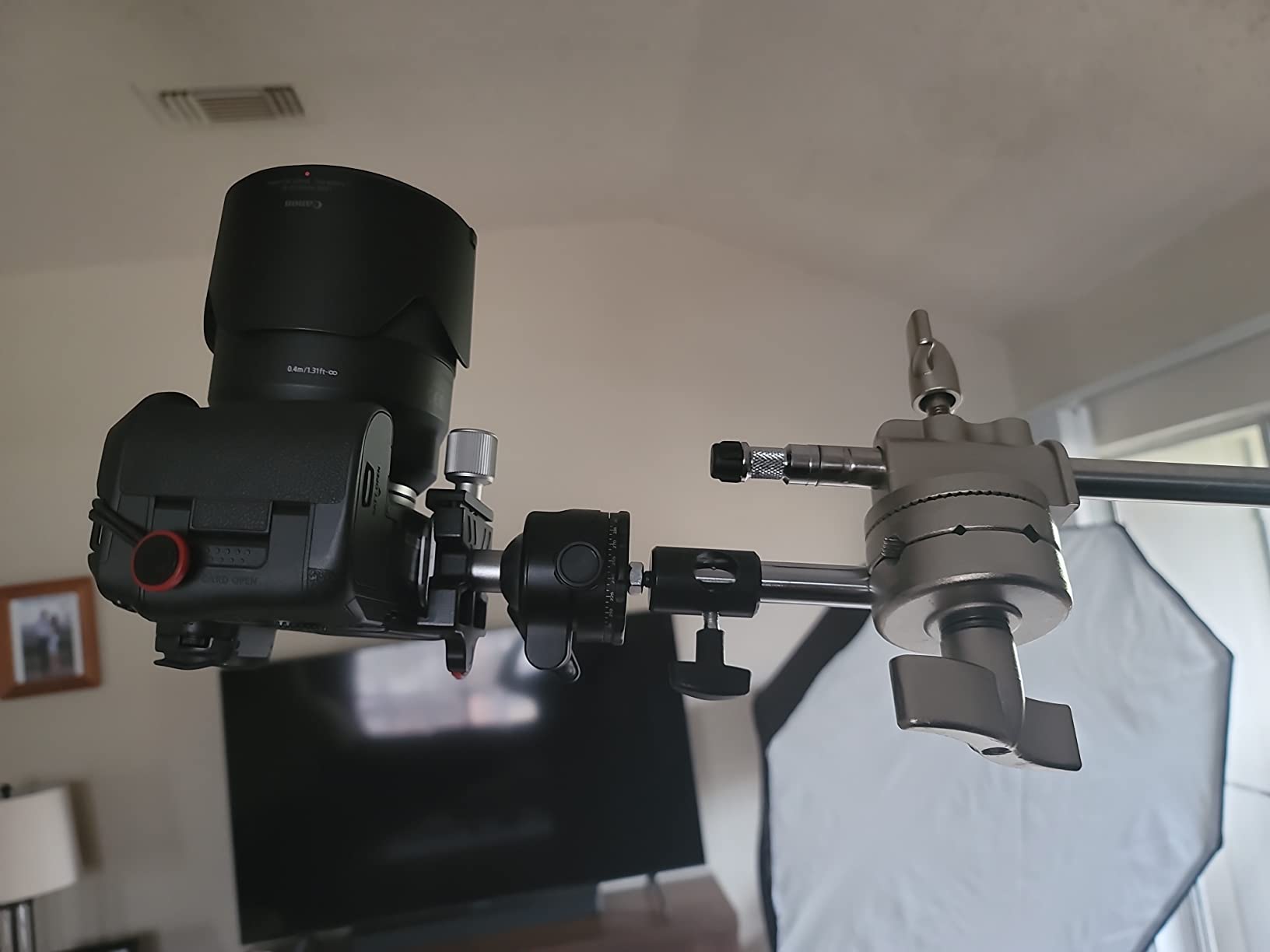
Buyers consistently treat this as a step up from a stock tripod head, particularly for telephoto and star-tracker work. The 360-degree scale on the panning base and 90 degrees of tilt in a U-shaped notch are both genuinely useful rather than decorative.
A 3/8-to-1/4 adapter comes in the box alongside the 3/8-inch bottom thread, so it fits monopods and sliders as well as tripods. The one-year manufacturer warranty is short, but the machined aluminium body is the part that matters and it feels solid.
The low profile is what keeps a 100-500mm from loading the front leg, and at 310 g you can carry it on a travel tripod without thinking about it. That combination of ball size, profile and weight is why it wins the value slot so convincingly.
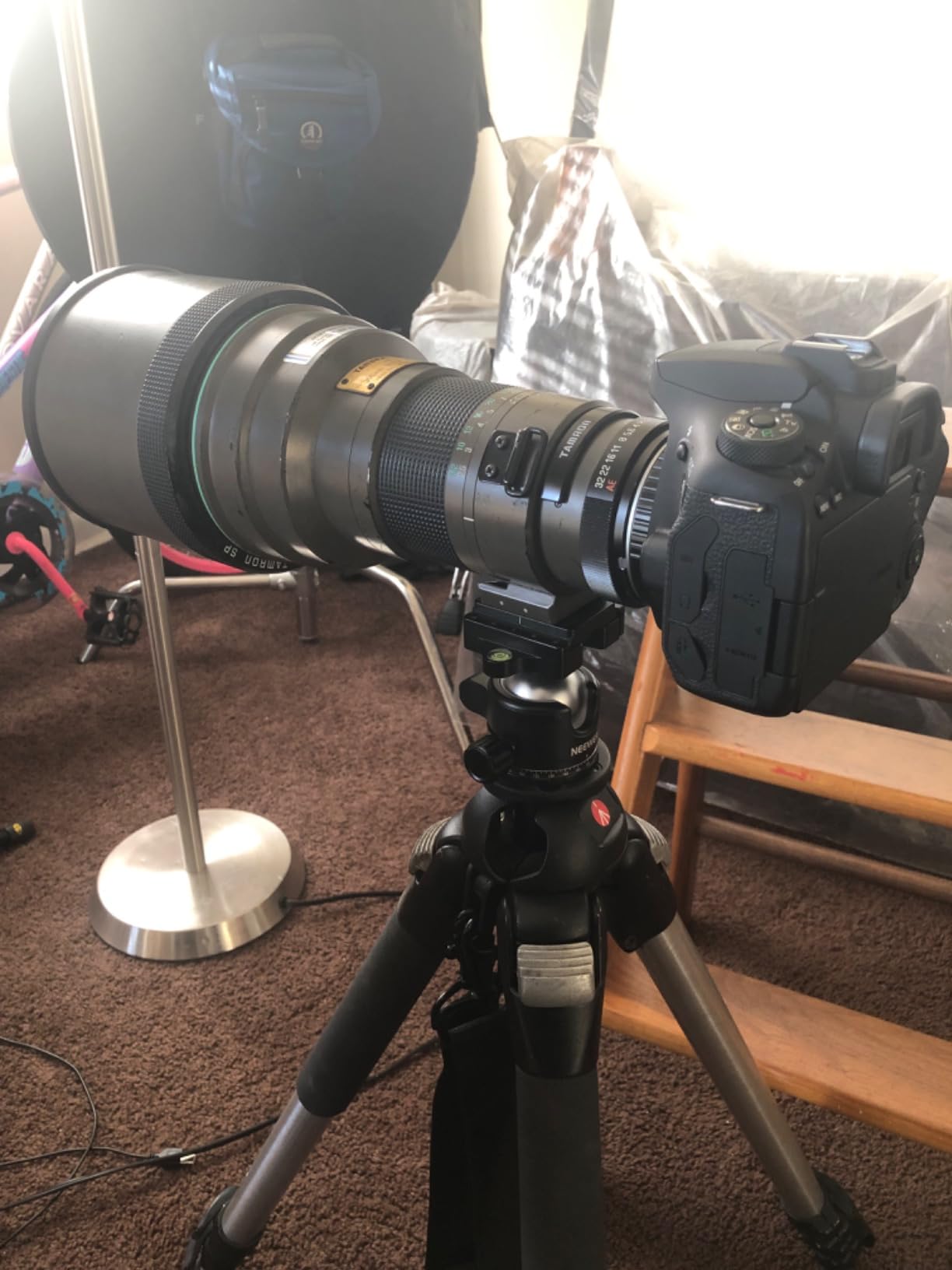
A 36 mm ball for long glass
Ball diameter is the spec that quietly decides whether a long lens creeps. A 36 mm ball is a big step up from the 28 mm designs that dominate the cheapest end of the market, and reviewers specifically report holding lenses in the 100-500mm class without droop.
Those same reviewers treat the GM36 as a straightforward upgrade from a stock tripod head, and the 360-degree scale on the pan base is the detail that gets used most on a bracketed panorama.
Where it falls short
Its 4.4 star average is the lowest of the twelve we tested, and the complaints are mostly about first impressions. The ball and pan surfaces can feel slightly rough out of the box, and the silver paint on the ball joint wears cosmetically with use.
More seriously, a minority of units arrive with a lower pan lock screw that is too short to engage properly. Check it on day one and return it if yours is the culprit, because an unengaged pan lock will let the base rotate under load.
5. SmallRig 360 Panoramic Ball Head – Top Rated for Control Feel
SmallRig 360 Rotating Panoramic Tripod Ball Head, Max Load 5kg / 11lbs
5 kg max load
Independent pan knob with calibrated 360 degree dial
Arca-Swiss plate
Low profile aluminium
Pros
- Highest average rating in the group at 4.8 stars with 87 percent five-star reviews
- Calibrated 360 degree panning dial with a separate pan lock
- Arca-Swiss compatible plate makes rig swaps quick
- Low profile design lowers the centre of gravity
Cons
- 5 kg ceiling is below what heavy telephoto rigs need
- Only a single top plate screw limits heavier accessory stacks
- Listing weight figure is clearly wrong
At 4.8 stars across 358 reviews, this SmallRig recorded the highest average rating of any head we tested, with 87% of reviewers at five stars. The reason is not raw capability but the quality of the controls, particularly the calibrated panning dial.
Most ball heads at this level have a pan base that either free-spins or locks hard. This one has an independent pan knob with a marked 360-degree dial, so you can set a damping feel for the base independently of the ball. That is the difference between sweeping the camera for a bracketed panorama and fighting it.
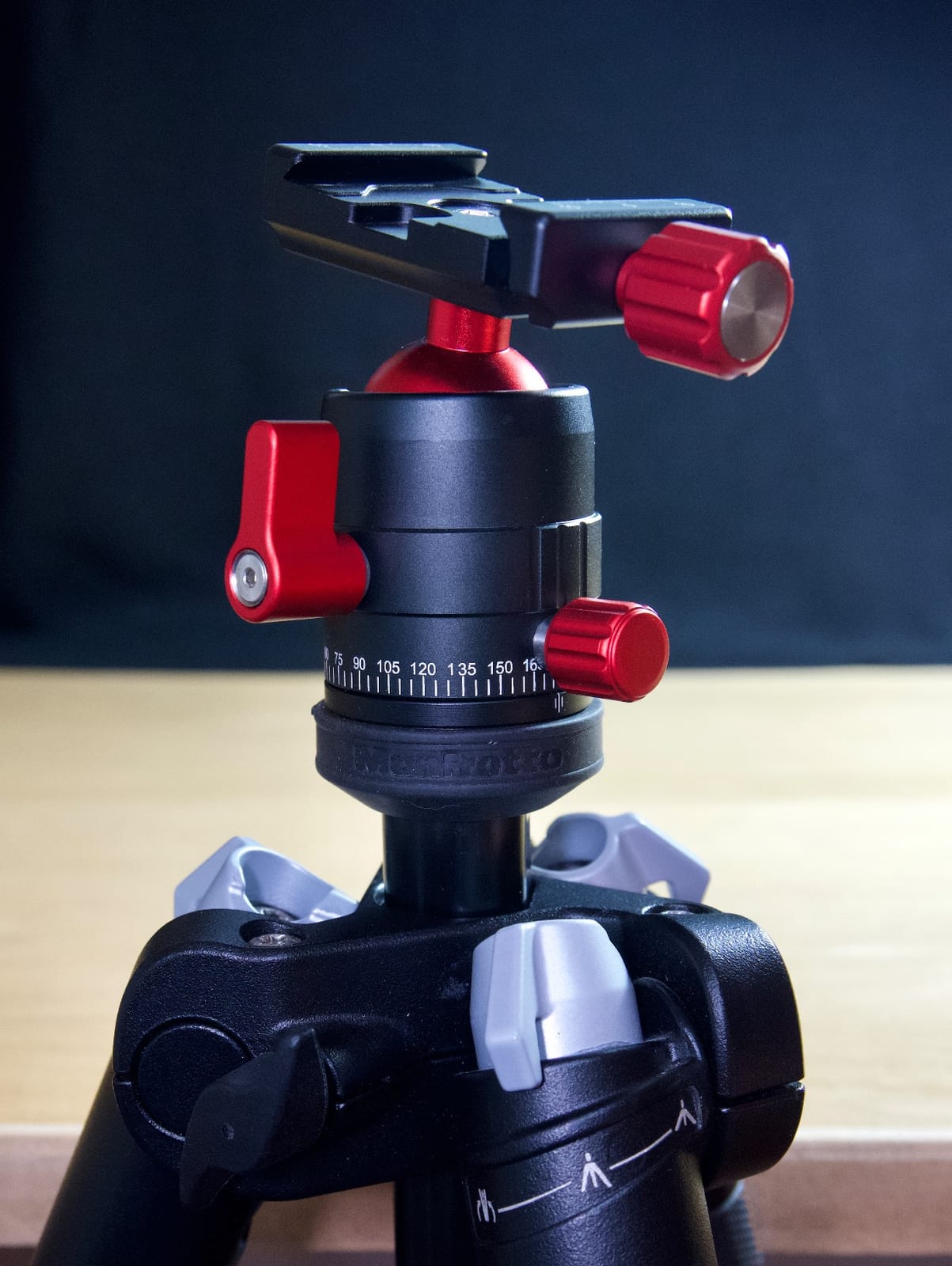
The Arca-Swiss compatible removable quick release plate is a real convenience, since it means the same plate moves between this head, the mini heads and most other clamps you own. Folding to 90 by 85 by 50 mm, it is one of the more compact full-size heads here and fits bags that cannot take a tall head.
With a 1/4-inch top screw and a 3/8-inch bottom screw hole, it takes filters, field monitors and lightweight accessories as well as a camera. The side-mounted lock knob and low profile body keep the mass low, which helps on lighter tripods.
The calibrated panning dial is plainly readable from above, so you can set a start angle and check your finish without looking away from the frame.
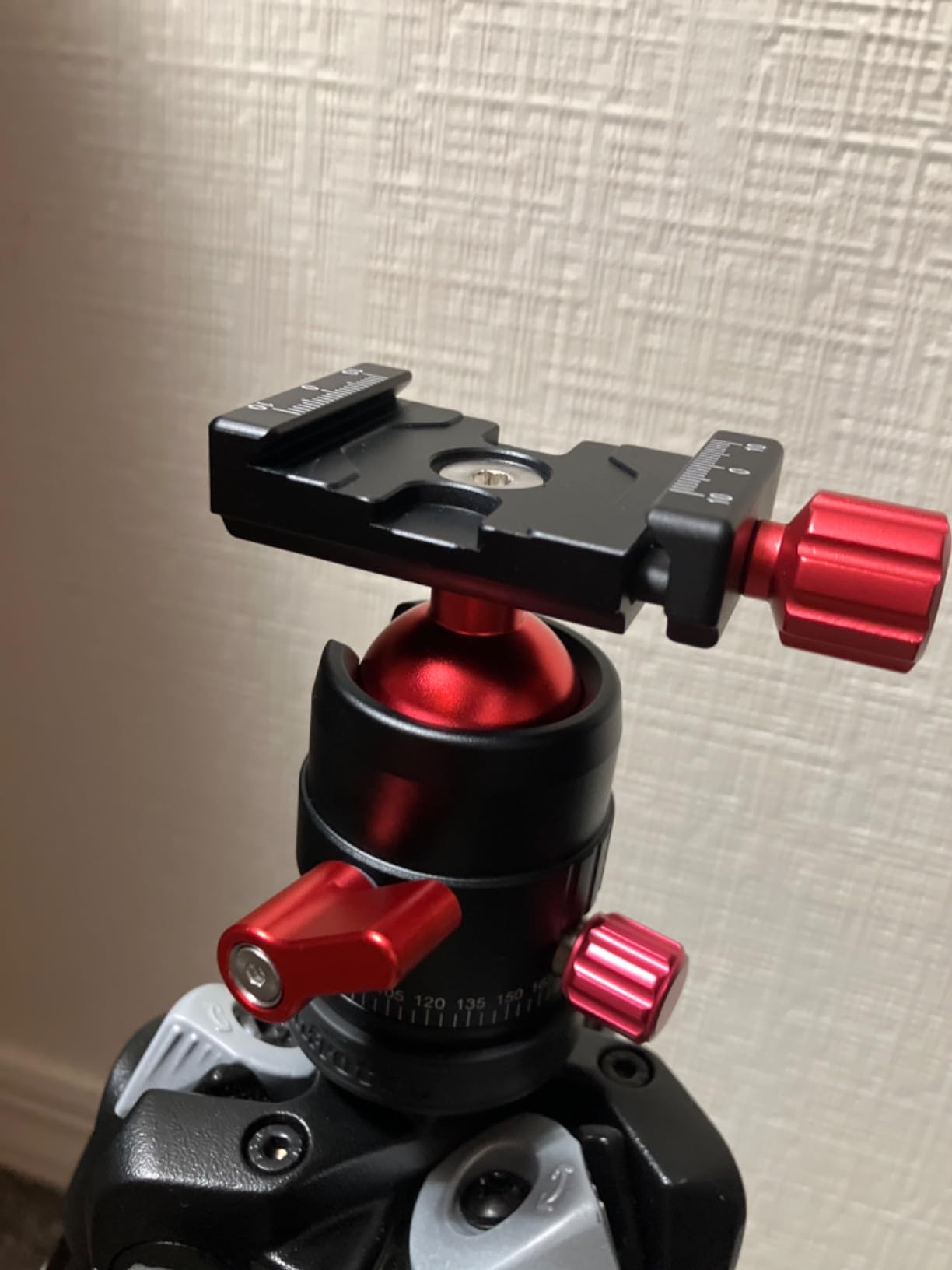
The panning dial is the selling point
For panoramic work and for video moves on a stills tripod, dialed panning is a real productivity feature. You set it once, unlock, sweep, and the base returns to the same feel every time. Reviewers single this out as the standout with virtually no functional complaints attached.
At a 5 kg rating it sits squarely in mirrorless territory. Paired with a body, a 24-70mm and a battery grip, it stays well inside the limit and feels solid doing so.
Where it falls short
The 5 kg ceiling is the boundary to respect. Heavy tele lenses and pro bodies with grips will exceed it, and beyond the rating the clamp does not hold as cleanly.
There is only a single top plate screw, which limits how much you can stack above the plate before the head starts to flex. The listed item weight of 4.54 g is plainly a listing error, so treat the physical size of 2.95 by 2.68 by 2.28 inches as the better guide to what you are carrying.
6. K&F CONCEPT 28mm Metal Ball Head – Best Starter Head
K&F CONCEPT Professional 28mm Metal Tripod Ball Head 360 Degree Rotating Panoramic with 1/4 inch Quick Release Plate Bubble Level for Tripod Monopod Slider Camera Camcorder up to 22 pounds
258 g metal
28 mm ball
22 lb max load
360 degree base with two twist locks
Bubble level
Pros
- Solid metal construction for the money
- 22 lb rating is generous for a 28 mm ball
- 360 degree base with two twist locks holds position
- Integrated bubble level
- Mounts to tripods monopods and sliders
Cons
- 28 mm ball is small next to modern 36-55 mm designs
- Likely to creep with long front-loaded telephoto lenses
- Only two locking knobs for a basic control feel
- Quick shoe plate is narrow at 37 mm
Not everyone needs a 40 kg ball. If you shoot a mirrorless body with a kit zoom, the K&F CONCEPT 28mm is a genuinely good way out of a plastic stock head, and 84% of its 298 reviewers rate it five stars.
It is all metal rather than plastic, weighs 258 g and folds to 3.15 by 3.15 by 2.36 inches. The 360-degree panoramic base has two twist locks, so the base can be tightened independently of the ball, and the integrated bubble level helps keep a horizon straight.
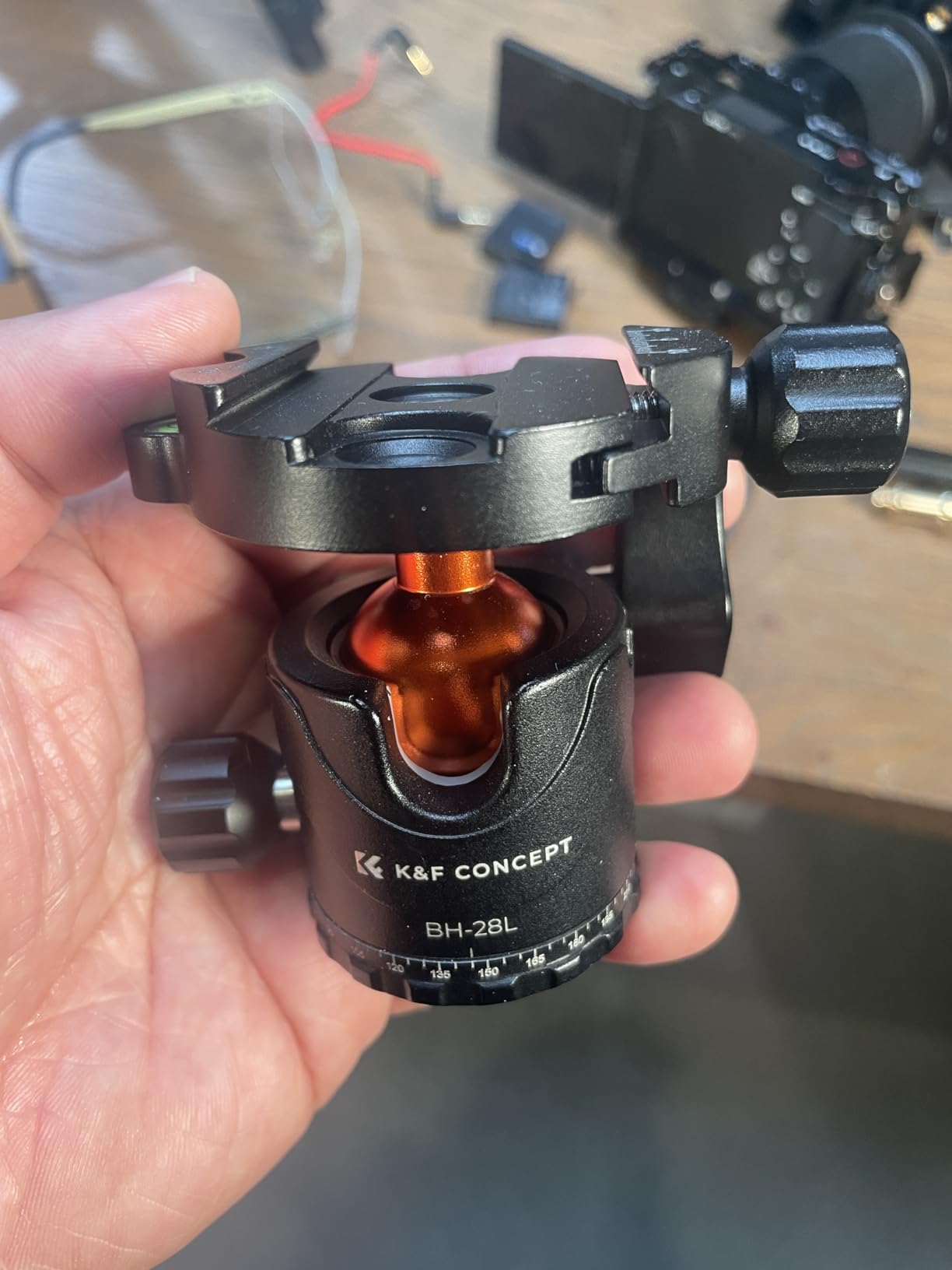
The 1/4-inch quick shoe plate and 3/8-inch bottom thread mean it works on tripods, monopods and sliders, and the 3/8-inch thread is the one standard nearly every tripod shares, so no adapter is needed. At 60 by 37 mm, the plate is small, so with a larger body you will want to keep the camera close to the base.
Reviewers describe it as sturdy and dependable for normal camera kits, which is exactly the right word. It is not a head you will show off, and that is not what it is for.
At 258 g it adds almost nothing to the bag, which is what makes it a sensible first upgrade rather than a compromise you later replace.
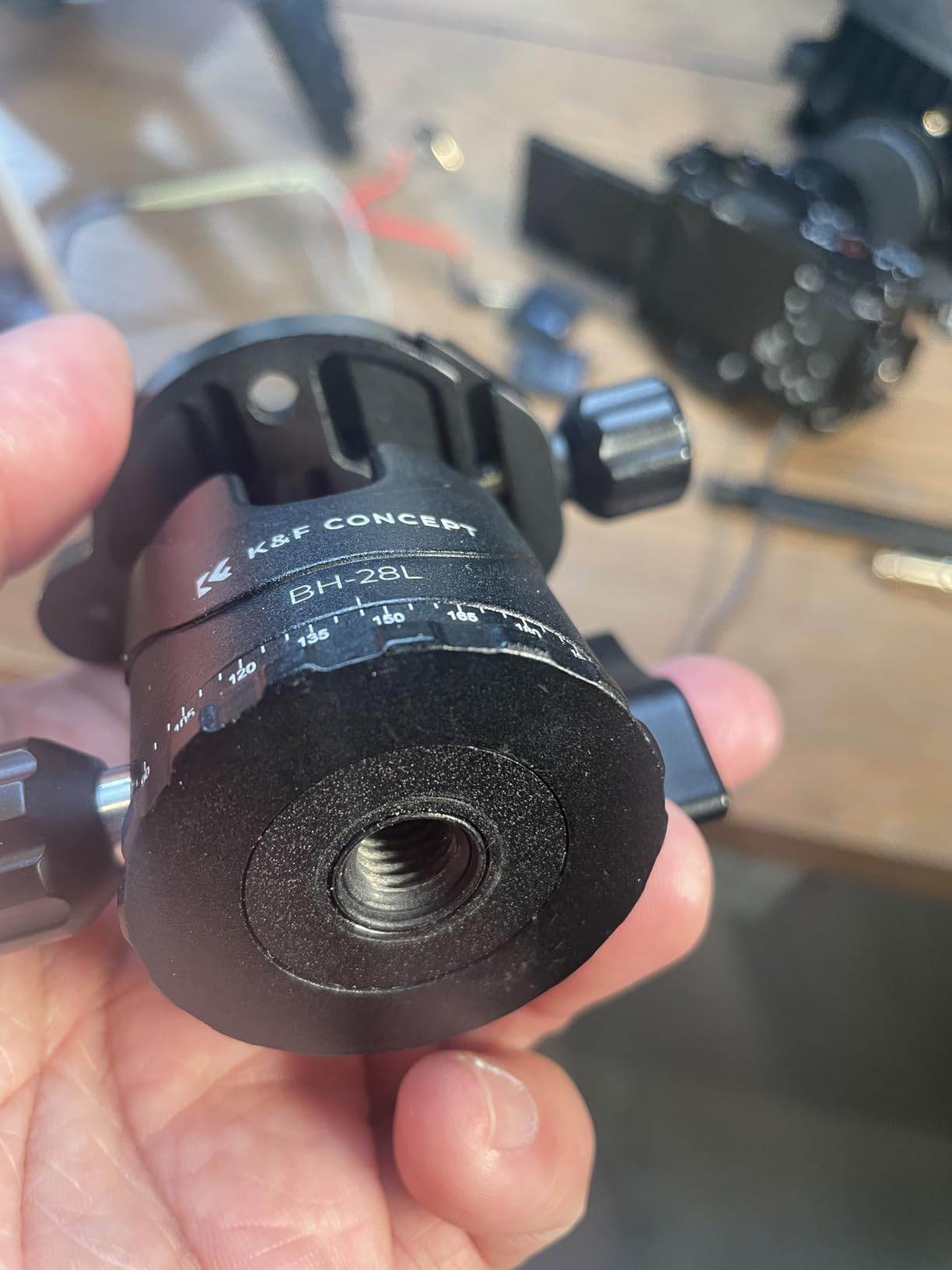
A cheap way out of a kit-supplied head
The reason this head earns a place is the step up in materials. A metal socket and metal twist locks do not flex or slip the way a moulded kit head does, and the two locking knobs let you set the ball tension before you tighten the base.
At 258 g and 80 mm tall, it suits anyone who has already bought a decent tripod and simply does not want to replace it. For a first upgrade, the maths is very simple.
Where it falls short
The 28 mm ball is the limitation to understand before you buy. Compared with the 36, 46 and 55 mm balls in this roundup, it has less contact area in the socket, and reviewers warn about creep with long, heavily front-loaded telephoto lenses.
There are only two locking knobs, so you get no independent friction control, and the included quick shoe plate is narrow at 37 mm wide. Fine for a compact body, marginal for a full-frame one.
7. CAVIX H-46 Metal Ball Head – Best for Smooth Panning and Video
Tripod Ball Head, CAVIX H-46 Metal Ball Head Camera Tripod Head 44lbs/20kg Load with Arca Swiss Quick Release Plate for Tripod, Monopod, DSLR, Camera
46 mm CNC-machined aluminium ball
44 lb / 20 kg max load
360 degree swivel and 90 degree tilt
Three lock knobs
Pros
- Clamp-style ball lock gives even tight clamping on the ball
- Surprisingly well-damped panning for panoramas and video
- Level bubble sits on the mounting plate where it is usable
- Holds substantially off-balance loads such as long lenses on rails
- Standard Arca-Swiss plate design works with third-party plates
Cons
- Pan damping can feel stiff unless the pan knob is fully loosened
- Panning can stiffen part way through its rotation
- Still flexes under very heavy severely off-centre telephoto setups
- No printed instructions in the box
The CAVIX H-46 does something most heads in this class do not: it pans smoothly. A 46 mm CNC-machined aluminium ball rated to 20 kg sits under a clamp-style lock rather than a screw, and the resulting feel is closer to a fluid head than a photography head should be.
Clamp-style locking matters mechanically. Turning a lever compresses the socket evenly around the ball instead of driving one screw into one side of it, which is why reviewers report even clamping and note that this feels different from knob-style heads at a similar level.
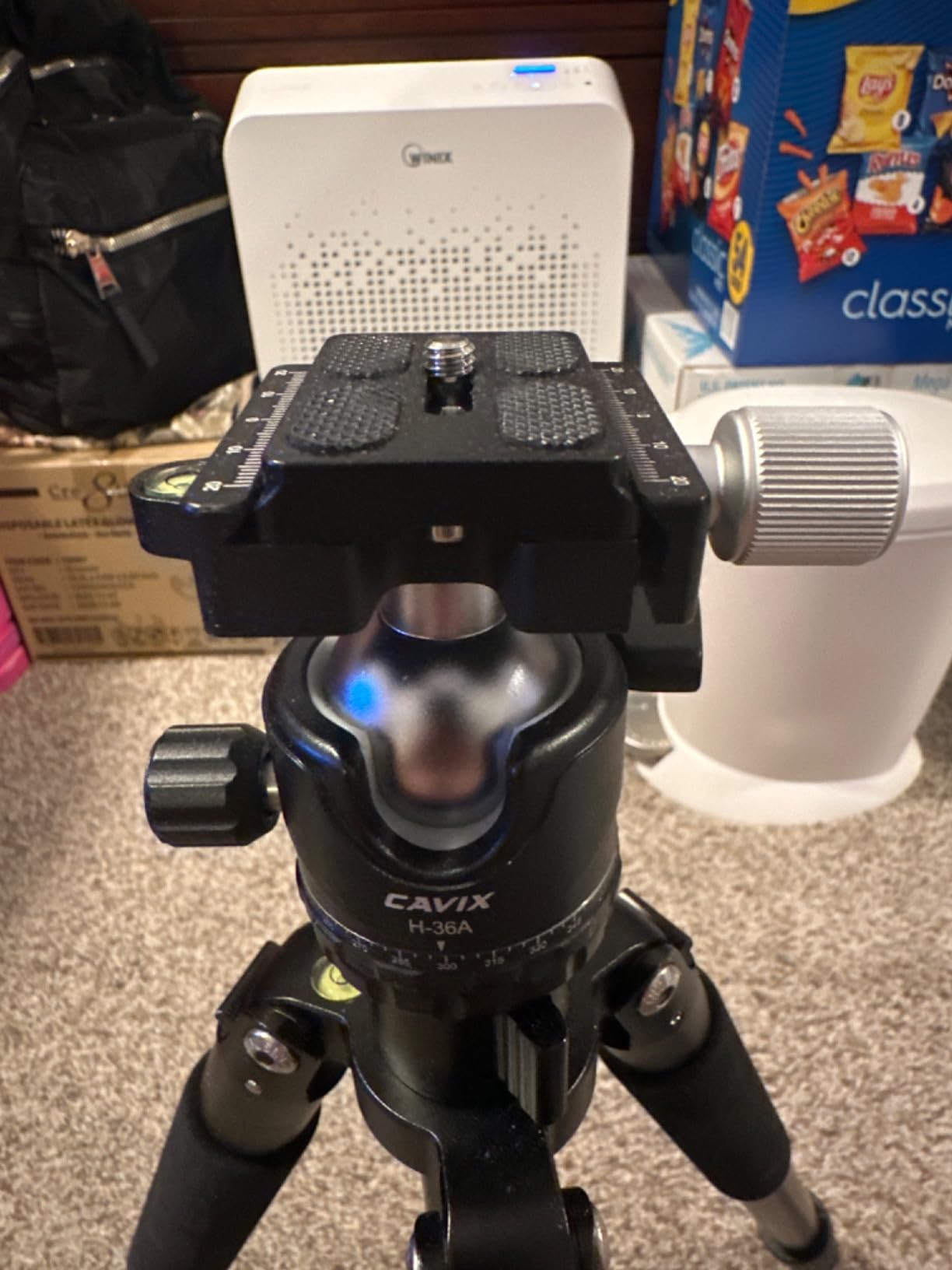
Three independent locking knobs cover the ball, the base rotation and the plate slide, giving roughly 360 degrees of horizontal rotation and 90 degrees of vertical tilt. The bubble level is mounted on the plate itself, where you can actually see it while adjusting.
The plate is a standard 1/4-inch Arca-Swiss design, so third-party plates slide straight in, and both 1/4 and 3/8 threads are covered with an adapter included. The one-year warranty is the shortest commitment here, but the 46 mm ball diameter is the useful headline number.
Used on video rigs, the lever stands clear of the camera body, so the operator can lock or release the ball without fingers crossing the frame or hitting the rear dial.
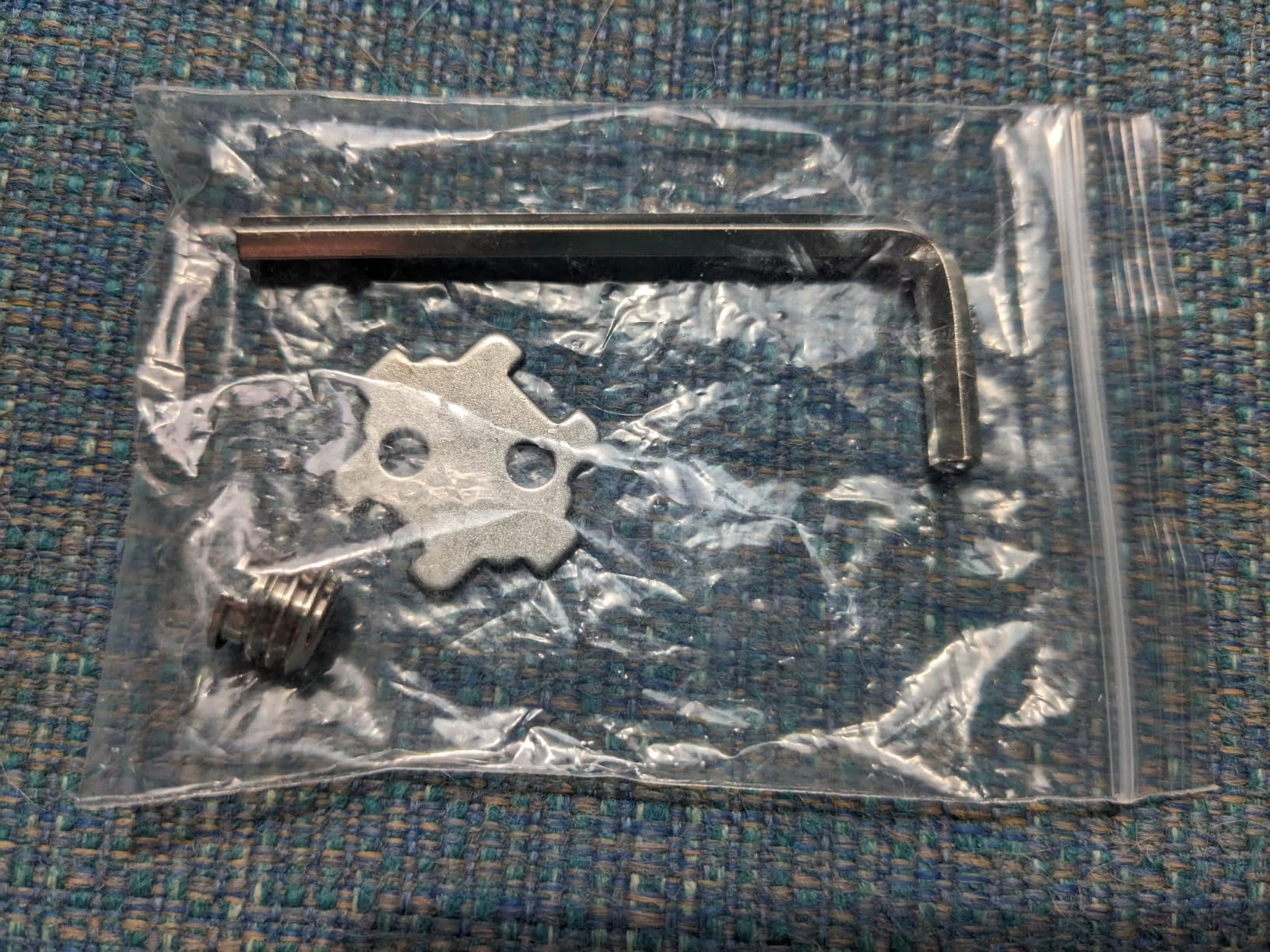
A 46 mm ball with a genuinely damped pan
For video on a photo tripod, and for sweeping panoramas, the damping is the reason to pick this head. Reviewers describe it as fluid and well damped, and say it stands out against knob-style alternatives. Fine timing adjustments near the end of a slow shutter become much less stressful.
The 20 kg rating gives it more headroom than you need for most kits, and reviewers specifically praise its ability to hold off-balance loads such as a long lens on a rail, which is where lesser balls start to shift.
Where it falls short
The pan damping has a quirk: it can feel stiff unless the pan knob is fully unscrewed, and some reviewers report it stiffening part way through its rotation. That is a setup issue more than a fault, but you should know to expect it.
Even at 20 kg, extremely long telephoto lenses mounted far off the centre line cause slight movement. For a fast, clean pan in the video sense, this is a strong option. For the absolute rigidity that heavy glass demands, the 55 mm ball in pick eight is the better tool.
8. WEYLLAN CH55 Low Profile Ball Head – Best for Heavy Payloads
Low Profile Ball Head 55mm Tripod Ball Head Panoramic Tripod Head, CNC All Metal Tripod Camera Head for Tripods, WEYLLAN CH55 with Mlok Rail Arca Swiss Quick Release Plate, Max Load 88lbs/40kg
55 mm CNC-machined ball
88 lb / 40 kg max load
Separate damping fine-tuning knob
Double U-notch
MLOK to Arca adapter
Pros
- Holds large telephoto setups completely rigid once locked
- Damping knob makes precise framing with heavy glass easy
- Low profile wide body feels solid and stable
- MLOK to Arca plate adds versatility for hunting rigs
- Backed by a stated lifetime warranty
Cons
- Main lock knob takes many turns and high torque to clamp fully
- Pan knob sits close to the tension knob and crowds large fingers
- Heavier than smaller heads at 1.7 lb
- Less smooth ball rotation than far more expensive pro heads
If you hang a 200-600mm off the front of your tripod, the ball diameter is no longer a nicety. The WEYLLAN CH55 uses a 55 mm CNC-machined aluminium ball rated to 40 kg, and owners with long telephotos report simply that the head does not move once locked.
That is the whole point of a 55 mm ball. Contact area in the socket is the single biggest factor in how much torque the clamp needs before it stops, and at 55 mm you can clamp firmly without crushing or slipping. The 40 kg rating is the highest in this group by a wide margin.
A separate damping fine-tuning knob lets you hold the ball partially loose with controlled resistance, which is how you centre a 3 kg telephoto without fighting it. The double U-shaped notch gives a fast path from horizontal to vertical orientation, and the 1/4-inch top screw with a 3/8-inch bottom female thread covers most mounts.
The included MLOK-to-Arca rail plate is unusual here. It lets you mount accessories directly above the ball on rails, and a double U-shaped notch gives a fast path from horizontal to vertical orientation without loosening the main knob.
At 1.7 lb this is the heaviest head in the roundup, and that mass sits low and wide over the leg apex. On a sturdy tripod that is a fair trade for rigidity; on travel legs it is not.
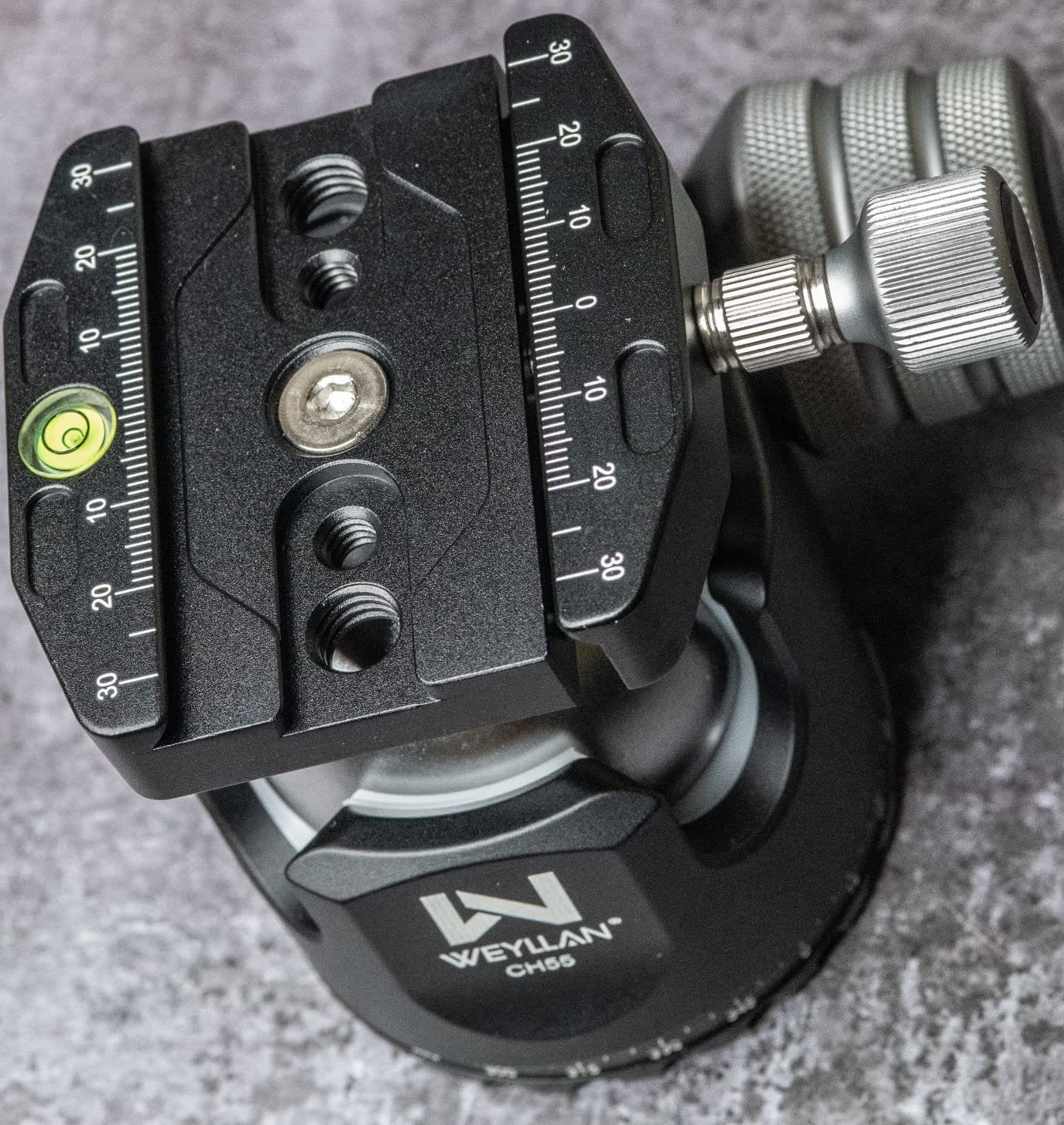
A 55 mm ball rated for big glass
The low profile, wide body is deliberate: it spreads the mass and keeps the socket near the leg apex, which cuts the turning force a heavy lens can put into the socket. On a sturdy tripod, 1.7 lb of solid metal is what buys you a rig that does not shift between two frames.
A stated lifetime warranty is a differentiator in this category. Combined with the machined aluminium construction, it is the choice for a head you expect to keep and load heavily for years.
Where it falls short
The ergonomic complaints are consistent and specific. The main lock knob takes many turns and real torque to fully clamp, and the pan knob sits close enough to the tension knob that large fingers struggle to work both in gloves.
Reviewers also note that the ball rotation is less smooth than professional heads costing several times more, and 1.7 lb is real weight to add to a travel kit. If your glass stays under 100-400mm class, this head is more than the job needs.
9. CAVIX HB46A Ball Head – Best for Rifles and Shooting Rigs
CAVIX Tripod Ball Head with 1/4″ Arca Swiss Quick Release Plate Aluminium Tripod Ball Head Mount Large Ball
46 mm aluminium ball
44 lb / 20 kg max load
Three adjustable locking knobs
Arca-Swiss plate with level
1/4 and 3/8 threads
Pros
- Very well machined aluminium with a precise finish
- Three independent adjustments for ball base and plate slide
- Holds rifles crossbows and camera rigs solidly
- Anti-slip Allen screws secure the Arca plate against drops
- Affordable upgrade for budget shooting tripods
Cons
- Ball and knobs flex slightly under heavy load when clamped
- Small amount of rotational play at full lock
- Socket liner and knobs are plastic rather than metal
- Limited warranty coverage
Ball heads are not only for cameras. The CAVIX HB46A is used more than anything else to add fine aiming control to a budget shooting tripod, and for that job the three independent adjustment axes are exactly what you want.
You get the ball clamp, the 360-degree base rotation and the plate slide, each with its own knob. A 46 mm aluminium ball rated to 20 kg covers a scoped rifle or a heavy camera rig, and the machined finish is clean enough that the head doubles as a camera head.
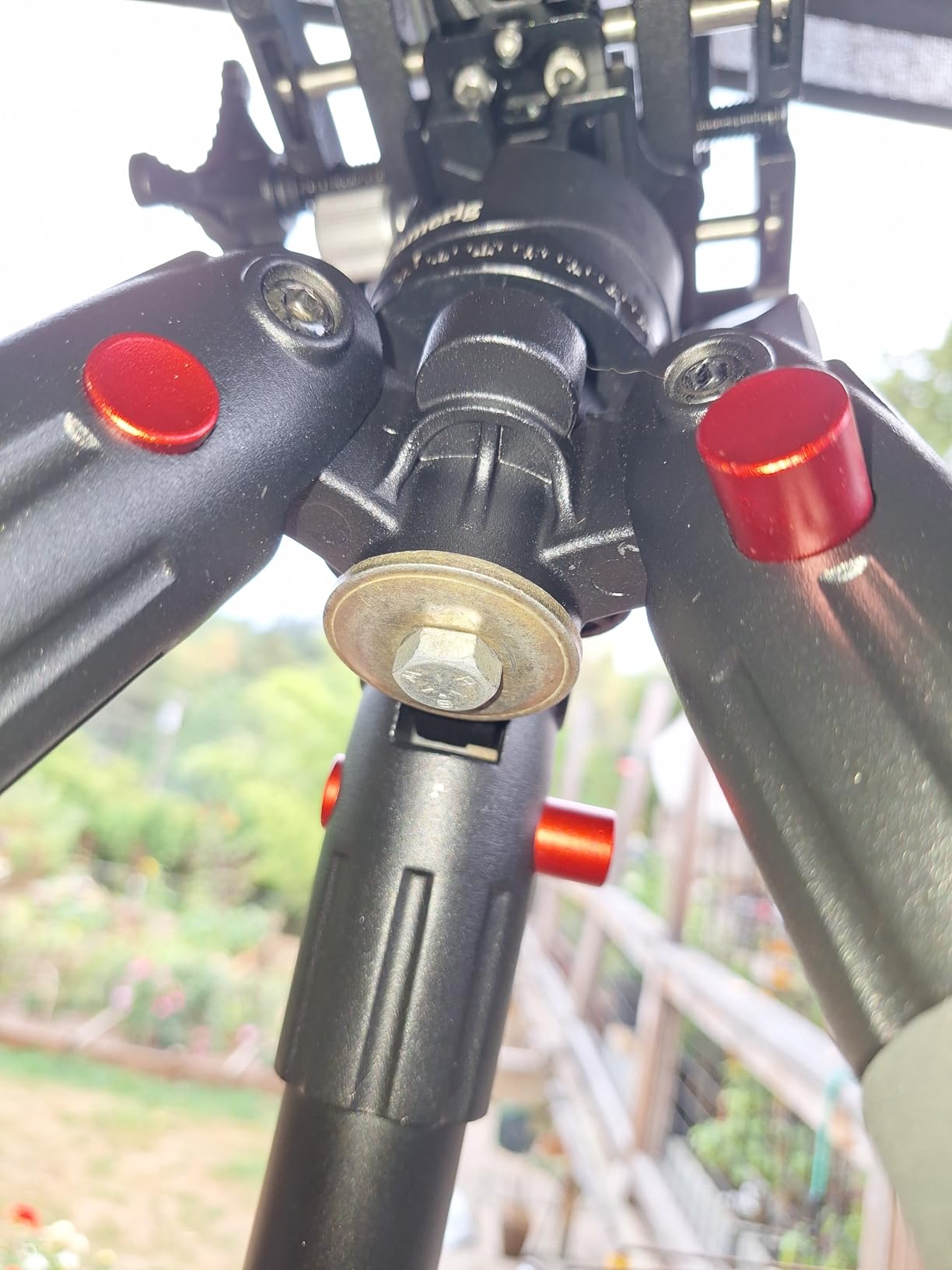
Anti-slip Allen screws on the Arca plate are a small touch that matters more than it sounds, because a rifle recoil cycle or a heavy lens can walk a loosely fitted plate. The included level bubble and both 1/4 and 3/8 mounting threads mean it adapts to most existing shooting tripods.
Reviewers rate it as excellent value with better holding strength than the crude clamp it typically replaces, and 176 reviews averaging 4.7 stars backs that up. The base is 2.25 inches across with a height of about 3.25 inches, so it fits where space is tight.
Worth noting for long-range work: with three separate controls, you can clamp the base and the plate and keep only the ball free, which isolates aim adjustment to a single axis. That is how the head earns its place on a shooting tripod.
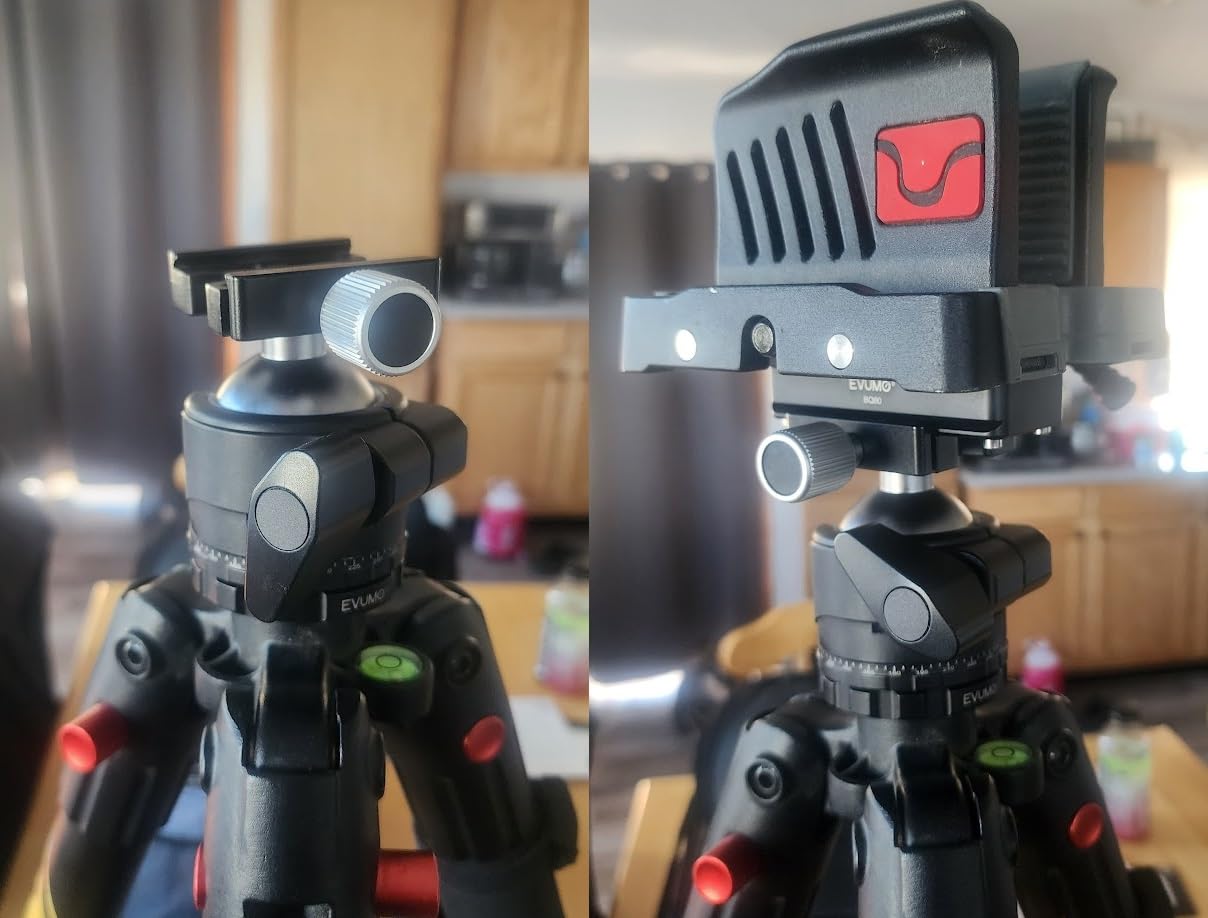
Three independent adjustments in a compact body
Splitting ball tension, base rotation and plate position into three controls is what makes fine aiming possible. On a shooting tripod, a quarter-turn of one knob at a time is the difference between a hit and a walk-off.
It is also a sensible first head for anyone moving from a stock tripod head to something with real control, because the size is conventional and the threads are standard, so you are not buying into a proprietary system.
Where it falls short
Honest criticism centres on the ball and knobs. Under heavy clamping load the aluminium flexes slightly, and a small amount of rotational play can show at full lock. Neither ruins the head, but both are noticeable in the way it feels.
The socket liner and the knobs themselves are plastic rather than metal, which is where the flex comes from, and warranty coverage is limited. For long-range precision work under recoil, a head with all-metal controls is a better tool.
10. Avella V1 38mm Ball Head – Best Precision Pan Ring
Avella V1 DSLR Camera Tripod Ball Head 38MM, 360 Degree Swivel,U-Shaped Groove Design, for Canon Nikon Sony Olympus Panasonic DSLR Camera-Green
38 mm anodized aluminium ball
0.4 kg
360 degree pan ring etched in 1 degree steps
Two Arca plates included
Thread reducer insert
Pros
- Exceptionally well machined castings with a smooth 1 degree indexed pan
- Even firm lock-up without excessive cranking
- Comes with two Arca plates a hex key and a thread adapter
- Slotted plates can be offset to clear awkward battery doors
- Often compared favourably with heads costing two to three times more
Cons
- Droops under heavier setups such as a full-frame body with L-series glass
- Listing claims two bubble levels but only a horizontal one is fitted
- Pan ring drag is not adjustable
- Green finish is described as unattractive
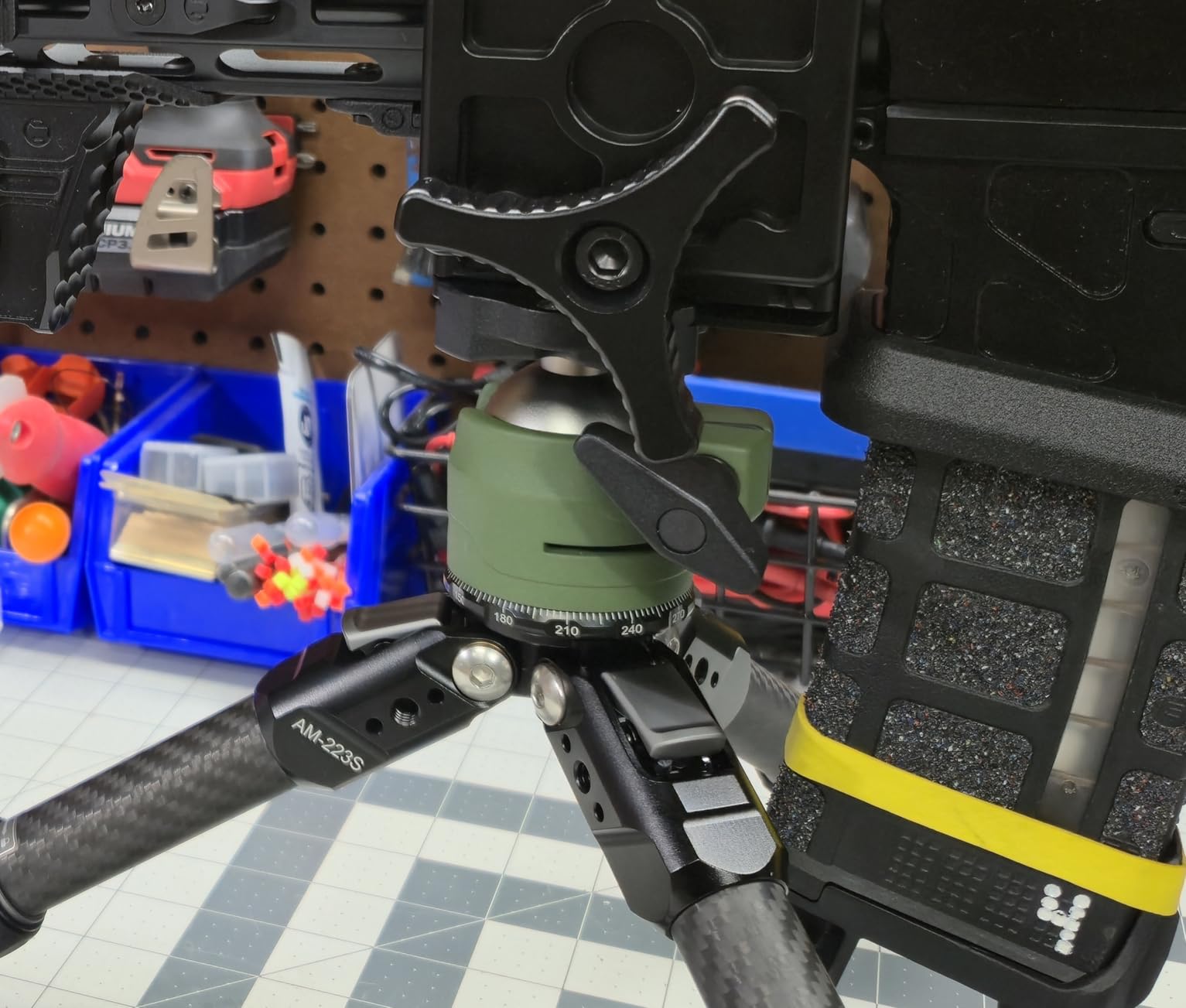
The Avella V1 is the sleeper of this roundup. At 0.4 kg with a 38 mm anodized aluminium ball in a Delrin-style shell, the castings and the 1 degree laser-etched pan ring are genuinely finer than most heads priced several times higher, and enthusiasts fitting it to vintage tripods call it out for that reason.
Precision panning is the genuine skill here. A 360-degree pan ring etched in 1 degree steps lets you pre-set a start and end angle and return to the same framing, which is what bracketed panoramas and repeat architectural shots need. A hex-key adjustable drag on the clamp-style friction lock lets you tune the feel without over-cranking.
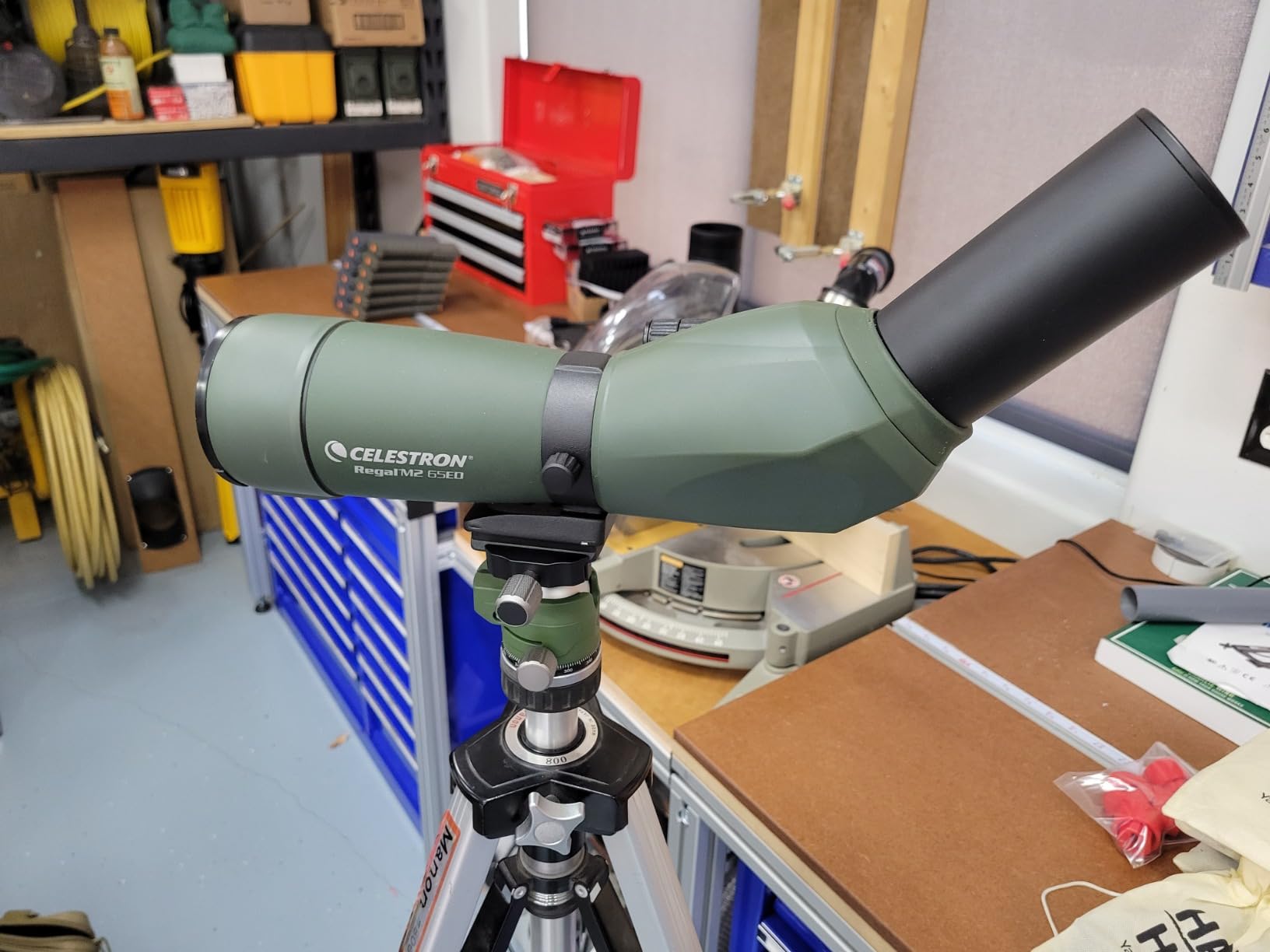
Two Arca-Swiss style quick release plates are included, and both are slotted, so you can offset them to clear an awkward battery door or a strap lug. A 3/8-16 to 1/4-20 thread reducer insert is also in the box, which covers older tripod standards.
The U-shaped groove in the ball supports vertical shooting, and the clamp-style friction lock gives an even, firm lock-up without excessive knob cranking. 239 reviews average 4.6 stars for this head, and enthusiasts with vintage tripods like the way a clean anodised finish blends in rather than looking like an afterthought.
Machining that punches above its tier
The finish is the story here. This is the one head in the roundup that enthusiasts describe as rivalling boutique-made heads, and the reason shows in the pan ring and the socket rather than in a spec sheet. The lock is even because the clamp geometry is even.
For architectural and interiors work where you repeat the same frame, the 1 degree indexing is worth more than extra load capacity. For a tripod built decades ago that needs a 3/8-16 bolt, the included reducer makes it a drop-in improvement.
Where it falls short
The practical limit is load. Reviewers are clear that it droops under heavier setups such as a full-frame body with L-series glass, and the useful envelope is roughly 8 kg of total kit. Past that, the socket is not stiff enough to resist the leverage.
Two smaller issues: the listing claims both a vertical and a horizontal bubble level but only a horizontal one is fitted, and the pan ring drag cannot be adjusted. Several buyers also find the green finish unglamorous, which is a purely cosmetic complaint.
11. INNOREL C19 Mini Ball Head – Best Lightweight Head for Hiking
Mini Ball Head-INNOREL C19 Mount Tripod Head-CNC Metal Low Profile Ballhead 360° Pan 90° Tilt Tripods Mount with 3/8″ to 1/4″ Adapter Ballheads, Max Load 6.61 lb/3kg for Phone/DLSR Camera/Mini Holder
59 g CNC aluminium and stainless steel
47.5 mm height
3 kg max load
360 degree pan with +/-30 degree tilt
Low profile
Pros
- Exceptionally light at 59 g for a CNC metal body
- Low profile design lowers the centre of gravity by 10 mm
- Rubber-padded top protects camera bodies from scratches
- Adapter included for both 1/4 and 3/8 gear
- Two years of spare part availability
Cons
- 3 kg limit confines it to mirrorless bodies and light kits
- Tilt range of only 30 degrees either way is narrower than larger heads
- Very small size is less stable on very light tripods
At 59 g, the INNOREL C19 is the head to carry when every gram counts. It is CNC-machined aluminium alloy and stainless steel with an anodized finish, 47.5 mm tall, and it holds a mirrorless body with a small prime without complaint.
The low profile design lowers the centre of gravity by 10 mm, which sounds minor until you put it on a featherweight travel tripod. On a very light tripod, that 10 mm is the difference between a head that feels solid and one that feels like a pivot.
Reviewers use it as an ultra-light travel or table-top head for phones, light cameras, fill lights and mini rigs, and the rubber-padded top mount earns specific mention for protecting camera bodies from scratches when you set them down.
A 3/8-to-1/4 adapter is included and the top takes a 1/4-inch screw, so the same head works on a mini tripod, a light stand or a slider. Two years of spare part availability is a better commitment than most heads at this weight offer.
It is typically used on very small travel tripods and light stands, where the rubber-padded top sits directly over the apex screw and adds almost no height to the stack. That is where a 10 mm lower centre of gravity matters most.
59 g and still all metal
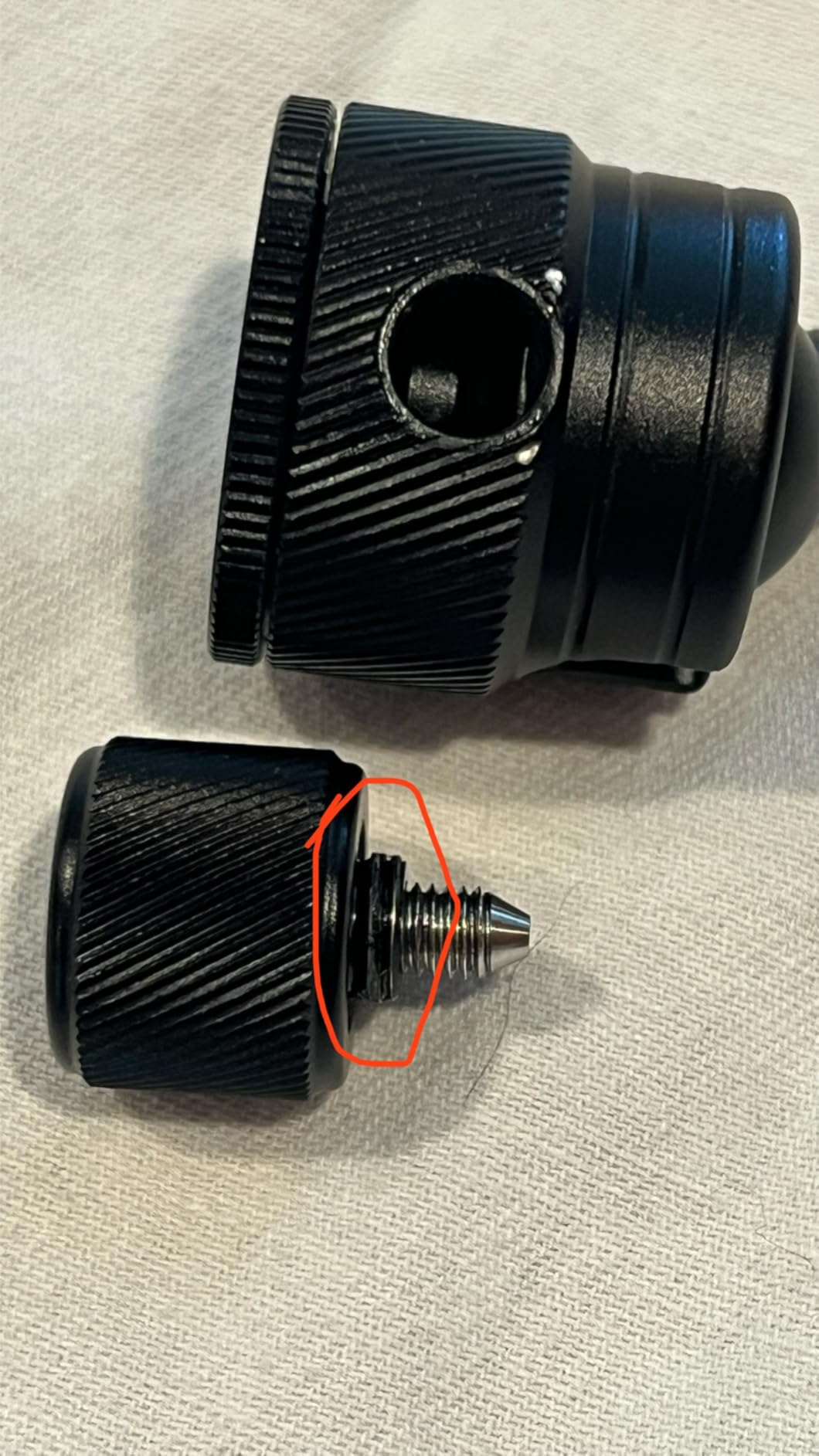
Most heads this light are moulded plastic with a metal thread insert. This one is CNC-machined through the body, which is why it holds a repeatable lock rather than slipping under a nudge. That is the difference that matters when you are framing on a windy ridge.
For hikers replacing a kit head, the maths is simple: 59 g is a rounding error next to any lens, and at 1.97 inches on its widest face the whole unit slots into a side pocket. The machined finish and the light weight are what stand out in reviews.
Where it falls short
The 3 kg maximum load is the accepted boundary. A DSLR body with a grip plus a zoom will sit at or past it, and the head will not hold position there.
Tilt is limited to 30 degrees either way from horizontal, which is narrower than every full-size head here and rules out overhead shooting entirely. It is also small enough to be less stable on very light tripods, so pair it with legs that have some substance.
12. ULANZI Select H28 Mini Ball Head – Best for Accessories and Hot Shoes
Mini Ball Head, ULANZI H28 Panoramic Tripod Head + Dual Hot Shoe Mount DSLR Camera Mount Adapter Photograph Attachment Accessories for Action Cameras Cam Smartphone Light Microphone Loading 5.5lb
100 g aluminium and stainless steel
3 kg max load
Dual hot shoe adapter
Universal 1/4 inch screw
360 degree rotation
Pros
- Dual hot shoe adapter mounts directly to most DSLR and mirrorless bodies
- 1/4 inch screw accepts lights mics monitors and cages
- Very light at 100 g for travel and on-camera accessories
- Turn knob gives smooth panning for panoramic video
- Most reviewed head in this group at 4.6 stars across 1040 reviews
Cons
- 3 kg limit is unsuitable for large pro bodies and long lenses
- Small ball surface lets heavy accessories shift the balance
- Hot shoe adapter will not fit cages that block the shoe
- Very few adjustment points for fine levelling
The ULANZI Select H28 is the most reviewed head in this roundup with 1040 reviews, and almost none of those buyers are using it the way you would use a tripod head. They are using it to hang lights, microphones, monitors and phones off a camera, a cage or a bag strap.
The included dual hot shoe adapter is the reason. It slides straight into the accessory shoe on most DSLR and mirrorless bodies, and the universal 1/4-inch screw on top then accepts a small LED panel, a shotgun mic, a field monitor or an on-camera cage. At 100 g it adds almost nothing to the body.
A turn knob gives smooth 360-degree panning, which reviewers find useful for short panoramic video moves on a vlogging rig. Construction is aluminium alloy and stainless steel, sized at 2.44 by 1.18 inches, with a 3 kg rating and 81% of reviews at five stars.
Buyers consistently rate the build quality as far above what the price suggests, and many use it as a spare or backup head that lives permanently in a camera bag.
It is typically hung under a camera body or off the side of a rig, carrying a small light, a microphone or a monitor. That is how it earns its place in a bag rather than on a tripod, and why 1040 reviews is the highest count in this group.
Not really a camera head, and that is the point
Do not buy this as a primary tripod head for a large camera. The 3 kg rating and the small ball surface suit a light accessory and fail a telephoto lens, where a heavy item sitting off-axis moves the balance point and turns the ball.
Judged as an accessory mount, it does the job better than anything else in this roundup, and it suits anyone building a light vlogging or run-and-gun rig where the camera never leaves the body.
Where it falls short
The ball surface is small, so heavier accessories can shift the balance rather than sitting rigid. The hot shoe adapter also will not work with cages that cover or block the shoe, which is a common configuration on heavier rigs.
There are very few adjustment points, so fine levelling is limited compared with a proper tripod head. Treat it as the fourth tool in the bag rather than a replacement for one.
Ball Head Buying Guide: What Actually Matters
Once you know which category your kit falls into, the remaining decisions are mechanical. These are the ones that separate a head that feels good after two years from one that ends up in a drawer.
How much load capacity you actually need
Add up the body, the lens, the battery grip, a fast telephoto zoom, a lens collar, a field monitor and a cable, then divide by two. That is the load capacity you should be looking for, because manufacturers test to failure rather than to a safe working margin. A head that is exactly at its rating will feel vague before it breaks, and vague is the enemy of a sharp long exposure.
As rough guides, a mirrorless body with a prime lands around 1.5 to 2 kg, so a 3 kg head is genuinely enough. A full-frame body with a 24-70mm and a grip reaches 3 kg, and 5 kg gives comfortable headroom. A professional body with a 100-400mm plus a battery grip and a field monitor can pass 5 kg on its own, which is where the 15 to 20 kg options start to make sense. A 200-600mm plus a body is the case for a 40 kg ball.
Also weigh in how the load sits. A long lens mounted forward of the ball multiplies its effect on the socket, and that is why a bigger ball beats a bigger load rating when the two are close.
Ball diameter and why it controls sag
Ball diameter is the spec that most listings bury and that most determines whether a head creeps. The ball is captured in a socket, and the clamped contact area scales with the diameter. A 55 mm ball spreads clamping force across roughly three times the contact area of a 28 mm ball, so it resists rotation with far less torque.
The size range in this roundup runs from 28 mm on the K&F CONCEPT to 55 mm on the WEYLLAN CH55, with 36, 38 and 46 mm in between. The practical rule is simple: the heavier and more front-loaded your gear, the larger the ball you want.
Sag after locking is the symptom of too small a ball. If your framing drifts a fraction of a degree between the moment you tighten the knob and the moment you press the shutter, you are looking at ball creep rather than a tripod leg problem.
Arca-Swiss quick release and whether heads are interchangeable
Tripod ball heads are not universal in the sense that matters. The underside almost always uses a 3/8-20 thread, which is close to universal at the leg, but the clamp on top follows one of several competing standards, and that is where plates and clamps stop cross-compatibility.
Arca-Swiss has become the de facto standard. Heads described as Arca-compatible, Arca-type or Arca-Swiss accept the same plate geometry, and the plates fit each other. Manfrotto’s 200PL system, used by the XPRO in this roundup, is a different geometry, and its plates will not drop into a generic Arca clamp.
The practical advice is to own Arca-compatible plates and nothing else. If you buy one Arca head and one Arca plate, you can move between almost every tripod and head you will ever own, and switching cameras takes a couple of seconds. It is the least glamorous decision on this list and probably the one that saves the most time over a year.
Ball head vs 3-way, geared, fluid and pistol-grip heads
A ball head gives you two positions: free or locked. A 3-way pan-and-tilt head gives you three independent planes, and that extra axis is why it remains the better choice for macro work, architecture and any situation where you need to align one axis exactly while holding the others.
A geared head trades speed for repetition. Two geared axes let you rack up and across in fixed, repeatable increments, which is what studio tabletop and copy-stand style work wants. The cost is that framing is slower and the head is heavier.
A fluid head is built for smooth pan, with a fixed range of counterbalanced movement and fluid damping through it. It is the right choice for video on a proper video tripod, but it is heavy and it is poor at the rapid recentre-and-reframe moves that stills shooters make constantly. The CAVIX H-46 in this roundup is a reasonable middle ground for light video work.
A pistol grip or joystick head is the fastest of all for tracking a moving subject, because one hand controls every axis. Its limitation is upward tilt, which makes it a poor choice for birds, aircraft and anything overhead. It is also a specialist purchase, not a general tripod head.
Friction damping, the pan lock and levelling
Friction damping is the control that lets the ball move under partial tension, so you can fine-tune a framing at the end of a slow shutter without the camera plunging. Heads with a separate damping knob or lever are a tier above those that only have a hard lock, and it is the single most useful feature here for long exposures and video.
A separate pan lock below the ball does something different. It lets you sweep the camera for a panorama while keeping the ball clamped, so the base controls the rotation and the ball stays fixed. It is a genuine convenience for bracketed and stitched work, and it is why the SmallRig 360 Panoramic head rates so well for control feel.
Bubble levels are useful and under-used. A horizontal level on the pan base for panoramas and a vertical one for portrait orientation remove guesswork. A small phone with a level app can substitute, but you have to leave the frame to check it, which is the whole problem a bubble solves.
Maintenance: cleaning and re-greasing the ball socket
Ball heads do not fail suddenly. They get sticky, then get loose, and the camera starts drifting between shots. A few minutes of maintenance every couple of seasons keeps the socket running smoothly and stops salt air and grit from pitting the ball.
First, unload the head and release the main lock fully. Wipe the ball and the inside of the socket with a dry microfibre cloth, then a barely damp one, and never use solvent, which can attack the socket liner. A soft brush gets grit out of the crevice around the ball.
Next, apply a single small bead of high-viscosity synthetic grease, the kind sold for ball heads specifically, and work the ball through its full range so it coats the contact area. Too much grease is worse than none because it collects dust. Wipe the excess off the outside of the ball until only a thin film remains inside the socket.
Finally, cycle the ball through its full range of motion several times to distribute the grease, then tighten the lock and let the head sit overnight. If the camera no longer creeps after a full tightening, the socket is doing its job. Salt-air users should do this twice a year.
Frequently Asked Questions
Are tripod ball heads universal?
Not quite. The underside of almost every tripod head uses a 3/8-20 thread, so heads bolt onto most legs. The clamp on top is where standards differ: Arca-Swiss is the de facto standard, and Arca-compatible plates move between almost all Arca heads and tripods. Manfrotto systems such as the 200PL use different plate geometry, so those plates will not fit a generic Arca clamp. Choose Arca-compatible plates and you can reuse one plate across every head and tripod you own.
What is the difference between a ball head and a 3-way tripod head?
A ball head has a single joint controlled by one lock, and it moves freely in any direction until you tighten it. A 3-way pan-and-tilt head has three independent axes: pan, lateral tilt and forward tilt, each with its own control. For fast framing, ball heads win. For macro, architecture and any job needing precise alignment on one axis while holding the others, the 3-way head is more accurate.
What are the key differences between ball heads and fluid heads for tripods?
A fluid head has a fixed, counterbalanced pan range and calibrated fluid damping, built for smooth video movement over a pan. A ball head is a stills head: one lock, free movement in all directions, and a friction control for fine adjustment. Fluid heads are heavier and slower to reposition, while ball heads are faster to frame but cannot produce a consistently damped pan for video without a separate damping control.
Is Sirui a good brand for tripods?
Sirui comes up constantly in photography forums as a brand that delivers at a lower tier, and the recurring discussion is about how its Arca-compatible heads and plates compare with costlier branded equivalents. The practical answer is the same as for any head: judge the ball diameter, the load rating and the machining rather than the badge.
What load capacity ball head do I need?
Add the body, lens, grip, second body and any accessories, then halve the total and look for a head rated at or above that figure. A mirrorless body with a prime needs about 3 kg, a full-frame body with a 24-70mm and grip needs about 5 kg, and a professional body with a 100-400mm needs 15 kg or more. If your load sits far forward of the ball, prioritise a larger ball diameter over a higher load number.
Our Verdict on the Best Ball Heads for Tripods in 2026
After six weeks of swapping, levelling and panning, the best ball heads for tripods fall into three clear groups. The NEEWER Professional Metal 360 is the one to buy for almost any mirrorless or light DSLR kit, and at 2470 reviews it is the most proven head here. The NEEWER GM36 is the value choice, adding a 36 mm ball and a 15 kg rating for heavy telephoto work in a 310 g body.
For a professional body with long glass, the Manfrotto XPRO gives you magnesium stiffness and a vibration-free triple lock, while the WEYLLAN CH55 is the answer when the lens is the size of a fire extinguisher and nothing may move. For travel, the INNOREL C19 at 59 g and the SmallRig BUT2665 at 188 g cover everything short of a pro body.
Whichever you choose, buy Arca-compatible plates, size the head to half your total kit weight, and give the socket a clean and a re-grease each season. Your tripod is only as stable as its weakest part, and the head is almost always that part.