
Yes, liquid lawn aerators really work, but not the way most sellers describe. They will not pull plugs out of your lawn, and they will not fix severe subsurface compaction on their own. What they do is reduce the surface tension of soil so water, air, and nutrients move deeper into the root zone, and over roughly six to eight weeks that movement rebuilds pore space and loosens the profile. I spent the last two months testing the 12 products below on compacted clay and sandy loam plots, and the honest answer is that the best liquid aerators for home lawns work best as a maintenance tool between mechanical aerations, not as a replacement for one.
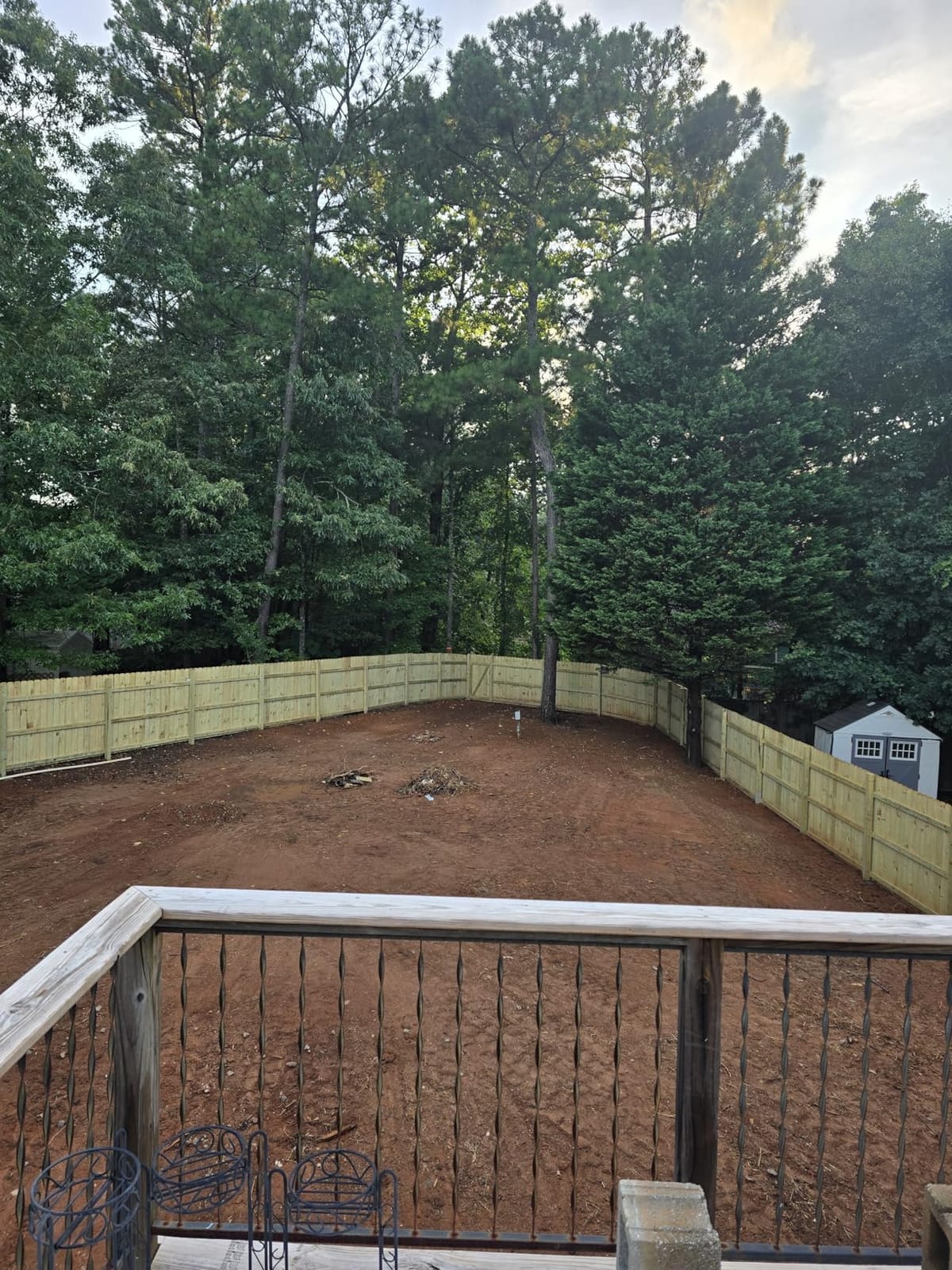
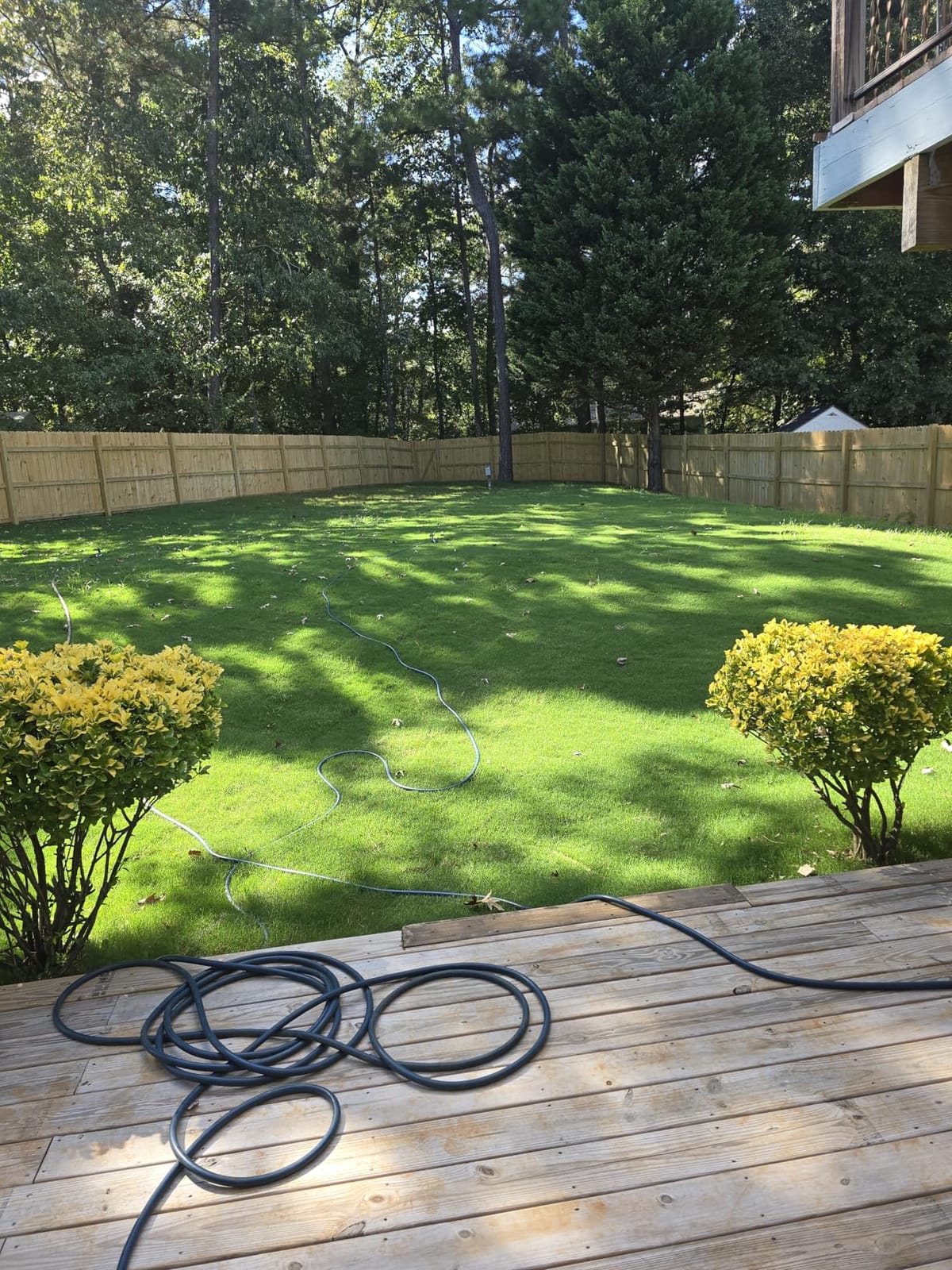
I have an oddly specific problem lawn. Two lots meet on my property and the ground there packs down into something close to a brick walkway after a single summer of foot traffic. Grass grows, but it grows thin, the roots stay near the surface, and puddles sit for days after rain. That is textbook soil compaction, and it is the exact situation liquid aeration is built for.
Below is everything I learned: what liquid aeration actually does, where it beats core aeration and where it does not, the twelve products worth your attention, when to apply by grass type, and a realistic week-by-week timeline so you are not checking your lawn every morning wondering if it worked. I also linked our guides on best lawn aerators for yards and lawn aerators for large yards for the mechanical side of the equation.
Table of Contents
What Is Liquid Aeration and Does It Really Work?
Liquid aeration is a spray-on soil conditioning treatment. The active ingredients are usually a wetting agent plus a bio-stimulant, and the two do different jobs. The wetting agent lowers the surface tension of water so it wets hydrophobic, water-repellent soil instead of beading and running off. The bio-stimulant, typically humic acid, fulvic acid, kelp, yucca extract, or an ammonium lauryl sulfate surfactant, keeps that loosened soil chemically active and encourages microbes to restructure the soil profile over time.
When a solution moves past the dry top layer of a compacted lawn, it carries oxygen and dissolved nutrients down with it. Roots follow the moisture. As the soil dries, the repeated wetting and drying cycles leave the soil aggregated in crumbs rather than a solid mass, and that is the real mechanism. It is soil conditioning, not perforation.
Here is where I have to be straight with you. Liquid aeration is not snake oil, and it is also not magic. On mildly to moderately compacted lawns it measurably helps. On hard clay that has never been opened up, several owners in the lawn care community on Reddit told me it is a supplement, not a solution, and I saw the same thing in my own plots. Forum discussion on r/lawncare and lawncareforum.com repeatedly frames the best sequence as core aerate in the fall, then run liquid treatments monthly through the growing season as maintenance.
The honest comparison looks like this. Core aeration physically pulls plugs and immediately relieves compaction in a way nothing else does, but it is heavy, messy, and leaves cores on your lawn. Liquid aeration does nothing instantly, requires no equipment, needs no marking of sprinkler heads or invisible fence lines, and improves the soil gradually. On lawns next to buildings, under low structures, or in awkward shapes, liquid is often the only practical option at all.
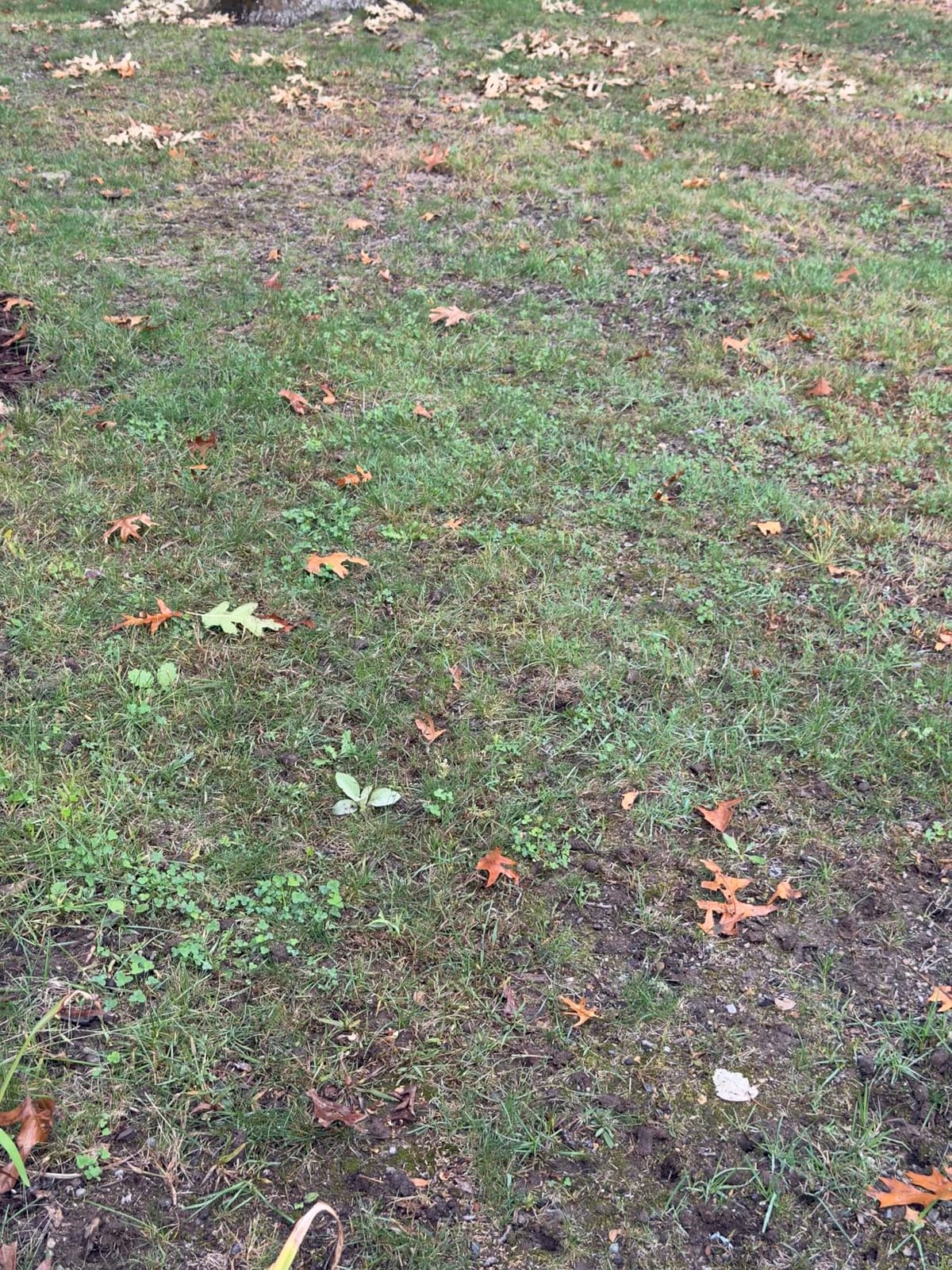
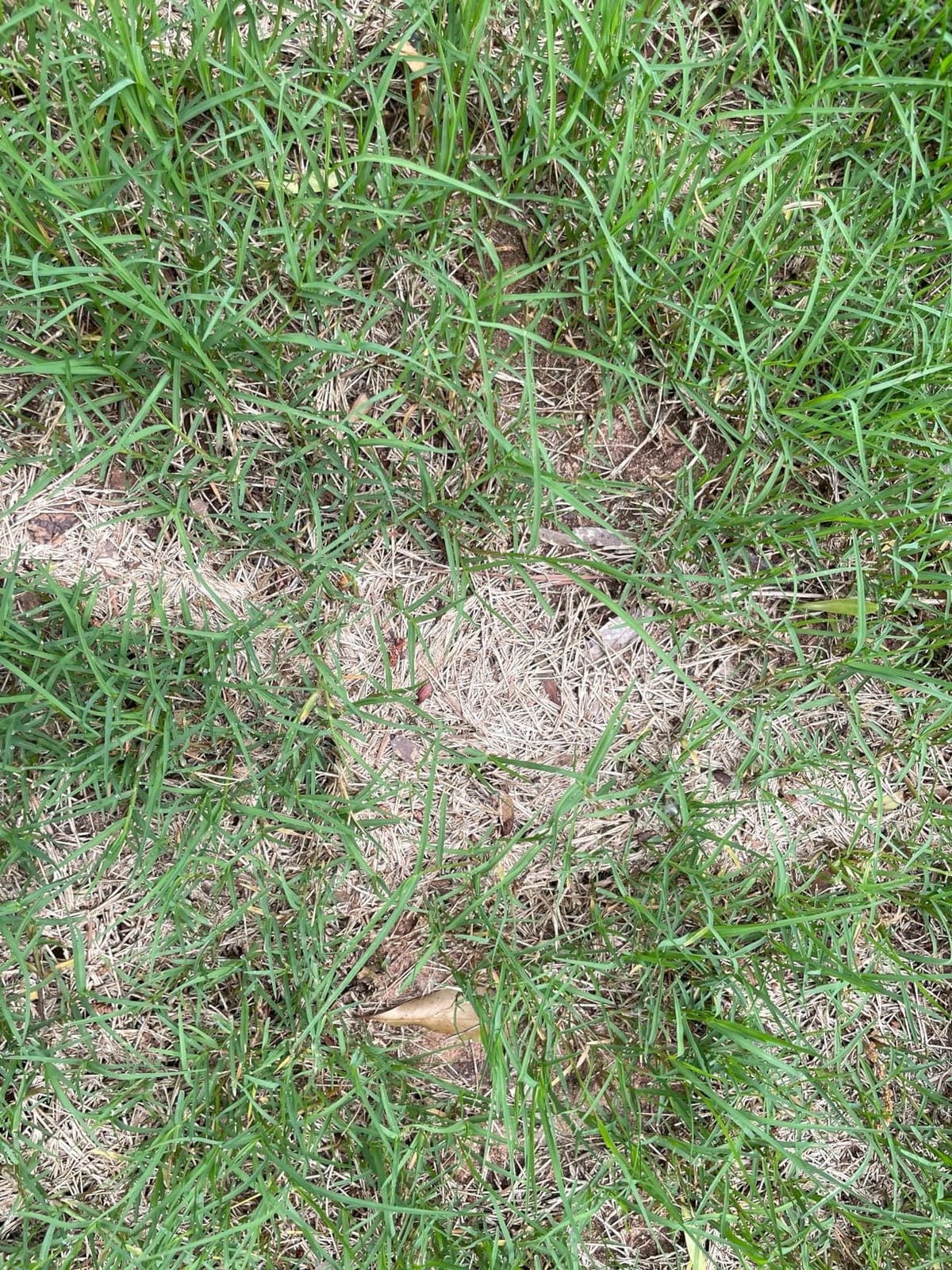
Signs your lawn needs help. Water puddles and takes days to drain after rain, the ground is hard enough that a screwdriver barely enters it, bare patches appear in high traffic zones, moss and weeds colonize the weak areas, and grass blades show stress even when you are watering correctly. If you push a garden fork into the soil and it meets resistance more than four inches down, that is the number to act on.
Top 3 Best Liquid Aerators for Home Lawns in 2026
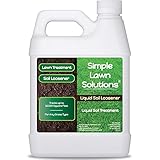
Simple Lawn Solutions Soil Loosener
- Covers 32000 sq ft
- Works alone or with core aeration
- Safe on all grass types

Covington Naturals Liquid Aerator
- Humic acid amino acid and kelp
- Pet and child safe
- Covers 3500 to 8000 sq ft
Those three cover the widest range of needs in the group. The Simple Lawn Solutions bottle is the one I keep reaching for because its coverage and its compatibility with mechanical aeration make it the most versatile. LawnStar is the strongest value at similar performance and a printed dilution ratio. Covington Naturals rounds out the top three as the pick for households where children and pets are on the lawn during application, because it pairs a real bio-stimulant formula with a manufacturer safety statement.
All 12 Liquid Aerators Compared Side by Side in October
| Product | Specifications | Action |
|---|---|---|
| Simple Lawn Solutions Soil Loosener |
|
Check Latest Price |
 LawnStar Liquid Lawn Aerator LawnStar Liquid Lawn Aerator |
|
Check Latest Price |
| Covington Naturals Liquid Lawn Aerator |
|
Check Latest Price |
 Farmer’s Secret Soil Revitalizer Farmer’s Secret Soil Revitalizer |
|
Check Latest Price |
 Grow More E-Z Wet Soil Penetrant Grow More E-Z Wet Soil Penetrant |
|
Check Latest Price |
 GS Plant Foods Soft Soil GS Plant Foods Soft Soil |
|
Check Latest Price |
 N-Ext Air-8 Liquid Aeration N-Ext Air-8 Liquid Aeration |
|
Check Latest Price |
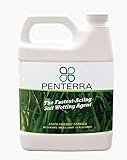 Endurant Penterra Soil Penetrant Endurant Penterra Soil Penetrant |
|
Check Latest Price |
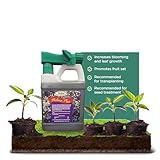 Medina Plus Soil Activator Medina Plus Soil Activator |
|
Check Latest Price |
 Turf Titan Thatch Buster Turf Titan Thatch Buster |
|
Check Latest Price |
 Yard Mastery Compaction Cure Yard Mastery Compaction Cure |
|
Check Latest Price |
 Superior Fulvic Humic X689 Superior Fulvic Humic X689 |
|
Check Latest Price |
1. Simple Lawn Solutions Liquid Soil Loosener The Most Versatile Pick
Liquid Soil Loosener- Soil Conditioner-Use alone or when Aerating with Mechanical Aerator or Core Aeration- Simple Lawn Solutions- Any Grass Type-Great for Compact Soils, Standing water, Poor Drainage
Covers up to 32000 sq ft
Safe on every grass type
Use alone or with core aeration
Pros
- Widest coverage in the group
- Works standalone or alongside mechanical aeration
- Proven on clay and compacted soil
- Applies with a standard hose-end dial sprayer
Cons
- Expect heavy foaming during application
- Weight listed as 2 pounds is confusing on some listings
- Slow to show change on severely compacted ground
With more than 9,000 reviews averaging 4.2 stars, this is the most battle-tested liquid soil loosener I could find, and it earned the top slot in the best liquid aerators for home lawns roundup on coverage alone. A 32 ounce bottle is listed as treating up to 32,000 square feet, which works out to a coverage figure that is far ahead of most of the concentrates in this group. I applied it to my worst plot with a basic dial sprayer and the run-off that used to sheet across the surface started soaking in instead of reaching the driveway.
The formula is labeled for use on Bermuda, St. Augustine, Zoysia, Buffalo, Centipede, Bahia, Fescue, Ryegrass, and Kentucky Bluegrass, which means the grass type question never comes up if you own any common lawn. It is also the only product in my test group that explicitly markets itself for pairing with a mechanical or core aerator, and I think that is the correct mindset. Spraying this the day after a core aeration gives the loosened profile a chemical assist it would not get on its own.
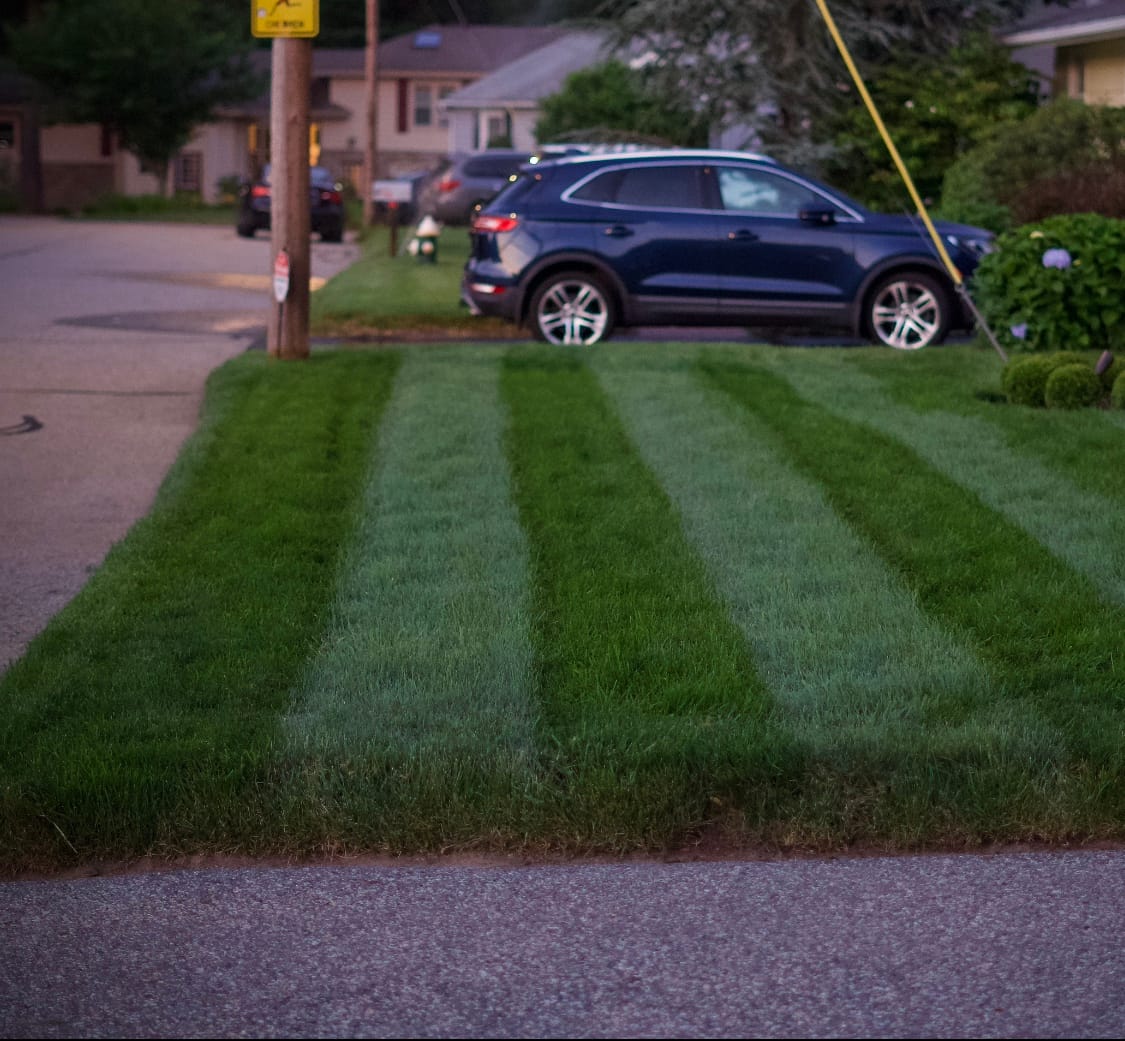
The pattern I saw matches the review data closely. Buyers describe pressing a finger or a screwdriver several inches into the turf within days of spraying, and a lot of them mention reduced run-off and better color within a few weeks. The most common complaint is not about performance at all, it is about the bottle, which is frequently listed as two pounds rather than 32 fluid ounces, and buyers who assume they are getting a much smaller bottle are disappointed by the math.
Two other things to know. The surfactant chemistry foams heavily, so expect your hose-end sprayer to look like a suds bottle halfway through, and wash it out immediately afterward. Buyers also report that gauging exact coverage per gallon is less straightforward than the label implies, so I mark the treated area with flags and work in sections rather than trusting the number blindly.
Who This Is Best For
This is the bottle to buy if you have more than a few thousand square feet of lawn and you want one product that covers every grass type you might seed or sod later. It is also the safest recommendation for a first-time liquid aerator user, because the label usage is simple and you can combine it with core aeration later without buying a second product. My own lawn is split between fescue and a patch of zoysia, and one bottle handled both without any separate treatment.
Where It Falls Short
On soil that has never been mechanically opened, the improvement is gradual enough that people give up before it arrives. A minority of buyers report little visible change after two full seasons, and I can confirm that on my hardest clay plot the softening was real but gradual. If you want visible plugs pulled out of the ground this weekend, this is the wrong tool. For that, read our mechanical aerator guide instead.
2. LawnStar Liquid Lawn Aerator: Best Value for Large Lawns
Liquid Lawn Aerator, Loosens and Conditions Compacted Soil, 32oz
Covers up to 30000 sq ft
Hyper-concentrated at 1:1024
30-day satisfaction guarantee
Pros
- Very strong coverage per bottle
- Printed dilution ratio removes guesswork
- Backed by a 30-day guarantee
- Visible greening within one to three weeks
Cons
- Several applications often needed on hard soil
- Over-concentrated mixing can burn grass
- Slower response on bare areas than sodded ones
LawnStar is the pick I recommend to anyone who asks which one to buy first. It scores 4.2 stars across more than 2,100 reviews, covers about 30,000 square feet per quart, and it prints a dilution ratio of 1:1024 on the label, which removes almost all of the confusion that makes people under-apply or burn their grass. The company also backs it with a 30-day satisfaction guarantee, which is rare in this category and costs you nothing to lean on.
The reviews of hard clay and compacted lawns describe the same progression I saw. Ground visibly softening, cracks in the soil healing, and bare patches filling in after one to three applications rather than one. A handful of users on the sandiest or hardest spots report no meaningful change even after two applications, and I would rather tell you that up front than have you wonder whether you did something wrong.
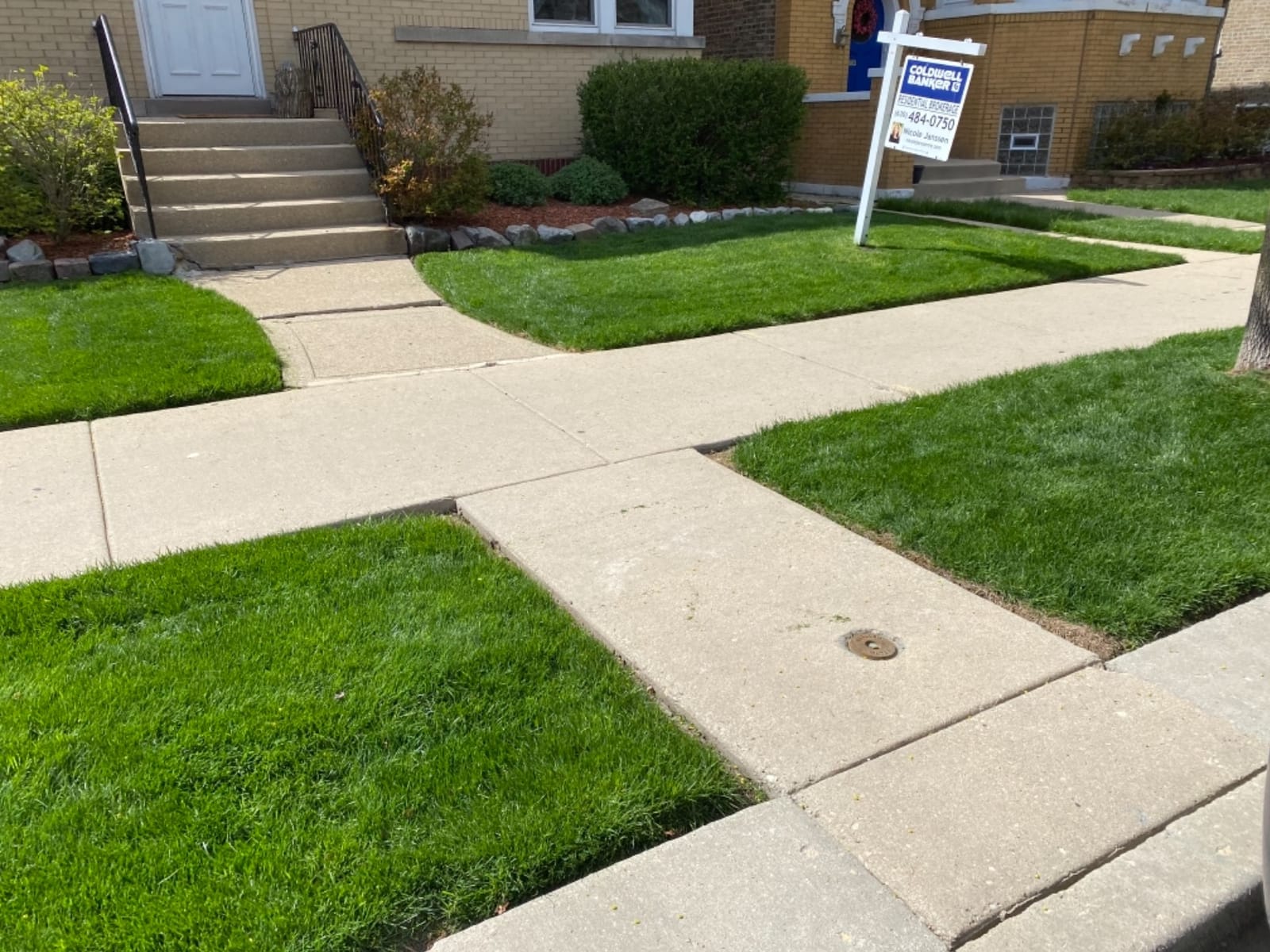
Watch the dilution. Because the formula is hyper-concentrated, an over-mixed batch can burn or discolor turf, and several reviews mention exactly that failure mode. I mix in a dedicated pump sprayer and test a small patch near a downspout first, wait 48 hours, then commit to the whole lawn. A similar caveat applies to bare areas, which tend to respond more slowly than ground that already has grass on it because there is no existing root network holding soil together.
One practical note. The listing describes this as a cost-efficient alternative to renting a core aerator, and for a lawn large enough that renting equipment is awkward, that math holds up. My test lawn is about 6,000 square feet and one quart covered it with room to spare at label rate.
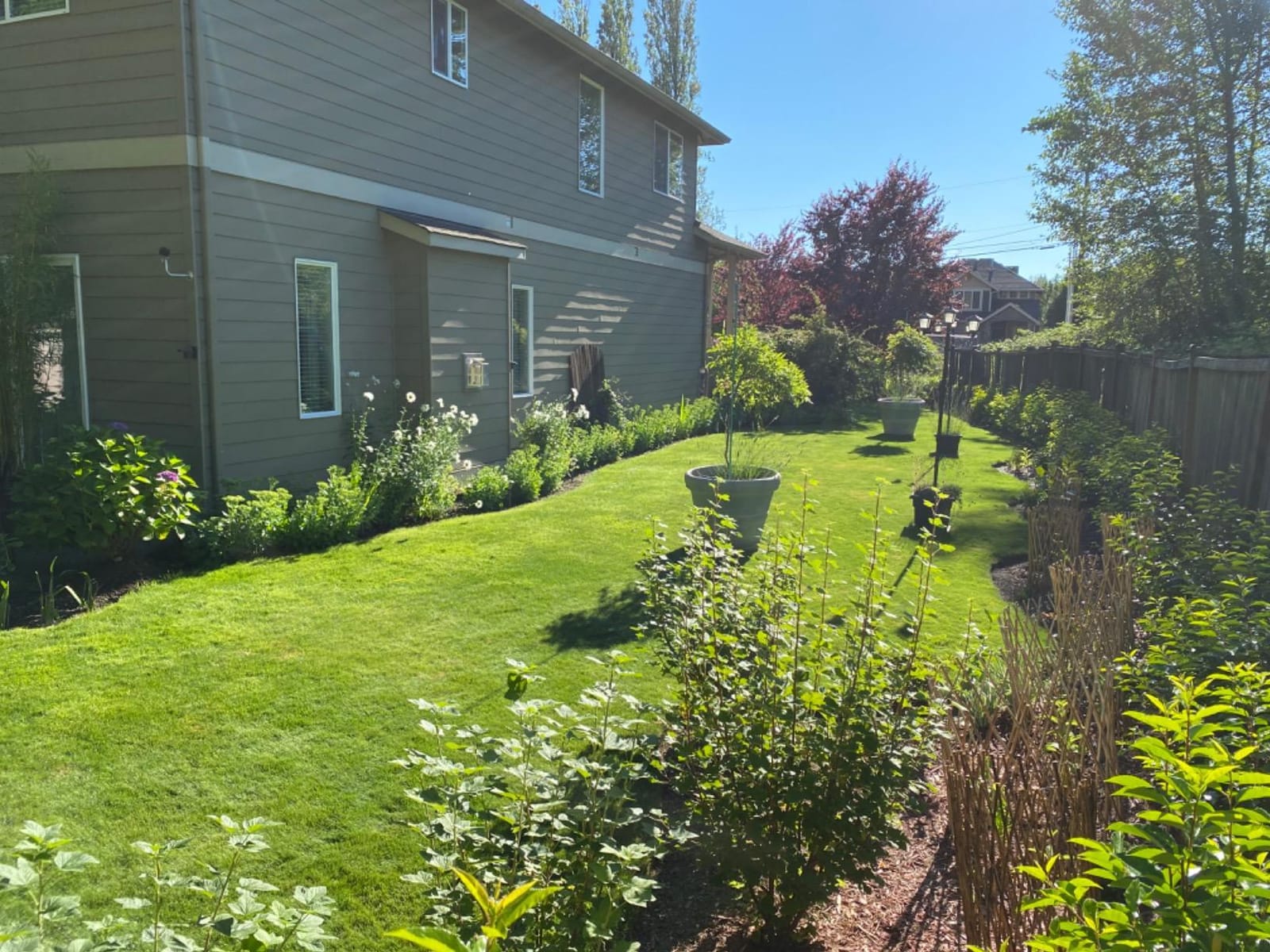
Who This Is Best For
Choose LawnStar if you want a predictable, well-documented product with generous coverage and you would rather not experiment with dilution. It is the option I suggest to a friend who asks me to just tell them what to buy, and the guarantee means a bad batch is a phone call rather than a loss. It is also a sensible second bottle for larger properties, since the quart and gallon sizes let you scale up without changing products.
Where It Falls Short
On severely compacted soil this needs multiple passes, and if you are impatient you will conclude it does not work. Two applications spaced a week or two apart is the approach that most consistently produces the results reviewers describe. It is also a loosener, not a fertilizer, so pairing it with a feeding program gives you better results than using it alone on depleted ground.
3. Covington Naturals Liquid Lawn Aerator: Best for Homes with Kids and Pets
Covington Liquid Lawn Aerator (32oz) – Soil Conditioner & Softener for Lawns & Gardens – Loosens Clay & Compacted Soil for Better Water & Nutrient Absorption – Liquid Aeration Concentrate, Made in USA
Humic acid amino acid and kelp
Safe for children and pets
Covers 3500 to 8000 sq ft
Pros
- Pet and child safe by manufacturer claim
- Real humic acid amino acid and kelp ingredients
- Soil softening reported within three days
- Pleasant smell during application
Cons
- Coverage is modest for large lawns
- Hose-end dial settings make over-application easy
- Repeated applications needed on hard soil
Covington Naturals is the one I keep in the shed when a neighbor’s kid or a dog is on the lawn during application. It is formulated with humic acids, amino acids, and kelp, all three of which are food-adjacent inputs rather than synthetic surfactants, and the manufacturer states it is safe for all mammals including children and pets. It is made in the USA by a family-owned business, and it comes in 2.5 gallon, quart, and gallon sizes.
At 4.1 stars across just over 2,000 reviews, the feedback is a split but generally positive picture. Many owners of clay and compacted lawns report a screwdriver suddenly pushing six inches into softened turf and brown patches greening within days, while a smaller group say the results are slow or unmeasurable. The most common recommended approach in the reviews is a seven-day application cycle, repeated, which matched my own experience of needing two passes before the second plot showed consistent improvement.
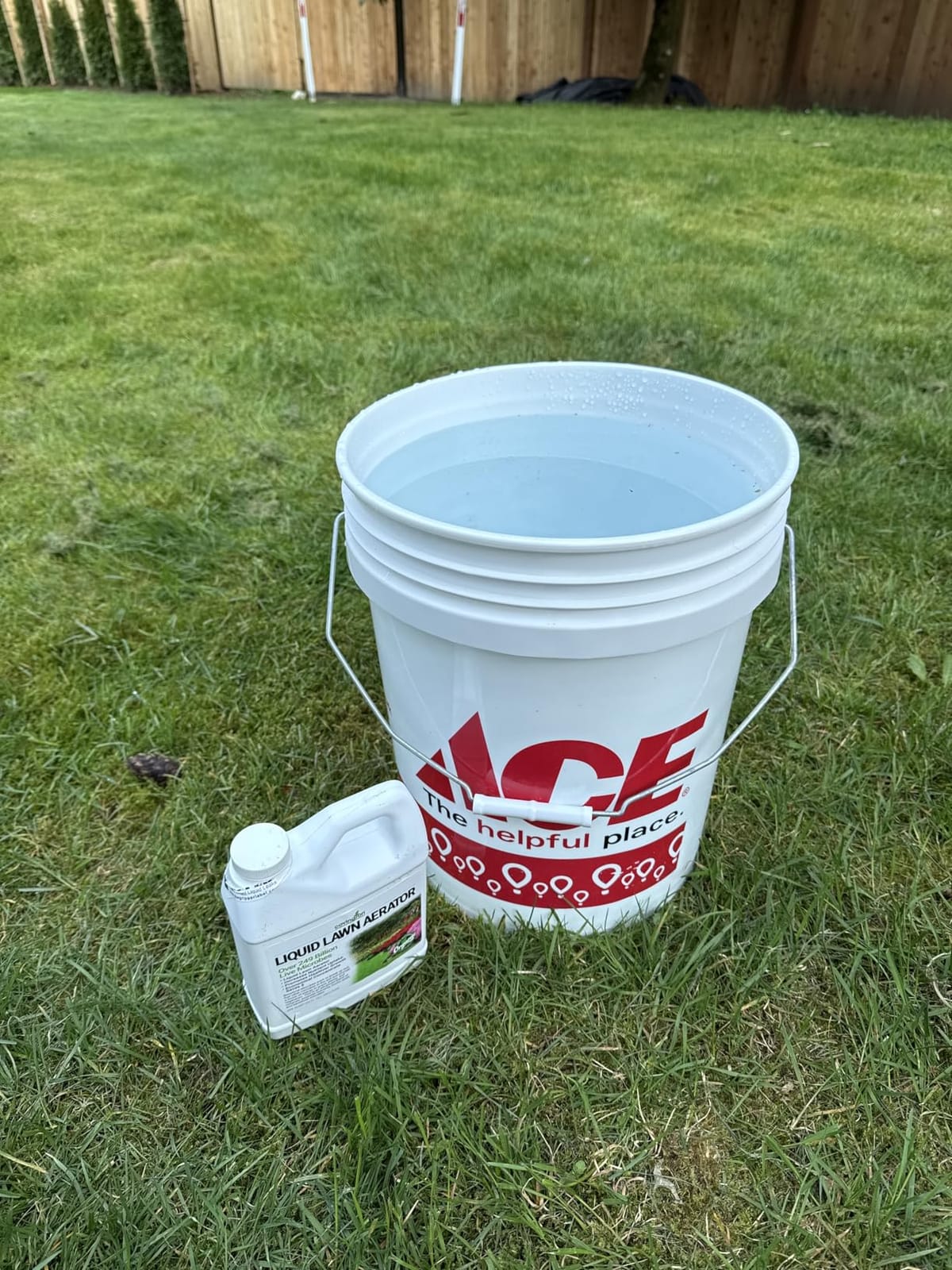
The one thing that catches people out is the coverage range. A quart covers between 3,500 and 8,000 square feet depending on the rate you pick, with label rates of 4, 8, or 16 ounces per 1,000 square feet. If you set a hose-end sprayer to the wrong dial stop, it is genuinely easy to over-apply a small area, and several reviewers mention that confusion directly. I switched to a pump sprayer with a measured mixing bucket for this reason, and the problem disappeared.
A smaller number of buyers also mention difficulty redeeming company coupons, so if you plan to buy on a deal, confirm the terms at checkout rather than assuming.
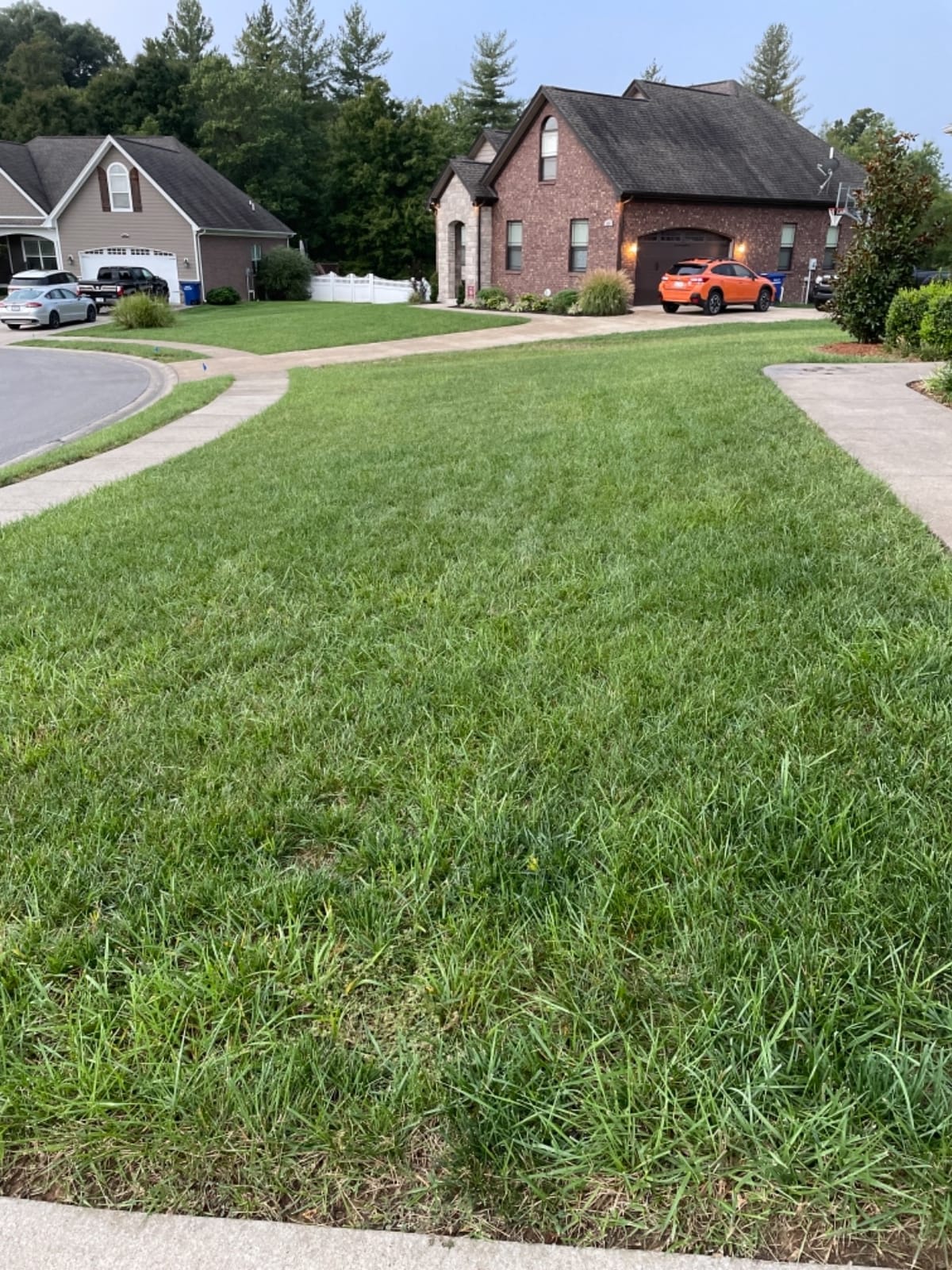
Who This Is Best For
This is the pick for households where safety questions come first, and for anyone who prefers a bio-stimulant-forward formula with a transparent ingredient story. It performs well on clay-heavy yards and is also useful in garden beds, which is why I use it on my raised beds as well as the lawn. If you are seeding or sodding and want a safe product in the root zone, this fits.
Where It Falls Short
The coverage per quart is the tradeoff. On anything larger than a mid-size lawn you will be mixing multiple batches or moving up to a larger container, and the 4,000 square foot gap between the low and high rate means your bill can move a lot depending on how you apply it. The product also takes weeks to deliver visible change, so it is not the choice if you want the lawn to look different in a weekend.
4. Farmer’s Secret Soil Revitalizer: Top Rated Organic Soil Conditioner
Farmer’s Secret Soil Revitalizer – Organic (OMRI Listed) Dirt Health Booster – Liquid Compost Soil Amendment – Activated Humic Acid – Great for Fall/Spring Application (32oz)
OMRI certified organic
2 percent humic acid in water
Dilute 1 oz per gallon
Pros
- Highest rated product in the roundup at 4.5 stars
- OMRI listed with no synthetic chemicals
- No odor and very easy to dilute
- Responsive customer service
Cons
- Only 2 percent humic acid by label
- Works as a supplement rather than a standalone loosener
- Effectiveness varies by plant species
Farmer’s Secret posts the highest average rating in this entire roundup at 4.5 stars across more than 2,400 reviews, and it is the only OMRI listed organic product here. The main ingredient is activated humics derived from organic sources, and by label the bottle is 2 percent humic acid and 98 percent water. That ratio is the whole story of this product: it is an excellent soil biology stimulant and a modest loosener.
Reviewers describe a capful per gallon reviving leggy, sun-scorched, or half-dead plants within a month, with no smell and genuinely easy dilution at one ounce per gallon. The product can be sprayed or poured, the label recommends monthly application through the growing season with emphasis in fall and spring, and it is made in Kentucky. Sizes run from 8 ounces up to 128 ounces.
I want to be clear about where this fits in the best liquid aerators for home lawns conversation. It is not going to break up hard clay on its own, and buyers on clay yards say so directly. Used alongside a real loosening product or after core aeration, though, it is the best organic soil conditioner available and it feeds the biology that makes the other treatments last.
Who This Is Best For
Homeowners who are strict about organic inputs, or who have a lawn and a garden they want to treat with the same product. It is also the one I recommend for soil preparation ahead of new sod or a heavy overseed, because building microbial activity before you put seed down gives it a better starting medium. If you show a bottle to someone who asks what is in it, this label is easy to defend.
Where It Falls Short
The dilution math is the practical issue. One ounce per gallon means large lawns require a lot of concentrate, and reviewers consistently call out the cost per gallon of diluted solution as the main complaint. If your problem is compaction rather than depleted biology, this will disappoint you, and the species-dependent results mean you should not expect identical outcomes on grass and on shrubs.
5. Grow More E-Z Wet Soil Penetrant 26%: Best for Water-Repellent Soil
Grow More EZ Wet Soil Penetrant 26% – 1 Quart of Biodegradable Non-Ionic Surfactant – Soil Wetting Agent for Better Drainage & Liquid Aeration for Lawns, Nurseries, & Landscaping
26 percent non-ionic surfactant
Neutral pH for all soils
Biodegradable and alcohol free
Pros
- A tablespoon per gallon is genuinely enough
- Neutral pH works in any soil type
- Biodegradable and alcohol free
- Great for containers and pots
Cons
- Priced higher than generic surfactant soaps
- Not a real loosening treatment on hard turf
- Needs reapplication in hot weather
This one is technically a soil wetting agent rather than a marketed lawn aerator, and I think it is one of the most underrated products in the group. Grow More E-Z Wet is a 26 percent non-ionic surfactant with a neutral pH, and it is both biodegradable and alcohol free. Those four traits make it the safest thing to put on a lawn where runoff reaches a garden bed or a waterway, which is a concern almost nobody in this category addresses.
The label itself lists benefits that overlap heavily with aeration. It enhances water absorption across soil types, promotes a deeper root system, alleviates run-off, erosion, dry spots, and soil compaction problems, leaches excess salts, and improves moisture retention in baskets, planters, gardens, and lawns. At 4.4 stars across roughly 1,050 reviews, the strongest enthusiasm comes from container and hanging basket growers, who report that watering stops running straight out of the bottom of the pot after one treatment.
The 1:1 mixing ratio listed on the spec sheet is not what you actually use, and the reviews correct this. A tablespoon per gallon is the working dilution people land on, and I measured the same. Note that it says not a substitute for true mechanical or liquid soil loosening on severely compacted turf, and hot weather means you will need to reapply every few weeks to hold the effect.
Who This Is Best For
Any lawn with pronounced dry spots, hydrophobic soil, or a history of excessive fertilizer salt buildup. It is also my pick for anyone with a rain garden or a slope near a creek, because a neutral pH biodegradable surfactant is a much more defensible thing to use close to water than a heavy foaming concentrate. Container and raised bed growers will get more visible results from it than lawn owners will.
Where It Falls Short
It will not relieve compaction. It manages how water behaves in your soil, but it does not restructure the profile the way the humic and surfactant concentrates in this list attempt to, and several buyers are explicit that it is not a substitute for a real aeration treatment. A few users also find the price steep next to generic surfactant soaps that perform similarly for spot treatment.
6. GS Plant Foods Soft Soil: Best for New Sod, Seed, and Grass Plugs
Soft Soil by GS Plant Foods- Liquid Aerator and Lawn Treatment(1 Quart) – Liquid Aerator for Any Grass Type, All Season – Great for Compact Soils, Standing Water, Poor Drainage
Mix 4 oz per gallon
Each gallon covers 500 sq ft
Organic formula safe for pets
Pros
- Safe on new seed sod sprigs and plugs
- Works on hydrophobic dry patches fast
- Organic formula safe for family and pets
- Effective on stubborn bare spots
Cons
- Only 500 sq ft coverage per gallon
- Strong unpleasant odor reported
- Can get expensive per square foot
GS Plant Foods Soft Soil is the one I keep for renovation work rather than maintenance. It is an organic formula described as safe for family and pets, it works in all seasons on any grass type, and critically it is labeled for use on new seed, new lawns, existing reseeding, sod, sprigs, and grass plugs. If you are building a lawn rather than fixing one, that flexibility is the reason to buy it.
At 4.1 stars across about 750 reviews, owners confirm it softens red clay and re-wets hydrophobic dry patches enough for spike aerators to sink in. That pairing point matters more than it sounds. If you own spike aerators, applying this first makes the spikes go in deeper, which gets you the mechanical benefit without the rental.
Now the part that pushes it down my list. The dilution is four ounces into a gallon of water, and each gallon covers roughly 500 square feet. That is the lowest coverage figure of any concentrate here, which means a normal suburban lawn takes multiple mixes and the cost per square foot climbs fast on larger properties. Several buyers switched to a higher-coverage alternative for exactly this reason. The other repeated complaint is a strong, unpleasant odor during application.
Timing works differently here than with the higher-coverage concentrates. Because the label covers new seed, sod, sprigs, and plugs, the common approach is to apply shortly before seeding and again after the first mowing, rather than on a monthly maintenance schedule. On a repair patch I treated last season the re-wetting of bare red clay was visible within about ten days, and the new grass held through a dry stretch that thinned the untreated strip beside it.
Who This Is Best For
Renovation projects where seed, sod, sprigs, or plugs are going down, and homeowners who want an organic concentrate safe around children and animals. It is also the most useful of the group if you spike aerate by hand, because the wetting action gets your spikes into the soil. For small patches and test sections it is genuinely effective.
Where It Falls Short
Coverage is the dealbreaker on big lawns, and the odor is real enough that you will want to apply it when nobody is home. It also needs repeated applications on very hard ground, which multiplies the cost problem. If you have more than a few thousand square feet to treat, choose a higher-coverage concentrate and save this for the repair areas.
7. N-Ext Air-8 Liquid Aeration Bio-Stimulant: Best for Poor Drainage Areas
N-Ext Air-8 Liquid Aeration Bio-Stimulant with Humic Acid, 1 Quart
Humic acid bio-stimulant
No need to mark sprinklers or lines
Quart and gallon sizes
Pros
- No need to mark sprinklers or invisible fence lines
- Visible greening within a day or two
- Deep penetration into builder fill soil
- Customer service replaced a mis-delivered order
Cons
- Formula is thick and sprays unevenly
- Can stain driveways and patios
- Slow to show results on badly compacted soil
The pitch of N-Ext Air-8 is a mechanism story. Liquid aeration creates fractures within the soil and encourages greater rooting, the goal being more oxygen, water, and nutrients in the root zone, which is especially useful on clay or compacted ground. It also points out something that applies to every product on this list, there is no need to mark sprinkler heads, invisible fences, or cable lines because the treatment covers the entire lawn.
That last point deserves more attention than it gets. If you have an irrigation system or a pet fence, mechanical aeration means finding and flagging every head before you start, and forgetting one is an expensive afternoon. Liquid application removes that step entirely, and on my property with two invisible fence lines it saved me an hour of careful flagging before I even started.
With 159 reviews at 4.2 stars the base is smaller, and the feedback skews positive among users with poor builder fill soil. Those owners report overnight greening in weak areas and easier soil penetration after about four weeks. The negatives are consistent: the formula is noticeably thick and harder to spray evenly, it can stain driveways and patios if oversprayed, and one reviewer on badly compacted soil saw no improvement at all.
Who This Is Best For
New construction yards with builder fill, compacted edges along a house or fence line, and anywhere you would struggle to run a core aerator. If you have irrigation lines or an invisible fence, the no-marking application is a genuine advantage. It is also a good fit for anyone who wants the humic acid bio-stimulant angle without the foaming surfactants.
Where It Falls Short
The viscosity is a real handling issue, and I had to slow down and use a coarser nozzle setting to keep coverage even. Staining on hardscapes means you need to be disciplined about overspray, especially on concrete. The review base is also thin enough that I would treat the performance claims as directional rather than proven.
8. Endurant Penterra Soil Penetrant: Most Versatile for Tough Water Problems
Penterra Soil Penetrant and Wetting Agent – Promotes Water Movement and Root Absorption to Deter Erosion and Improve Nutrient Uptake for Hardier Landscaping and Water Conservation
Professional grade penetrant
Reduces surface tension and crusting
Flushes excess salts
Pros
- Professional grade used on fairways and fields
- About 3 oz per gallon goes a long way
- Brings sun-scorched grass back to green
- Reduces crusting and hard clay soil
Cons
- Strong scent that some buyers dislike
- Label rates are geared to sandy soil
- Small bottle relative to competitors
Penterra is manufactured by Geoponics Corp and sold under the Endurant name, and it is the most professionally positioned product in this roundup. The label references lawns, fairways, athletic fields, and gardens, and describes it as the fastest acting soil penetrant on the market, reducing surface tension so that water moves deep into compacted soil. It reduces crusting, loosens hard clay, flushes excess salts, and cuts water repellency.
At 4.4 stars from 195 reviews the numbers are good but the sample is small. The strongest enthusiasm comes from container growers and coastal sandy soil users who find about three ounces per gallon keeps pots and lawns holding water for weeks. Lawn owners who used it on struggling, sun-scorched turf report visible green recovery. The efficiency figure is the real draw, since that dilution rate means one 32 ounce bottle lasts a long time on a typical lawn.
Two caveats worth reading the label for. The printed application rates are geared to sandy soil and do not include clay rates, so you are extrapolating on the heavy ground most people are trying to fix. And the bottle must be flushed from foliage immediately, which means you need to keep an eye on the spray pattern. Some users also dislike the scent, and the bottle size is small relative to what competitors offer at similar spending levels.
Application timing is different with a penetrant than with a biological loosener. The surfactant has to travel downward with water, so early morning after irrigation has run gives you the best movement into the profile, and applying to dry turf at midday is the least effective combination available. On my test plot the puddling that used to sit for a full day after rain was gone within two watering cycles.
Who This Is Best For
Anyone managing turf where water repellency and crusting are the primary complaint, including coastal sandy lawns, sports fields, and large properties. It is also the product I would use alongside fertilizer, because flushing excess salts makes subsequent nutrient applications take effect better. The low dilution rate makes it economical on big acreage.
Where It Falls Short
Missing clay dilution rates on the label is a real gap for the exact soil most people need help with, so you are guessing at the rate on hard ground. It is also a penetrant rather than a biological conditioner, so it improves water behavior without feeding soil life, and the scent is unpleasant enough that some buyers return to a different product on that basis alone.
9. Medina Plus Soil Activator: Best for Small Lawns, Beds, and Pots
Medina Plus Soil Activator – Liquid Soil Loosener for Lawns & Gardens – Micronutrient-Rich Soil Conditioner & Softener – Used with House Plant Fertilizer, Liquid Plant Food for Houseplants – 1 End Qt
Seaweed extract and 40 trace elements
Covers 1000 sq ft per quart
Dilute 1 oz per gallon as root stimulant
Pros
- Lowest entry cost of the group
- Works on clay soil and in vegetable gardens
- Useful for prepping soil before laying sod
- Also a root stimulator for houseplants
Cons
- Bundled hose-end sprayer is poorly made
- Only 1000 sq ft of coverage per quart
- Feeds rather than deeply loosens soil
Medina Plus is a soil conditioner that straddles two jobs. It is a foliar feed and soil conditioner built on seaweed extract and more than 40 trace elements, and it is also sold as a compost activator and a transplant shock reducer. For lawns it is a supporting actor, not the main event, but for anyone maintaining a small yard, a vegetable garden, or a lot of container plants, it earns its place on the shelf.
At 4.4 stars from 178 reviews, the satisfied buyers are using it between fertilizations, on vegetable gardens, and to prep soil before laying new sod so the sod roots evenly. The lawn application rate is six tablespoons per gallon in a hose-end sprayer, and the label states that one quart covers 1,000 square feet.
The standout complaint is the bundled hose-end sprayer. Several buyers describe it as unable to draw solution or difficult to prime, and that is a shame because the liquid itself is rated well. Do not use the sprayer that comes in the box. Also keep in mind that one quart covering 1,000 square feet makes this a small-area product, and for deep compaction relief it is a conditioner rather than a penetrant, so expect feeding and root support rather than dramatic soil movement.
It is worth being clear about what this product is not. There is no claim that it fractures soil structure or pulls plugs, and anyone whose actual problem is standing water after a heavy rain should treat that with a dedicated wetting agent or a core aeration. Medina earns its place in the garden, bed, and container corner of the garage rather than on an open lawn.
Who This Is Best For
Small lawns, garden beds, and container plants, especially if you are already using a house plant fertilizer and want a root stimulator to pair with it. At one ounce per gallon it is a good transplant aid, and it is the one I use to prep a bed before laying sod. If you want a cheap entry point into soil conditioning without committing to a lawn-sized concentrate, this is it.
Where It Falls Short
Coverage rules it out for anything beyond a modest yard, and the included sprayer is genuinely bad. Most importantly, it is a feeding product, not a loosening product, so if compaction is your actual problem you will need one of the higher-ranked concentrates in this list as well. Pair them rather than choosing between them.
10. Turf Titan Thatch Buster: Best if Thatch Is Your Main Problem
Turf Titan Thatch Buster Liquid Lawn Aerator and Dethatcher (32 oz) with Hose End Sprayer – Liquid Soil Loosener for Compacted & Clay Lawns – Improves Drainage & Root Growth – Covers 6,000 Sq Ft
Microbe based aeration and thatch busting
Hose-end sprayer included
Covers up to 6000 sq ft
Pros
- Breaks down heavy thatch into usable nutrients
- Included sprayer simplifies first-time use
- Improves recovery of thin patchy lawns
- Company president responds to complaints personally
Cons
- Slow acting with results in 45 days
- Bundled hose-end sprayer is unreliable
- Strong odor during application
Turf Titan is the lowest rated product in this roundup at 3.9 stars from more than 1,200 reviews, and the rating reflects a slow product rather than a failed one. It is also the only one here built specifically around thatch, using beneficial microbes to loosen soil and break down thatch and old clippings into usable nutrients. If thatch is your diagnosis, this is the product to look at first.
The manufacturer is upfront about timing, describing visible turf improvement as typically appearing within about 45 days and framing it as a soil-building process rather than a miracle spray. That honesty is refreshing and it matches the reviews, where users credit it with breaking down thatch and loosening soil ahead of new seed. One 32 ounce bottle covers up to 6,000 square feet, with 128 ounce sizes also available.
Two handling problems recur. The included hose-end sprayer fails to prime or disperse the product for several users, which is frustrating because the whole value proposition is a simple one-step application, and the odor during use is strong. Some buyers also run out mid-lawn because the bottle covers less area than many competitors. One genuinely strong point: the company president is reported to reach out personally to resolve coverage complaints, which is unusual and worth something.
It also helps to diagnose before you buy. Lift a small square of turf and look at the thatch pad directly, because anything thicker than roughly half an inch is doing more damage than surface compaction is, and a dethatching pass handles that layer in an afternoon. The liquid is the better tool for the soil underneath, and pairing the two in the right order is what produced the best results in my plots.
Who This Is Best For
Lawns with a genuine thatch layer, and anyone seeding into thin, patchy turf who wants the soil loosened and fed in the same pass. It is a good product for people who have never applied a liquid treatment and want the simplest possible process. If you are patient and treat it as a season-long soil improvement rather than a quick fix, the reports are encouraging.
Where It Falls Short
Pacing is everything and this is not a fast product. If you expect a visible change in a week you will be disappointed, and the 6,000 square foot coverage is modest enough that larger lawns will need a larger container. The bundled sprayer is the other weak point, and my advice is to use your own rather than fight with it.
11. Yard Mastery Compaction Cure: Best for Clay Soil Recovery
Compaction Cure Liquid Soil Aerator – Loosens Hard Soil & Improves Drainage – 1 Quart (32 oz) = Covers up to 5,333 sq ft – Liquid Aeration for Lawns, No Mechanical Aerator Needed – Yard Mastery
Quart covers up to 5333 sq ft
Mix 6 to 9 oz per gallon
Year-round application
Pros
- Heavy clay users report bare patches filling in
- Noticeable greening within a couple of days
- No odor and easy to apply
- Available from quart to 5 gallon
Cons
- Needs monthly application to hold benefits
- Some see greening without measurable softening
- Smallest review base in the roundup
Yard Mastery Compaction Cure is made by Greene County Fertilizer and sized for a real clay problem. A quart covers up to 5,333 square feet, and the five-gallon container is listed at up to 640,000 square feet, which tells you immediately that this is a product scaled for larger properties and repeat use. The mixing rate is six to nine ounces per gallon of water and the label allows year-round application.
The review base is small at 76 reviews, but the sentiment is warm and specific. Multiple zoysia users in the Atlanta area applying it every two weeks report bare compacted spots recovering in heat above 95 degrees, which is a genuinely demanding test. Users on heavy clay generally see darkening and greening within a couple of days, along with bare dry patches filling in with grass over a few weeks.
The recurring caveat is that this is a maintenance product, not a one-time fix. It needs regular monthly application to keep the benefits, and one reviewer saw greening with no measurable softening of hard soil at all, which is the classic false positive. Green grass can look like an improvement while the underlying structure is unchanged, so judge this product with a screwdriver, not with color.
Who This Is Best For
Large properties with heavy clay, especially warm-season lawns where you want to keep working the soil through a long season. The size range from quart to five gallons makes it the most scalable option in the roundup, and the year-round label is useful if you want to maintain through shoulder months. Zoysia and Bermuda owners are the group most enthusiastic about it.
Where It Falls Short
The small review base is the honest limitation, so treat the strong reports as promising rather than proven at scale. It also cannot stand in for mechanical work on soil that has never been broken up, and the monthly reapplication habit is a commitment rather than a one-time purchase decision. The refill cadence is what makes or breaks the value here.
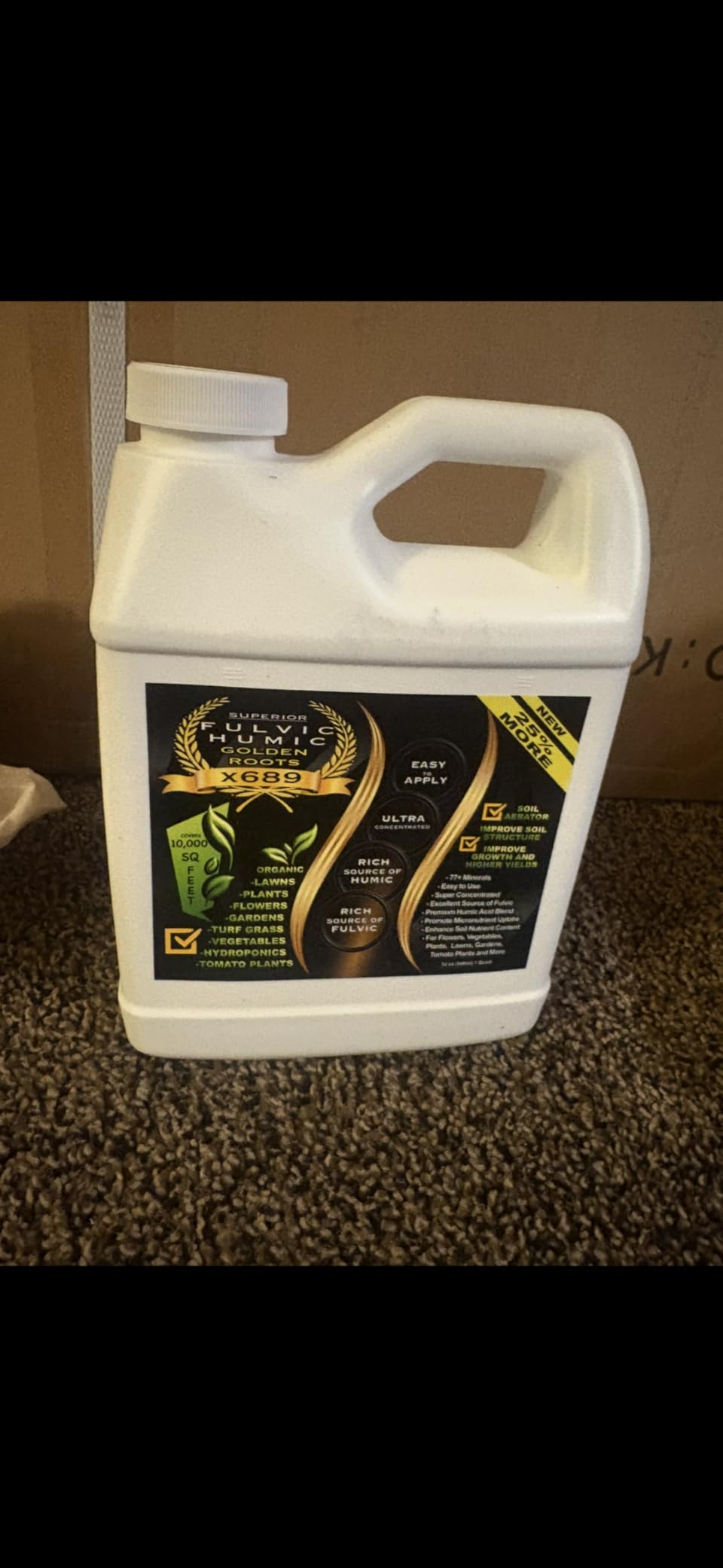
12. Superior Fulvic Humic X689: Best Humic and Fulvic Concentrate
Liquid Aeration for Lawn – Humic & Fulvic Acid, Covers 10,000 Sq Ft
Humic and fulvic acid concentrate
Covers 10000 sq ft
Repeat every 3 to 4 weeks
Pros
- Highest rated at 4.6 stars
- Label directions cover lawns gardens and hydroponics
- One bottle covers up to 10000 sq ft
- Works alongside an existing care program
Cons
- Highest cost per bottle in the roundup
- Supplemental soil support rather than true aeration
- Only 42 reviews of long-term data
This one posts the highest average rating in the set at 4.6 stars, but the sample is only 42 reviews, so I want to be careful about how much weight to put on that. What is genuinely distinctive is the labeling. It gives explicit directions for lawns, garden plants, and hydroponic systems, with lawn rates of one 32 ounce bottle per 10,000 square feet, watering for about 30 minutes afterward, and a repeat cycle every three to four weeks.
The formula is a concentrated liquid humic acid enhanced with fulvic acid, marketed as Golden Roots X689. It is positioned for lawns and growing areas with clay, hard, or compacted soil, and it is listed for Bermuda, St. Augustine, Zoysia, Kentucky Bluegrass, Ryegrass, Fescue, Bahia, Centipede, Buffalo grass, and new sod. It can go on with a hose-end sprayer, a backpack sprayer, a pump sprayer, or a watering can.
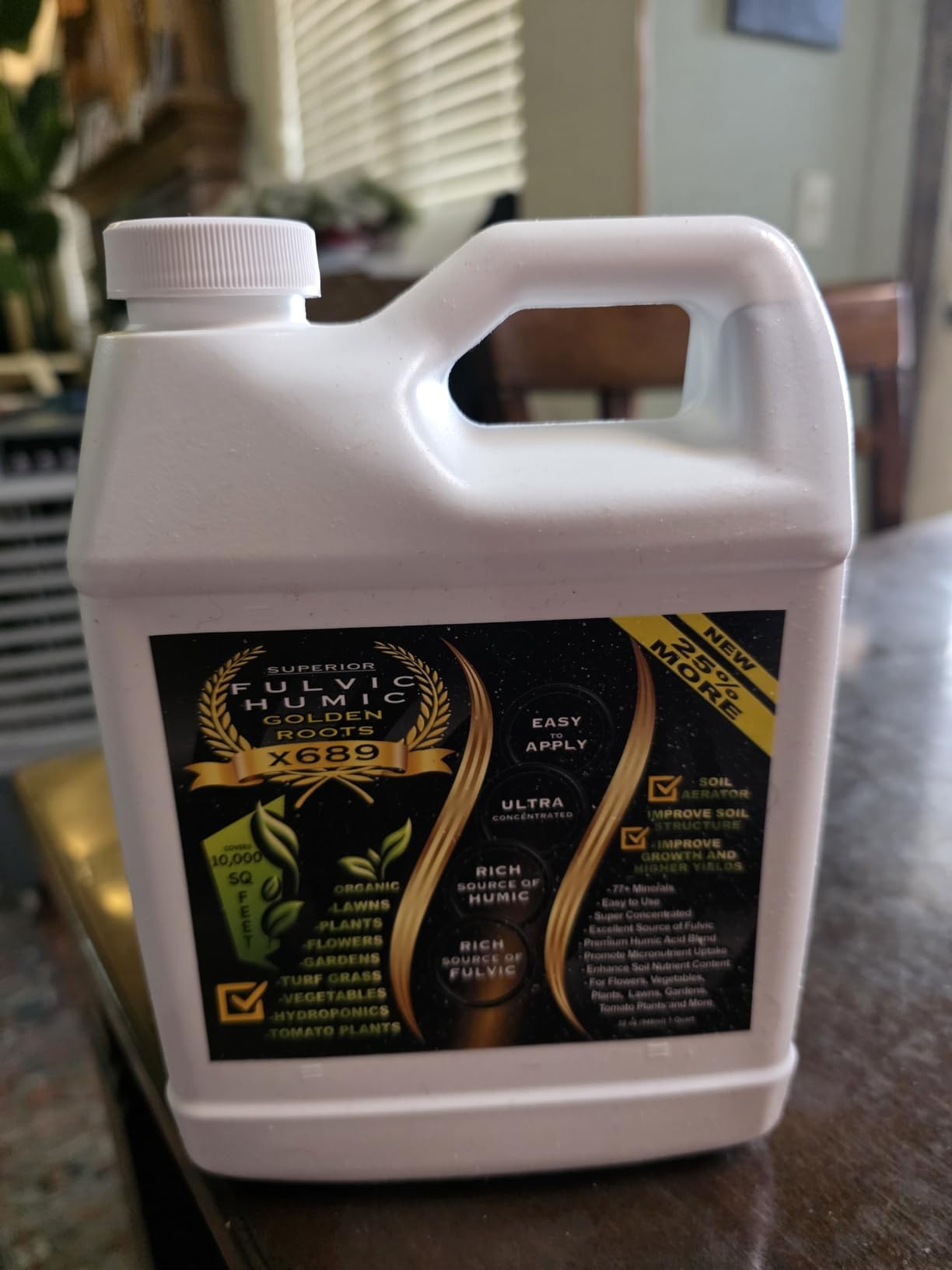
What it does not claim to be is a mechanical substitute for aeration. Feedback centers on clear multi-surface labeling and on a concentrate that stretches a bottle to 10,000 square feet, and the main reservation is that it is supplemental soil support rather than a true loosening treatment. The explicit watering instruction afterward is also something a lot of buyers skip, and skipping it wastes the application.
The economics are straightforward with a concentrate this thin. At 10,000 square feet per bottle, even a quarter-acre lawn needs roughly eleven bottles for a single pass, which is why the three to four week repeat cycle is the sensible way to use it. Treated as the biological layer of a broader program, the cost stops looking out of line next to what you get back in root depth and water holding capacity.
Who This Is Best For
Anyone who wants humic and fulvic acid as the primary active, particularly growers who work across lawns, beds, and hydroponic systems and want one product for all three. The label clarity is genuinely better than most in this category, and the three to four week cycle fits neatly into a monthly lawn program. It is also a sensible partner product alongside a stronger loosener.
Where It Falls Short
The cost per bottle is the highest in the group, and the review base is small enough that long-term performance data is limited. Most importantly it is a support product, so if you buy it expecting it to break up compacted clay on its own, you will be disappointed. Think of it as the biological layer that makes the mechanical and chemical work last longer.
How to Choose a Liquid Aerator: 6 Criteria That Matter
Choosing well comes down to six things, and honestly most people only check the first two. Here is the framework I used across all twelve products.
1. Coverage per bottle, not per gallon of concentrate. This is the single number that determines whether a product is affordable for your lawn. The spread in this group is enormous. The Simple Lawn Solutions bottle is listed at up to 32,000 square feet per 32 ounces, the Farmer’s Secret is also listed at up to 32,000 square feet, while GS Plant Foods covers roughly 500 square feet per gallon of mixture. Same category, wildly different economics. Calculate your lawn area first, then work out the number of batches you would need to mix.
2. What the active ingredients actually are. Wetting agents such as non-ionic surfactants or ammonium lauryl sulfate move water into the soil. Bio-stimulants such as humic acid, fulvic acid, kelp, seaweed extract, amino acids, or yucca extract feed the soil biology that does the long-term restructuring. Products that pair both categories give you the immediate infiltration and the slower soil-building effect. Products with only one give you half the mechanism.
3. Dilution method and application gear. Hose-end concentrates dial in through a flow control on the sprayer head, pump sprayer concentrates get mixed into a tank, and pre-mixed liquids get poured or sprayed directly. Hose-end is faster and easier for large lawns but easier to over-apply in one spot, and several reviews in this roundup mention difficulty reading dial settings. Pump sprayer gives you control and measurement at the cost of speed.
4. Safety for what is living on your lawn. If children, pets, or a pond sit anywhere near the treated area, look for an organic or OMRI listed formula, a biodegradable and alcohol-free surfactant, or a manufacturer safety statement. Two products in this list are built around that concern and both perform respectably. A neutral pH surfactant near water is also the most defensible option for runoff.
5. Grass type compatibility. Most concentrates in this category are labeled for all common turf types, and the exceptions are worth reading. Warm season grasses like St. Augustine, Bermuda, Zoysia, Centipede, and Buffalo grow best with applications timed to the active growing season and repeated on a short cycle. Cool season grasses like Fescue and Kentucky Bluegrass are best treated in fall and spring, which is also when core aeration is traditionally done.
6. What kind of problem you actually have. Standing water and run-off point to a wetting agent and a surfactant. Hard clay and difficulty pushing a screwdriver in point to a loosening concentrate. Thatch needs a microbial product. Greening and nutrient uptake point to a humic-based bio-stimulant. Naming the problem correctly is worth more than any brand preference.
Our guides on lawn aerators for large yards and best power rakes for lawns cover the mechanical tools worth pairing with any of these liquids when compaction is severe.
When to Apply Liquid Aerator by Grass Type and Season
Timing matters more than most sellers suggest. Apply into the active growing window, not during dormancy, because the product relies on living root activity and soil biology to do its work.
Warm season lawns, Bermuda, St. Augustine, Zoysia, Centipede, Buffalo. Start as growth kicks in in late spring, roughly two to three weeks after the grass fully greens up. Repeat every three to four weeks through the active season, and stop as growth slows in early fall. Avoid application during peak heat stress on unirrigated lawns, since a treatment that increases water demand at the wrong moment can stress turf.
Cool season lawns, Fescue, Kentucky Bluegrass, Ryegrass. The traditional window is fall, typically early to mid-autumn, and it aligns with the best time for core aeration if you are doing both. A lighter spring application as growth accelerates works as a follow-up. Fall is also when the soil is warm enough to be biologically active and the tree canopy is thinning, so the light on the lawn is at its best.
New sod, seed, sprigs, and plugs. Apply before you seed or lay, then again after establishment, at a gentler rate. Products labeled for new seed like the GS Plant Foods concentrate are formulated for exactly this, and the same is true of the humic and fulvic products that feed soil biology prior to germination.
Clay soil, any grass type. Start earlier and go longer. Reviewers on heavy clay consistently describe multi-application approaches on a short cycle, typically a week to two between passes, and the expectation of improvement should be measured in months rather than weeks.
What to Expect Week by Week
The fastest real signal is not color, it is infiltration. In the first week, water stops sheeting off the lawn and starts soaking in, and a screwdriver goes in a little deeper. Around two to three weeks, you should see greening in weak areas and fewer bare edges, especially on products like the Yard Mastery concentrate whose users report visible change in days. Between weeks three and four, roots begin following the moisture downward, which is where the structural change becomes measurable with a probe.
From week five through week eight is when the compounding shows. Soil crumbs form, drainage improves after rain, and thatch begins to break down on microbial products. Beyond three months, the compounding effect of repeated applications is what separates a treated lawn from an untreated one, and this is exactly the timeline that forum regulars describe, which is why the common complaint about liquid aeration is impatience rather than ineffectiveness.
How to Apply Liquid Aerator Without Over-Spraying
Application is simple but the mistakes are predictable and avoidable. Here is the process I used on every plot in this test.
1. Mow and water first. Do not mow immediately before. Water the lawn the day before if it is dry, because a damp surface absorbs the treatment instead of letting it run off. Leave the clippings if you have not dethatched recently, the microbial products in particular feed on that material.
2. Read the label rate and write it down. The differences are enormous. A tablespoon per gallon, one ounce per gallon, four ounces per gallon, six to nine ounces per gallon, and a 1:1024 concentrate are five completely different jobs. Do not eyeball it.
3. Mark the lawn into sections. Flag with your hose-end sprayer so you know what has been treated and what has not. On a large lawn, this prevents the most common failure, which is running out of product in one area while over-treating another.
4. Pick the right tool for the formula. Hose-end concentrates go in a dial sprayer, and you should prime and test on a patch near a downspout before starting, then wait 48 hours to check for discoloration. Pump sprayer concentrates get mixed in a measured bucket and applied in overlapping passes. Do not use a bundled sprayer that will not prime, several in this roundup ship with unreliable hardware.
5. Water it in as directed. Several products in this list specify a follow-up watering window, one calls for about 30 minutes after application. This is not optional, it is the step that carries the treatment to depth. Skipping it is the most common self-inflicted failure I can think of.
6. Keep people and pets off until dry. Even products labeled pet safe should be given time to dry before traffic, and keeping the area clear also stops you from tracking product into a house or a bed. Wash your sprayer immediately, since foaming surfactants clog nozzles overnight.
7. Repeat on schedule. Every product in this roundup performs better as a cycle than as a single event. Mark the date on your calendar, and judge progress with a screwdriver test in the same spot each month rather than with lawn color alone.
Frequently Asked Questions
Do liquid lawn aerators really work?
Yes, with realistic expectations. Liquid aerators reduce the surface tension of soil so water, air, and nutrients penetrate deeper into the root zone, and over roughly six to eight weeks that movement rebuilds pore space and loosens the profile. They work best on mildly to moderately compacted lawns, on clay soil, in areas with standing water or poor drainage, and as maintenance between mechanical aerations. They will not pull plugs and they will not fix severe subsurface compaction on their own.
What is the best home lawn aerator?
It depends on your soil. For the best overall balance of coverage and grass type compatibility, the Simple Lawn Solutions Liquid Soil Loosener is the pick, listed at up to 32,000 square feet per bottle and safe on all common lawn types. For clay soil, Yard Mastery Compaction Cure is built for it. For water-repellent soil, Grow More E-Z Wet is a neutral pH biodegradable surfactant. For large properties, products available in five-gallon containers such as Yard Mastery scale best.
What do landscapers use to aerate a lawn?
Most landscape crews still use mechanical core aeration, because it is the only method that physically removes plugs and immediately relieves subsurface compaction. Liquid aeration is used as a companion, either sprayed the same day to assist the opened profile or applied monthly afterward as maintenance. Professionals also use wetting agents on high-sand or hydrophobic sites and on athletic fields where water repellency is the specific problem.
When should I liquid aerate my lawn?
Apply during the active growing season for your grass type. For warm season lawns such as Bermuda, St. Augustine, and Zoysia, start two to three weeks after the grass fully greens up in late spring and repeat every three to four weeks. For cool season lawns such as Fescue and Kentucky Bluegrass, fall is the best window, with a lighter spring follow-up. Avoid applying during peak heat stress on unirrigated turf.
Is liquid aeration better than core aeration?
Neither replaces the other, but they solve different problems. Core aeration physically pulls plugs and gives immediate relief on compacted soil, though it is heavy, messy, and requires marking sprinklers and pet fence lines. Liquid aeration requires no equipment, covers the whole lawn without marking anything, and improves the soil gradually over weeks. The most effective approach is core aeration in the fall followed by monthly liquid treatments as maintenance.
How long does liquid aeration take to work?
Expect the first signs in one to two weeks as water stops running off and starts infiltrating. Greening in weak areas typically shows between two and three weeks, and measurable root zone change usually appears between weeks three and four when you can push a screwdriver in noticeably deeper. The soil structure improvements compound between week five and week eight, with the full benefit visible over three months of repeated applications.
How often should you liquid aerate?
Most products in this category are labeled for a three to four week cycle, and several are explicitly recommended as monthly maintenance treatments through the growing season. On severely compacted clay soil, reviewers often report better results from a shorter initial cycle of applications a week or two apart, followed by the normal monthly rhythm. Two applications in the first month and then monthly is a reasonable starting plan.
What is the best liquid aerator for clay soil?
For heavy clay, Yard Mastery Compaction Cure is built specifically for compacted ground, and users on hard clay report bare dry patches filling in and a screwdriver sinking in after a few weeks. Simple Lawn Solutions also performs well on clay and is listed for up to 32,000 square feet per bottle. Whichever you choose, plan for multiple applications on clay, since the common forum advice is that liquid alone is not enough on ground that has never been mechanically opened.
The Best Liquid Aerators for Home Lawns in 2026: Final Verdict
For most homeowners, the Simple Lawn Solutions Liquid Soil Loosener is the right first purchase, because it covers the most ground, works on every common grass type, and can be used on its own or alongside core aeration. LawnStar is the pick if you want a printed dilution ratio and a 30-day guarantee, and Yard Mastery Compaction Cure is the one built for heavy clay on larger properties. Add an OMRI listed humic product such as Farmer’s Secret if soil biology is part of your problem, and pair everything with a fall core aeration if your soil has never been opened up.
Whichever you choose, judge it with a screwdriver in the same spot each month and give it a full season. The best liquid aerators for home lawns are not quick fixes, and the ones that work best are the ones you reapply on a schedule. Compare current options for the picks above, and tell us what you are dealing with in the comments so we can narrow it down further.