
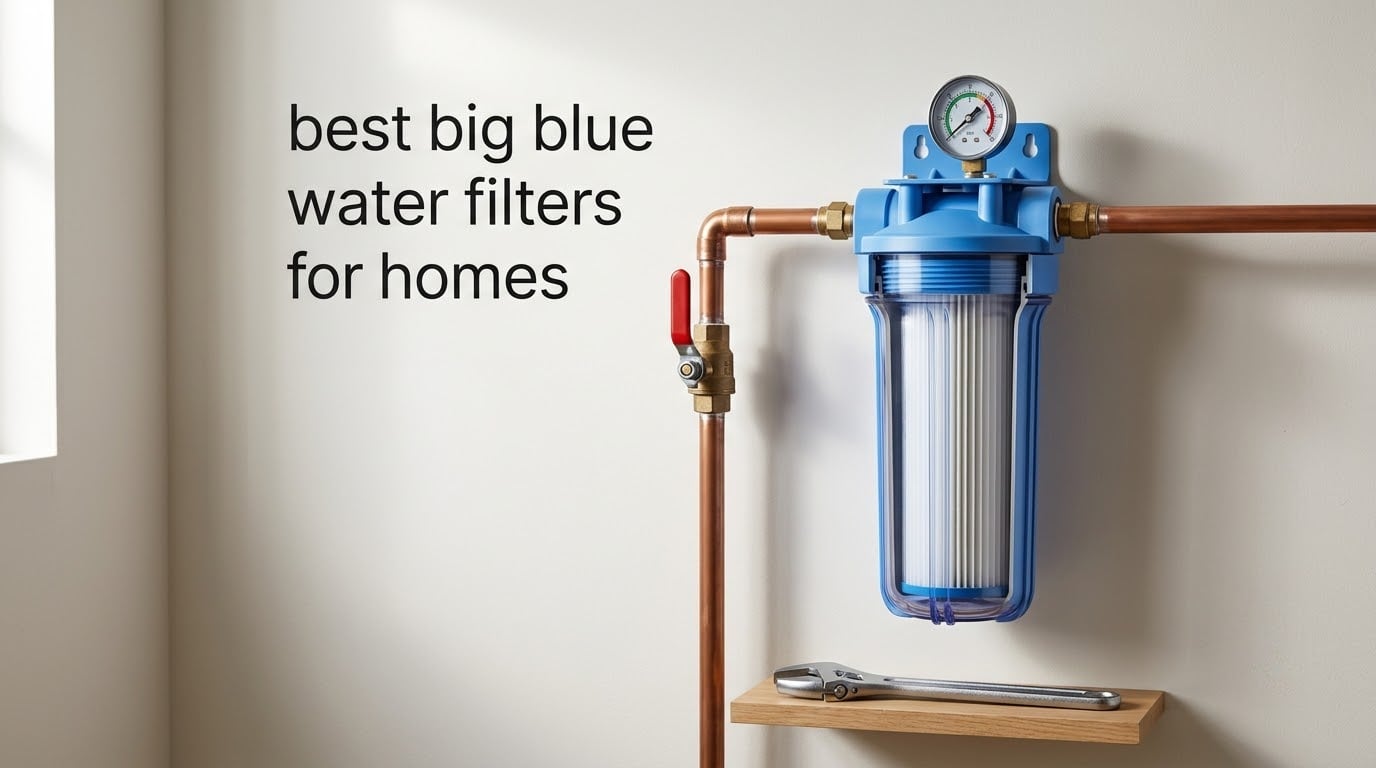
There is no brand called Big Blue. What people call a big blue water filter is a housing format: a clear, blue-tinted canister roughly 4.5 inches in diameter that holds either a 10 inch or a 20 inch cartridge, and almost every major filter manufacturer sells cartridges that fit it. Once you know that, the shopping decision shrinks to two questions — do you already own a housing, and is your water a sediment problem or a taste-and-odor problem?
That framing matters because the two halves of this category are sold to completely different buyers. If you have a working housing on your main shutoff, you need one cartridge and nothing else. If you are starting from scratch on city water with a chlorine complaint, you need a housing, a cartridge, and probably a separate bypass valve so a cartridge change does not shut off water to the whole house.
We spent weeks comparing housings and cartridges across the ten picks below, reading the technical sheets, and cross-checking the flow-rate math that most roundups skip. The lineup deliberately mixes both halves, so you can find a standalone 20 inch spun polypropylene cartridge, a granular carbon cartridge, a 1 micron fine sediment option, and four separate housings split across the 10 inch and 20 inch sizes. For broader whole-house coverage beyond this format, our guide to the best whole house water filters for homes is the next stop.
Table of Contents
Top 3 Best Big Blue Water Filters in October

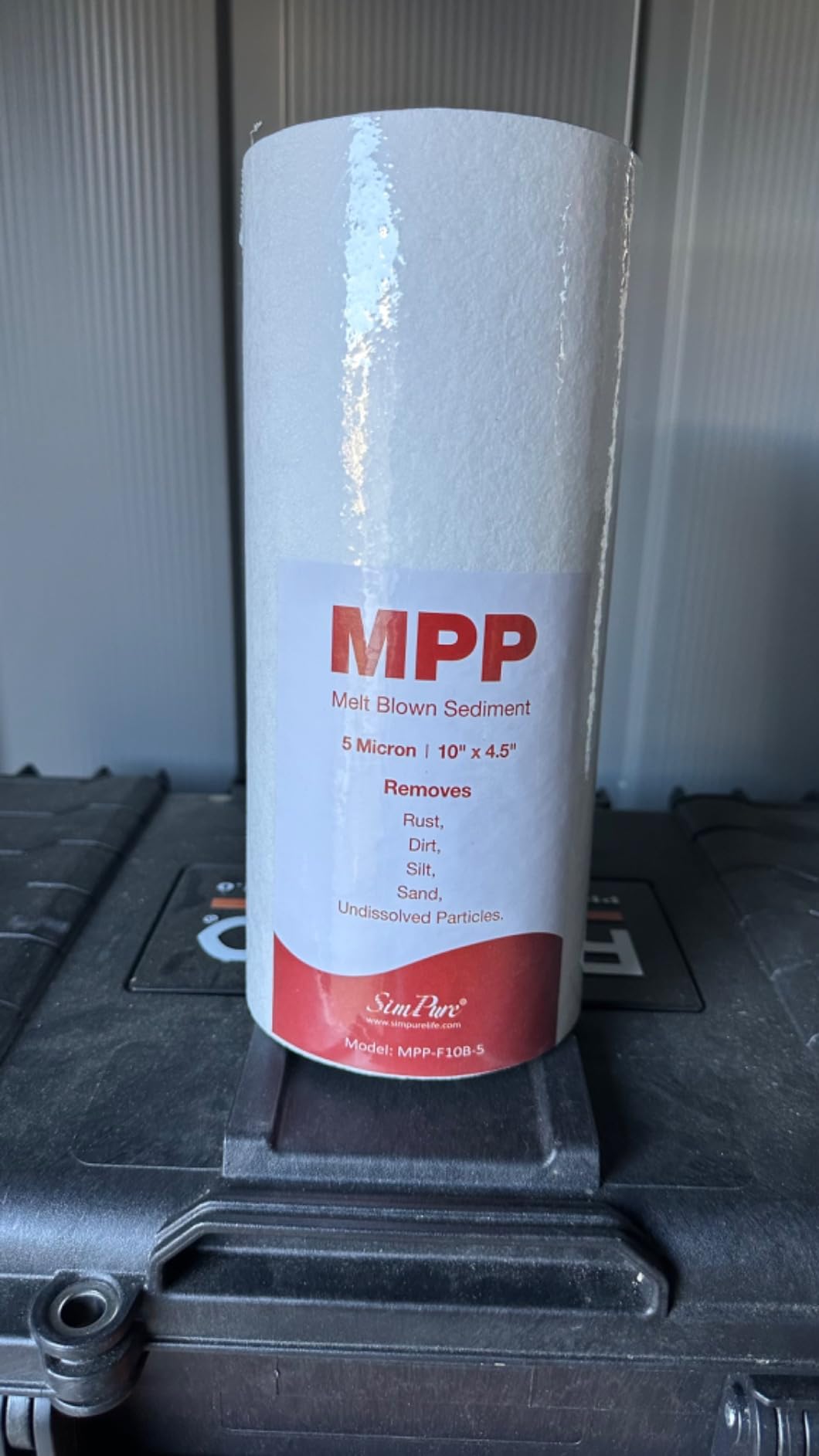
PUREPLUS 5 Micron 2-Pack
- 5 micron multi-layer
- coconut shell carbon layer
- NSF 42 certified
- 30000 gallon capacity

iSpring 20in Sediment 2-Pack
- 5 micron polypropylene
- 100000 gallon capacity
- 15 GPM flow
- one year filter life

Pentek DGD-5005 2-Pack
- Dual-gradient density
- 3X dirt holding
- under 1 psi drop at 10 GPM
- fits all 10 inch Big Blue housings
Quick Comparison of All 10 Big Blue Filters in 2026
| Product | Specifications | Action |
|---|---|---|
| PUREPLUS 5 Micron 10in Sediment and Carbon 2-Pack |
|
Check Latest Price |
| iSpring 5 Micron 20in Sediment 2-Pack |
|
Check Latest Price |
 SimPure DB10P 10in Filter Housing SimPure DB10P 10in Filter Housing |
|
Check Latest Price |
| Pentair Pentek DGD-5005 Big Blue Sediment 2-Pack |
|
Check Latest Price |
 Pentair Pentek DGD-5005-20 20in Sediment Pentair Pentek DGD-5005-20 20in Sediment |
|
Check Latest Price |
 Pentair Pentek GAC-BB Carbon Filter 2-Pack Pentair Pentek GAC-BB Carbon Filter 2-Pack |
|
Check Latest Price |
 Max Water 1 Micron 20in Sediment 6-Pack Max Water 1 Micron 20in Sediment 6-Pack |
|
Check Latest Price |
 Aquaboon 20in Housing with Pressure Gauge Aquaboon 20in Housing with Pressure Gauge |
|
Check Latest Price |
 Geekpure 10in Clear Housing, 1 Inch Port Geekpure 10in Clear Housing, 1 Inch Port |
|
Check Latest Price |
 iSpring HB28B 20in Housing, 1 Inch NPT iSpring HB28B 20in Housing, 1 Inch NPT |
|
Check Latest Price |
What a Big Blue Housing Actually Is
A big blue housing is a vertical canister that screws onto your main cold water line so every tap in the house draws from treated water. Water enters at the bottom, passes up through the cartridge, and exits at the top. That point-of-entry position is the whole point: instead of treating one sink, one cartridge treats the water heater, the ice maker, the washing machine and every showerhead in the house.
Flow rate is the constraint that decides the size. A single shower runs 2 to 3 GPM, a kitchen faucet 1.5 to 2 GPM, a washing machine 2 to 2.5 GPM, and a dishwasher around 1.5 GPM. Add those up for your household and you get the number your filter has to clear at once, plus headroom. Undersizing a housing does not just slow your water down — it presses more dirt into the same media, so the cartridge clogs faster and pressure drop climbs.
20 x 4.5 inch versus 10 x 4.5 inch versus 2.5 inch slim-line
The 20 x 4.5 inch format holds substantially more media than the 10 x 4.5 inch format, so it holds far more dirt between changes and pushes less pressure drop at the same flow. A typical 20 inch spun polypropylene cartridge is rated at 15 to 20 GPM where a 10 inch cartridge of the same media often sits around 10 to 15 GPM. If you have three or more bathrooms, or a well that dumps sediment into the line, the extra capacity is usually worth the extra few inches of wall space.
The 10 x 4.5 inch format is the compact option. It takes up less space, it fits tighter clearances, and it is the format most people already have bolted to their main shutoff. The 2.5 inch slim-line is a different tool entirely — it fits under a sink, it treats one outlet, and it is not a whole house format.
1. PUREPLUS 5 Micron 10in Sediment and Carbon 2-Pack — Best Overall Big Blue Cartridge
PUREPLUS 5 Micron 10″x4.5″ Whole House Sediment & Carbon Water Filter,2PACK
5 micron
Multi-layer PP plus coconut shell carbon
NSF 42 certified
30000 gallon capacity
Pros
- Highest review count among the cartridges here
- Layered PP and carbon media handles sediment and chlorine in one cartridge
- Broad compatibility across GE
- Culligan and Pentek housings
- Two cartridges per pack
Cons
- Not recommended for well water per the manufacturer
- Does not reduce TDS
If you want one cartridge that covers the most common whole house complaints, this is the one we kept coming back to. It is a 10 x 4.5 inch cartridge rated at 5 micron with three layers of polypropylene and a coconut shell activated carbon layer bonded to the outside. That combination means it traps sediment like a dedicated spun filter while also knocking back chlorine taste and odor, so a single housing can do both jobs.
The rating spread across close to eight thousand reviews is the strongest signal here, and the complaints that show up in the negatives are narrow. People like the flow, the taste improvement, and the fact that one pack gives you a spare for the next change. Our team compared it against the plain sediment cartridges on this list and the extra carbon layer is what separates it for municipal water.
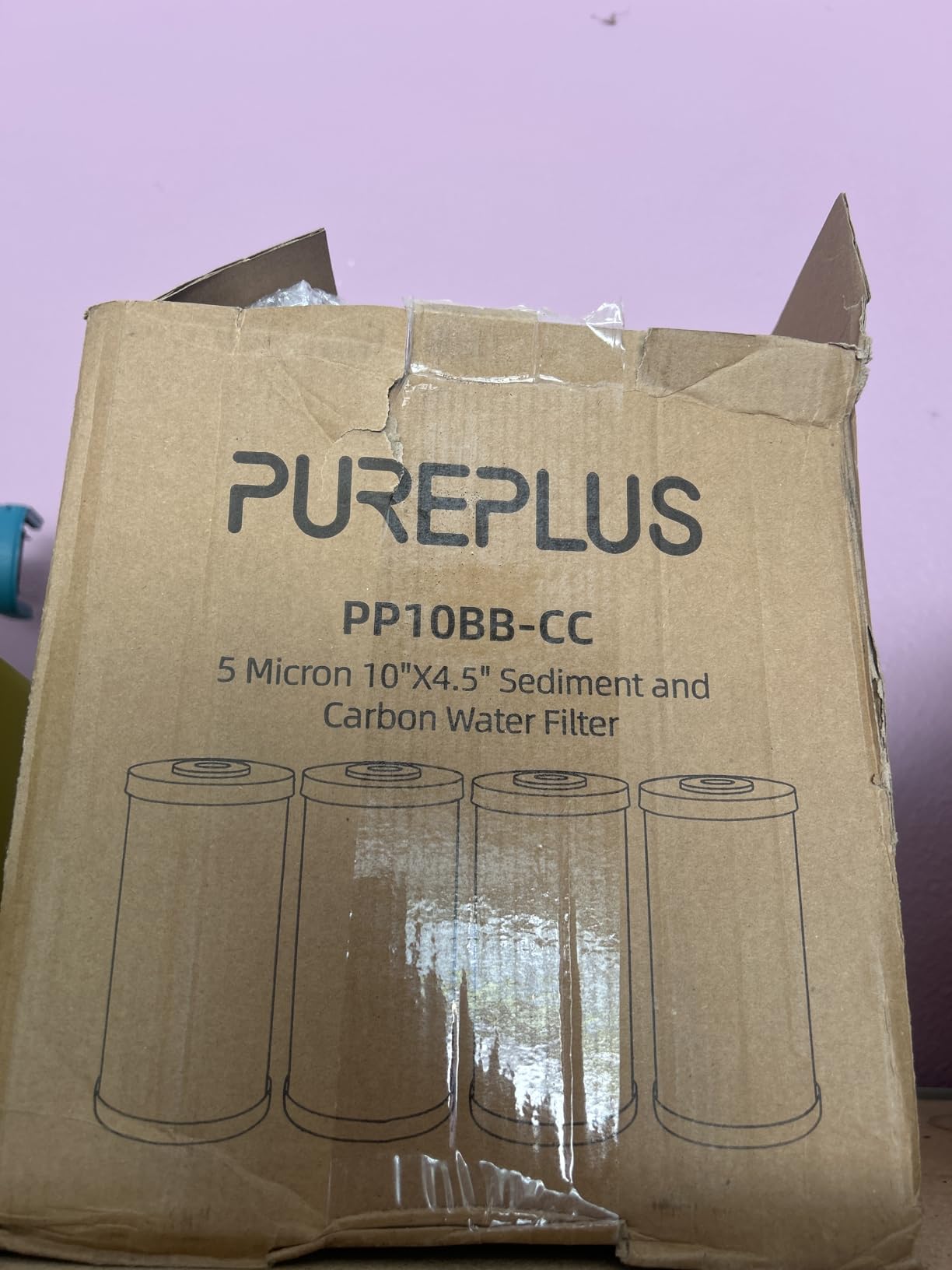
Spec sheet details worth noting: the cartridge measures 4.5 inches by 4.5 inches by 9.8 inches, weighs about 1.59 kg, and carries NSF 42 material certification along with European EC1935-2004, Australian Water Mark, REACH and BPA-free claims. The manufacturer rates service life at three to six months and lists compatibility with GE GNQH38S, GNWH38S, GXWH30C, GXWH35F, GXWH38F and GXWH40L housings, plus the Culligan RFC-BBSA, WRC25HD and Pentek RFC-BB.
One honest limitation: the maker explicitly steers well water owners away from it. Carbon and fine sediment are not the same fight as iron and sediment, and the added carbon layer reduces the media volume available for dirt. If your water is from a well, look at the Pentek sediment options further down instead.
When this cartridge fits your setup
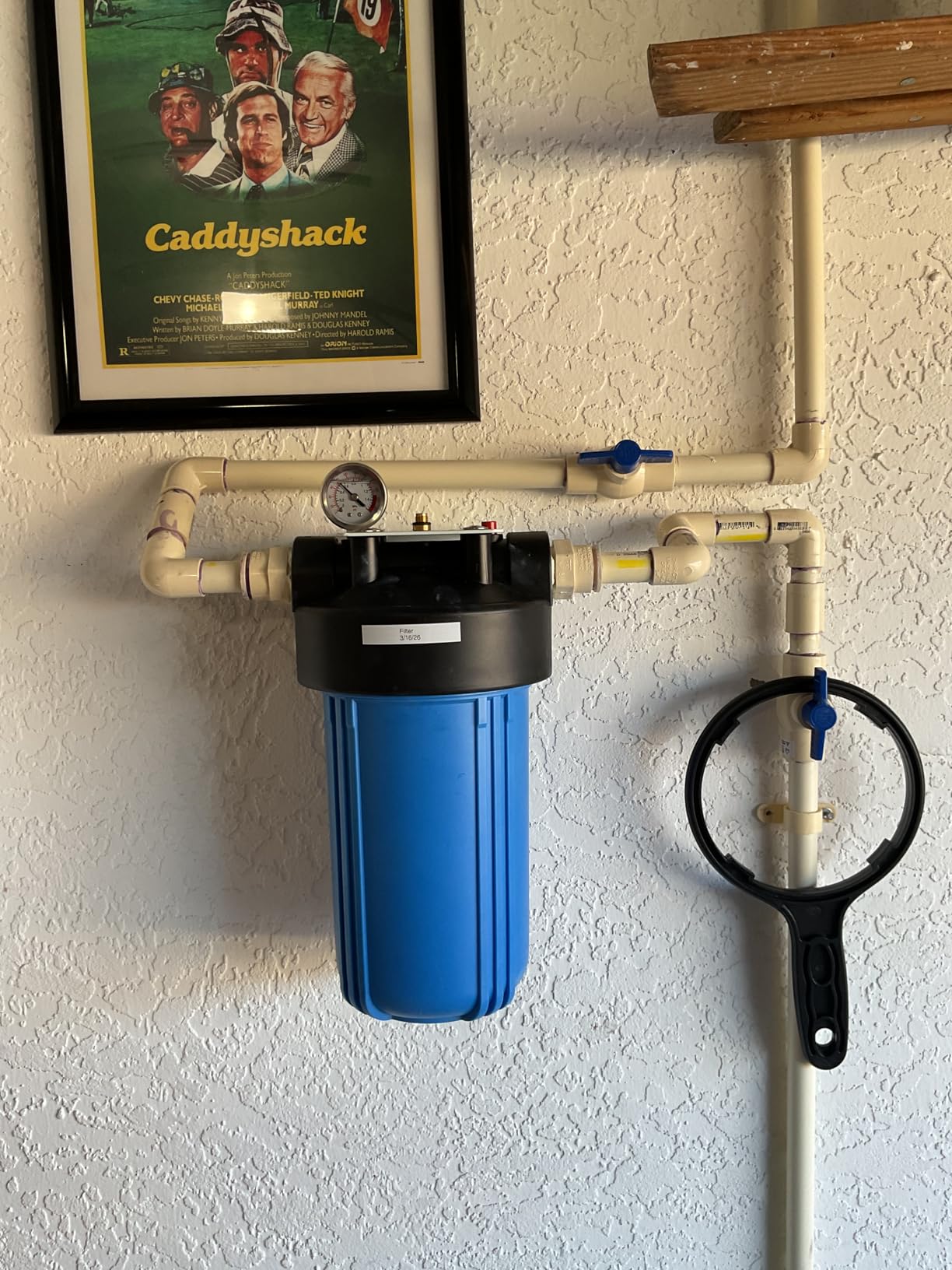
This is the cartridge to buy if you are on municipal water, you already have a 10 inch housing, and you want sediment plus chlorine taste handled by a single element. It also works well as a pre-filter ahead of a reverse osmosis system or a water softener, where catching grit before it reaches the membrane or the resin matters.
The compatibility list is the deciding factor for a lot of households. If your housing is a GE or Culligan unit rather than a plain blue canister, this is one of the few cartridges here that lists those models directly.
When to choose something else
Skip it if you are on a well with heavy sediment, because you will replace it faster than the listed three to six month life and the carbon layer is not doing useful work for you. Skip it if you need lead or cyst reduction certified under a specific standard, since this one is certified to NSF 42 for material requirements rather than a contaminant-reduction standard.
2. iSpring 5 Micron 20in Sediment 2-Pack — Best 20 Inch Sediment Cartridge
iSpring 5-Micron 20″ x 4.5″ Whole House Water Filter Sediment Removal
5 micron
100000 gallon capacity
15 GPM flow rate
1 year stated filter life
Pros
- Highest stated gallon capacity among the cartridges here
- 15 GPM rating keeps pressure drop low in larger homes
- Two cartridges per pack
- Third-party tested to NSF/ANSI standards
Cons
- Sediment only with no taste and odor reduction
- Housing is heavy when full
- Needs two wrenches to open
That is the cartridge to beat on pure sediment capacity. Rated at 5 micron in a 20 x 4.5 inch format with a stated capacity of 100,000 gallons and a one year service life, it holds substantially more dirt between changes than the 10 inch options here. The 15 GPM rating is the number that matters for homes with multiple bathrooms, because it leaves real headroom above typical household demand.
Users report visibly clearer water and fewer change intervals after switching to it, and the customer support around it draws repeated mention. It fits standard 20 x 4.5 inch housings, including the iSpring WGB32B and WHO32B series, so it is a straightforward swap if that is the format already on your main line.
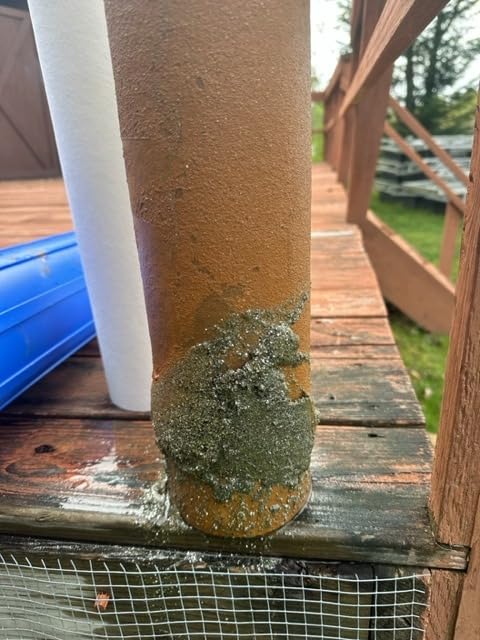
It is a melt-style polypropylene cartridge built by a melt-blown process, individually wrapped, and third-party tested to NSF/ANSI standards. It does not reduce TDS, which is by design — you keep dissolved minerals in the water and lose only the particulate load.
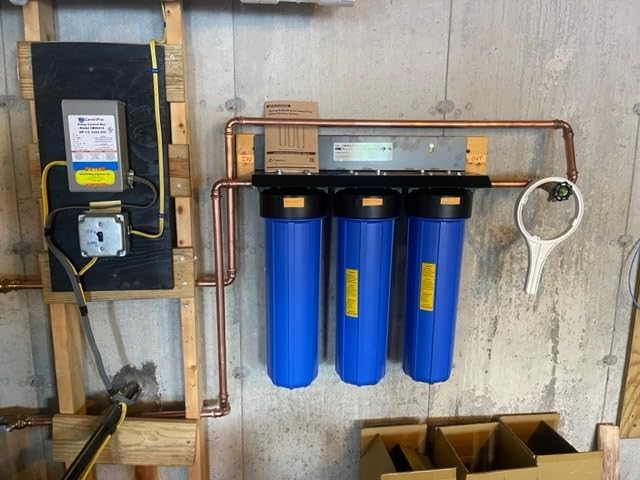
The practical drawback is handling. A full 20 inch canister holds a surprising amount of water and sediment, so you will want a bucket under it and two wrenches to break the housing seal cleanly. Reviewers also note that plastic manifold threads on some setups want generous thread sealant during install.
When this cartridge fits your setup
Buy this one if you have a 20 inch housing, three or more bathrooms, or sediment conditions that chew through a 10 inch cartridge in a couple of months. The 100,000 gallon figure is the headline, but the 15 GPM rating is what keeps your shower pressure steady when two fixtures run at once.
It is also a sensible pre-softener or pre-RO element. Catching sediment upstream protects the resin bed and the membrane from fouling, which is why whole house installers order these as the first stage.
When to choose something else
This is sediment only. If your main complaint is chlorine smell coming out of the tap, a carbon cartridge will address the taste and this one will not. If your water carries iron staining or sulfur odor, neither this nor any other sediment cartridge on this list is the right tool.
3. Pentair Pentek DGD-5005 Big Blue Sediment 2-Pack — Best Value 10 Inch Cartridge
Pentair Pentek DGD-5005 Big Blue Whole House Sediment Filter
5 micron
Dual-gradient density media
3X dirt holding capacity
NSF/ANSI 42 certified
Pros
- Dual-gradient density gives 233 percent more effective filter depth
- Under 1 psi pressure drop at 10 GPM
- Pure polypropylene imparts no taste or odor
- Two cartridges per pack
Cons
- Sediment only
- Sold as a two pack so single replacements require a pair
- Not certified to a contaminant reduction standard
DGD-5005 is the cartridge most plumbers and handymen actually reach for, and the reason is the media design. It is built with dual-gradient density, meaning the fibre is denser at the outside and looser toward the core, which the manufacturer puts at 233 percent greater effective filter depth than a standard cartridge. That is where the 3X dirt-holding claim comes from.
Pressure drop is the other headline. Under 1 psi at 10 GPM means it will not choke a 10 inch housing on a two-bathroom home even after it has collected a real load of sediment. The media is 100 percent polypropylene, so nothing is imparted to the water in terms of taste, odor or color.
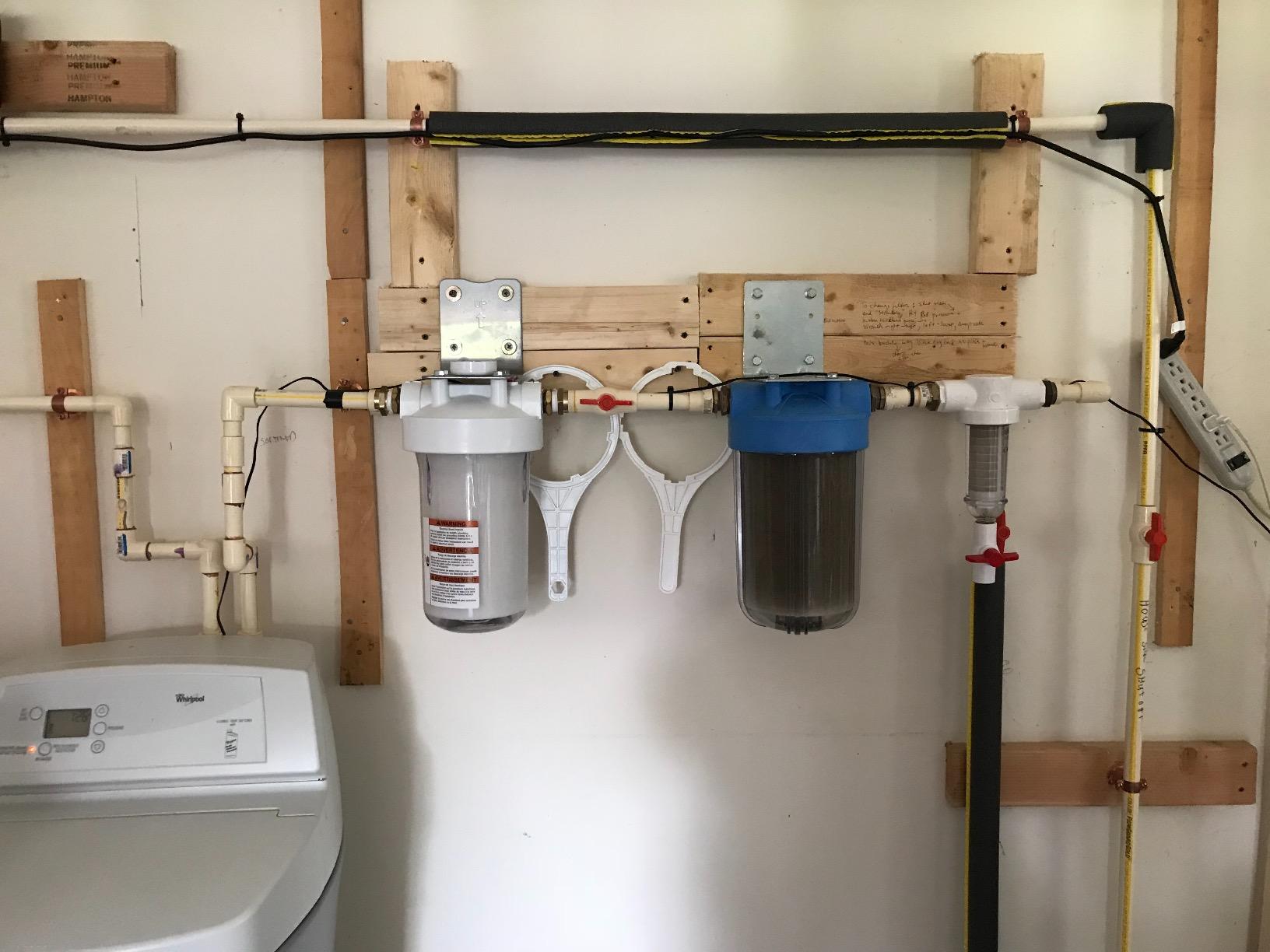
It measures 4.5 inches by 4.5 inches by 10 inches, fits all 10 inch Big Blue housings, and carries NSF/ANSI 42 certification for material requirements. Rated life is six months on typical service, and each pack holds two cartridges. Certifications on this cartridge cover the material, not a contaminant claim, which is worth understanding before you promise yourself lead reduction.
Value is what separates this one from the field. The two pack means you always have one ready when the six months are up, and the dual-gradient media does more work per cartridge than a standard string-wound element, which spreads the cost of the pack over a longer interval.
When this cartridge fits your setup
This is the default pick for a 10 inch housing on city water where you need sediment out but taste is already acceptable. It is also the standard pre-filter choice ahead of softeners and reverse osmosis, because the low pressure drop will not fight the downstream equipment.
If you have an older housing and want a no-drill solution, the cartridge is identical regardless of which brand of canister it sits in, as long as it is the 10 x 4.5 inch format.
When to choose something else
Choose the 20 inch version instead if you have more than two bathrooms or your current cartridge clogs inside three months. Choose the carbon model instead if chlorine taste is the actual problem. And if you are on a well, be prepared for a much shorter interval than the six months stated.
4. Pentair Pentek DGD-5005-20 — Best Sediment Cartridge for 20 Inch Housings
Pentair Pentek DGD-5005-20 Big Blue Water Filter, 20-Inch Whole House Sediment Filter Cartridge Replacement, Dual-Gradient Density Spun Polypropylene, 20″ x 4.5″, 5 Micron, Pack of 1, White
5 micron
Dual-gradient density
Under 1 psi drop at 20 GPM
NSF/ANSI 42
Pros
- 20 GPM flow rating suits larger homes
- Same dual-gradient media as the 10 inch version
- Sold as a single cartridge so you buy only what you need
- Well documented compatibility across 20 inch Big Blue housings
Cons
- Single pack only
- No contaminant reduction certification
- Weighs 15.84 ounces dry
This is the 20 inch version of the cartridge above, and it is the single most widely compatible sediment element in the format. It fits all 20 inch Big Blue housings, which in practice means if you have a 20 inch blue canister from any major manufacturer, this will thread in and seal correctly.
The engineering story is the same dual-gradient density construction giving 233 percent greater effective filter depth, but the flow rating is the headline at 20 GPM with under 1 psi of drop at that rate. That headroom is why it is the default pick for three and four bathroom homes.
The cartridge measures 4.5 inches by 4.5 inches by 20 inches, weighs about 15.84 ounces dry, and is rated at 5 micron with a six month service life. Like its 10 inch sibling it is 100 percent pure polypropylene, so it adds nothing to taste or odor, and it is NSF/ANSI 42 certified for material requirements.
Some reviewers report dramatic clarity improvements in their water. One reported reading moved from about 1500 ppm to 500 ppm after fitting this cartridge, which is a user report rather than a measured specification — sediment reduction can plausibly account for that much visible difference, but treat it as an anecdote.

When this cartridge fits your setup
If you own a 20 inch housing and want proven, widely available sediment filtration, this is the safe choice. It is also the easiest path for a household that already knows the DGD-5005 works in the 10 inch format but needs more capacity.
Because it is a single pack rather than a two pack, you buy exactly what you need without carrying a spare you do not need yet.
When to choose something else
If taste and odor are your primary complaint, this cartridge will not touch chlorine — a granular carbon element is the correct media. If your sediment is very fine and you need polish filtration downstream of an existing stage, the 1 micron option later in this list is the finer screen.
5. SimPure DB10P 10in Filter Housing — Best 10 Inch Housing for a Fresh Install
SimPure DB10P 10″ *4.5″ Whole House Sediment Water Filter Housing
Brass 1 inch NPT ports
20 GPM max flow
40C max temperature
Includes wrench and bracket
Pros
- Brass NPT ports seal better than plastic threads
- Reinforced polypropylene body
- Pressure release button simplifies cartridge swaps
- All mounting hardware in the box
- Clear housing option for visual monitoring
Cons
- Generous Teflon tape needed on the NPT threads
- Bracket screws for wall mounting not included
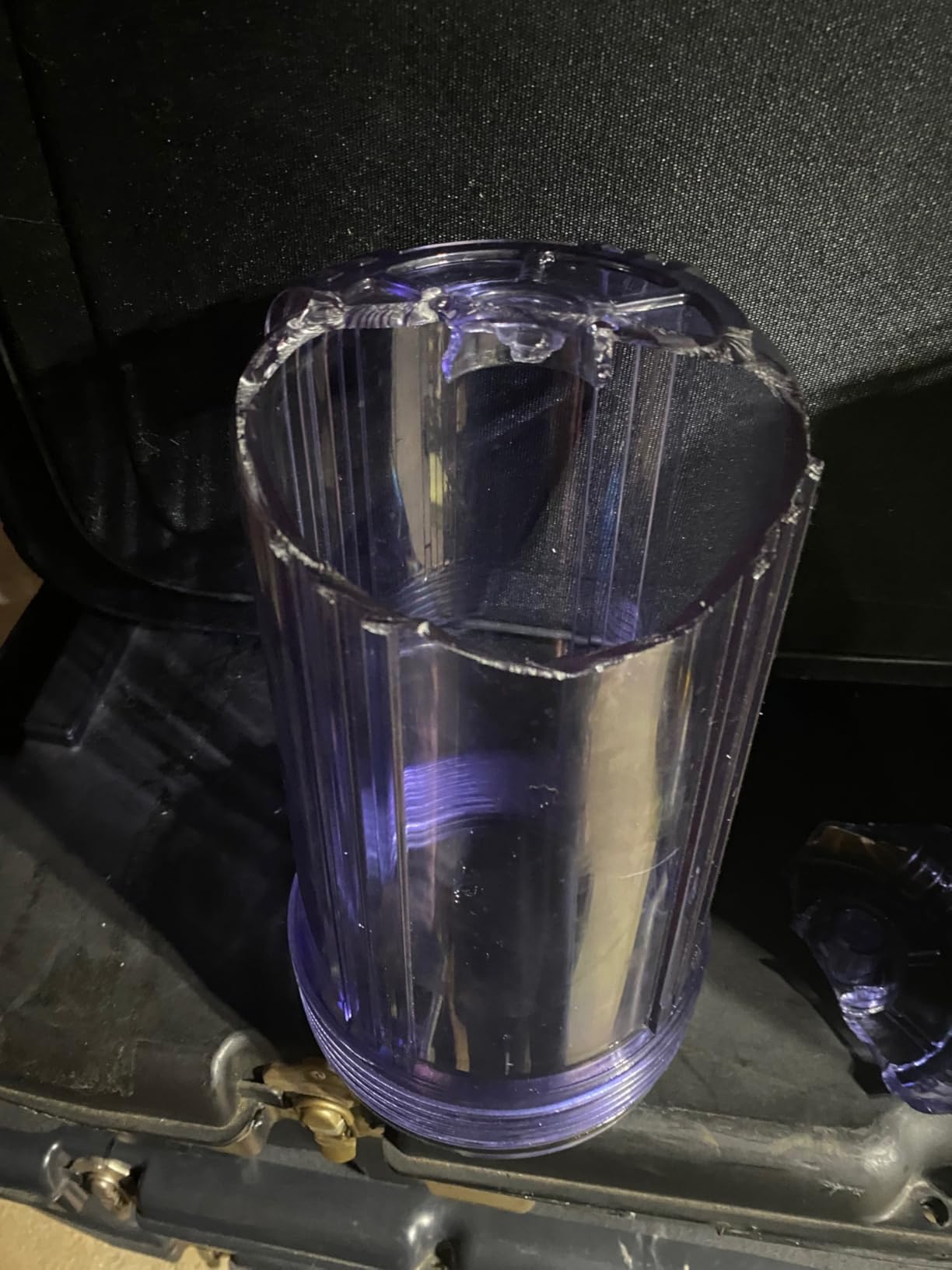
- Some reports of cracking on the clear version
If you do not own a housing yet, this is the 10 inch canister we would put on the main line. The reason is the brass. Both ports are 1 inch NPT brass rather than plastic, and brass threads seal more reliably than molded plastic threads, which matters when the fitting sits under pressure on your main supply line for a decade.
The rest of the design is thoughtful. Threaded holes are thickened and raised to resist leaks, and there is a red pressure relief button on top that lets you relieve pressure before you crack the sump loose, rather than fighting a housing that will not come apart.
Rated at 20 GPM maximum flow with a 40C operating ceiling and a 500 ppm TDS limit, the housing weighs 7 pounds and measures 5.24 inches by 2.87 inches by 5.24 inches. It is NSF certified, takes universal 4.5 x 10 inch cartridges, and the box includes a wrench, a heavy-duty steel mounting bracket, four screws and the pressure release button.
A clear housing version is available if you want to see the cartridge without opening anything, which is genuinely useful when you are judging whether a cartridge is spent. Reviewers do report that the clear variant is more prone to cracking over time than the opaque one, so weigh that against the visibility gain.
When this housing fits your setup
This suits a one or two bathroom home on city water that needs sediment plus chlorine reduction in a compact footprint. The 20 GPM maximum flow rating leaves comfortable headroom on a modest household, and the brass ports make it a forgiving first DIY project.
It also works as a spare housing — a second unit on a different line, or a replacement when an old plastic-threaded canister starts weeping at the threads.
When to choose something else
Choose a 20 inch housing instead if you have three or more bathrooms or a well with heavy sediment. Skip the clear version if the housing sits in direct sunlight — UV exposure is what degrades clear plastic over time. And note the wall-mounting screws for the bracket are not included, so plan on picking those up separately.
6. Pentair Pentek GAC-BB Carbon Filter 2-Pack — Best Carbon Cartridge for Chlorine Taste
Pentair Pentek GAC-BB Big Blue Whole House Carbon Water Filter
Granular activated carbon
12500 gallon capacity
125F max temperature
Built-in post-filter
Pros
- Targets chlorine taste and odor directly
- Post-filter permanently fastened to stop carbon fines
- Expansion pad keeps the carbon bed in full contact
- Two cartridges per pack
Cons
- No sediment capacity so it needs a pre-filter stage
- Shorter service life than sediment cartridges
- Costs more per change than a plain spun cartridge
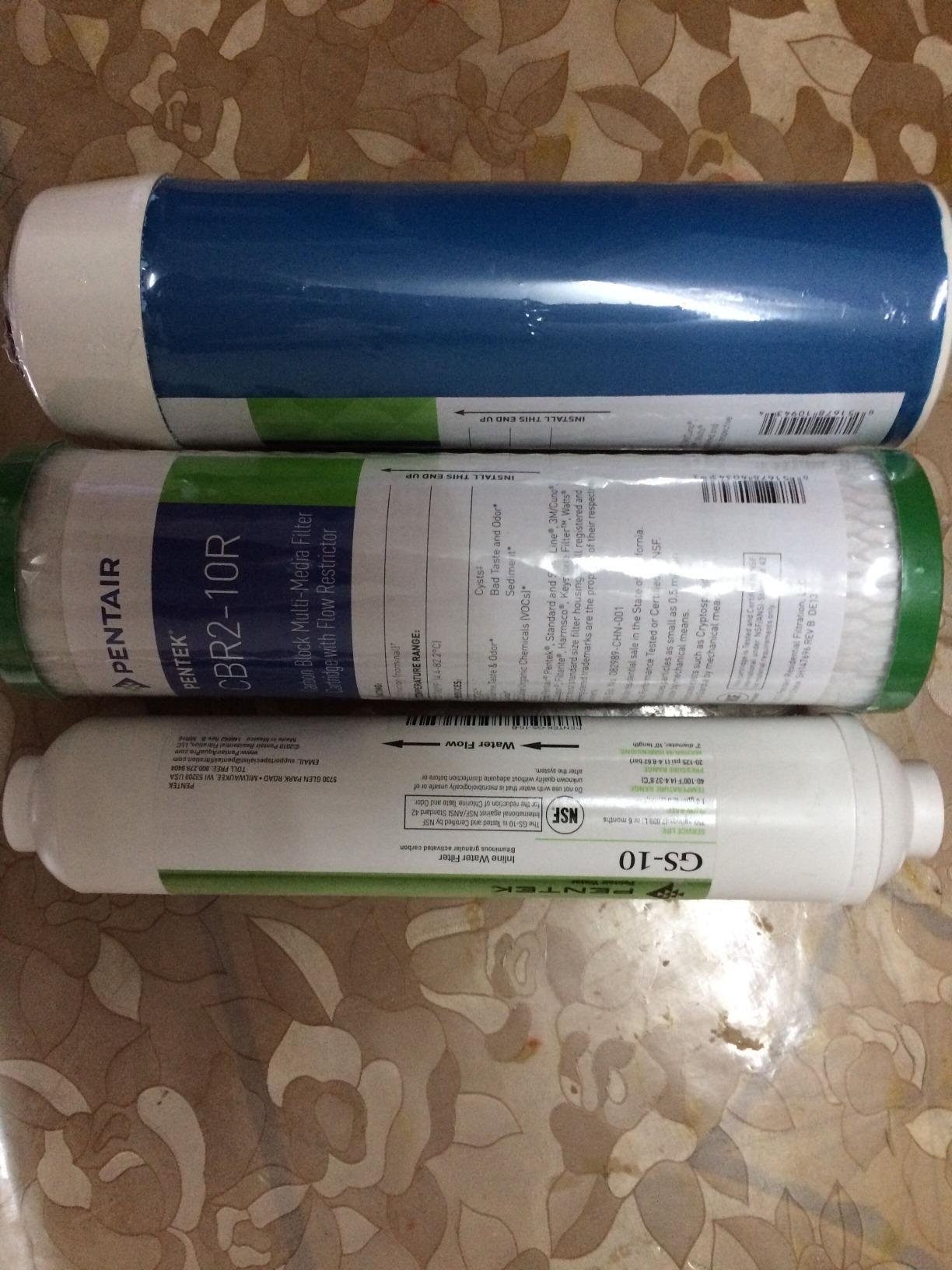
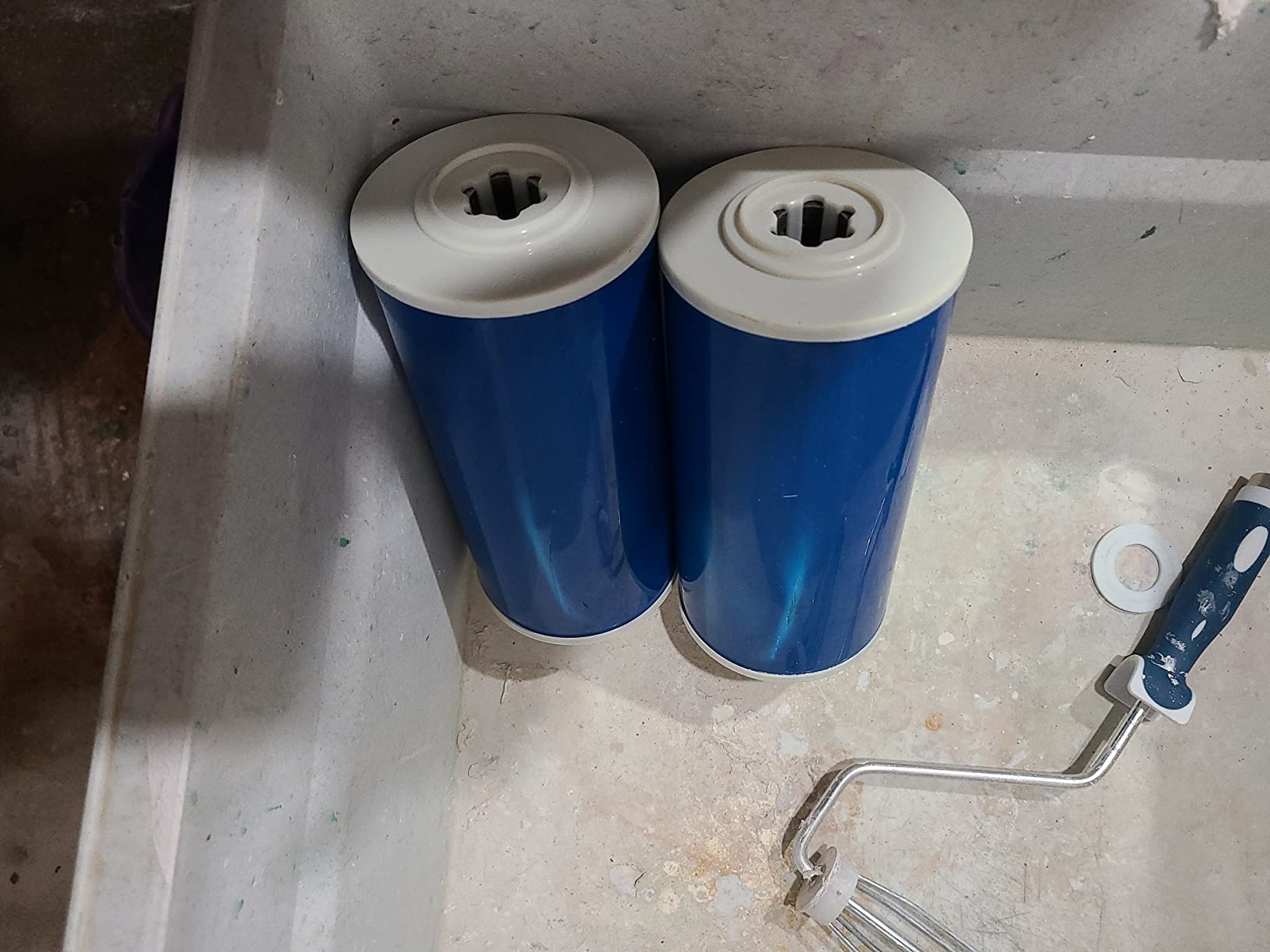
Granular activated carbon is the media that makes chlorinated municipal water taste like water. This cartridge fills the 10 x 4.5 inch format with a carbon bed and an internal expansion pad that holds the media in full contact with the flow, which is the detail that separates a good carbon cartridge from a disappointing one.
Channeling is the failure mode that matters here. When carbon granules settle and carve a path through the bed, water bypasses the media and the cartridge stops doing its job long before it looks used up. The expansion pad here is specifically designed to limit that.
Capacity is listed at 12,500 gallons for chlorine taste and odor reduction at 2 GPM, and the cartridge is rated to 125F. It measures 4.5 inches by 4.5 inches by 10 inches, weighs 5 pounds, fits all 10 inch Big Blue housings and is NSF certified. Each pack holds two cartridges.
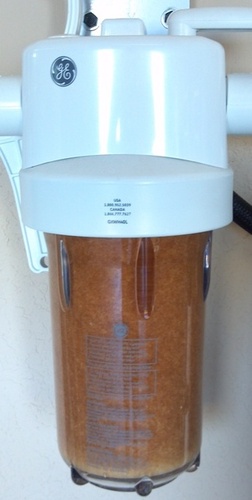
The built-in post-filter is fastened permanently to the support basket and catches the carbon fines that would otherwise wash downstream into your faucets. Without it, granular carbon tends to shed a light grey tint into the glassware for the first few weeks.
When this cartridge fits your setup
This is the pick for city water where the complaint is a swimming pool smell or a chlorine taste at the kitchen tap. Install it as a second stage downstream of a sediment cartridge, because granular carbon needs a clean inlet to work properly and will foul quickly if it is taking on grit.
At 12,500 gallons it suits a household of one or two that wants taste improvement without committing to a carbon block that turns more water.
When to choose something else
Never use this as your only stage. Granular carbon has no meaningful sediment capacity, so putting it first just fills it with dirt. If you need lead or cyst reduction certified to a specific standard, look for a carbon block certified for that contaminant instead of a taste-and-odor GAC cartridge.
7. Max Water 1 Micron 20in Sediment 6-Pack — Best for Fine Sediment
Max Water 1 Micron 20 x 4.5 Sediment Filter 20 inch Whole House BB Water Filteration System Replacement Compatible Cartridge DGD-5005-20, FP25B, AP810-6, FPMB5-20, P5-20, 155358-43, SDC-45-2005
1 micron
Three-layer melt-blown
BPA-free components
6 cartridges per pack
Pros
- Finest micron rating among the cartridges here at 1 micron
- Melt-blown construction for consistent pore structure
- Cross-compatible with many major brand cartridges
- Six cartridges per pack suits high consumption
Cons
- No NSF certification listed
- Fewer reviews than the Pentek options
- Filter life not specified by the maker
Everything else on this list screens at 5 micron or coarser. This one runs at 1 micron, which is the level you want when fine suspended particles are making your water look hazy even after a standard sediment cartridge has been installed, or when you are polishing ahead of a reverse osmosis membrane.
It is built with a three-layer melt-blown polypropylene construction, which tends to give a more even pore structure than a spun string-wound cartridge. That even structure is what lets a 1 micron rating hold up in service instead of collapsing under pressure.
The cartridge measures 4.5 inches by 4.5 inches by 20 inches and the pack holds six. It is BPA-free, and the listing states compatibility with a long list of cross-reference numbers including DGD-5005-20, FP25B, AP810-6, FPMB5-20, P5-20, 155358-43 and SDC-45-2005, which covers most of the cartridges in this format from other brands.
Two things give us pause. There is no NSF certification listed for this cartridge, and the review base is much smaller than the Pentek options — around 355 reviews rather than the four-figure counts. If certification matters to your decision, that is a real difference, not a technicality.
When this cartridge fits your setup
This is the one for post-RO polish, for very fine well sediment that a 5 micron cartridge passes through, and for anyone who wants maximum particulate capture and does not mind more frequent changes. The six pack suits a household with heavy consumption or a second filtration stage.
It is also useful as a temporary diagnostic. If a 1 micron cartridge noticeably improves clarity where a 5 micron did not, you have a fine particulate problem rather than a taste or odor problem.
When to choose something else
Choose a certified 5 micron cartridge instead if you want an NSF claim you can point to, or if the review volume matters to your confidence. And note the cost of fine filtration: 1 micron cartridges load up faster, so the shorter replacement cycle is part of the trade.
8. Aquaboon 20in Housing with Pressure Gauge — Best 20 Inch Housing With a Gauge
Aquaboon 20″ x 4.5″ Whole House Well Water Filter System with Pressure Release (1″ Port) | Certified | Compatible with Pentek 150233, 150235, Geekpure BB- 20B
1 inch NPT ports
Oil-filled pressure gauge
Double O-ring seal
WQA certified
Pros
- Only housing here with an integrated pressure gauge
- Thicker and darker plastic than typical housings
- Heavy-duty wrench with deep teeth included
- Bracket lock stops the housing slipping
- Empty canister so you pick the cartridge
Cons
- Cartridge not included
- Plastic threads need generous thread sealant
- Gauge must be fitted before the bracket goes on
This housing is the one to buy if you want to see how hard your filter is working. The oil-filled pressure gauge on top gives you a moving needle, and the difference between the inlet reading and the outlet reading is the clearest possible signal that a cartridge is loading up and needs a change.
Build quality is the other argument. The plastic is described as thicker and darker than the typical Pentair housing, which resists UV degradation better in a basement or utility room where light creeps in. The double O-ring design is pre-lubricated with food-grade silicone, so the sump seal seats properly on the first try more often than not.
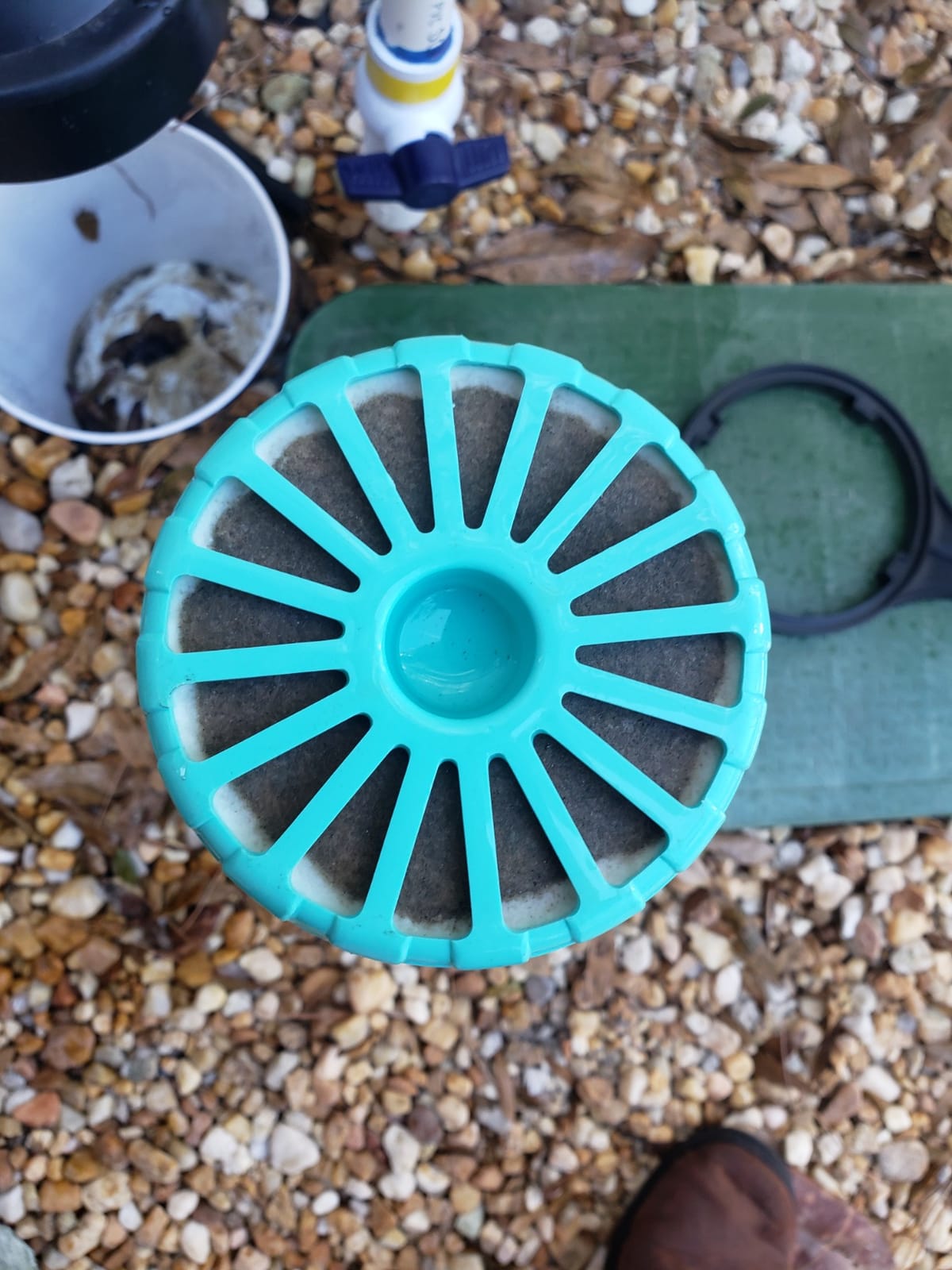
Ports are 1 inch NPT, rated to 500 ppm TDS, and it takes standard 4.5 x 20 inch cartridges — the listing cross-references Pentek 150233 and 150235 alongside Geekpure BB-20B. It is WQA certified, weighs 10.4 pounds, and measures 6 inches by 22 inches by 6 inches. The box includes screws, the pressure release button, the gauge, a mounting bracket and a wrench.
Two ordering notes for a first install. Fit the gauge before you mount the bracket, because the gauge will not reach once the housing is secured. And the cartridge is sold separately — this is an empty canister, which is fine if you already know which media you want but means you are making two decisions instead of one.
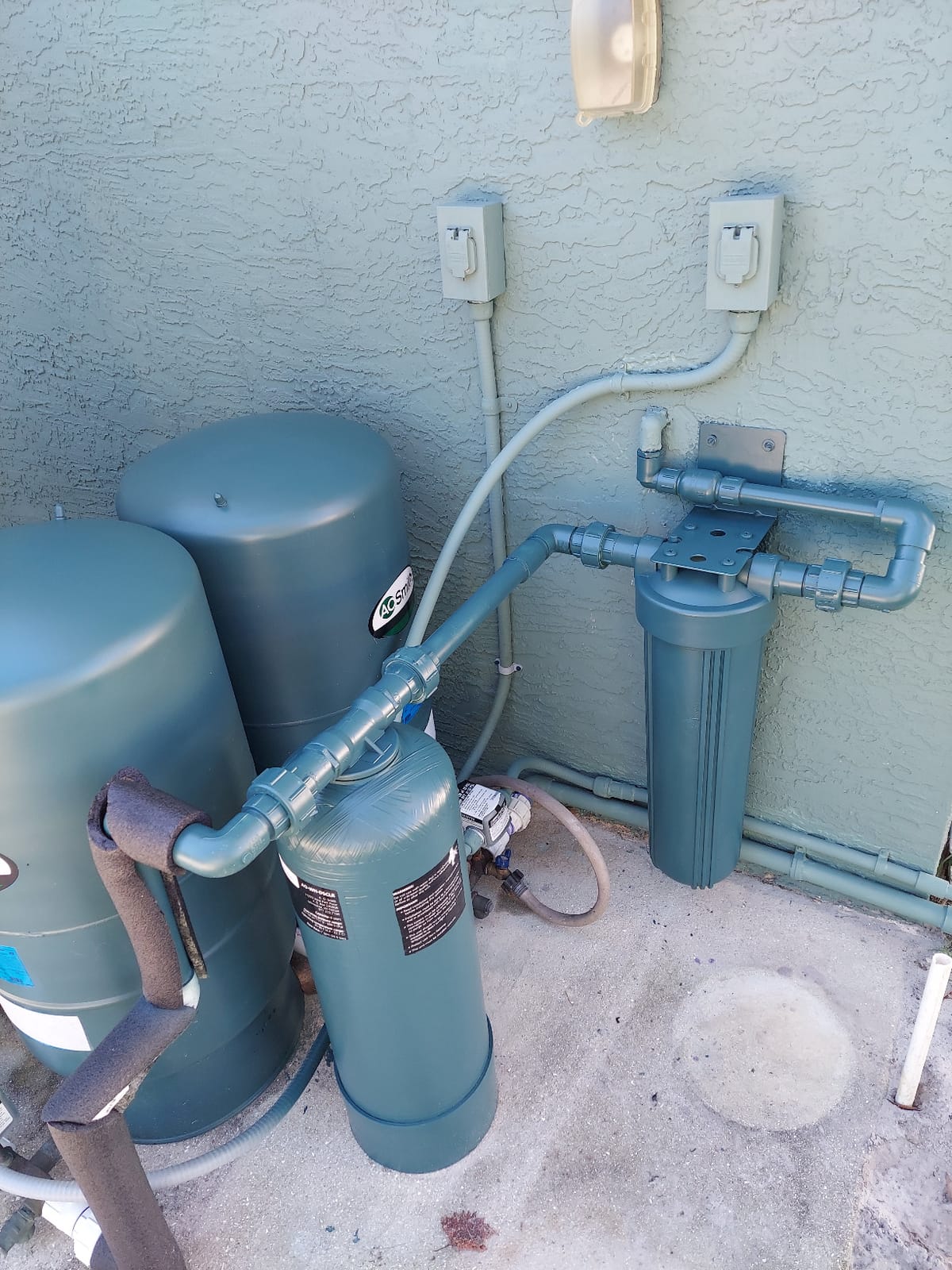
When this housing fits your setup
This suits a three or four bathroom home, or anyone on a well who wants to track pressure drop instead of guessing at cartridge life. The gauge turns cartridge changes from a calendar guess into a dial reading, which is the most useful single feature on this list for anyone on sediment-heavy water.
The 20 inch format holds far more media than a 10 inch canister, so combined with a high capacity cartridge you can go long between changes.
When to choose something else
Choose the iSpring HB28B instead if you want a lighter 20 inch housing without a gauge. Choose a 10 inch unit if your clearance under the main shutoff is tight — at 22 inches long, this one needs real space. And expect to work at the plastic threads during install, which is the most common complaint on this housing.
9. Geekpure 10in Clear Housing — Best Budget 10 Inch Housing
Geekpure 10-Inch Whole House Water Filter Housing-4.5 x 10 Inch-1“ Port
1 inch NPT brass ports
Clear housing for monitoring
5 to 15 GPM flow range
WQA certified
Pros
- Clear sump lets you see the cartridge without opening it
- Brass inlet and outlet ports
- Pressure release valve built in
- Wrench and metal bracket included
- One year warranty
- 5 to 15 GPM stated flow range
Cons
- Threads are brand-specific rather than universal
- Plastic wrench rather than metal
- Not rated for hot water
The Geekpure housing is the entry-level option on this list, and the clear sump is its best feature. In a clear housing you can look at the cartridge and judge whether it is dark with sediment or starting to load, which turns cartridge changes from a guess into a visual check.
Ports are 1 inch NPT brass, and there is a built-in pressure release valve so the sump comes apart without a fight. Working pressure is rated from 10 to 60 psi with an operating range of 40 to 110F, and the flow range is given as 5 to 15 GPM.
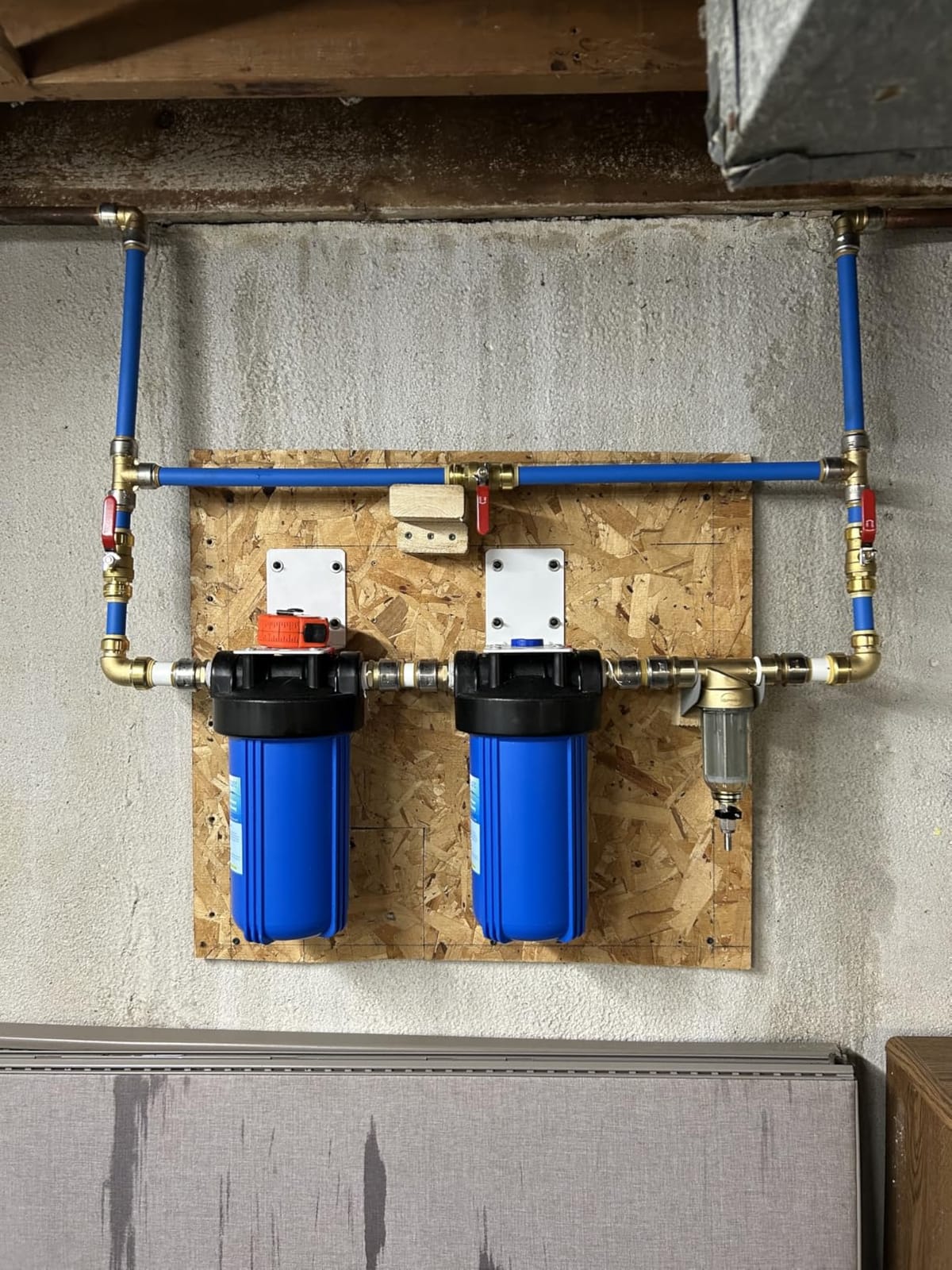
It fits standard 4.5 x 10 inch cartridges, weighs 6 pounds, measures 7 inches by 7 inches by 13 inches, and carries WQA certification with a one year warranty. The box includes the housing, a plastic wrench and a metal bracket.
Read the thread note carefully. These threads are brand-specific rather than universally interchangeable, which means sump parts and some fittings from another manufacturer will not necessarily thread into it. And the listing is explicit that this housing does not reduce lead, fluoride or TDS, and is not suitable for hot water filtration.
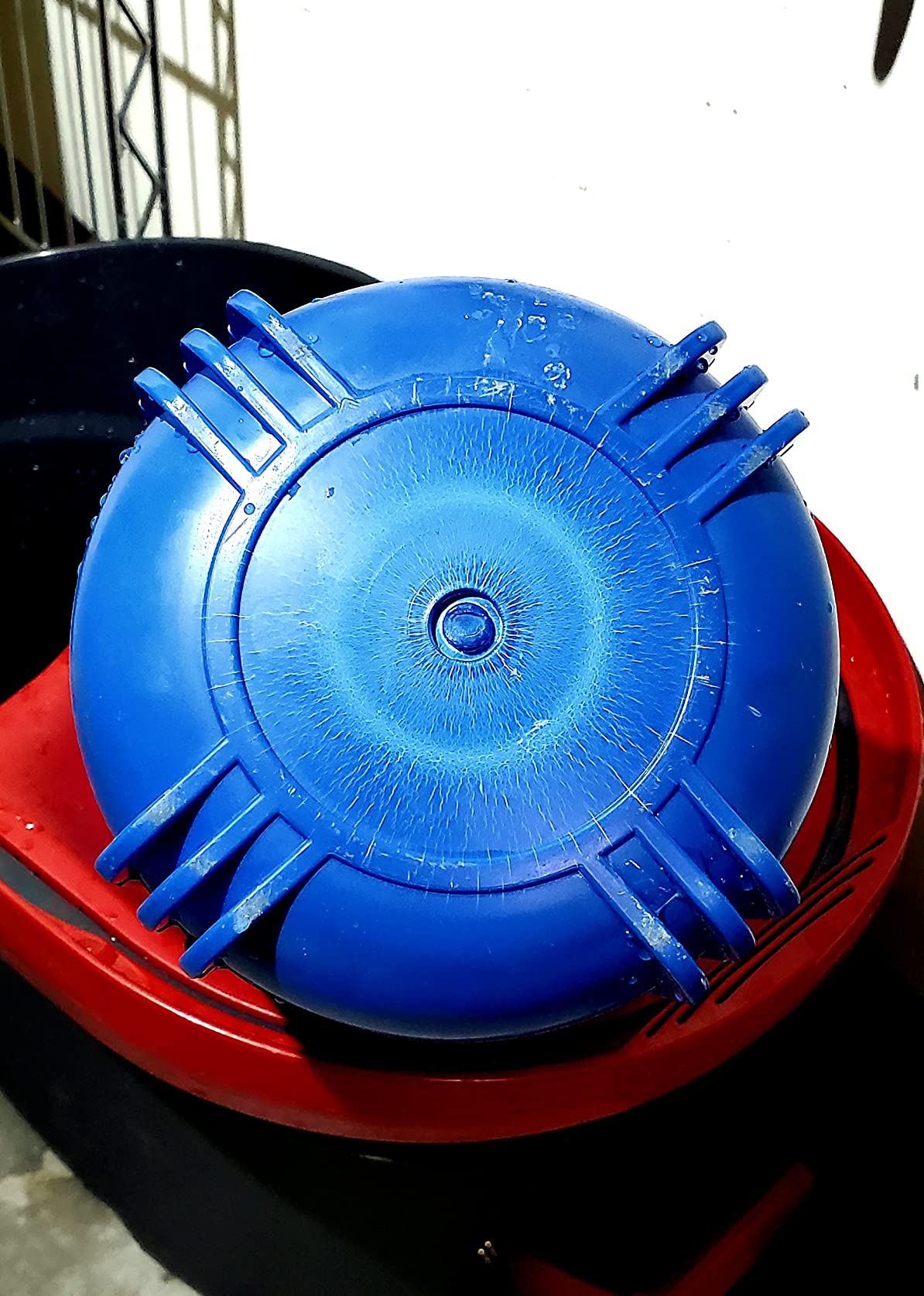
When this housing fits your setup
This is the pick for a one or two bathroom home on city water that wants sediment and chlorine reduction in a clear canister you can check at a glance. The clear housing earns its place in a small utility area where you will actually glance at it.
It also makes a sensible secondary housing for a fridge line or a cold-only branch, where hot water is never involved.
When to choose something else
Buy the SimPure housing instead if you want universal 10 inch threading and included wall-mounting screws. Skip this if you need hot water filtration, and keep the brand-specific thread note in mind before you plan on swapping parts later.
10. iSpring HB28B 20in Housing — Best High-Flow 20 Inch Housing
iSpring HB28B Whole House Water Filter Housing, 20″ x 4.5″ Universal Housing for Whole Home Water Filtration w/ 1″ NPT Ports Pre-Filtration System
1 inch NPT ports
Universal 20 x 4.5 fit
Pressure release button
Reinforced polypropylene
Pros
- Fits all 20 x 4.5 inch cartridges
- 1 inch NPT ports for high flow
- Reinforced polypropylene resists chemical wear
- Pressure release button included
- Wrench supplied in the box
Cons
- Opaque housing hides filter condition
- Smallest review count of the ten picks
- Listed weight looks light for a 20 inch housing
The HB28B is the straightforward 20 inch housing from a brand with a solid name behind it, and its selling point is universal cartridge compatibility. It fits all 20 x 4.5 inch cartridges, so whatever sediment or carbon media you settle on, it will thread in.
Construction is reinforced polypropylene rated to 100F with a 500 ppm TDS ceiling, 1 inch NPT inlet and outlet ports, and a pressure release button on top. It measures 7.2 inches by 7.2 inches by 23 inches and a wrench is included. The cartridge is not included, so plan on buying that separately.
Two honest observations. First, the housing is opaque, so you cannot check the cartridge without opening it — the opposite trade from the clear housings earlier in this list. Second, the listed weight of 16 ounces looks light for a 20 inch canister and is worth a sanity check against what actually arrives, since several owners flag the same listing figure.
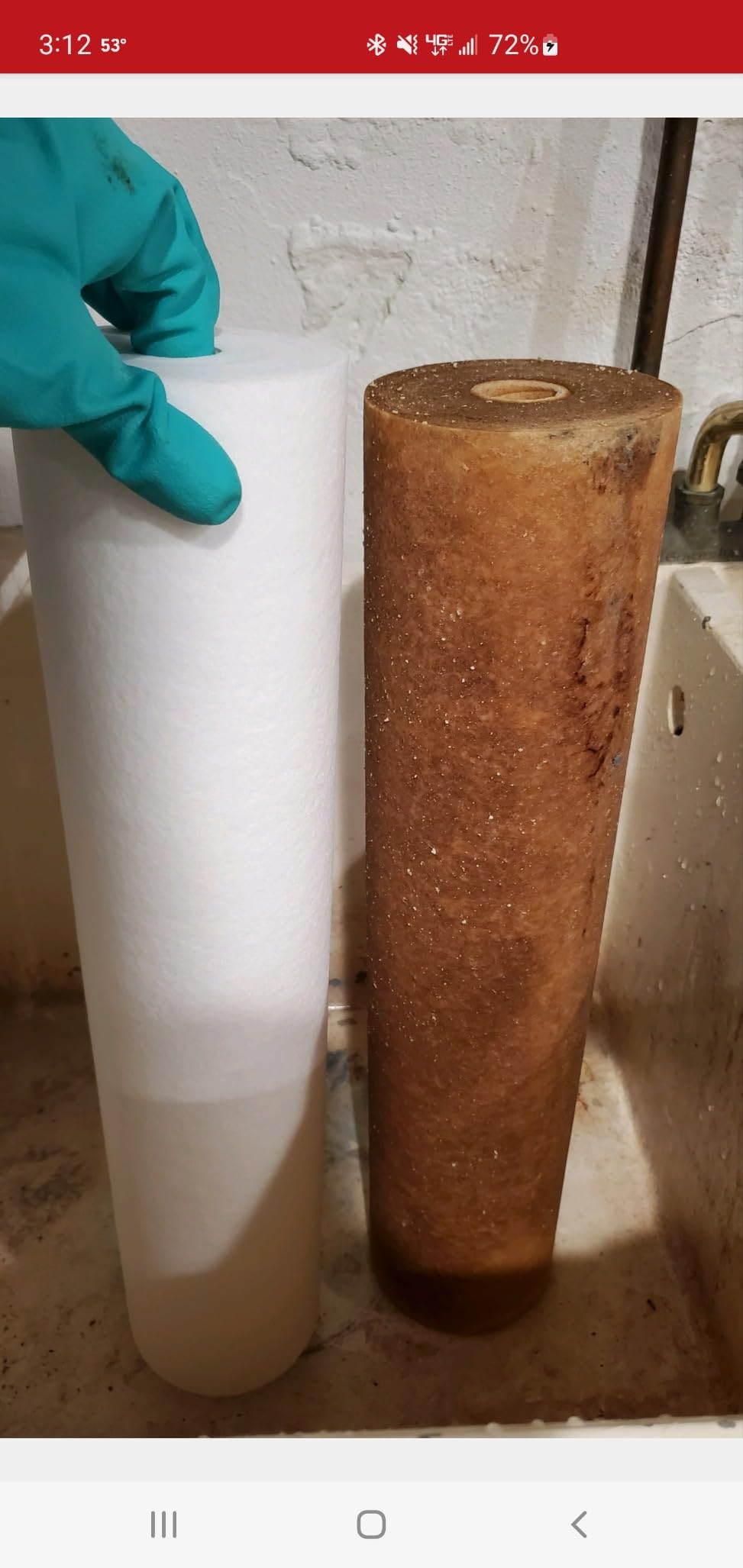
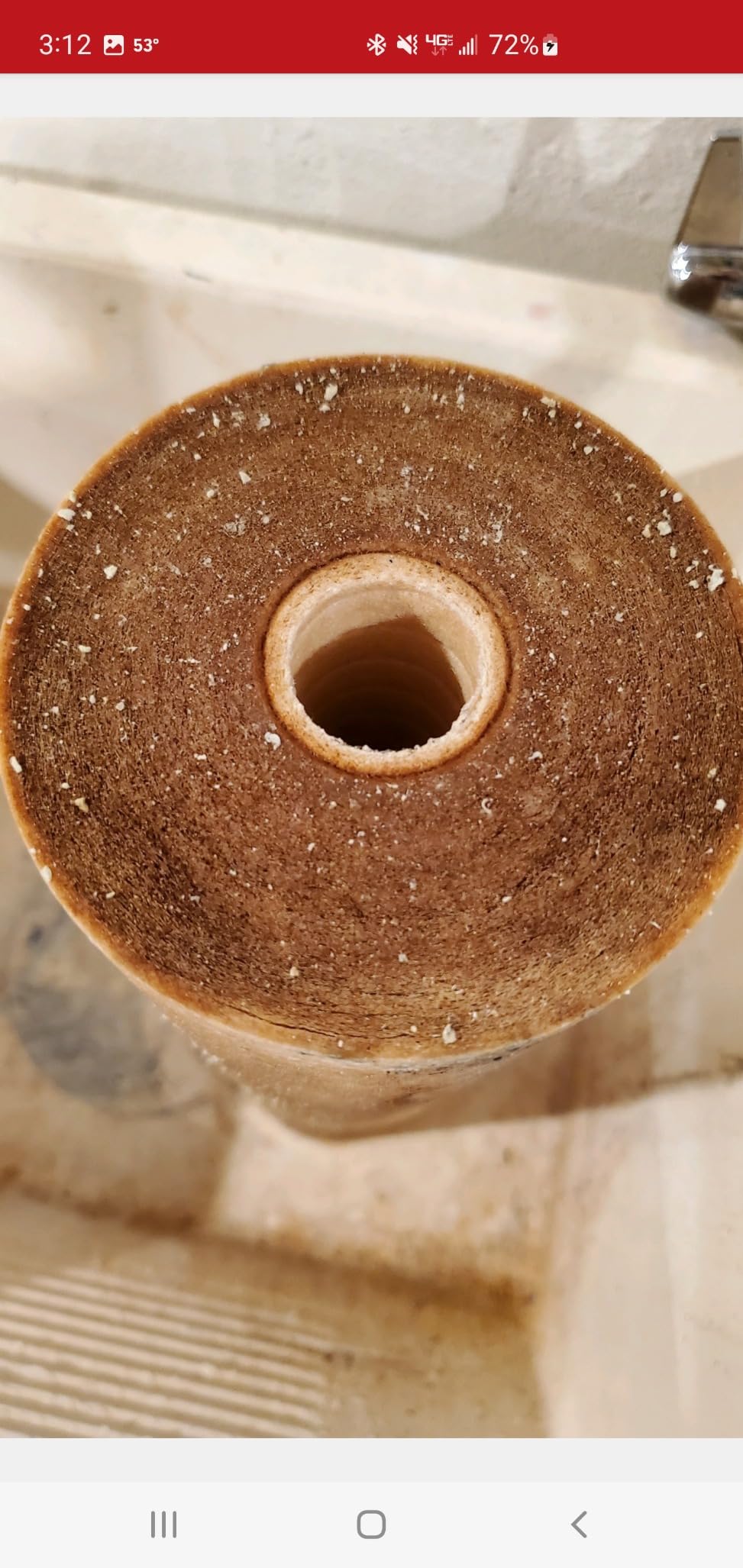
The listed filter life of six months depends entirely on which cartridge you pair with it, so treat that number as a property of the cartridge rather than the housing.
When this housing fits your setup
This works well for a larger home that already has the vertical clearance for a 23 inch unit, particularly where you want one housing you can fit any cartridge into later. The 1 inch NPT ports give you the flow headroom a bigger household needs.
Because it is universal, it is a good choice if you have not yet settled on your media and want to keep the option open.
When to choose something else
Choose the Aquaboon housing instead if you want an integrated pressure gauge and thicker plastic. Choose a clear housing if being able to check filter condition matters to you. With roughly 252 reviews behind it, this is also the smallest review base of the ten, so weigh the brand reputation accordingly.
How to Choose the Right Big Blue Filter for Your Home
Size the housing to your flow rate first
Run the fixtures at once, not one at a time. Fixtures consume roughly: a shower at 2 to 3 GPM, a kitchen faucet at 1.5 to 2 GPM, a washing machine at 2 to 2.5 GPM, and a dishwasher at about 1.5 GPM. One to two bathrooms typically need 6 to 10 GPM, three to four need 12 to 15 GPM, and five or more need 15 GPM or more. Buy the housing that clears your number with headroom to spare, because an undersized housing restricts flow house-wide and pushes a cartridge into early clogging.
Pick the right micron rating
A 5 micron cartridge is the general purpose default for whole house sediment and handles sand, silt and rust flakes well. A 1 to 5 micron range suits finer sediment and polish filtration before reverse osmosis. At 20 to 30 micron you are catching coarse grit only, which is a reasonable first stage ahead of a finer second stage but will not clear cloudy water on its own. There is no benefit to filtering finer than the contaminant you are trying to catch, because pressure drop climbs sharply while capture gains flatten out.
Match media to the contaminant
Spun polypropylene is sediment only and carries the highest dirt-holding capacity of the cartridge media listed above. Carbon block, often labelled CTO, is a solid carbon cylinder that polishes taste and odor and can be certified for specific contaminant reduction. Granular activated carbon gives a large carbon bed with high capacity but can channel if it settles, and it is taste-and-odor only unless certified otherwise. KDF and catalytically activated carbon blends target chloramine, iron and heavy metals, which is the media to look at if your municipal supplier uses chloramine instead of chlorine.
Read the certification, not just the word certified
NSF/ANSI 42 certifies materials and structural integrity — it means the housing and cartridge will not leach and will hold pressure. It does not certify contaminant reduction. NSF/ANSI 53 certifies reduction of specific contaminants such as lead, cysts and cryptosporidium at a stated capacity. NSF/ANSI 61 certifies the drinking water safety of the materials in contact with the water. Several cartridges on this list are certified to 42 only, so read exactly which number appears before you assume a lead or cyst claim.
Budget for the cartridges, not just the housing
The housing is a one-time purchase. The cartridges are forever. On city water, plan on a change every three to six months; on a well, well water owners on plumbing forums report one to three months. That is the real cost of ownership, and it is the number to look at before deciding whether a higher capacity cartridge is worth a larger upfront spend. Buying a two pack rather than a single cartridge is the standard way to bring that per-change cost down.
Order of operations with a water softener
Put the sediment filter upstream of the softener. Grit that reaches the resin bed fouls it permanently and shortens the softener’s life, so a spin-down or sediment stage first protects the resin. Homeowners on plumbing forums also recommend a separate bypass valve for each device so a failed housing or a cartridge change does not take your softener offline with it.
Installation notes
Solder any copper fittings before threading them into a plastic housing, and wrap the housing in a wet rag while you solder — heat will crack or distort the collar if the torch touches it directly. Wrap every NPT thread with generous PTFE tape, especially on the plastic-threaded housings, where under-wrapping is the most common cause of a slow leak. Install a pressure gauge upstream of the filter so you have a baseline reading, and run your own filter check valve only if you already have one upstream, since two check valves in series can cause chatter. If you have never soldered before, budget for a plumber on the copper work and do the housing swap yourself.
Frequently Asked Questions
What is the difference between a 10-inch and a 20-inch water filter?
A 10 x 4.5 inch cartridge holds far less media than a 20 x 4.5 inch cartridge, so it collects less dirt between changes and pushes more pressure drop at the same flow. A 20 inch cartridge typically rates 15 to 20 GPM where a 10 inch sits around 10 to 15 GPM, which is why the 20 inch format suits homes with three or more bathrooms or heavy well sediment.
What is the best micron size for a whole house water filter?
Five microns is the general purpose default for whole house sediment, catching sand, silt and rust flakes at a reasonable pressure drop. One to five micron suits finer sediment and polish filtration ahead of reverse osmosis. Twenty to thirty micron is a coarse first stage only and will not clear cloudy water on its own. Filtering finer than the contaminant you need to catch raises pressure drop without a matching gain in capture.
How often should I replace a big blue filter?
On city water, most sediment cartridges last about three to six months and carbon cartridges often less. On well water, owners report replacing sediment cartridges every one to three months depending on the sediment load. The practical signal is pressure: install a gauge upstream and replace when the drop across the housing climbs noticeably, rather than relying on the calendar alone.
Should a whole house water filter be installed before or after a water softener?
Install the sediment filter upstream of the softener. Grit reaching the resin bed fouls it permanently and shortens the softener’s life, so filtering first protects the resin. Plumbers also recommend a separate bypass valve for each device so a cartridge change or a failed housing does not take the softener offline at the same time.
Where is the best place to put a whole house water filter?
Put it on the main cold water line immediately after the main shutoff valve and before the water heater, so every fixture in the house draws from filtered water. Leave enough vertical clearance to lift a full 20 inch canister out for changes, and install a separate bypass valve so you can swap a cartridge without shutting off water to the house.
Are big blue water filters NSF certified?
It varies by product. Some cartridges and housings carry NSF/ANSI 42, which certifies materials and structural integrity but makes no contaminant reduction claim. Others are certified to NSF/ANSI 53 for specific contaminant reduction such as lead or cysts, and some carry NSF/ANSI 61 for material safety in contact with drinking water. Check which standard number appears rather than treating the word certified on its own as a performance claim.
Final Verdict on the Best Big Blue Water Filters for Homes
The best big blue water filter for most homes in 2026 is the PUREPLUS 5 Micron 10 inch cartridge if you already own a housing and are on city water, because it handles sediment and chlorine taste in a single element and carries the largest review base here. If you need more sediment capacity or have more than two bathrooms, the iSpring 20 inch 2-pack and the Pentek DGD-5005-20 cover that ground with far less pressure drop.
Starting from no housing at all? The SimPure DB10P is the 10 inch canister to install, and the Aquaboon 20 inch housing is the one to pick if you want to watch pressure drop over time rather than guess at cartridge life. Whichever route you take, remember that Big Blue is a format, not a brand, so the cartridge is interchangeable across housings of the same size. For point-of-use filtration on the move rather than at the main line, our best water filters for backpacking guide covers a very different set of tradeoffs.