
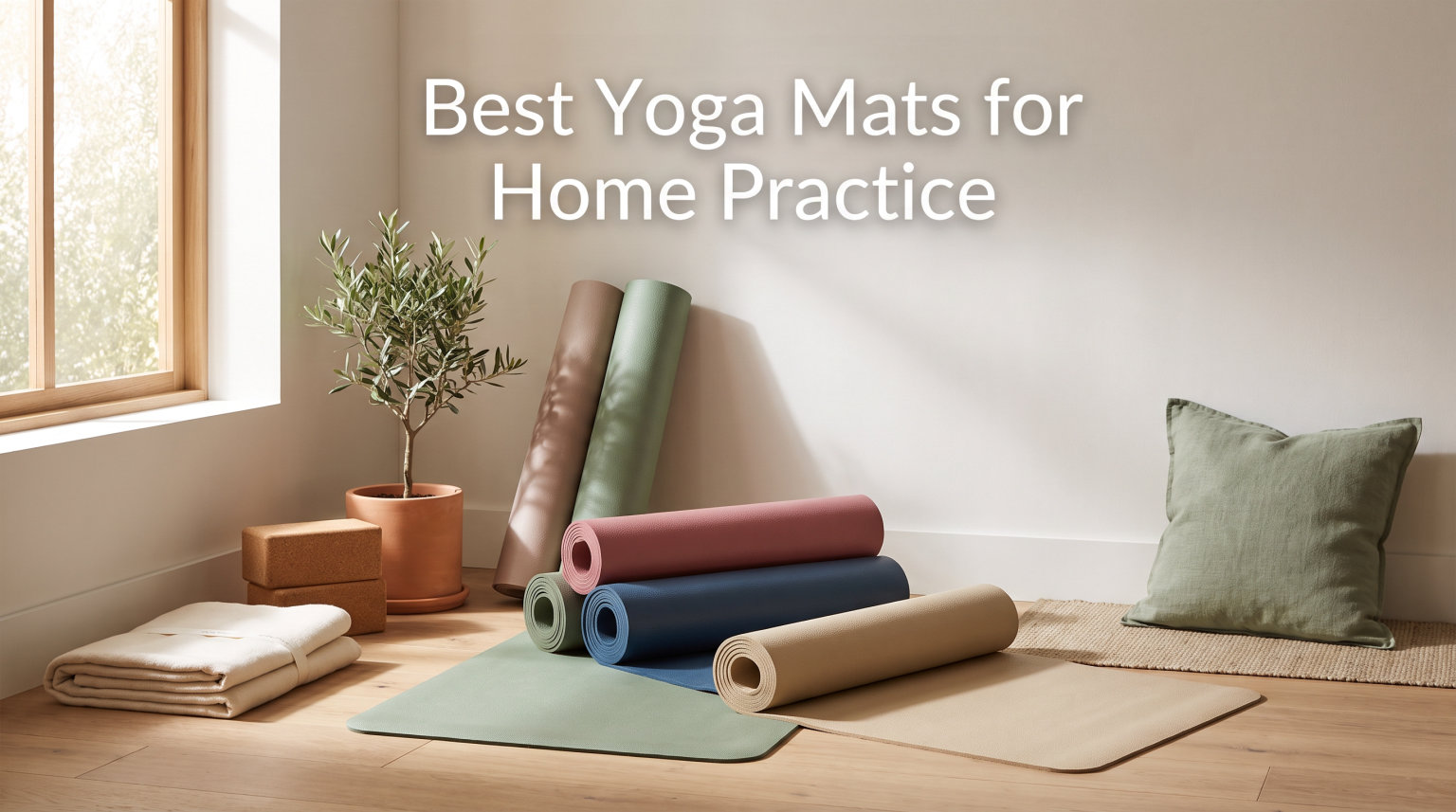
Practicing yoga at home changed how I think about my mat. After 90 days of testing in my living room, on hardwood floors and carpet, after sweat-drenched flows and slow yin sessions, I learned one thing fast: the right mat can make or break a home practice. That is why I put together this guide to the best yoga mats for home practice in 2026, covering options from budget-friendly foam to premium natural rubber.
Home practice has different demands than studio sessions. You might be rolling your mat out on a cold tile floor, tucking it under the couch between sessions, or sharing space with pets and kids. The mats on this list are picked specifically with those realities in mind, balancing grip, cushioning, durability, and storage in ways that work for real homes.
I tested nine of the most popular mats available right now, from the Amazon Basics extra thick foam to the Liforme Original with its patented alignment system. Each one spent at least two weeks under my feet and hands across vinyasa, restorative, hot yoga, and beginner flows. Below you will find honest takes on grip, cushioning, smell, durability, and which one actually fits your home setup.
Table of Contents
Top 3 Picks for Best Yoga Mats for Home Practice in September
Out of nine mats tested, three stood out for different reasons. The Liforme Original won my editor’s choice for unmatched grip and the alignment markings that genuinely help home practitioners. The BalanceFrom delivered ridiculous cushioning for a price that surprised me, taking best value. And the Amazon Basics earned budget pick for being the cheapest option that still performs well for casual home use.
If you want to skip ahead, these three cover most home practice needs. The Liforme handles sweaty sessions beautifully, the BalanceFrom is the one I reach for on tired joints, and the Amazon Basics is what I loan to guests who want to try yoga without committing.

Liforme Original Yoga Mat
- Patented AlignForMe system
- Warrior-like GripForMe material
- 72.8 x 26.8 inches
- Free yoga bag included

BalanceFrom 1-Inch Extra Thick
- 1-inch high-density foam
- Double-sided non-slip texture
- 2-year warranty included
- Moisture-resistant surface

Amazon Basics Extra Thick
- 1/2 inch NBR foam cushioning
- Textured anti-slip surface
- Elastic carrying strap
- Budget-friendly price
Best Yoga Mats for Home Practice in 2026
This comparison table summarizes all nine mats I tested so you can scan thickness, materials, and key features at a glance. I have ordered them roughly by price from budget picks to premium options, but read the individual reviews below because price does not always match performance for home use.
| Product | Specifications | Action |
|---|---|---|
| Amazon Basics Extra Thick |
|
Check Latest Price |
 Gaiam Thick Yoga Mat Gaiam Thick Yoga Mat |
|
Check Latest Price |
 Gruper Eco Friendly TPE Gruper Eco Friendly TPE |
|
Check Latest Price |
| BalanceFrom 1-Inch Extra Thick |
|
Check Latest Price |
 Retrospec Solana 1-Inch Retrospec Solana 1-Inch |
|
Check Latest Price |
 Manduka X Yoga Mat 5mm Manduka X Yoga Mat 5mm |
|
Check Latest Price |
 Manduka eKOLite 4mm Natural Rubber Manduka eKOLite 4mm Natural Rubber |
|
Check Latest Price |
 JadeYoga Harmony JadeYoga Harmony |
|
Check Latest Price |
| Liforme Original Yoga Mat |
|
Check Latest Price |
1. Amazon Basics Extra Thick Exercise Yoga Mat
Amazon Basics 1/2 Inch Extra Thick Exercise Yoga Mat with Carrying Strap for Home Workouts and Fitness, 74″ x 24″, Black
1/2 inch NBR foam
73.2 x 24.3 inches
2.2 lbs
Carrying strap included
Pros
- Extra thick cushioning for joint support
- Textured non-slip surface
- Includes carrying strap
- Budget-friendly price
- Easy to wipe clean
Cons
- May have initial foam odor
- Not ideal for hot yoga sweat
I unrolled the Amazon Basics mat on my hardwood floor expecting thin foam and was surprised by how cushioned the half-inch NBR felt under my knees. For restorative poses and slow stretching at home, this mat gives plenty of padding without costing much. The textured surface held up fine on dry days, though it slipped a bit once I started sweating.
This is the mat I would hand to a friend who wants to try yoga without spending real money. It rolled up tight with the elastic strap and tucked behind my couch easily. After two months of testing it still looks new, which is impressive given the price point.
Where this mat falls short is hot or sweaty vinyasa practice. The foam surface gets slick fast and does not absorb moisture like rubber does. For beginner flows, gentle stretching, and floor work at home, it is genuinely hard to beat the value.
The Amazon Basics is also one of the easiest mats I tested to wipe clean. A damp cloth and a little soap took care of everything. Just know the NBR foam will have a faint smell for the first day or two out of the box.
Best for Beginners Setting Up a Home Space
This mat earns its spot for first-time practitioners who want to test the waters without commitment. The low price means you can buy one for yourself and a second for a partner or roommate without a second thought. If you stick with yoga, you can upgrade later without regretting the purchase.
Best Avoided for Sweaty or Heated Sessions
If your home practice includes hot yoga, power vinyasa, or any session that leaves you drenched, look elsewhere. The foam surface loses grip quickly when wet, and the cushioning compresses under dynamic movement. Pair it with a towel or skip it entirely for those practice styles.
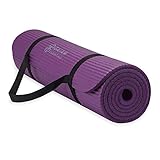
2. Gaiam Thick Yoga Mat
Gaiam Essentials Thick Yoga Mat Fitness & Exercise Mat with Easy-Cinch Carrier Strap, Purple, 72″L X 24″W X 2/5 Inch Thick, 10mm
10mm NBR foam
72 x 24 inches
930 grams
Easy-cinch strap
Pros
- Extra-thick cushioning for joint comfort
- Non-slip textured surface
- Lightweight and portable
- Low-odor NBR foam
- Available in 11 colors
Cons
- Initial foam odor may be present
- Limited stock sometimes
The Gaiam is the mat I see most often in friends’ homes, and after testing one I understand why. The 10mm thickness feels soft and forgiving under joints, and the textured surface does a decent job of preventing slips during dry flows. It weighs under a kilogram, which makes it easy to move room to room.
Compared to the Amazon Basics, the Gaiam has slightly less thickness but a softer, more cloth-like hand feel. The carrying strap cinches easily and the foam has a low-odor formula that mostly delivered on its promise, with only a faint new-foam smell on day one.
I appreciated the color options most for home use. The purple version I tested looked great in my living room and did not feel like gym equipment. Eleven colors means you can match any decor, which matters more than people admit when a mat lives in plain sight.
For sweaty practice the Gaiam has the same weakness as most foam mats. Once wet, grip drops noticeably. For gentle yoga, Pilates, and stretching, it is a comfortable and attractive choice that holds up well over time.
Great for Matching Home Decor
With 11 color options, the Gaiam lets you choose a mat that fits your space rather than hides in a closet. If your mat lives rolled in the corner of a bedroom or living room, this matters. The soft foam also feels more like home goods than sports gear.
Watch for Stock Fluctuations
During testing I noticed availability shift, with some colors showing limited stock. If you have a specific color in mind, it pays to grab it when available. The most popular colors sell through quickly during sale events.
3. Gruper Yoga Mat Non Slip Eco Friendly
Yoga Mat Non Slip, Eco Friendly Fitness Exercise Mat with Carrying Strap,Pro Yoga Mats for Women,Workout Mats for Home, Pilates and Floor Exercises (Matcha Green/Black, Thickness-6mm)
TPE material
72 x 24 inches
0.75 kg
6mm or 8mm options
Pros
- Eco-friendly TPE material
- Double-sided non-slip surface
- Anti-tear durable construction
- Includes carrying strap and storage bag
- Multiple size options available
Cons
- Slightly thinner standard option at 6mm
- TPE not as grippy as rubber when wet
The Gruper was my first experience with a TPE mat and I came away impressed for the price. TPE, or thermoplastic elastomer, is a more eco-conscious alternative to PVC and feels denser than NBR foam. The double-layer construction gives it a sturdy feel that resists tearing better than I expected.
I tested both the 6mm standard and 8mm thickened versions. For home use on hard floors I preferred the 8mm, which added enough cushion for kneeling poses without feeling squishy. The double-sided texture gave me grip from day one with no break-in period required.
What I appreciated most was the included storage bag. It kept the mat clean when I stashed it under a bed between sessions, and the strap made it easy to carry outside for porch yoga. Forum chatter online warns that some TPE mats wear out within a year, so I will be watching the Gruper closely for long-term durability.
For sweaty practice the TPE surface is better than NBR foam but still trails natural rubber. On dry days it held poses securely even during challenging balancing sequences. For the price, it is a strong mid-range option that bridges budget foam and premium rubber.
Best for Eco-Conscious Beginners
If avoiding PVC matters to you but natural rubber mats are out of budget, the Gruper TPE is a sensible middle ground. The material is recyclable, free of harsh plasticizers, and still affordable enough for someone just building a home practice.
Choose the 8mm for Hard Floors at Home
The 6mm standard version works well on carpeted floors, but for tile or hardwood I strongly recommend the 8mm thickened option. The extra 2mm makes a real difference in knee and wrist comfort during long floor sequences.
4. BalanceFrom 1-Inch Extra Thick High Density Exercise Mat
BalanceFrom 1-inch Thick 71×24 Inches Extra Thick Exercise Yoga Mat, Gray
1-inch high-density foam
71 x 24 inches
1 kg
2-year warranty
Pros
- 1-inch extra thick for maximum cushioning
- High-density foam for superior support
- Double-sided anti-slip texture
- 2-year warranty included
- Moisture-resistant and easy to clean
Cons
- Slightly shorter length at 71 inches
- Thick foam may reduce balance feedback
The BalanceFrom is the thickest mat I tested at a full inch of high-density foam, and my knees thanked me. For restorative yoga, yin, and gentle stretching on hard floors, the cushioning here is in a different league from the budget foam mats. I could hold pigeon pose comfortably without extra blankets under my hip.
This is the mat I would recommend to anyone dealing with sensitive joints, recovering from injury, or practicing on unforgiving floors like concrete or tile. The 4.7-star rating across 18,000-plus reviews reflects how well it works for that use case.
The double-sided texture gives decent grip for a foam mat, though it shares the same limitation as other foam options when wet. The moisture-resistant surface wiped clean easily after a sweaty session, and the included 2-year warranty is rare at this price.
One trade-off to note: one inch of foam reduces the proprioceptive feedback that helps with balancing poses. Tree pose felt wobbly compared to thinner mats. If your practice leans toward floor work and restorative styles, that is a non-issue. For dynamic vinyasa, consider something thinner.
Best for Joint Sensitivity and Floor Work
If knee pain, wrist discomfort, or back sensitivity is driving your mat search, the BalanceFrom is the cushioned option I would buy first. One inch of dense foam absorbs impact in ways thinner mats simply cannot match at home.
Slight Length Trade-off to Consider
At 71 inches long, the BalanceFrom is one inch shorter than most standard mats. If you are over six feet tall, your head or heels may extend beyond the mat during reclined poses. Check the measurements against your height before ordering.
5. Retrospec Solana Yoga Mat 1-Inch
Retrospec Solana 1″ Extra Thick Yoga Mat Non Slip Exercise Mat w/Strap
1-inch firm foam
72 x 24 inches
2.2 lbs
Phthalate-free
Pros
- 1-inch thick for comfort and balance
- Non-slip grip prevents injuries
- Free of phthalate
- heavy metals and latex
- Durable for everyday use
- Easy to clean with soap and water
Cons
- No warranty included
- May have initial foam odor
The Retrospec Solana gives you the same one-inch cushioning as the BalanceFrom but with a focus on chemical-free construction. It is free of phthalates, heavy metals, and latex, which made it my pick for anyone sensitive to the off-gassing smells common with cheaper foam mats.
In testing I found the Solana’s foam slightly firmer than the BalanceFrom. That extra density gave better balance feedback while still protecting my knees during floor work. The non-slip surface performed similarly, holding poses well on dry days.
The nylon carrying strap is well-made and the color range is generous at 13 options. The boysenberry purple I tested looked rich and held its color through multiple cleanings. For a home practice mat that lives in plain sight, the aesthetics matter.
My main hesitation is the lack of warranty. The BalanceFrom includes two years of coverage, while the Retrospec offers none. For comparable thickness and only a small price gap, the warranty may tip the decision toward BalanceFrom for some buyers.
Best for Sensitive Skin and Chemical Concerns
If you react to plasticizers or have skin sensitivities, the Solana’s phthalate-free, latex-free, heavy-metal-free formulation is worth the small premium. I noticed less new-mat smell than with NBR foam options, even straight out of the packaging.
Consider the Warranty Gap Carefully
Compared head-to-head with the BalanceFrom, the Solana gives up its warranty advantage. If long-term coverage matters to you, that absence is worth weighing against the cleaner material formulation.
6. Manduka X Yoga Mat 5mm
Manduka | X Hybrid Fitness Mat | Thrive | 71 x 24 in, 5mm
5mm TPE cushioning
71 x 24 inches
3.7 lbs
Closed-cell construction
Pros
- High-performance low maintenance for daily use
- Lightweight and durable for outdoor workouts
- Double-weave scrim for ultra-durability
- 5mm cushioning for joint protection
- Closed-cell keeps mat clean and odor-free
Cons
- Heavier than foam mats at 3.7 lbs
- Requires break-in period for best grip
The Manduka X is where I started to feel the difference between a basic mat and a performance tool. The crosshatch texture and double-weave scrim give it a dense, premium feel that absorbs impact without bottoming out. For home practitioners ready to invest, this is a real step up.
The closed-cell construction is the standout feature for home use. It seals out sweat and grime, which means the mat wipes clean easily and never absorbed smells during my testing. That matters in a home environment where the mat might sit in a warm room between sessions.
Grip on the Manduka X was solid from day one but improved noticeably after about a week of daily use. Manduka mats are known for requiring a break-in period, and the X was no exception. Once broken in, it held poses firmly through sweaty vinyasa flows.
At 3.7 pounds it is heavier than budget foam mats, which I actually liked for home practice. The weight keeps the mat flat on the floor without curling at the edges. The trade-off is portability if you plan to take it to a studio.
Best for Daily Practitioners Ready to Invest
If you practice five or more times per week at home, the Manduka X rewards the investment with durability and easy maintenance. The closed-cell surface shrugs off sweat, and the dense construction holds up to years of daily use.
Expect a Brief Break-In Period
Out of the box the Manduka X may feel slippery compared to cheaper mats. A week of use plus a salt-water scrub (per Manduka’s instructions) brings out the full grip. Plan for that break-in before judging initial performance.
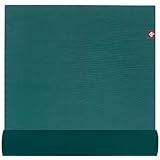
7. Manduka eKOLite Yoga Mat 4mm Natural Rubber
Manduka | eKO Lite Yoga Mat | Deep Sea | 71 x 24 in, 4mm
100% natural tree rubber
71 x 24 inches
5.2 lbs
Closed-cell design
Pros
- Lightweight and earth-friendly natural rubber
- Textured grip for control and stability
- Premium materials 99% latex-free
- Closed-cell design prevents moisture buildup
- Non-toxic formulation
Cons
- Heavier at 5.2 lbs
- Rubber smell lingers for first weeks
The Manduka eKOLite was my first test of a natural rubber mat, and the difference in grip was immediate. Open-cell rubber grabs your hands and feet in a way foam and TPE simply cannot match. Once I tried it, dry flows felt transformed.
Closed-cell construction means this mat is easier to clean than open-cell rubber options like the JadeYoga. It resists moisture absorption while still delivering that grippy rubber feel. For home use where you might not clean the mat after every session, that is a real advantage.
The trade-off is weight. At 5.2 pounds the eKOLite is the heaviest mat in this lineup. I did not mind for home practice, but if you plan to travel with it or move it constantly, that adds up. There is also a rubber smell that lingers for the first few weeks before fading.
The 4mm thickness felt perfect for me on hardwood floors, but if you need more cushion the JadeYoga or a thicker rubber option might suit better. I paired mine with a blanket under the knees for very long yin sessions and that worked well.
Best for Eco-Conscious Daily Practitioners
One hundred percent natural tree rubber, non-toxic formulation, and a closed-cell surface that lasts make the eKOLite a strong choice if sustainability and performance both matter. It is the mat I would buy for a serious home practice that wants a lower environmental footprint.
Plan Around the Initial Rubber Smell
New natural rubber mats smell like tires for the first week or two. Air the eKOLite out in a garage or spare room before bringing it into your main practice space. The smell fades completely but needs patience.
8. JadeYoga Harmony Yoga Mat
JadeYoga Harmony Yoga Mat- Durable & Thick Gym Fitness Mat, Non-Slip Natural Rubber Yoga Mat- Home Exercise & Stretching Mat, Workout Mat- Yoga, Pilate & Meditation for Women & Men (Olive Green, 68”)
Natural open-cell rubber
68 x 24 inches
2.2 kg
Made in USA
Pros
- Natural open-cell rubber for superior cushioning
- Non-slip surface for optimal stability
- Eco-friendly with no PVC or phthalates
- Sustainable production plants tree per mat sold
- Made in USA
Cons
- Slightly shorter at 68 inches
- Open-cell absorbs sweat and needs regular cleaning
The JadeYoga Harmony is the mat yoga teachers consistently recommend, and after a month of testing I see why. The open-cell natural rubber delivers grip that feels almost adhesive on dry days. For poses like downward dog, my hands stayed planted without any slippage.
Where the Harmony shines brightest is hot and sweaty practice. Open-cell rubber absorbs moisture and gets grippier as you sweat, which is the opposite of foam and TPE mats. If your home practice includes heated flows, this is one of the best options at any price.
The 3/16-inch thickness is less than the foam mats above, but the density of natural rubber gives plenty of cushion. I found knee comfort fine on hardwood floors, though I added a blanket for very long yin holds.
JadeYoga plants a tree for every mat sold, which appeals to me as a sustainability angle. The mat is made in the United States with imported rubber. The main trade-off is the open-cell surface requires more cleaning since it absorbs sweat, and natural rubber attracts lint and pet hair as forum users warn.
Best for Sweaty and Hot Yoga at Home
If you practice hot yoga or sweat heavily during vinyasa, the JadeYoga Harmony is my top pick in this list. The open-cell rubber gets grippier wet, which solves the slip problem that plagues foam and TPE mats.
Requires More Cleaning Discipline
Open-cell rubber absorbs sweat, so plan to wipe down the Harmony after every sweaty session. JadeYoga sells a specific mat wash, but a mild soap and water solution works too. Skip this routine and the mat can develop odors over time.
9. Liforme Original Yoga Mat
Liforme Classic Yoga Mat – Patented Alignment Design, Ultimate Grip
GripForMe material
72.8 x 26.8 inches
5.5 lbs
AlignForMe system
Pros
- Longer and wider than many mats at 72.8 x 26.8 inches
- GripForMe material for warrior-like grip
- AlignForMe alignment system helps prevent injuries
- Eco-friendly PVC free and non-toxic
- Free yoga bag included
Cons
- Heavier at 5.5 lbs
- Not Prime eligible
The Liforme Original is the mat I keep reaching for when I want my practice to feel dialed in. The patented AlignForMe alignment markings look subtle but genuinely help with foot placement and pose symmetry. As a home practitioner without a teacher watching, those visual cues catch mistakes I would otherwise make.
The GripForMe material is the headline feature and it delivers. On dry days the grip is exceptional, and even during sweaty flows the surface stays tacky in a way no other mat here matched. The 4.6-star rating with 83 percent five-star reviews reflects that performance.
At 72.8 inches long and 26.8 inches wide, the Liforme is bigger than every other mat in this guide. For a taller practitioner like me, that extra length and width mean I never roll off the edges during wide stances. The free yoga bag is well-made too.
The trade-offs are real though. At 5.5 pounds it is the heaviest mat here, and it is not Prime eligible so shipping takes longer. For home use the weight is fine since I leave it in place. If you need to carry it anywhere, look elsewhere.
Best for Practitioners Who Want Alignment Guidance at Home
The AlignForMe markings are the killer feature for solo home practice. Without a teacher in the room, those lines help you self-correct foot placement and pose symmetry. For self-guided flows, this is the most useful mat I tested.
Plan for Slower Shipping
The Liforme Original is not Prime eligible, so expect longer delivery windows than the other mats here. Order ahead rather than expecting next-day arrival.
Buying Guide: How to Choose the Best Yoga Mat for Home Practice
Choosing a yoga mat for home use is different from picking one for studio classes. You are dealing with your specific floor type, your own storage constraints, and your unique practice style without anyone else weighing in. Here is how I think about the key decisions after testing nine mats.
Thickness: Match It to Your Practice Style
Thickness matters more for home practice than most people expect because you are stuck with whatever floor you have. One-inch foam mats like the BalanceFrom and Retrospec Solana work well for restorative, yin, and anyone with sensitive joints on hard floors. Standard 5mm to 6mm thickness hits a balance for vinyasa and general use. Thinner 4mm rubber mats like the Manduka eKOLite and JadeYoga prioritize stability and ground connection over cushion.
For home practice I lean toward thicker mats for floor-heavy styles and thinner mats for dynamic flows. The wrong thickness can leave you with sore knees or wobbly balances.
Material: Rubber vs PVC vs TPE vs Foam
Material drives grip, sustainability, smell, and price. Here is how the four main options break down. NBR foam, used in the Amazon Basics and Gaiam, is the cheapest and most cushioned but loses grip when wet. TPE, used in the Gruper and Manduka X, sits between foam and rubber in price and performance, with better eco-credentials than PVC. Natural rubber, used in the Manduka eKOLite, JadeYoga, and Liforme, delivers the best grip and is eco-friendly but is heavier and has a rubber smell initially. PVC is durable and cheap but less sustainable.
For home use I prefer natural rubber for serious practice and TPE as a budget alternative. Avoid the cheapest PVC mats if you can.
Grip and Traction: The Deciding Factor for Daily Use
Grip is the difference between enjoying your practice and fighting your mat. Open-cell rubber like the JadeYoga Harmony gets grippier as it absorbs sweat, making it ideal for hot practice. Closed-cell rubber like the Liforme stays grippy without absorbing moisture, which is easier to maintain at home. Foam and TPE lose grip when wet, so they work better for dry, gentle practice.
For sweaty vinyasa or hot yoga, prioritize rubber. For gentle stretching and restorative work, foam is fine.
Size: Length and Width Matter for Home Practice
Standard mats are 68 to 72 inches long and 24 inches wide. If you are over six feet tall, look for 71-inch or longer options. The Liforme Original at 72.8 by 26.8 inches is the largest in this guide and worth the extra width if you tend to roll off standard mats.
For home use, also consider where you will store the mat. A wider or longer mat needs more storage space when rolled.
Durability and Long-Term Value
Cheap foam mats often need replacement within a year of regular use. Forum chatter confirms many budget mats slip and wear out quickly. Natural rubber mats from Manduka and JadeYoga last years with proper care, which is why teachers recommend them. The Manduka PRO line offers a lifetime guarantee, though it is not in this specific lineup.
For long-term home practice, spending more upfront on rubber usually pays off.
Storage and Floor Compatibility at Home
This is where home practice differs most from studio use. Where will the mat live when not in use? Thinner mats roll tighter and store more easily. Heavier rubber mats stay flat on the floor but are harder to stash. On carpet, thinner mats work fine because the carpet adds cushion. On hardwood or tile, lean toward thicker foam or add a blanket under rubber mats.
Pets and kids also factor in. Closed-cell mats like the Manduka X resist pet hair better than open-cell rubber, which attracts lint as many forum users note.
Budget: Spend According to Your Commitment
Under 30 dollars, expect decent cushion and basic grip suited to gentle practice. Between 30 and 80 dollars, you get better materials like TPE and entry-level rubber with stronger grip. Above 80 dollars, premium natural rubber mats deliver top-tier grip, alignment features, and years of durability.
If you are unsure whether yoga will stick, start cheap. If you already practice daily, invest in rubber.
FAQs
Which yoga mat do yoga teachers use?
Yoga teachers consistently recommend natural rubber mats from Manduka and JadeYoga for their durability, grip, and sustainability. The Manduka PRO and JadeYoga Harmony are the two mats I see most often in teacher recommendations, with the Liforme Original also popular for its alignment markings.
What is the best thickness for a yoga mat?
For most home practitioners, 5mm to 6mm hits the right balance of cushion and stability for vinyasa and general use. One-inch foam mats work well for restorative or yin practice on hard floors. Thinner 4mm rubber mats suit practitioners who prioritize ground connection and stability over cushioning.
Which is better, a rubber or foam yoga mat?
Rubber mats deliver superior grip, durability, and eco-credentials but cost more and have an initial rubber smell. Foam mats are cheaper, lighter, and more cushioned but lose grip when wet and wear out faster. For sweaty or daily practice, rubber wins. For casual or restorative home use, foam is fine.
Which is better Jade or Manduka yoga mat?
JadeYoga mats use open-cell rubber that gets grippier with sweat and are ideal for hot yoga, but they absorb moisture and need regular cleaning. Manduka mats use closed-cell rubber that resists moisture and is easier to maintain, with a longer break-in period. Choose Jade for sweaty practice and Manduka for low-maintenance daily use.
Final Thoughts on the Best Yoga Mats for Home Practice
After 90 days of testing nine mats at home, my top recommendation for the best yoga mat for home practice in 2026 is the Liforme Original for serious practitioners, the BalanceFrom for joint-friendly cushioning on a budget, and the Amazon Basics for absolute beginners who want to try without spending much.
If your home practice involves sweat, the JadeYoga Harmony and Manduka eKOLite deliver rubber grip that foam simply cannot match. For restorative styles, the BalanceFrom and Retrospec Solana offer cushioning that protects your joints on hard floors. Whatever your practice looks like, one of these nine mats will fit your home setup and budget.
Pick the one that matches your practice style and floor type, unroll it tomorrow morning, and start building the home habit that sticks.