
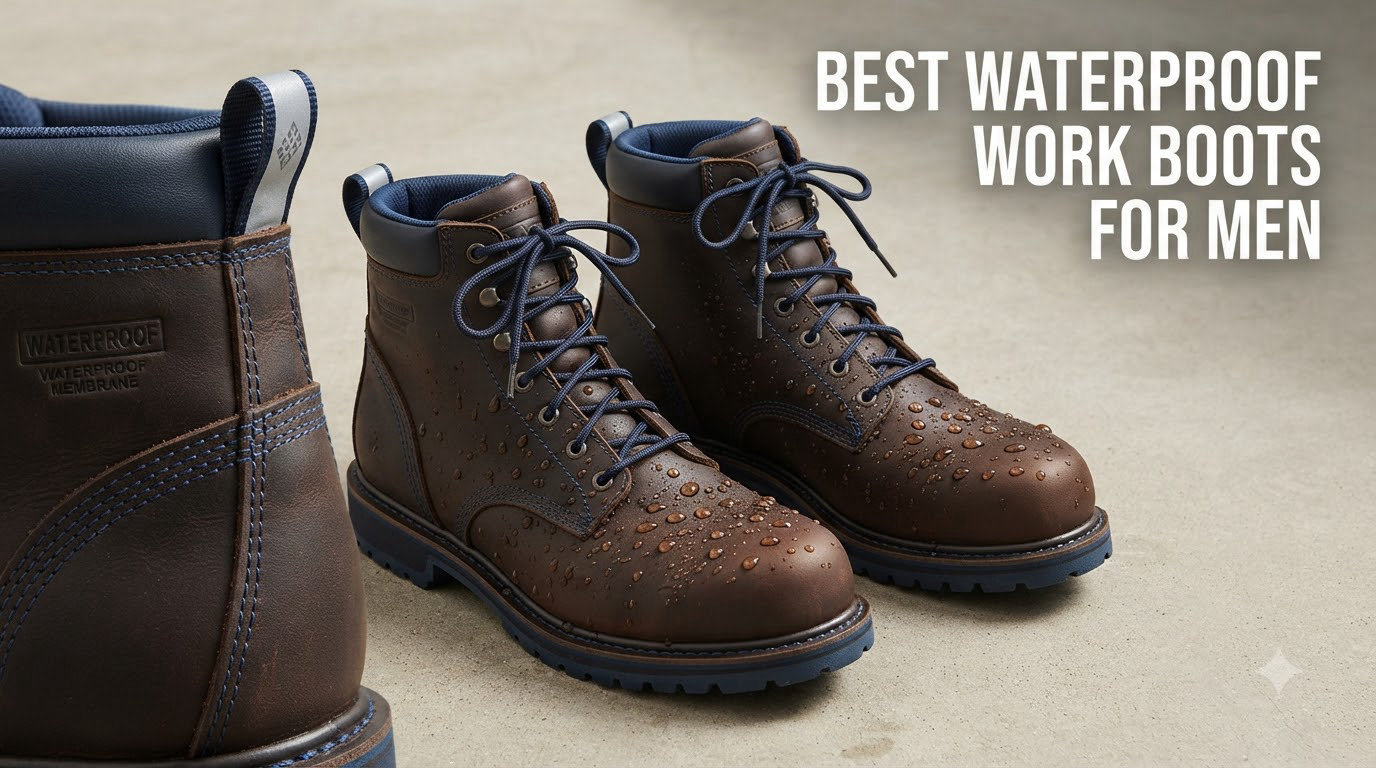
Wet socks are more than a nuisance on a long shift. Moisture softens skin, raises blister risk, and makes an already cold job miserable, so the best waterproof work boots for men should keep water out without turning the foot into a portable sauna.
I compared the construction details, safety features, fit reports, traction, and long-term user experiences behind 10 pairs. My picks cover construction sites, farms, yards, delivery work, and outdoor jobs where rain, mud, snow, or standing water are part of the day.
Waterproof does not mean every boot is right for every person. Steel toes suit sites that require a traditional safety toe, composite toes reduce weight and avoid metal, and soft-toe models are best when impact protection is not required. I also found that leather-and-membrane boots need care, while seamless rubber boots trade breathability for dependable moisture blocking.
Table of Contents
Top 3 Picks for Waterproof Work Boots for Men in September

Wolverine Overpass Composite Toe
- Composite safety toe
- Ortholite footbed
- waterproof leather
Best Waterproof Work Boots for Men in 2026: Quick Overview
| Product | Specifications | Action |
|---|---|---|
 NORTIV 8 ARMADILLO-STL NORTIV 8 ARMADILLO-STL |
|
Check Latest Price |
 HISEA Steel-Toe Rain Boots HISEA Steel-Toe Rain Boots |
|
Check Latest Price |
 NORTIV 8 Armadillo Hiking NORTIV 8 Armadillo Hiking |
|
Check Latest Price |
 Wolverine Floorhand Wolverine Floorhand |
|
Check Latest Price |
 Timberland PRO Keele Ridge Timberland PRO Keele Ridge |
|
Check Latest Price |
| Wolverine Overpass |
|
Check Latest Price |
 Timberland PRO Direct Attach Timberland PRO Direct Attach |
|
Check Latest Price |
 Timberland PRO Pit Boss Timberland PRO Pit Boss |
|
Check Latest Price |
 CAT Threshold CAT Threshold |
|
Check Latest Price |
 Irish Setter Marshall Irish Setter Marshall |
|
Check Latest Price |
1. NORTIV 8 ARMADILLO-STL: Best Budget Steel-Toe Pick
NORTIV 8 Waterproof Steel Toe Work Boots for Men,All Black,10.5
Steel toe
Static waterproof upper
Slip-resistant outsole
Pros
- ASTM steel toe
- Lightweight EVA midsole
- Removable cushioned insole
Cons
- Waterproofing is height-limited
- Leather care still matters
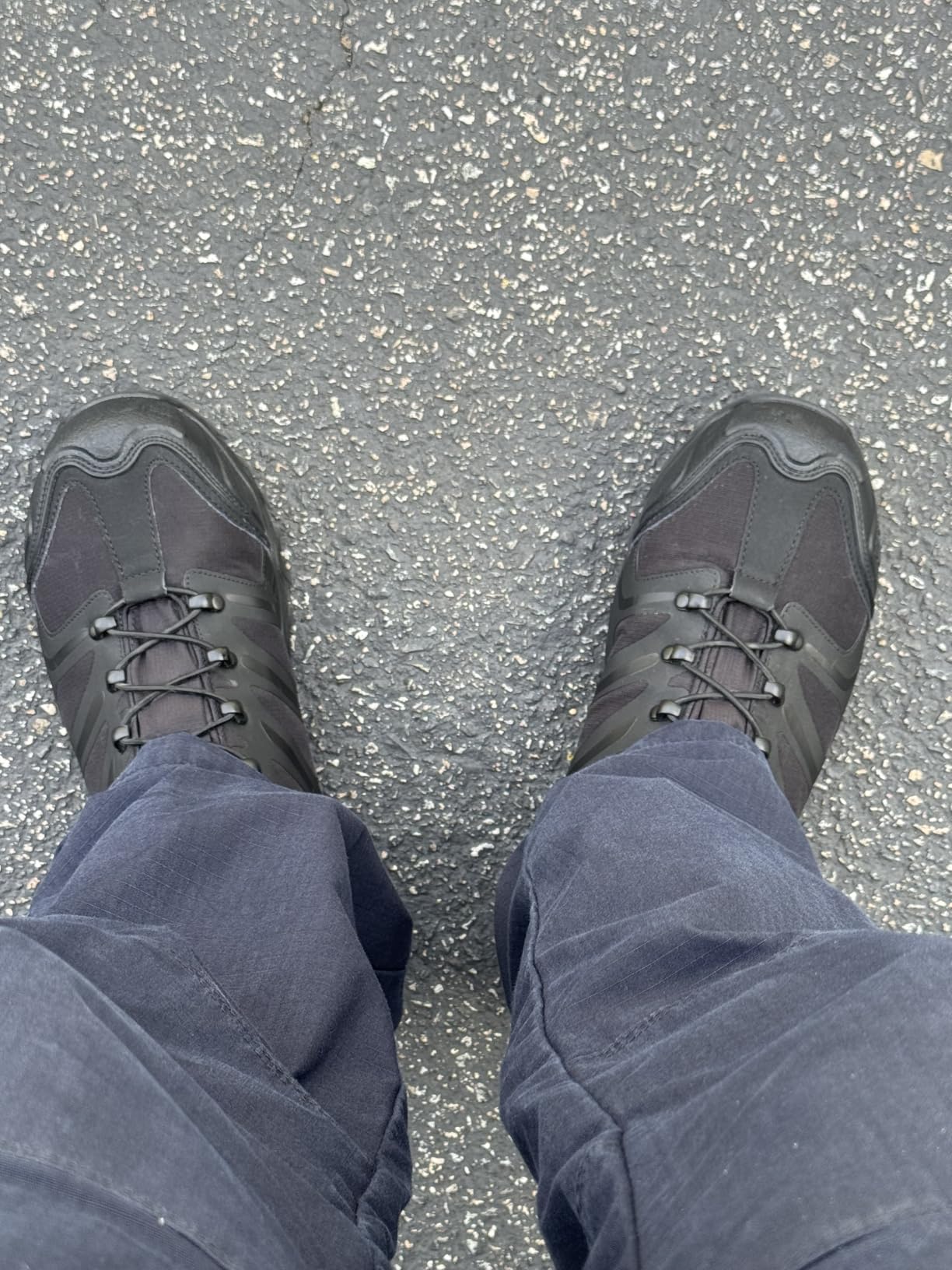
The ARMADILLO-STL is the value standout for workers who need an ASTM-rated steel toe without paying for a premium welted boot. Its waterproof upper is specified for up to four hours, and reviewers describe rain, mud, standing water, and chemical spills as conditions it has handled well.
Comfort is helped by the lightweight EVA midsole and removable mesh-covered insole. One construction worker reported wearing the pair for two jobs, including delivery driving and chemical work, while another called it comfortable and rugged after several days of construction and outdoor work.
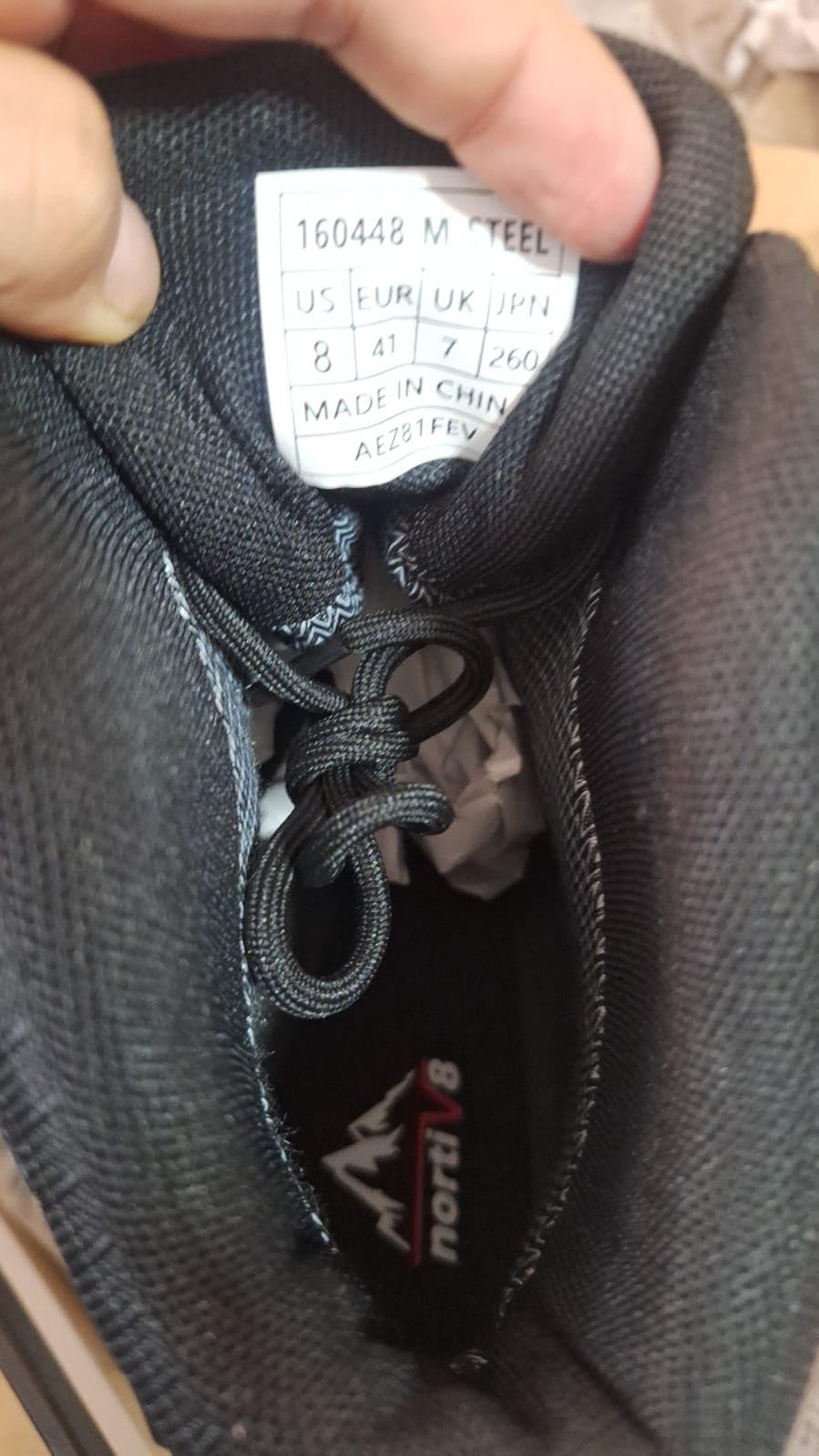
The rubber toe cap is a practical touch for kneeling and scraping around foundations. The lugged outsole meets ASTM F3445-13 for slip resistance, which matters on wet concrete or packed mud where a waterproof upper cannot compensate for poor grip.
Fit is the main reason to try these in person if possible. A steel toe can feel roomy at first, and users with wider feet may need a different last, so I would use the workday sock thickness and allow for a short break-in before the first long shift.
Forum users repeatedly identify seam leakage and membrane failure as reasons inexpensive waterproof boots disappoint. This pair’s stated static-waterproof limit makes it better for rain, puddles, and shallow mud than for repeated deep immersion, so dry the leather and condition it rather than assuming the barrier is indestructible.
For whom it is good
Choose the ARMADILLO-STL for construction, delivery, farm, and general outdoor work when a steel toe is mandatory and budget matters. It is especially attractive for workers who want a lighter EVA platform than a heavy traditional work boot.
For whom it is bad
Skip it if your work regularly puts the boot above the tongue joint in deep water, or if you need a boot that can be resoled for many years of ownership. It is also not the first choice for someone who wants a leather boot that looks equally at home off the job.
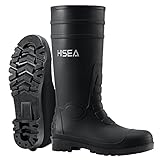
2. HISEA Steel-Toe Rain Boots: Best for Mud and Standing Water
HISEA Men’s Steel-Toe Rain Boots, Rubber Boots Waterproof Slip Resistant
Seamless PVC
Steel toe
Removable EVA insole
Pros
- 100% waterproof construction
- Knee-high coverage
- Easy-clean PVC
Cons
- Warm in hot weather
- Less ankle flex than leather
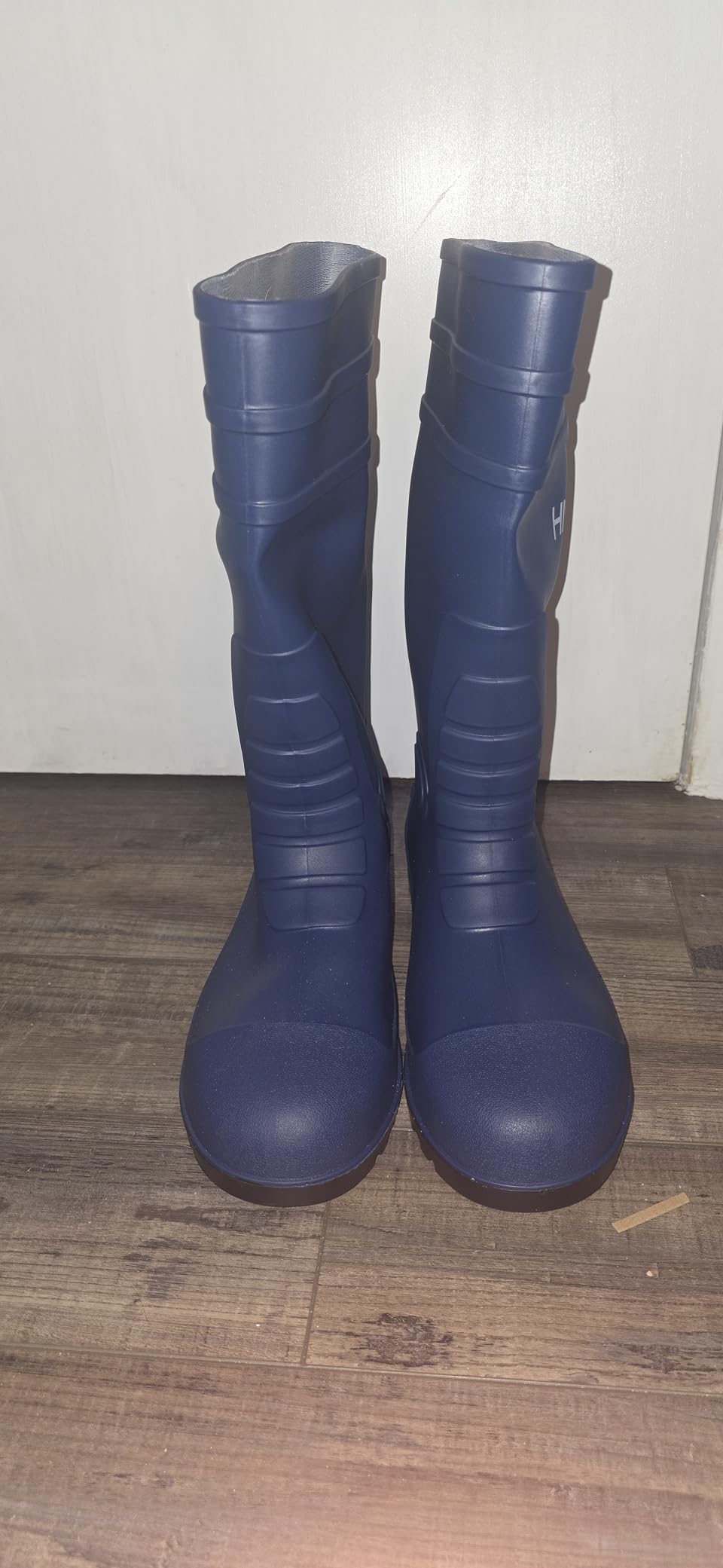
HISEA is the simple answer when water comes over the top of an ankle boot. Injection-molded PVC has no stitched seams to leak, and the knee-high shaft gives farm, construction, fishing, and agricultural workers coverage through mud, manure, washdowns, and flooded ground.
The steel toe meets ASTM 2413-18, while the removable EVA insole and scalloped top line improve comfort and flex. A reviewer who stood in mud all day reported a good fit, and another farm user said the boots remained waterproof and easy to clean for just over two years before flex cracking appeared.
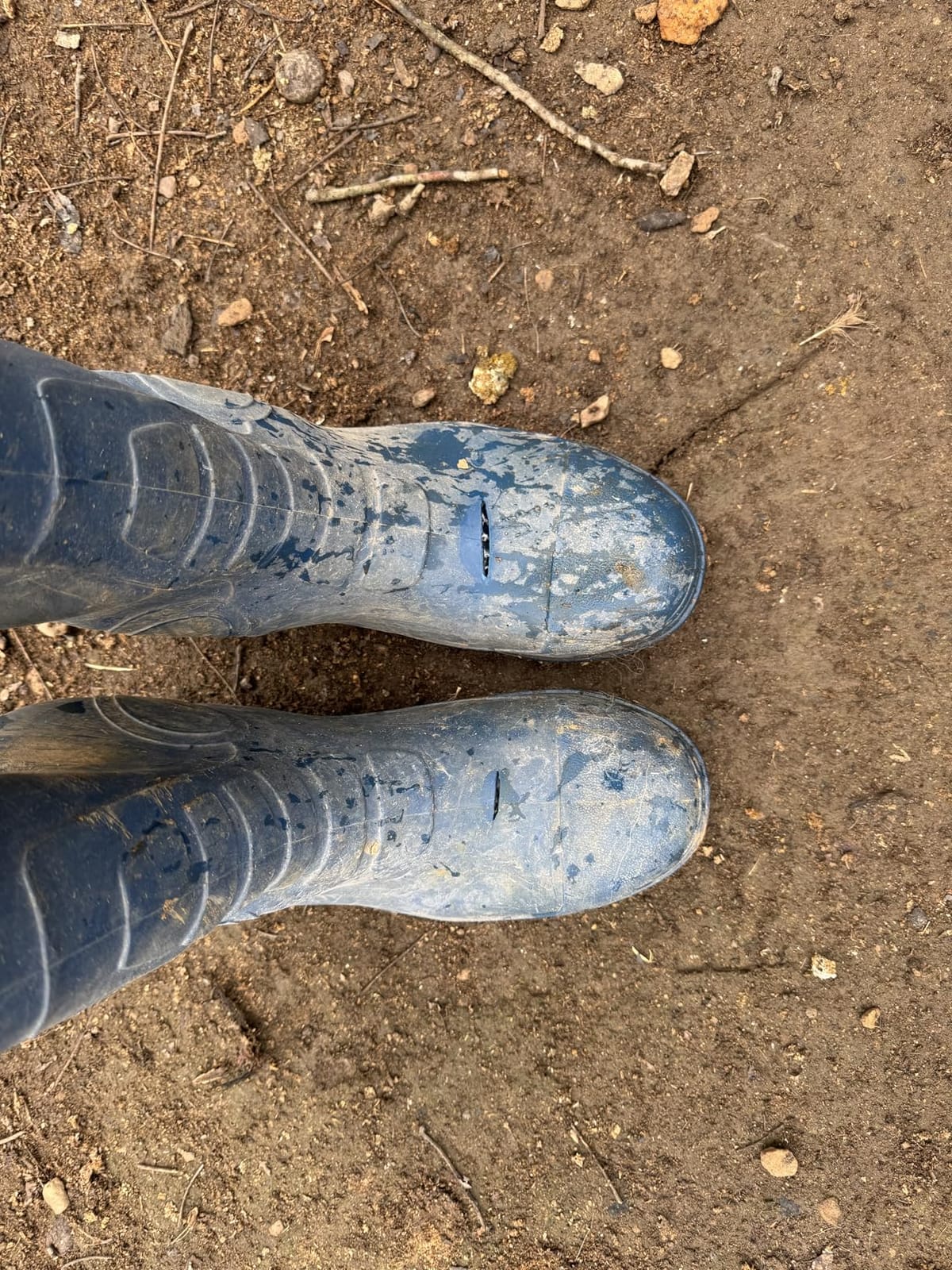
This is not a membrane boot, so water cannot pass through the boot wall. The tradeoff is heat: PVC blocks airflow, and forum members commonly recommend rubber boots for genuine wet conditions while warning that Muck-style and rubber boots feel clunky or hot when walking long distances.
Expect the fit to differ from a lace-up leather boot. One reviewer sized down from a 10.5 to a 10 after reading other comments, which is useful evidence to check the product’s sizing notes and wear the socks you will use at work.
For whom it is good
Buy the HISEA for livestock, irrigation, fishing, site cleanup, and muddy construction work. It makes more sense than a leather membrane boot when water depth is the central problem and easy washing matters.
For whom it is bad
Do not choose it for a hot warehouse, extended walking on rough ground, or a job that needs a flexible, breathable ankle. The tall PVC construction can also feel bulky when climbing stairs or getting in and out of machinery.
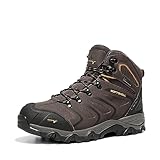
3. NORTIV 8 Armadillo Hiking Boots: Best Lightweight Outdoor Boot
NORTIV 8 Men’s Ankle High Waterproof Hiking Boots,Brown/Black/Tan,12W
Waterproof to tongue
Rubber toe cap
Flexible EVA midsole
Pros
- Lightweight build
- Strong traction
- Removable cushioned insole
Cons
- Not rated as a safety boot
- Water entry can occur above tongue
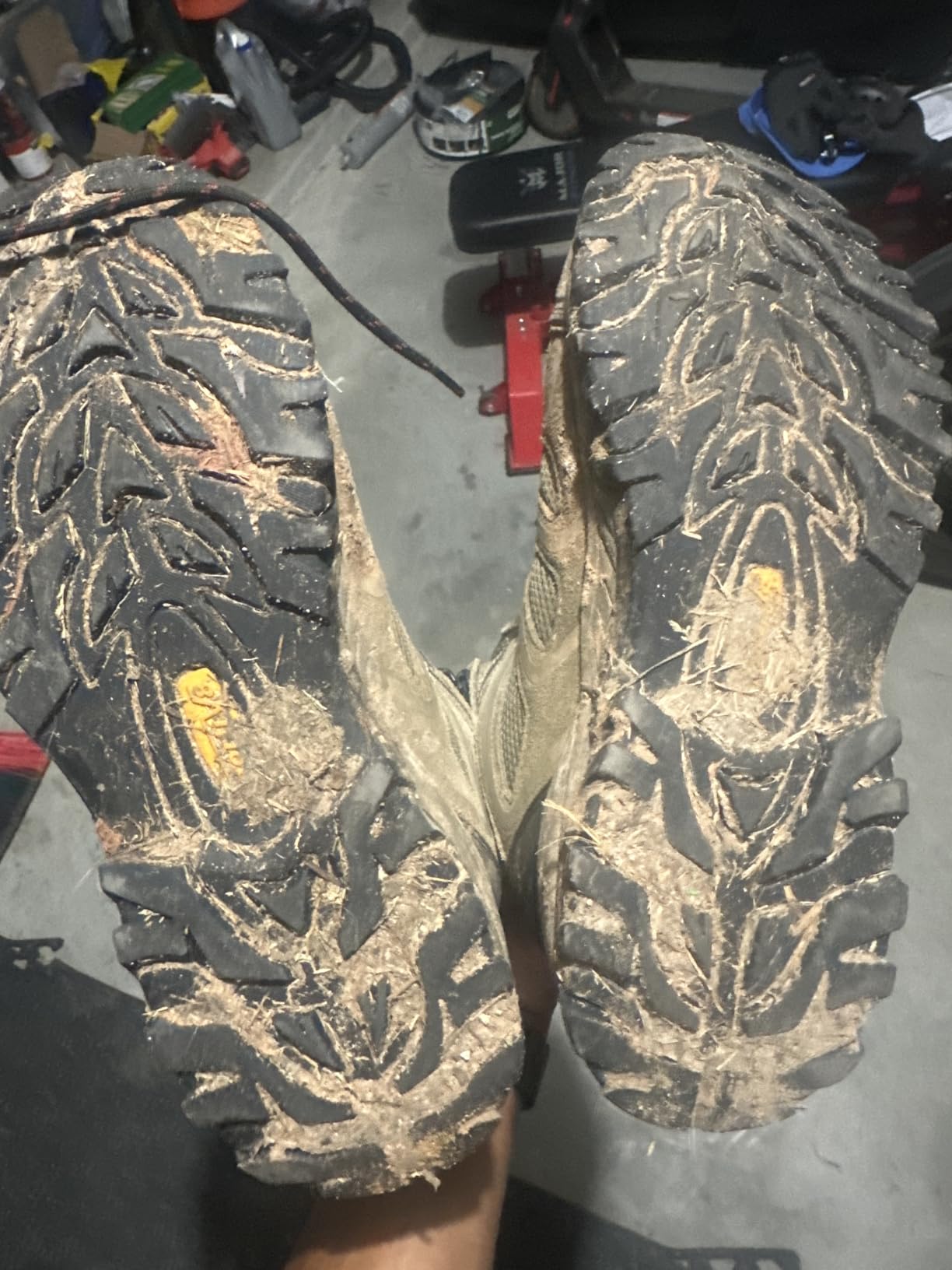
This Armadillo is a hiking boot rather than an ASTM safety boot, but it is a compelling choice for landscapers, surveyors, delivery routes, and outdoor chores where steel or composite protection is not required. The waterproofing reaches the tongue joint, while the rubber sole and toe cap handle dirt, rock, and wet trails.
Reviewers praise the arch and ankle support, calling it lighter and more breathable than some membrane boots. One user reported excellent traction in snow, rain, dirt, and rock, while another found the fit accurate and the outsole especially useful for rough terrain.
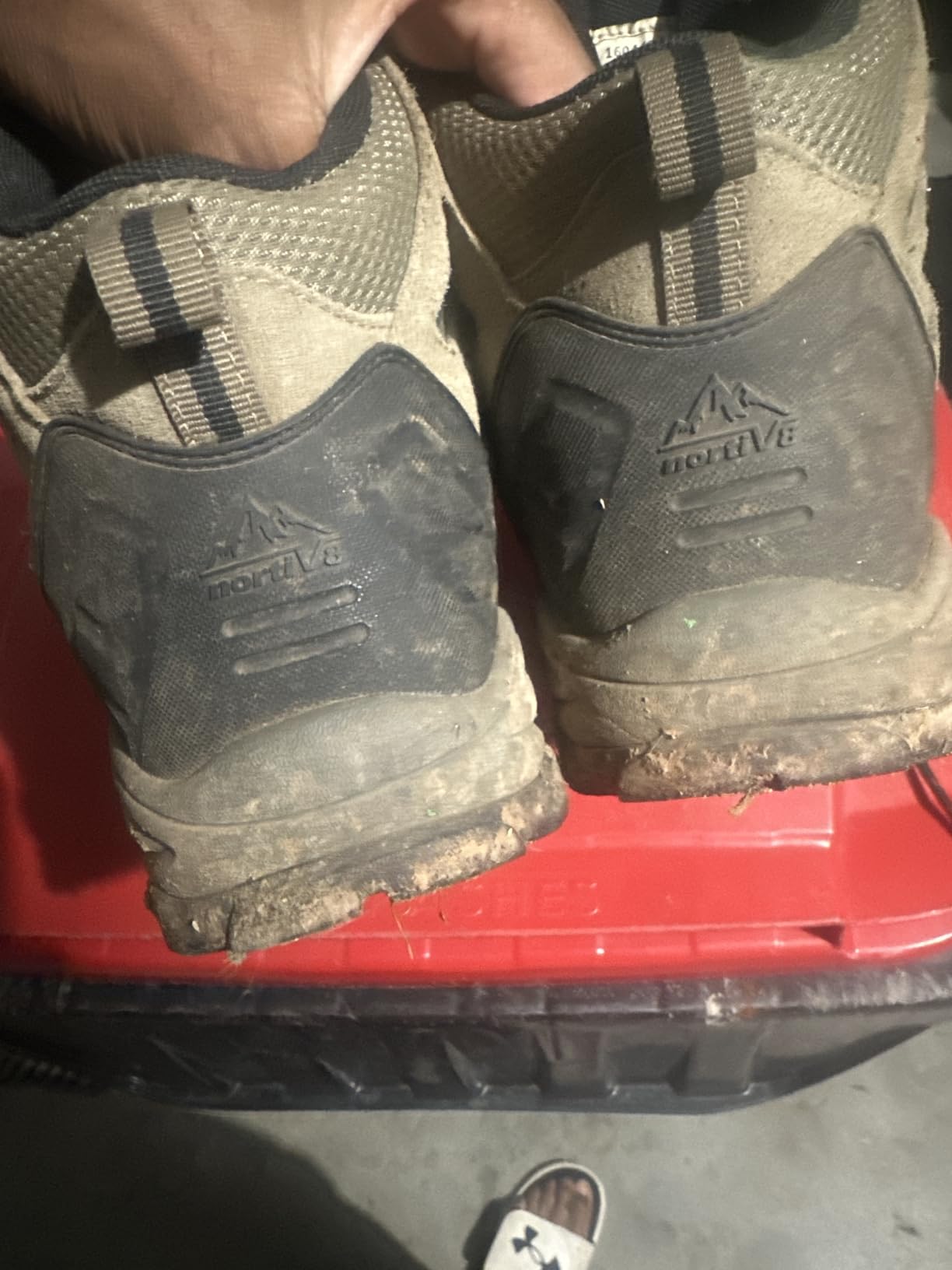
Its EVA midsole and shock-absorbent removable insole make it a strong option for long walks. That comfort comes with a clear boundary: the listed construction is not a safety standard, so a falling object or crush hazard means choosing a certified work boot instead.
The waterproof upper is not intended to seal the whole boot above the tongue. In deep puddles, water can enter through the lacing area, which is a normal limitation of a low ankle design rather than a contradiction of the “waterproof” label.
For whom it is good
Pick the Armadillo for outdoor work that values low weight, traction, and all-day walking over impact protection. It also suits people who want one pair for a jobsite-adjacent path, yard work, and weekend hiking.
For whom it is bad
Do not use it where an employer requires an ASTM-rated toe, electrical-hazard protection, or puncture resistance. It is also a poor fit for deep standing water because the waterproof zone ends at the tongue joint.
4. Wolverine Floorhand Waterproof: Best Soft-Toe Classic
Wolverine Men’s Floorhand Waterproof 6” Work Boot, Dark Brown, 10.5
Full-grain waterproof leather
6-inch shaft
Rubber outsole
Pros
- Virtually no break-in
- Comfortable cushioned footbed
- Leather upper
Cons
- No impact-rated toe
- Metal hardware may wear
The Floorhand is the most traditional soft-toe choice in this group. Full-grain waterproof leather, a six-inch shaft, and a rubber outsole provide a familiar work shape without the weight and bulk of a safety toe.
Comfort is a strong point. A reviewer said it was comfortable and surprisingly lightweight from the beginning with virtually no break-in, while another wore an older pair through three winters and estimated walking well over 1,000 miles before the leather finally showed its age.
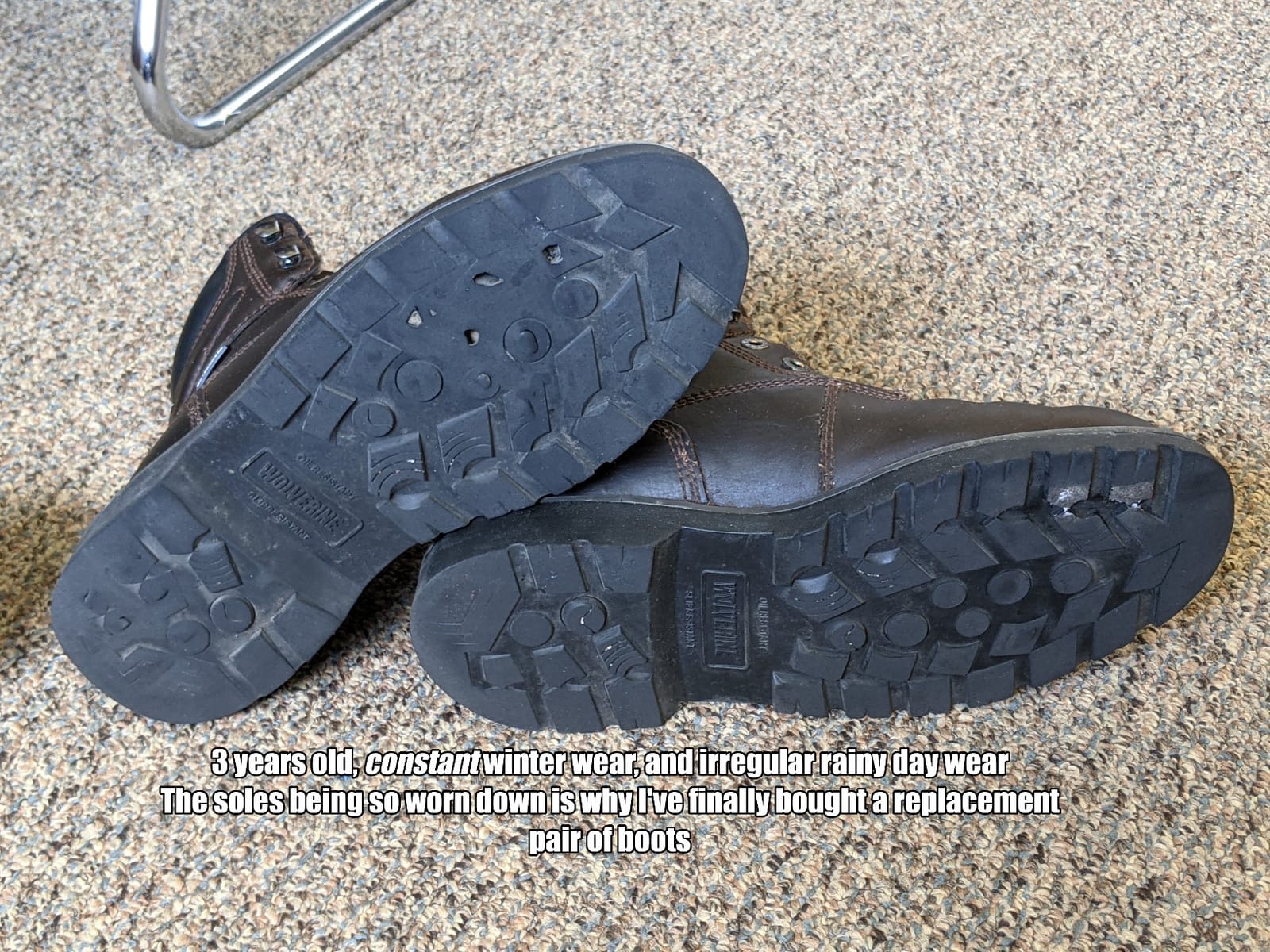
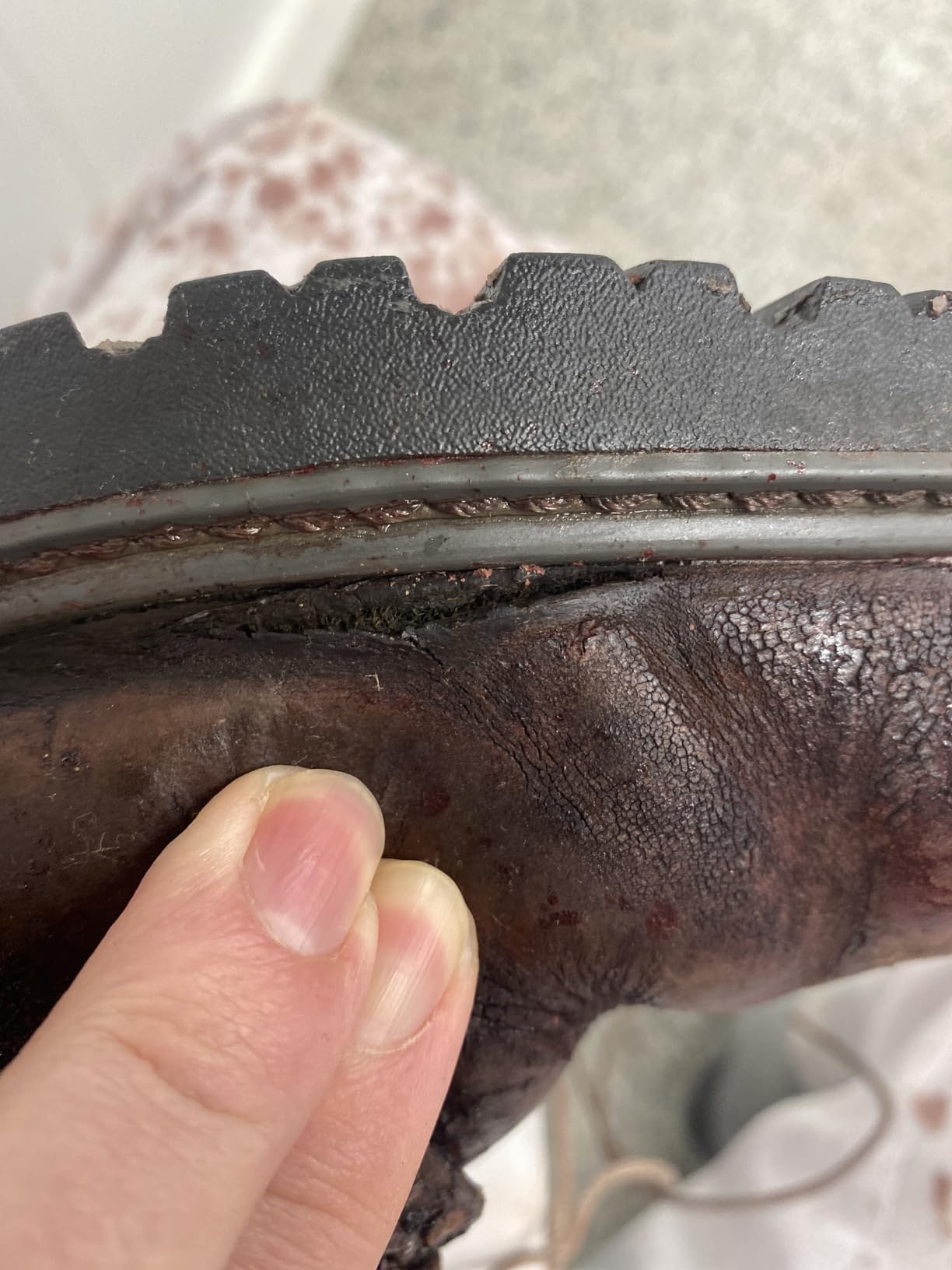
That durability depends on maintenance. Full-grain leather can dry, crack, and wear when left dirty or wet, so wipe off mud, let the boots dry at room temperature, and use a suitable leather conditioner rather than aggressive heat.
The outsole is designed for extra traction, and the soft-toe format is appropriate for driving, yard work, gardening, and occupations without crush requirements. It is not a substitute for a steel or composite toe on a regulated construction site.
For whom it is good
Choose the Floorhand for workers who prefer a lighter, less rigid boot and do not need impact protection. It is a sensible all-around option for wet weather, long walks, and jobs that allow a soft-toe boot.
For whom it is bad
Skip it for concrete work with falling-object risks, electrical environments, or any site that requires an ASTM safety toe. Also expect metal lace hardware and outsole wear to be the first components to show age, according to a long-term reviewer.
5. Timberland PRO Keele Ridge: Best Safety-Toe Hybrid
Timberland PRO Men’s Keele Ridge Steel Safety Toe Waterproof Industrial Hiker Work Boot, Brown-2024 New, 10.5
Steel safety toe
Waterproof membrane
Heat-resistant rubber outsole
Pros
- ASTM impact protection
- Oil and abrasion resistance
- Secure heel fit
Cons
- Steel toe adds weight
- Not a cold-weather insulated boot
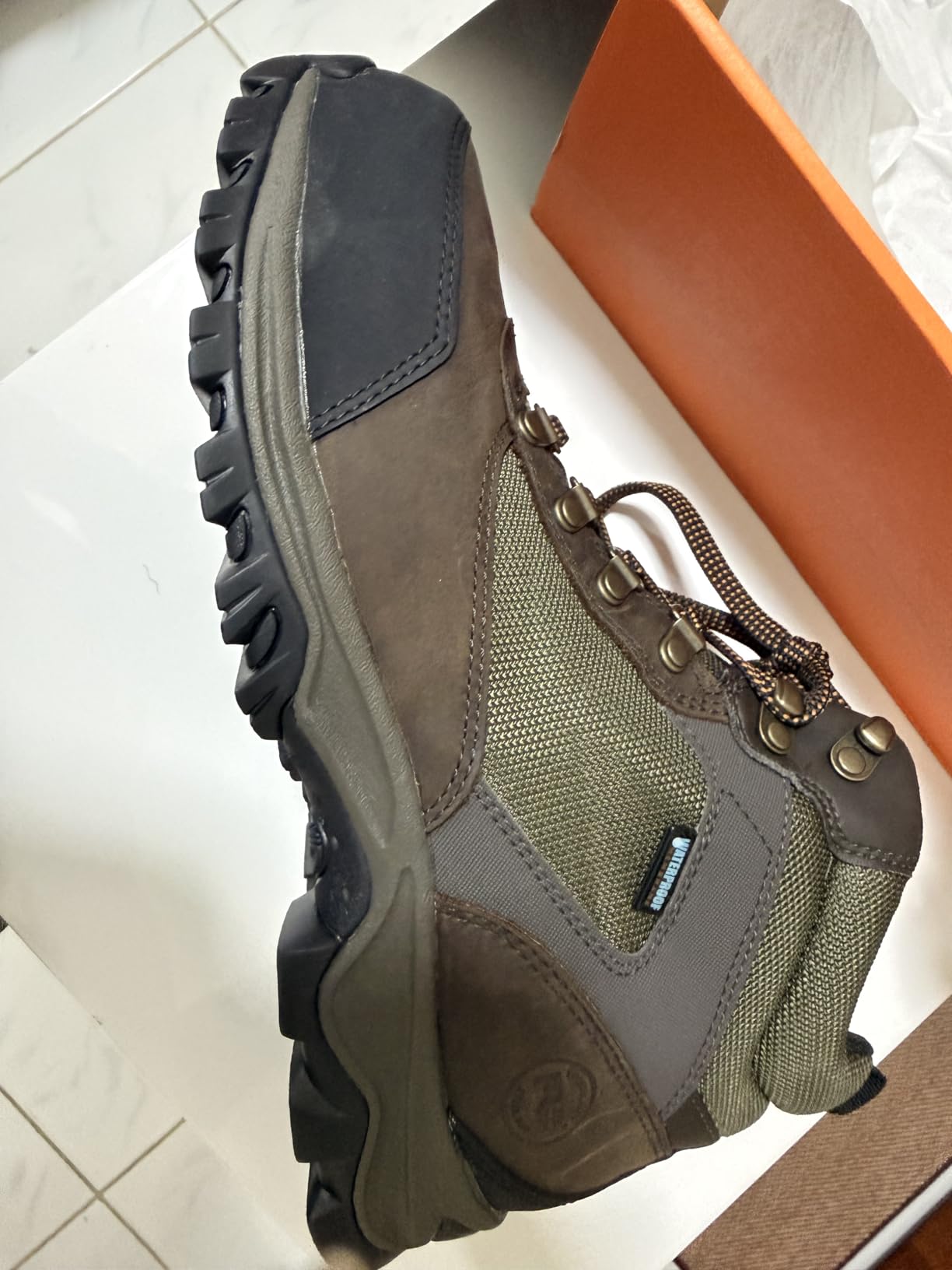
Keele Ridge combines a steel safety toe with a waterproof membrane, electrical-hazard protection, and a heat-resistant rubber outsole. That makes it one of the more complete choices for workers who move between concrete, off-road ground, rain, and mild cold.
Reviewers repeatedly describe it as lightweight for a steel-toe boot and comfortable from the first wear. One user praised the lack of heel slippage with hiking socks, while another said the waterproofing, traction, and accurate sizing worked well on outdoor and concrete jobs.
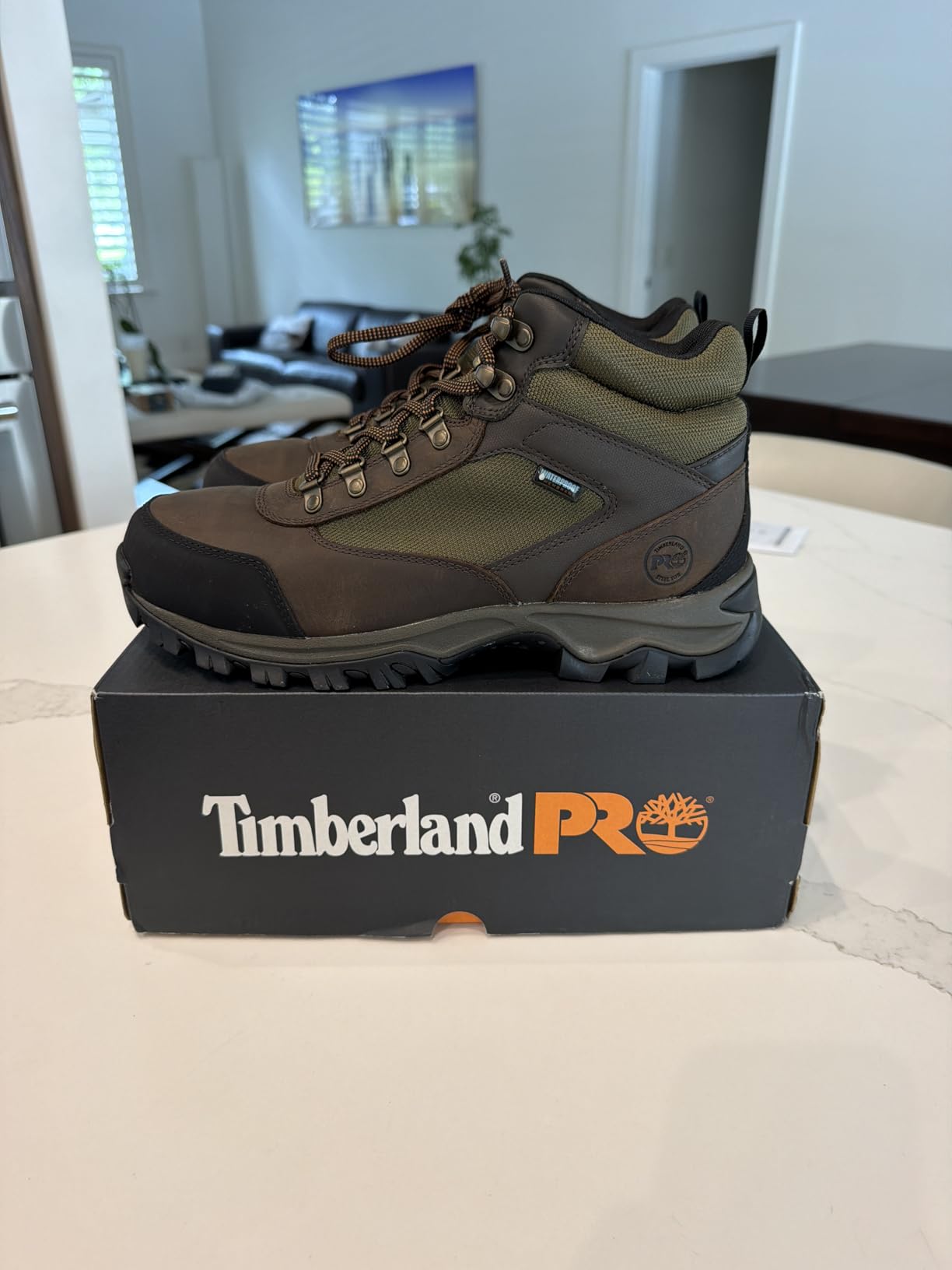
The boot’s listed ASTM F2413-18 I and C ratings cover impact and compression, and the membrane meets ASTM F1671-07. Check the exact label and your employer’s requirements before relying on any boot for a specific hazard, because “steel toe” alone does not describe every worksite duty.
For breathability, use a moisture-wicking sock and avoid wearing the same pair through two hot, sweaty shifts without drying. The waterproof membrane is a barrier by design, so warm-weather ventilation comes from fit, sock choice, and breaks more than from open airflow.
For whom it is good
Choose Keele Ridge for construction, utilities, and general industrial work needing a steel toe, EH rating, and a heat-resistant sole. It is a good fit for someone who wants hiking-boot flexibility in a work-rated design.
For whom it is bad
Choose a composite-toe model instead if metal-free footwear is required. The uninsulated design is also not the best answer for prolonged cold, deep snow, or a worker who overheats easily in a full membrane boot.
6. Wolverine Overpass: Best All-Day Composite-Toe Comfort
Wolverine Men’sOverpass 6″ Mid Composite Toe Waterproof Work Boot, Summer Brown, 9.5 Medium
Composite safety toe
Removable Ortholite footbed
Contour welt
Pros
- No lengthy break-in
- Lightweight protection
- Waterproof leather upper
Cons
- Some users notice weight
- Annual replacement may be needed
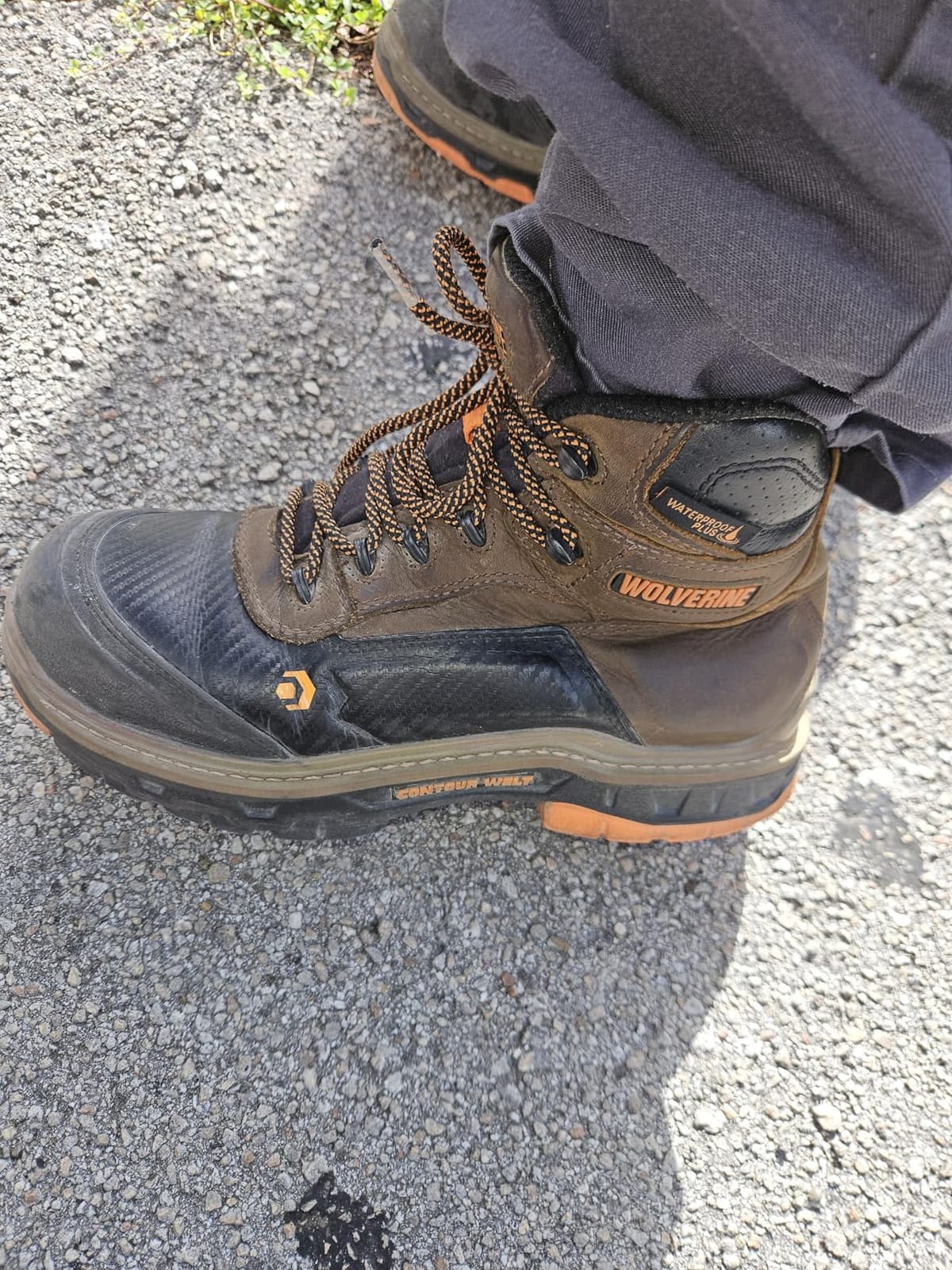
For most workers, the Overpass is the best-balanced pick. It combines a composite ASTM-rated toe, waterproof leather, a removable Ortholite footbed, and a flexible athletic contour welt instead of making every shift feel like a hike in a stiff board.
Users describe little to no break-in, strong support on concrete, and useful traction in HVAC and manufacturing work. One reviewer working nine or ten hours on concrete said the footbed separated the foot from the hard floor, while another reported five months of five-day-a-week use with comfort and traction still intact.
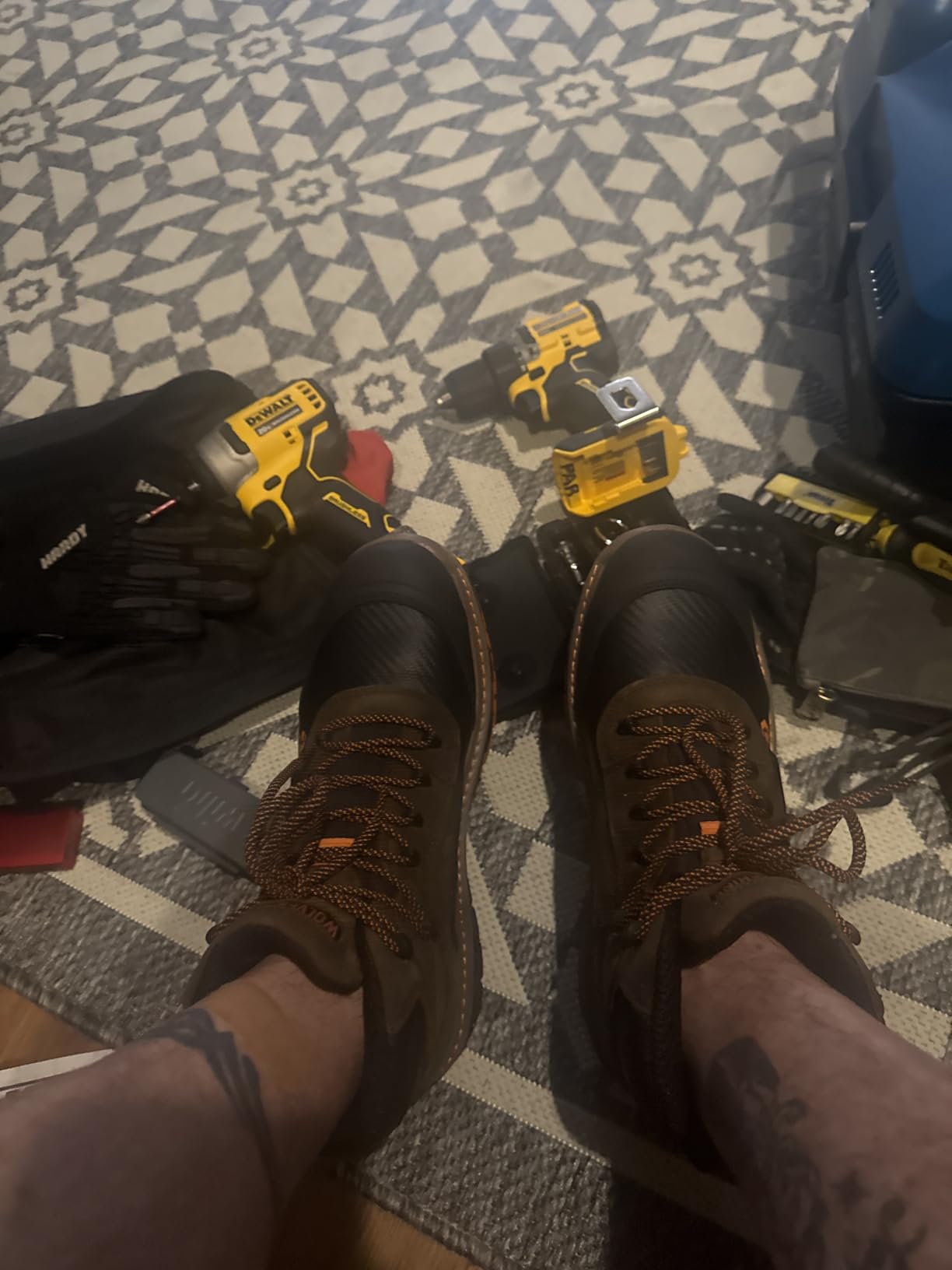
The composite toe avoids the cold-conducting feel of steel and is useful where metal detection is a concern. Its listed ASTM F2413-11 M I/75 C/75 EH specification includes electrical-hazard protection, but confirm the current label and workplace standard before purchase.
It is not immortal. One long-term reviewer said the boots tend to wear out around the one-year mark under hard use, which is consistent with forum feedback that outsole life on concrete matters as much as leather or membrane life.
For whom it is good
Choose the Overpass for long shifts, concrete floors, HVAC, maintenance, and mixed indoor-outdoor work. I would favor it for workers who want safety protection and a cushioned, athletic feel in the same boot.
For whom it is bad
Do not expect the same lifespan as a resoleable Goodyear-welt boot, and budget for replacement if you walk abrasive concrete every day. The composite construction is still protective footwear, so it will feel heavier than the lightweight hiking option above.
7. Timberland PRO Direct Attach: Best Insulated Steel-Toe Value
Timberland PRO Men’s Direct Attach 6 Inch Steel Safety Toe Insulated Waterproof Industrial Work Boot, Black-2024 NEW, 10.5 M
Seam-sealed leather
Steel safety toe
Electrical hazard
Pros
- Insulated construction
- Anti-Fatigue Technology
- Oil and heat-resistant sole
Cons
- Heavy work-boot feel
- Less breathable in warm weather
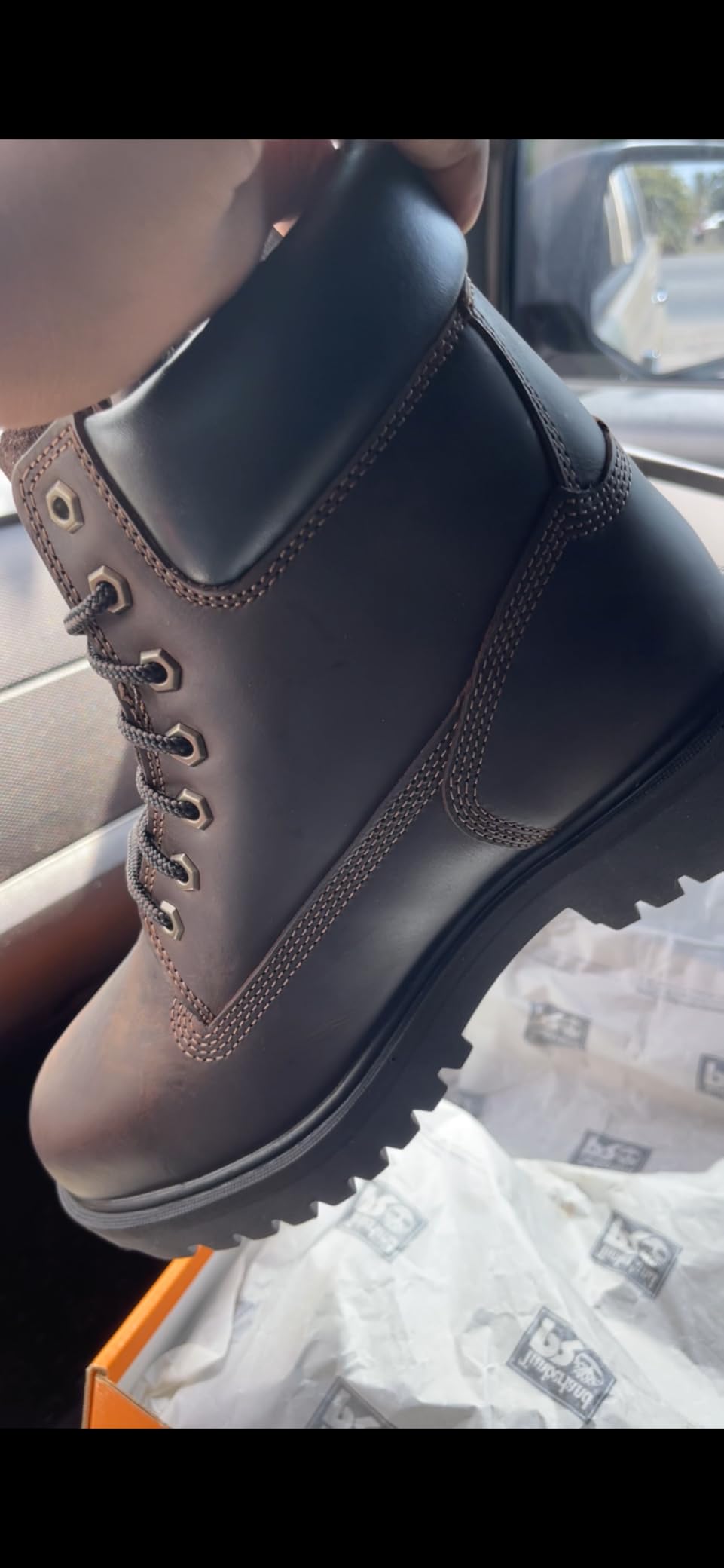
The Direct Attach is a strong cold-wet option because it pairs seam-sealed waterproof leather with insulation, a steel safety toe, and electrical-hazard protection. Its six-inch profile and Timberland PRO rubber outsole are built for industrial work rather than a quick summer walk.
Reviewers call it comfortable from the start, sturdy, and attractive for users who dislike bulky-looking work boots. The Anti-Fatigue geometry and shock-absorbing design are useful when the day includes climbing, kneeling, or walking between scattered work areas.
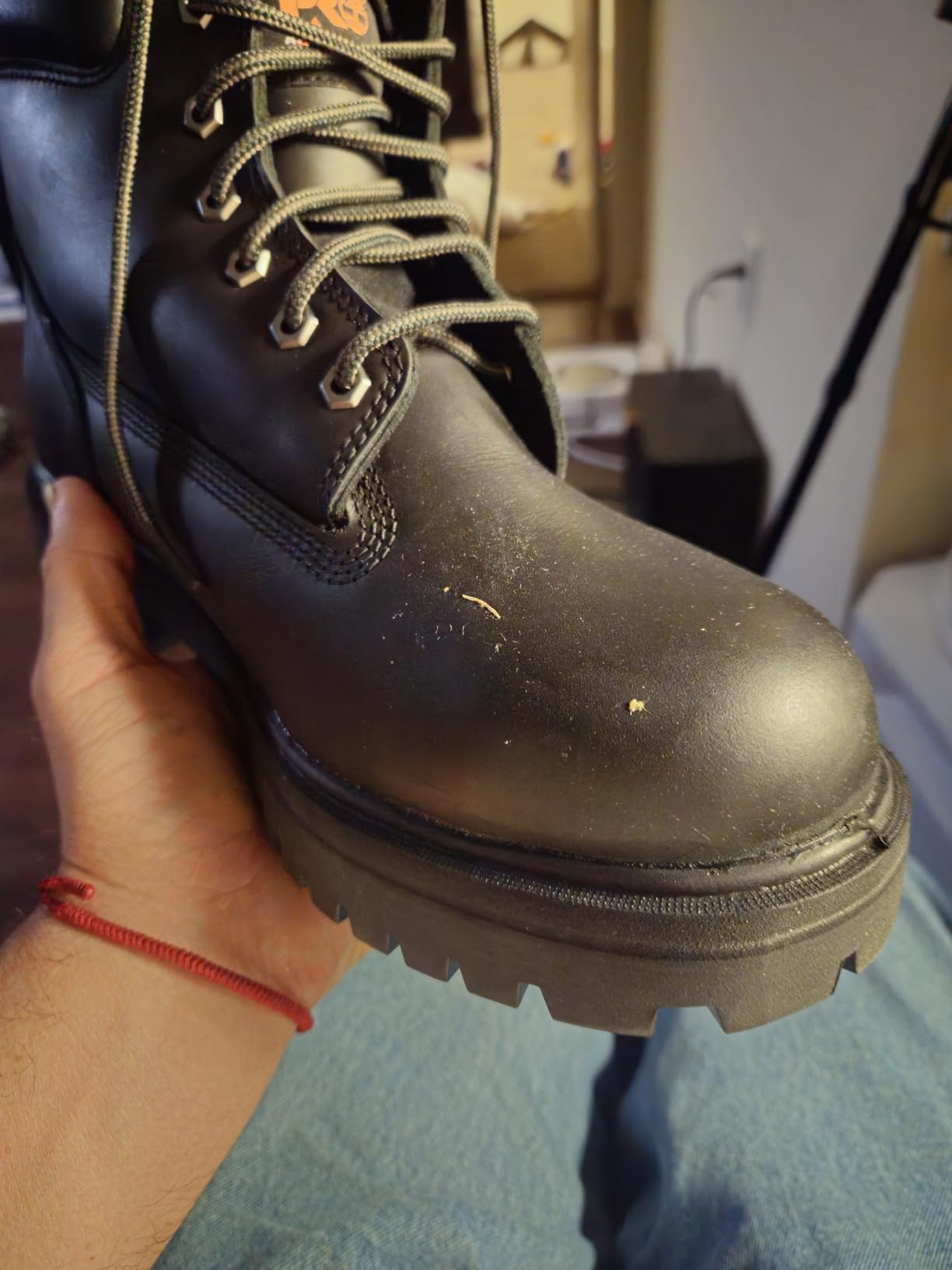
Insulation changes the buying decision. It helps in cold rain and snow, but it can feel too warm in a heated warehouse or summer construction site. Remove the boots at the end of the day, air them fully, and avoid cramming damp footwear into a locker.
The boot meets ASTM F2412-18a and F2413-18 I and C requirements, with EH protection listed. The seam-sealed construction is a meaningful advantage over a merely water-resistant work boot, but deep water above the laces can still enter through the opening.
For whom it is good
Choose Direct Attach for outdoor trades, cold yards, wood cutting, and general construction where a steel toe and insulation are both required. It gives a practical mix of safety, waterproofing, and comfort at a midrange price.
For whom it is bad
Skip it for hot indoor work or for anyone who wants the lightest possible boot. If your climate rarely drops below cool temperatures, an uninsulated model will be more comfortable and will dry faster after perspiration.
8. Timberland PRO Pit Boss: Best Heavy-Duty Support
Timberland PRO Men’s Pit Boss 6 Inch Steel Safety Toe Industrial Work Boot, Brown-2024 New, 9.5
Steel safety toe
24/7 Comfort System
Heat-resistant rubber outsole
Pros
- Strong arch support
- EH protection
- Durable leather upper
Cons
- Not waterproof
- Heavy at 3 pounds
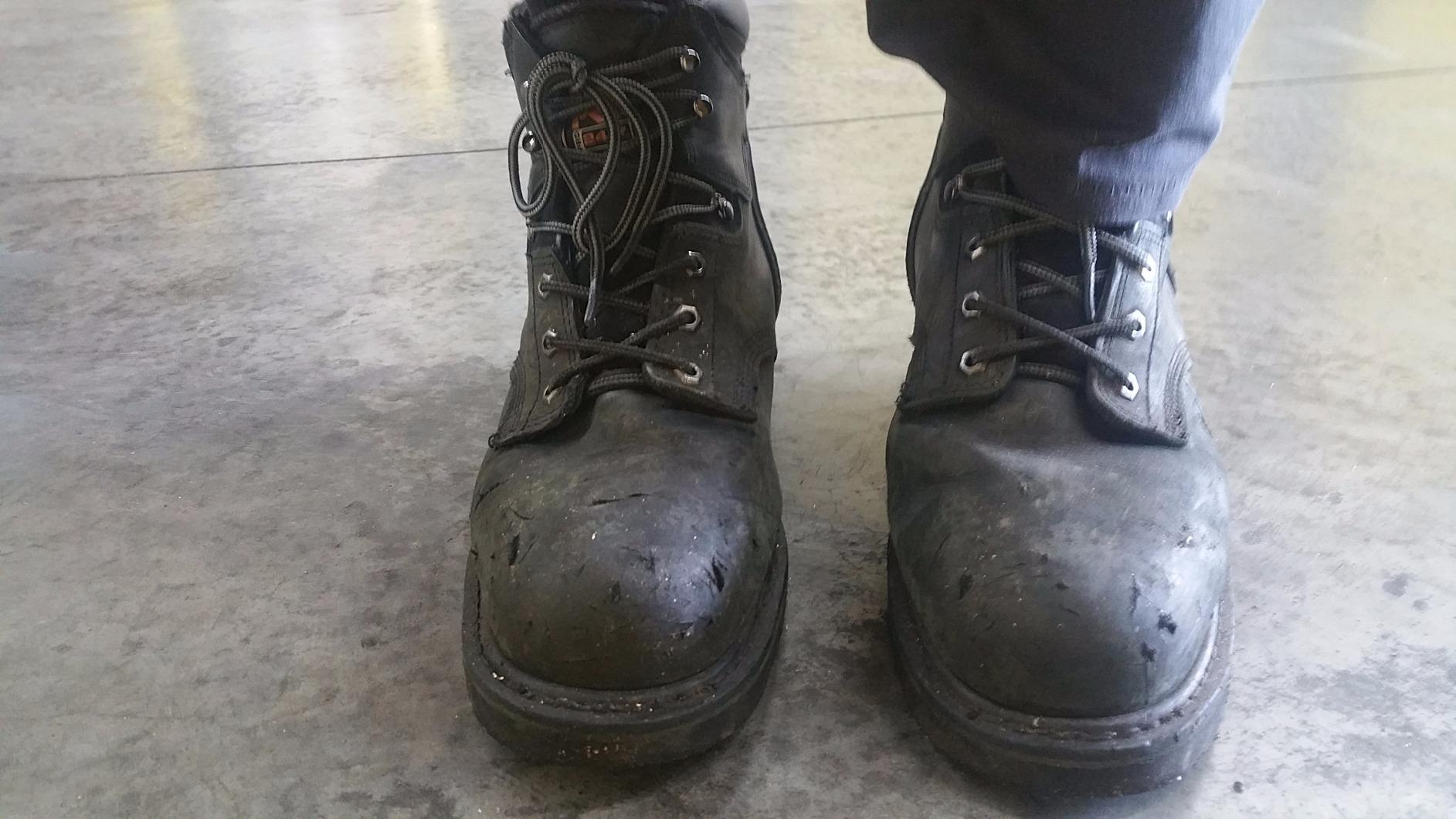
The Pit Boss deserves a place in a waterproof roundup only with a clear warning: its product data says it is not waterproof, with water-resistant treatment recommended. It earns consideration for support, steel-toe protection, and a rugged sole, but it is not the right choice for anyone who needs dry feet in sustained rain.
Users praise the arch support and comfort system, especially during long periods on their feet. The 24/7 Comfort System is designed to cushion and support each step, and the leather upper gives the boot a familiar, substantial feel.
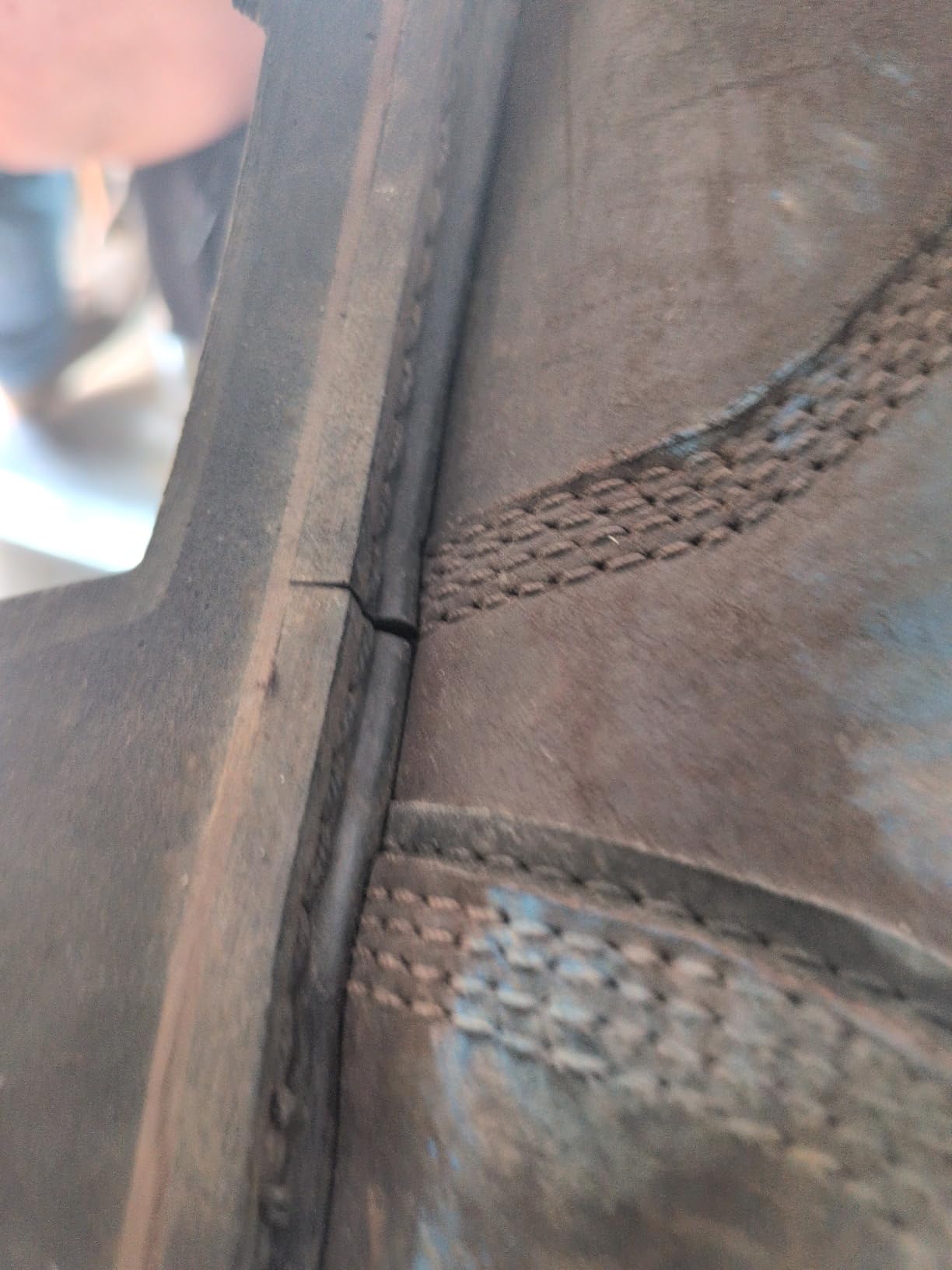
The tradeoff is mass. The listed package weight is 3 pounds, and reviewers call the boot heavy, so it may feel tiring on a route that involves constant walking or climbing. Sizing also matters: some users go up a half size while others prefer their normal size, which makes a careful fit check worthwhile.
The oil, slip, and abrasion-resistant outsole is practical on concrete, and EH protection is listed. Yet no amount of water resistance will match a membrane or seamless rubber boot, and treating the upper does not turn it into a waterproof safety boot.
For whom it is good
Choose the Pit Boss for dry construction, warehouse, or general industrial work where support and a steel toe matter more than waterproofing. It can also work as a secondary boot when you have a dedicated waterproof pair for severe weather.
For whom it is bad
Do not buy it for rain, snow, mud, or standing water. Its weight and wide fit may also frustrate people who spend the day walking long distances on hard surfaces.
9. CAT Threshold: Best Midrange Wet-Work Boot
CAT Footwear Men’s Threshold Waterproof Steel Toe, Black, 12
Waterproof membrane
Steel toe
Slip-resistant outsole
Pros
- Breathable leather upper
- Rubber toe guard
- Easy break-in
Cons
- Some users prefer aftermarket inserts
- Firm sole
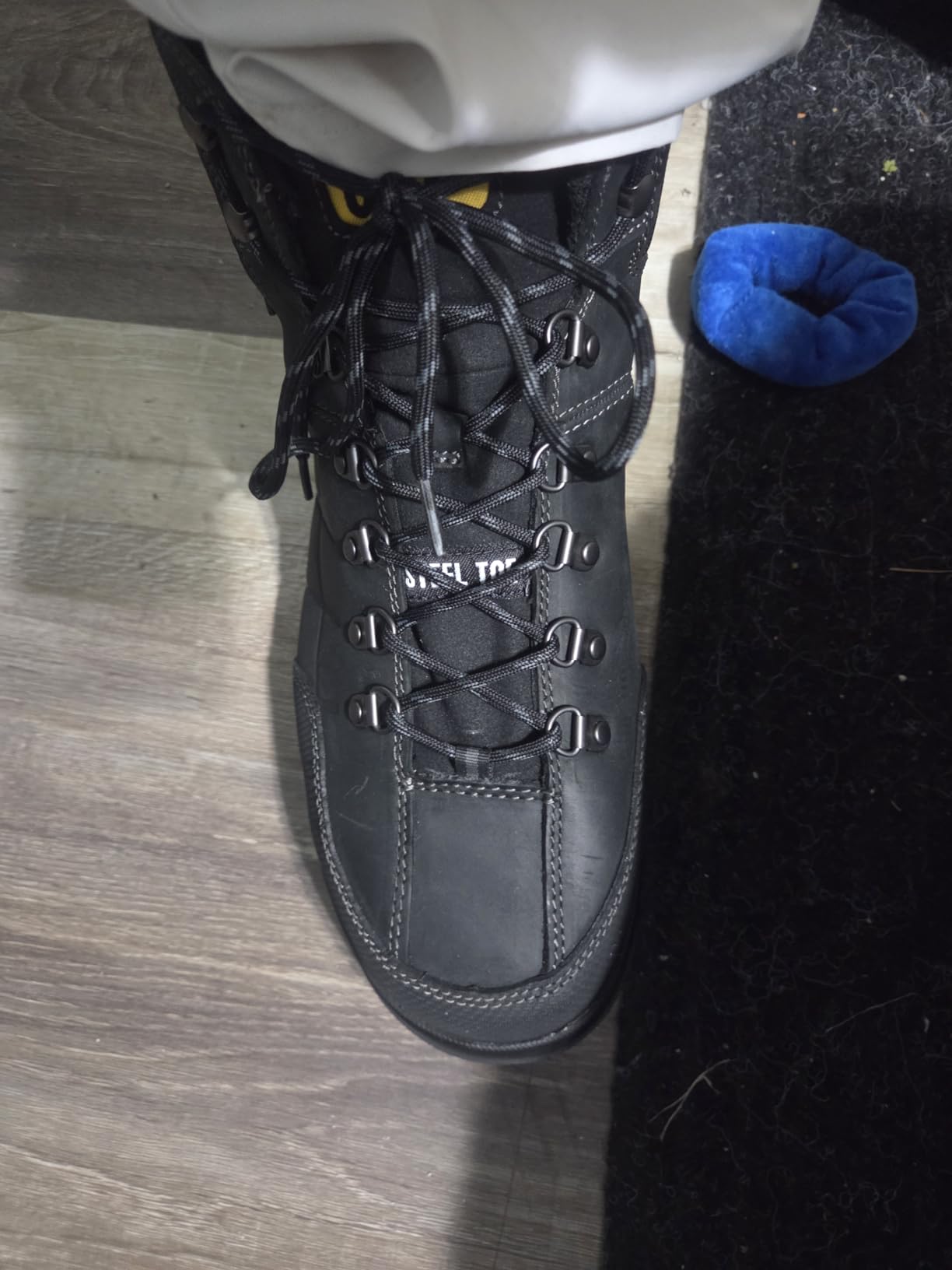
The CAT Threshold offers a useful middle ground: a steel toe, waterproof membrane, slip-resistant outsole, all-leather upper, and rubber toe guard in a familiar industrial silhouette. It is the kind of work boot that can handle ordinary rain and muddy ground without the bulk of a tall logger.
Break-in is reported as brief, typically a couple of days, after which users find the boot comfortable. The firm sole provides a stable platform, and one manufacturing user described the construction as rugged, comfortable, and well made.
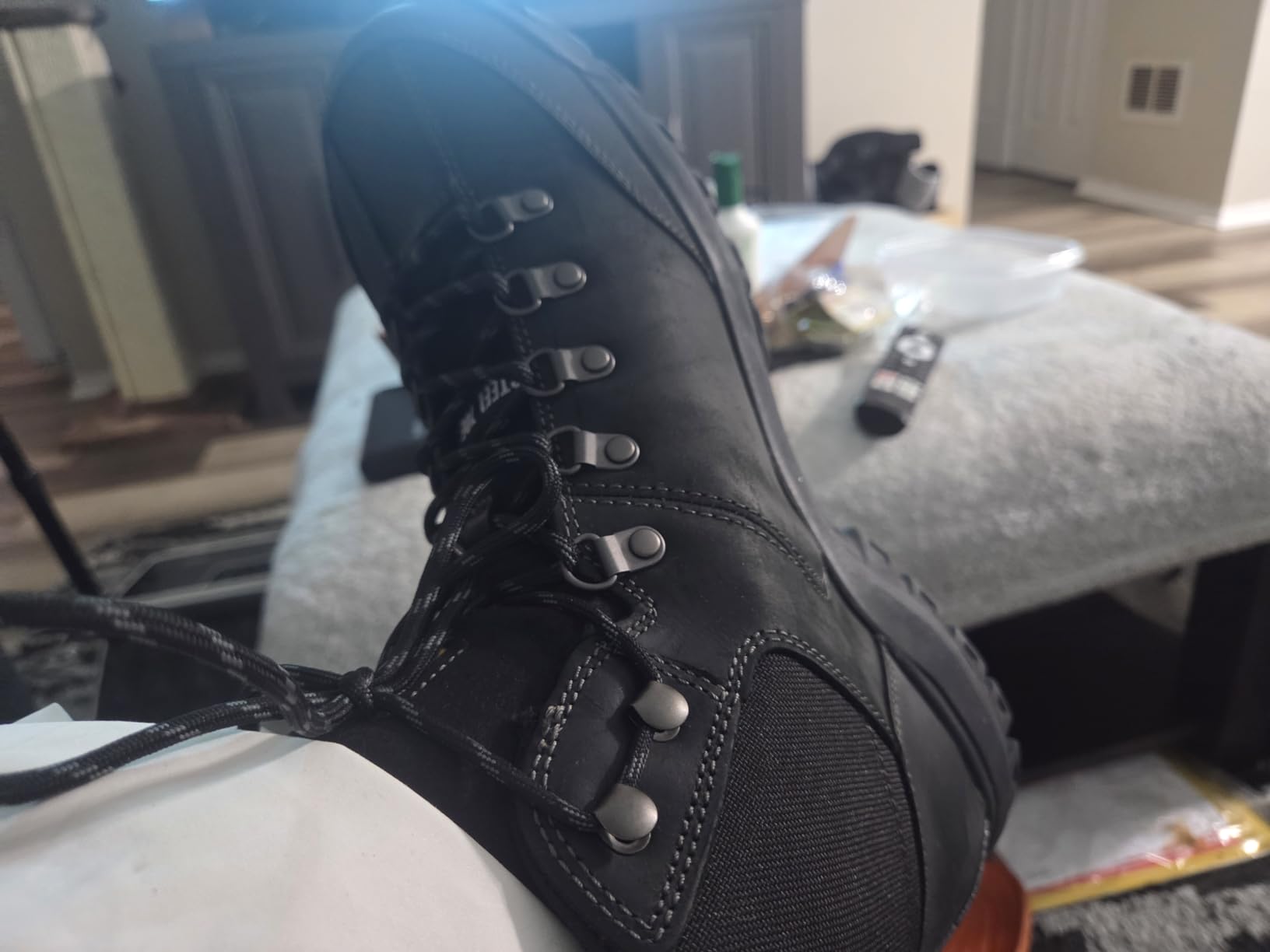
The rubber toe guard is a sensible feature for kneeling and protects the leather where scuffs begin. The membrane keeps external water out, but breathability is still limited compared with a non-waterproof work shoe, especially during a warm indoor shift.
Some users add insoles to tune the cushioning, and the listed package weight is 2.06 pounds. A steel toe will never feel like a soft-toe sneaker, so the right comparison is against other protective boots rather than against waterproof hiking footwear.
For whom it is good
Choose Threshold for construction, manufacturing, and general jobsite work that calls for a steel toe and dependable wet-weather protection. It is a good compromise for buyers who want CAT styling without moving to a premium logger boot.
For whom it is bad
Skip it if you need a very soft ride or a boot that can be resoled easily. A firm sole and steel-toe weight may also be a poor match for workers who walk all day over hard surfaces without added cushioning.
10. Irish Setter Marshall: Best Premium Resoleable Logger
Irish Setter Marshall 11″ Mens Steel Toe Work Boot, Brown, 10.5
UltraDry construction
Goodyear welt
Heat-resistant outsole
Pros
- Resoleable construction
- Steel safety toe
- Removable footbed
Cons
- Heavy 4-pound item weight
- Expensive upfront design
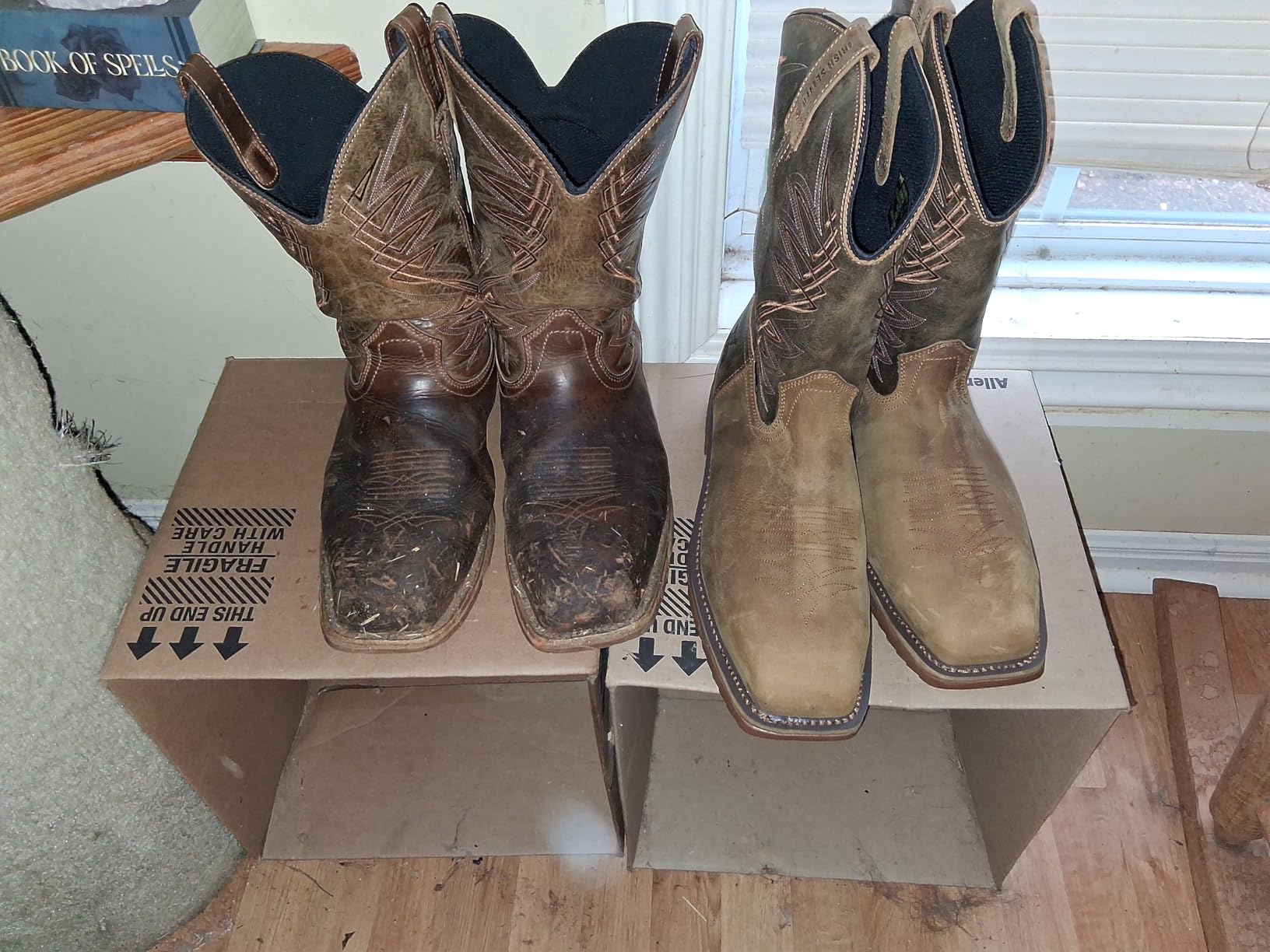
The Marshall is the premium choice for workers who want an 11-inch logger profile, steel safety toe, UltraDry waterproof construction, and a Goodyear welt. The welted build can make long-term ownership more economical when a local cobbler can replace the outsole.
Its full-grain leather upper, removable polyurethane footbed, steel shank, and RPM technology are designed to balance protection and weight. The outsole is heat resistant to 475°F and meets ASTM safety and electrical-hazard-related specifications listed in the product data.
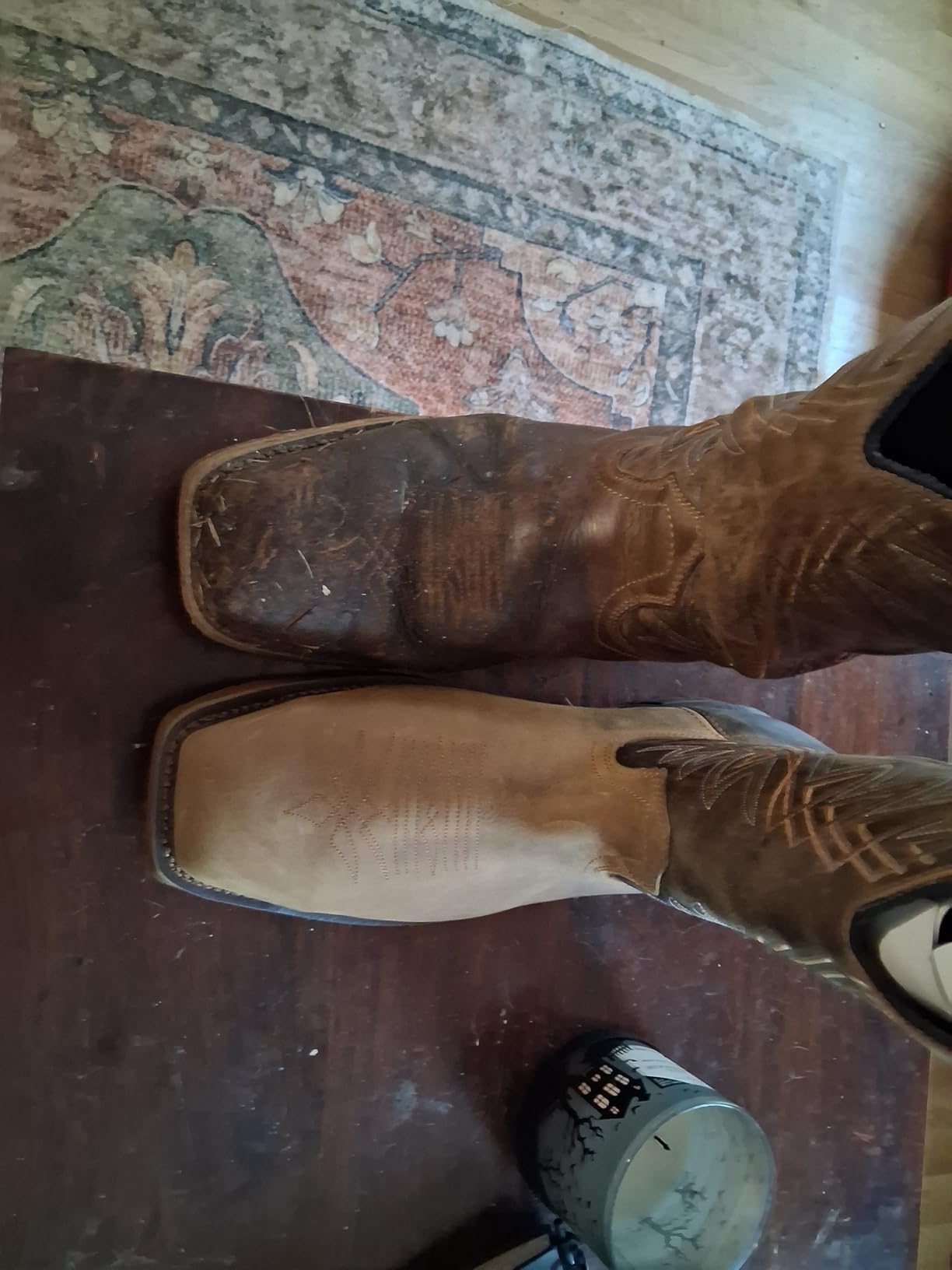
This is not a lightweight boot. The listed item weight is 4 pounds, so it favors workers who value ankle coverage, stability, and repairability more than minimal mass. Users also praise the fit, comfort, and absence of rubbing after repeated wear.
Waterproof care remains important even with a premium system. Clean mud from the leather, dry it slowly, condition it when dry, and inspect the welt and seams. A good repair strategy can extend a boot’s life, but it cannot restore a membrane that has been contaminated or physically damaged.
For whom it is good
Choose Marshall for farming, utility work, logging-adjacent work, and anyone who wants a tall, protective, resoleable boot. It is particularly attractive when the expected ownership period is measured in years rather than months.
For whom it is bad
Skip it for a fast-paced delivery route or hot weather where a 4-pound boot will feel oppressive. The tall shaft and heavy construction also require a deliberate break-in and fit period.
How to Choose the Best Waterproof Work Boots for Men
Choose the right waterproof construction
A waterproof membrane is bonded inside the boot and blocks liquid water while allowing some vapor transfer. UltraDry, proprietary membranes, and similar systems work best when the seams are sealed and the tongue is gusseted, because laces and stitch holes are common entry points.
Waterproof leather is different. Treated full-grain leather sheds some water, but a boot described only as water-resistant should not be expected to survive deep puddles or hours of rain. For continuous mud or standing water, a seamless PVC or rubber boot has fewer potential leak paths.
Match the toe protection to the job
Steel toes provide impact and compression protection and are widely accepted on industrial sites, but they add weight and can conduct temperature. Composite toes meet common impact and compression requirements without metal, making them a practical choice for workers who need lighter footwear or pass through metal detection.
Soft-toe boots are lighter and more comfortable for driving, landscaping, chores, and non-regulated work. They are not interchangeable with a safety toe when the job requires ASTM-rated protection, so check the boot label and your employer’s hazard assessment.
Prioritize fit, break-in, and the workday surface
Measure both feet late in the day, wear the socks you will use at work, and leave enough room for toes to move without sliding. A waterproof boot that fits tightly can rub, trap heat, and make a membrane feel hotter; a loose boot can create heel lift and blisters.
Expect a short break-in with flexible athletic or hiking-inspired boots, while traditional logger and welted styles may need longer. User reports range from virtually no break-in on the Wolverine models to a couple of days for CAT Threshold, so do not judge a pair after the first hour.
Outsole choice matters as much as upper waterproofing. Look for an outsole matched to concrete, mud, oil, heat, or slippery surfaces, and replace it before the tread is gone. A premium Goodyear welt can be repaired, while a cemented boot may be cheaper initially but harder to restore once the outsole separates.
Understand insulation and breathability
Insulated waterproof work boots are useful in cold rain, snow, and outdoor winter work, but they are not automatically better in a heated warehouse. A membrane blocks water from outside while limiting air exchange, so warm-weather users should consider a non-insulated model, breathable socks, and a boot that dries quickly overnight.
Maintain the waterproof barrier
Remove mud and salt before it dries, dry boots at room temperature, and condition leather when it is clean and nearly dry. Avoid direct heaters, which can crack leather and damage adhesives, and inspect seams, welts, toe guards, and laces for the first sign of a leak.
Waterproofing can fail after repeated wet use if dirt blocks the membrane, the leather dries out, or the upper is cut or deeply creased. A real-world report of two years from the HISEA PVC pair is encouraging, while community complaints about inexpensive boots leaking after a few months are a reminder to treat waterproofing as a system, not a magic label.
Frequently Asked Questions
What is the most comfortable waterproof work boot?
The most comfortable choice depends on fit, but the Wolverine Overpass is a strong all-day option because it combines a composite toe, removable Ortholite footbed, and flexible contour welt. Users commonly report little break-in and good support on long concrete shifts.
What are the best waterproof boots for men?
The best waterproof boots for men are the Wolverine Overpass for balanced comfort, Timberland PRO Direct Attach for an insulated steel-toe value, and Irish Setter Marshall for a premium resoleable logger build. HISEA is better for deep mud because its seamless PVC has no stitched waterproof barrier.
What are some good waterproof safety boots for men?
Good waterproof safety boots include the NORTIV 8 ARMADILLO-STL, Timberland PRO Keele Ridge, Wolverine Overpass, CAT Threshold, and Irish Setter Marshall. Select steel or composite protection according to the job requirements, and verify the current ASTM and electrical-hazard labels.
What is the number 1 rated work boot?
There is no single number-one work boot for every worker, but the Wolverine Overpass is our best overall pick for its composite protection, waterproof leather, cushioned Ortholite footbed, and strong long-shift comfort reports. The Irish Setter Marshall is the better choice when repairability and logger coverage matter most.
Conclusion: The Best Waterproof Work Boots for Men in 2026
The Wolverine Overpass is my best overall choice because it balances composite safety, waterproofing, cushioning, and a flexible workday feel. Choose the NORTIV 8 ARMADILLO-STL for a lower-cost steel toe, the HISEA for deep standing water, and the Irish Setter Marshall when a resoleable premium logger is worth the weight.
Before buying, match the toe, shaft, insulation, and outsole to your actual hazards rather than choosing by waterproof label alone. Check the fit with work socks, plan for break-in, and keep the leather clean and conditioned so the best waterproof work boots for men stay dependable beyond the first rainy shift.