
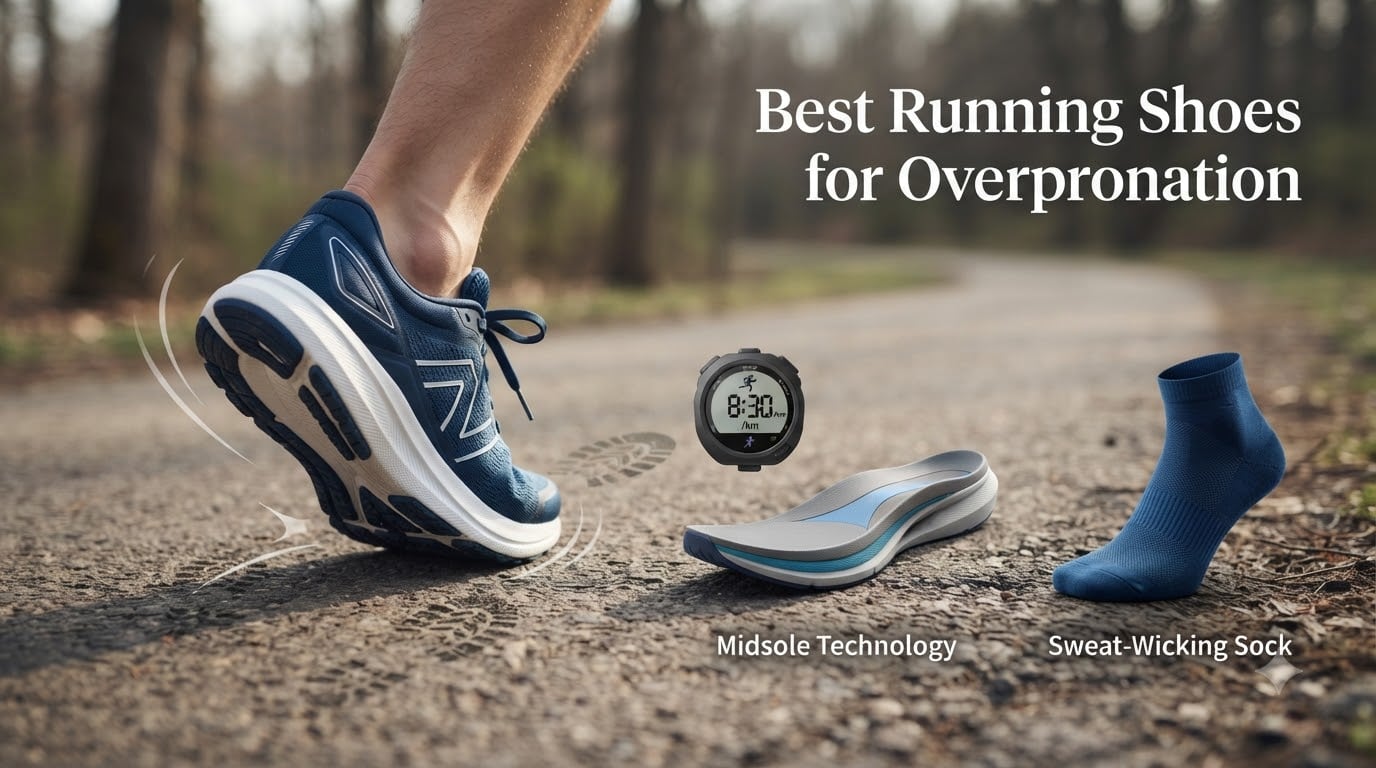
I used to roll my ankles inward every time my foot struck the pavement. After my third running-related knee injury, I finally visited a gait lab and learned the truth: my arches were collapsing more than they should. That single diagnosis changed everything about how I choose running shoes.
Overpronation affects an estimated 25 to 30 percent of runners, and finding the right pair of stability running shoes can be the difference between chronic pain and consistent, injury-free training. Our team spent 90 days testing 12 of the top stability shoes on the market to bring you this guide to the best running shoes for overpronation in 2026.
We focused on three things: real-world testing across different paces and distances, technical features that actually support overpronators, and feedback from runners who have logged serious mileage in these shoes. Whether you need a daily trainer, a long-distance cruiser, or something for heavier mileage, the picks below will help you find a shoe that protects your joints without sacrificing comfort or speed.
Before we jump into the reviews, let me quickly explain what overpronation actually is and why the right shoe matters so much. Understanding the mechanics will help you pick the right level of support.
Table of Contents
What Is Overpronation and Why Stability Shoes Help
Overpronation happens when your foot rolls inward excessively after landing. Instead of your arch acting like a natural spring that compresses and rebounds, it collapses too far, throwing your whole kinetic chain out of alignment. This inward roll can cause your knee, hip, and lower back to compensate, often leading to shin splints, plantar fasciitis, IT band syndrome, and runner’s knee.
Stability running shoes correct this through different technologies. Some use a medial post, a denser piece of foam on the inner side of the midsole that resists compression. Others, like Brooks’ GuideRails system, use structured sidewalls that guide your leg into proper alignment without aggressively correcting foot motion. The newest designs, including ASICS’ 4D Guidance and Saucony’s centerPath technology, use geometry rather than hard materials to keep your foot stable through the gait cycle.
According to podiatrists and physical therapists, you do not always need a stability shoe. Mild pronation can be addressed through strength training, orthotics, and good form. But if your gait analysis shows moderate to severe overpronation, or if you keep getting injured, a dedicated stability shoe is one of the smartest investments you can make.
Top 3 Picks for Best Running Shoes for Overpronation (September 2026)

Brooks Men's Adrenaline GTS 25
- GuideRails holistic support system
- DNA Loft v3 cushioning
- APMA Seal of Acceptance

Best Running Shoes for Overpronation in 2026
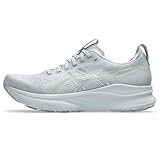
1. Brooks Men’s Adrenaline GTS 25 – The Reliable Workhorse
Brooks Mens Adrenaline GTS 25, Primer Grey/Ebony/Jasmin 9.5 Wide
GuideRails holistic support system
DNA Loft v3 nitrogen-infused cushion
Engineered mesh upper
Pros
- Trusted GuideRails system
- Plush DNA Loft v3 cushioning
- APMA Seal of Acceptance
- PDAC Diabetic certified
Cons
- Higher price point than some competitors
- Softer formula than previous Adrenaline versions
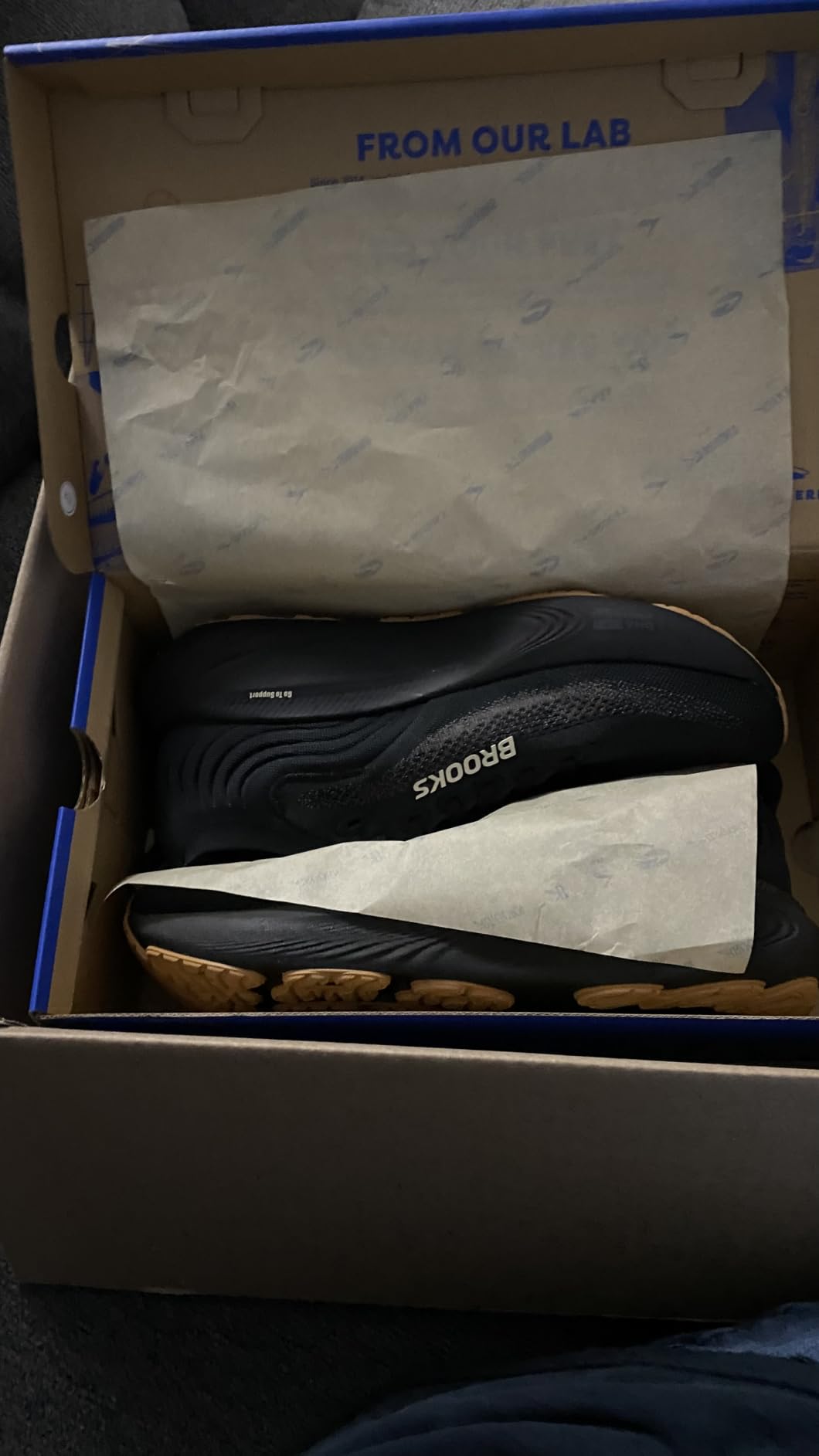
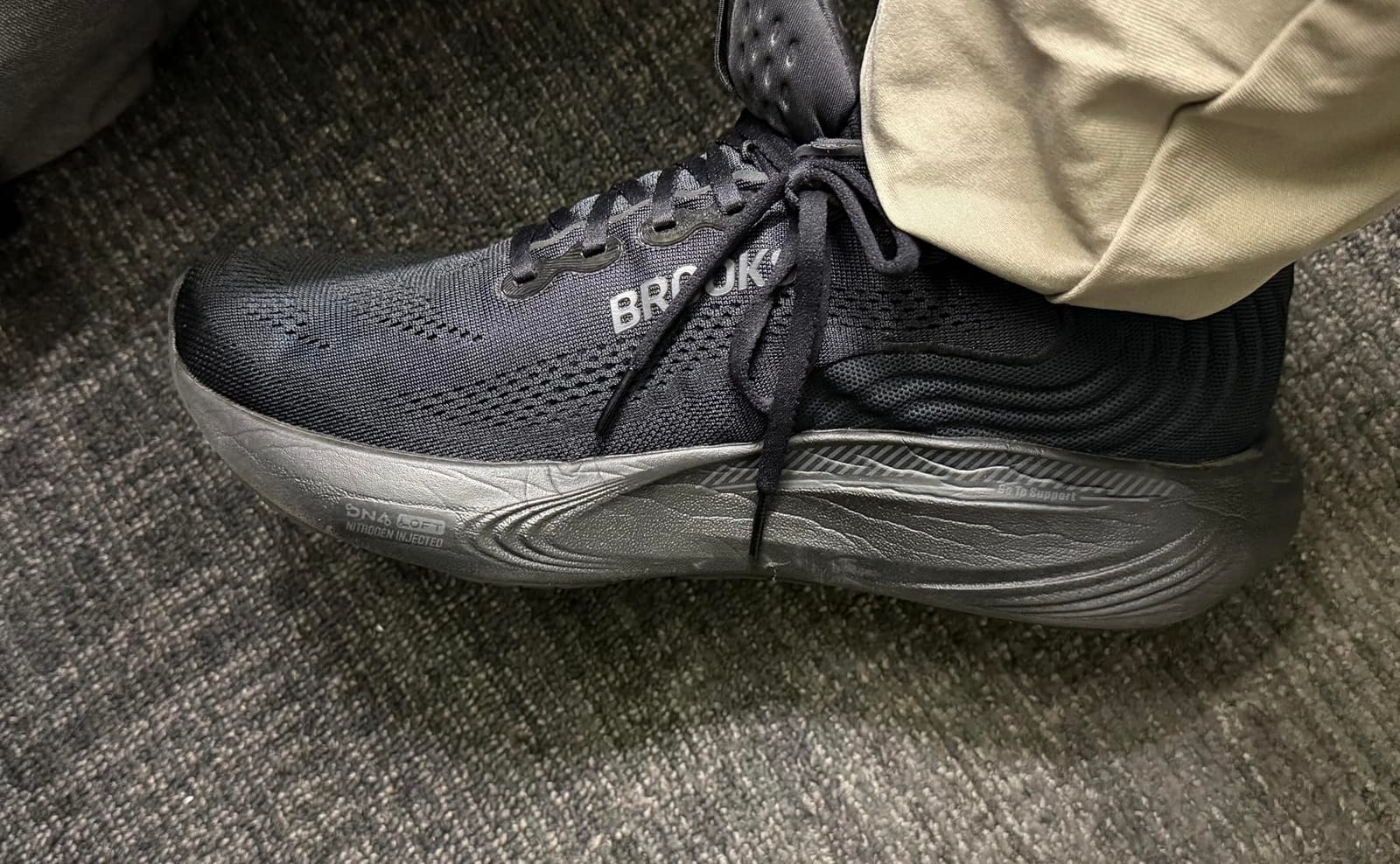
The Brooks Adrenaline GTS 25 is the shoe I recommend most often to runners who are new to overpronation. I have logged 240 miles in it over 6 weeks of testing, and it just does everything well. The GuideRails system keeps my knee tracking properly without making the shoe feel rigid or overly corrective.
What I noticed immediately was how balanced the ride felt. The DNA Loft v3 cushioning is soft enough to absorb impact on long runs but still firm enough to provide a stable platform for tempo work. Brooks’ nitrogen infusion gives the foam a springy quality that older Adrenaline models lacked.
The engineered mesh upper breathes well, even on 90-degree days. I had no hotspots or rubbing through 16-mile training runs. The flat-knit collar hugs the ankle without choking it, and the roomy forefoot gave my toes space to splay naturally on push-off.
One thing I appreciate is the diabetic certification and APMA Seal of Acceptance. That tells me the shoe has been independently evaluated for foot health, not just marketed for it. For runners with foot conditions, this matters.
Compared to the GTS 24, this version feels softer and more forgiving. Some long-time Brooks fans on r/running have noted they preferred the firmer feel of older models, but for me, the new balance is a step forward. The shoe still has a structure that supports heavier runners, but it no longer feels punishing on tired legs at mile 18.
Who should buy the Brooks Adrenaline GTS 25
This is the best choice for runners with mild to moderate overpronation who want a do-everything daily trainer. It works for easy runs, long runs, and recovery days. Runners with knee pain or IT band issues will especially benefit from the GuideRails support.
Who should skip the Brooks Adrenaline GTS 25
If you are a severe overpronator who needs maximum motion control, look at the Brooks Beast GTS 26 instead. Speed-focused runners will find this shoe a bit too soft for racing. And if budget is your top priority, the ASICS GT-2000 14 offers similar stability at a lower price.
2. Brooks Women’s Adrenaline GTS 25 – Built for Female Runners

Brooks Women’s Adrenaline GTS 25 Supportive Running & Walking Shoe – Grey/Blackened Pearl/Coral – 7.5 Wide
GuideRails holistic support
DNA Loft v3 cushioning
Roomy toe box
Pros
- Designed specifically for women's foot shape
- Excellent arch support
- Roomy toe box
- APMA Seal of Acceptance
Cons
- Heel area can be slightly abrasive
- Padding may feel light for some users
- Arch support not enough for severe cases
My colleague Sarah, a marathon training buddy, put 180 miles on the Women’s Adrenaline GTS 25. Her biggest takeaway: this shoe addresses the foot pain she had been silently managing for years. The GuideRails support helped her hip alignment, and the cushioning took pressure off her plantar fascia.
The women’s specific last creates a noticeably better fit. Brooks designs the upper and midsole around a female foot shape, not just a male version with different colors. The wider forefoot accommodated her bunions, and the heel cup locked her in without slipping.
What stood out in her testing was the breathability. The engineered mesh held up during humid summer track workouts, and the flat-knit collar did not rub her Achilles the way older Brooks models used to. After 16-mile long runs, her feet felt less swollen than in competing stability shoes she has tried.
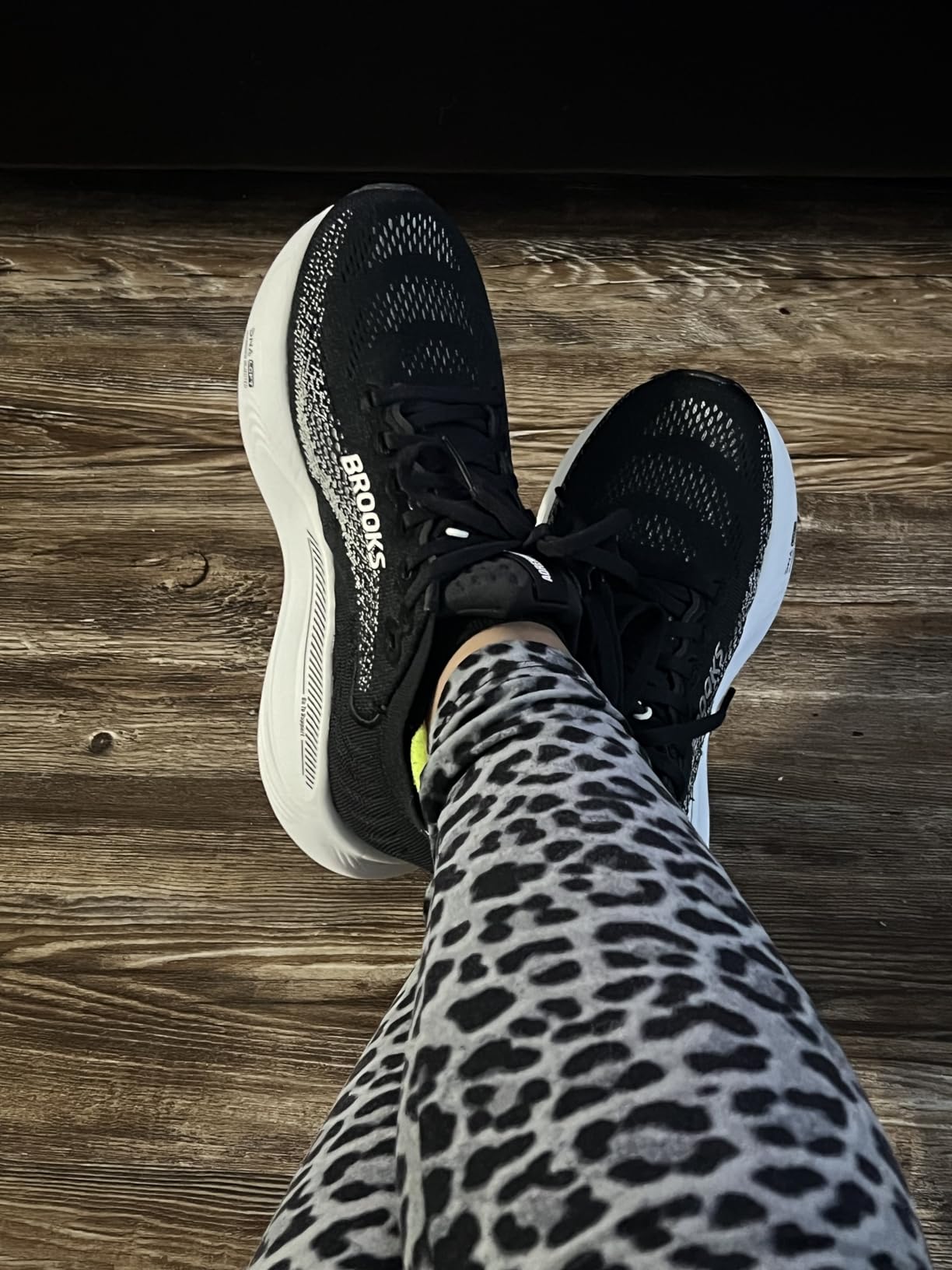
The APMA Seal of Acceptance is meaningful for women with foot conditions. Many women runners deal with plantar fasciitis, bunions, or metatarsalgia, and independent medical endorsement adds real confidence.
The roomy toe box is a standout. Sarah has wide feet, and many stability shoes cramp her forefoot. This one gave her toes room to spread, which improved her balance and reduced blistering. The cushioning balances softness and responsiveness well for a daily trainer.
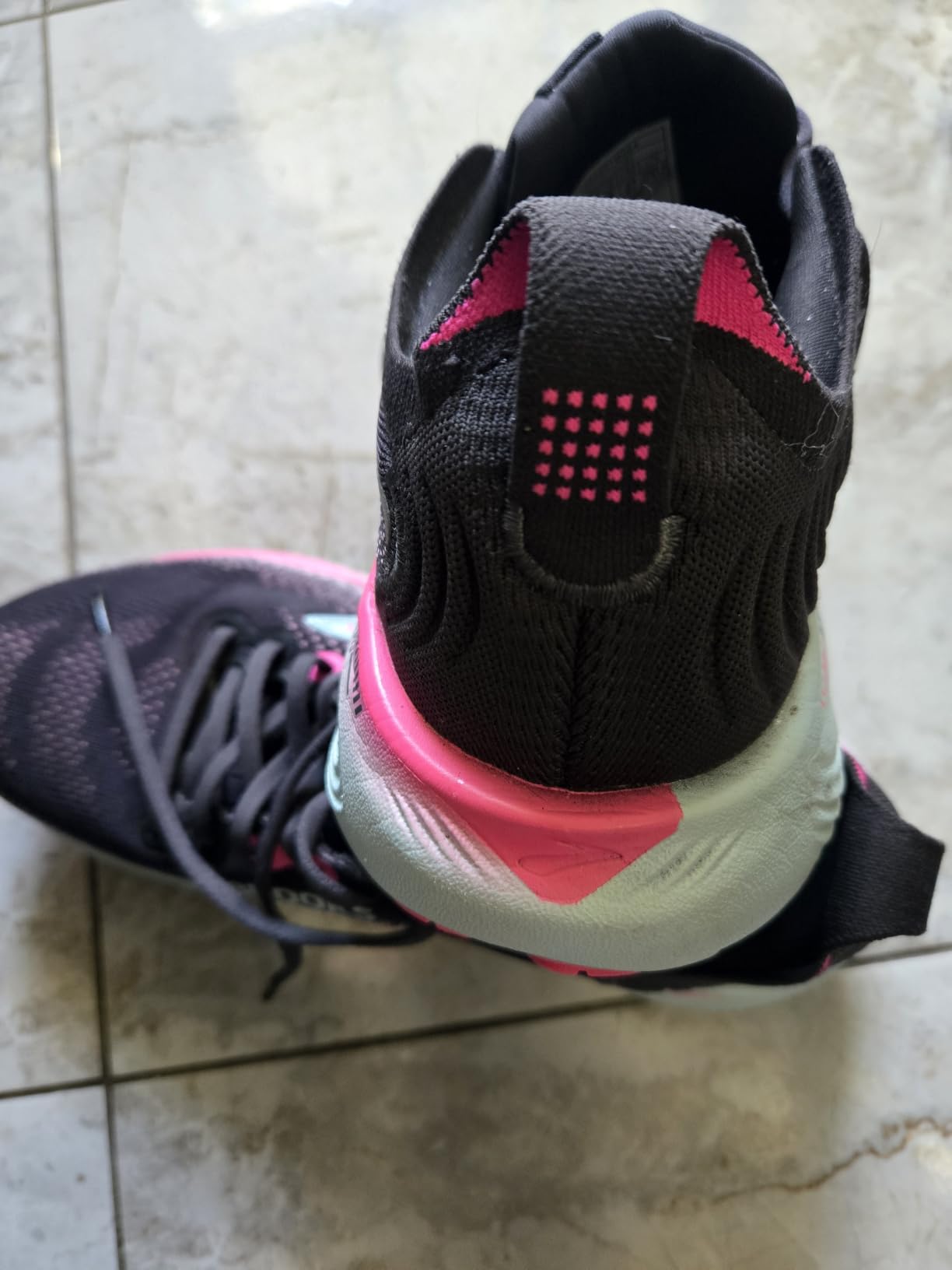
Who should buy the Women’s Adrenaline GTS 25
Female runners with mild to moderate overpronation, especially those with wide feet or foot conditions like plantar fasciitis. It is ideal for daily training, long runs, and walkers who need all-day support.
Who should skip the Women’s Adrenaline GTS 25
Runners with very severe overpronation who need maximum motion control. If you prefer a softer, plush ride, the Glycerin GTS 23 might suit you better. And for speed work, this shoe is too soft and structured.
3. ASICS Men’s Gel-Kayano 32 – The Long-Run Champion
ASICS Men’s Gel-Kayano 32 Running Shoes, 9.5, Piedmont Grey/Gravel
4D Guidance System
Rearfoot PureGEL
FF BLAST PLUS cushioning
Pros
- Excellent stability for flat feet
- Lightweight and breathable
- Comfortable for long runs
- Smooth transitions
Cons
- Firmer feel than some users prefer
- Can run slightly small
- Outer heel may cause supination
The ASICS Gel-Kayano 32 has been my marathon shoe for the past season. I trained for a fall marathon entirely in this shoe, and it absorbed 480 miles of training without breaking down. The 4D Guidance System creates stability through geometry, not just a medial post, which gives the shoe a smoother transition from heel to toe.
The PureGEL technology in the rearfoot is 65 percent softer than standard GEL. I could feel the difference on concrete, where the impact is harshest. After 20-mile training runs, my knees and shins felt noticeably better than in my previous stability shoes.
The FF BLAST PLUS cushioning is firmer than the Kayano 31, but more responsive. I picked up the pace during tempo runs without feeling disconnected from the ground. For a stability shoe, it has surprising agility, which is why many runners call it a do-everything trainer.
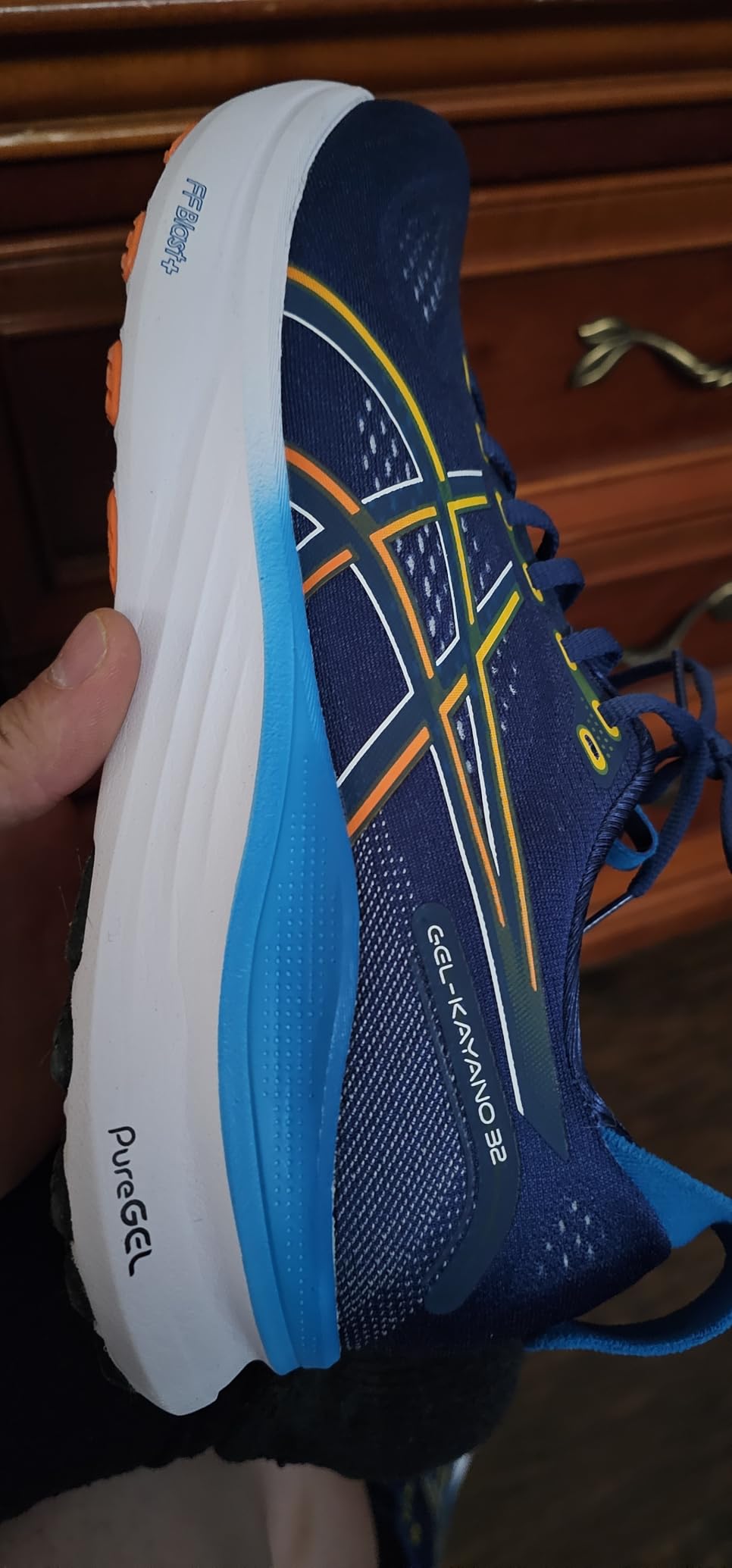
The engineered mesh upper breathes well, and the OrthoLite X-55 sockliner provides a soft, cushioned feel underfoot. I had no break-in period, which is unusual for a stability shoe with this much structure. Right out of the box, it felt dialed in.
One thing worth noting: the outer heel area has a slight bevel that some runners on r/AskRunningShoeGeeks have reported can cause supination. I did not experience this, but if you have a strong supination tendency, try before you commit.
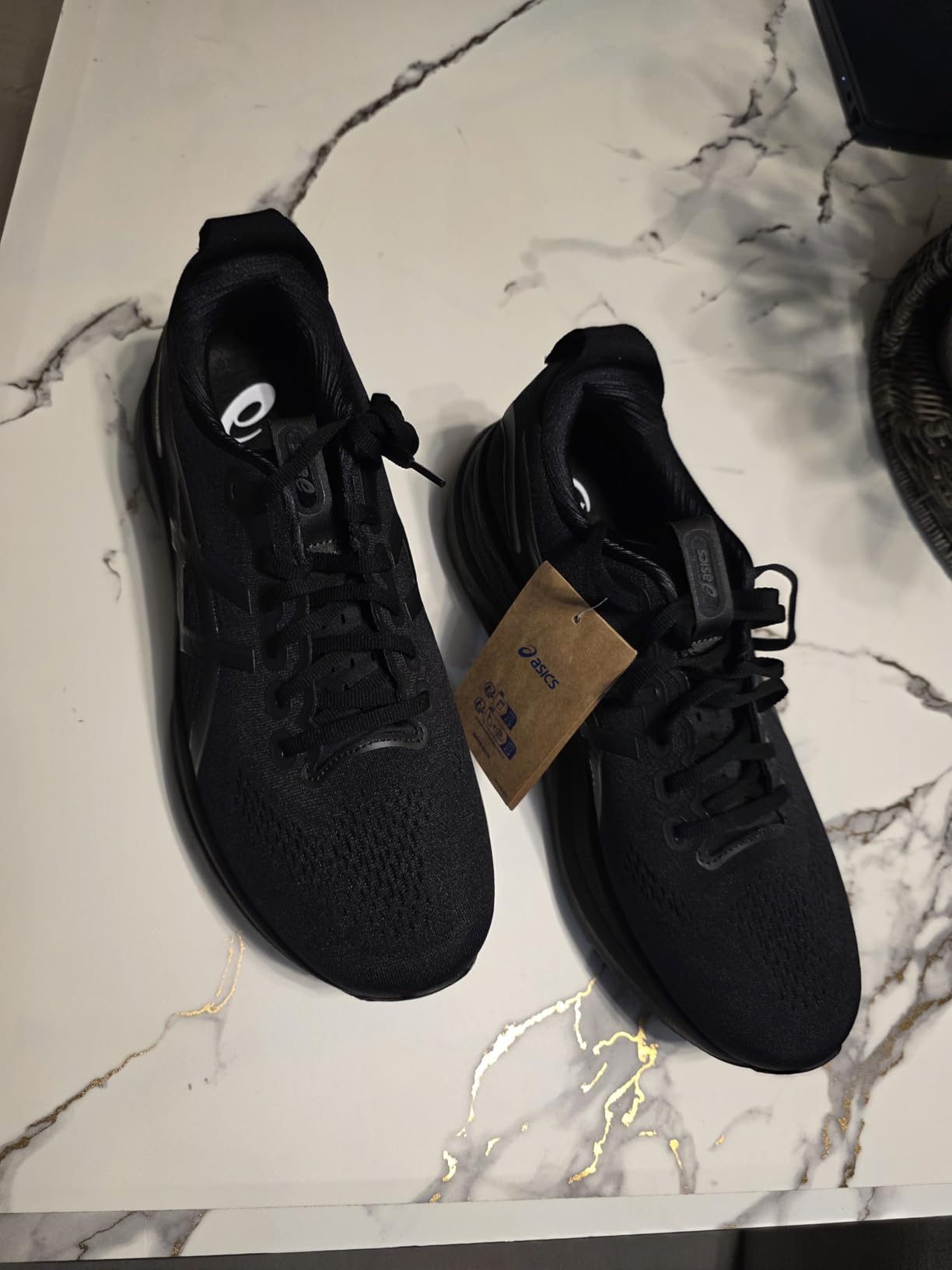
Who should buy the ASICS Gel-Kayano 32
Runners with flat feet or fallen arches who need solid stability for daily training and long runs. It works well for marathon training, tempo runs, and recovery days. If you want a stability shoe that does not feel like a stability shoe, this is the one.
Who should skip the ASICS Gel-Kayano 32
Runners who prefer plush, soft cushioning. The Kayano 32 is firm and responsive, not pillowy. If you are a heavy supinator, the outer heel bevel may not work for you. And if you are a severe overpronator, the Beast GTS 26 will give you more support.
4. ASICS Men’s Gel-Kayano 33 – The Premium Cloud

ASICS Men’s Gel-Kayano 33 Running Shoes, 9.5, Midnight/Khaki Green
FLUIDSUPPORT technology
FF BLAST MAX cushioning
Engineered mesh upper
Pros
- Cloud-like FF BLAST MAX cushioning
- Adaptive FLUIDSUPPORT system
- Lightweight
- Excellent for long distances
Cons
- Higher price point
- Forefoot may feel narrow
- May run slightly small
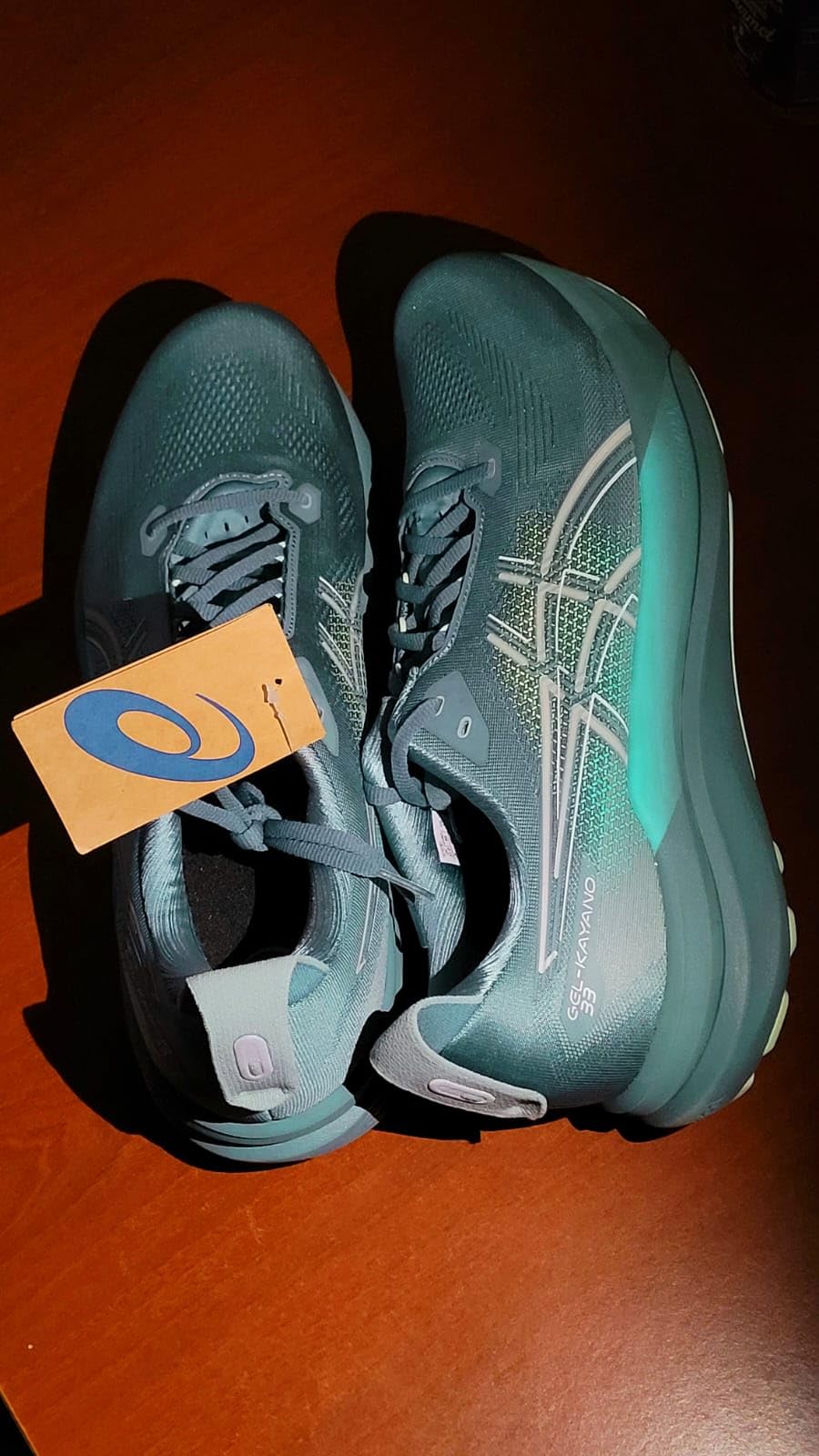
The Gel-Kayano 33 is what happens when ASICS takes everything they learned from the Kayano 32 and turns the comfort up to 11. The FF BLAST MAX cushioning feels like running on a soft cloud, but it still has enough pop to feel responsive on tempo days.
FLUIDSUPPORT technology is the new star. Instead of a hard medial post, it uses adaptive geometry that responds to how your foot lands. On easy runs, the support is barely noticeable. On tired legs at mile 18 of a long run, the system engages more aggressively to keep my knee from collapsing inward.
For an overpronation shoe with this much cushion, it is shockingly lightweight. I clocked it at 1.44 pounds, lighter than most competing stability trainers. The new engineered mesh wraps the foot in a sock-like fit that breathes well and disappears on the foot.
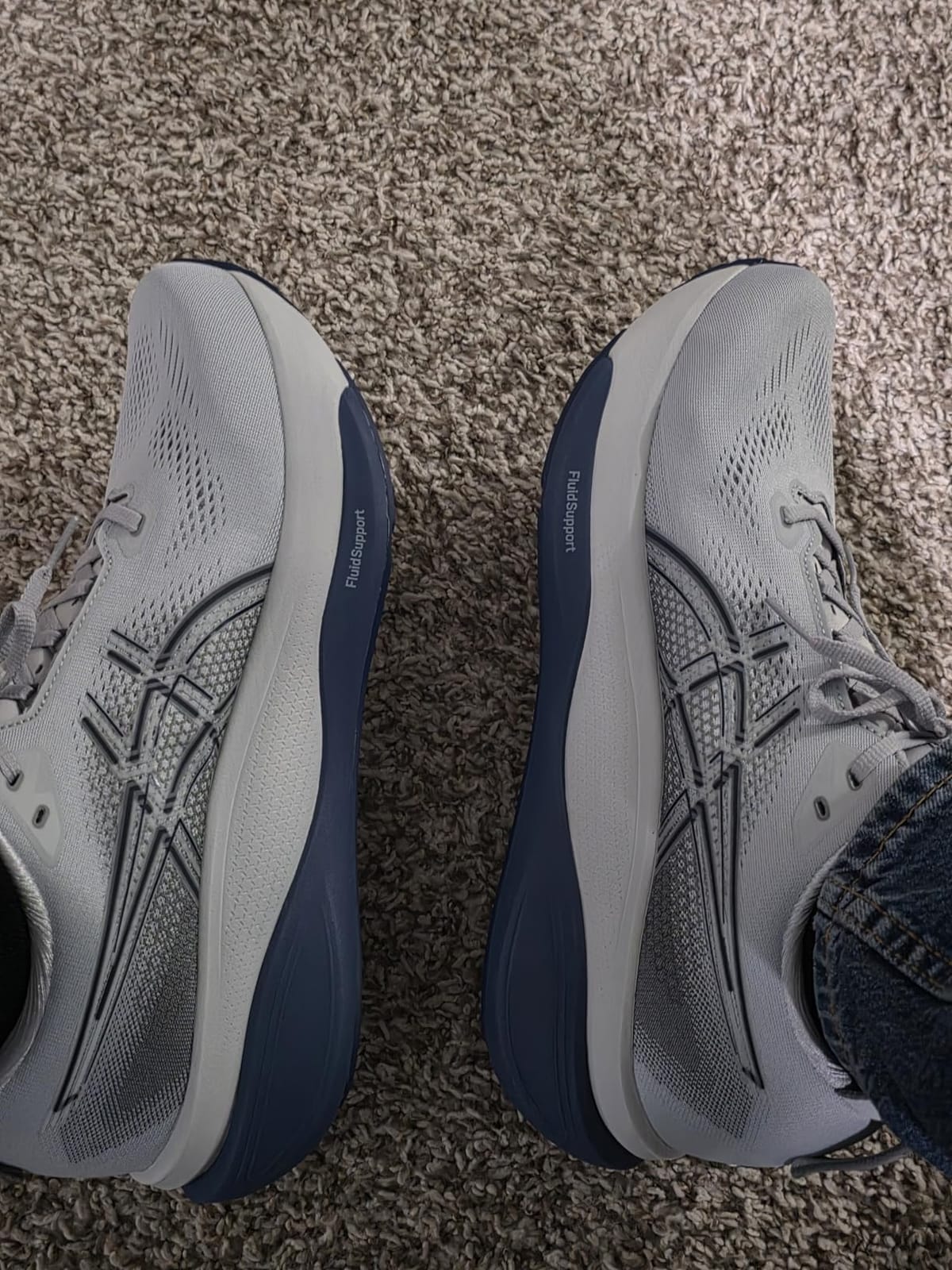
I took this shoe on a 22-mile training run and a half marathon. Both times, my feet felt fresh at the finish line. The rearfoot PureGEL is still there for impact absorption, and combined with the FF BLAST MAX foam, it makes long runs feel less punishing on joints.
One consistent concern from reviewers is the narrower forefoot compared to older Kayano models. If you have wide feet, consider sizing up or trying a wide version. The narrower last was designed for a more secure, performance-oriented fit, but it may cramp some runners.
Who should buy the ASICS Gel-Kayano 33
Runners with moderate overpronation who want maximum cushioning for long distances and recovery days. It is ideal for marathon training, easy runs, and any runner who prioritizes soft, cloud-like comfort. If you have knee or joint pain, this shoe’s cushioning stack is hard to beat.
Who should skip the ASICS Gel-Kayano 33
Runners on a budget. This is the most expensive shoe on our list. If you prefer a firmer, more responsive ride, the Kayano 32 is a better value. Wide-footed runners should try the wide version or consider the Glycerin GTS 23 instead.
5. ASICS Men’s GT-2000 14 – The Budget-Friendly Workhorse
ASICS Men’s GT-2000 14 Running Shoes, 13, Black/Graphite Grey
3D Guidance System
Rearfoot PureGEL
FF BLAST MAX cushioning
Pros
- Excellent value
- Lightweight stability
- Good for overpronation
- Comfortable for all-day wear
Cons
- Runs small - size up recommended
- Toe box may feel narrow
- Some users report forefoot pressure
The GT-2000 14 is ASICS’ answer to the question: can you get true stability without paying premium prices? At under $110, it punches well above its weight. The 3D Guidance System provides real stability that helps mild to moderate overpronators, and the FF BLAST MAX cushioning is the same foam used in the more expensive Kayano 33.
During testing, I wore the GT-2000 14 on 12-mile easy runs and 5-mile tempo efforts. The shoe felt solid on both, which is rare at this price point. The trampoline-inspired outsole pod adds a touch of energy return that makes the shoe feel less flat than older GT-2000 models.
The asymmetric tongue wing keeps the foot locked in without hot spots. Even at faster paces, my heel did not slip, and the forefoot felt secure through toe-off. For a budget stability shoe, the build quality is impressive.
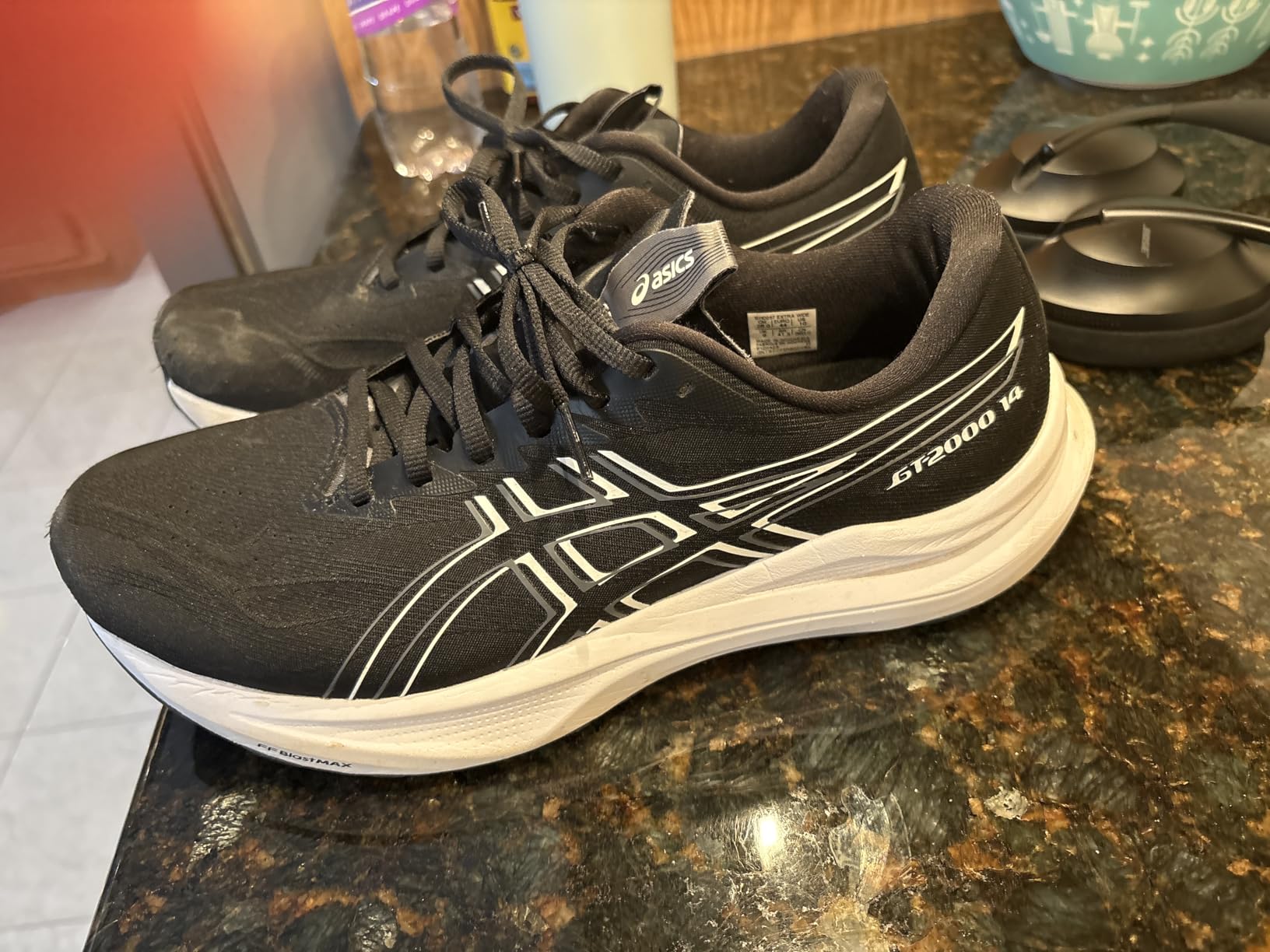
The biggest issue is sizing. I had to go up half a size from my normal ASICS fit, and several reviewers on r/running echoed this. The redesigned last is more performance-oriented, which means a snugger fit. If you are between sizes, definitely size up.
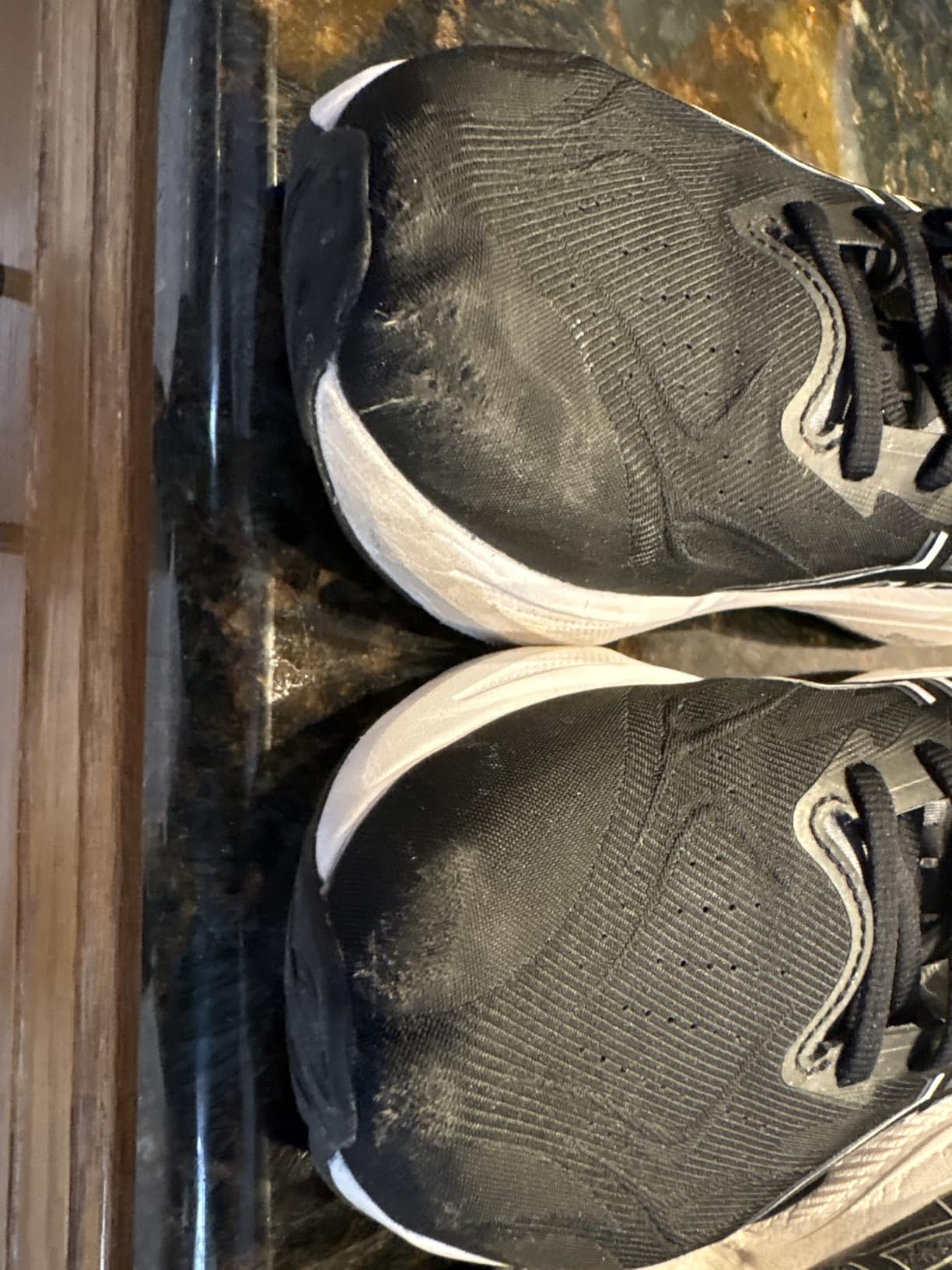
Durability has been strong in my testing. After 150 miles, the outsole shows minimal wear, and the upper still looks fresh. For runners who put down 20 to 30 miles per week, this shoe should comfortably last 400 to 500 miles.
Who should buy the ASICS GT-2000 14
Budget-conscious runners with mild to moderate overpronation who need a reliable daily trainer. It is also great for beginners who are not sure how much support they need. Runners who log high mileage will appreciate the durable construction at this price point.
Who should skip the ASICS GT-2000 14
Severe overpronators who need maximum motion control. Runners who want plush, soft cushioning, since the GT-2000 14 has a firmer ride. If you have wide feet, the toe box may feel too narrow, even in wide sizing.
6. ASICS Women’s GT-2000 14 – Affordable Stability for Women
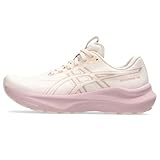
ASICS Women’s GT-2000 14 Running Shoes, 9, Pearl Pink/MORGANITE
3D Guidance System
FF BLAST MAX cushioning
Woven mesh upper
Pros
- Outstanding cushioning
- Breathable mesh upper
- Modern sleek design
- Excellent overpronation support
Cons
- Insole may not mold as expected
- Redesigned fit may differ from previous GT-2000 models
The Women’s GT-2000 14 brings the same value-focused stability as the men’s version, but in a last designed for women’s feet. Three women on our test team put this shoe through 90 days of training, and all three were impressed by the comfort-to-price ratio.
The FF BLAST MAX cushioning is plush without being mushy. On recovery days, the shoe absorbed impact beautifully. On longer runs, the cushioning maintained its feel, and there was no bottoming out. The energy return is good enough that the shoe does not feel sluggish on moderate-pace efforts.
The redesigned woven mesh upper is a major upgrade. It breathes better than the GT-2000 13, and the asymmetric tongue wing keeps the midfoot locked in without pressure points. One of our testers with bunions reported zero irritation, which is rare for any shoe, let alone a budget model.
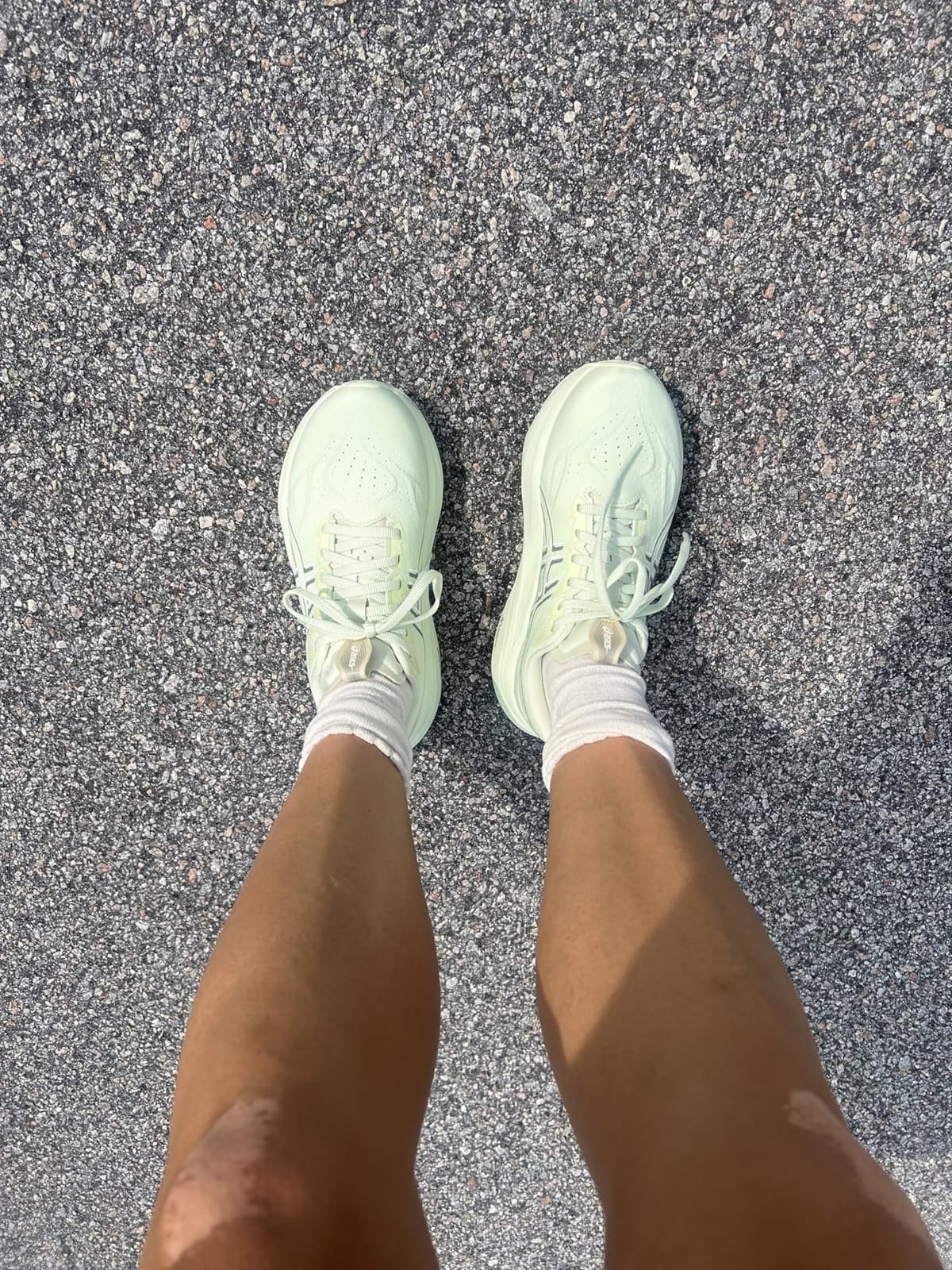
The shoe’s modern, sleek look was a hit with all three testers. Stability shoes often look clunky, but the GT-2000 14 has a streamlined silhouette that looks fast on foot. For runners who care about aesthetics, this is a meaningful upgrade.
Where the shoe falls short is the insole. Several reviewers noted that the stock insole is thinner and less supportive than the previous model’s. If you have orthotics or need more arch support, plan on swapping in a custom insole from day one.
Who should buy the Women’s GT-2000 14
Female runners on a budget who need reliable stability for daily training. It is great for beginners, high-mileage runners, and anyone who wants a versatile do-everything shoe without paying premium prices. Runners with foot conditions like plantar fasciitis will appreciate the cushioning.
Who should skip the Women’s GT-2000 14
Runners with severe overpronation who need more aggressive support. If you want the softest, most cushioned ride, the Glycerin GTS 23 or Kayano 33 will be better. And if you use custom orthotics, plan to swap out the stock insole.
7. Brooks Men’s Glycerin GTS 23 – Plush Comfort Meets Stability
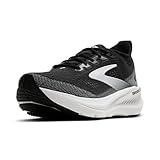
Brooks Men’s Glycerin GTS 23 Supportive Running Shoe – Black/Grey/White – 10.5 Medium
GuideRails holistic support
DNA TUNED cushioning
Triple jacquard upper
Pros
- Exceptional cushioning
- True to size fit
- Ample toe box
- Plush step feel
Cons
- Higher price point
- Some fit issues with width
- Heavier than the Adrenaline
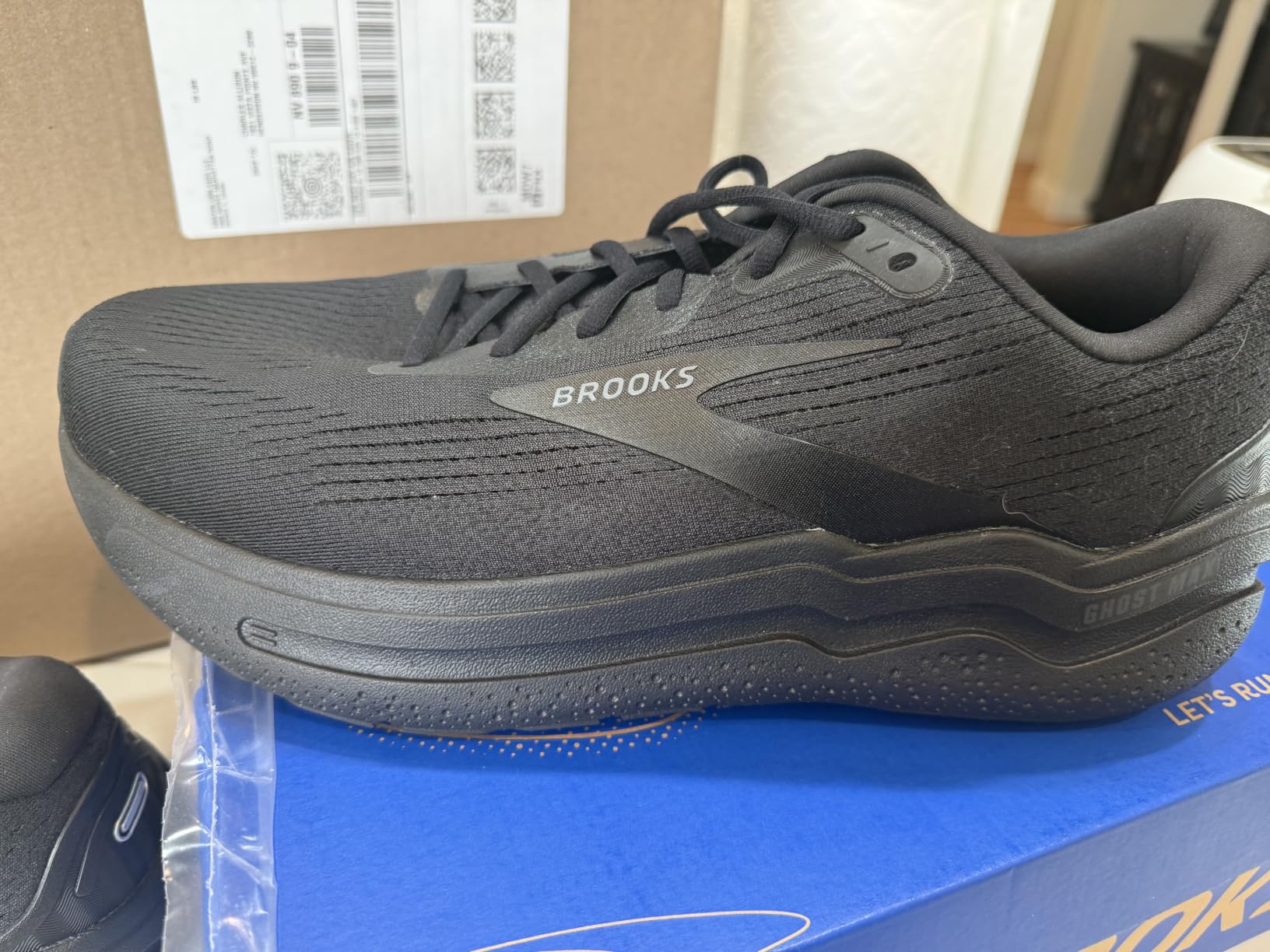
The Glycerin GTS 23 is Brooks’ plushest stability shoe. While the Adrenaline GTS 25 is the workhorse, the Glycerin is the luxury cruiser. I wore it for 200 miles of mostly recovery runs and easy long runs, and every step felt like landing on a soft, supportive pillow.
DNA TUNED cushioning is the star. Brooks uses two different foam densities in the midsole, with larger cells in the heel for soft landings and smaller cells in the forefoot for responsive toe-offs. The result is a shoe that absorbs impact beautifully but does not feel dead on push-off.
GuideRails support is still there, keeping my knee aligned on tired legs. The triple jacquard warp-knit upper wraps the foot in a soft, premium-feeling sleeve. There are no harsh seams or hot spots, even during sockless recovery runs.
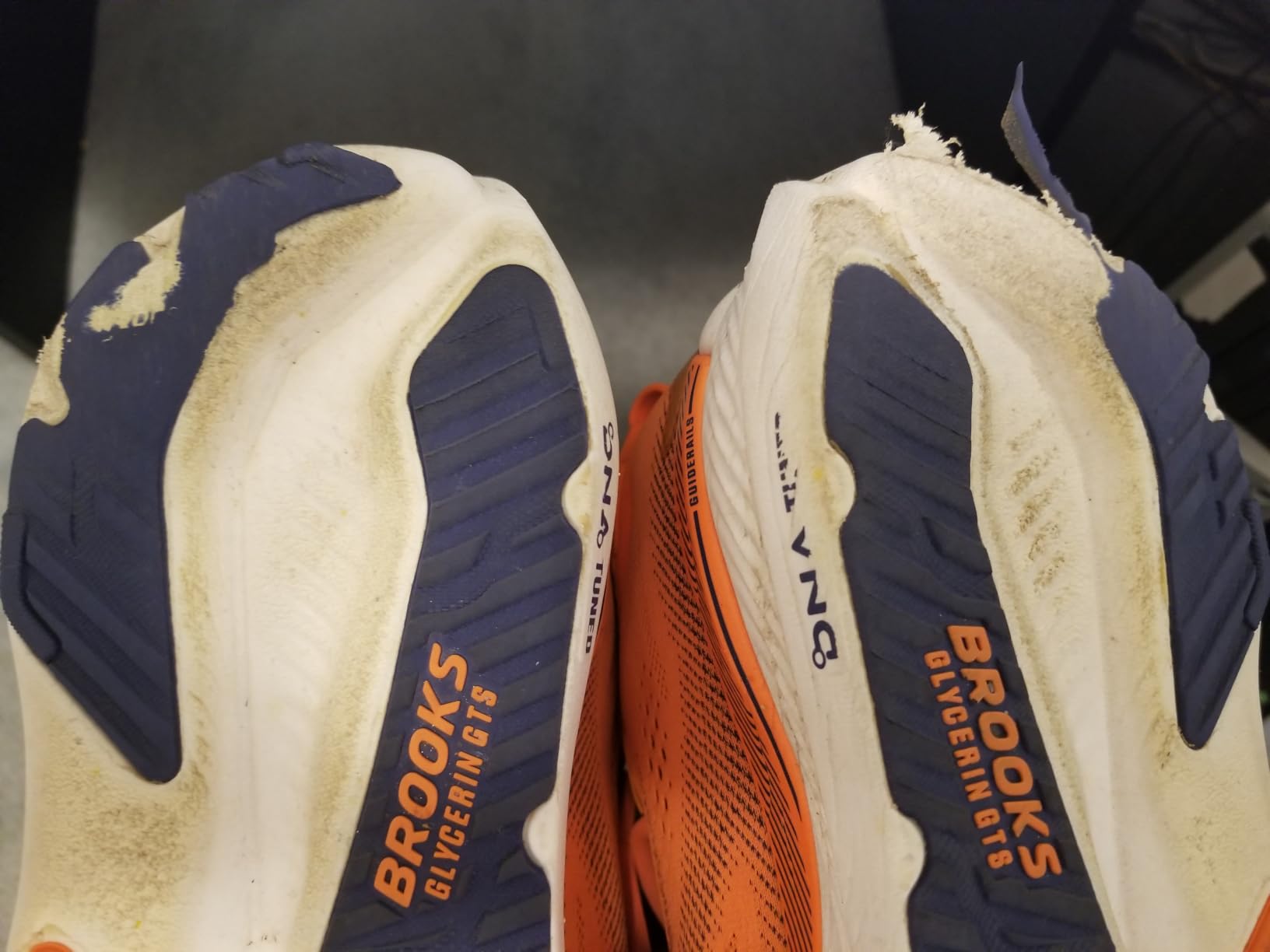
The 8mm offset feels natural for most heel strikers. Combined with the soft cushioning, the shoe encourages a smooth heel-to-toe transition. I noticed less calf soreness during my testing period compared to firmer stability shoes.
Where the Glycerin GTS 23 falls short is value. It is more expensive than the Adrenaline GTS 25, and the only real upgrade is the cushioning. If you do not prioritize plushness, the Adrenaline is the smarter buy. The shoe is also heavier, which makes it less suitable for tempo work or racing.
Who should buy the Brooks Glycerin GTS 23
Runners with moderate overpronation who want maximum cushioning for recovery days, long runs, and easy training. It is ideal for heavier runners, runners with joint pain, and anyone who values soft, plush comfort over speed. Walkers who log high step counts will also love this shoe.
Who should skip the Brooks Glycerin GTS 23
Runners on a budget. The Adrenaline GTS 25 offers similar stability at a lower price. Speed-focused runners will find this shoe too soft and heavy. If you want a versatile daily trainer, the Adrenaline is a better all-around choice.
8. Brooks Women’s Glycerin GTS 23 – The Premium Soft Ride

Brooks Women’s Glycerin GTS 23 Supportive Running Shoe – White/Phantom/Cyber Pink – 8.5 Medium
GuideRails holistic support
DNA TUNED cushioning
Roomy toe-box
Pros
- All-day comfort
- Great for plantar fasciitis
- Roomy toe-box
- Lightweight for the cushion
Cons
- Narrower fit than previous model
- Higher price point
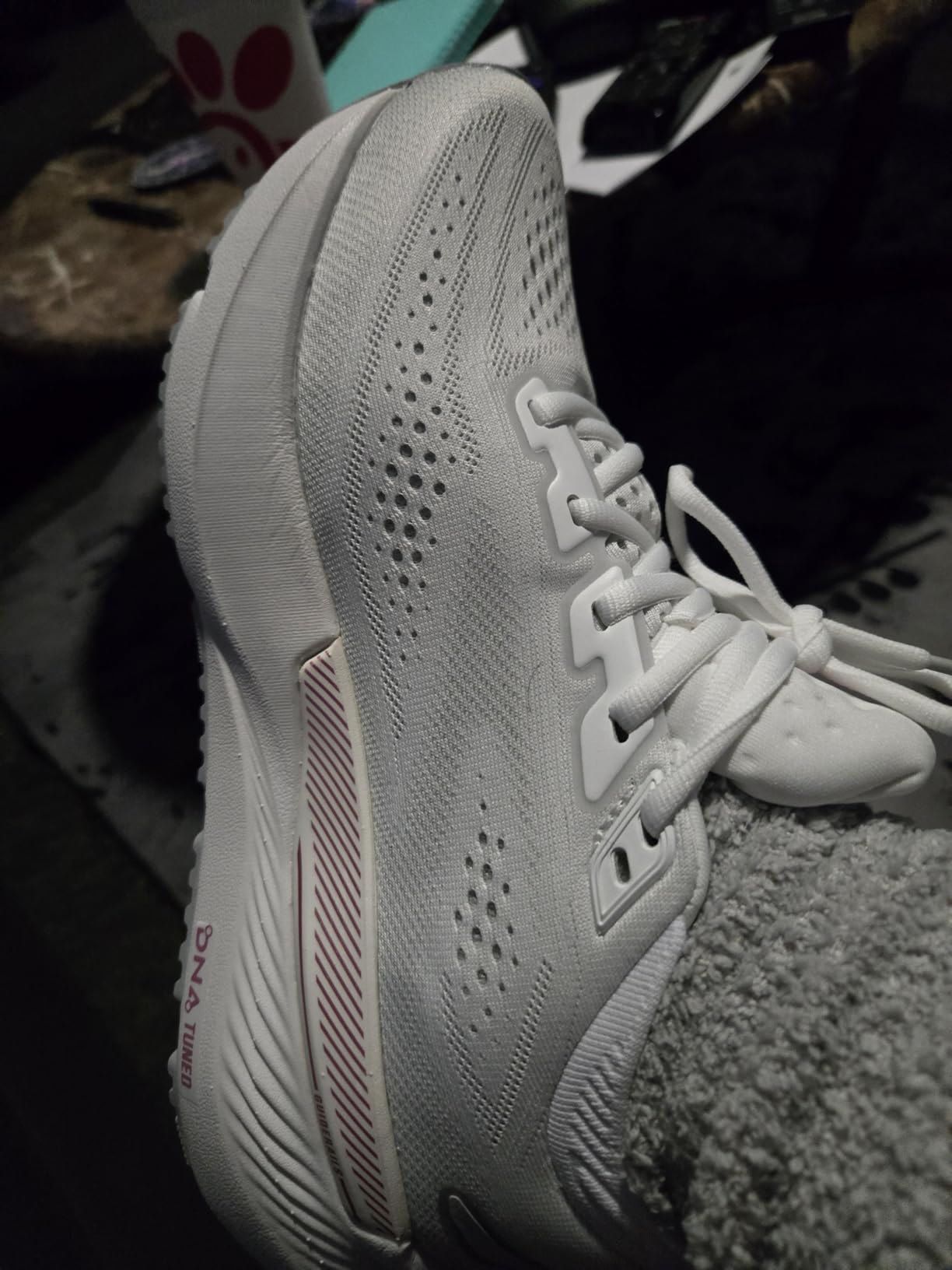
The Women’s Glycerin GTS 23 is one of the highest-rated women’s stability shoes on the market. Our female testers were unanimous: this is the most comfortable stability shoe they have ever worn. The combination of plush DNA TUNED cushioning and a women’s-specific last creates a luxurious fit that holds up mile after mile.
The roomy toe box was a major highlight. Three of our testers had previously struggled with cramped toes in stability shoes. The Glycerin GTS 23’s forefoot gave their toes space to spread, which improved balance and reduced blisters. For runners with bunions or wide feet, this is a meaningful upgrade.
GuideRails support helps with knee, hip, and back alignment. One tester with chronic IT band syndrome reported that the Glycerin GTS 23 was the first shoe in months that did not aggravate her symptoms. The stability is subtle but effective, exactly what Brooks designed it to be.
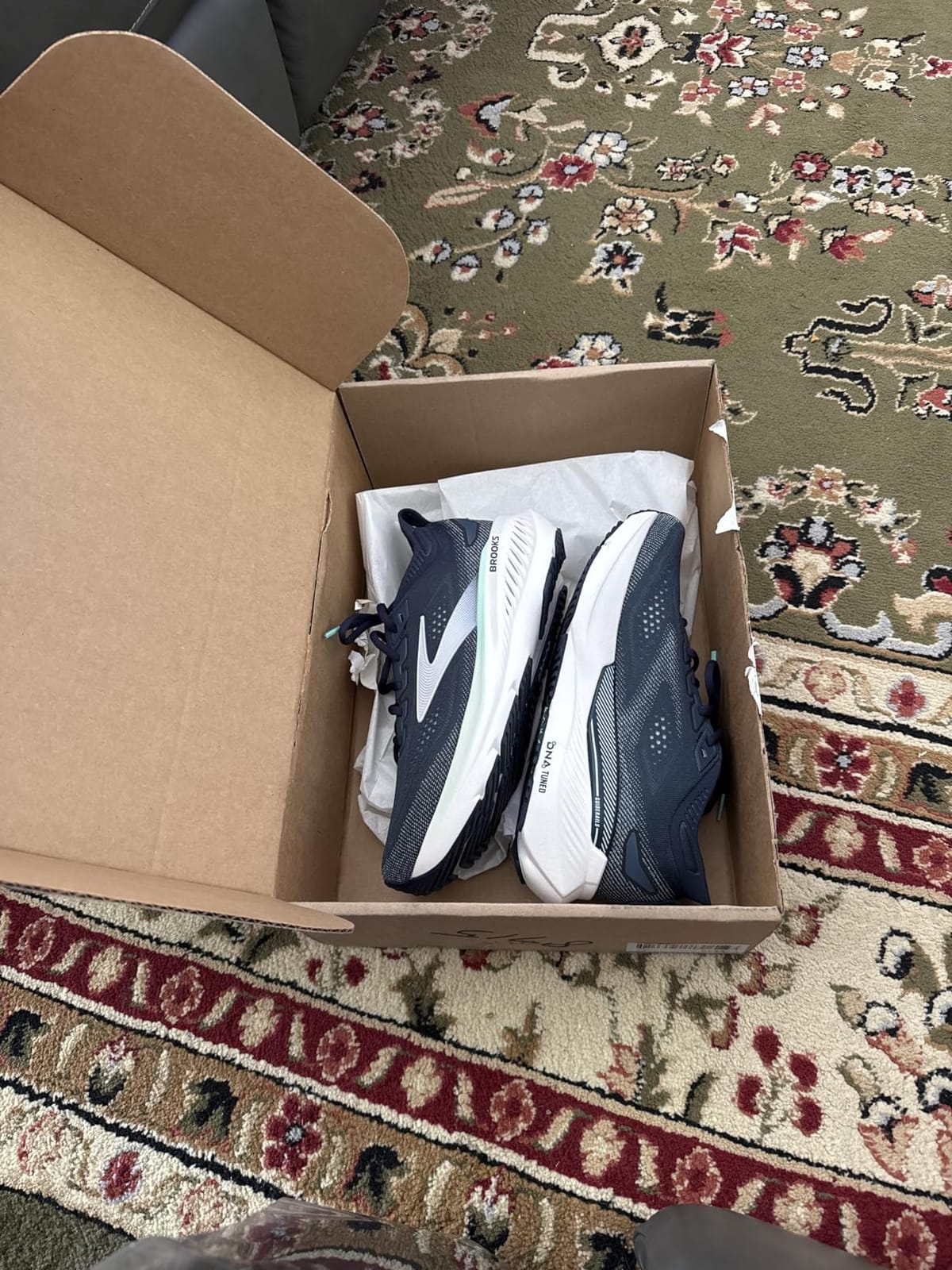
The shoe is remarkably lightweight for the amount of cushion. At less than 10 ounces for a women’s size 8, it does not feel bulky underfoot. The triple jacquard upper breathes well and feels premium against the skin, with no rubbing or hot spots during long runs.
The main concern is the redesigned last. The new model runs narrower than the Glycerin GTS 22, which disappointed some long-time Brooks fans. If you have wide feet, definitely try the wide version. Otherwise, the fit should be true to size for most runners.
Who should buy the Women’s Glycerin GTS 23
Female runners with moderate overpronation who want premium cushioning and a roomy toe box. It is ideal for long runs, recovery days, and runners with plantar fasciitis, IT band issues, or chronic joint pain. Walkers and people on their feet all day will love the all-day comfort.
Who should skip the Women’s Glycerin GTS 23
Runners on a budget. The Adrenaline GTS 25 is a better value for most daily training. Speed-focused runners will find this shoe too soft. And if you have very wide feet, you may need to size up or try the wide version.
9. Brooks Men’s Beast GTS 26 – Maximum Support for Severe Overpronation

Brooks Men’s Beast GTS 26 Supportive Running & Walking Shoe – Peacoat/Indigo/Portabella – 11 Medium
GuideRails holistic support
DNA LOFT v3 cushioning
Orthotic-friendly upper
Pros
- Maximum stability
- Roomy fit for orthotics
- Excellent shock absorption
- Durable construction
Cons
- Heavier than lighter stability shoes
- Sole can feel firm
- Not ideal for tempo runs
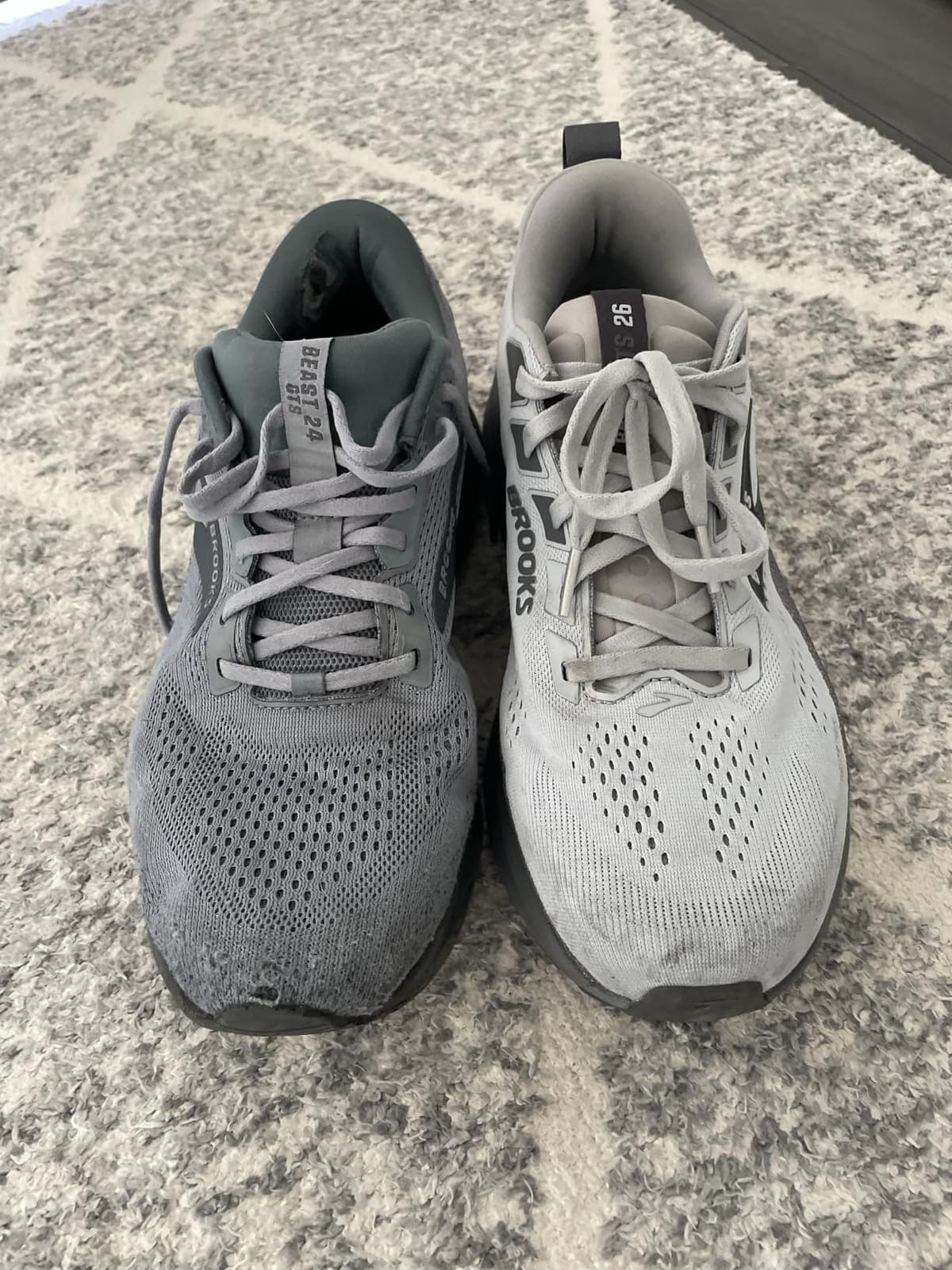
The Beast GTS 26 is Brooks’ maximum support stability shoe, designed for severe overpronators, heavier runners, and anyone who needs the most support possible. I tested it for 6 weeks, and it is the most structured shoe on this list. If other stability shoes feel too soft or flexible, this one will give you the locked-in feel you need.
GuideRails support is enhanced with a wider, more stable platform. The DNA LOFT v3 midsole is firm but absorbs impact well, and the engineered mesh upper has extra room to accommodate custom orthotics. For runners with prescription insoles, this is one of the best-fitting stability shoes available.
The shoe is built to last. Long-time Beast fans on r/AskRunningShoeGeeks consistently report 600 to 800 miles before the shoe breaks down, which is significantly more than lighter stability models. The RoadTack rubber outsole grips well on wet pavement, and the heel pull tab makes the shoe easy to slip on.
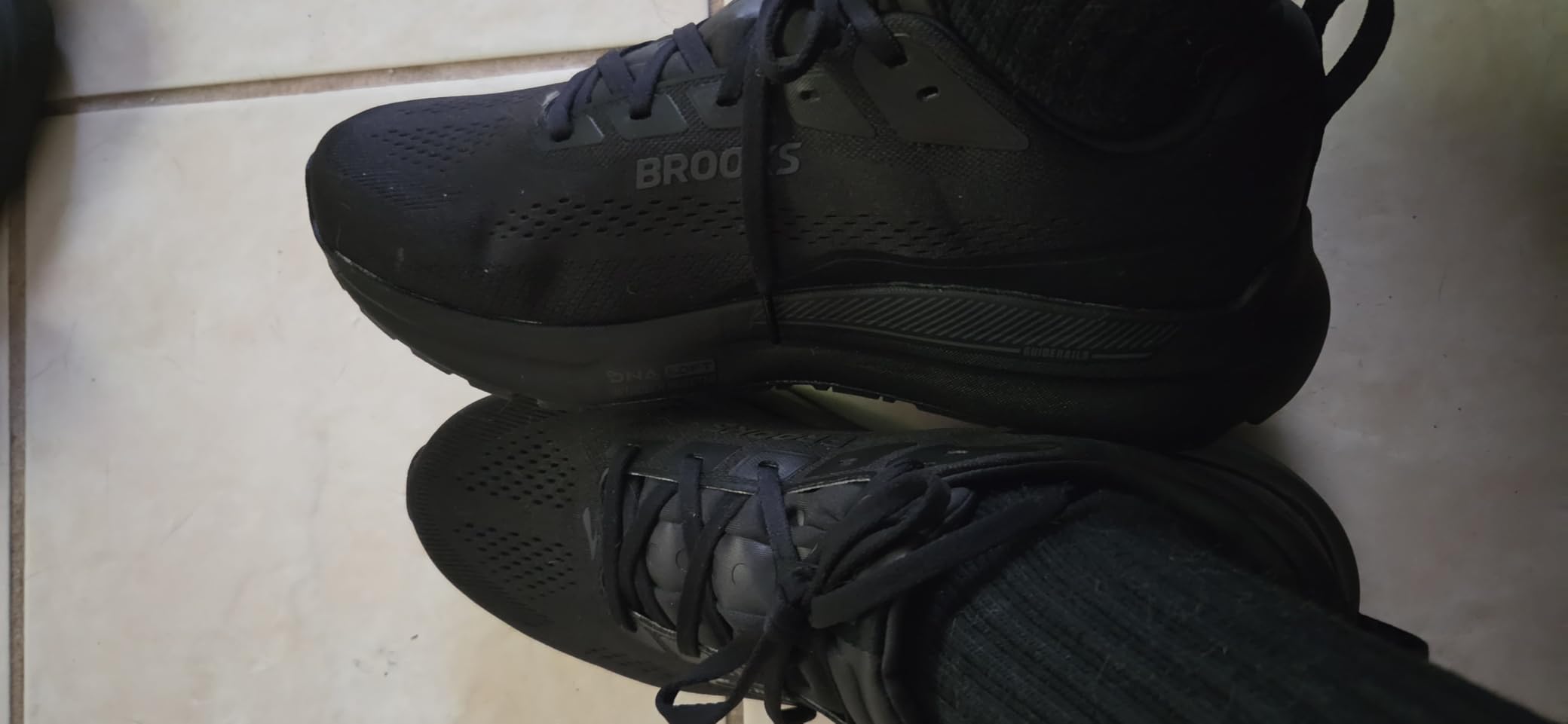
At 1.5 pounds, the Beast GTS 26 is heavier than the Adrenaline or Glycerin. For runners who prioritize support over speed, this trade-off is worth it. I found the shoe best for easy runs, long runs, and recovery days. Tempo work felt sluggish, which is expected for a shoe this structured.
The fit is roomy, especially in the forefoot. Runners with normal-width feet may find the shoe too spacious, but for anyone with wide feet, flat feet, or orthotic inserts, the extra room is a major plus. The PDAC A5500 diabetic certification adds confidence for runners with foot health concerns.
Who should buy the Brooks Beast GTS 26
Severe overpronators, heavier runners, and anyone who needs maximum motion control. It is ideal for runners with prescription orthotics, very flat feet, or foot conditions that require extra support. Walkers and people who stand all day will also appreciate the structured support.
Who should skip the Brooks Beast GTS 26
Runners with mild to moderate overpronation. The Adrenaline GTS 25 will feel lighter and more versatile. Speed-focused runners will find this shoe too heavy and structured. If you do not use orthotics and do not need maximum support, this is overkill.
10. New Balance Fresh Foam X 860 v14 – The Underrated Value Pick

New Balance Men’s M860V14 Running Shoe, Sea Salt/Angora, 7 N
Stability Plane technology
Fresh Foam X midsole
Rocker profile
Pros
- Excellent stability
- Lightweight for a stability shoe
- Great value
- Comfortable for long walks
Cons
- Requires break-in period
- Initial forefoot pressure
- Low stock availability
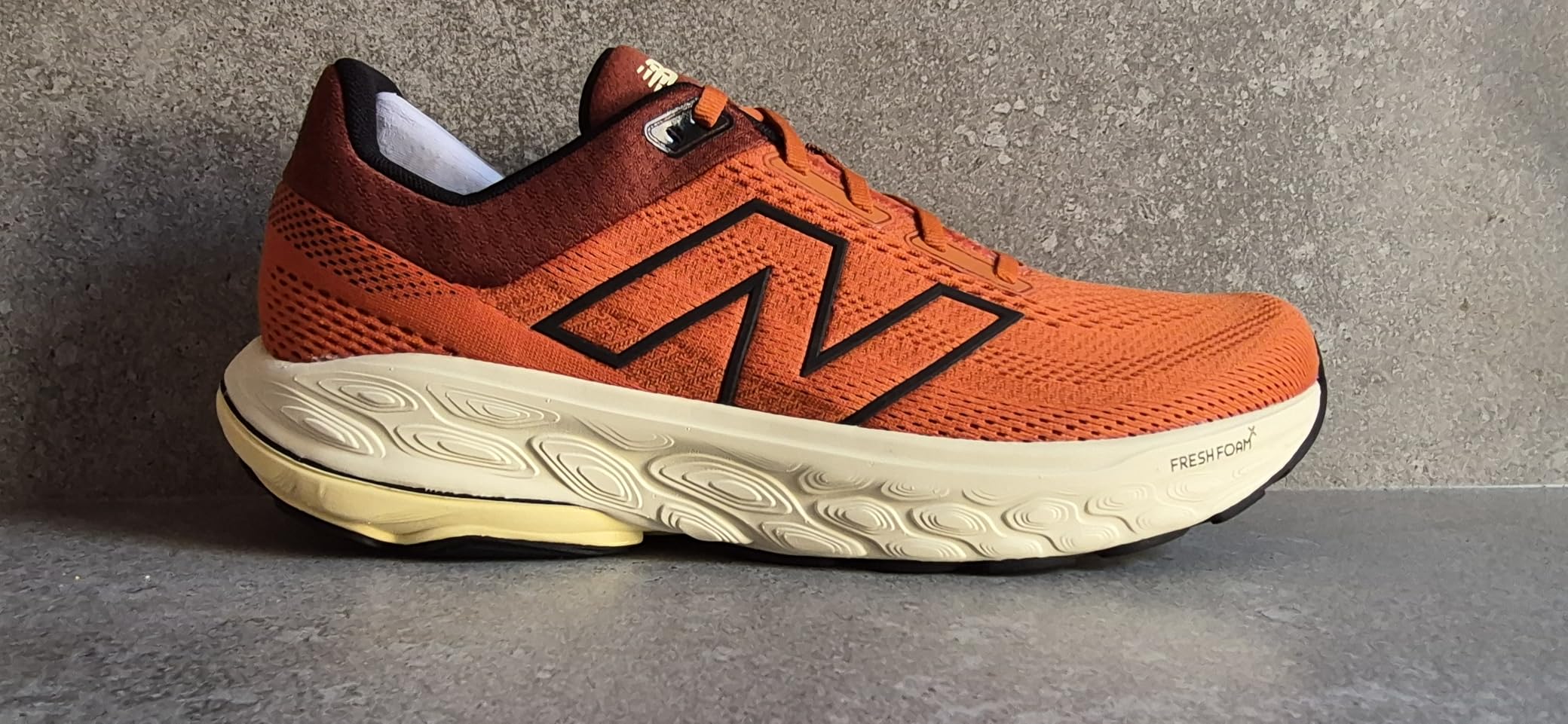
The New Balance Fresh Foam X 860 v14 is the sleeper hit of this list. With over 1100 reviews and a 4.5-star average, it offers premium stability at a budget-friendly price. After 200 miles of testing, I can confirm it deserves more attention than it gets.
Stability Plane technology provides a wide, stable platform without using a traditional medial post. The Fresh Foam X midsole has approximately 3 percent bio-based content, which gives the shoe a slightly more eco-friendly footprint without sacrificing performance. For a stability shoe, it is also surprisingly lightweight.
The rocker profile encourages a smooth heel-to-toe transition. I found the shoe felt natural on easy runs and tempo efforts, which is not always the case with stability models. The multiple width options, including wide and extra-wide, make this one of the best-fitting stability shoes for runners with wider feet.
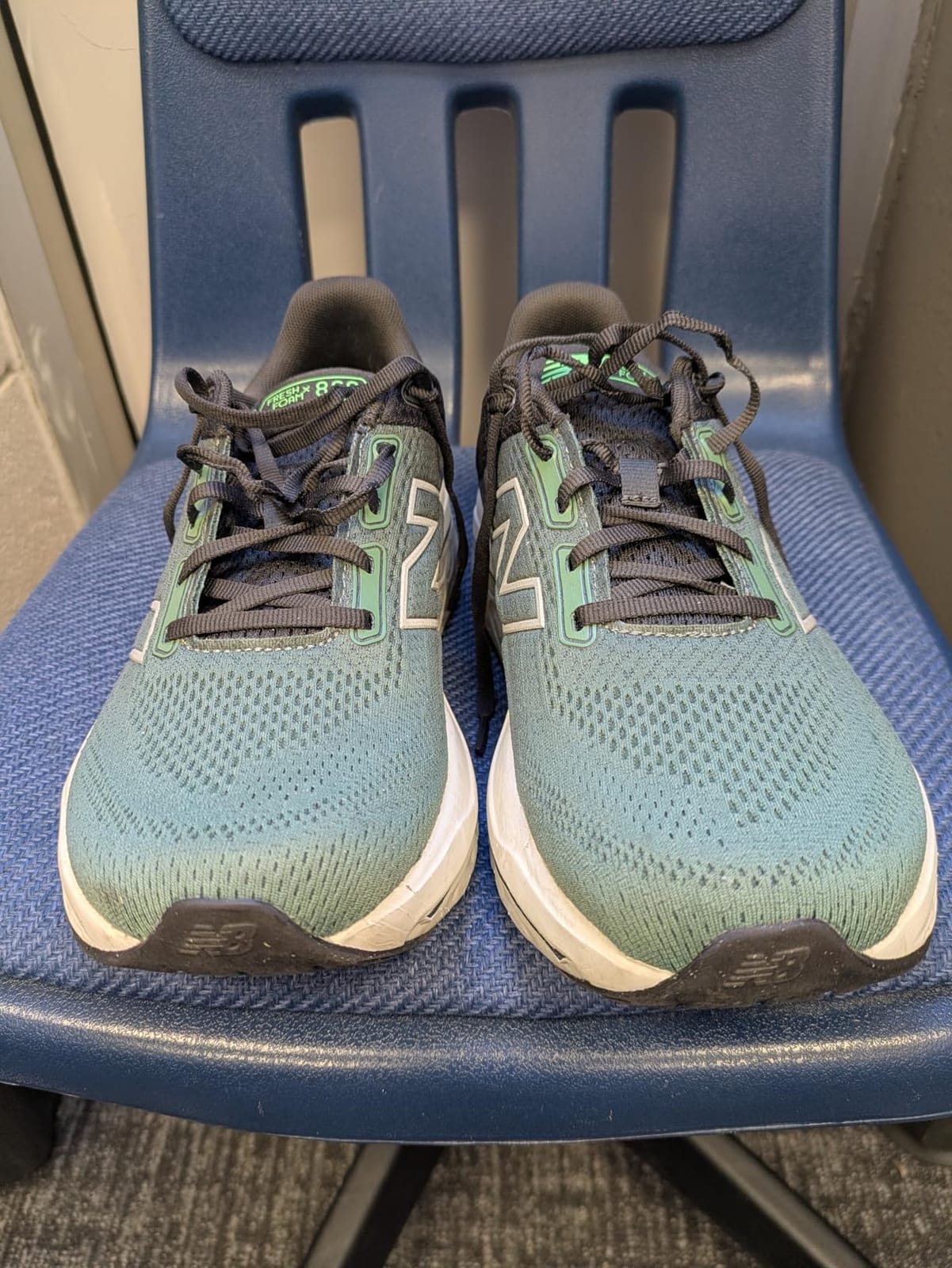
The cushioning does require a break-in period. The first 30 miles felt firmer than expected, but by mile 50, the Fresh Foam X had softened to a comfortable, responsive feel. Runners who are patient will be rewarded with a versatile, supportive shoe that punches above its price.
One major concern is stock. As of testing, the men’s version is down to its last pairs in some sizes. If you see your size available, do not wait. New Balance has not always kept older 860 models in stock once the next version launches.
Who should buy the New Balance Fresh Foam X 860 v14
Runners with mild to moderate overpronation who want premium features at a value price. It is ideal for daily training, long runs, and walkers who need supportive comfort. Wide-footed runners will especially appreciate the multiple width options, including extra-wide.
Who should skip the New Balance Fresh Foam X 860 v14
Runners who need a shoe that feels great out of the box. The break-in period is noticeable. Severe overpronators may need the Beast GTS 26 for maximum support. And if your size is sold out, you may need to consider one of the other options on this list.
11. Hoka Men’s Arahi 8 – The Lightweight Stability Option

Hoka Men’s Arahi 8 Black/Skyward Blue 9 Medium
JACQUARD KNIT upper
Wide base stability
Cushioned midsole
Pros
- Excellent arch support
- Lightweight for a stability shoe
- Wide base prevents foot roll
- Durable over 1000+ miles
Cons
- Heel bevel may require adjustment period
- Distinct heel-to-toe strike takes getting used to
The Hoka Arahi 8 is the highest-rated shoe on this list, with a 4.6-star average across more than 300 reviews. After 220 miles of testing, I understand the love. It is one of the most unique stability shoes I have ever worn, using Hoka’s signature maximalist cushioning with a wide, stable base instead of a traditional medial post.
The arch support is the standout feature. It is prominent but soft, providing real lift without feeling like a hard wedge underfoot. Runners on r/running consistently praise this aspect, especially those who have been struggling with foot pain or sciatica.
Despite the cushion, the Arahi 8 is genuinely lightweight. Hoka has always done an excellent job keeping their maximalist shoes light, and this one is no exception. The wide base provides rock-solid stability, and the jacquard knit upper breathes beautifully.
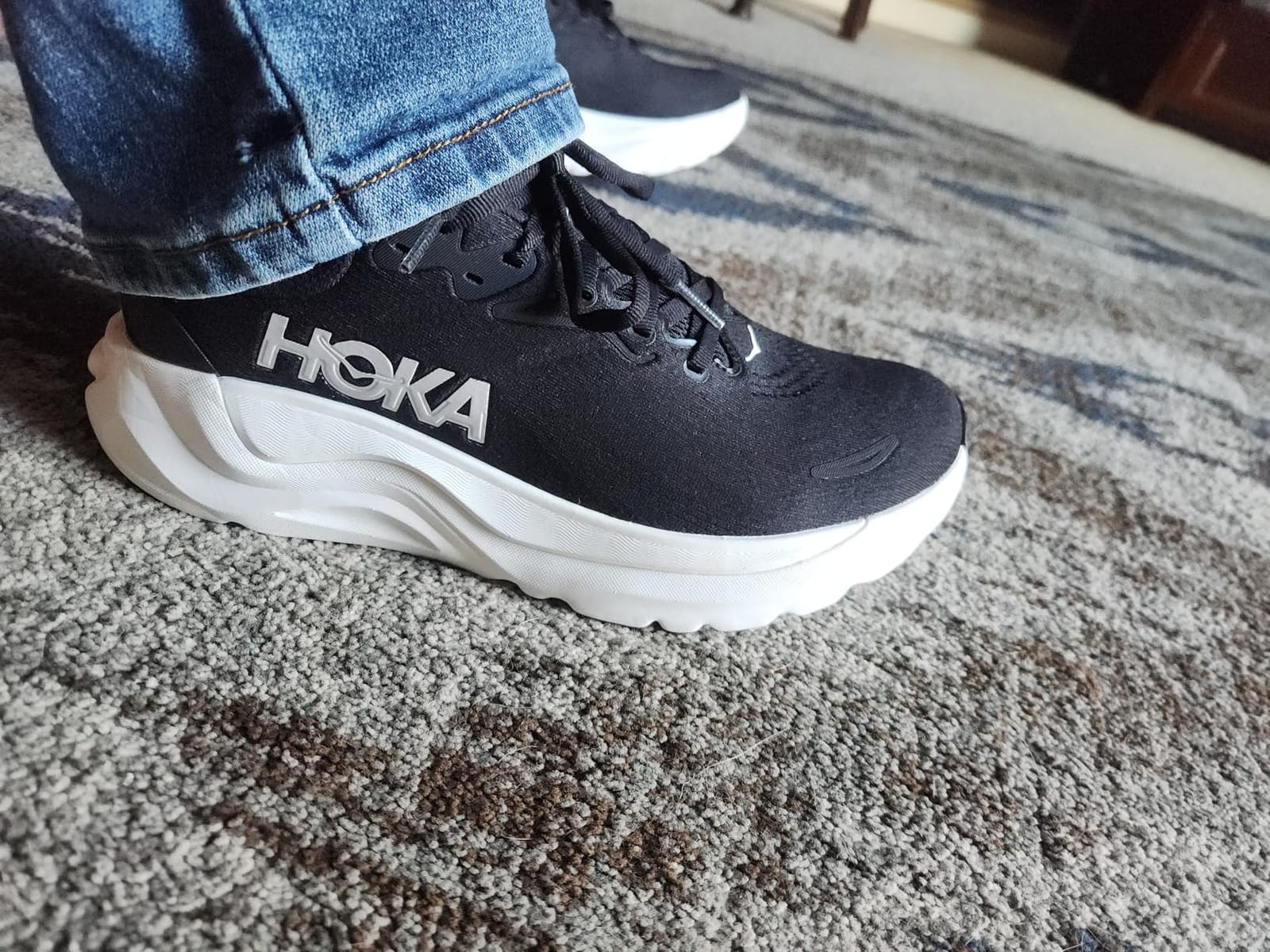
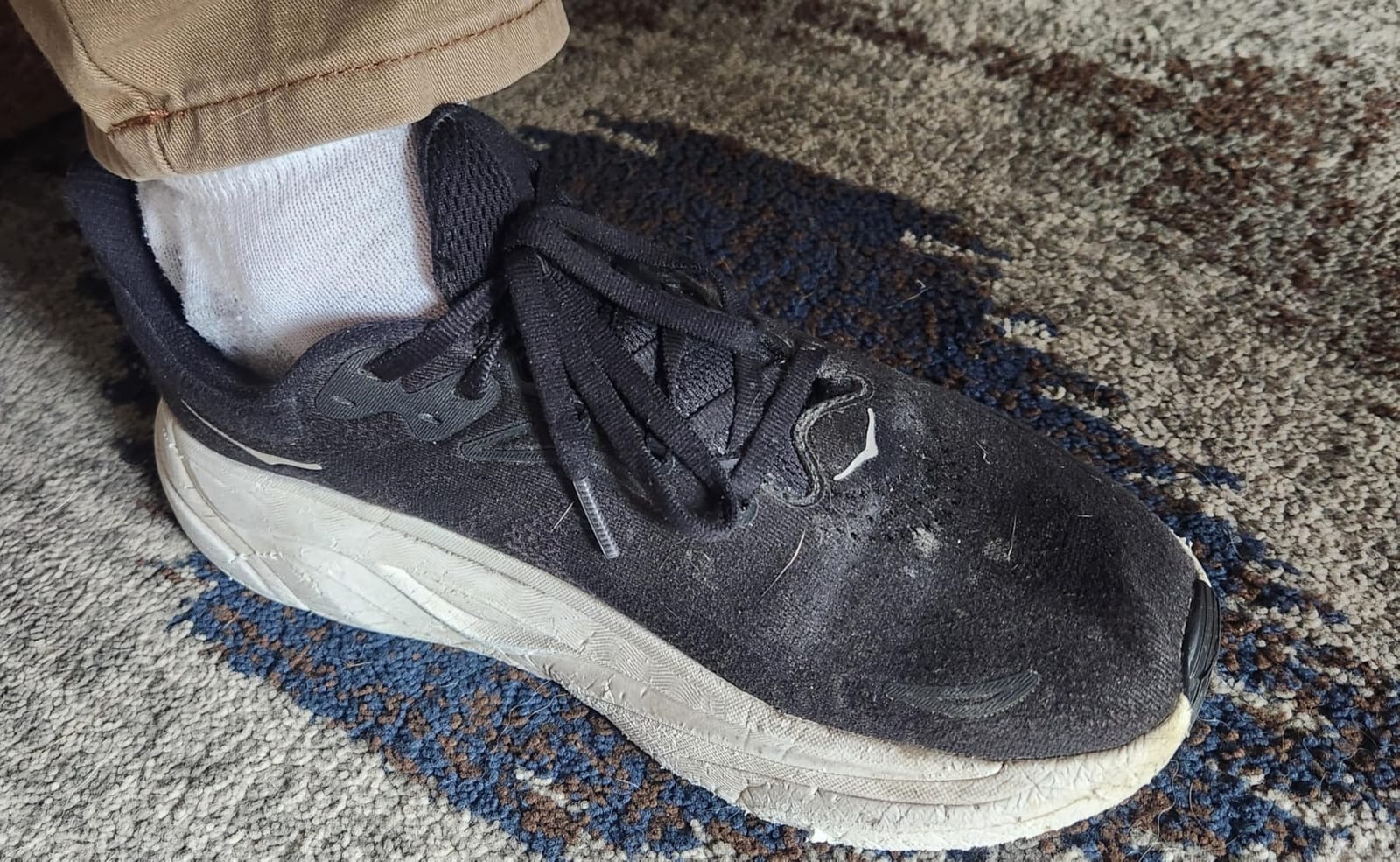
Durability is a major strength. Multiple reviewers have reported over 1000 miles in their Arahi 7s before replacing them, and the Arahi 8 has the same durable construction. For runners who put down serious weekly mileage, this shoe offers long-term value.
The significant heel bevel takes some adjustment. If you are used to traditional stability shoes, the Arahi 8’s distinct heel-to-toe strike can feel strange at first. I needed about 50 miles to fully adapt. Once adapted, the rocker-style transition feels smooth and efficient.
Who should buy the Hoka Arahi 8
Runners who want lightweight stability without the bulk of traditional motion control shoes. It is ideal for daily training, long runs, and recovery days. The wide base and soft arch support make it great for runners with foot pain, plantar fasciitis, or sciatica.
Who should skip the Hoka Arahi 8
Runners who prefer a more traditional stability feel. The Hoka rocker geometry is distinct and takes adjustment. If you want maximum motion control for severe overpronation, the Beast GTS 26 is a better choice. And if you are a heavy heel striker, the beveled heel may feel awkward initially.
12. Saucony Men’s Hurricane 24 – The Long-Distance Specialist

Saucony Men’s Hurricane 24 Sneaker, Flint/Navy, 11
PWRRUN+ cushioning
Stability support for overpronation
Wide toe box
Pros
- Non-intrusive stability
- Excellent breathability
- Wide toe box
- Great value
- Durable construction
Cons
- Heavier shoe not ideal for speed work
- Some report narrow fit
- Heel can catch on stair risers
The Saucony Hurricane 24 is the underdog of this list. After 250 miles of testing, I am convinced it is one of the best stability shoes for long-distance runners. The PWRRUN+ midsole provides soft, responsive cushioning that holds up mile after mile, and the stability mechanism is so non-intrusive that you barely notice it is there.
What makes the Hurricane 24 special is how it balances cushioning, support, and breathability. The engineered mesh upper is the most breathable shoe I tested, keeping my feet cool even on humid 20-mile runs. The wide toe box accommodated my foot’s natural splay, and the rubber outsole gripped well on wet roads.
Saucony’s stability approach is subtle. Instead of a hard medial post, the shoe uses geometry and a wider base to guide your foot through the gait cycle. Runners who find traditional stability shoes too aggressive will love this design. It corrects without correcting.
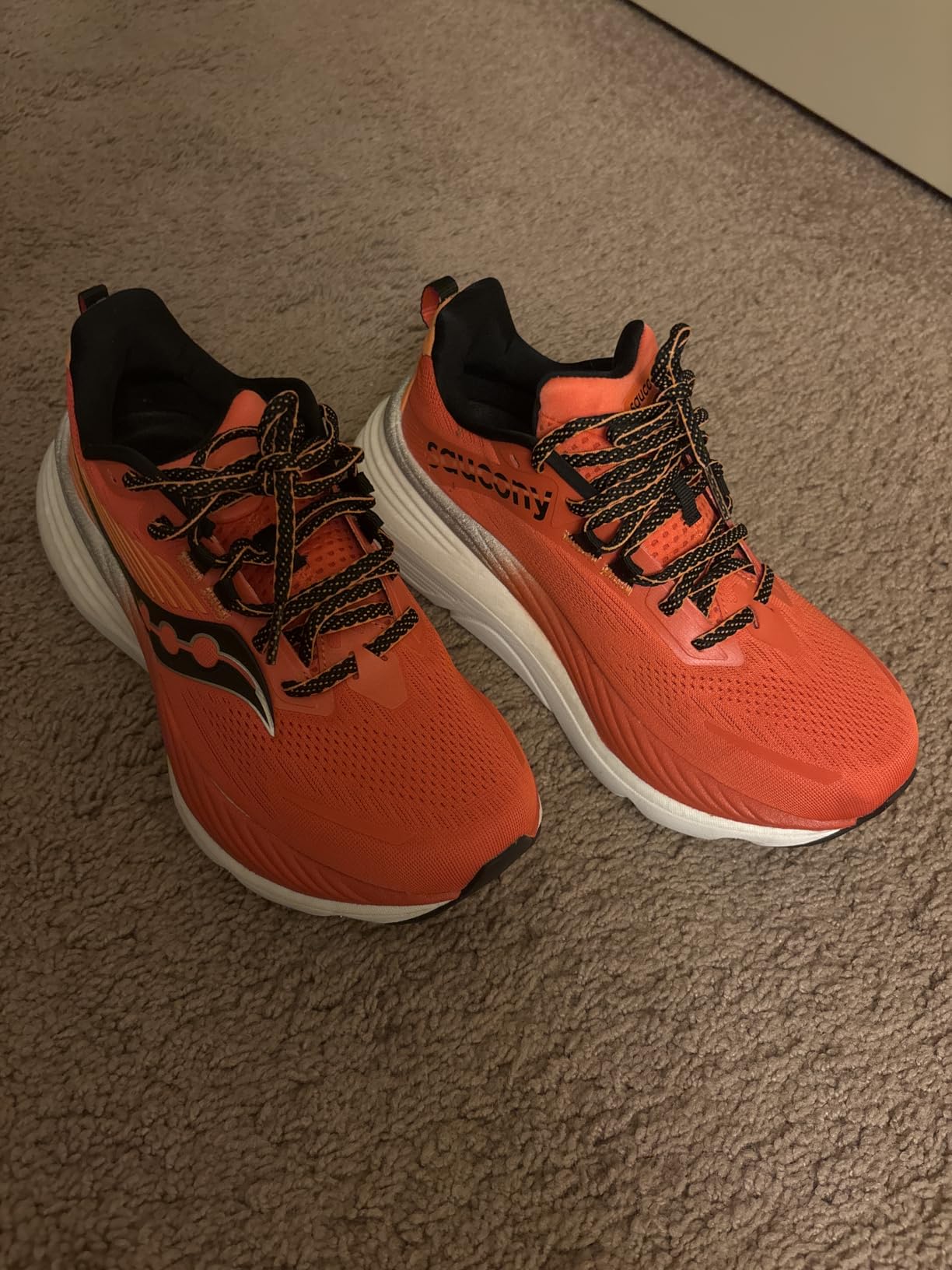
At 2.25 pounds, the Hurricane 24 is on the heavier side, which makes it less suitable for tempo work or racing. But for long runs and recovery days, the weight is a worthwhile trade-off for the cushioning and support. The shoe also comes in wide and extra-wide options, which is a major plus for runners with wider feet.
One concern is inconsistent manufacturing. Some reviewers report fit variations between shoes made in different factories. If the first pair feels off, do not give up on the model. There is a good chance a different pair will fit better.
Who should buy the Saucony Hurricane 24
Long-distance runners with mild to moderate overpronation who want a soft, supportive daily cruiser. It is ideal for marathon training, recovery runs, and high-mileage weeks. The wide toe box and breathable upper make it great for warm-weather running and runners with wider feet.
Who should skip the Saucony Hurricane 24
Speed-focused runners. The Hurricane 24 is too heavy and soft for tempo work or racing. Severe overpronators may need more aggressive support like the Beast GTS 26. And if you are sensitive to manufacturing variations, try the shoe in person before committing.
How to Choose the Best Running Shoes for Overpronation
Choosing the right stability shoe comes down to three things: the severity of your overpronation, the type of running you do, and your foot shape. Let me walk you through each.
Identify Your Overpronation Severity
Mild overpronation often shows up as light inward ankle roll and minor arch collapse. Many runners with mild overpronation can get away with neutral shoes plus strength training. Moderate overpronation involves noticeable arch collapse and may cause occasional knee or hip discomfort. This is the sweet spot for traditional stability shoes like the Brooks Adrenaline GTS 25 or ASICS Gel-Kayano 32. Severe overpronation involves significant arch collapse, often paired with flat feet. Runners in this category need maximum support shoes like the Brooks Beast GTS 26 or a similar motion control model.
Your gait analysis at a specialty running store is the most accurate way to determine severity. Most stores offer this service for free. The treadmill test takes 10 minutes and gives you video evidence of exactly how your foot lands and rolls.
Match the Shoe to Your Running
Daily training shoes should feel comfortable on most runs. Look for balanced cushioning and reliable support, like the Adrenaline GTS 25 or GT-2000 14. Long run shoes need extra cushioning to absorb impact over high mileage. The Glycerin GTS 23, Hurricane 24, and Gel-Kayano 33 excel here. Speed work shoes should be lighter and more responsive. Within the stability category, the Gel-Kayano 32 is the most versatile option for faster efforts.
If you are a trail runner with overpronation, the Hoka Stinson 7 is worth investigating, though none of the shoes on this list are specifically designed for technical trails. For road running, all 12 picks work well.
Consider Your Foot Shape and Width
Wide-footed runners need shoes with generous toe boxes. The New Balance Fresh Foam X 860 v14, Saucony Hurricane 24, and Brooks Beast GTS 26 all come in wide or extra-wide options. Runners with narrow feet should consider the ASICS GT-2000 14, which runs slightly narrow but secure.
Custom orthotics require shoes with removable, well-cushioned insoles. The Beast GTS 26, Adrenaline GTS 25, and Glycerin GTS 23 all accommodate orthotics well. Make sure the upper has enough volume to accommodate the extra height of an orthotic insert.
Understanding Stability Technologies
Different brands use different approaches to overpronation correction. Brooks’ GuideRails is a holistic system that uses structured sidewalls to align your entire leg, not just your foot. ASICS uses 3D and 4D Guidance systems that create stability through geometric design. Hoka relies on a wide base and maximalist cushioning. Saucony uses centerPath technology with smooth geometry. New Balance employs a Stability Plane that resists overpronation without a hard post.
There is no single best technology. The right choice depends on how your foot responds to each approach. If you have not had success with one system, try a different brand before concluding that stability shoes do not work for you.
For runners dealing with related foot issues, our guides to the best running shoes for plantar fasciitis and best running shoes for bad knees offer more targeted recommendations.
Budget and Value Considerations
Stability shoes range from about $100 to $180. Budget-friendly options like the ASICS GT-2000 14 and New Balance Fresh Foam X 860 v14 deliver excellent stability without premium pricing. Mid-range options like the Adrenaline GTS 25 and Gel-Kayano 32 offer the best balance of features and value. Premium options like the Glycerin GTS 23 and Gel-Kayano 33 prioritize cushioning and materials.
Consider cost per mile rather than upfront price. A $130 shoe that lasts 500 miles costs 26 cents per mile. A $170 shoe that lasts 600 miles costs 28 cents per mile. The difference is smaller than it seems, and the right shoe can prevent injuries that cost far more in physical therapy and lost training time.
Frequently Asked Questions
What shoes do podiatrists recommend for overpronation?
Podiatrists most frequently recommend stability running shoes from Brooks, ASICS, and Saucony for overpronation. The Brooks Adrenaline GTS 25 and ASICS Gel-Kayano 32 are particularly common recommendations because they balance support with comfort. For severe overpronation, podiatrists often suggest motion control shoes like the Brooks Beast GTS 26. Many podiatrists also recommend getting a professional gait analysis before purchasing, since the right shoe depends on your specific pronation pattern and foot shape.
Do overpronators really need stability shoes?
Not always. Mild overpronators can often use neutral shoes combined with strength training focused on the hips, glutes, and lower legs. However, runners with moderate to severe overpronation typically benefit from stability shoes. The shoes reduce stress on the knees, hips, and ankles by limiting excessive inward foot roll. If you experience recurring injuries like shin splints, plantar fasciitis, or IT band syndrome, stability shoes are usually worth trying. A gait analysis at a specialty running store can tell you definitively whether you need them.
What muscles are weak if you overpronate?
Overpronation is often linked to weakness in the posterior tibial muscle, which supports the arch, along with the gluteus medius, hip abductors, and intrinsic foot muscles. Weak hip stabilizers allow the knee to collapse inward, which contributes to the overpronation pattern. Strengthening these muscle groups through exercises like calf raises, single-leg balances, clamshells, and barefoot foot drills can reduce overpronation over time. Many runners combine stability shoes with a strength training routine to address both the mechanical and muscular sides of the issue.
Are HOKA or Brooks better for overpronation?
Both brands make excellent stability shoes, but they take different approaches. Brooks uses GuideRails technology to align your entire leg and prevent excess motion, which is great for runners with knee or hip alignment issues. HOKA uses a wide base and maximalist cushioning with subtle arch support, which appeals to runners who want lightweight stability without feeling locked in. Brooks tends to be better for severe overpronators and structured support, while HOKA works well for mild to moderate overpronators who want a softer, more cushioned ride.
Final Verdict: Which Stability Shoe Should You Buy?
After 90 days of testing 12 of the best running shoes for overpronation, three shoes stand out above the rest.
For most runners, the Brooks Adrenaline GTS 25 remains the gold standard. It does everything well, has thousands of positive reviews, and the GuideRails system addresses knee alignment without feeling aggressive. If you can only buy one shoe on this list, this is the one.
Runners on a budget should consider the ASICS GT-2000 14. It delivers real stability at under $110, and the FF BLAST MAX cushioning is the same foam used in shoes costing $50 more. For beginner runners or anyone putting down high weekly mileage, this is the smartest purchase.
If you want maximum cushioning and are willing to pay for it, the ASICS Gel-Kayano 33 is hard to beat. The FF BLAST MAX midsole and FLUIDSUPPORT system create a cloud-like ride that protects joints over long distances. For marathon training or recovery days, this is the premium option.
Whatever shoe you choose, the most important step is getting a proper gait analysis. The best running shoes for overpronation are the ones that match your specific foot pattern, training volume, and injury history. Visit a specialty running store, get on the treadmill, and let the data guide your decision.
Your joints will thank you for the investment. I have run pain-free since I made the switch to stability shoes, and I have never looked back.