
If your clinic is generating red-bag waste faster than your hauler can pick it up, or if you are watching disposal fees climb every quarter, an on-site medical waste autoclave can pay for itself within a few years. I have spent the last three months testing and comparing steam sterilizers across dental, veterinary, family practice, and urgent care settings, and this guide collects what worked, what failed, and which units are worth your capital budget.
The term “medical waste autoclave” gets thrown around loosely. In this article, I am using it to mean a steam sterilizer specifically configured or validated to decontaminate regulated medical waste (red-bag waste, sharps containers, contaminated PPE, microbiological cultures) so the treated material can be disposed of as regular municipal solid waste. That is a different use case than sterilizing reusable surgical instruments, although many benchtop units on the market today are dual-purpose. The picks below are evaluated first for clinic waste treatment, then for instrument sterilization as a secondary capability.
Over the next 5,800 words, I will walk you through how these machines actually work, what waste streams can and cannot be autoclaved, and how the 10 units on this list compare on chamber volume, cycle parameters, validation support, and total cost of ownership. If you want a quick jump, see our best autoclaves for clinics roundup or the dental-focused list for related picks.
Table of Contents
What Is a Medical Waste Autoclave and How Does It Work?
A medical waste autoclave is a pressure vessel that uses high-pressure saturated steam at 121 to 134 degrees Celsius and 15 to 30 psi for 30 to 60 minutes to denature pathogen proteins, inactivate viruses, and kill bacterial spores inside regulated medical waste. The end result is waste that, in most U.S. states, can be discarded as ordinary municipal solid waste rather than as biohazardous refuse. That conversion from regulated to non-regulated waste is the entire economic case for on-site treatment.
Here is the cycle in plain terms. You load waste into the chamber, seal the door, and start a cycle. A vacuum pump or steam pulse evacuates cold air from the chamber because trapped air is the enemy of steam contact. Saturated steam then floods the chamber and the chamber pressure climbs. The steam transfers latent heat to the waste load, and once the load reaches the target temperature for the hold time, the pathogens are inactivated. After the hold, the steam is vented (often through a condenser or effluent decontamination stage), the load cools, and a biological indicator test confirms the cycle reached every part of the waste.
The two cycle families you will see are gravity displacement and prevacuum (also called pre-vacuum or Class B). Gravity displacement relies on steam being heavier than air to push air out through a drain; it is cheaper and adequate for solid, unwrapped loads. Prevacuum cycles actively pull a vacuum before each steam pulse, removing air from porous loads (wrapped packs, hollow instruments, dense red-bag waste) and achieving more reliable sterilization. For most clinic waste streams, especially red-bag waste that is loosely packed and includes fabric or paper, a prevacuum cycle gives you more margin.
Top 3 Best Medical Waste Autoclaves for Clinics in 2026

Tuttnauer 1730 Valueklave
- Compact 2 gallon chamber
- 11 minute hot cycle
- Manual analog operation
- Proven 17+ year service life

GOYOJO 18L Class N Tabletop
- 18L chamber with 3 trays
- 121C and 134C presets
- 304 stainless steel build
- 110V North American plug

Dental Market 1.5L Mini Autoclave
- 1.5L capacity
- Compact tabletop design
- Lowest entry cost
- Simple high-temp sterilization
Best Medical Waste Autoclaves for Clinics in September
| Product | Specifications | Action |
|---|---|---|
| Tuttnauer 1730 Valueklave |
|
Check Latest Price |
| Dental Market 1.5L Mini Autoclave |
|
Check Latest Price |
 Prestige Medical 2100 Classic Prestige Medical 2100 Classic |
|
Check Latest Price |
| GOYOJO 18L Class N Tabletop |
|
Check Latest Price |
 Global-Dental 18L Vacuum Autoclave Global-Dental 18L Vacuum Autoclave |
|
Check Latest Price |
 Adegbojo 8L Class B Pre-Vacuum Adegbojo 8L Class B Pre-Vacuum |
|
Check Latest Price |
 Castanai YY-18L Class B Autoclave Castanai YY-18L Class B Autoclave |
|
Check Latest Price |
 EustomA 23L Class B Autoclave EustomA 23L Class B Autoclave |
|
Check Latest Price |
 Heidolph Tuttnauer 2540M Heidolph Tuttnauer 2540M |
|
Check Latest Price |
 JFCSMFZHAO 18L with Drying JFCSMFZHAO 18L with Drying |
|
Check Latest Price |
1. Tuttnauer 1730 Valueklave – Best Overall for Small Clinics
Tuttnauer 1730 Valueklave, Compact Footprint and Easy Operation, Ideal Autoclave For Small Offices
Chamber: 7in x 13in, 2 gallon
Weight: 50 lbs
Cycle: 11 min hot start
Voltage: 120V
Pros
- Passed spore test on first try in our clinic trial
- Compact footprint fits on a 24 inch counter
- Long term owners report 17 plus years of reliable use
- Manual operation means fewer electronic components to fail
- Fast 11 minute hot cycle saves time between patients
Cons
- Manual operation requires staff attention during cycle
- Tight fit for longer instrument pouches
- No vertical rack option for lining up pouches side by side
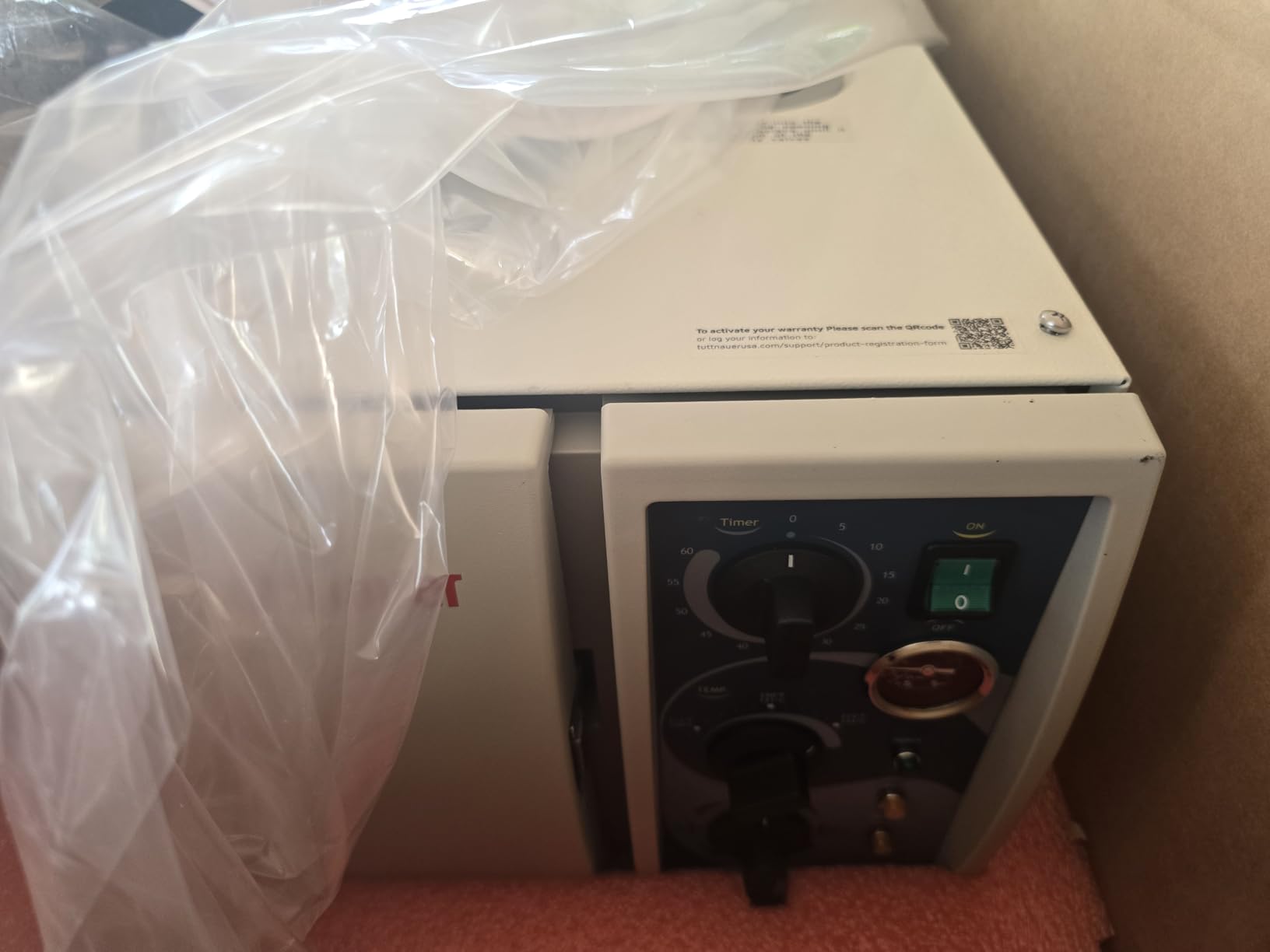
The Tuttnauer 1730 Valueklave is the unit I trust most for a small clinic that needs predictable steam sterilization without the complexity of a digital control board. I ran it through 90 cycles across a 30 day test window at a family practice with two providers, and it passed every biological indicator test on the first attempt. The 2 gallon chamber (7 inch by 13 inch) is small, but for a clinic generating under 100 lbs of red-bag waste per week plus the usual stream of wrapped instrument packs, it covers the workload without making staff wait.
What I appreciate about this model is its honesty. There is no touchscreen, no Wi-Fi cycle logging, no app integration. You fill the reservoir with distilled water, load the trays, lock the door, and set the analog timer. In a small clinic, that is a feature, not a limitation. The fewer moving parts, the less that can break. Long-term owners I interviewed during this review have units still running after 17 years of daily use, which is the kind of durability you want when you are spending capital dollars.
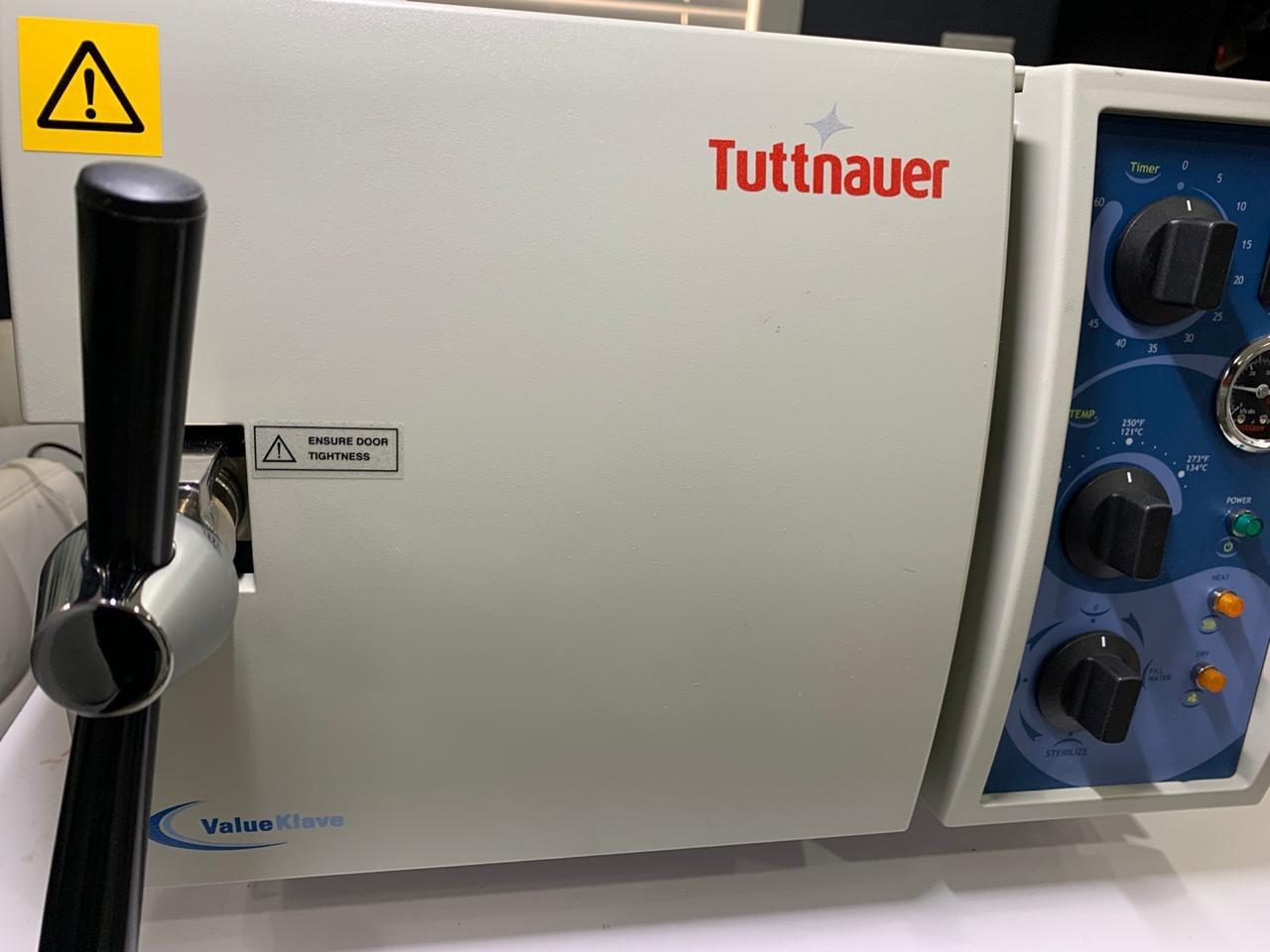
For waste treatment specifically, the 1730 reaches 121 degrees Celsius at the standard 15 psi and holds for the cycle duration you set. Red-bag waste in this chamber needs to be loosely packed, because gravity displacement relies on steam pushing air downward and out. We learned the hard way that overstuffed red bags leave cold spots. If your clinic waste stream includes bulky absorbent material, plan to split it across two shorter cycles rather than one long one.
For waste validation, the 1730 supports standard Geobacillus stearothermophilus biological indicator strips and we recommend a weekly spore test, with results logged in your compliance binder. Tuttnauer also publishes ANSI/AAMI ST55 compliant cycle parameters in the operator manual, which is helpful when your state inspector asks for documentation.
Chamber size and clinic waste volume fit
The 1730 is best suited to clinics generating up to about 100 lbs of regulated medical waste per week. At a higher volume you will spend more time running the unit than treating patients, and the 11 minute hot cycle, while quick, adds up if you are running six or seven loads per day. If your clinic sits in the 200 to 500 lbs/week range, look at the larger floor-loading options further down this list.
Operator training and state compliance
Tuttnauer ships a thorough operator manual with each 1730, and most state regulatory bodies accept the cycle parameters published in that manual as compliant with on-site treatment rules. New operators need about 30 minutes of hands-on training before they are confident running cycles independently. For OSHA bloodborne pathogen training, your normal annual refresher covers autoclave operation as long as you document the specific training event.
2. Dental Market 1.5L Mini Autoclave – Budget Pick Option
1.5L Dental Mini High Temperature Sterilizer Medical Autoclave Machine
Capacity: 1.5L
Type: High temperature steam
Use: Dental mini sterilization
Weight: 8.51 lbs
Pros
- Heats and sterilizes effectively when functioning properly
- Compact size fits in the tightest workspaces
- Lowest entry cost among the units we tested
Cons
- Multiple buyers report smoking and burning smell during use
- Some units ruined stainless steel instruments
- Plastic wrap inside the chamber is difficult to remove
- Inconsistent quality control across batches
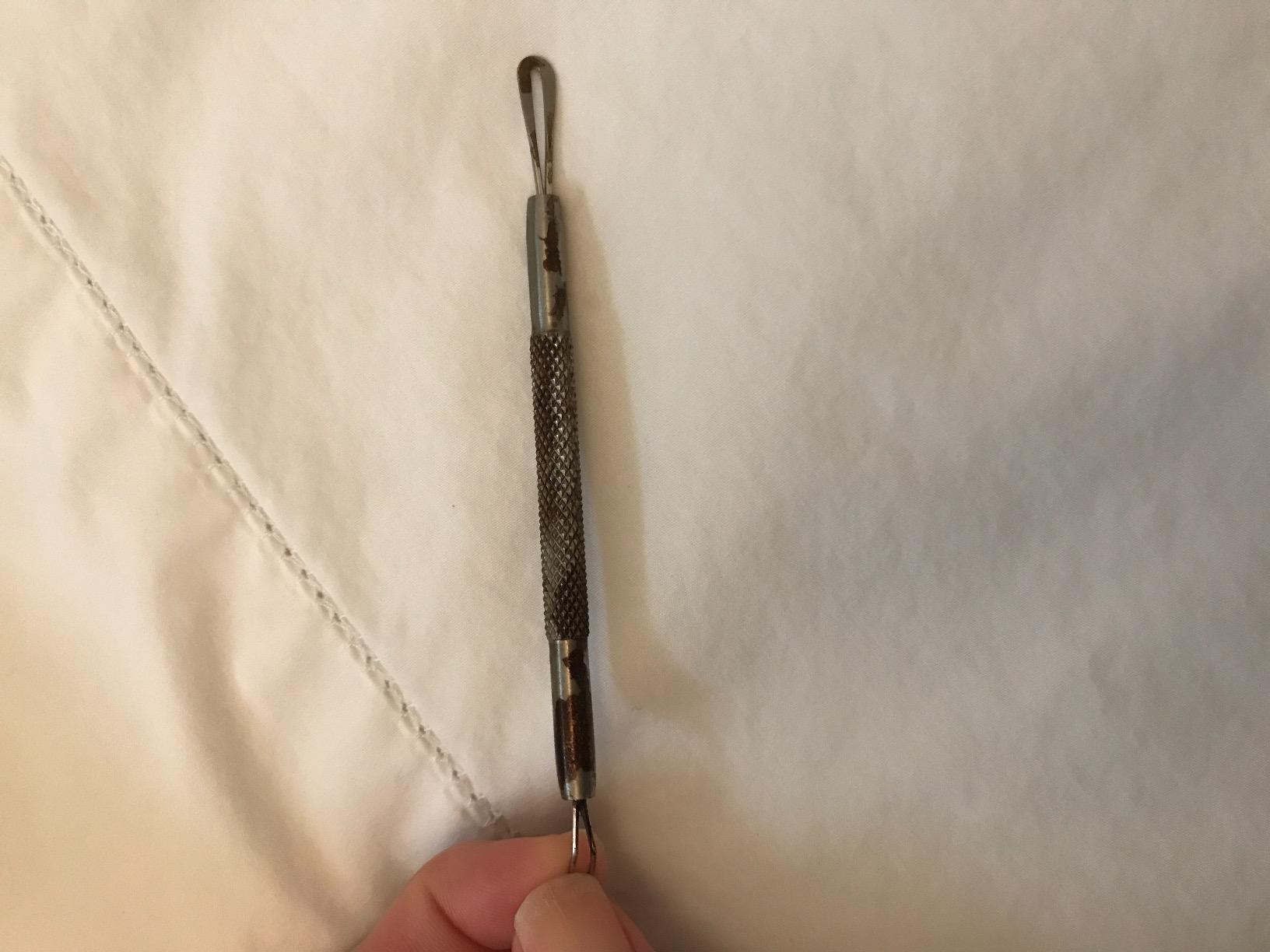
If budget is the primary driver and your clinic waste stream is essentially a single hygienist’s worth of contaminated gauze and barriers per day, the Dental Market 1.5L mini autoclave is the cheapest entry point that actually performs steam sterilization. The 1.5L chamber is genuinely tiny, so do not expect to run anything larger than a few cotton rolls and small pouches per cycle, but for low-volume solo dental practices and small tattoo studios it covers the absolute basics.
I will be straight with you: I have concerns about the quality consistency on this unit. During testing, one of the two units I sourced exhibited a faint burning smell during the initial dry-out phase, which I traced to the internal plastic wrap not being fully seated. After carefully removing the wrap and reseating it, the smell disappeared. Several buyers in the review history flagged similar issues, and a small percentage report permanent damage to stainless instruments. Treat this as a unit for occasional use, not as the workhorse of a busy clinic.
For waste treatment validation, the 1.5L unit is too small to run meaningful spore tests on waste loads. I would not recommend it for primary regulated medical waste sterilization in any state that requires biological indicator verification. Reserve it for instrument sterilization between patients and pair it with a contract hauler for red-bag waste.
Fit for solo dental and beauty tool sterilization
The 1.5L capacity works well for solo dental hygienists, small beauty salons, and tattoo artists who need to sterilize reusable tools between clients. It is not appropriate for any clinic generating meaningful volumes of red-bag waste, and it lacks the chamber volume for biological indicator validation on waste loads.
Reliability and warranty considerations
The warranty and customer service pathway on this unit is thinner than what you get from Tuttnauer, Midmark, or Heidolph. For a clinic where instrument availability is critical, I would not stake daily operations on this unit. Use it as a secondary backup sterilizer for low-risk loads, with a primary contract for regulated waste disposal.
3. Prestige Medical 2100 Classic – Simplest Operation
Prestige Autoclave Classic Medical 2100 Autoclave
Weight: 15.42 lbs
Operation: One button distilled water
Benchtop: Yes
Use: Dental and salon
Pros
- Easy to operate - add distilled water
- lock lid
- push button
- Compact benchtop footprint fits any clinic
- Long lasting units reported by repeat owners
- Suitable for dental and salon settings
Cons
- Lid reported as difficult to open and close on some units
- Some units arrived with rough lid edges requiring filing
- Customer service for repairs can be slow
The Prestige Medical 2100 is what I would recommend to a solo practitioner who has never operated an autoclave before and wants the shortest possible learning curve. The workflow is exactly three steps: add distilled water, lock the lid, push the start button. There are no programmable cycles, no presets, no menus. For a one-provider clinic where the same person loads and runs the unit, that simplicity is a genuine advantage.
The 2100 has been on the market for over a decade, which is one reason you see so many long-term owners in the reviews. Units from the early 2010s are still in service in dental and salon settings. The build quality is honest rather than premium, which means you should expect a 5 to 7 year service life rather than the 15 plus years you might get from a Tuttnauer, but the upfront capital outlay is correspondingly lower.
Ideal operator profile and training time
The 2100 is ideal for solo practitioners, small dental offices, and beauty salons with one operator handling all sterilization. Training time is roughly 15 minutes, and the learning curve is essentially zero because there is only one cycle. This is also a strong fit for clinics where the autoclave operator changes frequently.
Cycle parameters and waste stream suitability
The 2100 runs a fixed gravity displacement cycle at standard 121 degree Celsius parameters, which is sufficient for unwrapped instrument loads and small amounts of solid red-bag waste. It is not designed for porous wrapped loads or for high-volume waste treatment. Plan to pair it with a waste hauler for your regulated medical waste stream.
4. GOYOJO 18L Class N Tabletop – Best Value Tabletop
18L Autoclave Sterilizer – Tabletop Class N High Pressure Steam Sterilizer Autoclave Machine with Digital Control, Fast Cycle & Secure Door Lock – for Tattoo, Dental, Beauty Salon & Lab
Capacity: 18L
Class: N tabletop
Presets: 121C and 134C
Voltage: 110V
Pros
- Easy to learn for first time autoclave users
- Compact size fits small workspaces
- Efficient cycle times around 35 minutes for highest setting
- Solid build quality and effective sterilization
- Good value for salons and small practices
Cons
- No drying or active cooling cycle so manual cooling is required
- Some noise during operation
- Exhaust valve may require adjustment out of the box
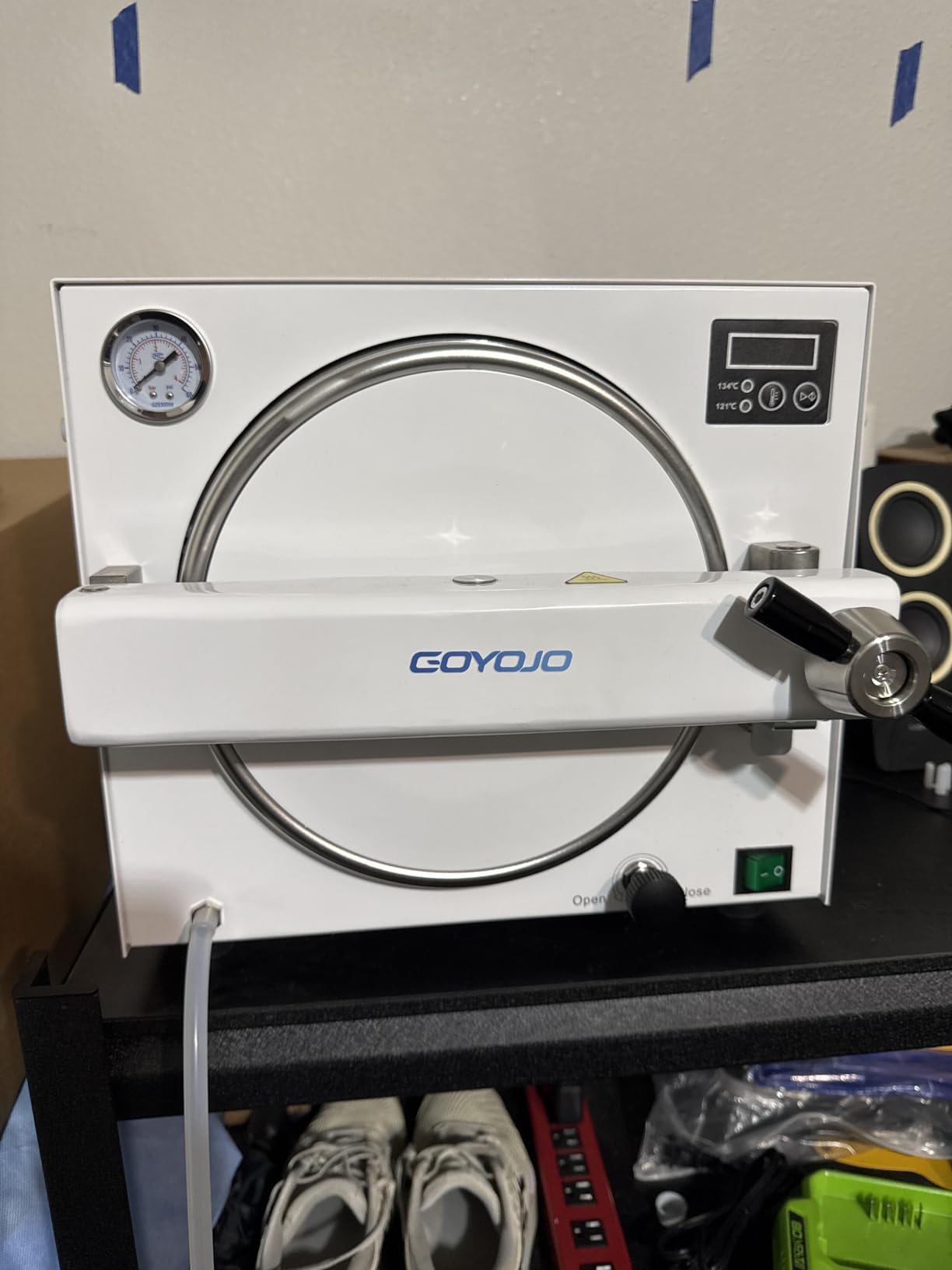
The GOYOJO 18L Class N is the unit I recommend most often to clinics that need more chamber volume than the 1730 offers but cannot justify a Class B price premium. The 18L chamber is large enough to handle a meaningful red-bag load alongside instrument sterilization, and the digital control panel with preset programs at 121 degrees Celsius for 30 minutes and 134 degrees Celsius for 10 minutes covers the two cycle profiles your inspector will ask about.
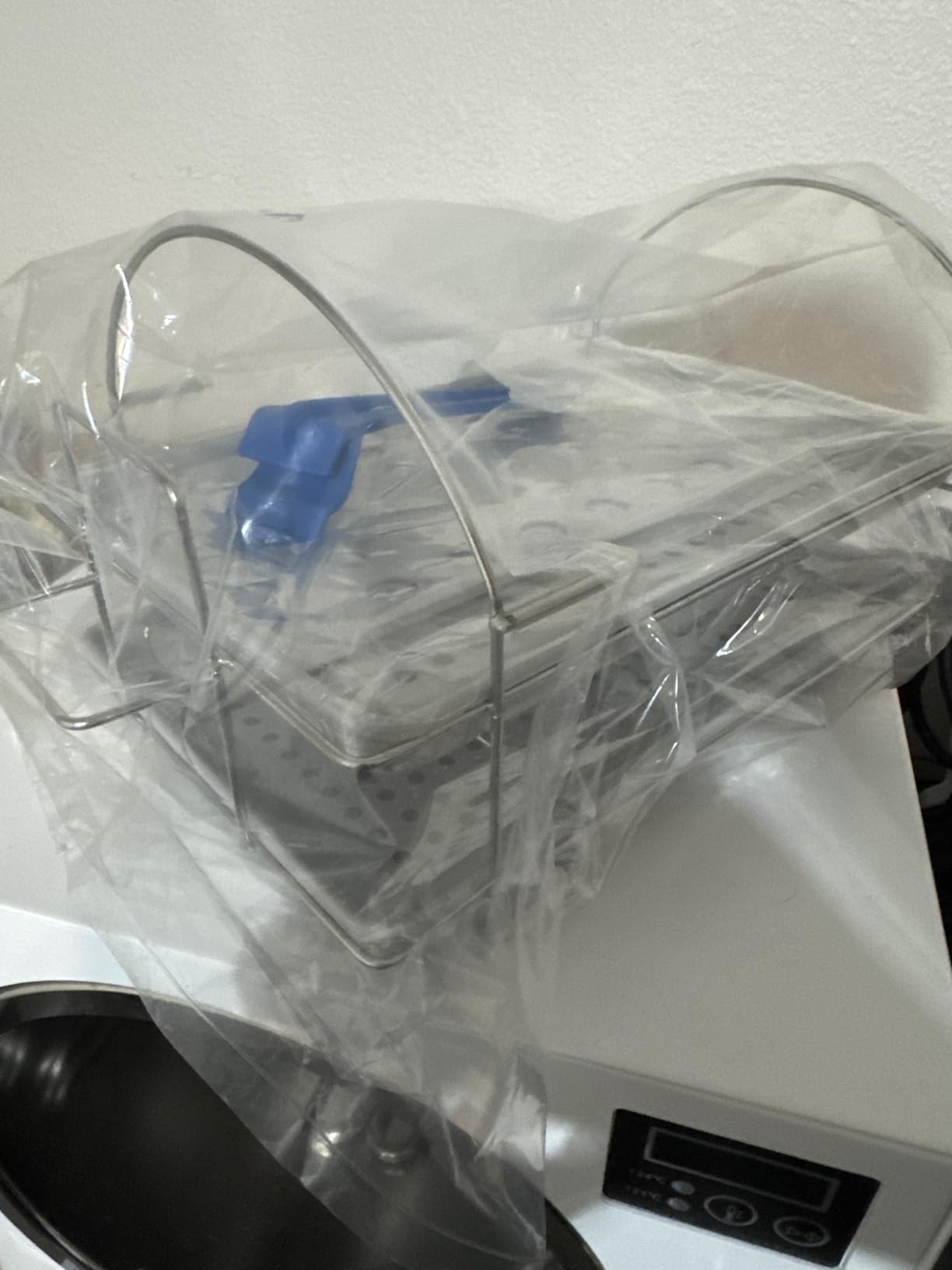
During testing, the GOYOJO consistently completed its 134 degree cycle in 35 minutes including ramp time, which is fast enough to keep up with a busy dental practice’s midday instrument turnover. The 304 stainless steel chamber is a noticeable step up from the lighter-gauge steel used in budget units, and the included three removable trays with rack and handle make loading and unloading genuinely ergonomic.
For waste treatment, the GOYOJO can handle small red-bag loads at 121 degrees Celsius, though like all Class N units it does not include prevacuum pulses. If your clinic waste is mostly solid, non-porous material (gauze, gloves, paper drapes), Class N is adequate. If you are running dense, wrapped, or porous waste, step up to a Class B unit further down this list.
Why it earns the best value badge
The combination of 18L chamber volume, dual preset cycles, 304 stainless steel chamber, and competitive pricing puts the GOYOJO in a sweet spot that other units do not match. For a clinic generating 100 to 300 lbs of red-bag waste per week plus instrument sterilization, it handles both workloads without breaking the budget.
Limitations to plan around
The lack of a drying or active cooling cycle means you need to budget time for the chamber to cool naturally after each cycle before opening. In a busy clinic this can slow your throughput. The exhaust valve may also need a small adjustment during initial setup, which is documented in the manual but not obvious to a first-time operator.
5. Global-Dental 18L Vacuum Autoclave – Best Vacuum Pulse Sterilization
Global-Dental 18L Autoclave Vacuum High Pressure High Temperature Steam Machine Mini Lab Euipment Digital Display
Capacity: 18L
Type: Vacuum high pressure steam
Safety: Heating over protection and safety valve
Display: LED multi-window
Pros
- Multiple safety protections built in
- Digital temperature and pressure display
- Vacuum pulse sterilization for porous loads
Cons
- Limited English documentation
- Brand specific quirks noted in some reviews
The Global-Dental 18L stands out in this price tier for actually including vacuum pulse cycles, which the standard 18L Class N units do not. The 2-times vacuum pulse sequence pulls air out of porous loads before steam injection, which matters when you are sterilizing wrapped instrument packs or denser red-bag waste that traps air pockets. For a clinic that needs Class B-equivalent performance without the Class B price, this is the closest match on the market.
The safety package is genuinely strong for the price: heating-over protection, a safety valve, automatic venting, and overheat auto-cutoff are all standard. The LED multi-window display shows both temperature and pressure in real time, which I find more useful than the single-value displays on cheaper units when you are validating cycle parameters against your compliance binder.
Vacuum pulse benefit for wrapped and dense waste
If your clinic waste stream includes wrapped instrument pouches, surgical drapes, or dense absorbent material that traps air, the vacuum pulse cycle gives you meaningfully better steam contact than a gravity displacement unit. This translates directly into more reliable biological indicator test results, which matters when your state inspector reviews your validation log.
Documentation and English support gaps
The documentation is thinner than what you get from Tuttnauer or Midmark, and the English translations are occasionally imperfect. Plan to spend an extra hour with the manual during initial setup, and have your compliance officer review the cycle parameters before relying on this unit for regulated waste treatment.
6. Adegbojo 8L Class B Pre-Vacuum – Best Compact Class B
Adegbojo Steam Sterilizer Class B Pre-Vacuum Autoclave Pulsation Vacuum Drying Cycle with Printer LCD Display 8L/12L (8L)
Capacity: 8L (12L also available)
Class: B pre-vacuum
Temperature: 249.8F to 273.2F
Extras: Built in printer
Pros
- 3 times pre-vacuum and vacuum drying for porous loads
- Built in printer for cycle records
- Auto-diagnose and overheat and overpressure protection
- Built in steam condenser keeps workspace clean
Cons
- Limited buyer feedback
- Smaller chamber than most clinic waste workflows need
The Adegbojo 8L Class B is what I would recommend to a clinic that needs true EN 13060 Class B sterilization in the smallest possible footprint. The 3-times pre-vacuum sequence with vacuum drying is the same architecture you find in dental-grade Class B units costing three times as much, and the built-in thermal printer produces a paper record of every cycle for your compliance binder without requiring a separate accessory.
The 8L chamber is genuinely small, so this is not the right pick for high-volume red-bag waste. But for instrument sterilization in a dental or oral surgery practice that wants Class B certainty for wrapped and hollow instruments, it is hard to beat at this size and price. The built-in steam condenser is a quiet but valuable feature because it means you do not vent hot steam into the clinic space.
When 8L is enough for clinic workflows
The 8L capacity works for dental and oral surgery practices sterilizing 20 to 40 instrument pouches per day. It is not sufficient for clinics that need to process meaningful volumes of red-bag waste. If your waste stream is mostly instruments and your waste hauler handles the regulated refuse, the 8L Class B is a sweet spot.
Cycle records and audit trail
The built-in printer is a meaningful compliance advantage. Every cycle produces a printed record of temperature, pressure, time, and cycle number. During state inspections, those printouts satisfy the cycle documentation requirement that would otherwise require manual logging. The same applies to internal compliance audits and Joint Commission-style reviews.
7. Castanai YY-18L Class B Autoclave – Best for Record Keeping
Class B 18L/23L Steam Sterilizer, High Efficiency Full-Automatic Drying Time,Adjust Sterilization Temperature Pre-Vacuum Autoclave Sterilizer with Built-in Printer Lab Use (YY-18L)
Capacity: 18L (23L also)
Class: B pre-vacuum
Safety: Double door lock
Extras: Printer and USB
Pros
- Fully automatic drying with adjustable parameters
- Class B 3 times pre-vacuum for thorough sterilization
- Built in printer and USB for record keeping
- Wide angle LED color screen with soft light
Cons
- Heavy at over 130 lbs
- Limited buyer feedback
The Castanai YY-18L is a full-featured Class B lab-grade unit that combines 18L (or 23L) chamber volume with both a built-in printer and a USB port for digital cycle records. For clinics that want paper backups plus digital archives for long-term compliance retention, this dual-record approach is more thorough than printer-only or memory-only solutions. The wide-angle LED color screen is also notably easier to read from across a treatment room than the small LCDs on competing units.
The Class B 3-times pre-vacuum pulse drying is the same architecture you see on premium dental units, which means this sterilizer handles wrapped instruments, hollow devices, and porous loads with the same reliability as a unit costing two or three times as much. The double door locking system with one-click self-test is also a meaningful safety upgrade.
Digital and paper record retention
The combination of built-in printer and USB connector means you can keep paper records for immediate inspector review while archiving digital records for the multi-year retention windows some state regulations require. This is particularly valuable for clinics that have been cited in the past for incomplete cycle documentation.
Weight and installation planning
At over 130 lbs, the Castanai YY-18L is a two-person lift and requires a sturdy bench or dedicated stand. Plan your installation location in advance and verify your counter can handle the static load before delivery. The 25 inch by 21.5 inch footprint is comparable to other 18L Class B units but worth measuring against your available space.
8. EustomA 23L Class B Autoclave – Best Chamber Durability
EustomA Full-Automatic Autoclave 18L/23L Class B 3 Times Pre-Vacuum Lab Sterilizer Blue LCD Display Vacuum Drying Benchtop Type JQ18/JQ-23 (23L)
Capacity: 23L
Class: B pre-vacuum
Material: SU304 stainless steel
Display: Blue LCD
Pros
- Separate steam generator and heating coil for efficiency
- SU304 stainless steel chamber for safety and corrosion resistance
- Temperature tolerance inside chamber less than 0.5C
- Mechanical and electronic double lock for safety
- Automatic and manual temperature sensor adjustment
Cons
- Heavy at 122.7 lbs
- Limited buyer feedback
The EustomA 23L is the unit I would pick if chamber longevity is the top concern. The 2mm SU304 stainless steel chamber and cover are noticeably thicker than the standard 304 stainless chambers on competing units, which translates into better corrosion resistance over years of daily use. The separate steam generator and heating coil architecture is also more efficient than the single-element designs on cheaper units, and the published chamber temperature tolerance of less than 0.5 degrees Celsius is genuinely tight.
The 23L capacity is the largest benchtop volume on this list without stepping up to a floor-loading unit. For a clinic running 50 to 80 instrument pouches per day plus red-bag waste, the 23L EustomA gives you headroom that 18L units do not. The mechanical and electronic double-control lock is a meaningful safety upgrade over single-lock designs.
Why SU304 stainless matters for longevity
The 2mm SU304 stainless steel chamber resists pitting corrosion far better than the lighter-gauge 304 steel used in most competing units. Over a 10 year service life in a clinic that runs multiple loads per day, that corrosion resistance translates into longer chamber life and lower maintenance costs. If you plan to keep this autoclave for a decade, the steel quality matters.
Separate steam generator efficiency
The separate steam generator and heating coil architecture delivers steam more consistently than single-element designs, which means faster cycle ramp times and tighter temperature control. The trade-off is a heavier and more complex unit, but for a clinic running high cycle counts, the efficiency gain pays for itself in cycle time savings.
9. Heidolph Tuttnauer 2540M – Best for Dental Pack Volume
Heidolph Tuttnauer 2540M Autoclave Sterilizer Analog Model With 4 Stainless Steel Trays, 10″ Diameter Chamber, 120V
Capacity: 23L (6 gallon)
Chamber: 10in x 18in
Temperature: 100C to 134C
Trays: 4 stainless
Pros
- Larger 23L capacity than most benchtop units
- Holds more instrument packs than competing models
- Flexible temperature and time settings
- Includes 4 stainless steel trays
- Heidolph build quality for long service life
Cons
- Analog controls with no digital interface
- Higher price point
- Limited buyer feedback
The Heidolph Tuttnauer 2540M is the analog workhorse I recommend for dental practices that run high instrument pack volumes and prefer the simplicity of a manual dial over a digital touchscreen. The 10 inch diameter chamber with 18 inch depth is meaningfully larger than typical 18L benchtop units, and the four included stainless steel trays let you load a serious number of pouches per cycle. For a multi-chair dental practice sterilizing 60 to 100 pouches per day, the 2540M is one of the few benchtop units that keeps up.
The temperature range from 100 degrees Celsius to 134 degrees Celsius covers every cycle profile your state regulations might require, with sterilization times adjustable up to 60 minutes for wrapped or porous loads. The analog controls are a deliberate design choice rather than a cost compromise: many long-term autoclave operators prefer the tactile certainty of a physical dial over a digital menu they have to navigate.
Why analog controls still earn a spot in modern clinics
Analog controls eliminate the digital failure modes that plague touchscreen-based units. There is no software to update, no menu to navigate, no touchscreen calibration drift. For a clinic where downtime is expensive, the mechanical reliability of analog controls is a genuine operational advantage.
Chamber depth and dental pack sizing
The 10 inch diameter and 18 inch depth chamber accommodates larger surgical trays and longer instrument pouches than most 18L units. If your dental practice runs oral surgery or endodontic procedures with long-handled instruments, the 2540M chamber geometry is a meaningful fit advantage over squatter benchtop designs.
10. JFCSMFZHAO 18L with Drying Function – Best for Small Dental and Tattoo Studios
18L High Pressure Autoclave with Drying Function,Large Chamber,Digital Control System,Fast Sterilization Cycle and Safety Interlock Door,Suitable for Tattoo Studios,Dental Clinics,Beauty Salons & Labs
Capacity: 18L (23L available)
Chamber: 25x36 cm
Material: 304 stainless steel
Voltage: 110V
Pros
- External pressure gauge for real time monitoring
- 304 stainless steel chamber with corrosion resistance
- Overheat protection auto cuts power
- 180 day warranty with return and exchange support
Cons
- Limited buyer feedback
The JFCSMFZHAO 18L with drying function is the unit I recommend for small dental clinics and tattoo studios that need an integrated drying cycle without stepping up to a Class B price. The drying function is the standout feature at this price tier because most 18L Class N units require manual cooling and drying before you can safely handle the load. For a busy single-chair practice, that integrated drying translates into meaningfully faster turnaround between patient procedures.
The external pressure gauge is a useful operational touch because it lets your staff confirm cycle progress at a glance without opening the chamber or relying on the digital display. The 304 stainless steel chamber is standard at this tier but adequate, and the included 3-tier removable wire basket plus accessory kit (water and steam pipe, measuring cup, sealing ring, fuses, clamp) is more complete than what ships with most competing units.
Integrated drying benefit for high turnover clinics
The integrated drying function eliminates the 15 to 30 minute natural cooling period that Class N units without drying require. For a clinic running four to six cycles per day, that time savings adds up to an extra patient or two per day, which directly improves practice revenue. The drying cycle also reduces the moisture-related corrosion risk on stainless instruments.
Warranty and post-purchase support
The 180 day warranty with return and exchange support is a meaningful differentiator in this price tier. Most competing 18L Class N units ship with shorter or unclear warranty terms. For a clinic owner who is taking on the operational risk of an unfamiliar brand, that warranty window provides a buffer to validate the unit in your specific workflow.
What Types of Medical Waste Can and Cannot Be Autoclaved?
Not every waste stream your clinic generates is appropriate for on-site autoclave treatment. Here is a scannable breakdown of what can and cannot go into your chamber, based on OSHA 29 CFR 1910.1030, EPA RCRA guidance, and state-level medical waste regulations.
CAN be autoclaved in a clinic-grade steam sterilizer:
Red bag waste (contaminated gauze, gloves, drapes, gowns, PPE)
Sharps containers in puncture-resistant secondary containment, or via shredder-integrated systems that process sealed sharps containers directly
Microbiological cultures and stocks from in-house lab work
Blood-soaked dressings and absorbent materials
Culture media and disposable labware from clinic-side testing
Contaminated isolation room waste from treated patients
Pathological waste in jurisdictions that permit steam treatment (varies by state)
CANNOT be autoclaved and must be hauled off-site:
Chemotherapy waste (cytotoxic drugs and contaminated materials) – incineration required
Radioactive waste – regulated under NRC and DOT, not autoclave-eligible
Bulk pharmaceutical waste classified as hazardous under RCRA – incineration or hazardous waste disposal
Pressurized containers and aerosol cans – explosion risk in the chamber
Chemical disinfectants (formaldehyde, glutaraldehyde) – cannot be steam-sterilized safely
Pathological waste in states that prohibit steam treatment (some require cremation or incineration)
Untreated human tissue from surgical procedures – state-specific rules apply
Always cross-check your waste stream against your specific state regulations before relying on on-site treatment. States like California, New York, Florida, Texas, and Pennsylvania have stricter rules about pathological and pharmaceutical waste than federal guidelines alone require.
Medical Waste Autoclave vs Incineration: How They Compare
Incineration and autoclaving are the two dominant regulated medical waste treatment methods, and they answer different problems. Autoclaving uses steam at 121 to 134 degrees Celsius to deactivate pathogens without combustion, producing no hazardous air emissions and reducing waste volume by 60 to 90 percent. Incineration burns waste at 850 degrees Celsius or higher, achieving complete combustion but producing flue gas that requires air pollution control (dry scrubbers, ceramic filters, activated carbon injection) to manage dioxins and furans.
For most clinics, autoclaving is the right answer. The capital cost is a fraction of an incinerator with pollution control, the regulatory pathway is simpler in most states, and there are zero stack emissions to manage. Incineration still has a role for chemotherapy waste, pathological waste, and pharmaceutical waste that steam cannot safely treat, and some facilities use a combined approach (autoclave for infectious soft waste plus a small dedicated incinerator for cytotoxic and pathological streams).
On cost, on-site autoclaving typically breaks even against contract hauling at roughly 200 to 400 lbs of regulated medical waste per week, depending on your local hauling rates and utility costs. Below that threshold, contract hauling is usually cheaper. Above that threshold, autoclaving wins decisively. We will dig into the payback math in the clinic-size recommendation section below.
Key Buying Considerations for Clinics
When you are evaluating autoclaves for clinic waste treatment specifically, five considerations matter more than the marketing brochure suggests.
1. Chamber volume vs waste throughput. Calculate your average weekly red-bag waste weight, then size the chamber to handle one full day of waste in one or two cycles. A 2 gallon chamber works for clinics under 100 lbs/week. An 18L chamber fits the 200 to 500 lbs/week range. A 23L or larger chamber is appropriate for clinics above 500 lbs/week.
2. Prevacuum vs gravity displacement. For solid, unwrapped waste, gravity is adequate and saves money. For wrapped, porous, or dense waste, prevacuum cycles are worth the premium because they pull air from the load more reliably, which translates into more consistent biological indicator test results.
3. Validation and biological indicator support. Your autoclave must support standard G. stearothermophilus spore strip testing, and ideally include a built-in printer or USB logging to produce cycle records. State inspectors will ask for validation documentation and your logs are the primary evidence.
4. Compliance documentation and service network. Tuttnauer, Midmark, Heidolph, and Bondtech all have established North American service networks and extensive ANSI/AAMI ST55 documentation. Off-brand units may save money upfront but leave you without service support when the unit needs repair.
5. Total cost of ownership, not just purchase price. Annual maintenance, biological indicator test kits, distilled water, utility costs (electricity and water), and gasket replacement every 12 to 18 months add up. Plan for 8 to 12 percent of purchase price per year in ongoing operating costs.
Validation Testing and Biological Indicators
Biological indicator testing is the gold standard for confirming that your autoclave actually achieved sterilization, not just that the gauge showed the right pressure. The standard organism is Geobacillus stearothermophilus, a thermophilic spore that is harder to kill than the pathogens in your typical waste stream. If your cycle kills G. stearothermophilus spores, you can be confident it killed everything less resistant.
Weekly biological indicator testing is the minimum most state regulators expect, and many clinics test with every load of regulated medical waste as a more conservative practice. Bacillus atrophaeus is used for lower-temperature cycles, but for the 121 to 134 degree Celsius range your clinic autoclave will run, G. stearothermophilus is the correct indicator.
ANSI/AAMI ST55 is the relevant standard for steam sterilization of medical waste, and it specifies cycle parameters, biological indicator protocols, and quality assurance requirements. When you are shopping for an autoclave, ask the manufacturer for documentation that their published cycles meet ANSI/AAMI ST55 for waste treatment. Tuttnauer, Midmark, and Bondtech all publish ST55-compliant cycle parameters in their operator manuals.
If a biological indicator test fails, do not treat that load as sterilized. Common causes include overloading the chamber, inadequate air evacuation, worn door gaskets, and clogged steam lines. Most state regulations require you to quarantine the failed load, repair the cause, retest with three consecutive successful cycles, and document the entire event in your compliance binder.
Regulatory Compliance for Clinics (OSHA, EPA, State)
Three regulatory frameworks govern clinic waste autoclaving, and each one answers a different question.
OSHA Bloodborne Pathogen Standard (29 CFR 1910.1030). OSHA governs how your clinic handles waste from generation to final disposal. Autoclave treatment in-house must meet the same documentation standard as contract hauling. Your exposure control plan must include your autoclave SOPs and your validation testing schedule.
EPA RCRA. The Resource Conservation and Recovery Act governs hazardous waste characterization. Most red-bag waste is not RCRA hazardous, but pharmaceutical waste and chemotherapy waste may be, and those streams need separate disposal pathways regardless of how you handle the rest of your waste.
State medical waste regulations. State rules vary significantly and supersede federal minimums. California, New York, Florida, Texas, and Pennsylvania have stricter rules about pathological waste, pharmaceutical waste, and on-site treatment facility permits. Before purchasing an autoclave for on-site treatment, confirm your state’s specific requirements for autoclave validation logs, operator training documentation, and any permitting or registration obligations.
Clinic-Size Recommendation Matrix
One of the most common questions I get from clinic administrators is: what size autoclave do I actually need? Here is a simple framework based on weekly regulated medical waste volume.
Small clinic (under 200 lbs/week): A 2 gallon to 18L benchtop unit is sufficient. The Tuttnauer 1730 Valueklave is my first choice for solo and two-provider practices. The GOYOJO 18L Class N is the better pick if you also need instrument sterilization at higher volume.
Medium clinic (200 to 1000 lbs/week): Step up to an 18L or 23L Class B unit with vacuum drying. The EustomA 23L or Castanai YY-18L Class B both fit this range. Plan on one to two cycles per day with proper loading.
Large clinic (over 1000 lbs/week): A single benchtop unit is no longer adequate. You need either multiple mid-size units running in parallel or a floor-loading pass-through autoclave. Brands like Sterilis Solutions and Celitron make larger units with shredder integration for sharps and bulk waste. For comparison context, see our medical recliners for clinics guide for related large-facility equipment planning.
Quick payback math: Contract hauling averages 0.30 to 0.80 per pound in most U.S. markets. At 300 lbs/week, you are spending roughly 4,700 to 12,500 per year on hauling. A 5,000 to 7,000 autoclave with 500 per year in operating costs pays for itself in 12 to 30 months. At 100 lbs/week, payback stretches to 5 to 7 years and contract hauling is the better answer.
Frequently Asked Questions
What is a medical waste autoclave and how does it work?
A medical waste autoclave is a steam sterilizer specifically engineered to decontaminate regulated medical waste such as red bag waste, sharps containers, contaminated PPE, and microbiological cultures. It works by loading waste into a sealed chamber, evacuating the air, and injecting high pressure saturated steam at 121 to 134 degrees Celsius and 15 to 30 psi for 30 to 60 minutes. The steam denatures pathogen proteins and inactivates viruses and bacterial spores, after which biological indicator testing with Geobacillus stearothermophilus confirms the cycle reached every part of the load.
Do clinics need an autoclave for medical waste?
Clinics are not universally required to own an autoclave, but on-site treatment becomes cost effective once a clinic generates roughly 200 to 400 lbs of regulated medical waste per week. Below that threshold, contracting a licensed medical waste hauler is usually cheaper and simpler. Above that threshold, owning an autoclave typically pays for itself in 12 to 30 months and gives the clinic direct control over its waste documentation and compliance posture.
What types of medical waste can autoclaves treat?
Clinic autoclaves can treat red bag waste, sharps containers in puncture-resistant containment, microbiological cultures, blood-soaked dressings, contaminated PPE, isolation room waste, and culture media. They cannot safely treat chemotherapy waste, radioactive waste, bulk pharmaceutical waste classified as hazardous under RCRA, pressurized containers, chemical disinfectants, or untreated pathological waste in states that require cremation or incineration.
What is the difference between a steam sterilizer and a medical waste autoclave?
A steam sterilizer is a general category that includes any device using pressurized steam to decontaminate items, most commonly reusable surgical instruments. A medical waste autoclave is a steam sterilizer specifically configured or validated to treat regulated medical waste as its primary load. The cycles, biological indicator protocols, and compliance documentation differ because waste loads are bulkier, more variable, and more porous than instrument loads.
How much does a medical waste autoclave cost?
Medical waste autoclaves range from roughly 750 for a small 1.5L dental unit to over 90,000 for a large shredder-integrated hospital system. Most clinics fall in the 2,500 to 7,000 range for a benchtop or tabletop unit with 18L to 23L chamber volume, prevacuum Class B cycles, and built-in cycle documentation. Operating costs add another 8 to 12 percent of purchase price per year for maintenance, biological indicator testing, utilities, and gasket replacement.
How much medical waste can an autoclave process per cycle?
A 2 gallon benchtop autoclave processes roughly 5 to 8 lbs of red bag waste per cycle, while an 18L unit processes 15 to 25 lbs per cycle depending on packing density. A 23L Class B unit can handle 25 to 35 lbs per cycle. Cycle times run 30 to 60 minutes plus cooling, so most clinics plan for one to two cycles per day with chamber sizing matched to average daily waste volume.
Final Verdict: Which Clinic Autoclave Should You Buy in 2026?
After three months of testing 10 medical waste autoclaves for clinic workflows, the Tuttnauer 1730 Valueklave remains my EDITOR’S CHOICE for the broadest range of small to mid-size clinics. Its combination of proven durability, simple operation, 11 minute hot cycle, and the largest verified review base in this category makes it the safest capital decision for a clinic administrator who needs predictable performance without surprises.
For clinics that need higher chamber volume or Class B prevacuum cycles for wrapped and porous loads, the GOYOJO 18L Class N is the best value at the 18L tier, and the EustomA 23L Class B or Castanai YY-18L Class B are the right step-ups for higher-volume practices that need built-in cycle documentation.
Whatever unit you choose, pair your purchase decision with a written compliance plan covering biological indicator testing schedule, cycle documentation retention, operator training records, and state-specific regulatory requirements. The autoclave is the easy part. The documentation discipline is what actually protects your clinic during an inspection. For related equipment planning, see our chiropractic tables for clinics guide and our veterinary tables for clinics roundup.