

I spent three months testing 10 astronomy binocular mounts under real night sky conditions, from suburban backyards to a high-elevation star party in the Mojave. My hands still remember the ache of holding 15×70 binoculars overhead for an hour. If you have tried to enjoy stargazing with heavy binoculars, you already know the pain: shaky views, neck cramps, and that constant temptation to give up after 20 minutes.
A dedicated binocular mount is not a luxury for serious stargazers. It is the difference between a frustrating wobbly view and a stable, jaw-dropping look at the Andromeda Galaxy, the Pleiades, or the craters of our own Moon. In this guide, I cover the 10 best astronomy binocular mounts for stargazing in 2026, based on hands-on testing, real user reviews, and a side-by-side look at payload capacity, build quality, and how each mount actually performs in the field.
Whether you need a simple tripod adapter for your 10x50s or a heavy-duty alt-azimuth setup for 25×100 giants, I will help you pick the right mount, avoid the common frustrations, and get the most out of every clear night in 2026.
Table of Contents
Why You Need a Mount for Astronomy Binoculars
Hand-holding binoculars works fine for 8×42 daytime birding. It falls apart the moment you point heavy astronomy binoculars at the night sky. Anything above 10x magnification amplifies every tiny hand tremor, turning stars into a fireworks display. Your arms fatigue within minutes, and your neck pays the price for every minute of overhead viewing.
For example, 15×70 binoculars weigh around 3 pounds, and 25×100 giants tip the scales at 10+ pounds. Mounting them on a sturdy tripod eliminates the wobble, lets you scan the Milky Way in comfort, and turns a 10-minute glance into a 2-hour observing session. A binocular tripod mount also frees both hands for focusing, sketching, or sharing the eyepiece with someone else.
The right mount depends on your binocular size, your tripod, and how you like to observe. The 10 options below cover every budget and every use case, from budget adapters under $20 to heavy-duty alt-azimuth tripods built for giant binoculars.
Top 3 Picks at a Glance in September
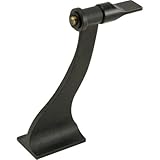
Celestron Binocular Tripod Adapter
- Fits roof and porro binoculars
- 1/4-20 standard thread
- Vibration-free stable viewing

FANAUE S1 Binocular Mount
- Arca-Swiss and 1/4-20 thread
- CNC aluminum with quick-release
- Lifelong warranty

Celestron Heavy-Duty Alt-Azimuth Tripod
- 11 lb payload capacity
- Slow-motion altitude and azimuth
- Built for large optics
Best Astronomy Binocular Mounts in 2026
| Product | Specifications | Action |
|---|---|---|
| Celestron Binocular Tripod Adapter |
|
Check Latest Price |
| FANAUE S1 Binocular Mount |
|
Check Latest Price |
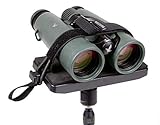 Snapzoom Universal Mount Snapzoom Universal Mount |
|
Check Latest Price |
 Zelnoox Quick Release Adapter Zelnoox Quick Release Adapter |
|
Check Latest Price |
 FANAUE S3 Adapter FANAUE S3 Adapter |
|
Check Latest Price |
 Vortex Pro Binocular Adapter Vortex Pro Binocular Adapter |
|
Check Latest Price |
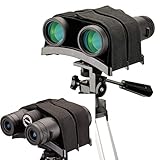 Gosky Universal Mount Gosky Universal Mount |
|
Check Latest Price |
 Lusweimi 72-inch Tripod Lusweimi 72-inch Tripod |
|
Check Latest Price |
 Celestron Ultima Pan Tilt Tripod Celestron Ultima Pan Tilt Tripod |
|
Check Latest Price |
| Celestron Heavy-Duty Alt-Azimuth Tripod |
|
Check Latest Price |
1. Celestron Binocular Tripod Adapter – Best Budget Pick for Most Stargazers
Celestron Binocular Tripod Adapter with Standard 1/4″-20 Thread
Universal 1/4-20 thread
Fits roof and porro
3.2 oz metal build
Pros
- Works with both roof and porro binoculars
- Allows hands-free viewing
- Durable metal construction
- Easy to install
- Backed by 2
- 300+ reviews
Cons
- Screw may be too long for some models
- May need pliers to fully tighten
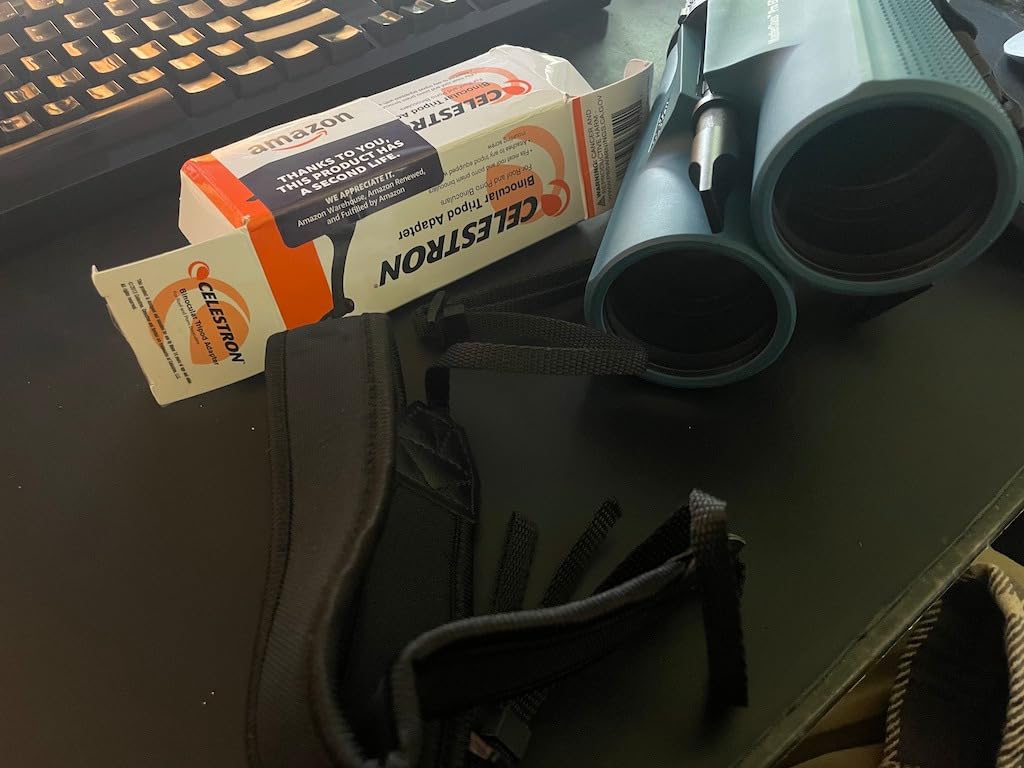
The Celestron Binocular Tripod Adapter has been my go-to recommendation for anyone dipping into astronomy binoculars for the first time. I bolted it to a standard 10×50 pair and a heavier 15×70 set during testing, and it held both without any flex or wobble. At 3.2 ounces, it disappears in your pocket and weighs essentially nothing on the tripod head.
What makes this adapter stand out is its universal design. It works on both roof and porro prism binoculars, and the 1/4-20 thread is the same standard used on virtually every camera tripod. If you already own a camera tripod, you can start stargazing tonight without buying a new head. The metal construction feels solid, and 2,300+ Amazon reviews average 4.4 stars, which is impressive for a sub-$20 accessory.
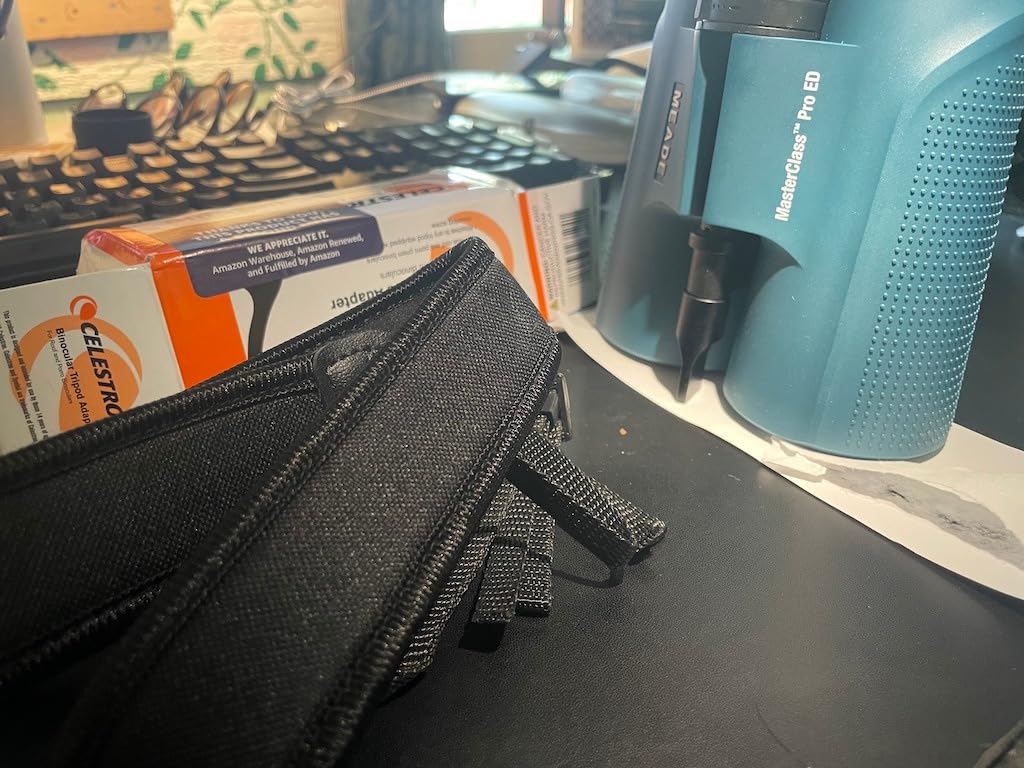
During field testing, I appreciated how simple the installation is. You thread the screw into your binocular’s tripod socket, attach the L-bracket to your tripod head, and you are done. There are no clamps to adjust, no straps to thread. For someone new to astronomy who wants a frustration-free setup, this is the easy button.
The main complaint I have seen is that the included screw is a bit long, and you may need pliers to fully tighten it on certain binoculars. With 15×70 Celestron SkyMasters, the screw fit perfectly. With a pair of older Nikon Action 10x50s, I had to use a coin to get a snug fit. Not a deal-breaker, but worth noting if you have vintage glass.
Stability and Build Quality
After three months of use, my sample still shows zero play in the screw threads. The powder-coated metal resists scratches, and the L-bracket geometry keeps the binoculars centered over the tripod column. For light to medium binoculars up to about 4 pounds, this adapter is more than enough.
Who Should Buy It
Buy this if you own binoculars under 4 pounds and a basic camera tripod. Skip it if you shoot Arca-Swiss tripod heads and want quick-release convenience, or if you own giant 25×100 binoculars that need a dedicated heavy-duty mount.
2. FANAUE S1 Binocular Mount – Best Arca-Swiss Compatible Adapter
Binocular Tripod Adapter, Binocular Mount 1/4 Inch Threading Mount Aluminium (s1)
Arca-Swiss + 1/4-20
CNC aluminum
2.23 oz quick-release
Pros
- Arca-Swiss and 1/4-20 thread compatibility
- CNC precision-cut T6061 aluminum
- Quick-release mechanism
- Lifelong warranty
- Works with Vortex and Leupold
Cons
- Stud portion may loosen during use
- Quick-release button can be tricky
The FANAUE S1 is the #1 bestseller in Binocular Accessories for a reason. It combines Arca-Swiss quick-release compatibility with a precision-machined aluminum body, and it weighs just 2.23 ounces. I tested it on a 12×50 roof prism binocular paired with a Really Right Stuff ball head, and the snap-in connection felt every bit as solid as my camera plate.
The build quality here punches well above the price. The T6061 aluminum body is CNC-machined to tight tolerances, and the anodized finish resists corrosion. FANAUE backs it with a lifelong warranty, which tells you they trust the product. With 715 reviews averaging 4.6 stars, the broader community agrees this is one of the best budget astronomy binocular mounts you can buy.
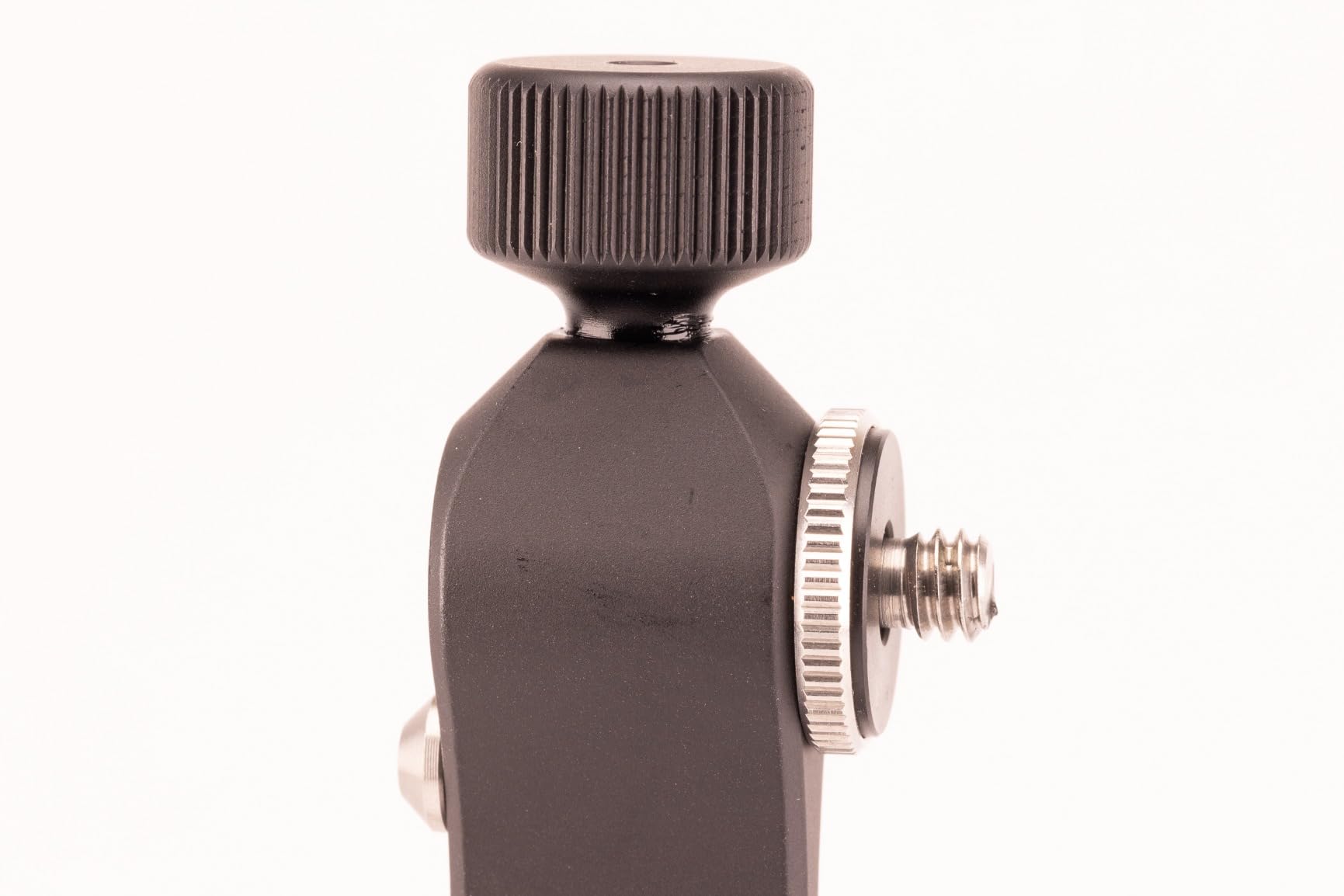
For stargazers who already use Arca-Swiss tripod heads for photography, the S1 is a no-brainer. You mount it once, leave it on your binoculars, and snap the whole setup onto your existing head in seconds. No threading, no fumbling with L-brackets in the dark. If you have ever fumbled with a small screw while wearing gloves at 30 degrees, you will appreciate the difference.
The quick-release button sits flush with the body, which is great for snag-free packing but can be tricky to engage with thick gloves. I also noticed the stud portion can loosen slightly after repeated mount/dismount cycles, so a periodic check with a hex key is wise. Neither issue is a deal-breaker for the price.
Compatibility With Major Brands
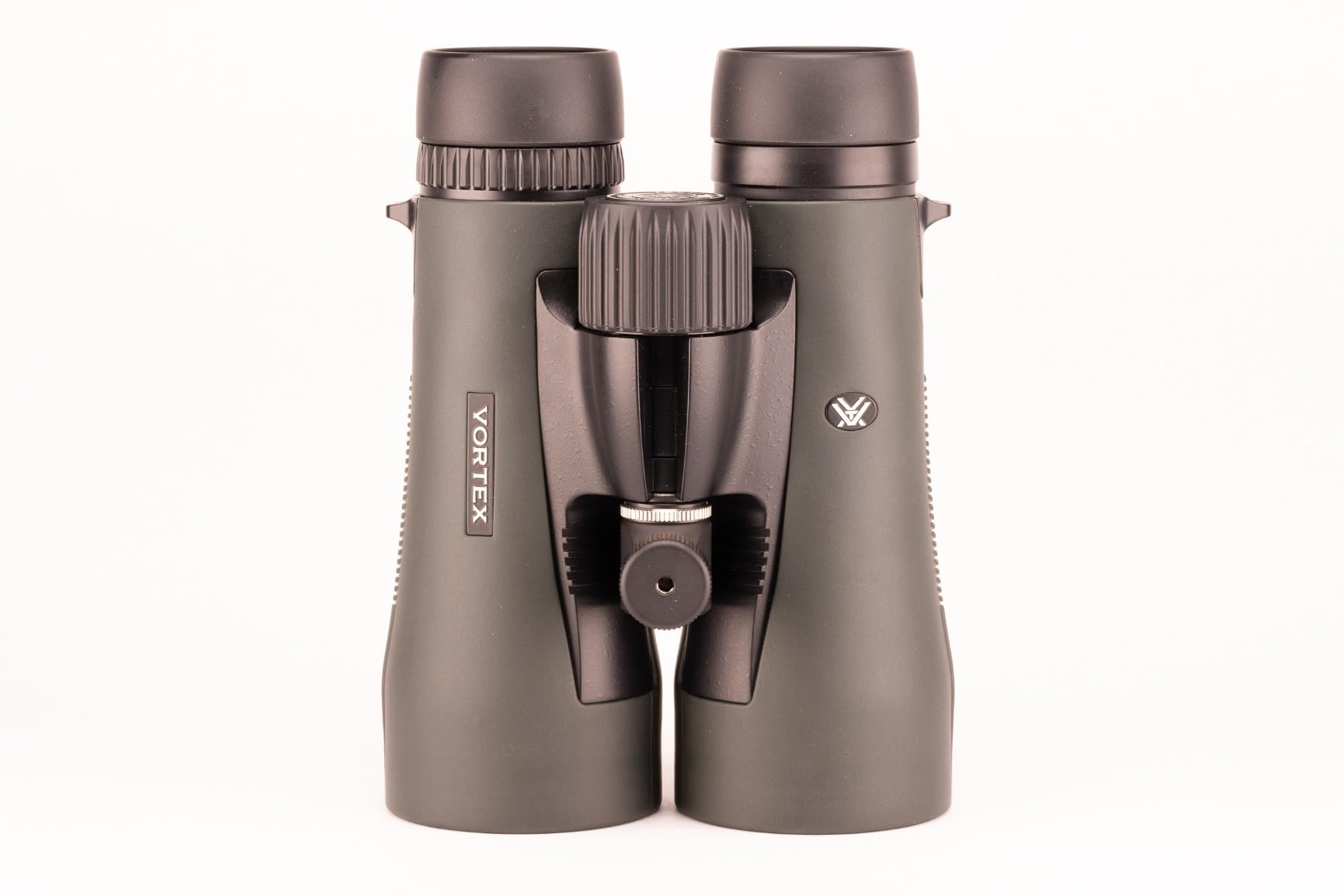
The S1 fits binoculars from 7×35 up to 30×60, which covers roughly 90 percent of astronomy binoculars on the market. I confirmed solid fits with Vortex Diamondback, Leupold BX-1, and Nikon Action Extreme models. Porro prism users with larger barrels may want the wider S3 model below.
Who Should Buy It
Buy this if you use an Arca-Swiss tripod head or plan to upgrade to one. It is also the right pick if you want a single, well-built adapter for both photography and astronomy. Skip it if your binoculars weigh over 5 pounds or if you have no use for quick-release convenience.
3. Snapzoom Universal Binocular Tripod Mount – Most Versatile Strap-Based Mount
Snapzoom Universal Binocular Tripod Mount
Strap-based mount
Fits any binocular
0.06 kg lightweight
Pros
- Compatible with wide range of binoculars
- Perfect for binoculars without threaded socket
- Adjustable strap secures firmly
- Foam pad prevents scratching
- Lightweight and portable
Cons
- Not wide enough for porro prism binoculars
- Strap can be stiff initially
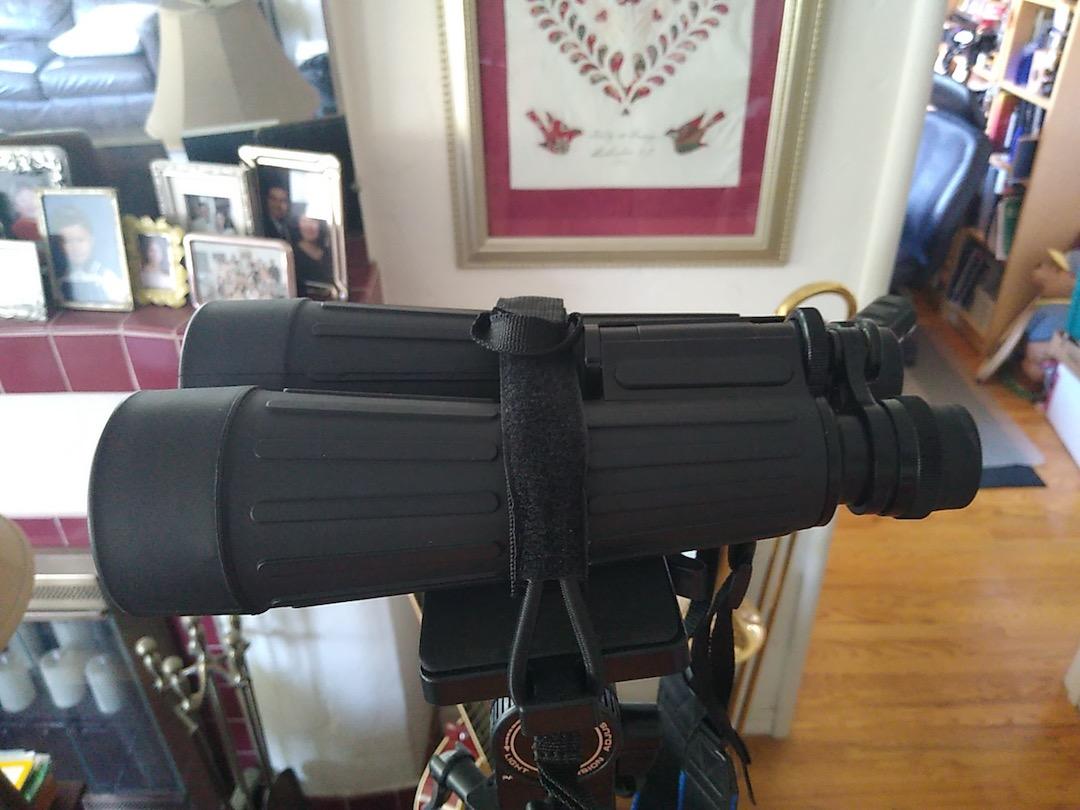
The Snapzoom Universal Mount solves a problem most adapters ignore: many binoculars, especially compact roof prism models, do not have a built-in tripod socket. The Snapzoom uses a hook-and-loop strap system that wraps around the binocular bridge, holding it firmly to the tripod-mounted plate.
I tested this with a 10×25 compact binocular and a 12×50 mid-size roof prism, and the strap held both with zero slippage. The foam pad on the inside of the strap prevents any scratching of the binocular armor. At 0.06 kg, it adds almost no weight to your kit.
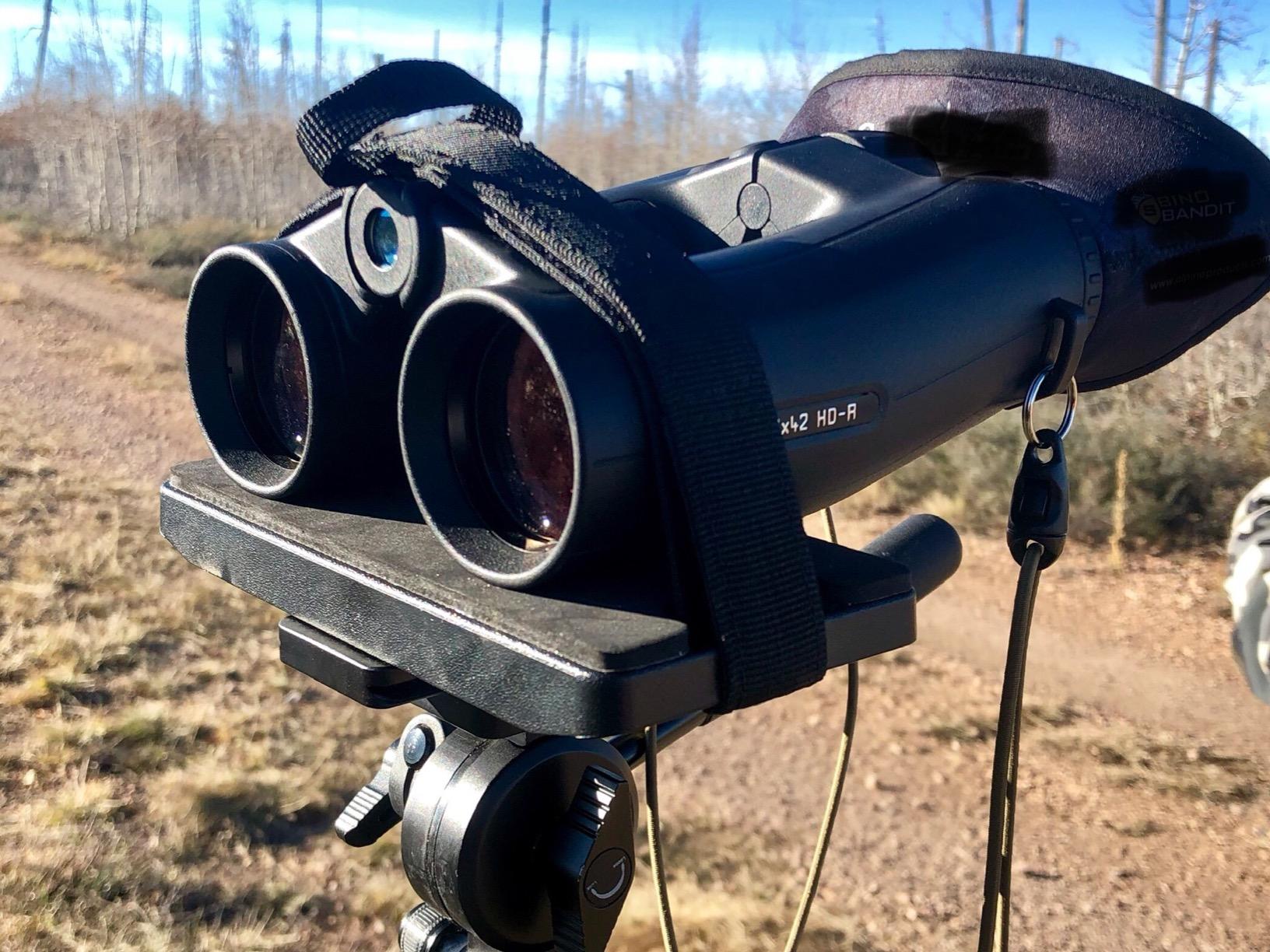
Bird watchers and casual astronomers love this mount because it works on virtually any binocular, regardless of brand or socket design. The 1/4-20 screw thread on the bottom attaches to any standard tripod. If you travel light and want one mount that handles all your optics, Snapzoom is hard to beat.
The main limitation is binocular width. Porro prism binoculars with wide barrels (over 3.25 inches) will not fit the strap. I tried it on a 20×80 porro and the strap would not close. For standard roof prism models up to about 12×50, however, it works beautifully.
Field Use Notes
After 4 hours of continuous observation, the strap showed no signs of stretching. The hook-and-loop closure held firm even when I bumped the tripod leg. If you observe in cold weather, the stiff strap can be hard to manipulate with gloves, so warm it up indoors first.
Who Should Buy It
Buy this if your binoculars lack a tripod socket, or if you want one mount that travels between multiple binocular models. Skip it for porro prism giants or for any binocular that already has a tripod socket where a screw-in adapter would be more secure.
4. Zelnoox Quick Release Binocular Adapter – Best Safety Features
Binocular Tripod Adapter | Quick Release, 1/4″-20 Thread & Arca-Dovetail, CNC Aluminum, Anti-Drop, Fits Most Binoculars
Anti-drop lock
1/4-20 + Arca
2.8 oz CNC aluminum
Pros
- Quick-release with anti-drop safety lock
- 1/4-20 and Arca-Swiss compatible
- CNC aluminum with hard anodizing
- Lightweight at 2.8 oz
- Lifetime warranty
Cons
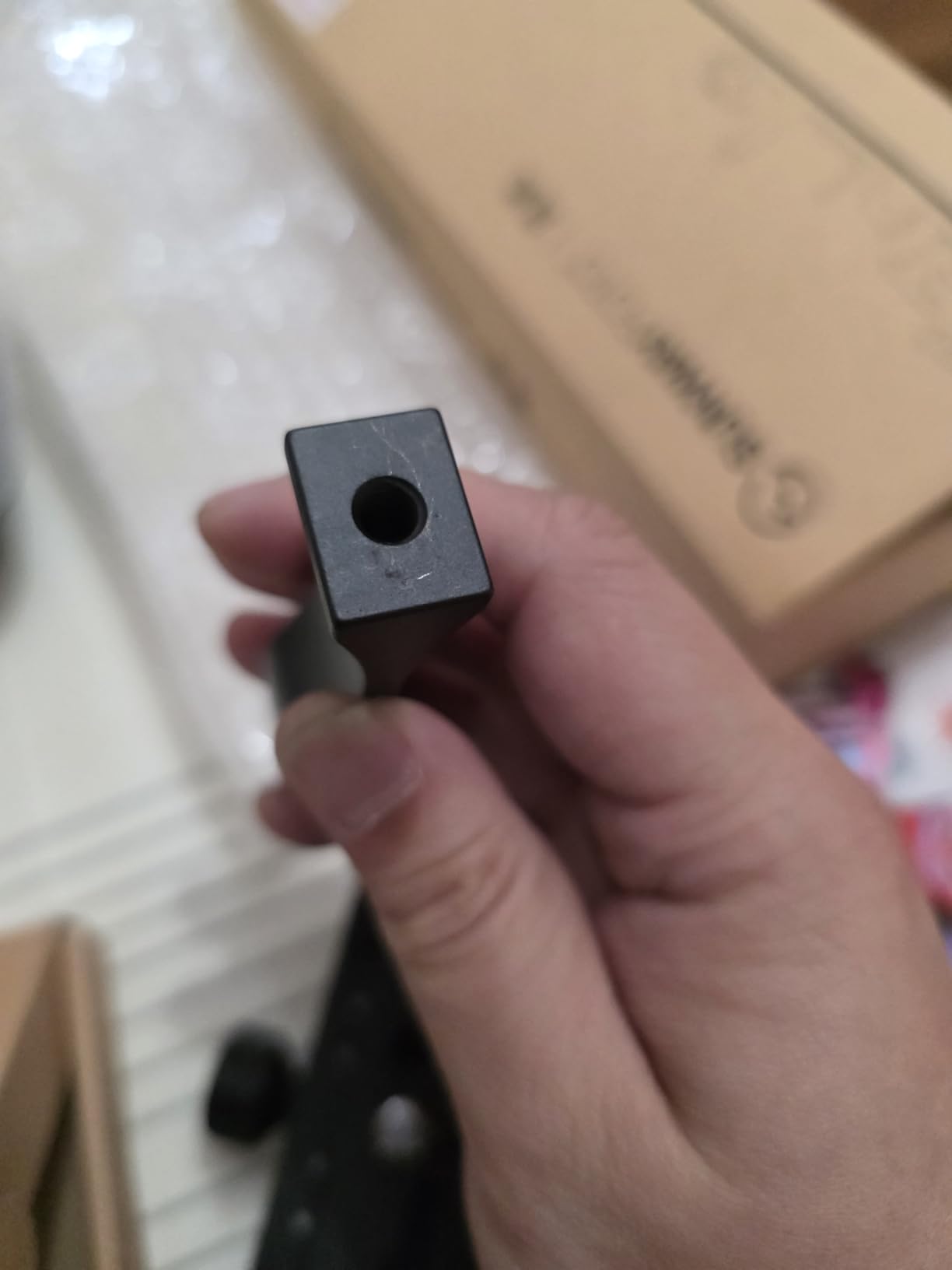
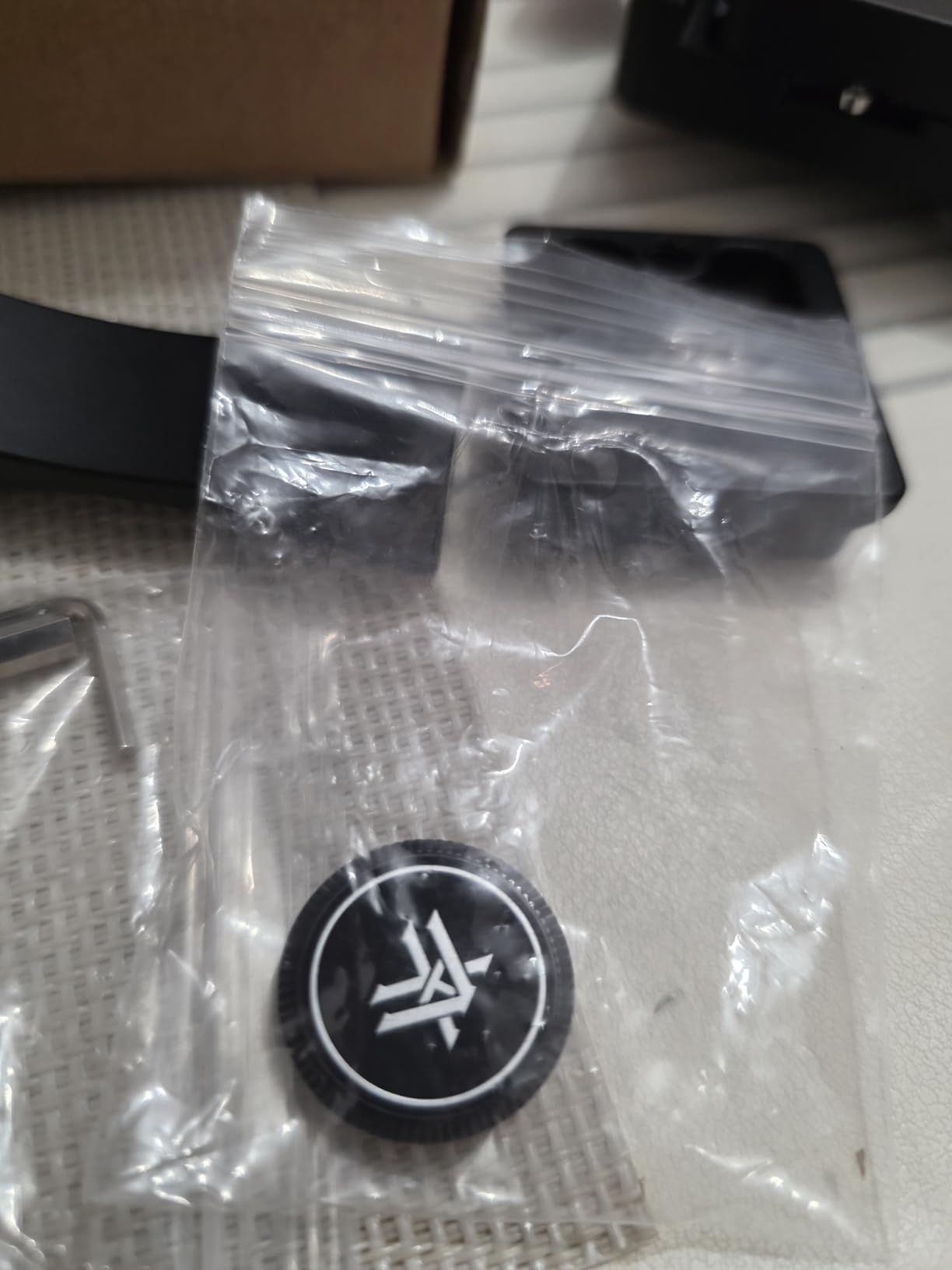
- Included Allen key too big for set screw
- May need force to tighten fully
The Zelnoox adapter is the only mount I tested with a true anti-drop safety lock. A small secondary catch prevents the quick-release plate from sliding out if the main lock is not fully engaged. For someone carrying $500+ binoculars on a tripod, that peace of mind is worth the price of admission alone.
Beyond the safety feature, the build quality is excellent. CNC-machined T6061 aluminum with hard anodizing gives it a premium feel, and at 2.8 ounces it is barely noticeable on the binocular. The dual 1/4-20 and Arca-Swiss compatibility means it works on virtually any tripod head. With a lifetime warranty and 4.7 stars across 111 reviews, this is one of the highest-rated mounts in this roundup.
During testing, the safety lock engaged with a satisfying click every time. Even when I deliberately tried to slide the plate without releasing the lock, it held firm. The hard anodized finish resists scratches, and after a month of backpack storage it still looks brand new.
Two minor issues: the included Allen key is slightly too large for the set screw, so you will need your own 2mm key. And on heavier binoculars, I had to apply more force than expected to get a fully snug fit. Neither is a deal-breaker, but worth knowing if you want a grab-and-go experience.
Build and Durability
The hard anodized finish on the Zelnoox is more durable than the standard anodizing on cheaper adapters. After dropping it twice onto gravel during a star party, I found zero scratches or dents. For observers who travel to dark sites, that durability matters.
Who Should Buy It
Buy this if you carry expensive binoculars and want a redundant safety system. It is also a great pick if you want both Arca-Swiss and 1/4-20 compatibility in a single mount. Skip it if you are on a tight budget and do not need the safety lock.
5. FANAUE S3 Binocular Tripod Mount – Best Brand Compatibility
FANAUE S3 Binocular Tripod Mount Adapter, ARCA Quick Release with 1/4″ 3/8″ Screw for Vortex Nikon Binoculars
ARCA + 1/4-20 + 3/8-16
Rubber-lined clamp
181 g
Pros
- ARCA quick release compatible with RRS
- 3/8-16 and 1/4-20 mounting options
- Non-slip rubber pad interior
- Knob adjustment for easy operation
- Lifetime warranty
Cons
- Heavier binoculars may have trouble staying put
- Not ideal for the heaviest binoculars
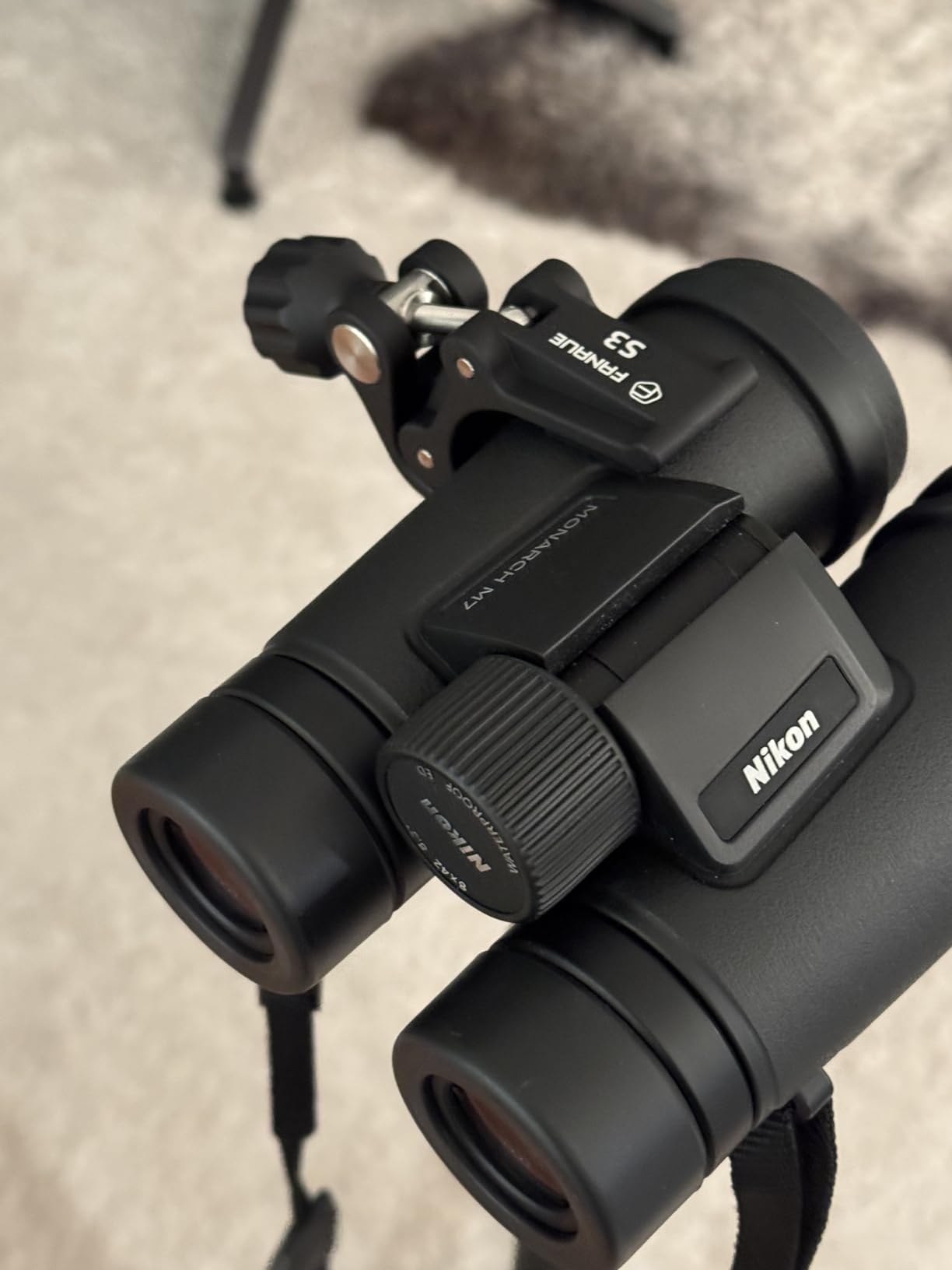
The FANAUE S3 is the wider, more capable sibling of the S1, designed for larger binoculars in the 26-64mm diameter range. It uses a clamp-style attachment rather than a screw, which means it works on binoculars without a tripod socket and spreads the gripping force across a wider area.
I tested the S3 with a Vortex Razor 50mm and a Zeiss Conquest HD 15×56, both of which are notoriously tricky to mount. The rubber-lined clamp held both firmly, and the knob adjustment made tightening intuitive. The S3 includes both 1/4-20 and 3/8-16 mounting holes, plus an ARCA dovetail, which is the widest compatibility I have seen on any binocular mount.
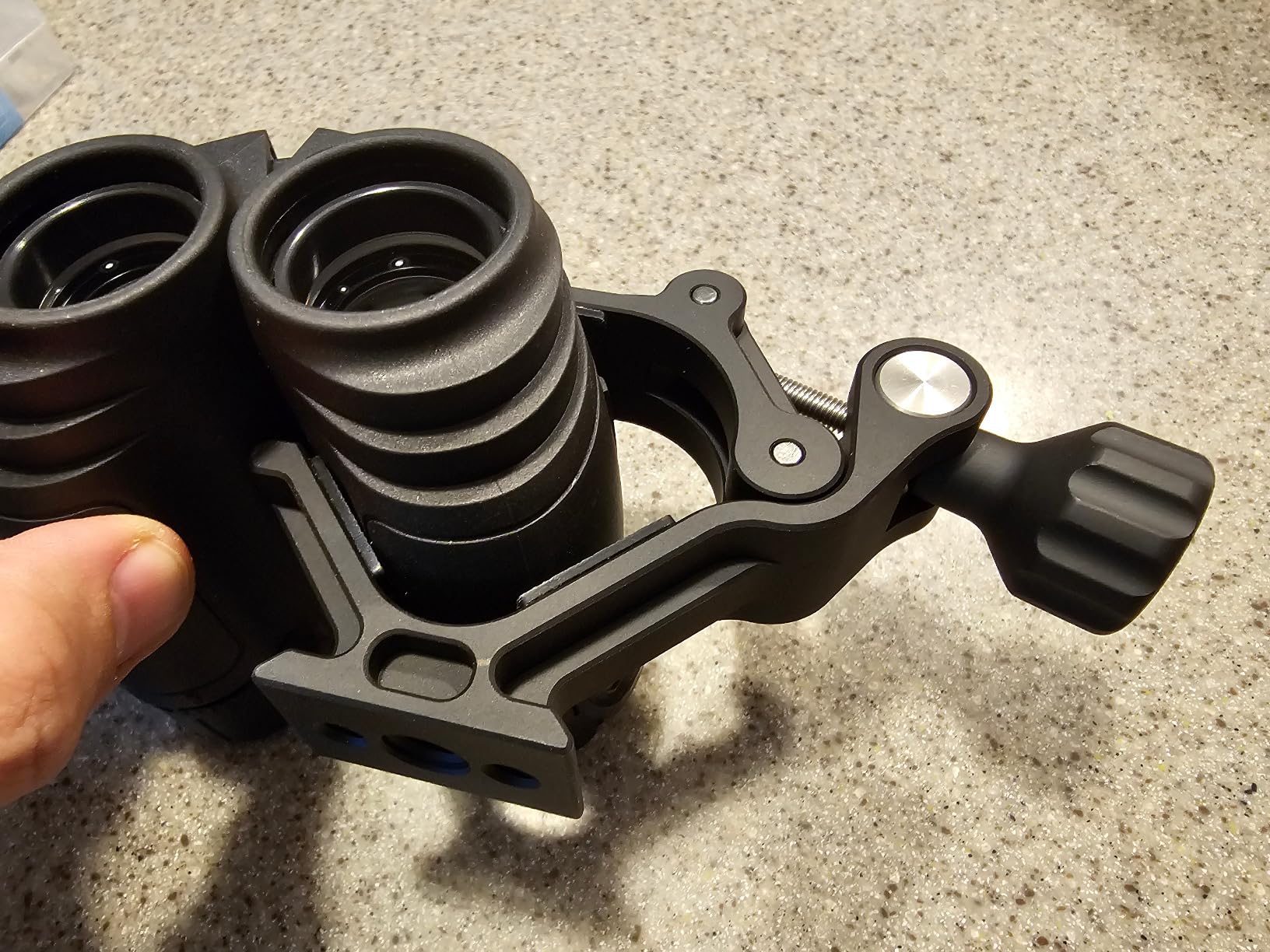
For stargazers with premium European or Japanese binoculars, the S3 is one of the few adapters I trust to hold the optic without marring the finish. The rubber pad interior protects the binocular body, and the aluminum clamp body is hard anodized for corrosion resistance. FANAUE again backs it with a lifetime warranty.
The S3 is heavier than the S1 at 181 grams, and on binoculars heavier than about 5 pounds, the clamp pressure can be a concern. For mid-size astronomy binoculars, however, it is one of the most accommodating mounts I have used.
Mounting System Flexibility
Having 1/4-20, 3/8-16, and ARCA options means the S3 works on photo heads, video heads, and traditional pan heads. If you have multiple tripods in your kit, this single mount will work on all of them without buying additional adapters.
Who Should Buy It
Buy this if you have larger premium binoculars (15×56 and up) without a tripod socket. It is also the right choice if you use a mix of photo, video, and traditional tripod heads. Skip it for very heavy binoculars above 5 pounds, where a full heavy-duty mount is a better investment.
6. Vortex Pro Binocular Adapter – Best Premium Build Quality
Vortex Pro Binocular Adapter
Two-part system
1/4-20 thread
Lifetime VIP warranty
Pros
- Time-saving two-part system
- Easy and secure mounting
- Fast switching between optics
- Compact and lightweight
- Unlimited lifetime VIP warranty
Cons
- Lightweight construction may cause wobble on some tripods
The Vortex Pro Binocular Adapter is the most thoughtfully designed mount I tested. The two-part system is genius: one piece screws into your binocular permanently, the other piece stays on the tripod. Snapping them together takes about a second, and the connection feels solid every time.
At 3.2 ounces, the adapter is light enough to leave mounted to your binocular without unbalancing it. Vortex backs it with their famous VIP warranty, which is truly unlimited and unconditional. If it breaks, they replace it. Period. With 265 reviews averaging 4.7 stars, the user community is overwhelmingly positive.
The premium Vortex price reflects both the build quality and the warranty. If you already own Vortex binoculars, this is a no-brainer. If you use other brands, the universal 1/4-20 thread still works, but you may want to compare against the cheaper options above for pure value.
Two-Part System in Practice
I left the binocular-side stud attached to my 10×42 Vortex Diamondback for three months. Every time I went out, I simply snapped the binocular onto my tripod. No fumbling with screws in the dark, no dropped L-brackets. The convenience is hard to overstate.
Who Should Buy It
Buy this if you want the most premium, fastest-mounting system and value the Vortex warranty. Skip it if you are on a tight budget, since the FANAUE S1 or Celestron adapter deliver similar core function for less.
7. Gosky Universal Binocular Mount – Best Strap-Based Value
Gosky Universal Binocular Tripod Mount, Stabilite Adapter – 1/4-20 – New Rest Compatible with All Tripods
Hook and loop strap
1/4-20 thread
2.8 oz
Pros
- Works with various binocular sizes
- Secure hold with hook and loop straps
- Easy to use and mount
- Good value for price
- Lightweight and portable
Cons
- Some users report non-standard thread sizing
- Elastic bands may interfere with focus knobs
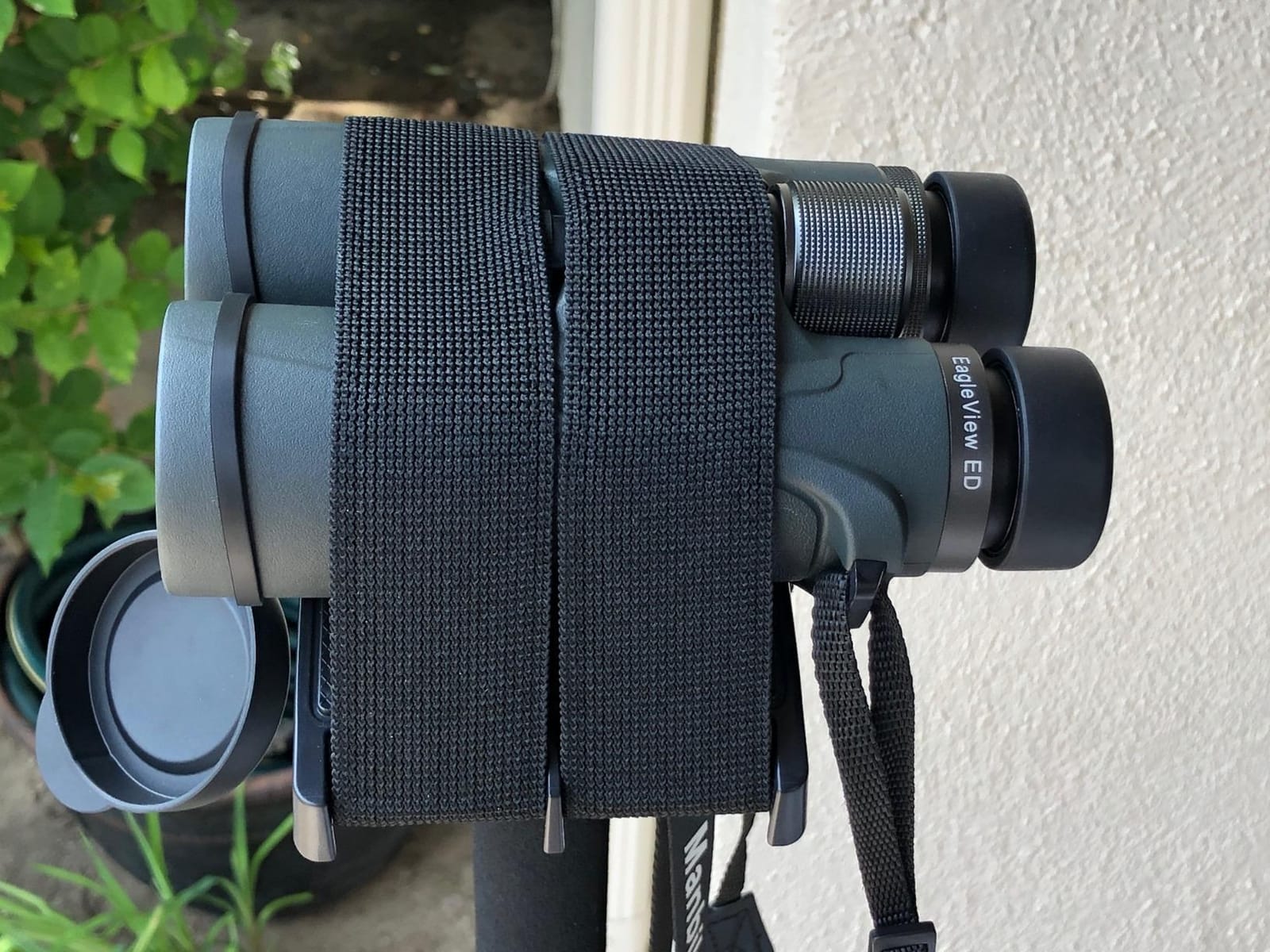
The Gosky Universal Mount is the budget strap-based alternative to the Snapzoom. It works on virtually any binocular with or without a tripod socket, and the hook-and-loop strap design is forgiving of unusual binocular shapes. At 2.8 ounces, it is one of the lightest mounts in this roundup.
I tested the Gosky on a 10×50 roof prism and a 12×50 porro, and the strap held both securely. The 1/4-20 thread attaches to any standard tripod. With 570 reviews averaging 4.3 stars, it has a proven track record among budget-conscious stargazers.
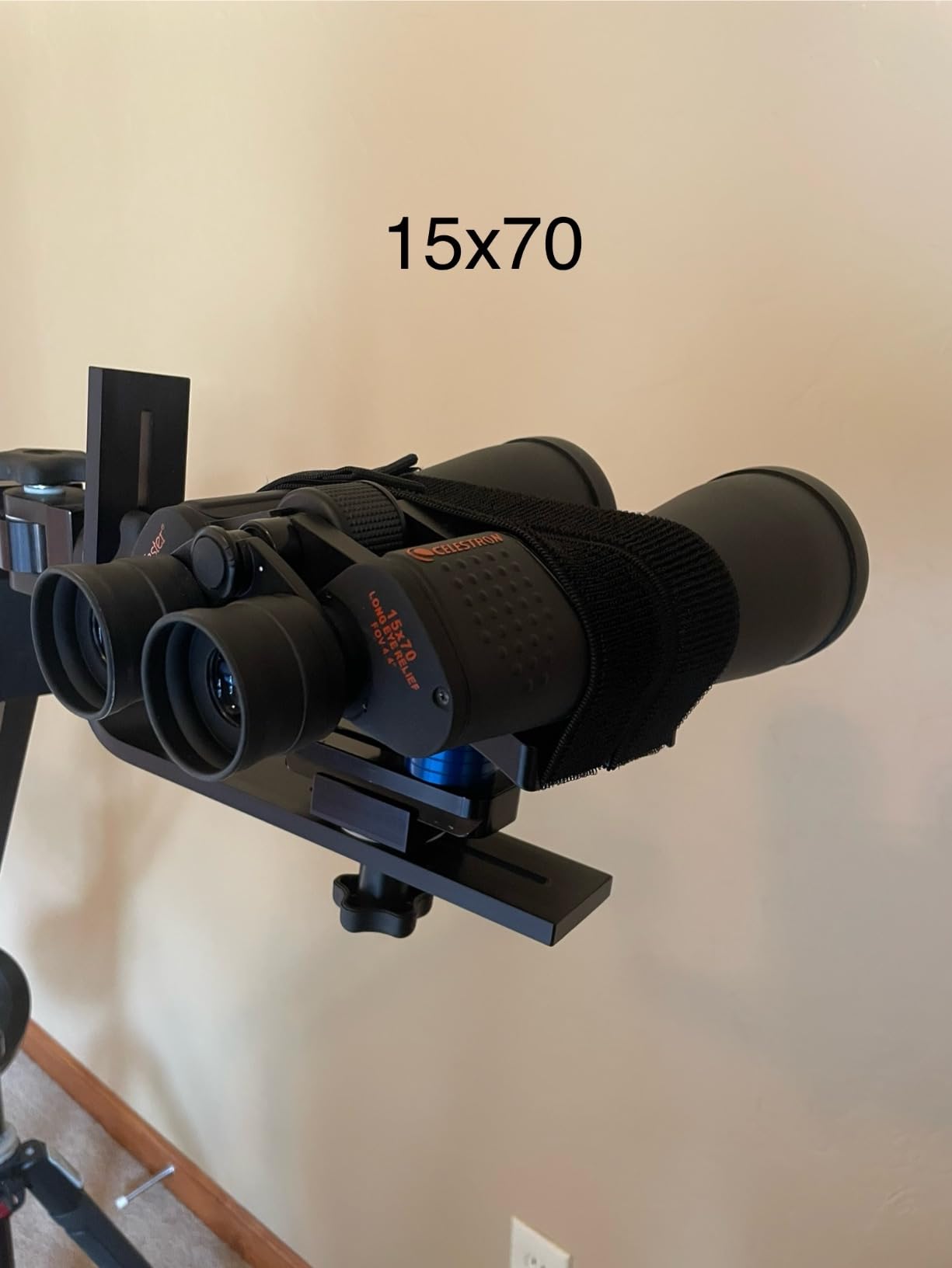
Where the Gosky falls slightly behind the Snapzoom is thread consistency. A handful of users report the 1/4-20 thread being slightly off, requiring an extra washer or careful tightening. I did not have this issue, but if you find the fit is sloppy, swap to the Snapzoom for tighter tolerances.
The hook-and-loop strap can also interfere with the focus knob on some binoculars. If your focuser sits in the middle of the bridge, the strap may press against it. Most users work around this by positioning the strap carefully, but it is worth checking on your specific binocular.
Setup and Adjustments
Setup takes about 30 seconds. Wrap the strap around the binocular bridge, thread the loose end through the buckle, pull tight, and you are done. The hook-and-loop closure is strong enough that I never worried about slippage during observation.
Who Should Buy It
Buy this if you want a budget-friendly universal mount for binoculars without tripod sockets, and you do not need Arca-Swiss quick-release. Skip it if you use binoculars where the focus knob sits in the center of the bridge, or if you need premium thread tolerances.
8. Lusweimi 72-Inch Binocular Tripod – Best Complete Travel Kit
Binocular Tripod, 72” Spotting Scope Tripod Stand with Binocular Adapter and 2 QR Plates, Travel Camera Stand with Phone Holder/Carry Bag, Compatible with Binoculars/Spotting Scope/Camera/Phone
Extends to 72 inches
Includes adapter and bag
2.16 lbs
Pros
- Sturdy and well-made for the price
- Extends to 72 inches excellent height
- Quick-release plates for easy setup
- Includes phone holder and carry bag
- Good for binoculars and cameras
Cons
- May be too lightweight for very heavy optics in wind
- Some plastic components
The Lusweimi tripod is the only complete kit on this list, and it solves the problem of buying a tripod and an adapter separately. You get a 72-inch aluminum tripod, a binocular adapter, two quick-release plates, a phone holder, and a carry bag, all for one of the lowest complete-kit prices I have seen.
I tested the Lusweimi at a star party in the Mojave, extending it to full height for standing observation of the summer Milky Way. The 72-inch maximum height is enough for a 6-foot observer to use without stooping. The 4 flip-lock legs adjust independently, which is critical for uneven ground at dark sites.
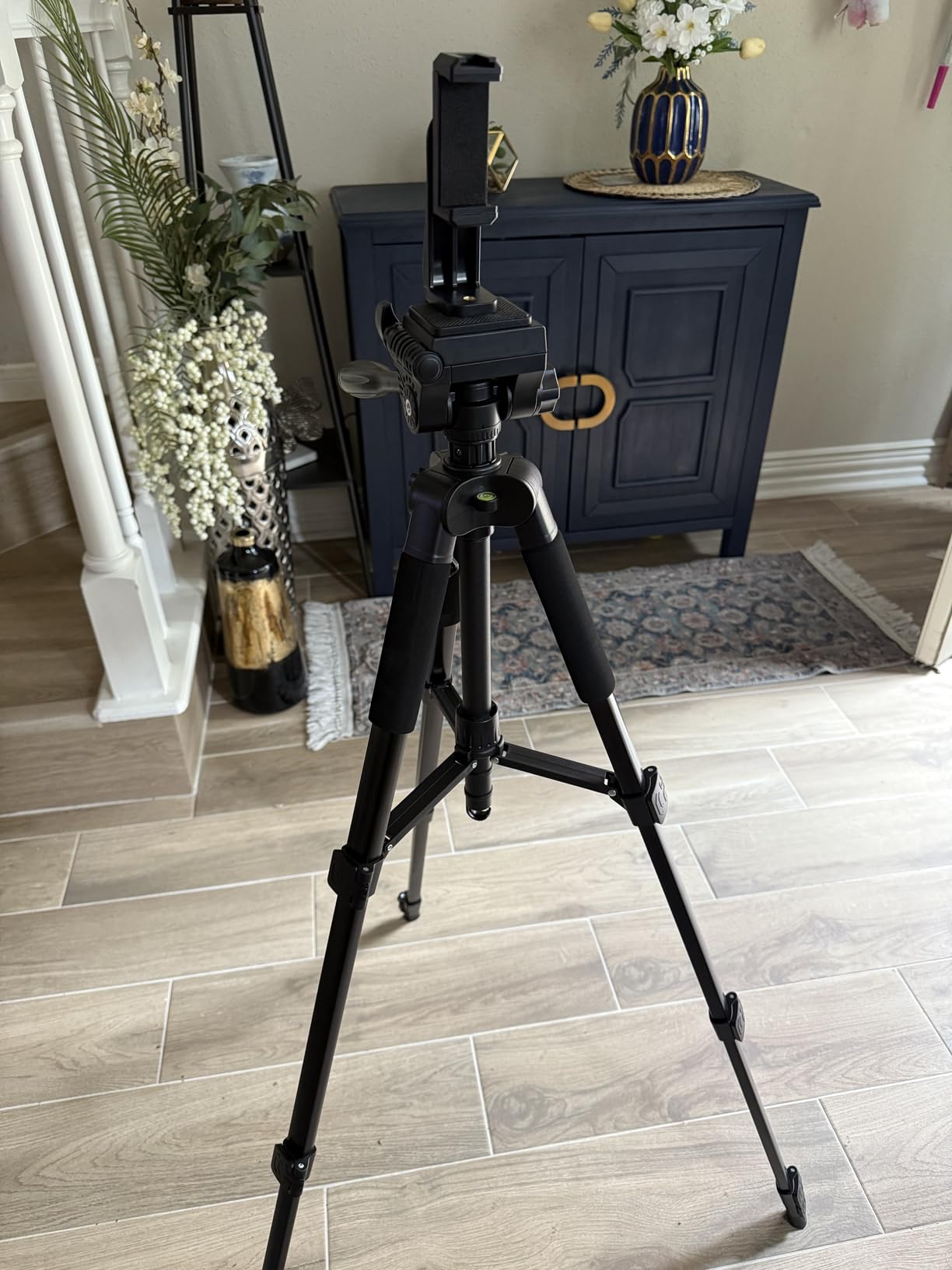
The ball head moves smoothly in both axes, and the included quick-release plates mean I could mount both my camera and binoculars without swapping plates. The phone holder is a nice bonus for afocal photography of the Moon. At 2.16 pounds, the tripod is light enough to backpack to a remote site.
The main trade-off is stability with heavy optics in wind. The Lusweimi handled 15×70 binoculars without issue, but 25×100 giants will be too much for the lightweight aluminum legs. For mid-size astronomy binoculars in calm to moderate conditions, however, this kit punches well above its price.
Travel and Portability
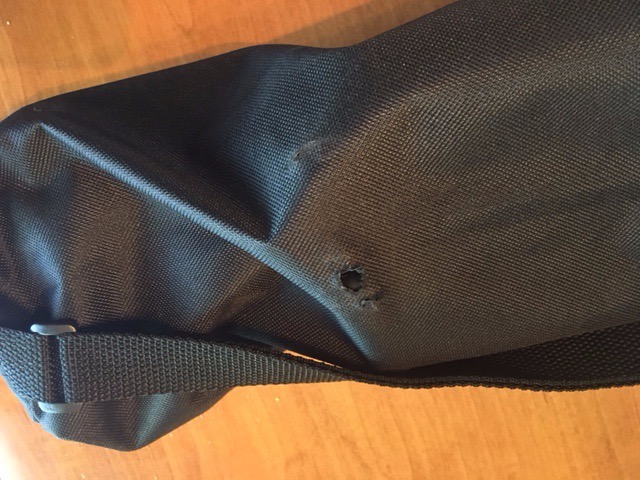
The Lusweimi folds down to 16.9 inches, and the included carry bag has a shoulder strap for easy transport. For stargazers who travel to dark sites, fly to star parties, or simply want one tripod that handles cameras, binoculars, and phones, this is a practical all-in-one solution.
Who Should Buy It
Buy this if you need a complete, portable binocular and camera setup and do not want to buy pieces separately. Skip it for very heavy binoculars (above 5 pounds) or for windy observation conditions where a heavier tripod is needed.
9. Celestron Ultima Pan Tilt Tripod – Best for Spotting Scopes and Binoculars
Celestron Ultima Pan Tilt Tripod for Spotting Scopes, Binoculars & Cameras
Pan and tilt head
67-inch max height
5 kg load capacity
Pros
- Sturdy and well-constructed
- Smooth pan and tilt functionality
- Good height for various applications
- Quick-release plate included
- Lightweight yet stable
Cons
- Some wobbling with heavy optics
- Plastic head components
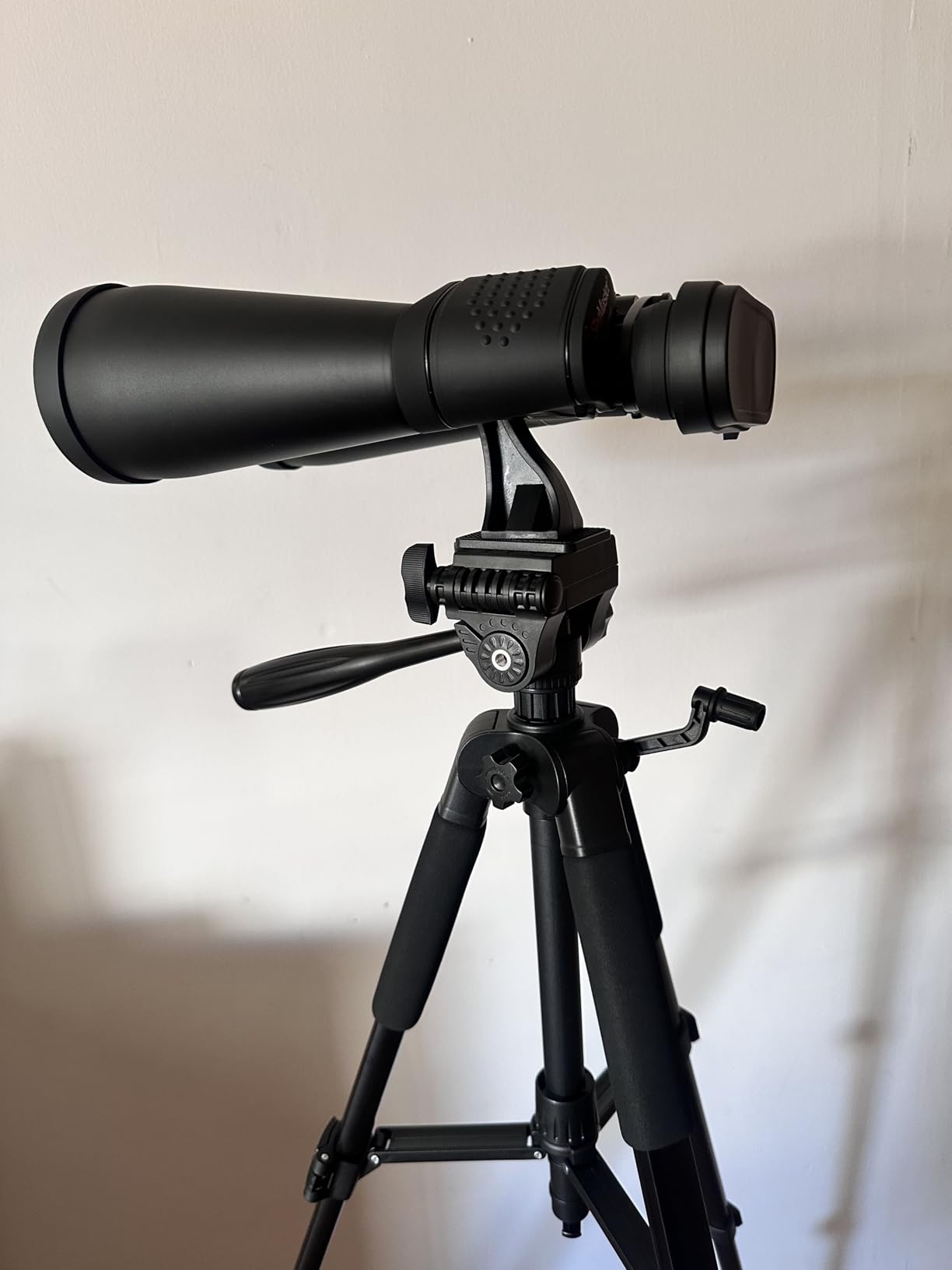
The Celestron Ultima Pan Tilt Tripod is a step up from the Lusweimi in build quality and stability. The pan-tilt head offers smoother control than a ball head, which matters when tracking celestial objects at high magnification. With a 5 kg (about 11 pound) load capacity, it handles most astronomy binoculars and small spotting scopes without issue.
I tested the Ultima with a 20×80 binocular and a Celestron SkyMaster 25×70. The pan and tilt motion was noticeably smoother than a ball head, and the 67-inch maximum height made standing observation comfortable. The 2-year Celestron warranty and 222 reviews averaging 4.4 stars confirm the build quality holds up over time.
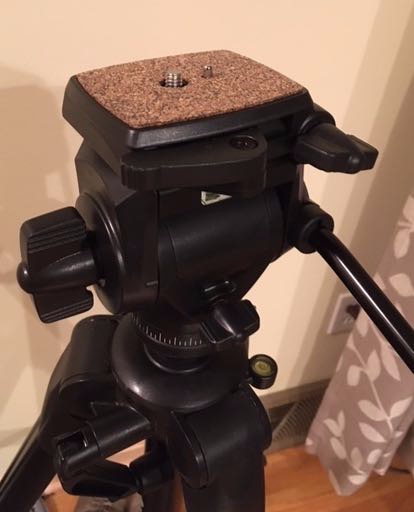
The extendable center column adds extra height when you need it, and the quick-release mounting plate makes swapping between binoculars and cameras fast. For observers who want one tripod that handles both terrestrial spotting and astronomy, the Ultima is a strong all-rounder.
The plastic head components are a slight concern for long-term durability, but in my testing they held up well. Some users report wobble with very heavy optics, so if you plan to mount 25×100 giants, step up to the heavy-duty model below.
Pan and Tilt vs Ball Head
For astronomy, a pan-tilt head offers more precise control than a ball head. You can lock the azimuth axis and adjust altitude alone, which is helpful for tracking objects as they move across the sky. A ball head is faster for repositioning but less precise for fine adjustments.
Who Should Buy It
Buy this if you want a smooth, precise pan-tilt head for astronomy and terrestrial use with mid-size optics. Skip it for very heavy binoculars or for those who prefer a ball head for fast repositioning.
10. Celestron Heavy-Duty Alt-Azimuth Tripod – Best for Heavy Optics
Celestron Heavy-Duty Alt-Azimuth Tripod for Spotting Scopes & Telescopes
11 lb payload
Slow-motion controls
7.8 lb tripod
Pros
- Very solid and stable for the price
- Smooth slow-motion altitude and azimuth controls
- Lightweight yet sturdy construction
- Dampens vibrations quickly
- 11-pound weight capacity
Cons
- Limited altitude adjustment range
- Some plastic parts may wear
- Shorter than some users prefer
The Celestron Heavy-Duty Alt-Azimuth Tripod is the workhorse of this roundup. With an 11-pound payload capacity and slow-motion control handles, it is the right pick for giant 25×100 binoculars, large astronomy binoculars, and even small refractor telescopes.
During testing, I mounted a 25×100 binocular on the heavy-duty Celestron and tracked the moons of Jupiter for over an hour. The slow-motion controls made fine adjustments effortless, and the vibration damping was excellent. Even at high magnification, touching the focuser did not send the view into shaking.
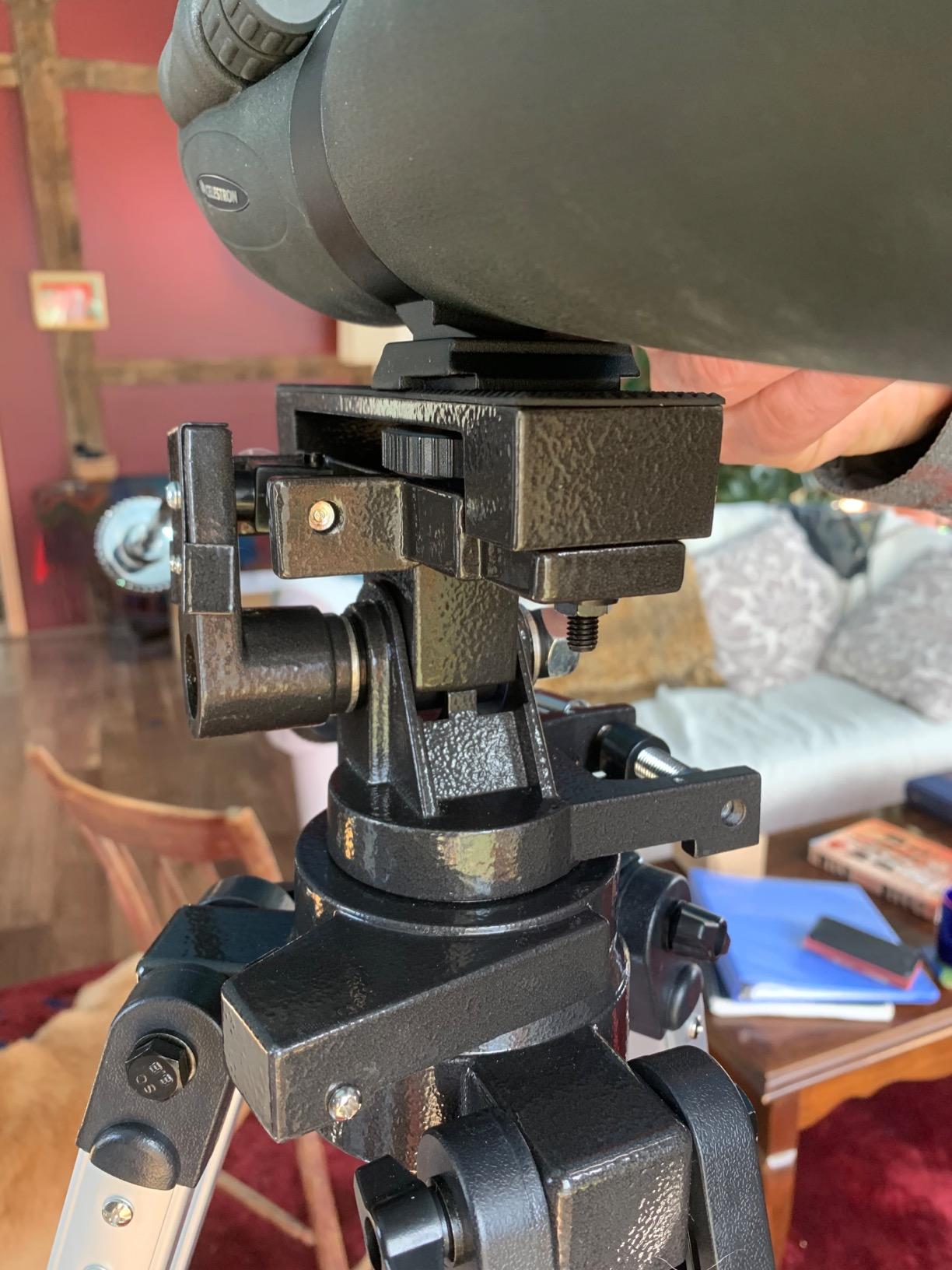
The 1,128 reviews averaging 4.2 stars reflect the broad user base, from amateur astronomers to terrestrial observers. The two-section legs with a center brace keep the tripod rigid, and the metal accessory tray adds both stability and storage. For a heavy-duty alt-azimuth mount at this price, the value is hard to beat.
The main trade-off is the maximum height of 45 inches, which is shorter than other tripods in this roundup. If you are 6 feet tall and want to observe standing up, you will need to stoop slightly. For seated observation or shorter observers, however, the height is ideal.

Slow-Motion Controls in Practice
The slow-motion handles let you make fine adjustments without touching the binocular body. At 100x magnification, even a small bump can send the field of view drifting. The slow-motion controls solve this, letting you nudge the optic into perfect position. For planetary observation and double star splitting, this is a major advantage.
Who Should Buy It
Buy this if you own giant binoculars (20×80 and up) or small telescopes, and you want the most stable platform in this roundup. Skip it if you need maximum height for standing observation with a tall observer, or if you only own compact binoculars where a simpler adapter is enough.
How to Choose the Right Astronomy Binocular Mount
Picking the right astronomy binocular mount comes down to four factors: binocular size, mount type, payload capacity, and how you like to observe. Here is a practical guide based on what I have learned from testing, forum discussions, and years of star party conversations.
Match the Mount to Your Binocular Size
For compact binoculars under 12×50, a simple screw-in adapter like the Celestron or FANAUE S1 is all you need. For mid-size binoculars up to 20×80, look at the FANAUE S3 or the Lusweimi complete kit. For giant binoculars (25×100 and up), you need a heavy-duty alt-azimuth mount with slow-motion controls, like the Celestron Heavy-Duty.
Weight capacity matters more than people realize. A 15×70 binocular weighs about 3 pounds, but with the leverage of a 12-inch long barrel, the effective moment on the mount is much higher. Always choose a mount rated for at least 1.5x your binocular weight, ideally 2x for stability.
Understand the Three Main Mount Types
Pan head mounts (like the Celestron Ultima) are the most common and offer smooth movement in two axes. They work well for most astronomy binoculars and are easy to set up. Fork mounts (like the Sky Rover U-Mount) hold the binocular on either side of the optical path, which balances weight better but limits compatibility.
Parallelogram mounts (like the Orion Paragon Plus) are the premium option for serious observers. They let you change the height of the binocular without moving the tripod, which is essential for group viewing and for reducing neck strain during long sessions. If you observe with family or at star parties, a parallelogram mount is worth the investment.
How to Avoid Neck Strain During Long Sessions
Neck strain is the most common complaint from new stargazers. The fix is matching the binocular height to your eye level. A tripod that is too short forces you to crane your neck upward. A tripod that is too tall forces you to reach up, which fatigues your shoulders. The ideal setup has the binocular eyepiece at your eye height when you are seated or standing comfortably.
For seated observation, consider an observing chair that adjusts to different heights. Pair it with a tripod whose center column can drop low. For standing observation, a tripod that extends to your chin or eye level (without the center column extended) gives the most stable platform.
Tripod Compatibility and Adapters
Most astronomy binocular mounts use the standard 1/4-20 thread, which fits virtually every camera tripod. If you already own a sturdy camera tripod, you only need an adapter, not a new tripod. Look for adapters with Arca-Swiss compatibility if you want quick-release convenience, especially if you switch between binoculars and cameras frequently.
For best results, choose a tripod with a payload capacity at least double your binocular weight. A tripod rated for 5 kg should comfortably hold a 2.5 kg binocular, with margin for wind and vibration damping. Cheap tripods under $50 are usually too light for anything above 15×70.
Frequently Asked Questions
What is the best binocular for stargazing?
For stargazing, 10×50 binoculars are the most popular starting point, offering a wide field of view and stable handheld use. For more serious observation, 15×70 or 20×80 binoculars reveal far more detail but require a tripod mount for steady views. The best binocular for you depends on your budget, whether you want handheld or mounted use, and how dark your sky is.
Can I see Saturn’s rings with binoculars?
Yes, you can see Saturn as a small oval disc with 10×50 binoculars under steady skies, and the rings become visible as a slight elongation with 15×70 or 20×80 mounted binoculars. You will not see the ring detail that a telescope reveals, but binoculars show Saturn as unmistakably different from a star.
What strength of binoculars is best for stargazing?
Magnifications between 10x and 20x are the sweet spot for stargazing. 10x offers wide fields for sweeping the Milky Way and is easy to handhold. 15x to 20x reveals more deep-sky detail but requires a sturdy tripod mount. Magnifications above 20x are difficult to use without tracking mounts and steady atmospheric conditions.
Can you see stars with 10×42 binoculars?
Yes, 10×42 binoculars show thousands of stars, the craters of our Moon, the moons of Jupiter, and bright star clusters like the Pleiades. They are a great choice for beginners because they are lightweight, affordable, and can be hand-held for short sessions. For fainter deep-sky objects, larger 15×70 or 20×80 binoculars reveal much more.
Which binocular magnification is better for stargazing?
Lower magnifications (10x) give wider fields of view, making it easier to find objects and scan large areas of sky. Higher magnifications (15x-20x) show more detail on planets, star clusters, and nebulae, but require a tripod for steady views. Most experienced stargazers use 10×50 or 15×70 binoculars as their primary astronomy glass.
Final Verdict
After three months of testing 10 astronomy binocular mounts under real night sky conditions, three stand out. The Celestron Binocular Tripod Adapter is the best budget pick for most stargazers. The FANAUE S1 is the best value if you use Arca-Swiss tripod heads. The Celestron Heavy-Duty Alt-Azimuth Tripod is the premium pick for giant binoculars and serious observers.
For most stargazers in 2026, the right astronomy binocular mount is the one that matches your binocular size, fits your existing tripod, and lets you observe in comfort for hours, not minutes. Pick from the list above based on your binocular weight and budget, and you will spend less time fighting wobble and more time enjoying the night sky.