
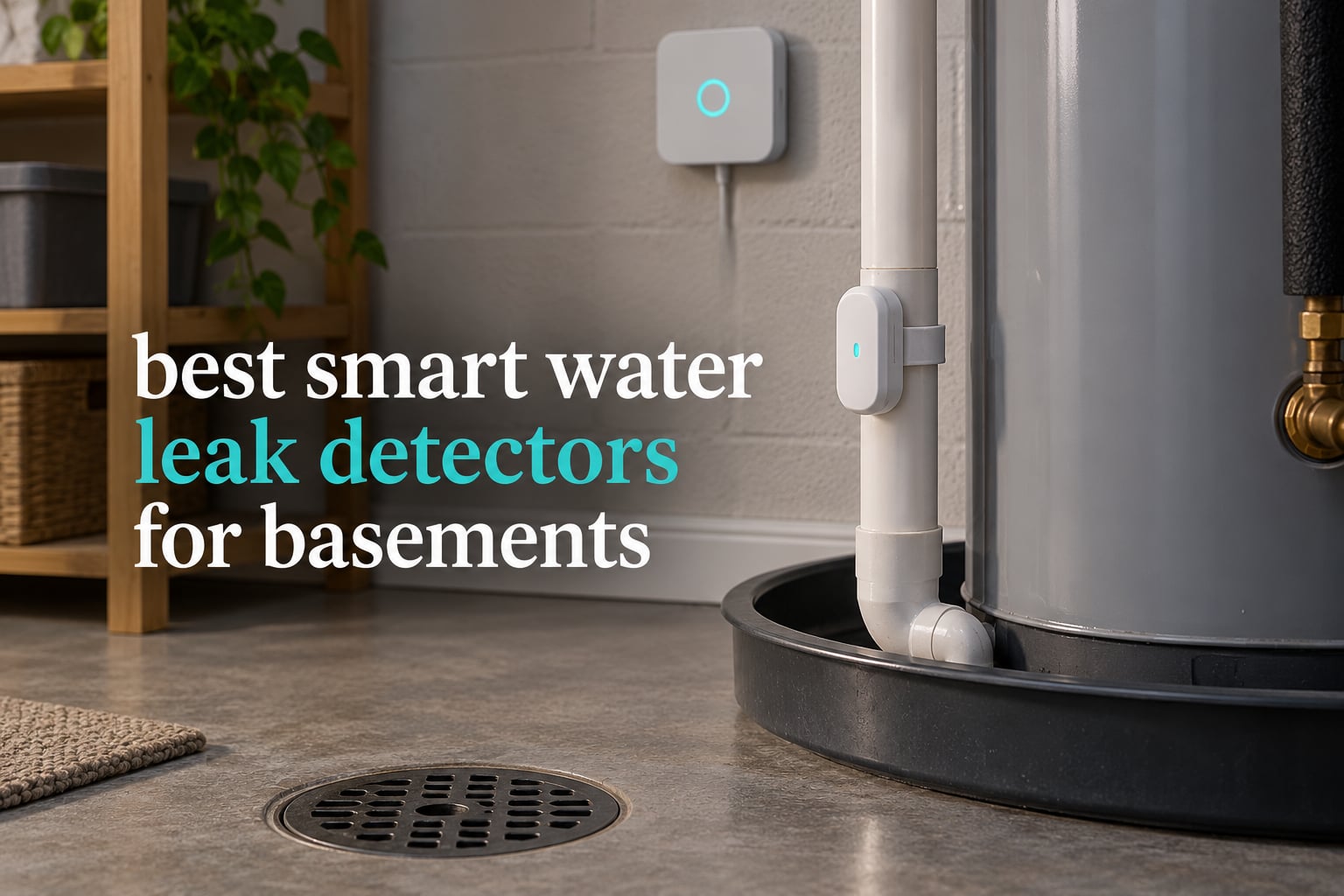
A basement concentrates more failure-prone plumbing than any other room in a house: the water heater, the sump pump, the supply lines, the floor drains, and the HVAC condensate pan all sit down there together. A failed hose or a pump that quits at midnight can put a lot of water on the floor while everyone upstairs is asleep.
For most homes, the best smart water leak detector for a basement is a long-range hub kit with at least four sensors, because below-grade Wi-Fi is unreliable. Our top pick, the YoLink Water Leak Sensor 1 Kit, pairs a hub with six LoRa sensors rated to 2034 ft, and the loudest setup we found is the X-Sense SWS54 at 120 dB.
Our team compared 10 sensors over several weeks using one question: does this alert you early enough in a wet, poorly connected space? Every pick below covers a specific basement job, and we note the failures, the silent units, and the ones that need a hub. If your basement already has finished flooring, start with our waterproof flooring picks before you seal anything up.
Table of Contents
Top 3 Picks for Basement Leak Detection in October 2026

YoLink Leak Sensor 1 Kit 6-Pack
- Hub plus 6 sensors
- LoRa range up to 2034 ft
- App email and SMS alerts
- Keeps working during internet outages

YoLink Leak Sensor 4 Kit 6-Pack
- 105 dB siren in every sensor
- LoRa range up to 2034 ft
- IP67 housing
- Freeze and leak alerts

GoveeLife Detector 2 4-Pack
- 4 sensors plus gateway
- LoRa range up to 1968 ft
- 100 dB alarm
- IP66 and 5 year battery
Best Smart Water Leak Detectors for Basements in October 2026
This is the short version of the whole list. Every sensor below detects water at the probe and notifies you, but they differ in how they connect, how loudly they warn you on site, and how much of the basement you can cover without a hub.
| Product | Specifications | Action |
|---|---|---|
| YoLink Leak Sensor 1 Kit 6-Pack |
|
Check Latest Price |
 X-Sense SWS54 3 Sensor Kit X-Sense SWS54 3 Sensor Kit |
|
Check Latest Price |
| GoveeLife Detector 2 4-Pack |
|
Check Latest Price |
| YoLink Leak Sensor 4 Kit 6-Pack |
|
Check Latest Price |
 SwitchBot WiFi Water Sensor SwitchBot WiFi Water Sensor |
|
Check Latest Price |
 Aqara Water Leak Sensor 3 Pack Aqara Water Leak Sensor 3 Pack |
|
Check Latest Price |
 Winees Water Leak Detector 3 Pack Winees Water Leak Detector 3 Pack |
|
Check Latest Price |
 X-Sense Water Leak Detector 1-Pack X-Sense Water Leak Detector 1-Pack |
|
Check Latest Price |
 Kidde Water Leak and Freeze Alarm Kidde Water Leak and Freeze Alarm |
|
Check Latest Price |
 Shelly Flood Gen4 Shelly Flood Gen4 |
|
Check Latest Price |
1. YoLink Water Leak Sensor 1 Kit: Best Overall Basement Coverage
YoLink Water Leak Sensor 1 Kit: 6-Pack + Hub
LoRa up to 2034 ft
Hub plus 6 sensors
AAA batteries up to 5 years
No built-in siren
Pros
- Hub and six sensors cover many leak points at once
- Longest LoRa range in this group for large basements
- App email and SMS alerts with sensors named by location
- Keeps working locally during internet outages
- Up to 5 year AAA battery life
Cons
- No built-in siren so on-site sound needs a separate SpeakerHub
- Hub takes an outlet and adds to the kit cost
- No freeze detection in this model
This is the kit I keep recommending. Six sensors and a hub in one box means you can cover the sump basin, the floor drain, the water heater pan, and a laundry area in a single afternoon, and one hub handles 300+ YoLink devices if you expand later.
Signal is the reason it wins. The LoRa link is rated to 2034 ft open air, so the hub can live upstairs near your router while the sensors sit where the water actually is.
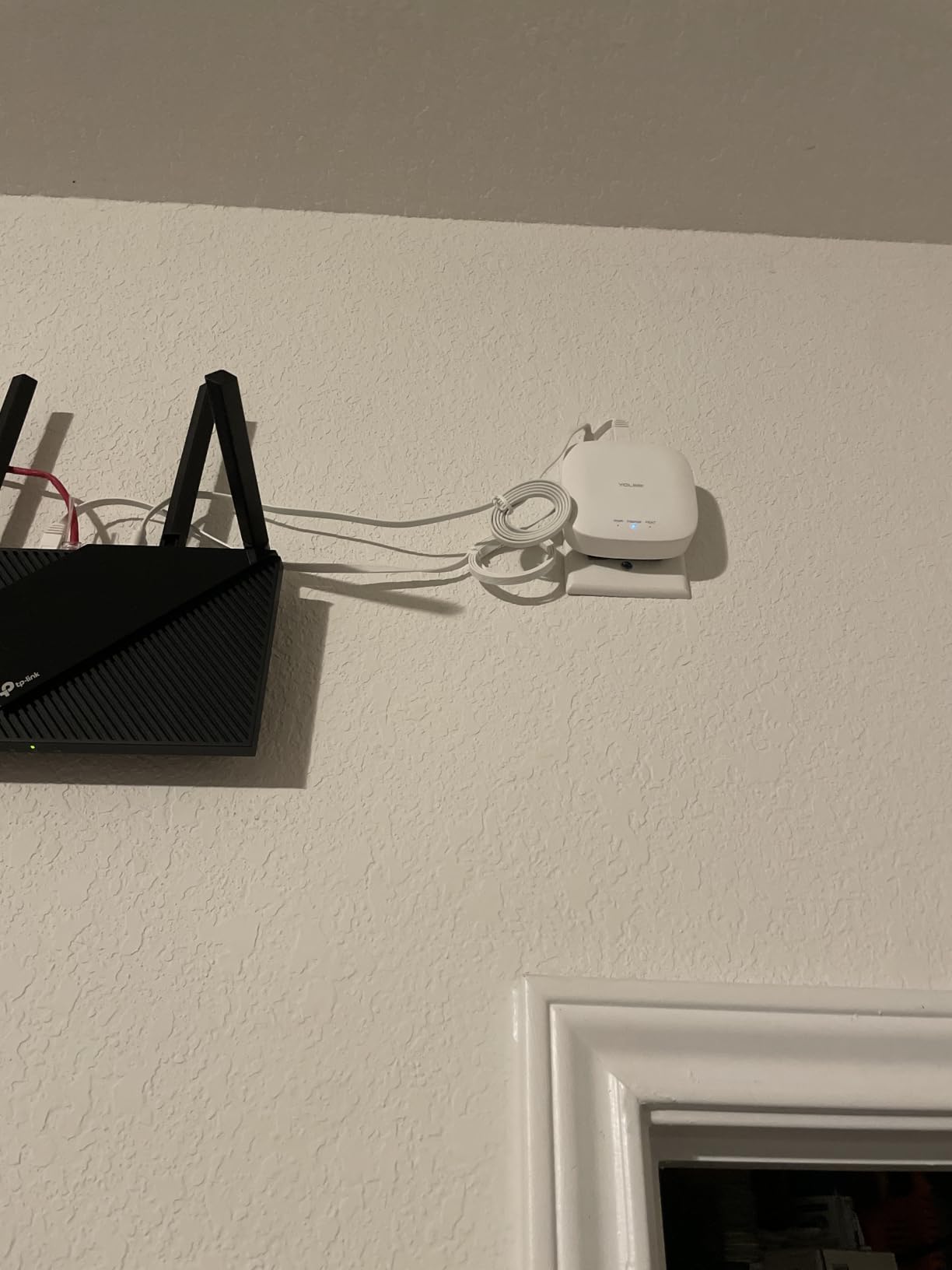
The Control-D2D feature is the part most people miss. Sensors can trigger a YoLink siren or shutoff valve directly, without the internet, so a network outage does not leave your basement unmonitored.
Battery life is quoted at up to 5 years on two AAA cells per sensor, and the app reports a low-battery warning before a sensor goes quiet. That matters in a damp space where nobody is walking past the unit.
Where the YoLink Leak Sensor 1 works best
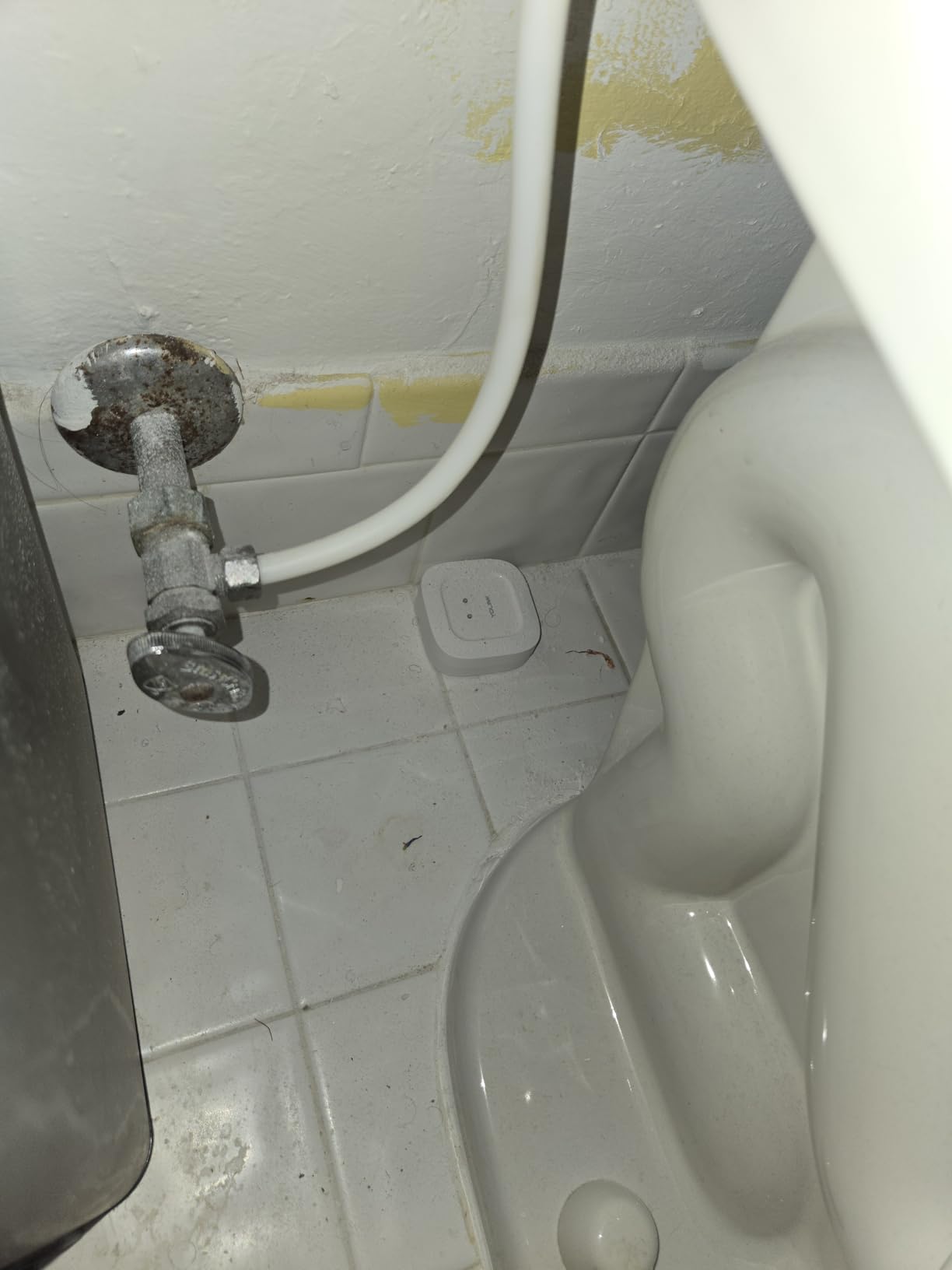
This is the right pick for a basement with poor Wi-Fi, an unfinished space, or an outbuilding. It suits anyone who wants text and email alerts naming the exact sensor location, which saves a lot of guessing at 2am.
It also works for a large house where one hub must serve sensors spread across a wide footprint.
Where it will disappoint you
Leak Sensor 1 has no siren of its own, so nothing makes noise in the basement itself. If you sleep upstairs and never carry your phone, you need a separate SpeakerHub or siren, and that is an extra purchase.
There is no freeze detection in this model either, so it is a poor fit for an unheated crawl space or a garage in a cold climate.
2. X-Sense SWS54 Kit: Best for Loud On-Site Alarms and Sump Pump Zones
X-Sense Wi-Fi Water Leak Detector Kit, 120 dB, 3 Sensors + Base, SWS54
120 dB dual alarms
6 probes to 0.4 mm
1804 ft sensor range
IP66 housing
Pros
- Owners report it caught a failing sump pump before the pit overflowed
- Loudest alarm in this group at 120 dB from both sensor and base
- Six probes catch dripping water and pooling as shallow as 0.4 mm
- 1804 ft sensor to base range suits basements and garages
- No paid service needed for basic notifications
Cons
- Alarm cannot be fully disabled in the app
- 2.4 GHz Wi-Fi only
- Only one email address can be added
Both the sensor and the base station sound at 120 dB when water is detected, which is the loudest alarm in this group by a clear margin. That matters more in a basement than most spec sheets admit, because a finished ceiling absorbs sound and a phone notification only helps if you are holding it.
The six-probe layout reads dripping water from above and pooling from below, detecting as shallow as 0.4 mm. Owners repeatedly cite this kit for sump pump and basement work, including verified reviews describing a real leak caught before flooding.
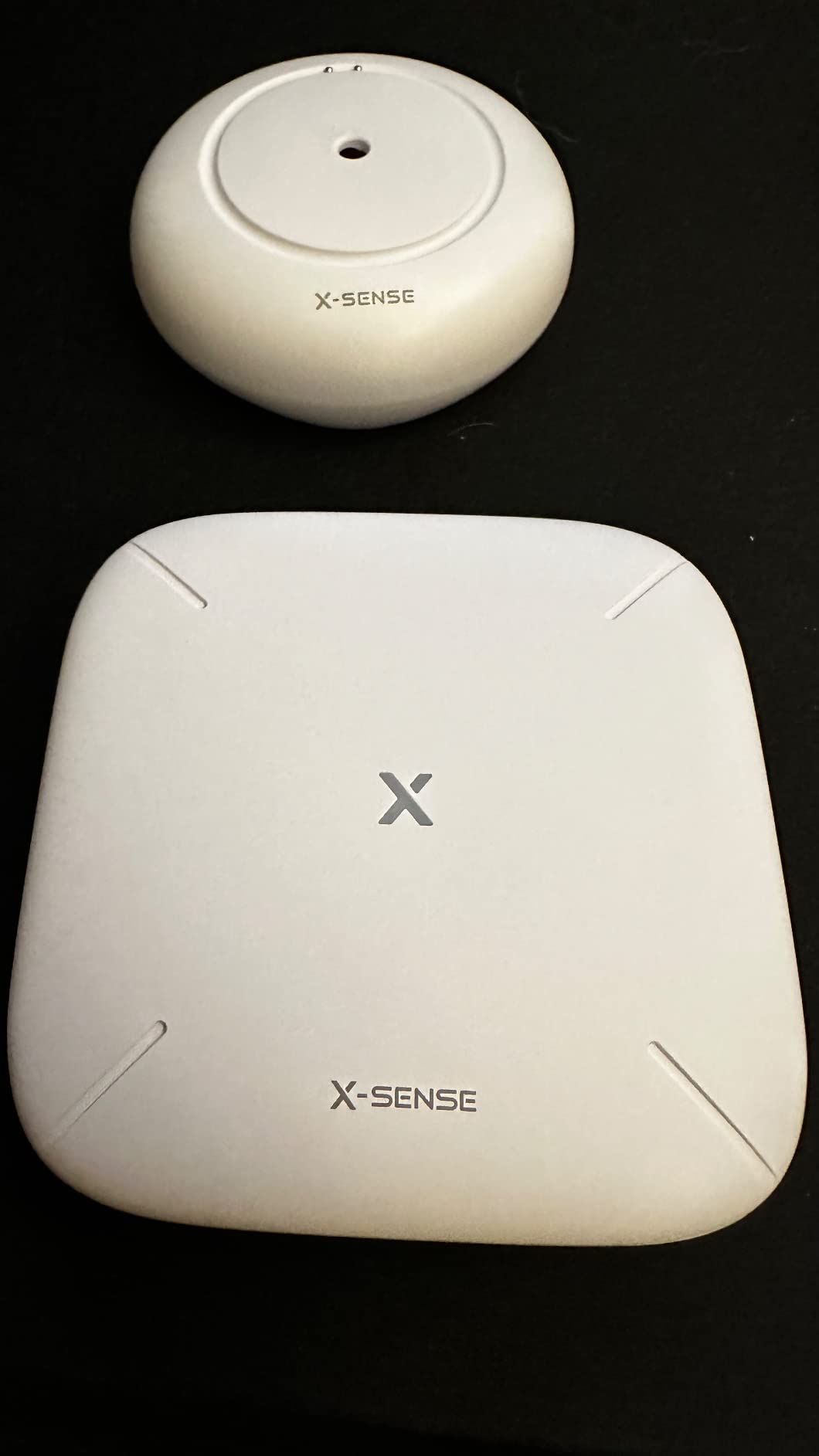
Range between the sensors and the base station is rated to 1804 ft, so the base can sit near the stairwell and the sensors can cover a garage or a detached area. The IP66 housing is suited to splash, moisture, and humidity exposure.
App access can be shared with up to 12 users, and Remind Me Later intervals run from 10 and 30 minutes up to 2, 6, and 12 hours if you want a snooze you control.
Who should buy the X-Sense SWS54
Buy it if you want sound in the room itself, not just a push notification. It is a strong fit for a sump pump zone, a laundry area, and any basement where a sleeping household needs an audible wake-up call.
It is also a good first kit for someone who does not want to plan hub placement around a large house.
Who should skip it
The base and sensor alarm cannot be fully switched off in the app, only turned down, which bothers people who run a home office or a bedroom below the sensors.
Setup needs 2.4 GHz Wi-Fi, so a dual-band router with 5 GHz on a separate network name will not pair. Only one email address can be added for email alerts.
3. GoveeLife Water Leak Detector 2: Best Value for Multi-Zone Basements
GoveeLife Smart Water Leak Detector 2 with 1968ft Ultra-Long Range, 4 Pack
LoRa up to 1968 ft
4 sensors plus gateway
100 dB alarm
Over 5 year battery life
Pros
- Probes reacted within seconds in repeated owner tests
- SMS app and email alerts plus voice assistant announcements
- LoRa range reaches basements and sheds where Wi-Fi is weak
- Four sensors and one gateway cover several appliances
- Gateway can also carry other Govee devices
Cons
- Gateway partly blocks the second socket on a standard outlet
- Phone alarms are short and non-latching so alerts can pass unnoticed
- Gateway supports 2.4G Wi-Fi only
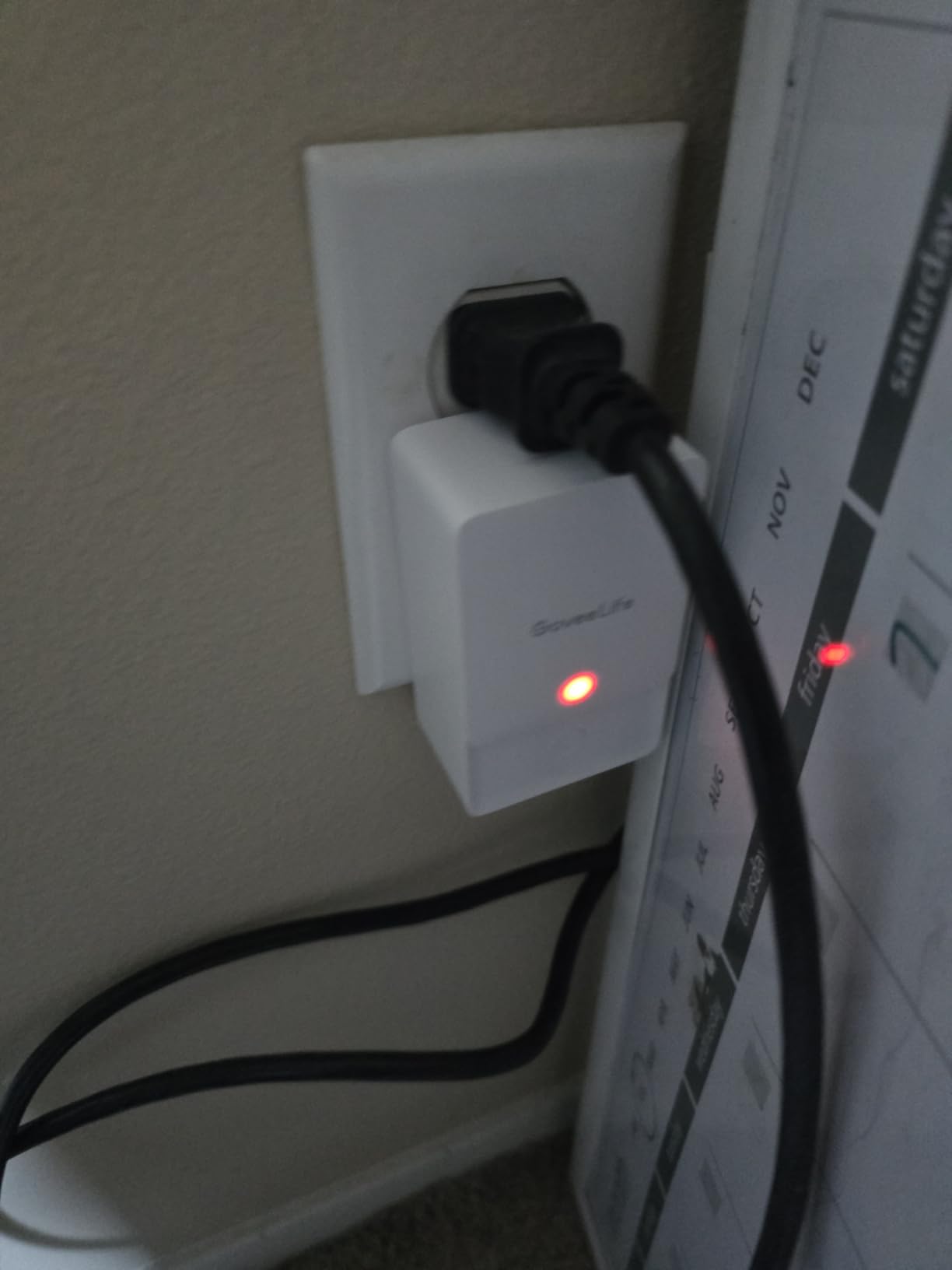
Four sensors and a gateway in a single pack is the easiest way to cover four basement zones without buying units one at a time. The gateway supports up to 100 sensors, and owners report it can carry other Govee devices such as temperature and humidity sensors, which is useful for a damp basement.
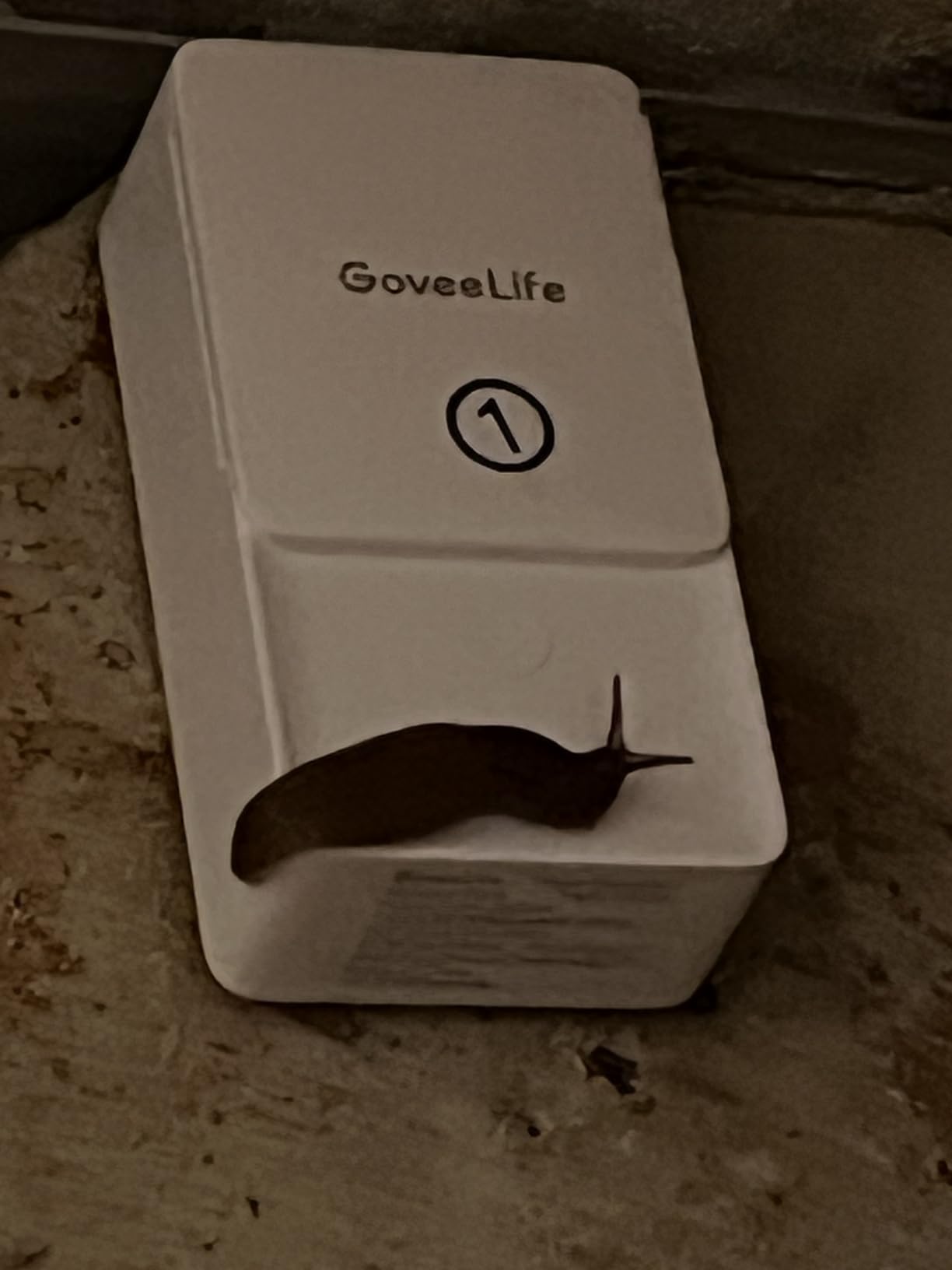
Each sensor has two top and four bottom probes with an alarm up to 100 dB. Owner tests describe the probes reacting within seconds, and real condensate and appliance leaks have been reported as stopped in time.
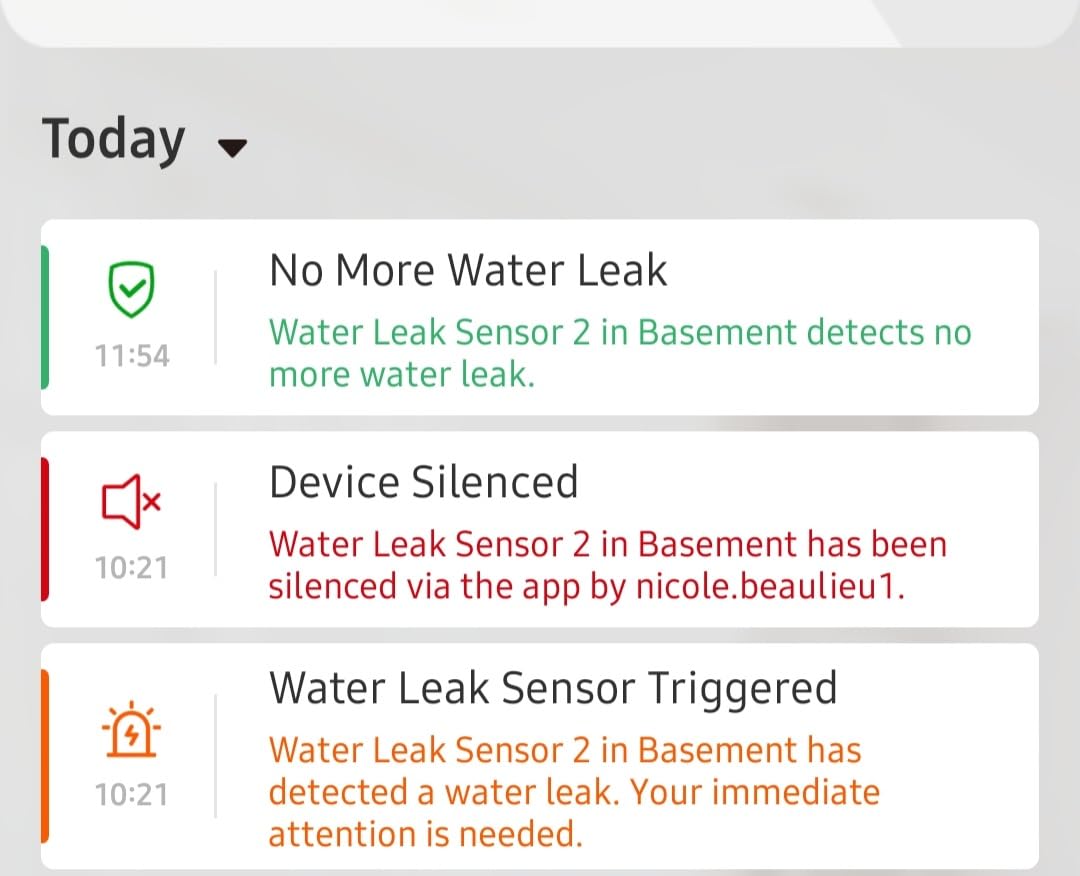
Alerts go out by SMS, app push, and email, with an optional voice assistant announcement so you can find the leak without looking at a screen. Range is rated to 1968 ft on the LoRa link.
One battery per sensor is quoted at over 5 years under normal use, and the IP66 rating handles wet and damp rooms. That combination makes this the sensible middle option in the list.
Who should buy the GoveeLife 4-Pack
This fits a homeowner who wants several covered points immediately and prefers app, SMS, and email channels together. It is a sensible choice when the basement is large but the plumbing risks are known and limited.
It also suits anyone already running other Govee devices through the same gateway.
Who should skip it
The gateway body partly blocks the second socket on a standard outlet, which is annoying in a laundry room where both sockets are in use. The gateway also works on 2.4G Wi-Fi only.
Phone alarm tones are short and non-latching, so a notification can pass without acknowledgement. In a basement where nobody hears the device, add a sensor with a louder onboard siren.
4. YoLink Water Leak Sensor 4 Kit: Best for Built-In Sirens
YoLink Water Leak Sensor 4 105 dB Alarm Kit: 6-Pack + Hub
105 dB siren in every sensor
Hub plus 6 sensors
LoRa up to 2034 ft
IP67 with freeze alerts
Pros
- Highest rating in this group at 4.8 with 89 percent five-star reviews
- Built-in 105 dB siren in every sensor so no extra hardware
- Long LoRa range for basements garages and outbuildings
- Control-D2D keeps local triggers working during outages
- One hub supports 300+ YoLink devices
Cons
- Highest cost in the group because of the six-sensor configuration
- Hub must sit within LoRa reach which takes planning in a large home
- Twelve AAA batteries across the pack to keep an eye on
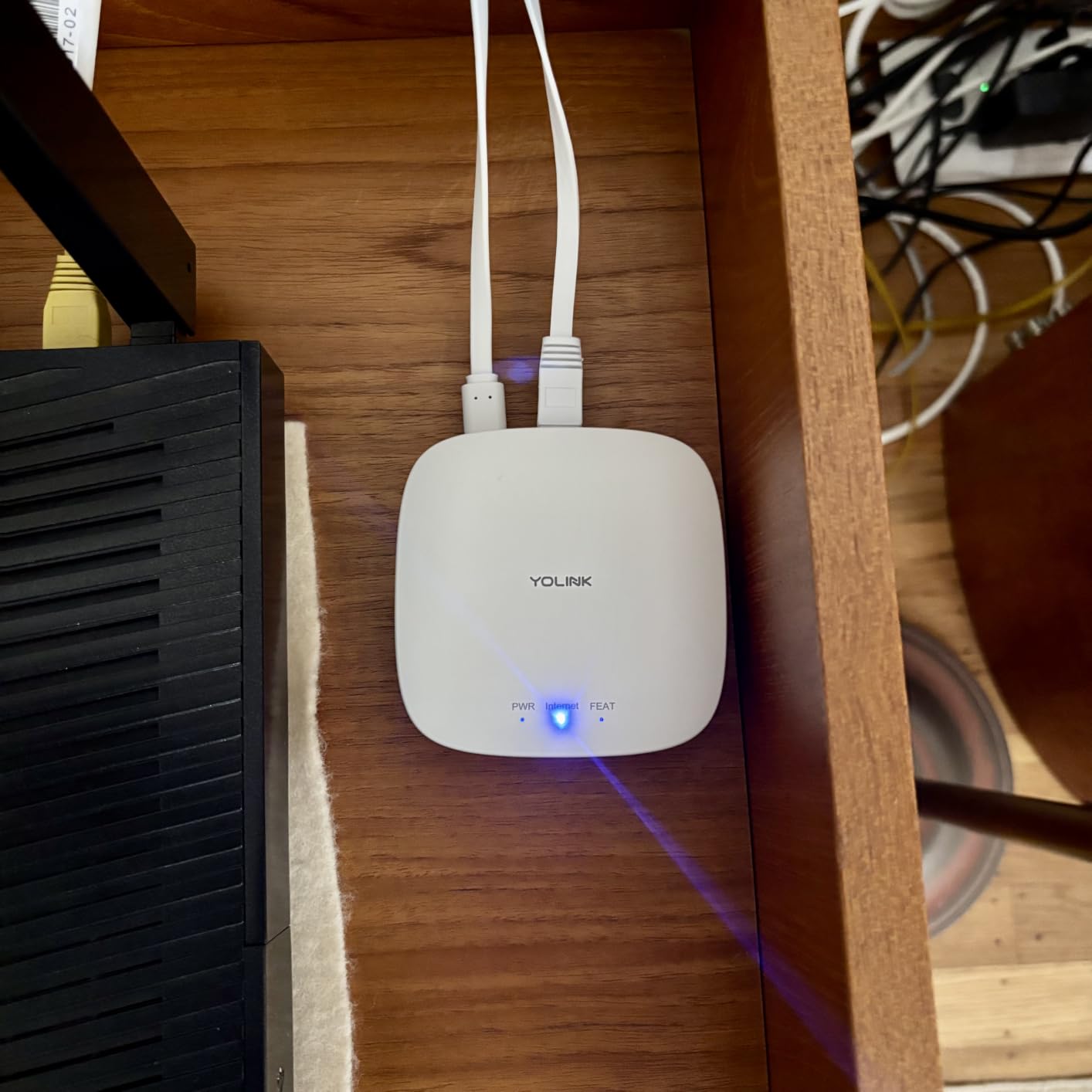
This is the version of the top pick for people who want noise in the room. Every one of the six sensors carries a built-in 105 dB alarm, so a leak in the laundry corner makes itself known even if your phone is upstairs on silent.
It holds the highest rating in this list at 4.8, with 89 percent of reviews at five stars. The long-range LoRa link is rated to 2034 ft, matching the Leak Sensor 1, so the hub placement strategy is the same.
Two extras separate it from the silent version: an IP67 rating for wetter corners, and freeze and leak alerts in the app. That makes it a better option for an unheated basement or a garage over winter.
Control-D2D again means sensors can trigger sirens or a shutoff valve locally, without the internet. Each sensor runs on two AAA batteries with up to 5 years typical life.
Who should buy the Sensor 4 kit
Buy it when the people who need to hear the alarm are not the people holding a phone. Sleeping quarters above a finished basement, a finished rec room, or a basement bedroom are the classic cases.
It is also the strongest option for a garage or outbuilding where a siren is the only on-site warning you will get.
Who should skip it
It carries the highest cost in this group, mostly because of the six-sensor configuration. If you only need two monitored points, the money buys more coverage than you will use.
Hub placement takes planning, and the pack runs on twelve AAA batteries that you will eventually replace. The silent Leak Sensor 1 is the better value for the same range.
5. SwitchBot WiFi Water Sensor: Best Budget Single Sensor
SwitchBot WiFi Water Sensor, Smart Water Leak Detector, 100dB Adjustable Alerts & App Alerts, IP67 Waterproof, Wireless Detector for Kitchen, Bathroom, Basement, No Hub Required (Support 2.4G)
No hub required
0.5 mm probe detection
IP67 sealed shell
Adjustable 100 dB alarm
Pros
- No hub so single-point coverage is simple to add
- Adjustable alarm volume and duration which most rivals lack
- Four probes detect micro-leaks down to 0.5 mm
- Owners report catching a tankless water heater connection leak
- Works with Alexa Google Siri IFTTT and SmartThings
Cons
- Sensors may need re-pairing after a Wi-Fi drop
- Each unit depends on its own Wi-Fi connection which limits long range placement
- Up to 2 year battery life is shorter than hub-based kits
No hub, no gateway, no outlet. You scan it into the app over 2.4 GHz Wi-Fi with Bluetooth as backup, and that is the whole setup. For a single point in a small basement, or for a renter who cannot install anything permanent, that simplicity is worth more than range.
The 100 dB alarm is the rare one you can adjust, both in volume and in duration, with a smart mute after you resolve a leak. Most competing sensors give you a fixed tone or nothing at all.
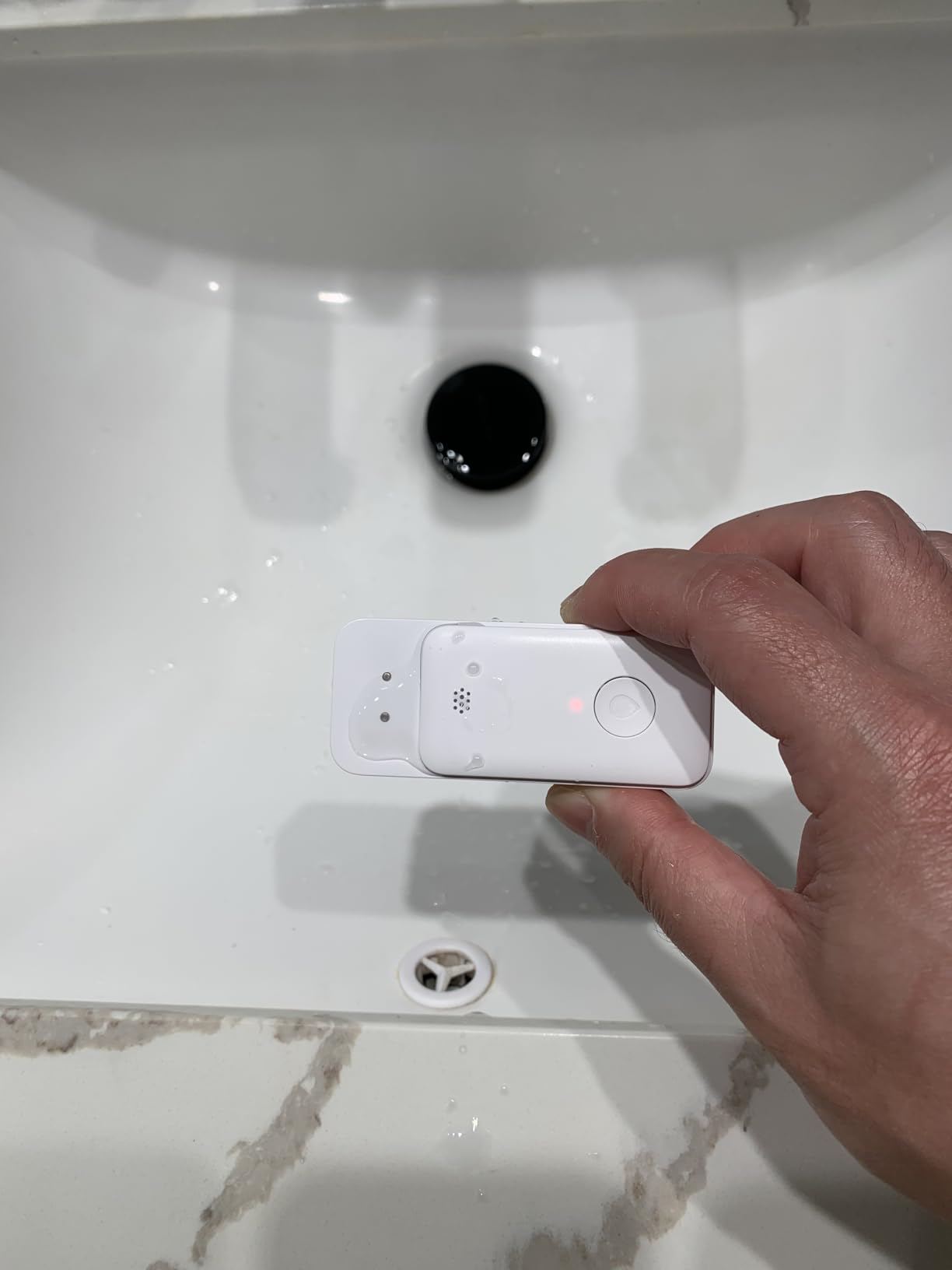
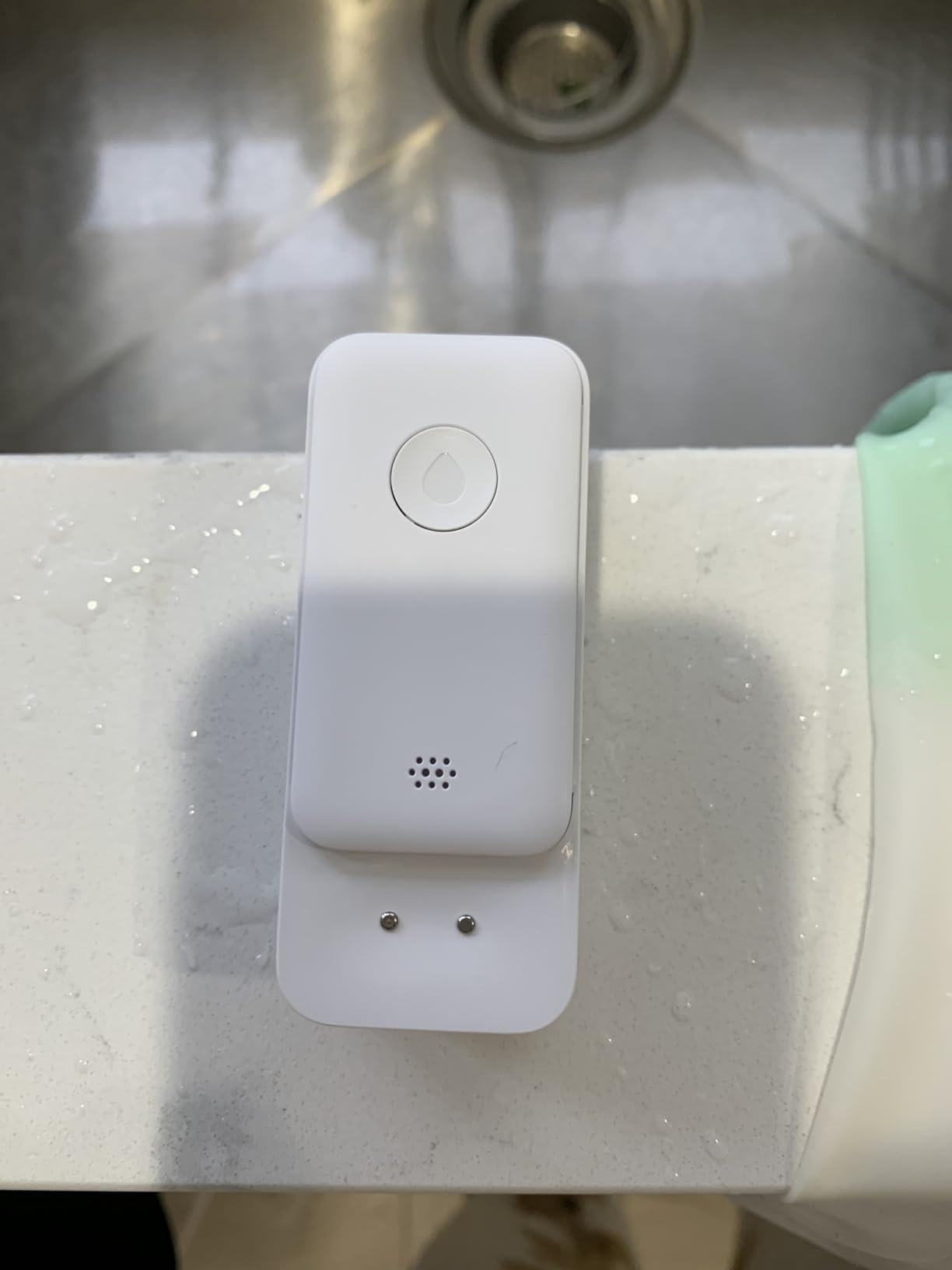
Four high-precision probes detect water from above and below down to 0.5 mm, and the IP67 shell is sealed for high-humidity rooms. Two AAA batteries run up to 2 years with a low-battery app alert.
It works with Alexa, Google, Siri, IFTTT, and SmartThings, and pairs with a SwitchBot Plug Mini if you want the sensor to cut power to an appliance when it trips.
Who should buy the SwitchBot sensor
It suits renters, condo owners, and anyone covering one high-risk spot rather than a whole basement. A water heater pan or a single laundry corner is exactly the job this size is made for.
It also works well as a backup unit near an appliance where you already have automation running.
Who should skip it
Because each unit talks to your own Wi-Fi, a large basement with thick concrete walls is the wrong environment. Reviews also mention sensors needing a reset after a network drop.
Battery life of up to 2 years is shorter than the multi-year claims of hub-based kits, so this is a device you will maintain more often.
6. Aqara Water Leak Sensor 3 Pack: Best for Existing Smart Home Setups
Aqara Water Leak Sensor 3 Pack, Zigbee Water Leak Detector for Alarm System
Requires an Aqara hub
0.5 mm probe detection
33 ft Zigbee range
IP67 housing
Pros
- Tiny 1.97 inch square body fits tight floor corners
- Detects water as shallow as 0.5 mm and triggers the hub alarm
- Can control and trigger other Aqara devices in an automation
- Works with Apple HomeKit Google Home and Alexa through an Aqara hub
- Home Assistant users rate Aqara Zigbee sensors well for range and battery
Cons
- Aqara hub required and sold separately
- About 33 ft of Zigbee range from the hub is tight for large basements
- Not compatible with third-party Zigbee coordinators
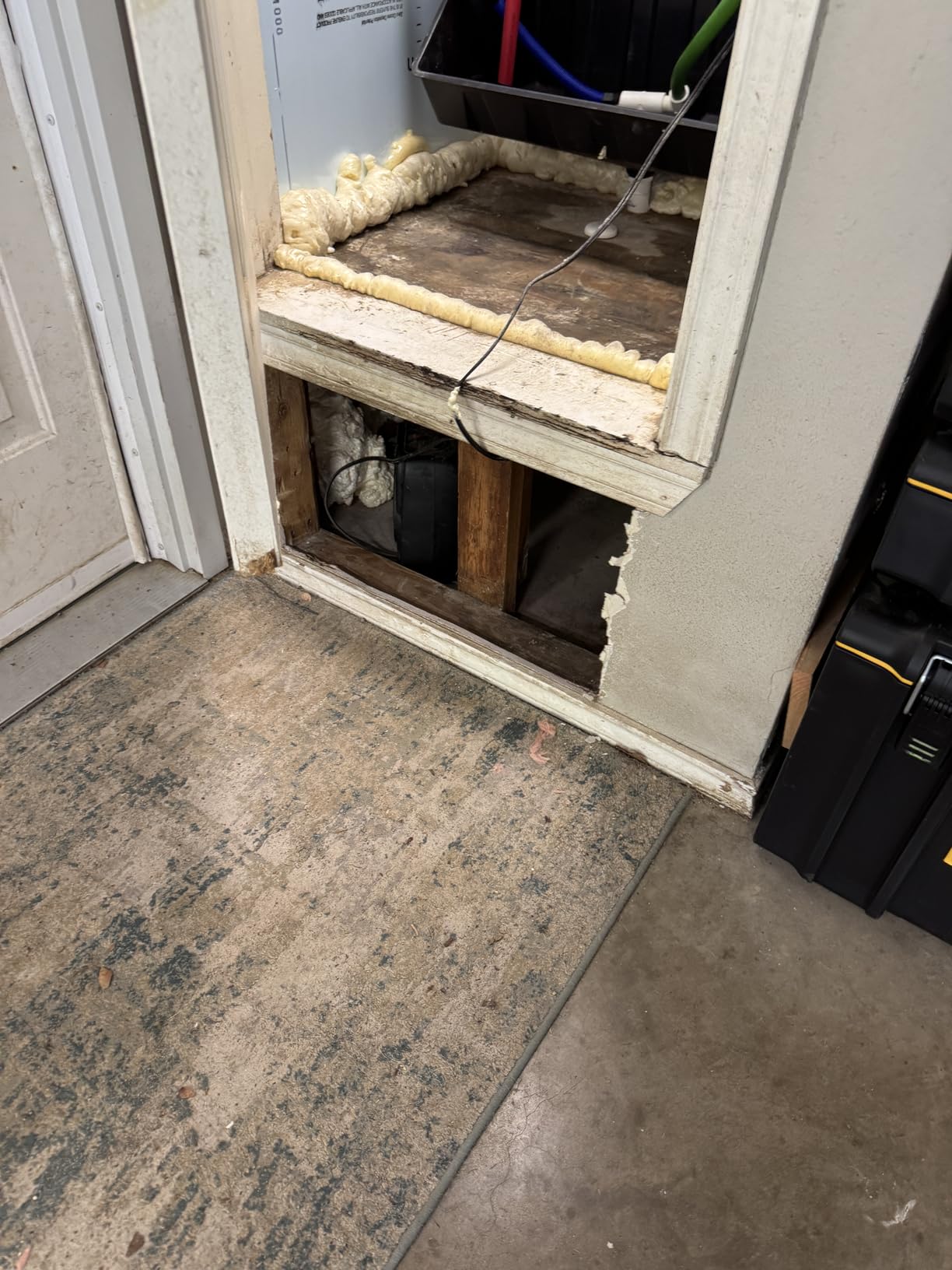
At 1.97 inches square, this is the sensor that disappears. It slips under a finished wall base, beside a water heater on a tight shelf, or into a corner where nothing else fits, and it needs no wiring or screws.
The probes read as shallow as 0.5 mm and trigger phone alerts plus the hub alarm. Once paired through an Aqara hub, it works with Apple HomeKit, Google Home, and Alexa, and it can trigger other Aqara devices in the same automation.
Home Assistant users report strong satisfaction with Aqara Zigbee sensors specifically for range, battery life, and unit cost, which is why this brand keeps coming up in community threads. The IP67 housing has a rust-proof exterior coating for wet utility rooms.
One setup note that catches people out: pull the battery tab before use, or the unit can look dead.
Who should buy the Aqara 3 Pack
Buy it if you already run an Aqara hub and want sensors that disappear into a finished space. Tiny footprints are hard to achieve with the bulkier hub-based kits.
It is a good fit for renters in a wired building too, since nothing needs drilling and the sensors are wireless.
Who should skip it
An Aqara hub is required and sold separately, and the sensors do not pair with hubs from other brands or with third-party Zigbee coordinators. That single fact ends the decision for a lot of buyers.
Range is about 10 m, or 33 ft, from the hub, which is tight for a wide basement unless you can place the hub centrally. This is also the lowest average rating in the list, at 4.2, with a modest one-star share.
7. Winees WiFi Water Leak Detector 3 Pack: Best for Hidden Placement
Winees WiFi Water Leak Detector for Home, 3 Pack Water Sensors
1.8 mm thin sensors
200 m hub range
Pre-paired to the hub
IP66 housing
Pros
- Sensors are 1.8 mm thin so they slide under washers and refrigerators
- Sensors arrive pre-paired to the hub once the hub joins Wi-Fi
- App SMS and email notifications with IFTTT support
- Three volume levels and alarm duration gears including an always-ringing mode
- One owner used it to trace a window-well leak that was flooding a basement
Cons
- One verified review reports a submerged sensor reading dry with no phone alert
- Hub intermittently drops its Wi-Fi connection
- Detects standing water rather than moisture seeping into wood
At 1.8 mm thick, these are the thinnest sensors in the list, which means they slide under a washing machine, behind a fridge, or into a tight floor corner where a square puck would lift and break a seal. The hub supports a 200 m hub-to-sensor distance, marketed specifically for basement monitoring.
Setup is the fastest here. Sensors arrive pre-paired to the hub, so once the hub joins Wi-Fi you rename them and place them rather than fighting with pairing one at a time.
Alerts go out by app, SMS, and email with IFTTT support, and the alarm has three volume levels plus duration gears, including an always-ringing mode that is genuinely useful overnight. One owner traced a window-well leak that was quietly flooding a basement with this kit.
Sensor numbering does not start at 1, so expect a minute of renaming confusion when you label zones.
Who should buy the Winees 3 Pack
It suits basements where every monitored point is under an appliance or behind finished trim, because a thicker sensor would not fit. The pre-paired sensors also make it friendly for a household installing coverage together.
The adjustable alarm modes suit anyone who wants a stronger, longer ring at night without buying extra hardware.
Who should skip it
There is a specific reliability complaint in the reviews: one verified buyer reported sensors reading dry while submerged with no notification reaching the phone. If your basement has a history of standing water, weigh that carefully.
The hub also intermittently drops its Wi-Fi connection for short stretches, the hub supports 2.4G Wi-Fi only, and the sensors detect standing water rather than moisture seeping into wood or subfloor.
8. X-Sense WiFi Water Leak Detector 1-Pack: Best for Renters and Single Points
X-Sense Wi-Fi Water Leak Detector & Freeze Alarm, No Hub Required, 1-Pack
Single sensor no hub
110 dB local alarm
Freeze alert below 39 F
Six probes to 0.4 mm
Pros
- Entry-level single sensor with nothing else to install
- Freeze monitoring below 39 F for unheated basements
- Six probes catch drips and pooling as shallow as 0.4 mm
- 110 dB local alarm plus alerts shared with up to 12 users
Cons
- Recent reviews report units that would not stop beeping or would not hold Wi-Fi
- One reviewer received units with depleted batteries
- Alarm could not be silenced without removing the battery
This is the simplest way to protect one basement point. It connects directly to 2.4 GHz Wi-Fi with no base station, and the 110 dB local alarm is loud enough to wake someone in an adjoining room.
Freeze monitoring below 39 F adds real value in an unheated basement or utility room, where a dropped temperature can mean a burst line before any water appears. The CR123A battery is rated up to 2 years.
Why we ranked it here
The lifetime rating is strong at 4.6, but the most recent batch of reviews skews heavily negative, and that pattern matters more than the average. Owners report units that would not stop beeping, would not hold a Wi-Fi connection after a day, and arrived with depleted batteries.
One reviewer also could not silence the alarm through the app, the button, or the volume control, and had to remove the battery. Another mentioned an expectation of a subscription that was not clearly disclosed, so read the listing carefully before you commit.
Who should buy it
It is a reasonable first sensor for a renter or a small basement with one clear risk point, and the freeze alert is genuinely useful below grade. If you buy one, test it with a wet cloth the day it arrives.
Set a calendar reminder to test it twice a year. A dead sensor gives false confidence, which is worse than no sensor at all.
9. Kidde WiFi Water Leak and Freeze Alarm: Best for Freeze Alerts
Kidde WiFi Water Leak Detector & Freeze Alarm, Alexa Device, Smart Leak Detector for Homes with App Alerts,White
No hub required
Freeze detection at 37 F
Two AA batteries included
1 year limited warranty
Pros
- Established alarm manufacturer with a recognized brand name
- Freeze detection alongside leak detection for unheated basements and garages
- Simple QR code app setup with no hub
- Notifications can go to friends and family
- Two AA batteries included and easy to replace
Cons
- Lowest average rating in this group at 4.0 with a 17 percent one-star share
- No local siren output listed for the unit itself
- Freeze threshold of 37 F is higher than the X-Sense setting
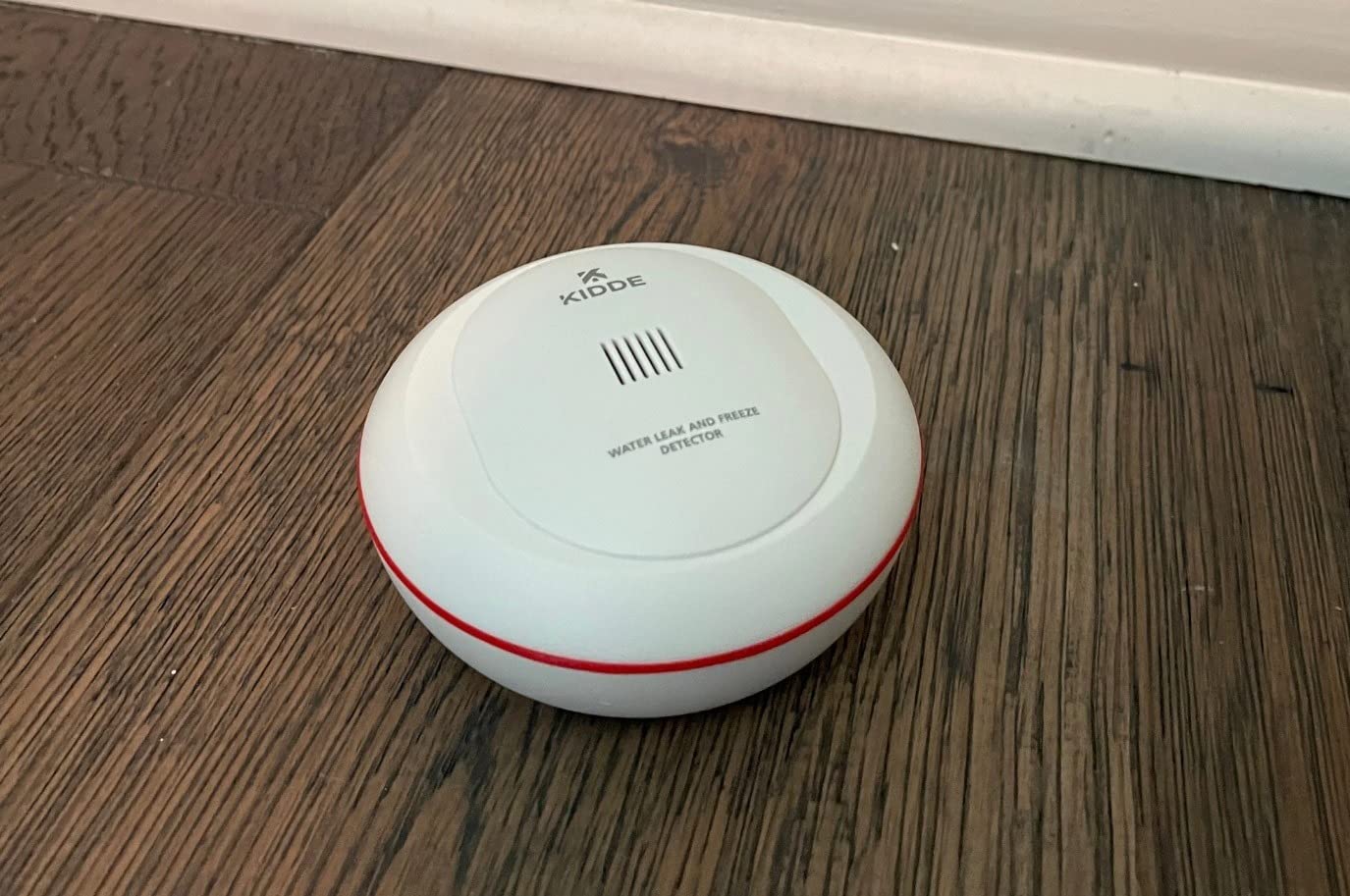
If brand familiarity matters to you, this is the pick. Kidde is an established alarm manufacturer, the unit is compact at 3.5 inches square, and setup is a QR code scan in the Kidde app with nothing else to install.
The freeze detection triggers at 37 F or on a rapid temperature drop, which is the higher threshold in this group and therefore the more sensitive setting for an unheated basement or garage.
Notifications can be shared with friends and family, which makes this useful for a caregiver, a tenant, or a neighbour who checks on the house while you travel.
Two AA batteries ship in the box and swap without tools, so the unit is monitoring within minutes of unboxing. That matters in a basement where a burst line during an unoccupied stretch has no one else to notice it.
What works here
It works with Amazon Alexa, Google Home, iPhone, and Android, and the app alerts cover both leak and freeze conditions from one place, so a single sensor handles two separate basement failure modes.
The freeze threshold is the most sensitive setting in this group, which is the honest reason to choose it over a leak-only unit in an unheated space.
What does not
This carries the lowest average rating in the group at 4.0 and the highest one-star share at 17 percent, which points to reliability complaints rather than setup issues. The warranty is also the shortest listed, at one year on the alarm only.
No local siren output is listed for the unit, so an alert depends on your phone or a connected speaker. In a basement, that is a meaningful gap, and it is why this sits near the bottom of our ranking despite the good freeze feature.
10. Shelly Flood Gen4: Best for an Extendable Probe Cable
Shelly Flood Gen4, WiFi, Bluetooth, Zigbee, Matter Smart Flood Sensor with Leak Sensor Cable, Alexa, SmartThings, Google Home, Apple HomeKit Compatible, Flood and Rain Detection, Easy to Use, IP44
Extendable 6.56 ft probe cable
Wi-Fi Bluetooth Zigbee and Matter
IP44 rating
3 year warranty
Pros
- Only pick here with an extendable leak sensor cable
- Supports Wi-Fi Bluetooth Zigbee and Matter
- Works with Apple HomeKit Google Home Alexa and SmartThings
- Economic Alarm Mode conserves battery in a vacation home or cabin
- Longest warranty in the group at 3 years
Cons
- Lowest review count here at 259 so long-term reliability data is thinner than competitors
- IP44 rating is the weakest water protection in this group compared with IP66 or IP67 models
- Single sensor unit so covering several points means buying multiple units
The 6.56 ft leak sensor cable is the reason to look at this one. A probe on the end of a cable can reach a low corner, a floor drain, or a stretch of pipe where the sensor body alone would never sit, and the cable can be extended for wider coverage.
It is also the most open to different ecosystems in the list, supporting Wi-Fi, Bluetooth, Zigbee, and Matter, and working with Apple HomeKit, Google Home, Alexa, and SmartThings.
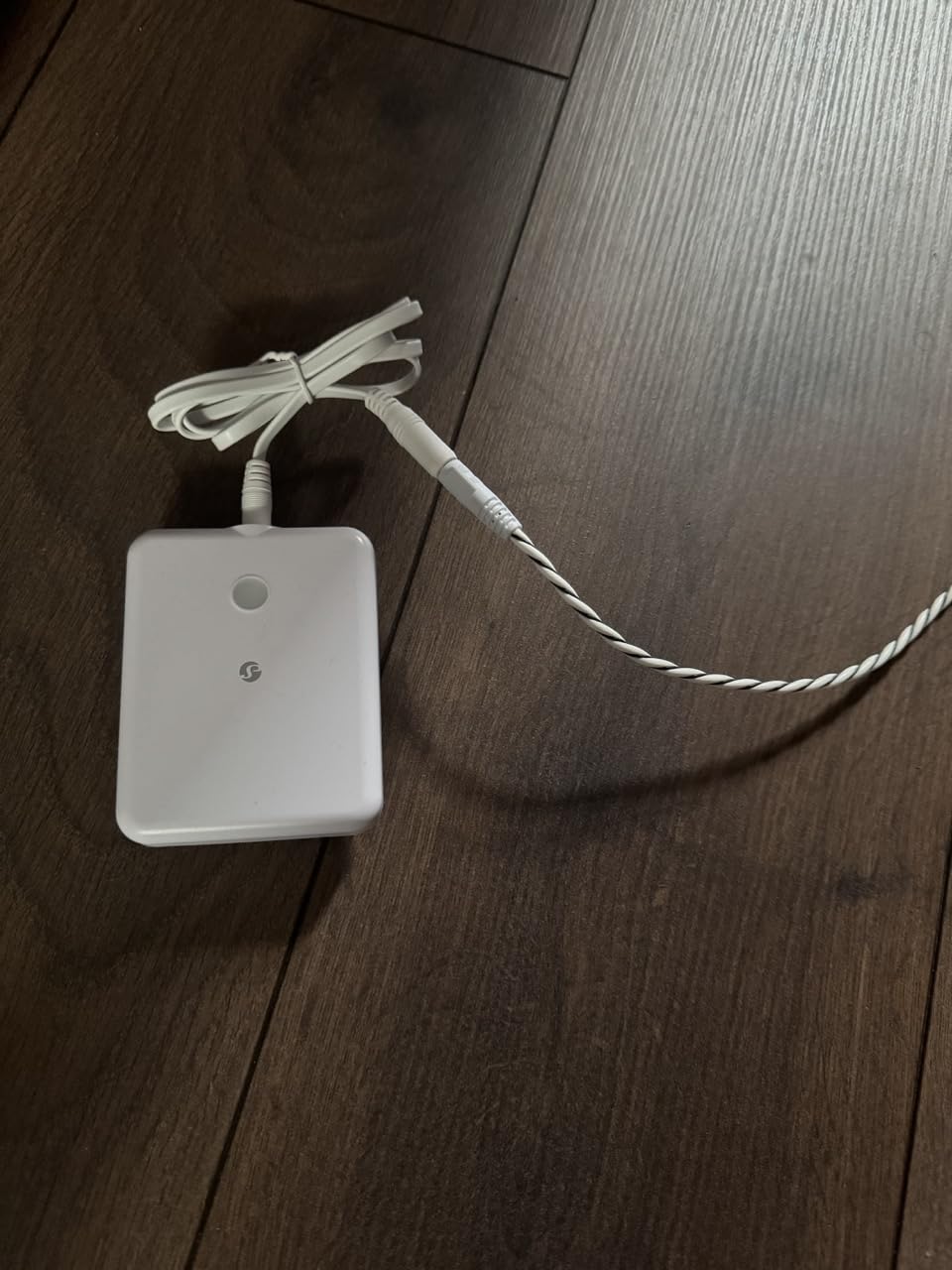
Alerts are real-time in the Shelly Smart Control app with local alarm triggering, and the Economic Alarm Mode is designed to stretch battery life when nobody is home, which suits a cabin, a holiday home, or a basement monitored only while you travel.
Shelly lists basements, garages, laundry rooms, and vacation properties as intended uses, and the warranty runs three years, the longest here.
Who should buy the Shelly Flood Gen4
Buy it when the water will appear somewhere a flat puck cannot sit, such as the crawl side of an egress window or a low corner behind framing. Matter support is a bonus if you are building a mixed-brand home.
The vacation property use case is well served, since the low-power alarm mode reduces how often you need to visit.
Who should skip it
IP44 is the weakest water protection rating in this group, against IP66 and IP67 elsewhere, so it is not the choice for a sump basin or a spot with standing spray. It ships as a single sensor, so covering several points means buying several units.
It also has the smallest review base here at 259, so there is less long-term reliability data behind it than the other picks. If you want proven history, choose a kit with thousands of reviews instead.
How Water Leak Detection Actually Works
Most detectors in this list use paired conductivity probes. When water bridges the probes, the circuit completes, the unit fires its local alarm, and a network alert goes out. That is why probe count and depth matter: more probes catch a drip from above and a shallow pool at the same time.
A second technology sits on the main water line and measures flow. A flow monitor flags sustained flow that does not match a normal burst pattern, catching leaks behind walls where no sensor was ever placed. It is slower to react to a small drip and faster to react to a burst line, and it needs plumbing work to install.
The third is acoustic. An acoustic listener picks up the sound of water moving inside a pipe and flags a change in the acoustic signature, which is useful for finding a leak rather than alerting you to one. The same principle drives the refrigerant detection gear we cover in our refrigerant leak detector picks for HVAC.
Everything in this roundup is a moisture sensor, because that is the only type that works unattended in a basement without a plumber. None of these ten products shuts your water off automatically, so treat them as early warning rather than damage prevention on their own.
Where to Place Water Leak Detectors in a Basement
Placement decides how much protection you actually get, and it is the question forum users ask most often. Work through this list in order and stop when you have covered your actual risks.
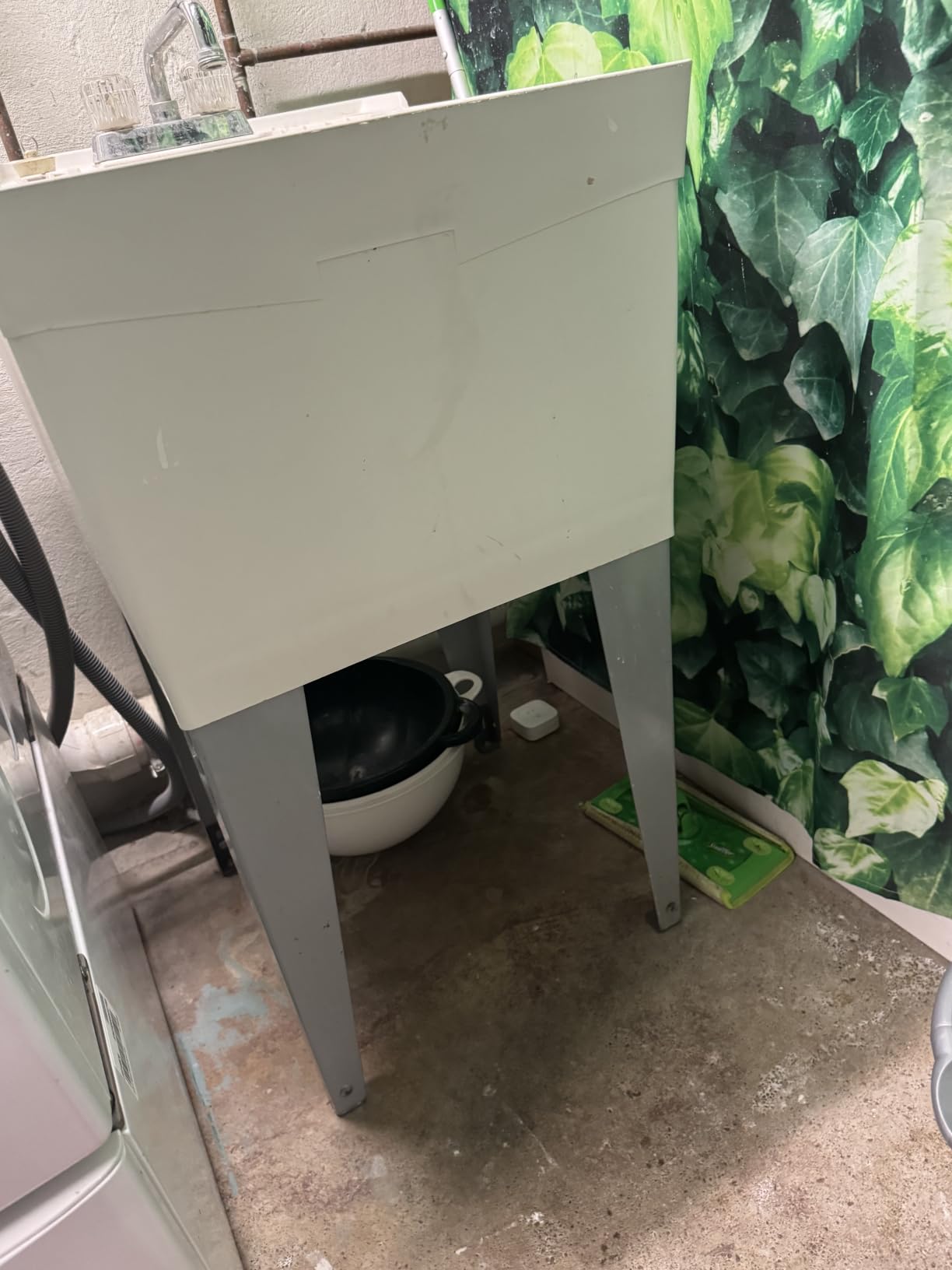
Sump basin rim. Put a sensor beside the pit, not inside it, where a float switch would sit. A sensor on the rim catches both a rising water level and a failed pump that overflows the basin.
Floor drain. Place one on the drain cover or on the concrete within a few inches of it. This is the single most common path for water moving across a basement floor.
Lowest point of the lowest wall. Trace the base of every wall at its lowest point, especially along concrete block seams, where seepage shows up first.
Water heater drip pan. A sensor beside the pan catches the slow overflow that a failed relief valve produces, which is one of the most common sources of basement water.
HVAC condensate line and pan. A blocked condensate line can discharge a lot of water quickly and quietly, and it is almost never noticed without a sensor.
Supply line connections. Every fitting, valve, and washing machine hose below grade deserves one.
Crawl side of egress windows and wells. These fail from the outside, so the sensor goes on the interior floor beside the well, not against the glass.
How many you need depends on size and risk. A small unfinished basement with a water heater and a floor drain is covered by three sensors. Most finished basements need six: sump basin, floor drain, water heater pan, HVAC pan, one laundry point, and one at the lowest wall base. Larger or split-level basements need eight.
Two more placement rules matter more than the zone list. Keep sensors off bare concrete where condensation pools, and set up a dehumidifier if relative humidity is a problem in your space. Our notes on basement humidity and sauna setups cover why damp air drives both mould and false alarms.
How to Choose a Basement Leak Detector
Connectivity is the first decision, and it is not the one most guides lead with. Nearly every Wi-Fi sensor in this list is 2.4 GHz only, so if your router splits 2.4 GHz and 5 GHz onto different network names, pairing will fail until you join them. Check that before you buy anything.
Zigbee options like the Aqara 3 Pack need a matching hub and give you roughly 33 ft of range, which suits a compact space. LoRa kits from YoLink and GoveeLife are built for distance and hold a link through concrete and finished ceilings, which is why both lead this list for basements.
The two most common questions we get are which of these to buy and which brand to trust below grade. Head to head, YoLink versus GoveeLife: the Leak Sensor 1 and Leak Sensor 4 kits are silent or loud on your choice, rate to 2034 ft, and support Control-D2D local triggers, while the GoveeLife 4 Pack pairs its sensors with a 100 dB alarm and a gateway that can also carry other Govee devices. If you want sirens in the room, the Sensor 4 is the stronger pairing.
Battery life is the second decision, and specifications assume normal temperature. Cold, damp basements drain cells faster than the 5-year claims on the packaging, so favour CR123A or AAA units you can reach without moving stored furniture, and enable low-battery alerts.
Ingress rating is the third. IP66 handles splash, moisture, and humidity, and IP67 goes further for sealed housings. IP44 is fine for a dry utility room and too weak for a sump basin.
On-site noise is the fourth, and it is the one people regret. The YoLink Leak Sensor 1 is silent by design, which is excellent next to a bedroom you never walk through and poor for a basement you sleep above. If you cover a basement with a room over it, buy at least one sensor with a built-in siren.
Finally, decide whether alert-only is enough for you. A sensor buys you minutes. An automatic shutoff valve buys you containment, and it needs a plumber and a compatible valve, so it is a separate project rather than a device decision. If your basement flooring is replaceable, our basement laminate flooring guide is worth a read before you think about damage limits.
Condensation and False Alarms in Basements
Humidity is the most common reason people disable leak alerts, and a disabled sensor is worse than none. A basement with a dehumidifier running and a sensor sitting on bare concrete in summer can pick up enough condensation to trip a probe designed to catch a real pool.
Three fixes cover most cases. Raise the sensor a fraction of an inch off the floor on a small riser so it reads a puddle rather than damp film. Run a dehumidifier and hold relative humidity in the 40 to 60 percent range, and keep sensors clear of the wall base where cool masonry beads water. If alerts still repeat in the same spot with no visible water, move that sensor to the next zone on the list.
Test each sensor twice a year with a damp cloth, and replace batteries on a schedule rather than waiting for a low-battery alert. A dead sensor in a sump basin provides nothing but confidence.
Frequently Asked Questions
What is the best water leak detector for a basement?
For most basements, a long-range hub kit with at least four sensors is the best choice, because below-grade Wi-Fi is weak. The YoLink Water Leak Sensor 1 Kit covers six points over a LoRa link rated to 2034 ft, and the X-Sense SWS54 is the loudest option at 120 dB if you want an alarm in the room.
Are smart water leak detectors worth it?
In a basement, yes, because the water heater, sump pump, floor drain, and supply lines are all out of sight. A sensor converts a slow overnight drip into a phone alert while it is still a small problem, and the cost of that warning is a fraction of remediation. They do not stop water, so they are early warning rather than automatic protection.
Do water leak detectors work without Wi-Fi?
Most do not, in the sense that a Wi-Fi sensor loses its app alerts when the network drops. Hub-based LoRa systems such as the YoLink kits mitigate this with Control-D2D, which lets a sensor trigger a siren or shutoff valve locally without an internet connection. A bare alarm with no network is the only kind that works regardless of connectivity.
How many water leak detectors do I need in a basement?
Three covers a small unfinished basement with a water heater and a floor drain. Most finished basements need six: sump basin, floor drain, water heater pan, HVAC condensate pan, one laundry point, and the lowest wall base. Split-level or larger basements need eight or more.
Where should I place a water leak sensor in my basement?
Start with the sump basin rim, then the floor drain, then the lowest point of the lowest wall. Add the water heater drip pan, the HVAC condensate pan, every supply line connection below grade, and the interior floor beside egress windows and wells. Keep sensors off bare concrete where condensation collects.
Will a water leak detector stop a flood?
No. Every product in this roundup is alert-only, including the silent YoLink Leak Sensor 1 and the loud X-Sense SWS54. Stopping water requires a separate automatic shutoff valve installed on the main line, which needs a plumber and a compatible valve. The sensors tell you fast enough that you can make that call yourself.
How long do water leak detector batteries last?
Hub-based LoRa sensors are rated at up to 5 years on AAA cells, while hub-free Wi-Fi sensors in this list are rated at up to 2 years. Cold, damp basements drain cells faster than the packaging suggests, so enable low-battery alerts and test each sensor twice a year.
Which is better, YoLink or GoveeLife for a basement?
Both use LoRa links rated beyond 1900 ft and both bundle a gateway with multiple sensors. YoLink wins on range, on the option of a built-in 105 dB siren, and on Control-D2D local triggering. GoveeLife wins on the number of sensors per pack and on a gateway that can also carry other Govee devices.
Do insurance companies require water leak detectors?
Most do not require them, but many offer a discount for approved leak detection or an automatic shutoff system, and terms vary by state and carrier. Ask your insurer specifically what device qualifies before you buy, and keep your sensor alerts in a shared log, since documentation at the time of an incident is what supports a claim.
Which Water Leak Detector Should You Buy
The best smart water leak detectors for basements come down to one variable: how much you can trust Wi-Fi below grade. If the signal is poor, start with the YoLink Water Leak Sensor 1 Kit for range and multi-channel alerts, or step up to the Leak Sensor 4 Kit when you need a siren in the room.
If Wi-Fi is solid and you want sound as well as notifications, the X-Sense SWS54 is hard to argue with at 120 dB. For renters and single high-risk points, the SwitchBot sensor adds one zone with no hub and no drilling.
A good next step after sensors is a smoke machine for leak detection and similar gear, since finding a hidden leak is a different problem from being alerted to one. Whatever you choose, place it on the sump basin rim and the floor drain first, because those two zones catch more basement water than everything else combined.