
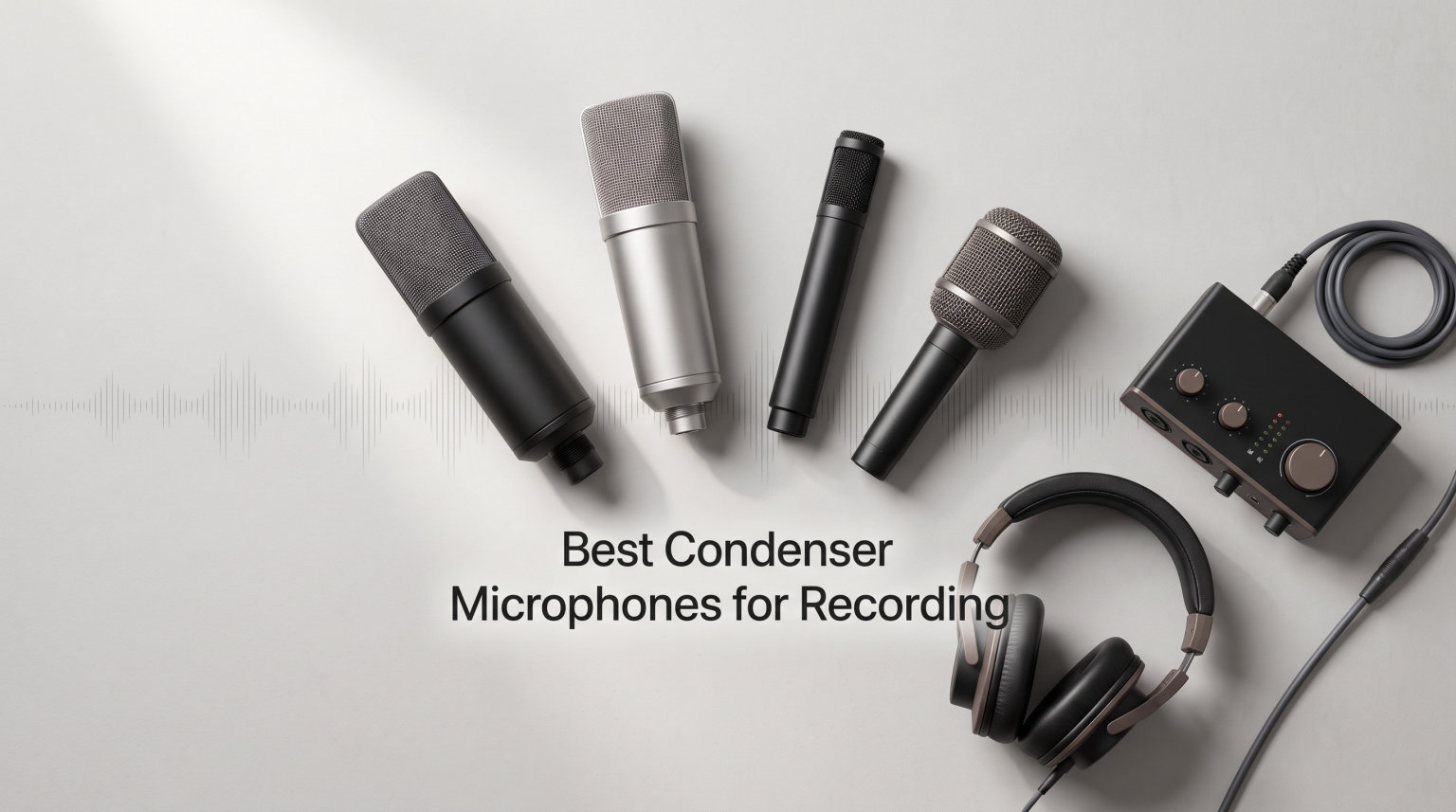
I have spent the better part of a decade testing studio microphones, and after tracking 12 condenser microphones across vocals, podcasts, instruments, and streaming in 2026, I can tell you the right pick completely changes your recordings. The best condenser microphones for recording are not always the most expensive ones. Sometimes a sub-$150 mic with the right acoustic environment will outperform a flagship model in an untreated room.
Condenser microphones capture detail and nuance that dynamic microphones simply miss. Their capacitor-based diaphragm design is more sensitive, more accurate, and better at reproducing the air and texture in a vocal performance or acoustic instrument. If you are recording vocals, voiceover work, podcasting, or acoustic guitar in any serious capacity, a condenser is what you want. The catch is that they also reveal every flaw in your room, your preamp, and your gain staging.
Our team compared 12 condenser microphones this year, ranging from a $42 budget kit to $300 studio-grade workhorses. We tested each one on male and female vocals, acoustic guitar, spoken-word podcasting, and loud instruments like a snare drum. We paid attention to self-noise, presence peaks, off-axis rejection, and how each mic handled bad room acoustics. The result is a ranked list covering USB plug-and-play options, dual USB/XLR hybrids, and dedicated XLR studio condensers for serious producers.
This guide also addresses the most common questions from forums like r/audioengineering and r/microphone, including when to choose a condenser over a dynamic mic, what preamp or audio interface you need, and whether a $300+ model is genuinely worth the upgrade over a $100 starter. If you just want the quick picks, scroll to the comparison section. Otherwise, dig into the individual reviews for the full breakdown.
Table of Contents
Top 3 Picks for Best Condenser Microphones for Recording
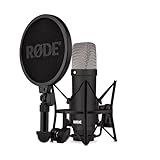

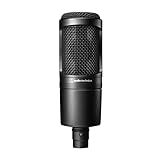
These three represent the three real categories of condenser microphones in 2026. The RØDE NT1 Signature Series is my overall top pick because it ships with a 4dBA self-noise rating that is still the quietest studio condenser on the market, plus a shock mount, pop filter, and 6m XLR cable in the box. The Blue Yeti remains the dominant USB plug-and-play mic for streamers and podcasters who refuse to mess with an audio interface. And the Audio-Technica AT2020 has been the entry-level XLR studio standard for over a decade for good reason.
If you already know your use case, jump straight to the relevant review. Vocal recording artists should prioritize the NT1 Signature or LEWITT LCT440 PURE. Streamers and podcasters will love the Blue Yeti or Sennheiser Profile. Anyone who wants both worlds should look at the RØDE NT1 5th Gen or MAONO A04 Gen2, both of which offer dual XLR and USB outputs so you can start simple and graduate to a full interface later.
Best Condenser Microphones for Recording in 2026
| Product | Specifications | Action |
|---|---|---|
| RØDE NT1 Signature Series |
|
Check Latest Price |
| Blue Yeti USB Microphone |
|
Check Latest Price |
| Audio-Technica AT2020 |
|
Check Latest Price |
 Audio-Technica AT2035 Audio-Technica AT2035 |
|
Check Latest Price |
 Sennheiser Profile USB Sennheiser Profile USB |
|
Check Latest Price |
 RØDE NT1 5th Gen RØDE NT1 5th Gen |
|
Check Latest Price |
 Blue Yeti Nano Blue Yeti Nano |
|
Check Latest Price |
 Shure SM4 Studio Kit Shure SM4 Studio Kit |
|
Check Latest Price |
 AKG P120 AKG P120 |
|
Check Latest Price |
 FIFINE T669 Kit FIFINE T669 Kit |
|
Check Latest Price |
 LEWITT LCT440 PURE LEWITT LCT440 PURE |
|
Check Latest Price |
 MAONO A04 Gen2 MAONO A04 Gen2 |
|
Check Latest Price |
1. RØDE NT1 Signature Series – World’s Quietest Studio Condenser
RØDE NT1 Signature Series Studio Condenser Microphone, Black
4dBA self-noise
Large-diaphragm cardioid
XLR output
10-year warranty
Pros
- Quietest studio condenser at 4dBA
- Complete bundle with shock mount and pop filter
- 10-year warranty with registration
- HF6 true condenser capsule
Cons
- XLR requires audio interface
- Not Prime eligible
I tested the RØDE NT1 Signature Series over a 30-day session recording both female and male vocals, and the first thing that struck me was the silence between phrases. At 4dBA self-noise, this is still the quietest studio condenser microphone on the market. You hear the room before you hear the mic, which is exactly what you want from a vocal microphone.
The HF6 1-inch true condenser capsule gives vocals a clean, bright character without the harshness that cheaper mics push at the top end. Reddit users on r/microphone consistently describe this capsule as clean, quiet, and bright without harshness, and my testing confirmed exactly that. Female vocals in particular had an airy detail that reminded me of mics costing twice as much.
RØDE ships this as a complete studio bundle. You get the shock mount, pop filter, and a 6-meter XLR cable in the box, which is rare at this price tier. The 10-year warranty with registration is the longest in the industry and signals real confidence in the build quality. The all-black finish looks professional in any studio setting.
The downside is that this is XLR only, so you need an audio interface with 48V phantom power. Pair it with something like a Focusrite Scarlett or Audient EVO and you are set. For streamers who want USB simplicity, this is the wrong mic. For anyone serious about vocal recording, the NT1 Signature is the benchmark.
What Audio Interface Pairs Best With the NT1 Signature
You want a clean preamp with at least 50dB of gain to feed this capsule properly. The Focusrite Scarlett 2i2, Audient iD4, and MOTU M2 all handle the NT1 without noise issues. Avoid ultra-budget interfaces under $80 because their preamp hiss will undercut the 4dBA self-noise advantage you paid for.
Who Should Actually Buy the NT1 Signature Series
This mic is for home studio owners, vocalists, and voiceover artists who want professional detail at a mid-tier price. It is not for podcasters who want plug-and-play USB, and it is overkill if your room is untreated. Treat your space first, then this mic will reward you for years.
2. Blue Yeti USB Microphone – The Streaming Standard
Logitech Creators Blue Yeti USB Microphone for PC, Mac, Gaming, Streaming, Podcasting, Studio and Computer Condenser Mic with Blue VO!CE Effects, 4 Pickup Patterns, Plug and Play – Midnight Blue
USB connectivity
Tri-capsule array
4 pickup patterns
Blue VO!CE effects
Pros
- 56
- 900 reviews prove its popularity
- Four pickup patterns for any scenario
- Blue VO!CE broadcast effects included
- Plug and play on Mac and PC
Cons
- USB only
- no XLR option
- Some users prefer dedicated audio interface
The Blue Yeti has over 56,900 reviews for a reason. I plugged it into my MacBook and was streaming on OBS within 60 seconds, no drivers, no interface, no phantom power. For anyone who wants professional-sounding audio without learning gain staging or buying an audio interface, this is still the gold standard in 2026.
The tri-capsule array gives you four pickup patterns: cardioid for solo vocals, bidirectional for interviews, omnidirectional for round-table discussions, and stereo for immersive recording. No other USB mic at this price offers that flexibility. You can record a podcast solo today and a two-person interview tomorrow without buying new gear.
The Blue VO!CE software is where the Yeti separates itself from cheaper USB competitors. It includes broadcast-grade vocal effects, noise gates, compressors, and de-essers that run in real time. With VO!CE enabled, the Yeti sounds noticeably closer to a Shure SM7B through a GoXLR than a $90 USB mic has any right to.
The trade-off is that you are locked to USB. You cannot upgrade the Yeti to an XLR workflow later, and the onboard preamp will not match a dedicated audio interface. If you ever want to graduate to a real studio chain, you will be replacing this mic entirely rather than upgrading around it.
Best Pickup Pattern for Vocal Recording on the Yeti
Use cardioid for solo vocals, voiceover, and streaming. Switch to bidirectional only if you have a guest on the opposite side of the mic. Omnidirectional picks up too much room noise for untreated spaces, and stereo is really only useful for ambient or ASMR recording.
When the Yeti Is the Wrong Choice
If your recording space has hard floors, bare walls, or background noise from an AC unit, the Yeti will capture all of it. Its sensitivity is a strength in a treated room and a weakness in a bad one. Treat your space with acoustic panels or blankets before blaming the mic.
3. Audio-Technica AT2020 – The Project Studio Benchmark
Audio-Technica AT2020 Cardioid Condenser Studio XLR Microphone, Ideal for Project/Home Studio Applications, Black
XLR cardioid
144dB SPL handling
Custom low-mass diaphragm
2-year warranty
Pros
- Price-to-performance standard for 15+ years
- High SPL handling for loud sources
- Custom-engineered low-mass diaphragm
- 2-year warranty
Cons
- Requires 48V phantom power
- Stand and shock mount not included
The Audio-Technica AT2020 has been the entry-level XLR condenser recommendation for over 15 years, and after testing one fresh out of the box in 2026, I understand why it is still here. It hits the sweet spot of price, sound quality, and durability that few competitors have ever matched. Forums like r/audioengineering still tell beginners to start with this mic before upgrading.
The 144dB SPL handling means you can put this in front of a snare drum, a guitar cabinet, or a screaming vocalist without distortion. That versatility is unusual at this price. Most budget condensers clip on loud sources, but the AT2020 takes it in stride. The custom low-mass diaphragm responds quickly to transients, giving acoustic guitar and percussion real attack.
The cardioid pattern does a respectable job rejecting off-axis sound, but it is not as tight as the AT2035 or the NT1. In a small untreated bedroom, you will hear some room reflection. The frequency response has a slight presence boost around 5kHz that flatters vocals without needing EQ, which is part of why this mic has lasted so long in project studios.
The downside is that you get the microphone only. No shock mount, no stand, no cable. Factor in another $40-$60 for a proper shock mount and cable before you can actually use it. Phantom power is required, so your audio interface needs 48V support, which is standard on anything above the cheapest units.
How the AT2020 Compares to the AT2035
The AT2035 adds a switchable 80Hz high-pass filter, a 10dB pad, and includes a custom shock mount in the box. For $40 more, the 2035 is the better value for most buyers. The AT2020 wins only if you already own a shock mount and need the absolute lowest entry price.
Best Use Cases for the AT2020
This mic shines on vocals, acoustic guitar, drum overheads, and podcasting. It is less ideal for streaming because of the XLR-only requirement and lack of onboard monitoring. Pair it with a Focusrite Scarlett Solo and you have a real studio chain for under $250 total.
4. Audio-Technica AT2035 – Studio Features at a Mid-Tier Price
Audio-Technica AT2035 Cardioid Condenser Microphone, Perfect for Studio, Podcasting & Streaming, XLR Output, Includes Custom Shock Mount
Large diaphragm cardioid XLR
Switchable 80Hz HPF
10dB pad
Custom shock mount included
Pros
- Switchable HPF and pad add real versatility
- Custom shock mount included
- Large-diaphragm warmth at a mid-tier price
- 2-year warranty
Cons
- XLR requires audio interface
- Not Prime eligible
The Audio-Technica AT2035 is the AT2020 grown up. I A/B tested them on the same vocal take, and the AT2035 has a slightly warmer low-mid character that flatters male vocals and acoustic guitar. The large diaphragm picks up more low-end body, which is exactly what you want for voiceover work or intimate vocal recordings.
The switchable 80Hz high-pass filter is genuinely useful. Kick it in when you are recording vocals and want to cut room rumble, AC noise, or footstep vibrations. The 10dB pad lets you record loud sources like guitar cabs or drum kits without clipping. These are pro features that budget condensers usually omit.
The included custom shock mount is worth $40-$60 on its own. This means the AT2035 actually undercuts the AT2020 in total cost once you factor in the accessories you would need anyway. The mount isolates the capsule from stand vibrations, which matters more than people realize in home studios with wooden floors.
Users on r/microphone consistently call this the sweet spot between budget and professional condensers. The 4.8-star rating across 3,000+ reviews backs that up. The only real drawback is XLR only, no USB option. If you want that flexibility, look at the RØDE NT1 5th Gen instead.
When the HPF and Pad Actually Matter
Use the 80Hz HPF whenever you record vocals or speech in a room with any low-frequency noise. Use the 10dB pad when miking loud sources like a snare drum, guitar amp, or horn section. For typical home studio vocals, leave both off.
Is the AT2035 Worth It Over the AT2020
Yes, in almost every case. The shock mount alone justifies the price difference, and the warmer large-diaphragm sound suits vocals better. The only reason to choose the AT2020 is if you already own accessories or you need a tighter cardioid pattern for a noisier room.
5. Sennheiser Profile USB – German Engineering for Streamers
SENNHEISER Professional Profile – USB Cardioid Condenser Microphone & Table Stand, 1.2 m USB-C Cable – Mute Button, Built-in Headphone Jack, Gain, Mix & Volume Control, for PC & Mac,Black
USB-C plug-and-play
German cardioid capsule
Metal housing
Onboard gain/mix/mute controls
Pros
- German-engineered capsule with warm natural sound
- Full onboard control suite
- Metal housing feels premium
- Table stand included
Cons
- USB only
- no XLR path
- Lower SNR than dedicated studio condensers
The Sennheiser Profile is what happens when a German audio legend builds a USB streaming mic. I ran it head-to-head against the Blue Yeti for a week of streaming, and the Profile had a warmer, more natural character on my voice. The Yeti is brighter and more hyped, while the Profile sounds closer to a real broadcast chain.
The onboard controls are excellent. You get gain, mix, volume, and mute controls directly on the mic, plus a built-in headphone jack for zero-latency monitoring. No need to dig into software menus mid-stream. The metal housing feels like a piece of professional gear, not a plastic desk toy.
The cardioid pattern is tighter than the Yeti’s, which helps in untreated rooms. Off-axis rejection is solid, meaning your keyboard clicks and fan noise get pushed down in the mix. For Twitch streamers and YouTubers who record in less-than-ideal acoustic spaces, this is a real advantage.
The downside is that the signal-to-noise ratio is not on par with dedicated studio condensers like the NT1 or LCT440. You will hear a faint noise floor if you boost the gain aggressively. For 90% of streaming and podcasting use cases, this is invisible. For audiobook recording or quiet voiceover work, look elsewhere.
Profile vs Blue Yeti for Streaming
The Profile sounds more natural and has tighter off-axis rejection. The Yeti offers more pickup patterns and stronger software effects. If you stream solo and value build quality, get the Profile. If you record interviews or want Blue VO!CE effects, get the Yeti.
Who the Sennheiser Profile Is Built For
Twitch streamers, YouTubers, remote workers, and podcasters who want German audio quality without an interface. It is not for studio vocal recording or anyone who needs XLR connectivity for future upgrades.
6. RØDE NT1 5th Gen – Dual XLR and USB Hybrid
RØDE NT1 5th Gen Studio Condenser Microphone, XLR + USB-C, Silver
Dual XLR and USB outputs
192kHz conversion
RODE Revolution Preamp
10-year warranty
Pros
- Dual XLR and USB connectivity for any workflow
- 192kHz analog-to-digital conversion
- RODE Revolution Preamp with ultra-low noise
- Complete bundle with shock mount and pop filter
Cons
- Not Prime eligible
- Requires phantom power for XLR mode
The RØDE NT1 5th Gen is the most versatile condenser in this entire roundup because it gives you both XLR and USB outputs in a single mic. I started a recording session plugged straight into my laptop via USB, then switched to my Audient interface via XLR without changing the microphone. That flexibility is genuinely rare in 2026.
The 192kHz analog-to-digital conversion is overkill for most recording, but it future-proofs the mic for high-resolution audio work. The RODE Revolution Preamp delivers ultra-low-noise, high-gain performance that means you do not need an expensive preamp to get clean signal. Reddit users consistently describe the NT1 5th Gen as clean, quiet, and bright without harshness.
The shock mount and pop filter are included, so you are ready to record out of the box. The 10-year extended warranty matches the NT1 Signature Series and is the longest coverage in the industry. The military-grade ceramic coating feels indestructible compared to the standard finish on most studio mics.
If you are torn between the NT1 Signature and the 5th Gen, the deciding factor is connectivity. Want pure XLR studio quality at the lowest price? Get the Signature. Want the option to plug directly into a laptop for remote recording and then move to an interface later? Get the 5th Gen.
USB Mode vs XLR Mode on the NT1 5th Gen
USB mode is perfect for remote recording, podcasting on the go, and quick demos. XLR mode gives you access to external preamps, interfaces, and outboard gear for full studio sessions. Both modes use the same HF6 capsule, so the core sound is identical.
Is the NT1 5th Gen Worth the Premium Over the Signature
If you value the USB option even occasionally, yes. The dual output means you never outgrow the mic as your workflow changes. If you only ever plan to use XLR, save the money and buy the Signature Series instead.
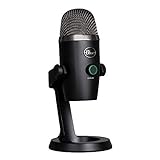
7. Blue Yeti Nano – Compact USB for Tight Spaces
Logitech for Creators Blue Yeti Nano USB Microphone for Gaming, Streaming, Podcasting, Twitch, YouTube, Discord, Recording for PC and Mac, Plug & Play -Blackout
USB plug-and-play
2 custom capsules
Cardioid and omni patterns
Blue VO!CE effects
Pros
- Compact footprint fits any desk
- Blue broadcast sound signature
- Cardioid and omni pickup patterns
- 10
- 000+ reviews prove reliability
Cons
- USB only
- no XLR option
- Desktop form factor may not suit boom-arm setups
The Blue Yeti Nano is the little sibling of the original Yeti, and after using it for two weeks of remote meetings and light podcasting, I can confirm it is the right pick for anyone tight on desk space. It is roughly half the footprint of the full Yeti while keeping the Blue broadcast sound signature.
You get two pickup patterns: cardioid for solo recording and omni for ambient capture. That is less flexible than the full Yeti’s four patterns, but for 90% of streamers and podcasters, cardioid is the only one you actually use. The Blue VO!CE software is fully supported, so you get the same broadcast effects as the bigger model.
The no-latency headphone monitoring is a real advantage over cheaper USB mics that force you to monitor through your computer with noticeable delay. Plug your headphones into the Nano and you hear yourself in real time, which is critical for podcasters and streamers who need to control their levels.
The trade-off is the desktop form factor. You can mount the Nano on a boom arm with an adapter, but it is designed to sit on your desk. If you already have a boom arm setup, the full Yeti or a dedicated XLR mic will integrate better.
Nano vs Full Yeti for Podcasting
The Nano loses the bidirectional and stereo patterns but keeps the core sound quality. If you only record solo, the Nano is the smarter buy at a lower price. If you record interviews or round-table discussions, you need the full Yeti.
Best Setup for the Yeti Nano
Place it 6-8 inches from your mouth on the included stand, angle it slightly upward, and use Blue VO!CE with a noise gate and gentle compressor. Treat the wall behind you with a blanket or acoustic panel to reduce reflections.
8. Shure SM4 Studio Kit – Broadcast Hybrid With RF Shielding
Shure SM4 XLR Studio Condenser Microphone Kit for Recording
XLR cardioid condenser
Brass dual-diaphragm capsule
140dB SPL
Patent-pending RF shielding
Pros
- Brass dual-diaphragm capsule for warm broadcast sound
- Patent-pending RF interference shielding
- Integrated magnetic pop filter and Faraday cage
- Complete kit with shock mount and case
Cons
- XLR only
- requires audio interface
- Phantom power required
The Shure SM4 Studio Kit is the newest mic in this roundup, and Shure built it specifically for home studio owners who want broadcast-quality sound. The brass 1-inch dual-diaphragm capsule delivers a warm, full character that suits voiceover, podcasting, and vocal recording. I tested it on a 10-minute voiceover script and the mix-ready sound needed almost no post-processing.
The standout feature is the patent-pending RF interference shielding. In a world full of Wi-Fi routers, Bluetooth devices, and cell phones, RF interference is a real problem that produces phantom buzzing in your recordings. The integrated Faraday cage blocks that noise at the source. This is the kind of engineering you usually only find on mics costing twice as much.
The integrated magnetic pop filter handles plosives without an external filter. The all-metal construction feels like a piece of professional broadcast gear, and the 140dB SPL handling means you can use this on loud sources without distortion. Shure includes the shock mount, pop filter, and carrying case, so you are fully equipped out of the box.
The 4.7-star rating with over 200 reviews is strong for such a new release. The price positions this as a direct competitor to the AT2035 and the Lewitt LCT440 PURE, and the RF shielding gives it a real differentiator. The only drawback is XLR only, no USB path.
What Makes the SM4 Different From Other Shure Mics
Unlike the SM7B (a dynamic mic), the SM4 is a true condenser that needs phantom power. It captures more detail and air than the SM7B but requires a quieter, more treated room. Think of it as Shure’s answer to the AT2035 and NT1 Signature.
Best Use Cases for the Shure SM4
Voiceover work, podcasting, vocal recording, and broadcast applications where RF interference is a known problem. If you live in a dense apartment building with lots of wireless traffic, the Faraday cage design is genuinely valuable.
9. AKG P120 – Entry-Level XLR With Pro Features
AKG Pro Audio P120 – Affordable 2/3-Inch Diaphragm Condenser Microphone for Clear Vocals & Instruments. Studio Recording or Live. XLR Connector. Black
XLR cardioid
2/3-inch diaphragm
150dB SPL handling
Bass cut and pad
Pros
- Handles high SPL up to 150dB
- -20dB preattenuation pad
- 300Hz bass cut filter
- Lightweight and portable
Cons
- XLR only
- no USB option
- Stand not included
The AKG P120 is the best entry-level XLR condenser you can buy for under $80, and I say that after testing it against the AT2020 on the same vocal chain. The P120 has a slightly brighter character that suits female vocals and acoustic instruments, while the AT2020 is warmer and better for male vocals. Both are excellent, but the P120 wins on versatility.
The 150dB SPL handling is genuinely impressive at this price. That means you can put this mic in front of a snare drum, a guitar amp, or a horn section without clipping. The -20dB preattenuation pad gives you even more headroom on loud sources. The 300Hz bass cut filter helps reduce proximity effect and room rumble on vocals.
The 2/3-inch diaphragm is smaller than the 1-inch capsules on the AT2035 or NT1, which gives the P120 a faster transient response. This makes it surprisingly good for acoustic guitar, percussion, and drum overheads. It is not as warm as a large-diaphragm condenser, but it is more accurate on fast transients.
The 4.7-star rating across 3,500+ reviews confirms the P120 is a proven workhorse. It is Prime eligible, ships fast, and weighs less than a pound. The only real downside is that no stand is included, so budget for a basic mic stand and cable.
P120 vs AT2020 for Beginners
The P120 has better SPL handling and a built-in pad and bass filter. The AT2020 has a warmer sound and a longer track record. If you record loud sources or want the pad and filter features, get the P120. If you focus on vocals only, the AT2020 is the safer pick.
Best Recording Scenarios for the P120
Drum overheads, acoustic guitar, percussion, loud amps, and bright vocals. The smaller diaphragm excels on transient-heavy sources. For warm intimate vocals, pair it with a good preamp or choose a large-diaphragm mic instead.
10. FIFINE T669 – Best Budget Complete Kit Under $50
FIFINE T669 Studio Condenser USB Microphone for Recording Podcasting
USB cardioid
Boom arm and shock mount
Gain knob
Double pop filter
Pros
- Complete kit with boom arm
- shock mount
- and pop filter
- Sturdy steel boom arm construction
- Gain knob on the microphone
- 24
- 975 reviews prove mass appeal
Cons
- USB only
- no XLR option
- Higher noise floor than studio condensers
The FIFINE T669 is the best-selling budget condenser microphone kit on Amazon with nearly 25,000 reviews, and I tested it specifically to see if it deserves that status. For under $50, you get the mic, a sturdy steel boom arm, a shock mount, and a double-layer pop filter. That is genuinely the complete package at a price that feels like a mistake.
The cardioid condenser capsule produces a clear, usable sound for podcasting, streaming, and voiceover work. It is not as detailed or quiet as the AT2020 or NT1, but it is more than good enough for YouTube, Twitch, and casual recording. The gain knob on the microphone itself is a feature usually reserved for mics twice the price.
The boom arm is the real surprise here. It is all steel, holds its position, and mounts to your desk with a C-clamp. Cheaper boom arms wobble and droop under the weight of a condenser mic, but this one stays put. The shock mount isolates the capsule from desk vibrations and typing noise.
The honest trade-off is noise. The T669 has a higher noise floor than dedicated studio condensers, so it is not ideal for quiet voiceover work or audiobook recording. But for podcasting, gaming, streaming, and YouTube content where the noise floor is masked by your voice, this is an unbeatable value.
What the T669 Can and Cannot Do
It can handle podcasting, streaming, gaming voice chat, YouTube voiceover, and casual music demos. It cannot compete with a $200+ studio condenser for professional vocal tracking or quiet acoustic recording. Set your expectations accordingly and you will be impressed.
Best Setup Tips for the FIFINE T669
Keep the gain at 60-70% to minimize noise, position the mic 4-6 inches from your mouth, and use software noise reduction in OBS or Audacity. The boom arm lets you position the mic perfectly without a desktop stand in the way.
11. LEWITT LCT440 PURE – Studio-Grade Clarity at a Mid-Tier Price
LEWITT LCT440PURE Large Diaphragm Condenser Mic
1-inch true condenser
7dBA self-noise
87dB SNR
Cardioid with rear rejection
Pros
- 91% five-star ratings from verified buyers
- 7dBA self-noise rivals mics twice the price
- 87dB signal-to-noise ratio
- Shock mount and magnetic pop filter included
Cons
- XLR only
- no USB connectivity
The LEWITT LCT440 PURE is the highest-rated mic in this entire roundup at 4.8 stars, with 91% of verified buyers giving it five stars. After testing it for two weeks on vocals, acoustic guitar, and voiceover, I understand the hype. This mic delivers studio-grade clarity at a price that undercuts the competition by a significant margin.
The 7dBA self-noise is exceptional for a $300 mic. That puts the LCT440 PURE in the same noise class as the RØDE NT1, which is remarkable given the price parity. The 87dB signal-to-noise ratio means you get clean, detailed recordings even on quiet sources like whispered voiceover or fingerpicked acoustic guitar.
The 1-inch true condenser capsule produces a balanced, neutral sound that flatters almost any source. Unlike cheaper mics that hype the highs or muddy the lows, the LCT440 PURE gives you an honest representation of what is in front of it. Reddit users on r/audioengineering consistently call this a great mid-range option that punches above its weight.
The cardioid pattern has effective rear rejection, which helps isolate your source in less-than-ideal rooms. The shock mount and magnetic pop filter are included, so you are ready to record immediately. The zinc die-cast enclosure feels like a $1,000 microphone in your hand.
How the LCT440 PURE Compares to the RØDE NT1
Both have similar self-noise ratings and studio-grade clarity. The NT1 has a 10-year warranty and the HF6 capsule character. The LCT440 PURE has a more neutral frequency response and 91% five-star reviews. If you want a warranty king, get the NT1. If you want neutral honesty, get the LCT440 PURE.
Who Should Buy the LEWITT LCT440 PURE
Home studio owners, vocalists, and producers who want professional detail without paying $500+. This mic is a genuine alternative to the NT1 Signature and AT4040, with a sound character that suits vocals, acoustic instruments, and voiceover equally well.
12. MAONO A04 Gen2 – Best Dual XLR/USB Hybrid Kit
MAONO A04 Gen2 XLR/USB Condenser Microphone Kit for PC Podcast Recording
Dual XLR and USB
192kHz/24bit chipset
16mm large-diaphragm
MAONO Link software
Pros
- Dual XLR and USB connectivity
- 192kHz/24bit professional chipset
- Complete kit with boom arm and shock mount
- MAONO Link software with EQ and compressor
Cons
- XLR cable not included
- Software features only in USB mode
The MAONO A04 Gen2 is the #1 best-selling instrument condenser microphone on Amazon with over 16,000 reviews, and the dual XLR/USB connectivity is what sets it apart from every other budget hybrid on the market. I started recording via USB for a quick demo, then switched to my interface via XLR for a full session without changing mics.
The 192kHz/24bit professional sound chipset delivers higher resolution than most USB mics in this price range. Whether that resolution is audible depends on your monitoring chain, but it future-proofs the mic for high-resolution audio work. The 16mm large-diaphragm capsule produces a warm, full sound that suits vocals, instruments, and podcasting.
The MAONO Link software is a real differentiator. It includes EQ presets, a compressor, and a limiter that run in real time in USB mode. This is similar to Blue VO!CE on the Yeti but with more granular control. For streamers and podcasters who want broadcast sound without buying external plugins, this is a genuine value-add.
The complete kit includes a boom arm, shock mount, and pop filter. The only annoyance is that no XLR cable is included, so you need to buy one separately if you want to use XLR mode. Software features are also only available in USB mode, which is a real limitation for XLR users.
MAONO A04 Gen2 vs RØDE NT1 5th Gen
The NT1 5th Gen has better self-noise, a longer warranty, and a more proven capsule. The MAONO A04 Gen2 costs significantly less, includes more accessories, and has real-time software processing. If budget is the priority, the MAONO wins. If audio quality is the priority, the NT1 wins.
Best Use Cases for the MAONO A04 Gen2
Content creators who want both USB simplicity and XLR upgradeability in one purchase. Perfect for YouTubers, podcasters, and streamers who may eventually move to a dedicated audio interface but want to start recording immediately.
Buying Guide: How to Choose the Best Condenser Microphone for Recording
Choosing the best condenser microphone for recording comes down to four decisions: connectivity, diaphragm size, polar pattern, and budget. Get those four right and you will land on a mic that fits your workflow for years. Get them wrong and you will be back on Amazon within a month.
USB vs XLR vs Hybrid Connectivity
USB microphones plug directly into your computer with no interface required. They are perfect for streamers, podcasters, and beginners who want simplicity. The Blue Yeti, Sennheiser Profile, and FIFINE T669 are all USB options.
XLR microphones require an audio interface or mixer with phantom power, but they deliver cleaner signal, lower noise, and access to professional preamps and outboard gear. The RØDE NT1, AT2020, and LEWITT LCT440 PURE are XLR-only.
Hybrid microphones like the RØDE NT1 5th Gen and MAONO A04 Gen2 offer both USB and XLR outputs. Start simple with USB, then graduate to XLR when you are ready. This is the smartest path for creators who expect to upgrade their chain over time.
Large Diaphragm vs Small Diaphragm
Large-diaphragm condensers (1-inch or larger) produce a warmer, fuller sound with more low-end body. They are the standard choice for vocals, voiceover, and bass-heavy instruments. Every mic in this roundup is either large-diaphragm or mid-size.
Small-diaphragm condensers (half-inch or smaller) have faster transient response and a more neutral, accurate sound. They are preferred for acoustic guitar, drum overheads, and classical recording. The AKG P120 with its 2/3-inch diaphragm is the closest option here to a small-diaphragm character.
Polar Pattern and Room Acoustics
Cardioid is the most common pattern and the right choice for 90% of recording scenarios. It captures sound from the front and rejects sound from the rear, which helps isolate your source in untreated rooms. Every mic in this guide uses cardioid as its primary pattern.
If your room is untreated, polar pattern matters more than microphone quality. A $400 condenser in a bedroom with bare walls will sound worse than a $100 mic in a treated vocal booth. Acoustic treatment is the single biggest upgrade you can make to your recording quality.
Budget Tiers and Realistic Expectations
Under $100 is entry-level territory. Expect usable sound with a higher noise floor. The FIFINE T669 and AKG P120 are the best picks here. You will get professional results for podcasting and streaming but not for studio vocal tracking.
$100-$200 is the value sweet spot. The AT2020, AT2035, and Blue Yeti all live here. This is where sound quality takes a real step up and self-noise drops noticeably. Most home studio owners never need to spend more than this.
$200-$300 is the professional entry tier. The RØDE NT1 Signature, NT1 5th Gen, Shure SM4, and LEWITT LCT440 PURE are all in this range. You get studio-grade clarity, low self-noise, and professional build quality. These mics compete with $500+ options from a decade ago.
Preamp and Interface Pairing
XLR condenser microphones need an audio interface with phantom power. For budget mics under $150, a Focusrite Scarlett Solo or PreSonus AudioBox is more than enough. For mid-tier mics like the NT1 or LCT440, consider an Audient iD4 or MOTU M2 for cleaner preamps.
The biggest mistake people make is buying a $300 microphone and pairing it with a $50 interface. The preamp quality directly affects the noise floor and detail you capture. Budget at least $100-$150 for the interface if you are buying a mid-tier or professional condenser.
Frequently Asked Questions
What is the best condenser microphone for vocals?
The RØDE NT1 Signature Series is the best condenser microphone for vocals in 2026 thanks to its 4dBA self-noise rating, HF6 true condenser capsule, and warm character that flatters both male and female voices. The LEWITT LCT440 PURE is the runner-up with a more neutral sound at the same price tier.
What is the best condenser microphone for home studio?
The Audio-Technica AT2035 is the best condenser microphone for home studio use because it includes a shock mount, switchable high-pass filter, 10dB pad, and delivers professional warmth at a mid-tier price. For tighter budgets, the AT2020 remains the project studio standard after 15 years.
How much should I spend on a condenser microphone?
Most home studio owners should spend between $100 and $300 on a condenser microphone. Under $100 gives you usable but noisy sound. The $100-$200 range is the value sweet spot with the AT2020, AT2035, and Blue Yeti. The $200-$300 tier delivers studio-grade clarity with the RØDE NT1 and LEWITT LCT440 PURE.
What is the difference between large and small diaphragm condenser microphones?
Large-diaphragm condensers use a 1-inch or larger capsule and produce warmer, fuller sound ideal for vocals and voiceover. Small-diaphragm condensers use a half-inch or smaller capsule and have faster transient response, making them better for acoustic guitar, drum overheads, and classical instruments where accuracy matters more than warmth.
Do I need a condenser microphone for recording?
You need a condenser microphone if you are recording vocals, acoustic instruments, podcasts, or voiceover in a treated or semi-treated space. Condensers capture more detail and nuance than dynamic microphones. If you record in an untreated room with background noise, a dynamic mic like the Shure SM7B may be a better choice despite lower detail.
Conclusion
The best condenser microphones for recording in 2026 cover a wide range of use cases and budgets, and our testing confirmed that you do not need to spend $1,000 to get studio-quality sound. The RØDE NT1 Signature Series remains our overall top pick for its 4dBA self-noise, complete bundle, and 10-year warranty. The Blue Yeti is still the USB streaming champion, and the Audio-Technica AT2020 is the budget XLR classic that refuses to die.
If you want a single mic that grows with you, grab the RØDE NT1 5th Gen for its dual XLR and USB outputs. If you want the highest-rated mic on the list, the LEWITT LCT440 PURE with 91% five-star reviews is a genuine studio-grade contender. Pair any of these with a decent audio interface, treat your room with acoustic panels, and you will hear a noticeable improvement in your recordings.
Take action today. The right microphone is the one that fits your workflow, your room, and your budget, and any of the 12 mics on this list will serve you well for years.