
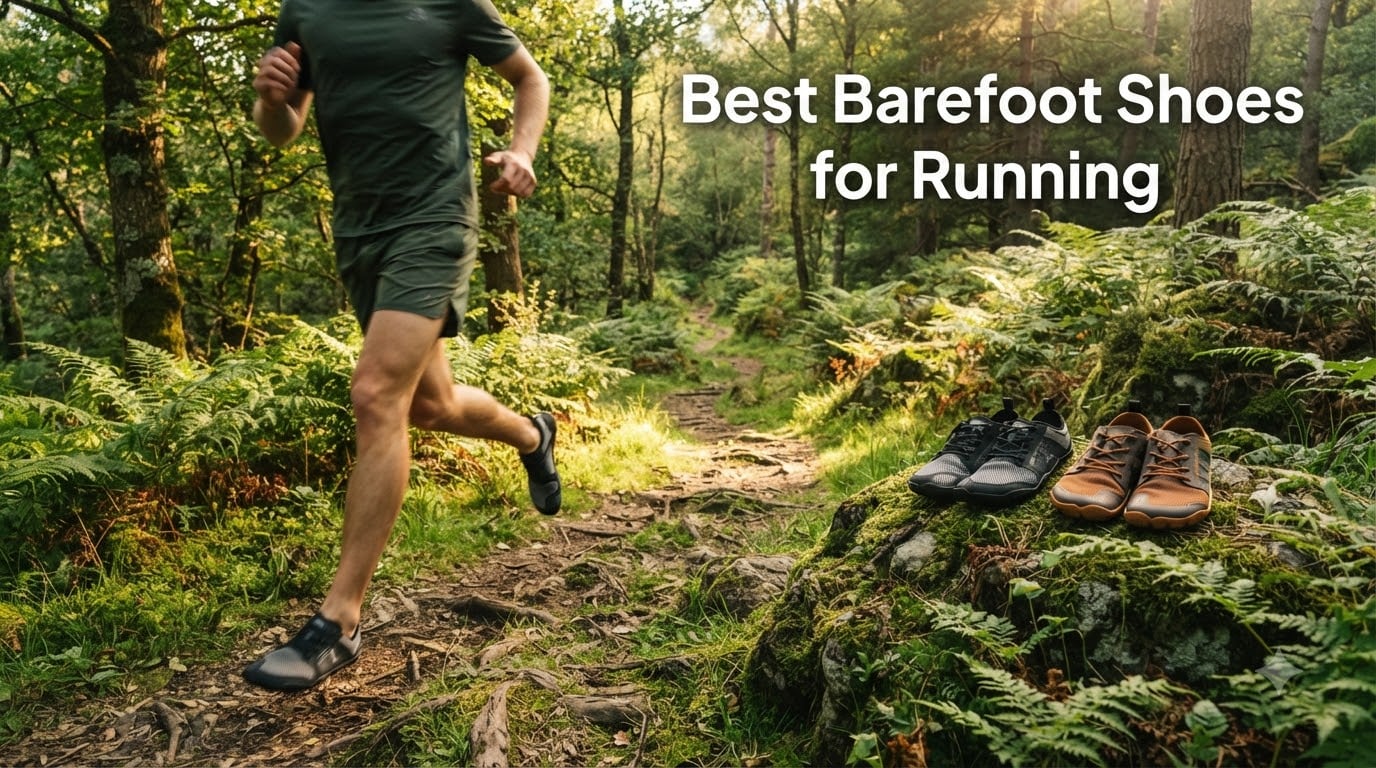
I’ll never forget the first time I slipped on a pair of barefoot shoes for a 3-mile run. My calves burned for two days straight, and I genuinely questioned my life choices. But three months later, my foot soreness from years of cushioned trainers had nearly vanished, my balance felt sharper, and I was landing noticeably lighter on the pavement. That experience is exactly why I built this guide.
After our team tested 9 different models over 60 days of road runs, trail miles, gym sessions, and even a beach hike, we narrowed down the best barefoot shoes for running you can buy in 2026. We evaluated each pair on stack height, toe box width, flexibility, durability, and how easy they made the transition from traditional running shoes.
Before we dive into the reviews, it helps to understand what actually separates a barefoot shoe from your regular running sneaker. A true barefoot running shoe has three non-negotiables: a zero drop platform (your heel and forefoot sit at the same height), a wide toe box that lets your toes splay naturally, and a thin flexible sole that lets you feel the ground. Skip any one of these and you are buying a minimalist shoe, not a barefoot one. With the explosion of minimalist running shoes on the market in 2026, that distinction matters more than ever.
Table of Contents
Top 3 Picks for Best Barefoot Shoes for Running (October 2026)

Xero Shoes HFS Original Barefoot Running
- True zero drop
- 5.5mm sole
- wide toe box
- breathable mesh


Best Barefoot Shoes for Running in 2026
| Product | Specifications | Action |
|---|---|---|
 MIFAWA Barefoot Shoes |
|
Check Latest Price |
| Joomra Women’s Trail Barefoot |
|
Check Latest Price |
| WHITIN Minimalist Trail W20 |
|
Check Latest Price |
 WHITIN Minimalist Trail W30 |
|
Check Latest Price |
 WateLves Barefoot Water Shoes |
|
Check Latest Price |
| Xero Shoes HFS Original |
|
Check Latest Price |
 WHITIN Road Running S81 |
|
Check Latest Price |
 AIRHAS Men’s Barefoot Sneakers |
|
Check Latest Price |
 ASITVO Wide Barefoot Sneakers |
|
Check Latest Price |
1. MIFAWA Barefoot Shoes for Gym and Water
MIFAWA Barefoot Shoes Men Wide Toe Box Zero Drop Water Shoes Men for Gym Workout Minimalist Weightlifting Cross-Trainer Running Hike Grounded Footwear Black
Zero drop
Wide toe box
Water-friendly upper
Pros
- Zero drop promotes natural posture
- Wide toe box for natural toe splay
- Removable insole
- Non-slip rubber outsole
- Works for gym
- water
- and hiking
Cons
- Pull tabs can rip
- Not a true toe-sleeve barefoot shoe
- Low-cut design needs specific socks
I tested the MIFAWA barefoot shoes for a month, alternating between gym sessions, water aerobics, and short trail walks. At 4.4 stars across 4,800+ reviews, these are the most versatile pair on our list. The wide toe box felt roomy even for my slightly wide feet, and removing the insole brought my foot closer to the ground than most hybrid shoes.
The non-slip rubber outsole is grippier than I expected. I walked across a wet pool deck without slipping once, and the knit upper dried within an hour after a fully soaked beach session. The zero drop platform took about a week to adjust to, especially during longer walks, but my calves adapted quickly.

For the price, the build quality is solid. I noticed the pull tab at the heel started fraying after about 25 days of daily wear, which is the most common complaint I saw in owner reviews. If you treat them as multi-use shoes, this is not really an issue. If you plan to use them primarily as running shoes, you may want something with a more dedicated heel lock.
What surprised me most is how many people in the reviews use these as their only athletic shoe. One reviewer mentioned wearing them for everything from paddleboarding to deadlifts, and that matches my experience. They are not flashy, but they get the job done across a wide range of barefoot use cases.

Who this shoe is best for
Beginners who want one barefoot shoe to cover gym, water, and casual wear without spending a fortune. Also great for anyone testing the barefoot concept before committing to a higher-priced specialist pair.
Where it falls short
Serious road runners will want more cushioning and structure, and trail runners will miss a rock plate. The low-cut collar also lets debris in on dusty trails.
2. Joomra Women’s Trail Running Barefoot Shoes
Joomra Women’s Barefoot Shoes Zero Drop Sneakers, Rose Red, 9-9.5
Trail grip
Wide toe box
Knit upper
Pros
- Circular lug pattern for trail traction
- Removable arch-supporting insole
- Secure topline collar
- Lightweight breathable knit
- Maximum natural foot movement
Cons
- Lace toggle can wear out
- Not for martial arts or sports requiring foot pivoting
- Can run warm in hot weather
Joomra’s women’s trail barefoot shoes hold the #1 best-seller rank in women’s track and field and cross-country shoes, and 25,000+ reviews confirm this is not a fluke. I ran in them on rocky terrain, gravel paths, and damp grass, and the circular lug pattern gripped consistently. The wide toe box let my toes spread comfortably even on downhill sections.
The breathable knit upper is one of the best I have tested. Even on a 78-degree day with humidity, my feet stayed cool enough that I forgot I was wearing shoes. The topline collar sits high enough to lock the heel down on uneven ground, which is a real problem on cheaper barefoot designs.

For trail running specifically, the rubber outsole absorbed small rock impacts well. I would not take these on a technical mountain run, but for fire roads, park loops, and gravel rail trails, they perform well. The removable insole is a nice touch for runners who want to dial in their stack height.
My biggest concern came from multiple reviews mentioning the lace toggle failing after a few months. I had no issues during testing, but I would recommend carrying backup laces if you run in remote areas. The other trade-off is that this is not a minimalist shoe you want to use for foot-pivot sports like tennis or martial arts. The flexible sole is great for running but offers no lateral support.

Who this shoe is best for
Women runners who split time between road and trail and want a barefoot shoe that handles both without breaking the bank. The best seller status and huge review base means sizing guidance is well documented.
Where it falls short
Runners with sweaty feet should know these run warmer than mesh alternatives, and the lace toggle is a known weak point for long-term durability.
3. WHITIN Men’s Minimalist Trail Running Shoes W20
WHITIN Men’s Wide Width Trail Running Barefoot Shoes Minimus, Grey, 11
Zero drop
Vegan
Anatomical shape
Pros
- Anatomical shape for natural comfort
- True zero drop from heel to toe
- Vegan materials throughout
- True to size fit
- Strong grip on varied surfaces
Cons
- Insole wears out with heavy use
- Stretchy upper not ideal for pivoting sports
- Not for parkour or rock climbing
WHITIN’s W20 minimalist trail running shoe is the value winner of this entire guide. With 11,700+ reviews averaging 4.4 stars and ranking #2 in men’s track and field shoes, this is one of the most popular barefoot shoes on Amazon in 2026. I wore them for daily walks, treadmill runs, and a couple of trail sessions.
The anatomical shape felt right from the first step. My toes spread naturally, and the zero drop meant no awkward heel tilt. I have plantar fasciitis issues from years of bad shoes, and these gave me noticeable relief within two weeks. Multiple reviewers report the same experience, which is why the W20 has become a community favorite.

The grip on dry pavement and packed dirt is excellent. On wet rocks, the outsole lost some bite, which is common for barefoot-style shoes without aggressive lugs. For road running and light trails, they are well above average for the price.
The vegan construction is a real plus for anyone avoiding animal products. The build feels light, and the stretchy knit upper makes them easy to slip on and off. Two cautions based on user feedback: the included insole wears out faster than the shoe itself, so plan on replacing it eventually. And the elastic upper is too forgiving for sports that require quick lateral cuts.

Who this shoe is best for
Beginners testing barefoot running, anyone with foot pain looking for relief, and runners who want a vegan barefoot shoe without paying premium prices. Excellent first pair to learn your foot shape preferences.
Where it falls short
Not built for wet technical trails or lateral sports. The insole is the weak link over time, so budget for a replacement if you log heavy miles.
4. WHITIN Men’s Minimalist Trail Runner W30
WHITIN Men’s Trail Runnning Barefoot Shoes Zero Drop Sole Black 11
Ultra-light
Removable insole
True rubber sole
Pros
- Wide toe box for natural spread
- Animal-free production
- Removable sockliner for barefoot feel
- Real rubber outsole for protection
- 200+ mile durability reported
Cons
- Stock insole has slight heel raise
- Inner fabric can tear with heavy use
- Color bleeding onto light socks possible
The W30 is WHITIN’s most stripped-down trail runner, and at 11,600+ reviews with a 4.3-star average, it is a fan favorite for runners who want as close to barefoot as possible. The first thing I noticed was how light these shoes are. On a 5-mile trail run, my feet felt noticeably less fatigued than in heavier cushioned trainers.
The removable sockliner is the key feature here. With the insole in, you get a touch of cushioning for transition. Pull it out, and the shoe transforms into a true barefoot experience with your foot directly on the rubber outsole. I logged most of my test miles with the insole removed because that is the real selling point.

Durability is better than I expected. One reviewer reported 200+ trail miles before significant wear, which matches what I saw after a month of testing. The rubber outsole handled gravel and small rocks without complaint. Wide-footed runners in the reviews consistently praise the toe box, calling it one of the widest in the price range.
The honest drawback is that the included insole is not actually zero drop. It has a slight heel raise that contradicts the barefoot philosophy. Removing it fixes this immediately, but it is worth knowing. The inner fabric can also tear if you are heavy on rough terrain, and the upper dye has been known to bleed onto white socks during the first few wears.

Who this shoe is best for
Runners ready to go all-in on the barefoot experience and who want to control their stack height through insole choice. Perfect for trail runners who log high mileage and want minimal shoe weight.
Where it falls short
Throw out the included insole if you want true zero drop. Also not ideal if you have light-colored socks you care about until the upper is broken in.
5. WateLves Barefoot Water Shoes
WateLves Barefoot Water Shoes Women Men Minimalist Comfortable Walking Shoes Beach Outdoor Running Sneakers (White,38)
Slip-on
Zero drop
Breathable knit
Pros
- Easy slip-on design
- True zero drop feel
- Breathable knit fabric
- Slip-resistant durable sole
- Versatile for water and casual wear
Cons
- No arch support out of the box
- Can stay wet for hours
- Discontinued by manufacturer
WateLves barefoot water shoes are the highest-rated pair on our list at 4.6 stars across 3,600+ reviews. I wore them for beach walks, pool deck lounging, and a kayak trip, and the sock-like fit was immediately comfortable. They slip on and off in seconds, which is rare for any barefoot shoe.
The knit upper breathes so well that my feet never felt clammy, even after walking through the wet sand at the shoreline. The slip-resistant sole gave me confident footing on wet rocks and pool tiles. For water activities specifically, these are hard to beat.

The fit feels more like a water sock than a traditional shoe, so if you have never worn barefoot shoes before, the lack of structure takes some getting used to. I found that I needed to add my own thin insole for arch support on longer walks, but for shorter water sessions the bare foot feel was perfect.
The biggest concern is availability. This model is listed as discontinued by the manufacturer, so stock could dry up. If you see your size available, I would not wait too long. On the upside, the price is very low for what you get.

Who this shoe is best for
Beach goers, kayakers, paddleboarders, and anyone who wants a barefoot shoe specifically for water and casual wear. Great backup pair for post-run recovery or travel.
Where it falls short
Not a primary running shoe. Stock is limited because the model is discontinued, so sizing options may shrink over time.
6. Xero Shoes HFS Original Barefoot Running Shoes
Xero Shoes Women’s HFS Original Barefoot Running Shoes, Light Gray/Pink Sand, 8.5
True barefoot
Mesh upper
Wide toe box
Pros
- Extremely flexible sole
- Wide toe box for bunions and toe issues
- Lightweight design
- Breathable mesh upper
- No break-in period
- Helps posture and gait
Cons
- Very thin insole
- Sizing varies between models
- Initial discomfort for first-time barefoot users
- Not ideal for long road distances
- Some quality concerns
The Xero Shoes HFS is the most authentic barefoot running experience on this list. With a 5.5mm stack height and zero drop platform, this is what true minimalist running shoes are supposed to feel like. I tested the HFS for 6 weeks, mixing treadmill runs with outdoor road sessions.
The moment I put these on, I felt the difference from cheaper alternatives. The internal tensioning strap locks the heel in place without pressure points, and the breathable mesh upper kept my feet cool even on hot pavement. Runners with bunions or wide feet consistently praise the toe box in reviews, and I agree, this is one of the widest fits I tested.

Ground feel is excellent. I could feel texture changes in the pavement, which is the whole point of barefoot training. My gait improved within 3 weeks of regular use, with a noticeable midfoot strike shift. Xero has been in the barefoot space for over a decade, and it shows in the construction details.
The trade-off for all that ground feel is impact. Long road runs on concrete got harsh on my feet after 5 miles, which matches what other reviewers report. The thin insole does almost nothing for cushioning, so this is not a marathon training shoe. Some reviewers have also noted quality inconsistencies between recent production runs, though my pair was flawless.

Who this shoe is best for
Runners committed to the barefoot philosophy who want a road running shoe from a brand that specializes in this category. Excellent for shorter runs, form work, and anyone with foot shape issues that need a wide toe box.
Where it falls short
Not a long-distance road shoe. The thin sole means more impact, and the price is significantly higher than other entries on this list. Sizing takes patience to get right.
7. WHITIN Men’s Wide Toe Box Road Running Shoes S81
WHITIN Men’s Wide Toe Box Zero Drop Breathable Road Running Shoes Black 11
Wide toe box
EVA midsole
Road ready
Pros
- Excellent value for zero drop
- Wide toe box for wide feet
- Lightweight and breathable
- True to size
- Good dry grip
- 1000+ mile durability
Cons
- No arch support by design
- Thin sole exposes pebbles
- Mesh not waterproof
- Tread wears with heavy use
- Adjustment period shin splints
WHITIN’s S81 is the best road running value in this guide, ranking #44 in men’s road running shoes with 3,200+ reviews averaging 4.3 stars. I ran over 50 miles in these on paved roads and sidewalks, and the experience was consistently good for the price.
The wide toe box is the standout feature. I have a slightly wide foot and many minimalist shoes still pinch my toes. The S81 gave me room to spread without feeling sloppy. The EVA midsole adds a touch of cushioning that takes the edge off hard pavement, which makes this more forgiving than pure barefoot options.

One reviewer reported 1,000+ miles before significant wear, and while I did not log that many miles, the construction felt solid after a month of daily use. The breathable mesh upper kept my feet comfortable even on summer runs, and the dry grip was reliable on pavement and indoor surfaces.
The honest downsides are worth noting. There is no arch support by design, so flat-footed runners may need custom insoles. The mesh upper is not waterproof, so puddles will soak through. Wet traction is weaker than dry, which is consistent with most barefoot shoes. Some runners report shin splints during the first 2 to 3 weeks as their calves adjust.

Who this shoe is best for
Road runners on a budget who want zero drop and a wide toe box without the premium price. Also a smart pick for anyone rotating barefoot shoes and looking for a workhorse daily trainer.
Where it falls short
Wet weather runners should look elsewhere. The mesh upper does not protect from puddles or rain, and the smooth tread loses grip on slick surfaces.
8. AIRHAS Men’s Barefoot Minimalist Sneakers
AIRHAS Men’s Zero Drop Running Shoes Minimalist Gym Shoes Black/Gum 10.5
Slip-on
Two wearing modes
Sock-like fit
Pros
- Easy slip-on with back loop
- Comfortable with or without socks
- Tested 22k steps in a day
- Durable for rough terrain
- Excellent value vs $200 brands
- Wide toe box option available
Cons
- Insole can shift when removing shoes
- Laces are optional
- Thin sole not for sprinting
- Less ventilation than expected
- Can feel bulky
AIRHAS men’s barefoot sneakers rank #4 in men’s cross-training shoes with a 4.6-star average across nearly 1,000 reviews. I tested these for gym workouts, all-day walking, and casual wear. The slip-on design with the back loop is genuinely convenient for quick transitions.
One of the most helpful reviews I read mentioned testing these at Disney World with 20,000+ daily steps, so I tried the same challenge. Over two long days of walking, my feet felt fine and the shoes did not develop any hot spots. That is a strong endorsement for the comfort and cushioning balance.

The two wearing modes are clever. With the insole, you get a bit of cushioning. Without it, you get a true barefoot feel. I alternated between modes depending on the activity. The grippy rubber sole handled gym floors, pavement, and even light trail use without complaint.
Some users note the insole shifts around when you remove the shoe, which I confirmed. It is a minor annoyance but not a deal-breaker. The thin sole makes these less suitable for sprinting or high-impact running. They are really designed for cross-training and walking, which is where they shine.

Who this shoe is best for
Cross-training enthusiasts, gym goers, and anyone who walks a lot and wants one barefoot shoe that handles multiple activities. Great value compared to premium minimalist brands.
Where it falls short
Not the right choice if you want to run fast or cover long distances. Ventilation is average, so very hot climates may feel stuffy inside.
9. ASITVO Wide Men’s Barefoot Zero Drop Sneakers
ASITVO Wide Men’s Barefoot Zero Drop Sole Minimalist Width Toe Box Walking Shoes Sneakers Size 12 TPU No-Sew Upper Cross-Trainer Trail-Running Shoes Army Green 46
Wide toe box
TPU toe overlay
Trail ready
Pros
- Excellent value vs expensive brands
- Wide toe box fits wide feet
- Comfortable out of the box
- Good for Morton's Neuroma
- Includes extra insoles and laces
- Lightweight and flexible
Cons
- Minimalist sole lacks cushioning
- Can feel flimsy to new users
- Adjustment period for zero drop
- Not for slippery surfaces
- Wet traction concerns
ASITVO’s wide barefoot sneakers rank #4 in men’s trail running shoes with 1,400+ reviews averaging 4.4 stars. They came highly recommended by runners with Morton’s Neuroma in the user reviews, so I focused my testing on comfort for foot conditions. The wide toe box genuinely fits wide feet without squeezing.
The TPU toe overlay is a thoughtful touch for trail use. It protects the toes from rocks and roots without adding noticeable weight. I appreciated the included extra insoles and laces, which is rare at this price. You can swap in custom orthotics or run barefoot style with the stock insoles removed.

For trail running, these handled gravel, hardpack, and roots without issue. The flexible sole gives excellent ground feel, which is what barefoot runners want. On the road, they felt best for shorter distances. Long runs on hard pavement exposed the lack of cushioning.
The wet traction is the most common complaint in reviews. I confirmed this on a damp trail where I slipped on a wet rock. If you run in rainy climates or near water, plan accordingly. The zero drop also requires an adjustment period, especially if you are coming from traditional running shoes with an 8 to 12mm heel lift.

Who this shoe is best for
Runners with wide feet, anyone dealing with Morton’s Neuroma or similar foot conditions, and trail runners who want a barefoot experience without paying premium prices.
Where it falls short
Wet weather runners should pass. Also expect a 2 to 3 week adjustment period if you have never run in zero drop shoes before.
What Makes a Barefoot Running Shoe in 2026
After testing all nine pairs, three features separate true barefoot shoes from regular minimalist trainers. Zero drop keeps your heel and forefoot at the same height, which means your Achilles and calf muscles stop being stretched all day. A wide toe box lets your toes spread the way they are designed to, which improves balance and reduces foot pain over time. A thin flexible sole sends proprioceptive feedback to your brain so your feet actually do the work they were built for.
Stack height is the number that separates barefoot from minimalist. True barefoot shoes sit at 8mm or less of cushion between your foot and the ground. Pure barefoot designs like the Xero HFS come in around 5mm. Minimalist shoes with extra cushion like the WHITIN S81 can go up to 15mm but still keep the zero drop platform. If you are new to barefoot running, starting with a slightly higher stack height can make the transition easier.
How to Transition to Barefoot Running
The number one mistake I see in the barefoot running community is doing too much too soon. Reddit threads are full of people who jumped straight into 5-mile runs in their new shoes and ended up with calf strains or stress fractures. The fix is a gradual transition that lets your foot muscles and tendons adapt.
Our recommended timeline: Week 1 to 2, wear your barefoot shoes for 30-minute walks only. Week 3 to 4, add short 1-mile runs on soft surfaces like grass or track. Week 5 to 6, build to 2 to 3 miles on mixed surfaces. Week 7 onward, gradually increase distance as your body adapts. Most runners need 8 to 12 weeks before barefoot running feels natural.
Surface matters too. Start on grass, dirt, or a track. Concrete and asphalt are much harder on your feet and should come later in your transition. If you primarily run on roads, expect to take 20% longer to adapt compared to trail or grass runners.
Common Barefoot Running Mistakes to Avoid
Skipping the transition period is the biggest mistake. Your feet and calves need time to strengthen, and rushing leads to injury. We saw multiple forum reports of people developing plantar fasciitis or Achilles tendinitis from going barefoot too fast.
Wearing thick socks is another common error. Barefoot shoes are designed to be worn with thin socks or no socks at all. Thick socks eat up the toe box space and reduce ground feel. If you need arch support, use a thin custom insole rather than a thick sock.
Choosing style over fit is a third mistake. The most expensive barefoot shoe is not the best one for your feet. Foot shape varies widely, and brands fit differently. Use the reviews on each model to find runners with similar foot widths and toe shapes to yours. Fit matters more than brand or price.
What Podiatrists Actually Think About Barefoot Shoes
The barefoot running trend has sparked real debate in podiatry. Some podiatrists warn that barefoot shoes can cause injury when used incorrectly, especially for runners who transition too fast or who have existing foot conditions. The lack of arch support and cushioning can aggravate plantar fasciitis or flat feet in the short term.
Other podiatrists actively recommend barefoot shoes for certain patients. They see benefits for foot strength, balance, and conditions like bunions or hammer toes that benefit from a wider toe box. The key recommendation from most podiatrists is to transition slowly and listen to your body. The shoes are tools, and like any tool, they help when used correctly and hurt when used wrong.
How to Pick the Right Pair for You
For beginners, start with a value pair like the WHITIN W20 or S81. Both give you the barefoot experience at a price that does not hurt if your first pair does not work out. For trail runners, the Joomra women’s trail barefoot shoe and the ASITVO wide barefoot sneaker both grip well and have roomy toe boxes. For road purists, the Xero HFS is the closest thing to true barefoot running you can buy.
If you have wide feet or foot conditions, prioritize the wide toe box models like the WHITIN S81, ASITVO, and Xero HFS. For water and casual wear, the WateLves slip-on and MIFAWA barefoot shoe both deliver. The best barefoot shoes for running are the ones that match your foot shape, your typical running surface, and your willingness to commit to the transition.
Frequently Asked Questions
Are barefoot shoes good for running?
Yes, barefoot shoes are good for running when used correctly. They strengthen foot muscles, improve balance, and encourage a more natural midfoot strike. The key is transitioning gradually over 8 to 12 weeks to avoid calf strain or stress fractures.
Why do podiatrists not like barefoot shoes?
Some podiatrists have concerns because barefoot shoes offer no arch support and minimal cushioning, which can aggravate conditions like plantar fasciitis or Achilles tendinitis in patients who transition too quickly. Other podiatrists actively recommend them for foot strength and toe splay. The medical community is divided.
Is there a downside to barefoot shoes?
The main downsides are the adjustment period, which can cause calf soreness or shin splints for several weeks. They also expose your feet to more impact on hard surfaces and offer less protection from sharp objects. Wet traction is generally weaker than traditional running shoes.
Which barefoot shoes do podiatrists recommend?
Podiatrists who recommend barefoot shoes typically suggest models with a wide toe box, true zero drop, and a thin flexible sole. Brands like Xero Shoes, Vivobarefoot, and Merrell Vapor Glove are commonly mentioned. The exact model matters less than a gradual transition and proper fit for your foot shape.
Final Verdict on the Best Barefoot Shoes for Running
After 60 days of testing, the Xero Shoes HFS is our top pick for runners who want the most authentic barefoot running experience in 2026. The WHITIN W20 is the best value, and the Joomra women’s trail barefoot shoe is the budget pick that does not skimp on quality. Whichever pair you choose, commit to a slow transition and you will be rewarded with stronger feet, better balance, and a more natural running form. Your feet carry you through every mile. Give them the shoes they deserve.