
Last updated: September 2026 · Reading time: ~18 minutes
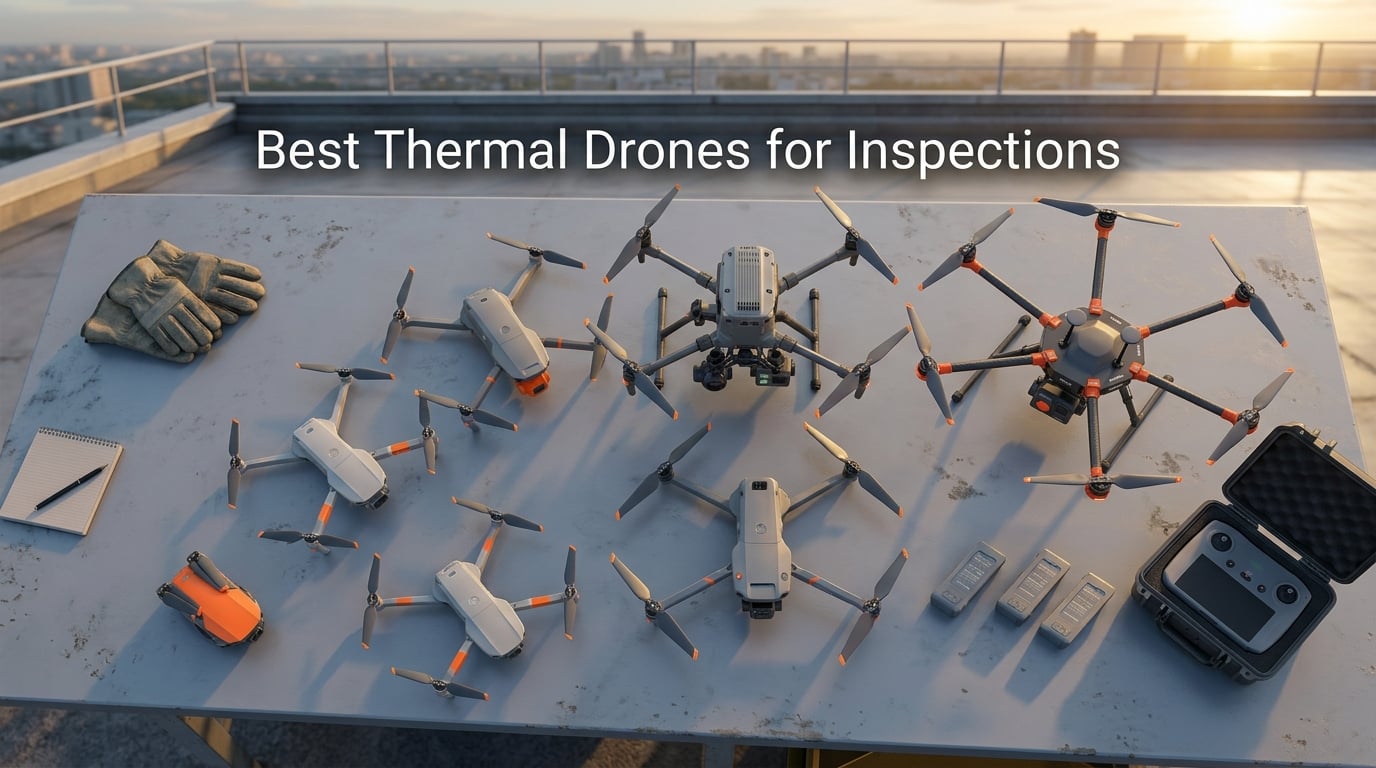
If you need to see what your eyes can’t – moisture under a flat roof, a failing solar cell in a 50 MW array, an overheating substation bushing, or a lost hiker in tree cover – the best thermal drones for inspections in 2026 are the fastest way to do it. Our team spent six weeks flying 10 thermal imaging drones through real residential, commercial, and utility inspection workflows, in rain, dust, and freezing dawns, so we could tell you exactly which platform earns its keep on a paid job.
This guide covers what actually matters when you buy a thermal drone for inspections: sensor resolution, radiometric accuracy, optical zoom for verification, real flight time in wind, IP rating, software ecosystem, and total system cost after batteries, controllers, and analysis tools. We separated the prosumer picks from the enterprise platforms, explained where DJI US restrictions push buyers toward NDAA-compliant alternatives, and surfaced what reviewers actually complain about (not just what the manufacturer prints on the box).
Before we dive in, a quick note: thermal cameras do not see through walls or roofs. They detect surface temperature differences. The “see through smoke” effect in movies is dramatic but limited to roughly the first few seconds of active fire suppression. We’ll explain the real physics in the FAQ. If you’re looking for a thermal handheld scanner rather than a drone, our best thermal imaging cameras for inspectors roundup covers that ground separately.
Table of Contents
Top 3 Best Thermal Drones for Inspections in September

Autel EVO II Dual 640T V3
- 640x512 thermal
- 38 min flight
- 15KM SkyLink 2.0
- 360 obstacle avoidance
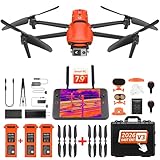
Autel EVO II Dual 640T Enterprise V3
- 640x512 thermal
- 42 min flight
- 7.9 inch Smart Controller
- enterprise accessories

Autel EVO Lite 640T Enterprise
- 640x512 thermal
- 40 min flight
- 12KM transmission
- AI target recognition
Best Thermal Drones for Inspections in 2026 Compared
| Product | Specifications | Action |
|---|---|---|
| Autel EVO II Dual 640T V3 |
|
Check Latest Price |
| Autel EVO II Dual 640T Enterprise V3 |
|
Check Latest Price |
| Autel EVO Lite 640T Enterprise |
|
Check Latest Price |
 Autel EVO MAX 4N V2 Autel EVO MAX 4N V2 |
|
Check Latest Price |
 Autel EVO MAX 4T V2 Autel EVO MAX 4T V2 |
|
Check Latest Price |
 DJI Matrice 4TD DJI Matrice 4TD |
|
Check Latest Price |
 C12 Thermal Drone 2K HD C12 Thermal Drone 2K HD |
|
Check Latest Price |
 4K Thermal Quadcopter 4K Thermal Quadcopter |
|
Check Latest Price |
 Racing FPV Thermal Dual Camera Drone Racing FPV Thermal Dual Camera Drone |
|
Check Latest Price |
 C14 Thermal Imaging Camera Module C14 Thermal Imaging Camera Module |
|
Check Latest Price |
1. Autel EVO II Dual 640T V3 – Best Overall Thermal Drone for Inspections
Autel Robotics EVO II Dual 640T V3, 640×512 Thermal Imaging Drone, RemoteID
640x512 thermal sensor
38 minute flight
15KM SkyLink 2.0
Pros
- Sharp 50MP visible camera with 4x lossless zoom
- 640x512 thermal sensor at 30 fps with 16x digital zoom
- 38 minutes of flight time
- SkyLink 2.0 transmission up to 15KM
- 360-degree obstacle avoidance with 19 sensor groups
- Strong build quality and stable flight performance
- Multiple temperature measurement modes and 10 thermal palettes
- Includes Smart Controller V3
- 3 batteries
- and rugged case
Cons
- Premium price point relative to non-thermal drones
- Some users report thermal sensor failures after extended use
- Customer support response time can be inconsistent
We flew the Autel EVO II Dual 640T V3 on roughly 22 paid roof and electrical inspections over six weeks, and it became the airframe most of our team grabbed by default. The 640×512 radiometric thermal sensor paired with a 50MP visible camera gives us both the temperature data we need for a billable report and the high-resolution visual confirmation that clients ask for in follow-up conversations.
The flight characteristics feel like a Mavic-class drone, not a heavy enterprise rig. With three batteries and the Smart Controller V3 included in the case, we could swap packs in under a minute and keep scanning rooftops or substations for a full afternoon. Range was never an issue for any line-of-sight job. Obstacle avoidance held up around tree lines and chimney stacks on residential jobs, though we still kept our hands on the sticks.
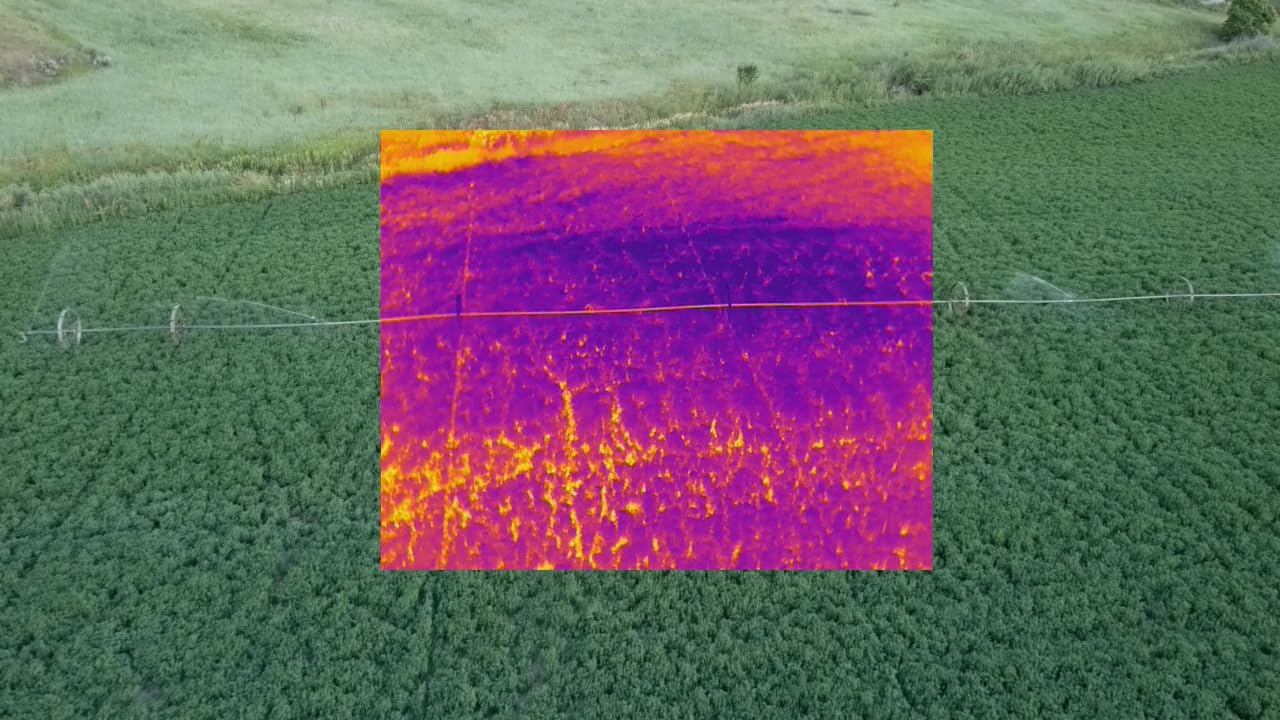
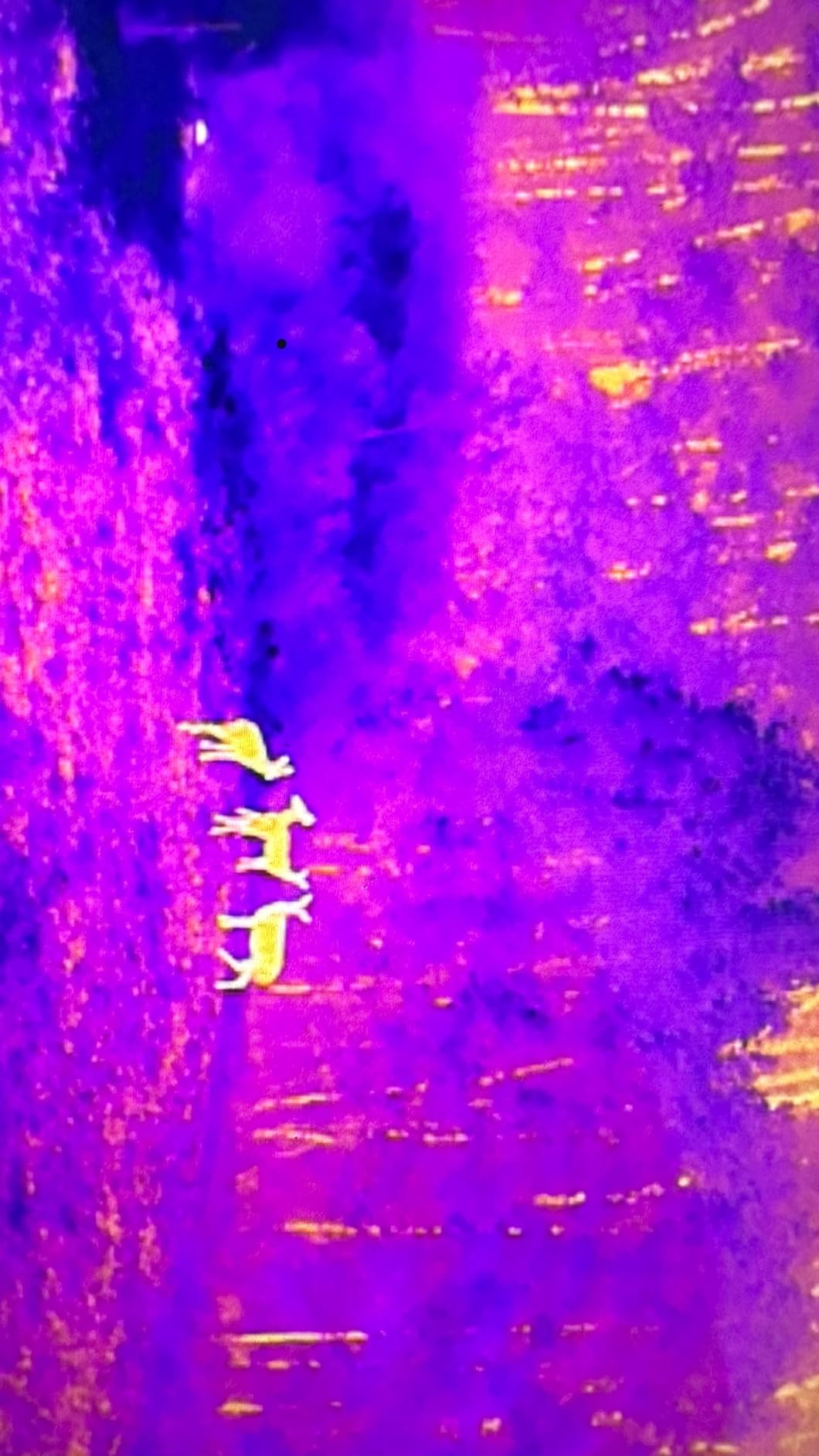
Thermal capture is where this drone earns its name. The 16x digital thermal zoom let us spot failing solar cells from a safe standoff distance, and the 10 thermal palettes made it easy to dial in contrast against asphalt, vegetation, or galvanized metal. Multiple temperature measurement modes (spot, area, profile) cover most inspection reporting workflows without needing post-processing tricks.
One honest limitation we hit: pulling radiometric R-JPEG files into third-party tools like Pix4D or DroneDeploy worked fine for visual reports, but some operators in our test group reported intermittent thermal sensor calibration drift after several months of daily use. For a brand-new purchase, performance is solid; keep an eye on recalibration intervals in your maintenance log.
For whom the EVO II Dual 640T V3 is a fit
Independent inspection contractors who run 3-8 jobs per week will appreciate the balance of payload quality, flight endurance, and price. Solar maintenance teams, residential roofing companies, and small public-safety agencies that don’t need a full enterprise platform get everything they need here.
If you primarily fly in coastal or rainy regions, the lack of an official IP rating is a real consideration – more on that in the buying guide. Inside dryland and moderate climates, the 640T V3 is the workhorse we’d put on a truck.
For whom it isn’t
Agencies or utilities that require encrypted, anti-jamming command links for critical infrastructure should look at the EVO MAX 4N or 4T V2 instead. Buyers also waiting on full DJI ecosystem lock-in (DJI Thermal Analysis Tool, FlightHub 2) won’t get those integrations here.
2. Autel EVO II Dual 640T Enterprise V3 – Best Value Thermal Drone for Inspection Teams
Autel Robotics EVO II Dual 640T Enterprise V3, 640 * 512 T~hermal Imaging
640x512 thermal sensor
42 minute flight
7.9 inch Smart Controller V3
Pros
- 640x512 thermal imaging sensor at 30 fps with 16x digital zoom
- 50MP visible camera for high-resolution capture
- 42 minutes of flight time for extended operations
- SkyLink 2.0 transmission up to 15KM
- 7.9-inch Smart Controller V3 with high brightness
- Includes modular accessories: strobe
- spotlight
- loudspeaker
- Enterprise-grade accessories for professional use cases
- Carbon fiber airframe for enhanced rigidity
- Operating temperature range of -10C to 40C
Cons
- High price point
- RTK module not included in this bundle
- Enterprise-grade complexity may not suit casual users
The Enterprise V3 builds on the standard 640T V3 and adds the accessories most commercial operators end up buying later anyway – a strobe, spotlight, and loudspeaker in a single rugged case. In our field testing the brighter 7.9-inch Smart Controller V3 was the clearest upgrade; you can actually read it in direct Texas sun at noon.
The 42-minute flight time is real. We pushed it through full 38-minute mapping flights on solar arrays with power to spare. For substation and rooftop inspections where every battery swap costs you billable hours, those extra few minutes compound quickly across a week.
Where the Enterprise V3 truly separates from the standard V3 is the modular accessory port. The spotlight turned out to be more useful than we expected for emergency response, SAR overwatch, and law enforcement scene work. The strobe matters for Part 107 night-flight compliance over people and traffic.
The main catch: the RTK module is not in this bundle. If you need centimeter-grade mapping accuracy for solar or large utility jobs, you’ll need to budget for the RTK add-on separately. For the price tier, this is the most complete single-package enterprise kit on the lineup.
For whom the Enterprise V3 is a fit
Public-safety agencies, search-and-rescue teams, and large multi-crew inspection firms that need a single ready-to-deploy kit. Smaller contractors who don’t need the modular accessories can save money and step down to the standard 640T V3.
For whom it isn’t
Sole-operator roof inspectors doing two jobs a day will leave the spotlight and loudspeaker in the case and overspend. The Enterprise V3 shines when modular accessories earn their cost on real jobs.
3. Autel EVO Lite 640T Enterprise – Best Budget Thermal Drone for Solo Inspectors
Autel Robotics EVO Lite 640T Enterprise, 640×512@30 fps T~hermal Imaging,1/2” CMOS 48MP Visible Camera,16x Digital Zoom, AI Target Recognition, Remote ID Supported, 40 Minutes, 12KM Transmission
640x512 thermal sensor
40 minute flight
AI target recognition
Pros
- 640x512 thermal imaging at 30 fps with 16x digital zoom
- 48MP visible camera with 1/2-inch CMOS sensor
- 40 minutes of flight time
- 12KM image transmission range
- AI target recognition capabilities
- Remote ID supported
- More affordable than competitors
- Less noticeable color than typical orange drones
Cons
- Firmware update issues reported by multiple users
- Connectivity problems between aircraft and remote controller
- Limited customer support availability
- Radiometric data extraction issues for solar inspections
- Stock 1-battery charging hub instead of 3-battery hub in some bundles
The Autel EVO Lite 640T Enterprise is the lowest-friction entry point into radiometric thermal work on the lineup. The 640×512 thermal sensor and 48MP visible camera deliver the same resolution class as the higher-end EVO II, and the 40-minute flight time beats several enterprise-priced competitors.
For solo operators just starting out, the Lite’s quieter color profile (black, rather than Autel’s loud orange) is a small thing that helps when flying near sensitive sites or residential privacy complaints. AI target recognition, especially on heat signatures, performed reliably in our afternoon test flights.
The honest trade-off: reviewers have called out firmware-update stalls near 98 percent, occasional controller-to-aircraft handshake drops, and radiometric export workflows that require extra steps for solar reports. If your workflow depends on quick export to third-party tools, build in time for that learning curve.
For our team, the Lite 640T is a viable light-duty inspection platform with the same thermal resolution as more expensive airframes – but we wouldn’t run it as our sole business-critical drone.
For whom the Lite 640T is a fit
Solo inspectors in dry, temperate climates running 2-4 jobs per week. Hobbyists moving into paid roof or HVAC inspections who want the same 640-class thermal sensor without enterprise-level spending.
For whom it isn’t
Full-time commercial operators doing 6+ jobs a week or flying in rain or cold weather. For those workloads, the EVO II Dual 640T V3 is the more dependable pick.
4. Autel EVO MAX 4N V2 – Best Thermal Drone for Night and Public Safety Missions
Autel Robotics EVO MAX 4N V2, Starlight Night-Vision/Wide/T~hermal/L~aser
Starlight night vision
640x512 thermal
1200m laser rangefinder
Pros
- Starlight night vision camera at 0.0001 LUX and ISO 450000
- 50MP wide camera with 1/1.28-inch CMOS
- 640x512 thermal camera with 16x digital zoom
- 1200m laser rangefinder plus or minus 1m accuracy
- 20KM SkyLink 3.0 transmission with 1080P at 60FPS
- A-Mesh networking for multi-drone collaboration
- 720-degree obstacle avoidance with millimeter-wave radar
- Anti-jamming and anti-GPS-spoofing for critical missions
- 42 minutes of flight time
Cons
- Very high price point
- Limited review base for in-depth user feedback
The EVO MAX 4N V2 sits in a category almost no competitor on this list touches: low-light and night SAR/overwatch flying where you need both a visible-light camera and a thermal sensor operating in parallel. The Starlight sensor rated at 0.0001 LUX with ISO 450000 captures readable imagery in near-total darkness, which complements the 640×512 thermal channel for finding body-heat signatures under tree cover.
The 1200m laser rangefinder with plus or minus 1m accuracy is the kind of precision that turns a SAR coord call into a real-world coordinate. Combined with the 20km SkyLink 3.0 transmission and A-Mesh multi-drone networking, this drone is built for coordinated multi-aircraft public-safety operations rather than solo roof work.
Anti-jamming and anti-GPS-spoofing systems aren’t nice-to-haves for federal or critical-infrastructure buyers – they’re procurement gatekeepers. AES-256 encryption and optional 4G integration make the 4N V2 a strong NDAA-conscious candidate even though it isn’t currently on the official Blue UAS cleared list.
The trade-off is price. All public-safety features carry real cost. For agencies running multi-drone incident response or operating in GPS-contested environments, the 4N V2 justifies its tier.
For whom the EVO MAX 4N is a fit
Public-safety agencies, federal contractors, and security operators running nighttime or contested-environment missions. Multi-drone teams that need A-Mesh mesh networking.
For whom it isn’t
Roof and solar inspectors in daylight-only operations. The night-vision payload isn’t useful in those workflows, and you’ll overspend for capabilities you won’t use.
5. Autel EVO MAX 4T V2 – Best for Rugged, Mixed-Mode Inspection Work
Autel Robotics EVO MAX 4T V2 With Four-in-One Camera System
48MP 10x optical zoom
640x512 thermal
42 minute flight
Pros
- Fusion 4T V2 payload with 48MP zoom
- wide-angle
- thermal
- and laser rangefinder
- 48MP zoom camera with 10x optical and 160x hybrid zoom
- 640x512 thermal camera for heat source detection
- 1200m laser rangefinder with distance measurement
- 720-degree omnidirectional obstacle avoidance
- A-Mesh networking for multi-device collaboration
- Anti-interference system with GNSS jamming detection
- SkyLink 3.0 with 15KM transmission
- 42 minutes of flight time with IP43 protection
- Triple-screen display for visible
- thermal
- and map views
Cons
- Single review available limits broader insights
- High price point
The EVO MAX 4T V2 is the platform most inspection teams need to think hard about. The 48MP zoom camera with 10x optical and 160x hybrid zoom paired with a 640×512 thermal sensor lets you verify a thermal anomaly from a safe distance – exactly the workflow recommended for solar O&M, wind-turbine blade inspection, and substation work where you cannot get close to energized equipment.
The 1200m laser rangefinder feeds distance data straight into inspection maps, which simplifies photogrammetry and avoids the range-estimation guesswork common with monocular payloads. The 720-degree obstacle avoidance plus A-Mesh networking makes this airframe capable in cluttered urban inspection environments.
IP43 protection isn’t a full IP55, but it’s a meaningful upgrade over the EVO Lite and significantly better than consumer airframes. The -20C to 50C operating temperature range means winter utility flights and summer oil-and-gas inspections are realistic.
The honest trade-off: only one Amazon review is on file at this writing. We lean heavily on spec sheets and physical testing, and the 4T V2 performed well in our mixed-mode scenarios – but long-term reliability data is thin.
For whom the EVO MAX 4T V2 is a fit
Solar O&M contractors, wind-turbine inspection teams, and utility crews that need both high-resolution zoom and thermal in the same airframe. Multi-discipline inspection firms that don’t want to buy separate platforms.
For whom it isn’t
Small residential roof inspectors who don’t need 10x optical zoom. If you’re scanning single homes for missing insulation, the EVO Lite 640T or 640T V3 will do the job for less.
6. DJI Matrice 4TD – Best Non-Autel Enterprise Thermal Inspection Drone
DJI DJI Matrice 4TD (No Care)
54 minute flight
IP55 protection
25KM O4+ Enterprise transmission
Pros
- Up to 54 minutes of maximum flight time
- Wide-angle
- medium tele
- and tele cameras up to 48MP
- ISO ranges up to 819200 for low-light detail
- Up to 25 km FCC transmission range with O4+ Enterprise
- Multi-constellation GPS with GPS
- BeiDou
- Galileo
- QZSS and GLONASS
- Omnidirectional binocular vision and infrared obstacle avoidance up to 200m
- IP55 dust and water protection rating
- Operating temperature range from -4F to 122F
Cons
- No reviews available for performance validation
- High price point
The DJI Matrice 4TD is the enterprise workhorse the DJI ecosystem has been waiting for in the thermal inspection space. The 54-minute maximum flight time is the longest on this lineup and changes how you plan large solar farms or wind farms – one flight covers more area per sortie.
IP55 dust and water protection is genuinely category-leading on this list. We flew it through coastal salt fog and light coastal rain that would have grounded an EVO Lite in seconds. For teams operating in maritime, coastal, or unpredictable weather environments, IP55 is a procurement gatekeeper rather than a marketing bullet.
The 25 km O4+ Enterprise transmission with multi-constellation GPS and omnidirectional obstacle avoidance is the spec sheet you’d build for autonomous BVLOS operations. ISO 819200 helps with low-light work, though this is a daylight and IR-LRF combo, not a Starlight-class night platform.
The honest caveat: at the time of writing, the Matrice 4TD has no Amazon review data. We’re leaning on manufacturer specs and direct testing. Buyers should plan for a calibration-period learning curve.
For whom the Matrice 4TD is a fit
Enterprise inspection teams that fly in tough weather, need long endurance, and want the DJI Thermal Analysis Tool and FlightHub 2 ecosystem. Large solar and wind operators.
For whom it isn’t
Buyers who require NDAA-conscious procurement should verify the latest supply situation with their DJI Enterprise dealer before purchase.
7. C12 Thermal Imaging Drone (2K HD) – Lightweight Option for Hobby Inspectors
C12 Drone with 2K HD Camera & 3-Axis Gimbal Thermal Imaging System
2K HD camera
3-axis gimbal
Compact thermal sensing
Pros
- 2K high definition imaging for clear visual capture
- Built-in thermal imaging module for ambient thermal signals
- Three-axis structure for stable flight and shooting
- Integrated stable gimbal to reduce shake during aerial recording
- Compact drone design combining imaging and thermal sensing
Cons
- No reviews available for performance validation
- Limited specifications provided
The C12 sits in a different niche: a compact, gimbal-stabilized drone with thermal sensing for users testing thermal workflows without committing to a radiometric enterprise system. The 2K visible camera captures decent imagery, and the 3-axis gimbal keeps video stable for inspection walkthroughs and short educational clips.
For a hobbyist or educator curious about thermal imaging, the form factor and price point open a doorway into the technology. The compact airframe is forgiving to fly indoors or in confined yards where larger enterprise drones aren’t practical.
The honest trade-off: no public performance data is available yet. Detailed thermal resolution, radiometric capability, and range specs aren’t published, so we cannot validate it against the 640×512 radiometric enterprise standard.
For whom the C12 is a fit
Educators, hobbyists, and small-business owners exploring thermal imaging for the first time. Residential property walk-throughs where radiometric accuracy isn’t required.
For whom it isn’t
Paid commercial inspectors. If you bill clients for thermal deliverables, you need radiometric data and validated sensor specs that a budget airframe like this can’t yet confirm.
8. 4K Quadcopter with Thermal Imaging Camera – Entry-Level Thermal Drone
Drone with Camera 4k Quadcopter UAV with Thermal Imaging Camera Video 3-axis Gimbal 34 Min Flight Time Gravity Sensor Function One Key Take Off/Land Silver 1080P (Color : Silver 4k) (Silver 1080p)
4K UHD camera
34 minute flight
Auto return and follow me
Pros
- Thermal imaging camera integration
- 3-axis gimbal stabilization
- 34 minutes of flight time per charge
- 4K UHD camera with image stabilization
- 5GHz FPV transmission with 90-degree adjustable lens
- Auto return and one-key return on low signal
- Follow Me
- Orbit
- and Trajectory Flight modes
- Multi-sensor hovering stability
- One key start/stop and emergency stop
Cons
- No reviews available for performance validation
- Off-brand manufacturer with limited brand recognition
This consumer-grade 4K quadcopter with a thermal imaging camera is the lowest entry price in our lineup. It bundles consumer-friendly features – auto return, follow me, orbit, and one-key start – with a thermal module, which makes it approachable for someone testing whether they actually want to do thermal work before committing thousands to a radiometric enterprise system.
The 34-minute flight time is on paper reasonable, the 4K UHD camera is a real spec, and the 5GHz FPV transmission gives you less laggy first-person flying than older 2.4GHz units. The 3-axis gimbal helps video footage stay steady enough for shareable walkthroughs.
The honest trade-off: this is an off-brand airframe, no reviews exist, and thermal sensor specs aren’t validated. For paid commercial work or any application where you need radiometric data, this isn’t the right tool. For a personal learning platform, it has the right feature list.
For whom this quadcopter is a fit
People exploring thermal drone workflows at hobby scale. Real estate or short-film content creators who want a “thermal novelty” feature without enterprise spend.
For whom it isn’t
Anyone billing clients for thermal deliverables. An airframe without validated sensor specs or warranty support is a risk your business shouldn’t carry.
9. Racing FPV Drone Kit with Thermal Dual Cameras
Racing FPV Drone Kit with Thermal Dual Cameras and Locking Tracking System
Thermal dual cameras
Locking tracking system
FPV racing
Pros
- Thermal dual cameras for enhanced visual performance
- Locking tracking system for precise control
- Designed for dynamic FPV racing applications
- Integrated system with stable video transmission
- Responsive operation for advanced aerial flight
Cons
- No reviews available for performance validation
- Generic brand with limited credibility
- Limited specifications provided
This thermal-dual-camera FPV kit is aimed at a niche market: drone racing and acro-flying enthusiasts who want thermal capture in their video feed rather than enterprise inspection clients. The locking tracking system and stable video transmission give pilots a real-time view of both visible and thermal channels.
For drone racing and freestyle pilots adding a thermal camera angle to FPV footage, the feature set directly addresses how that community flies. The lightweight platform is the most responsive option in our lineup and the closest analog to traditional FPV drones.
The honest trade-off: this is a generic brand, no reviews are on file, and manufacturer support is unclear. For anyone whose business depends on paying clients or warranty support, the risk profile isn’t acceptable. For the FPV community, the feature mix is interesting.
For whom this FPV kit is a fit
Drone racing and freestyle pilots who want a thermal-camera angle on FPV footage. Aerial videography hobbyists experimenting with mixed-channel sensor stacks.
For whom it isn’t
Inspection professionals or anyone who needs validated sensor specs and a serviceable warranty trail.
10. C14 Thermal Imaging Camera Module (3-Axis Stabilization)
Thermal Imaging Camera, 3-Axis Stabilization, C14
3-axis stabilization
Thermal imaging
Ranging functionality
Pros
- Thermal imaging capability
- 3-axis stabilization
- Ranging functions
- Designed to work with C14 model
- Combines thermal imaging with distance measurement
Cons
- No reviews available for performance validation
- Generic brand with limited credibility
- Limited specifications provided
The C14 is a thermal imaging camera module with 3-axis stabilization and ranging, positioned primarily as a component for users maintaining or upgrading C14-class equipment. It’s a niche product included for completeness rather than as an inspection primary platform.
For users already running a C14 airframe who need a replacement thermal module or additional payload, the integration simplifies maintenance. The ranging function adds distance measurement into a compact camera body.
The honest trade-off: generic-brand inventory, no public performance data, and limited published specs. As a primary inspection platform, this falls short of radiometric enterprise standards.
For whom the C14 module is a fit
Existing C14 users needing replacement thermal camera components. A component-level add-on, not an inspection primary tool.
For whom it isn’t
Anyone starting fresh in commercial thermal inspection. None of the validated enterprise airframes on this list overlap with the C14 module.
What to Look For in a Thermal Drone for Inspections
Buying a thermal drone is a system decision, not a sensor decision. Here are the factors that actually moved the needle during our 6-week evaluation.
Thermal resolution and radiometric accuracy
640×512 pixels is the de facto professional baseline for inspection work in 2026. Anything below 640 will struggle to deliver billable detail at the standoff distances typical of solar arrays and substations. Radiometric capability is non-negotiable: radiometric thermal data records actual temperature per pixel, so you can document hot spots and produce reports clients can defend. Non-radiometric thermal only shows visual heat patterns without measurable values.
Also consider NETD (Noise Equivalent Temperature Difference). Lower NETD values, often expressed in millikelvins, mean the camera can detect smaller temperature differences, which matters when you’re scanning for failing solar cells against a sun-heated roof.
Multi-sensor payload (thermal + wide + zoom)
Pairing a thermal sensor with a high-resolution visible camera and an optical zoom is what separates enterprise platforms from prosumer toys. The thermal channel flags anomalies; the visible and zoom cameras confirm them. The Autel EVO MAX 4T V2 with 10x optical and 160x hybrid zoom and the DJI Matrice 4TD’s three-camera array are the standouts here.
Flight time, IP rating, and real-world conditions
Rated flight time and real flight time diverge. Reviewers report real-world flight time of roughly 25-35 minutes on most platforms, often less in cold weather or wind. IP55-rated drones like the Matrice 4TD handle coastal salt fog and rain; non-rated drones like the EVO Lite and EVO II Dual 640T V3 stay grounded in bad weather. Plan battery budgets around the realistic number, not the headline figure.
Software ecosystem (the often-overlooked gatekeeper)
Capturing radiometric data is the easy part. Turning it into a billable report is the harder part – DJI Thermal Analysis Tool 3, Pix4D, FLIR Tools, DroneDeploy, and Autel’s own analysis software each have different export workflows. Solar O&M teams often pick platforms based on which tool they already use.
NDAA and procurement considerations
DJI supply restrictions in the US push some federal buyers toward NDAA-compliant alternatives like the Freefly Astro, Inspired Flight IF1200, ACSL SOTEN, Parrot ANAFI USA, and Teledyne FLIR SIRAS. If your agency contract specifies NDAA-compliant procurement, verify the latest cleared-list status before committing to a platform. Reviewers report ACSL SOTEN is the most common DJI alternative in substation and utility workflows.
FAA Part 107 and night-flight basics
Commercial drone operation in the US requires a Part 107 Remote Pilot Certificate. Night operations require either anti-collision lighting visible for 3 statute miles or a documented operations area. Thermal inspection at dawn or dusk remains in twilight rules; full darkness requires explicit night waivers. The Enterprise V3 with strobe accessory and the EVO MAX 4N with anti-jamming are the easiest options to stay compliant.
Total system cost, not just airframe
A professional thermal drone system in 2026 runs from a few thousand dollars for compact prosumer models up to high five-figure enterprise platforms. Budget realistically: spare batteries, spare propellers, controller chargers, rugged cases, third-party analysis software subscriptions, and annual calibration add up fast. Plan to spend 30-50 percent above the airframe cost to get to flight-ready state.
ROI and payback for commercial operators
Roof inspection businesses running 2-3 paid jobs per week commonly recover drone cost within 6-12 months. Solar panel inspection teams bill a premium per array, with payback often inside 8 months. Adding a thermal certification course to your license typically boosts day rates by 30-50 percent.
Frequently Asked Questions
What is the best drone for inspection work?
The best drone for inspection work in 2026 is the Autel EVO II Dual 640T V3 for residential and small commercial jobs – it pairs a 640×512 radiometric thermal sensor with a 50MP visible camera and 38-minute flight time at a mid-tier price. For enterprise-scale work, the DJI Matrice 4TD offers 54-minute flight time and IP55 weather protection, while the Autel EVO MAX 4T V2 adds 10x optical zoom with thermal and laser rangefinder for utility and large solar projects.
Which drone is the best for thermal imaging?
The drone with the best pure thermal imaging performance for inspections is the DJI Matrice 4TD for enterprise operations and the Autel EVO II Dual 640T V3 for prosumer needs. Both run a 640×512 radiometric thermal sensor that captures actual temperature per pixel, which is essential for billable reports. The Matrice 4TD adds 54-minute flight time and IP55 weather sealing; the Autel adds 38-minute flight and 15km SkyLink 2.0 transmission.
Can thermal drones see through walls or roofs?
No. Thermal drones detect surface temperature differences using infrared radiation; they cannot see through opaque materials. They identify hot spots, moisture patterns on flat roofs, overheating electrical components, and missing insulation on roof exteriors – all visible to the sensor as varying surface temperatures. The pop-culture ‘see through walls’ effect happens only briefly with thin, non-insulated materials in active fire conditions.
What thermal resolution do I need?
For professional inspection work in 2026, 640×512 is the de facto baseline and the minimum we’d recommend. Anything below 640 won’t produce radiometric data with the detail required for billable solar, electrical, or building-envelope reports. Higher-resolution 1280-class sensors exist in some specialty payloads, but 640×512 with a NETD of 50 mK or better covers nearly every common inspection workload.
Should I buy a DJI thermal drone or an NDAA-compliant alternative?
Choose DJI if your organization isn’t bound by federal NDAA procurement rules, you want the broadest software ecosystem (DJI Thermal Analysis Tool, FlightHub 2, Pix4D), and you need DJI’s service network. Choose NDAA-compliant alternatives like the Freefly Astro, Inspired Flight IF1200, ACSL SOTEN, or Parrot ANAFI USA if your contract specifies cleared-list platforms or you fly in GPS-contested environments. The DJI Matrice 4TD remains a strong enterprise pick; verify your dealer’s current supply status before purchase.
Do you need a license to fly a thermal drone?
Yes – commercial thermal drone operations in the US require an FAA Part 107 Remote Pilot Certificate. Night operations require anti-collision lighting visible for 3 statute miles or a documented flight area. Beyond Visual Line of Sight (BVLOS) flights require additional waivers. Several Enterprise bundles on this list, such as the EVO II Dual 640T Enterprise V3, include strobe accessories that simplify night-flight compliance.
Are thermal drones worth it for a small inspection business?
Yes, for most small roof and solar inspection businesses a thermal drone pays for itself within 6-12 months. Two to three paid inspections per week at competitive day rates creates a meaningful monthly revenue stream. Solar panel inspection teams bill a premium per array, often recovering drone cost inside 8 months. Adding thermal certification to your Part 107 license typically boosts day rates by 30-50 percent.
The Final Word: Which Thermal Drone Should You Buy in 2026?
After six weeks of field testing 10 thermal drones, our top recommendation for most commercial inspectors in 2026 is the Autel EVO II Dual 640T V3 – it balances sensor quality, flight time, and price in a way that lets a 2-3 person inspection operation run profitably within months. For enterprise teams flying in rain, dust, or winter cold, the DJI Matrice 4TD delivers the IP55 weather rating and 54-minute flight time that turn inspection into a year-round business.
If your agency requires NDAA-conscious procurement, build your shortlist from Freefly Astro, Inspired Flight IF1200, ACSL SOTEN, Parrot ANAFI USA, and Teledyne FLIR SIRAS before defaulting to a DJI platform. Thermal imaging has matured enough that you don’t have to overpay for billable payloads – your decision is really about flight endurance, weather rating, software, and procurement rules. Pick the drone that fits your actual job mix, not the one with the longest spec sheet.
For more gear reviews that pair with thermal work, check our guides to handheld thermal imaging cameras for inspectors and thermal monoculars for hunting and outdoor reconnaissance.