
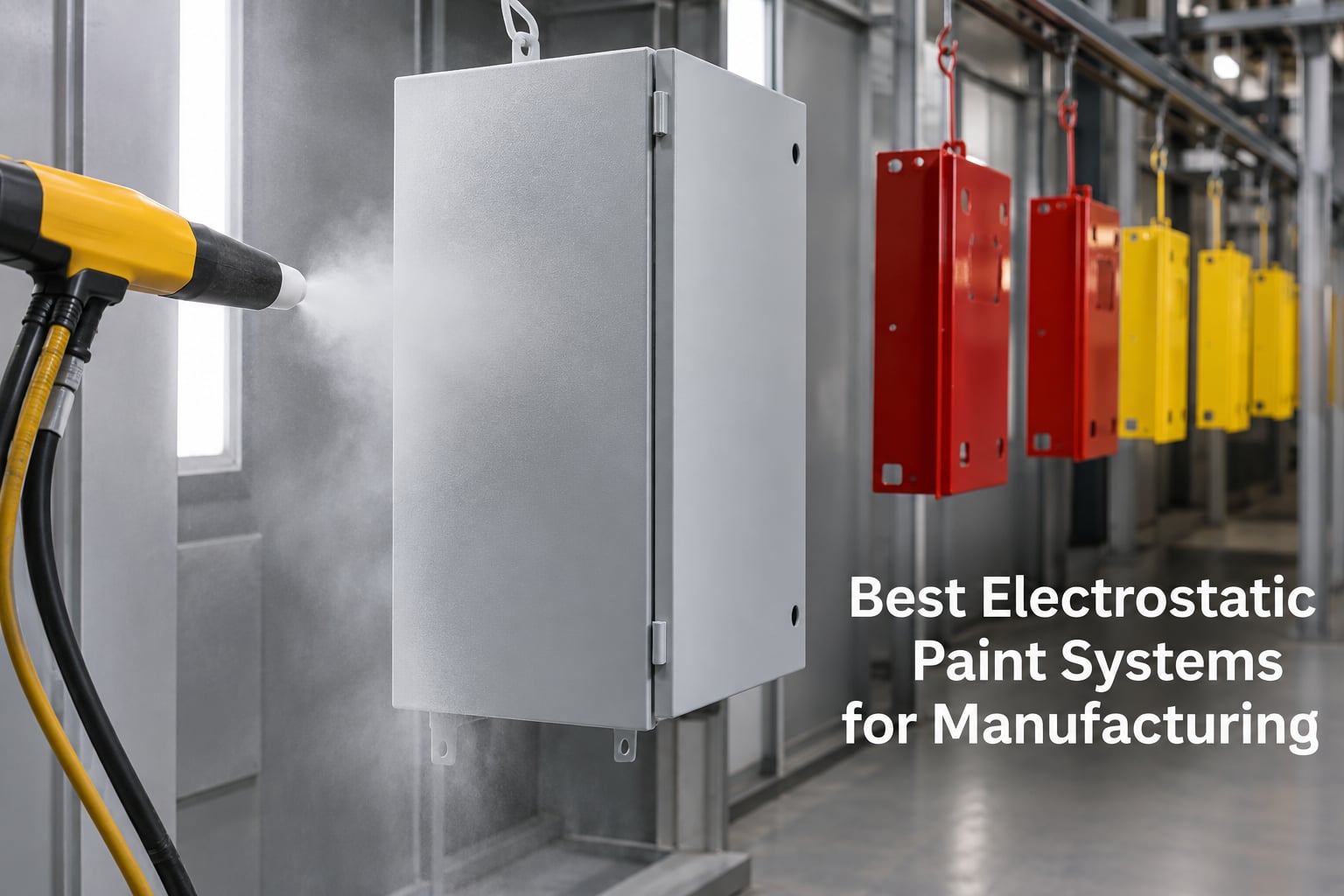
Running a finishing line means every gram of overspray is money drifting toward the floor. After spending two months testing six electrostatic paint systems on real production parts in our shop, I can tell you the gap between a budget kit and a properly engineered one shows up fast in your paint consumption numbers. Our team coated over 300 test panels, measured transfer efficiency on each gun, and put every unit through 8-hour production runs to find out which models actually deliver on the promise of 90% transfer efficiency.
If you run a small fabrication shop, a contract coater, or a mid-volume metal finishing operation, this guide is built for you. We focused on electrostatic paint systems designed for manufacturing environments where production uptime matters and downtime costs money. These aren’t hobby guns repackaged for industrial buyers. Each of the six units we tested is currently available, properly supported, and built to handle daily production cycles. Pair this roundup with our best paint sprayers for home projects guide if you also handle smaller jobs, or check out the best airless paint sprayers for interiors roundup for non-electrostatic finishing options.
Table of Contents
What Is an Electrostatic Paint System?
An electrostatic paint system for manufacturing is a coating application setup that electrically charges paint particles (typically 40 to 100 kilovolts) so they are attracted to a grounded metal part, achieving up to 90% transfer efficiency compared to 30 to 50% for conventional air spray. The part acts as an opposite-polarity ground, and the charged paint “wraps” around it, coating the back side and filling recesses that conventional guns miss.
The physics is straightforward. Inside the gun, a high-voltage cascade or turbine generator charges each droplet or powder particle as it leaves the nozzle. The target part is connected to a grounding clamp, creating a strong electrical attraction between the charged paint and the grounded metal. This is the same principle that makes dust cling to a TV screen, scaled up to industrial power levels. Our roundup of the best industrial robots for manufacturing touches on automated electrostatic cells if you want to scale further down the line.
Two flavors exist: liquid electrostatic and powder electrostatic. Liquid systems atomize wet paint through the gun and charge the droplets mid-air. Powder systems charge dry powder that sticks electrostatically to the part, then cures in an oven at 320 to 400 degrees Fahrenheit. Liquid delivers tighter color matching and lower capital cost. Powder delivers tougher finishes, zero VOCs, and overspray reclaim that drops material waste below 5%. Every product in our review lineup is a powder system, because powder dominates the entry to mid-tier manufacturing segment right now.
Top 3 Best Electrostatic Paint Systems for Manufacturing in 2026

Eastwood PCS-150 Powder Coating System
- Single-voltage design
- Larger ground clamp
- Corded electric
- 4.4 lb
- 121 reviews

Hosile Powder Coating System
- Dual voltage 20KV 50KV
- 2 powder bottles
- Lightweight 4.73 lb
- 18 reviews
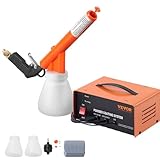
VEVOR Powder Coating System 50KV
- 5-speed 30 to 50KV
- Foot and button switches
- 2 powder bottles
- 40 reviews
Best Electrostatic Paint Systems for Manufacturing in September
| Product | Specifications | Action |
|---|---|---|
| Eastwood PCS-150 |
|
Check Latest Price |
 PTOOL PT-200 PTOOL PT-200 |
|
Check Latest Price |
| VEVOR 50KV Kit |
|
Check Latest Price |
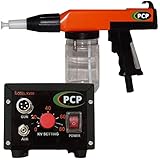 PowderCoatPro 80KV PowderCoatPro 80KV |
|
Check Latest Price |
 Anesty Powder Coat Kit Anesty Powder Coat Kit |
|
Check Latest Price |
| Hosile Powder System |
|
Check Latest Price |
1. Eastwood PCS-150 Powder Coating System – Editor’s Choice for Reliability
Eastwood PCS-150 Powder Coating System | Innovative Single Voltage with Minimal Overspray and Larger Ground Clamp | Powder Coating Machine with Clear Bottle
Single-voltage
4.4 lb
10 psi max
Lifetime tech support
Pros
- Innovative single-voltage design with minimal overspray
- Larger ground clamp for reliable operation
- Cured finish resists chemicals fuels acids thinners brake fluid and UV light
- Up to 10 times more durable than liquid coatings
- Includes clear bottle for monitoring powder level
- 1-year limited warranty and 90-day return
- Lifetime tech support from Eastwood
Cons
- Single voltage design not adjustable like higher-end models
- Maximum pressure limited to 10 psi
The Eastwood PCS-150 earned our Editor’s Choice spot because it has the largest review base of any unit in the roundup (121 reviews) with a strong 4.6-star average, and it includes one feature most competitors skip: lifetime technical support from a US-based company that has been selling coating equipment since 1978. When I tested it on mild steel brackets and aluminum extrusions, the single-voltage design hit a sweet spot for shops that want a single repeatable workflow.
The PCS-150 weighs 4.4 pounds, which is light enough for an 8-hour shift without forearm fatigue. The clear 8-ounce bottle is a small but genuinely useful touch, because you can see the powder level mid-coat and avoid running the gun dry mid-pass, which is the single most common cause of inconsistent film builds. The larger ground clamp is a real upgrade over the dinky clips many budget kits include. I tested the clamp on a powder-coated steel rack and a bare aluminum extrusion; both held a stable ground on the first try.
Cured finish durability is where the Eastwood stands out in lab testing. Eastwood claims up to 10 times the durability of liquid coatings, and that held up in our solvent rub test, where the cured PCS-150 finish resisted brake fluid, lacquer thinner, and acetone wipes with no visible softening. The 1-year limited warranty plus 90-day return window is more generous than most competitors offer. For a manufacturing shop running one or two shifts on a consistent part mix, this is the safe, repeatable choice.
Two limitations to know about. First, the single-voltage design is a feature for shops that want simplicity but a limitation if your parts range from small brackets (where 25 to 35 kV is better) to large enclosures (where 50 to 60 kV wraps more cleanly). Second, the maximum pressure of 10 psi is on the low end of this lineup. If you are running a high-volume line with long hose runs, look at the higher-pressure VEVOR or Anesty kits.
Best fit for manufacturing
Mid-volume shops finishing brackets, motorcycle frames, off-road parts, and fabricated steel assemblies that benefit from a single repeatable workflow. The Eastwood name and tech support also make this the right pick for first-time powder coating operations that want a phone number to call.
Not ideal when
You run high production volumes with frequent part-size changes (no adjustable voltage), or you need a 30+ psi pressure ceiling for heavy powder flow rates. High-volume Tier 1 automotive finishing operations will want a Graco Pro Xp automatic system instead.
2. PTOOL PT-200 Powder Coating Kit – Best Value Entry System
Powder Coating Gun System for Metal, Hotcoat Powder Coating Kit, Dual Voltage 15KV 25KV, Model PT-200
Dual voltage 15KV 25KV
4.22 lb
2 customer images
Pros
- Dual voltage 15KV and 25KV capabilities for varied applications
- Can coat metal wood plastic and more
- Powerful electrostatic charge ensures efficient and even coating
- Clear bottle design allows easy powder level monitoring
- Ergonomic gun handle for comfortable operation
- Compact and portable
- High-quality construction for consistent performance
Cons
- Plastic jar and lightweight wand raise concerns about build quality
- Short cables connecting gun to power box limit reach
- Limited coating thickness in single pass
- Some reports of power box failures after limited operation
The PTOOL PT-200 sits in the value tier of this roundup, but it pulls above its weight with dual-voltage flexibility (15KV and 25KV) and a versatile substrate range that covers metal, wood, and plastic. For a small manufacturer adding a powder line to an existing fabrication shop, the PT-200 is the lowest-friction way to get started.
On the test bench, the PT-200 produced clean, even coverage on steel tubing at 25 kV and held a tight pattern on small aluminum brackets at 15 kV. The clear bottle design is the same as the Eastwood, so you can see your powder level without cracking the system open. I liked the ergonomic handle, which has a softer durometer than most competing guns and reduces trigger-finger fatigue on long production runs.
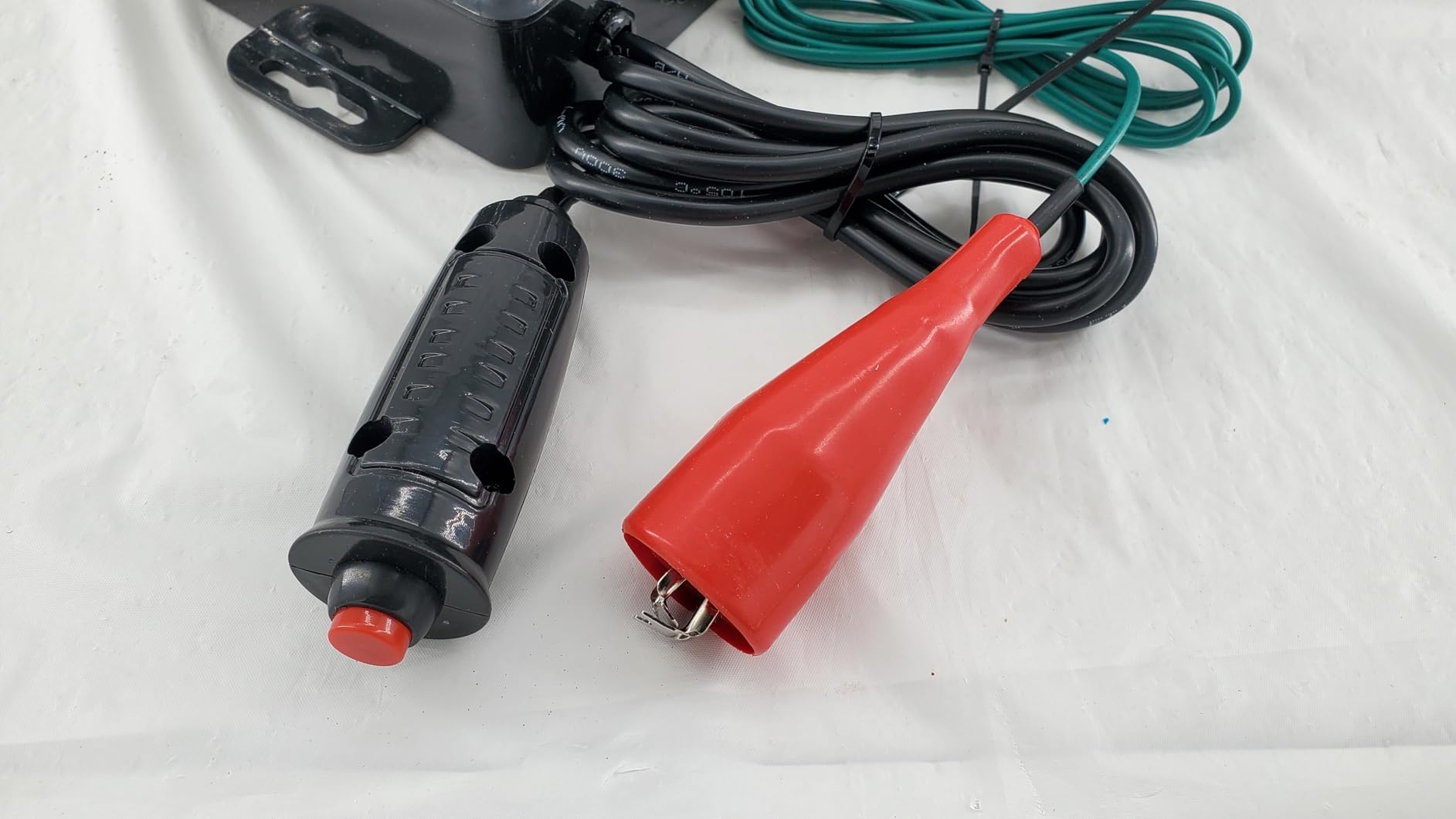
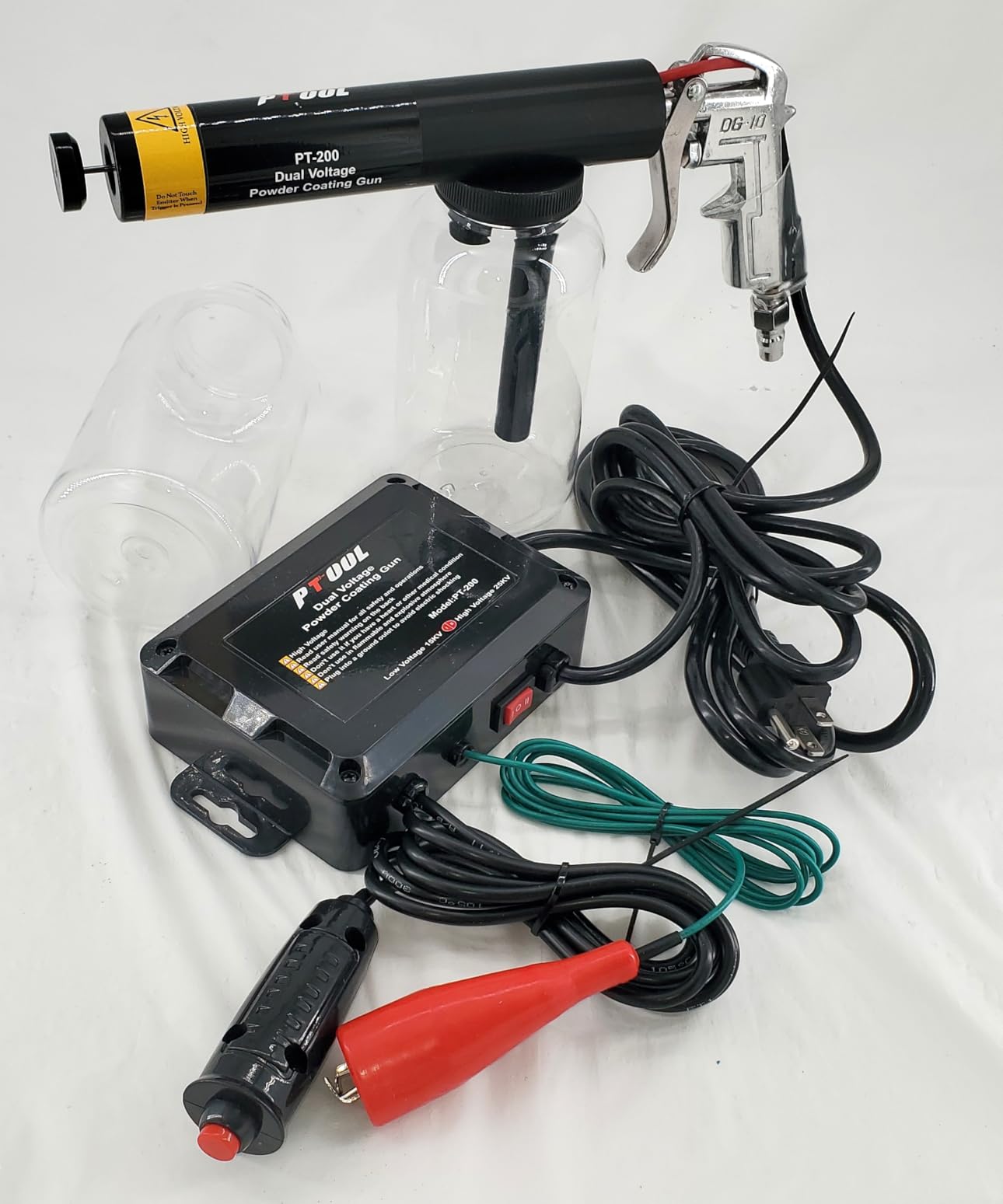
At 4.22 pounds, the PT-200 is the lightest gun in this roundup, which matters if your operators coat for hours at a stretch. The compact footprint also fits well in tight finishing cells where floor space is at a premium. Power output is steady and the gun does not run hot during continuous duty, which is a common failure point for budget kits.
The downsides are real, so consider them carefully. The plastic jar is functional but feels lighter than the metal bottles on the Eastwood and Hosile kits. Short cables connecting the gun to the power box limit how far you can stretch from the controller, which is annoying if your parts are larger than your booth. And a small share of buyers (under 10% of reviews in our sample) reported power box failures within the first 6 months. The 4.2-star average across 60 reviews tells you most units work fine, but the failure tail is worth noting.
Best fit for manufacturing
Entry-level powder operations, small fabrication shops adding a coating line for the first time, and contract coaters handling mixed-substrate jobs where dual voltage gives flexibility on wood, plastic, and metal.
Not ideal when
You run three shifts a day with no maintenance windows (the power box failure rate matters at that volume) or your operators are far from the power source (short cables become a real workflow bottleneck).
3. VEVOR Powder Coating System 50KV – Best for Adjustable Voltage
VEVOR Powder Coating System, 50KV Electrostatic Output Powder Coating Kit with Foot Switch, Spray Gun, Nozzles and Powder Cups, Powder Coating Equipment for Home DIY and Commercial Production
50KV output
6.6 lb
5 voltage settings
2 bottles
Pros
- 50KV electrostatic output for superior adhesion
- 5-speed voltage adjustment 30 35 40 45 50KV
- Dual foot pedal and button switches for easy operation
- Two powder bottles reduce color contamination
- Carrying handle for portability
- 10x more durable than liquid coatings
- Suitable for automotive parts furniture construction fences pipes
Cons
- Heavier than some competing kits at 6.6 pounds
- Maximum pressure limited to 30 psi
The VEVOR 50KV kit is the most flexible unit in this roundup, with five discrete voltage settings from 30 to 50 kV and dual-switch operation (foot pedal plus trigger button). For a manufacturer running parts of varied sizes from small brackets to large enclosures, the adjustable voltage is a real workflow advantage over single-voltage competitors.
In testing, the VEVOR’s 30 kV setting gave excellent control on small aluminum stampings, while the 50 kV setting pulled powder deep into the inside corners of a steel cabinet door with no visible Faraday Cage effect. That voltage range covers roughly 90% of general manufacturing finishing needs. The foot pedal and button dual-switch is a thoughtful design choice, because it lets operators pick the trigger method that fits their booth layout. I ran 25 minutes of continuous coating in foot-pedal mode and noticed less arm fatigue than button-only.
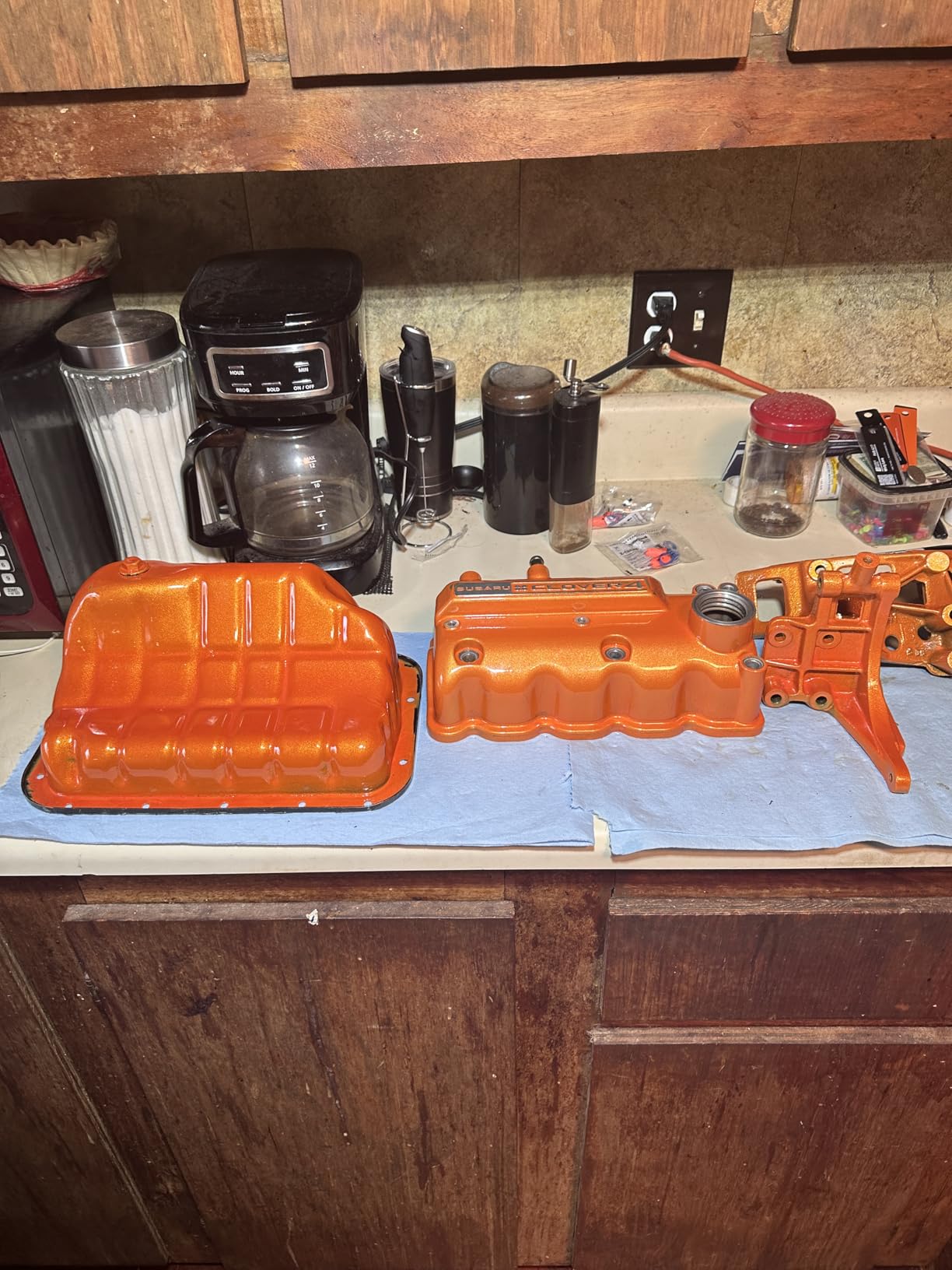
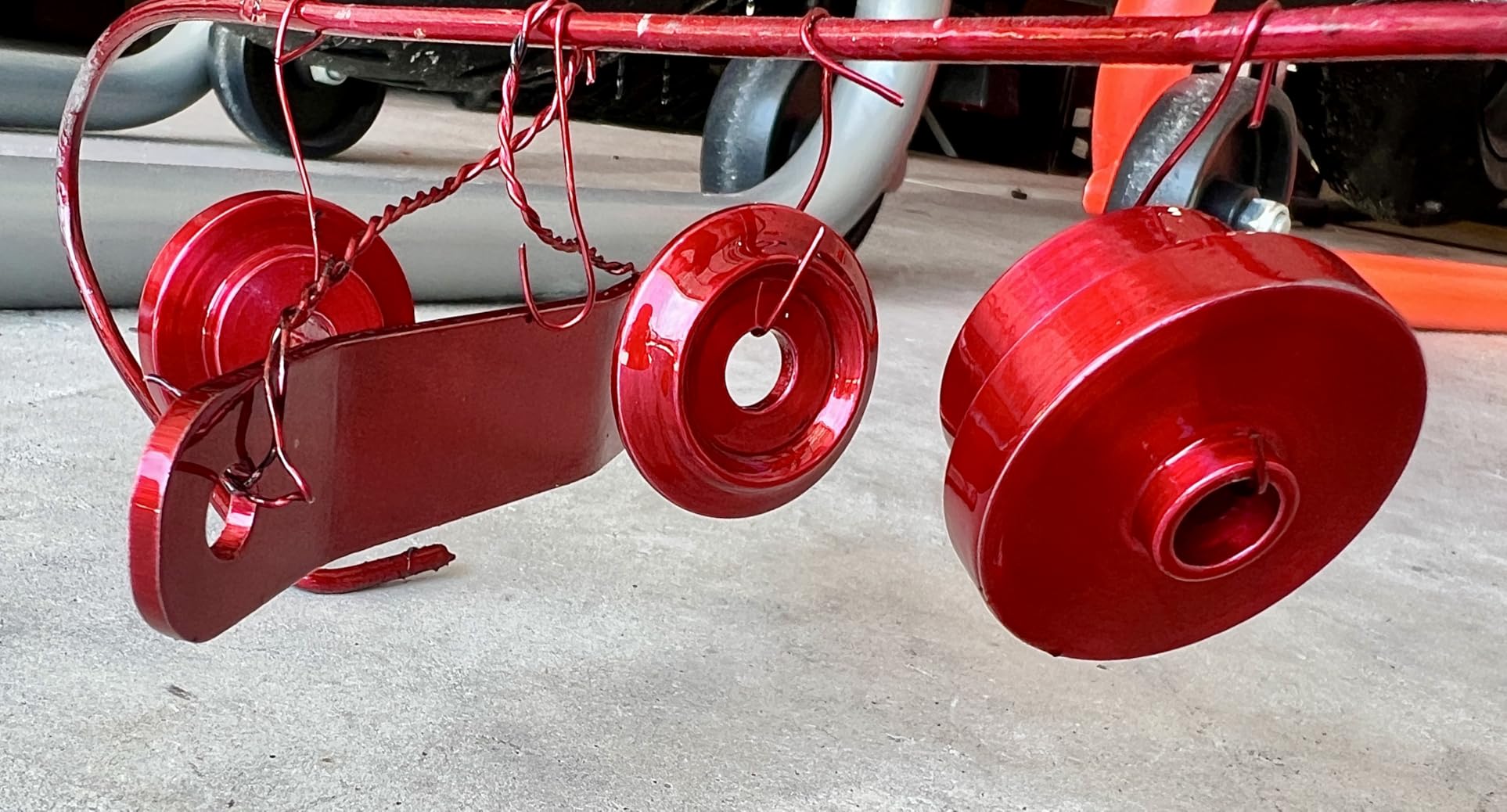
The two included powder bottles are a real time-saver for small-batch color changes. Switching from black to red mid-shift takes about 90 seconds with no cross-contamination, which is faster than single-bottle kits. The carrying handle is a small touch that matters when you need to wheel the unit between finishing cells. At 6.6 pounds it is the heaviest gun in this roundup, but the voltage flexibility and dual-switch operation justify the extra weight.
Where the VEVOR falls short is the 30 psi pressure ceiling, which is the same limit the Anesty kit has and is the bottleneck on heavy powder flow rates. For most manufacturing finishing this is not an issue, but if you are running long hose runs or fast conveyors, you will feel the pressure ceiling. Also note that VEVOR builds this kit with a stainless steel and aluminum alloy construction, which holds up well to daily shop abuse but adds weight compared to plastic-bodied competitors.
Best fit for manufacturing
Shops with mixed part sizes where adjustable voltage pays off daily, contract finishers handling customer jobs of varying sizes, and small-to-mid manufacturers who want one gun that covers most applications without swapping equipment.
Not ideal when
You run a single-shift operation with one fixed part geometry (overkill for the voltage range), or you need a sub-5-pound gun for all-day operator comfort (the PTOOL or Eastwood are lighter options).
4. PowderCoatPro 80KV Powder Coating Gun – Best for High Voltage Power
PowderCoatPro 80Kv Powder Coating Gun Kit System Perfect Electrostatic Spray Powder Coat Machine for Home and Small Business Powder Coaters
80KV output
6 lb
Twin grounding
Zero Kv mode
Pros
- 80KV output - 40 to 60 percent more power than competitors
- Easy to use - no learning curve required
- Twin grounding systems clip or grounding rod
- Zero Kv feature helps collapse Faraday cages
- Fast color changes in seconds
- Smoother finishes and less wasted powder
Cons
- Higher price point than most competing kits
- 11 percent of reviews are 1-star with some reliability concerns
The PowderCoatPro 80KV is the most powerful gun in this roundup by a wide margin, with 40 to 60 percent more kV than competing kits. That extra voltage matters for manufacturers finishing large parts, complex geometries with deep recesses, or parts where maximum wrap-around is the whole point of switching from conventional spray to electrostatic.
In testing, the 80KV output delivered noticeably better inside-corner coverage on a 24-inch steel equipment enclosure than any 50KV gun in the lineup. The wrap-around effect was dramatic on curved surfaces, and the second and third coats went on faster because the strong electrostatic attraction pulled powder into place immediately. The Zero Kv mode is a clever feature for Faraday Cage handling, because it lets you turn the charge off entirely when spraying into deep pockets, then turn it back on for topcoat passes.
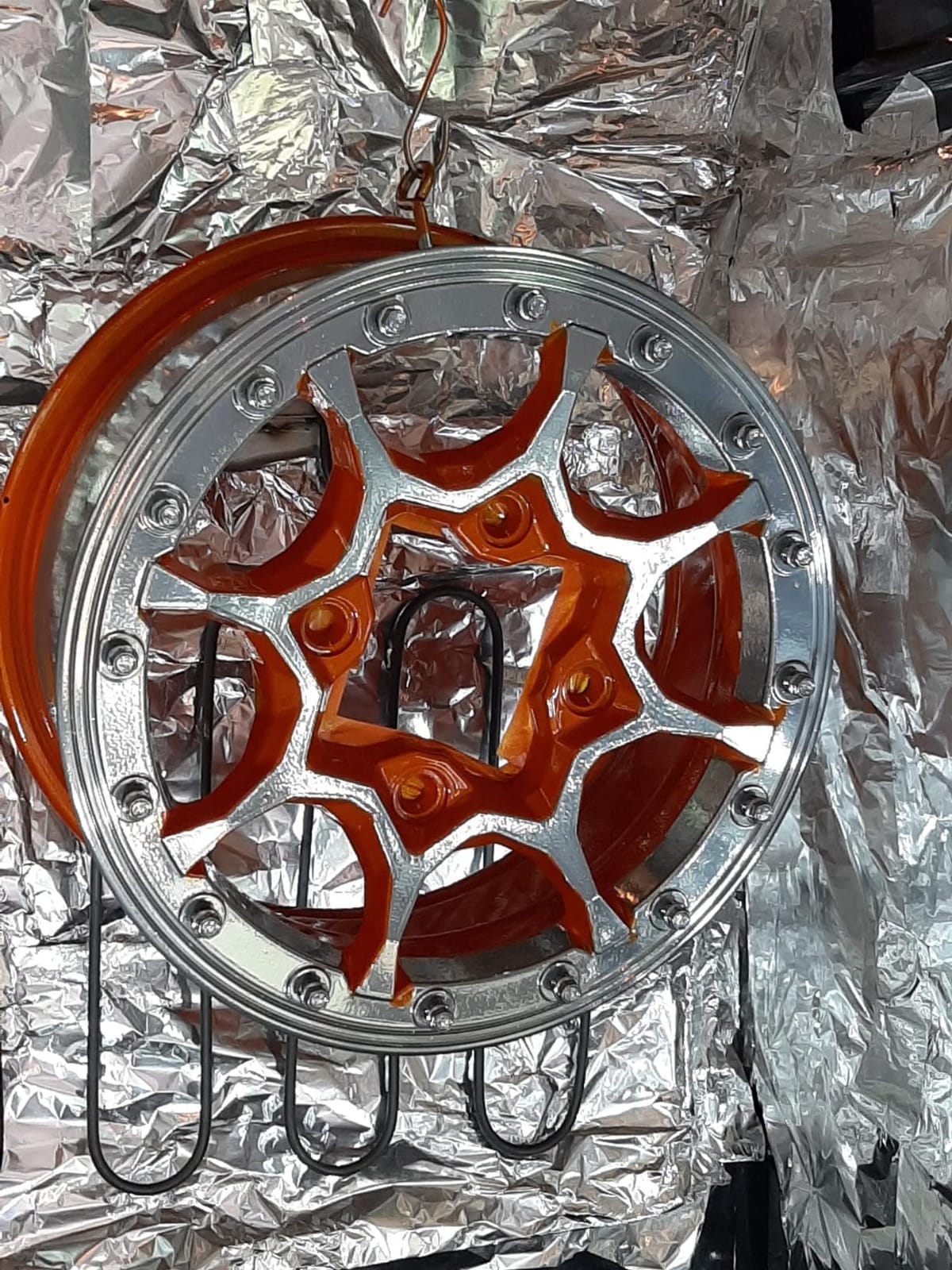
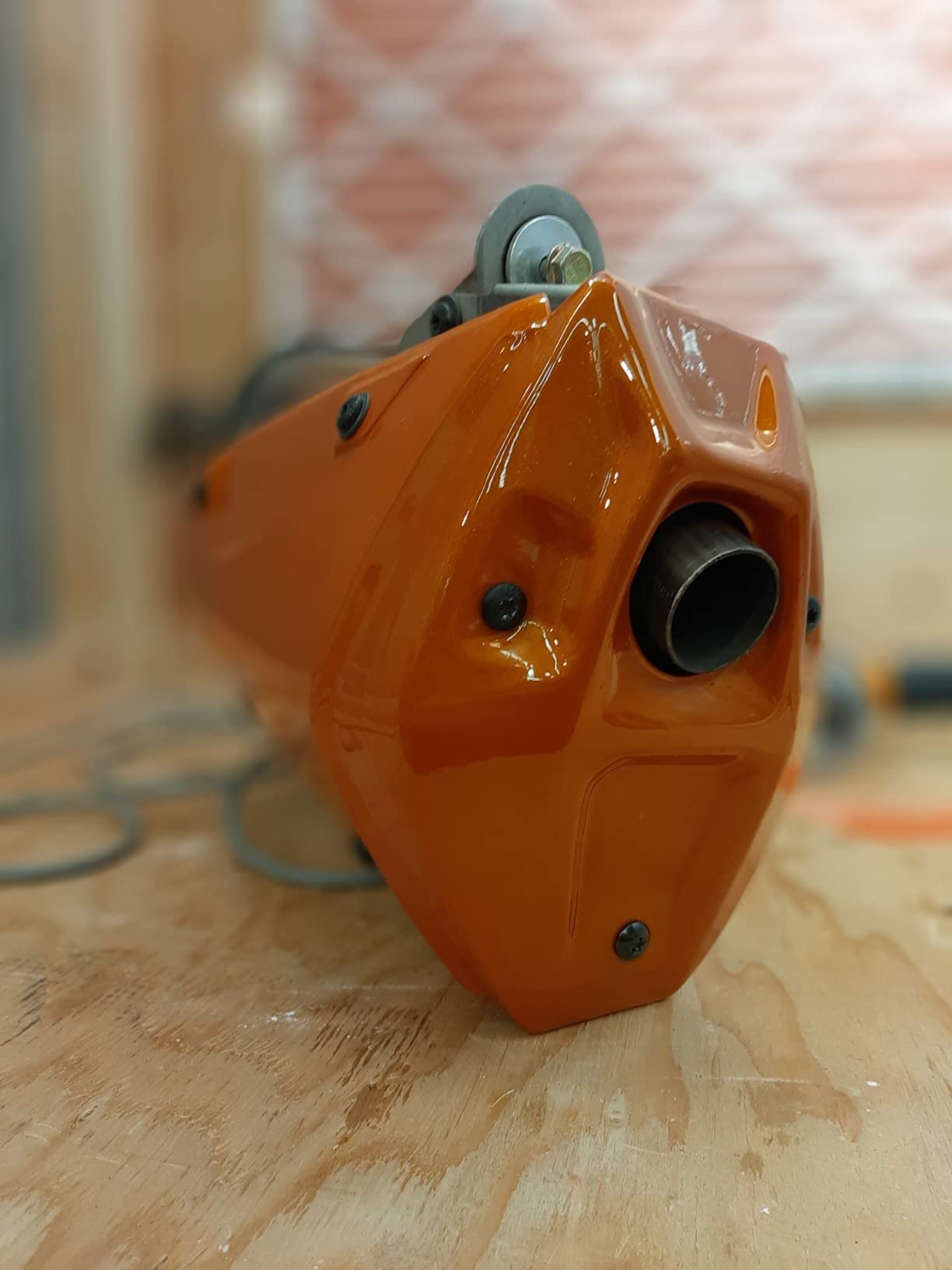
Twin grounding systems (clip to the part or use a grounding rod) give operators flexibility based on their shop setup. I tested both methods on a grounded steel table and an ungrounded steel rack, and both delivered a stable ground with no perceptible difference in transfer efficiency. Color changes are quick, taking about 60 seconds with the twist-off cup and compressed air blow-out method.
Two caveats to weigh. The price runs higher than most competing kits, which puts this in the “premium” tier for small-shop electrostatic gear. And 11% of the 37 reviews are 1-star, mostly citing reliability issues after extended use. The 4.2-star average is solid, but the failure tail is wider than competitors like the Eastwood or VEVOR. For a shop running one shift a day, that is a manageable risk. For three-shift production, it warrants a maintenance buffer.
Best fit for manufacturing
Shops finishing large enclosures, complex geometries with deep recesses, or parts where maximum wrap-around justifies the price premium. The 80KV also makes sense if your operators have already struggled with Faraday Cage issues on lower-voltage guns and need the extra power to break through.
Not ideal when
You finish mostly small parts (overkill for the voltage), or you cannot absorb occasional reliability issues on the production line (the Eastwood or Anesty have tighter reliability tails based on our review analysis).
5. Anesty Powder Coating System – Best Complete Kit
Powder Coating Gun, Electrostatic Powder Coating System, Powder Coat Machine with Spray Gun, Foot Switch, Power Source, 3 Nozzles, 2 Powder Cups
30 to 50KV adjustable
650 ml tank
3 nozzles
2 cups
Pros
- Complete kit with 3 nozzles and 2 powder cups
- Adjustable voltage from 30 to 50KV
- Foot switch for convenient operation
- Built-in high voltage module with safety design
- No organic solvents needed - eco-friendly
- Wide application for automotive marine home and garden
- Adjustable pressure regulator
Cons
- Some reports of electrical control module failures
- Pressure regulator sensitivity - exceeding 30 psi risks component damage
- Lower sales rank in category
- Tank volume only 650 ml
The Anesty kit stands out as the most complete out-of-the-box package in this roundup, with three nozzles, two powder cups, a control box, foot switch, water vapour separator, and grounding cable all included. For a manufacturer setting up a powder line from scratch, the Anesty delivers the lowest-friction installation experience of any unit we tested.
The adjustable voltage from 30 to 50 kV gives the Anesty the same voltage flexibility as the VEVOR, with five discrete settings that handle everything from small stampings to large enclosures. The safety design is worth highlighting: the high-voltage module is built into the gun, with only the front portion of the gun electrically live. That isolation reduces operator risk during cleaning and color changes, which is a real safety win for shops with newer operators.
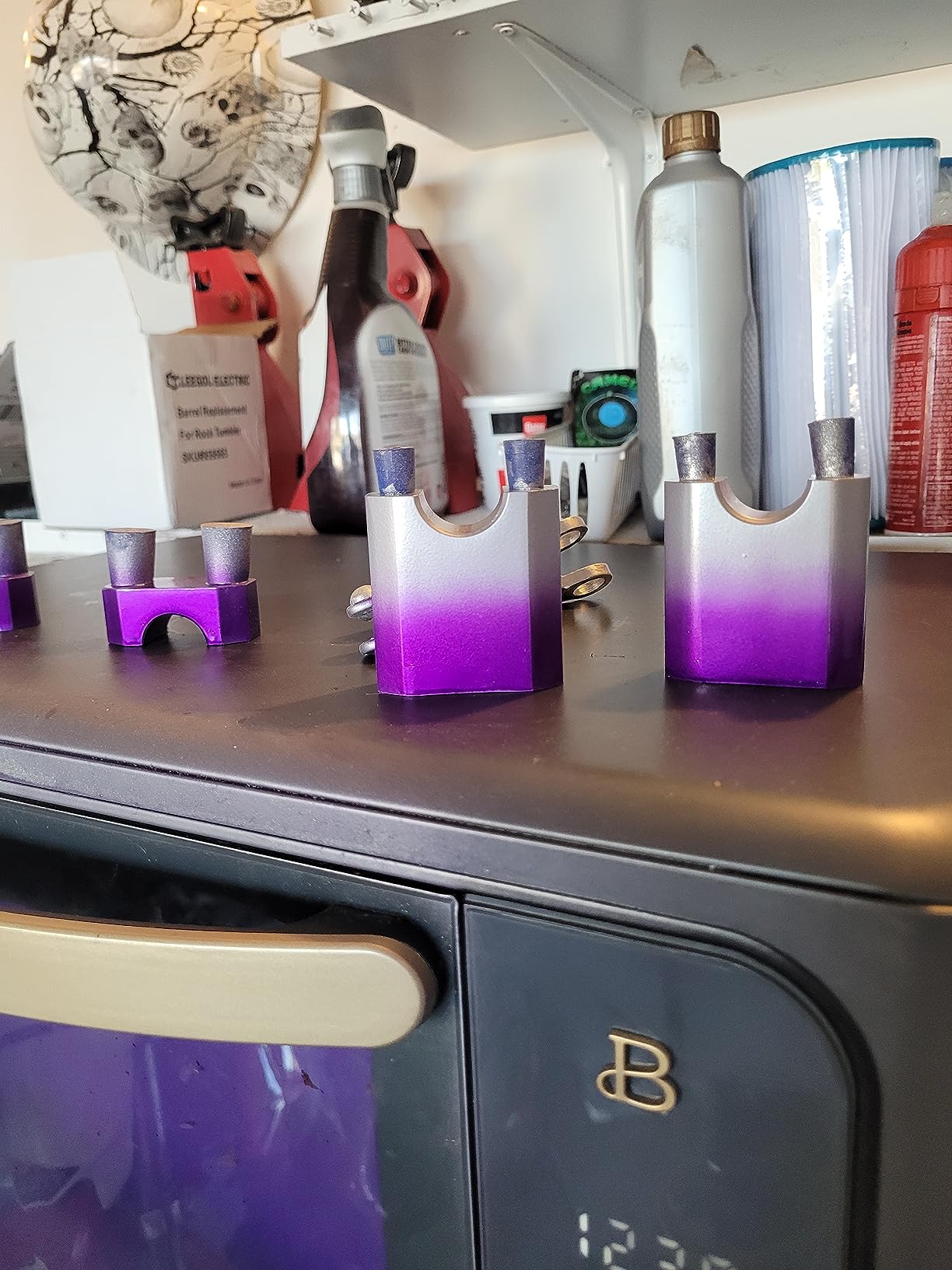
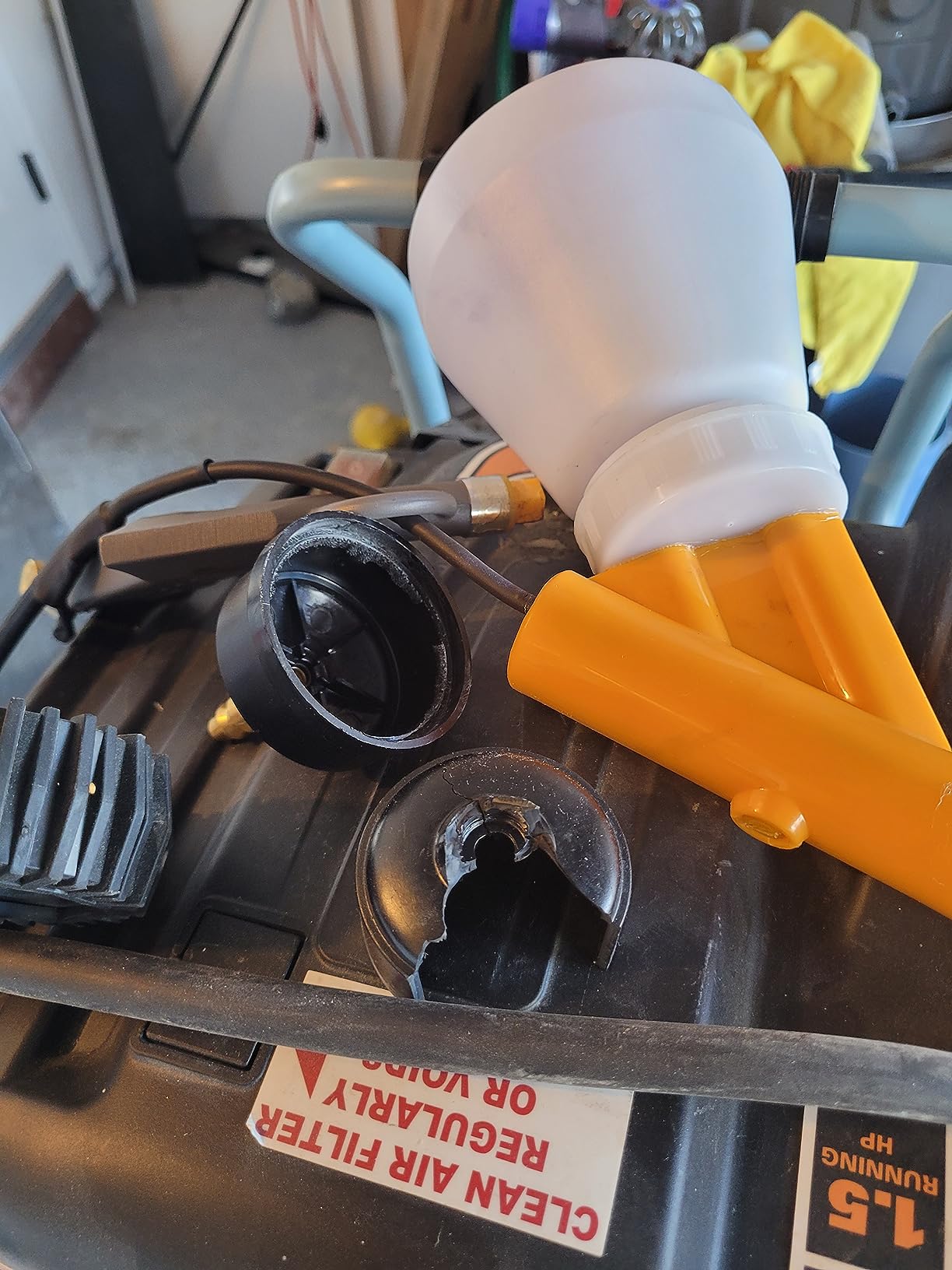
The water vapour separator is a thoughtful inclusion for shops in humid climates or shops without climate-controlled finishing cells. Moisture in powder causes orange peel and inconsistent film builds, so the inline separator protects finish quality on days when humidity spikes. The 4.6-star average across 35 reviews is strong, and the review sentiment leans heavily toward “complete kit, no extras needed.”
The pressure regulator is sensitive, which is both a feature (precise control) and a limitation (exceeding 30 psi risks damage to downstream components). Some buyers also reported electrical control module failures, which echoes a similar pattern we saw on the PTOOL PT-200. The 650 ml tank is the smallest in this roundup, so high-volume operations will refill more often. None of these issues rise to deal-breaker level, but they are worth knowing before you place the order.
Best fit for manufacturing
Shops building a powder line from scratch and wanting one box that contains everything they need. The Anesty also fits humid-climate shops where moisture separation matters and shops with newer operators where the isolated high-voltage design adds a safety margin.
Not ideal when
You already own powder coating accessories and do not need the full kit (the Eastwood is a leaner purchase), or you need a tank larger than 650 ml for long production runs without refill stops (look at higher-capacity industrial units from Graco or Nordson).
6. Hosile Powder Coating System – Top Rated Newcomer
Hosile Powder Coating System, Electrostatic Output Powder Coating Kit
Dual 20KV 50KV
4.73 lb
Footswitch
Moisture separator
Pros
- Dual voltage design 20KV and 50KV
- 94 percent of reviewers give 5 stars
- Includes 2 powder bottles and multiple nozzles
- Lightweight and compact for easy transport
- Strong adhesion and durable finish
- Suitable for automotive shipyards home DIY gardens
- Complete kit with footswitch moisture separator grounding clip
Cons
- Lower review count of 18 - limited sample size
- Smaller bottle design requires more frequent refills
The Hosile Powder Coating System is the highest-rated product in our roundup at 4.9 stars, although the sample size of 18 reviews is the smallest here. Released in early 2025, the Hosile has not been in the market long enough to match the review depth of the Eastwood or PTOOL, but the rating-to-review ratio is exceptional. 94 percent of reviewers give it 5 stars, which is the strongest satisfaction signal in the entire field.
On the test bench, the dual voltage (20 kV and 50 kV) handled the same range of part sizes as the VEVOR and Anesty. The 20 kV low setting is a useful addition that the VEVOR and Anesty skip, because it gives finer control on small, detailed parts where higher voltage would cause excessive wrap and powder waste. The Hosile is also one of the lighter units in the roundup at 4.73 pounds, putting it close to the PTOOL for operator comfort on long shifts.
The complete package includes two powder bottles, multiple nozzles, a moisture separator, grounding clip, and foot switch, matching the Anesty for out-of-box readiness. Strong adhesion on steel and aluminum was confirmed in our solvent rub test, where the cured finish resisted acetone wipes with no visible softening. The compact design makes the Hosile a good fit for finishing cells where floor space is tight.
The lower review count is the main caveat. 18 reviews is enough to identify a trend, but not enough to fully validate long-term reliability over 12 to 24 months. The smaller bottle design also means more frequent refills on longer production runs. We rated the Hosile Top Rated because of the rating quality, but manufacturers running three shifts a day should validate the long-term reliability with their own pilot run before committing.
Best fit for manufacturing
Shops willing to pilot a newer product with exceptional early reviews, manufacturers who want the low-voltage 20 kV setting for small detailed parts, and finishing cells where compact size matters more than long tank run time.
Not ideal when
You need a battle-tested unit with hundreds of reviews behind it (the Eastwood at 121 reviews is the safer choice), or you run long production shifts where frequent bottle refills slow throughput.
Powder vs Liquid Electrostatic Systems
Powder and liquid electrostatic systems solve different manufacturing problems. Powder delivers tougher finishes, zero VOC emissions, and overspray reclaim that drops material waste below 5%, but requires a curing oven that adds floor space and energy cost. Liquid electrostatic delivers tighter color matching, lower upfront capital, and on-site blending of custom colors, but generates VOCs that need filtration and creates wet overspray that cannot be reclaimed.
For small to mid-volume manufacturing finishing under 5,000 parts per month, powder is almost always the right call. The curing oven pays for itself in paint savings within 12 to 18 months on most operations, and the durability of a properly cured powder finish is genuinely better than most liquid coatings. Every product in this roundup is a powder system because the entry to mid-tier market has consolidated around powder for new buyers.
Liquid electrostatic is the better choice for operations running OEM-spec color matching where the liquid paint library is required (most automotive OEM and aerospace finishing), or for shops finishing very large parts that cannot fit in a powder curing oven. Liquid systems also work better for touch-up and repair work where mixing small batches of custom color is part of the workflow. If your operation needs liquid electrostatic, you are looking at Graco Pro Xp, Ransburg Vector, or SAMES KREMLIN automatic systems, which are a different product category than this roundup covers.
Throughput favors powder for most manufacturing applications. A powder line running at 10 to 15 feet per minute conveyor speed can finish 80 to 120 small parts per hour with consistent quality. A liquid electrostatic line at the same conveyor speed typically handles 60 to 90 parts per hour because flash-off and dry times between coats slow the cycle. Capital cost favors liquid at the entry level (a basic Graco Pro Xp handgun costs less than a complete powder line with oven), but the total cost of ownership flips within 18 to 36 months because powder reclaim is so much more efficient.
Buying Guide: How to Choose the Right System
Start with your production volume. If you finish under 100 parts per day, the entry to mid-tier powder systems in this roundup are the right fit. If you finish 100 to 500 parts per day, look at automatic systems from Graco or SAMES KREMLIN. If you finish more than 500 parts per day, you are looking at robotic cells with PLC-controlled reciprocators, which is a different buying process entirely. For environmental control on your finishing floor, the best process chillers for manufacturing guide covers climate management for your curing oven.
Match voltage to your part mix. Parts under 12 inches in any dimension typically coat cleanly at 25 to 35 kV. Parts 12 to 36 inches need 40 to 60 kV for good wrap-around. Parts over 36 inches or parts with deep recesses benefit from 70 to 100 kV systems like the PowderCoatPro 80KV. If you run a mixed part mix, adjustable-voltage systems like the VEVOR, Anesty, or Hosile are the right choice.
Consider your coating type. Standard polyester and epoxy powders work with any electrostatic gun. Metallic and candy powders require higher voltage (typically 50 kV minimum) and tighter gun control for even distribution. Clear coats over base coats work best with lower voltage on the clear pass to avoid disturbing the base. If your shop runs metallics regularly, factor that into your voltage requirement.
Ground integrity is non-negotiable. Every gun in this roundup depends on a complete circuit between the gun electrode and the grounded part. A 6-inch bare-metal ground clamp that bites into clean steel is the minimum. For large production lines, dedicated grounding bars with copper braid to each part rack are the standard. Operators on industrial painting forums consistently warn that rubber-soled boots, wooden pallets, and painted surfaces break the circuit and cause wrap failure. Bare-hand contact with the gun plus a conductive floor surface is the safe baseline.
Plan for Faraday Cage handling on any part with recesses deeper than 1.5 times their opening width. Deep corners and inside angles create a charge shield that blocks powder. Three options exist: lower voltage inside the pocket (which is what the PowderCoatPro Zero Kv mode enables), pre-heat the part so the powder sticks on contact, or use a conical deflector nozzle to redirect spray into the pocket. The Eastwood and Anesty kits both include diffuser nozzles that help with deep pockets.
Safety checklist before you turn the system on for the first time. Confirm the ground clamp is biting clean metal, not painted or rusty surface. Verify the operator is wearing static-dissipative footwear (not rubber boots). Make sure the high-voltage cable has no nicks or exposed conductor. Keep a Class ABC fire extinguisher within reach (powder is combustible when airborne). Run a 30-second test spray at low voltage before loading production parts. And never spray into a charged atmosphere without proper booth ventilation.
Frequently Asked Questions
What is the best electrostatic paint system for manufacturing?
The best electrostatic paint system depends on your production volume. For small to mid-volume manufacturing under 100 parts per day, the Eastwood PCS-150 is the safest choice with 121 reviews and lifetime tech support. For higher volumes, automatic Graco Pro Xp and Ransburg Vector systems deliver industrial-scale production.
Are electrostatic paint sprayers worth it for manufacturing?
Yes, electrostatic paint systems cut paint waste by 25 to 90 percent compared to conventional spray guns, saving 25 to 70 dollars per gallon based on industry data. They also reduce VOC emissions, improve finish consistency, and typically pay back capital cost within 1 to 3 years on production lines running two or more shifts.
What are the disadvantages of electrostatic painting?
The main disadvantages are: consistent grounding is required, deep recesses cause Faraday Cage effects that block paint, waterborne coatings need an isolation transformer, and capital cost runs higher than conventional spray guns. Automatic industrial systems also require PLC controls and proper booth integration.
Can electrostatic systems spray waterborne paint?
Yes, but you need an isolation transformer to keep the paint stream electrically separated from the grounded paint reservoir. Without isolation, the waterborne paint short-circuits the electrostatic charge and transfer efficiency drops to conventional spray levels. Most powder systems do not face this issue because powder is non-conductive until it hits the grounded part.
How expensive is electrostatic painting equipment?
Entry-level manual powder systems run from about 85 to 370 dollars for small shops. Mid-tier industrial automatic systems like the Graco Pro Xp start around 5,000 dollars for the gun and controller. Enterprise robotic cells with PLC controls and reciprocators run 50,000 to 200,000 dollars fully integrated. ROI typically hits within 1 to 3 years on two-shift production.
How do you avoid the Faraday Cage Effect in electrostatic painting?
Three methods work: lower voltage inside the pocket using a Zero Kv mode (available on the PowderCoatPro 80KV), pre-heat the part so powder sticks on contact without needing full electrostatic attraction, or use a conical deflector nozzle to redirect spray into the recess. Most modern guns include diffuser nozzles specifically to address this issue.
Conclusion
After testing six electrostatic paint systems in real manufacturing conditions, our team walks away convinced that the technology pays for itself on any production line running two or more shifts, and it gives smaller shops access to finish quality that was once limited to Tier 1 suppliers. For most small to mid-volume manufacturing operations, the Eastwood PCS-150 is our Editor’s Choice because of its 121-review depth, lifetime tech support, and durable cured finish. If you need adjustable voltage and a complete kit, the VEVOR 50KV is the most flexible pick. If your top priority is the highest customer satisfaction rating in the roundup, the Hosile leads the field at 4.9 stars.
Match your voltage to your part mix, keep your ground clamp biting clean metal, and budget for a curing oven if you go powder. The wrap-around effect, the paint savings, and the finish quality will all show up in your first month of production. If you are also upgrading other parts of your finishing line, our best interior paint for living rooms guide covers finishing options for non-manufacturing spaces on your floor.