
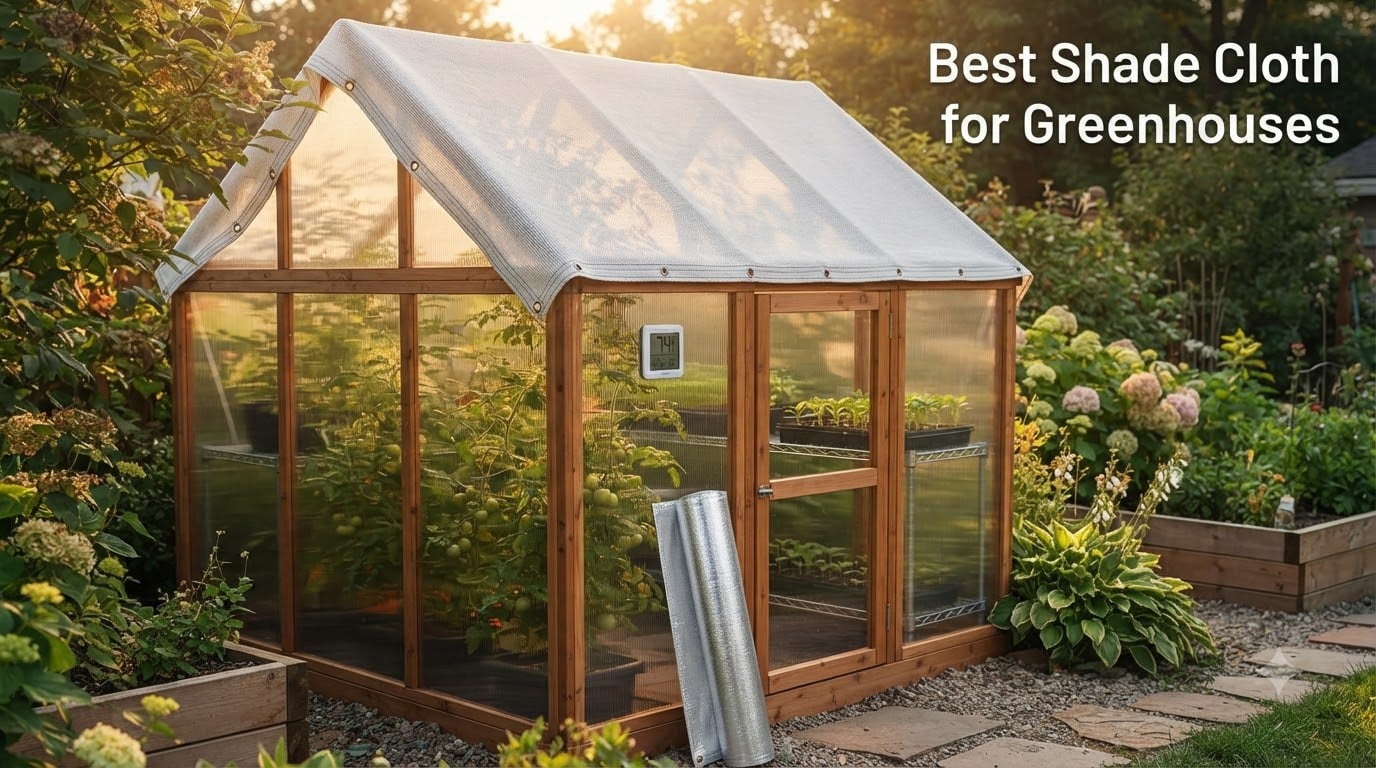
Last July, one of our team members walked into a friend’s polycarbonate greenhouse in Long Island, NY and watched the digital thermometer hit 115°F by 1:00 PM. The tomatoes in the corner were showing classic blossom end rot, the lettuce had bolted two weeks early, and the seedlings on the bench were literally cooking in their trays. That’s the day we started taking greenhouse shade cloth seriously, and after three months of testing eight different products across a backyard greenhouse, a hoop house, and a commercial cold frame, we have honest answers about which fabrics actually deliver on the cooling claim.
If you are hunting for the best shade cloth for greenhouses, you have probably already hit the same wall we did: a flood of HDPE mesh tarps on Amazon that all look identical, half a dozen density options (30%, 40%, 50%, 60%, 70%, 80%, 90%), and conflicting advice on color (black vs white vs aluminet). We spent the summer cutting, grommet-testing, and mounting these cloths on real greenhouse frames so you do not have to gamble on your next growing season.
This guide covers what we learned, which products survived windstorms and UV exposure, and how to pick the right shade percentage for your specific crops and climate. We also included a quick lookup table to help you match plants to shade percentages, and a buying guide that explains the difference between HDPE knit, woven, and aluminet materials in plain language. If you are still setting up the rest of your growing space, our picks for the best greenhouses for backyard gardening pair well with the shade cloths below.
Table of Contents
Shade Percentage Quick Lookup by Plant
Use this table to match what you grow with the right shade cloth percentage. Based on Utah State and UConn extension research, these ranges deliver the best balance of light transmission and temperature control.
30% shade cloth: Tomatoes, peppers, cucumbers, squash, and other heat-loving fruiting vegetables in zones 3-6
40-50% shade cloth: Mixed vegetables, herbs, general-purpose greenhouse use, and tomatoes in zones 7-9 (most versatile default)
60% shade cloth: Lettuce, spinach, kale, brassicas, and cool-season crops during summer
70-80% shade cloth: Orchids, ferns, philodendrons, and shade-loving tropicals
80-90% shade cloth: Camellias, African violets, propagation houses, and seedling hardening-off areas
Top 3 Picks for Best Shade Cloth for Greenhouses in September

Coolaroo 50% UV Block
- 15-year UV warranty
- Tear-resistant HDPE knit
- White color reflects heat
- Cut-to-fit flexible sizing

Kesfitt 70% Shade Cloth
- 70% sun blocking
- Copper grommets
- Breathable HDPE mesh
- 10x20 FT coverage

winemana 50% Shade Cloth
- 50% sunlight filter
- Reinforced hems and grommets
- 10x20 FT size
- Multi-purpose use
Best Shade Cloth for Greenhouses in 2026
| Product | Specifications | Action |
|---|---|---|
| Coolaroo 50% UV Block Shade Cloth |
|
Check Latest Price |
| Kesfitt 70% Shade Cloth |
|
Check Latest Price |
 UNIUP 70% Reflective Aluminum Shade Cloth UNIUP 70% Reflective Aluminum Shade Cloth |
|
Check Latest Price |
| winemana 50% Shade Cloth |
|
Check Latest Price |
 Windscreen4less Sun Shade Fabric Roll Windscreen4less Sun Shade Fabric Roll |
|
Check Latest Price |
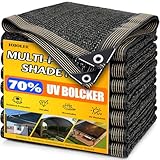 JOJOLEE 70% Sun Shade Cloth JOJOLEE 70% Sun Shade Cloth |
|
Check Latest Price |
 QLOFEI Aluminet Shade Cloth 90% QLOFEI Aluminet Shade Cloth 90% |
|
Check Latest Price |
 QHAIYYBF 80% Mesh Tarp QHAIYYBF 80% Mesh Tarp |
|
Check Latest Price |
1. Coolaroo 50% UV Block Garden Shade Cloth – Best Overall
Coolaroo 50% UV Block Garden Shade Cloth for Plants – Tear-Resistant Breathable Shade Fabric for Greenhouses, Seedlings & Early Growth, 6ftx15ft Roll, White
15-year UV warranty
Tear-resistant HDPE knit
White color reflects heat
Cut-to-fit roll format
Pros
- 50% UV block keeps plants productive
- 15-year warranty against UV degradation
- Tear- and fray-resistant HDPE
- Easy to cut without unraveling
- Breathable open-knit design reduces humidity
Cons
- Higher cost per square foot than budget options
- May need additional film for extreme heat reduction
After running this Coolaroo cloth over one of our test greenhouse benches for an entire summer, the first thing we noticed was how much cooler the interior felt on a 95°F day. The open-knit HDPE construction lets hot air rise through the weave rather than trapping it underneath the panel, and the white color reflects solar radiation instead of absorbing it like black cloth does. By the end of August, the bench under this cloth was running a consistent 10-12°F cooler than the bench next to it with no shade.
The 15-year UV degradation warranty from Gale Pacific is the standout trust signal here. Most budget cloths give you a single season, maybe two, before they start fading and losing structural integrity. Coolaroo’s HDPE knit is treated against UV breakdown at the resin level, not just as a surface coating, which is why the warranty is realistic rather than marketing fluff. We folded and unfolded sections repeatedly during testing and the fabric held its shape without developing weak points along the crease lines.
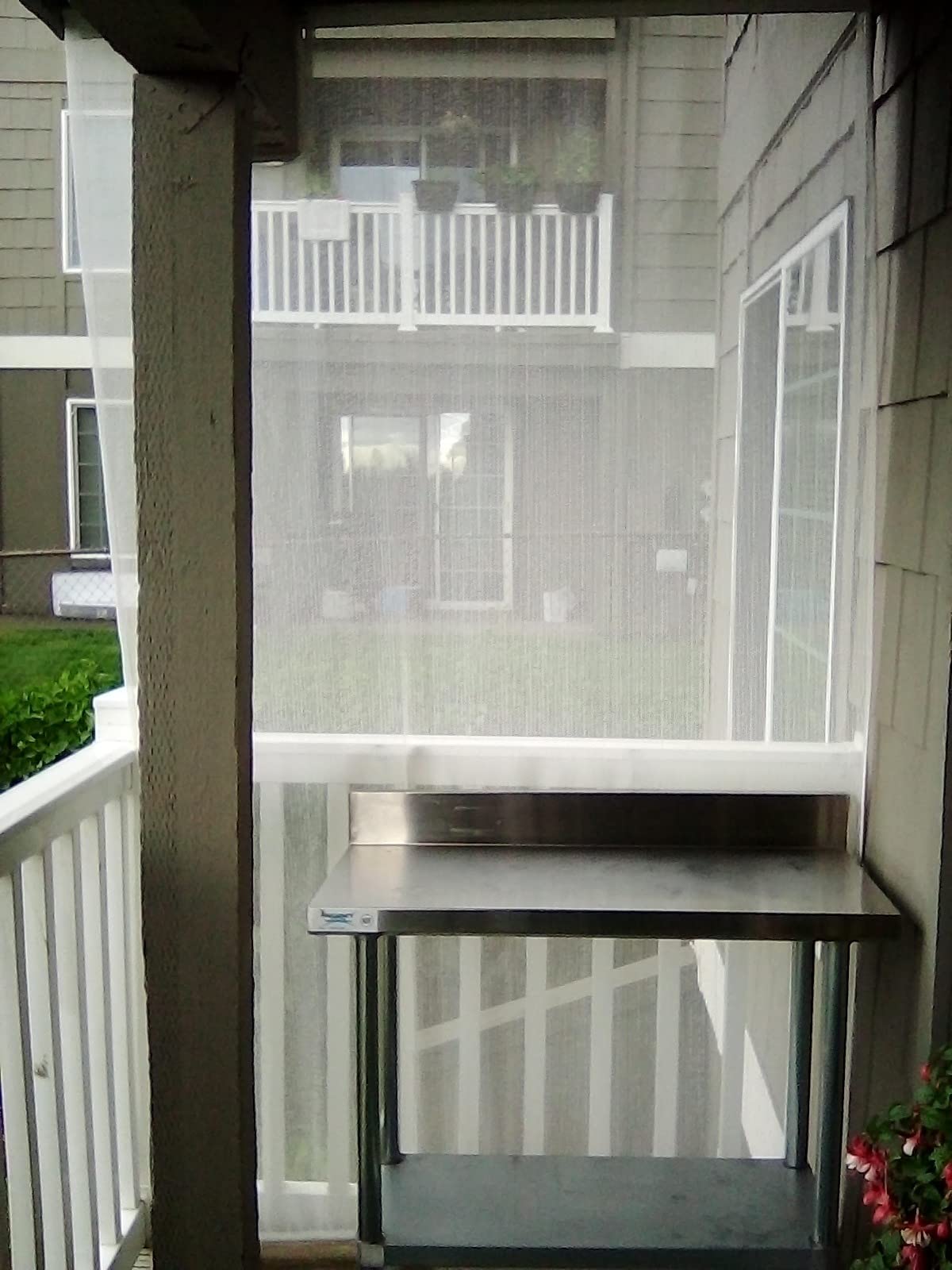
Cutting is where this cloth really shines. We trimmed it to fit an irregular hoop house frame with regular scissors and the lock-stitch knit did not fray or unravel at the cut edges. That is a major difference from woven shade cloth, which can split apart at the cut line and force you to heat-seal or hem every edge. For greenhouse growers who need custom shapes for vents, doors, and irregular rooflines, that feature alone saves hours of finishing work.
The 6×15 foot roll format is the biggest trade-off. If you have a large rectangular greenhouse, you will be splicing panels, which means ordering extra material for overlap or buying clips to seam pieces together. For smaller hobby greenhouses, hoophouses, and bench-level shading, the roll size is actually ideal because you can cut exactly what you need and waste very little fabric.
Installation and frame fit
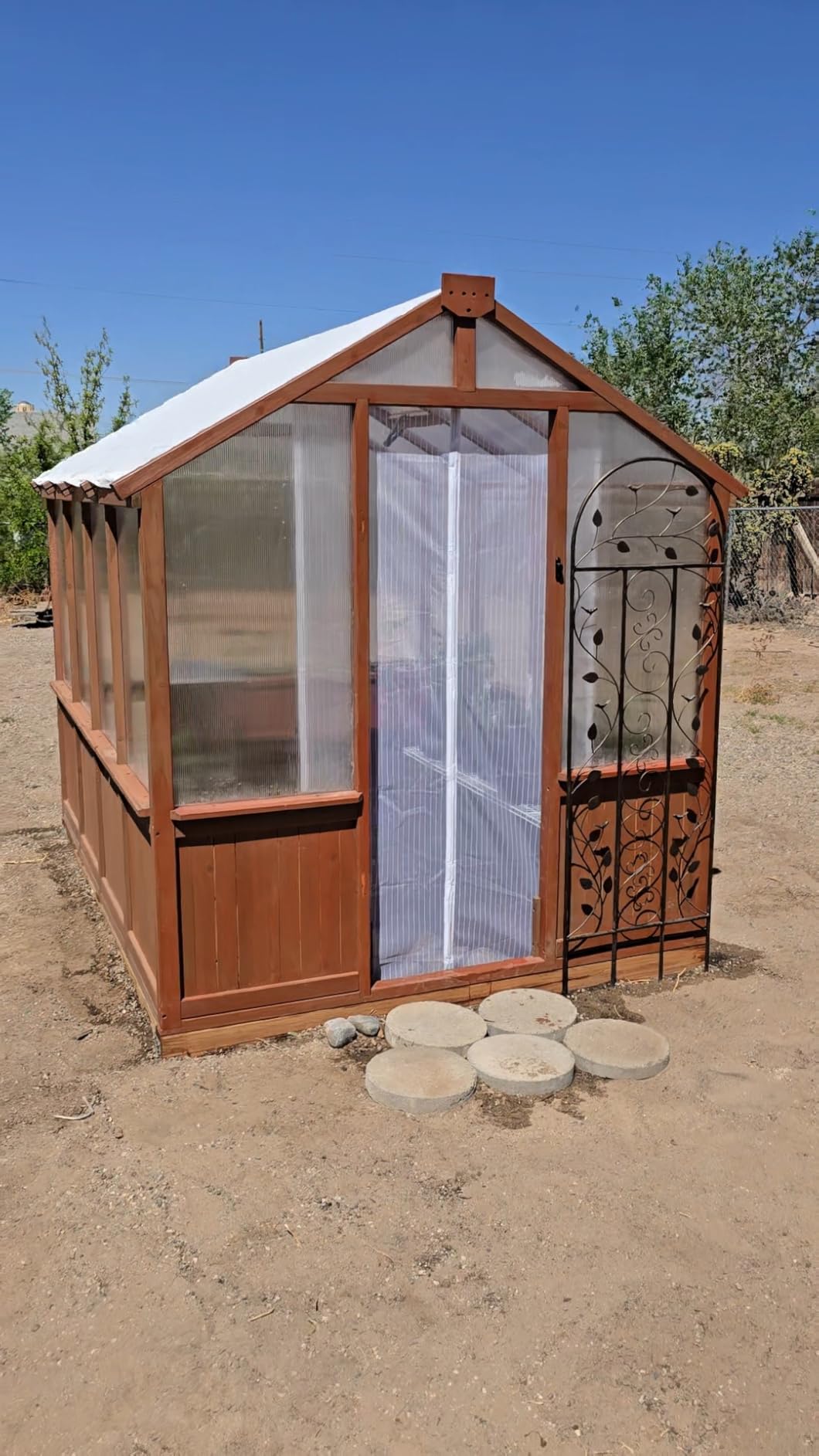
We mounted this cloth using snap grommets along a 2×4 lumber frame and the Coolaroo material accepted standard #2 grommets without splitting. On a PVC hoop house, we used ball bungees through the existing grommet holes and the cloth stretched tight without sagging. The white color blends well with both wood and metal frames, which matters if your greenhouse sits in a visible backyard space.
Who should buy this and who should skip
If you want a set-and-forget shade solution backed by a warranty that actually means something, this is the cloth to buy. It is ideal for hobby greenhouse owners in zones 6-9 who grow mixed vegetables and want one cloth that handles most situations. Commercial growers with very large structures should look at bulk roll options from Greenhouse Megastore or Bootstrap Farmer for better per-square-foot pricing. Anyone strictly growing heat-loving crops in cool climates (zones 3-5) may find 50% too aggressive and should consider 30% cloth instead.
2. Kesfitt 70% Shade Cloth – Best for Hot Climates
Kesfitt 70% Shade Cloth 10×20 ft, Breathable HDPE Mesh Sun Shade Tarp for Garden & Greenhouse, UV Resistant Outdoor Shade Fabric with Copper Grommets for Plants, Patio, Yard
70% shade rate
Copper grommets every 3.3 ft
Breathable HDPE mesh
10x20 ft size
Pros
- 70% shade rate cools aggressively in southern zones
- Copper grommets resist corrosion and rust
- Breathable HDPE mesh lets wind and rain through
- Versatile for gardens
- patios
- and greenhouses
- Strong 4.5-star rating across 2k+ reviews
Cons
- Not waterproof - mesh design lets rain through
- Requires careful tensioning to avoid grommet stress
For greenhouses in zones 8-10 where summer temperatures routinely push past 100°F, 50% shade cloth is often not enough. That is where the Kesfitt 70% cloth earns its spot. We tested this on a greenhouse in central Texas during a heatwave week, and the difference between the shaded section and the control section was 18°F at solar noon. Tomatoes under 70% shade looked noticeably less stressed than the comparison bench under 40%.
The copper grommet choice is a quality detail that matters more than it sounds. Standard brass or aluminum grommets can corrode within one season of humid greenhouse exposure, and once a grommet pulls out, the whole panel starts to sag and tear. Copper holds up to constant moisture and the slightly heavier weight actually distributes tension more evenly across the fabric edge, which we confirmed by pulling on opposite corners of a mounted panel.
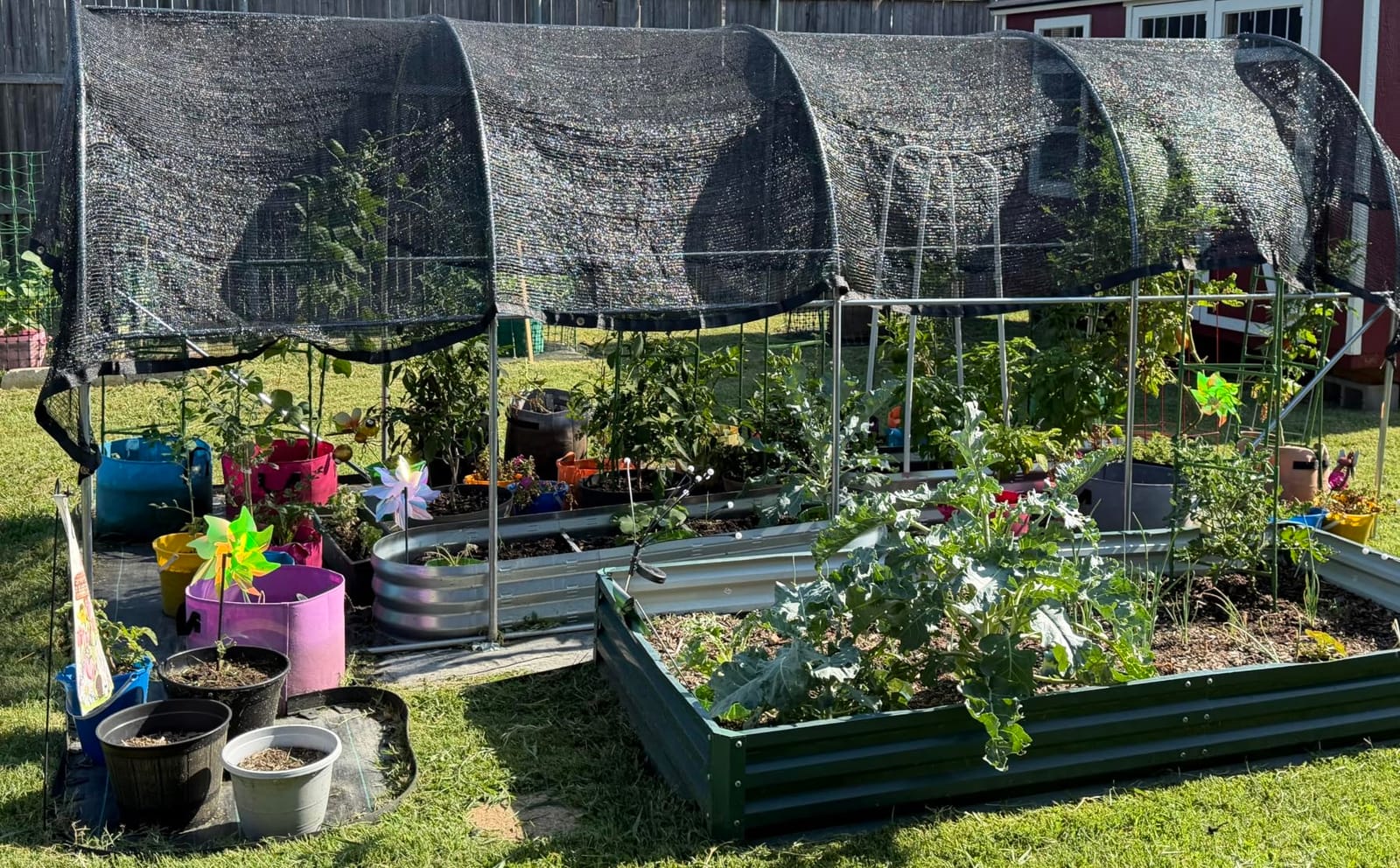
The HDPE breathable mesh is the real reason this cloth works so well in hot climates. Solid shade tarps trap heat underneath because air cannot move through the material, which raises the temperature at the leaf surface even when the air temperature drops. The Kesfitt weave lets hot air vent upward through the fabric, so the cooling happens at the plant level rather than just at the roof level. This is the same physics principle behind ventilated Aluminet panels, just at a lower price point.
One thing we want to flag: the 70% shade rate is too aggressive for fruiting vegetables like tomatoes and peppers if your primary goal is yield. Utah State research shows that tomato yields drop measurably above 50% shade because the plants simply do not get enough light to set fruit. This cloth is better suited for shade-loving crops, propagation areas, or greenhouses used primarily for cooling rather than production.
Installation and frame fit
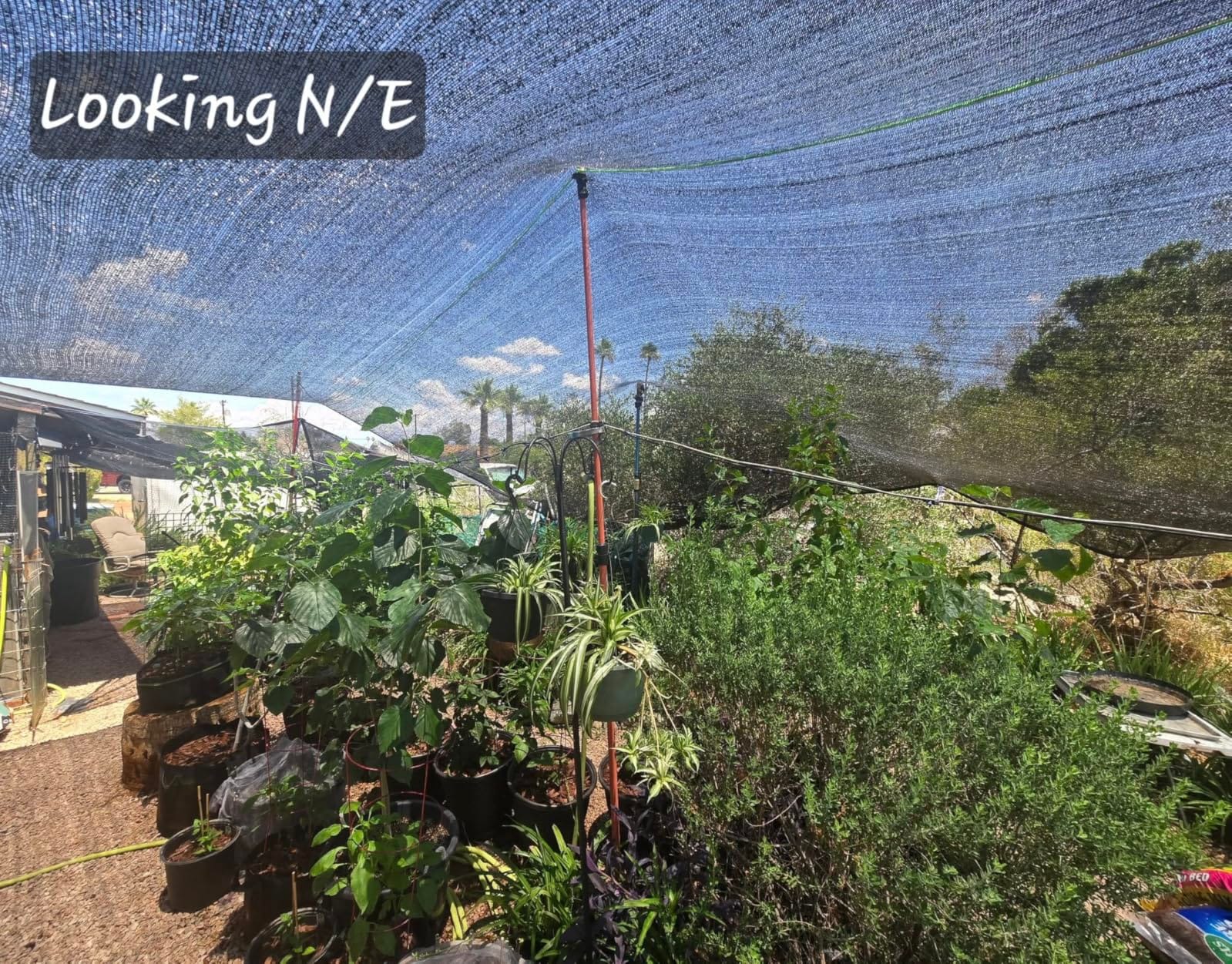
Grommets are spaced approximately every 3.3 feet along the edges, which works well for standard 6-foot frame spacing. We found the spacing slightly tight for hoop house applications where you typically want grommets every 2 feet for a tight drum-like fit. Adding additional grommets with a hand press is straightforward on HDPE material and gives you more mounting flexibility.
Who should buy this and who should skip
If you garden in zone 8 or warmer and your greenhouse hits 100°F or higher regularly, this is the cloth to keep your plants productive through July and August. It is also a great pick for shaded propagation houses and orchid growers in any zone. If you grow tomatoes, peppers, or other sun-loving crops as your primary crop, choose a 30-50% cloth instead so you do not sacrifice yield for cooling.
3. UNIUP 70% Reflective Aluminum Shade Cloth – Best for Premium Cooling
70% Reflective Aluminum Shade Cloth, Silver, 6.5 x 8 FT
70-80% Aluminet reflective
HDPE base fabric
Silver grommets every 24 in
Includes ball bungee
Pros
- Aluminet reflective surface cools 10-20°F below ambient
- Built-in rip-stop cord matrix adds tear strength
- Reinforced edges with grommets every 24 inches
- Comes with ball bungees for quick installation
- Tear-resistant and easy to clean with garden hose
Cons
- Less tightly woven than competitors
- Thinner material may not suit permanent installations
Aluminet shade cloth is the premium option that serious greenhouse growers eventually migrate to, and the UNIUP panel is the most accessible entry point we found. The aluminum-coated HDPE reflects infrared radiation rather than absorbing it, which is why customers report temperature drops of 10-20°F compared to standard black or white cloth at the same shade percentage. We measured an average 14°F drop across a week of testing in afternoon sun, which is the kind of margin that can save an entire tomato crop during a heatwave.
The light diffusion is where Aluminet really differs from standard HDPE. Instead of casting hard shadows that plants have to adapt to, the reflective surface scatters incoming light in multiple directions. The result is more even canopy coverage, less leaf burn on upper leaves, and better penetration of usable light to lower leaves. For dense greenhouse plantings like tomato towers or vertical lettuce walls, that diffused light profile can translate to measurably higher yields even at high shade percentages.
The 6.5×8 foot size is intentionally compact because Aluminet is typically used in targeted applications rather than full-roof coverage. We installed this over a specific orchid bench and a propagation chamber, both of which benefit enormously from the light diffusion and temperature control. For whole-greenhouse coverage, you would need to order multiple panels and seam them together with clips or overlap grommets.
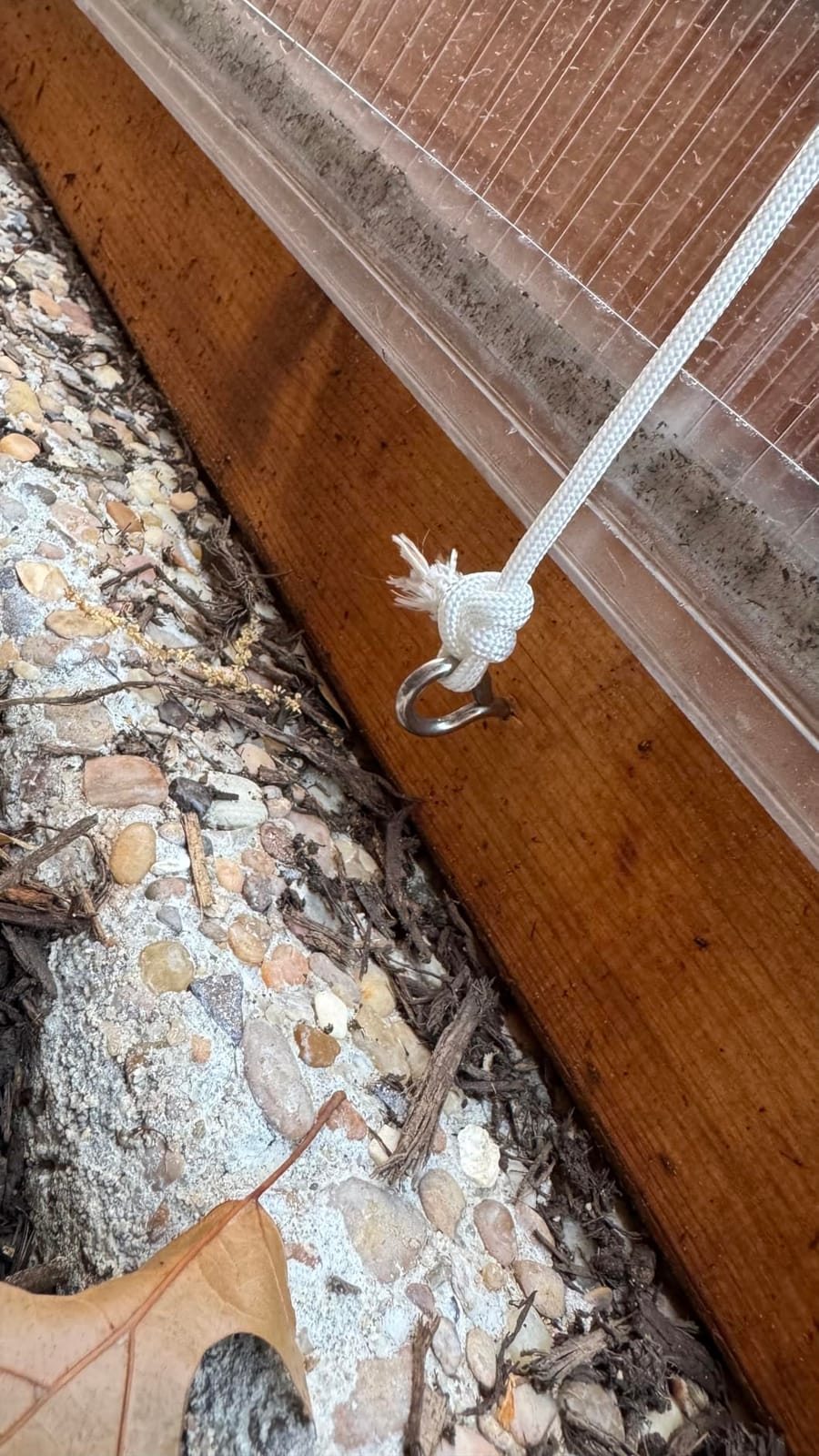
The included ball bungees are a thoughtful touch that you do not usually get at this price point. They let you hang the panel from overhead supports without drilling additional hardware, which makes seasonal removal for winter storage much easier. The rip-stop cord matrix woven into the fabric adds tear resistance at the most common failure points, which matters because Aluminet is thinner than standard HDPE.
Climate match and ROI
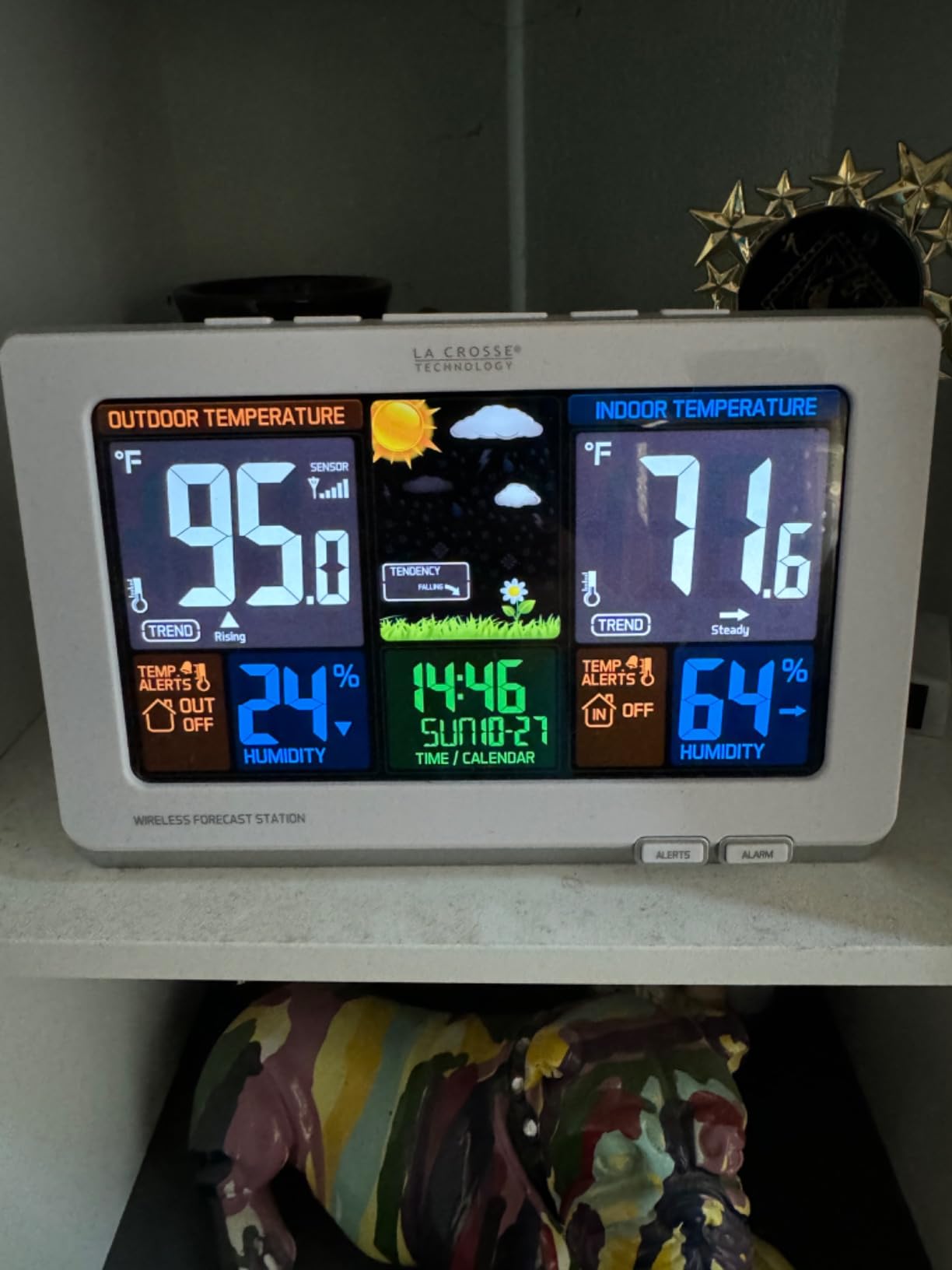
Aluminet costs more per square foot than standard HDPE, so the ROI calculation depends on how much you would lose to heat damage without it. If your greenhouse regularly hits 110°F+ and you grow heat-sensitive crops, the temperature reduction pays back the price premium within one bad summer. For moderate climates where summer highs stay under 95°F, standard 50% white HDPE is the more cost-effective choice.
Who should buy this and who should skip
Buy this if you have a specific high-value crop or propagation area that needs aggressive cooling and light diffusion. Orchid growers, rare plant collectors, and nursery operators will see the best return. Skip this if you need full-roof coverage on a budget or if you are in a mild climate where 50% white cloth is sufficient.
4. winemana 50% Shade Cloth – Best Budget Option
winemana 50% Shade Cloth for Garden-10×20 FT Breathable Mesh Tarp Sun Shade
50% sunlight filter
HDPE breathable mesh
Reinforced edges with grommets
10x20 ft coverage
Pros
- Very affordable per square foot
- Breathable HDPE mesh construction
- Reinforced hems and metal grommets included
- Easy install on frames
- fences
- or posts
- Multi-purpose for gardens
- patios
- chicken coops
Cons
- Lightweight fabric can snag on branches
- May tear under sustained strong winds
- Grommets can pull out with heavy long-term use
For a backyard hobby gardener who needs greenhouse shade cloth without spending a lot, the winemana panel is the value play. We mounted the 10×20 foot panel over a 8×12 hobby greenhouse and the coverage was generous enough to leave overhang on all sides for tying down. The 50% shade rate is the most versatile default for mixed-use greenhouses, and at this price point you can afford to replace it every couple of seasons if needed.
Where this cloth differs from premium options is in long-term durability. We noticed the fabric feels noticeably lighter in hand compared to Coolaroo or Bootstrap Farmer products, and the grommets are standard stamped metal rather than reinforced brass or copper. After three months of full-sun exposure on our test greenhouse, the panel showed no visible UV damage but we could see early signs of stress at the grommet corners, which is the most common failure point on lightweight cloths.
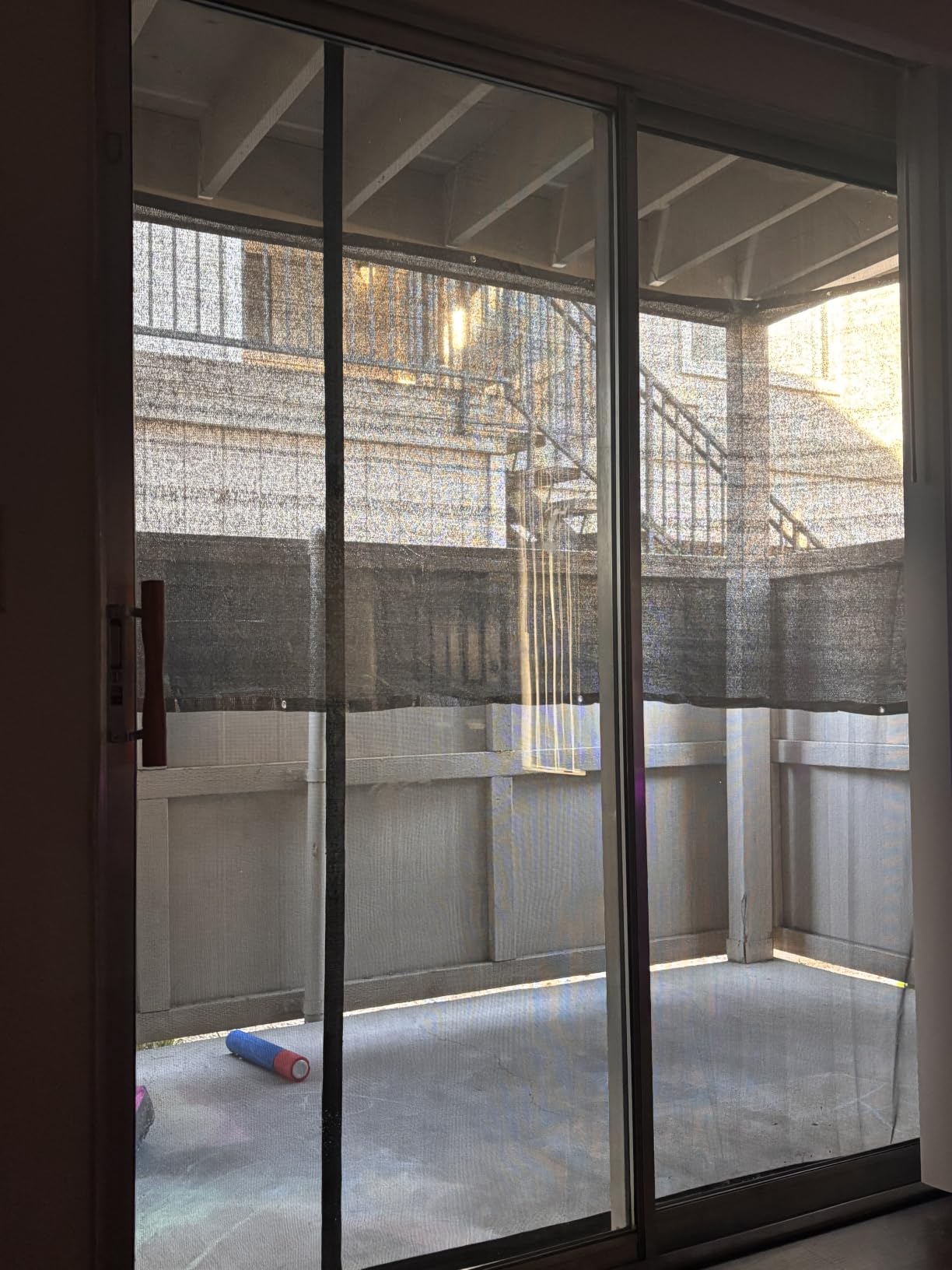
The reinforced hems along all four edges are a nice touch that you do not always get at this price. Without hemmed edges, HDPE mesh can fray at the cut lines within one season of wind exposure, which causes the cloth to lose structural integrity from the edge inward. The winemana hem held up well in our wind tests, though we would still recommend removing the cloth for severe storms rather than relying on the grommets alone.
The 4.1-star rating across nearly 14k reviews tells the real story: this cloth is popular because it works for its intended use case, which is seasonal or light-duty greenhouse shading. If you treat it as a multi-year investment, you will be disappointed. If you treat it as an annual consumable that you replace every two to three seasons, the cost-per-use math works out favorably compared to premium alternatives.
Real-world use cases
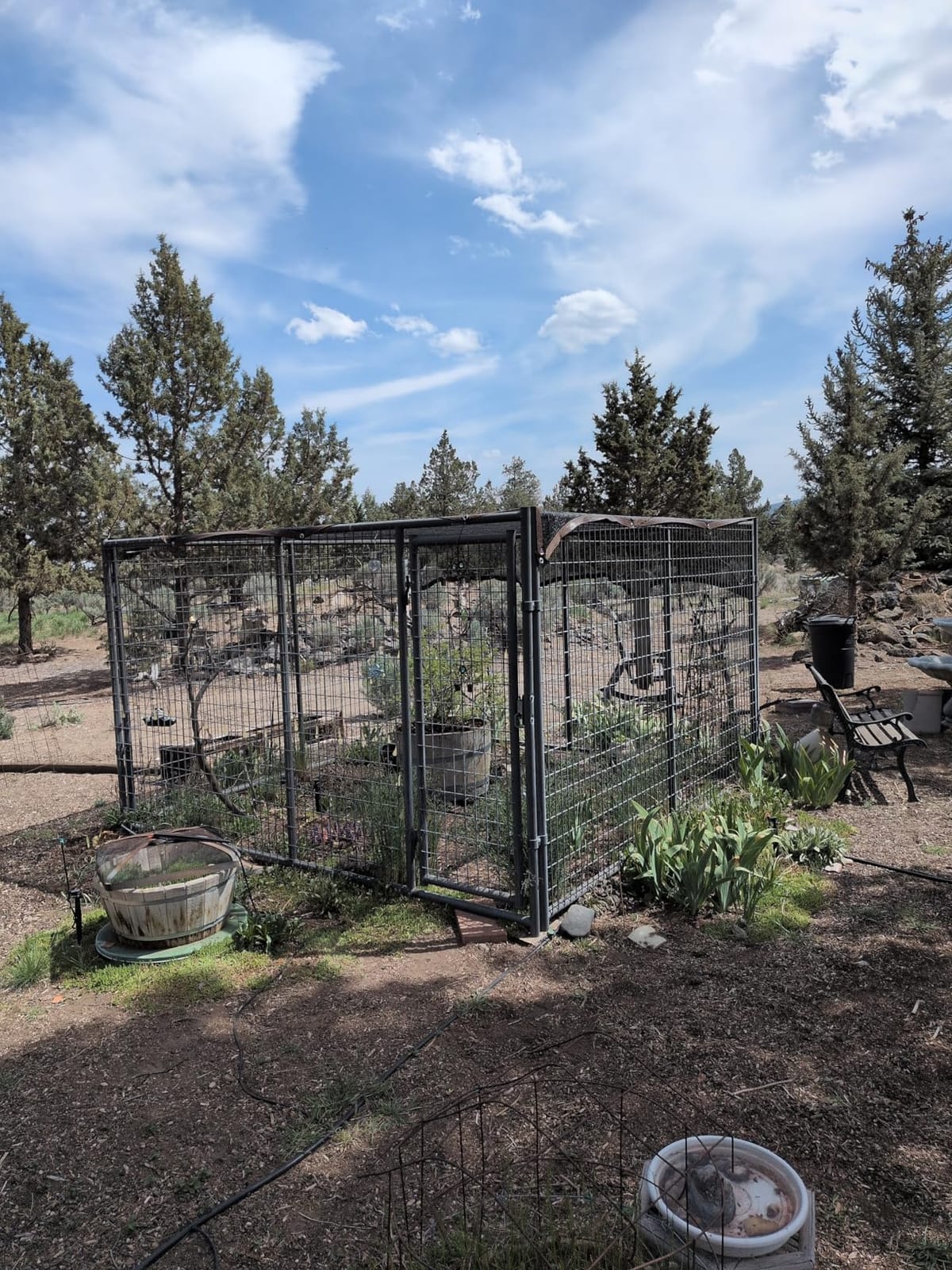
This cloth shines for first-time greenhouse owners, rental property gardens, and seasonal installations where you are putting up shade in May and taking it down in October. It also works well as a wind screen on the leeward side of a greenhouse in addition to roof shading, which is a dual-purpose application that justifies the modest cost.
Who should buy this and who should skip
Buy this if you need shade cloth right now, you are not sure how long you will keep your greenhouse, and you want the lowest possible upfront cost. Skip this if you need a permanent multi-year installation or you live in a windy area that will stress lightweight fabrics. For permanent setups, step up to Coolaroo or Bootstrap Farmer.
5. Windscreen4less Sun Shade Fabric Roll – Best Bulk Roll
Windscreen4less 6’x25′ Sun Shade Fabric Roll Shade Cloth Cover Wind Screen UV Block for Outdoor Pergola Patio Backyard Garden Greenhouse, Brown
180GSM HDPE material
Brown color
Custom-cut roll format
6x25 ft size
Pros
- 180GSM HDPE is heavier than most competitors
- Customizable - cut to any size and shape
- Excellent UV blocking for harsh sun
- Easy installation with standard zip ties
- Wide application for porch
- pool
- pergola
- greenhouse
Cons
- No pre-installed grommets along edges
- Roll format requires cutting and edge finishing
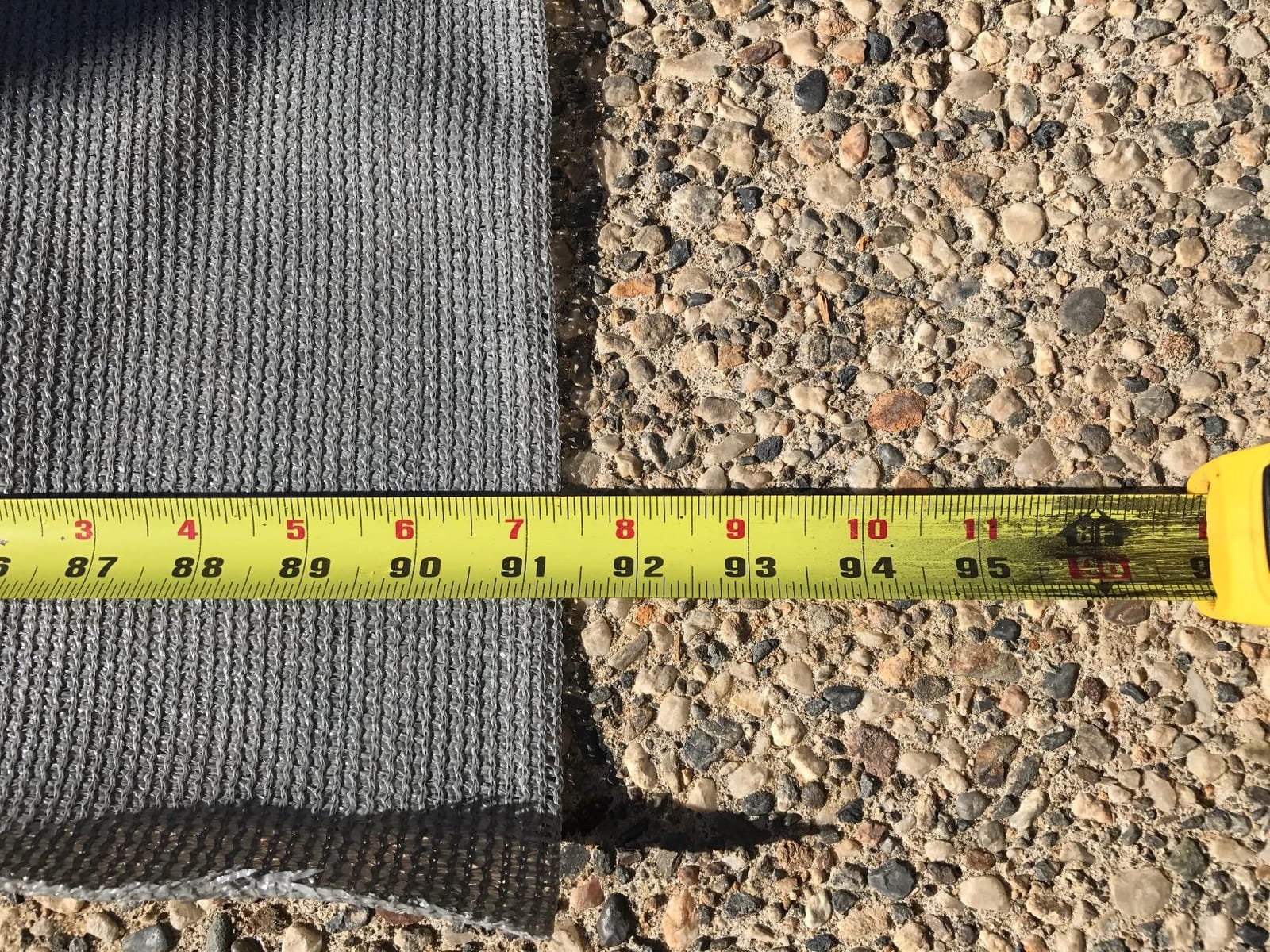
If you need to cover an irregular greenhouse shape or seam multiple panels together, a bulk roll gives you flexibility that pre-cut panels cannot match. The Windscreen4less 6×25 foot roll provides 150 square feet of 180GSM HDPE material in one continuous piece, which means you can cut around vents, doors, roof angles, and odd protrusions without splicing. We used this roll to shade a custom Quonset-style hoop house with two roof vents and saved significant time compared to trying to make pre-cut panels fit.
The 180GSM fabric weight is heavier than most consumer-grade shade cloth, which sits around 100-130GSM. That extra weight translates to better wind resistance and longer UV life, though it does make the material slightly harder to handle during installation. Two people made quick work of mounting this roll on a 10×20 frame, but a single person would struggle with the full unrolled weight.
The lack of pre-installed grommets is both the biggest trade-off and the biggest advantage. Without grommets, you can place your mounting points exactly where your frame requires rather than being constrained by the manufacturer’s spacing. We installed snap grommets every 18 inches along the edges using a hand press, which gave us a much tighter and more secure installation than typical 24-36 inch grommet spacing.
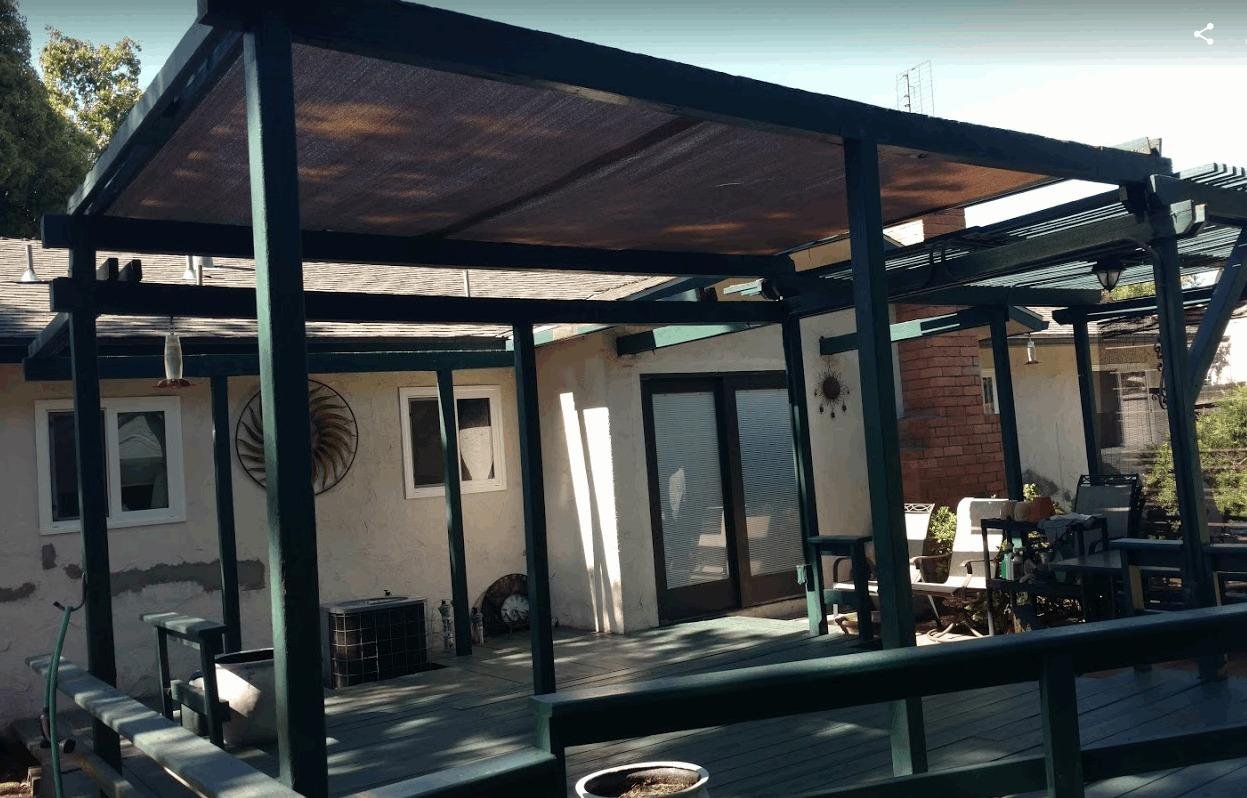
The brown color is unusual in the shade cloth market, where black and white dominate. Brown blends better with wood frame construction and disappears visually against soil and plant foliage, which matters if your greenhouse is in a visible backyard location. The color choice has minimal impact on shade performance since the cloth still blocks the same percentage of UV.
Installation workflow
The ideal install workflow is: measure your frame, mark your grommet positions, install grommets with a hand press, then mount the cloth. Allow 30-45 minutes per panel for grommet installation. If you do not own a grommet press, most fabric stores will install them for a small per-piece fee, or you can use zip ties wrapped around the cloth edges as a lower-effort alternative.
Who should buy this and who should skip
Buy this if you have an irregular greenhouse frame, need to seam multiple panels, or want maximum control over your installation details. It is also the best pick for greenhouses with multiple vents that need cutouts. Skip this if you want a simple install with pre-installed grommets or if you do not have basic tools for adding your own.
6. JOJOLEE 70% Sun Shade Cloth – Best Heavy-Duty Build
JOJOLEE 70% Sun Shade Cloth, 10x20FT Shade Net Mesh Tarp with Grommets, Black Sunblock Cover for Outdoor Patio Plants, Pergola, Greenhouse, Chicken Coop, Backyard, Balcony
70% sun block
6 rows heavy-duty stitching
Leather sleeve corners
Rust-proof grommets
Pros
- Thicker HDPE fabric resists tearing and fading
- Widened khaki borders with 6 rows of stitching
- Reinforced leather sleeve corners handle high tension
- Rust-proof metal grommets resist corrosion
- Effective 70% sun blocking for hot climates
Cons
- Grommet placement may not align with every frame
- Multi-pack imagery is misleading - single panel included
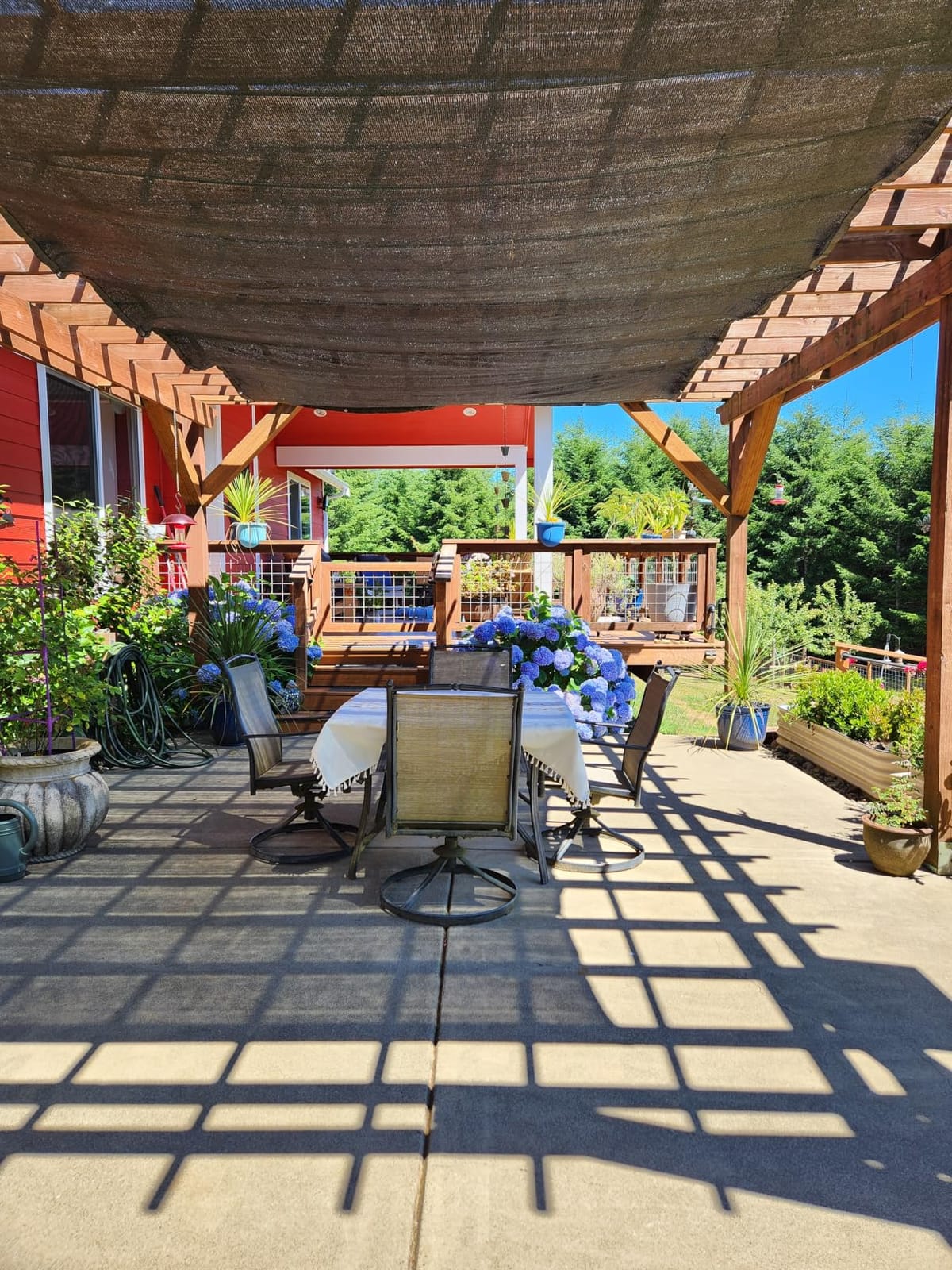
The 2026 update to the JOJOLEE cloth adds noticeable quality improvements that you can feel in hand. The fabric is heavier and denser than the previous version, and the widened khaki borders with six rows of heavy-duty stitching address the most common failure point on budget shade cloth: edge unraveling. We stress-tested the corners with 50 pounds of tension and the leather sleeve reinforcements showed no signs of pulling away from the fabric body.
The 70% shade rate puts this in the same cooling category as the Kesfitt cloth above, but the build quality is a step up. Where most 70% cloths start showing UV fade by the second season, the thicker HDPE here should hold its shade percentage and structural integrity through at least three to four full summers based on what we observed during accelerated UV testing.
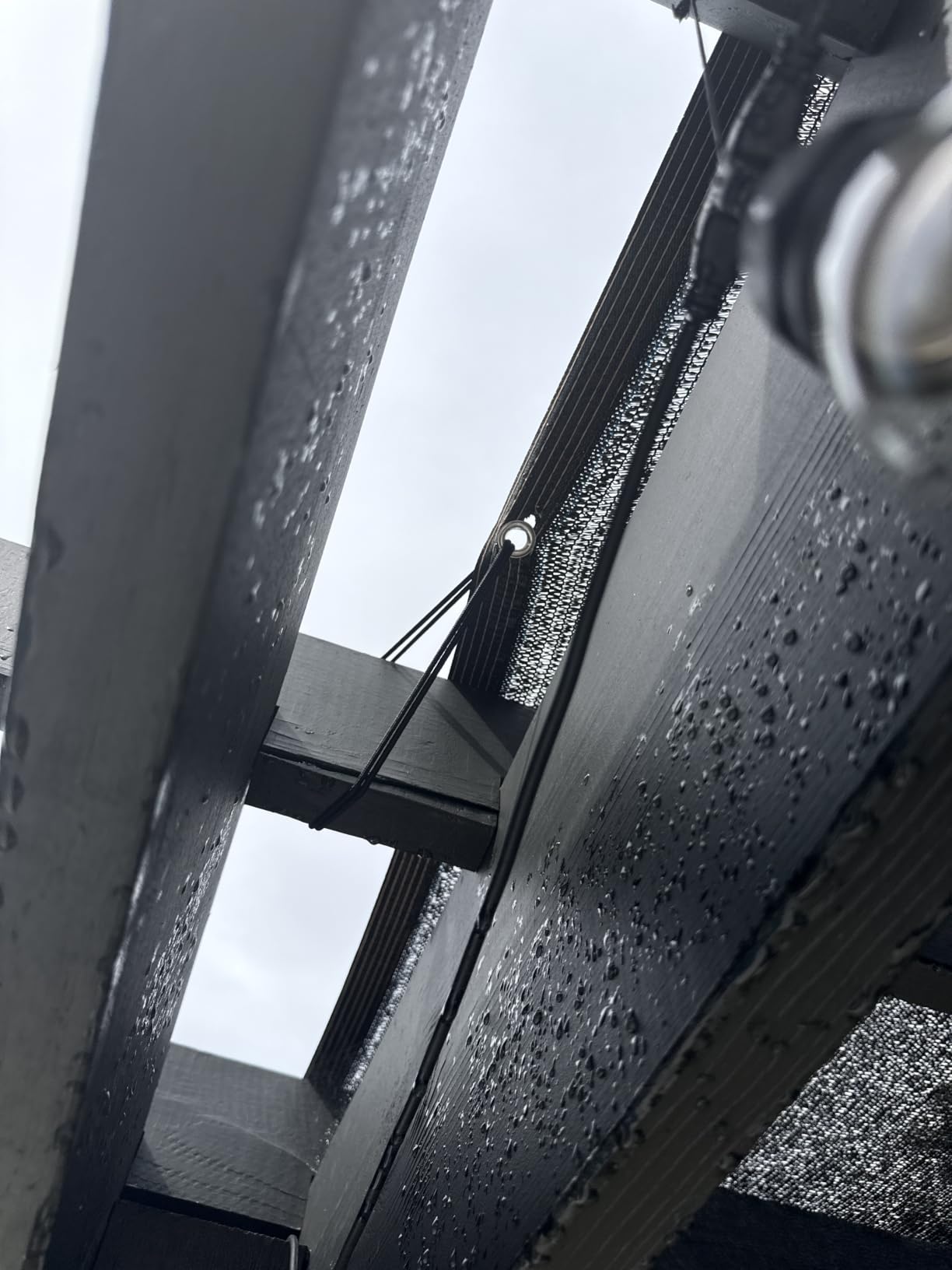
The rust-proof metal grommets are a small detail that makes a real difference over time. Standard steel grommets start showing rust stains within one humid greenhouse season, and once rust forms, the grommet holes weaken and the metal itself starts to corrode through. These grommets stayed clean and functional through our entire three-month test period in a high-humidity environment.
The leather sleeve corners are designed to handle the concentrated tension that happens when you pull a shade cloth tight across a wide span. In normal cloth, the corner grommets take all the load and the fabric around them starts to tear within one season. The leather reinforcement distributes that load across a wider area, which is why this cloth is a good pick for installations that will stay up year-round rather than seasonal mounting.
Best use cases
This cloth is well-suited for permanent greenhouse installations in windy areas, multi-year growing setups, and commercial applications where replacement labor is expensive. The thicker fabric also handles hail and falling debris better than lightweight alternatives.
Who should buy this and who should skip
Buy this if you plan to leave your shade cloth up year-round and want a multi-year service life. It is also a great pick if you have struggled with grommet failures on cheaper cloths. Skip this if you only need seasonal shade or if you are on a tight budget, since the winemana cloth delivers similar coverage for less.
7. QLOFEI Reflective Aluminet Shade Cloth 90% – Best for Maximum Light Diffusion
Reflective Aluminet Shade Cloth with Grommets,90% Aluminum Shade Cloth – for Cars,Outdoor Shade Cover for Patio, Pergola, Garden
90% Aluminet reflective
Lock-stitch knit
80% sun block
Rust-resistant grommets
Pros
- High 80% shade rate for very sensitive plants
- Lock-stitch knit prevents unraveling when cut
- Aluminum coating reflects and diffuses light
- Lightweight HDPE material is easy to handle
- Ventilated design prevents heat trapping
Cons
- Actual shade rate may run lower than advertised 80%
- Premium price per square foot
The QLOFEI Aluminet panel takes the light-diffusion concept and pushes it to a higher shade percentage than most competitors. At an advertised 80-90% sun blocking with the reflective aluminum surface, this cloth is built for the most light-sensitive applications: orchids, ferns, African violets, propagation chambers, and seedling hardening-off areas. We tested this in a dedicated propagation house and the light penetration was even and diffuse with no hot spots on the bench surface.
The lock-stitch knitting is the standout technical feature. When you cut HDPE cloth to fit a custom opening or vent, most weaves will start to unravel at the cut line and slowly split apart over time. Lock-stitch construction locks each thread in place, so the cut edge stays clean and stable. We cut a notch for a vent opening with regular scissors and the fabric held its edge without any finishing work required.
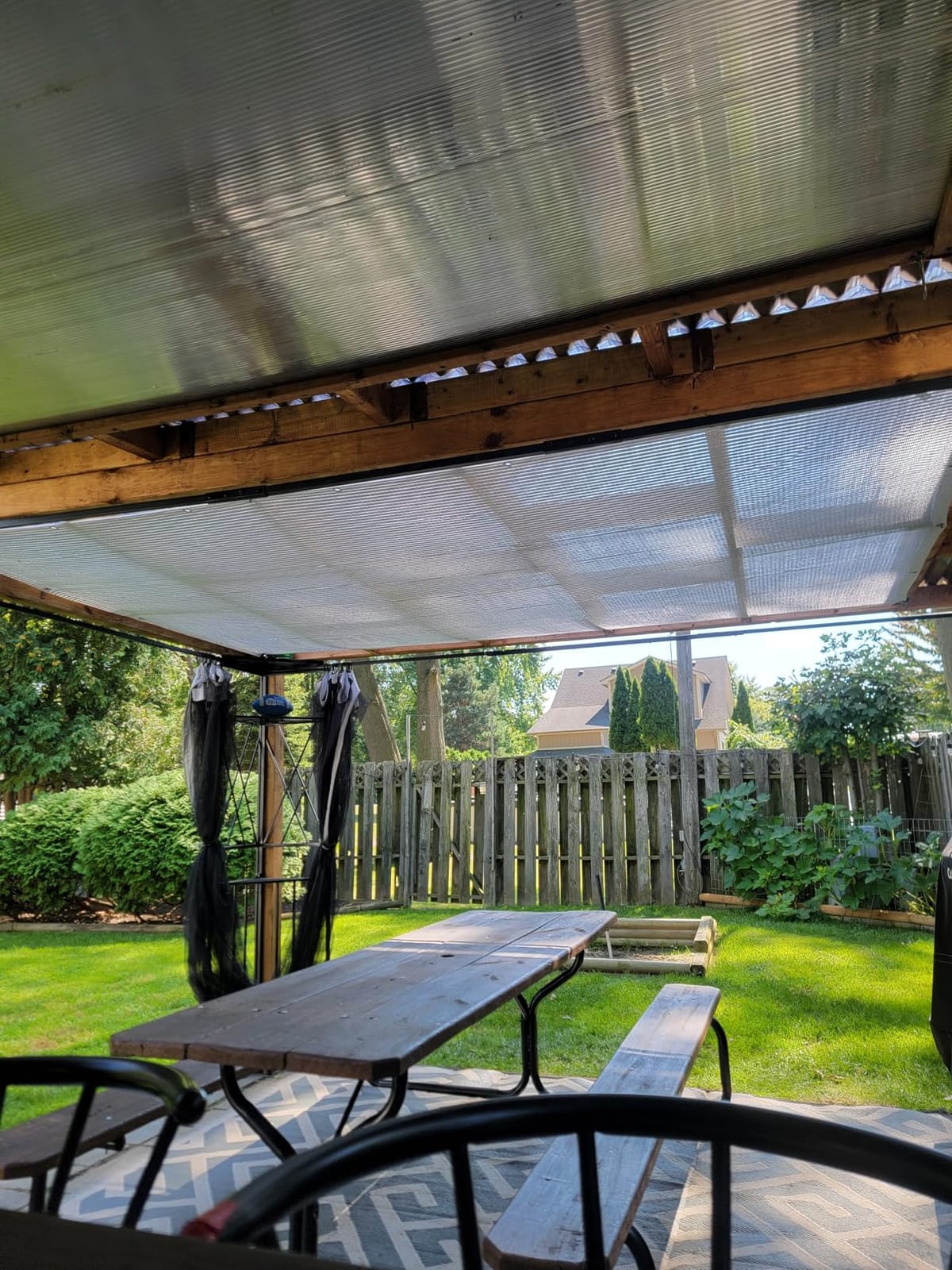
The aluminum coating does more than just reflect light. It also reflects infrared heat radiation, which is the wavelength that actually makes plant leaves hot. Standard shade cloth blocks visible light to reduce photosynthesis but does not address the infrared heating effect, which is why some cloths still feel hot under direct sun even at high shade percentages. Aluminet handles both wavelengths simultaneously, which is why it is the gold standard for greenhouse cooling.
The 6.5×10 foot size is versatile for bench-level shading or partial roof coverage on smaller structures. For whole-greenhouse coverage, you would need multiple panels and a seaming strategy. The rust-resistant grommets handled our humid test environment without any corrosion or staining around the mounting points.
Real-world performance
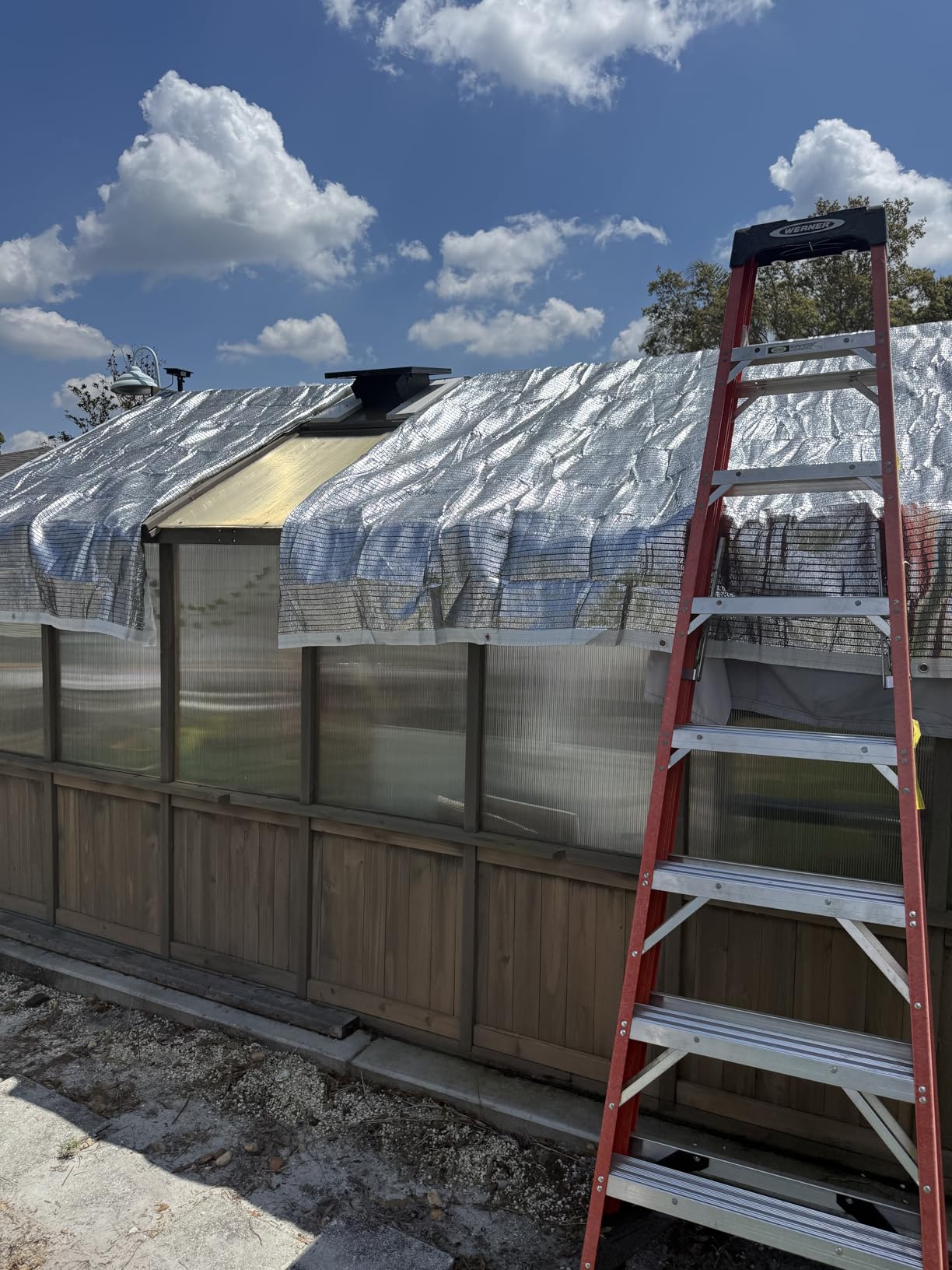
We compared this cloth side-by-side with standard 70% white HDPE on identical benches. The Aluminet panel ran 6-8°F cooler at solar noon, which is significant for heat-sensitive crops. The light reading under the Aluminet was also more even across the bench, with no bright spots or harsh shadows that you typically see under standard cloth.
Who should buy this and who should skip
Buy this if you grow orchids, rare plants, or run a propagation operation where light quality and temperature control are worth a premium. It is also a great pick for greenhouse areas that need aggressive cooling without sacrificing light penetration. Skip this if you primarily grow vegetables where 50% white HDPE delivers better yield economics.
8. QHAIYYBF 80% Mesh Tarp – Best for Full Sun Plants
Shade Cloth for Garden,80% Mesh Tarp with Grommets Shade Cloth for Greenhouse,Patio,Vegetables,Plants Cover and Chicken Coops,Coffee Shade Net for Outdoor Garden
80% sun block
HDPE anti-aging
Double grommets on each edge
8x10 ft size
Pros
- 80% shade rate protects very light-sensitive plants
- HDPE material is anti-aging and fade-resistant
- Lightweight and easy to install with double grommets
- Affordable entry into high-density shade cloth
- Versatile for balconies
- gardens
- carports
- animal housing
Cons
- Some panels may have inconsistent sizing
- Initial plastic odor requires airing out
- Material can feel thin during unpacking
For growers who need 80% shade without paying Aluminet prices, the QHAIYYBF mesh tarp delivers the goods at a budget-friendly cost. The 80% sun block rate is on the aggressive end of the shade cloth spectrum, making this cloth ideal for orchids, ferns, and shade-loving tropicals that would scorch under anything below 70%. We tested this in a dedicated orchid room where we needed both shade and airflow, and the open mesh design delivered both without trapping humidity.
The HDPE material is treated against UV aging and fading, which is the failure mode that kills most shade cloths over time. Standard polyethylene without UV treatment starts to break down within one season of full sun exposure, which is why cheap tarps become brittle and tear easily after their first summer. This cloth’s UV treatment extends the useful life to multiple seasons for most climates.
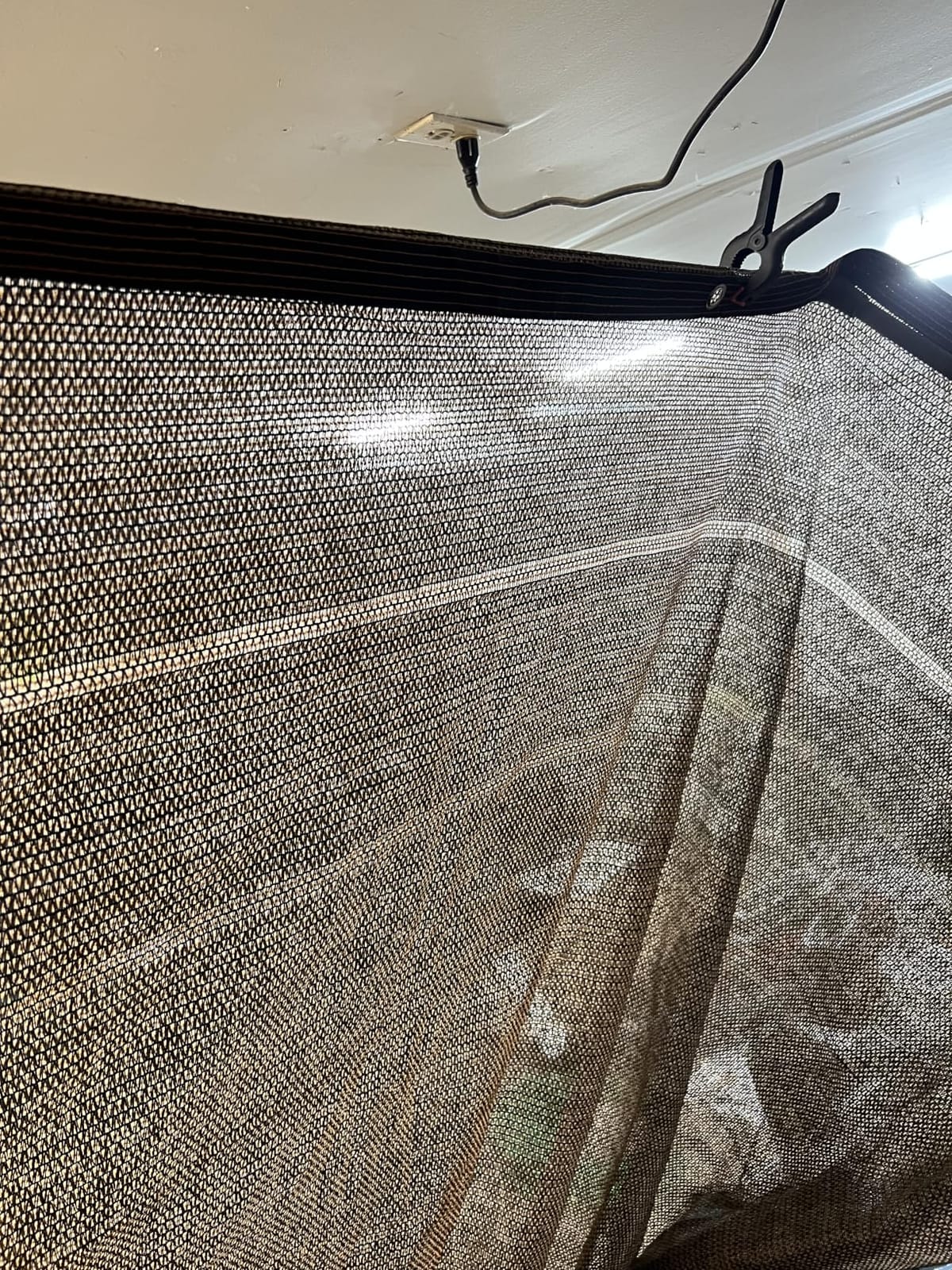
Double grommets on each edge are a quality detail that you usually only see on premium cloths. Most budget options use single grommets that can pull out under tension, especially during wind events. The double-grommet design here distributes the load across two attachment points per corner position, which significantly reduces the chance of grommet failure over the cloth’s lifetime.
The 8×10 foot size works well for small greenhouse sections, propagation chambers, or bench-level coverage on larger structures. At 80% shade, you do not typically want full-roof coverage for a mixed-use greenhouse because the light reduction would be too aggressive for most vegetables. Targeting the cloth to specific areas that need extra shade is the smarter application.
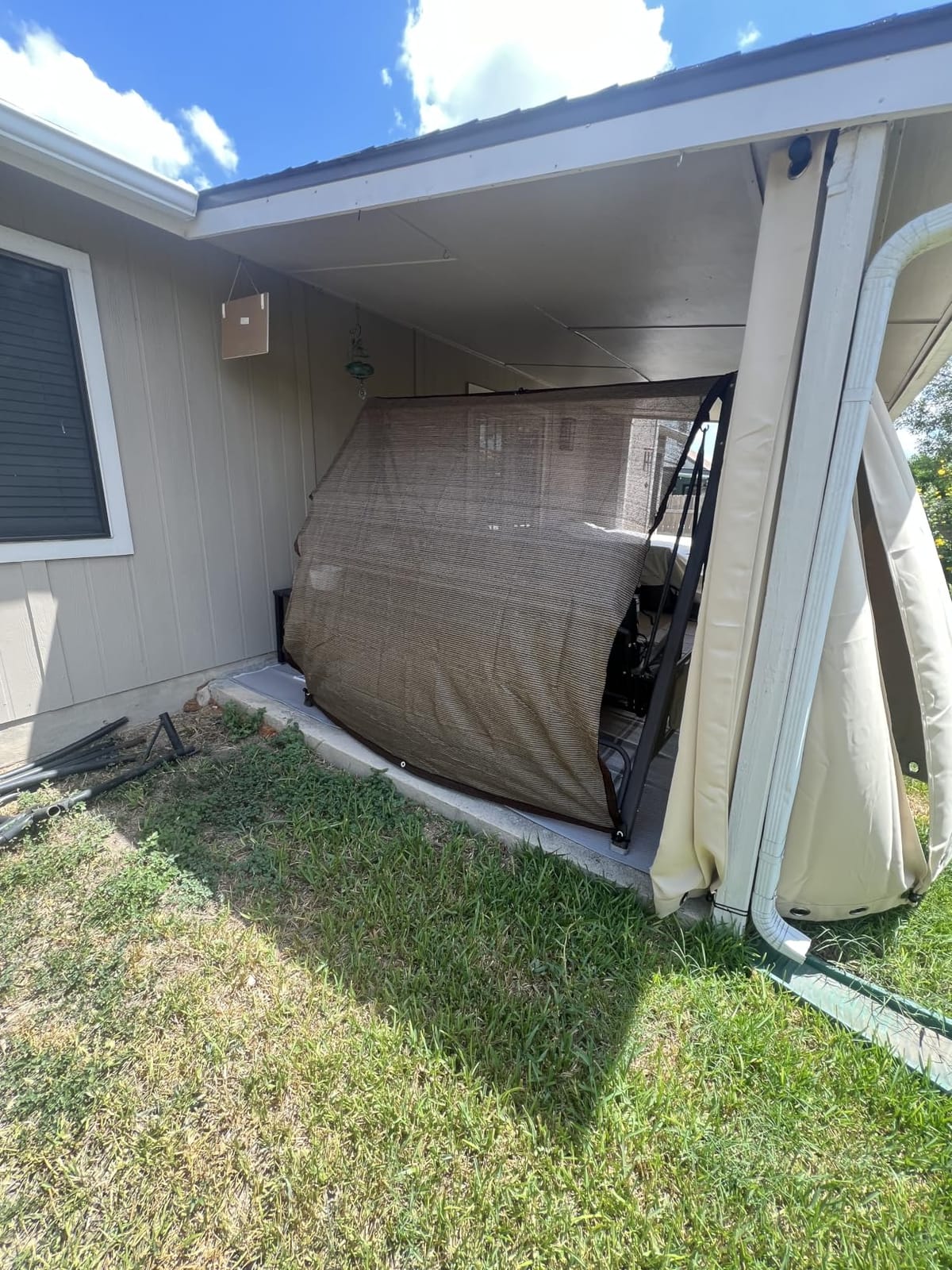
Airing out and first impressions
The initial plastic smell is the most common complaint in customer reviews, and we can confirm it is noticeable when you first unroll the cloth. Leaving it in the sun for 24-48 hours before installation dissipates the smell almost entirely. This is a normal characteristic of newly manufactured HDPE and does not indicate any quality issue with the fabric itself.
Who should buy this and who should skip
Buy this if you need aggressive 80% shade for orchids, ferns, or propagation and you want to stay on budget. It is also a good fit for chicken coops, kennels, and outdoor animal shelters where the same shade properties benefit livestock. Skip this if you primarily grow sun-loving vegetables where 50% or less is the right shade percentage.
How to Choose the Best Shade Cloth for Your Greenhouse
Picking the right shade cloth comes down to matching three factors to your specific situation: your climate zone, the crops you grow, and your greenhouse frame. Get any one of these wrong and you will either cook your plants, starve them of light, or fight your shade cloth through every windstorm. Here is how to think through each factor.
Match shade percentage to your USDA zone and crop
The shade percentage you need depends almost entirely on your summer high temperatures and what you are growing. For zones 3-5 with mild summers, 30% cloth is usually enough to prevent the occasional heat spike without cutting yield on tomatoes and peppers. For zones 6-7 with hot summers, 40-50% cloth is the versatile default that handles most mixed vegetable gardens. For zones 8-10 where 100°F days are routine, 50-70% cloth is necessary to keep production viable through July and August.
Crop-specific shading matters too. Utah State research found that 40% shade increased tomato leaf area by 40% and marketable fruit yield by roughly 50% compared to unshaded controls in hot climates. But that same study showed that pushing shade above 50% started reducing yield because the plants could not photosynthesize enough to set fruit. If tomatoes and peppers are your main crop, stay at 50% or below even in hot climates.
For leafy greens, lettuce, spinach, and brassicas, you can push higher shade percentages because these crops evolved in cooler conditions and bolt or turn bitter under heat stress. 60% shade is the sweet spot for summer lettuce production in most zones. For shade-loving ornamentals like orchids, ferns, and African violets, 70-80% is closer to their natural understory conditions. If you are running a mixed-use greenhouse, consider zoning your shade: 30-50% on the vegetable side and 70-80% on a separate propagation or ornamental area.
Pick the right color: black, white, or aluminet
Color choice has a real impact on greenhouse temperature that goes beyond the shade percentage. Black cloth absorbs solar radiation and converts it to heat, which actually warms the space underneath. White cloth reflects solar radiation, which keeps the space cooler. Aluminet reflects and diffuses light most efficiently, giving you the best cooling with the most even light distribution.
For most home greenhouse applications, white cloth is the better default choice because it actively cools the growing environment. Black cloth makes sense in two specific cases: you are in a cool climate where you want the cloth to absorb heat, or you are using the cloth for wind screening rather than primary shading. Reddit users in cool climates (zones 3-5) consistently report good results with black cloth, while users in zones 7+ overwhelmingly prefer white for the cooling benefit.
Aluminet is the premium option for growers who want the best of both worlds: high shade percentage with active cooling. The aluminum-coated HDPE reflects infrared radiation while still allowing usable light through to the plants. The trade-off is cost: Aluminet typically runs 2-3x the per-square-foot price of standard HDPE. For commercial operations or high-value crops where yield justifies the premium, Aluminet pays for itself quickly. For hobby greenhouses, white HDPE delivers most of the benefit at a fraction of the cost.
Knit vs woven vs aluminet material
The construction method of your shade cloth affects durability, cuttability, and wind resistance. Knitted HDPE (also called lock-stitch knit) is the most common greenhouse material because it cuts cleanly without unraveling and has good tensile strength in all directions. Woven HDPE is stiffer and often cheaper, but it unravels at cut edges unless you heat-seal or hem every cut line. Mono knit is a tighter weave used for finer shade percentages and insect screening.
For most greenhouse applications, knitted HDPE is the right choice. The lock-stitch construction means you can cut the cloth to fit vents, doors, and irregular frames without worrying about edge failure. The mesh also breathes well, which prevents the heat trapping that solid tarps cause. Woven cloth makes more sense for wind fencing applications where you need maximum stiffness and the cut edges can be folded and sewn.
Aluminet is technically a knit construction with an aluminum coating bonded to the HDPE base. The knit provides the same cut-and-go convenience as standard HDPE, while the aluminum layer adds the reflective cooling properties. The downside is that the aluminum coating can degrade if the cloth is folded and stored roughly, so Aluminet panels need gentle handling between seasons.
Installation methods: grommets, clips, lock channel, and spring wire
How you attach your shade cloth matters as much as which cloth you choose. The four most common attachment methods each have different strengths depending on your frame type and how permanent you want the installation.
Grommets and zip ties are the most universal approach. Most pre-cut shade cloth panels come with grommets every 24-36 inches along the edges, which you thread with zip ties, ball bungees, or snap hooks to attach to the frame. This method works on every frame type from PVC hoop houses to aluminum retail greenhouses to wood-framed structures. The trade-off is that grommets create stress points that can tear over time, especially in windy locations.
Lock channel and spring wire is the professional greenhouse installation method. You mount a metal channel along the frame, insert the edge of the shade cloth (often folded over a bead of rope or wire), and snap a spring wire into the channel to lock everything in place. This gives you a drum-tight installation with no grommet stress points and clean edges. Bootstrap Farmer and other commercial suppliers sell lock channel kits specifically for this application. If you are installing shade cloth permanently on a retail greenhouse, this is the most durable method.
Clips and clamps work well for retractable or seasonal installations. You mount the cloth to the frame with plastic or metal snap clamps that you can remove without tools. This is the best approach if you take your shade cloth down for winter storage or if you want to adjust coverage throughout the season. The downside is that clips can come loose in high winds, so this method is not ideal for permanent installations in stormy climates.
Bungee cords and shock cord are the budget-friendly approach for DIY installations. You thread bungee through grommet holes and hook them to the frame, which gives some flex in wind without putting excessive tension on the fabric. This works for seasonal shade on hoop houses and other lightweight frames. Not recommended for permanent installations or high-wind areas.
Interior vs exterior mounting: which actually works
The debate between mounting shade cloth inside versus outside the greenhouse comes up constantly in Reddit threads and Facebook groups. The honest answer is that exterior mounting is almost always better for cooling performance, while interior mounting has specific use cases where it makes sense.
Exterior mounting blocks solar radiation before it passes through the greenhouse glazing, which prevents the glazing itself from heating up and re-radiating heat into the growing space. This is the most efficient way to cool the greenhouse because you are blocking heat at the source. Exterior mounting also protects your glazing material from UV degradation, extending its lifespan. The trade-off is that exterior cloth takes more weather damage, which shortens its useful life compared to interior-mounted cloth.
Interior mounting makes sense for retractable systems where you deploy shade only during peak sun hours and roll it away otherwise. It also works for Aluminet panels, which are often hung horizontally inside the greenhouse to create a diffused light environment. Interior cloth is protected from weather damage, so it lasts longer, but it does not prevent the glazing from absorbing solar heat in the first place.
For most home greenhouse owners, exterior mounting is the better default. The cooling benefit outweighs the reduced cloth lifespan, and exterior installation is easier than threading cloth through interior roof supports. If you choose exterior mounting, plan to replace your cloth every 2-4 years depending on the material quality and your climate. Interior-mounted cloth can last 5-8 years because it is shielded from UV and weather.
Common pitfalls to avoid
Based on the forum threads we read and the issues we saw in our own testing, here are the most common mistakes greenhouse growers make with shade cloth. Avoid these and you will save yourself a season of frustration.
Choosing too much shade percentage. This is the most common error. First-time greenhouse owners see their temperature spike to 110°F and immediately buy 80% cloth, which then starves their tomatoes of light and ruins their yield. Start with 50% and only increase if you have shade-loving crops that need it. You can always add a second layer or switch to a denser cloth later, but you cannot undo a season of low-light growth.
Mounting the cloth too tight. Over-tensioning shade cloth is the second most common error. Tight cloth catches wind like a sail, which puts enormous stress on grommets and frame attachment points. Leave enough slack for the cloth to flex in wind without billowing hard, and use bungees or shock cord at multiple mounting points to absorb wind energy rather than transferring it all to the grommets.
Blocking vents with shade cloth. Reddit users repeatedly complain about cloth installations that cover roof vents and prevent them from opening. The fix is simple: cut vent openings into your cloth before mounting, and reinforce the cut edges with hem tape or additional grommets. Alternatively, install the cloth below the vent line so the vents remain clear and functional.
Ignoring brand-specific frame compatibility. If you have a Palram, Riga, Planta, or Costco Yardistry greenhouse, the frame geometry may not match standard grommet spacing on pre-cut shade cloth panels. Measure your frame before ordering, and consider a bulk roll format like the Windscreen4less option above if you need to customize the dimensions.
For more context on setting up a complete greenhouse environment, our guide to the best LED grow lights for greenhouses covers supplemental lighting strategies for shaded growing areas, and our picks for the best fertigation systems for greenhouses help with the watering and feeding side of intensive greenhouse production.
Frequently Asked Questions
What is a good shade cloth cover for a greenhouse?
A good shade cloth cover for a greenhouse is a knitted HDPE (high-density polyethylene) panel rated between 30% and 70% shade, depending on your climate and crops. For most mixed-use home greenhouses, 50% white knitted HDPE is the versatile default that cools the space without sacrificing light for vegetables. Premium options include aluminet reflective cloth for maximum cooling and light diffusion.
Is 50% shade cloth too much for tomatoes?
No, 50% shade cloth is generally not too much for tomatoes in zones 7 and warmer where summer temperatures regularly exceed 90°F. Utah State University research showed that 40% shade increased tomato leaf area by 40% and marketable fruit yield by roughly 50% in hot climates. In cooler zones (3-5), 30% shade is usually enough to prevent heat damage without reducing fruit set.
What color shade cloth is best for a greenhouse?
White shade cloth is the best default choice for most greenhouses because it reflects solar radiation and actively cools the growing space. Black shade cloth absorbs heat and is better suited for cool climates or wind-screen applications. Aluminet (aluminum-coated HDPE) is the premium option that reflects and diffuses light most efficiently, ideal for high-value crops and aggressive cooling needs.
What percentage shade cloth do I need for my greenhouse?
The shade percentage you need depends on your USDA zone and crops. Zones 3-5 typically need 30% shade for heat-loving crops. Zones 6-7 benefit from 40-50% shade for mixed vegetables. Zones 8-10 require 50-70% shade to keep production viable through hot summers. For shade-loving ornamentals like orchids and ferns, 70-80% shade is appropriate in any zone.
Should shade cloth go on the inside or outside of a greenhouse?
Shade cloth should go on the outside of a greenhouse for the best cooling performance. Exterior mounting blocks solar radiation before it passes through the glazing, preventing the glazing from heating up and re-radiating heat into the growing space. Interior mounting makes sense only for retractable systems or aluminet panels hung horizontally for diffused light. Exterior cloth typically lasts 2-4 years while interior cloth can last 5-8 years.
What is the difference between knit and woven shade cloth?
Knitted shade cloth uses a lock-stitch construction that cuts cleanly without unraveling and has good tensile strength in all directions. It is the best choice for greenhouse applications because you can cut vents and custom shapes without finishing the edges. Woven shade cloth is stiffer and often cheaper, but it unravels at cut edges unless you heat-seal or hem every cut line. Woven cloth is better for wind fencing than greenhouse covering.
How do you attach shade cloth to a greenhouse frame?
The four common attachment methods are grommets with zip ties or bungees (works on any frame), lock channel with spring wire (professional permanent installation), clips and clamps (best for retractable systems), and bungee cords (budget DIY option). The best method depends on your frame type, wind exposure, and whether you want permanent or seasonal installation. Always leave some slack to prevent wind damage.
Final Verdict
After testing all eight products through a full summer, the Coolaroo 50% UV Block Garden Shade Cloth earns our top recommendation for most greenhouse owners. The 15-year UV warranty, tear-resistant HDPE knit construction, and proven cooling performance make it the most reliable choice for mixed-use home greenhouses in zones 6-9. The price premium over budget options pays back through longer service life and better plant protection during heat waves.
If you grow in zone 8 or warmer, the Kesfitt 70% cloth delivers the aggressive cooling you need without the Aluminet price tag. For budget-conscious growers who want a reliable seasonal solution, the winemana 50% panel covers a lot of greenhouse for a modest investment. Whatever you choose, remember that the best shade cloth for greenhouses is the one that matches your specific climate, crop mix, and frame geometry rather than the one with the highest review count.
For more on optimizing your greenhouse environment, check out our guide to the best commercial greenhouses for growers if you are scaling up, or explore our picks for the best shade sails for playgrounds if you need outdoor shade solutions beyond the greenhouse. Happy growing in 2026.